











Goats are among the most versatile livestock animals, valued worldwide for their milk, meat, fiber, and adaptability. With breeds ranging from high-yield dairy goats to hardy meat producers and compact companion types, each offers unique characteristics suited to different environments and farming goals. Understanding these common goat breeds helps farmers, homesteaders, and enthusiasts choose the right animals for productivity, climate conditions, and overall management needs.
1. Boer goats
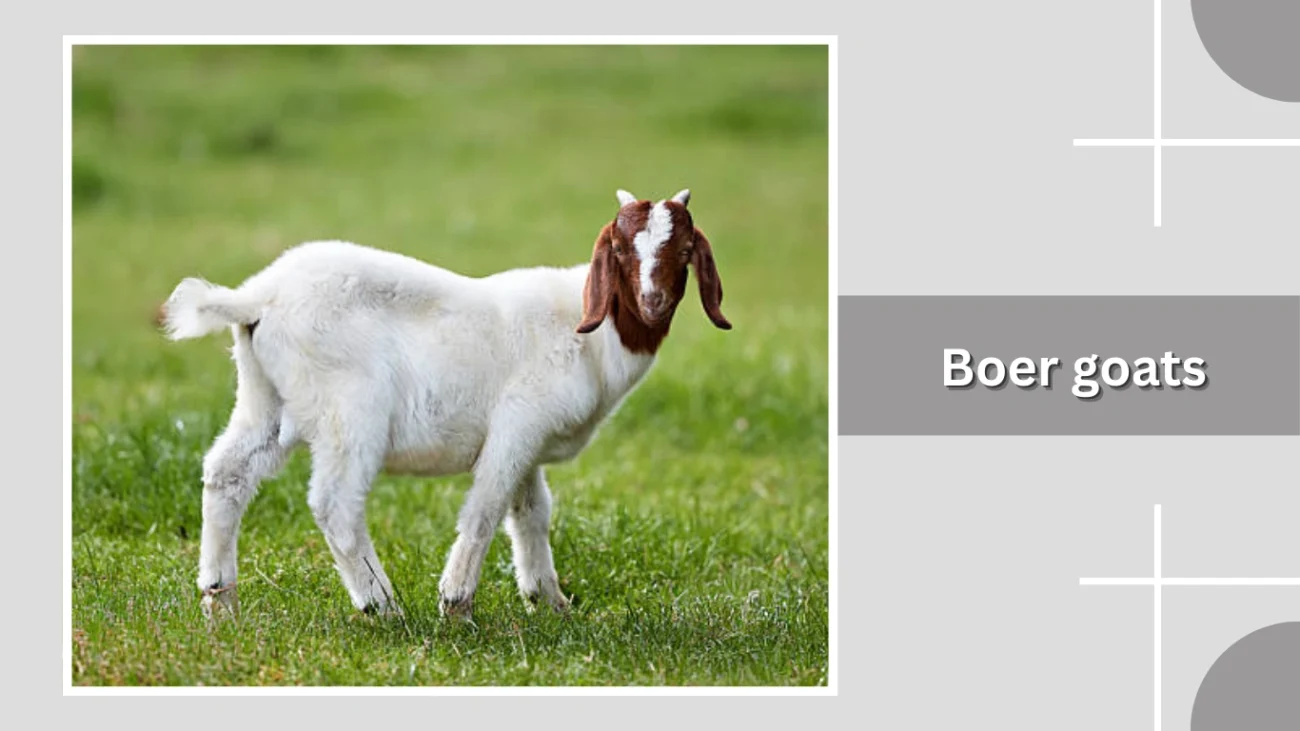
Boer goats originate from South Africa and are one of the most popular meat goat breeds in the world. Known for their rapid growth, muscular build, and gentle nature, they are highly valued in commercial and small-scale farming operations alike.
Identification
- White body with a reddish-brown head
- Long, pendulous ears
- Muscular, stocky frame
- Roman nose and strong legs
Habitat
Boer goats thrive in warm, dry climates and open pastures. They adapt well to various environments, including rangelands, semi-arid regions, and mixed farming systems where browsing and grazing are both available.
Behaviors
Boers are calm, friendly, and easy to manage. They exhibit strong maternal instincts, good flocking behavior, and a generally docile temperament, making them suitable for beginner and experienced goat keepers.
Diet
Their diet includes grasses, shrubs, forage plants, hay, and supplemental grains when needed. Boer goats are efficient browsers and can maintain good condition even on moderate-quality forage. If you’d like, I can continue with number 2 next!
2. Nubian goats
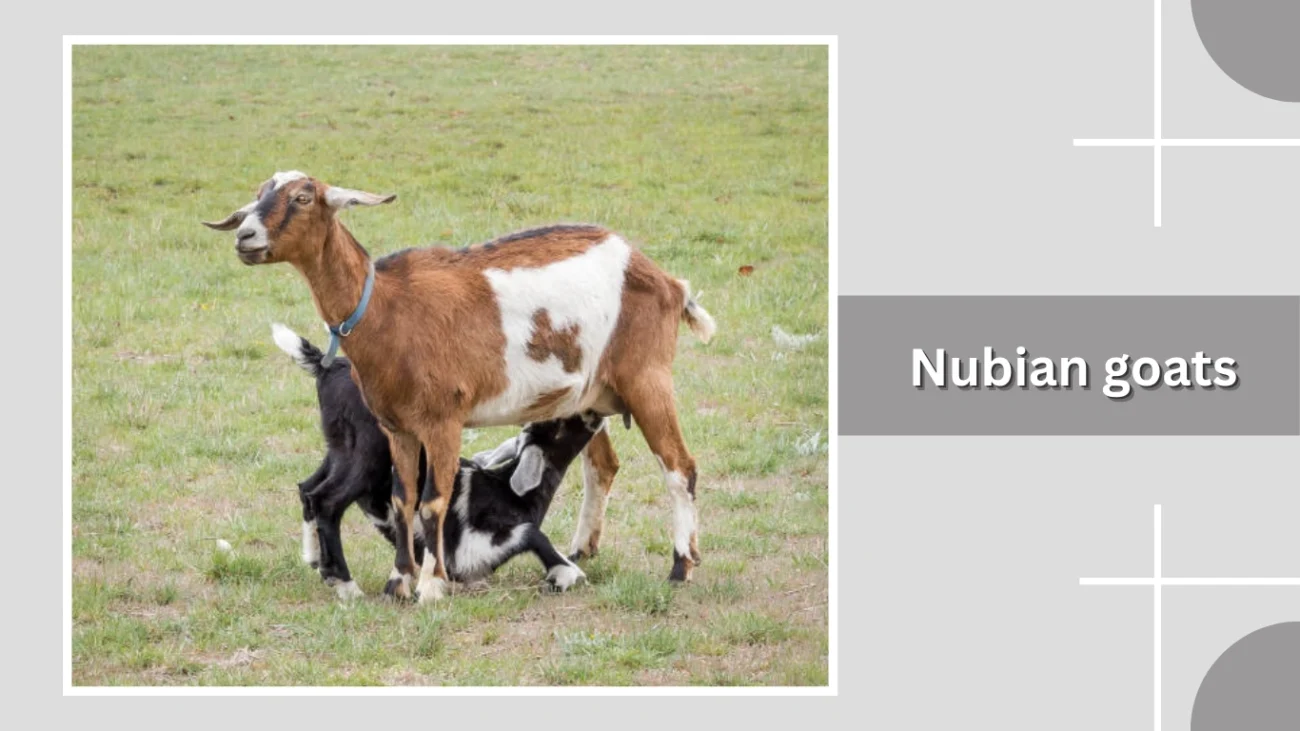
Nubian goats, also known as Anglo-Nubians, are a popular dairy breed known for their high-quality, butterfat-rich milk. Recognized by their long ears and distinctive appearance, they are both productive and friendly, making them a favorite on many farms.
Identification
- Long, pendulous ears
- Roman nose with a convex facial profile
- Medium to large frame with various coat colors
- Sleek, short hair
Habitat
Nubians thrive in warm climates and adapt well to diverse environments, from open pastures to mixed browsing areas. Their heat tolerance makes them ideal for regions with hot temperatures and dry conditions.
Behaviors
These goats are social, vocal, and expressive. Nubians are known for their friendly temperament and strong bond with humans. They are active, curious, and enjoy interacting with herd mates.
Diet
Nubians consume a mix of grasses, browse plants, hay, and grain supplements. Their diet supports high milk production, especially when balanced with proper minerals and quality forages.
3. Alpine goats
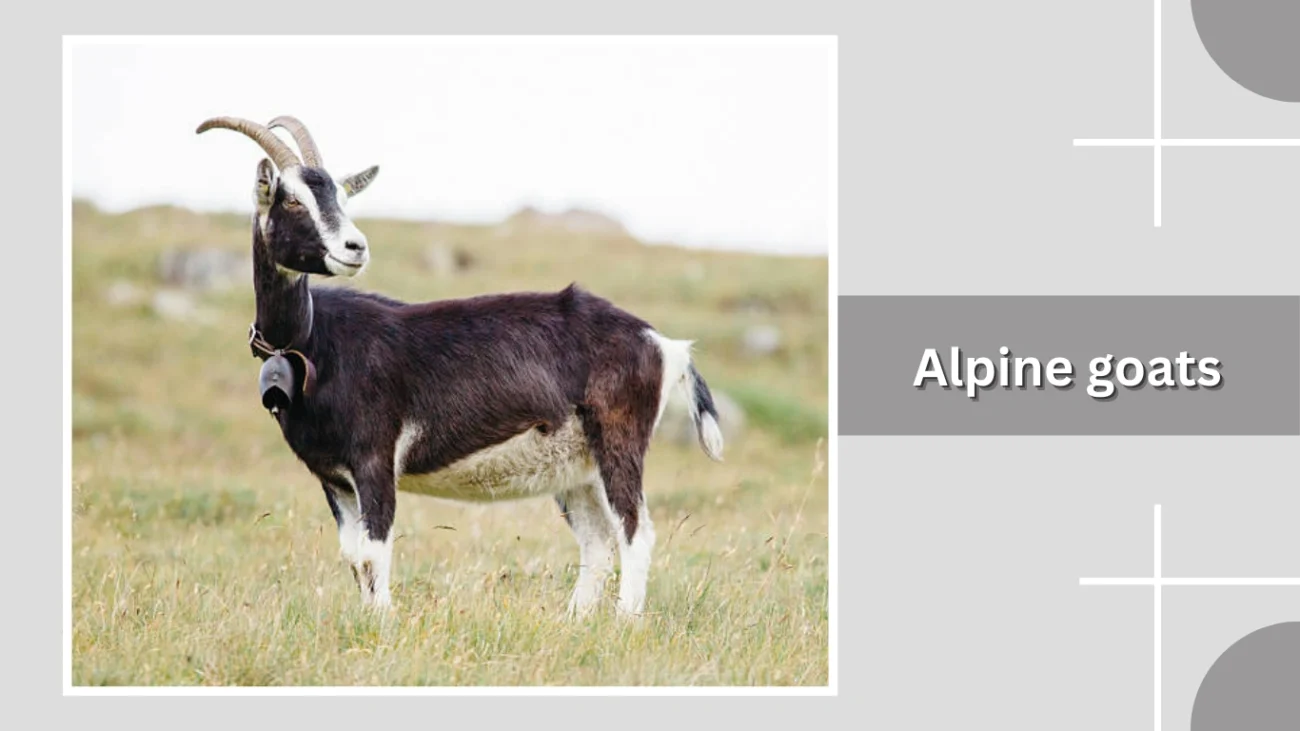
Alpine goats are a highly productive dairy breed originating from the French Alps. Known for their excellent milk yield, adaptability, and strong climbing ability, they are widely used on commercial dairies and homesteads.
Identification
- Medium to large frame with upright ears
- Short, sleek coat in many color patterns
- Straight facial profile
- Strong, agile body built for mountainous terrain
Habitat
Alpines thrive in cooler climates and perform exceptionally well in mountainous, hilly, and pasture-based environments. Their natural agility makes them suitable for rugged terrain and diverse grazing conditions.
Behaviors
Alpines are energetic, alert, and curious. They are social animals with strong herd instincts and often display playful behavior. Their intelligence makes them easy to train but also skilled escape artists if fencing is weak.
Diet
Their diet includes grasses, browse, hay, and supplemental grains to support milk production. Alpines efficiently convert forage into energy and thrive on a varied diet with adequate minerals.
4. Saanen goats
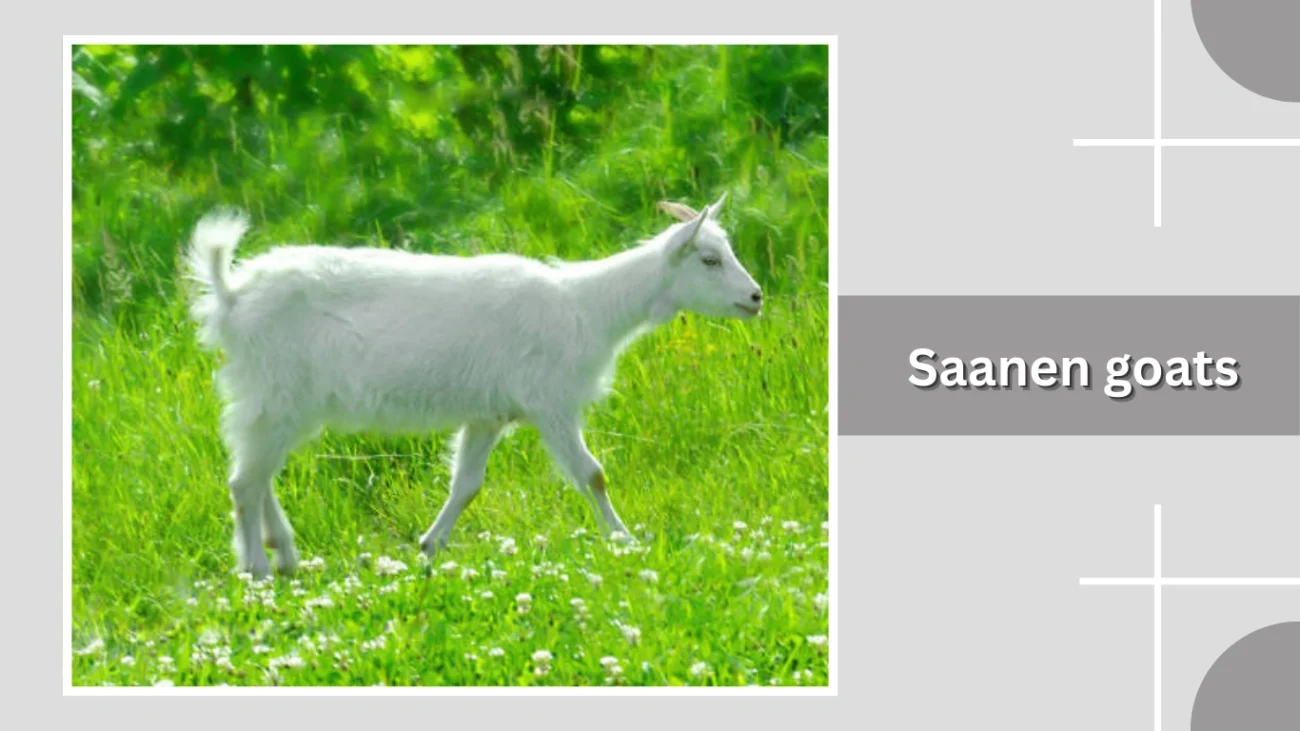
Saanen goats originate from Switzerland and are one of the highest milk-producing dairy goat breeds in the world. They are known for their calm temperament, large size, and excellent milk quality, making them a staple in commercial dairy operations.
Identification
- Solid white or cream-colored coat
- Medium to large frame with upright ears
- Short, fine hair
- Straight or slightly dished facial profile
Habitat
Saanens thrive in cooler climates and prefer open, shaded pastures. They do best in well-ventilated areas with protection from intense sunlight, as their light-colored coats make them sensitive to heat.
Behaviors
Saanens are gentle, quiet, and highly manageable. They exhibit strong herd behavior, are easy to milk, and adapt well to routine handling. Their calm nature makes them suitable for farms of all sizes.
Diet
Their diet consists of high-quality grasses, hay, browse, and grain supplements. Saanens require nutrient-rich feed to support their heavy milk production and overall health.
5. Toggenburg goats
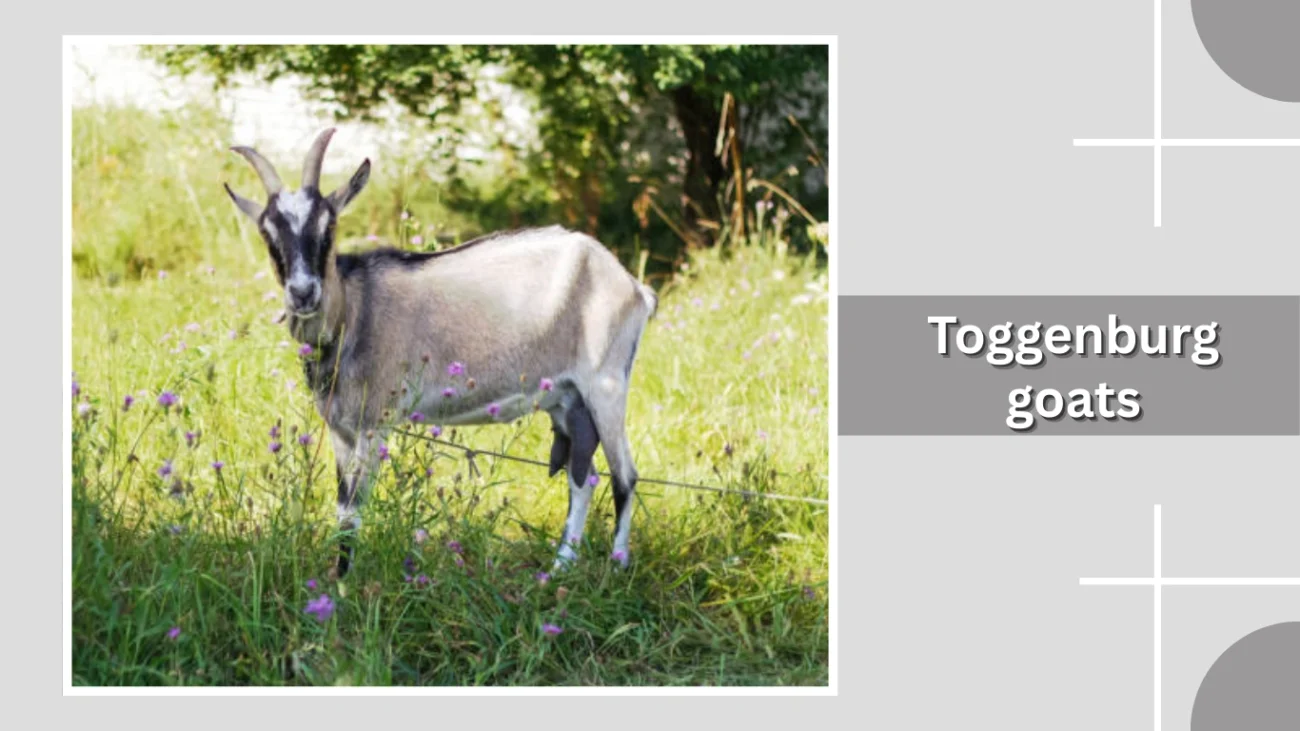
Toggenburg goats are one of the oldest known dairy goat breeds, originating from Switzerland. They are prized for consistent milk production, hardiness, and their ability to thrive in cooler climates.
Identification
- Light brown to dark chocolate coat
- White stripes on the face, legs, and tail
- Erect ears and straight facial profile
- Medium-sized, sturdy build
Habitat
Toggenburgs perform best in cool or temperate regions. They thrive in mountain pastures, open fields, and mixed browsing environments where they can graze and explore comfortably.
Behaviors
These goats are active, friendly, and cooperative. They exhibit calm temperaments and strong herd instincts. Toggenburgs are reliable milkers and adapt well to consistent routines and structured dairy systems.
Diet
Their diet includes pasture grasses, hay, leafy browse, and grain supplements when necessary. They require balanced nutrition to maintain steady milk output throughout the lactation period.
6. LaMancha goats
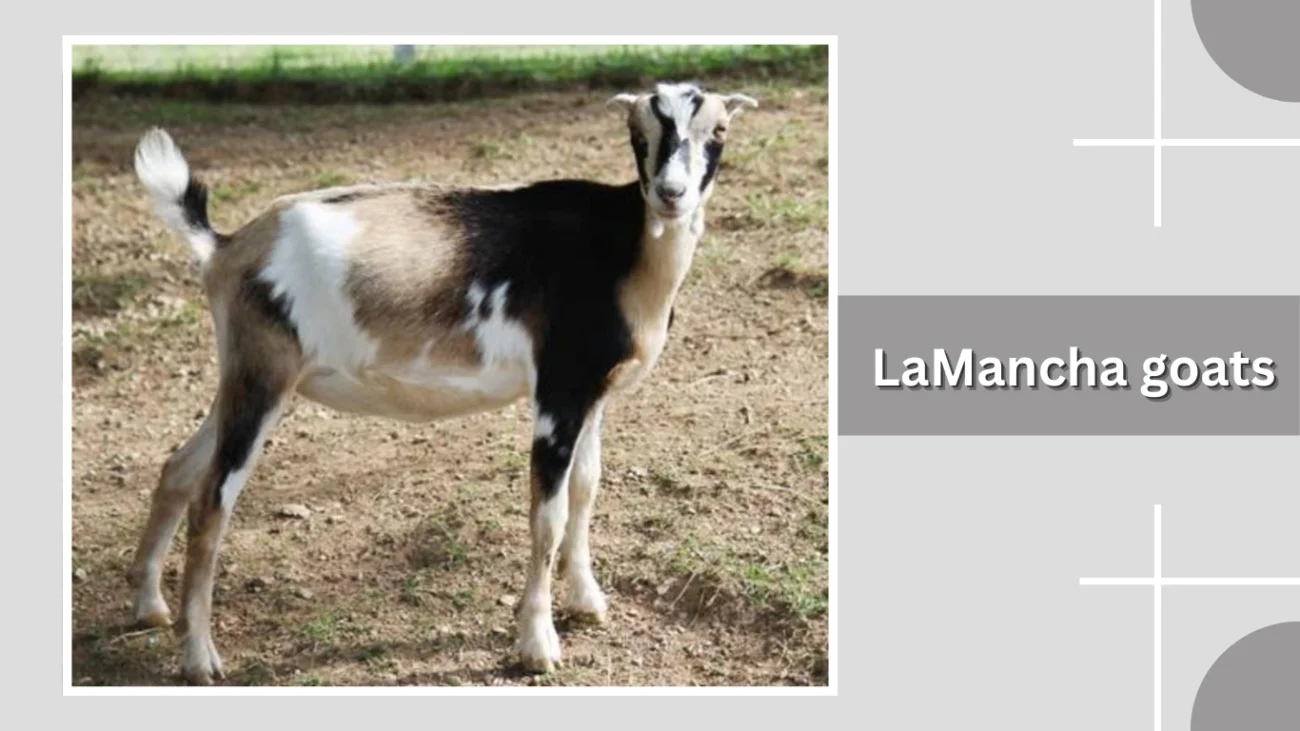
LaMancha goats are a distinctive American dairy breed known for their extremely short ears and calm, friendly nature. They produce high-quality milk and are among the most adaptable dairy goats on farms.
Identification
- Very short ears (“gopher” or “elf” type)
- Medium-sized body with various coat colors
- Straight facial profile
- Well-developed udder suited for consistent milking
Habitat
LaManchas thrive in diverse environments, including temperate, warm, and mixed grazing areas. They perform well in both pasture-based and barn-managed dairy systems, adapting easily to different farm setups.
Behaviors
These goats are gentle, social, and very people-oriented. LaManchas are quiet compared to many other breeds and interact well with herd mates. They are known for their steady temperament and excellent mothering abilities.
Diet
Their diet includes grasses, hay, browse plants, and grain supplements when needed for milk production. LaManchas benefit from mineral-rich feed to support udder health and overall productivity.
7. Nigerian Dwarf goats
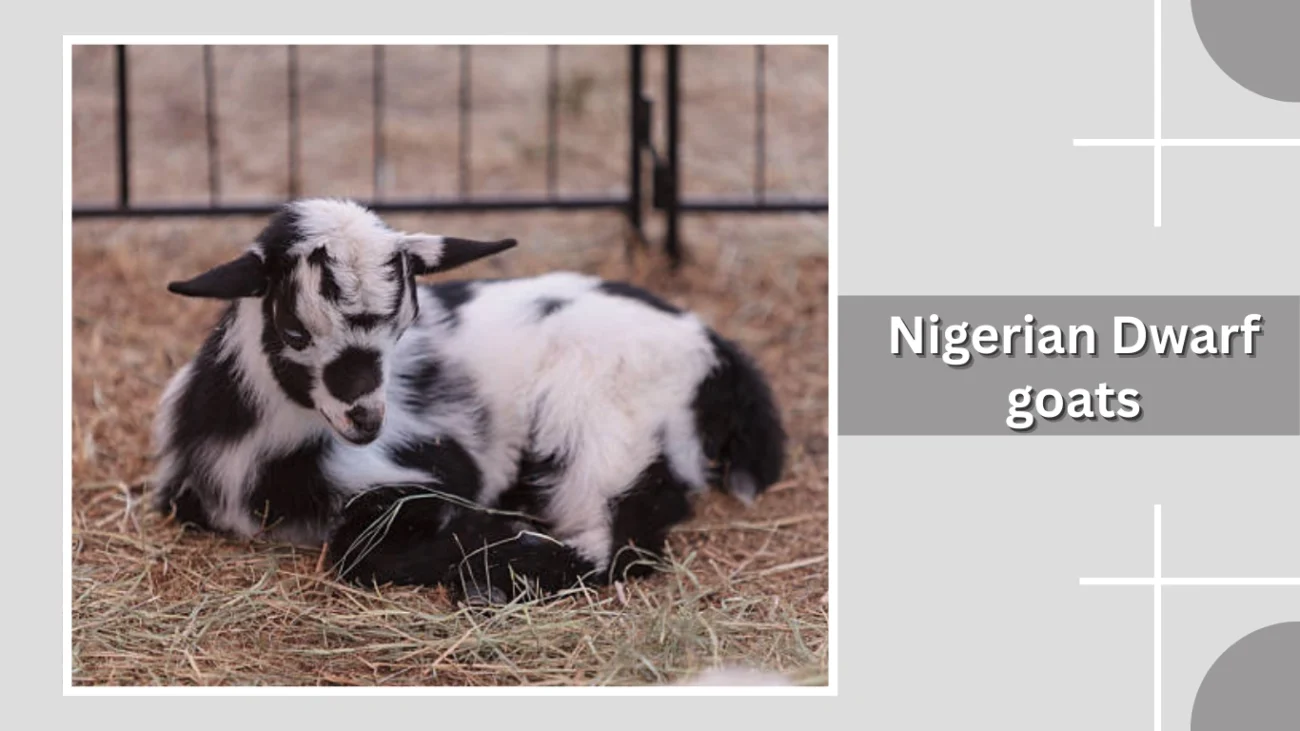
Nigerian Dwarf goats are a miniature dairy breed known for producing rich, high-butterfat milk. Small, friendly, and easy to manage, they are popular among homesteaders and hobby farmers.
Identification
- Small, compact frame
- Wide variety of coat colors and patterns
- Upright ears and straight facial profile
- Well-proportioned udder despite their small size
Habitat
Nigerian Dwarfs adapt well to most climates and can thrive in small pastures, compact barns, and mixed browsing areas. Their small size makes them ideal for limited-space farms and backyard settings.
Behaviors
These goats are playful, gentle, and highly social. They form strong bonds with humans and herd mates. Nigerian Dwarfs are intelligent, curious, and energetic, making them easy to train and enjoyable to keep.
Diet
Their diet includes grasses, leafy browse, hay, and small amounts of grain when needed. Because of their size, they require less feed than standard dairy goats while still producing nutritious milk.
8. Kalahari Red goats

Kalahari Red goats originate from southern Africa and are prized as a hardy meat breed. Their resilience, rapid growth, and excellent foraging ability make them ideal for hot, dry climates and extensive farming systems.
Identification
- Deep red to dark brown coat
- Long, floppy ears
- Muscular, medium-to-large frame
- Loose skin aiding heat tolerance
Habitat
Kalahari Reds thrive in arid, semi-arid, and desert-like environments. They are well-suited for open rangelands where browsing vegetation is scattered and harsh weather conditions are common.
Behaviors
These goats are calm, alert, and highly adaptable. They demonstrate strong survival instincts, excellent maternal behavior, and efficient growth rates. Their independence also makes them ideal for low-input systems.
Diet
Their diet includes shrubs, bushes, grasses, and natural browse. Kalahari Reds are exceptional foragers and can maintain good body condition on low-quality feed, making them a reliable meat breed.
9. Angora goats
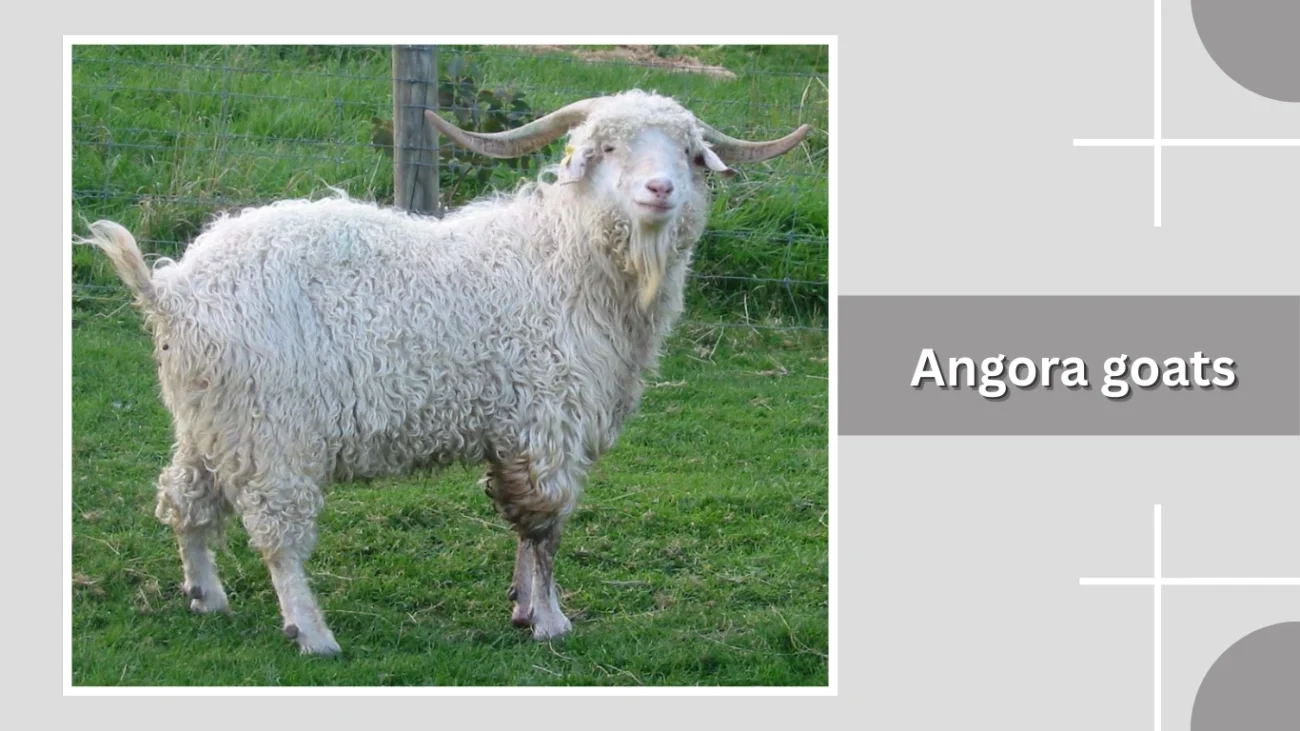
Angora goats are famous for producing mohair, a luxurious fiber prized worldwide. Originating from Turkey, they are known for their long, silky coats and gentle temperament, making them a staple in fiber production farms.
Identification
- Long, curly, lustrous hair coat
- Medium-sized body with slender frame
- Drooping ears and calm facial profile
- Light-boned but elegant build
Habitat
Angoras thrive in dry, mild climates where their fleece stays clean and healthy. They perform well in open pastures, rolling hills, and regions with low humidity, which helps protect their delicate fiber.
Behaviors
These goats are gentle, quiet, and relatively docile. They move calmly in herds but may require extra care during adverse weather due to their fleece. Angoras show moderate maternal instincts and do well in structured management systems.
Diet
Their diet includes grasses, hay, browse, and supplemental grains, especially during fiber growth seasons. Angoras require mineral-rich feed to maintain strong fleece quality and overall health.
10. Cashmere goats
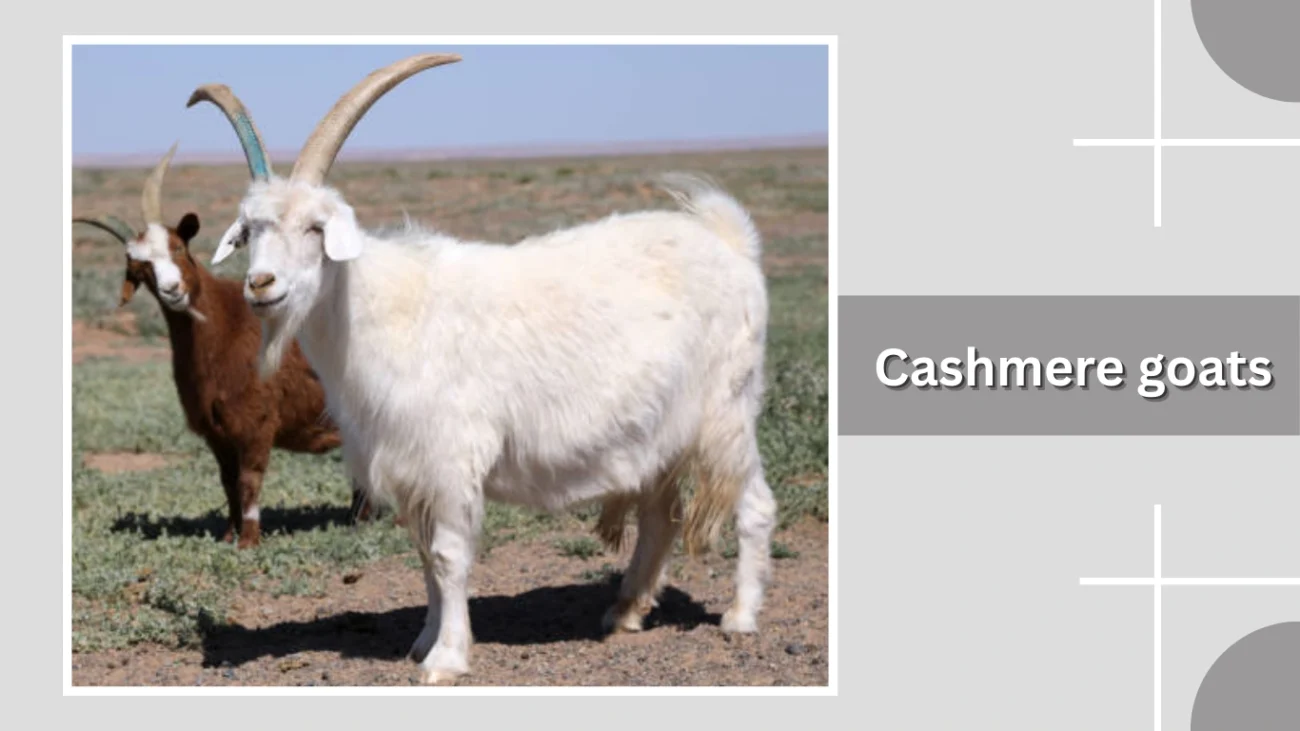
Cashmere goats are not a single breed but a type known for producing high-quality cashmere fiber. Found in many regions, they are hardy, adaptable, and valued for both their fine undercoat and meat production.
Identification
- Thick double coat with soft cashmere underfiber
- Medium-sized frame
- Upright ears and straight facial profile
- Coat colors vary widely, from white to black
Habitat
Cashmere goats thrive in cold, mountainous, and semi-arid regions. Their dense undercoat protects them in harsh winters, making them ideal for highland pastures and rugged grazing environments.
Behaviors
These goats are alert, independent, and strong foragers. They show good adaptability, moderate temperament, and strong survival instincts. Cashmere goats perform well in extensive systems where browsing opportunities are abundant.
Diet
Their diet includes shrubs, bushes, grasses, hay, and seasonal forage. They are efficient browsers and can maintain condition on low to moderate-quality feed, making them suitable for low-input fiber and meat systems.
11. Spanish Goat
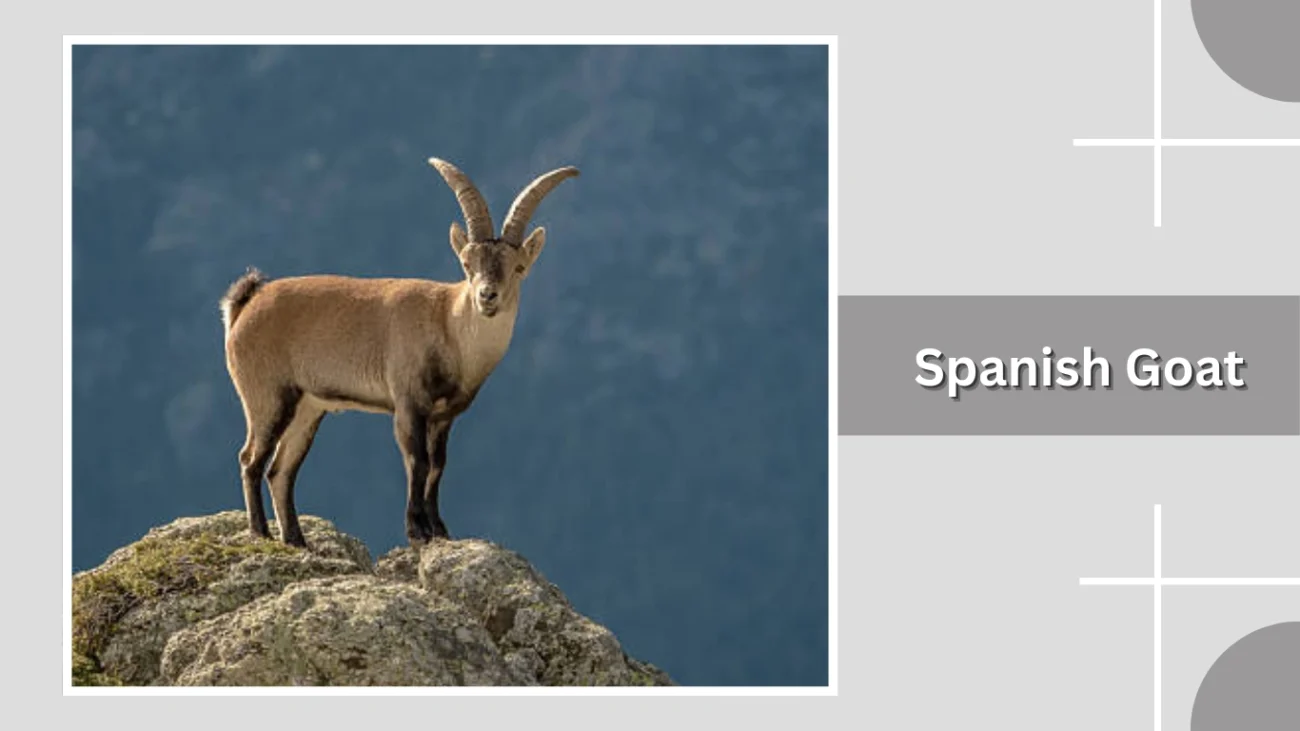
Spanish goats, also known as brush goats or scrub goats, are a hardy breed originally brought to the Americas by Spanish explorers. Today, they are valued for meat production and their exceptional ability to control brush and weeds.
Identification
- Wide variety of coat colors and patterns
- Medium-sized frame with muscular build
- Long, often twisted horns
- Distinctive, rugged appearance suited for survival
Habitat
Spanish goats thrive in hot, dry, and rugged environments. They excel on rangelands, rocky terrains, and areas with thick brush where they naturally clear vegetation while foraging.
Behaviors
These goats are hardy, alert, and independent. They exhibit strong survival instincts, excellent foraging behavior, and high resistance to disease and parasites. Spanish goats are low-maintenance and ideal for extensive systems.
Diet
Their diet includes brush, shrubs, grasses, weeds, and hay. Spanish goats are exceptional browsers and can thrive on low-quality forage, helping maintain land through natural vegetation control.
12. Pygmy Goat
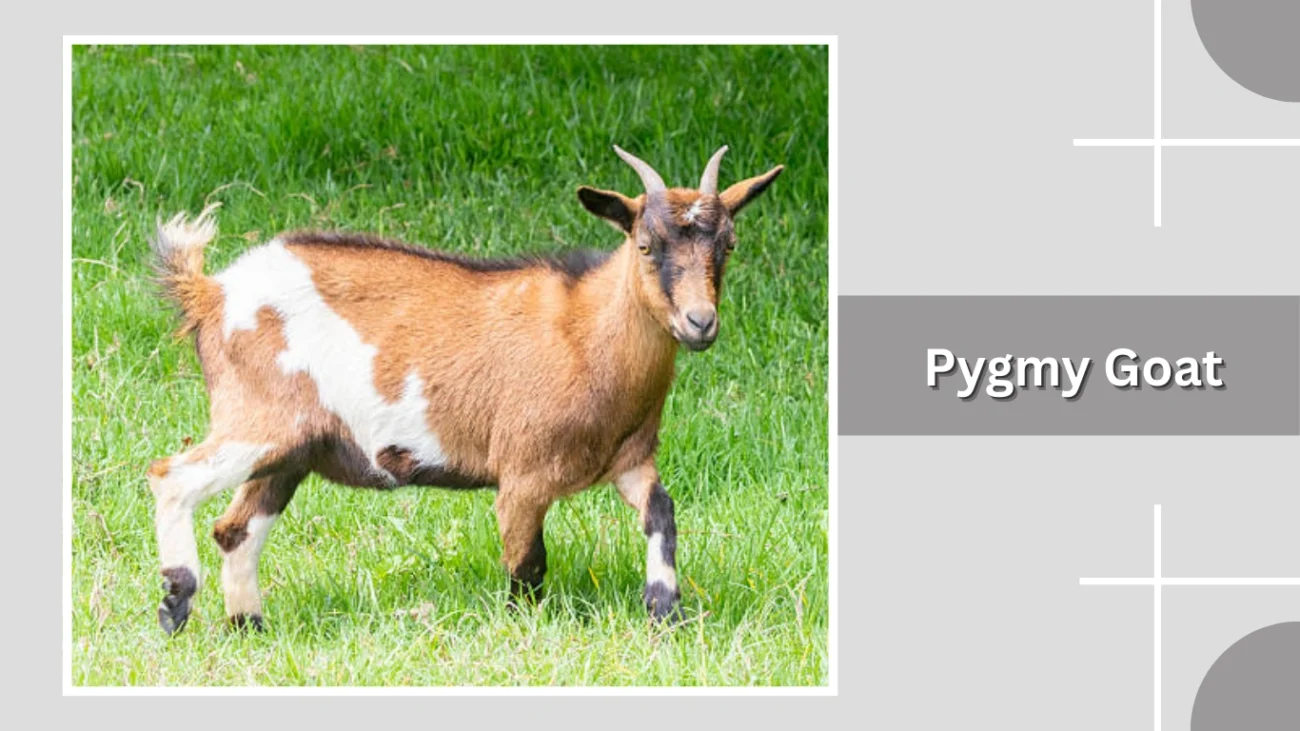
Pygmy goats are a miniature breed originally from West Africa, known for their compact size and friendly personality. They are popular as pets, in zoos, and in small-scale farms due to their playful nature and adaptability.
Identification
- Small, compact, and stocky body
- Short legs with dense bone structure
- Variety of coat colors and patterns
- Upright ears and expressive face
Habitat
Pygmy goats adapt well to most climates and thrive in small pastures, backyard setups, petting zoos, and hobby farms. Their small size makes them easy to house and manage in limited spaces.
Behaviors
These goats are extremely playful, social, and affectionate. They enjoy climbing, interacting with humans, and exploring their environment. Pygmies are gentle and do well in family-friendly settings.
Diet
Their diet includes grasses, hay, small browse plants, and grain in moderation. Because of their small size, they require less feed but still benefit from balanced minerals and clean forage.
13. Oberhasli goat
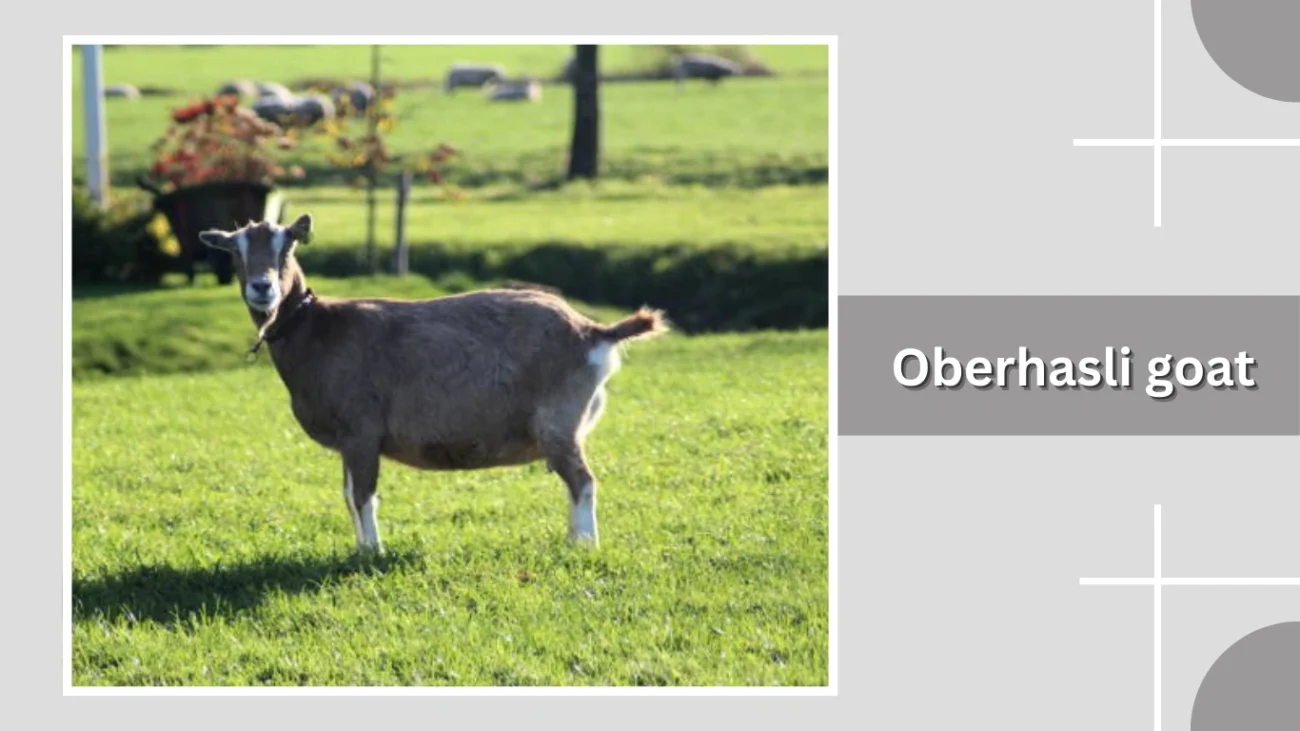
Oberhasli goats are a Swiss dairy breed known for their distinctive bay coloration and steady milk production. They are appreciated for their calm temperament, good udder structure, and overall hardiness.
Identification
- Bay (reddish-brown) coat with black markings
- Upright ears
- Medium-sized, sturdy frame
- Straight facial profile
Habitat
Oberhasli goats thrive in cool to temperate climates and adapt well to mountain pastures, open fields, and mixed browsing environments. Their Swiss origin makes them well-suited for hilly or rugged terrain.
Behaviors
These goats are gentle, quiet, and easy to manage. They display strong herd instincts and are known for being less vocal than some other dairy breeds. Their calm nature makes them ideal for family farms and small dairies.
Diet
Their diet includes grasses, hay, browse plants, and supplemental grains during lactation. Oberhaslis benefit from a balanced diet rich in minerals to maintain consistent milk output.
14. Jamunapari goat
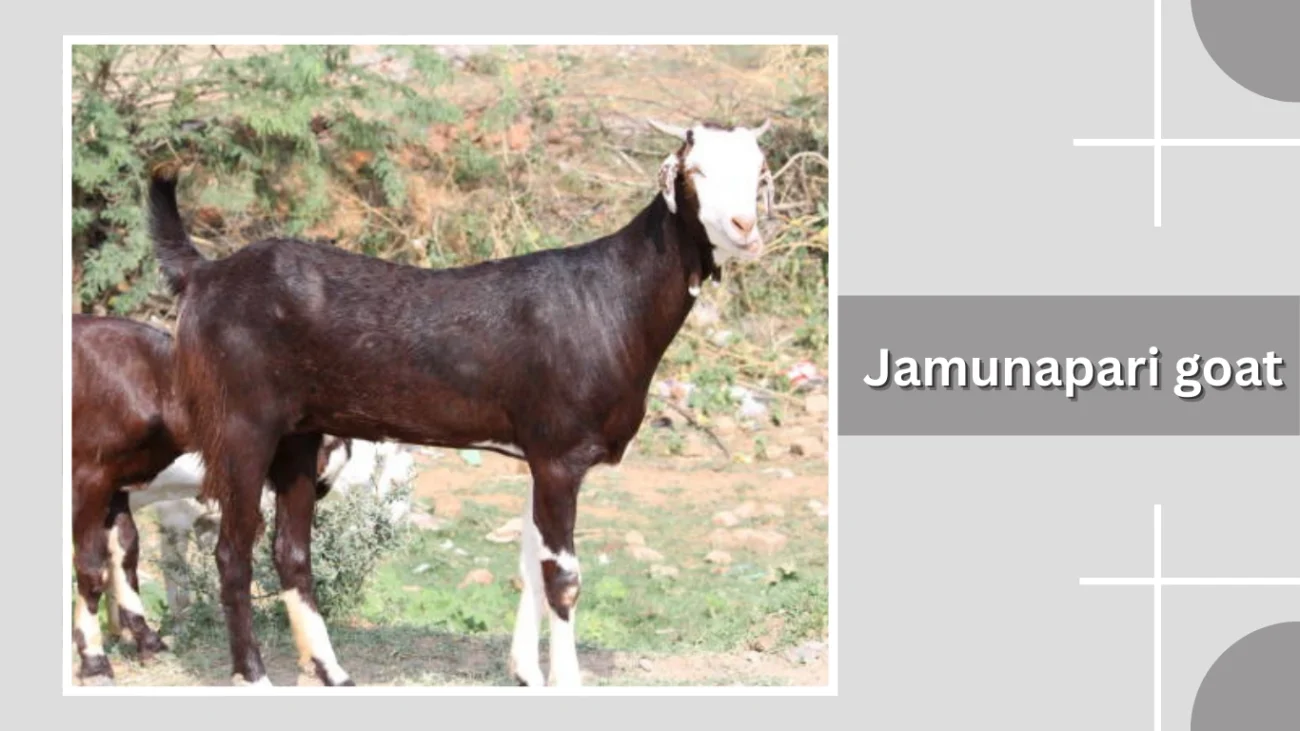
Jamunapari goats originate from India and are known for their elegant appearance and excellent milk production. Often called the “queen of goats,” they are also used in breed-improvement programs due to their superior genetics.
Identification
- Long, pendulous ears
- Convex (Roman) facial profile
- Tall, well-built frame with long legs
- White or creamy coat, sometimes with patches
Habitat
Jamunapari goats thrive in warm, dry climates and perform well in open grazing lands, forest edges, and semi-arid regions. They are commonly found in northern India and areas with similar environmental conditions.
Behaviors
These goats are calm, intelligent, and gentle. They exhibit strong maternal instincts and adapt well to structured management systems. Jamunaparis are known for their dignified, graceful demeanor.
Diet
Their diet includes grasses, shrubs, tree leaves, hay, and supplemental grains when needed. Jamunaparis are efficient browsers and benefit from mineral-rich feed to support milk production.
15. Beetal goat

Beetal goats originate from India and Pakistan and are valued for both milk and meat production. They closely resemble the Jamunapari but are slightly smaller, making them a versatile dual-purpose breed.
Identification
- Long, drooping ears
- Slightly convex facial profile
- Medium to large frame
- Coat colors vary: red, black, white, or mixed
Habitat
Beetal goats thrive in warm, humid, and semi-arid climates. They are commonly raised in village systems, open grazing lands, and mixed farming environments across South Asia.
Behaviors
These goats are active, social, and easy to manage. They show strong maternal instincts and adapt well to both free-grazing and semi-intensive systems. Beetals are known for their friendly temperament and good growth rate.
Diet
Their diet includes grasses, tree leaves, shrubs, hay, and grain supplements when needed. Beetals are efficient foragers and maintain good productivity on moderate-quality forage.
16. Black Bengal goat
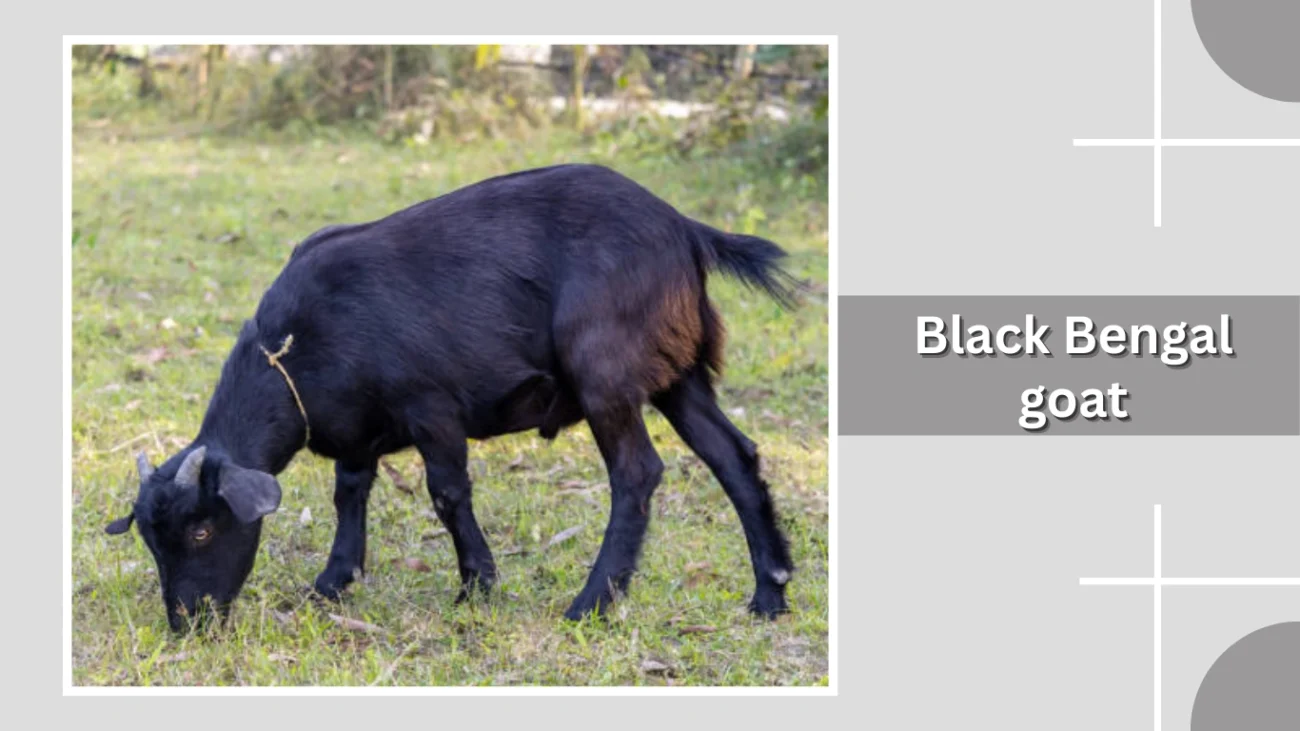
Black Bengal goats originate from Bangladesh and are highly prized for their meat, skin quality, and exceptional reproductive capacity. They are small, hardy, and extremely well-suited to low-input farming.
Identification
- Predominantly black coat (sometimes brown or white)
- Small, compact body
- Short legs and upright ears
- Slender, agile frame
Habitat
Black Bengals thrive in hot, humid, and tropical climates. They are commonly raised in village environments, small farms, and areas with limited grazing resources due to their low maintenance needs.
Behaviors
These goats are active, alert, and intelligent. They exhibit excellent reproductive performance, often producing multiple kids per year. Their hardy nature and adaptability make them ideal for resource-poor regions.
Diet
Their diet includes grasses, leaves, crop residues, kitchen scraps, and hay. Black Bengals are efficient converters of low-quality feed and can thrive even with minimal supplementation.
17. Barbari goat
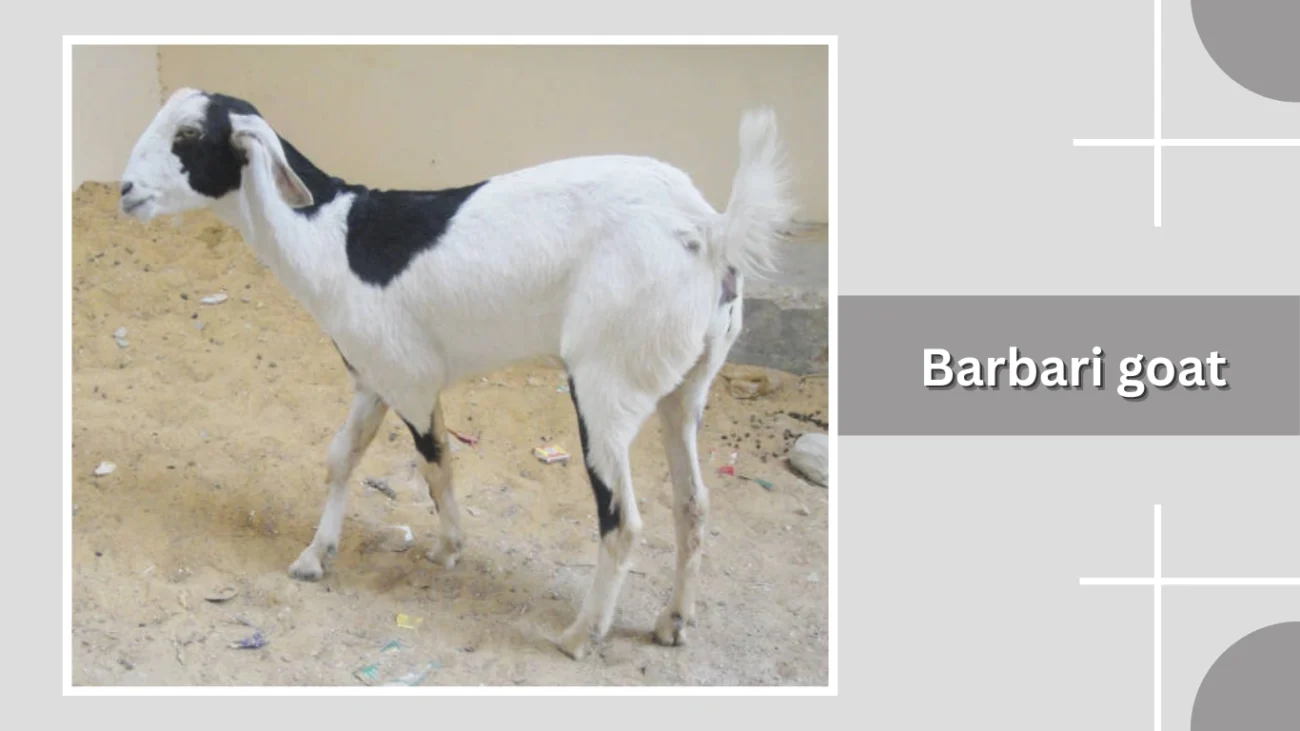
Barbari goats originate from India and Pakistan and are known for their compact size, excellent meat quality, and good milk production. They are popular in small-scale and urban farming due to their manageable size and high productivity.
Identification
- Small to medium-sized frame
- White coat with brown or tan spots
- Upright ears
- Short, sturdy body with alert expression
Habitat
Barbari goats thrive in dry, arid, and semi-arid regions. They adapt well to small enclosures, backyard farms, and open grazing systems, making them ideal for both rural and urban settings.
Behaviors
These goats are active, alert, and friendly. They show strong reproductive performance, often producing twins or triplets. Barbari goats respond well to structured management and are easy to handle.
Diet
Their diet includes grasses, leaves, shrubs, hay, and supplemental grains. Barbari goats are efficient feeders and maintain good growth and health even on moderate-quality forage.
18. Damascus goat
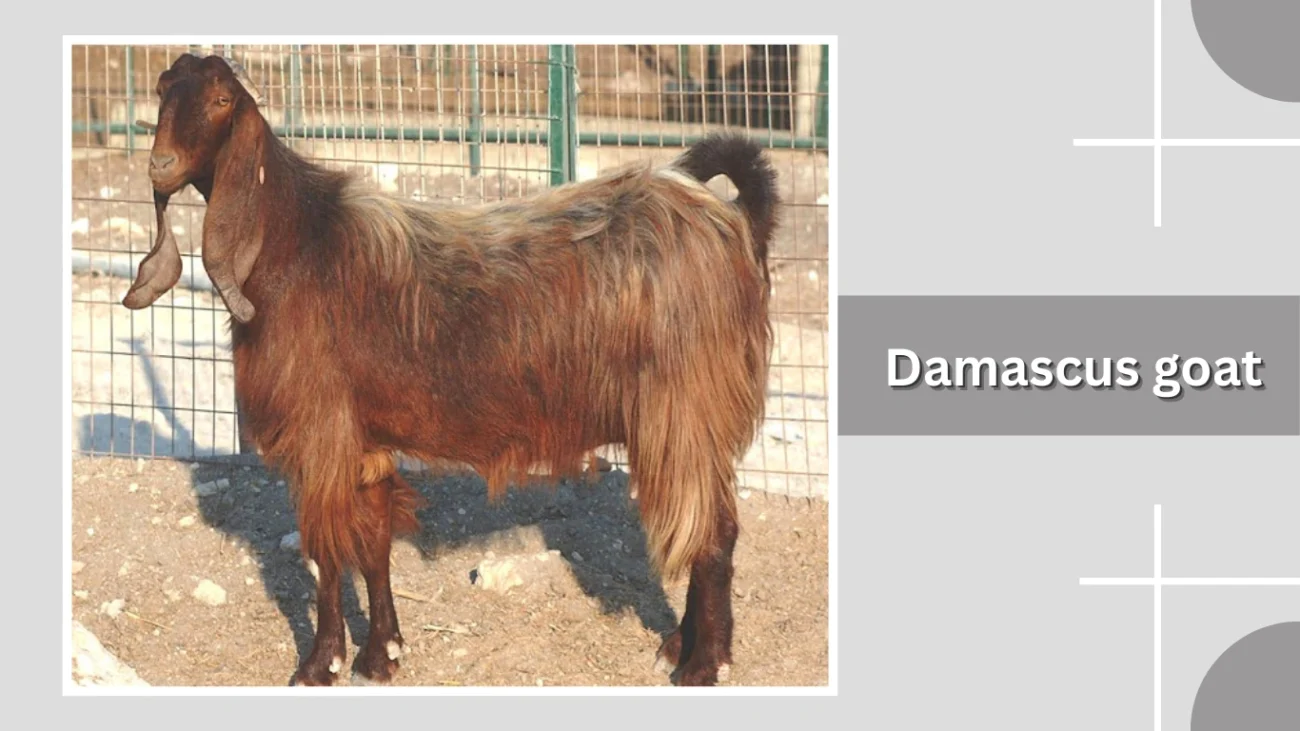
Damascus goats, also known as Shami goats, originate from the Middle East and are famous for their outstanding milk production, unique appearance, and use in crossbreeding programs. They are highly valued in Syria, Lebanon, and Cyprus.
Identification
- Long, drooping ears
- Pronounced Roman nose with convex facial profile
- Medium to large frame
- Reddish-brown coat is common, but colors vary
Habitat
Damascus goats thrive in warm, semi-arid, and Mediterranean climates. They adapt well to open pastures, hilly regions, and mixed browsing environments where shrubs and tree leaves are abundant.
Behaviors
These goats are gentle, social, and intelligent. They exhibit strong maternal instincts and adapt easily to structured dairy systems. Damascus goats are known for their calm nature and high fertility.
Diet
Their diet includes grasses, browse, tree leaves, hay, and supplemental grains to support milk production. They are efficient foragers and utilize a wide variety of vegetation.
19. Shami goats
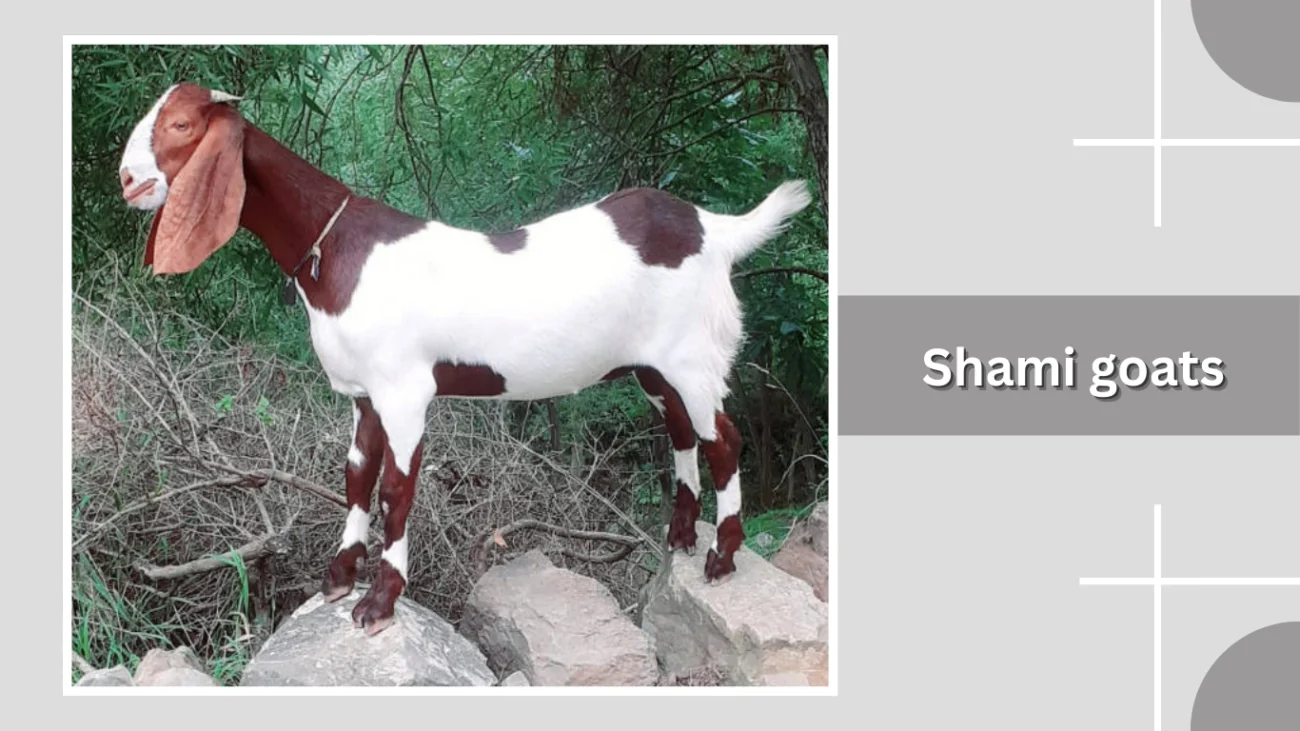
Shami goats, closely related to the Damascus breed, are well-regarded across the Middle East for their strong dairy performance and striking appearance. They are highly valued for both milk production and as breeding stock.
Identification
- Long, pendulous ears
- Distinctive convex (Roman) nose
- Medium to large frame
- Coat colors vary widely, including red, brown, and white
Habitat
Shami goats thrive in warm, dry, and Mediterranean climates. They adapt well to open pastures, hilly terrain, and mixed browsing systems where varied vegetation is available.
Behaviors
These goats are calm, intelligent, and easy to manage. They demonstrate strong maternal instincts, friendly behavior, and good adaptability to dairy operations. Shami goats are known for high fertility and steady milk production.
Diet
Their diet includes grasses, shrubs, tree leaves, hay, and supplemental grains when needed. Shamis are efficient foragers and utilize available vegetation well, making them productive even in challenging environments.
20. Rangeland goats
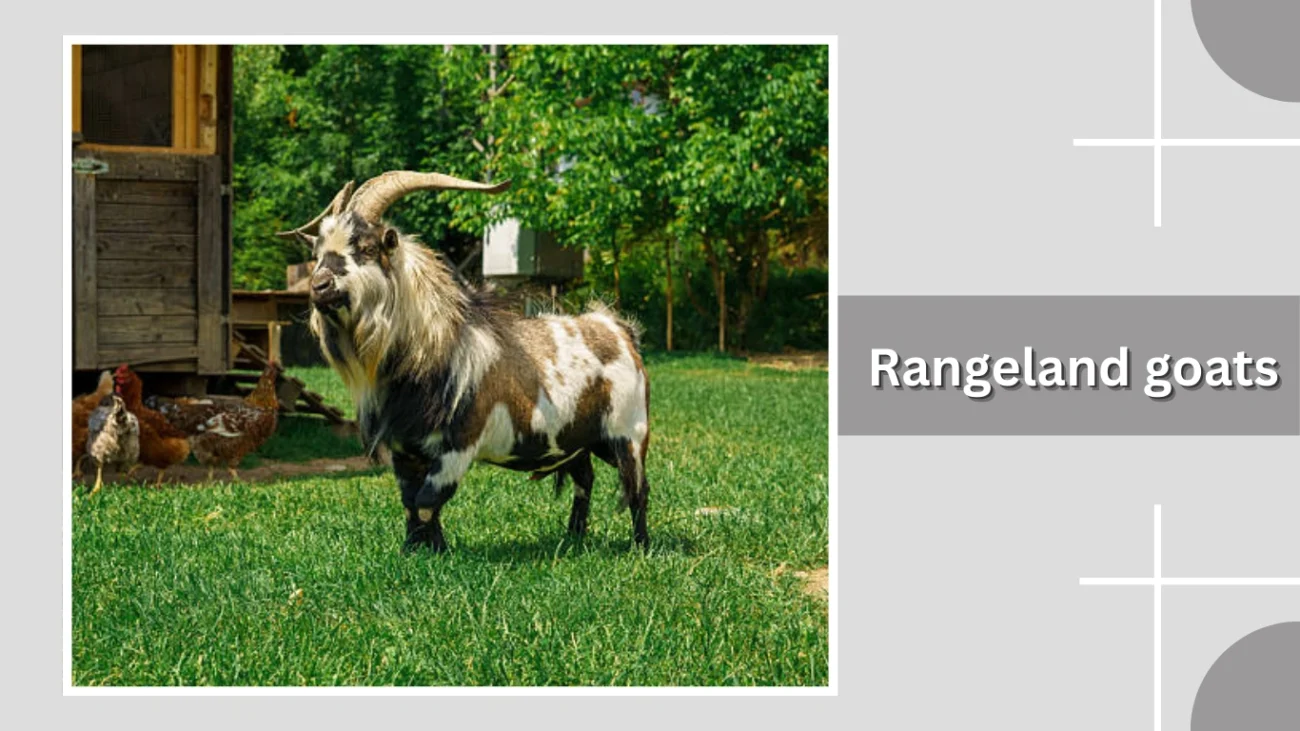
Rangeland goats are a popular meat breed in Australia, developed from hardy feral goat populations. They are resilient, adaptable, and widely used in large-scale meat production and land management programs.
Identification
- Wide range of coat colors and patterns
- Medium to large frame
- Strong, muscular build
- Horned, with horns varying in shape and size
Habitat
Rangeland goats thrive in harsh, dry, and rugged Australian environments. They excel on open rangelands, rocky terrains, and semi-arid regions where browsing vegetation is scattered.
Behaviors
These goats are alert, hardy, and highly adaptable. They display strong survival instincts, good mothering ability, and efficient foraging behavior. Rangeland goats require minimal management and are ideal for extensive systems.
Diet
Their diet includes shrubs, grasses, tough vegetation, and browse. They can maintain good health on low-quality forage, making them excellent for large-scale meat production with minimal input.
21. Kiko goats
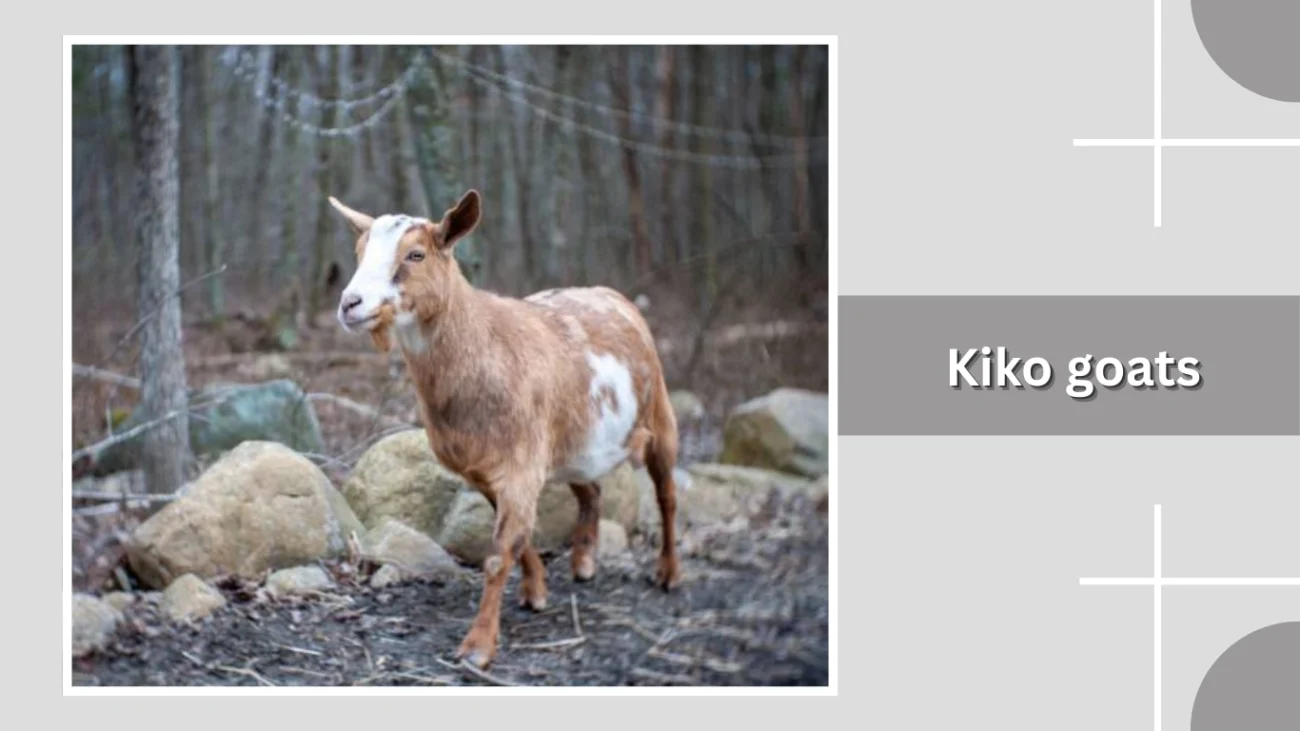
Kiko goats originate from New Zealand and were developed for fast growth, hardiness, and low-maintenance meat production. They are highly valued for their disease resistance and ability to thrive in challenging environments.
Identification
- Medium to large, muscular frame
- Usually white, but colors vary
- Upright ears
- Strong legs and sturdy body
Habitat
Kiko goats thrive in rugged, hilly, and semi-arid environments. They perform well on open pastures, woodlands, and mixed browsing areas, adapting easily to low-input systems.
Behaviors
Kikos are hardy, independent, and excellent survivors. They require minimal medical care, have strong maternal instincts, and exhibit high fertility. Their calm yet alert nature makes them easy to manage in large herds.
Diet
Their diet includes grasses, browse plants, shrubs, hay, and minimal grain supplementation. Kikos are highly efficient foragers capable of maintaining condition on moderate- to low-quality forage.
22. Fainting Goat (Myotonic)
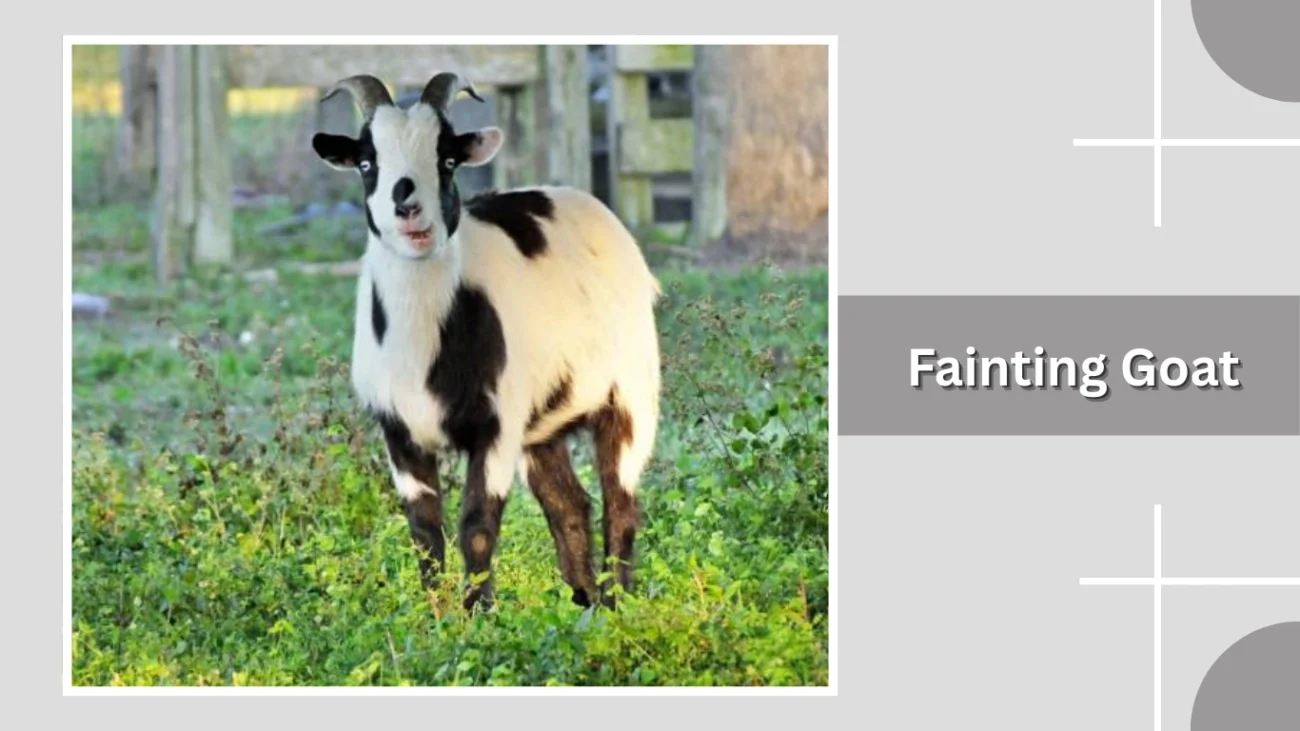
Fainting goats, also known as Myotonic goats, are an American breed famous for their unique muscle condition that causes temporary stiffening when startled. They are valued for their calm nature and high-quality meat.
Identification
- Medium-sized body with well-muscled frame
- Variety of coat colors and patterns
- Upright ears
- Distinctive myotonia causing “fainting” stiffening episodes
Habitat
Myotonic goats adapt well to a wide range of climates and environments. They thrive on pastures, small farms, and mixed browsing areas, making them suitable for homesteads and meat operations.
Behaviors
These goats are gentle, quiet, and very docile. Their calm nature reduces stress in herds, and their fainting trait actually limits jumping and escaping behavior, making them easy to contain and manage.
Diet
Their diet includes grasses, hay, browse plants, and supplemental grains when needed. Myotonic goats maintain good condition on moderate-quality forage and benefit from balanced minerals.
23. Murciana-Granadina goats
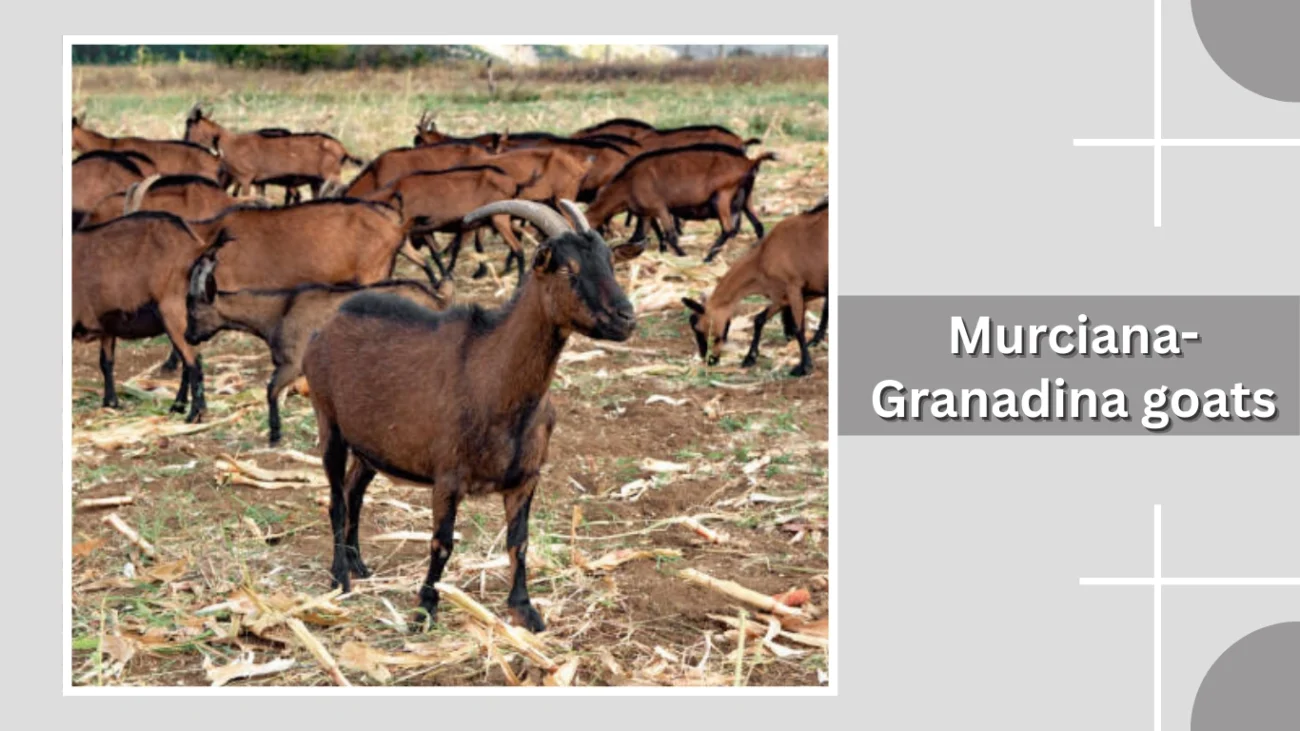
Murciana-Granadina goats originate from Spain and are a well-known dairy breed prized for producing rich, high-quality milk. They are hardy, adaptable, and widely used in Mediterranean dairy farming.
Identification
- Usually solid black or mahogany coat
- Medium-sized body with upright ears
- Sleek, fine hair
- Straight or slightly convex facial profile
Habitat
These goats thrive in warm, dry, and Mediterranean climates. They perform well in rocky terrains, open pastures, and mixed browsing areas, adapting easily to limited water and forage conditions.
Behaviors
Murciana-Granadina goats are hardy, calm, and easy to manage. They show good maternal instincts, strong herd behavior, and excellent adaptability to diverse dairy systems.
Diet
Their diet consists of grasses, shrubs, hay, and seasonal browse. They are efficient feeders and maintain strong milk production even on moderate-quality forage.
24. Golden Guernsey goats
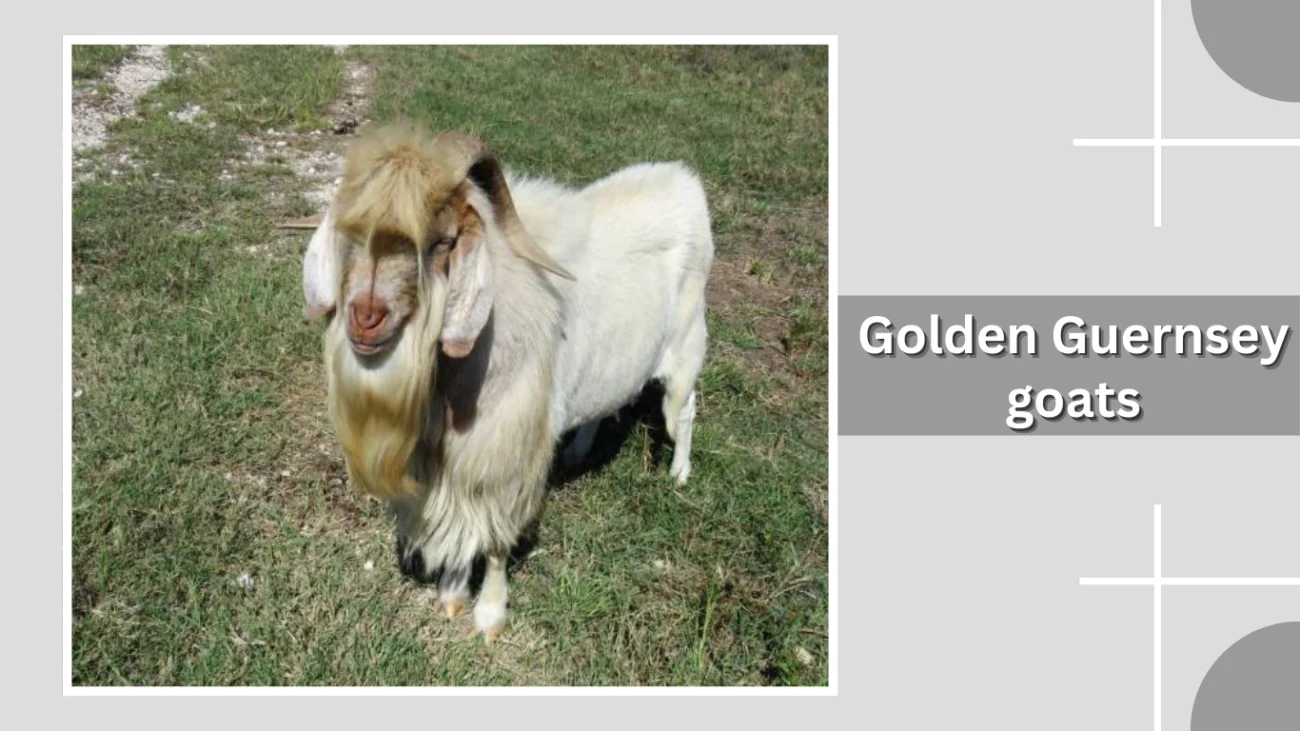
Golden Guernsey goats originate from the Channel Islands (Guernsey) and are known for their rare golden-colored coats and gentle nature. They are primarily raised for milk and are valued by small farms for their moderate size and calm behavior.
Identification
- Golden to reddish-gold coat, often long and silky
- Medium-sized frame
- Upright ears
- Elegant, fine-boned appearance
Habitat
Golden Guernseys thrive in temperate climates and adapt well to small farms, pastures, and mixed browsing areas. They prefer mild environments and shelter from harsh weather due to their finer build.
Behaviors
These goats are gentle, quiet, and easygoing. They interact well with humans and herd mates, making them ideal for family farms. Golden Guernseys are not as vocal as some dairy breeds and are easy to manage.
Diet
Their diet includes grasses, hay, browse plants, and supplemental grains during milking periods. They thrive on balanced, moderate-quality forage and benefit from mineral-rich feed.
25. Savanna Goat
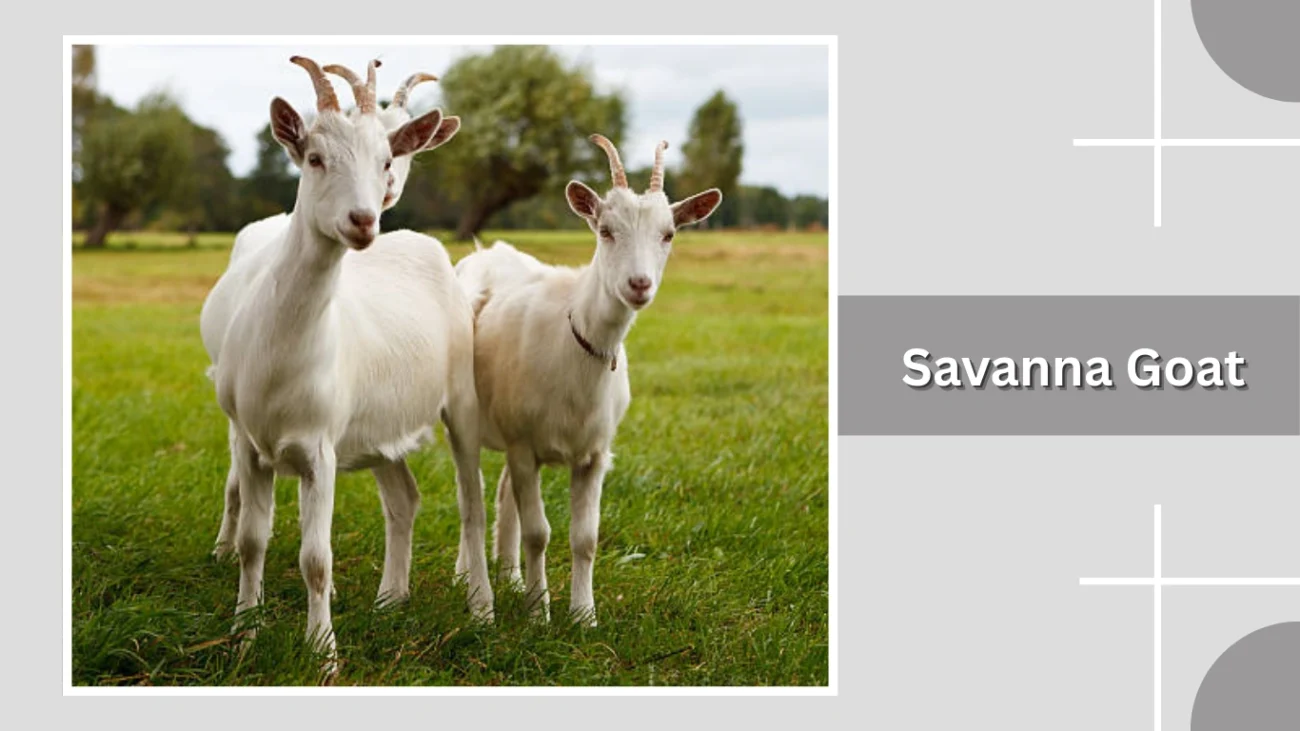
Savanna goats originate from South Africa and are a hardy, meat-focused breed known for their rapid growth, strong disease resistance, and excellent adaptability to harsh environments. They are ideal for extensive grazing systems and low-maintenance farming.
Identification
- Solid white coat with pigmented skin
- Medium to large, muscular frame
- Long, slightly drooping ears
- Strong legs and robust body structure
Habitat
Savannas thrive in hot, dry, and semi-arid climates. They perform well on open rangelands, rough pastures, and areas with minimal vegetation, making them highly suitable for challenging grazing conditions.
Behaviors
These goats are calm, alert, and highly resilient. They exhibit strong maternal instincts, good fertility, and high survival rates. Savannas are independent foragers and adapt well to low-input, large-herd management.
Diet
Their diet includes natural grasses, shrubs, browse, and hay. Savanna goats efficiently utilize poor-quality forage and require minimal supplemental feeding, making them ideal for sustainable meat production.
FAQs
1. Which goat breed is best for milk production?
Saanen, Nubian, Alpine, and Murciana-Granadina goats are among the best dairy breeds. Saanens produce the highest volume, while Nubians offer rich, high-butterfat milk. Alpines are known for consistency, and Murciana-Granadina goats produce exceptionally flavorful milk in warm climates.
2. What is the best goat breed for meat production?
Boer, Kalahari Red, Savanna, and Kiko goats are top meat breeds. Boer goats grow rapidly and produce high-quality carcasses, while Savannas and Kalahari Reds excel in hot climates. Kikos are low-maintenance and thrive in rugged environments.
3. Which goat breed is easiest for beginners?
Nigerian Dwarf, LaMancha, Pygmy, and Boer goats are ideal for beginners. These breeds are friendly, easy to manage, and adaptable to small farms or homesteads. Nigerian Dwarfs are perfect for small spaces, while Boers are great for meat-focused beginners.
4. Which goat breed is best for fiber production?
Angora and Cashmere goats are the primary fiber-producing breeds. Angoras produce mohair, a silky and luxurious fiber, while Cashmere goats produce cashmere wool from their fine undercoat. Both require proper grooming and care during shedding seasons.
5. What goat breed thrives best in hot climates?
Brahman-influenced goat breeds don’t exist, but Kalahari Red, Savanna, Spanish, and Boer goats are among the best performers in hot regions. They tolerate heat well, resist parasites, and forage efficiently on sparse vegetation, making them ideal for warm and dry environments.


