











Sheep breeds vary widely in purpose, appearance, and adaptability, making them essential to farms and ecosystems around the world. From fine-wool producers like Merinos to hardy hill breeds such as Scottish Blackface and efficient meat breeds like Dorper and Texel, each offers unique strengths. Understanding these common sheep types helps farmers, homesteaders, and fiber enthusiasts choose the right breeds for climate, production goals, and management style.
1. Merino sheep
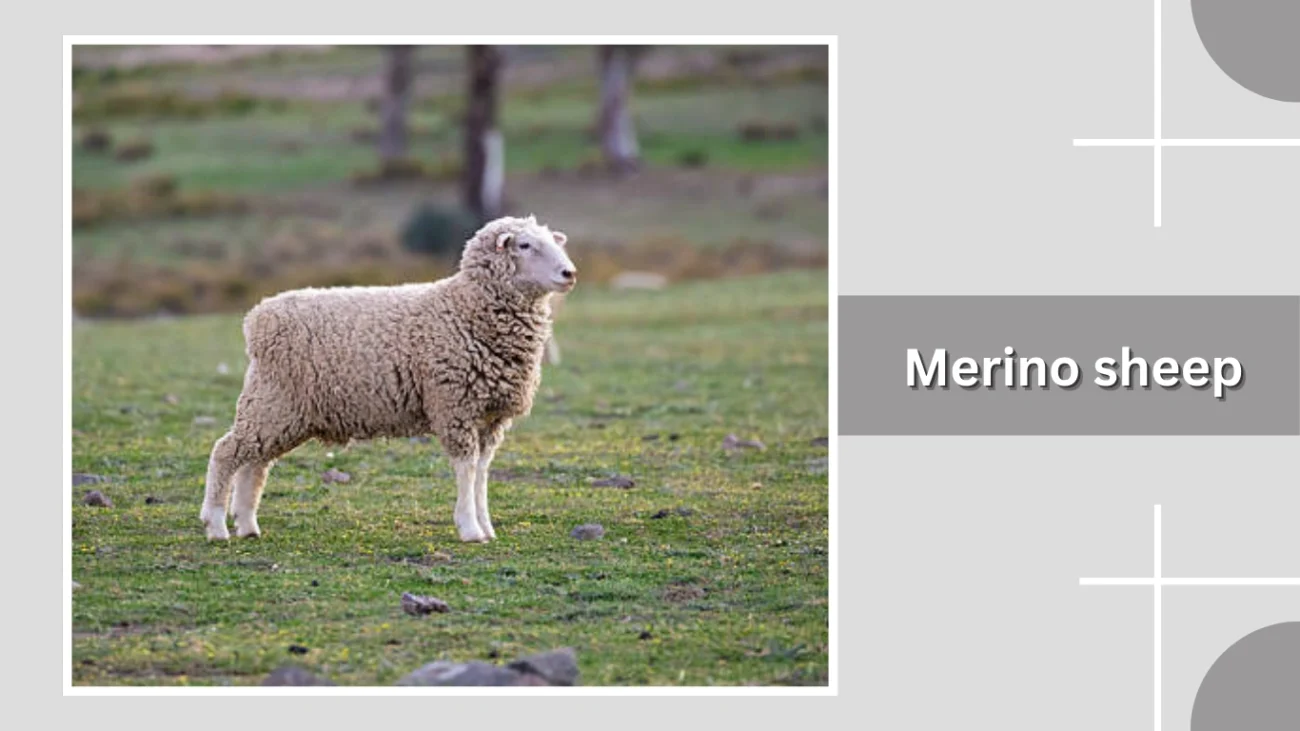
Merino sheep are one of the most famous wool-producing breeds in the world, known for their exceptionally fine and soft fleece. Originating from Spain, they are now raised globally for premium wool used in high-quality textiles and clothing.
Identification
- Dense, fine, crimped wool
- White coat with medium-sized frame
- Wrinkled skin (more pronounced in some lines)
- Calm facial expression with soft features
Habitat
Merinos thrive in dry, temperate, and semi-arid environments. They are commonly raised in regions with open pastures, rolling hills, and rangelands that support large grazing flocks. Their wool provides excellent protection against variable weather.
Behaviors
Merino sheep are calm, docile, and easy to handle. They display strong flocking instincts and adapt well to large herd management. Their gentle behavior makes them suitable for both commercial operations and smaller farms.
Diet
Their diet mainly consists of pasture grasses, shrubs, hay, and supplemental minerals. Merinos are efficient grazers and do well on a variety of forages, producing high-quality wool when fed balanced, nutrient-rich diets.
2. Suffolk sheep
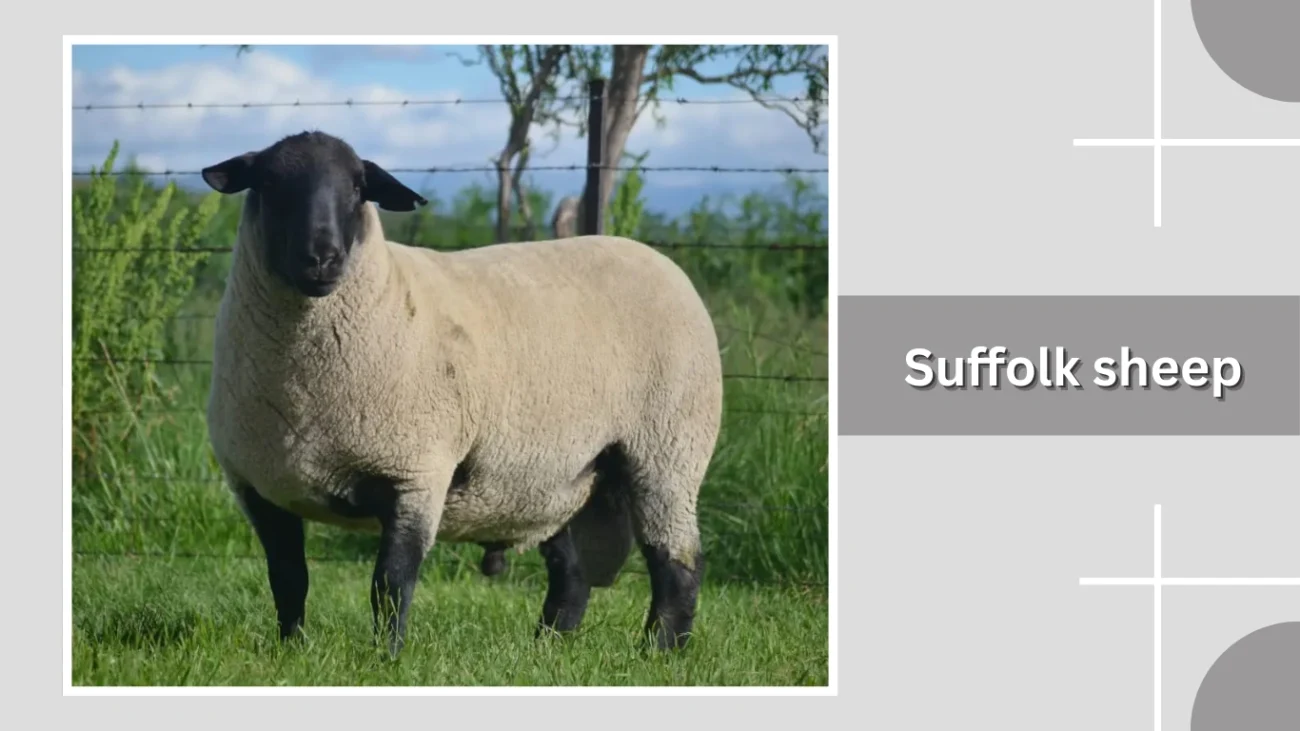
Suffolk sheep are a popular meat breed originating from England, known for their rapid growth rate, excellent carcass quality, and distinctive black head and legs. They are widely used in commercial lamb production due to their efficiency and strong performance.
Identification
- White body with black head and legs
- Medium to large, muscular frame
- No wool on the face or legs
- Upright ears and alert expression
Habitat
Suffolk sheep thrive in temperate climates and adapt well to open pastures, mixed farmlands, and rotational grazing systems. Their strong build allows them to perform well in various farming environments.
Behaviors
Suffolks are active, hardy, and known for their good temperament. They exhibit strong maternal instincts, good flocking behavior, and excellent lambing rates. Their energetic nature makes them efficient grazers.
Diet
Their diet includes pasture grasses, hay, forage crops, and supplemental grains, especially during rapid growth stages. Suffolks convert feed efficiently into lean, high-quality meat.
3. Dorper sheep
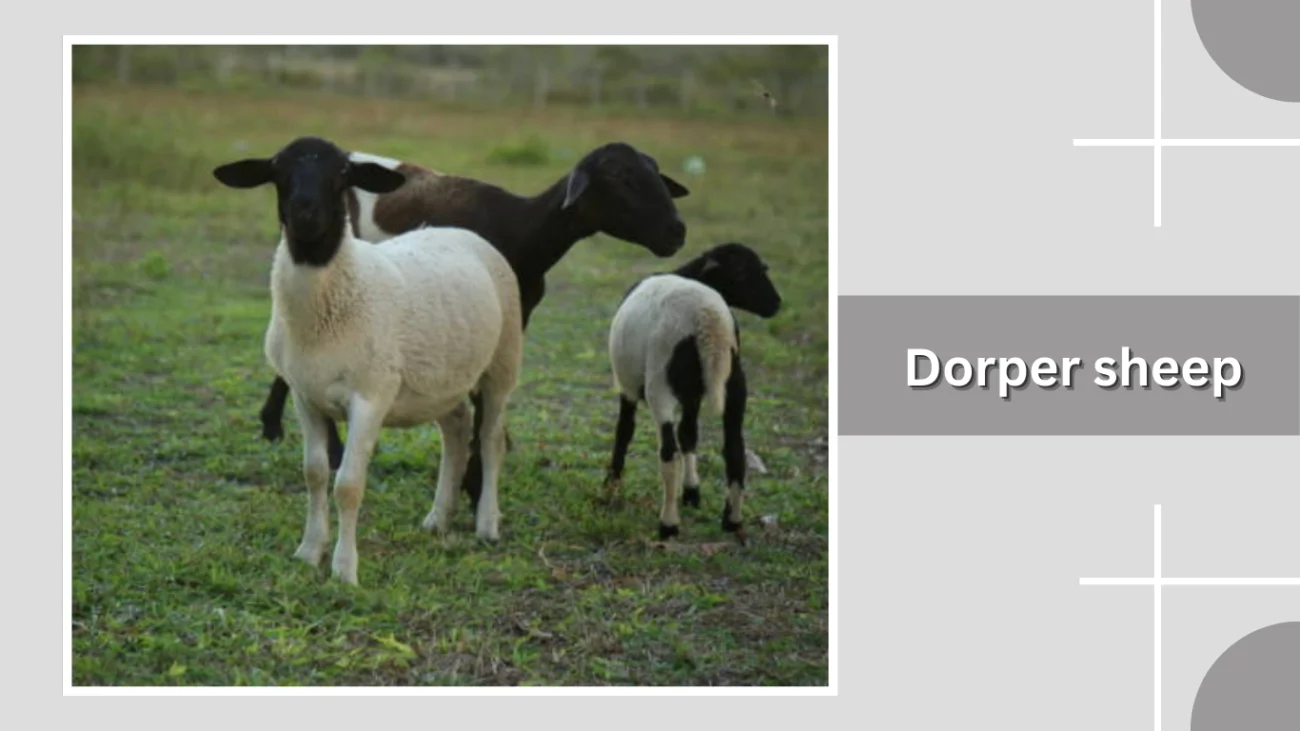
Dorper sheep originate from South Africa and are one of the most popular hair sheep breeds worldwide. Known for their hardiness, fast growth, and ability to thrive in harsh climates, they are primarily raised for high-quality meat production.
Identification
- White body with black head (Dorper) or all-white (White Dorper)
- Short hair with a woolly undercoat that sheds naturally
- Medium, muscular frame
- Smooth face with no wool
Habitat
Dorpers thrive in arid, semi-arid, and dry grassland regions. They adapt extremely well to hot climates and poor grazing conditions, making them suitable for extensive rangelands and low-input systems.
Behaviors
These sheep are calm, resilient, and excellent foragers. They have strong maternal instincts, high lambing rates, and can thrive with minimal management. Dorpers are known for being hardy and highly adaptable.
Diet
Their diet includes grasses, shrubs, browse plants, hay, and supplemental feed when needed. Dorpers efficiently utilize low-quality forage and maintain good body condition even in challenging grazing environments.
4. Dorset sheep
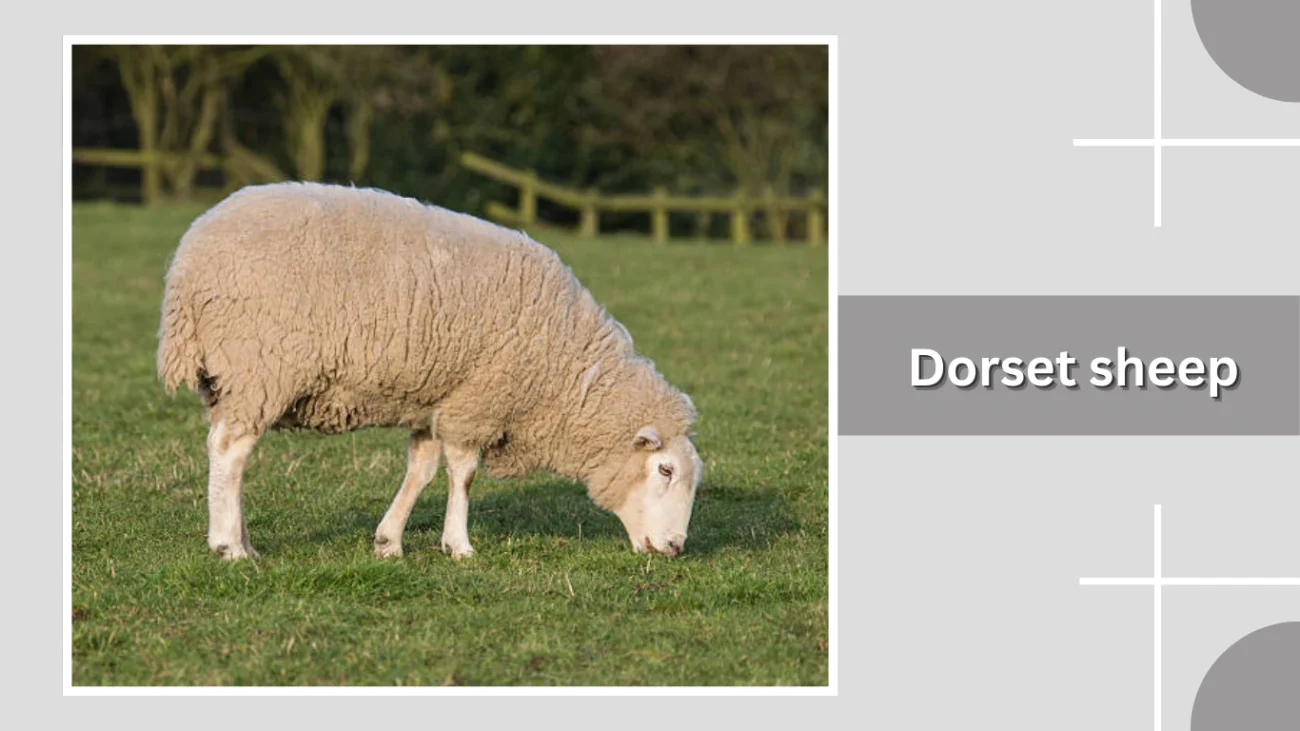
Dorset sheep are a versatile breed known for their excellent meat quality, strong maternal instincts, and ability to breed out of season. This makes them popular for year-round lamb production and a favorite among both small and commercial farms.
Identification
- White body with wool on the face and legs
- Medium to large, muscular frame
- Polled (hornless) and horned varieties
- Soft, dense fleece
Habitat
Dorsets thrive in temperate climates and adapt well to pasture-based systems, rotational grazing, and mixed farming environments. Their hardiness allows them to perform well in both open fields and mild hill terrains.
Behaviors
Dorset sheep are calm, productive, and known for excellent mothering abilities. Their ability to breed out of season provides greater flexibility in flock management. They display strong flocking behavior and are easy to handle.
Diet
Their diet includes pasture grasses, hay, forage crops, and grains during breeding or finishing. Dorsets convert feed efficiently into tender, flavorful meat and maintain good health on a balanced diet.
5. Hampshire sheep
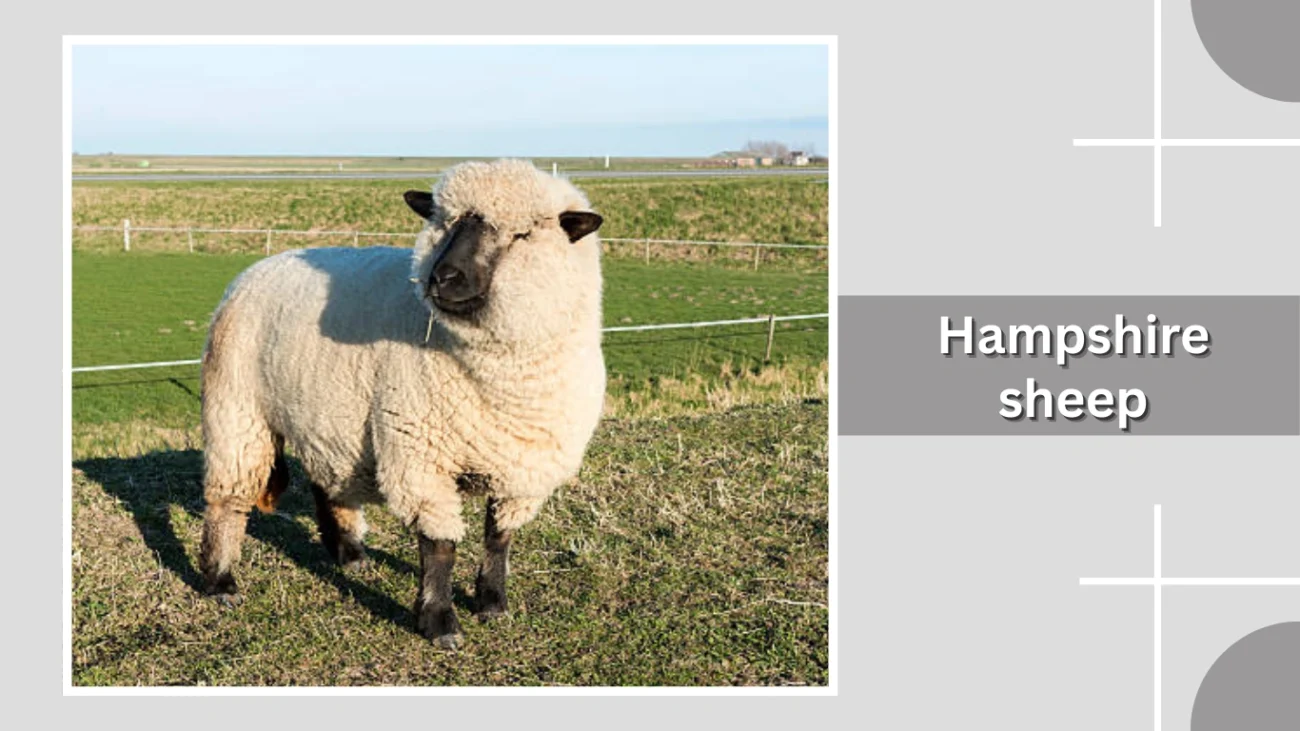
Hampshire sheep are a well-known meat breed originating from England, valued for their rapid growth, excellent carcass quality, and distinctive facial features. They are widely used in commercial lamb production and crossbreeding programs.
Identification
- White body with black face, ears, and legs
- Medium to large, muscular frame
- Wool cap on the forehead
- Broad head and strong build
Habitat
Hampshires thrive in temperate climates and perform well on open pastures, rolling hills, and rotational grazing systems. Their sturdy build makes them adaptable to various farming environments.
Behaviors
These sheep are active, hardy, and exhibit good flocking instincts. They are known for reliable lambing, strong maternal behavior, and fast growth rates in lambs. Hampshires are generally calm and easy to manage.
Diet
Their diet includes grasses, hay, forage crops, and supplemental grains during growth or finishing. Hampshires efficiently convert feed into high-quality meat and maintain excellent body condition on balanced forage.
6. Rambouillet sheep
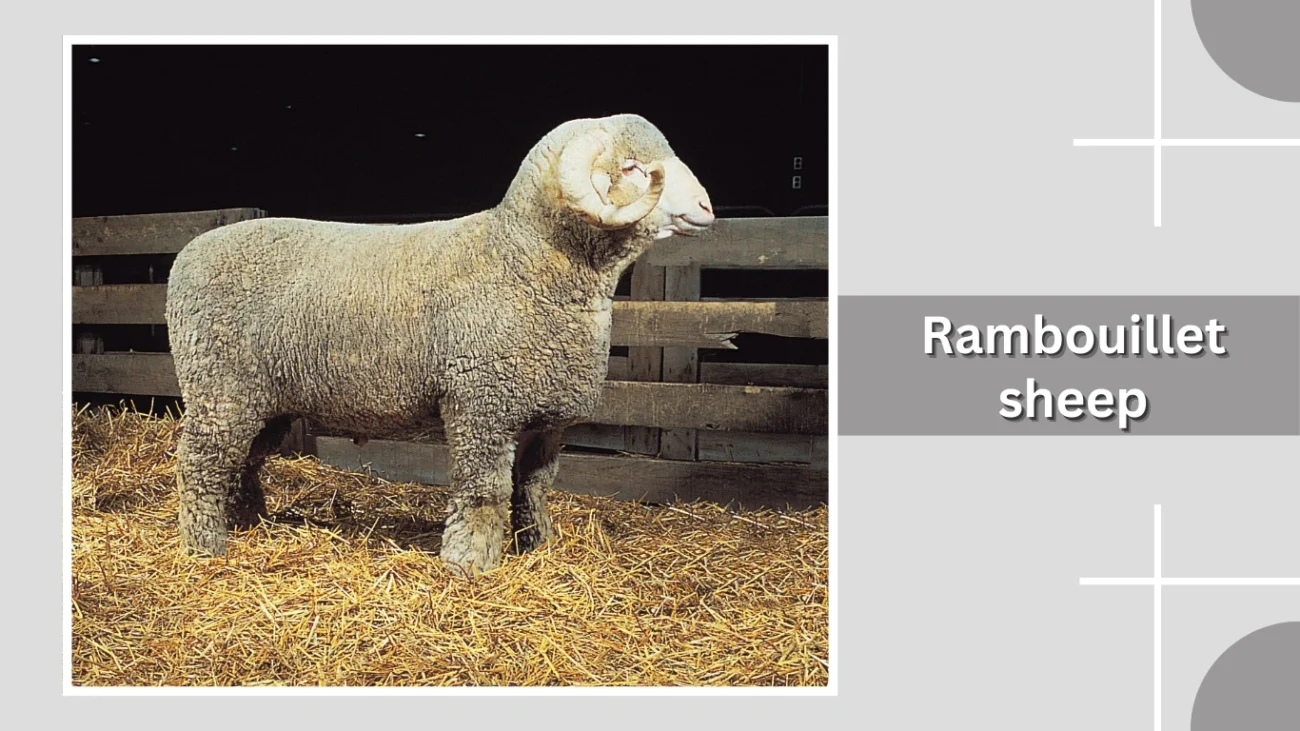
Rambouillet sheep, originally developed in France, are a premier wool and meat breed known for their hardiness and adaptability. Often referred to as the “French Merino,” they produce fine-quality wool while maintaining strong body structure for dual-purpose use.
Identification
- White coat with dense, fine wool
- Large, robust frame
- Rams often have long, curved horns; ewes are usually polled
- Smooth face with soft features
Habitat
Rambouillets thrive in dry, semi-arid, and rangeland environments. They perform exceptionally well on vast grazing areas, rugged terrain, and open pastures, making them ideal for extensive Western sheep operations.
Behaviors
These sheep are calm, resilient, and strong flockers. They adapt well to harsh climates, display good mothering instincts, and manage long grazing distances with ease. Rambouillets are durable and dependable in large herd systems.
Diet
Their diet includes native grasses, shrubs, hay, and supplemental grains when needed. Rambouillets are efficient grazers capable of converting low-quality forage into fine wool and lean meat.
7. Cheviot sheep
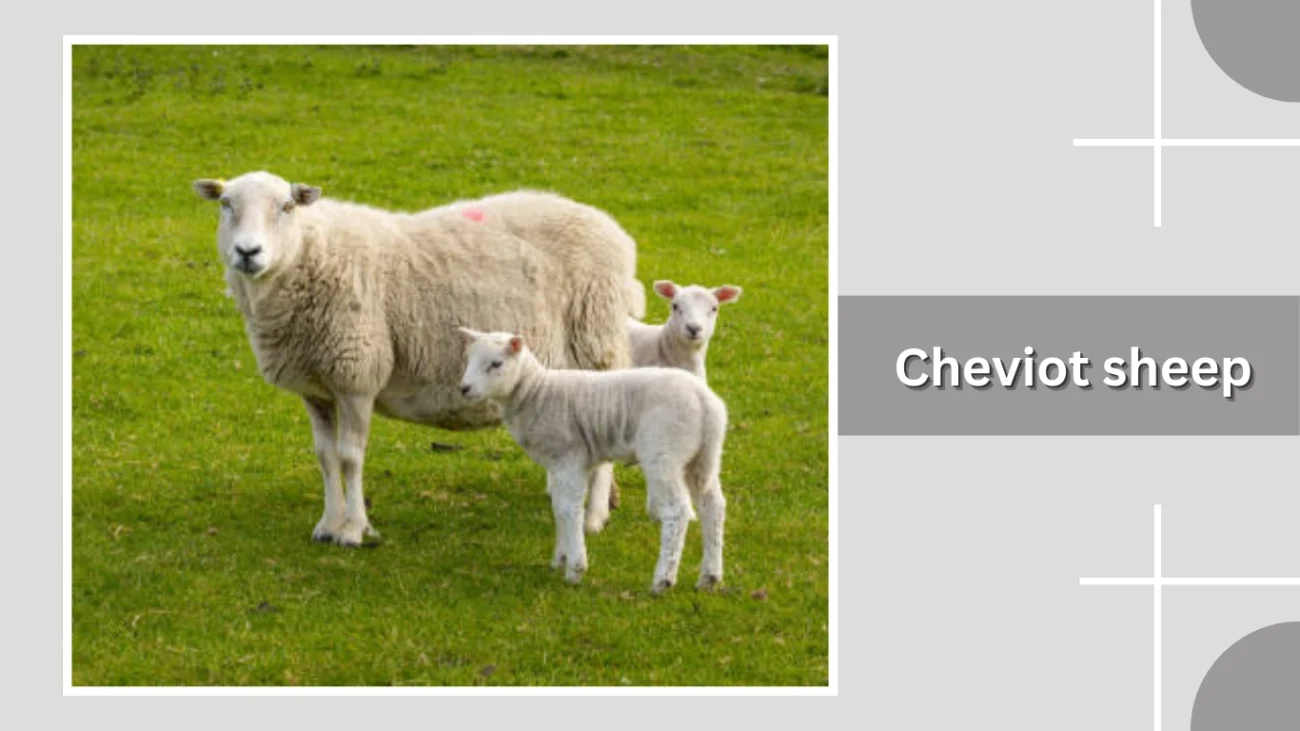
Cheviot sheep originate from the border region of England and Scotland and are known for their hardiness, alert nature, and high-quality meat. They thrive in rough terrains and are popular in hill farming systems.
Identification
- White face with no wool on the head
- Distinctive black nose and black feet
- Medium-sized, muscular frame
- Upright ears and lively expression
Habitat
Cheviots excel in harsh, windy, and hilly environments. They are commonly raised in upland and hill pastures where their agility and resilience allow them to forage efficiently in challenging terrain.
Behaviors
These sheep are alert, energetic, and highly independent. Cheviots exhibit strong survival instincts, good mothering behavior, and a natural ability to thrive with minimal intervention. They are excellent for extensive grazing systems.
Diet
Their diet includes grasses, heather, shrubs, and hay. Cheviots are efficient grazers and maintain good body condition on rough, low-quality forage typical of hill regions.
8. Texel sheep
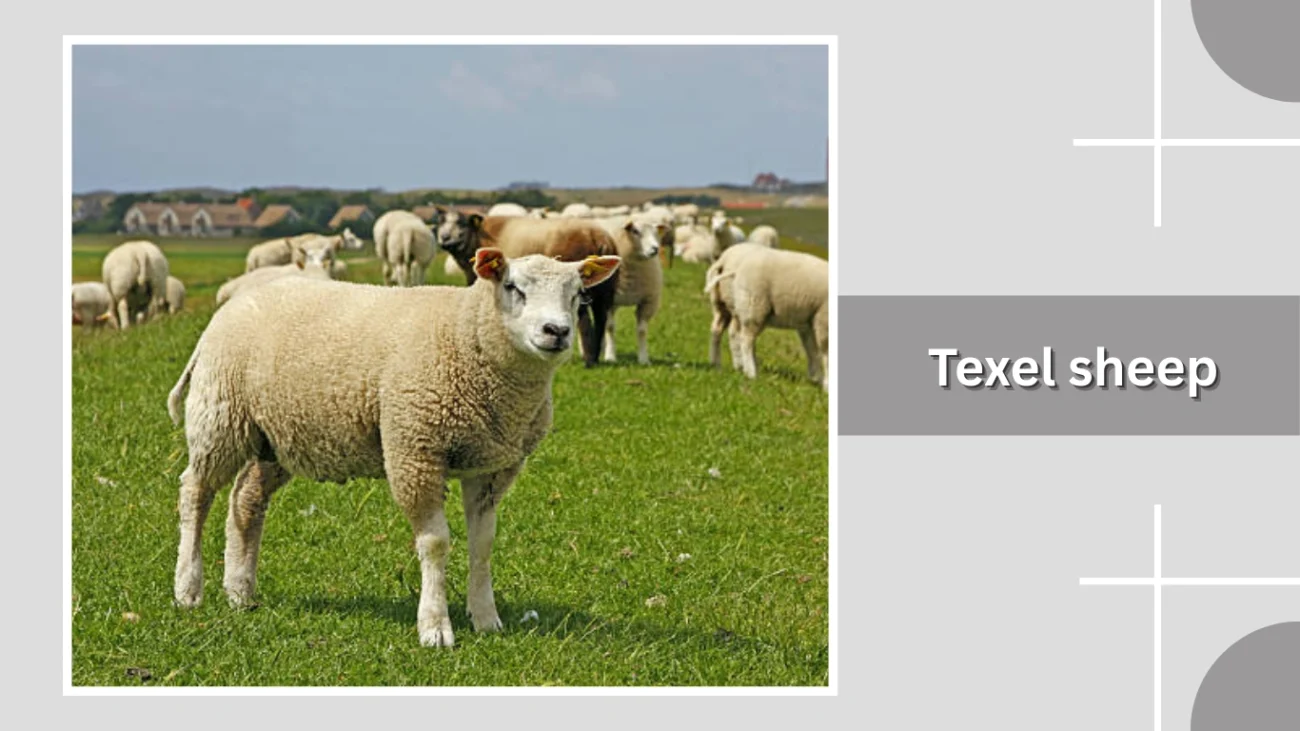
Texel sheep originate from the island of Texel in the Netherlands and are highly regarded for their exceptional meat quality. They are widely used in crossbreeding programs to improve muscling and lean carcass traits.
Identification
- White coat with dense, medium-length wool
- Distinctive broad, muscular body
- Clean, wool-free face with short ears
- Strong legs and firm, blocky build
Habitat
Texels thrive in temperate climates and adapt well to open pastures, mixed farmlands, and coastal environments. Their sturdy build allows them to perform well in both flat and gently rolling terrains.
Behaviors
These sheep are calm, alert, and efficient grazers. Texels exhibit excellent growth rates, strong flocking behavior, and good maternal instincts. They are known for producing robust lambs with exceptional muscling.
Diet
Their diet includes pasture grasses, hay, forage crops, and supplemental grain for finishing. Texels efficiently convert feed into lean, high-quality meat, making them a top choice for commercial meat production.
9. Katahdin sheep
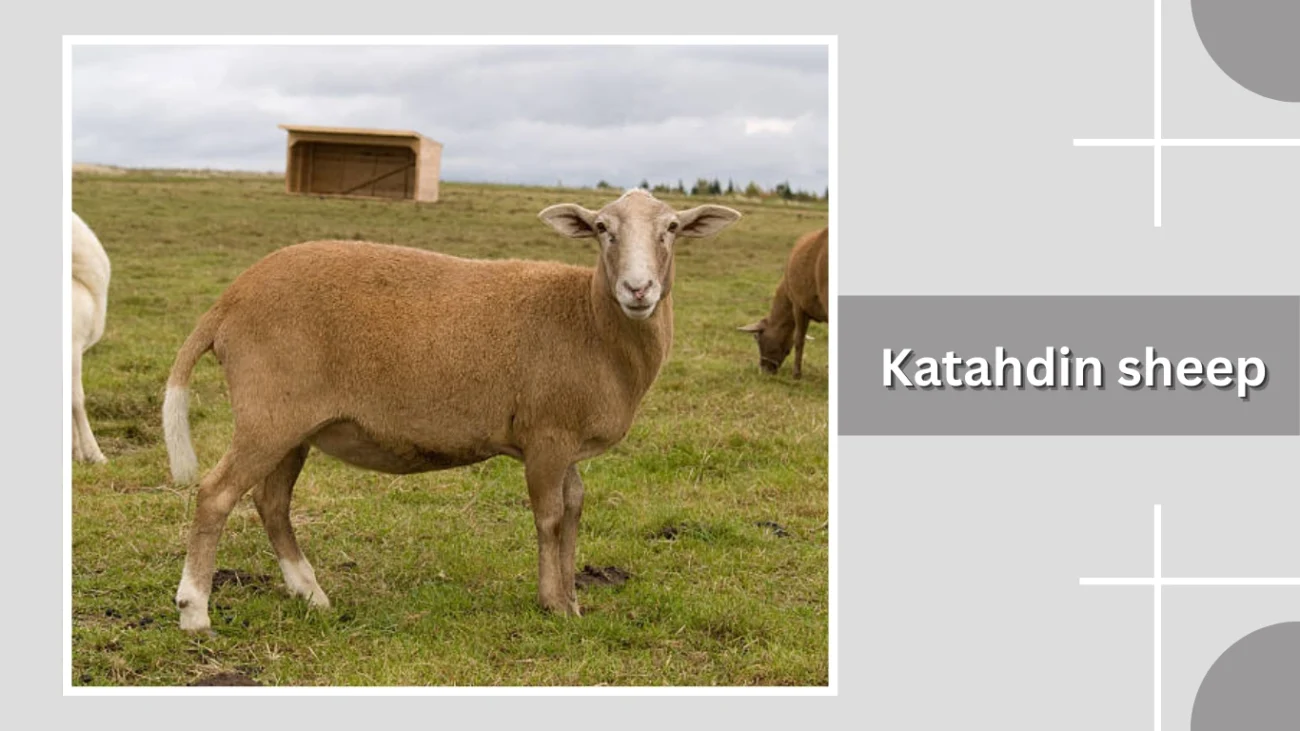
Katahdin sheep are an American hair sheep breed developed for meat production and known for their natural shedding ability. They require no shearing, making them a low-maintenance option for small farmers and large operations alike.
Identification
- Short hair coat that sheds annually
- Wide range of coat colors
- Medium-sized, muscular frame
- Clean face and legs with no wool
Habitat
Katahdins thrive in diverse climates, from cold northern regions to hot, humid areas. They adapt well to rotational grazing, open pastures, and mixed forage systems due to their hardiness and parasite resistance.
Behaviors
These sheep are calm, gentle, and highly adaptable. They exhibit excellent maternal instincts, high fertility, and strong flocking behavior. Katahdins are particularly valued for their parasite resilience and low management needs.
Diet
Their diet includes pasture grasses, browse, hay, and supplemental grain when needed. Katahdins efficiently convert forage into lean meat and maintain good condition even on moderate-quality pasture.
10. Jacob Sheep
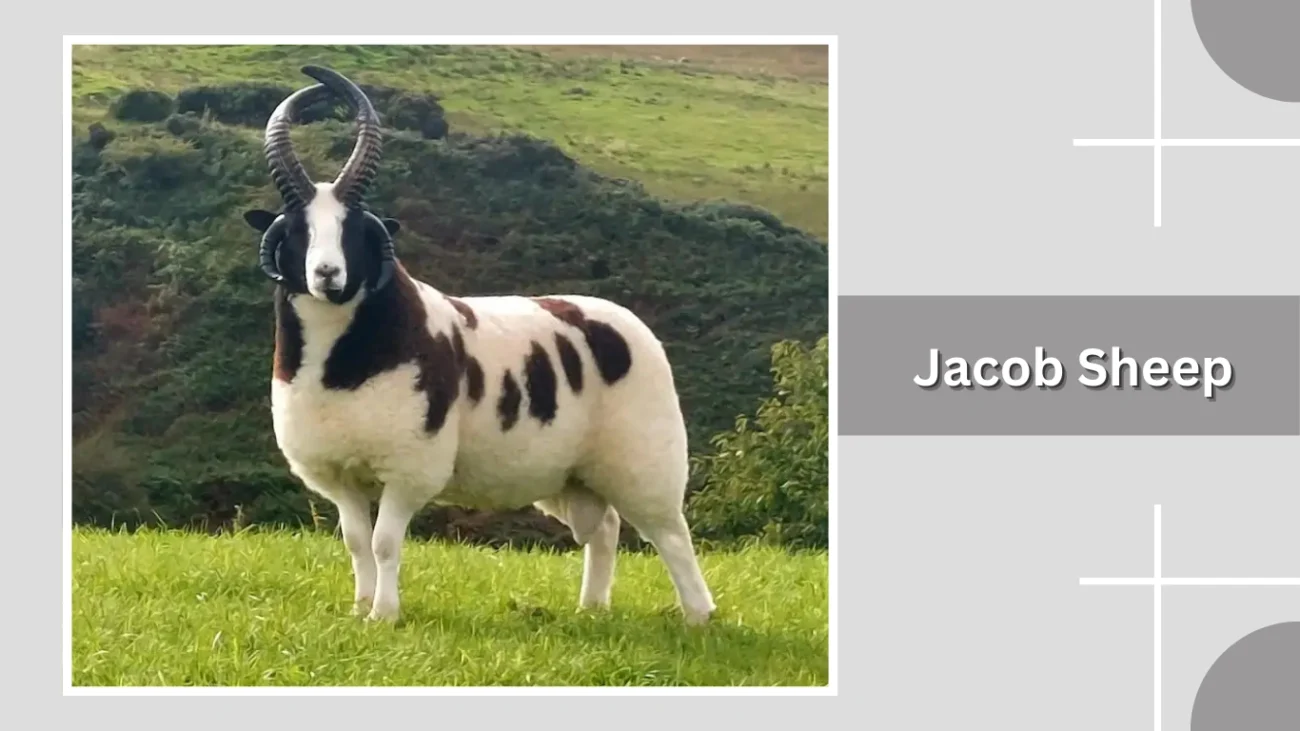
Jacob sheep are a unique, multi-horned heritage breed known for their striking appearance and hardy nature. They are valued for both their distinctive wool and their ability to thrive in low-input farming systems.
Identification
- Typically black-and-white spotted fleece
- Often have 2, 4, or even 6 horns
- Medium-sized, lean frame
- Narrow face with alert expression
Habitat
Jacob sheep thrive in temperate climates and adapt well to diverse environments, including pastures, small farms, and rough grazing lands. Their hardiness allows them to perform well in both mild and challenging terrains.
Behaviors
These sheep are alert, independent, and intelligent. Jacobs exhibit strong foraging abilities, good maternal behavior, and minimal health issues. They are generally docile but agile and self-sufficient.
Diet
Their diet includes grasses, brush, hay, and seasonal forage. Jacob sheep are efficient foragers and maintain good body condition on moderate-quality pasture, making them suitable for sustainable and low-input systems.
11. Awassi sheep

Awassi sheep originate from the Middle East and are one of the most important dairy sheep breeds in the region. Known for their hardiness, fat tail, and ability to thrive in harsh desert environments, they are highly valued for milk, meat, and wool.
Identification
- Distinctive fat, rounded tail
- Brown or white coat with coarse wool
- Medium to large frame
- Long, drooping ears and strong facial profile
Habitat
Awassi sheep thrive in hot, arid, and semi-desert climates. They are commonly raised in dry rangelands, open pastures, and regions with scarce vegetation, thanks to their exceptional drought tolerance.
Behaviors
These sheep are calm, resilient, and highly adaptable. Awassis display strong flocking behavior, excellent mothering instincts, and the ability to travel long distances for forage and water.
Diet
Their diet includes desert shrubs, grasses, hay, and minimal supplemental feed. Awassi sheep efficiently utilize low-quality forage and maintain productivity even under severe environmental conditions.
12. East Friesian sheep
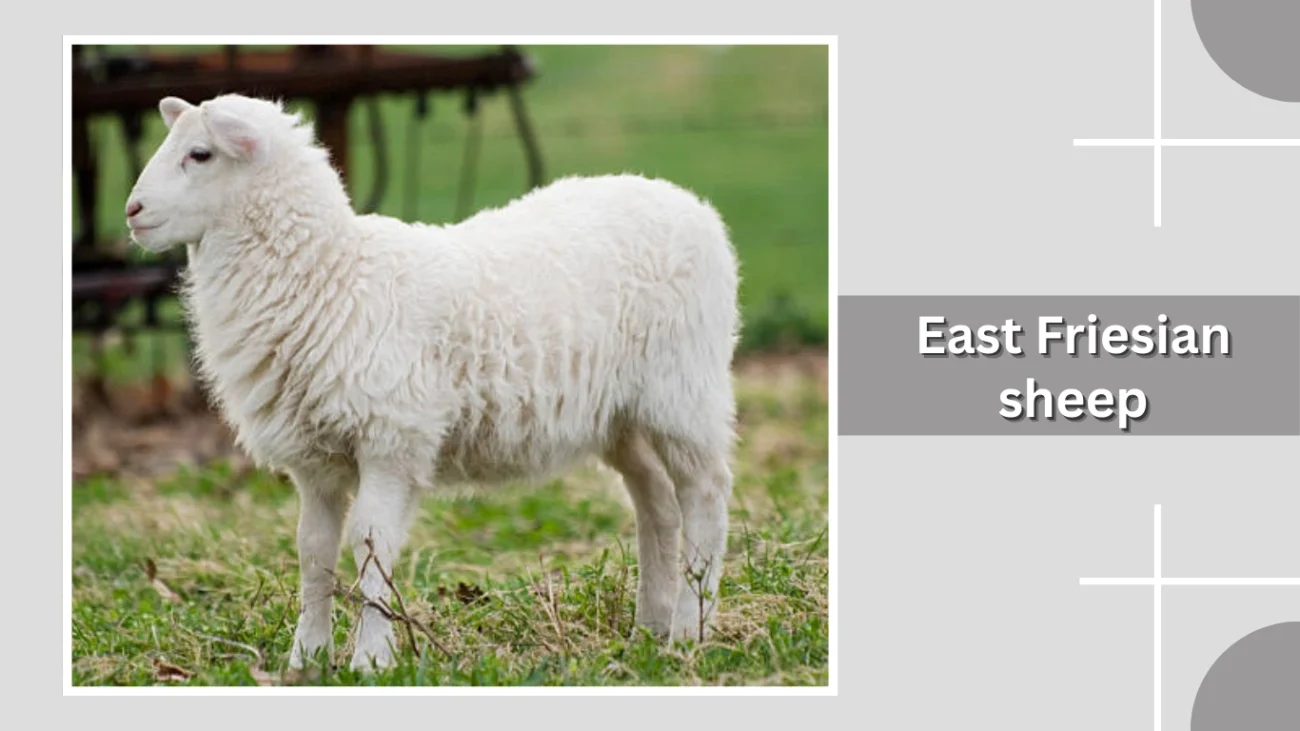
East Friesian sheep originate from Germany and the Netherlands and are widely regarded as the highest milk-producing sheep breed in the world. They are essential in dairy sheep operations and valued for their gentle temperament and prolific lambing.
Identification
- White coat with short, fine wool
- Distinct bare tail area
- Medium-sized body with upright ears
- Long, narrow face with alert expression
Habitat
East Friesians thrive in temperate, moist climates with lush pastures. They perform best in managed dairy environments where high-quality forage and controlled housing conditions are available.
Behaviors
These sheep are calm, friendly, and highly social. They show strong maternal instincts, respond well to routine handling, and adapt to intensive dairy management. East Friesians are prolific and produce large litters.
Diet
Their diet includes rich pasture grasses, hay, high-energy grains, and mineral supplements to support heavy milk production. They require nutrient-dense feed to maintain health and productivity.
13. Finnsheep

Finnsheep, originating from Finland, are renowned for their exceptional fertility, often producing large litters. They are also valued for their soft wool, friendly temperament, and versatility in both wool and lamb production.
Identification
- White coat is most common, though other colors occur
- Medium-sized, lean body
- Upright ears and expressive face
- Soft, medium-length wool
Habitat
Finnsheep thrive in cool, temperate climates and adapt well to pasture-based systems, small farms, and mixed grazing areas. Their hardiness makes them suitable for northern regions with colder weather.
Behaviors
These sheep are calm, friendly, and highly social. Finnsheep are extremely prolific, often giving birth to multiple lambs per season. They exhibit strong maternal instincts and respond well to gentle handling.
Diet
Their diet includes grasses, hay, forage crops, and supplemental grains during lambing or lactation. Finnsheep efficiently convert forage into both wool and meat, maintaining good condition on varied pasture.:
14. Shetland sheep
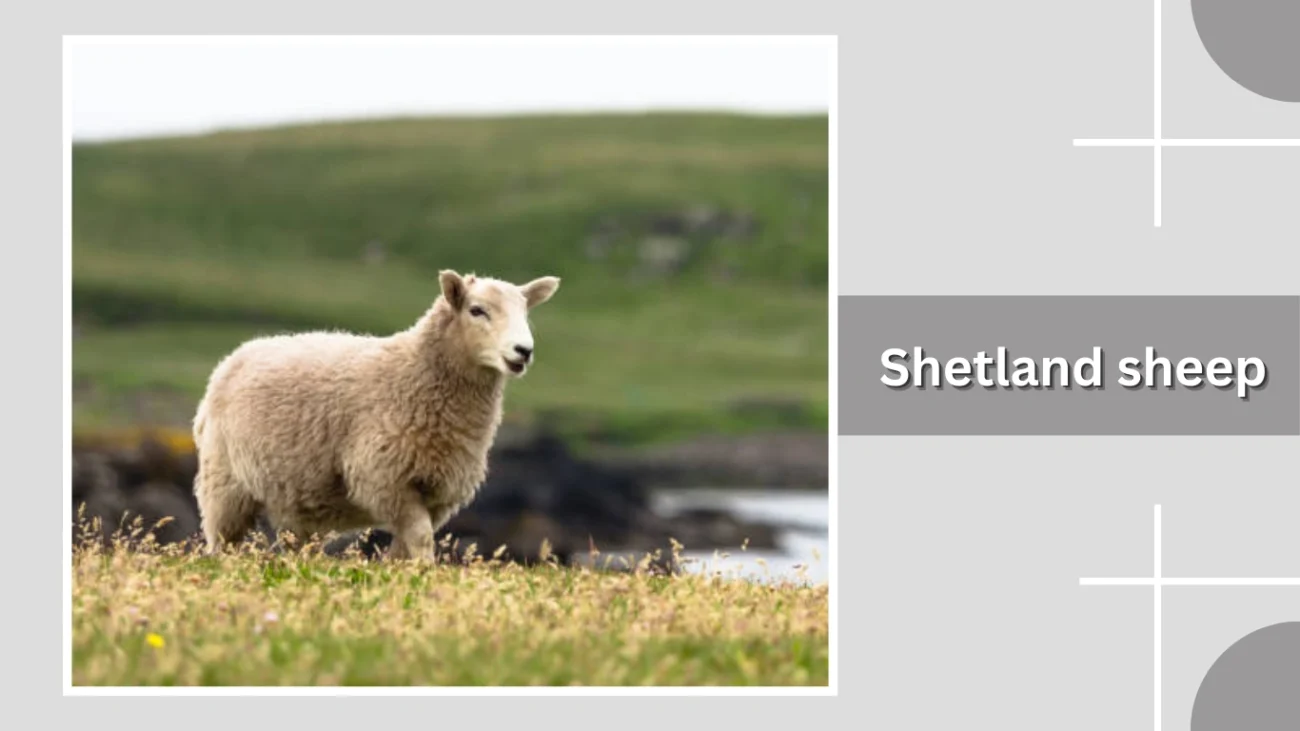
Shetland sheep originate from the Shetland Islands of Scotland and are prized for their fine, soft wool and hardy nature. They are a small heritage breed known for their adaptability and colorful fleece variations.
Identification
- Small, lightweight frame
- Wide variety of coat colors and patterns
- Short, fine wool prized for hand-spinning
- Alert face with upright ears
Habitat
Shetland sheep thrive in cold, windy, and rugged environments. Their origins in the harsh Shetland Islands have made them extremely hardy, allowing them to do well on poor-quality pasture and rough terrain.
Behaviors
These sheep are intelligent, gentle, and easy to manage. Shetlands have strong flocking instincts, excellent mothering abilities, and a calm, approachable temperament, making them suitable for small farms and hobby flocks.
Diet
Their diet includes grasses, heather, hay, and shrubs. Shetlands are efficient foragers and maintain good body condition on low-input systems, making them ideal for sustainable, low-maintenance farming.
15. Romney sheep
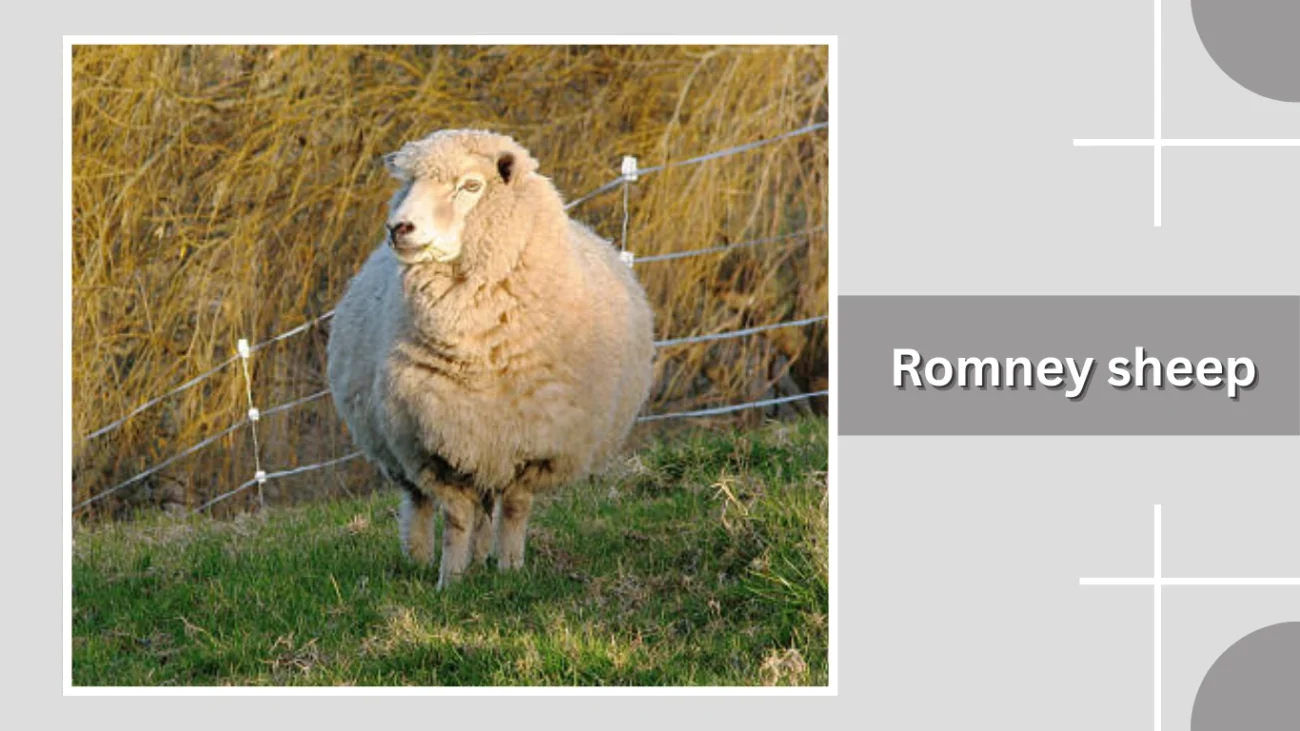
Romney sheep, originating from England, are known for their hardiness, dual-purpose qualities, and high-quality wool. They are especially valued in damp or coastal regions due to their resistance to footrot and overall resilience.
Identification
- White coat with long, lustrous wool
- Medium to large, sturdy frame
- Broad face with wool-covered forehead
- Strong legs well-suited for wet terrain
Habitat
Romneys thrive in cool, moist climates and excel in coastal, marshy, and high-rainfall regions. Their durability makes them ideal for pastures that challenge other breeds, especially in wet environments.
Behaviors
These sheep are calm, easy to handle, and efficient grazers. Romneys exhibit strong mothering instincts and adapt well to a variety of management systems. They are dependable in both commercial and small-farm settings.
Diet
Their diet includes pasture grasses, hay, clover, and forage crops. Romneys efficiently convert diverse forages into wool and meat while maintaining excellent condition even on damp pastures.
16. Southdown sheep
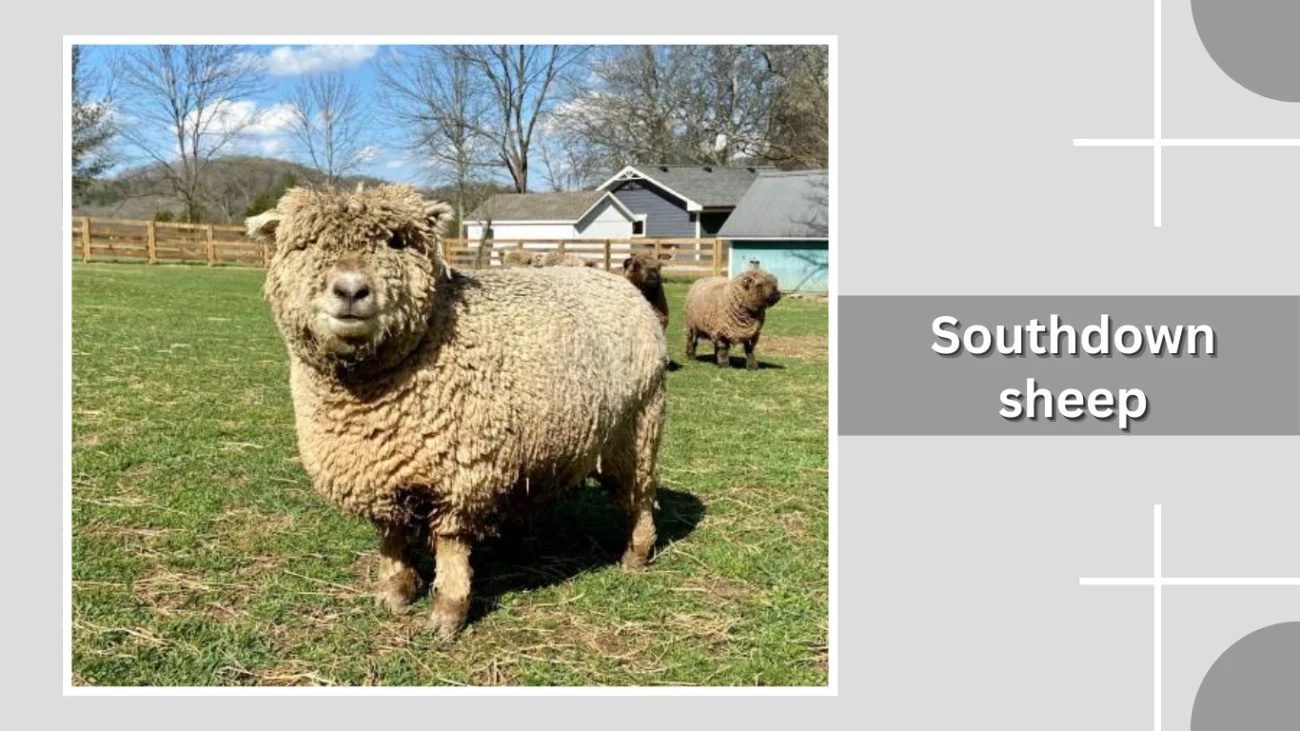
Southdown sheep are one of the oldest English sheep breeds, known for their compact size, gentle temperament, and excellent-quality meat. They are widely used in crossbreeding programs to improve carcass traits and overall lamb quality.
Identification
- Small to medium, compact frame
- Wool-covered face and legs
- Distinct mousy-gray face and lower legs
- Dense, fine wool with soft texture
Habitat
Southdowns thrive in temperate climates and perform well on small farms, open pastures, and mixed grazing systems. Their compact size and adaptability make them suitable for both lowland and gently rolling farmland.
Behaviors
These sheep are calm, friendly, and easy to manage. Southdowns exhibit strong flocking instincts, excellent mothering ability, and steady growth rates. Their docile nature makes them popular for family farms and 4-H projects.
Diet
Their diet includes pasture grasses, hay, and forage crops, with optional grain supplementation during finishing or breeding. Southdowns are efficient grazers and maintain good condition on moderate-quality pasture.
17. Blackface (Scottish Blackface)
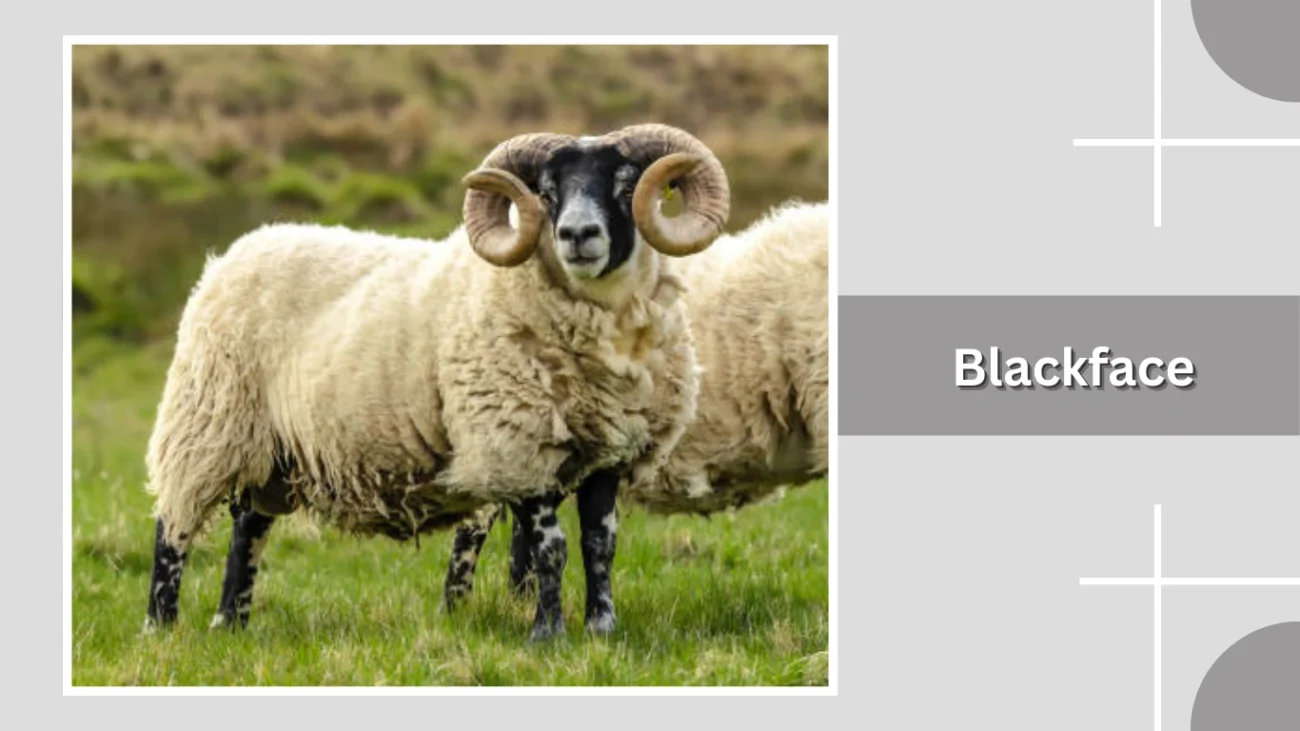
Scottish Blackface sheep are a rugged hill breed known for their hardiness, distinctive appearance, and ability to thrive in harsh climates. They are a cornerstone of upland sheep farming in Scotland and other mountainous regions.
Identification
- Black face and legs, often with white patches
- Large, curved horns (in both sexes, but especially rams)
- Long, coarse wool
- Medium to large, sturdy frame
Habitat
Blackface sheep excel in cold, windy, and mountainous environments. They thrive on rugged hillsides, moorlands, and areas with sparse vegetation, where other breeds struggle to survive.
Behaviors
These sheep are alert, independent, and extremely hardy. They have strong maternal instincts, excellent survival skills, and are well-suited for extensive grazing systems in remote, challenging terrain.
Diet
Their diet includes heather, coarse grasses, shrubs, and hay. Blackface sheep efficiently utilize low-quality forage and maintain good condition even in environments with limited vegetation.
18. Navajo-Churro sheep
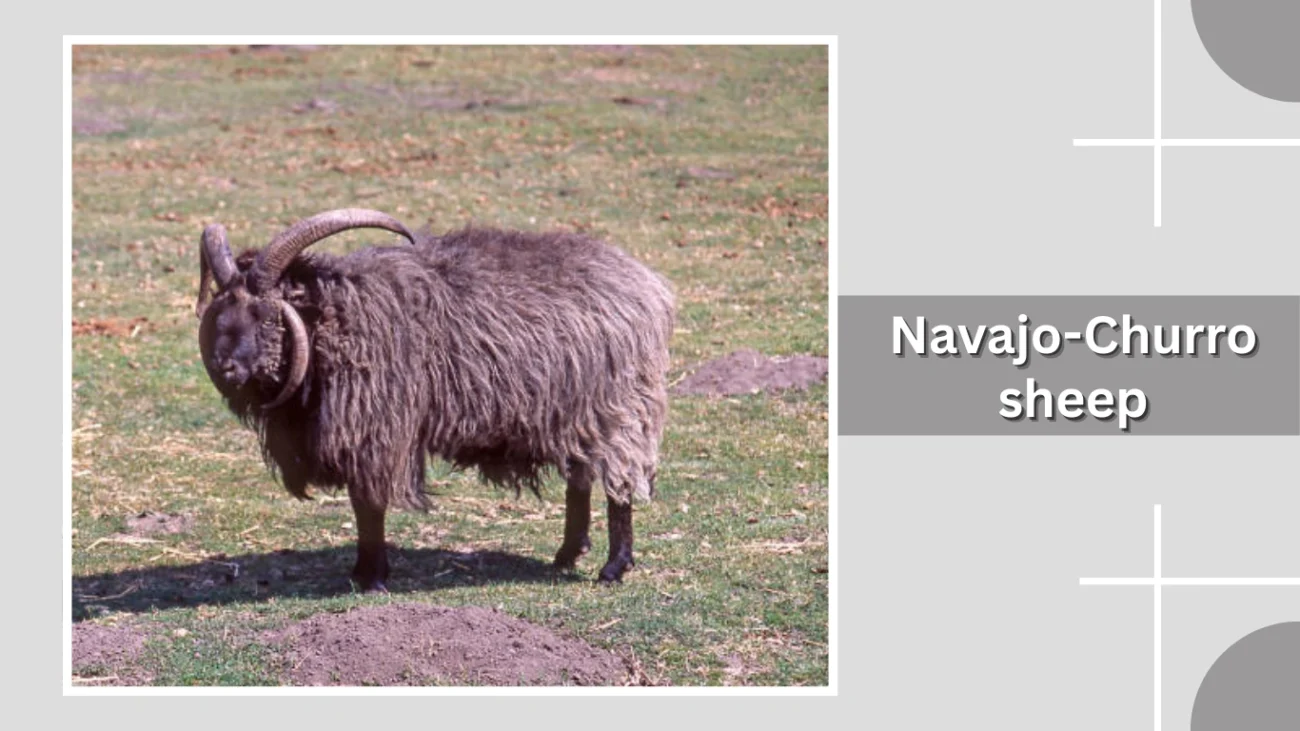
Navajo-Churro sheep are one of the oldest sheep breeds in North America, originally developed by the Navajo people. They are valued for their long, durable wool, hardiness, and ability to thrive in harsh desert environments.
Identification
- Long, coarse, multi-colored wool
- Slim, angular body
- Both sexes may have impressive spiraled horns
- Narrow face with alert expression
Habitat
Navajo-Churro sheep thrive in arid, dry, and rugged environments. They are well-suited for desert regions, open rangelands, and areas with sparse vegetation, reflecting centuries of adaptation to the American Southwest.
Behaviors
These sheep are intelligent, alert, and highly resilient. They exhibit strong flocking instincts, excellent mothering abilities, and calm temperaments. Their independence and survival skills make them ideal for low-input systems.
Diet
Their diet includes desert shrubs, grasses, weeds, hay, and browse. Navajo-Churro sheep efficiently utilize low-quality forage and maintain body condition even in challenging grazing conditions.
19. Lincoln sheep
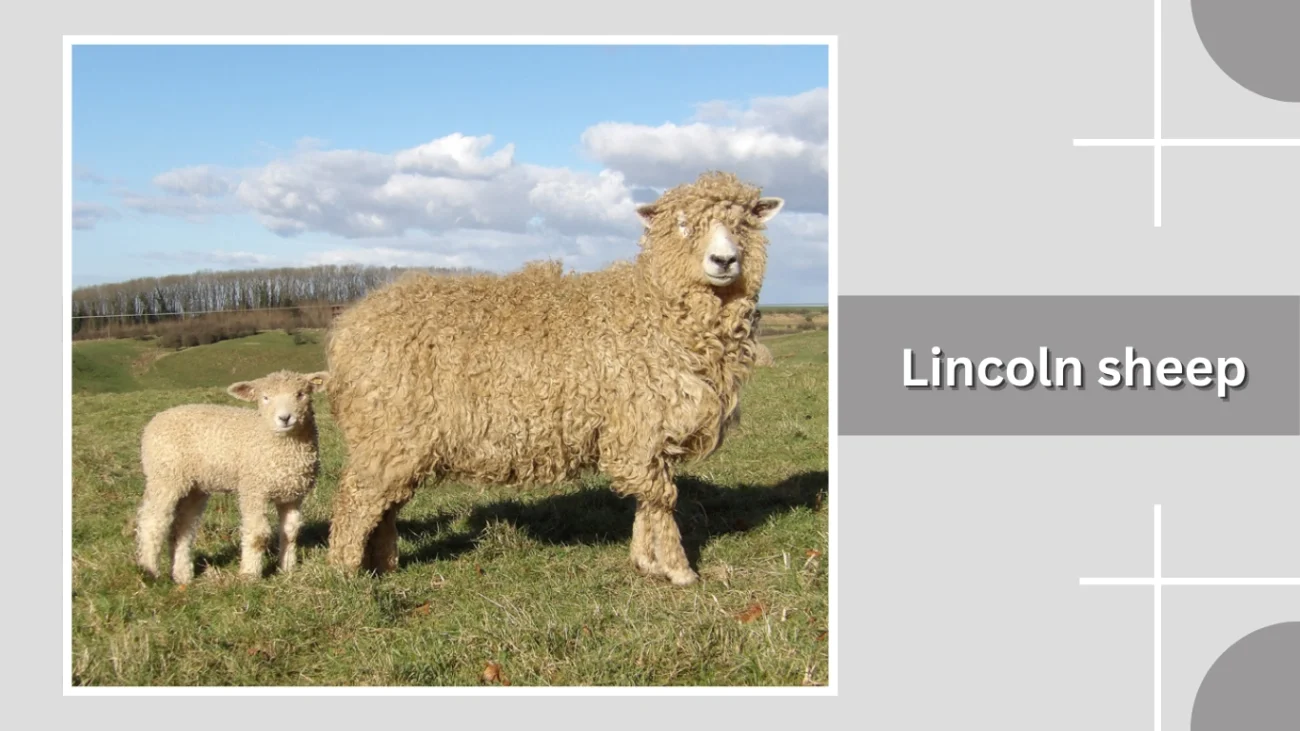
Lincoln sheep are one of the largest and oldest longwool breeds, originating from England. They are renowned for producing exceptionally long, lustrous wool and are valued in wool markets and hand-spinning communities worldwide.
Identification
- Long, curly, and shiny wool locks
- Large, heavy frame
- Wool-covered face and legs
- Calm facial expression with strong bone structure
Habitat
Lincolns thrive in cool, moist climates and adapt well to lowland pastures, grassy fields, and mixed farming systems. Their long wool provides protection in damp and variable weather conditions.
Behaviors
These sheep are calm, docile, and easy to manage. Lincolns exhibit strong flocking behavior, good mothering ability, and steady growth rates. Their gentle nature makes them suitable for both commercial and hobby flocks.
Diet
Their diet includes pasture grasses, hay, clover, and forage crops. Lincolns benefit from nutrient-rich feed to support wool growth and maintain condition, especially during long fleece cycles.
20. Border Leicester sheep
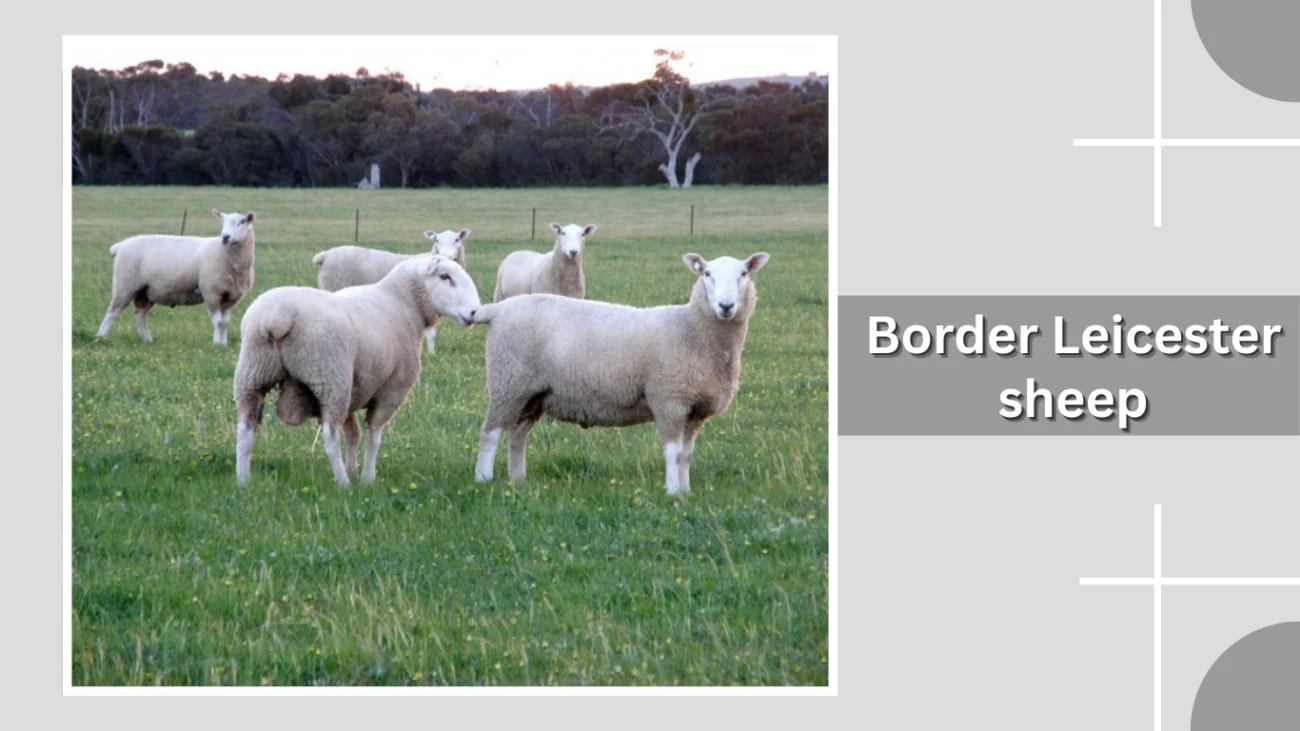
Border Leicester sheep originate from England and are known for their striking appearance, long wool, and excellent maternal traits. This breed is widely used in crossbreeding programs to improve lamb vigor and wool quality.
Identification
- Long, Roman nose
- Upright ears resembling those of a rabbit
- White, lustrous longwool fleece
- Large, tall frame with clean face and legs
Habitat
Border Leicesters thrive in temperate climates and adapt well to lowland pastures, rolling hills, and mixed farming environments. Their hardiness allows them to perform well in diverse grazing systems.
Behaviors
These sheep are calm, intelligent, and easy to handle. They exhibit strong maternal instincts, high fertility, and excellent lamb survival rates. Their friendly demeanor makes them suitable for both commercial flocks and small farms.
Diet
Their diet includes pasture grasses, hay, clover, and supplemental grains when needed. Border Leicesters are efficient grazers and maintain good condition on moderate- to high-quality forage.
21. Welsh Mountain sheep

Welsh Mountain sheep are a hardy hill breed originating from Wales. They are known for their ability to thrive in rugged, mountainous terrain and are prized for their resilience, strong flocking instincts, and quality meat.
Identification
- White coat with dense, weather-resistant wool
- Small to medium, compact frame
- Both sexes may have horns (varies by strain)
- Alert face with upright ears
Habitat
Welsh Mountain sheep excel in harsh, windy highland environments. They thrive on steep hillsides, rocky terrain, and upland pastures where vegetation is sparse and weather conditions are severe.
Behaviors
These sheep are hardy, agile, and independent. They have excellent survival instincts, strong maternal behavior, and the ability to forage over long distances. They are well-suited for extensive grazing systems in remote areas.
Diet
Their diet includes tough grasses, heather, shrubs, and hay. Welsh Mountain sheep efficiently utilize low-quality forage and maintain body condition in environments unsuitable for most other breeds.
22. Columbia sheep
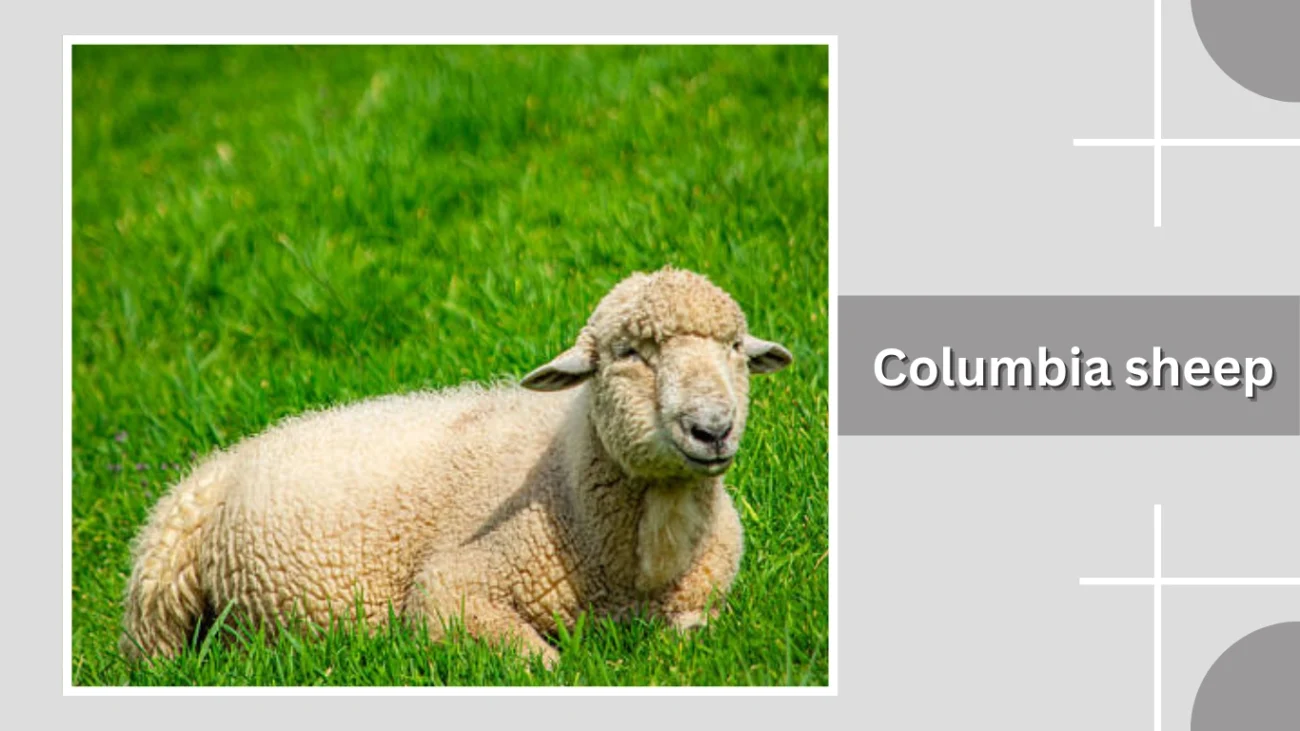
Columbia sheep are one of the first breeds developed in the United States, created to produce both high-quality wool and excellent meat. They are a large, productive dual-purpose breed widely used in western rangeland systems.
Identification
- Large frame with strong muscling
- White face and legs with dense wool
- Polled (hornless) in both sexes
- Heavy, medium-length fleece
Habitat
Columbias thrive in open rangelands, plains, and high-country pastures. Developed for the American West, they perform well in expansive grazing systems and adapt to both cold winters and warm summers.
Behaviors
These sheep are calm, easy to handle, and exhibit strong flocking instincts. They have good mothering ability, consistent lambing performance, and steady growth rates, making them reliable for large-scale operations.
Diet
Their diet includes pasture grasses, hay, forage crops, and grain supplements when needed. Columbias efficiently convert forage into wool and meat, maintaining strong body condition on varied grazing systems.
23. Ile de France sheep

Ile de France sheep, developed in France, are a highly productive meat breed known for their fast growth, excellent carcass quality, and strong maternal traits. They are widely used in commercial lamb production and crossbreeding programs.
Identification
- White coat with dense, medium-length wool
- Broad head with a wool-free face
- Medium to large, muscular frame
- Upright ears and strong, sturdy legs
Habitat
Ile de France sheep thrive in temperate climates and adapt well to open pastures, mixed farmlands, and rotational grazing systems. They perform efficiently in intensive and semi-intensive environments.
Behaviors
These sheep are calm, productive, and highly maternal. They exhibit strong lambing performance, fast-growing offspring, and steady flocking behavior. Their docile nature makes them easy to handle in commercial settings.
Diet
Their diet includes pasture grasses, hay, forage crops, and grain supplementation during finishing or breeding periods. Ile de France sheep have excellent feed efficiency and maintain strong growth rates.
24. Tunis sheep
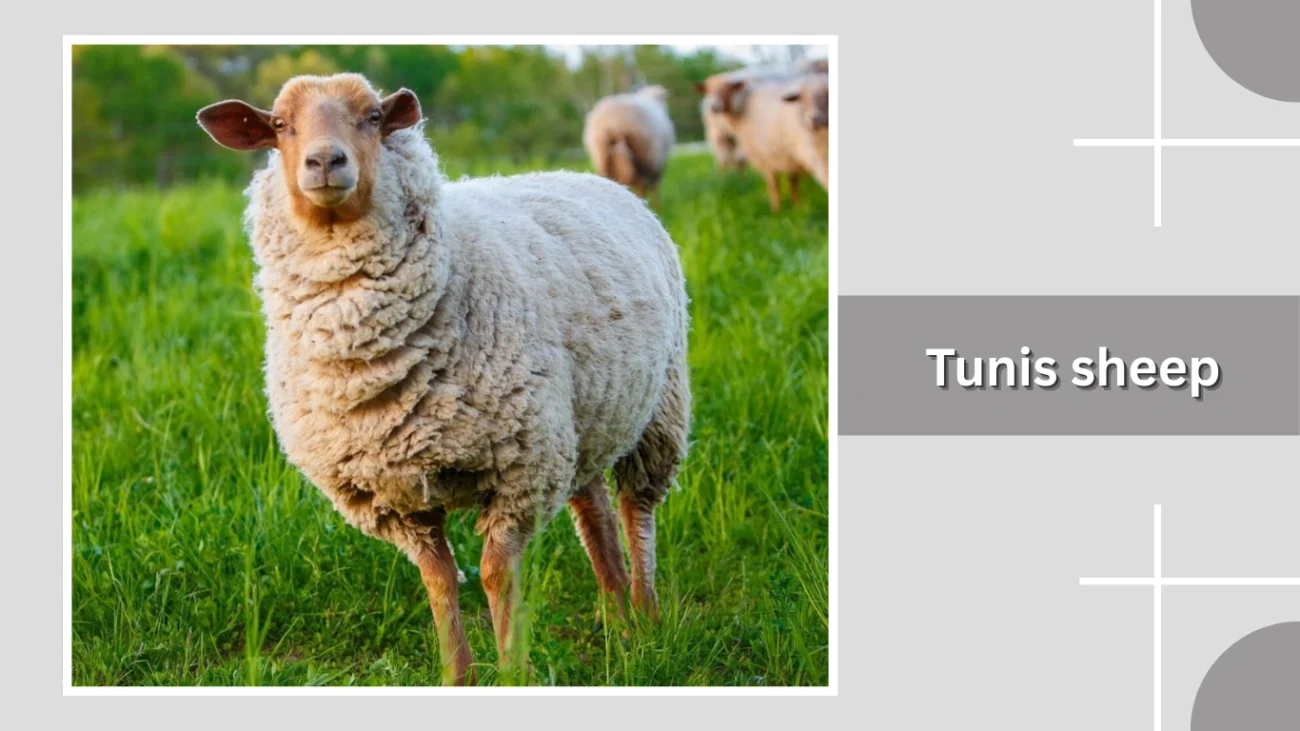
Tunis sheep are one of the oldest American sheep breeds, developed from North African stock. They are prized for their rich-colored wool, flavorful meat, and adaptability to a wide range of climates.
Identification
- Reddish-brown face and legs
- Cream to white wool on the body
- Medium-sized frame with drooping ears
- Polled (hornless) in both sexes
Habitat
Tunis sheep thrive in warm, dry climates but adapt well to temperate regions. They perform well on pastures, small farms, and mixed grazing systems, making them versatile for different environments.
Behaviors
These sheep are gentle, calm, and known for excellent mothering instincts. Tunis sheep have good lambing rates, strong survival skills, and steady flocking behavior, making them ideal for beginners and experienced farmers alike.
Diet
Their diet includes pasture grasses, hay, forage crops, and occasional grain supplementation. Tunis sheep efficiently convert forage into high-quality meat and maintain good condition on moderate-quality feed.
25. Barbados Blackbelly sheep
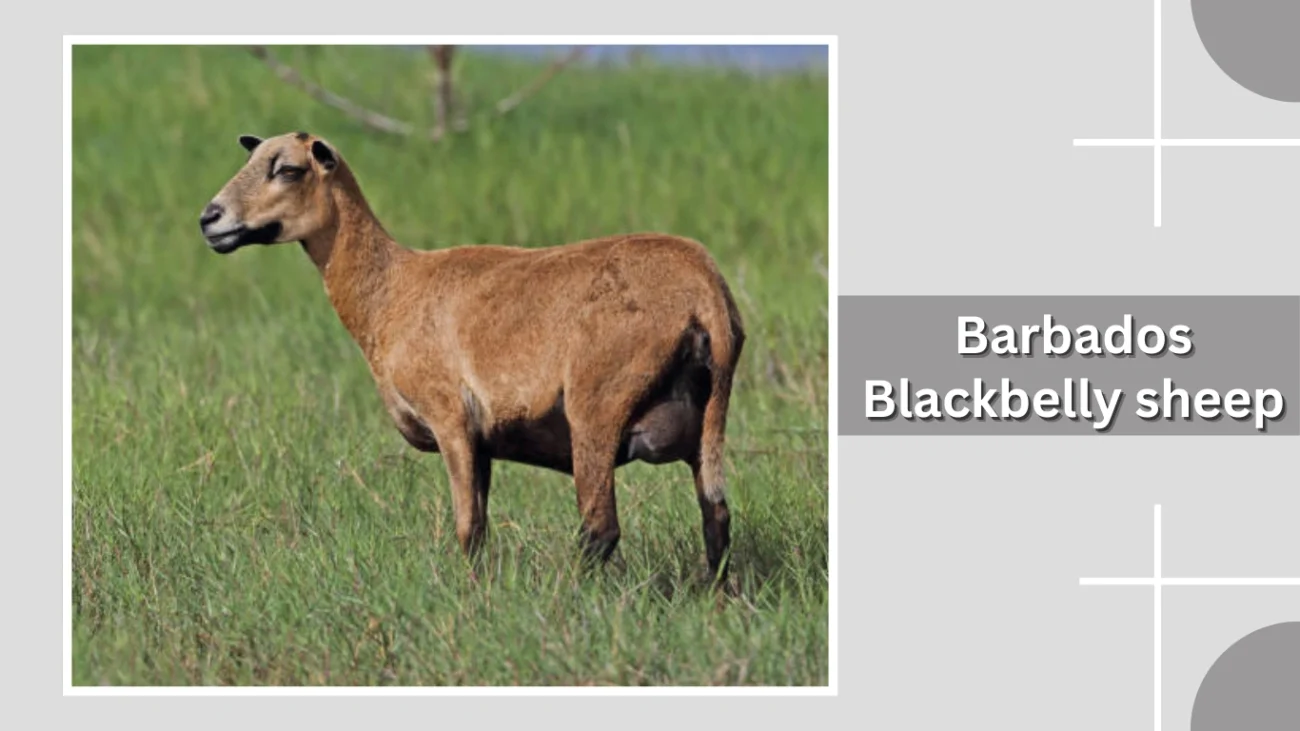
Barbados Blackbelly sheep originate from the Caribbean and are known for their exceptional hardiness, parasite resistance, and hair coat. They thrive in hot climates and are widely used for meat production.
Identification
- Distinct black belly, legs, and face
- Tan to brown coat with short hair
- Medium-sized, athletic frame
- No wool—naturally sheds
Habitat
Barbados Blackbelly sheep thrive in tropical, hot, and humid environments. They adapt well to drylands, pastures, and mixed grazing areas where heat tolerance and resilience are essential.
Behaviors
These sheep are alert, agile, and excellent foragers. They have strong mothering instincts, high fertility, and low maintenance needs. Their natural resistance to parasites makes them ideal for warm regions.
Diet
Their diet includes pasture grasses, shrubs, browse, and hay. Barbados Blackbelly sheep efficiently utilize low-quality forage and maintain body condition in challenging environments.
26. Gotland sheep
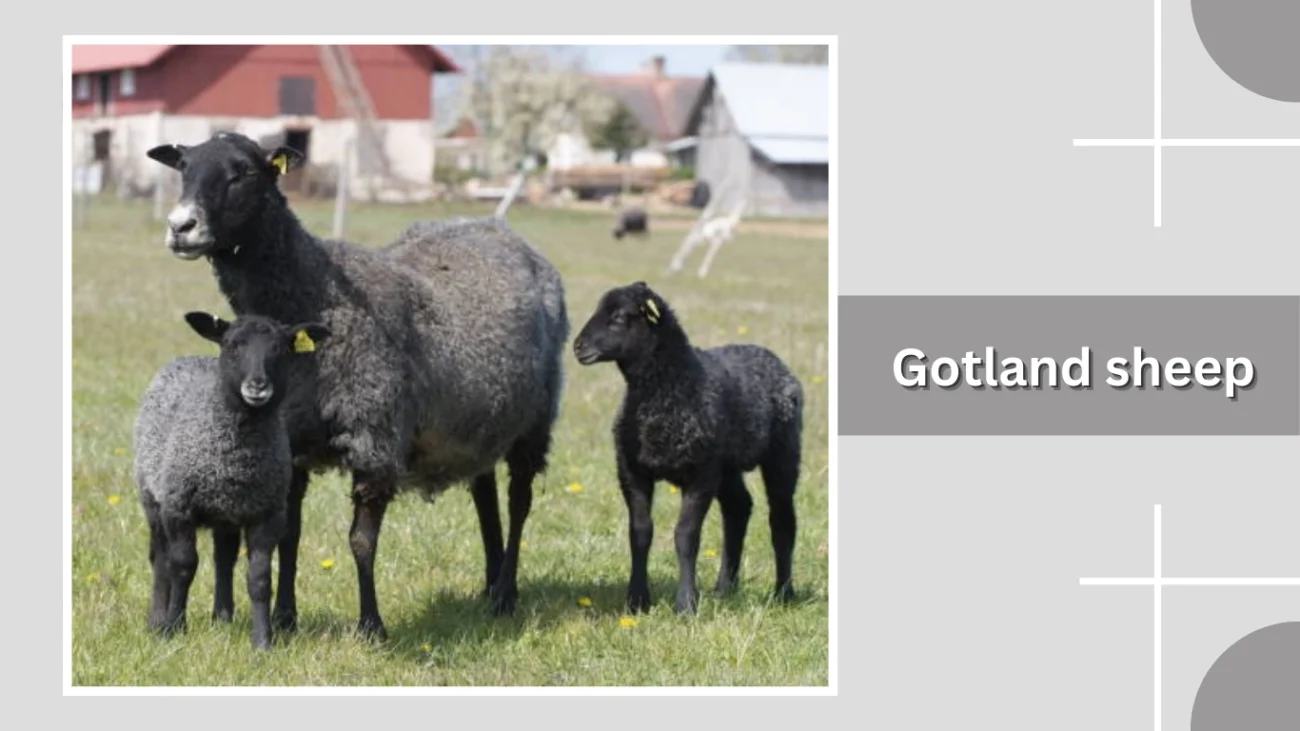
Gotland sheep originate from Sweden and are prized for their luxurious, curly pelts and high-quality wool. They are a versatile breed known for their friendly disposition and excellent meat carcass quality.
Identification
- Silky, curly grey wool ranging from light silver to dark charcoal
- Medium-sized frame with slender build
- Black face and legs with no wool
- Alert expression and upright ears
Habitat
Gotlands thrive in cool, temperate climates and adapt well to pastures, small farms, and mixed grazing environments. Their wool is suited to regions with moderate humidity and consistent forage availability.
Behaviors
These sheep are intelligent, calm, and social. Gotlands are easy to handle, exhibit excellent mothering behavior, and maintain strong flocking instincts. Their gentle nature makes them popular in hobby and fiber-focused flocks.
Diet
Their diet includes grasses, hay, forage plants, and supplemental grains during lambing or finishing. Gotlands are efficient grazers that maintain good condition on high-quality pasture.
27. Clun Forest sheep
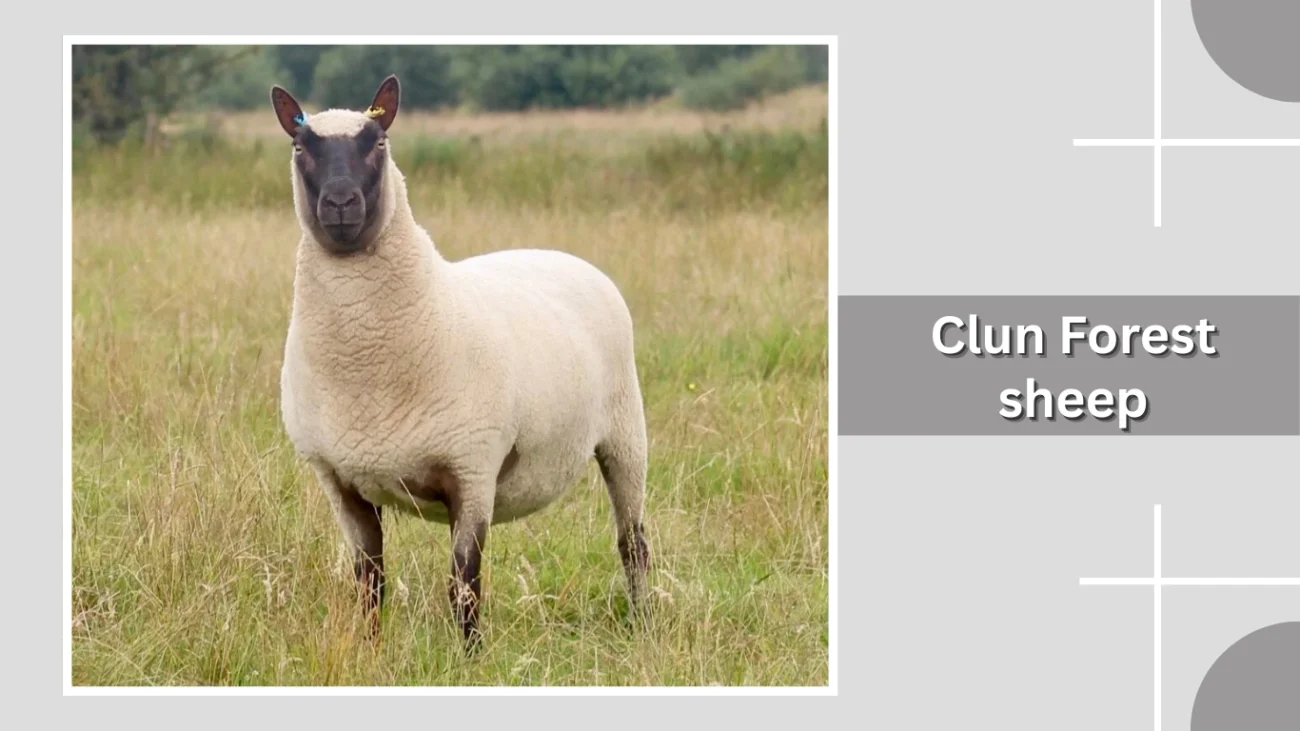
Clun Forest sheep originate from the border region of England and Wales. They are a hardy, dual-purpose breed valued for their quality meat, good wool, and strong maternal instincts. Their adaptability makes them ideal for both small farms and large grazing systems.
Identification
- Distinctive black face with no wool
- Dense, medium-length white fleece
- Upright ears and alert expression
- Medium-sized, well-balanced frame
Habitat
Clun Forest sheep thrive in temperate climates and adapt well to hilly pastures, woodlands, and mixed grazing environments. Their hardiness allows them to perform well in regions with variable weather and forage conditions.
Behaviors
These sheep are intelligent, active, and very maternal. They show excellent lamb survival rates, strong flocking behavior, and good foraging ability. Cluns are known for being low-maintenance and easy to handle.
Diet
Their diet includes pasture grasses, hay, clover, and seasonal forage. Clun Forest sheep efficiently convert diverse forages into meat and wool, maintaining good body condition on moderate-quality pasture.
FAQs
1. Which sheep breed produces the finest wool?
Merino sheep are renowned for producing the finest and softest wool in the world. Rambouillet and some longwool breeds like Lincoln and Gotland also produce high-quality fleeces, but Merino remains the gold standard for premium textiles and next-to-skin garments.
2. What is the best sheep breed for meat production?
Texel, Suffolk, Hampshire, Dorper, and Ile de France are top meat breeds. Texel sheep are especially valued for their lean, well-muscled carcasses, while Dorper sheep are favored for thriving in harsh environments without sacrificing meat quality.
3. Which sheep breed is easiest for beginners?
Katahdin, Dorper, Southdown, and Clun Forest sheep are excellent for beginners. These breeds are hardy, low-maintenance, and have strong maternal instincts. Katahdins and Dorpers require no shearing, making them ideal for small or novice farms.
4. What sheep breed produces the most milk?
East Friesian sheep are the highest milk-producing breed in the world. Awassi sheep also produce substantial amounts of milk, particularly in hot climates. These breeds are essential in dairy sheep operations for cheese, yogurt, and specialty milk products.
5. Which sheep are best suited for harsh climates?
Scottish Blackface, Navajo-Churro, Welsh Mountain, and Merino sheep excel in harsh environments. These breeds tolerate extreme weather, rugged terrains, and limited forage, making them ideal for mountainous, arid, or cold regions where other breeds struggle.


