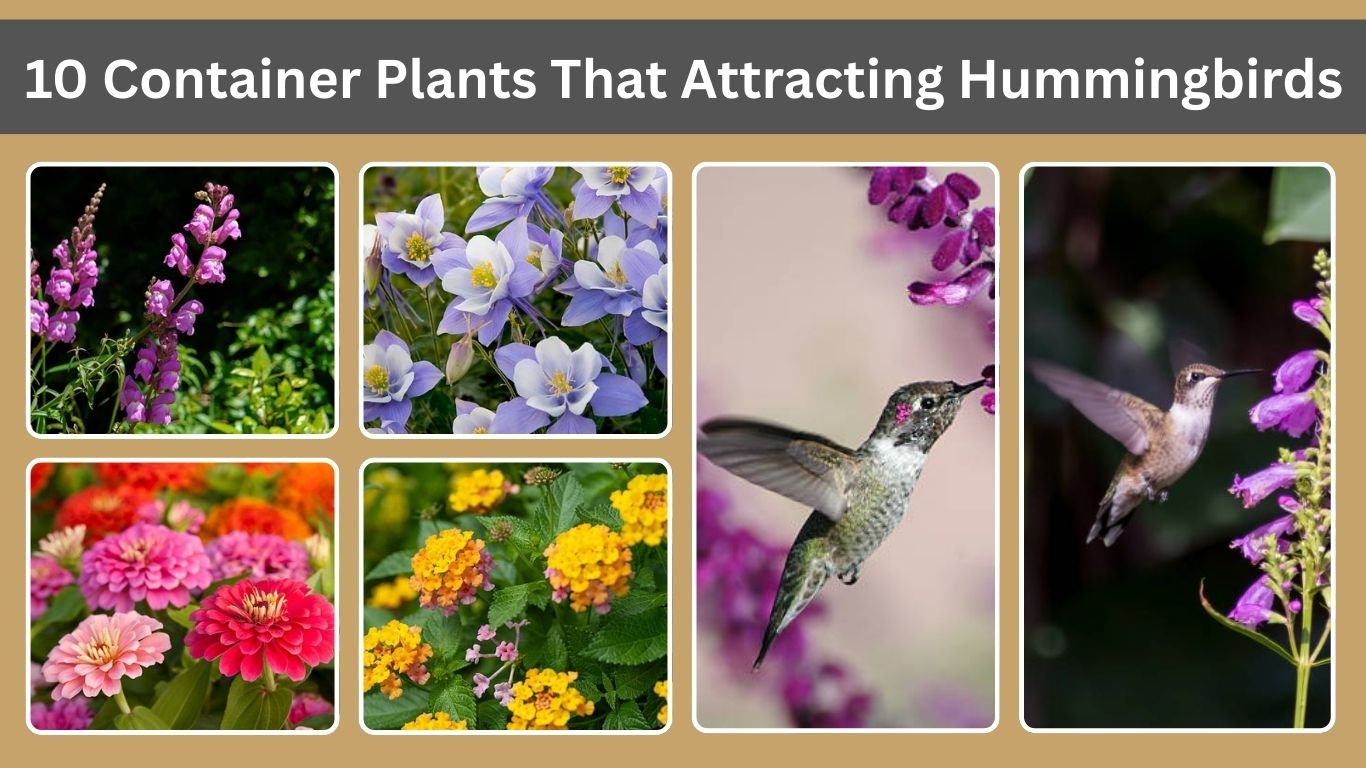
Adding container plants to your patio, balcony, or garden is a simple way to invite hummingbirds closer to your outdoor space. These plants not only bring vibrant color and beauty but also provide nectar-rich blooms that hummingbirds love. From long-blooming favorites to heat-tolerant varieties, the following container plants are perfect choices to keep these tiny visitors returning all season long.
1. Salvia
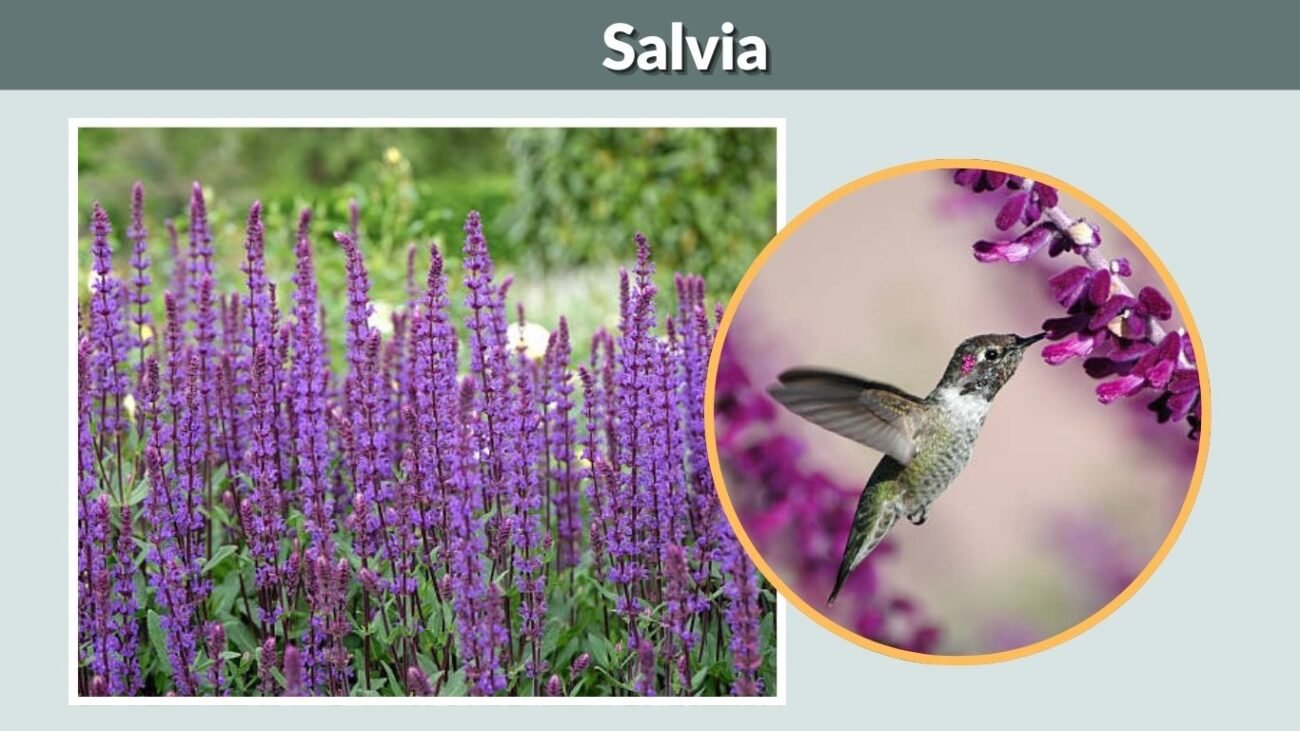
Salvia is a vibrant container plant widely known for attracting hummingbirds. Its tubular flowers, rich in nectar, are perfectly suited to the birds’ feeding habits. With many colorful varieties, salvia adds both beauty and function to patios, decks, and gardens.
Identification
- Tubular flowers in shades of red, purple, blue, or pink
- Square stems with aromatic green leaves
- Upright growth habit, reaching 1–3 feet tall
Habitat
Salvia thrives in full sun and well-drained soil. It’s drought-tolerant, making it easy to grow in containers with minimal care.
Blooming Season
This plant blooms from late spring through fall, ensuring a continuous nectar supply for hummingbirds.
Role in Attracting Hummingbirds
Its brightly colored, nectar-filled flowers act as natural magnets for hummingbirds, encouraging frequent visits to container gardens.
2. Zinnia

Zinnia is a cheerful and low-maintenance container plant that hummingbirds adore. Its bright, daisy-like flowers produce plenty of nectar, and their bold colors act as a strong visual lure. Perfect for sunny patios or balconies, zinnias bloom abundantly with little effort.
Identification
- Round, daisy-shaped flowers in red, orange, pink, yellow, or white
- Upright stems with coarse, lance-shaped green leaves
- Grows 1–3 feet tall depending on the variety
Habitat
Zinnias thrive in full sun and prefer well-drained soil. They are heat-loving plants and grow exceptionally well in containers during warm weather.
Blooming Season
These plants bloom from early summer until frost, providing a long-lasting nectar source for hummingbirds.
Role in Attracting Hummingbirds
The vivid, open blooms supply easy access to nectar, making zinnias a favorite stop for hummingbirds throughout the season.
3. Bee Balm (Monarda)
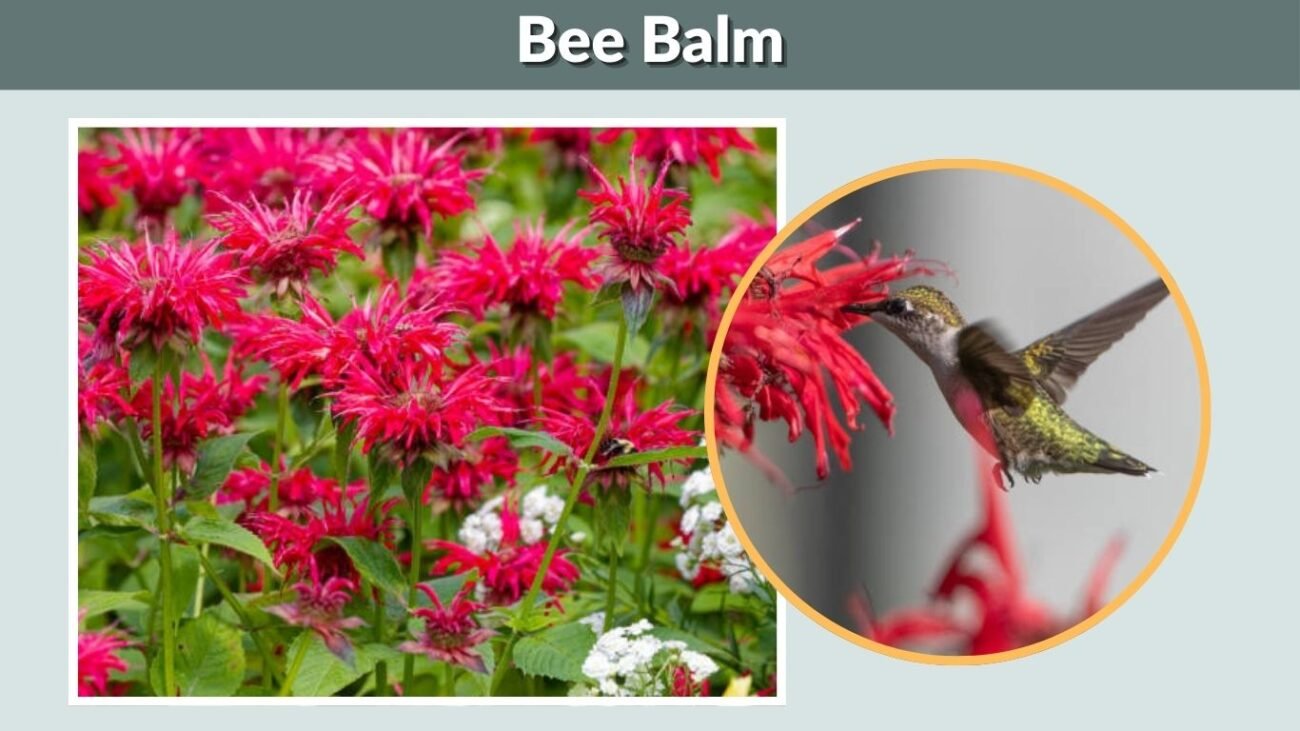
Bee Balm is a classic pollinator plant that thrives in containers and is especially attractive to hummingbirds. Its showy, spiky blooms and fragrant foliage make it both ornamental and practical, offering a reliable nectar source.
Identification
- Tubular, spiky flower clusters in red, pink, purple, or white
- Aromatic, lance-shaped green leaves
- Grows 2–4 feet tall depending on the variety
Habitat
Bee Balm prefers full sun but can tolerate partial shade. It grows well in rich, moist soil and adapts easily to container gardens when watered consistently.
Blooming Season
It blooms in mid to late summer, adding color and nectar to containers during peak hummingbird season.
Role in Attracting Hummingbirds
The tubular flowers hold abundant nectar, perfectly suited for hummingbirds’ long beaks, ensuring regular visits.
4. Hummingbird Mint (Agastache)
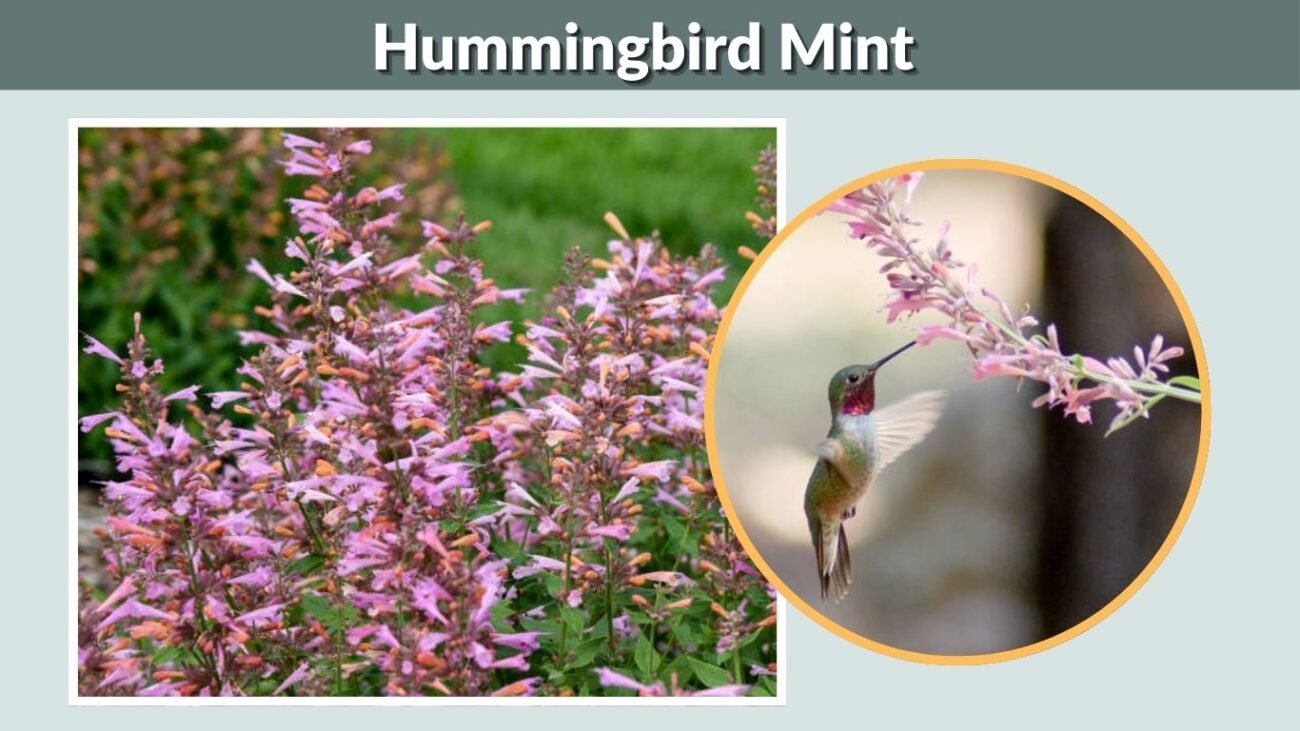
Hummingbird Mint, also known as Agastache, is a fragrant container plant with tall spikes of tubular flowers that hummingbirds can’t resist. Its aromatic foliage and long-lasting blooms make it both decorative and highly functional for attracting pollinators.
Identification
- Tall spikes of tubular flowers in shades of orange, pink, purple, or red
- Gray-green, aromatic leaves with a minty scent
- Upright growth, typically 2–4 feet tall
Habitat
Agastache thrives in full sun and well-drained soil. It tolerates drought conditions, making it an excellent choice for container gardening.
Blooming Season
This plant blooms from midsummer through fall, ensuring an extended nectar supply when hummingbirds are most active.
Role in Attracting Hummingbirds
Its tubular blossoms are loaded with nectar, and the plant’s long bloom period keeps hummingbirds returning for months.
5. Lantana
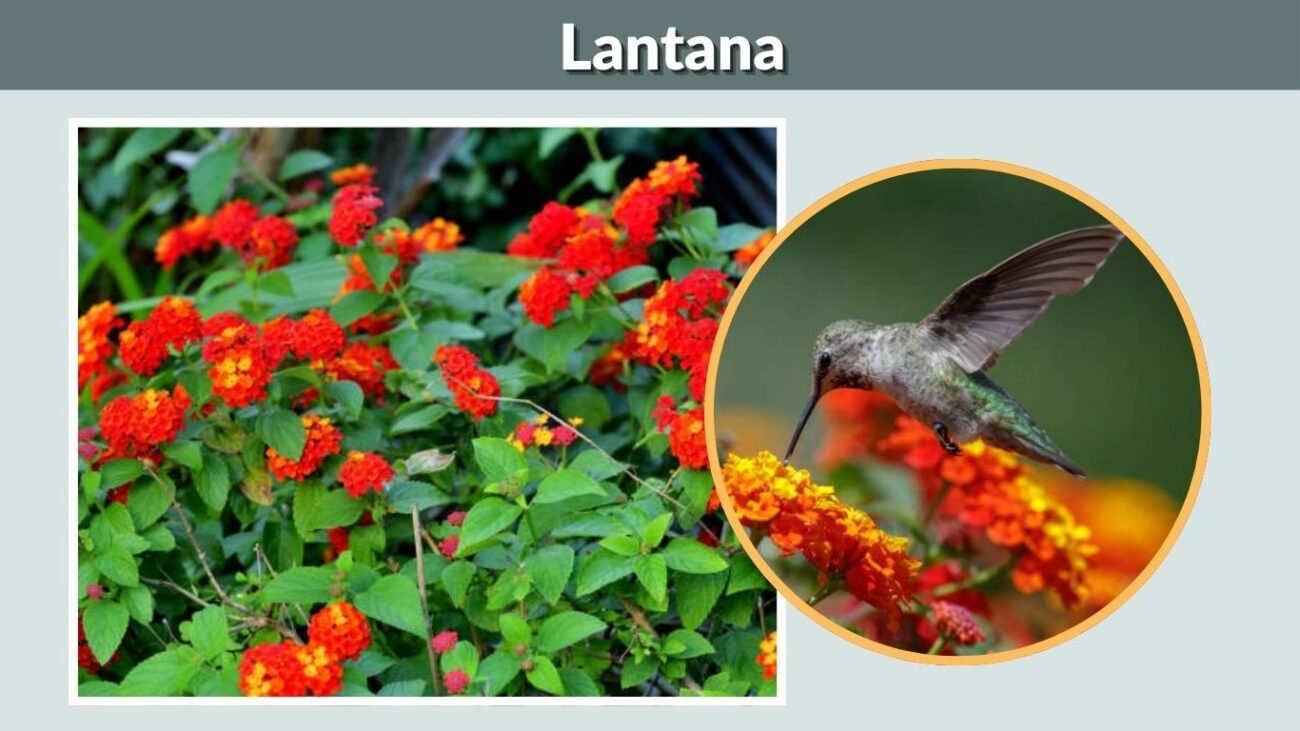
Lantana is a hardy container plant with clusters of brightly colored flowers that hummingbirds find irresistible. Known for its resilience and constant blooming, it adds both beauty and functionality to patios and balconies.
Identification
- Clusters of small tubular flowers in red, orange, yellow, pink, or mixed colors
- Rough, dark green leaves with a distinctive scent when crushed
- Compact or trailing habit, growing 1–3 feet tall
Habitat
Lantana thrives in full sun and well-drained soil. It tolerates heat and drought, making it an ideal low-maintenance container choice.
Blooming Season
It blooms from late spring until frost, offering a continuous nectar source throughout the warm months.
Role in Attracting Hummingbirds
The colorful tubular blooms provide easy nectar access, and their extended blooming season ensures hummingbirds visit frequently.
6. Petunia
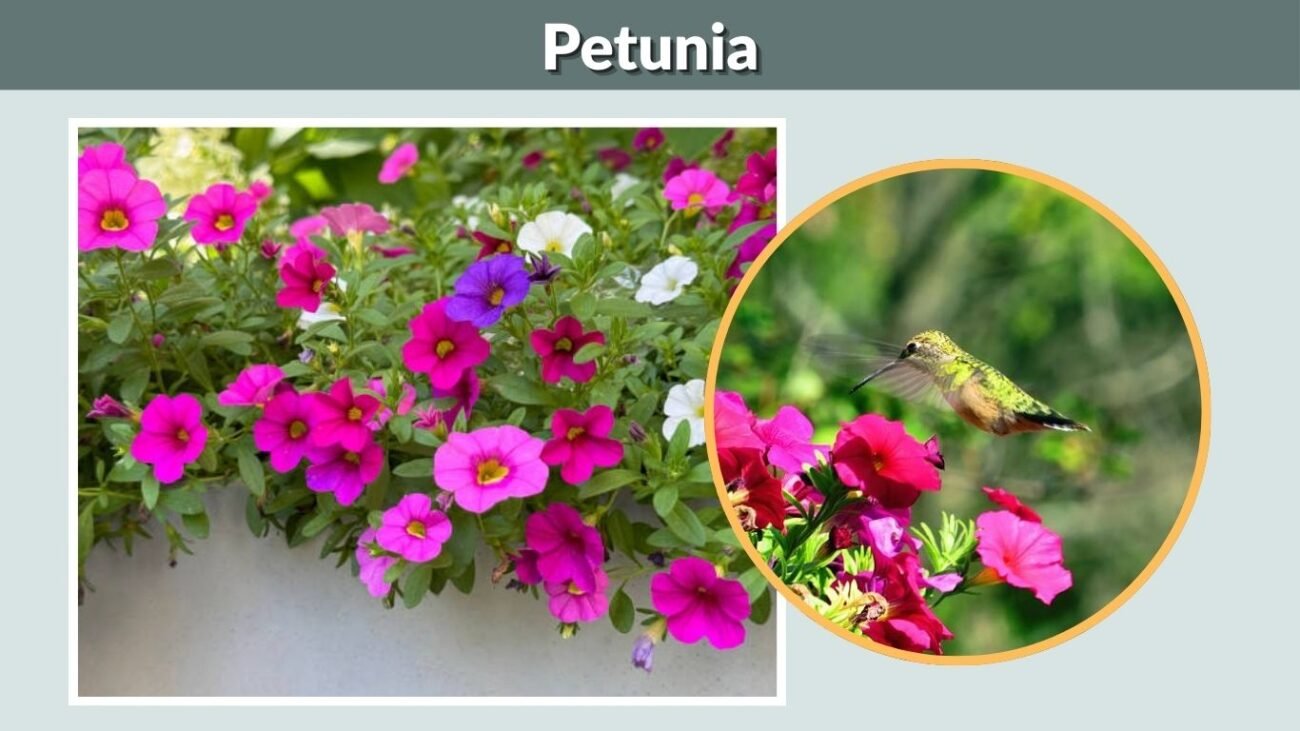
Petunia is one of the most popular flowering plants for containers, admired for its vibrant colors and ability to bloom profusely. Its trumpet-shaped flowers are rich in nectar, making it a reliable favorite for hummingbirds.
Identification
- Trumpet-shaped flowers in a wide range of colors including red, pink, purple, and white
- Soft, green, slightly sticky leaves
- Grows in mounding or trailing forms, ideal for pots and hanging baskets
Habitat
Petunias thrive in full sun and well-drained soil. They need regular watering and occasional feeding to maintain continuous blooms in containers.
Blooming Season
They bloom from spring through fall, providing a steady nectar supply for hummingbirds during the warmer months.
Role in Attracting Hummingbirds
The tubular flowers are perfectly suited to hummingbirds’ feeding style, while the bright colors act as a strong visual lure.
7. Cuphea (Cigar Plant)
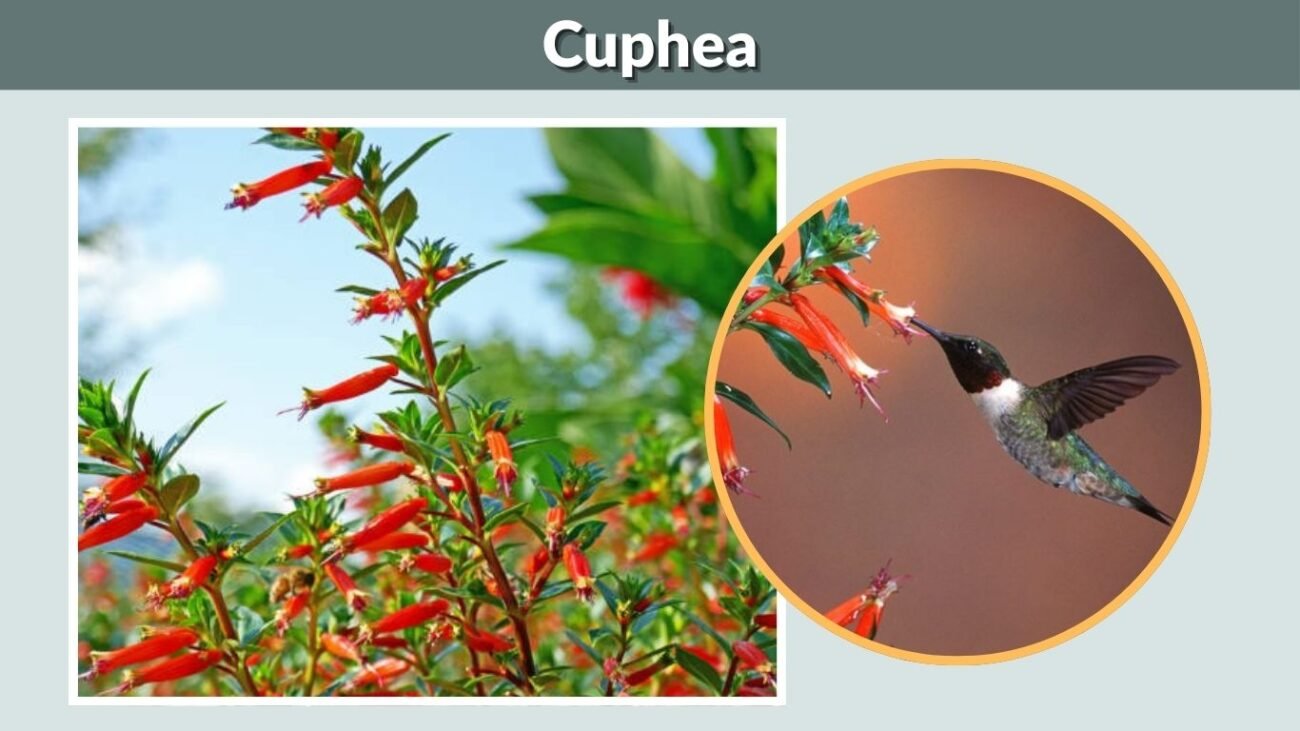
Cuphea, commonly called the Cigar Plant, is a vibrant container plant that produces small tubular flowers resembling lit cigars. These nectar-rich blooms are especially attractive to hummingbirds and add unique charm to patios or balconies.
Identification
- Small, tubular red or orange flowers with purple or white tips
- Narrow, green leaves with a dense growth habit
- Compact shrub-like plant, usually 1–2 feet tall
Habitat
Cuphea thrives in full sun to partial shade and prefers well-drained soil. It grows well in containers with regular watering and warm temperatures.
Blooming Season
It blooms from late spring through fall, providing a steady supply of nectar throughout the hummingbird season.
Role in Attracting Hummingbirds
The cigar-shaped flowers are rich in nectar and perfectly shaped for hummingbirds, ensuring frequent visits to container gardens.
8. Verbena
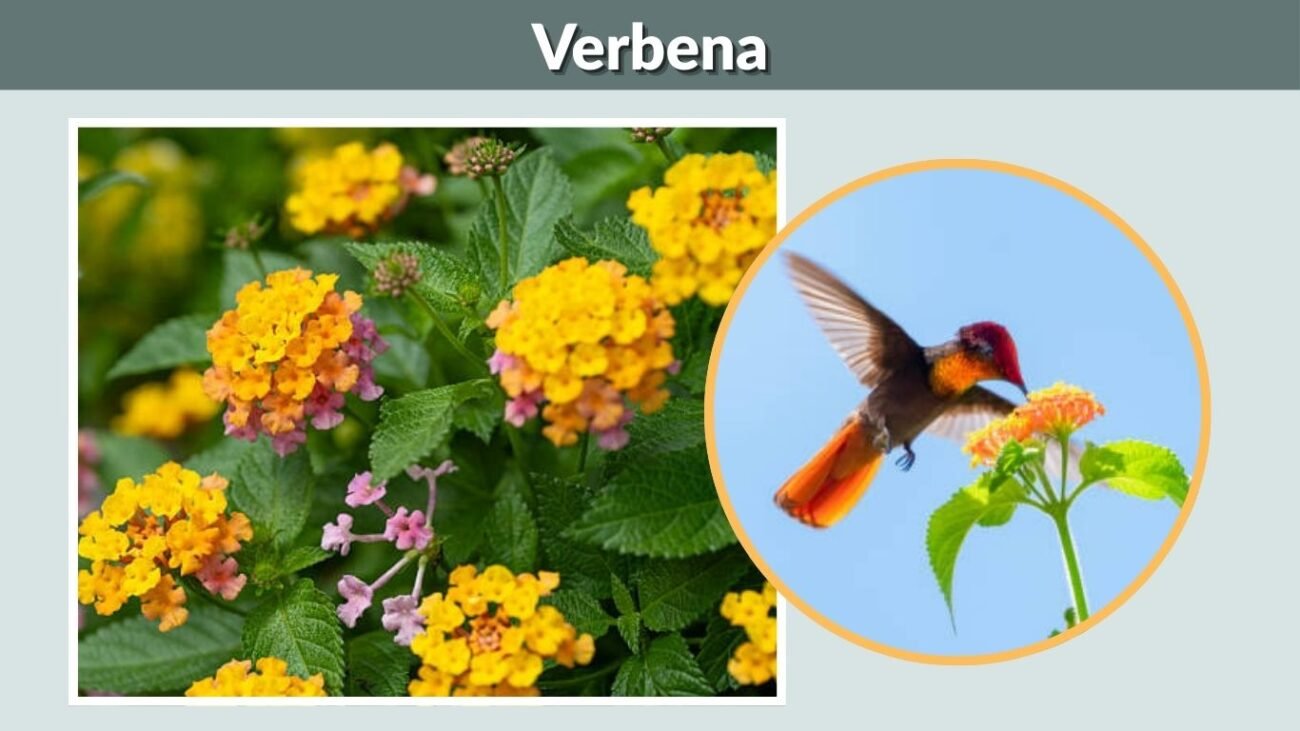
Verbena is a colorful, low-maintenance container plant that produces clusters of nectar-rich flowers. Its long blooming period and bright colors make it a magnet for hummingbirds and other pollinators.
Identification
- Small, five-petaled flowers in clusters, available in red, purple, pink, or white
- Narrow, toothed green leaves with a slightly rough texture
- Compact to trailing growth, reaching 1–2 feet tall
Habitat
Verbena thrives in full sun and well-drained soil. It’s heat- and drought-tolerant, making it a great choice for sunny container gardens.
Blooming Season
It blooms from late spring through early fall, offering a continuous nectar source during hummingbird season.
Role in Attracting Hummingbirds
The bright flower clusters provide easy nectar access, and their extended bloom time keeps hummingbirds returning all season.
9. Columbine
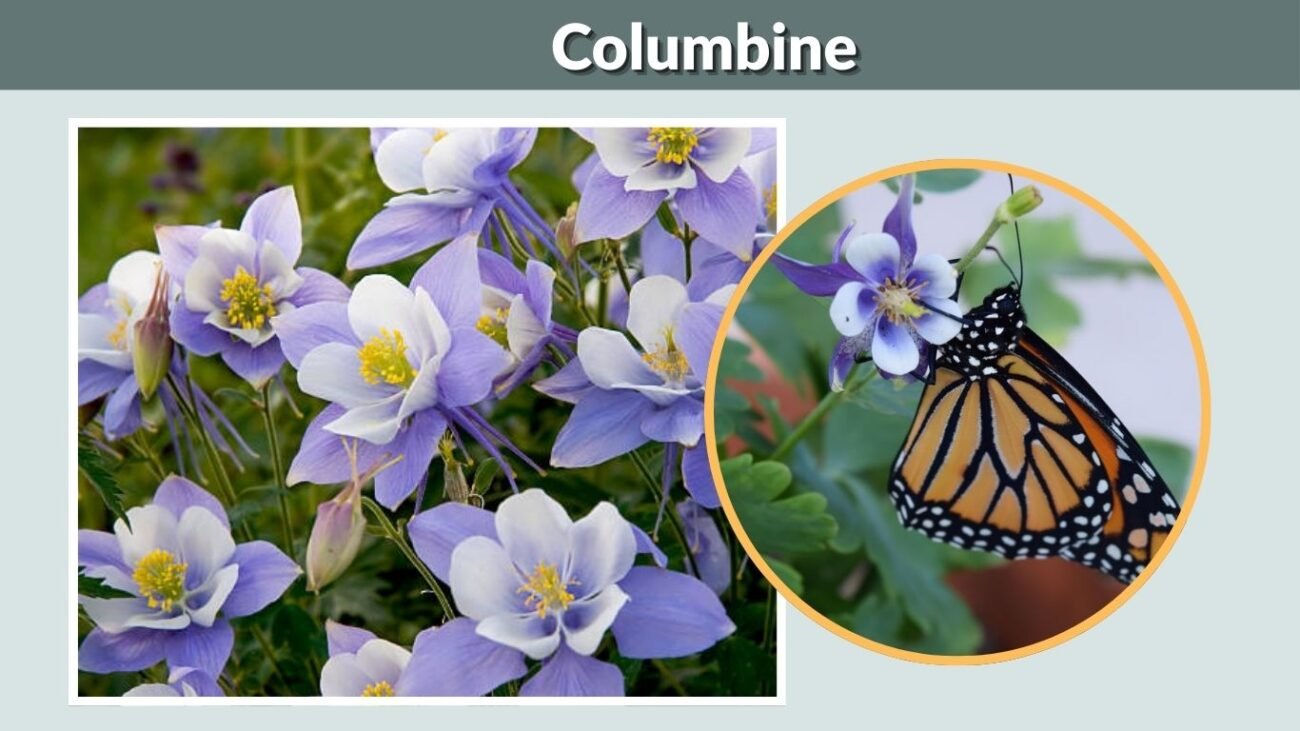
Columbine is a delicate and eye-catching container plant with unique spurred flowers that naturally draw hummingbirds. Its graceful appearance and nectar-rich blossoms make it a lovely addition to patios and decks.
Identification
- Bell-shaped flowers with spurred petals in red, yellow, blue, or purple
- Lacy, fern-like green foliage
- Grows 1–3 feet tall, depending on the variety
Habitat
Columbine thrives in partial shade to full sun with well-drained soil. It adapts well to containers when given consistent moisture.
Blooming Season
This plant blooms in mid to late spring, providing an early-season nectar source for migrating hummingbirds.
Role in Attracting Hummingbirds
The tubular, spurred flowers are filled with nectar, making them perfectly suited for hummingbirds’ feeding style.
10. Snapdragon
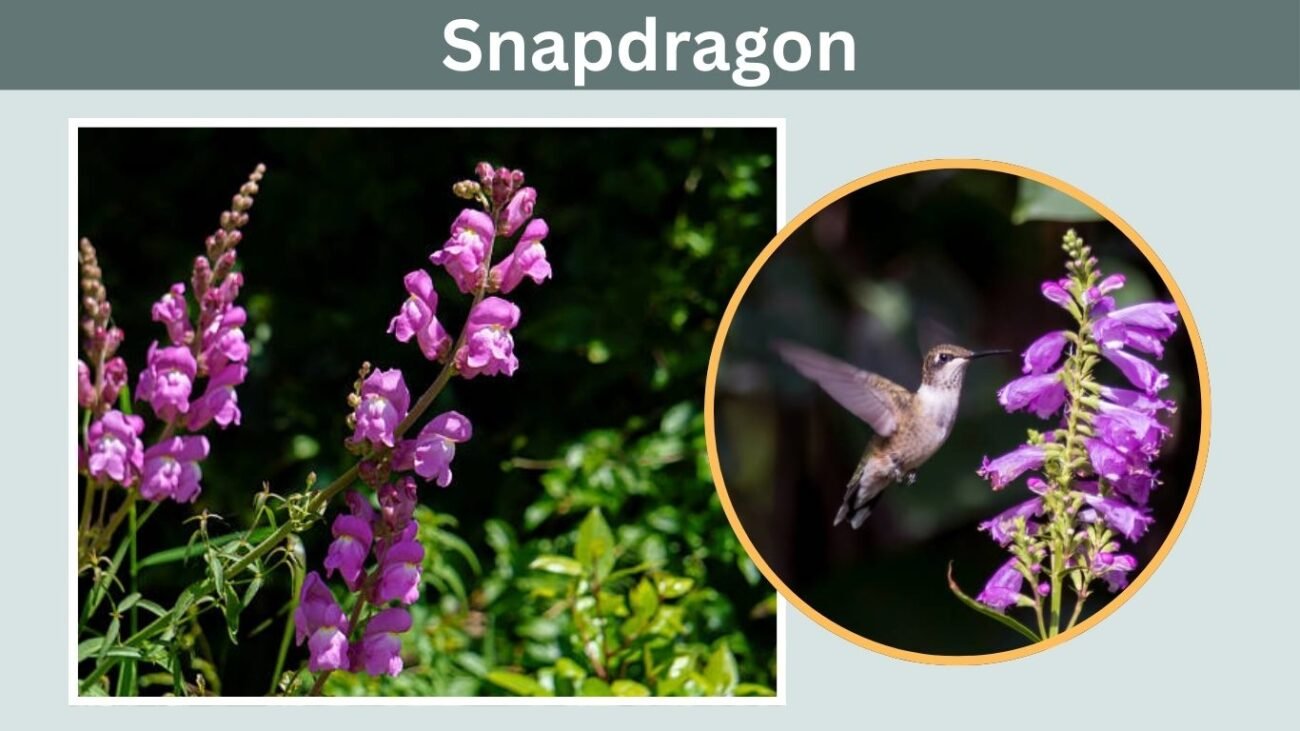
Snapdragon is a charming container plant with tall spikes of colorful, tubular flowers that hummingbirds love. Its playful “dragon mouth” blooms not only add beauty but also serve as a nectar-rich food source.
Identification
- Tall flower spikes with tubular blooms in red, pink, yellow, purple, or white
- Narrow, lance-shaped green leaves
- Grows 1–3 feet tall, depending on the variety
Habitat
Snapdragons prefer full sun to partial shade and grow well in well-drained, fertile soil. They adapt nicely to containers with regular watering.
Blooming Season
They bloom from spring through fall, ensuring a steady nectar supply during hummingbird season.
Role in Attracting Hummingbirds
The tubular flowers are ideally shaped for hummingbird feeding, and their vibrant colors make them highly attractive to these birds.