











Domestic ducks come in a fascinating variety of sizes, colors, and personalities—each breed with its own charm and purpose. Whether you’re raising ducks for eggs, meat, pest control, or simply as friendly backyard companions, knowing the different types helps you choose the right fit. From the elegant Aylesbury to the energetic Indian Runner, this guide introduces 16 of the most beloved and useful domestic duck breeds.
1. Pekin Duck

The Pekin duck is one of the most popular and widely recognized domestic duck breeds, especially valued for its rapid growth, calm temperament, and excellent meat quality. Originating in China and later developed in the United States, Pekin ducks are a staple in backyard farms and commercial operations alike.
Identification
- Large, heavy-bodied duck with upright posture
- Pure white feathers with a slight yellow tint in sunlight
- Orange bill and legs
- Males and females look similar, but males may have a curled tail feather
- Average adult weight: 8–11 pounds
Appearance and Body Features
Pekin ducks have a clean, broad body with a deep breast and a long, slightly arched neck. Their bright white plumage makes them easy to spot, and their orange bills and feet give them a classic duck look. They are not designed for flight and are more comfortable waddling or swimming.
Common Habitat and Domestication
Pekins are fully domesticated and do not exist in the wild. They are raised worldwide in farms, backyards, and hobby flocks. They prefer grassy areas near ponds or water sources, but they adapt well to penned spaces with regular access to clean water.
Diet and Feeding Habits
These ducks are omnivores and thrive on grains, duck pellets, vegetables, and occasional insects or small aquatic animals. As fast growers, they benefit from a high-protein diet during their early weeks. Access to clean water for dabbling and drinking is essential.
Behavior and Temperament
Pekin ducks are calm, friendly, and social. They rarely show aggression and are easy to tame with consistent care. Their gentle behavior makes them ideal for beginners, families, and even petting zoos. They are moderately vocal and will often quack in response to human interaction or feeding time.
2. Muscovy Duck

The Muscovy duck is distinct from other domestic breeds, originating in Central and South America and belonging to a different species (Cairina moschata). Known for its quiet nature and excellent meat quality, it’s a favorite among homesteaders and backyard duck keepers.
Identification
- Large-bodied with long neck and broad wings
- Feathers can be white, black, chocolate, blue, or mixed patterns
- Red, warty caruncles around the eyes and bill (more pronounced in males)
- Clawed feet for perching
- Males can weigh up to 15 pounds; females around 6–7 pounds
Appearance and Body Features
Muscovy ducks have a unique appearance with their bumpy red facial skin and more upright stance. They have a strong, muscular body and a tail that is longer than most duck breeds. Their wing span is broad, and unlike other domestic ducks, they can fly short distances.
Common Habitat and Domestication
Though domesticated, Muscovies often prefer a more independent lifestyle. They enjoy shaded areas, trees, and access to water. They nest in boxes, tree hollows, or barns and are good foragers. They’re also known to perch on fences, trees, and rooftops.
Diet and Feeding Habits
They are excellent foragers, eating grass, weeds, insects, snails, and small fish. Supplement their diet with grains, duck pellets, or vegetables. Their strong digestive systems make them ideal for natural pest control in gardens or farms.
Behavior and Temperament
Muscovies are quieter than most duck breeds, producing soft hissing instead of loud quacking. They are calm, affectionate, and enjoy human interaction when handled from a young age. Males can be territorial during breeding season but are generally peaceful.
3. Khaki Campbell
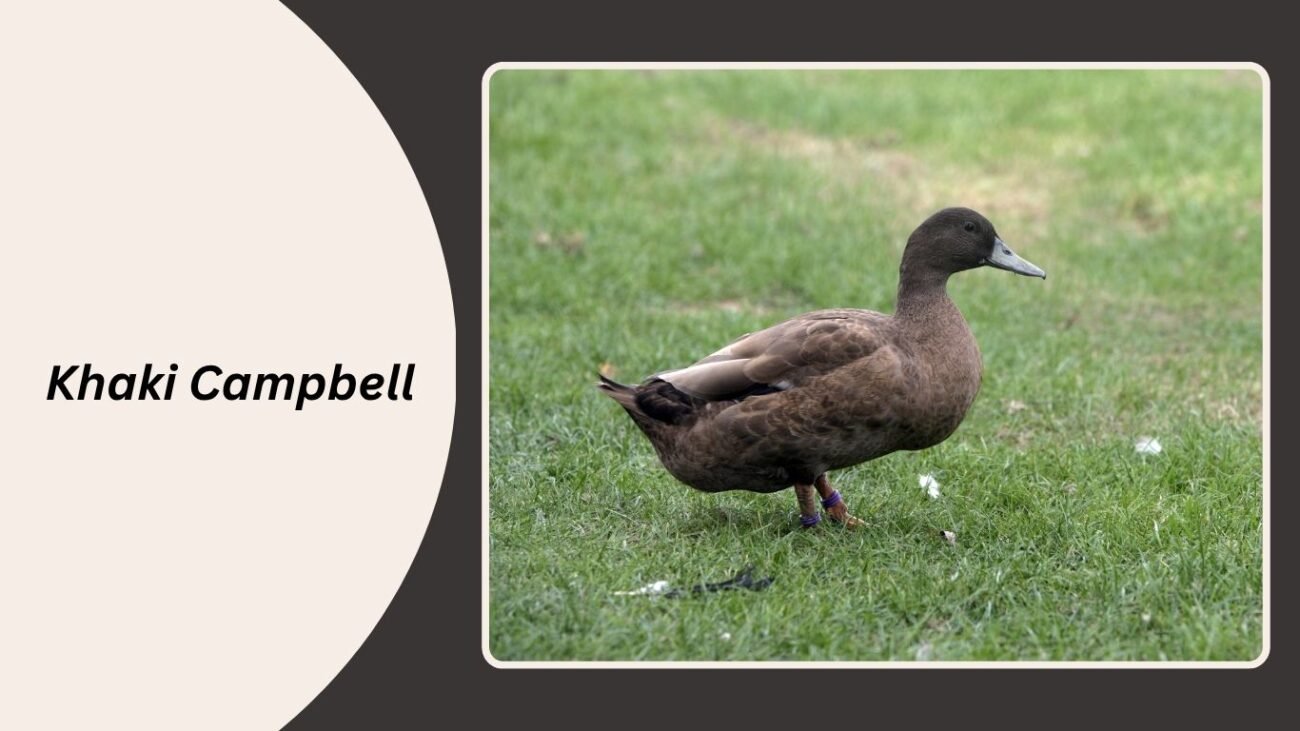
The Khaki Campbell is a lightweight, high-producing egg layer bred in England. This active and hardy duck is one of the best choices for those focused on egg production, often outperforming even chickens in annual egg count.
Identification
- Medium-sized duck, weighing 4–5 pounds
- Uniform khaki-brown plumage resembling the color of army uniforms
- Greenish bill and legs
- Males may have a slightly darker head and neck
- Sleek body with an upright carriage
Appearance and Body Features
Khaki Campbells have a streamlined, upright build and tight feathering. Their neutral color provides camouflage, making them less visible to predators in natural environments. They are not showy birds, but they are efficient and elegant.
Common Habitat and Domestication
They adapt well to both large-scale and backyard environments. These ducks enjoy open pasture, secure runs, and access to clean water for dabbling and bathing. While not strong flyers, they are very active and need room to move.
Diet and Feeding Habits
Khaki Campbells thrive on a balanced poultry diet, including layer feed, grains, and fresh greens. As prolific layers, females need a calcium-rich diet to support healthy eggshell production. They will also forage for insects, worms, and snails.
Behavior and Temperament
They are alert, energetic, and somewhat independent. Though not as cuddly as some breeds, they can be friendly with regular handling. Their productivity and adaptability make them ideal for beginners and seasoned duck keepers alike.
4. Indian Runner

The Indian Runner is one of the most distinctive duck breeds, easily recognized by its upright, bottle-shaped posture and quick, penguin-like walk. Originally from Southeast Asia, this breed was developed for its exceptional egg-laying ability and active foraging nature.
Identification
- Slim, upright body with long neck
- Stands nearly vertical when walking
- Weighs 3.5 to 5 pounds
- Comes in various colors: white, black, chocolate, fawn, penciled, and more
- Narrow head and slender bill
Appearance and Body Features
Indian Runners have a tall, elegant form and are built for movement. Unlike other ducks, they do not waddle but run upright, which helps them cover ground quickly. Their tight feathering and long legs add to their unique silhouette.
Common Habitat and Domestication
Indian Runners do well in both backyard settings and larger flocks. They prefer open spaces with access to grass, bugs, and shallow water. They are excellent free-range ducks and adapt well to most climates if properly sheltered.
Diet and Feeding Habits
They are natural foragers, eating grass, weeds, insects, snails, and slugs. Supplement with grains, duck feed, and greens for complete nutrition. Their high activity levels mean they burn calories quickly, so steady food access is important.
Behavior and Temperament
Indian Runners are active, curious, and entertaining to watch. They tend to be nervous or shy if not handled from a young age but rarely become aggressive. Their high energy and sociable nature make them great additions to mixed flocks.
5. Rouen Duck
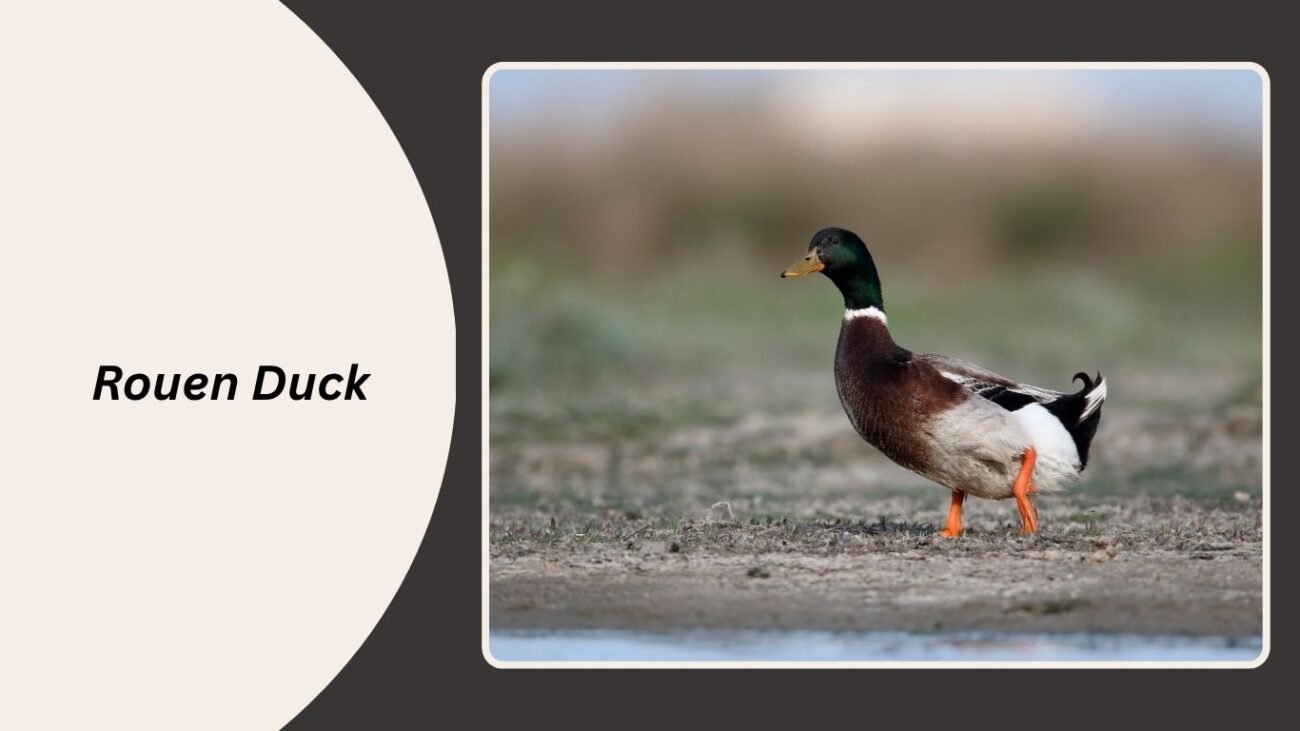
The Rouen duck is a large, heavy-bodied breed developed in France, primarily for meat production. It resembles the wild mallard in appearance but is much larger and slower, making it ideal for domestication and backyard farms.
Identification
- Large body, weighing 7 to 10 pounds
- Males have iridescent green heads, white neck ring, gray body—like mallards
- Females are brown with darker penciling
- Broad chest, deep keel, and calm expression
- Bright orange feet and blue wing speculum
Appearance and Body Features
Rouens are deep-chested, with a horizontal posture and short legs. Their plumage is striking, especially in males, which often leads people to mistake them for oversized mallards. Their size makes them poor flyers, which is ideal for managed environments.
Common Habitat and Domestication
Best suited for farms and large backyard setups with access to ponds or quiet water sources. They enjoy waddling through grass, resting in shaded areas, and swimming. Rouens are not agile but are well adapted to enclosed outdoor areas.
Diet and Feeding Habits
They eat grains, duck pellets, leafy greens, and insects. Being meat birds, they benefit from a protein-rich diet, especially when young. Overfeeding should be avoided to prevent excess weight that can strain their legs.
Behavior and Temperament
Rouens are gentle, calm, and friendly ducks. They don’t startle easily and are typically quiet, making them excellent for family settings. Their docile nature and beautiful looks also make them a favorite for exhibition and ornamental purposes.
6. Cayuga Duck
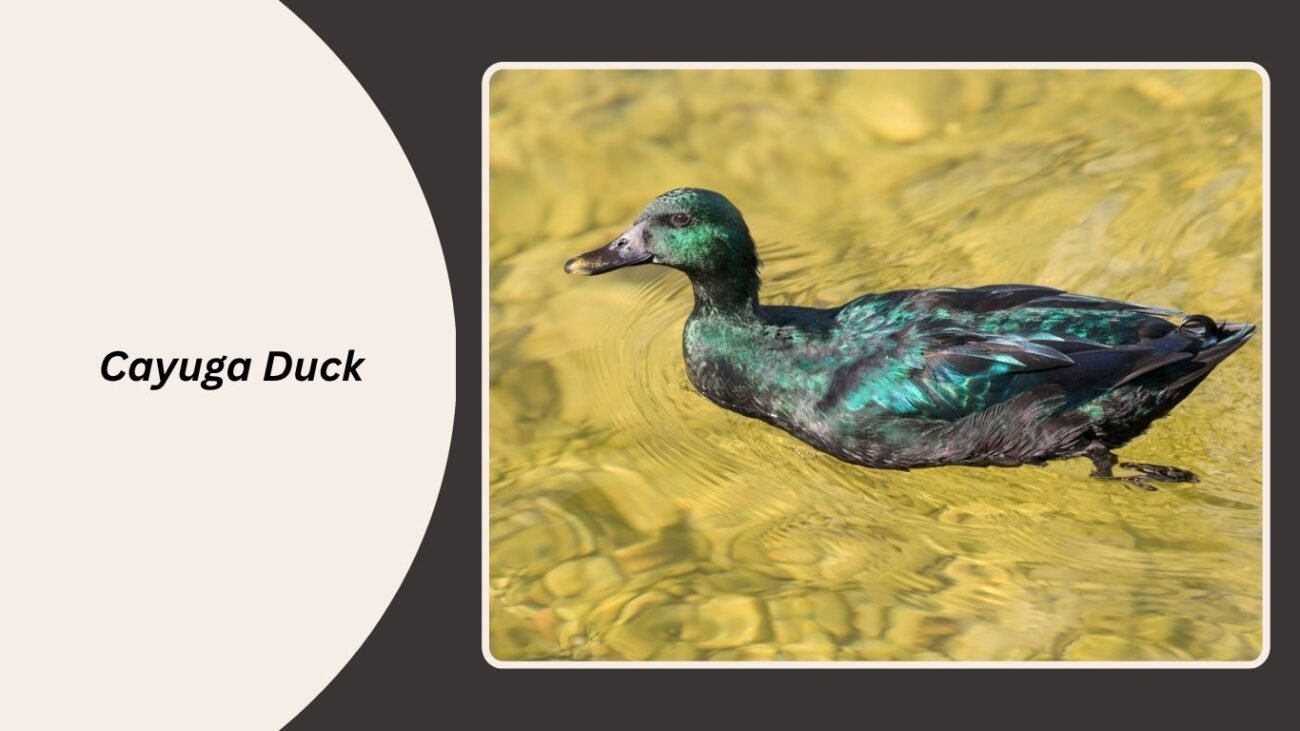
The Cayuga duck is a striking American breed known for its iridescent green-black plumage and quiet, calm nature. Originating in the northeastern United States, it is valued for both meat and egg production, as well as its ornamental appeal.
Identification
- Medium-sized, weighing 6 to 8 pounds
- Feathers appear black with a green, beetle-like sheen in sunlight
- Bill, legs, and feet are also black or dark gray
- Older ducks may develop white feathers with age
- Eggs range from gray to black early in the season
Appearance and Body Features
Cayugas have a smooth, rounded body with a deep chest and elegant posture. Their most distinctive feature is their glossy, iridescent plumage. As they age, their feathers may lighten, giving them a unique, marbled appearance.
Common Habitat and Domestication
They adapt well to most backyard and small farm settings. They enjoy foraging, dabbling in shallow water, and relaxing in grassy spaces. Though not strong flyers, they benefit from enclosed areas to keep them safe from predators.
Diet and Feeding Habits
Cayugas eat a mix of duck pellets, grains, greens, and insects. They are efficient foragers and enjoy eating slugs, snails, and weeds. Their dark egg color is influenced by diet and gradually lightens through the laying season.
Behavior and Temperament
Cayugas are quiet, docile, and easy to manage. They are less vocal than many other ducks, making them ideal for suburban homes. They tolerate cold weather well and enjoy companionship, both from humans and other ducks.
7. Buff Orpington Duck

The Buff Orpington duck, often simply called the Buff duck, is a dual-purpose breed developed in England. Known for its attractive buff coloring and calm demeanor, it is a favorite among small-scale farmers and backyard poultry keepers.
Identification
- Medium-sized, weighing 6 to 8 pounds
- Uniform buff (light tan to golden) plumage
- Orange-pink bill and legs
- Males and females have similar coloring, though males may be slightly larger
- Oval body with relaxed carriage
Appearance and Body Features
Buff ducks have a well-proportioned body with soft, loose feathering and a warm, fawn-colored appearance. Their pastel tone stands out in flocks and makes them a popular ornamental choice. They walk with a relaxed, grounded stance.
Common Habitat and Domestication
They do best in calm, enclosed spaces with access to water for swimming and clean areas for foraging. Buffs are not aggressive and are easily managed in mixed flocks. They are hardy in both cold and warm climates.
Diet and Feeding Habits
Their diet includes grains, duck feed, leafy greens, and insects. Buffs are active foragers, often helping control garden pests. Regular access to clean water supports their digestion and overall health.
Behavior and Temperament
Buff ducks are friendly, quiet, and excellent for families. They are easy to tame and often bond well with caretakers. They don’t mind being handled and are good layers of white to light brown eggs, making them both beautiful and practical.
8. Welsh Harlequin
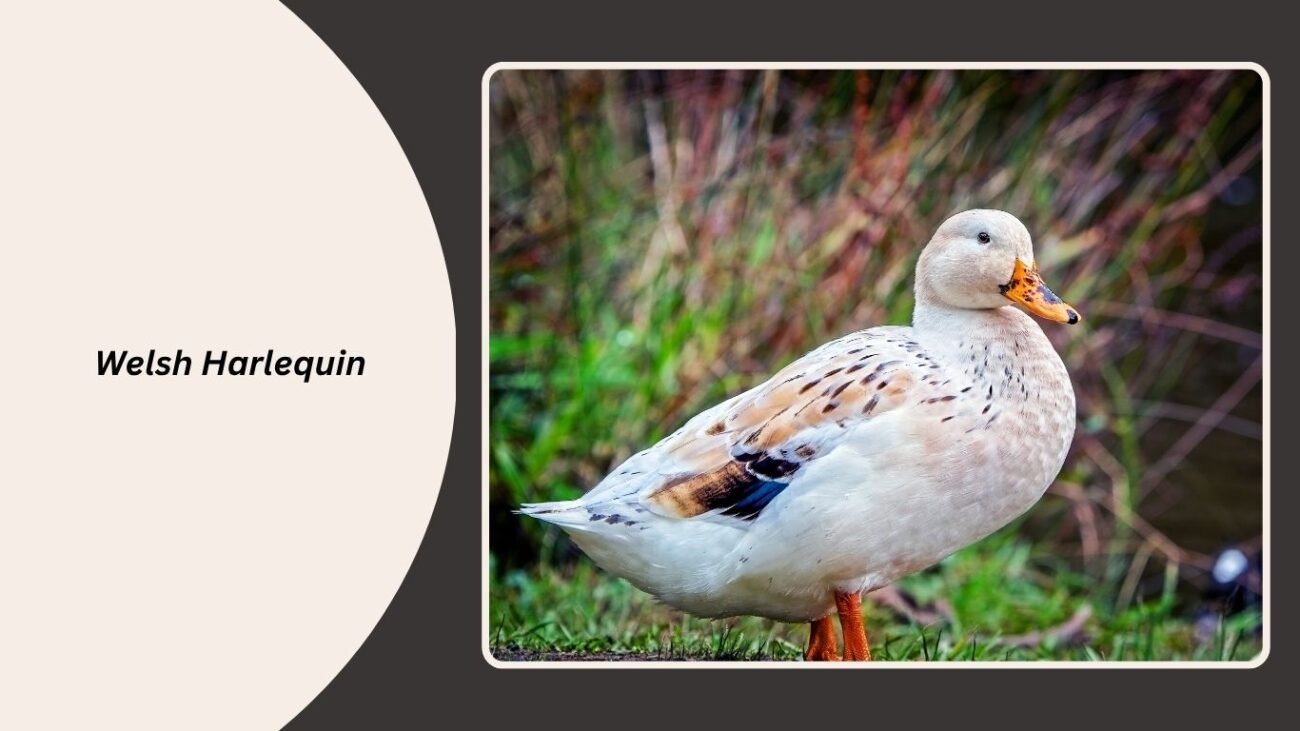
The Welsh Harlequin is a light duck breed developed in Wales from Khaki Campbell stock. It is prized for its calm temperament, excellent egg-laying ability, and striking plumage that features a soft blend of pastel colors.
Identification
- Medium-sized, weighing 4.5 to 5.5 pounds
- Plumage varies but typically includes cream, gold, fawn, and iridescent green
- Drakes have green heads, white neck rings, and chestnut breasts
- Ducks have lighter faces with minimal markings
- Orange legs and pale bill (females) or dark bill (males)
Appearance and Body Features
Welsh Harlequins have a streamlined body, upright posture, and a unique color pattern that makes each bird distinct. They are visually similar to mallards but lighter and more refined in build. Their plumage becomes more colorful as they mature.
Common Habitat and Domestication
These ducks are well-suited to both backyard and small-scale farming environments. They enjoy open spaces, clean water sources, and are good free-rangers. Welsh Harlequins are not aggressive and do well in mixed flocks.
Diet and Feeding Habits
They consume a balanced diet of duck feed, grains, garden greens, and insects. They forage efficiently and may supplement their diet with snails, worms, and slugs if given outdoor access.
Behavior and Temperament
Welsh Harlequins are calm, friendly, and easy to manage. They are excellent layers, often producing 250–300 eggs per year. Their quiet, gentle behavior and high productivity make them a top choice for families and first-time duck owners.
9. Swedish Blue
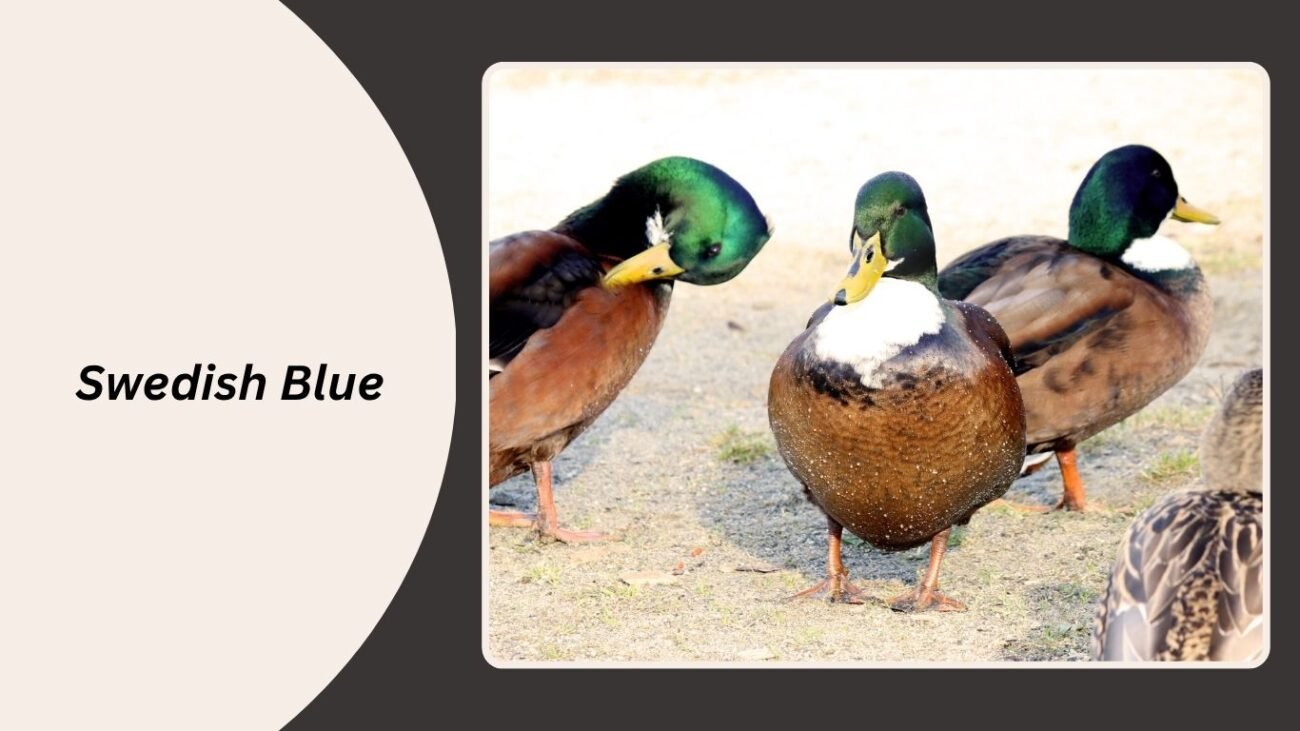
The Swedish Blue is a hardy, dual-purpose duck breed originally from Sweden. It is known for its bluish slate-colored feathers, gentle nature, and resilience in cold weather. This breed is ideal for eggs, meat, or ornamental value.
Identification
- Medium to large size, weighing 6.5 to 8 pounds
- Slate blue feathers with a white bib on the chest
- Drakes may have darker heads with greenish tint
- Orange legs and pale gray or blue bill
- Color genetics include blue, black, and splash varieties
Appearance and Body Features
Swedish Blues are heavy-bodied with a broad chest, upright stance, and balanced form. Their distinctive coloring—especially the contrast of blue feathers with a white chest—is one of their most attractive features.
Common Habitat and Domestication
They are well-suited to cool climates and are commonly kept on small farms, homesteads, and in backyard flocks. They enjoy shallow ponds, grassy runs, and shelter from wind or rain. They are non-flying and easy to contain.
Diet and Feeding Habits
They eat grains, formulated duck feed, greens, and forage naturally when allowed. Their slow growth and steady metabolism make them easy to feed and manage. Clean water should always be available for digestion and bathing.
Behavior and Temperament
Swedish Blues are calm, quiet, and easygoing. They are not prone to panic and can become friendly with regular human interaction. They are good egg layers and reliable meat birds, offering both productivity and visual appeal in flocks.
10. Magpie Duck

The Magpie duck is a light, attractive breed developed in the United Kingdom in the early 20th century. Named for its unique black-and-white coloration, it is known for being a good layer, excellent forager, and easy to handle.
Identification
- Medium-sized, weighing 4.5 to 6 pounds
- White body with black (or blue) markings on the head, back, and tail
- Upright, alert stance with long neck
- Orange legs and a yellow to greenish bill
- Some color fades with age, especially on the head
Appearance and Body Features
Magpie ducks have a clean, upright posture and are visually striking with their piebald feather pattern. Their markings are typically symmetrical, with a dark cap on the head and saddle-like patch across the back. Their neat appearance makes them a favorite for exhibitions.
Common Habitat and Domestication
They do well in both free-range and confined spaces. Their light body and active nature make them excellent foragers in gardens and pastures. They adapt well to various climates but need dry, draft-free housing to avoid chill.
Diet and Feeding Habits
Magpies enjoy a balanced diet of grains, duck feed, leafy greens, and protein sources like insects and slugs. They are efficient foragers and can help control pests in outdoor settings.
Behavior and Temperament
They are intelligent, gentle, and relatively quiet ducks. They bond well with their flock and human caretakers when handled regularly. Magpies are active and curious but not flighty, making them easy to care for and ideal for backyard environments.
11. Ancona Duck
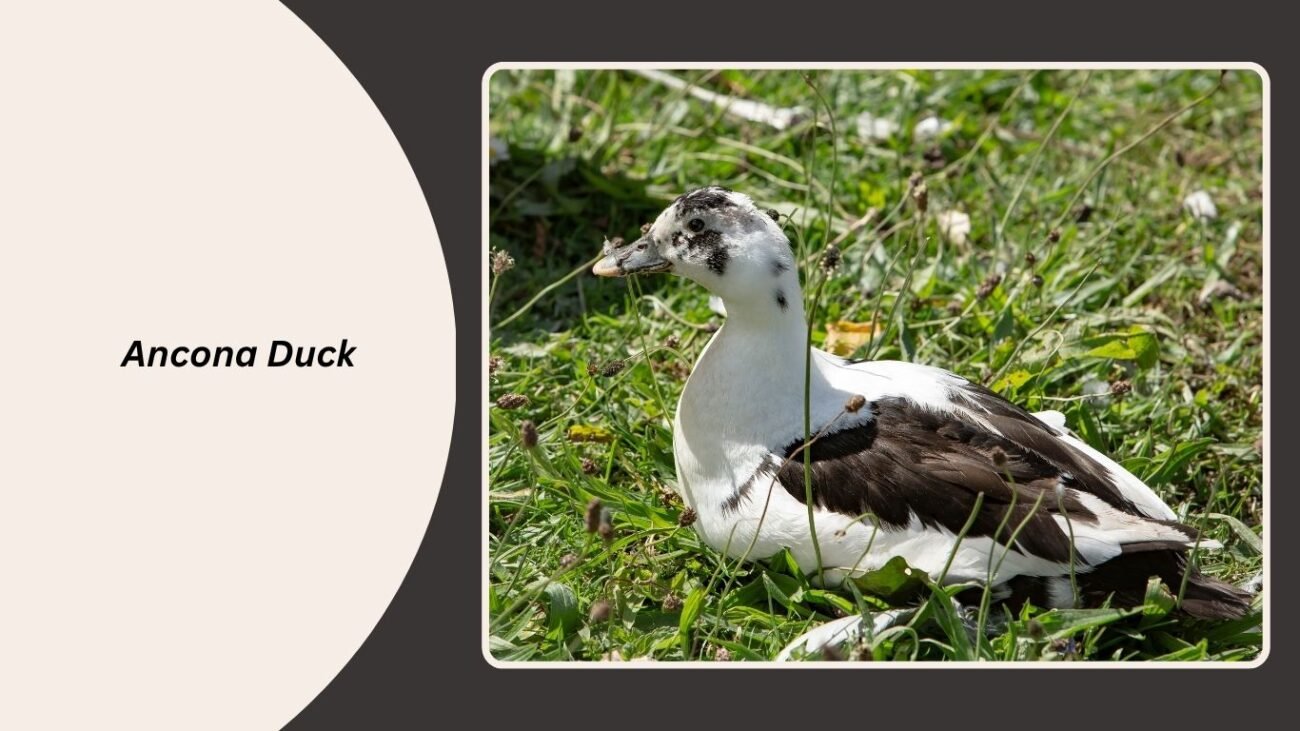
The Ancona duck is a rare breed from the U.S., valued for its calm personality, good egg production, and distinct, blotchy feather patterns. It is a dual-purpose breed that thrives in both rural and suburban environments.
Identification
- Medium-sized, weighing 5.5 to 6.5 pounds
- Irregular black, blue, chocolate, or lavender markings over a white body
- Every Ancona has a unique pattern
- Orange legs with variable spotting
- Slightly upright stance with a broad, rounded body
Appearance and Body Features
Ancona ducks are easily recognized by their broken, speckled plumage. No two birds look alike. Their markings can appear on the head, wings, chest, or tail in a random mosaic. Their compact build and upright form give them a sturdy appearance.
Common Habitat and Domestication
They are highly adaptable and do well in backyard setups, farms, and free-range systems. Anconas are hardy and perform well in both hot and cold climates when given shelter and clean water access.
Diet and Feeding Habits
They consume a standard duck diet—pellets, grains, vegetables, and protein sources. They are excellent foragers and can reduce the number of bugs, weeds, and slugs in a yard or garden space.
Behavior and Temperament
Ancona ducks are laid-back, friendly, and rarely aggressive. They are quiet compared to other breeds and get along well with chickens and other waterfowl. Their calm nature and reliable egg-laying (around 200–280 eggs per year) make them a favorite for families and hobbyists.
12. Saxony Duck

The Saxony duck is a large, dual-purpose breed developed in Germany. It is known for its beautiful coloring, excellent meat quality, and strong egg-laying ability. With calm behavior and eye-catching looks, it’s ideal for both utility and ornamental flocks.
Identification
- Large-bodied, weighing 7 to 9 pounds
- Males: grayish-blue head, white neck ring, chestnut breast, and creamy buff body
- Females: soft buff with pale face and white eye stripes
- Deep chest and broad back
- Orange legs and bill
Appearance and Body Features
Saxony ducks have a heavy, well-proportioned frame and smooth, neat feathering. Drakes are particularly colorful and resemble mallards but are larger and more refined. The breed combines elegance with utility, making it suitable for show and production.
Common Habitat and Domestication
These ducks thrive on farms, homesteads, and large backyards with access to water. They prefer open space for grazing and need a secure shelter at night. Saxonies are cold hardy and adaptable to various environments.
Diet and Feeding Habits
Their diet includes grains, layer pellets, fresh greens, and insects. Saxonies grow quickly and benefit from a protein-rich diet, especially when raised for meat. Clean water and space for foraging improve their health and productivity.
Behavior and Temperament
Saxony ducks are calm, friendly, and intelligent. They are not overly noisy and tolerate handling well. Their docile temperament makes them excellent choices for mixed flocks, and they are reliable layers of large white eggs.
13. Silver Appleyard
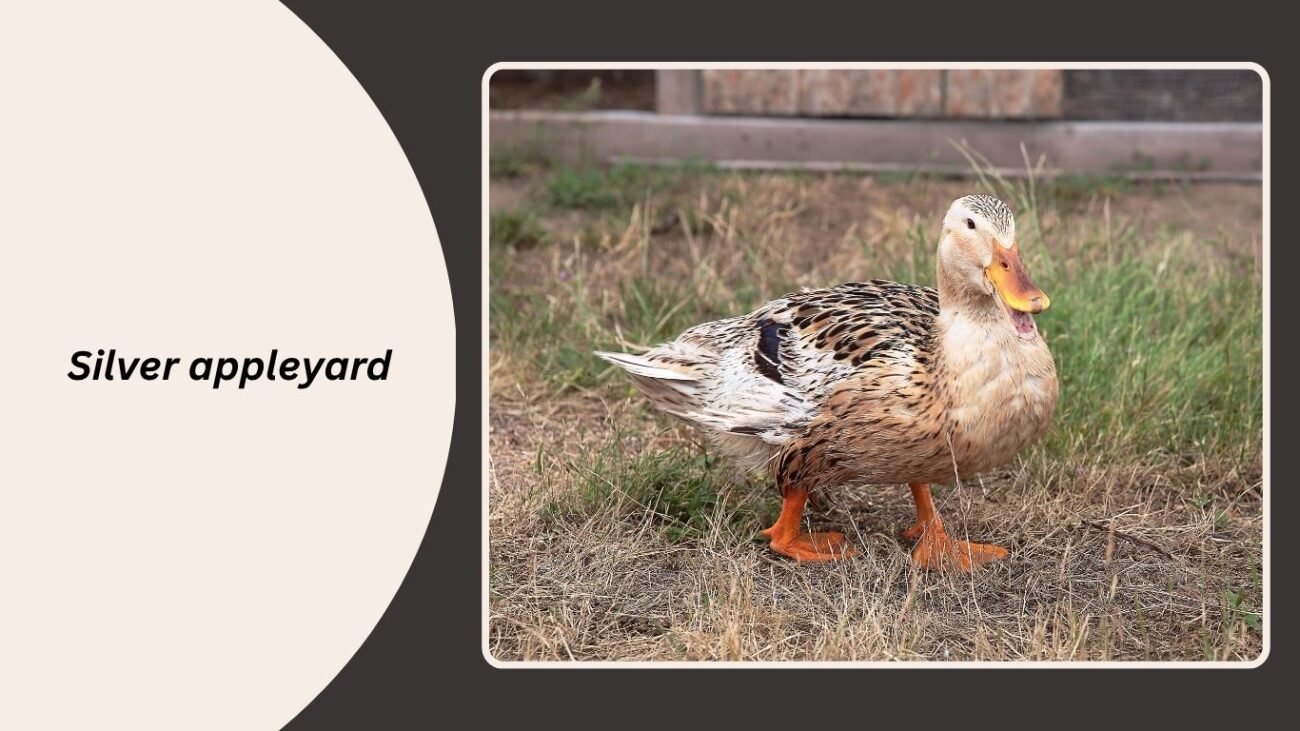
The Silver Appleyard is a large, attractive breed developed in England for both meat and eggs. It’s known for being one of the best dual-purpose ducks, combining beauty, utility, and a pleasant temperament.
Identification
- Large size, weighing 8 to 10 pounds
- Males: greenish head, silver-white neck and breast, reddish-brown chest, and gray flanks
- Females: white with fawn or gray markings and a distinct eye stripe
- Broad, rounded body with upright stance
- Orange legs and bill
Appearance and Body Features
Silver Appleyards are striking in appearance, with strong, muscular bodies and defined color patterns. Their heavy build and clean feather lines give them an elegant look despite their size.
Common Habitat and Domestication
They are best kept on homesteads or farms with open access to grass and shallow ponds. Though large, they are not flighty and stay close to home. They enjoy water activities but are also content in dry, grassy areas.
Diet and Feeding Habits
These ducks consume grains, waterfowl pellets, garden scraps, and small insects. Their high productivity and fast growth make a quality, nutrient-rich diet essential. They forage well in large yards or pasture systems.
Behavior and Temperament
Silver Appleyards are active, friendly, and excellent with families. They enjoy exploring and are very curious but not overly noisy. They’re also dependable layers, producing 200–270 white eggs annually. Their calm nature and versatility make them a prized breed for backyard keepers and small farms.
14. Call Duck

The Call duck is a small, bantam breed originally developed as a decoy duck for hunting. Today, it’s mainly kept as an ornamental or pet breed due to its adorable size, loud voice, and charming personality.
Identification
- Very small size, weighing 1.5 to 2 pounds
- Short, compact body with rounded head
- Short bill and large, expressive eyes
- Available in many colors: white, gray, black, blue, and more
- High-pitched, loud quack—especially in females
Appearance and Body Features
Call ducks have a plump, rounded appearance with a short neck and stubby bill. Their petite frame makes them resemble miniature versions of standard duck breeds. Their playful expression and variety of color patterns make them popular show birds.
Common Habitat and Domestication
They are perfect for small gardens, patios, or backyard ponds. Due to their small size, they need protection from predators and should be housed securely at night. They adapt well to urban or suburban homes with proper care.
Diet and Feeding Habits
Call ducks eat small-sized grains, duck starter feed, chopped vegetables, and insects. Because of their size, they require less food than larger breeds but still need a balanced diet to stay healthy. Clean water is essential for dabbling and bathing.
Behavior and Temperament
Call ducks are extremely social, vocal, and energetic. They thrive with daily interaction and companionship, either from other ducks or humans. While friendly and entertaining, their loud quacking may not be ideal for noise-sensitive environments.
15. Crested Duck
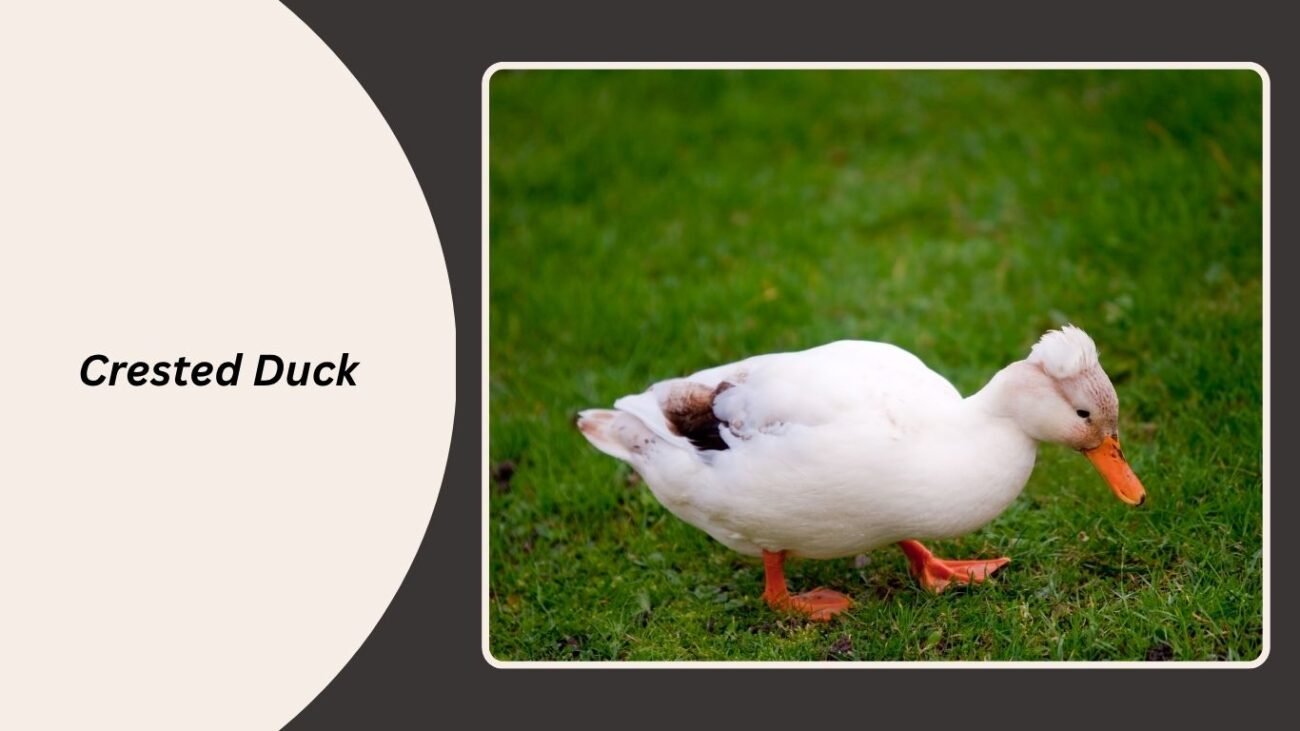
The Crested duck is a unique and eye-catching breed, best known for the puff or “crest” of feathers on top of its head. This ornamental breed is kept primarily for its looks but can also lay a modest number of eggs.
Identification
- Medium-sized, weighing 6 to 7 pounds
- Most noticeable feature is a rounded crest of feathers on the head
- Comes in various colors: white, black, blue, and others
- Broad body with upright stance
- Crest size and symmetry can vary by individual
Appearance and Body Features
Crested ducks have a similar build to Pekins but are easily distinguished by their head tuft. The crest is the result of a genetic mutation and can be large or small depending on breeding. Their overall look is soft and rounded, with bright eyes and sturdy posture.
Common Habitat and Domestication
They do well in home flocks with safe, predator-proof housing. Their head crest makes them slightly more vulnerable to injury, so a protected environment is best. They are calm birds and adapt to a variety of climates with adequate shelter.
Diet and Feeding Habits
Their diet includes grains, duck pellets, and greens. Like all ducks, they enjoy dabbling and benefit from water access. Supplements to support feather health may be useful, especially for crest development.
Behavior and Temperament
Crested ducks are docile, friendly, and generally calm around humans. They enjoy attention and companionship. Due to the genetics involved in producing the crest, careful breeding is necessary to maintain health and avoid skull deformities. With proper care, they are wonderful additions to hobby flocks.
16. Aylesbury Duck
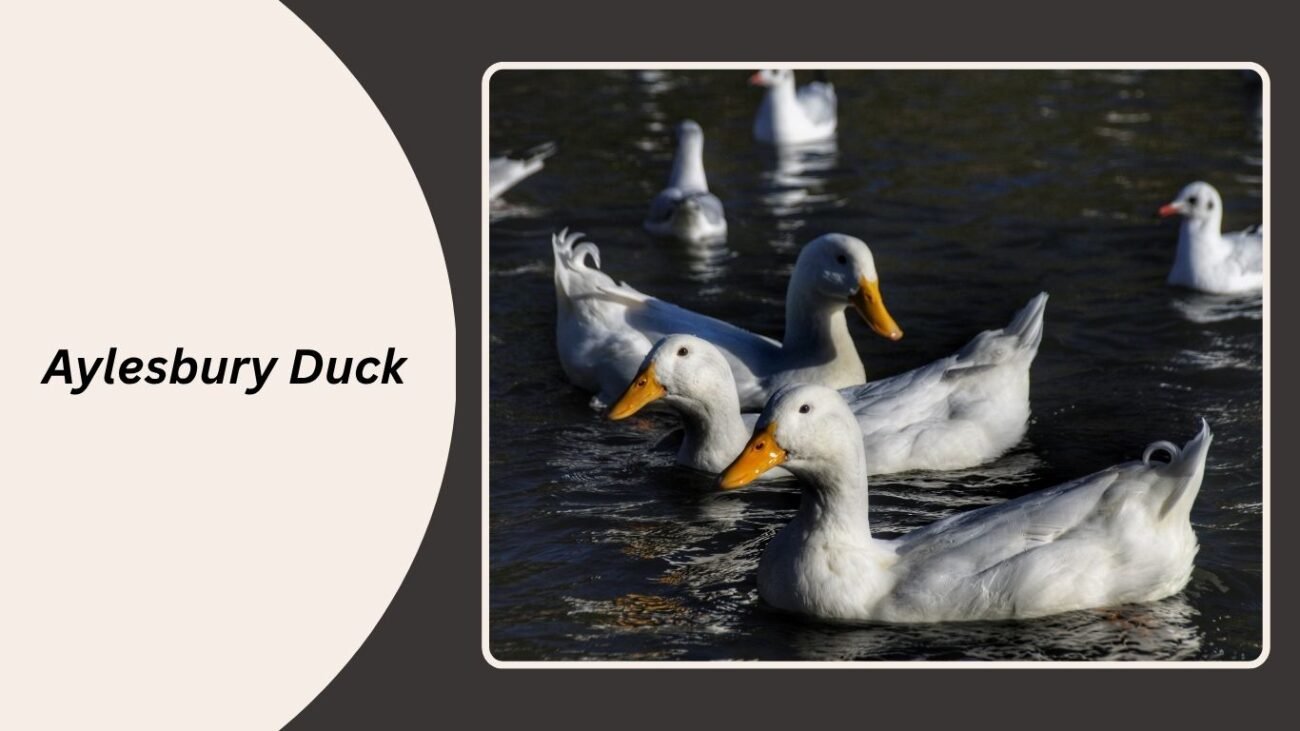
The Aylesbury duck is a classic English breed developed specifically for meat production. Renowned for its white plumage, broad body, and pale pink bill, it was once the most popular table duck in England before being overtaken by the Pekin in commercial farming.
Identification
- Large-bodied, weighing 9 to 11 pounds
- Pure white feathers with a deep, full breast
- Distinctive pale pink (flesh-colored) bill
- Orange legs set widely apart
- Horizontal posture with a low carriage
Appearance and Body Features
Aylesbury ducks have a sturdy frame, straight back, and broad chest. Their clean white plumage and light-colored bill make them easy to distinguish from Pekins, which have orange bills. They are visually elegant and built for meat quality, with tender, flavorful flesh.
Common Habitat and Domestication
They do best in secure, dry environments with ample room to walk and access to clean water. They are not strong foragers and prefer to be fed. Because of their size and weight, they need flat, supportive terrain to prevent leg strain.
Diet and Feeding Habits
Aylesburys thrive on high-protein feed, grains, and fresh greens. They grow quickly and need a diet rich in nutrients to support their large frame. Fresh water should always be available for drinking and cleaning.
Behavior and Temperament
These ducks are calm, gentle, and easy to manage. They are not particularly vocal or flighty and can be quite affectionate when handled regularly. Though primarily kept for meat, Aylesburys also make attractive, docile additions to backyard flocks.


