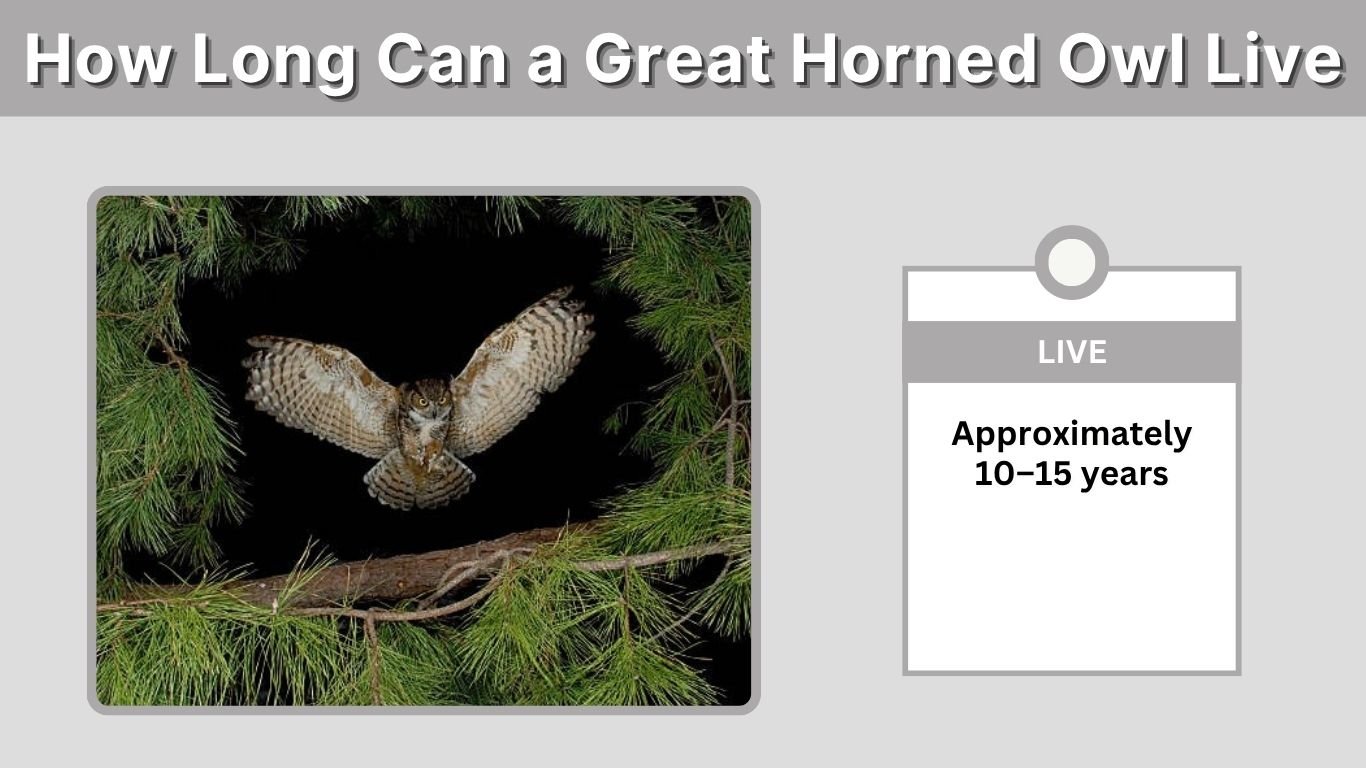
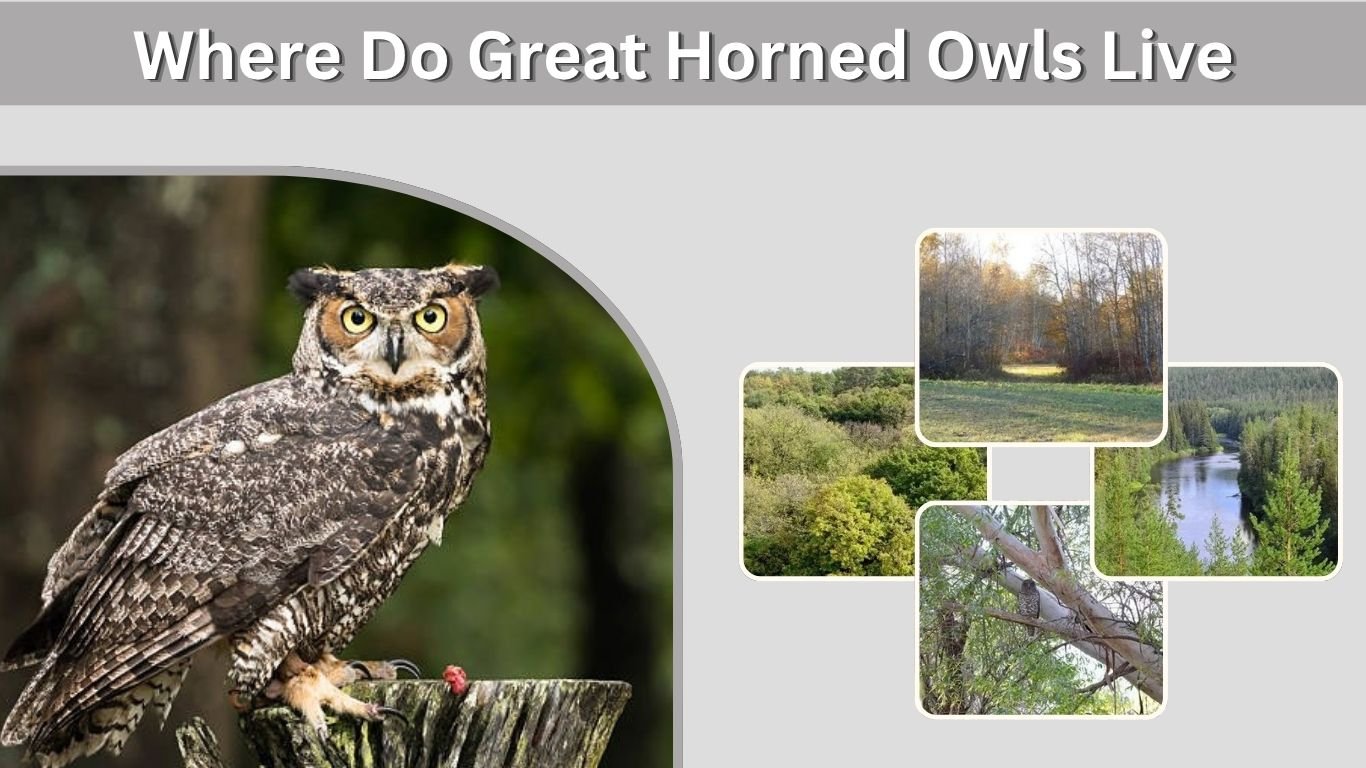
The great horned owl is one of North America’s most formidable and adaptable predators. Recognized by its tufted “horns” and deep hoot, this owl thrives in a variety of habitats—from forests and deserts to urban areas. Its diet reflects this adaptability, featuring an impressive range of prey species. Whether hunting mammals, birds, or reptiles, great horned owls dominate the food chain with their strength, stealth, and keen hunting instincts.
Primary Diet Overview

Carnivorous Nature
Great horned owls are obligate carnivores, meaning they rely entirely on meat for survival. They hunt live prey and rarely scavenge. Using exceptional night vision and silent flight, they strike with powerful talons capable of exerting over 300 pounds of pressure per square inch—enough to kill animals larger than themselves. Their diverse diet makes them one of the most successful raptors in the Western Hemisphere.
Most Common Prey
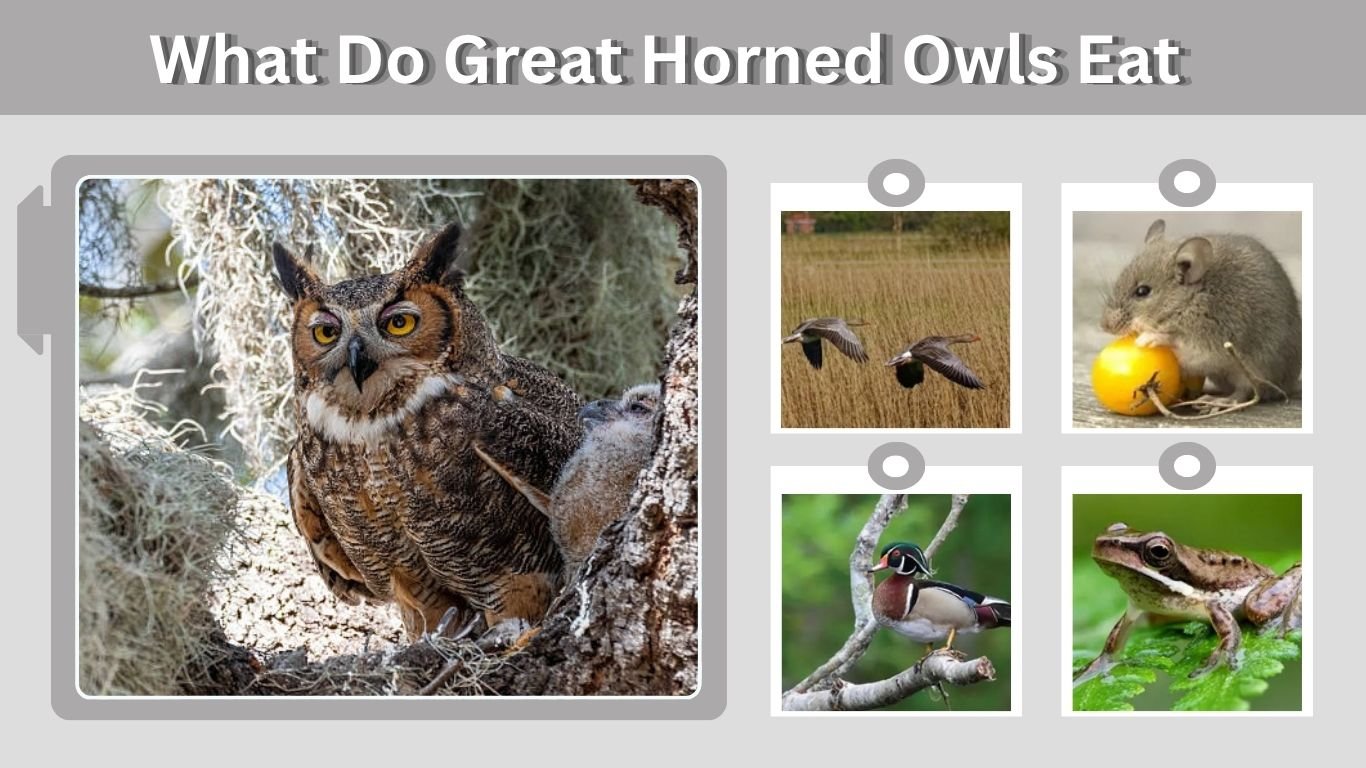
Their primary prey includes small to medium-sized mammals such as rabbits, mice, voles, rats, and squirrels. Birds also form a major part of their diet—especially waterfowl, pigeons, and crows. In some regions, they prey on reptiles like snakes, lizards, and frogs. Although rare, they occasionally eat large insects and fish when other prey is scarce. This dietary flexibility allows them to survive in almost any environment.
Diet in Different Habitats

In Forests and Woodlands
In wooded environments, great horned owls primarily feed on squirrels, rabbits, and other small forest mammals. They also hunt roosting birds, such as woodpeckers and smaller owls, taking advantage of dense cover for surprise attacks.
In Deserts
In arid regions, these owls adapt by hunting reptiles, desert rodents, and even scorpions. Since food can be scarce, they often consume whatever prey is available, showcasing their opportunistic feeding behavior.
In Farmlands and Suburbs
Around agricultural areas, their diet consists mainly of rats, pigeons, and small domestic pests. Farmers often welcome their presence because they naturally control rodent populations without the need for poisons or traps.
In Indiana and Temperate Regions
In states like Indiana, where landscapes vary between forests, wetlands, and farmland, great horned owls maintain a mixed diet. They consume local mammals such as rabbits and raccoons, along with ducks and fish from nearby ponds or rivers.
Feeding Behavior
Nocturnal Hunting
Great horned owls are primarily nocturnal hunters. Their large, forward-facing eyes provide binocular vision and enhanced depth perception in low light. Combined with ultra-sensitive hearing, this allows them to detect the faintest movement or rustle of prey, even beneath snow or leaves.
Method of Consumption
Once they catch their prey, owls usually kill it instantly using their talons. Smaller animals are swallowed whole, while larger ones are torn into manageable pieces. Their digestive system separates edible material from indigestible parts like fur, feathers, and bones, which are later regurgitated as compact pellets—useful clues for scientists studying their diet.
Feeding Frequency
An adult great horned owl typically eats every night, depending on prey availability. During nesting season, both parents hunt actively to feed their chicks, sometimes bringing several kills per night. This constant hunting ensures that growing owlets receive enough nourishment to develop strong flight muscles and hunting skills.
Diet by Age
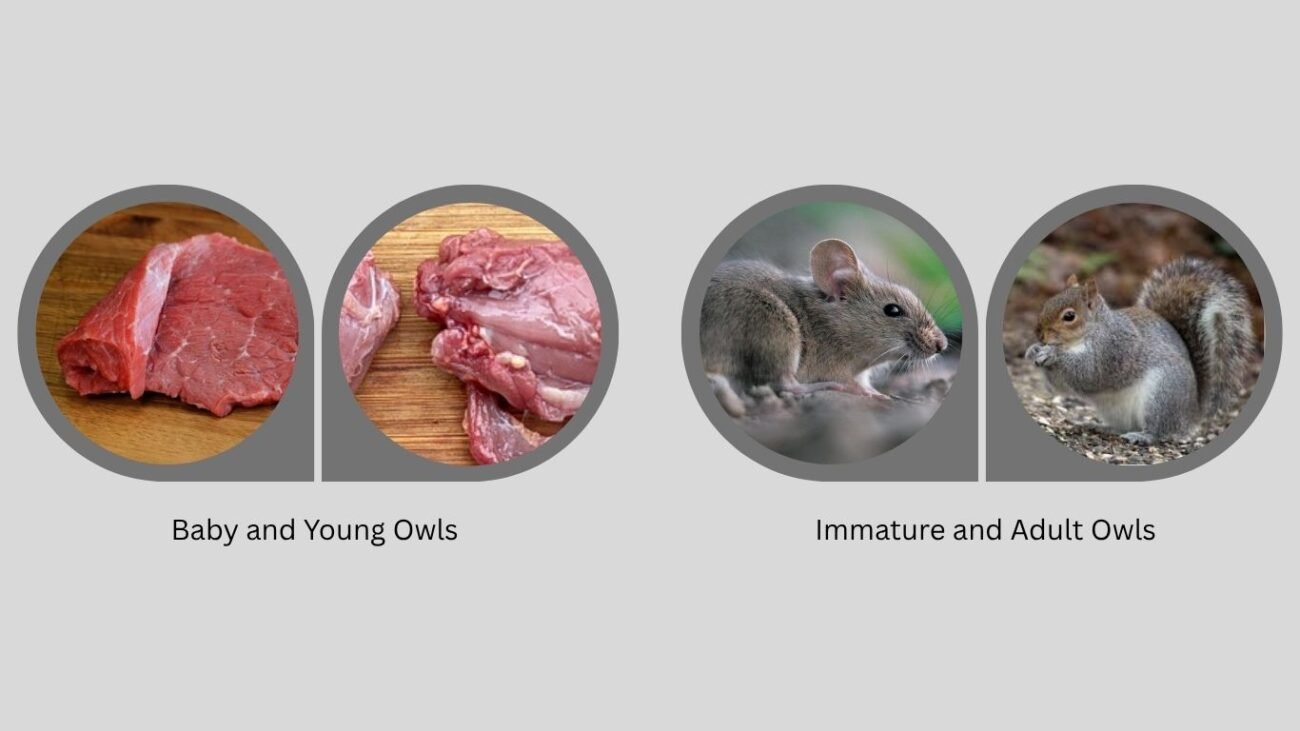
Baby and Young Owls
Baby great horned owls, called owlets, rely entirely on their parents for food. Adult owls tear prey into smaller, manageable portions or regurgitate softened meat for easy digestion. As the owlets grow, parents begin offering whole prey to help them learn how to handle and tear food.
Immature and Adult Owls
Once they leave the nest, young owls begin practicing hunting skills. Initially, they target smaller prey like mice or insects, gradually moving to larger animals as they gain confidence. Mature owls, being skilled and powerful, can tackle a wide variety of prey, including animals close to their own size, such as skunks or ducks.
Seasonal Diet Changes
Summer and Spring
During the warmer months, food is abundant, and great horned owls take full advantage of it. Their diet consists mainly of small mammals like mice, voles, and rabbits, which breed rapidly in spring. They also hunt nesting birds and their chicks, along with large insects such as beetles or grasshoppers. Amphibians and reptiles become common additions to their menu during these seasons.
Autumn and Winter
As temperatures drop and smaller animals become scarce, great horned owls shift to larger prey. They often hunt hares, ducks, and other birds that remain active in winter. In snowy regions, their sharp hearing helps them detect rodents beneath snow layers. Their ability to adapt their diet with the seasons ensures survival even in the harshest conditions.
Occasional and Unusual Prey
Although small mammals make up most of their diet, great horned owls are not picky eaters. In desperate times, they have been observed attacking animals as large as domestic cats or small dogs, particularly when natural prey is limited. They also occasionally target skunks—one of the few predators bold enough to do so—despite the strong odor. Their powerful sense of smell is limited, allowing them to ignore scents that deter other animals.
In coastal or wetland areas, they may capture fish, crayfish, or aquatic birds. This flexibility demonstrates their dominance and adaptability across ecosystems.
What They Do Not Eat
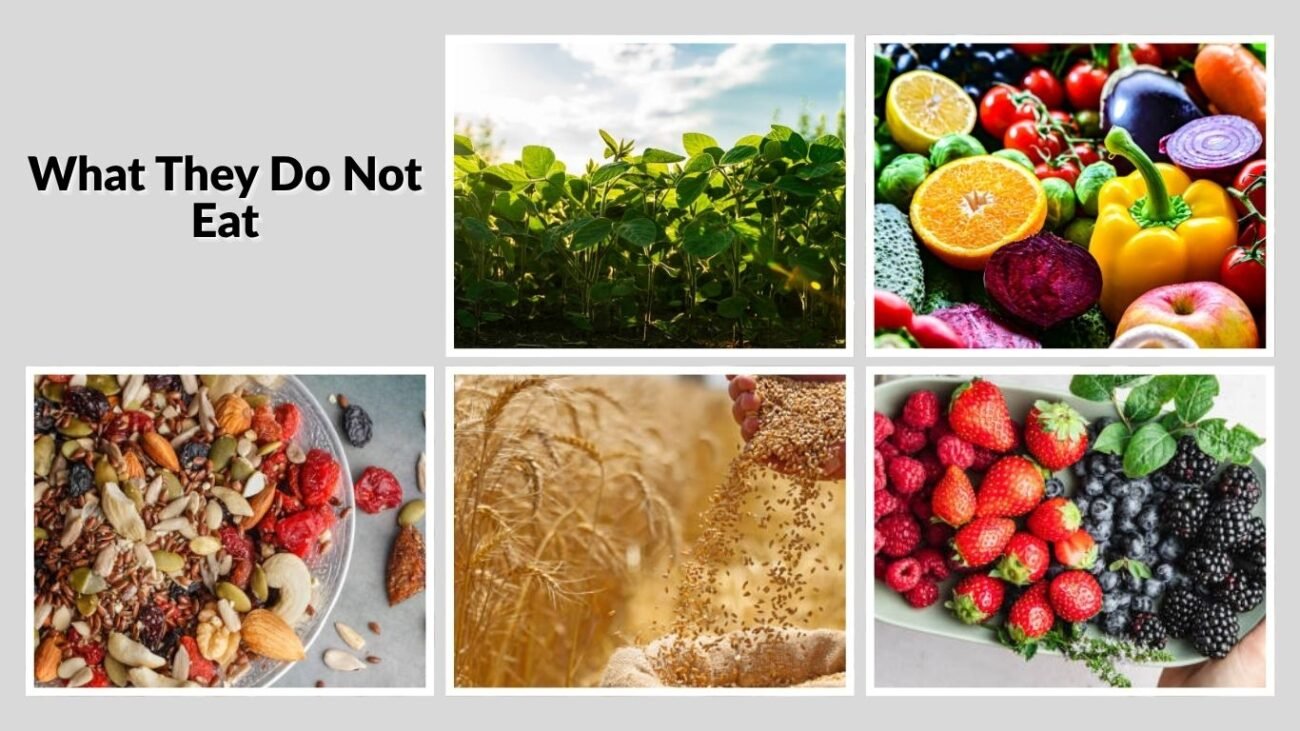
Despite their wide-ranging menu, great horned owls are strict carnivores. They never eat plants, fruits, or seeds. Their digestive system is specialized for processing animal tissue and bones, providing all necessary nutrients through meat alone. Unlike omnivorous birds such as crows, these owls have no need for vegetation in their diet.
Ecological Role
Great horned owls play a vital role in maintaining ecological balance. By controlling populations of rodents, rabbits, and other small animals, they help prevent overgrazing and crop damage. In urban and rural areas alike, their presence benefits ecosystems by naturally managing pest species. Their pellets, left beneath roosting sites, also enrich soil nutrients as they decompose.
FAQs
What do great horned owls eat in the wild?
In the wild, great horned owls eat a diverse range of prey, including rabbits, mice, squirrels, snakes, frogs, and birds. Their diet shifts with habitat and season, allowing them to thrive from forests to deserts across North America.
Do great horned owls eat other birds?
Yes. Great horned owls frequently hunt smaller birds, such as ducks, pigeons, crows, and even other owls. Their stealthy flight and powerful grip make them capable of ambushing prey of similar or even slightly larger size.
What do baby great horned owls eat?
Baby great horned owls, known as owlets, are fed regurgitated meat by their parents. As they grow, they begin receiving whole small mammals and birds, which helps them develop strong digestion and hunting instincts.
Do great horned owls eat fish or insects?
Occasionally, they do. While their main prey includes mammals and birds, great horned owls will eat fish, frogs, and large insects like beetles or crickets when other prey is scarce, especially in wetlands or summer months.
Do great horned owls ever eat plants?
No. Great horned owls are pure carnivores and never eat plants or fruits. Their digestive system is designed for breaking down animal protein and bone matter, ensuring they get all nutrients from meat-based prey.