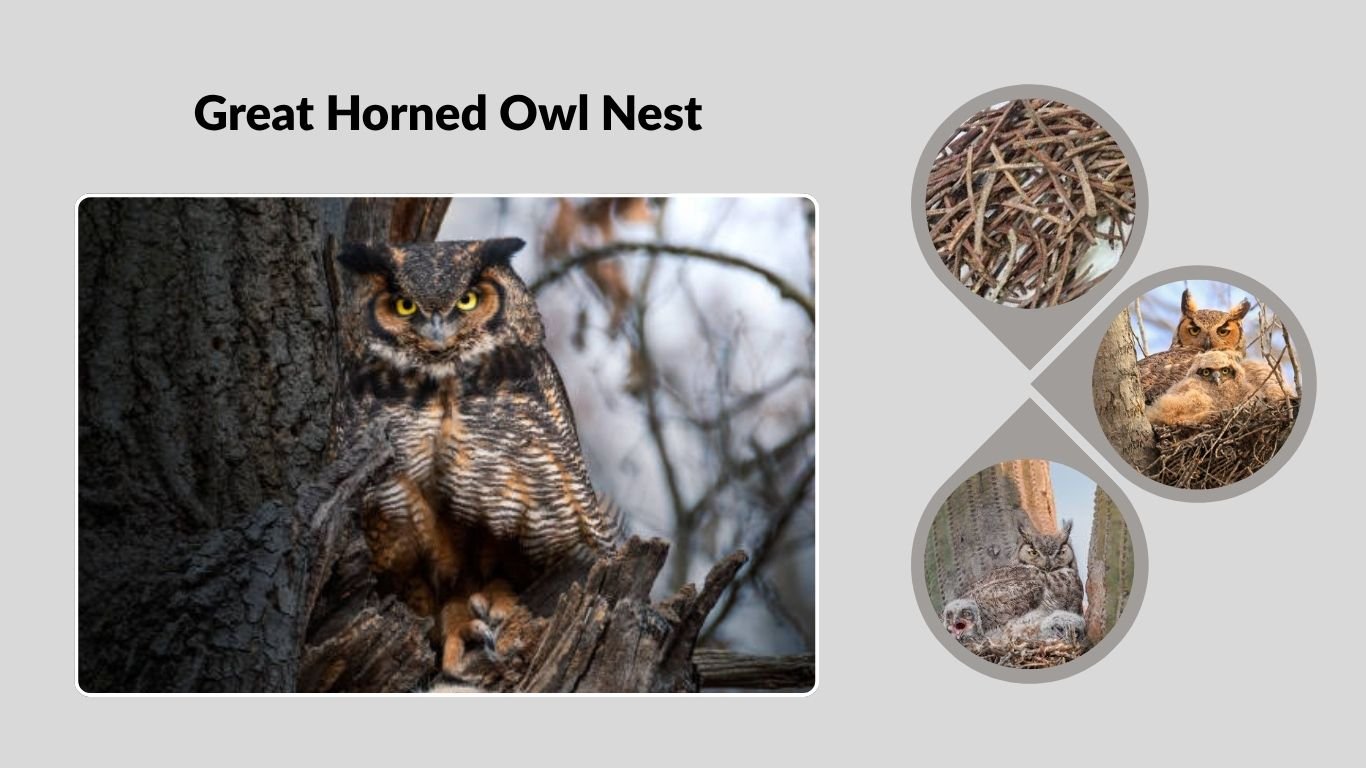
The great horned owl is a powerful, widespread predator known not only for its hunting skills but also for its fascinating nesting behavior. Unlike most birds, these owls do not build their own nests. Instead, they take over abandoned nests made by other large birds or use natural cavities and platforms. Their nesting choices, timing, and adaptability make them one of the most successful raptors in North America.
Nesting Overview
Unique Nesting Behavior
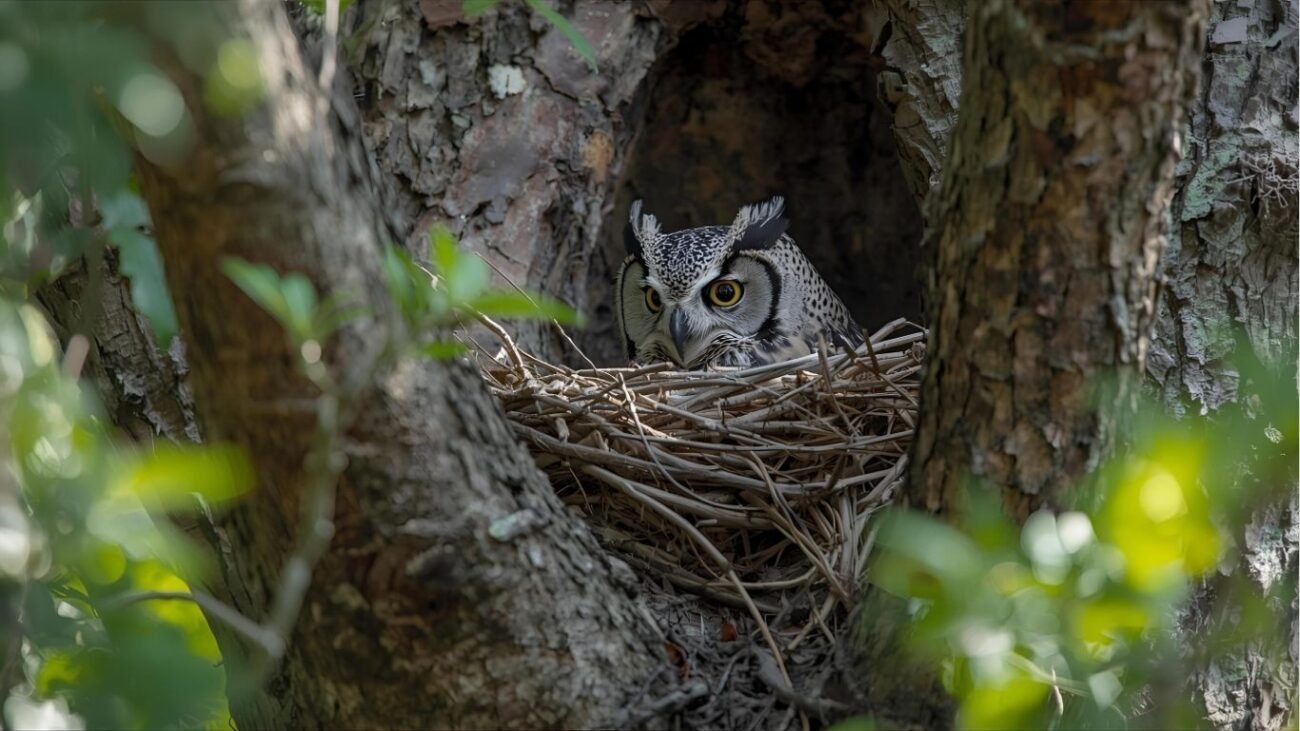
Great horned owls are opportunistic nesters. They don’t spend time or energy building their own nests but prefer to occupy ready-made ones. These can include the deserted nests of red-tailed hawks, crows, herons, or even squirrel dreys. When suitable nests are unavailable, they adapt by nesting in unexpected places such as cliff ledges, tree hollows, or man-made platforms.
Preferred Nesting Sites
These owls favor elevated, well-hidden sites that offer protection from predators and good visibility of surrounding areas. Common nesting locations include:
- Tall trees with wide forks or broken tops
- Rocky ledges and canyon walls
- Abandoned eagle or osprey nests
- Human-made structures like barns, silos, and bridges
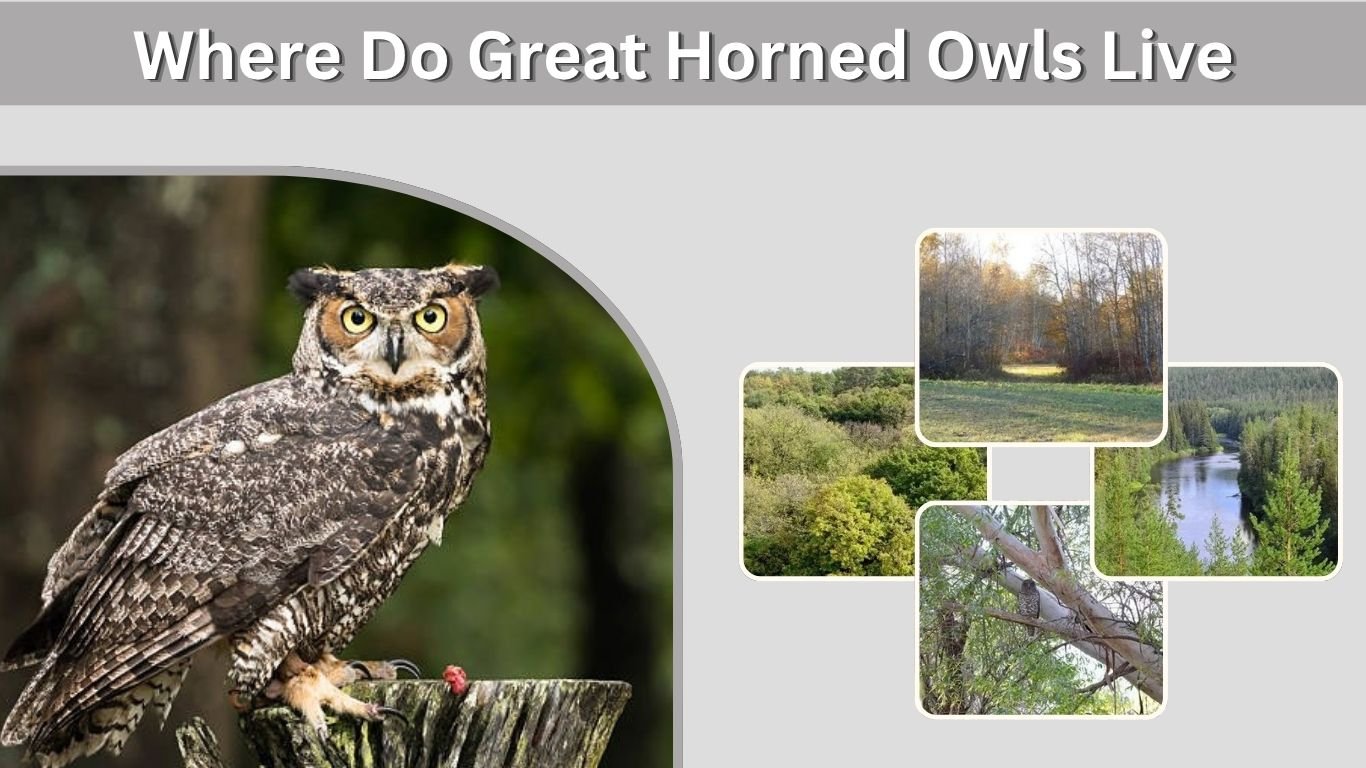
Their adaptability allows them to thrive in forests, deserts, mountains, and even city parks.
Nesting Season and Timing
When Do Great Horned Owls Nest?
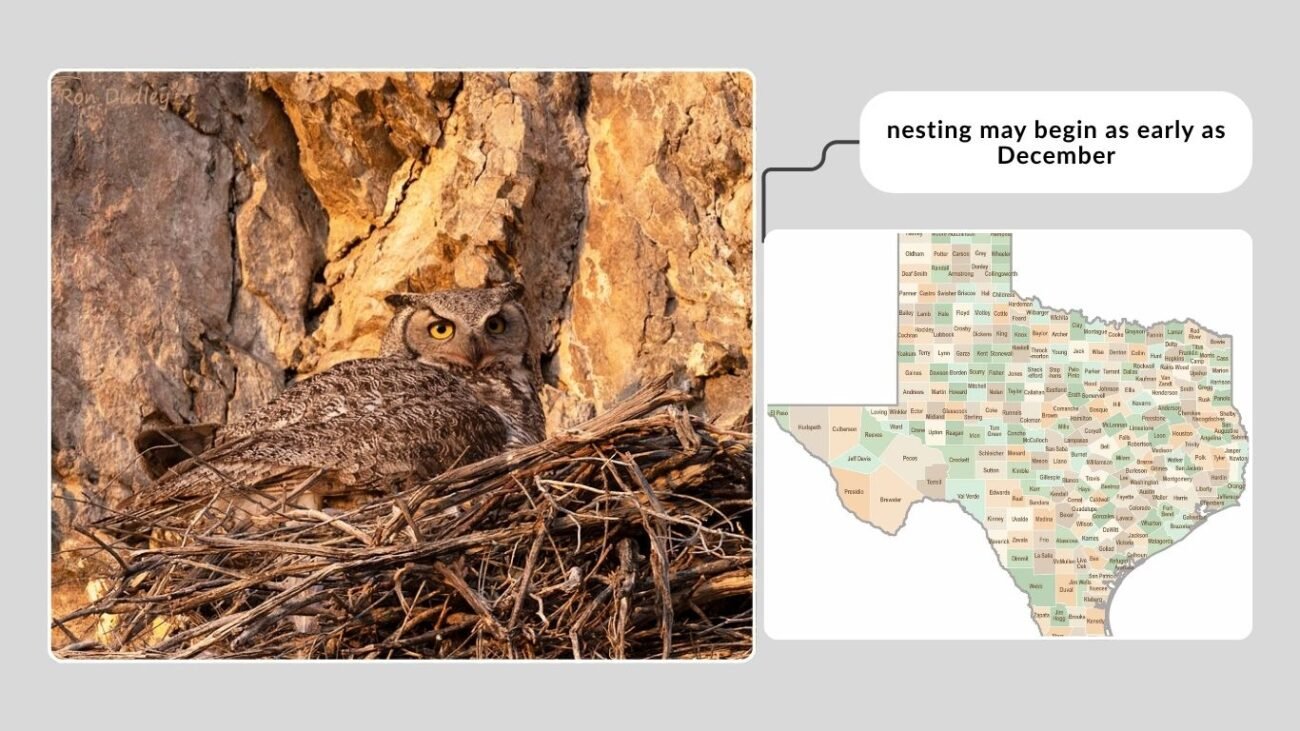
Great horned owls begin nesting earlier than most bird species, often starting from January to March. This early schedule gives their chicks time to mature before summer. In warmer regions such as Texas, Florida, or Arizona, nesting may begin as early as December, while in northern states and Canada, it can extend into April.
Courtship and Mating Period
The nesting cycle begins with haunting duets of deep hoots exchanged between pairs in winter. These calls establish territory and strengthen pair bonds. Once bonded, the female selects the nesting site—often one reused from previous years—while the male patrols the area and provides food.
Nest Construction and Appearance
Do Great Horned Owls Build Nests?
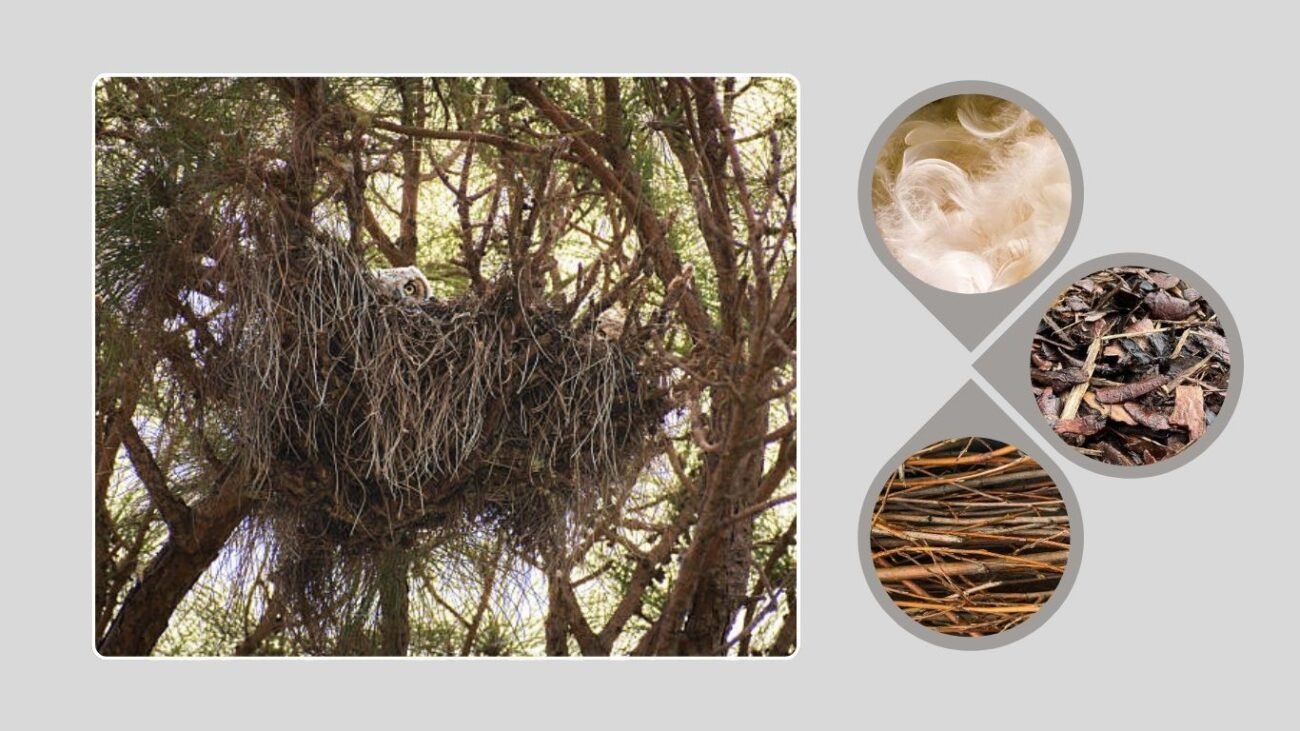
No, great horned owls rarely build nests. Instead, they take over old nests built by hawks, crows, or herons. Sometimes they make slight modifications by adding soft materials such as feathers, bark, or leaves for warmth. However, the nests often deteriorate quickly, forcing the owls to find new ones each season.
What Does a Great Horned Owl Nest Look Like?
A typical great horned owl nest is a large, stick-built structure measuring between 18 and 36 inches wide and 8 to 12 inches deep. It appears rough and bulky, often with visible twigs extending beyond the edges. Inside, the nest is lined with softer materials for insulation. Over time, exposure to weather causes nests to collapse, prompting relocation.
Nest Size and Height
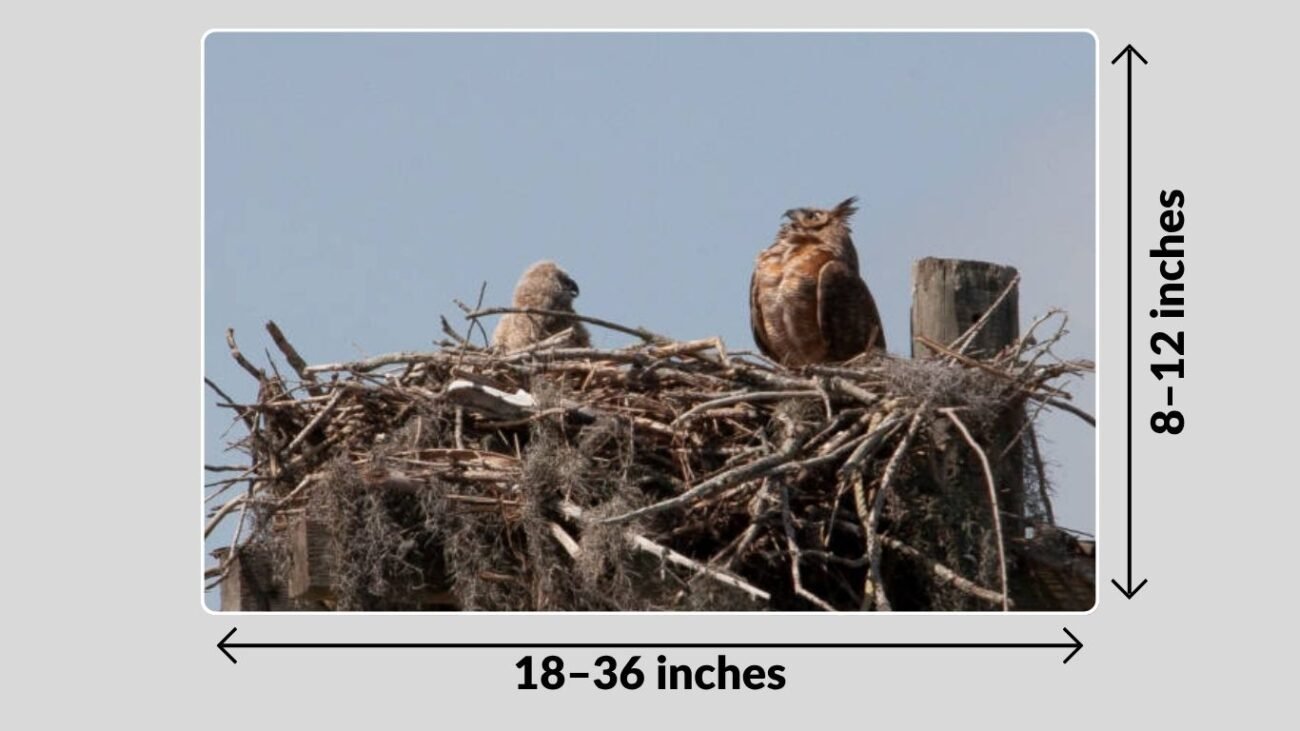
| Feature | Typical Measurement |
| Nest Diameter | 18–36 inches |
| Nest Depth | 8–12 inches |
| Height Above Ground | 20–60 feet (varies by habitat) |
Owls prefer high vantage points that allow them to watch for predators and easily launch into flight.
Nesting Habits and Parental Roles
Incubation and Egg-Laying
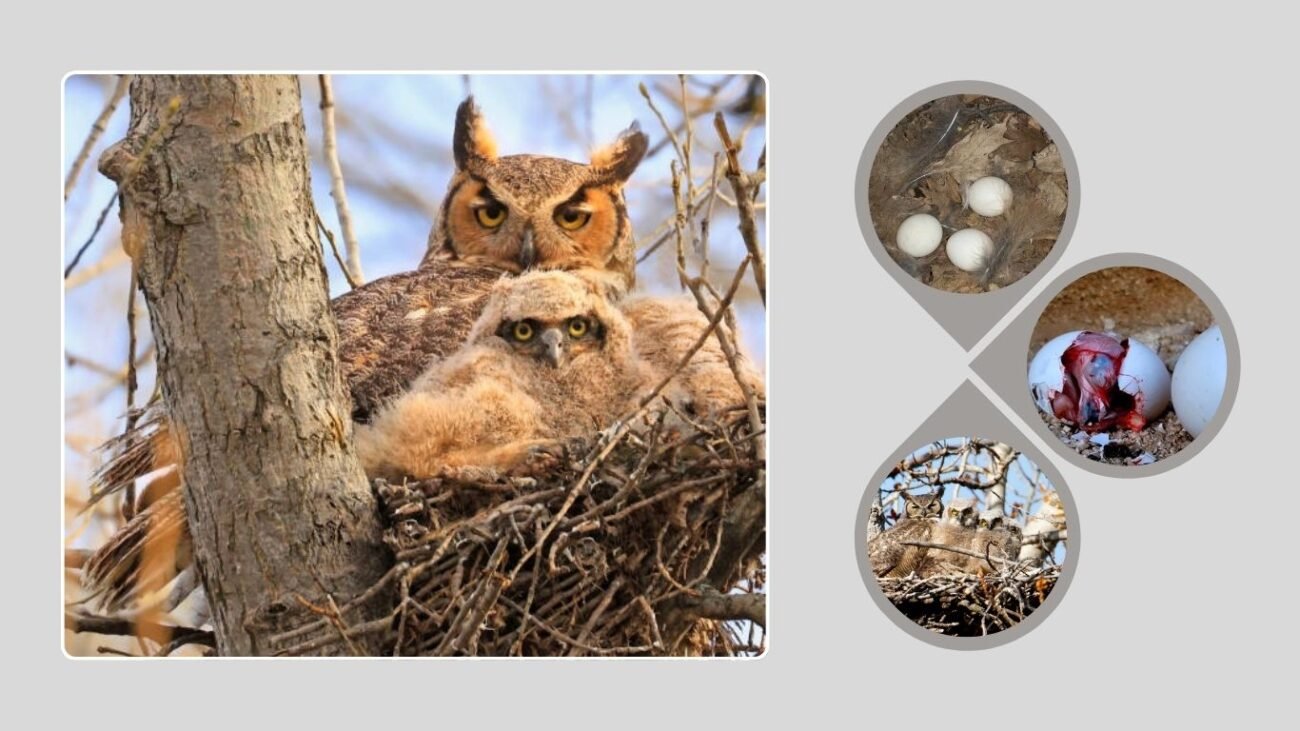
Once a site is chosen, the female lays 1 to 4 eggs, usually white and rounded. She incubates them for about 30 to 37 days, remaining on the nest almost constantly. The male brings her food and guards the territory, warding off potential threats.
Do They Reuse the Same Nest?
Great horned owls may return to the same nest if it’s still sturdy, but they are just as likely to move to a new location. Their re-nesting behavior depends on the condition of the previous nest and local prey abundance.
How Long Do Owlets Stay in the Nest?
Baby great horned owls, or owlets, stay in the nest for 6 to 7 weeks after hatching. Before they can fly, they begin “branching,” climbing onto nearby branches to practice movement and balance. Both parents continue feeding them until they become independent.
Nesting Sites by Habitat
Forests and Woodlands
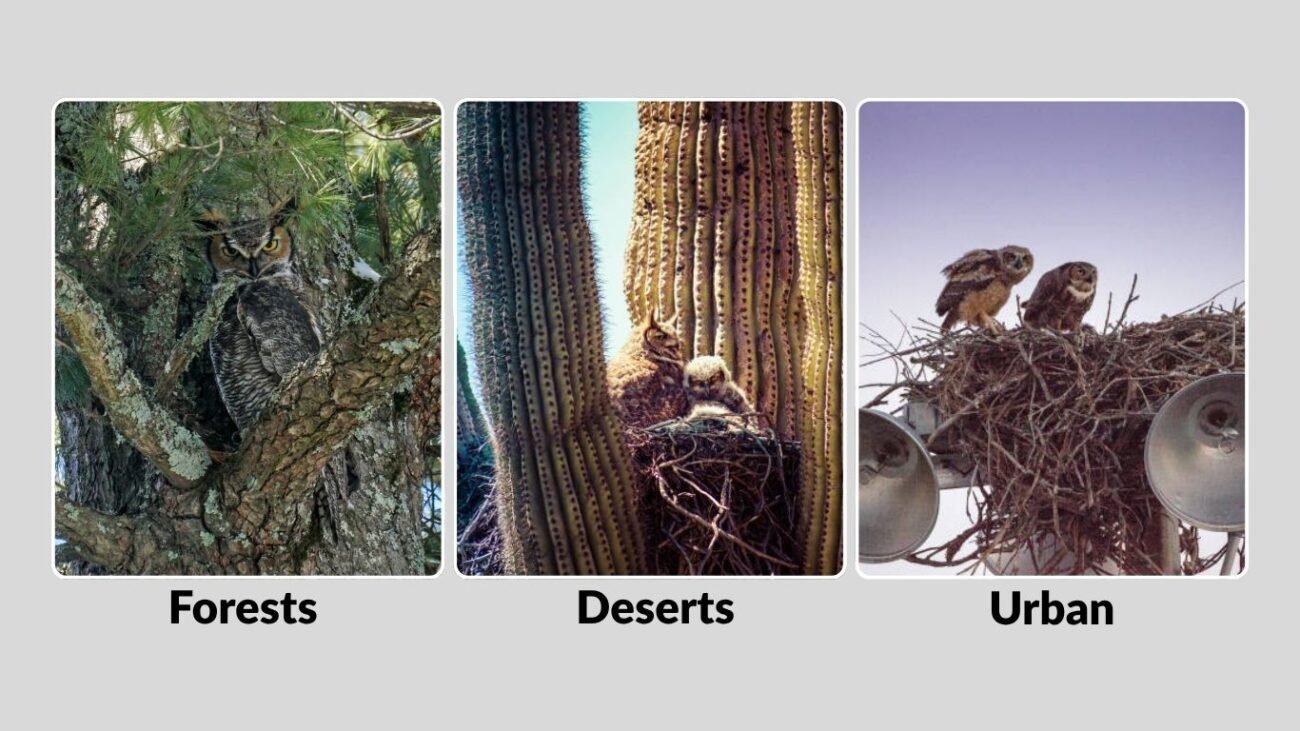
In forested areas, great horned owls prefer tall trees that provide cover and height for their nests. They often occupy abandoned hawk or crow nests located 30 to 60 feet above the ground. These elevated sites offer protection from ground predators and a clear view for spotting prey. Dense foliage also shields their nests from harsh weather and curious eyes.
Deserts and Open Landscapes
In desert regions, natural trees are scarce, so great horned owls adapt by nesting on cliff ledges, rock crevices, or even on the arms of large cacti such as the saguaro. These elevated, exposed spots provide safety from predators and a strategic view for hunting. Despite the harsh environment, their resilience allows them to raise healthy broods.
Urban and Suburban Areas
Urban environments provide unique opportunities for nesting. Great horned owls have been known to use building ledges, church towers, and bridge beams as nesting sites. They are surprisingly tolerant of human presence, as long as their nest remains undisturbed. City parks and golf courses with mature trees often attract breeding pairs each winter.
Artificial Nests and Nest Boxes
Do Great Horned Owls Use Nest Boxes?
While great horned owls prefer natural or previously used nests, they may occupy large nest boxes or platforms if constructed properly. These artificial structures are especially valuable in areas where large trees or natural nesting sites are limited.
Nest Box Design and Dimensions
A well-designed great horned owl nesting box should meet the following specifications:
- Dimensions: 24 inches tall, 24 inches wide, 24 inches deep
- Entrance Opening: At least 12–14 inches wide
- Material: Untreated, weather-resistant wood
- Mounting Height: 20–30 feet above ground level
- Orientation: Face open areas or forest edges away from prevailing winds
To make it more appealing, line the bottom with straw, pine needles, or wood chips for comfort and insulation.
How to Build a Nest Box or Platform
You can build a great horned owl nesting box using these basic steps:
- Select strong materials such as thick plywood or cedar to withstand outdoor conditions.
- Construct a square or rectangular box with a partial front wall and open top for easy access.
- Add drainage holes at the bottom to prevent water buildup.
- Line the base with soft material like hay, moss, or bark.
- Mount it securely on a tree, pole, or cliffside platform facing open hunting grounds.
- Avoid areas with heavy human traffic or bright lighting.
Nesting Box Maintenance and Placement Tips
- Inspect annually: Clean out debris after chicks have fledged to keep the box usable.
- Minimize disturbance: Avoid approaching nests during breeding season.
- Add nearby perches: Place branches or poles close by for fledglings to practice flying.
- Ensure stability: Mount boxes firmly to withstand wind and weather conditions.
- Use camouflage: Natural wood colors help the box blend into its surroundings.
Nesting Behavior Insights
Parental Defense and Aggression
During the nesting season, great horned owls become extremely territorial. Both parents will defend their nest aggressively, diving at intruders and emitting loud hisses or clicks. Even humans can be attacked if they approach too closely, especially when eggs or chicks are present.
Do Both Parents Sit on the Nest?
The female handles incubation almost entirely, while the male hunts and delivers food. After the chicks hatch, both parents share feeding duties. The male’s hunting range expands during this period to provide enough nourishment for the growing family.
How to Locate or Observe a Nest
Finding a great horned owl nest requires patience and awareness. Look for these signs:
- White streaks or droppings beneath trees or cliffs
- Pellets (regurgitated fur and bones) scattered near the base of perches
- Deep, repetitive hooting calls at dusk signaling territorial behavior
- Large stick nests occupied in late winter or early spring
Always observe from a safe distance using binoculars to avoid stressing the owls or endangering their young.
FAQs
Where do great horned owls usually nest?
They prefer tall trees, cliffs, or abandoned bird nests in secluded areas. However, they also adapt to nesting on man-made structures like barns, towers, or nesting boxes when natural sites are unavailable.
Do great horned owls build their own nests?
No. Great horned owls rarely construct nests. They occupy abandoned ones made by hawks, herons, or crows, sometimes adding soft materials like feathers or leaves for comfort.
When is the great horned owl nesting season?
Their nesting season begins between January and March, earlier than most birds. In warm southern regions, nesting can start as early as December, while in colder northern zones, it can extend into April.
Do great horned owls return to the same nest each year?
Yes, if the nest remains intact and safe, they may return to reuse it. However, if it collapses or is disturbed, they will seek a new location nearby for the next breeding season.
Can great horned owls use nesting boxes?
Yes, they occasionally adopt large nesting boxes or platforms, especially in areas with limited natural nesting options. Proper design, placement, and minimal disturbance increase the chances of success.