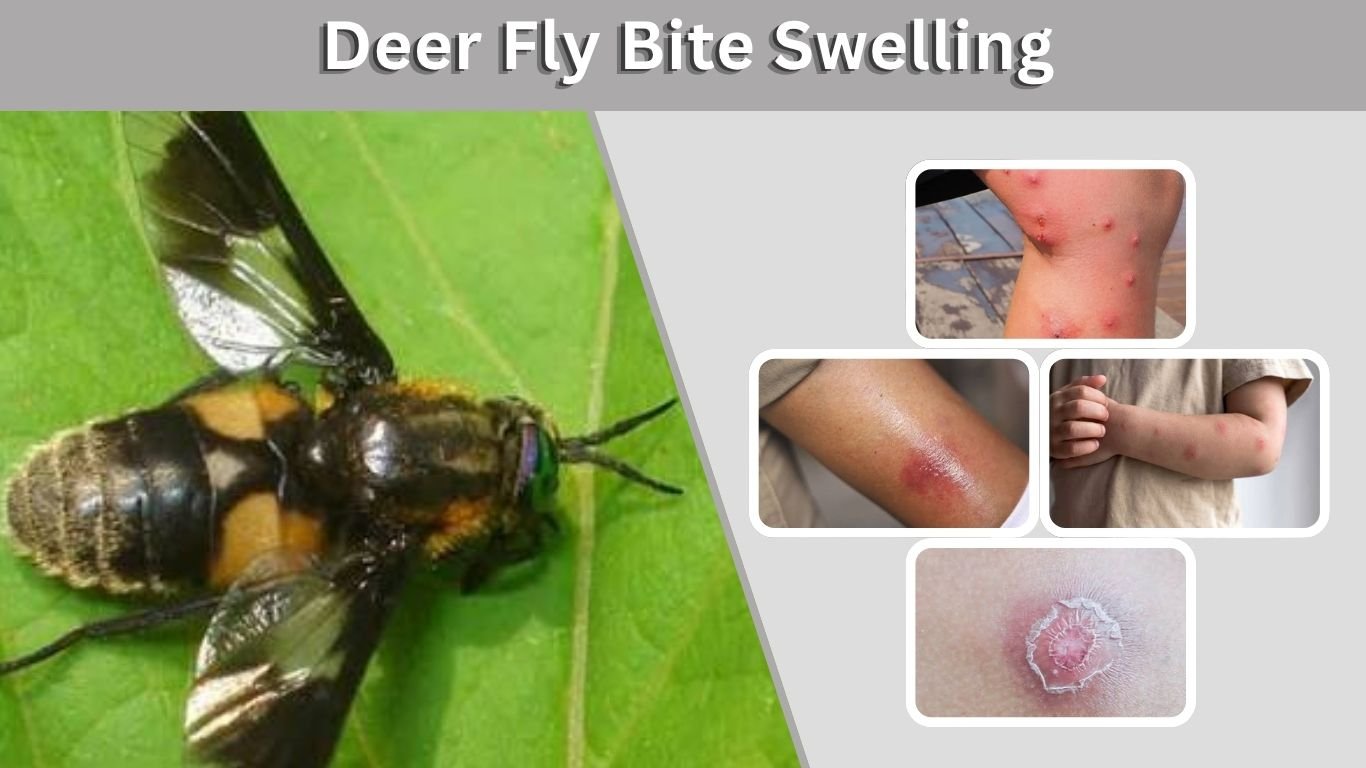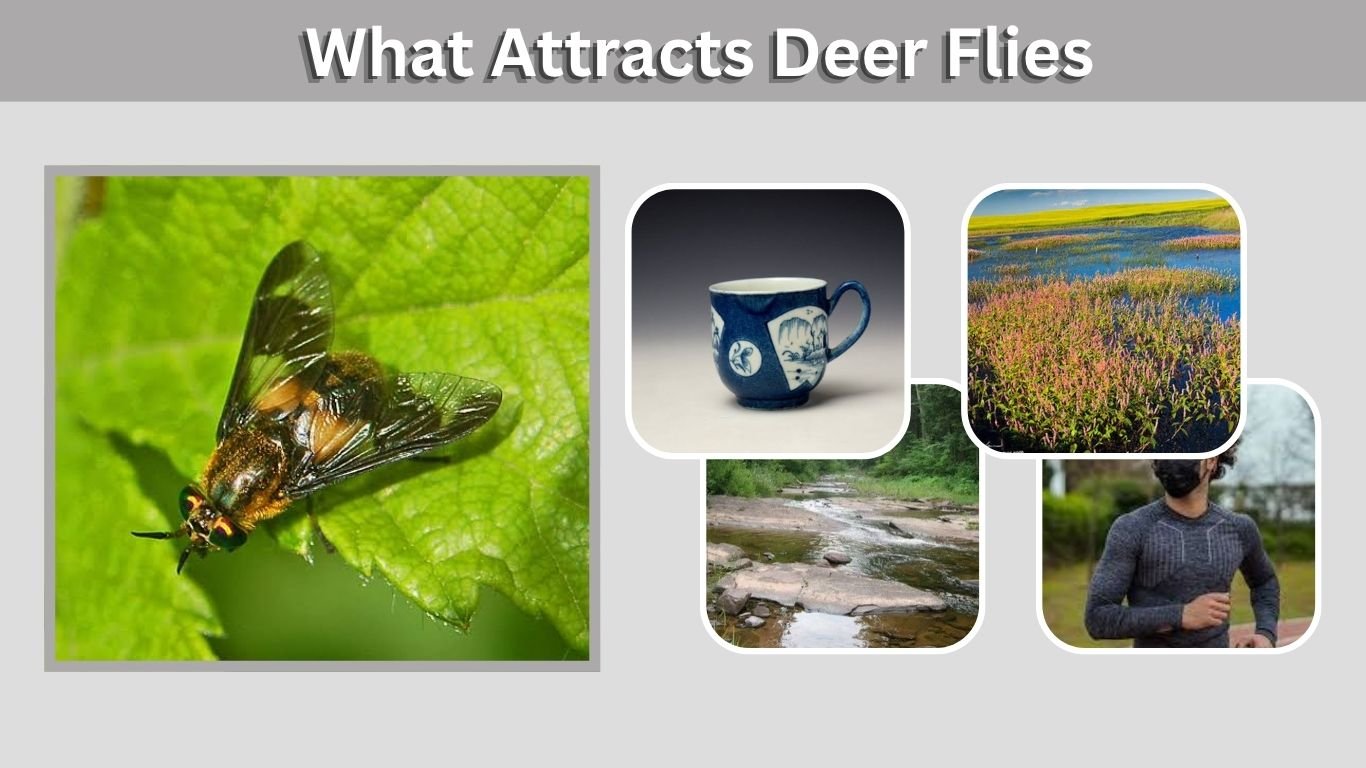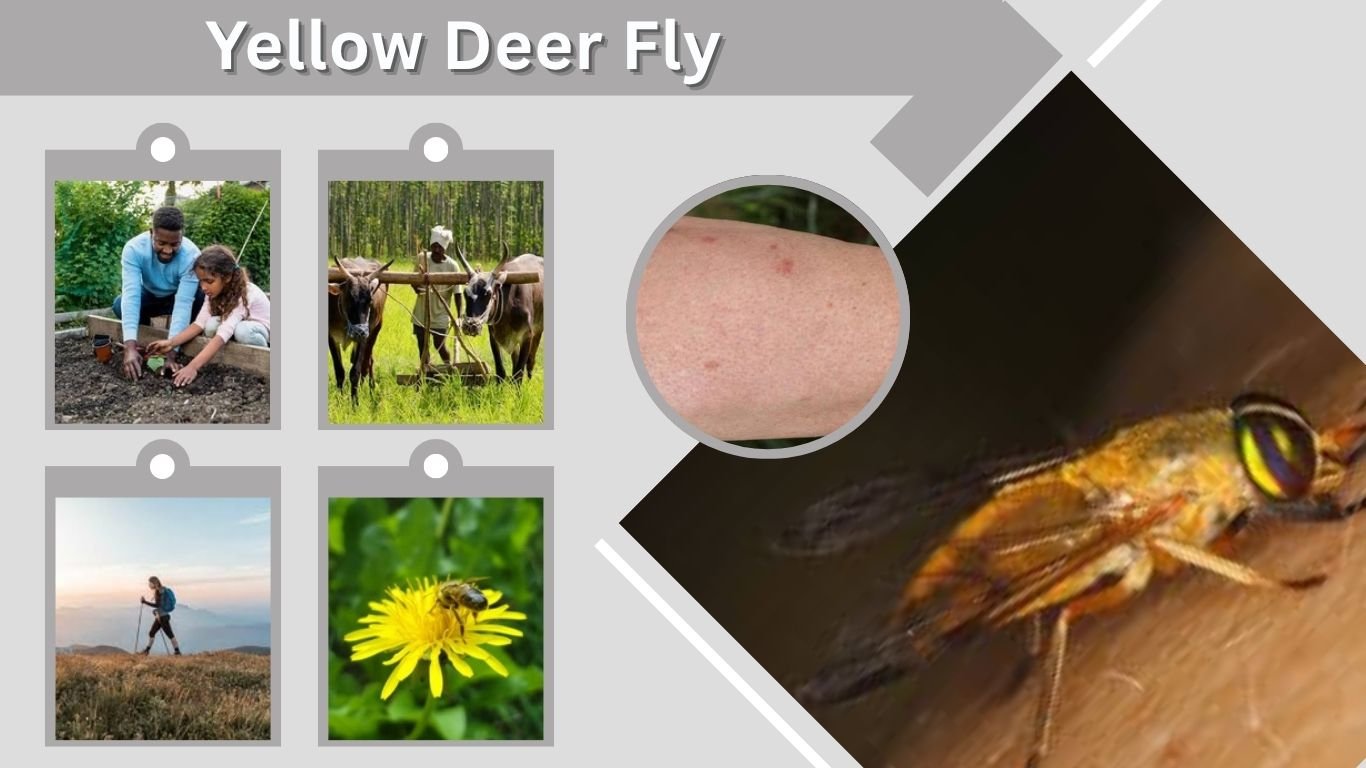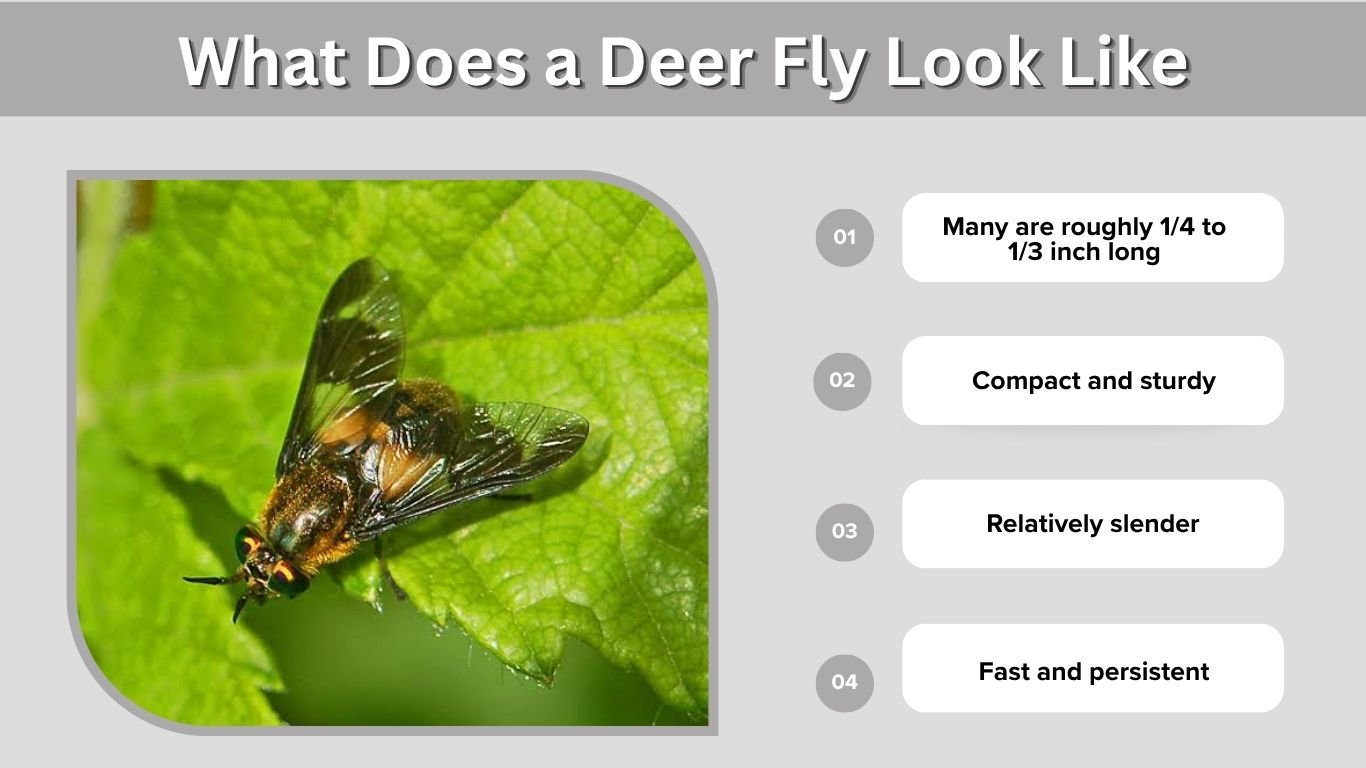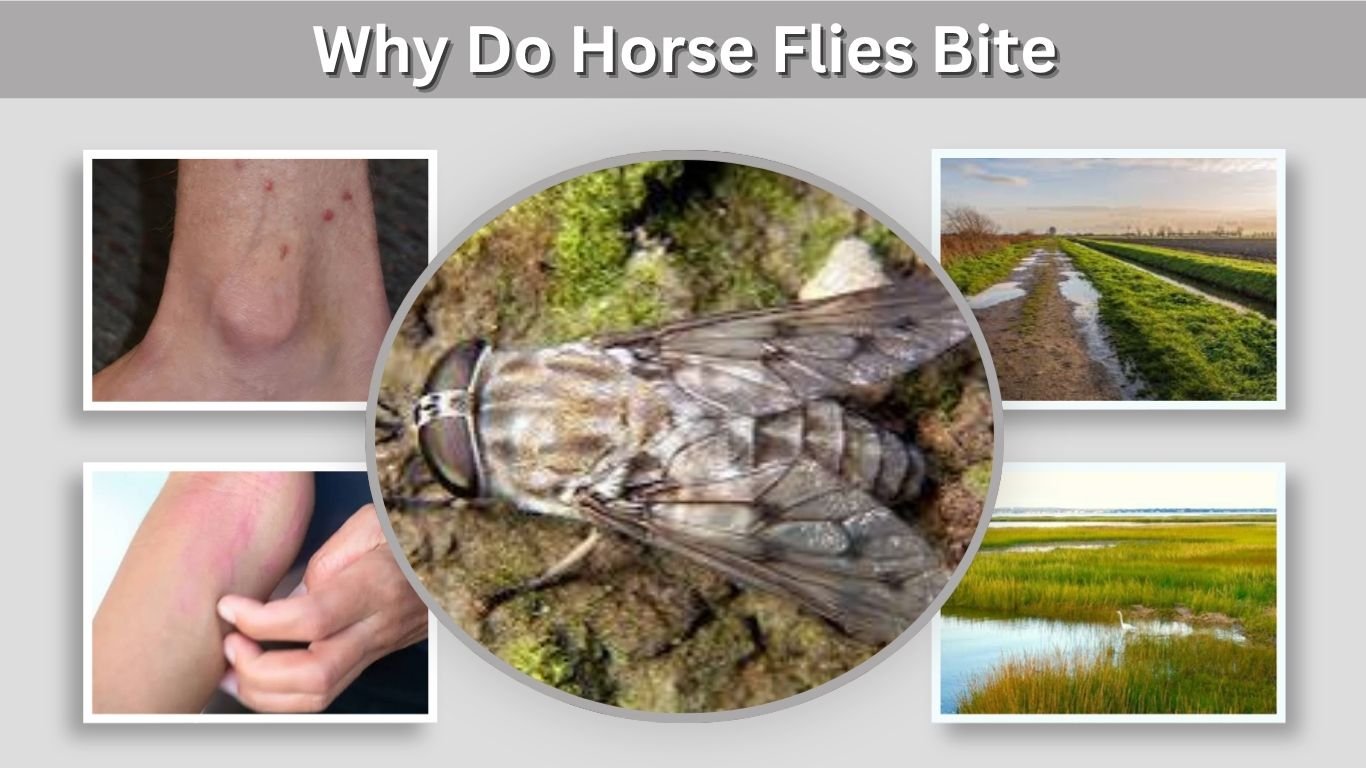
Horse flies bite because females need nutrients from blood to produce eggs. They attack humans, horses, cattle, dogs, deer, and other warm-blooded animals. Unlike mosquitoes, horse flies cut the skin with blade-like mouthparts, creating a painful wound from which they drink blood. Their bites often cause immediate pain, redness, itching, bleeding, and swelling. Understanding what attracts horse flies can help you reduce your risk of being bitten.
Why Do Horse Flies Bite?
Only female horse flies bite. They need protein and other nutrients from blood to support egg development. Male horse flies cannot cut the skin and survive mainly on flower nectar and other sugary plant liquids.
Female horse flies do not bite because they are aggressive or angry. Blood feeding is part of their reproductive cycle. After obtaining a sufficient meal, a female can develop and lay a batch of eggs near water or moist ground.
Why Do Horse Flies Bite Humans?
Humans are not necessarily their preferred hosts, but we provide the same signals and blood supply as other mammals. A female may attack a person who is walking, swimming, gardening, fishing, or working near an area where horse flies are abundant.
Horse flies can detect potential hosts using several cues:
- Carbon dioxide released through breathing
- Body movement
- Large shapes
- Dark-colored objects
- Body heat and natural odors
Once a fly approaches, it may circle several times before landing. If disturbed during feeding, it can quickly return and attempt to bite again.
Why Do Horse Flies Bite Horses?
Horses are large, warm-blooded animals that are easy for horse flies to detect. Their size, movement, body warmth, and breathing make them highly noticeable targets.
Horse flies frequently attack a horse’s legs, belly, shoulders, neck, and other areas where the skin is accessible. Repeated bites may cause irritation, tail swishing, stamping, reduced grazing, and attempts to escape the flies.
Why Do Horse Flies Bite Some People More Than Others?
Horse flies do not necessarily prefer one person’s blood. Differences in exposure and visibility usually explain why one person is bitten more often.
A person may attract more horse flies when they:
- Wear dark-colored clothing
- Move frequently
- Produce more carbon dioxide through exercise
- Spend time close to wetlands or livestock
- Leave more skin exposed
- Stand closer to the flies’ breeding habitat
Individual body odor may also influence attraction, but researchers have not identified one simple trait that guarantees a person will be targeted. Blood type is not considered a reliable explanation for horse-fly bites.
Why Do Horse Flies Always Bite Me?
You may simply be easier for the flies to locate. Running, swimming, mowing grass, working outdoors, or wearing dark clothing can make you stand out.
Your position also matters. One person may be closer to vegetation, muddy ground, water, or animals where the flies are concentrated. Another person only a short distance away may receive fewer bites.
Why Do Horse Flies Bite When You Are Wet?
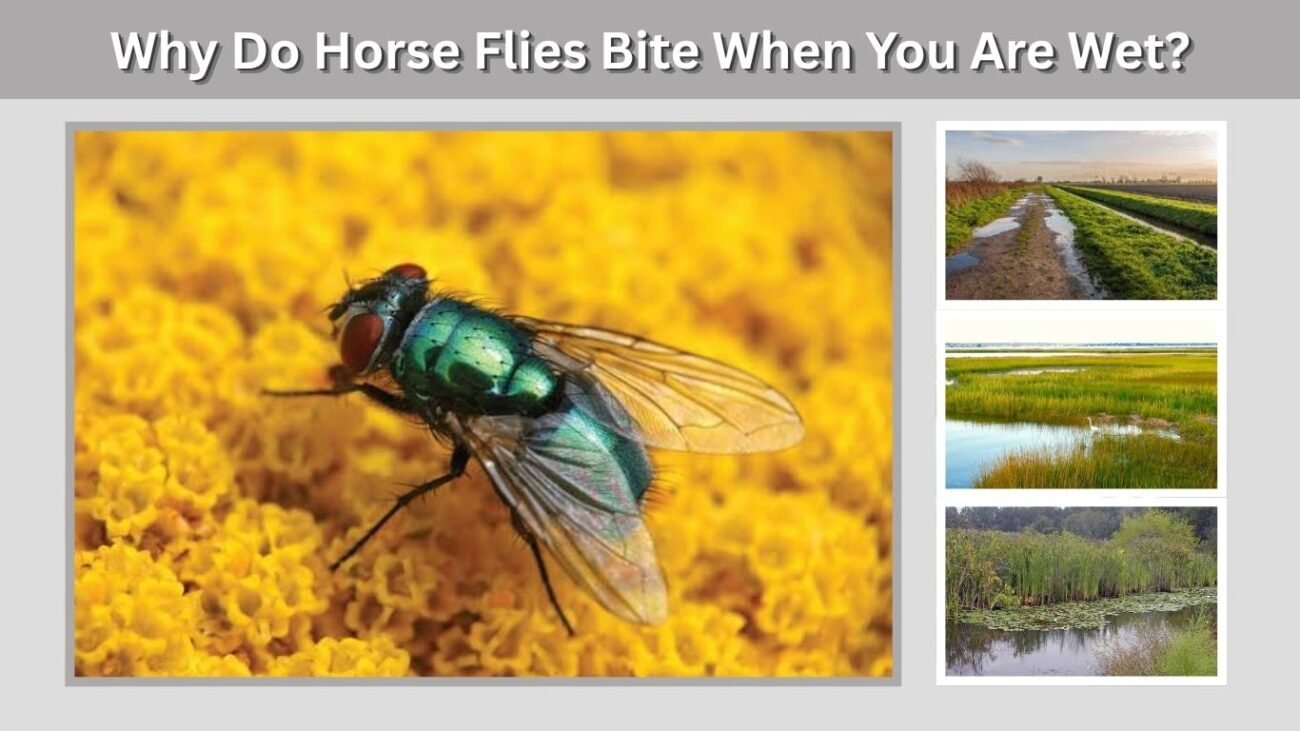
There is no strong evidence that wet skin alone makes horse flies bite. The connection is more likely related to where people become wet.
Horse flies are common near:
- Swimming pools
- Lakes and ponds
- Rivers and streams
- Marshes and wetlands
- Damp fields
- Livestock watering areas
Many horse-fly larvae develop in wet soil, mud, or aquatic environments. Swimming also leaves much of the body exposed, while splashing and movement make a person easier to detect.
Why Do Horse Flies Bite Near Pools?
A pool may attract attention because it provides movement, reflections, exposed swimmers, and nearby damp vegetation. The flies do not generally breed in clean, maintained swimming-pool water, but they may develop in surrounding mud, drainage areas, wetlands, or waterlogged soil.
How Do Horse Flies Bite?
Female horse flies have cutting mouthparts rather than a narrow needle-like feeding tube. They use two pairs of sharp structures to slash the skin and damage small blood vessels.
The fly then releases saliva that helps blood continue flowing. It laps up the pooled blood with another part of its mouth. This feeding method creates a more noticeable wound than the tiny puncture left by many mosquitoes.
| Bite effect | Main reason |
| Immediate sharp pain | Mouthparts physically cut the skin |
| Minor bleeding | Small blood vessels are opened |
| Redness | Inflammation around the wound |
| Swelling | Immune reaction to injury and saliva |
| Itching | Local immune response |
| Bruising | Damage to small vessels under the skin |
Why Do Horse-Fly Bites Hurt So Much?
Horse-fly bites hurt because the insect tears the skin instead of quietly piercing it. The cutting action affects multiple nerve endings and leaves an open wound.
Pain usually begins as soon as the fly bites. The area may then feel sore, hot, tender, or itchy. A small spot of blood may remain in the center of the mark.
Why Do Horse-Fly Bites Swell?
Swelling occurs as the immune system reacts to both the physical injury and substances in the fly’s saliva. Blood vessels widen, and fluid collects in the surrounding tissue.
Some people develop only a small bump. Others experience a large local reaction that spreads several inches around the bite. Swelling alone does not always mean the wound is infected, but it should gradually improve rather than continue getting worse.
Why Do Horse-Fly Bites Itch?
Itching is caused by inflammation and the immune response around the bite. Scratching can damage the skin further, prolong healing, and increase the chance of bacterial infection.
Why Do Horse Flies Bite Ankles?
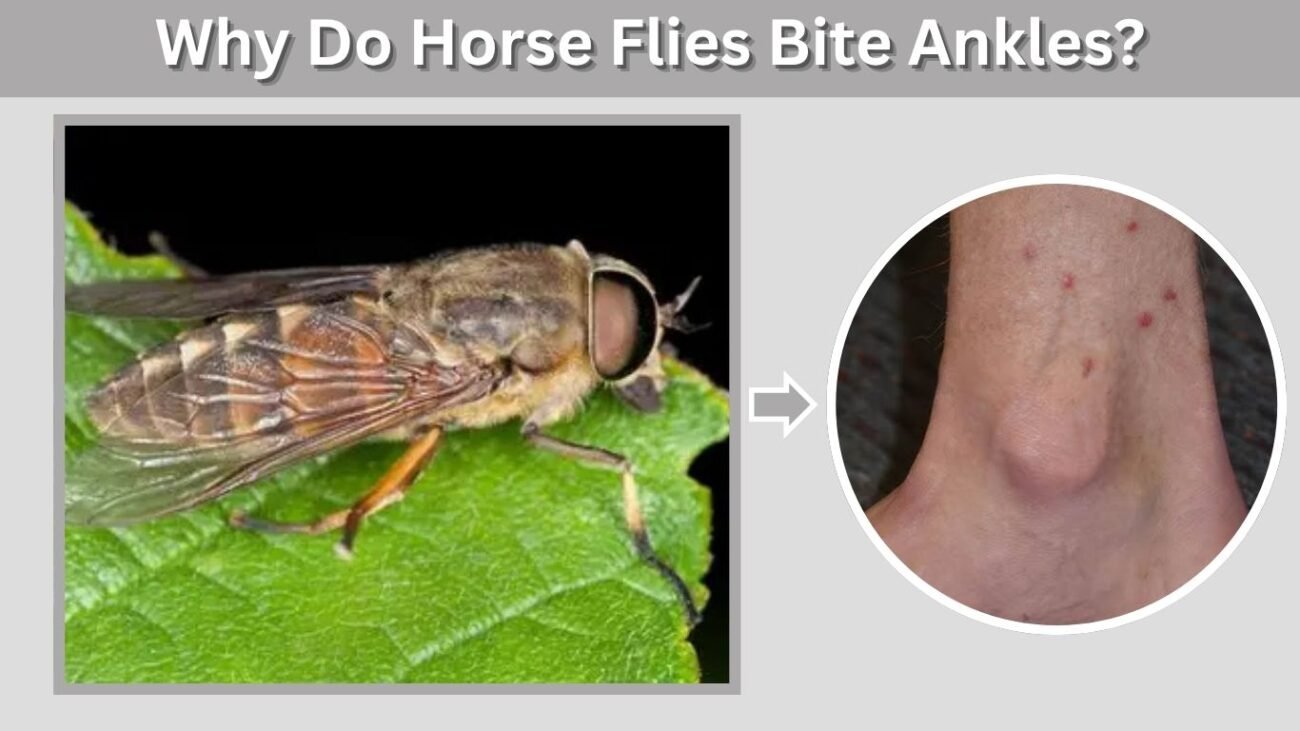
Horse flies do not necessarily have a special preference for ankles. Ankles and lower legs are simply exposed, easy to reach, and close to the fly’s normal flight level.
Shorts, sandals, thin socks, and movement through grass may leave these areas vulnerable. Horse flies may also attack the arms, shoulders, back, neck, and head.
What Does a Horse-Fly Bite Look Like?
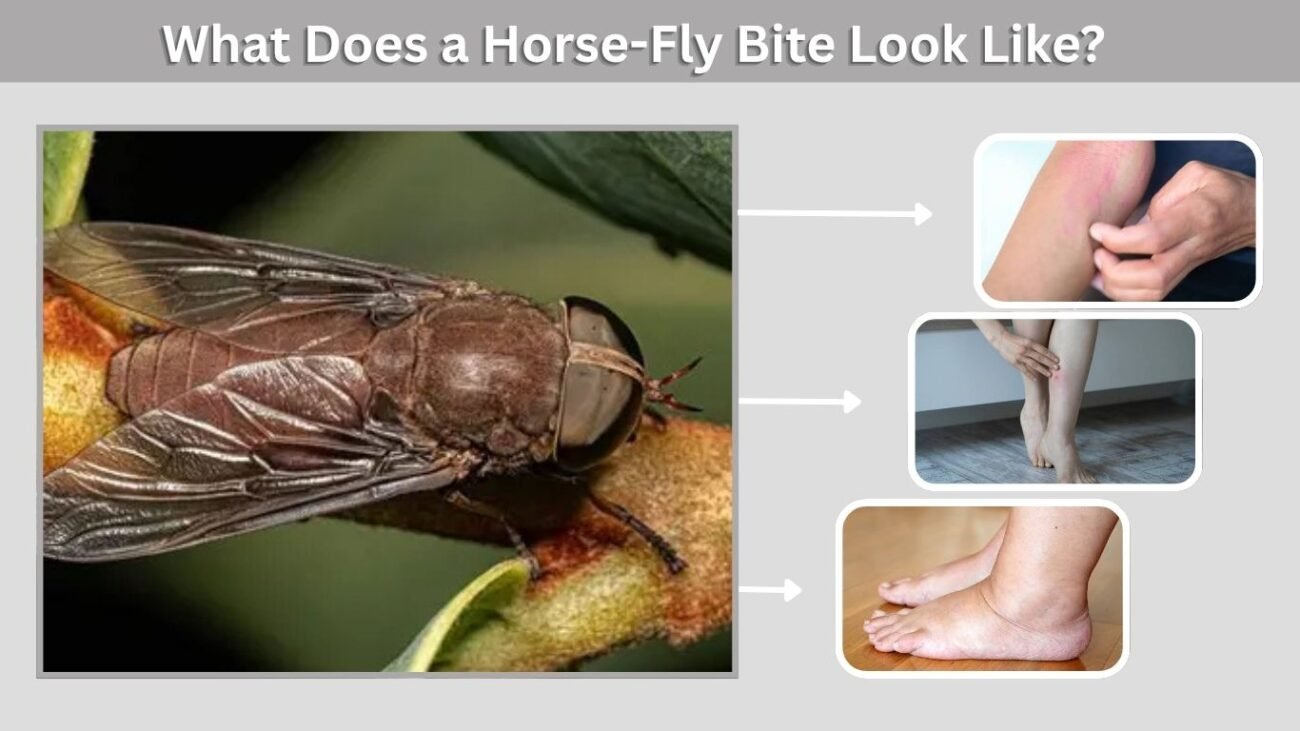
A horse-fly bite commonly appears as a painful, raised red welt. The center may contain a tiny cut, puncture-like mark, or drop of blood.
Common symptoms include:
- Sudden sharp or burning pain
- Redness around the wound
- Localized swelling
- Itching
- Warm or tender skin
- Minor bleeding
- Occasional bruising or blistering
Most uncomplicated insect bites improve within several days, although larger local reactions may last longer.
What to Do After a Horse-Fly Bite
Begin by washing the area gently with soap and clean water. This removes dirt and reduces the risk of bacteria entering the broken skin.
Immediate Care
- Wash the bite with soap and water.
- Place a cold pack wrapped in cloth over it for at least 20 minutes.
- Raise the affected arm or leg when swelling is significant.
- Avoid scratching or squeezing the wound.
- Keep it clean until the skin heals.
An appropriate antihistamine or anti-itch cream may reduce itching and swelling. A suitable over-the-counter pain reliever may help with soreness. Follow the label and consult a pharmacist when you are unsure whether a medicine is appropriate.
When to Get Medical Help
Seek medical advice when:
- Redness or swelling continues spreading
- Pain becomes increasingly severe
- The skin becomes very hot
- Pus or cloudy fluid appears
- Red streaks extend from the wound
- You develop a fever or swollen glands
- The bite is near an eye, mouth, or throat
- Symptoms are not improving
Seek emergency assistance for difficulty breathing, fainting, severe dizziness, widespread hives, or swelling of the lips, tongue, mouth, or throat. These may indicate a serious allergic reaction.
How to Prevent Horse-Fly Bites
Horse flies are strong, persistent insects, so no method provides perfect protection. Combining several precautions works best.
Wear loose-fitting long sleeves, long pants, socks, and closed shoes. Light-colored clothing may make you less visually noticeable than dark clothing. Avoid heavily infested wetlands and fields when flies are active, particularly on warm days.
Use a registered insect repellent that is labeled for biting flies, and apply it according to the product instructions. DEET-containing products are registered for repelling horse flies, although effectiveness can vary by product and situation.
FAQs
Do horse flies bite for no reason?
No. Females bite to obtain nutrients needed for egg production. They are not attacking out of anger, although their persistent behavior can make the attack seem aggressive.
Do male horse flies bite?
No. Male horse flies lack the strong cutting mouthparts required for blood feeding. They obtain energy from nectar and other sugary plant substances.
Why do horse flies bite more than once?
A female may make repeated attempts when she is brushed away before completing her blood meal. Several flies may also attack the same host, creating multiple bite marks.
Do horse flies die after biting?
No. Horse flies do not die after biting as honey bees sometimes do after stinging. A female can survive, lay eggs, and later seek another blood meal.
Are horse-fly bites dangerous?
Most cause temporary pain, redness, itching, and swelling. The main risks are allergic reactions and infection caused by damaged or scratched skin. Worsening symptoms or breathing problems require medical attention.