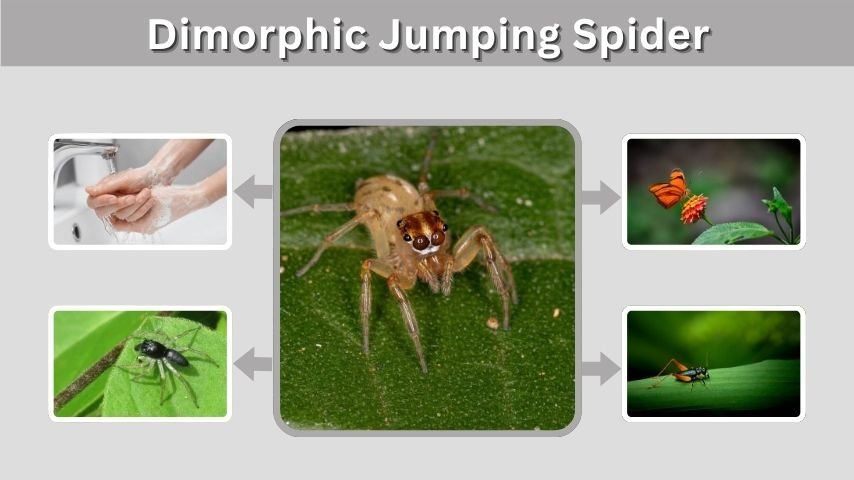
The albatross is one of the most remarkable seabirds on Earth, known for its ability to glide across vast oceans for days or even weeks without stopping. This incredible endurance raises a fascinating question: how do albatross sleep when they’re constantly flying over the open sea? For years, scientists puzzled over whether these majestic birds ever truly rest—and modern research has finally provided some surprising answers.
Do Albatross Sleep at All?
The Myth That Albatross Never Sleep
For centuries, sailors believed albatrosses never slept. These graceful birds were often seen circling ships or gliding endlessly above the waves, leading many to think they were perpetually awake. The myth persisted partly because albatrosses can travel thousands of miles without touching land, and observing their behavior up close in open oceans was nearly impossible.
However, science has since debunked this myth. Albatrosses do sleep—but their rest habits are highly specialized to suit life at sea.
The Reality of Albatross Sleep
Studies show that albatrosses experience short, fragmented sleep sessions, often lasting just a few seconds or minutes. Unlike land birds that enjoy long, consolidated rest, albatrosses take brief naps to stay alert for oceanic navigation, predators, and changing wind conditions. Their ability to rest efficiently allows them to maintain energy over long journeys without landing for extended periods.
How Do Albatross Sleep?

Unique Sleep Adaptations
Albatrosses rely on a remarkable biological process known as unihemispheric slow-wave sleep (USWS)—a state where only one half of the brain sleeps while the other half remains awake. This adaptation enables them to maintain essential bodily control, stay alert for dangers, and keep flying.
In this state, one eye remains open while the other closes, allowing them to monitor their surroundings and balance in flight or on the sea’s surface. It’s the same mechanism used by dolphins and some migratory birds, but in albatrosses, it’s fine-tuned for their oceanic lifestyle.
Comparing to Other Birds
Many migratory species like frigatebirds and swifts also use partial-brain sleep during flight. However, albatrosses stand out for their combination of gliding efficiency and endurance. They can cover immense distances—sometimes more than 10,000 miles in a single journey—using the wind’s power. Their sleep adaptations ensure they can rest without the need to land frequently, something few birds can achieve.
Can Albatross Sleep While Flying?

Evidence From Tracking Studies
Recent scientific studies using GPS and EEG (electroencephalogram) devices have confirmed that albatrosses can indeed sleep while flying. Researchers tracked wandering albatrosses and found that they take short “micro-naps” lasting between a few seconds and up to a minute during long gliding periods.
These brief sleep episodes occur during nighttime flights, when conditions are stable, and the risk of collision or disorientation is minimal. While asleep, they maintain flight direction and altitude thanks to their aerodynamic body design and steady air currents.
How Flight Mechanics Enable Sleep
One of the reasons albatrosses can sleep mid-flight lies in their flight mechanics. They use a technique called dynamic soaring, which lets them harness wind gradients above ocean waves to stay aloft with minimal effort. By gliding in looping patterns, they can travel vast distances without constant flapping.
During these effortless glides, their brains can enter partial sleep states. Their long, narrow wings—some spanning over 11 feet—help stabilize them, allowing the bird to maintain direction even when half-asleep. Essentially, the albatross’s body is designed to let it rest while still moving forward.
How Do Albatross Manage Sleep During Long Flights?
Micro-Naps and Rest Efficiency
When albatrosses are on extended flights, they take numerous micro-naps rather than long rests. These naps occur mostly at night or during calm weather when conditions are favorable. Each nap lasts only seconds or minutes but is enough to restore some mental and physical energy.
This fragmented rest cycle is extremely efficient. By taking dozens or even hundreds of micro-naps throughout a day, albatrosses maintain alertness and endurance. This method also minimizes vulnerability—an essential advantage when flying over open oceans without shelter.
Duration and Frequency of Sleep
Research indicates that albatrosses may sleep for about 4–5% of their flight time. While this may seem minimal, it’s sufficient due to their energy-efficient flight style. Their metabolism slows during gliding, reducing the need for prolonged rest.
In contrast, when they’re nesting or resting on land, albatrosses sleep longer and more deeply. This flexibility in sleep behavior allows them to adapt to different stages of their life cycle—feeding at sea, migrating, or breeding on remote islands.
Where and When Do Albatross Sleep?

Sleeping at Sea
Although albatrosses are best known for their long-distance flights, they do occasionally rest on the water. When the weather is calm and the ocean surface is relatively still, these seabirds gently float and close their eyes for short naps. Their dense, waterproof feathers and buoyant bodies prevent them from sinking, allowing them to relax while staying safe from waves.
However, sleeping on the water carries risks. Predators like sharks and killer whales may lurk beneath the surface, and sudden storms can make it dangerous to remain still. For this reason, albatrosses typically choose to sleep on the ocean only during calm nights or when close to their nesting islands.
Sleeping During Long Journeys
During migration or foraging trips, albatrosses may travel thousands of miles across open water without stopping. In these situations, landing on the sea may not be an option due to rough conditions or lack of calm areas. That’s when they rely on their ability to sleep while gliding.
At night, when winds are steady, they take brief naps midair. The brain’s one hemisphere remains active, maintaining control and navigation. This unique skill allows them to conserve energy, remain airborne, and stay safe even while partially asleep.
Differences Among Species
Wandering Albatross
The Wandering Albatross (Diomedea exulans) is one of the most studied species due to its extraordinary flight range—the longest of any bird on Earth. Scientists tracking these birds have recorded continuous flight patterns lasting days, with brief micro-sleep phases in flight. Wandering Albatrosses can cover up to 10,000 miles in a single journey, resting in short bursts while taking advantage of favorable winds.
Their massive wingspan—sometimes exceeding 11 feet—enables them to glide almost effortlessly. During this process, their ability to engage in unihemispheric sleep ensures they maintain stability even when one half of the brain is resting.
Black-Footed Albatross
The Black-Footed Albatross (Phoebastria nigripes), which primarily roams the North Pacific, has slightly different sleep patterns due to its habitat. These birds tend to rest more frequently on the ocean surface since they often fly in regions with shorter distances between feeding areas. Nevertheless, they still exhibit the same partial-brain sleep that allows them to stay alert for predators like large fish or sea mammals.
Species differences mainly reflect environmental conditions rather than physiology—all albatrosses share the same remarkable ability to balance rest and endurance in the air.
Physical and Biological Adaptations for Sleep in Flight
The albatross’s body is perfectly adapted to long-duration flight and minimal sleep. Their skeletal structure features wing-locking tendons, which let them hold their wings open without constant muscular effort. This mechanism reduces fatigue and allows gliding for hours at a time, even during short sleep intervals.
Their metabolism also supports this lifestyle. Albatrosses burn energy very efficiently, relying on dynamic soaring to travel long distances without exhausting themselves. Because of these adaptations, they don’t require long, deep sleep sessions—just a series of micro-naps to refresh the brain and body.
Another crucial factor is their circadian rhythm flexibility. Unlike land birds that depend on day-night cycles for rest, albatrosses adjust their sleep based on wind conditions and flight needs. This flexible rhythm lets them take advantage of nighttime winds or favorable currents while still fitting in brief rest periods.
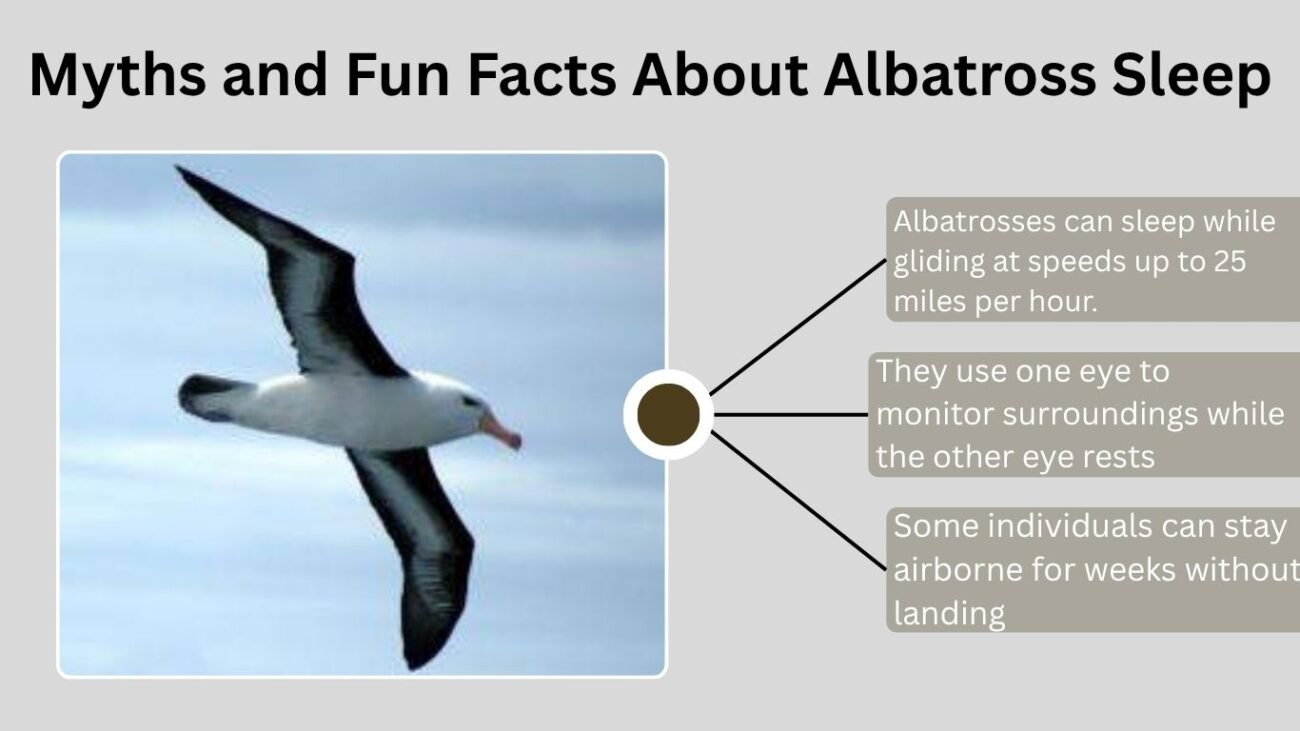
Myths and Fun Facts About Albatross Sleep
Debunking Common Myths
One widespread myth is that albatrosses never sleep—a misconception fueled by their constant motion over the sea. In reality, their ability to rest mid-flight simply makes their sleep difficult to observe. Another myth suggests they only sleep on land; however, this is false. Most albatrosses spend years without touching land, particularly young birds that haven’t yet reached breeding age.
Fascinating Facts
- Albatrosses can sleep while gliding at speeds up to 25 miles per hour.
- They use one eye to monitor surroundings while the other eye rests—an adaptation seen in few animals.
- Some individuals can stay airborne for weeks without landing, taking hundreds of micro-naps along the way.
- Their sleep strategy is so efficient that researchers believe it inspired studies on fatigue management in aviation and neuroscience.
These unique traits make the albatross not just a symbol of endurance but also an extraordinary example of nature’s ingenuity in adapting to the open ocean.
Key Takeaways
- Albatrosses do sleep, but in short, efficient bursts instead of long sessions.
- They can sleep while flying, thanks to unihemispheric slow-wave sleep that keeps one side of the brain awake.
- Their wing-locking mechanism and gliding flight style allow rest without losing altitude.
- They sometimes sleep on the water during calm conditions but prefer the air during long migrations.
- Each species adapts its sleep behavior to its specific environment and flight needs.
FAQs
Can an albatross really sleep while flying?
Yes. Using unihemispheric sleep, albatrosses can rest one side of their brain while the other maintains control during gliding. These short naps occur mainly at night and last only a few seconds or minutes, allowing the bird to stay airborne without danger.
Where do albatrosses sleep when not flying?
When they’re not flying, albatrosses often sleep on the calm surface of the ocean. Their waterproof feathers keep them dry and buoyant, letting them rest briefly before resuming flight. During breeding, they also sleep on land near their nesting colonies.
How long can an albatross go without sleep?
An albatross can go several days without continuous rest, relying on micro-naps to recover gradually. Their efficient metabolism and energy-conserving flight methods reduce their need for prolonged sleep, unlike land-based birds that rest for longer periods.
Do all albatross species sleep the same way?
All albatross species share the same basic sleep mechanism—unihemispheric sleep—but the frequency and duration differ slightly. Wandering Albatrosses tend to sleep more in flight, while species like the Black-Footed Albatross may rest more often on water surfaces.
How do scientists know albatross sleep while flying?
Researchers used GPS tracking and EEG devices to monitor albatross brain activity and flight movements. These studies revealed short bursts of slow-wave brain activity—indicating sleep—while the birds continued gliding smoothly, confirming that albatrosses sleep mid-flight.