Sparrows are small, tough birds that live close to people in yards, farms, streets, parks, and gardens. Many searches about sparrows begin with “can sparrows…” because people want quick answers about lifespan, food, flight, pets, nests, and safety. The house sparrow is the most familiar species in many places, but rules and habits can vary by species and country. This guide answers the most common sparrow questions in simple detail.
How Long Can a Sparrow Live?
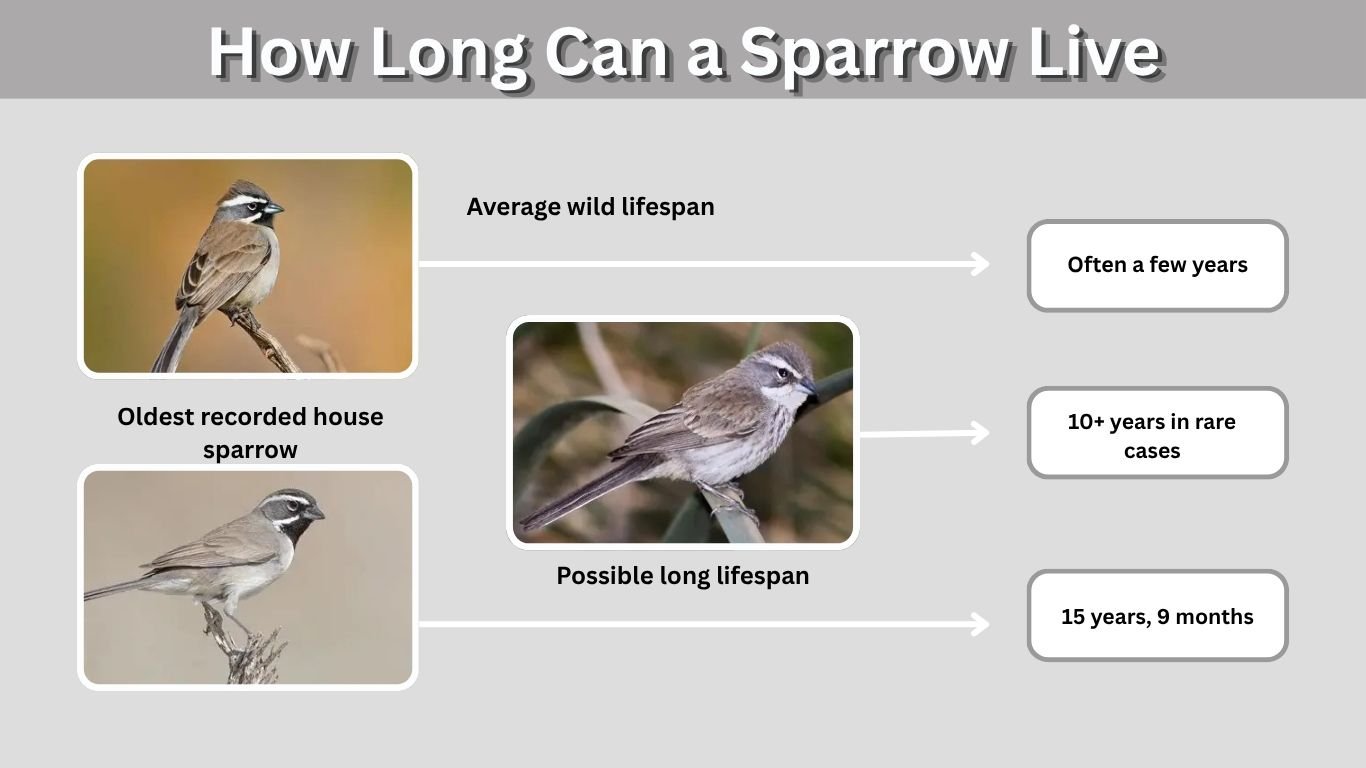
A sparrow’s lifespan depends on species, predators, weather, disease, and food supply. Many wild sparrows do not survive their first year, but adults that avoid danger can live several years.
The oldest recorded house sparrow in North America was at least 15 years and 9 months old, according to Cornell Lab and USGS bird banding records.
| Sparrow lifespan question | Simple answer |
| Average wild lifespan | Often a few years |
| Possible long lifespan | 10+ years in rare cases |
| Oldest recorded house sparrow | 15 years, 9 months |
| Biggest threats | Cats, predators, weather, disease, cars |
Why Most Sparrows Do Not Live Very Long
Small birds face many risks. Young sparrows are especially vulnerable after leaving the nest. Predators, cold weather, lack of food, window strikes, vehicles, and illness can reduce survival. Sparrows that live near people may find steady food and nesting sites, but they also face cats, buildings, and traffic.
What Can Sparrows Eat?
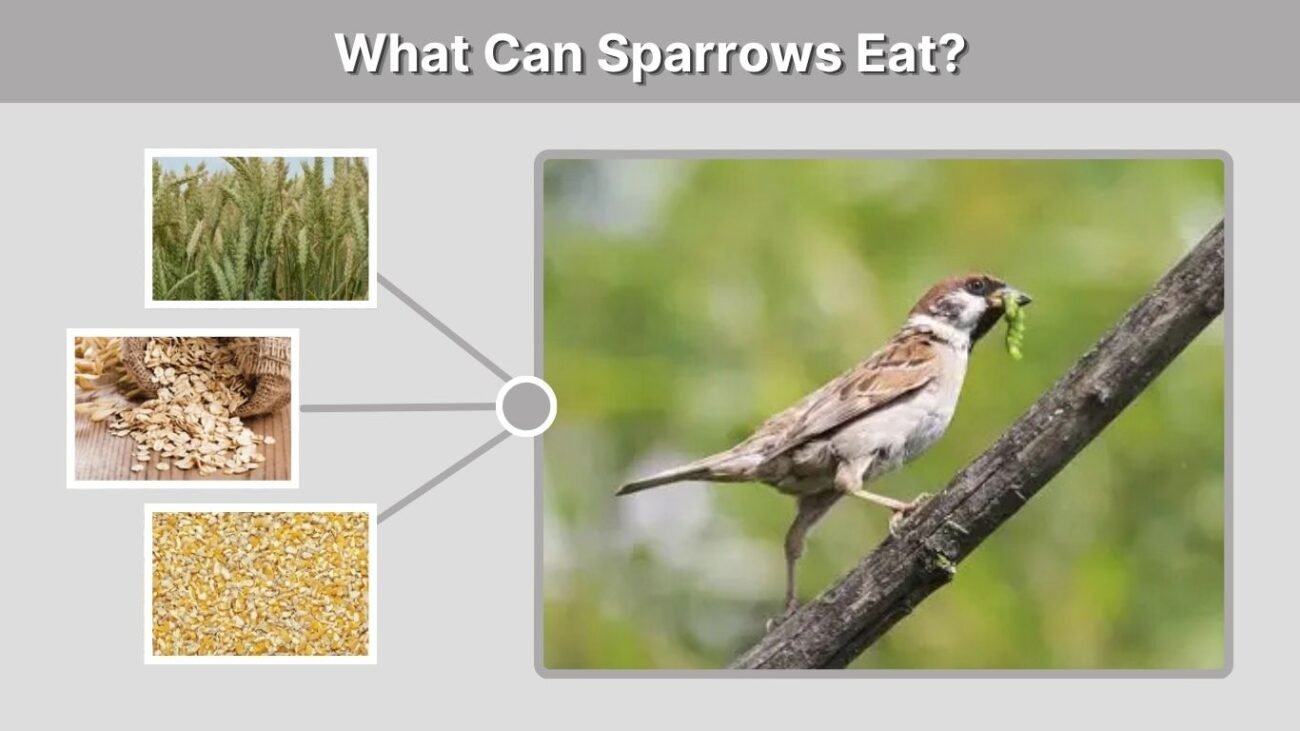
Sparrows mostly eat seeds, grains, weeds, and some insects. Audubon describes the house sparrow diet as mostly seeds, especially weed and grass seeds or waste grain, with insects eaten more often in summer.
Safe Foods for Sparrows
Sparrows can eat:
- Sunflower seeds
- Millet
- Cracked corn
- Oats
- Small grains
- Weed seeds
- Mealworms
- Small insects
- Tiny fruit pieces in small amounts
Can Sparrows Eat Sunflower Seeds?
Yes, sparrows can eat sunflower seeds. They often visit feeders with sunflower seed mixes. Black oil sunflower seeds may be easier for many birds, while shelled sunflower hearts are less messy.
Can Sparrows Eat Bread?
Sparrows may eat bread crumbs, but bread is not a healthy main food. It fills the bird without giving enough nutrition. If you feed backyard birds, seeds and clean water are better choices.
Foods Sparrows Should Not Eat
Some human foods are unsafe or unhealthy for sparrows. Even if sparrows peck at scraps, that does not mean the food is good for them.
| Food | Safe for sparrows? | Note |
| Sunflower seeds | Yes | Good feeder food |
| Millet | Yes | Common seed mix food |
| Bread | Not ideal | Low nutrition |
| Chocolate | No | Unsafe for birds |
| Salty snacks | No | Too much salt |
| Cheese | Avoid | Not natural food |
| Raw dry rice | Usually unnecessary | Better offer seeds |
Can Sparrows Be Pets?
Wild sparrows should not be kept as pets. They are active, social birds that need flight, natural food, and proper care. In many countries, native wild birds are legally protected, so capturing or keeping them can be illegal.
In the United States, the house sparrow is treated differently from many native migratory birds because it is nonnative and in the Passeridae family; the Federal Register notes that the MBTA does not apply to house sparrow under that family clarification. However, local rules may still apply, and this does not mean wild birds should be captured casually.
Can Sparrows Be Tamed?
A wild sparrow may become comfortable around feeders, but that is not the same as being domesticated. The best way to enjoy sparrows is to watch them outside, provide clean feeders, and avoid handling them.
How Fast Can a Sparrow Fly?
Sparrows are quick, agile flyers. Exact speed varies by species, wind, and situation. In everyday flight, they usually move in short bursts between shrubs, fences, roofs, and feeders. They are better known for fast takeoffs and quick turns than long, high-speed travel.
Can Sparrows Get Bird Flu?
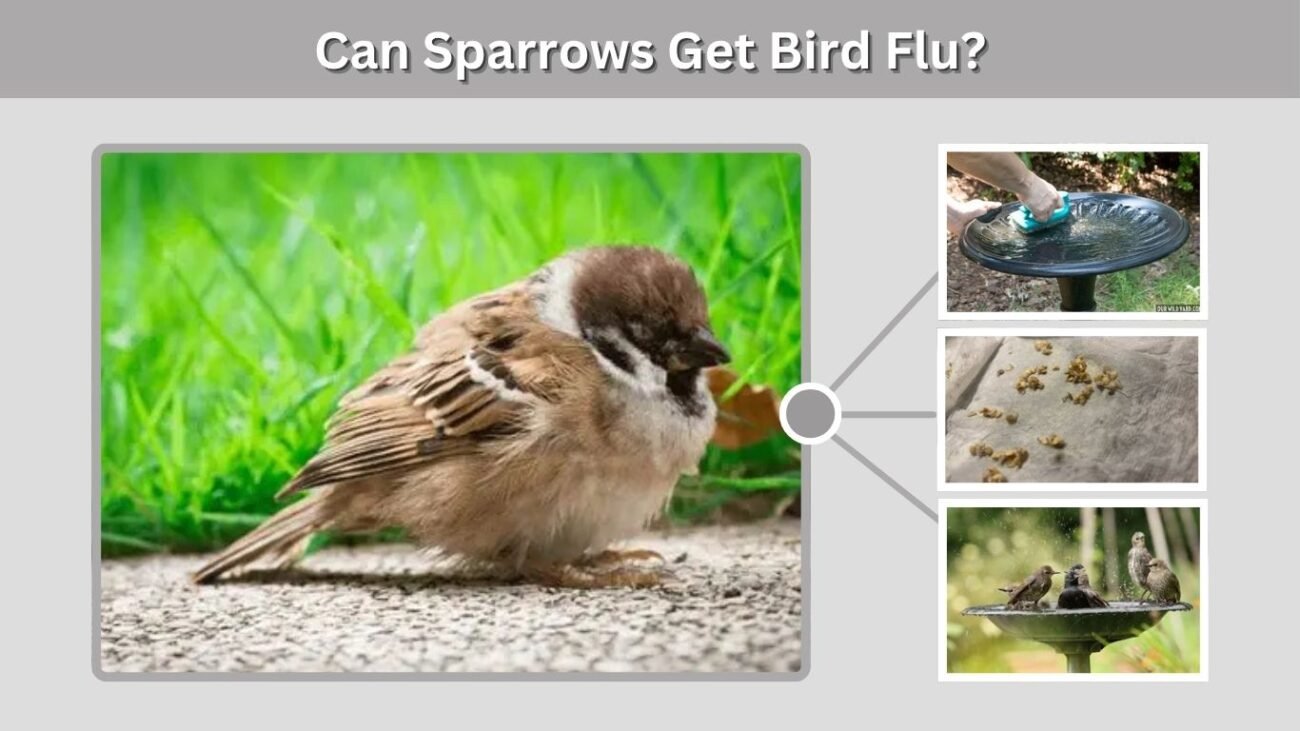
Yes, sparrows and other songbirds can get diseases, including avian influenza, but risk is not equal across bird groups. Cornell Lab reported that songbirds and typical feeder birds have had relatively few documented HPAI cases and that there was low risk of an outbreak among wild songbirds, while waterfowl, raptors, and poultry are bigger concerns.
CDC advises people to avoid direct contact with sick or dead wild birds and to observe them from a distance. If you must handle a sick or dead bird, follow local guidance and use protection.
Bird Feeder Safety Tips
- Clean feeders and birdbaths regularly.
- Remove moldy seed.
- Keep feeders away from poultry areas.
- Do not touch sick or dead birds bare-handed.
- Follow local wildlife or health department advice.
Can Sparrows Survive Winter?
Yes, many sparrows survive winter by finding shelter, flocking together, and feeding on seeds and grains. House sparrows often roost in building gaps, shrubs, evergreens, signs, and other protected spots. Their ability to live near people helps them find warmth and food in cold months.
Can Sparrows Move Their Eggs or Nests?
Sparrows cannot carry eggs the way a person might move them. If a nest is disturbed, the birds may abandon it or continue using it depending on the situation. House sparrows often nest in cavities, buildings, gutters, birdhouses, and enclosed spaces, and both parents help build the nest.
Cornell notes that house sparrow nests are made from coarse dried vegetation and lined with finer materials such as feathers, string, or paper.
How Can I Get Rid of Sparrows Humanely?
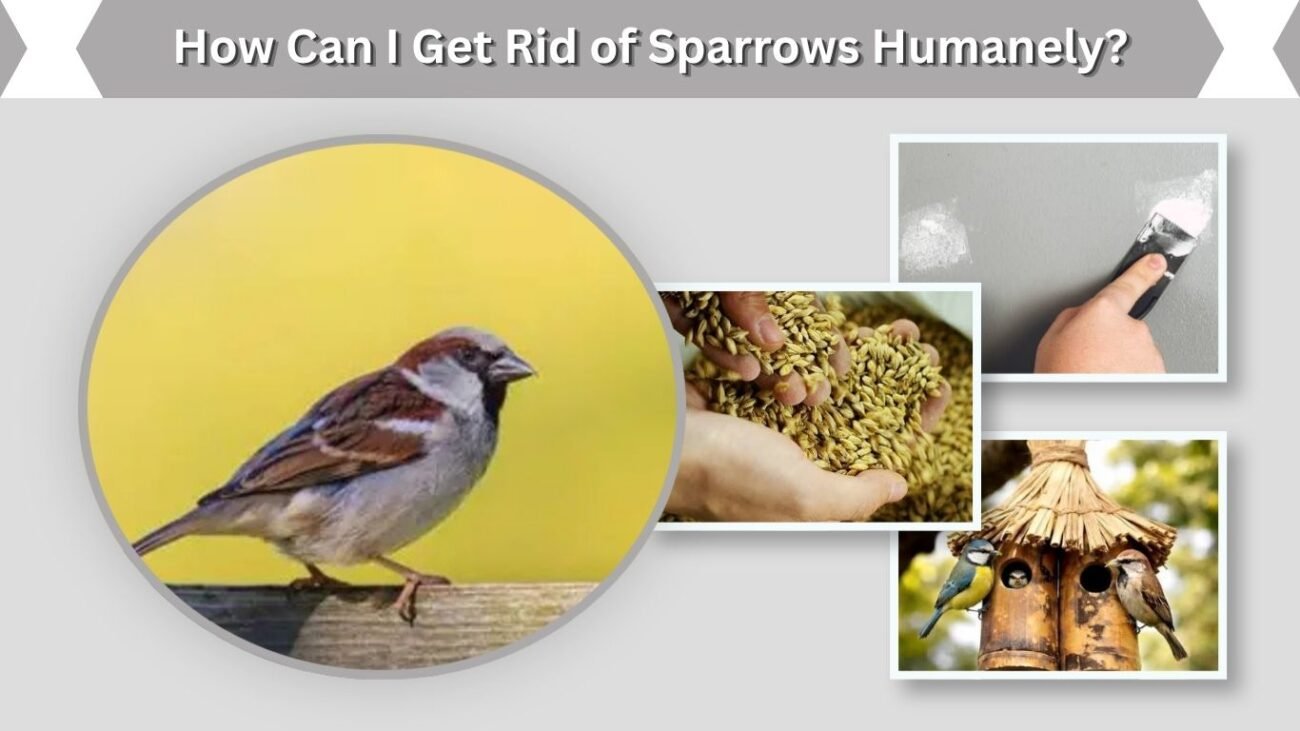
If sparrows are causing problems around vents, roofs, or nest boxes, use prevention rather than harm. Block access before nesting season, use proper vent covers, clean spilled seed, and choose feeder styles that reduce sparrow access.
Humane Control Methods
Use these safer options:
- Seal holes before birds start nesting.
- Use sparrow-resistant nest boxes for native birds.
- Clean spilled grain and seed.
- Avoid cracked corn if it attracts too many sparrows.
- Keep trash and animal feed covered.
- Call a wildlife professional for serious nesting problems.
Avoid harming birds or removing active nests with eggs or chicks unless local law and a qualified wildlife authority allow it.
Sparrow Nesting and Baby Facts
House sparrows can raise several broods in a season. Cornell lists house sparrow clutch size as 1–8 eggs, incubation as 10–14 days, and nestling period as 10–14 days. Audubon also notes that young house sparrows leave the nest about two weeks after hatching and that both parents feed the nestlings.
FAQs
How long can a sparrow live?
A wild sparrow often lives only a few years, but some individuals live much longer. The oldest recorded North American house sparrow was at least 15 years and 9 months old. Most sparrows do not reach that age because of predators, weather, disease, and accidents.
What can sparrows eat?
Sparrows can eat seeds, grains, millet, sunflower seeds, weed seeds, small insects, and mealworms. House sparrows mostly eat seeds and grains, but they also eat insects, especially in summer. Avoid bread as a main food because it has poor nutrition.
Can sparrows eat sunflower seeds?
Yes, sparrows can eat sunflower seeds. They often visit backyard feeders with sunflower seed mixes. Shelled sunflower hearts are easier to eat and create less mess. A mixed seed feeder with millet and sunflower can attract sparrows quickly.
Can sparrows be pets?
Wild sparrows should not be kept as pets. They need flight, social behavior, natural feeding, and proper care. In many areas, native sparrows are legally protected. Even where house sparrows are treated differently, keeping wild birds is usually not recommended.
Can sparrows get bird flu?
Yes, sparrows can get diseases, but typical feeder songbirds have had relatively few documented HPAI cases compared with waterfowl, raptors, and poultry. Do not touch sick or dead birds bare-handed, and follow local wildlife or health department guidance.