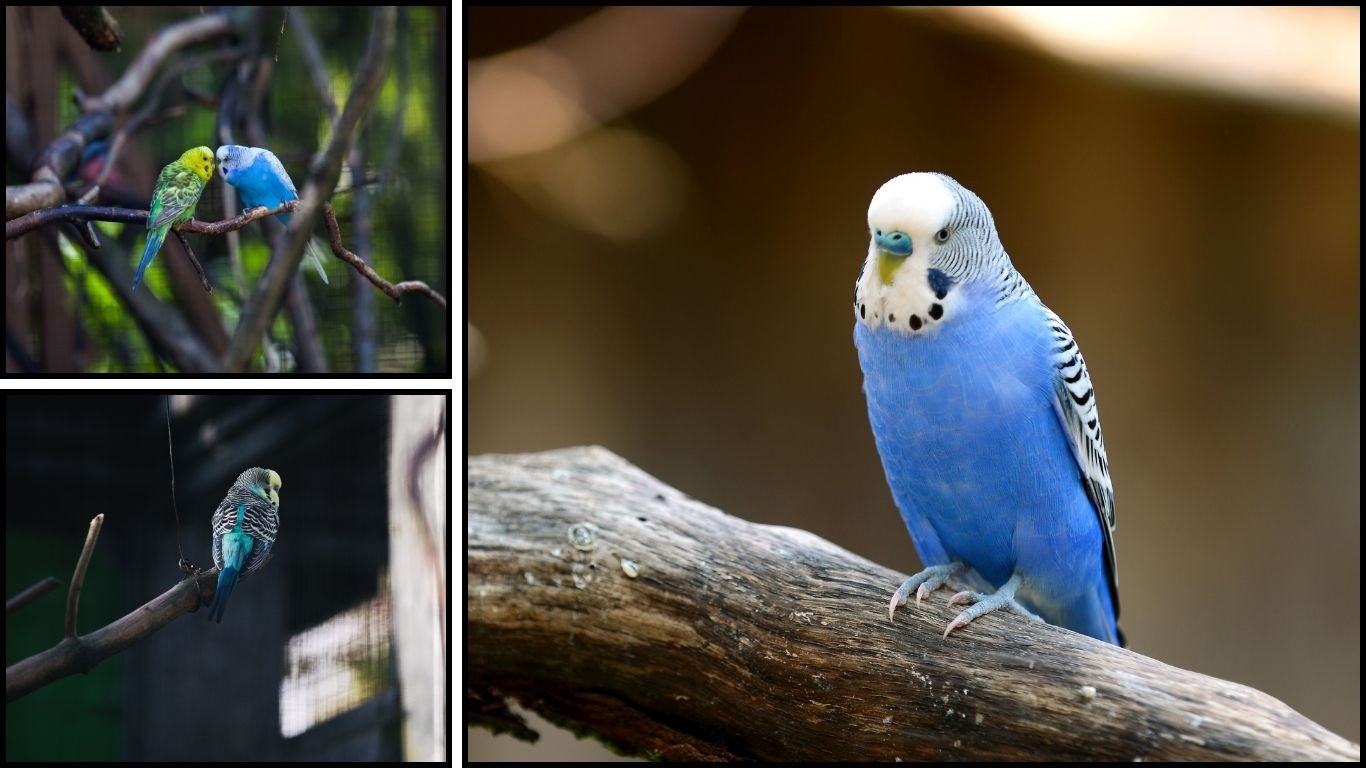
Budgerigars—commonly known as budgies or parakeets—are among the most loved pet birds in the world. These small, intelligent, and colorful parrots are known for their friendly nature and vocal talents. But if you’re thinking about getting a budgie or already have one, a common question arises: How long do budgerigars live? In this article, we’ll explore their average lifespan, factors that affect longevity, and their lifecycle stages—from egg to adult.
How Long Do Budgerigars Live?
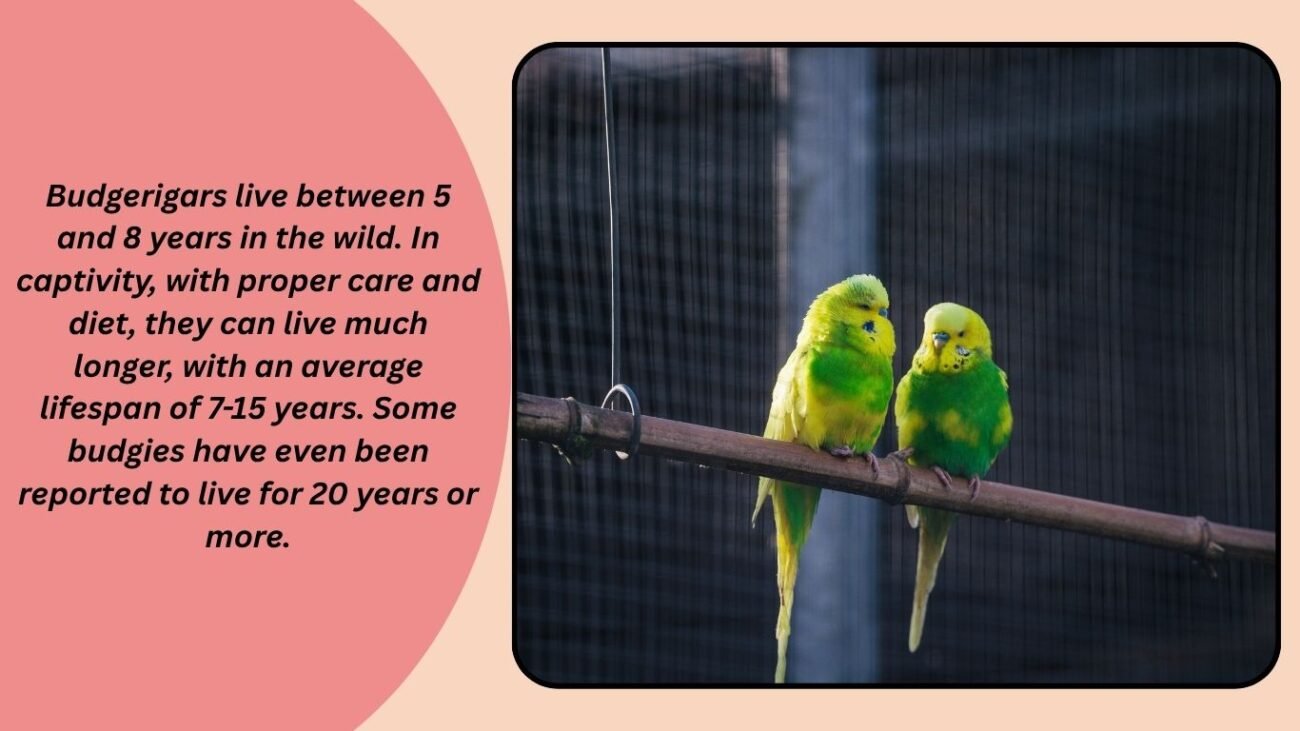
The average lifespan of a budgerigar depends on various factors like genetics, diet, environment, and whether it’s wild or domesticated.
Lifespan Overview:
| Type of Budgerigar | Average Lifespan |
| Wild Budgerigar | 4 to 6 years |
| Pet Budgerigar (standard) | 5 to 10 years |
| Well-cared Pet Budgie | 10 to 15 years (or more) |
| Record Lifespan | 18+ years (rare cases) |
Note: Budgies in captivity tend to live much longer than those in the wild, thanks to stable food sources, protection from predators, and medical care.
Factors That Affect a Budgie’s Lifespan
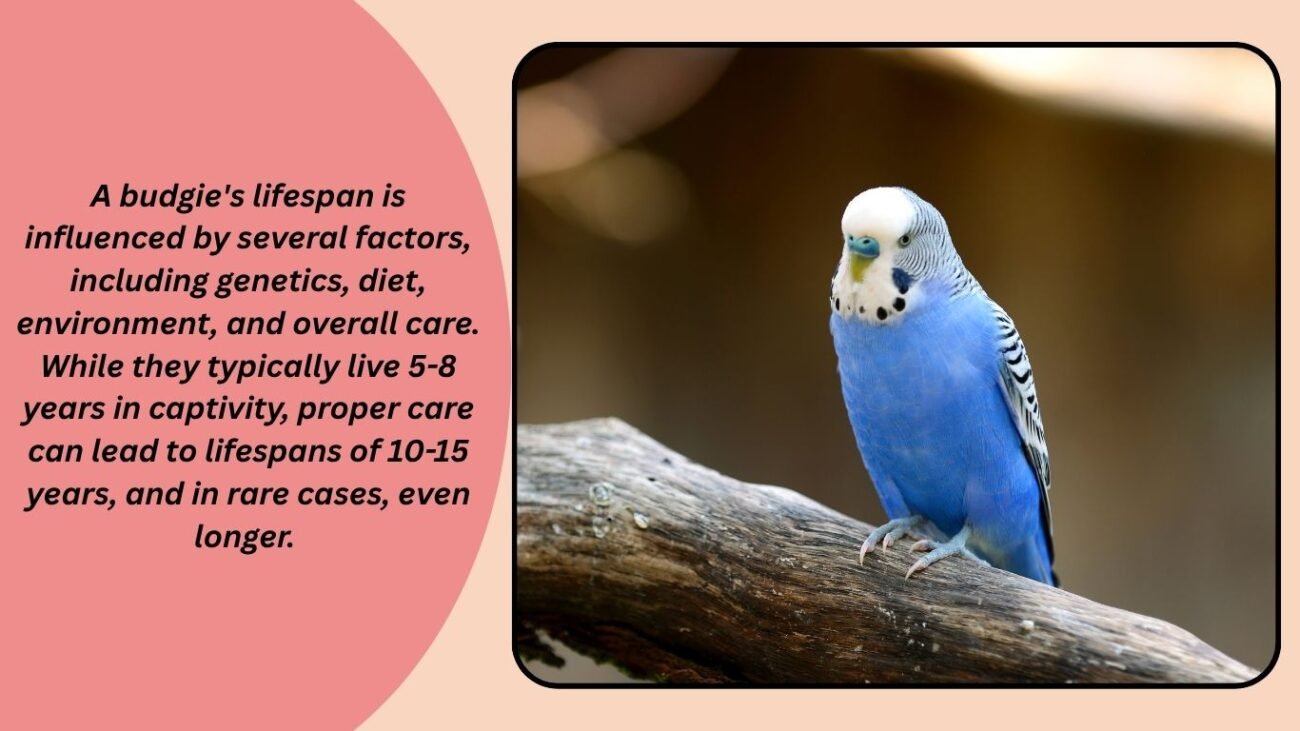
1. Diet and Nutrition
A healthy diet is the key to a long life. Budgies thrive on high-quality pellets, fresh vegetables, seeds (in moderation), and occasional fruits. Poor nutrition can lead to obesity, fatty liver disease, or vitamin deficiencies.
2. Exercise and Mental Stimulation
Budgies are active birds. Daily out-of-cage flight time and access to toys, mirrors, ladders, and swings keep them mentally and physically fit, which supports a longer lifespan.
3. Clean Environment
A clean cage, fresh water, and proper hygiene protect against bacterial or fungal infections. Budgies kept in dirty or smoky environments may suffer from respiratory diseases.
4. Veterinary Care
Routine checkups, nail trimming, and early diagnosis of issues like mites, tumors, or infections can extend your budgie’s life. Avian vets help catch silent problems early.
5. Genetics
Some budgies are simply born with stronger immune systems or less susceptibility to common diseases. Hand-raised or selectively bred birds often live longer.
Signs Your Budgie Is Aging
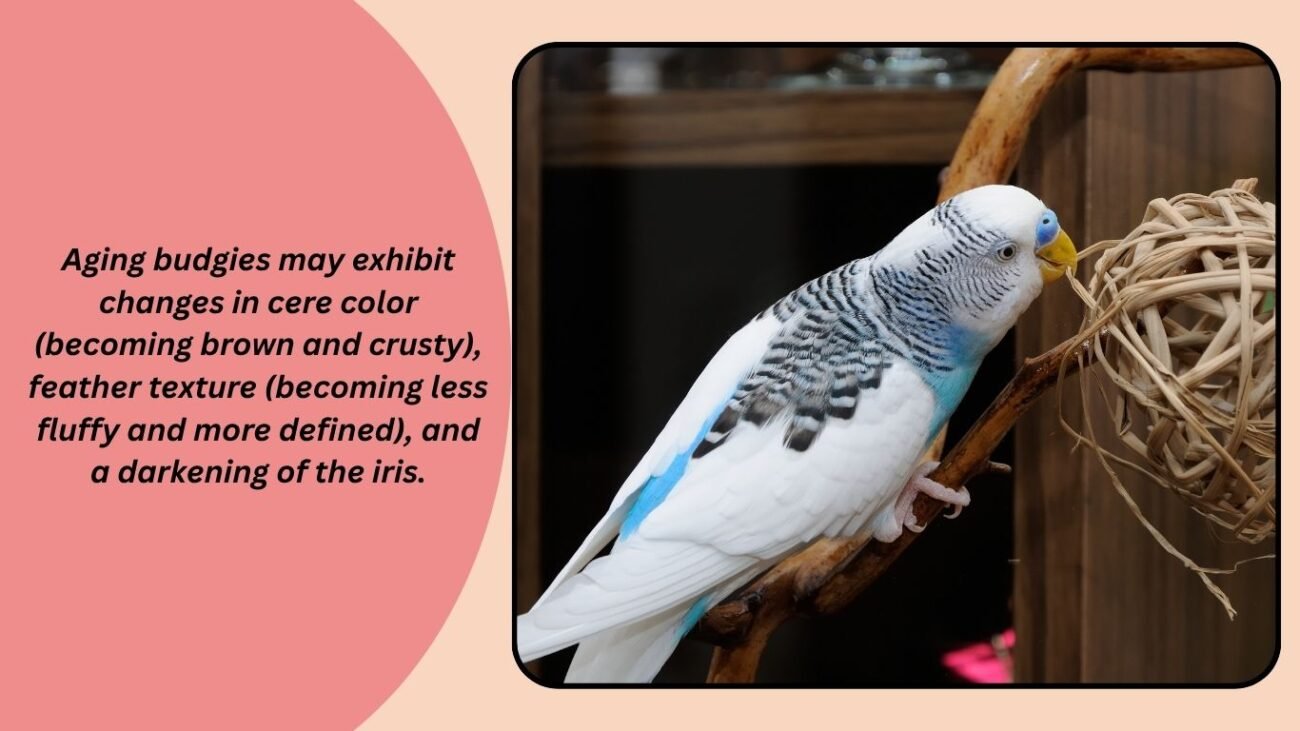
Budgies usually show signs of aging around 8 to 10 years old. Here are some signs to watch for:
- Decreased activity or less flying
- Sleeping more during the day
- Thinning feathers or bald spots
- Loss of voice or chirping
- Overgrown beak or nails
- Reduced interest in toys or socialization
Providing soft perches, easier-to-access food dishes, and a stress-free environment helps aging budgies stay comfortable.
Budgerigar Lifecycle Stages
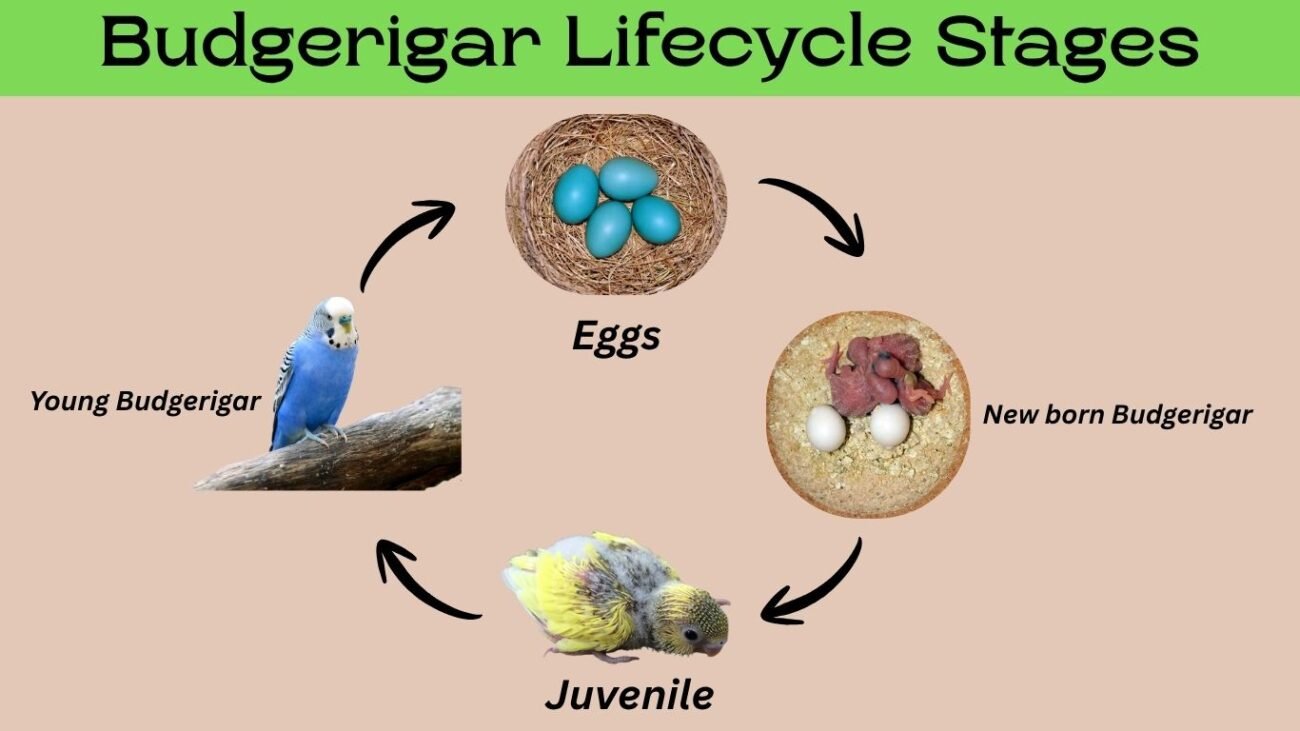
Understanding the lifecycle of a budgerigar helps owners provide the right care and environment at every developmental stage. From the moment they’re laid as eggs to their final years as senior birds, each phase comes with distinct characteristics and needs.
Egg Stage
The lifecycle of a budgerigar begins in the egg. After mating, the female lays her eggs in a nesting box, usually one every other day until a clutch of four to six is complete. During this time, the female begins incubation, warming the eggs constantly to maintain the ideal temperature for development. This incubation period typically lasts around 18 days. While the female is incubating, the male budgie will feed her by regurgitating food. The chicks begin to develop rapidly within the egg, and by the end of this stage, they are ready to hatch with the help of a small egg tooth.
Hatchling Phase
Once hatched, the budgie chick enters the hatchling phase, which spans the first two weeks of life. At this point, the chick is blind, featherless, and entirely dependent on its parents. The mother continues to feed the chick with regurgitated food, often provided by the male. Despite their helplessness, growth during this stage is rapid. By the end of the first week, downy feathers begin to sprout, and by the second week, the chick starts gaining strength and body mass. Their eyes typically begin to open around 8 to 10 days after hatching, allowing them to start observing their surroundings.
Nestling Phase
From the second to the fourth week, the chick enters the nestling phase. It begins to look more like a miniature bird as feather development progresses, and pin feathers start to emerge, especially on the wings and tail. This is also the time when personality traits begin to develop. Nestlings become more alert, vocal, and active in the nest. They still rely on their parents for food, but they also begin mimicking soft chirping sounds, forming early social connections with siblings and caregivers. This stage is crucial for early socialization and bonding.
Fledgling Phase
Around four to six weeks of age, budgies transition into the fledgling phase. This is one of the most exciting and critical stages in a budgie’s development. They begin testing their wings, hopping around the nest, and attempting their first short flights. Parents may still feed them, but fledglings also begin exploring solid food, learning to peck at millet, soft fruits, and vegetables. During this time, they also begin forming bonds with their human caretakers if hand-fed or socialized early. This phase is essential for confidence-building and is the best time to start gentle training.
Juvenile Phase
From six weeks to six months, the bird enters the juvenile phase. Juvenile budgies are fully feathered, capable of independent flight, and are typically weaned off parental feeding. Their cere color begins to shift, gradually revealing their gender, although this can vary by mutation. Juvenile birds are curious, playful, and eager to learn. It is during this stage that training, bonding, and socialization should be reinforced. Their immune systems are still developing, so extra care with diet and hygiene is critical. The juvenile phase is also when vocal practice begins in earnest, especially for males.
Adulthood
Budgerigars reach full adulthood between six to twelve months of age. At this point, their physical appearance, including cere color, becomes more stable and gender-typical. Males often display a bright blue cere, while females develop a beige, brown, or crusty cere, especially if breeding hormones are active. Adult budgies exhibit consistent behavior patterns, are sexually mature, and may begin mating behaviors. Owners will notice that adult birds are more predictable and may settle into daily routines. With proper care, enrichment, and medical attention, budgies can remain active and social for many years during this phase.
Senior Years
By the age of 8 to 10 years, budgerigars are generally considered senior birds. Aging budgies may show signs such as reduced activity, increased sleep, thinning feathers, and less interest in toys or social interaction. Some may experience age-related conditions like arthritis, vision loss, or beak overgrowth. During this phase, it’s essential to make adjustments in their cage—adding softer perches, lowering food bowls, and ensuring easy access to everything they need. While their energy may decline, many senior budgies remain affectionate and interactive, enjoying quiet bonding time with their humans.
Tips to Increase Your Budgerigar’s Lifespan
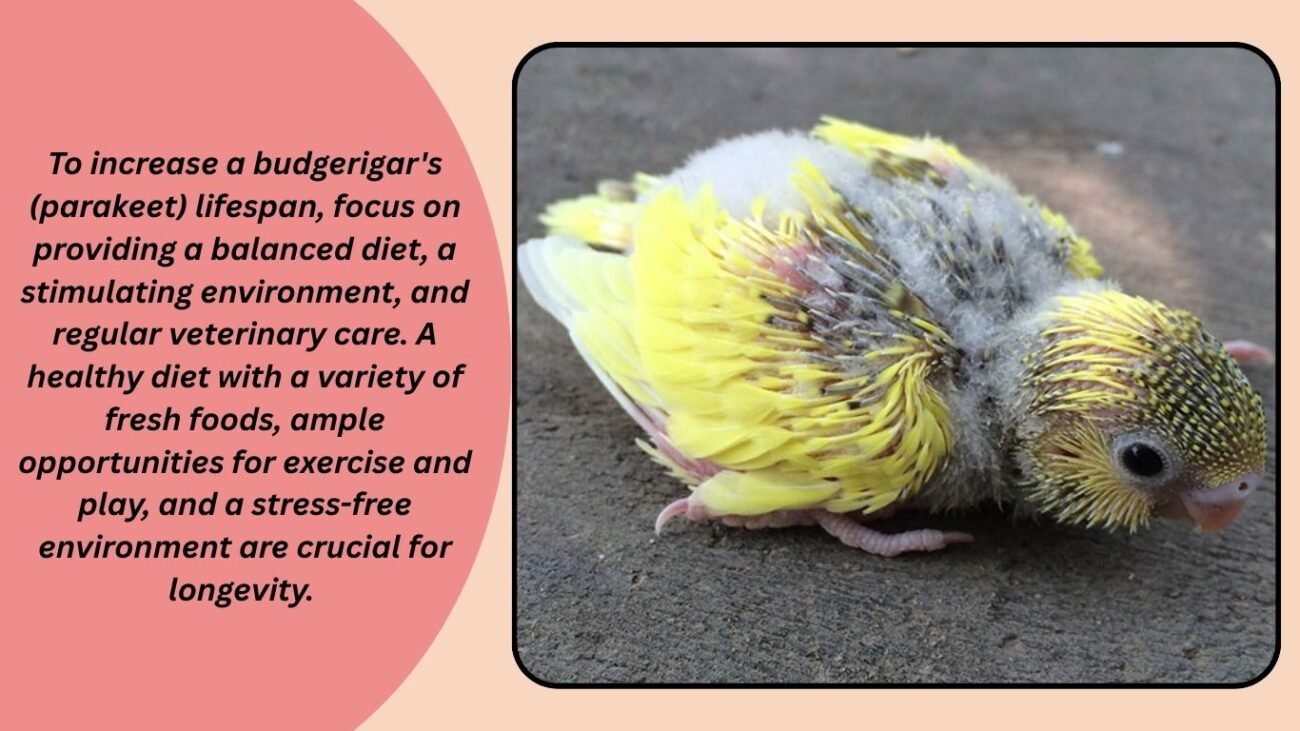
- Feed a balanced diet with more vegetables than seeds.
- Provide clean water daily.
- Allow out-of-cage time and flight.
- Keep the cage in a well-lit, non-drafty, smoke-free area.
- Avoid Teflon pans and aerosol sprays, which are toxic to birds.
- Take your budgie for yearly vet checkups.
- Provide companionship—budgies are social and thrive with interaction (either with humans or another bird).
FAQs About Budgerigar Lifespan
Can a budgerigar live 20 years?
It’s rare but possible. Some pet budgies have lived 18 to 20 years, especially with exceptional care and genetics.
Do male or female budgies live longer?
There’s no clear difference in lifespan based on gender. Both can live equally long if cared for properly.
Do budgies live longer alone or in pairs?
Budgies often thrive in pairs due to their social nature, but this requires more space and supervision. A lonely budgie may become stressed, which shortens its life.
When is a budgie considered old?
A budgie is generally considered senior around 8–10 years old. Signs of aging become more noticeable at this stage.
What shortens a budgie’s lifespan?
Poor diet, neglect, dirty living conditions, lack of exercise, and toxic fumes (like smoke or aerosol sprays) can significantly reduce a budgie’s lifespan.
Final Thoughts
Budgerigars may be small in size, but they have big personalities and can live surprisingly long lives with proper care. While wild budgies face a tough life, domesticated ones can live 10 to 15 years—or even longer—when given the right food, environment, and attention. Understanding their lifecycle and needs at each stage is the key to helping your budgie live a full, happy life.