Spiders are a common sight in the UK, and while most are completely harmless, a few species can deliver a mild but noticeable bite. These spiders are often misunderstood, with media stories sometimes exaggerating their danger. In reality, none are deadly, but some—like the False Widow or Woodlouse Spider—have venom that may cause localized pain, redness, or swelling. This guide highlights 7 of the most commonly found poisonous spiders in the UK, how to identify them, where they live, and what to do if bitten.
1. False Widow Spider

The False Widow Spider (Steatoda nobilis) is one of the most well-known poisonous spiders in the UK. Although not aggressive, its bite can cause localized pain, swelling, and mild symptoms similar to a bee sting. It has gained media attention due to its resemblance to the more dangerous black widow.
How to Identify a False Widow Spider
- Glossy dark brown or black body
- Cream or light markings on the abdomen
- Body size ranges from 9 to 14mm
- Often found in sheds, garages, and window frames
Is the False Widow Dangerous to Humans?
While not deadly, their bite can be painful. In some cases, people report nausea, headaches, or mild infection at the bite site. Most symptoms pass within a few hours to a couple of days.
Where Are False Widow Spiders Found in the UK?
They are common in southern England and Wales but are spreading northward. They prefer warm, dry environments and are often seen in urban homes and garden structures.
What to Do If Bitten by a False Widow
- Clean the area with soap and water
- Apply a cold compress to reduce swelling
- Take over-the-counter pain relief if needed
- Seek medical attention if symptoms worsen or signs of infection appear
2. Woodlouse Spider

The Woodlouse Spider (Dysdera crocata) is a reddish-brown spider found in the UK, known for its strong fangs and painful bite. It feeds primarily on woodlice and has venom that helps immobilize its prey. Though not considered dangerous to humans, its bite can cause localized pain and swelling.
Identification Features
- Reddish cephalothorax and pale abdomen
- Large, forward-pointing fangs
- Body size around 10–15mm
- Commonly found under logs, stones, or in dark damp places
Are Woodlouse Spiders Poisonous?
Yes, but mildly. Their venom is meant for small prey like woodlice. A bite may feel like a bee sting and result in redness and swelling, but it’s not considered medically serious.
Where Are They Found in the UK?
They are found throughout the UK, especially in gardens, cellars, and compost heaps where woodlice are abundant.
What Happens After a Bite?
- Mild to moderate pain for a few hours
- Swelling and redness at the bite site
- No long-term effects in most cases
- Clean the area and apply ice; consult a doctor if symptoms worsen
3. Tube Web Spider

The Tube Web Spider (Segestria florentina) is one of the largest and most striking spiders in the UK. Known for its vivid green fangs and fast movement, it builds funnel-like silk tubes in cracks and walls. Its bite can be painful but is not considered dangerous to healthy individuals.
How to Recognize a Tube Web Spider
- Shiny dark body with green metallic fangs
- Legs aligned in groups of three on each side
- Grows up to 22mm in body length
- Often seen in old walls, brickwork, and garden walls
Is the Tube Web Spider Venomous?
Yes, it can bite humans if provoked. The bite may cause intense pain, similar to a deep bee sting, and occasionally numbness. It’s not medically serious for most people.
UK Locations Where They Are Found
Common in southern UK, especially coastal cities like Brighton and Portsmouth. They favor crevices in buildings and walls.
First Aid for a Bite
- Clean with soap and water
- Use ice to reduce swelling
- Monitor for allergic reactions
- Seek medical advice if symptoms persist or worsen
4. Walnut Orb-Weaver Spider
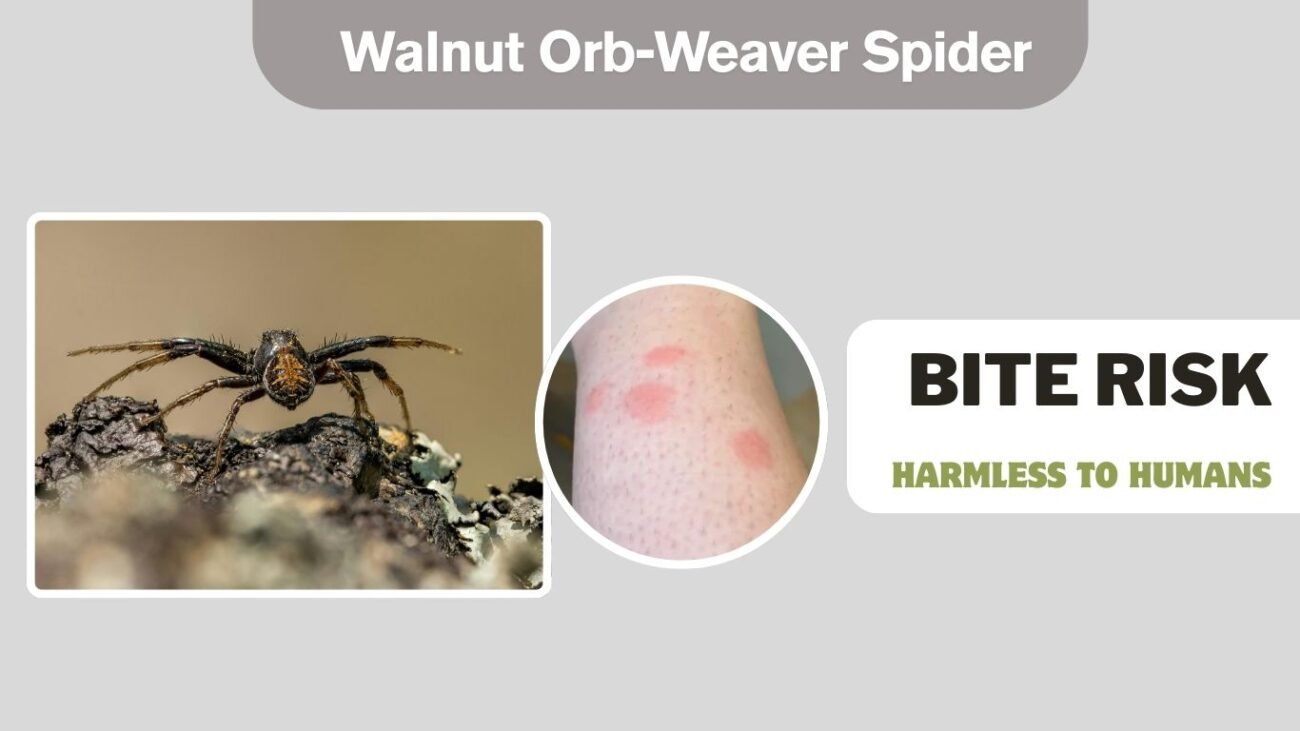
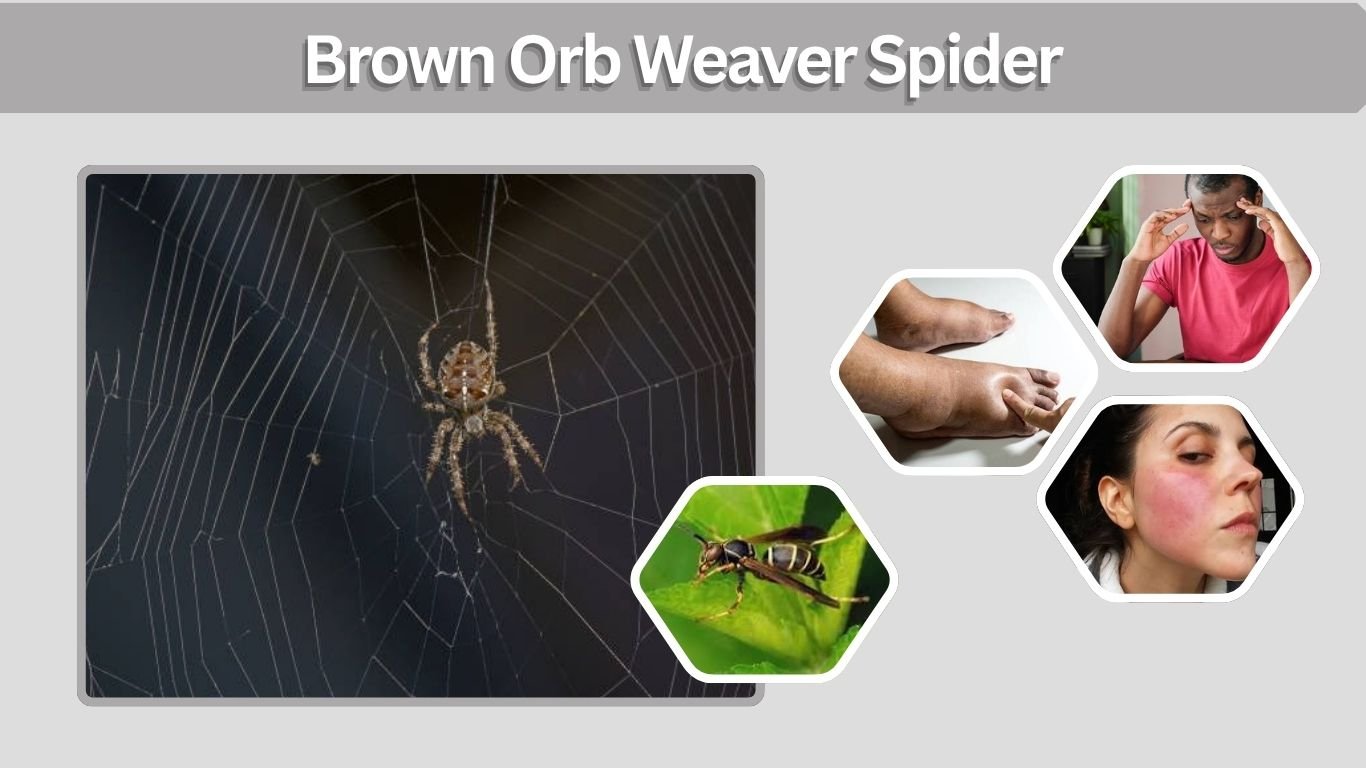
The Walnut Orb-Weaver (Nuctenea umbratica) is a nocturnal, flat-bodied spider commonly found in the UK. Though capable of biting when provoked, its venom is not harmful to humans. It’s named for its walnut-shaped abdomen.
Appearance and ID Tips
- Flat, oval, brown abdomen with faint markings
- Body size about 10–15mm
- Legs held back tightly against walls or fences during the day
- Often seen on garden sheds, fences, or under bark
Venom Concerns for Humans
Bites are rare and typically occur when the spider is trapped against the skin. If bitten, mild irritation, redness, or itching may follow. Medical attention is rarely needed.
Where You Might Spot One in the UK
Widespread across the UK, especially in suburban gardens and wooded areas.
What to Do if Bitten
- Wash the area
- Apply a cold compress
- Use antihistamine cream if itching occurs
- Seek medical help if signs of infection appear
5. Lace Web Spider

The Lace Web Spider (Amaurobius ferox and Amaurobius similis) is a common species in the UK, often found near homes and fences. It’s named for the lace-like pattern of its web. Although it can bite, the effects are typically mild and short-lived.
How to Identify a Lace Web Spider
- Dark brown body with pale markings on the abdomen
- Roughly 8–12mm in size
- Builds messy, lace-like webs in crevices and around window frames
- Most active in the evening or after rain
Are Lace Web Spiders Poisonous?
Yes, but their venom is not dangerous to humans. A bite may feel like a minor sting and can result in local pain, swelling, or redness for a short time.
Where Are They Found in the UK?
Very common throughout the UK. Often found on external walls, fences, and inside sheds or garages.
What to Do After a Bite
- Wash the area thoroughly
- Apply ice or a cold pack
- Take antihistamines for itching or swelling
- Seek medical advice if the area becomes infected or symptoms persist
6. Wasp Spider
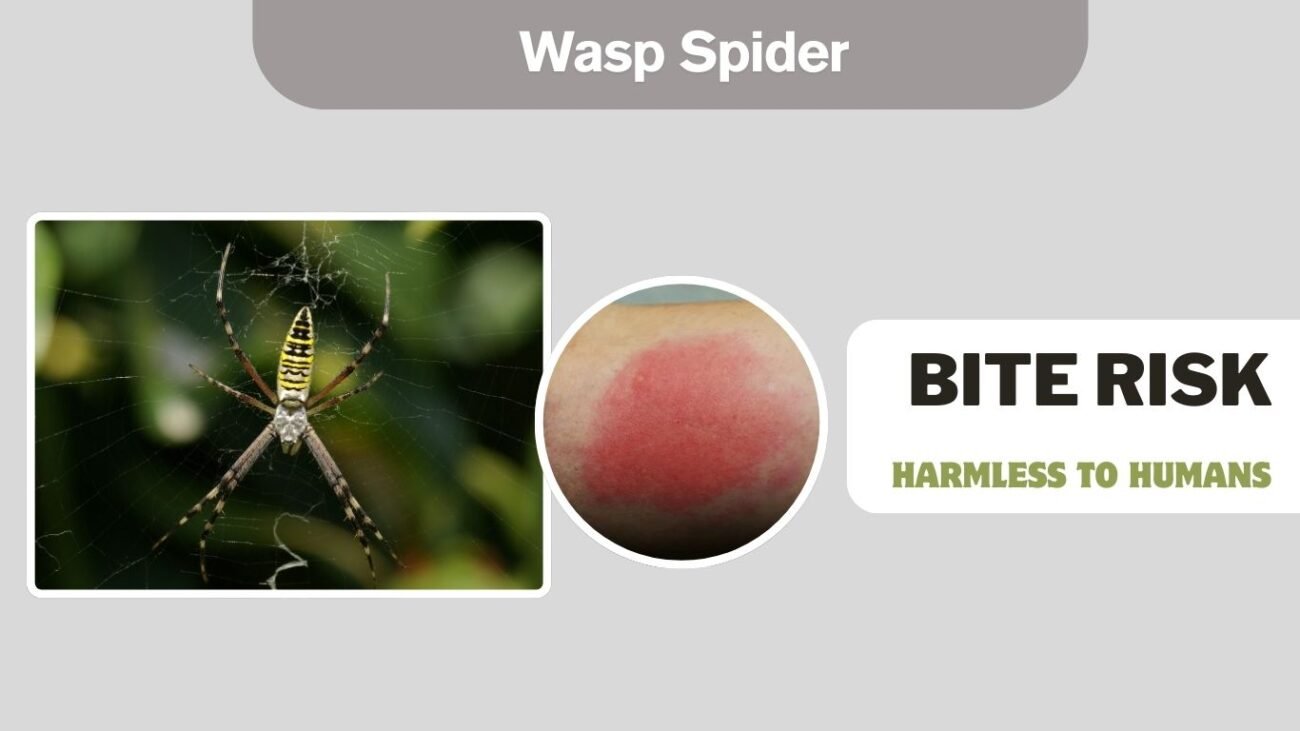
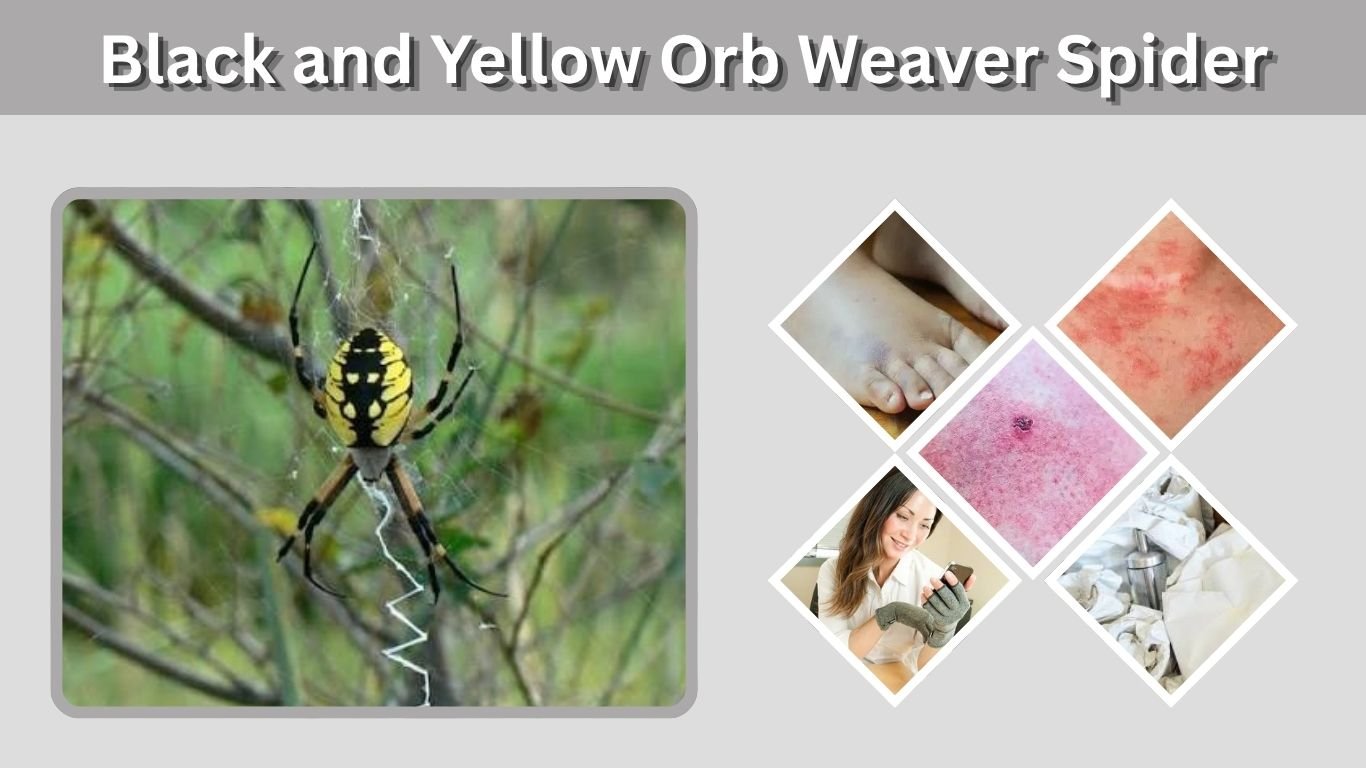
The Wasp Spider (Argiope bruennichi) is a striking species with bright yellow, black, and white stripes—mimicking a wasp. Though visually alarming, its bite is not harmful to humans and is usually defensive in nature.
Identifying the Wasp Spider
- Distinctive yellow-and-black striped abdomen
- Females are larger (up to 17mm), males much smaller
- Builds large orb webs in long grass and meadows
- Often spotted late summer to early autumn
Is It Poisonous to Humans?
It does have venom for immobilizing prey (like grasshoppers), but it poses no real danger to humans. A bite may cause mild discomfort, similar to a nettle sting.
Where They Live in the UK
Increasingly found in southern England and spreading northwards. Prefers tall grasslands, meadows, and heathlands.
How to Handle a Bite
- Bites are extremely rare
- Treat with cold compress and mild pain relief
- No medical treatment is usually needed unless symptoms escalate
7. Yellow Sac Spider

The Yellow Sac Spider (Cheiracanthium punctorium) is a small but mildly venomous spider found in the UK. Though not native, it has established populations in warmer areas. Its bite can cause mild to moderate pain and skin irritation.
How to Spot a Yellow Sac Spider
- Pale yellow or greenish body
- Around 5–10mm in size
- Long front legs and visible fangs
- Often hides in curled leaves or corners of ceilings
Is the Bite Poisonous?
Yes, but not dangerous. The venom can cause a sharp sting, followed by redness or slight swelling. Some people may experience itching or a small blister at the bite site.
Common Habitats in the UK
They are more active in warmer months and can be found indoors, especially behind curtains, under furniture, or in corners of rooms.
Bite Treatment Tips
- Wash with soap and water
- Apply an ice pack to reduce swelling
- Use antihistamine cream if irritation occurs
- Visit a doctor if severe reaction develops or symptoms persist
FAQs
Are there any deadly spiders in the UK?
No, the UK does not have any spiders that are considered deadly to humans. Some species, like the False Widow, can deliver a painful bite, but serious medical complications are extremely rare.
What should I do if I’m bitten by a spider in the UK?
Clean the bite area with soap and water, apply a cold compress, and monitor for any unusual symptoms. Most bites are harmless, but seek medical attention if swelling, infection, or allergic reactions occur.
How can I tell if a spider in my home is poisonous?
Look for known traits of venomous UK species, like the shiny body of a False Widow or the green fangs of a Tube Web Spider. When in doubt, avoid handling the spider and consult a local pest control expert or wildlife guide.
Are spider bites in the UK common?
No, spider bites in the UK are quite rare. Most spiders are shy and non-aggressive, only biting in self-defense if provoked or trapped.
Can UK spiders cause allergic reactions?
Yes, though uncommon. Some people may have mild allergic reactions such as swelling or itching. Severe reactions are very rare, but medical help should be sought if symptoms escalate.