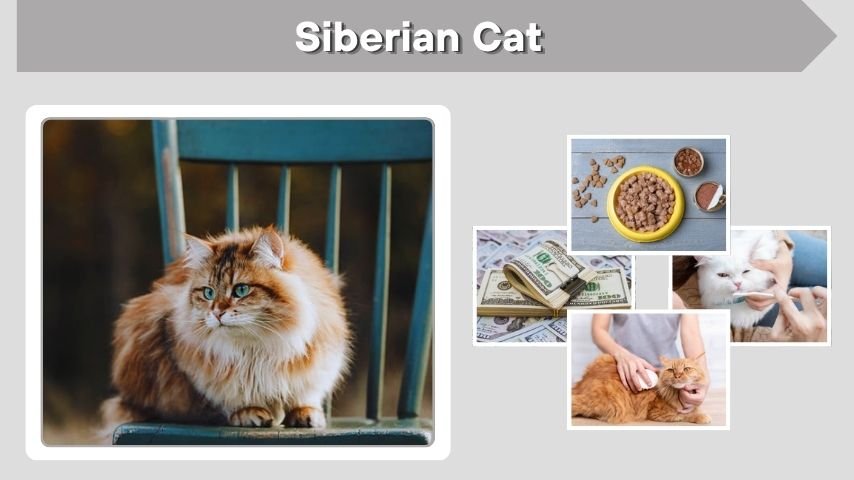
The Siberian cat is a beautiful and ancient breed known for its luxurious coat, affectionate personality, and impressive athletic abilities. Originating in Russia, this natural breed has adapted to harsh climates with a thick triple-layer coat that provides protection from cold weather. Siberian cats are often praised for their intelligence, playful nature, and strong bonds with family members. They are also widely recognized for producing lower levels of allergens than many other cat breeds, making them a popular choice among allergy sufferers.
What Is a Siberian Cat?
The Siberian cat is one of the oldest natural cat breeds in the world. Native to Russia, it developed over centuries in cold forest environments. Known for its strength, agility, and affectionate temperament, the Siberian cat has become a favorite companion for families and cat enthusiasts around the globe.
Origin and History
The breed originated in Russia’s forests, where it adapted to long winters and harsh environmental conditions. Historical records suggest that Siberian cats have existed for hundreds of years and were commonly found in rural communities.
Siberian Forest Cat Explained
The terms “Siberian cat” and “Siberian forest cat” refer to the same breed. The name reflects the cat’s natural origins in Russia’s forested regions.
Recognition by Cat Associations
Today, the Siberian cat is recognized by major cat organizations worldwide and is admired for both its appearance and temperament.
Siberian Cat Appearance
The Siberian cat is a large, muscular breed with a thick coat and expressive eyes. Its physical characteristics reflect generations of adaptation to cold climates. Despite its powerful build, the breed is graceful and agile, capable of impressive jumps and quick movements.
Size and Weight
Adult males typically weigh between 15 and 20 pounds (6.8–9 kg), while females generally weigh between 10 and 15 pounds (4.5–6.8 kg). Siberian cats mature slowly and may not reach full size until they are five years old.
Coat Type
The breed has a dense triple-layer coat consisting of guard hairs, awn hairs, and a soft undercoat. This unique coat provides insulation against extreme weather conditions.
Eye Colors
Siberian cats can have a variety of eye colors, including green, gold, copper, and blue. Some cats may even have odd-colored eyes.
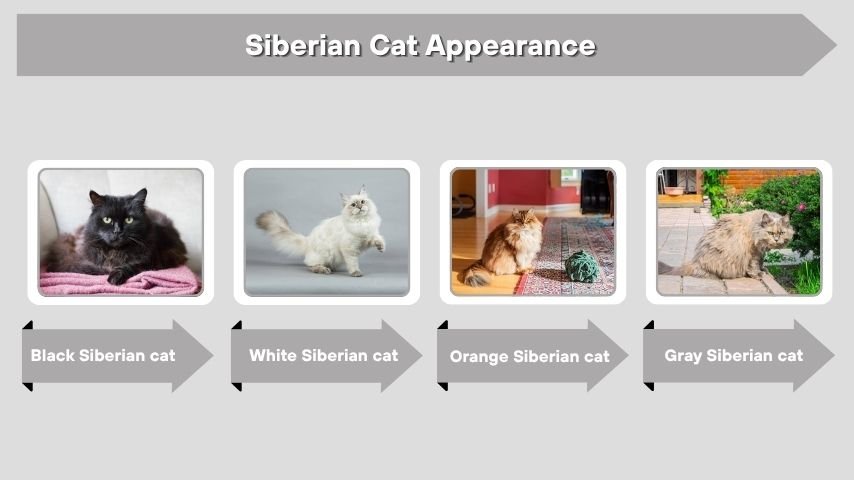
Common Coat Colors
Siberian cats come in many beautiful color patterns.
- Black Siberian cat
- White Siberian cat
- Orange Siberian cat
- Gray Siberian cat
- Brown Siberian cat
- Calico Siberian cat
- Tuxedo Siberian cat
- Tabby Siberian cat
Siberian Cat Personality and Temperament
The Siberian cat is famous for its friendly and affectionate personality. These cats enjoy spending time with their families and are known for forming strong emotional bonds with their owners. Their intelligence and curiosity make them entertaining companions that remain playful well into adulthood.
Family-Friendly Nature
Siberian cats are gentle and social. They generally enjoy interacting with people and often seek companionship rather than solitude.
Relationship With Children
Because of their patient and tolerant nature, Siberian cats typically do well in households with children. They often participate in family activities and enjoy interactive play.
Compatibility With Other Pets
The breed is usually friendly toward other cats and cat-friendly dogs. Early socialization helps ensure positive relationships with other household pets.
Intelligence and Trainability
Siberian cats are highly intelligent and can learn commands, tricks, and routines. Many owners successfully teach them to fetch toys, respond to names, and use puzzle feeders.
Activity Level
Although affectionate, Siberian cats are also energetic. They enjoy climbing, exploring, and playing games that challenge both their minds and bodies.
Are Siberian Cats Hypoallergenic?
One of the biggest reasons people are interested in Siberian cats is their reputation for being hypoallergenic. While no cat breed is completely allergy-free, many allergy sufferers report fewer symptoms around Siberian cats compared to other breeds.
Why People Think Siberian Cats Are Hypoallergenic
Research suggests that some Siberian cats produce lower levels of Fel d 1, the protein responsible for most cat allergies. Lower production of this allergen may reduce allergic reactions in certain individuals.
The Fel d 1 Protein Explained
Fel d 1 is found primarily in a cat’s saliva and skin secretions. When cats groom themselves, the protein spreads onto their fur and eventually becomes airborne.
Siberian Cats and Allergy Sufferers
Many people with mild cat allergies find they tolerate Siberian cats better than other breeds. However, reactions vary from person to person, and spending time with the breed before adoption is always recommended.
Siberian Cat Lifespan and Health
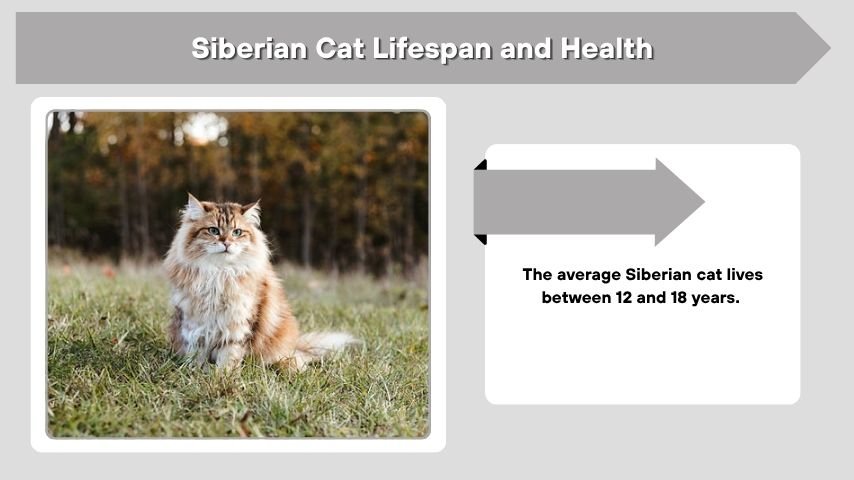
Siberian cats are generally considered a healthy and hardy breed. Their natural development over centuries has contributed to strong genetics and resilience. With proper nutrition, regular veterinary care, and a healthy lifestyle, many Siberian cats enjoy long and active lives while maintaining their playful personalities well into adulthood.
Average Lifespan
The average Siberian cat lives between 12 and 18 years. Some individuals may live even longer when provided with excellent care and a safe indoor environment.
Common Health Problems
Although generally healthy, Siberian cats can be susceptible to certain medical conditions. Regular veterinary checkups help identify and manage health concerns early.
Genetic Conditions
Hypertrophic cardiomyopathy (HCM), a heart condition found in some cat breeds, can occasionally occur in Siberian cats. Responsible breeders often screen breeding cats for genetic health issues.
Keeping Your Siberian Healthy
A balanced diet, regular exercise, routine vaccinations, and preventive healthcare play important roles in maintaining long-term health and well-being.
Siberian Cat Diet and Nutrition

Proper nutrition is essential for supporting the Siberian cat’s muscular body, thick coat, and active lifestyle. A high-quality diet rich in animal protein helps maintain healthy muscles, supports immune function, and provides the energy these energetic cats require throughout their lives.
Best Diet for Siberian Cats
Siberian cats thrive on diets that contain high-quality protein from animal sources. Protein supports muscle development and overall health.
Wet vs. Dry Food
Both wet and dry foods can be part of a healthy feeding plan. Many owners choose a combination of both to provide balanced nutrition and hydration.
Foods to Avoid
Certain foods can be harmful or toxic to cats.
- Chocolate
- Onions
- Garlic
- Grapes
- Alcohol
- Xylitol-containing products
Maintaining a Healthy Weight
Because Siberian cats are large and food-motivated, portion control and regular exercise are important for preventing obesity.
How Much Does a Siberian Cat Cost?

The cost of owning a Siberian cat extends beyond the initial purchase price. Potential owners should consider expenses such as food, veterinary care, grooming supplies, and pet insurance. Understanding these costs helps ensure responsible ownership and long-term care.
Siberian Cat Price Range
A Siberian kitten from a reputable breeder typically costs between $1,000 and $3,000, depending on pedigree, location, breeder reputation, and coat color.
Factors Affecting Cost
Several factors influence pricing, including bloodline quality, breeder practices, health testing, and demand within a specific region.
Annual Ownership Expenses
Common yearly expenses include:
- Food and treats
- Veterinary care
- Vaccinations
- Grooming supplies
- Toys and enrichment
- Pet insurance
Siberian Cat Breeders, Adoption and Rescue
Whether purchasing from a breeder or adopting through a rescue organization, finding a healthy and well-socialized cat should be the top priority. Researching sources carefully helps ensure a positive experience for both the owner and the cat.
Choosing a Responsible Breeder
Reputable breeders prioritize health testing, proper socialization, and ethical breeding practices. They are also willing to answer questions and provide health records.
Adoption Opportunities
Although less common than some breeds, Siberian cats can occasionally be found through breed-specific rescues and adoption organizations.
Warning Signs of Poor Breeders
Potential red flags include:
- Lack of health records
- Unwillingness to answer questions
- Unsanitary living conditions
- Extremely low prices
- No veterinary documentation
Siberian Cat Grooming and Care
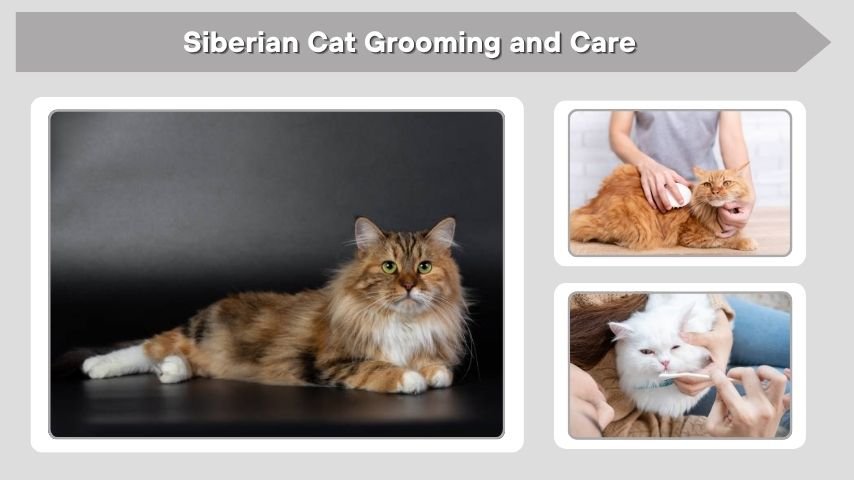
Despite their long coats, Siberian cats require less grooming than many people expect. Their coat is naturally resistant to matting, but routine maintenance is still important for keeping them comfortable and healthy throughout the year.
Do Siberian Cats Shed?
Yes, Siberian cats shed. Seasonal shedding is particularly noticeable during spring and fall when they transition between winter and summer coats.
Brushing Requirements
Weekly brushing is usually sufficient for most of the year. More frequent grooming may be needed during heavy shedding seasons.
Nail and Dental Care
Regular nail trimming and dental hygiene help prevent common health issues and support overall well-being.
Exercise Requirements
Siberian cats are athletic and energetic. Providing climbing trees, interactive toys, and daily play sessions helps keep them physically and mentally stimulated.
Siberian Cat vs Other Popular Breeds
Many prospective cat owners compare Siberian cats with other large, long-haired breeds. While they share certain similarities, each breed has distinct characteristics that may make it a better fit for specific households and lifestyles.
Siberian Cat vs Maine Coon
Maine Coons are generally larger and more laid-back, while Siberian cats tend to be more agile and athletic.
Siberian Cat vs Norwegian Forest Cat
Norwegian Forest Cats often have a more triangular head shape, whereas Siberian cats have a rounder face and stockier build.
Siberian Cat vs Ragdoll
Ragdolls are known for their relaxed temperament, while Siberians are typically more active, curious, and playful.
FAQs
Are Siberian cats really hypoallergenic?
Siberian cats are not completely hypoallergenic, but many produce lower levels of the Fel d 1 allergen protein than other breeds. Some allergy sufferers experience fewer symptoms around them.
How big do Siberian cats get?
Adult male Siberian cats typically weigh 15–20 pounds (6.8–9 kg), while females usually weigh 10–15 pounds (4.5–6.8 kg). They are considered a large cat breed.
Do Siberian cats shed a lot?
Yes, Siberian cats shed seasonally. Their thick triple-layer coat sheds most heavily during spring and fall, requiring additional grooming during those periods.
How much does a Siberian cat cost?
A Siberian kitten from a reputable breeder usually costs between $1,000 and $3,000, though prices can vary based on pedigree, location, and breeder reputation.
Are Siberian cats good family pets?
Yes. Siberian cats are affectionate, intelligent, playful, and generally get along well with children and other pets, making them excellent family companions.