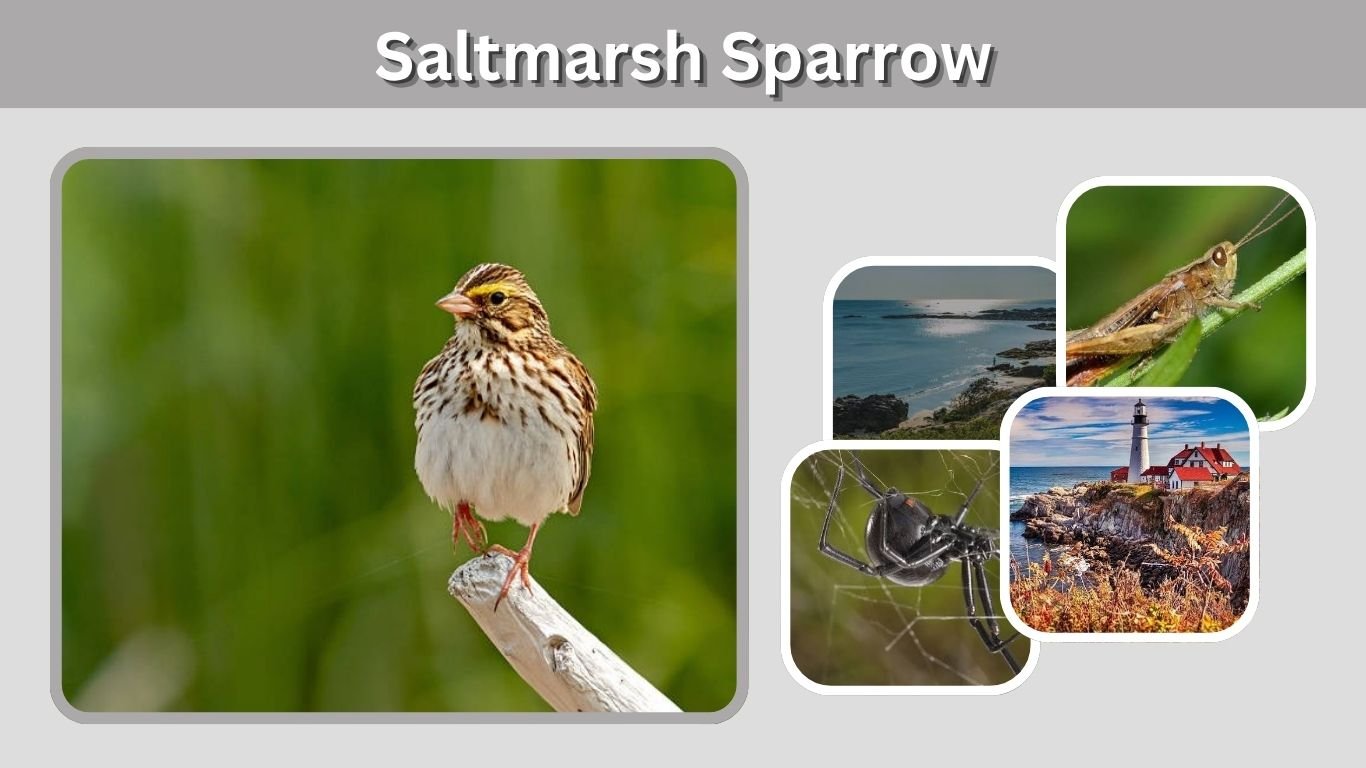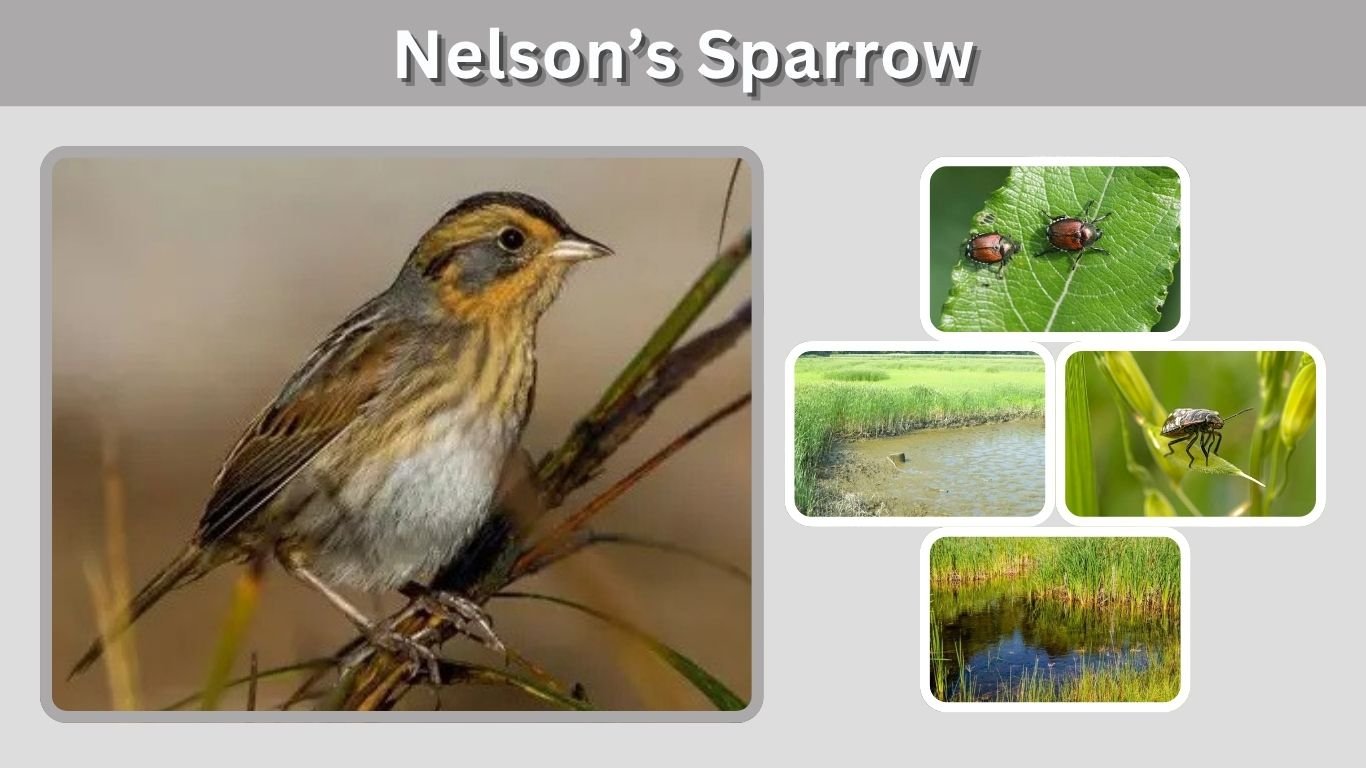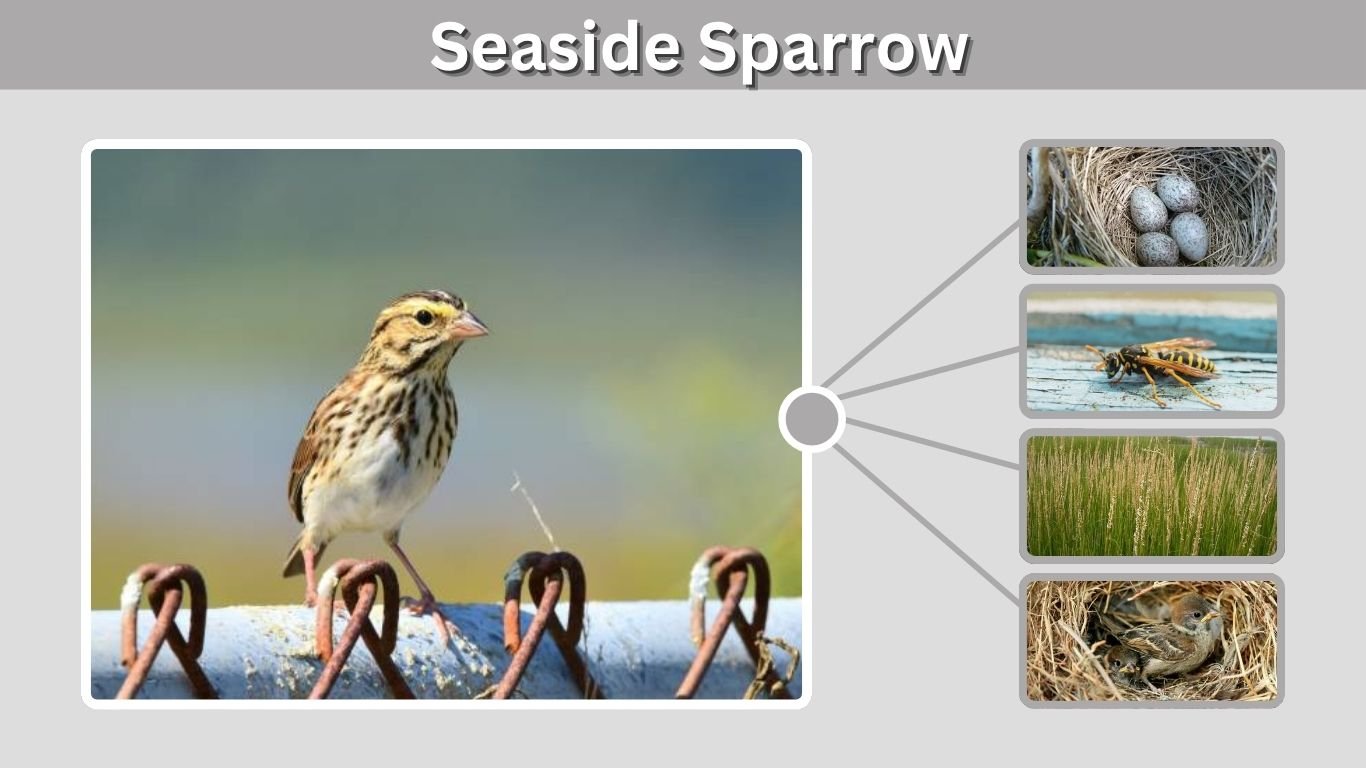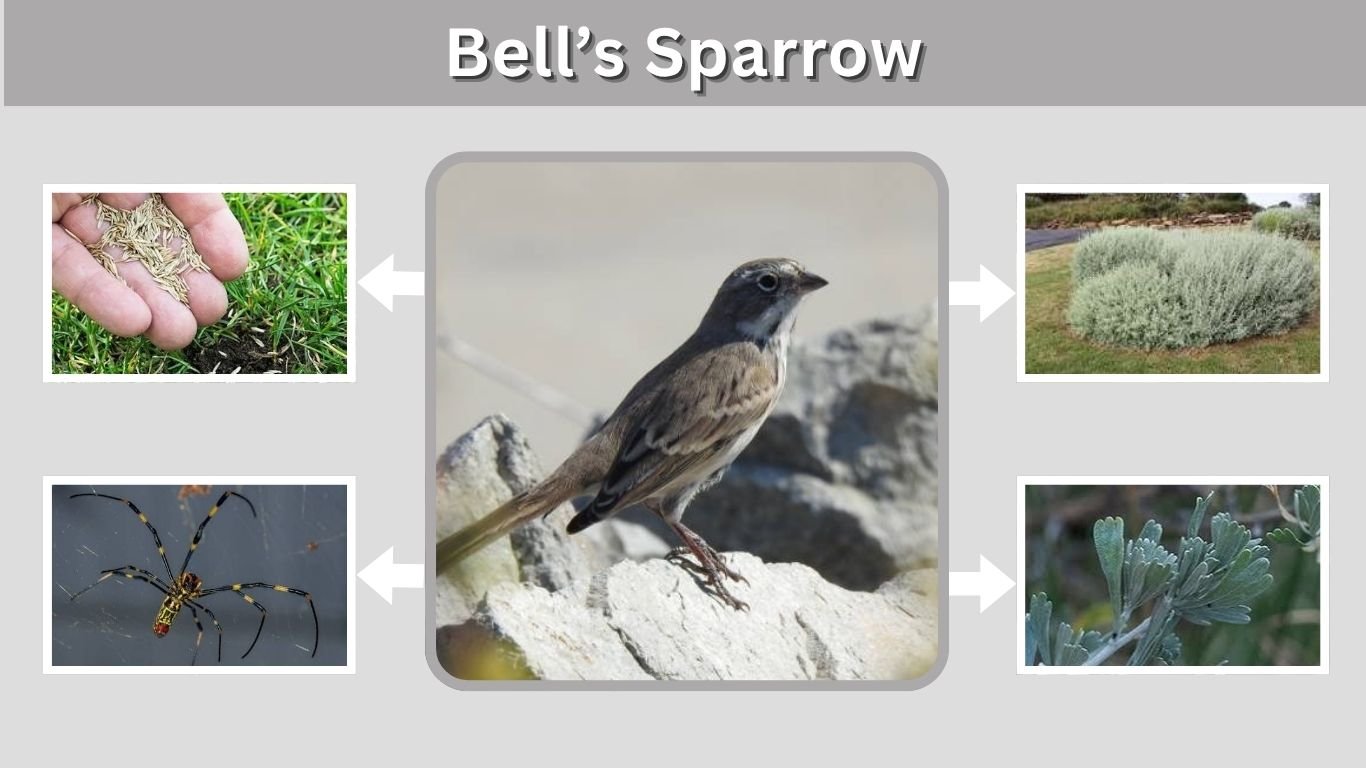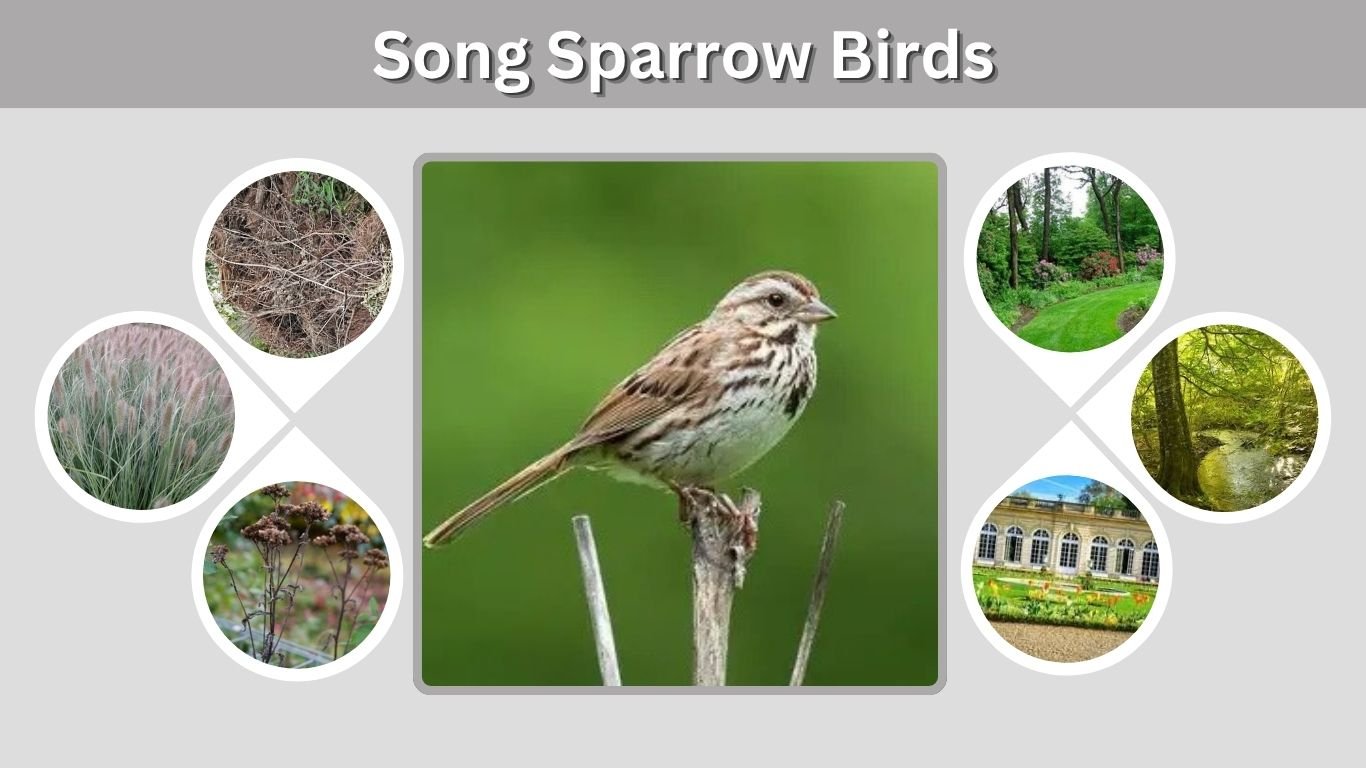
Song sparrow birds are among the most familiar sparrows in North America, known for their streaked brown bodies and rich, variable songs. These small songbirds often appear in backyards, wetlands, brushy fields, gardens, and woodland edges. Although they may look plain at first glance, song sparrows are full of personality. Their loud, repeated songs make them easy to notice, especially during spring and summer. This guide explains how to identify a song sparrow, what its song sounds like, where it lives, what it eats, and how it compares with similar sparrows.
What Is a Song Sparrow Bird?
The song sparrow is a small brown songbird in the sparrow family. It is best known for its musical voice, heavily streaked chest, and adaptable nature. These birds are common across much of North America and can live in many different habitats.
Song sparrows are not flashy birds, but they are easy to recognize once you know their key marks. They often stay low in shrubs, grasses, and brush piles, where they search for seeds and insects.
Basic Identification
- Size: Small to medium-sized sparrow
- Color: Brown upperparts with grayish or whitish underparts
- Chest: Heavy brown streaking, often forming a central dark spot
- Head: Brown crown with gray eyebrow and cheek stripes
- Tail: Rounded and often pumped while the bird moves
- Bill: Short, conical bill for eating seeds
- Behavior: Often found hopping near the ground or singing from low perches
Song Sparrow Bird Appearance
Song sparrow birds have a classic sparrow look: brown, streaky, and well-camouflaged. Their upper body is usually warm brown with darker streaks, while the belly is lighter. The chest streaks are one of the best field marks.
A common feature is the dark central spot on the breast. Not every song sparrow shows it clearly, but many do. Their face pattern can also help with identification. Look for a grayish eyebrow line, brown crown stripes, and a dark line near the cheek.
Song sparrows vary a lot depending on location. Birds from wetter coastal areas may look darker, while birds from drier inland regions can appear paler. This variation sometimes makes identification tricky, especially for beginners.
Song Sparrow Bird Song and Call
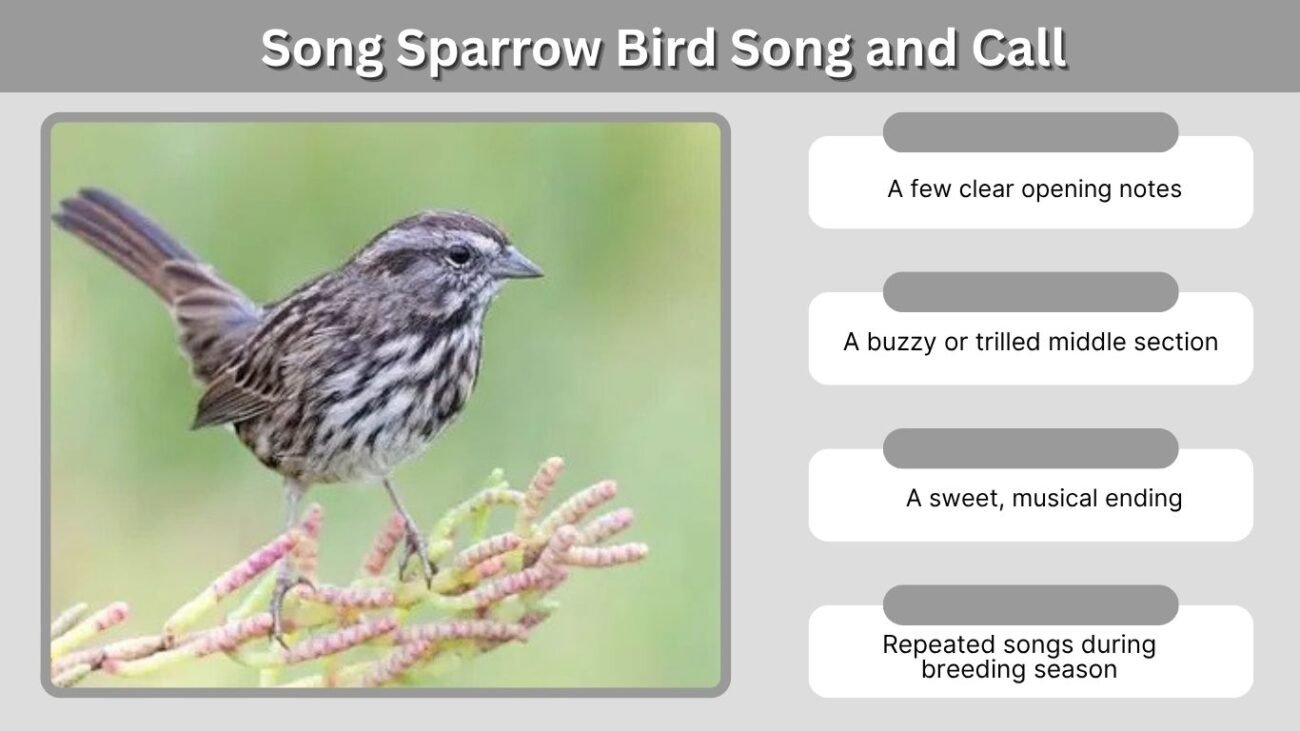
The song is the most famous feature of this bird. A male song sparrow usually sings a bright, repeated tune from a shrub, fence post, small tree, or other exposed perch. The song often begins with a few clear notes, followed by trills and musical phrases.
Many people describe the song as cheerful and varied. One song sparrow may sing several different versions of its song. This is why the bird’s name fits so well.
What Does a Song Sparrow Sound Like?
- A few clear opening notes
- A buzzy or trilled middle section
- A sweet, musical ending
- Repeated songs during breeding season
- Sharp call notes used for alarm or contact
The song sparrow bird call is different from the full song. Calls are usually short, sharp notes. These calls help birds communicate when they are hidden in thick grass or shrubs.
Song Sparrow vs Other Sparrow Bird Songs
Many sparrows sing, but the song sparrow has one of the most recognizable voices. Still, beginners often confuse it with white-throated sparrows, chipping sparrows, field sparrows, and white-crowned sparrows.
The white-throated sparrow song is often clearer and more whistled. Chipping sparrows give a dry, mechanical trill. Field sparrows have a sweet song that speeds up like a bouncing ball. The song sparrow’s tune is usually more varied and mixed, with trills and changing phrases.
| Bird Species | Song Style | Common Confusion Point |
|---|---|---|
| Song Sparrow | Varied notes, trills, musical phrases | Sounds different between individuals |
| White-throated Sparrow | Clear whistled notes | Often heard in wooded areas |
| Chipping Sparrow | Dry, even trill | Can sound insect-like |
| Field Sparrow | Sweet accelerating notes | Softer and more delicate |
| White-crowned Sparrow | Clear whistles and buzzes | Often more structured |
Habitat and Distribution
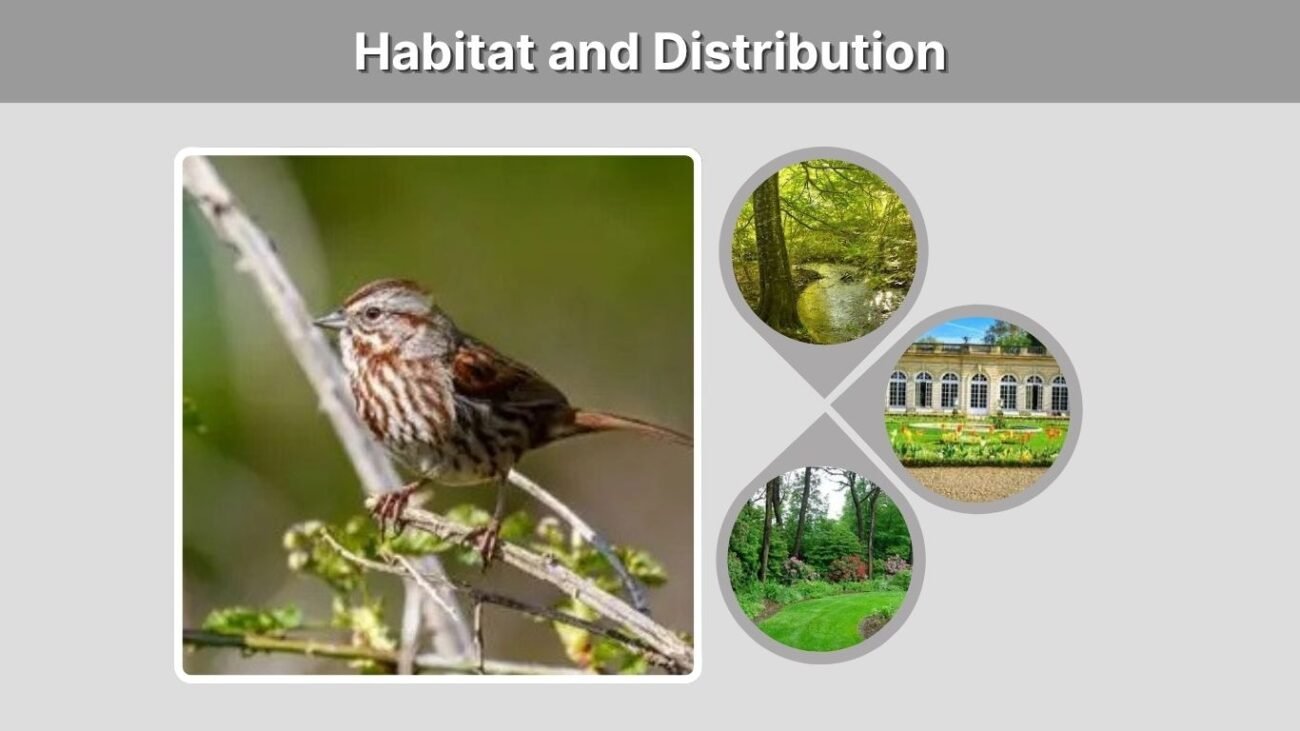
Song sparrow birds are highly adaptable. They can live in wild areas, suburban neighborhoods, farms, parks, wetlands, and forest edges. They prefer places with dense cover near open feeding areas.
You may find them near streams, marshes, hedgerows, weedy fields, brushy yards, and garden edges. They often stay close to low vegetation, where they can hide quickly from predators.
Common Places to See Song Sparrows
- Backyard shrubs and hedges
- Wetland edges and marshes
- Overgrown fields
- Roadside thickets
- Woodland borders
- Parks and gardens
- Streamside bushes
- Brush piles and weedy areas
Song sparrows are widespread in North America. In many areas, they are year-round residents. In colder northern regions, some migrate south during winter.
What Do Song Sparrow Birds Eat?
Song sparrows eat both seeds and insects. Their diet changes with the seasons. During fall and winter, they rely more heavily on seeds. During spring and summer, they eat more insects, especially when feeding young birds.
They often forage on or near the ground, scratching lightly through leaves, grass, and soil. Their short, strong bill helps them crack small seeds.
Common Foods
- Grass seeds
- Weed seeds
- Small berries
- Beetles
- Caterpillars
- Ants
- Flies
- Spiders
- Small grasshoppers
At backyard feeders, song sparrows may eat millet, cracked corn, and scattered seed on the ground. They usually prefer feeding close to cover rather than on exposed hanging feeders.
Song Sparrow Nesting and Baby Birds
Song sparrows usually nest low in dense vegetation. The nest may be placed in grass, shrubs, weeds, or low branches. Sometimes they nest directly on or near the ground, especially in thick cover.
The female builds the nest using grasses, leaves, bark strips, and other plant materials. The inside is often lined with finer grass and hair. The nest is usually hidden well to protect it from predators.
Nesting Facts
- Nest location: Low shrubs, grass, weeds, or ground cover
- Egg color: Pale with brown or reddish markings
- Clutch size: Usually 3–5 eggs
- Incubation: Mainly by the female
- Young birds: Fed by both parents
- Breeding season: Commonly spring through summer
Baby song sparrows are helpless when they hatch. They grow quickly and leave the nest after a short period, though parents continue feeding them for some time.
Do Song Sparrows Use Bird Houses?
Song sparrows generally do not use traditional bird houses. They are not cavity-nesting birds like bluebirds, chickadees, or wrens. Instead, they build open cup nests in dense vegetation.
If you want to attract song sparrows, focus on habitat rather than bird house plans. Provide shrubs, native grasses, brush piles, and seed-producing plants. A natural, slightly messy garden is often better for song sparrows than a perfectly cleared yard.
You can also attract them by leaving some leaf litter and planting native plants that support insects. This gives them food and cover.
Song Sparrow Behavior
Song sparrows are active, alert birds. They often stay hidden, but males become more noticeable when singing. A male may sing repeatedly from the same perch to defend territory and attract a mate.
They sometimes flick or pump their tails while moving through brush. When disturbed, they may fly low into cover rather than high into trees. Their behavior is one reason they are often heard before they are clearly seen.
During breeding season, males may show aggression toward other song sparrows. Around feeders, they may defend small feeding spots, though they are not usually as aggressive as some larger birds.
Birds Similar to Song Sparrows
Several birds look similar to song sparrows because many sparrows are brown and streaked. The best way to separate them is by looking at chest streaking, face pattern, habitat, and song.
| Similar Bird | How It Differs from Song Sparrow |
|---|---|
| Lincoln’s Sparrow | Finer chest streaks and buffy wash on chest |
| Savannah Sparrow | Often has yellow near the eye and shorter tail |
| Fox Sparrow | Larger, richer reddish-brown, heavier scratching behavior |
| White-throated Sparrow | White throat and yellow lores |
| Chipping Sparrow | Cleaner chest and rusty cap in breeding season |
| White-crowned Sparrow | Bold black-and-white head stripes |
Song sparrows usually have heavier chest streaking and a more rounded tail than many similar sparrows. Their musical song also helps confirm identification.
Are Sparrows Songbirds?
Yes, sparrows are songbirds. Songbirds belong to a large group of perching birds known for their vocal abilities. Not all sparrows have beautiful songs, but many species sing to defend territory and attract mates.
The song sparrow is one of the best examples of a true songbird because its song is loud, varied, and easy to hear. House sparrows are also songbirds, although their sounds are usually simpler chirps and chatter rather than complex musical songs.
How to Attract Song Sparrow Birds
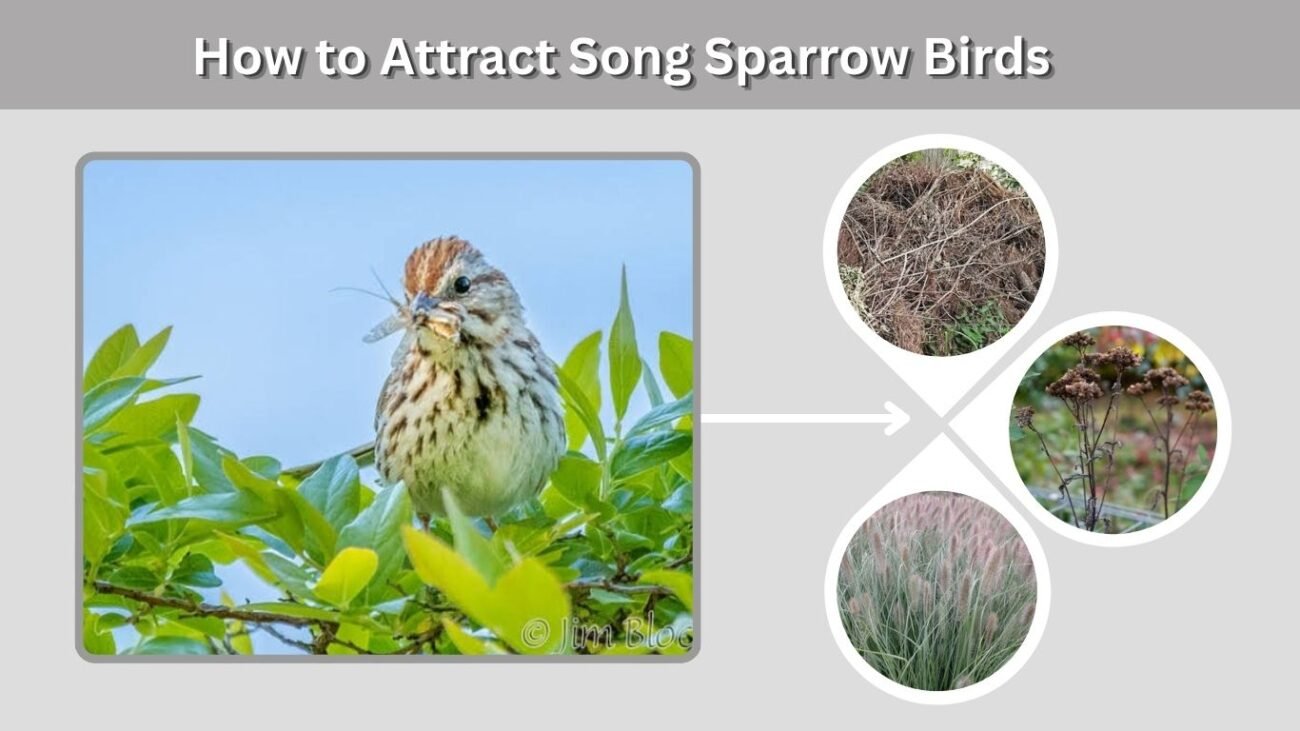
Attracting song sparrows is mostly about creating the right habitat. These birds like cover, seeds, and insects. A yard with native plants, shrubs, and natural edges can be very appealing.
Tips to Attract Song Sparrows
- Plant native grasses and shrubs
- Leave some seed heads standing in winter
- Avoid removing all leaf litter
- Add brush piles for cover
- Offer millet or mixed seed on the ground
- Keep cats indoors to protect ground-feeding birds
- Avoid heavy pesticide use
Song sparrows are more likely to visit yards that feel safe. Dense cover near feeding areas is especially important.
Song Sparrow Bird Facts
Song sparrows are common, but they are still fascinating. Their songs vary by region and individual. Some males can learn and repeat several song types, making them interesting birds for birdwatchers.
They are also very adaptable. Unlike some birds that need very specific habitat, song sparrows can live in many places as long as they have cover, food, and nesting sites.
Quick Facts
- Song sparrows are named for their rich, varied song.
- Males sing to defend territory and attract females.
- They often feed on the ground.
- They eat seeds in winter and insects in breeding season.
- They usually nest low in dense vegetation.
- They are widespread across North America.
- Their appearance can vary by region.
FAQs
What does a song sparrow bird look like?
A song sparrow is a small brown bird with streaked upperparts, a pale belly, and heavy brown streaks on the chest. Many have a dark central breast spot. They also show a patterned face with gray and brown stripes.
What does a song sparrow bird call sound like?
The full song usually starts with clear notes, followed by trills and musical phrases. The call is shorter and sharper, often used as an alarm or contact note. Their song can vary between individual birds and regions.
Are song sparrows good backyard birds?
Yes, song sparrows are excellent backyard birds. They eat weed seeds and insects, and their songs add natural sound to gardens. They are most likely to visit yards with shrubs, native plants, brushy edges, and ground seed.
Do song sparrows live in bird houses?
No, song sparrows usually do not use bird houses. They are open-cup nesters and prefer nesting low in shrubs, grasses, weeds, or thick vegetation. To attract them, create natural cover instead of installing nest boxes.
What is the difference between a song sparrow and a house sparrow?
A song sparrow is streakier, especially on the chest, and has a more musical song. A house sparrow has a chunkier shape, plainer underparts, and different head markings. House sparrows often live around buildings, while song sparrows prefer brushy cover.