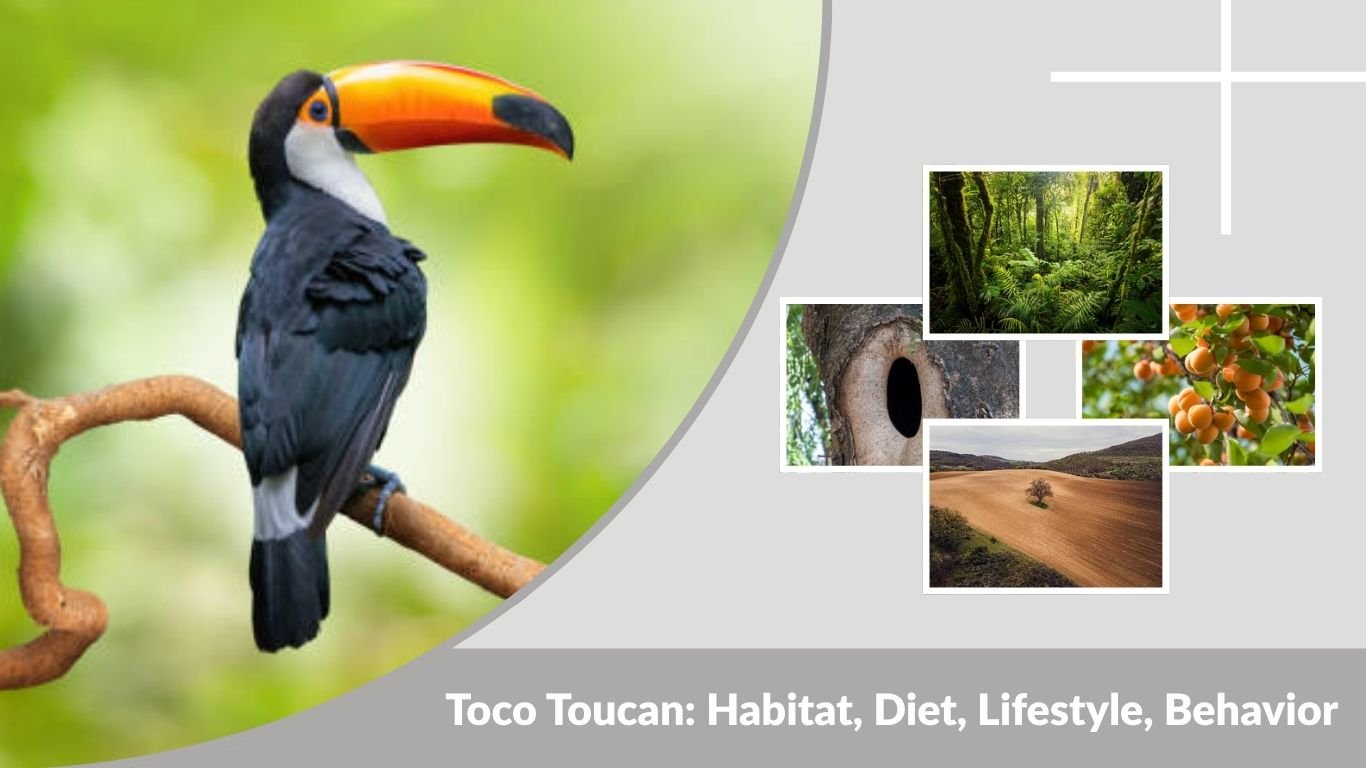
The toco toucan (Ramphastos toco) is one of the most recognizable birds in the world, famous for its oversized, colorful beak and striking appearance. Native to South America, this bird thrives in warm regions with scattered trees and open landscapes. Unlike many other toucans, it prefers savannas and forest edges rather than dense rainforests. Its unique physical features, social behavior, and ecological importance make it a fascinating subject for bird enthusiasts and researchers alike. Learning about this species helps us better understand tropical ecosystems.
What Is a Toco Toucan?
The toco toucan is the largest species in the toucan family, known scientifically as Ramphastos toco. It belongs to the family Ramphastidae, which includes several brightly colored birds found in Central and South America.
This species stands out because of its massive beak and bold coloration. Despite its size, the bird is surprisingly agile and well-adapted to its environment. Toco toucans are often seen perched in trees or moving in small groups, making them easier to observe than more secretive birds.
Toco Toucans Physical Characteristics
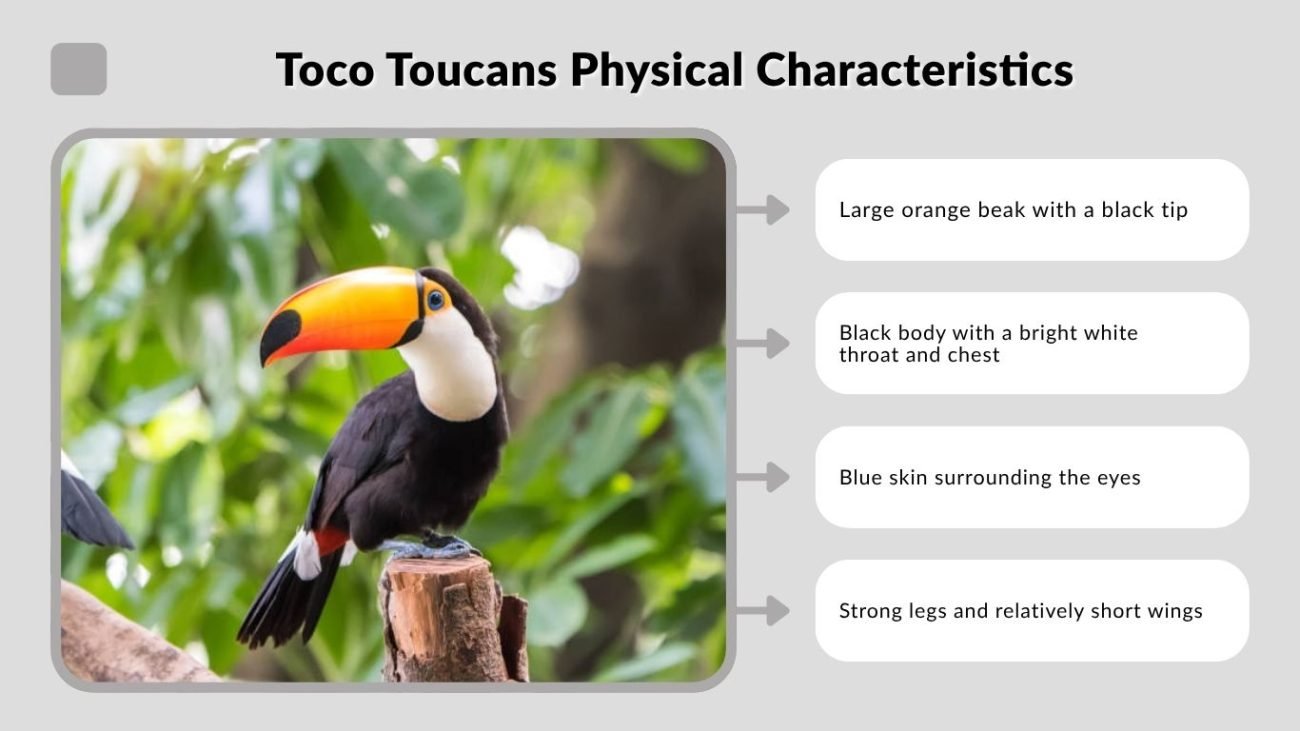
The toco toucan has a distinctive appearance that makes it easy to identify even from a distance. Its combination of color and structure is both visually striking and functionally important.
Key Identification Features
- Large orange beak with a black tip
- Black body with a bright white throat and chest
- Blue skin surrounding the eyes
- Strong legs and relatively short wings
These features not only help in identification but also play a role in survival. The beak, for example, is not as heavy as it looks and serves multiple purposes in feeding and thermoregulation.
Toco Toucans Habitat and Distribution
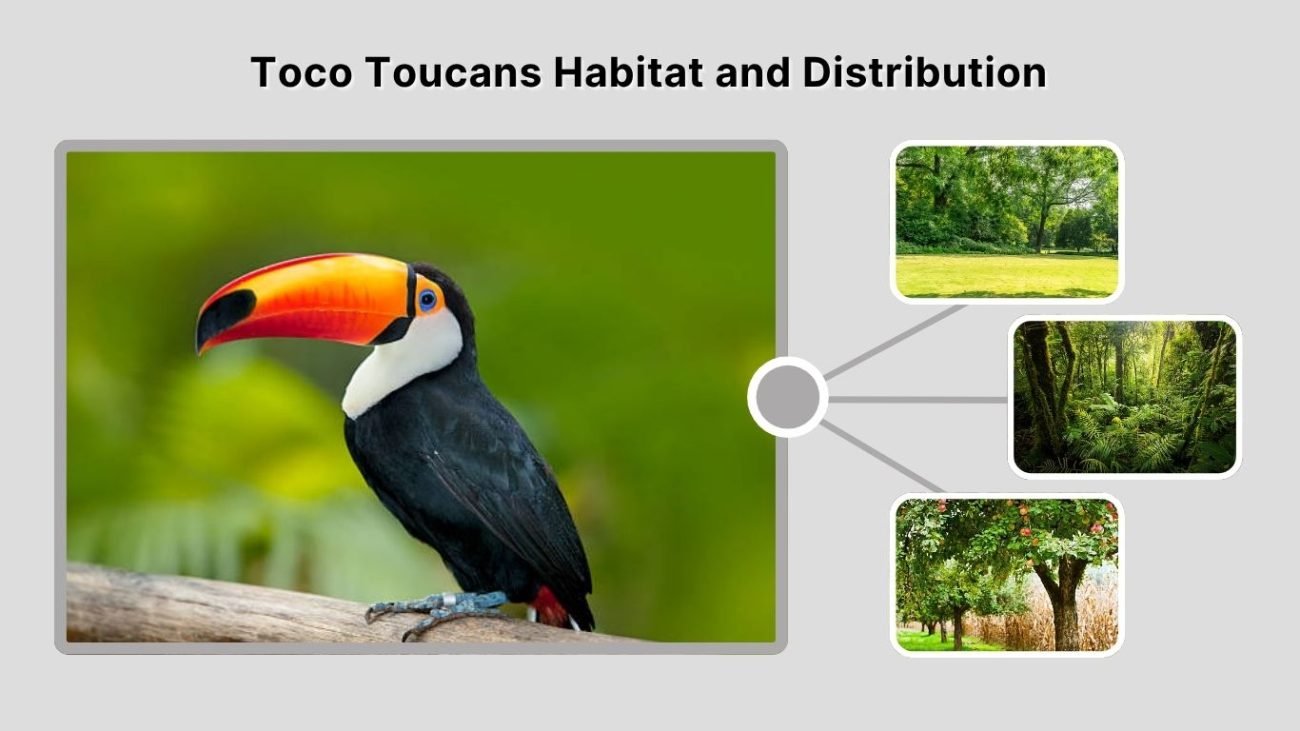
Toco toucans are widely distributed across South America and are especially common in Brazil. They prefer habitats that offer both food and open space for movement.
Habitat Preferences
- Open woodlands and savannas
- Forest edges rather than dense jungle
- Areas with abundant fruit-bearing trees
This preference for less dense environments makes them different from many other tropical birds. They are often found near rivers, grasslands, and lightly wooded regions where they can easily access food.
Toco Toucan’s Diet and Feeding Behavior
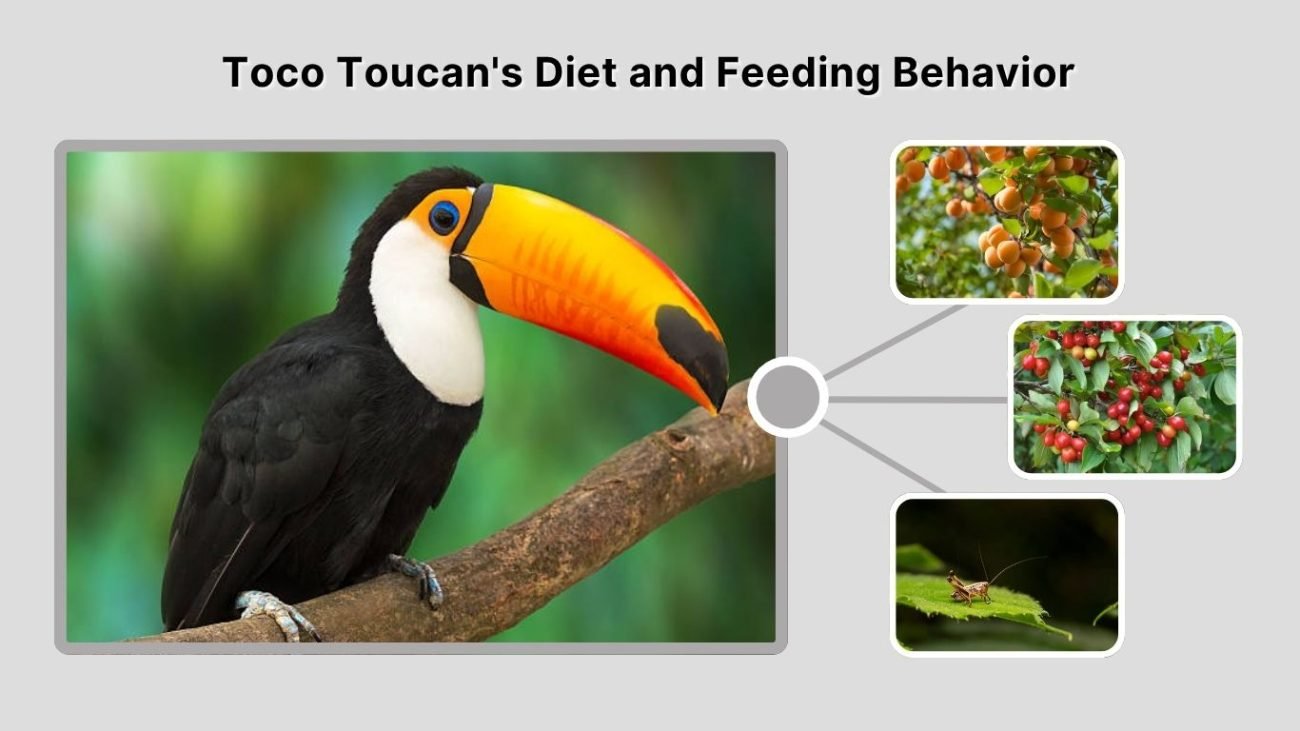
The toco toucan is primarily a fruit-eating bird, but its diet is more varied than it may seem. Its feeding habits play an important role in maintaining the balance of its ecosystem.
What Does a Toco Toucan Eat?
- A wide variety of fruits and berries
- Insects and small invertebrates
- Eggs and chicks of other birds
- Occasionally small reptiles
Using its long beak, the toucan can reach fruits on thin branches that cannot support its body weight. It often plucks food and tosses it into the air before swallowing, a behavior that is both efficient and characteristic of the species.
Toco Toucans Behavior and Lifestyle
Toco toucans are social and active birds, often seen in small groups. They are diurnal, meaning they are most active during the day. Their loud calls can be heard across their habitat, helping them communicate with other members of their group.
These birds are known for their playful and curious nature. They spend much of their time hopping between branches, searching for food, and interacting with other toucans. Despite their bright appearance, they rely on trees and foliage for safety from predators.
Unique Adaptations
The toco toucan has several adaptations that allow it to survive and thrive in its environment.
Specialized Features
- Lightweight beak made of keratin and air pockets
- Beak helps regulate body temperature in hot climates
- Strong bill used for defense and feeding
- Zygodactyl feet (two toes forward, two backward) for gripping branches
These adaptations make the toco toucan highly efficient in both movement and survival. Its beak, in particular, is one of the most remarkable features in the bird world, combining size, strength, and versatility.
Toco Toucans Breeding and Life Cycle
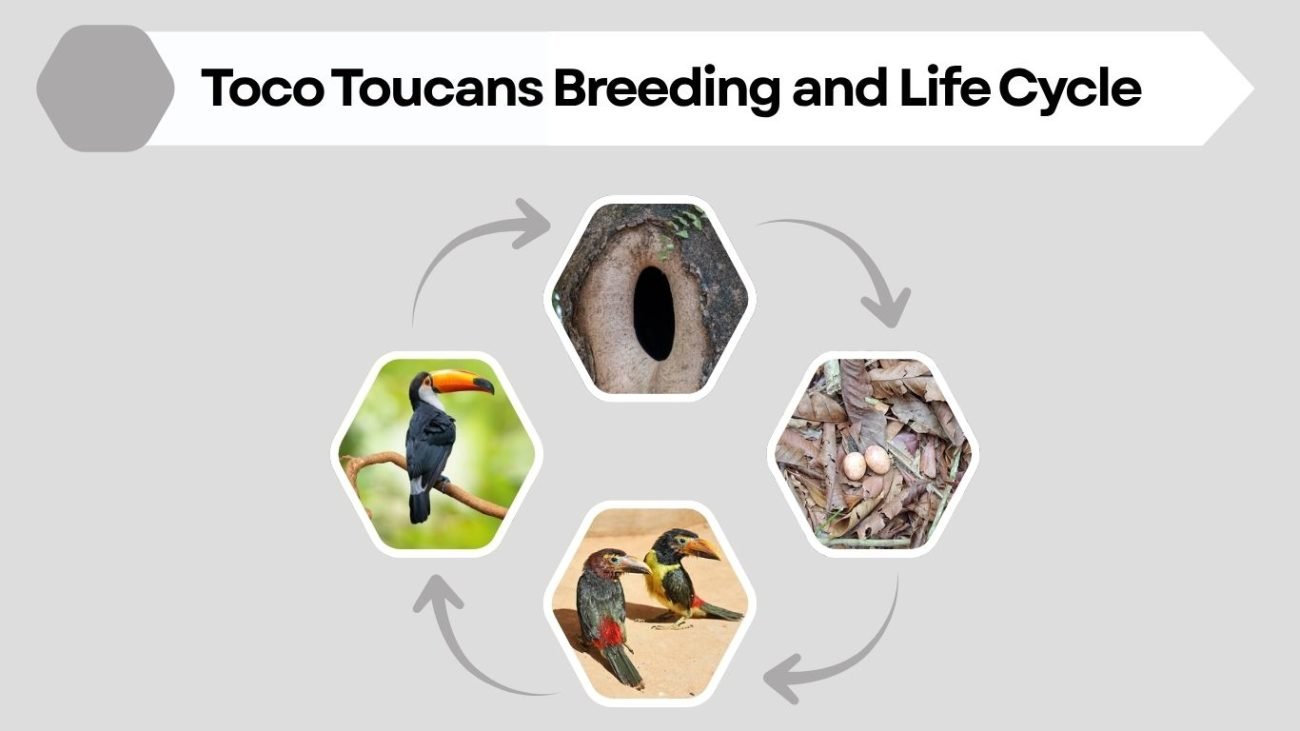
Toco toucans follow a seasonal breeding cycle that ensures the best chances of survival for their young. They usually nest in natural tree cavities, often reusing old holes created by woodpeckers. Both parents take part in raising the chicks, showing strong cooperative behavior.
Nesting Behavior
- Nests are built inside hollow tree trunks
- Breeding pairs often return to the same nesting site
- Nests are kept simple with minimal materials
Egg and Chick Development
- Females lay around 2 to 4 eggs per clutch
- Incubation lasts about 16–20 days
- Chicks hatch blind and without feathers
- Both parents feed and protect the young
As the chicks grow, they quickly develop feathers and strength. Within a few weeks, they begin exploring their surroundings before eventually leaving the nest.
Toco Toucans Predators and Threats
Toco toucans face several natural and environmental threats. In the wild, they must remain alert to avoid predators that target both adults and young birds.
Natural Predators
- Birds of prey such as hawks and eagles
- Snakes that raid nests
- Mammals like monkeys and wild cats
Human-Related Threats
- Deforestation reducing habitat
- Illegal wildlife trade in some regions
- Environmental changes affecting food supply
Understanding these threats is important for protecting the species and ensuring stable populations in the future.
Toco Toucan vs Keel-Billed Toucan
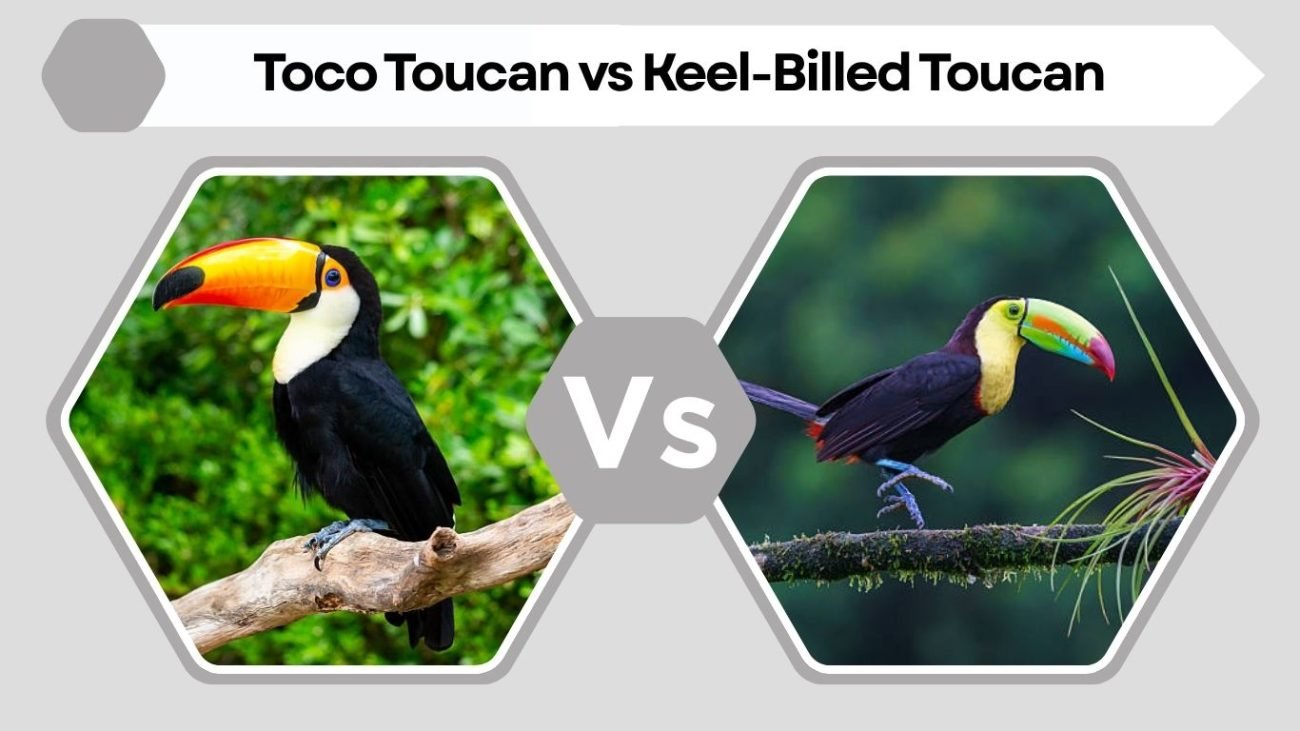
Although both species belong to the same family, they differ in several noticeable ways. These differences help birdwatchers and researchers identify them in the wild.
Key Differences
- Toco toucan is larger and bulkier
- Keel-billed toucan has a more colorful, rainbow-like beak
- Toco prefers open habitats, while keel-billed lives in dense forests
- Differences in geographic range and behavior
Scientific Comparison
- Toco toucan: Ramphastos toco
- Keel-billed toucan: Ramphastos sulfuratus
Conservation Status
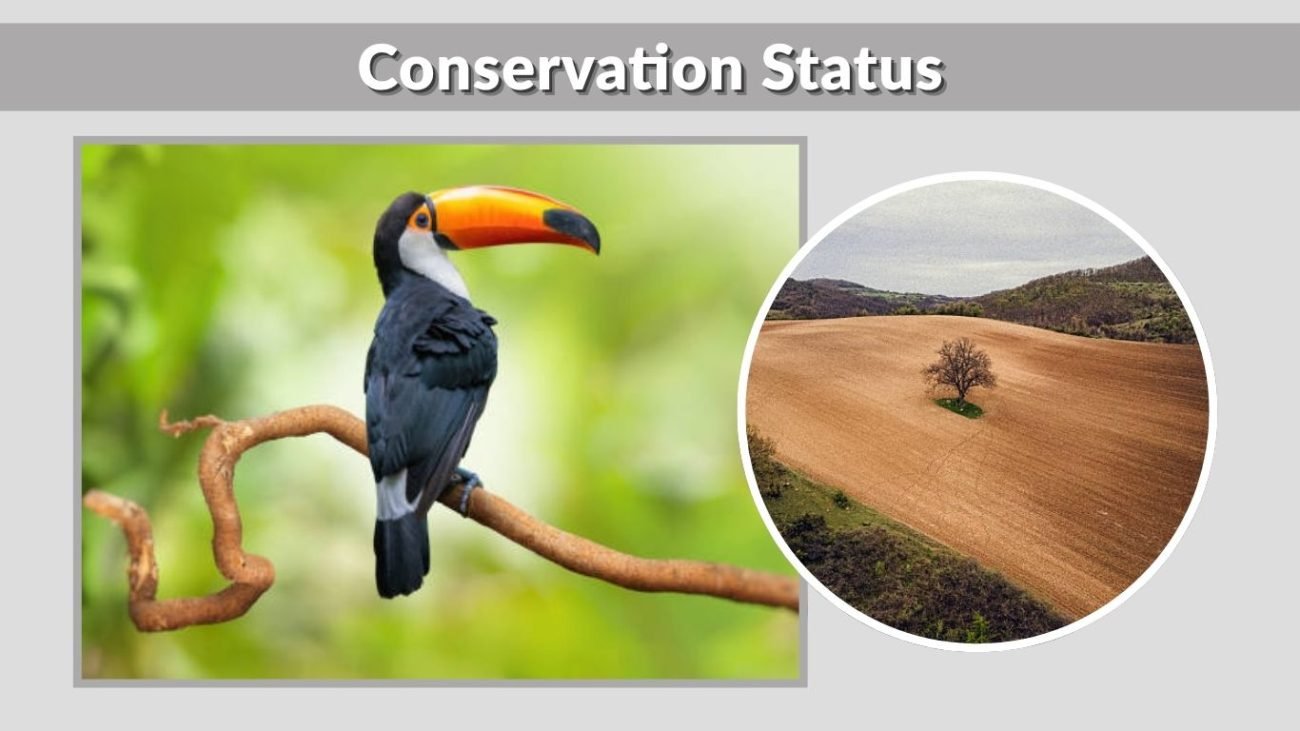
The toco toucan is currently not considered endangered, but its survival still depends on healthy ecosystems. Habitat destruction is the biggest concern, especially in regions where forests are cleared for agriculture or development.
Conservation efforts focus on preserving natural habitats and promoting awareness about the importance of biodiversity. Protecting tree cover and maintaining ecological balance helps ensure that toco toucans continue to thrive in the wild.
Interesting Facts About Toco Toucans
Toco toucans are full of unique and fascinating traits that make them stand out among birds.
- The beak can be nearly one-third of the bird’s total length
- Despite its size, the beak is very light
- They play a key role in spreading seeds across forests
- Their calls are loud and can travel long distances
These facts highlight how important and unique this species is within its ecosystem.
FAQs
What does a toco toucan eat?
Toco toucans mainly eat fruits, but they also consume insects, eggs, and small animals. This varied diet helps them survive in different environments and also supports forest ecosystems through seed dispersal.
Where do toco toucans live?
They are native to South America, especially in countries like Brazil, Paraguay, and Bolivia. They prefer open woodlands, savannas, and forest edges rather than dense rainforests.
How big is a toco toucan?
Toco toucans can grow up to about 60–65 cm in length. Their large beak makes them appear even bigger, although it is lightweight and specially adapted for feeding.
Is the toco toucan endangered?
No, the toco toucan is not currently endangered. However, habitat loss due to deforestation can affect local populations, making conservation efforts important.
What makes the toco toucan’s beak special?
The beak is large yet lightweight and serves multiple purposes, including feeding, defense, and regulating body temperature. It is one of the most distinctive features of the bird.