










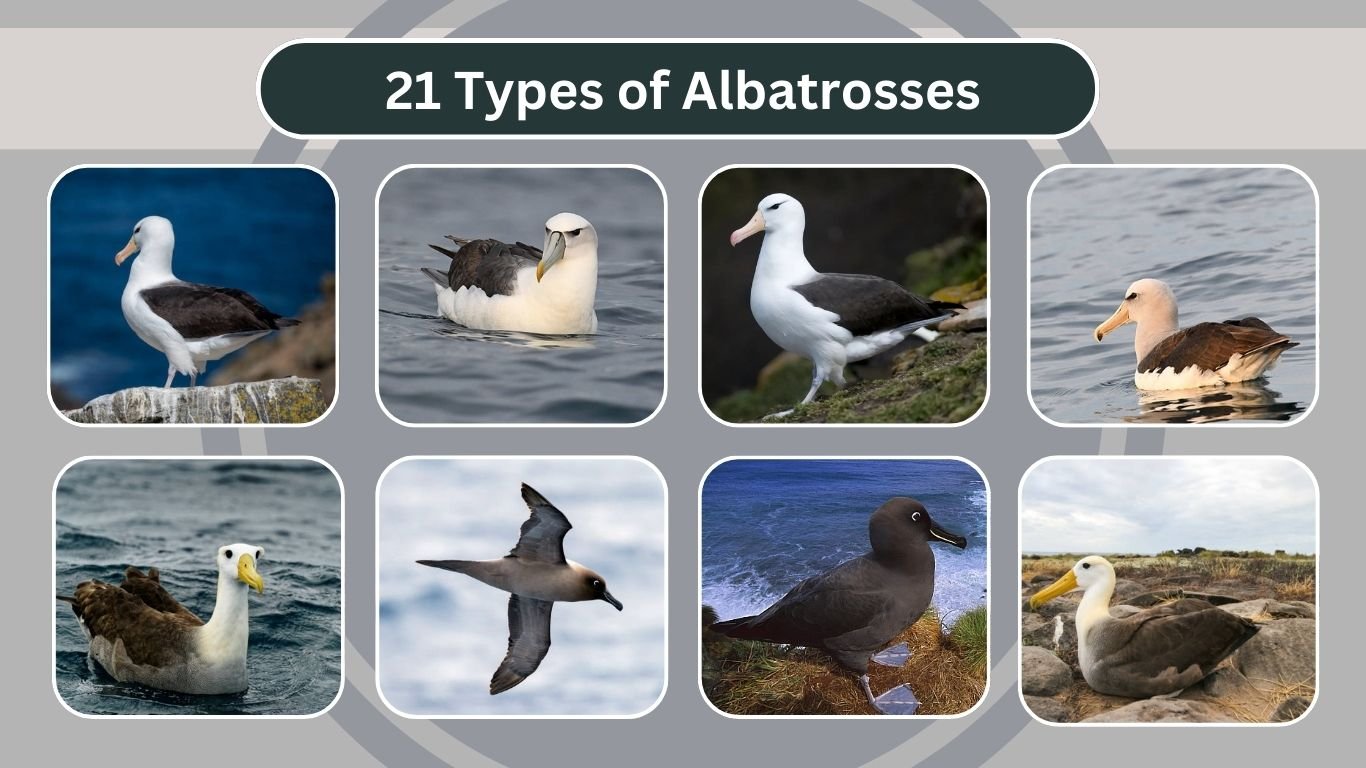
Albatrosses are among the most iconic seabirds on Earth, admired for their incredible wingspans, long-distance migrations, and graceful flight over vast oceans. Found mainly in the Southern Hemisphere, with a few species in the North Pacific and the tropics, these birds spend most of their lives soaring above open waters.
This guide introduces 21 types of albatrosses, highlighting their unique features, habitats, and behaviors, showcasing why they are considered true masters of the sea.
1. Wandering Albatross

The Wandering Albatross (Diomedea exulans) is the largest living seabird, renowned for its massive wingspan, which can reach up to 12 feet (3.6 meters). Known as masters of the open ocean, these birds can glide for hours without flapping their wings, traveling thousands of miles across the Southern Ocean. Their long life span, majestic flight, and oceanic lifestyle make them one of the most iconic seabirds in the world.
Identification
- Size: Body length 3.5–4.5 feet (107–135 cm)
- Wingspan: 8–12 feet (2.5–3.6 m), the longest of any bird
- Color: Adults are mostly white with black wing tips; juveniles are darker brown, gradually turning white with age
- Bill: Large, pale pink with a hooked tip
- Legs: Pale pinkish, webbed feet
Habitat and Range
Wandering Albatrosses breed on remote islands in the Southern Ocean, including South Georgia, Crozet, Kerguelen, and Prince Edward Islands. They spend most of their lives soaring over open oceans, rarely approaching land except to breed.
Behavior and Diet
These albatrosses feed mainly on squid, fish, and crustaceans, often scavenging from the ocean surface. They are monogamous, forming lifelong pair bonds and breeding only once every two years due to their long chick-rearing period. Their flight efficiency and oceanic range symbolize freedom and endurance.
2. Tristan Albatross
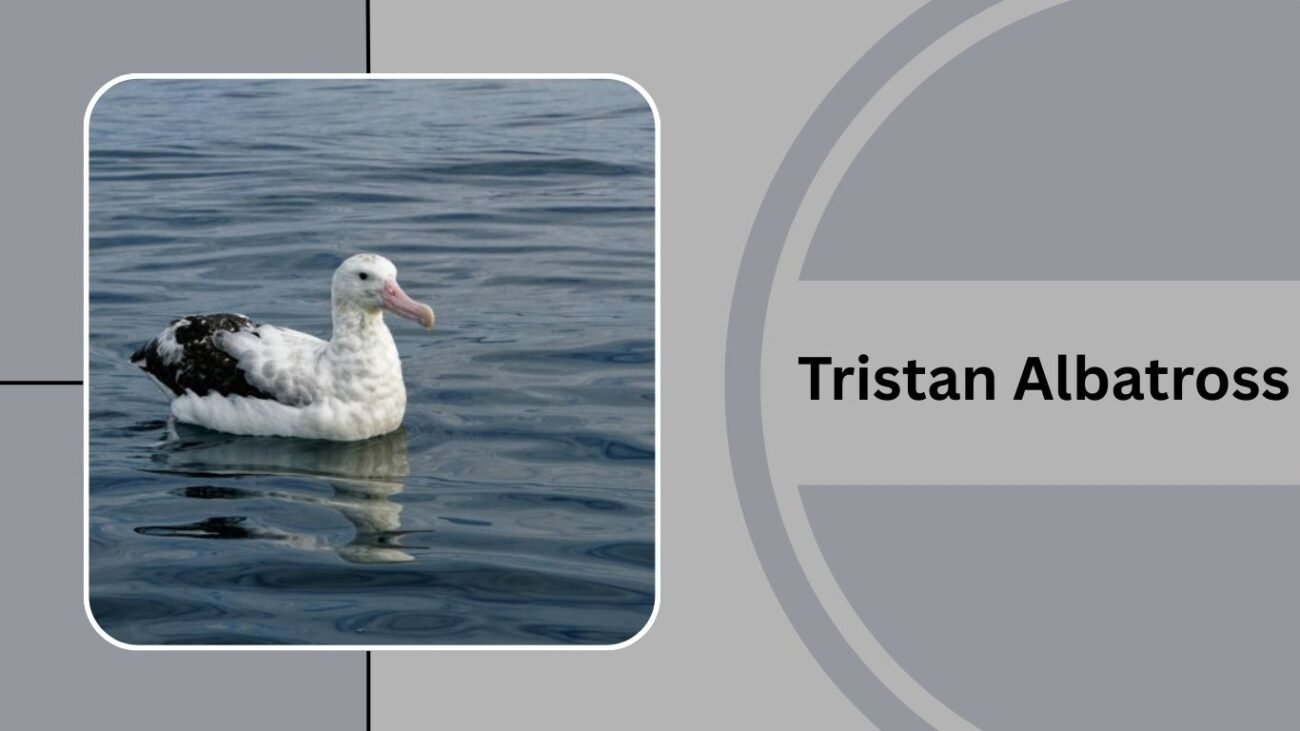
The Tristan Albatross (Diomedea dabbenena) is a critically endangered species, closely related to the Wandering Albatross but slightly smaller. It is mainly confined to Gough Island in the South Atlantic, making it one of the most range-restricted albatrosses.
Identification
- Size: Body length 3.3–4 feet (100–122 cm)
- Wingspan: 8–10.5 feet (2.5–3.2 m)
- Color: Adults are mostly white with black on the upper wings; juveniles are darker brown before whitening with age
- Bill: Large, pale pink with hooked tip
- Legs: Pinkish, webbed feet
Habitat and Range
Tristan Albatrosses breed almost exclusively on Gough Island, with small numbers possibly nesting on Inaccessible Island. At sea, they range widely across the South Atlantic and Southern Ocean.
Behavior and Diet
They forage mainly on squid and fish, using surface-seizing and scavenging techniques. They breed biennially, with very low reproductive success due to predation on chicks by invasive mice on Gough Island.
3. Antipodean Albatross
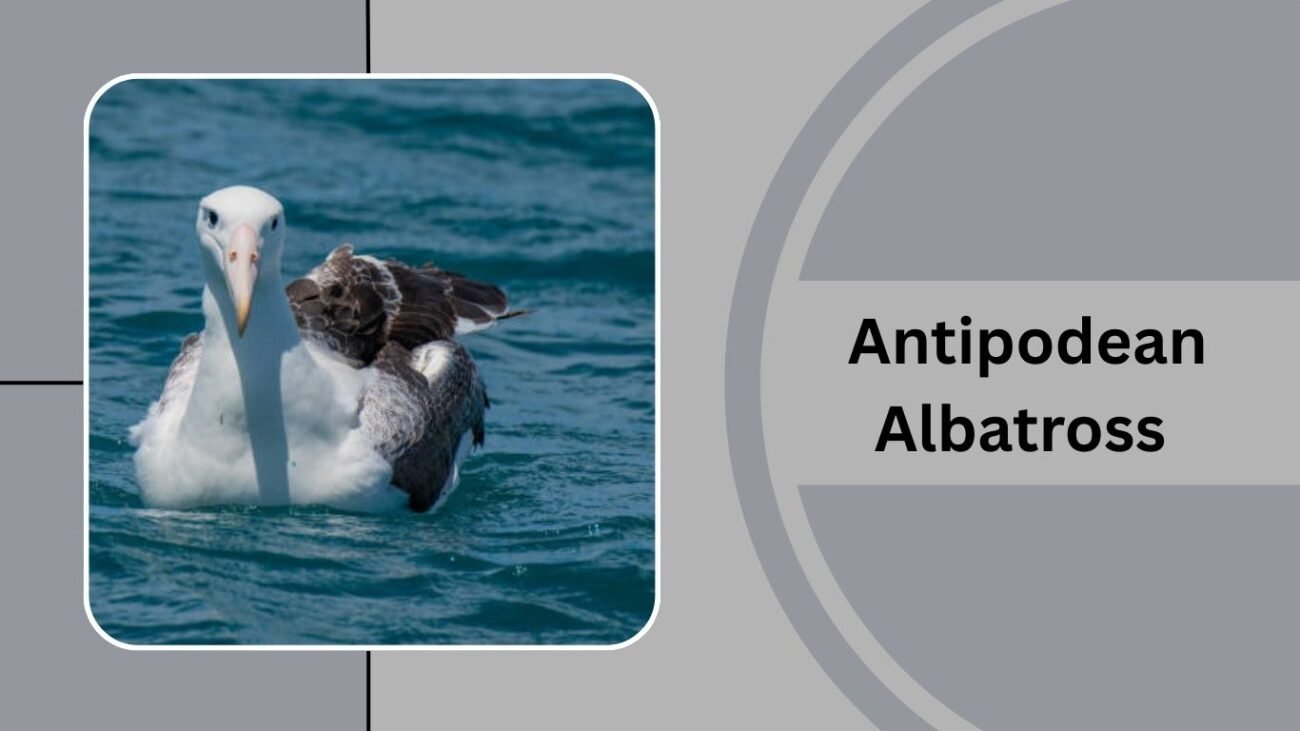
The Antipodean Albatross (Diomedea antipodensis) is another large albatross species, found mainly around New Zealand’s subantarctic islands. It is very similar to the Wandering Albatross but has slightly shorter wings and darker plumage.
Identification
- Size: Body length 3.3–4.3 feet (100–130 cm)
- Wingspan: 8–10 feet (2.5–3.1 m)
- Color: Generally darker than the Wandering Albatross; mottled brown upperparts and white underparts
- Bill: Pale pink with a strong hook
- Legs: Pale pink, webbed feet
Habitat and Range
They breed on the Antipodes Islands, Campbell Island, and Auckland Islands of New Zealand. When not breeding, they roam the South Pacific Ocean, sometimes reaching as far as South America and Australia.
Behavior and Diet
Antipodean Albatrosses feed mainly on squid and fish, occasionally scavenging from fishing vessels. They form lifelong pairs and breed every two years, investing heavily in chick rearing. Conservation concerns include longline fishing, which poses a major threat to their survival.
4. Southern Royal Albatross
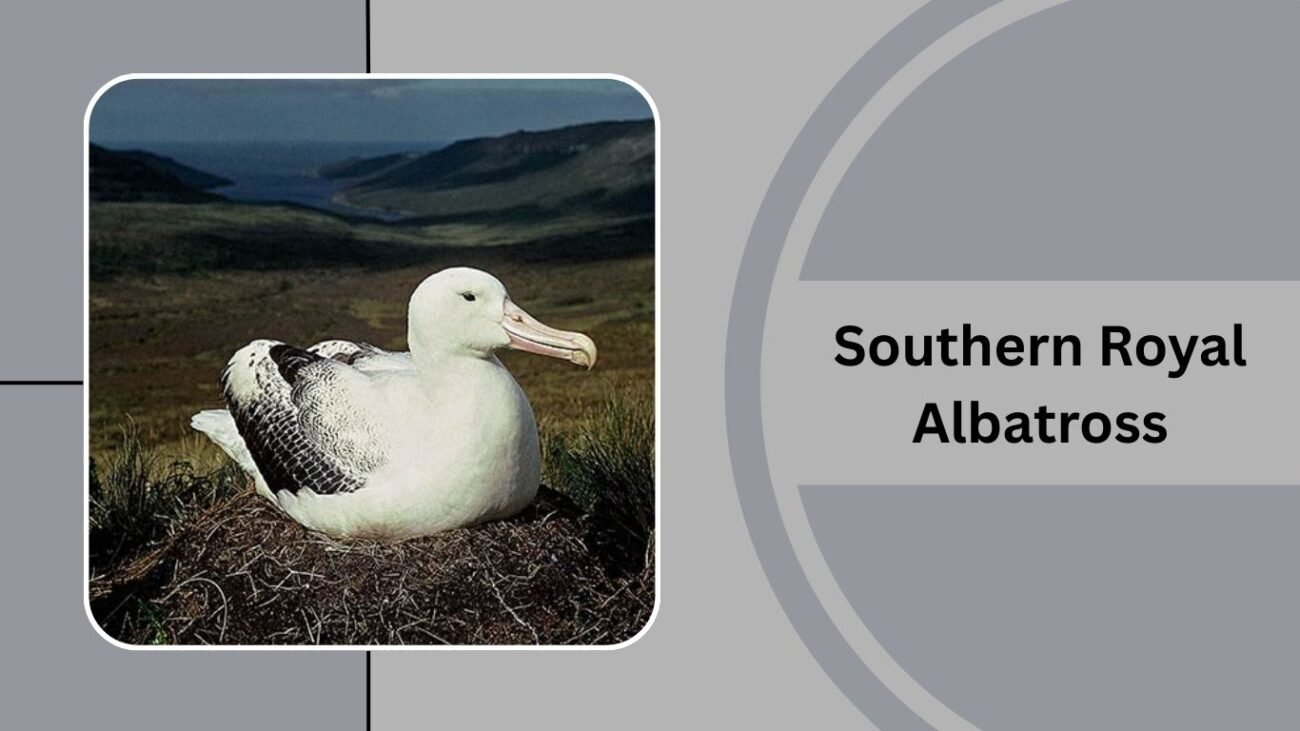
The Southern Royal Albatross (Diomedea epomophora) is one of the largest seabirds, rivaling the Wandering Albatross in wingspan. Known for its majestic flight and almost entirely white plumage, it is a spectacular sight over the Southern Ocean.
Identification
- Size: Body length 3.5–4.5 feet (115–125 cm)
- Wingspan: 9–11 feet (2.9–3.5 m)
- Color: Adults mostly white with some black on the wings; juveniles have more dark mottling
- Bill: Large, pale pink with a hooked tip
- Legs: Pale pink, webbed
Habitat and Range
They breed mainly on Campbell Island and the Auckland Islands of New Zealand. At sea, they roam the Southern Ocean widely, covering vast distances in search of food.
Behavior and Diet
Southern Royal Albatrosses feed on squid, fish, and crustaceans, often by surface-seizing or shallow dives. They are monogamous, breeding every two years, and are vulnerable to fishing bycatch and habitat disturbance at nesting sites.
5. Northern Royal Albatross
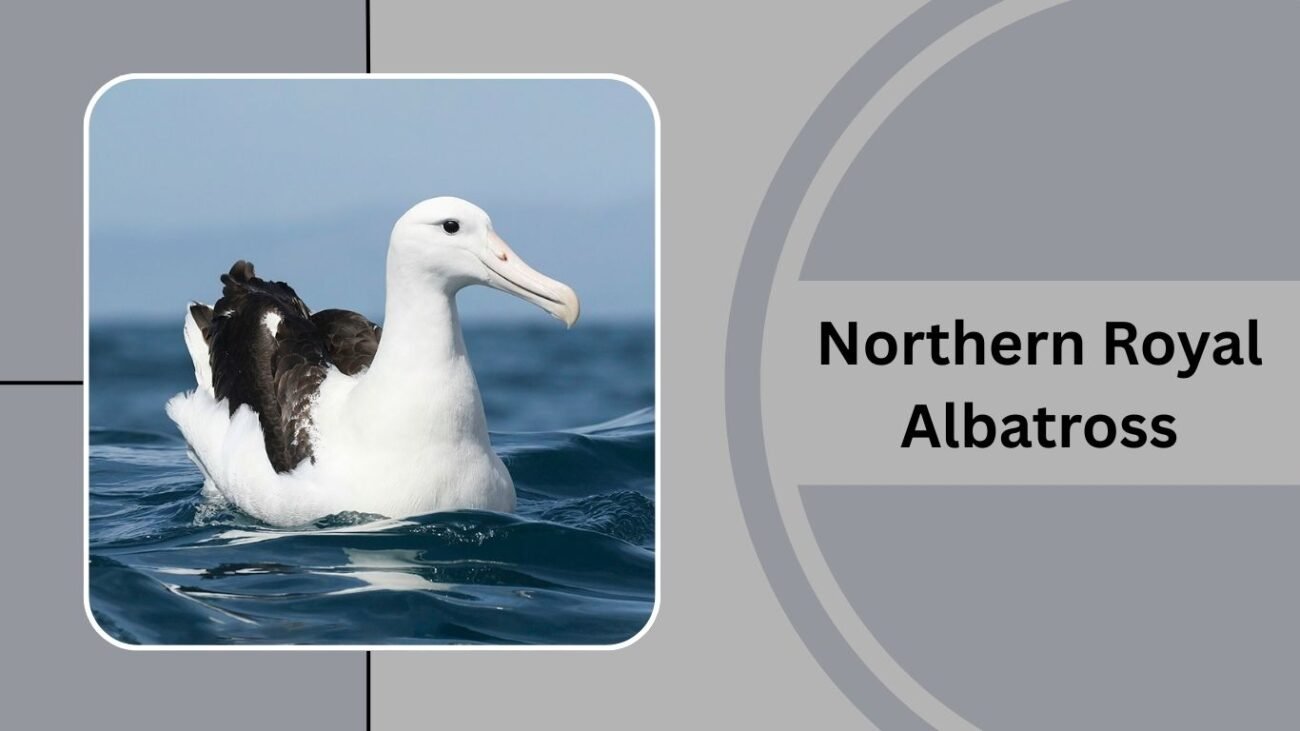
The Northern Royal Albatross (Diomedea sanfordi) is a close relative of the Southern Royal Albatross, but it is more restricted in range. This species is particularly famous for breeding at Taiaroa Head near Dunedin, New Zealand — the only mainland albatross colony in the Southern Hemisphere.
Identification
- Size: Body length 3.3–4.2 feet (105–120 cm)
- Wingspan: 9–11 feet (2.9–3.3 m)
- Color: Mostly white with dark markings on upper wings, especially in younger birds
- Bill: Large, pale pink with a hooked tip
- Legs: Pink, webbed
Habitat and Range
They breed mainly on the Chatham Islands and at Taiaroa Head in New Zealand. When not breeding, they range widely across the Southern Ocean and South Pacific.
Behavior and Diet
Northern Royal Albatrosses feed on squid, fish, and other marine life, often scavenging at the ocean surface. Like other great albatrosses, they breed biennially and form lifelong pair bonds. Conservation challenges include fishing bycatch and severe storms that can damage breeding colonies.
6. Amsterdam Albatross
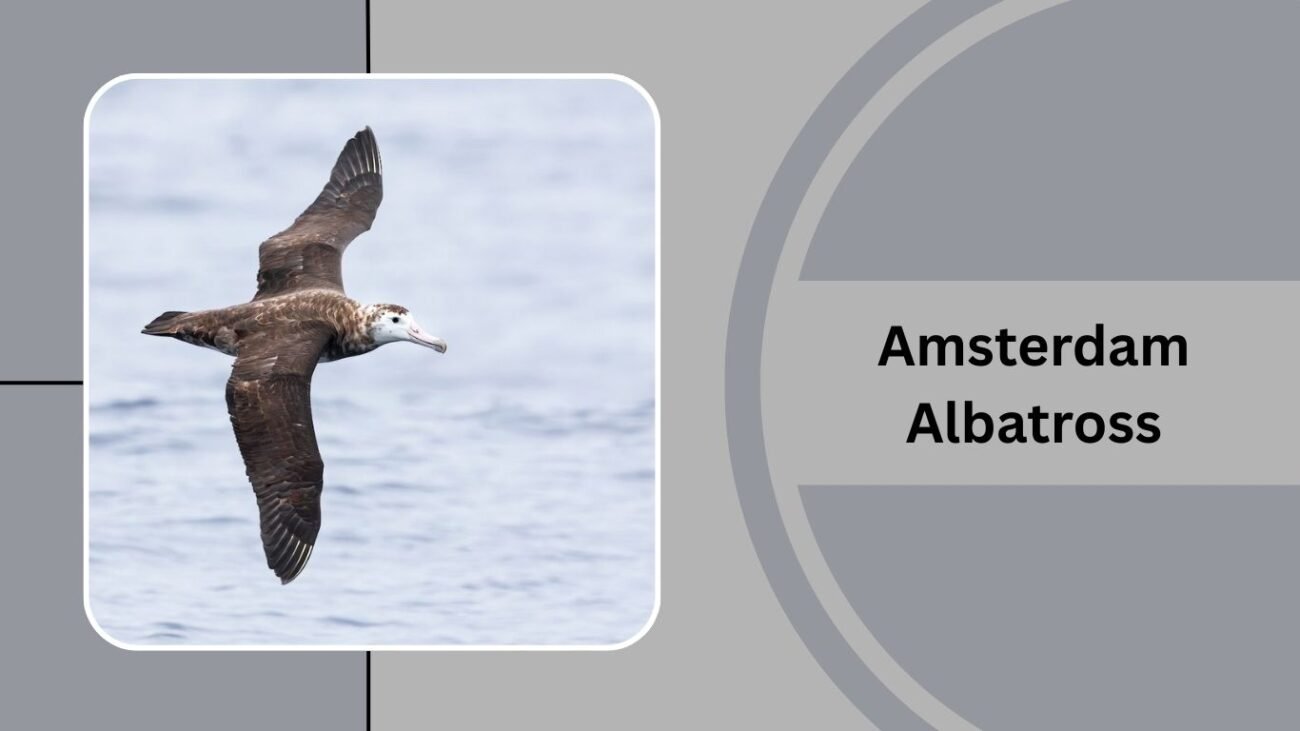
The Amsterdam Albatross (Diomedea amsterdamensis) is one of the rarest albatrosses in the world, with only a small breeding population confined to Amsterdam Island in the southern Indian Ocean. It is critically endangered and closely related to the Wandering Albatross group.
Identification
- Size: Body length 3.5–4.2 feet (107–122 cm)
- Wingspan: 8.5–11 feet (2.8–3.4 m)
- Color: Dark brown plumage with contrasting white face, throat, and underparts; adults become paler with age
- Bill: Large, pale pink with dark tip
- Legs: Pale pink, webbed
Habitat and Range
This species breeds only on Amsterdam Island, where volcanic plateaus and open moorlands provide nesting grounds. At sea, they roam widely across the southern Indian Ocean.
Behavior and Diet
Amsterdam Albatrosses feed mostly on squid, fish, and crustaceans, often captured at the surface. They are long-lived and breed every two years, forming lifelong pair bonds. Their biggest threats are fishing bycatch and the very small size of their population, which makes them vulnerable to environmental changes.
7. Laysan Albatross
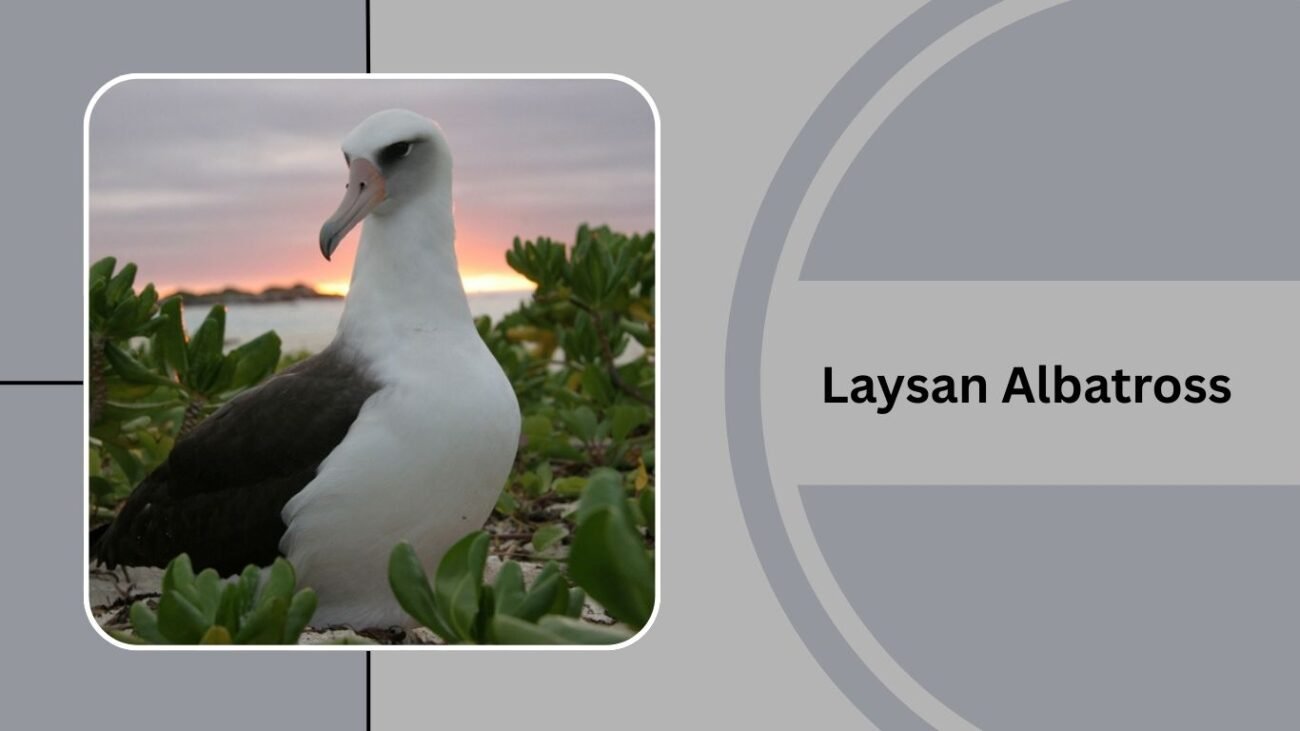
The Laysan Albatross (Phoebastria immutabilis) is a large seabird of the North Pacific, best known for its spectacular courtship dances and immense breeding colonies in Hawaii. It is one of the most studied albatross species.
Identification
- Size: Body length 2.5–3 feet (79–81 cm)
- Wingspan: 6–7.5 feet (1.9–2.3 m)
- Color: White head, neck, and underparts; dark gray-brown upper wings and back; dark eye patch
- Bill: Pinkish with dark tip, slender and long
- Legs: Pinkish, webbed
Habitat and Range
They breed mainly in the Northwestern Hawaiian Islands, with colonies also on Midway, Laysan, and other Pacific islands. Outside the breeding season, they range widely across the North Pacific Ocean.
Behavior and Diet
Laysan Albatrosses feed on squid, fish, and crustaceans, often seizing prey at the surface. They are famous for their elaborate mating dances, which include synchronized head bobbing, bill clacking, and sky-pointing. Although they were once threatened by feather hunting, conservation efforts have helped stabilize their numbers.
8. Black-footed Albatross
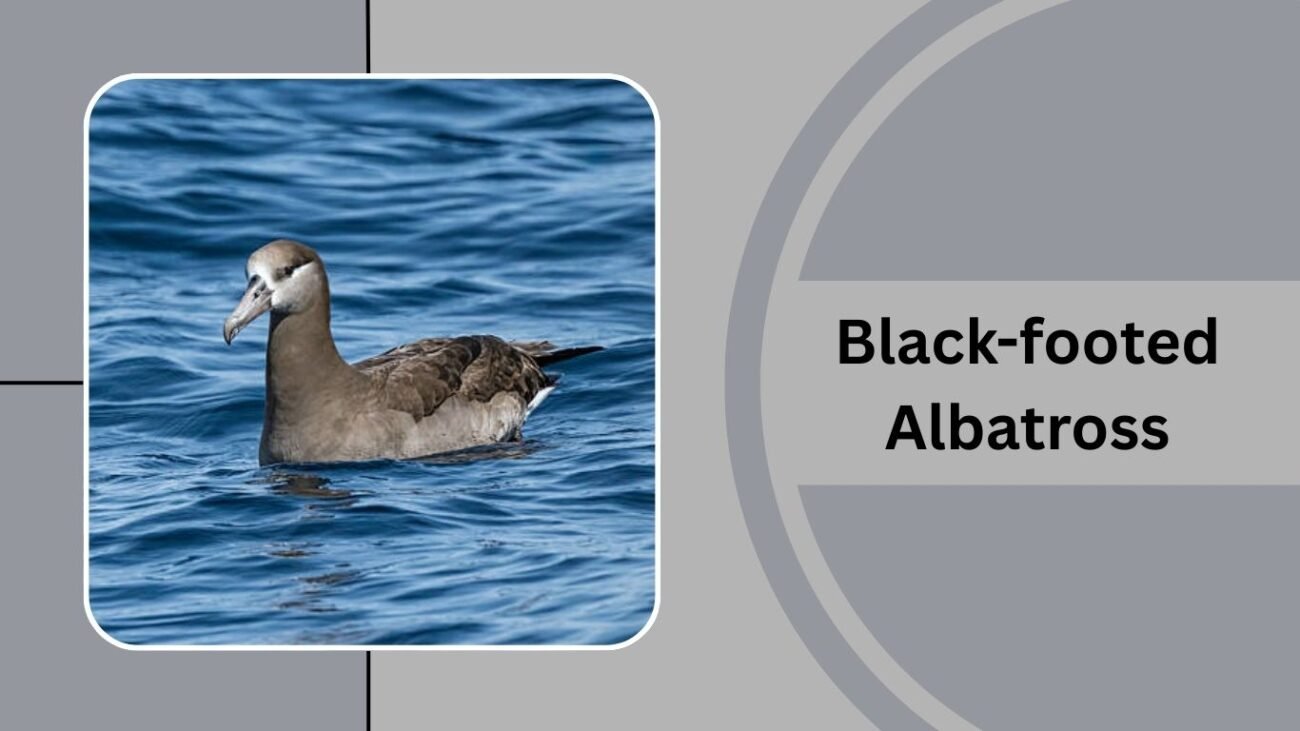
The Black-footed Albatross (Phoebastria nigripes) is a striking dark-plumaged albatross of the North Pacific. Unlike most albatrosses, it has mainly sooty-brown feathers, making it easy to distinguish at sea.
Identification
- Size: Body length 2.5–3 feet (71–84 cm)
- Wingspan: 6–7.5 feet (1.8–2.3 m)
- Color: Dark brown overall with some white at the base of the bill and around the undertail
- Bill: Large, dark gray to black
- Legs: Black, webbed
Habitat and Range
They breed mainly in the Hawaiian Islands, especially Midway and Laysan, as well as on some Japanese islands. When not breeding, they range widely across the North Pacific, often near the U.S. West Coast.
Behavior and Diet
Black-footed Albatrosses feed on squid, flying fish eggs, and crustaceans, often scavenging around fishing vessels. Like other albatrosses, they perform complex courtship dances and form lifelong pairs. Conservation concerns include plastic ingestion and bycatch in longline fisheries.
9. Short-tailed Albatross
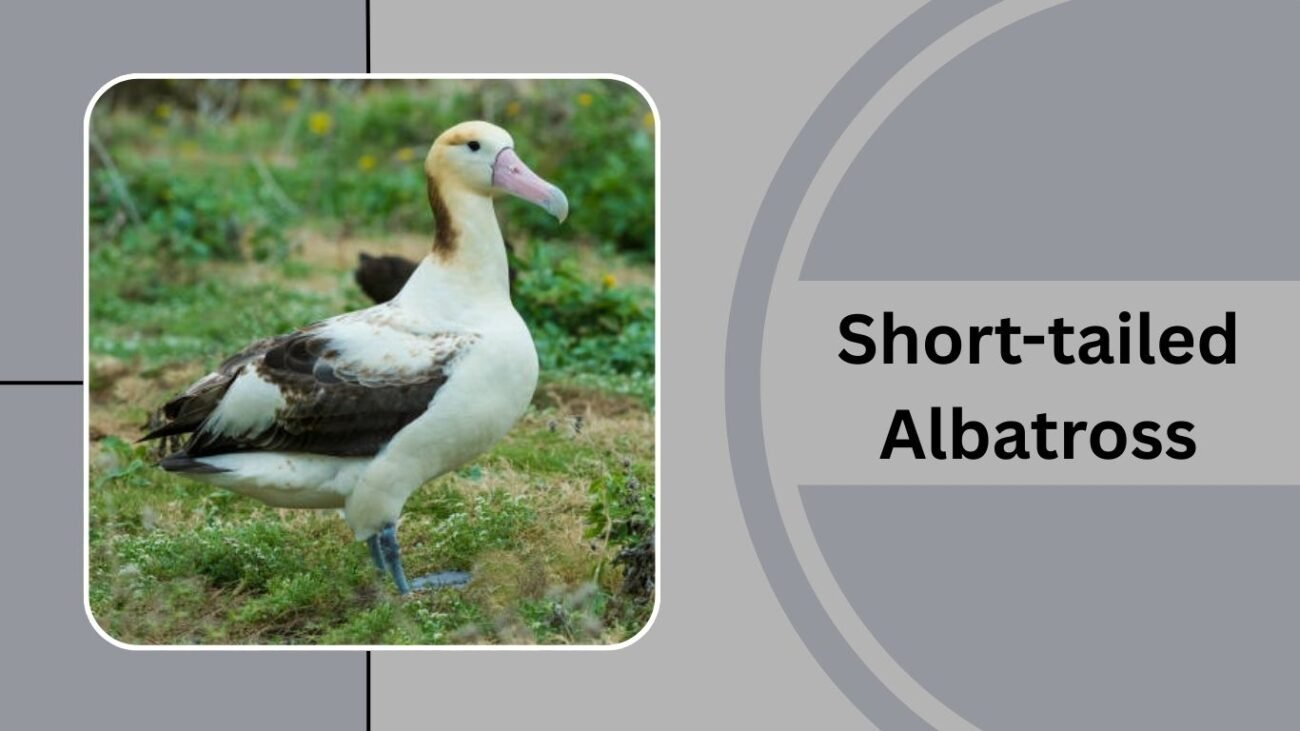
The Short-tailed Albatross (Phoebastria albatrus) is a large, once-endangered albatross that has made a remarkable recovery from near extinction. It is easily recognized by its large pink bill and contrasting plumage.
Identification
- Size: Body length 2.9–3.5 feet (84–102 cm)
- Wingspan: 7–8.2 feet (2.1–2.5 m)
- Color: Adults are mostly white with black upper wings and golden wash on the head and neck; juveniles are darker brown
- Bill: Large, bubblegum pink with bluish tip
- Legs: Pale pink, webbed
Habitat and Range
They breed mainly on Torishima and Minami-kojima Islands in Japan. At sea, they range widely across the North Pacific, often seen off Alaska, California, and Russia.
Behavior and Diet
Short-tailed Albatrosses feed on squid, fish, and crustaceans, often picking food from the surface. Once hunted nearly to extinction for feathers, they are now increasing in number thanks to strong conservation programs, though they remain vulnerable to fishing bycatch and volcanic activity on breeding islands.
10. Waved Albatross
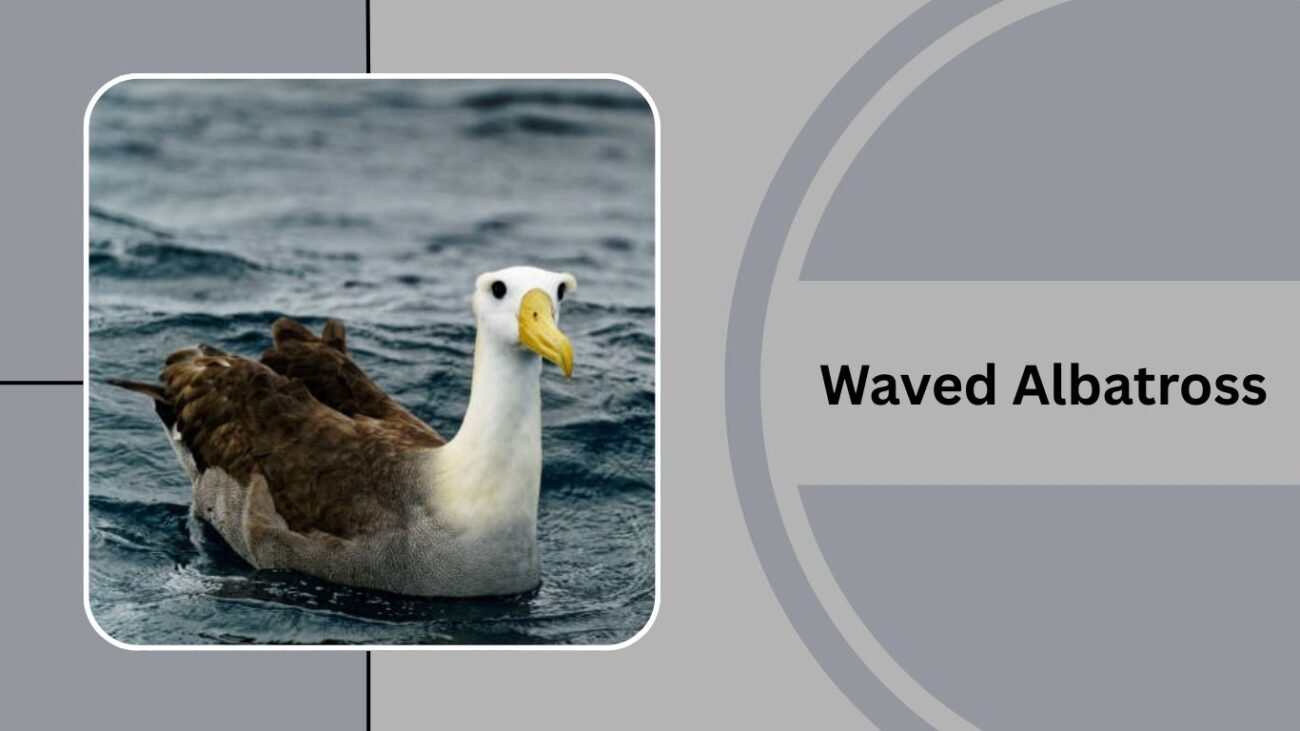
The Waved Albatross (Phoebastria irrorata) is the only albatross species found in the tropics and is famous for its spectacular courtship rituals. It is endemic to the Galápagos Islands, making it one of the most unique albatrosses.
Identification
- Size: Body length 2.7–3.2 feet (80–90 cm)
- Wingspan: 7–8 feet (2.2–2.5 m)
- Color: White head and neck, brown body, pale breast; long, bright yellow bill
- Bill: Slender, long, and yellow
- Legs: Blue-gray, webbed
Habitat and Range
They breed almost exclusively on Española Island in the Galápagos, with a smaller colony on Isla de la Plata in Ecuador. At sea, they roam the eastern Pacific Ocean, mainly off the coasts of Peru and Ecuador.
Behavior and Diet
Waved Albatrosses feed on squid, fish, and sometimes carrion. Their courtship displays are among the most elaborate in the bird world, featuring synchronized bill circling, bill clapping, and sky-pointing. They are vulnerable due to their restricted breeding range and threats from fisheries.
11. Light-mantled Albatross
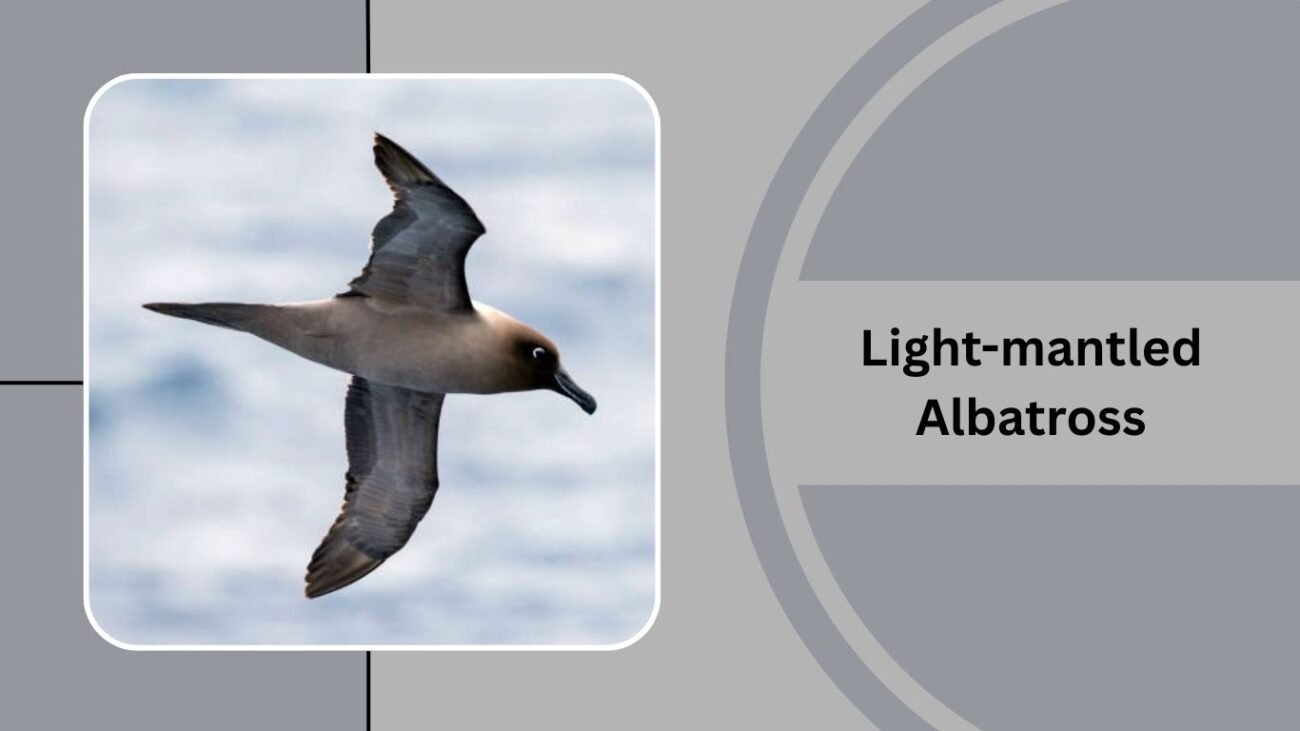
The Light-mantled Albatross (Phoebetria palpebrata) is one of the most elegant albatrosses, admired for its graceful flight and striking plumage. It is often seen soaring in pairs, performing synchronized flight displays.
Identification
- Size: Body length 2.7–3 feet (79–91 cm)
- Wingspan: 6–7.5 feet (1.8–2.3 m)
- Color: Smoky gray body with a paler silver-gray “mantle” on the back; dark face with striking white eye crescent
- Bill: Black with pale blue edges
- Legs: Dark gray, webbed
Habitat and Range
They breed on subantarctic islands, including South Georgia, Macquarie, and Prince Edward Islands. At sea, they cover wide areas of the Southern Ocean.
Behavior and Diet
Light-mantled Albatrosses feed on squid, fish, and krill, often capturing prey by shallow diving. They are known for their graceful aerial displays, with pairs flying in close formation, mirroring each other’s movements, which strengthens pair bonds.
12. Sooty Albatross
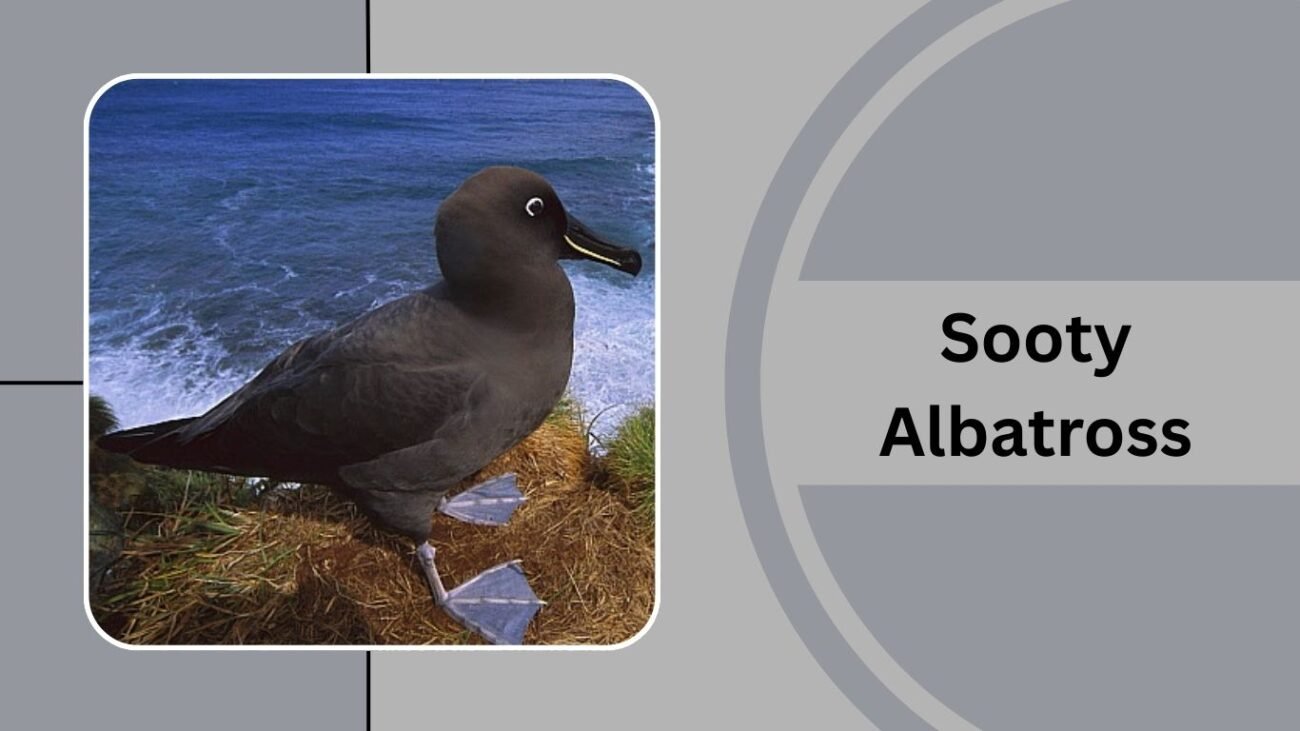
The Sooty Albatross (Phoebetria fusca) is a sleek, dark-plumaged albatross recognized for its smoky-brown feathers and long, slender wings. It is less common than many other albatrosses and is considered near-threatened.
Identification
- Size: Body length 2.7–3 feet (84–91 cm)
- Wingspan: 6.5–7.5 feet (2–2.3 m)
- Color: Dark sooty-brown plumage overall, with a pale blue line along the bill
- Bill: Black with distinct pale blue edging
- Legs: Dark gray, webbed
Habitat and Range
They breed on Tristan da Cunha, Gough Island, and other islands in the South Atlantic and Indian Oceans. At sea, they range widely across the Southern Ocean.
Behavior and Diet
Sooty Albatrosses feed on squid, fish, and crustaceans, often capturing prey by shallow plunges or surface-seizing. They are known for their long, narrow wings, which allow swift, agile flight compared to larger albatrosses.
13. Grey-headed Albatross
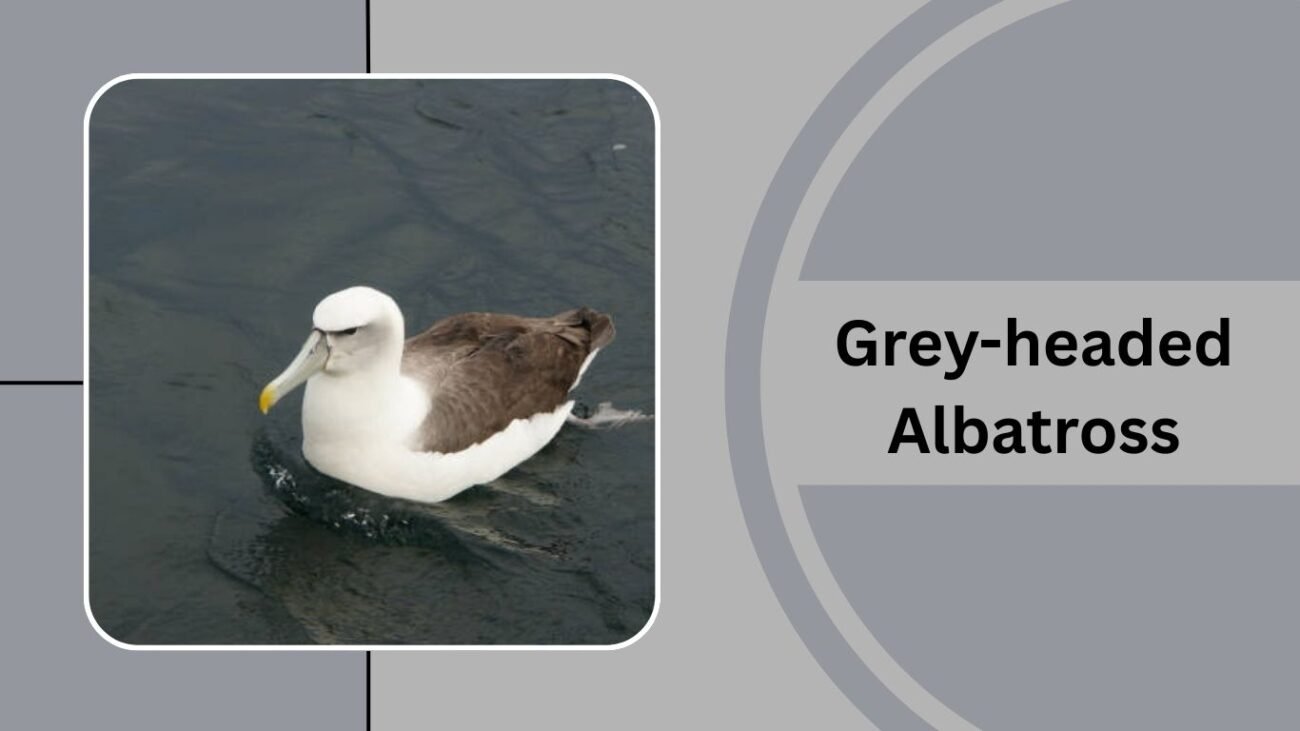
The Grey-headed Albatross (Thalassarche chrysostoma) is a medium-sized albatross named for its distinctive slate-gray head. It is considered one of the most beautiful albatrosses, with striking contrast between its head and bright bill.
Identification
- Size: Body length 2.5–3 feet (79–87 cm)
- Wingspan: 6.5–7.5 feet (2–2.3 m)
- Color: Gray head and neck, white underparts, dark upper wings; yellow-orange bill with red tip
- Bill: Bright yellow-orange with reddish markings
- Legs: Pale gray, webbed
Habitat and Range
They breed on subantarctic islands, with the largest populations on South Georgia, Marion Island, and Campbell Island. When not breeding, they roam across the Southern Ocean, often traveling long distances.
Behavior and Diet
Grey-headed Albatrosses feed mostly on squid and fish, occasionally on krill. They are known for their dynamic soaring, covering vast distances with minimal effort. Despite their wide-ranging habits, they are vulnerable to longline fishing and changing ocean conditions.
14. Black-browed Albatross
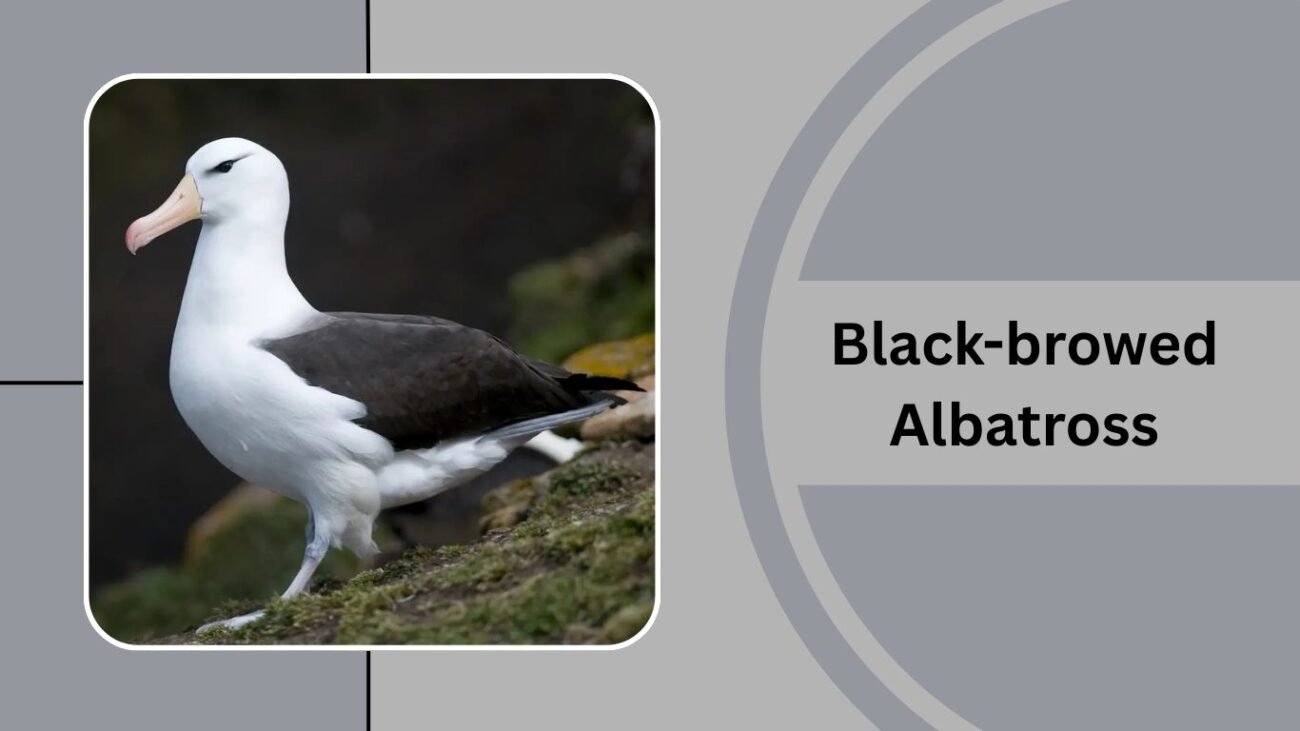
The Black-browed Albatross (Thalassarche melanophris) is the most widespread and abundant albatross species. It is named for the bold black line above its eye, giving it a striking, expressive appearance.
Identification
- Size: Body length 2.7–3 feet (80–95 cm)
- Wingspan: 7–8 feet (2.1–2.4 m)
- Color: White head and body, dark upper wings and back, with a distinct black eyebrow line
- Bill: Yellow-orange with pinkish tip
- Legs: Pale bluish-gray, webbed
Habitat and Range
They breed on many subantarctic islands, including the Falklands, South Georgia, and Kerguelen. Outside the breeding season, they range widely across the Southern Ocean, often venturing into temperate waters.
Behavior and Diet
Black-browed Albatrosses feed on fish, squid, and krill, often scavenging near fishing boats. They are agile in flight and frequently seen gliding close to the waves. Although the most numerous albatross, they are still threatened by fishing bycatch.
15. Campbell Albatross
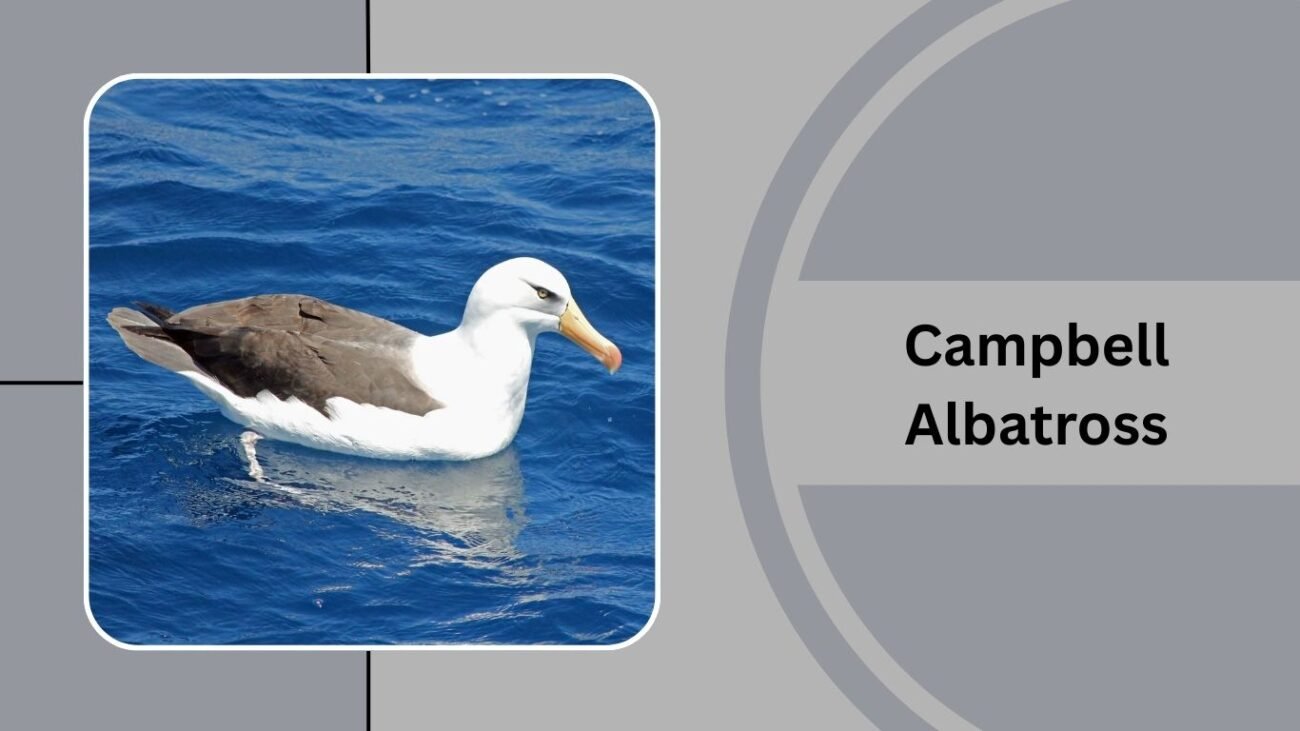
The Campbell Albatross (Thalassarche impavida) is a close relative of the Black-browed Albatross but slightly smaller, with more subtle facial markings. It is endemic to a single breeding location, Campbell Island, south of New Zealand.
Identification
- Size: Body length 2.7 feet (83–89 cm)
- Wingspan: 6.5–7.5 feet (2–2.3 m)
- Color: White head and body, dark upper wings and back; lacks the strong black eyebrow of the Black-browed Albatross
- Bill: Yellow with an orange tip
- Legs: Pale bluish-gray, webbed
Habitat and Range
They breed exclusively on Campbell Island, nesting on cliffs and grassy slopes. At sea, they roam the Southern Ocean, particularly around New Zealand waters.
Behavior and Diet
Campbell Albatrosses feed on fish, squid, and crustaceans, often seizing prey at the surface. Their restricted breeding range makes them vulnerable, but their population is relatively stable compared to some other albatrosses.
16. Buller’s Albatross
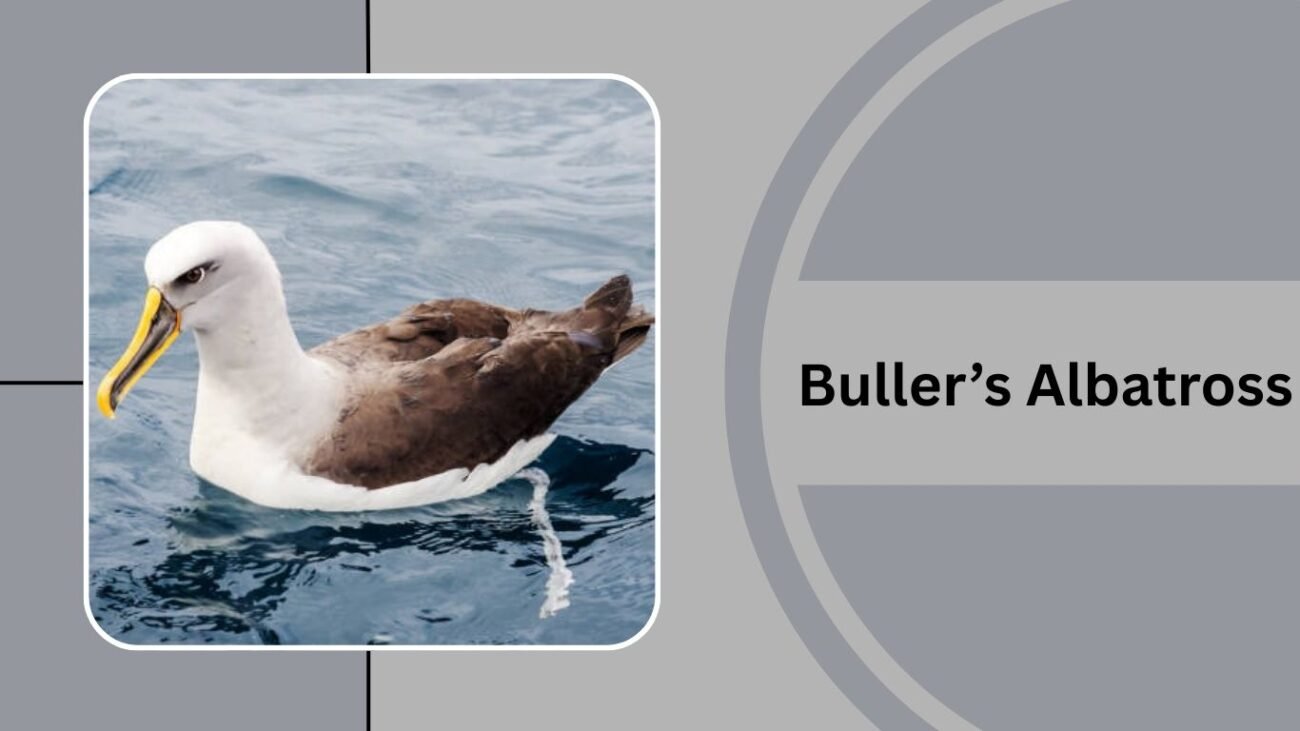
Buller’s Albatross (Thalassarche bulleri) is a medium-sized albatross, admired for its striking facial pattern with bold black markings around the eyes. It is sometimes called the “Grey-faced Albatross.”
Identification
- Size: Body length 2.5–3 feet (79–84 cm)
- Wingspan: 6.5–7.2 feet (2–2.2 m)
- Color: White head and underparts, gray back and wings; black eye markings resembling eyeliner
- Bill: Grayish-yellow with black edges
- Legs: Pale bluish-gray, webbed
Habitat and Range
They breed mainly on the Snares and Solander Islands near New Zealand, with smaller colonies on the Chatham Islands. At sea, they range across the South Pacific, often near New Zealand and southern Australia.
Behavior and Diet
Buller’s Albatrosses feed on squid, fish, and crustaceans, capturing prey by surface-seizing or shallow diving. They are agile fliers and often follow fishing vessels, where they face risks of bycatch.
17. Chatham Albatross
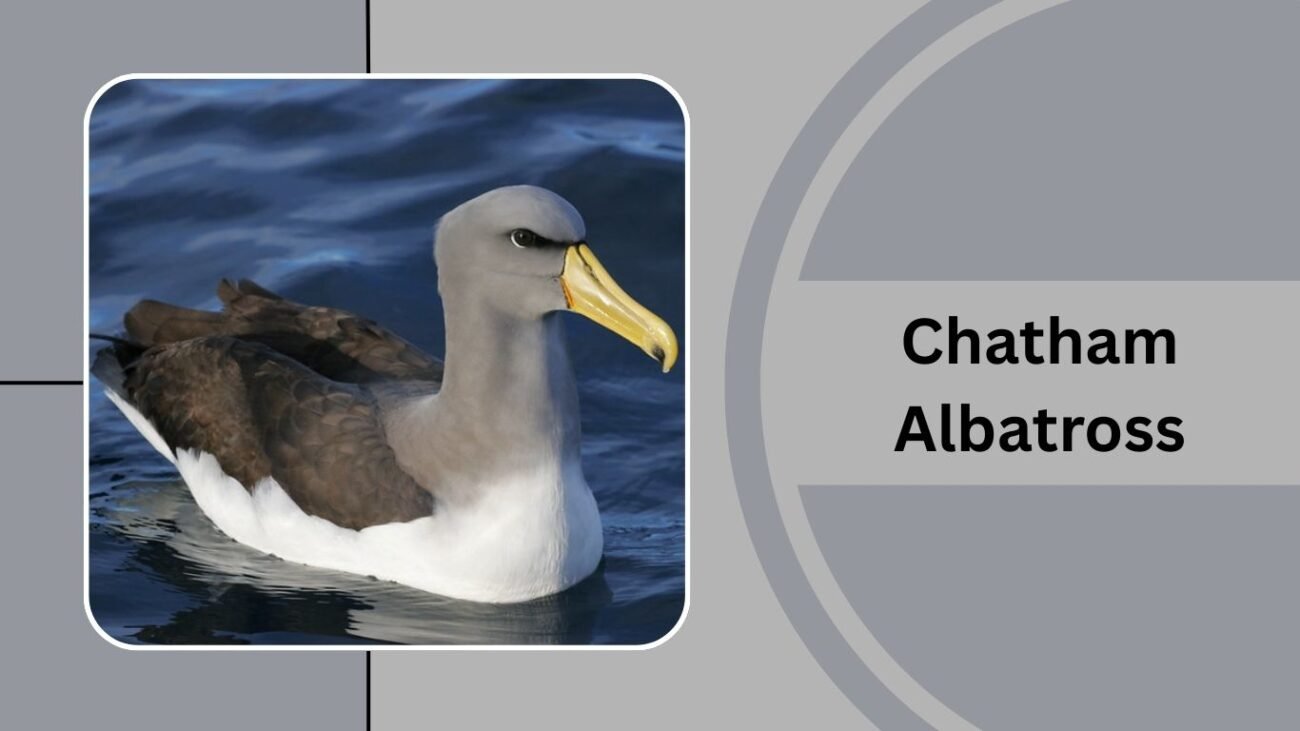
The Chatham Albatross (Thalassarche eremita) is a rare, vulnerable species that breeds only on a single rocky islet, Pyramid Rock, near the Chatham Islands of New Zealand. Its limited breeding range makes it one of the most at-risk albatrosses.
Identification
- Size: Body length 2.5–3 feet (79–91 cm)
- Wingspan: 7–7.5 feet (2.1–2.3 m)
- Color: White head, neck, and underparts; dark gray back and wings; darker face compared to Buller’s Albatross
- Bill: Bright yellow with orange tip
- Legs: Pale bluish-gray, webbed
Habitat and Range
They breed only on Pyramid Rock, a steep outcrop in the Chatham Islands. At sea, they roam the South Pacific Ocean, particularly east of New Zealand.
Behavior and Diet
Chatham Albatrosses feed on squid, fish, and crustaceans, often by surface-seizing. Their dependence on a single breeding site makes them vulnerable to storms, habitat loss, and human disturbance.
18. White-capped Albatross
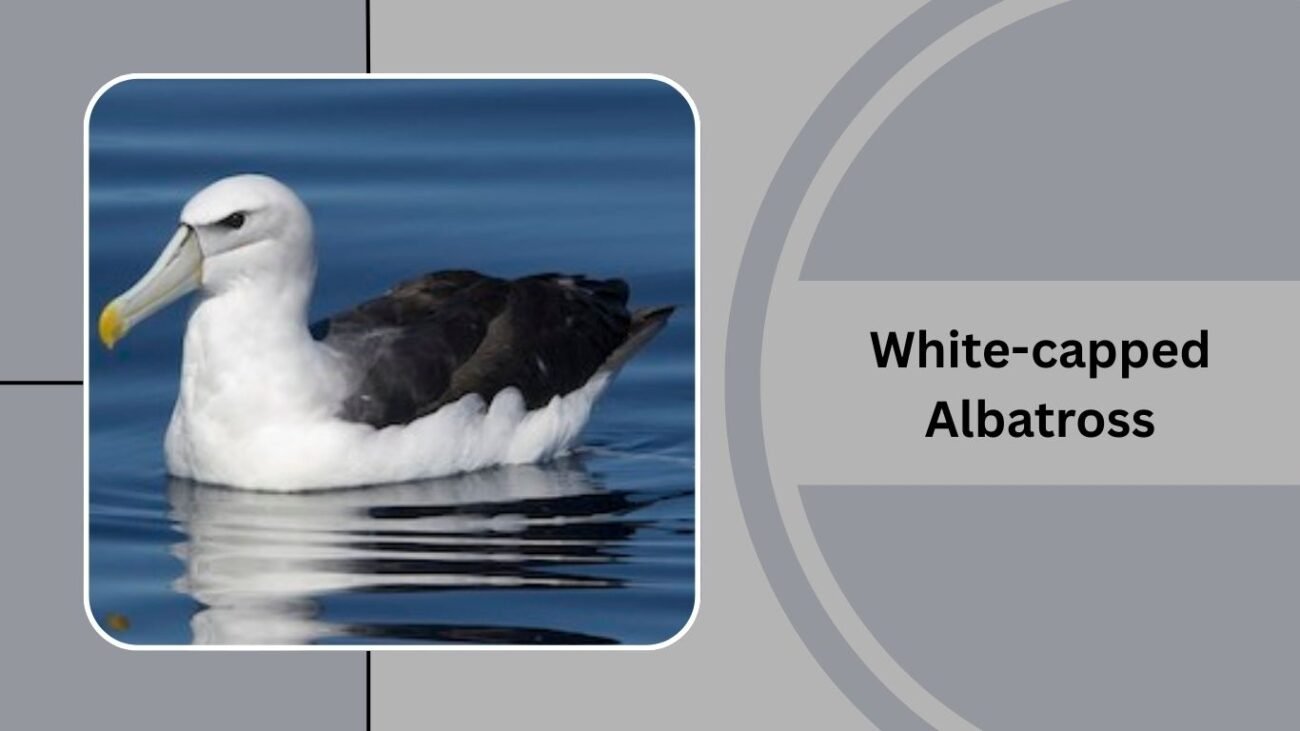
The White-capped Albatross (Thalassarche cauta), also known as the Shy Albatross, is a large, pale-headed species found mainly around southern Australia and New Zealand waters. Its clean white head and contrasting dark wings make it easy to recognize.
Identification
- Size: Body length 3 feet (90–100 cm)
- Wingspan: 7–8.5 feet (2.1–2.6 m)
- Color: White head and underparts, dark gray upper wings and back; fine gray shading on the face
- Bill: Pale yellow with darker edges and tip
- Legs: Pale bluish-gray, webbed
Habitat and Range
They breed mainly on three colonies off Tasmania (Albatross Island, Pedra Branca, and Mewstone). Outside breeding, they roam widely across the Southern Ocean, often near southern Australia and New Zealand.
Behavior and Diet
White-capped Albatrosses feed on squid, fish, and crustaceans, frequently scavenging behind fishing boats. They are threatened by longline and trawl fisheries but remain one of the more numerous albatross species.
19. Salvin’s Albatross
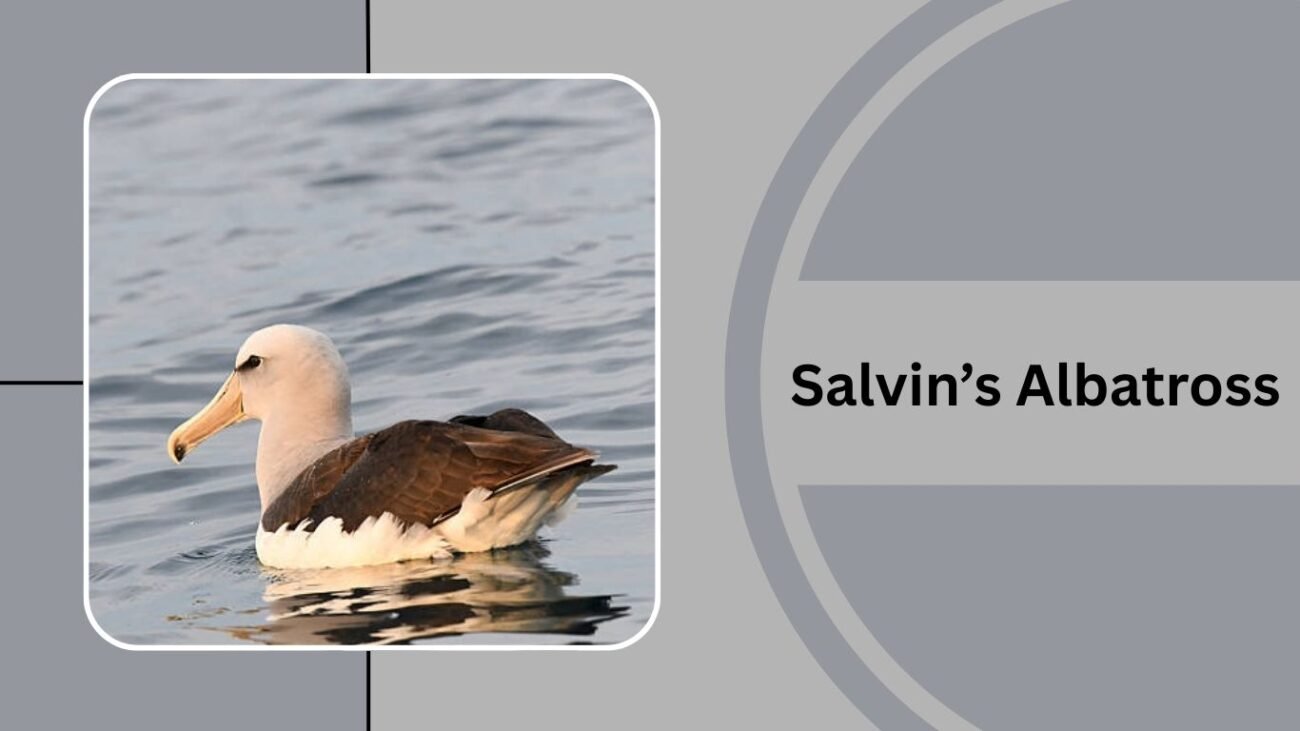
Salvin’s Albatross (Thalassarche salvini) is one of the largest members of the mollymawk group, recognized by its pale gray head and stout yellow bill. It was once considered a subspecies of the Shy Albatross but is now treated as distinct.
Identification
- Size: Body length 3 feet (90–96 cm)
- Wingspan: 8–9 feet (2.4–2.7 m)
- Color: Pale gray head, white body, dark gray back and wings
- Bill: Yellow with a darker tip and edges, more robust than that of the White-capped Albatross
- Legs: Pale bluish-gray, webbed
Habitat and Range
They breed mainly on the Bounty Islands of New Zealand, with smaller colonies on the Snares and Crozet Islands. At sea, they are widespread in the Southern Ocean, often near South America and southern Africa.
Behavior and Diet
Salvin’s Albatrosses feed on squid, fish, and krill, often scavenging at fishing vessels. They are powerful fliers, covering huge distances. Despite their wide range, they are considered vulnerable due to fishing bycatch and their limited breeding grounds.
20. Indian Yellow-nosed Albatross
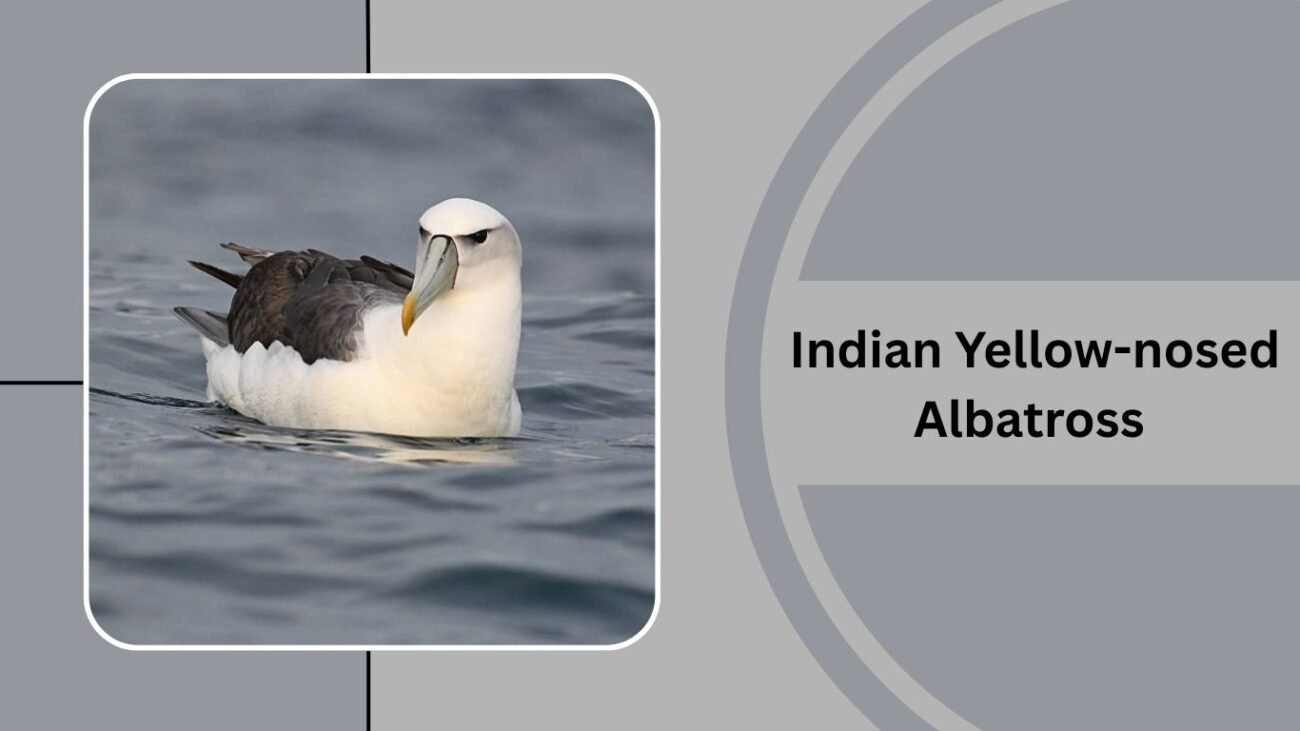
The Indian Yellow-nosed Albatross (Thalassarche carteri) is the smallest of the mollymawk albatrosses and is easily recognized by its slender yellow bill with a dark tip. It is widespread across the Indian Ocean.
Identification
- Size: Body length 2.5–3 feet (76–84 cm)
- Wingspan: 6.5–7.5 feet (2–2.3 m)
- Color: White head and underparts, dark gray upper wings and back; subtle gray shading around the face
- Bill: Slender yellow with a dark tip and edges
- Legs: Pale gray, webbed
Habitat and Range
They breed on islands in the southern Indian Ocean, including Amsterdam, St. Paul, and Prince Edward Islands. At sea, they range widely across the Indian Ocean, often near southern Africa and western Australia.
Behavior and Diet
Indian Yellow-nosed Albatrosses feed mainly on squid, fish, and crustaceans, often captured by surface-seizing. They nest in grassy colonies and form long-term pair bonds. Major threats include longline fishing and diseases affecting breeding colonies.
21. Atlantic Yellow-nosed Albatross
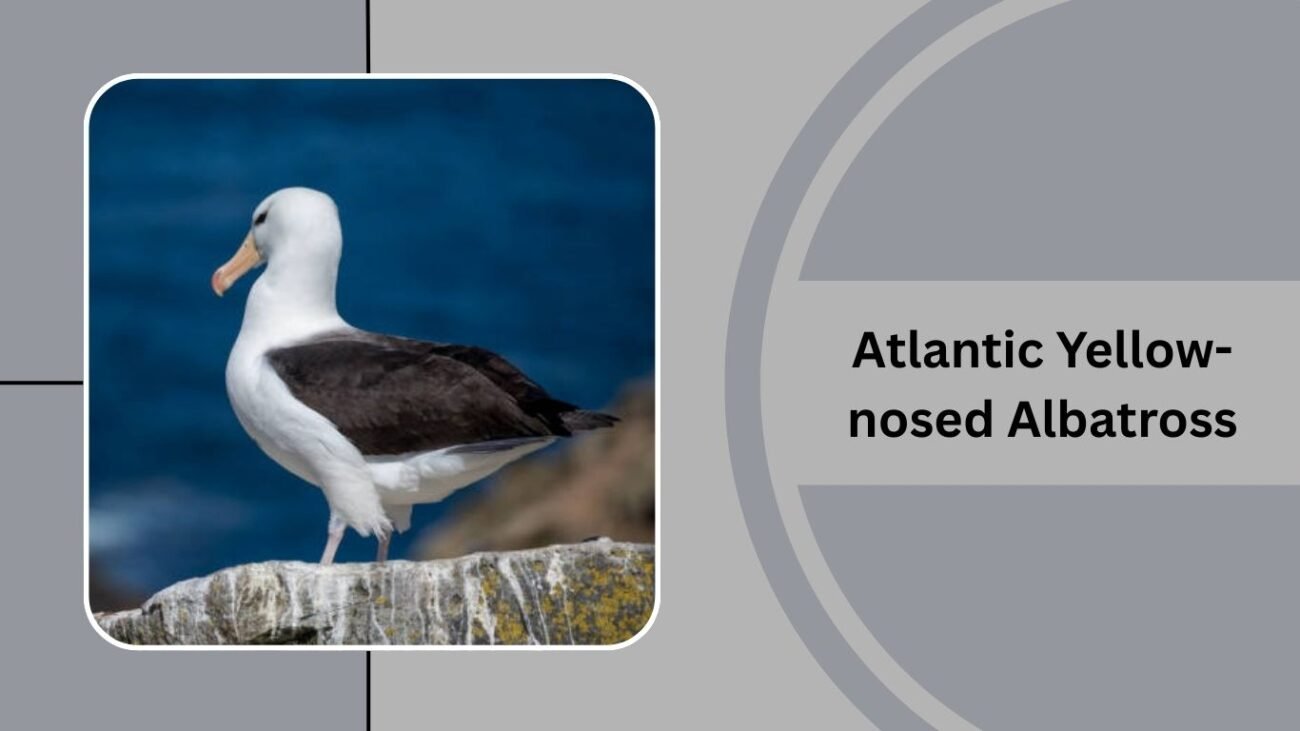
The Atlantic Yellow-nosed Albatross (Thalassarche chlororhynchos) is closely related to the Indian Yellow-nosed Albatross but breeds in the South Atlantic. It is slightly smaller and has a shorter, stubbier bill.
Identification
- Size: Body length 2.3–2.7 feet (70–85 cm)
- Wingspan: 6.5–7 feet (2–2.2 m)
- Color: White head and body, dark gray upper wings and back; faint gray wash on the face
- Bill: Yellow with dark edges and tip, shorter than the Indian species
- Legs: Pale bluish-gray, webbed
Habitat and Range
They breed on islands in the South Atlantic, including Tristan da Cunha and Gough Island. Outside breeding, they disperse widely across the South Atlantic and into parts of the southern Indian Ocean.
Behavior and Diet
Atlantic Yellow-nosed Albatrosses feed on squid, fish, and crustaceans, mainly by surface-seizing. They are often solitary at sea but gather in colonies during breeding. With a limited breeding range and threats from fishing bycatch, they are considered endangered.


