










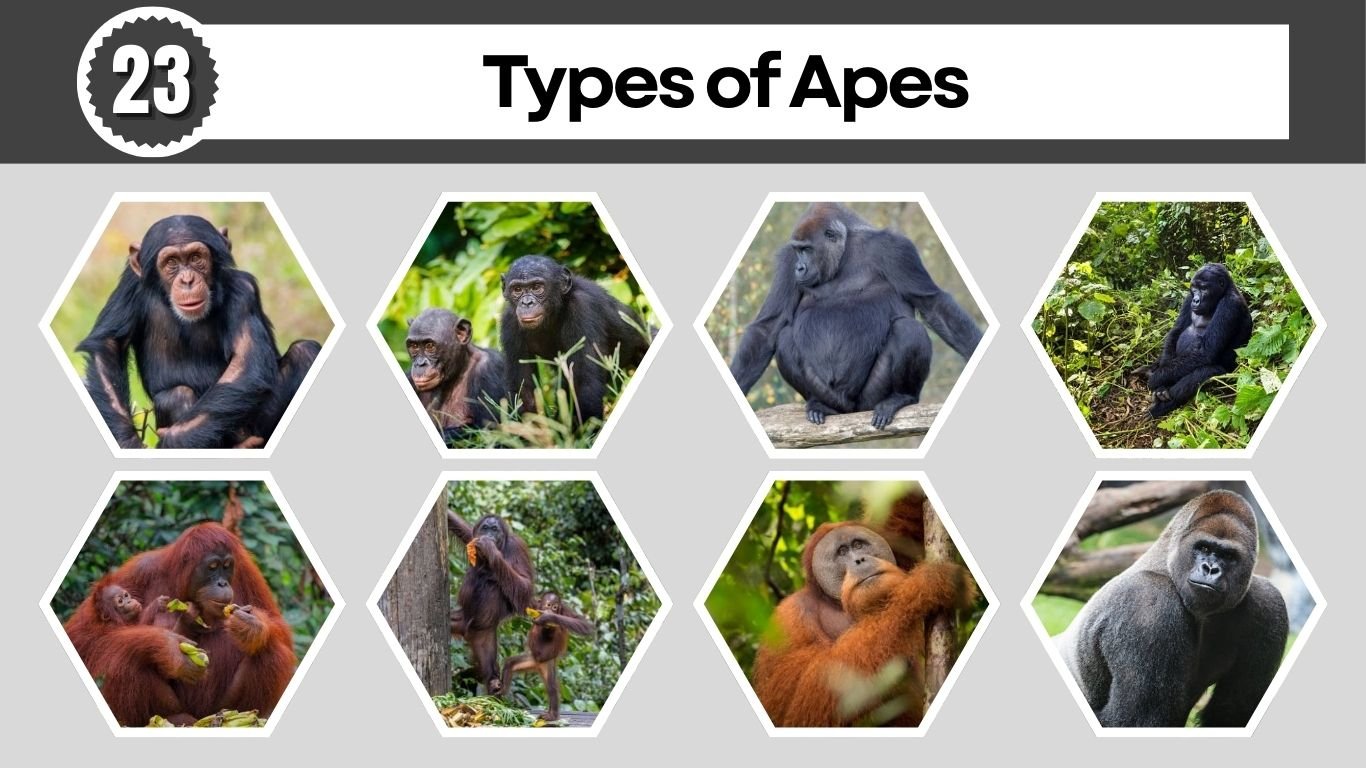
Apes are some of the most intelligent and fascinating animals on Earth, known for their advanced behavior, strong family bonds, and close genetic relationship to humans. They include great apes such as gorillas, chimpanzees, bonobos, and orangutans, as well as lesser apes known as gibbons. Found mainly in Africa and Southeast Asia, apes live in forests where they climb, swing, communicate through complex calls, and use tools to survive in diverse environments.
1. Chimpanzee
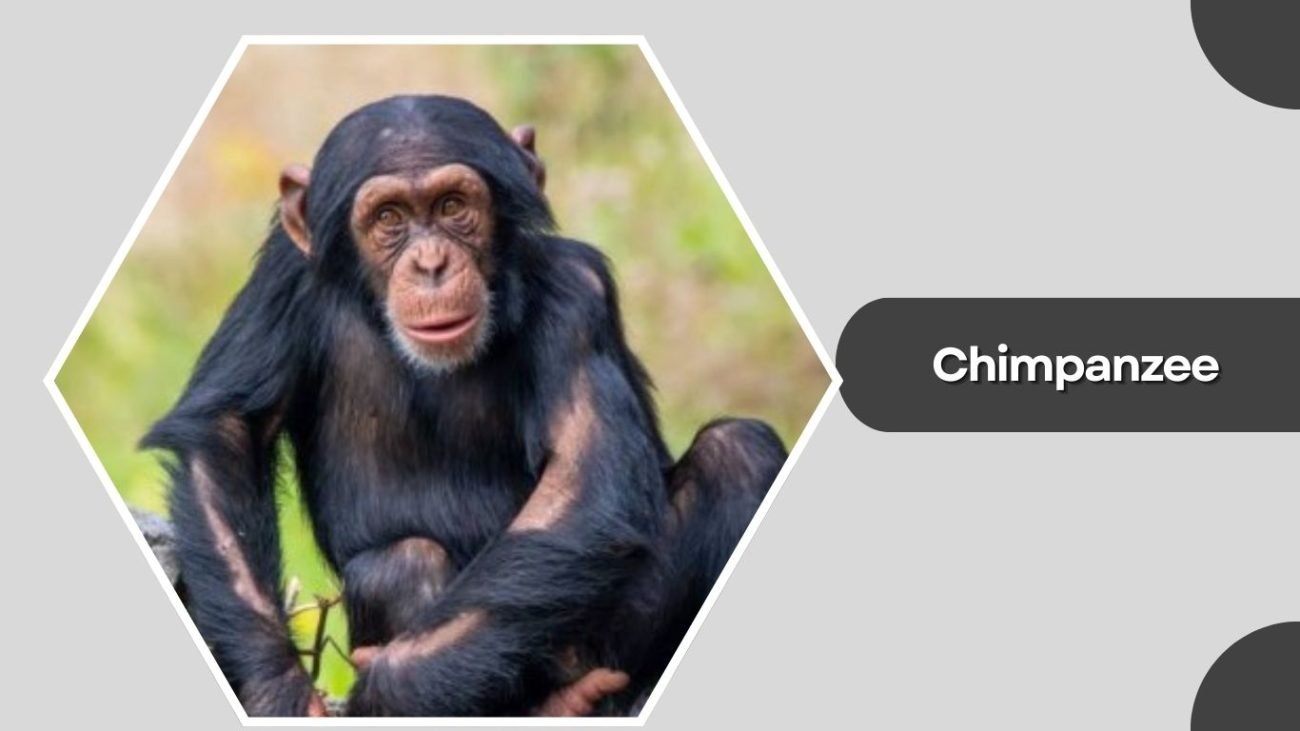
Chimpanzees are highly intelligent apes and are one of the closest living relatives of humans. They are known for their complex social behavior, tool use, and strong emotional expressions. Native to Africa, chimpanzees live in large, flexible communities and communicate through vocal sounds, gestures, and facial expressions. They are powerful climbers but also spend a significant amount of time on the ground.
Identification
- Scientific name: Pan troglodytes
- Common name: Chimpanzee
- Fur color: Black to dark brown
- Face: Mostly hairless, dark skin
- Body type: Muscular, long-armed ape
- Arms: Longer than legs
- Average height: 1–1.7 meters (standing)
- Native range: Central and West Africa
Habitat
Chimpanzees inhabit a wide range of environments, including tropical rainforests, woodland forests, savannas, and forest edges. They are highly adaptable and can survive in both dense jungles and more open landscapes. Trees provide food and nesting sites, while the ground is used for travel and social activity. Each evening, chimpanzees build nests in trees to sleep safely above predators.
Diet
Chimpanzees are omnivores. Their diet mainly consists of fruits, but they also eat leaves, seeds, flowers, insects, eggs, and honey. They are one of the few animals known to regularly hunt in groups, preying on monkeys and small mammals. Chimpanzees also use tools such as sticks to collect termites and stones to crack nuts.
Lifecycle & Lifespan
Female chimpanzees usually give birth to one infant after a gestation period of about 230 days. Infants cling closely to their mothers and depend on them for many years. Young chimpanzees learn survival and social skills through observation and play. In the wild, chimpanzees typically live around 33–40 years, while in captivity they may live over 50 years.
2. Bonobo
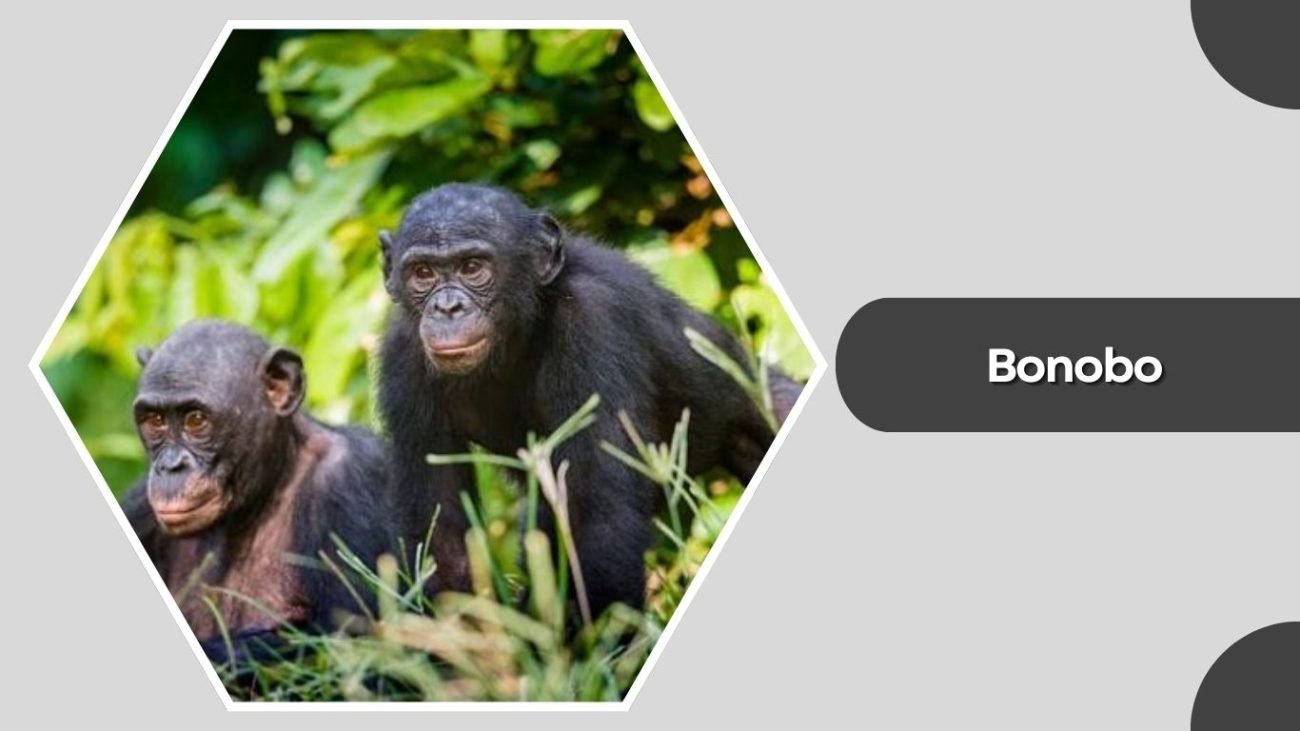
Bonobos are slender, intelligent apes closely related to chimpanzees and humans. They are often called “pygmy chimpanzees,” though they are a separate species. Bonobos are famous for their peaceful social behavior, strong female bonds, and high levels of cooperation. They live in complex social groups and communicate using vocal sounds, facial expressions, and body language.
Identification
- Scientific name: Pan paniscus
- Common name: Bonobo
- Fur color: Black with slight brown tones
- Face: Dark face with pink lips
- Body type: Slim, long-limbed ape
- Arms: Long arms adapted for climbing
- Average height: 1–1.2 meters (standing)
- Native range: Democratic Republic of the Congo
Habitat
Bonobos live in lowland tropical rainforests south of the Congo River. These forests are warm, humid, and rich in fruiting trees. Bonobos spend much of their time in trees but also walk upright on the ground for short distances. They build nests in trees each night for sleeping.
Diet
Bonobos mainly eat fruit but also consume leaves, seeds, flowers, honey, insects, eggs, and small animals. Unlike chimpanzees, they hunt less frequently. Their feeding habits are generally peaceful, and food sharing is common within groups.
Lifecycle & Lifespan
Female bonobos usually give birth to one infant after a gestation period of about 230 days. Infants remain very close to their mothers for several years. Bonobos mature slowly and depend heavily on social learning. In the wild, bonobos typically live around 30–40 years, with longer lifespans in protected environments.
3. Western Gorilla
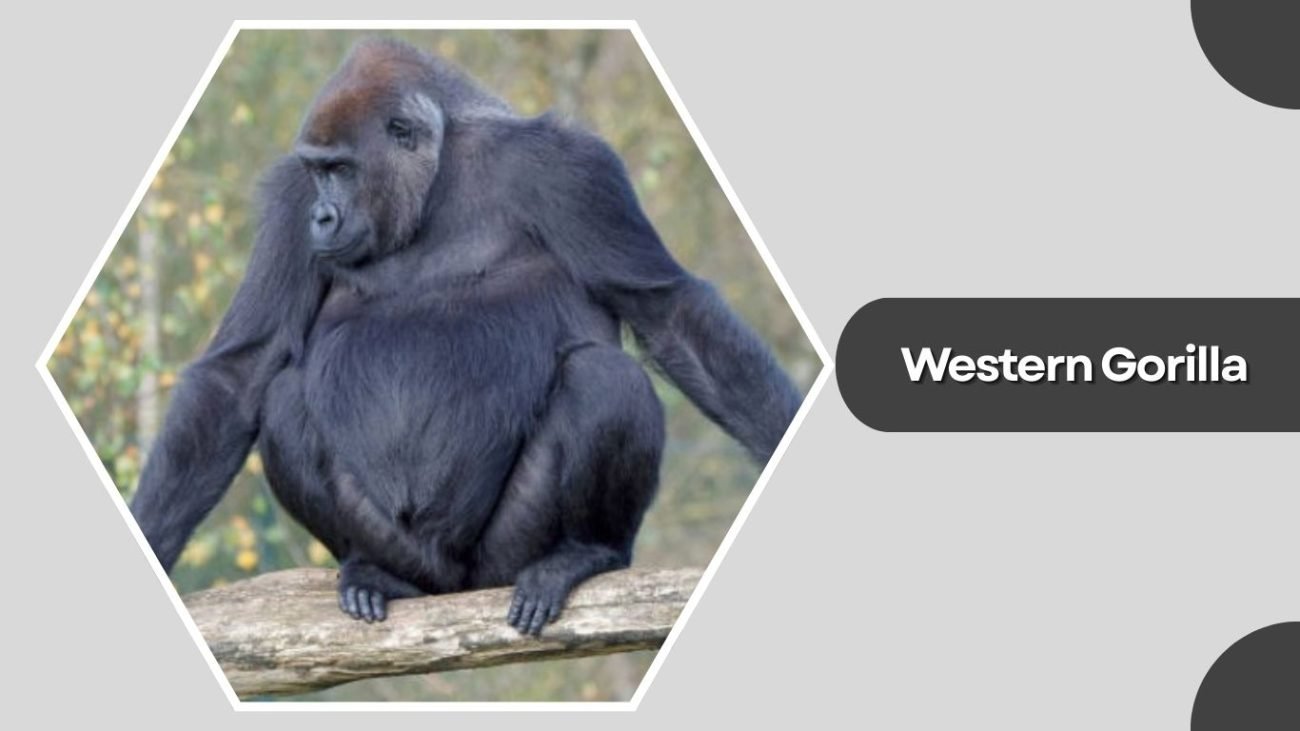
The western gorilla is the most numerous gorilla type and is known for its powerful build, broad chest, and gentle social behavior. It is slightly smaller than the eastern gorilla but still ranks among the largest living primates. Western gorillas live in family groups led by a dominant silverback male and communicate through vocalizations, chest beating, and body postures.
Identification
- Scientific name: Gorilla gorilla
- Common name: Western gorilla
- Fur color: Dark brown to black
- Body type: Very large, muscular ape
- Chest: Broad chest and strong shoulders
- Arms: Very long, powerful arms
- Adult male: Silver-grey back (silverback)
- Native range: Central and West Africa
Habitat
Western gorillas inhabit tropical rainforests, lowland swamps, and forest edges. They prefer dense vegetation with abundant fruiting trees. Unlike mountain gorillas, western gorillas spend more time in trees, especially when feeding. At night, they build nests on the ground or in low trees.
Diet
Their diet mainly consists of fruit, leaves, shoots, bark, and stems. They also eat insects such as ants and termites. Western gorillas move over large areas to find ripe fruit and play an important role in seed dispersal within forests.
Lifecycle & Lifespan
Female western gorillas usually give birth to one infant after a gestation period of about 257 days. Infants stay close to their mothers and are protected by the silverback. Young gorillas mature slowly and may remain with their family group for many years. In the wild, western gorillas typically live around 35–40 years.
4. Eastern Gorilla
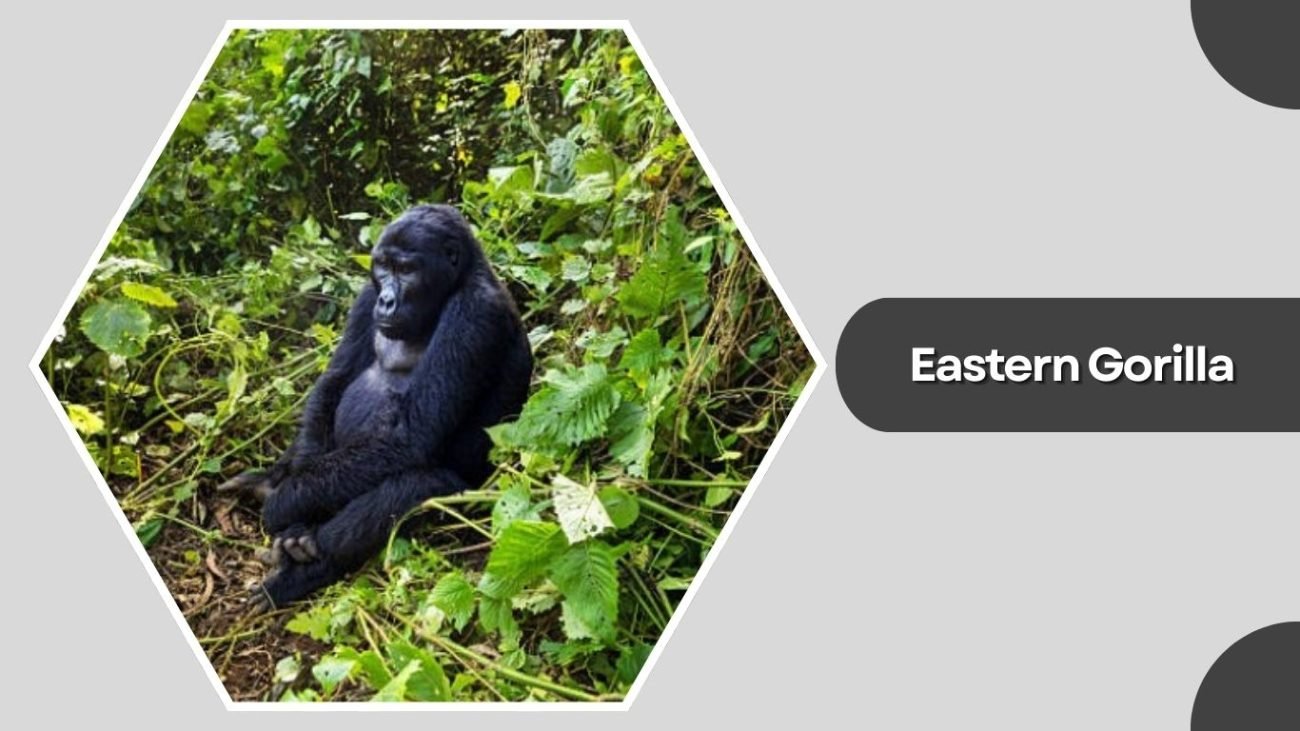
The eastern gorilla is the largest living primate and is known for its massive size, powerful arms, and thick dark fur. It is slightly larger and more heavily built than the western gorilla. Eastern gorillas live in stable family groups led by a dominant silverback male who protects and guides the troop.
Identification
- Scientific name: Gorilla beringei
- Common name: Eastern gorilla
- Fur color: Black to dark brown
- Body type: Extremely large, muscular ape
- Chest: Very broad chest and shoulders
- Arms: Long, powerful arms
- Adult male: Prominent silverback
- Native range: Eastern Central Africa
Habitat
Eastern gorillas live in montane forests, bamboo forests, and lowland rainforests. Their range includes parts of the Democratic Republic of the Congo, Rwanda, and Uganda. Some populations live in cool, misty mountain regions, while others inhabit warmer lowland forests. They build new nests each night on the ground or in vegetation.
Diet
Eastern gorillas mainly eat leaves, shoots, stems, bark, and roots. Fruit is less common in their diet compared to western gorillas. They spend much of the day feeding to meet their energy needs and often travel short distances within their home range.
Lifecycle & Lifespan
Female eastern gorillas usually give birth to one infant after a gestation period of about 257 days. Infants cling to their mothers and are closely protected by the group. Young gorillas grow slowly and reach full maturity after more than a decade. In the wild, eastern gorillas typically live around 35–40 years.
5. Bornean Orangutan
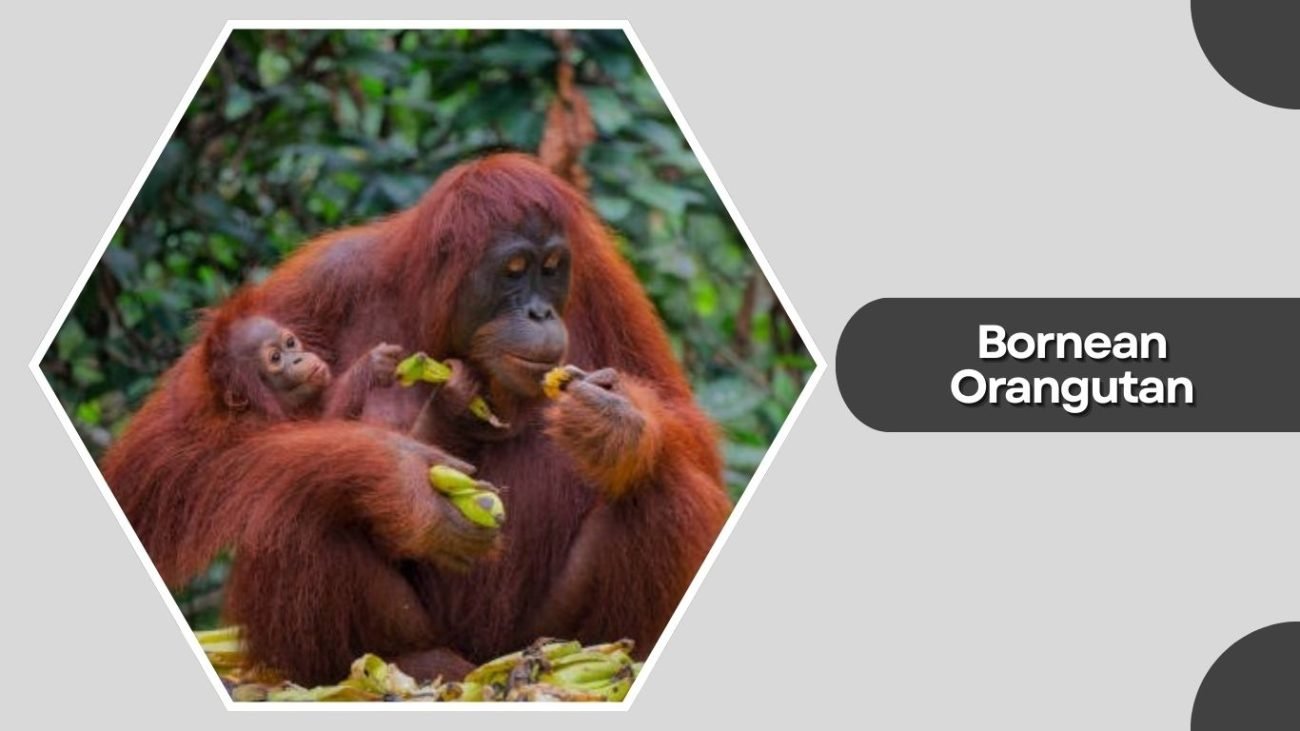
The Bornean orangutan is the largest tree-dwelling mammal in the world and is famous for its long reddish hair and extremely strong arms. It is highly intelligent and known for using tools, building nests, and solving problems. Bornean orangutans are mostly solitary compared to other apes and spend nearly their entire lives in the forest canopy.
Identification
- Scientific name: Pongo pygmaeus
- Common name: Bornean orangutan
- Fur color: Reddish-brown
- Body type: Large, heavy-bodied ape
- Arms: Extremely long, powerful arms
- Face: Adult males may have large cheek pads
- Average height: 1.2–1.5 meters (standing)
- Native range: Borneo
Habitat
Bornean orangutans live in tropical rainforests, swamp forests, and peat forests. They depend on tall trees for food, travel, and nesting. Each night, they build a new sleeping nest high in the canopy. Their forest habitats are rich in fruiting trees and vines, which support their arboreal lifestyle.
Diet
Their diet mainly consists of fruit, especially figs and durians, along with leaves, bark, flowers, insects, and honey. During times when fruit is scarce, they eat more leaves and tree bark. Orangutans are known to use sticks to extract insects and seeds from hard-to-reach places.
Lifecycle & Lifespan
Female Bornean orangutans give birth to one infant after a gestation period of about 245 days. Young orangutans stay with their mothers for 6–8 years, one of the longest dependency periods among mammals. In the wild, Bornean orangutans typically live around 35–45 years.
6. Sumatran Orangutan
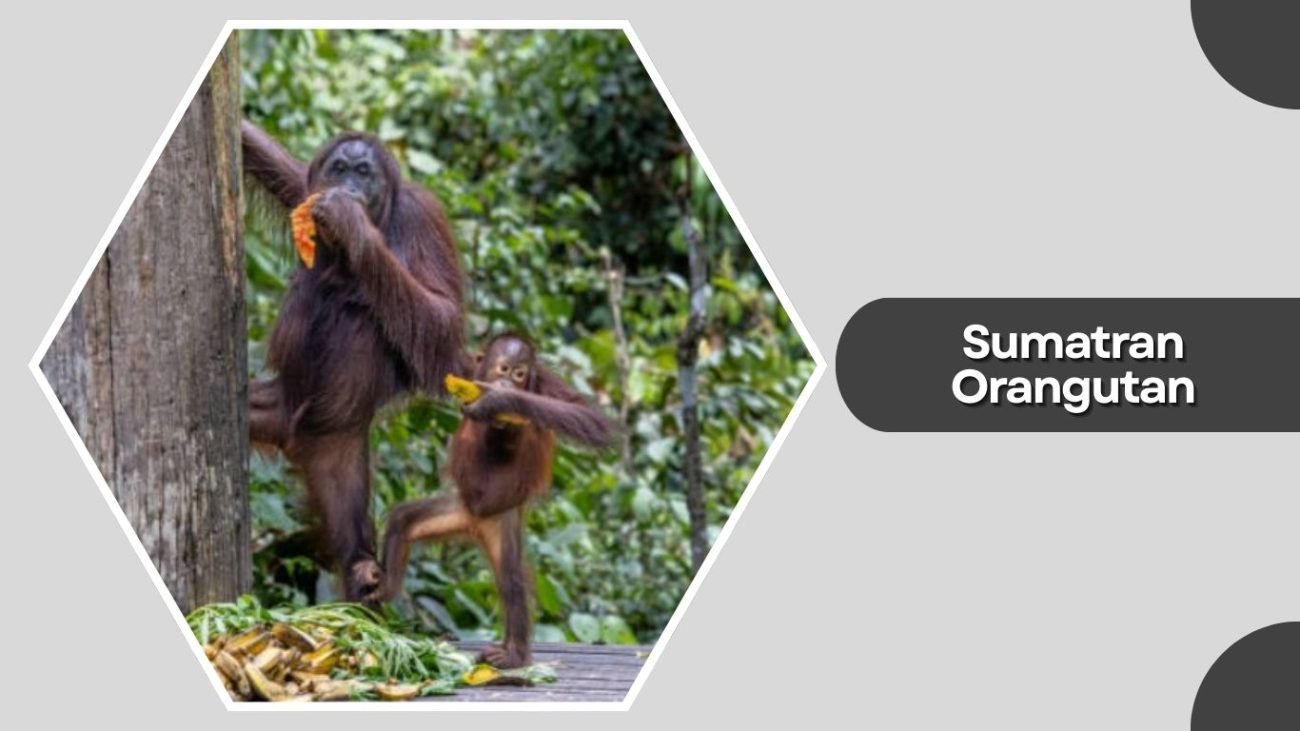
The Sumatran orangutan is slimmer and more arboreal than its Bornean relative and is considered one of the most intelligent primates. It has long reddish hair and strong, flexible arms for moving through trees. This species is critically endangered and is native only to the Indonesian island of Sumatra.
Identification
- Scientific name: Pongo abelii
- Common name: Sumatran orangutan
- Fur color: Long, reddish-orange hair
- Body type: Large but more slender than Bornean orangutan
- Arms: Very long, powerful arms
- Face: Adult males may have long facial hair and cheek pads
- Average height: 1.2–1.4 meters (standing)
- Native range: Northern Sumatra
Habitat
Sumatran orangutans inhabit tropical lowland rainforests and swamp forests. They live almost entirely in trees and rarely descend to the ground. Dense canopies provide continuous pathways for movement and access to fruiting trees. Each night, they construct a new nest of branches and leaves to sleep in.
Diet
Their diet consists mainly of fruit, along with leaves, bark, flowers, insects, bird eggs, and honey. They are also known to eat soil occasionally for minerals. Sumatran orangutans are skilled foragers and have been observed using tools to open tough fruits and extract insects.
Lifecycle & Lifespan
Females usually give birth to one infant after a gestation period of about 245 days. Infants remain with their mothers for up to seven years, learning complex survival skills. This long childhood allows them to develop strong problem-solving abilities. In the wild, Sumatran orangutans typically live around 35–45 years.
7. Tapanuli Orangutan
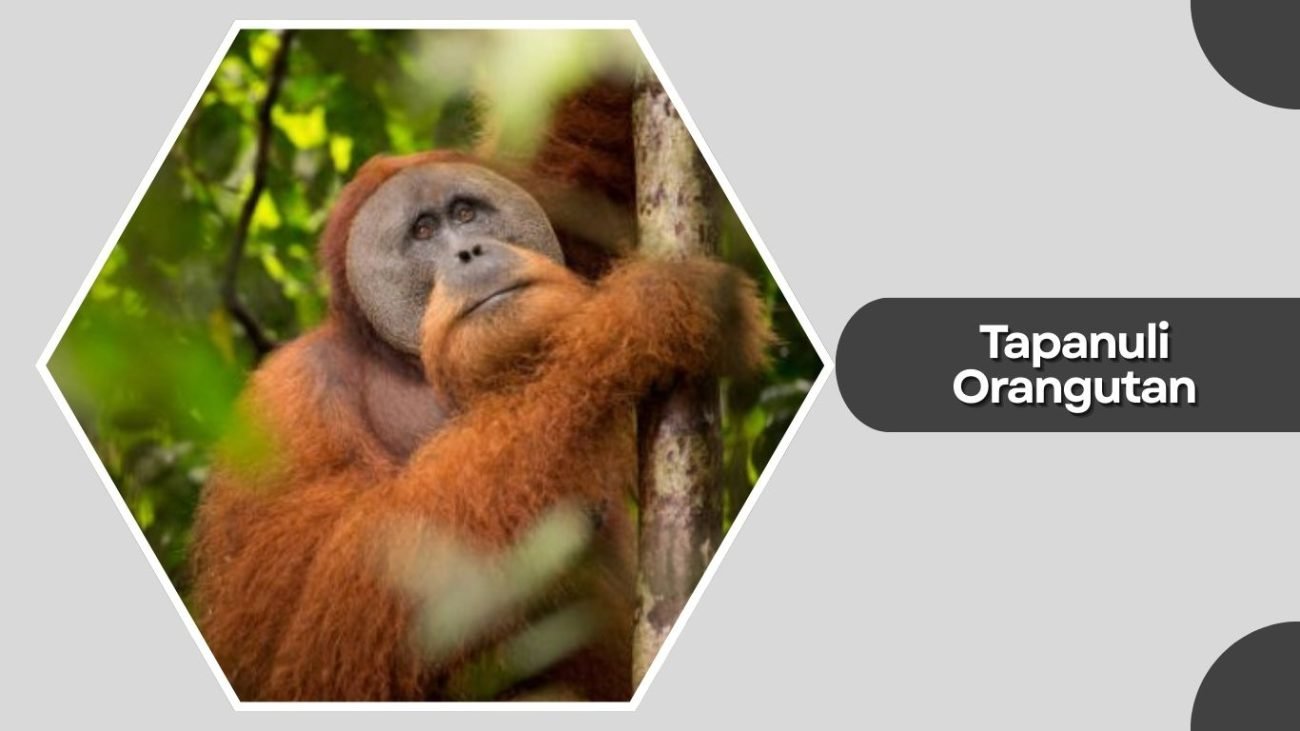
The Tapanuli orangutan is the rarest and most recently identified great ape species, officially described in 2017. It is genetically distinct from both the Bornean and Sumatran orangutans. This species is extremely endangered and exists only in a small mountainous forest region of Sumatra.
Identification
- Scientific name: Pongo tapanuliensis
- Common name: Tapanuli orangutan
- Fur color: Cinnamon to reddish-brown
- Body type: Large, slender ape
- Arms: Very long, strong arms
- Face: Adult males have flat cheek pads and a prominent mustache
- Build: Smaller head and frizzier hair than other orangutans
- Native range: Batang Toru forest, Sumatra
Habitat
Tapanuli orangutans live in highland tropical forests at elevations between 300 and 1,300 meters. These forests are cooler and more rugged than typical orangutan habitats. They rely on continuous forest cover for feeding, nesting, and travel. Habitat loss poses a major threat to their survival.
Diet
They mainly eat fruits, figs, leaves, insects, flowers, and tree bark. Their diet changes with seasonal food availability. Like other orangutans, they sometimes use sticks and other natural tools to obtain food.
Lifecycle & Lifespan
Female Tapanuli orangutans give birth to one infant after a gestation period of about 245 days. Young orangutans stay with their mothers for many years, learning how to find food and build nests. Because the species is newly described, exact lifespan data is limited, but it is believed to be similar to other orangutans, around 35–45 years.
8. Western Lowland Gorilla
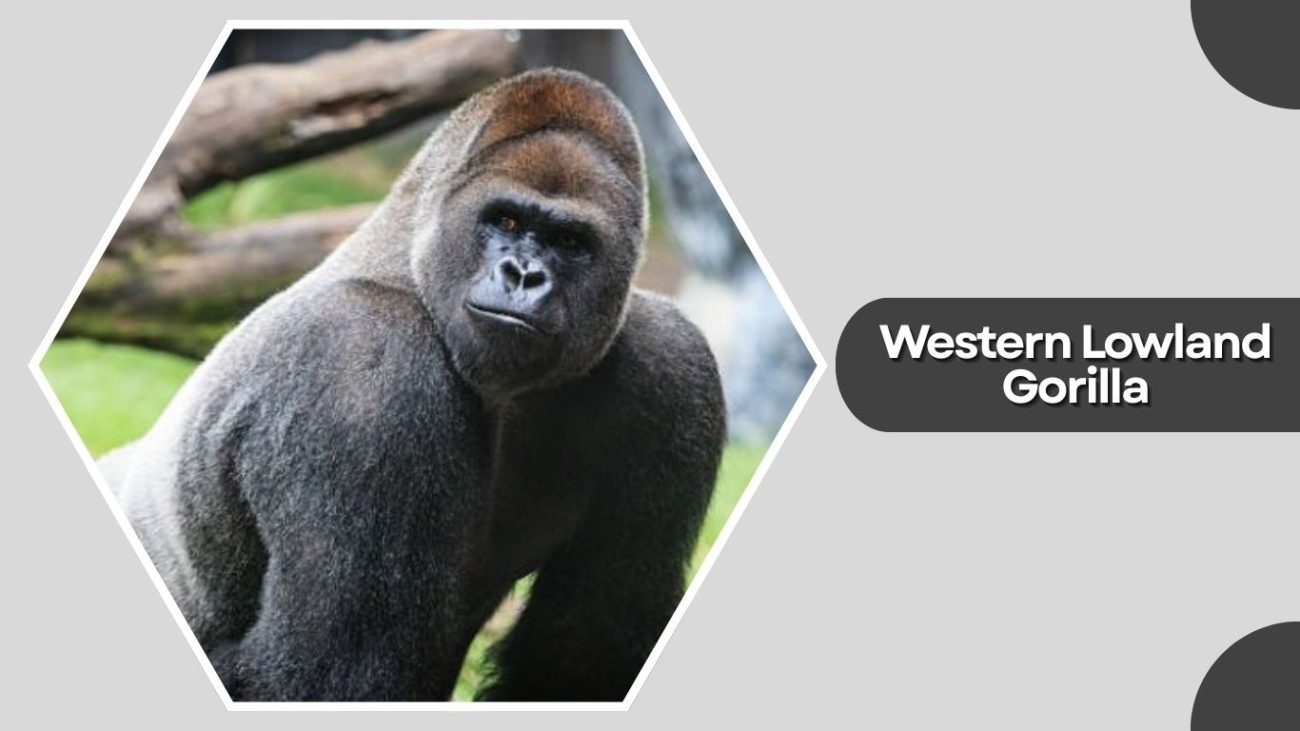
The western lowland gorilla is the smallest and most widespread of all gorilla types, yet it is still an extremely powerful and intelligent ape. It is known for its brownish-black fur, large head, and gentle social behavior. Western lowland gorillas live in family groups led by a dominant silverback and are highly important for rainforest ecosystems because they spread seeds over wide areas.
Identification
- Scientific name: Gorilla gorilla gorilla
- Common name: Western lowland gorilla
- Fur color: Brownish-black to dark grey
- Body type: Very large, muscular ape
- Head: Broad skull with strong jaw
- Arms: Long, powerful arms
- Adult male: Silver-grey back (silverback)
- Native range: Central and West Africa
Habitat
Western lowland gorillas inhabit dense tropical rainforests, swamp forests, and lowland forest regions. They are especially common in the Congo Basin. These forests provide abundant fruit, leaves, and safe nesting areas. They build sleeping nests on the ground or in low trees each night and move through large home ranges in search of seasonal foods.
Diet
Their diet is mainly plant-based and includes fruits, leaves, shoots, stems, bark, and roots. Fruit makes up a large part of their diet when available. They also eat ants and termites. Western lowland gorillas spend many hours feeding each day and play a major role in forest regeneration through seed dispersal.
Lifecycle & Lifespan
Females usually give birth to one infant after a gestation period of about 257 days. Infants cling to their mothers and remain dependent for several years. The silverback protects the group and young. Western lowland gorillas mature slowly and in the wild generally live around 35–40 years, with longer lifespans recorded in captivity.
9. Cross River Gorilla
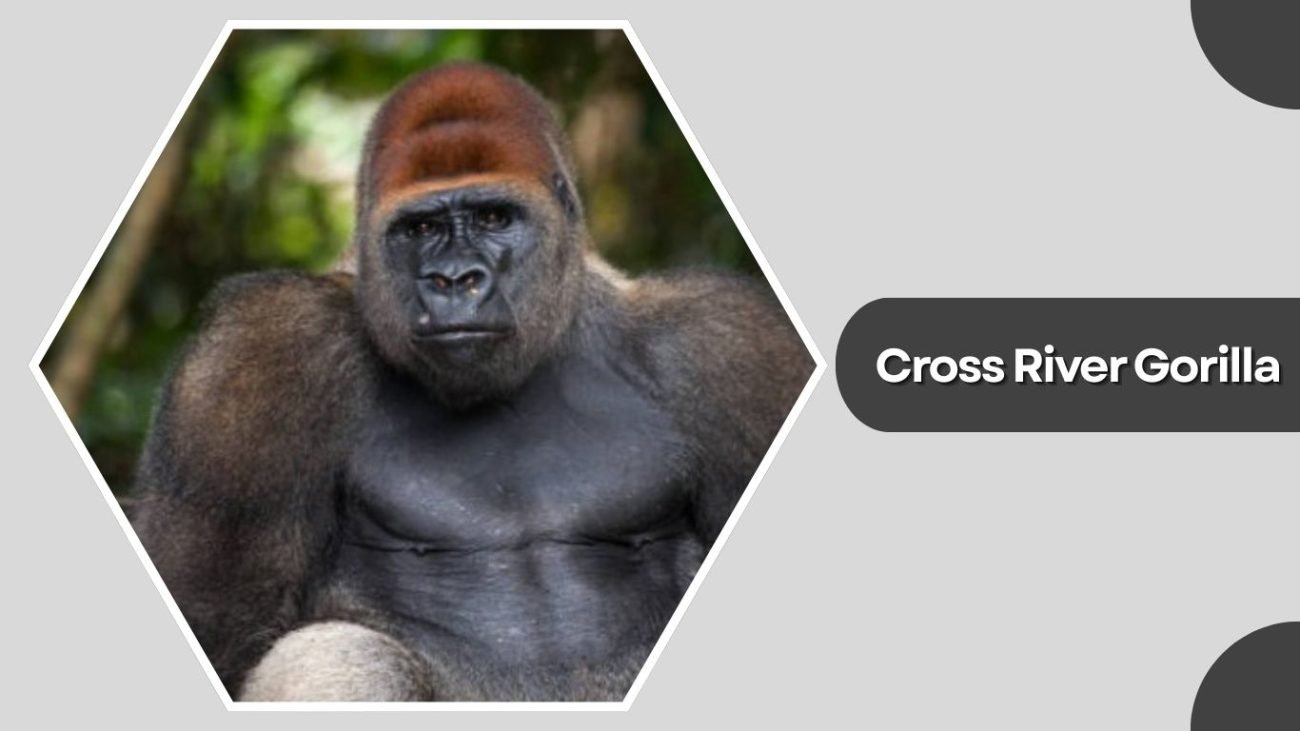
The Cross River gorilla is the rarest gorilla type and one of the most endangered great apes in the world. It is slightly smaller and more slender than other western gorillas and lives in a very limited region along the Nigeria–Cameroon border. Because of its remote habitat and low population, it is rarely seen in the wild.
Identification
- Scientific name: Gorilla gorilla diehli
- Common name: Cross River gorilla
- Fur color: Dark brown to black
- Body type: Large but more slender than other gorillas
- Skull: Narrower face and smaller teeth
- Arms: Long, powerful arms
- Adult male: Silverback appearance
- Native range: Nigeria–Cameroon border region
Habitat
Cross River gorillas inhabit rugged mountain forests, dense lowland rainforests, and remote river valleys. These areas are difficult to access and provide natural protection from human disturbance. They build nests on the ground and in trees and move between forest patches in search of food.
Diet
Their diet consists mainly of fruits, leaves, stems, bark, and seeds. They also eat insects such as termites and ants. Cross River gorillas adjust their feeding habits seasonally, depending on which plants are available in their limited habitat.
Lifecycle & Lifespan
Female Cross River gorillas usually give birth to one infant after a gestation period of about 257 days. Infants stay close to their mothers and are protected by the silverback. Because populations are small and hard to study, exact lifespan data is limited, but it is believed to be similar to other gorillas, around 35–40 years.
10. Eastern Lowland Gorilla
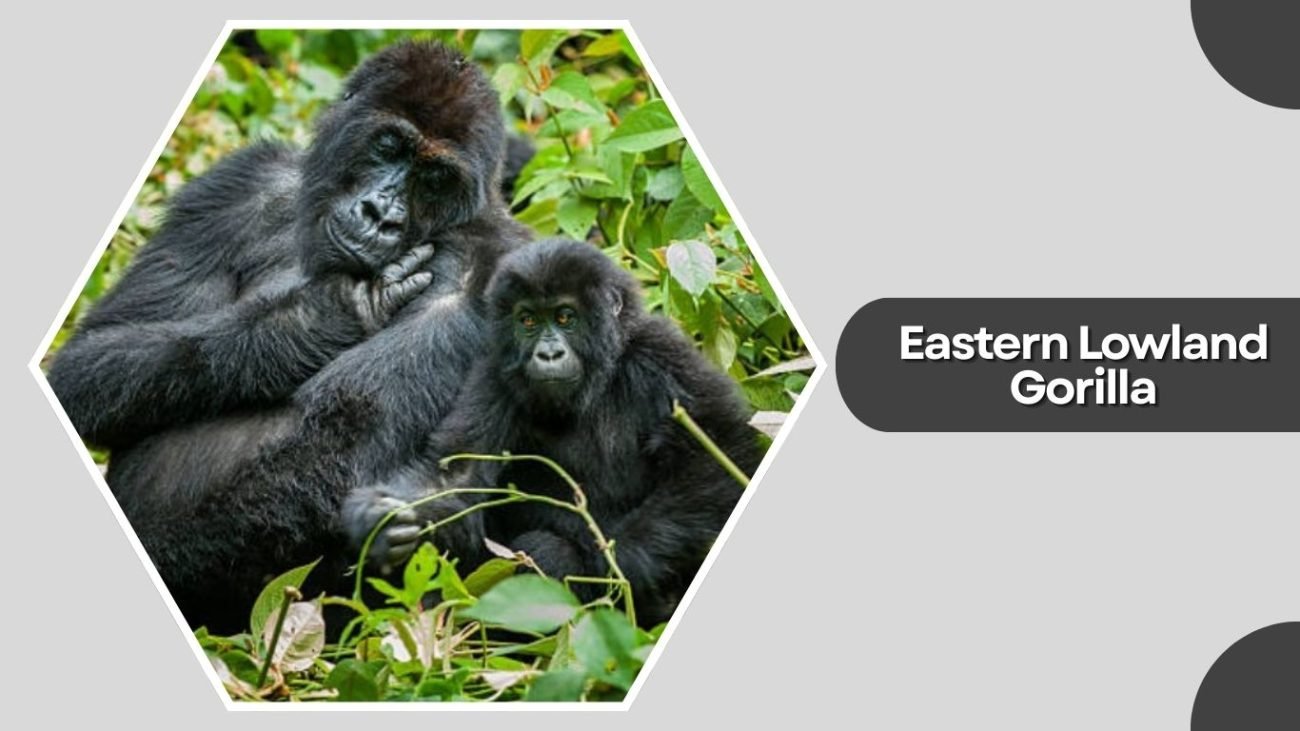
The eastern lowland gorilla, also called Grauer’s gorilla, is the largest of all gorilla subspecies and one of the most powerful primates on Earth. It has a stocky body, broad chest, and thick dark fur. Eastern lowland gorillas live in stable family groups led by a dominant silverback male who protects and guides the group.
Identification
- Scientific name: Gorilla beringei graueri
- Common name: Eastern lowland gorilla (Grauer’s gorilla)
- Fur color: Dark brown to black
- Body type: Extremely large, stocky ape
- Chest: Very broad chest and shoulders
- Arms: Long, heavily muscled arms
- Adult male: Silver-grey back
- Native range: Eastern Democratic Republic of the Congo
Habitat
Eastern lowland gorillas inhabit lowland tropical rainforests, montane forests, and bamboo forests. Their environment ranges from hot lowland regions to cooler mountain slopes. They build new nests each night, usually on the ground, using leaves and branches. These forests provide abundant plant food and shelter.
Diet
Their diet mainly consists of leaves, shoots, stems, bark, and wild fruits. They also eat seeds and occasionally insects. Eastern lowland gorillas spend much of the day feeding and resting to digest their fibrous diet. Their movement helps spread seeds across forest floors.
Lifecycle & Lifespan
Females usually give birth to one infant after a gestation period of about 257 days. Infants cling to their mothers and remain dependent for several years. Young gorillas mature slowly and may not reach adulthood until their early teens. In the wild, eastern lowland gorillas typically live around 35–40 years.
11. Mountain Gorilla
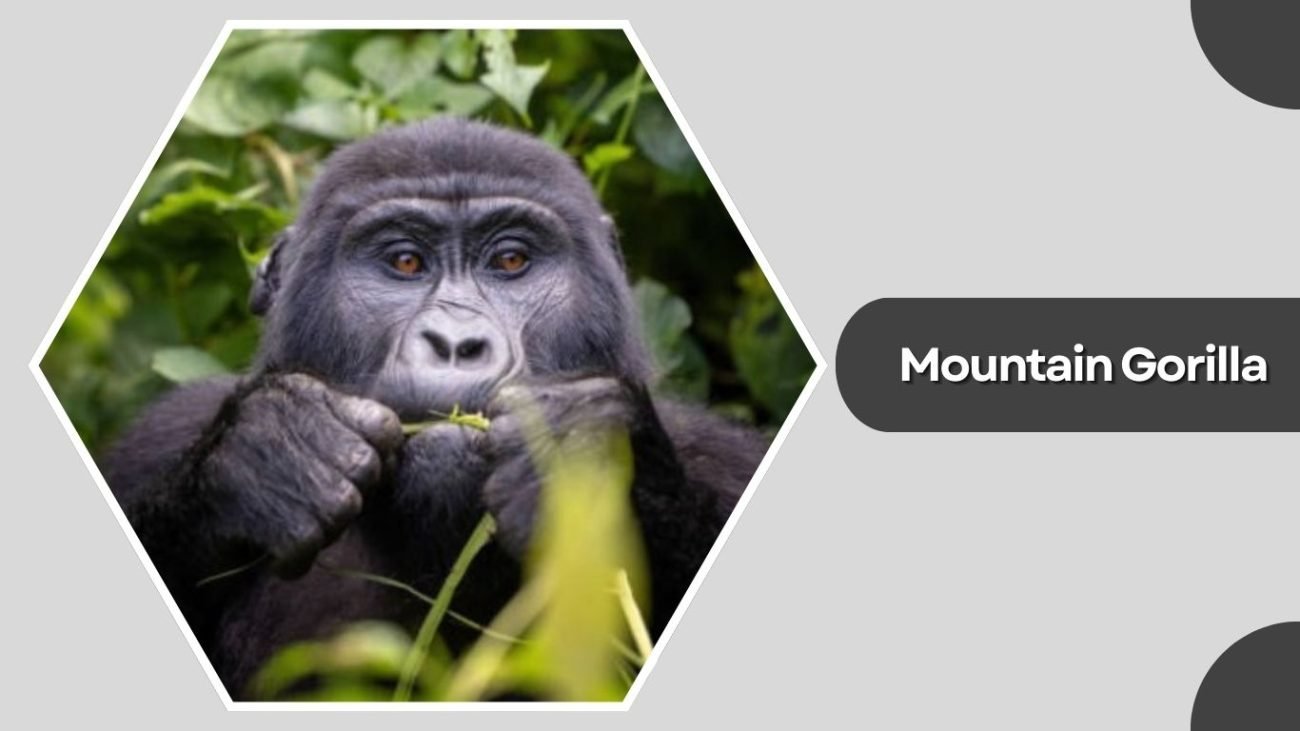
Mountain gorillas are one of the most famous great apes, known for their thick fur, massive strength, and gentle social behavior. They live in high-altitude forests and misty mountains, where cold temperatures are common. Mountain gorillas form close family groups led by a dominant silverback who protects and guides the troop.
Identification
- Scientific name: Gorilla beringei beringei
- Common name: Mountain gorilla
- Fur color: Thick black fur
- Body type: Very large, heavily built ape
- Chest: Broad chest and powerful shoulders
- Arms: Long, extremely strong arms
- Adult male: Prominent silverback
- Native range: Rwanda, Uganda, and eastern Democratic Republic of the Congo
Habitat
Mountain gorillas inhabit cloud forests, bamboo forests, and montane rainforests at elevations between 2,200 and 4,300 meters. These habitats are cool, wet, and often fog-covered. They build nests on the ground or in low vegetation each night and move through dense plant growth while feeding.
Diet
Their diet is mostly vegetarian and includes leaves, shoots, stems, bark, roots, and wild celery. Fruit is less common in their high-altitude environment. Mountain gorillas spend much of the day feeding to meet their energy needs and rest in between long feeding periods.
Lifecycle & Lifespan
Female mountain gorillas usually give birth to one infant after a gestation period of about 257 days. Infants cling to their mothers and are protected by the silverback. Young gorillas grow slowly and stay with their mothers for several years. In the wild, mountain gorillas typically live around 35–40 years.
12. Northern White Gibbon
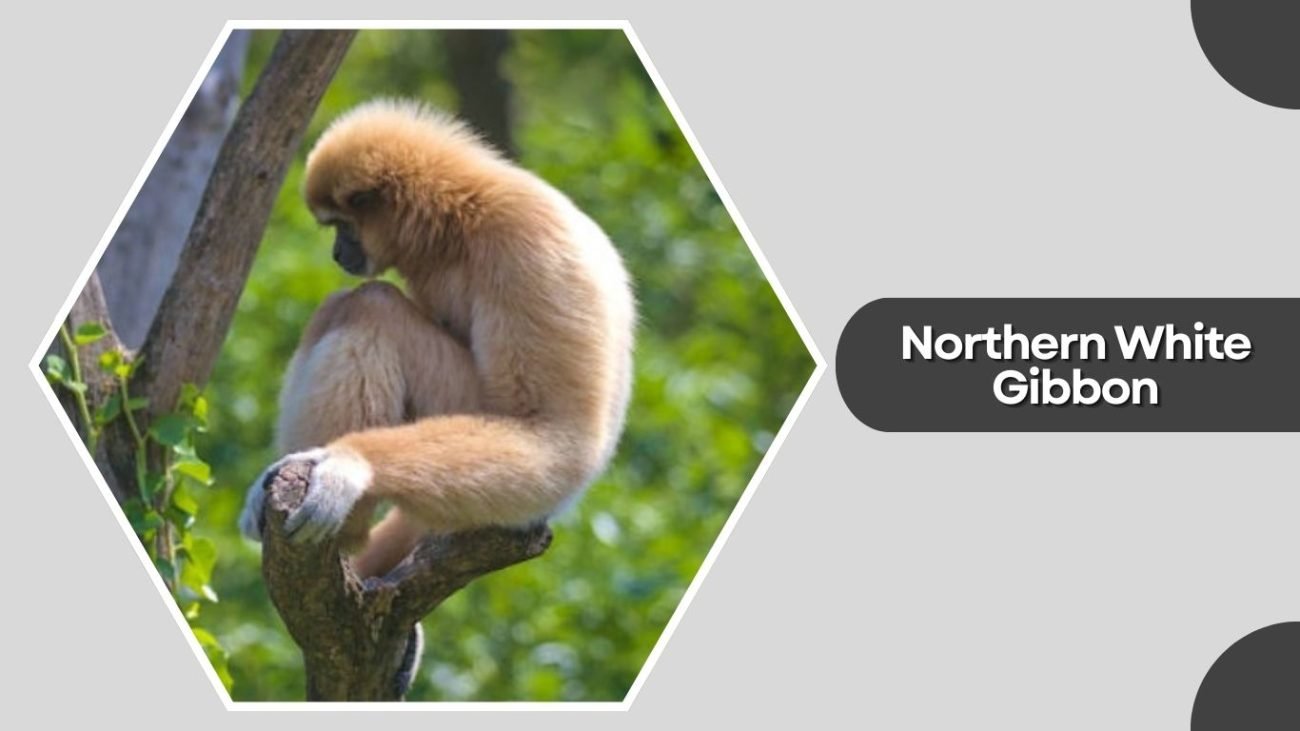
The northern white gibbon is a rare and graceful small ape known for its long arms, loud calls, and highly agile movement through forest canopies. Like all gibbons, it is a true ape, not a monkey, and moves mainly by brachiation—swinging from branch to branch. Northern white gibbons live in close family groups and defend their territories with powerful vocal duets.
Identification
- Scientific name: Nomascus leucogenys
- Common name: Northern white gibbon
- Fur color: Black in males, pale cream in females
- Body type: Small, slender ape
- Arms: Extremely long arms
- Face: Hairless face with light facial ring
- Average height: 43–58 cm
- Native range: Northern Vietnam, Laos, and southern China
Habitat
Northern white gibbons live in tropical and subtropical evergreen forests. They depend completely on trees for movement, feeding, and sleeping. Tall, continuous canopies are essential because they rarely walk on the ground. They sleep in high branches and move swiftly through the forest using arm-swinging.
Diet
Their diet mainly consists of ripe fruits, along with leaves, flowers, buds, and insects. Fruit provides most of their energy, while leaves and flowers supplement nutrition. They often feed high in the canopy where fruit is abundant.
Lifecycle & Lifespan
Females usually give birth to one infant after a gestation period of about seven months. Infants cling to their mothers and develop slowly. Gibbons form strong pair bonds, and both parents help protect the young. In the wild, northern white gibbons generally live around 25–30 years.
13. Lar Gibbon
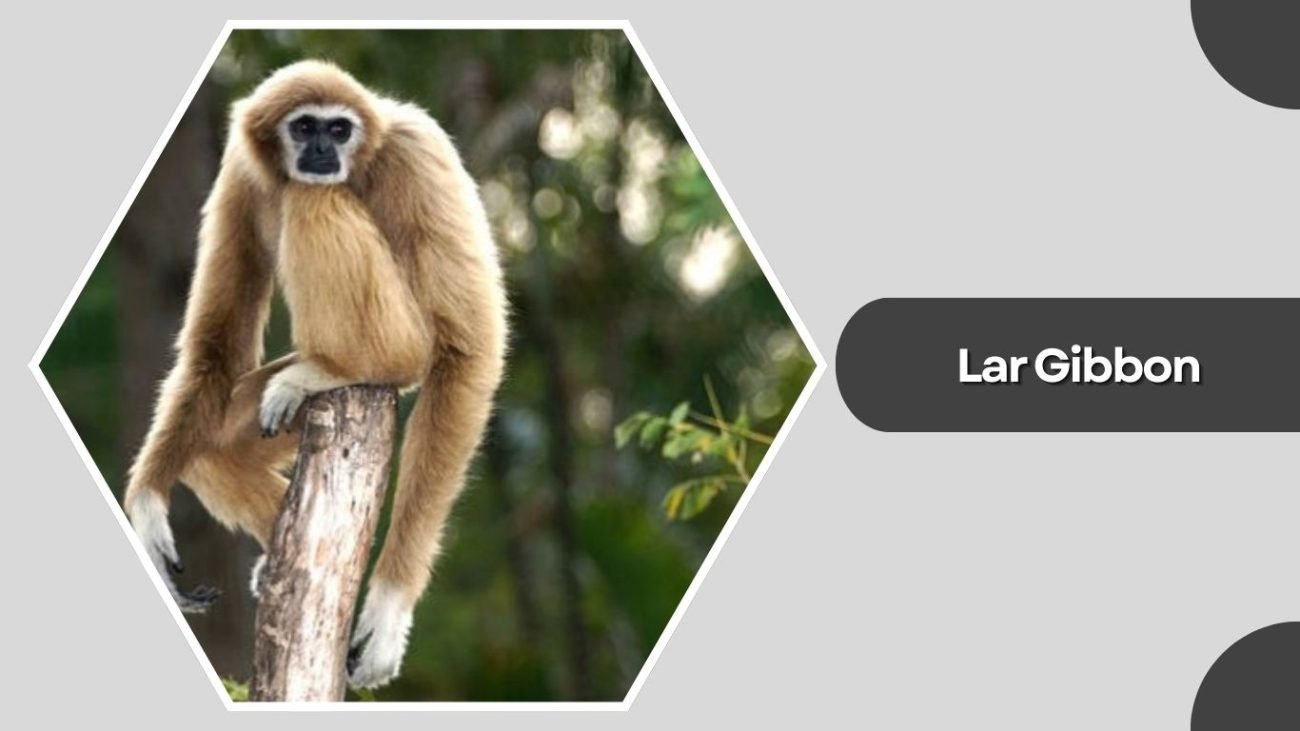
The lar gibbon, also called the white-handed gibbon, is one of the most well-known small apes. It is famous for its loud, musical calls, long arms, and incredible ability to swing through trees. Lar gibbons live in close family groups and are strongly territorial. They are fully arboreal and almost never come down to the ground.
Identification
- Scientific name: Hylobates lar
- Common name: Lar gibbon / White-handed gibbon
- Fur color: Black, brown, or cream
- Hands and feet: White fur
- Body type: Small, very slender ape
- Arms: Extremely long arms
- Average height: 44–64 cm
- Native range: Southeast Asia
Habitat
Lar gibbons live in tropical rainforests, evergreen forests, and mountainous forests. They depend entirely on continuous tree canopies to travel, feed, and sleep. They move by brachiation, swinging rapidly between branches. Tall trees are essential for safety and food.
Diet
Lar gibbons mainly eat fruit, especially figs, along with young leaves, flowers, buds, and insects. Fruit provides most of their energy. They forage high in the canopy and travel daily to reach fruiting trees.
Lifecycle & Lifespan
Females usually give birth to one infant after a gestation period of about seven months. Infants cling to their mothers and are cared for by both parents. Young gibbons stay with their family group for several years. In the wild, lar gibbons typically live around 25–30 years.
14. Siamang
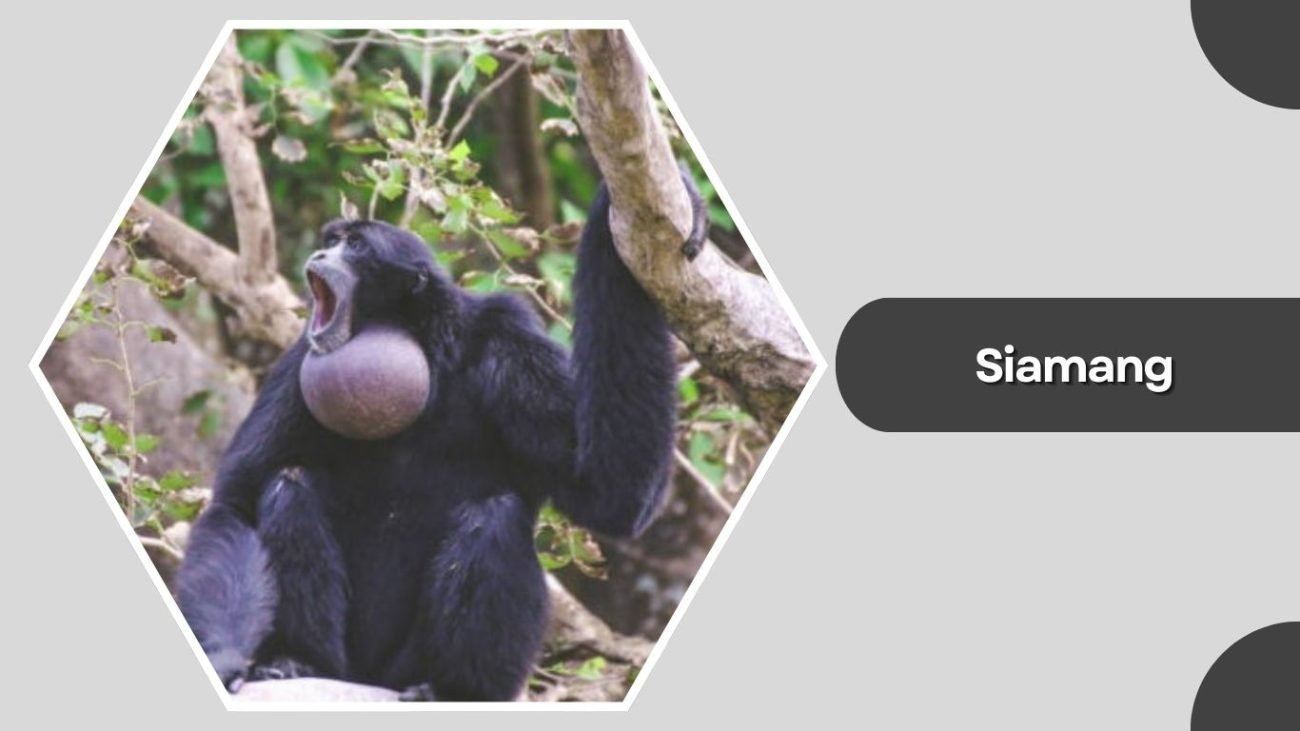
The siamang is the largest of all gibbons and is easily recognized by the large inflatable throat sac it uses to produce powerful, echoing calls. It is a highly social, tree-dwelling ape that lives in close family groups. Siamangs are famous for their loud morning duets, which help defend territory and strengthen family bonds.
Identification
- Scientific name: Symphalangus syndactylus
- Common name: Siamang
- Fur color: Jet black
- Body type: Larger and heavier than other gibbons
- Arms: Very long, strong arms
- Throat: Large inflatable vocal sac
- Average height: 70–90 cm
- Native range: Sumatra and the Malay Peninsula
Habitat
Siamangs live in tropical rainforests and evergreen forests. They are completely arboreal and rely on tall, continuous canopies for travel and feeding. Using brachiation, they swing smoothly between branches and rarely descend to the ground. They sleep high in trees and defend stable territories.
Diet
Their diet consists mainly of fruits, leaves, flowers, buds, and occasionally insects. Compared to other gibbons, siamangs eat more leaves. They spend many hours each day foraging and traveling through the canopy in search of food.
Lifecycle & Lifespan
Female siamangs usually give birth to one infant after a gestation period of about 230 days. Infants cling to their mothers and later are carried by fathers as well. Young siamangs mature slowly and remain with their parents for several years. In the wild, siamangs typically live around 30–35 years.
15. Hoolock Gibbon
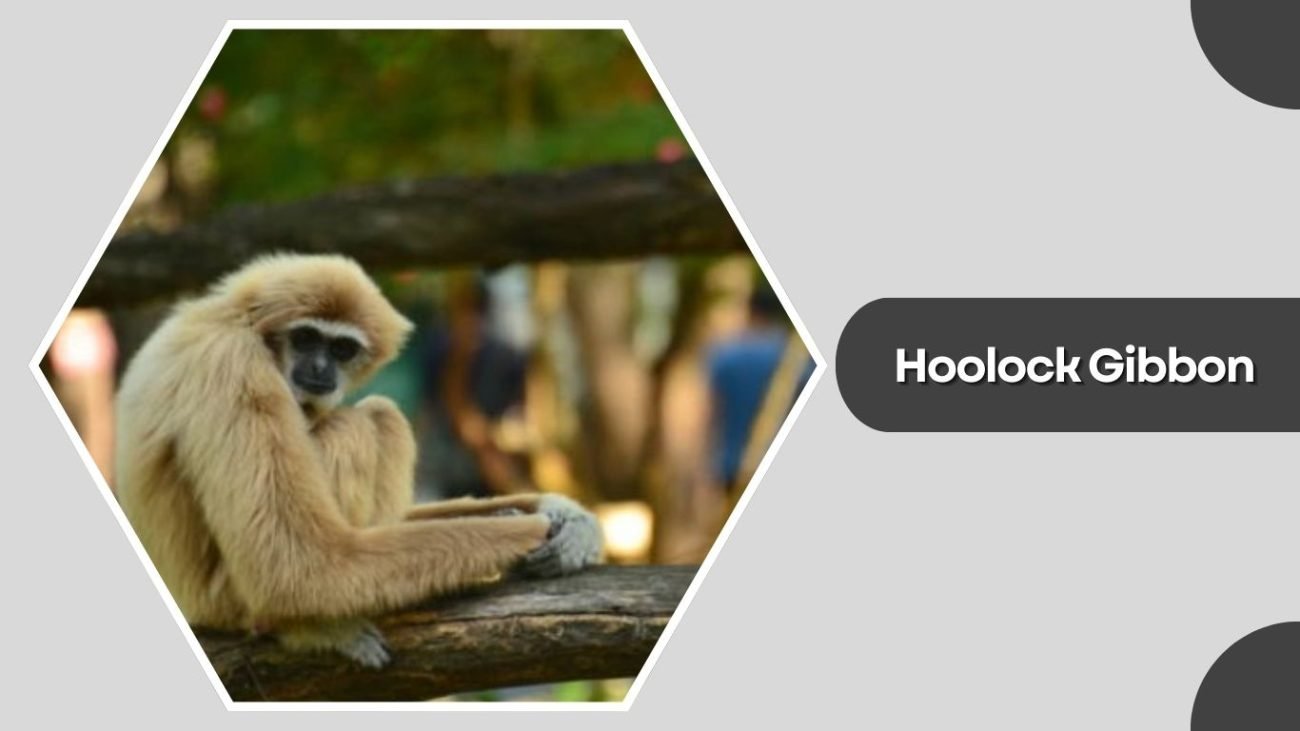
The hoolock gibbon is the only gibbon genus found in India and Bangladesh and is known for its expressive face, loud calls, and agile tree-swinging. It is a true ape and moves mainly by brachiation. Hoolock gibbons live in small family groups and are highly territorial, using vocal duets to defend their forest areas.
Identification
- Scientific name: Hoolock species
- Common name: Hoolock gibbon
- Fur color: Black or dark brown
- Face: Males with white eyebrows, females lighter fur
- Body type: Small, slender ape
- Arms: Extremely long arms
- Average height: 60–90 cm
- Native range: Northeast India, Bangladesh, and Myanmar
Habitat
Hoolock gibbons inhabit tropical evergreen forests, semi-evergreen forests, and hill forests. They are fully arboreal and depend on continuous tree cover. These forests provide fruits, shelter, and high branches for sleeping. Habitat destruction is a major threat to their survival.
Diet
Their diet mainly consists of fruits, leaves, flowers, buds, and insects. Fruits make up the largest part of their diet. They forage high in the canopy and travel long distances each day through the trees.
Lifecycle & Lifespan
Female hoolock gibbons usually give birth to one infant after a gestation period of about seven months. Infants cling to their mothers and are cared for by both parents. Young gibbons grow slowly and remain with their family group for several years. In the wild, hoolock gibbons typically live around 25–30 years.
16. Pileated Gibbon
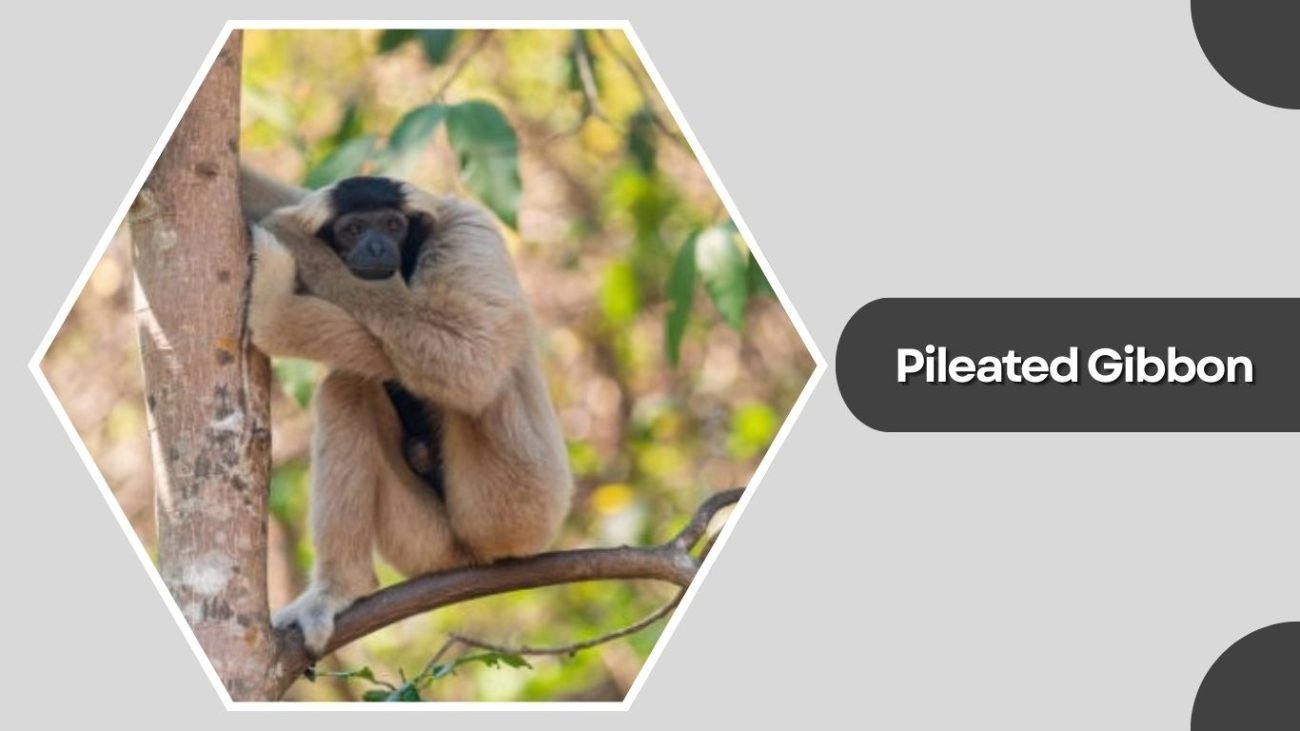
The pileated gibbon is a striking small ape known for its contrasting black-and-white fur pattern and energetic swinging through forest canopies. It is highly vocal and lives in close family groups. Like other gibbons, it uses brachiation as its primary form of movement and depends entirely on forest trees.
Identification
- Scientific name: Hylobates pileatus
- Common name: Pileated gibbon
- Fur color: Black body with white face ring (males), lighter fur in females
- Body type: Small, slender ape
- Arms: Very long arms
- Face: Distinct pale facial ring
- Average height: 45–63 cm
- Native range: Thailand, Cambodia, and Laos
Habitat
Pileated gibbons live in tropical evergreen forests and semi-evergreen forests. They prefer tall, continuous canopies that allow smooth arm-swinging. They rarely descend to the ground and build sleeping sites high in the trees.
Diet
Their diet mainly consists of fruits, especially figs, along with leaves, flowers, buds, and insects. Fruit provides most of their energy. They travel widely within their territory to find seasonal food sources.
Lifecycle & Lifespan
Female pileated gibbons usually give birth to one infant after a gestation period of about seven months. Infants cling to their mothers and are later carried by fathers. Young gibbons develop slowly and stay with their parents for several years. In the wild, pileated gibbons generally live around 25–30 years.
17. Black Crested Gibbon
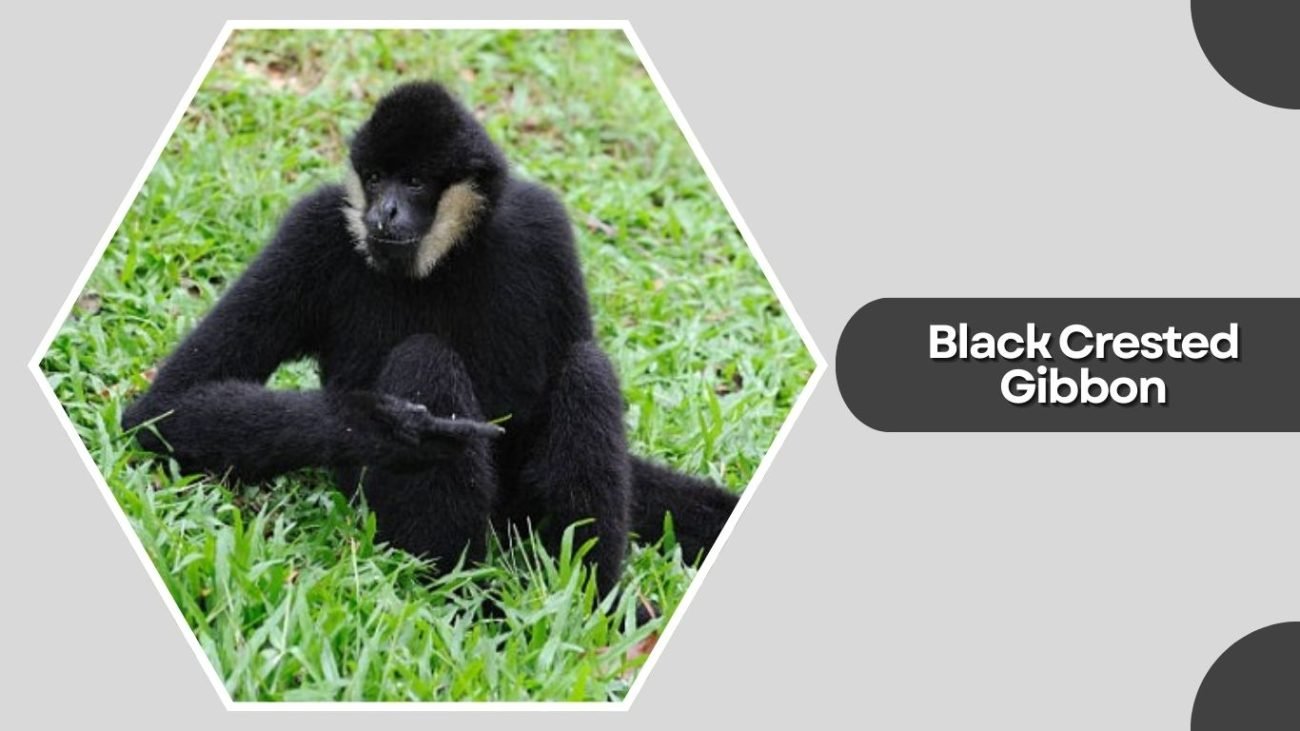
The black crested gibbon is a small, agile ape known for its striking appearance and powerful, echoing calls. Males are jet black, while females are golden or buff-colored with a darker crown. These gibbons live in close family groups and use loud songs to defend territory and strengthen pair bonds.
Identification
- Scientific name: Nomascus concolor
- Common name: Black crested gibbon
- Fur color: Black in males, golden-buff in females
- Body type: Small, slender ape
- Arms: Extremely long arms
- Face: Hairless face with light cheek markings
- Average height: 45–60 cm
- Native range: Southern China, northern Vietnam, and Laos
Habitat
Black crested gibbons inhabit subtropical and tropical evergreen forests, often in mountainous regions. They depend completely on continuous tree canopies for movement, feeding, and sleeping. Using brachiation, they swing rapidly between branches and rarely come to the ground.
Diet
Their diet consists mainly of ripe fruits, along with leaves, buds, flowers, and insects. Fruit makes up the largest part of their nutrition, while leaves and flowers supplement their diet when fruit is scarce.
Lifecycle & Lifespan
Females usually give birth to one infant after a gestation period of about seven months. Infants cling to their mothers and are cared for by both parents. Young gibbons stay with their family group for several years to learn territory and feeding skills. In the wild, black crested gibbons typically live around 25–30 years.
18. Mueller’s Gibbon

Mueller’s gibbon is a small, fast-moving ape known for its graceful swinging and soft, melodious calls. It is one of the gibbon species native to the island of Borneo. Like other gibbons, it is fully arboreal and lives in small family groups that defend territories through vocal displays.
Identification
- Scientific name: Hylobates muelleri
- Common name: Mueller’s gibbon
- Fur color: Grey, brown, or pale beige
- Body type: Small, slender ape
- Arms: Very long arms
- Face: Dark face with lighter fur ring
- Average height: 44–63 cm
- Native range: Borneo
Habitat
Mueller’s gibbons live in lowland tropical rainforests and hill forests. They require continuous forest canopy to travel efficiently. These forests provide fruiting trees, shelter, and sleeping sites high above the ground.
Diet
Their diet mainly consists of fruits, particularly figs, along with leaves, buds, flowers, and insects. They forage high in the canopy and move long distances daily to find ripe fruit.
Lifecycle & Lifespan
Female Mueller’s gibbons usually give birth to one infant after a gestation period of about seven months. Infants cling to their mothers and later are sometimes carried by fathers. Young gibbons remain with their family group for several years. In the wild, Mueller’s gibbons typically live around 25–30 years.
19. Silvery Gibbon
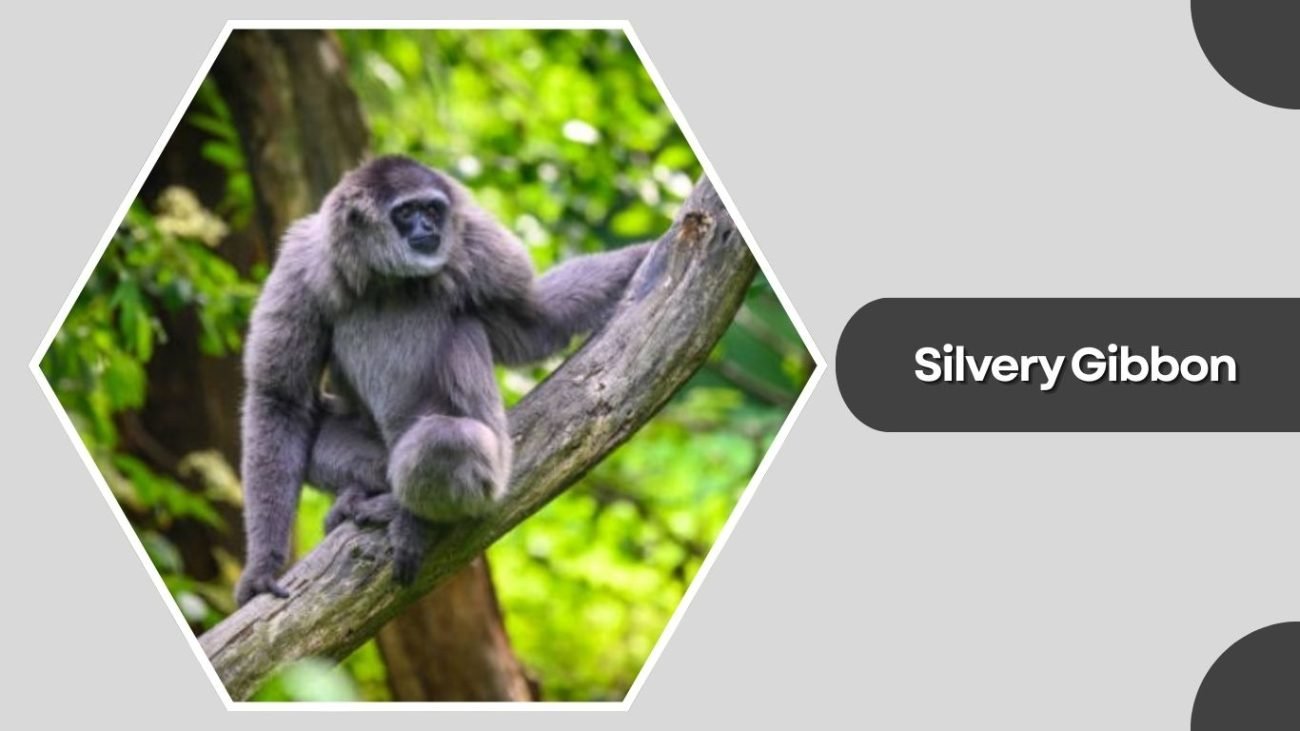
The silvery gibbon is a beautiful small ape recognized by its soft silver-grey fur and dark face. It is shy, agile, and highly vocal, using calls to communicate and defend territory. Silvery gibbons live in small family groups and move almost exclusively by swinging through trees.
Identification
- Scientific name: Hylobates moloch
- Common name: Silvery gibbon
- Fur color: Silver-grey to light grey
- Body type: Small, slender ape
- Arms: Extremely long arms
- Face: Dark face with lighter fur ring
- Average height: 44–64 cm
- Native range: Java, Indonesia
Habitat
Silvery gibbons inhabit tropical lowland rainforests and hill forests. They rely completely on tall, continuous canopies for feeding, movement, and sleeping. These forests provide fruiting trees and shelter high above the forest floor.
Diet
Their diet consists mainly of fruits, along with young leaves, flowers, buds, and insects. Fruit makes up most of their daily intake, while leaves supplement nutrition when fruit is limited.
Lifecycle & Lifespan
Female silvery gibbons usually give birth to one infant after a gestation period of about seven months. Infants cling to their mothers and are raised in close family groups. Young gibbons remain with their parents for several years. In the wild, silvery gibbons typically live around 25–30 years.
20. Agile Gibbon
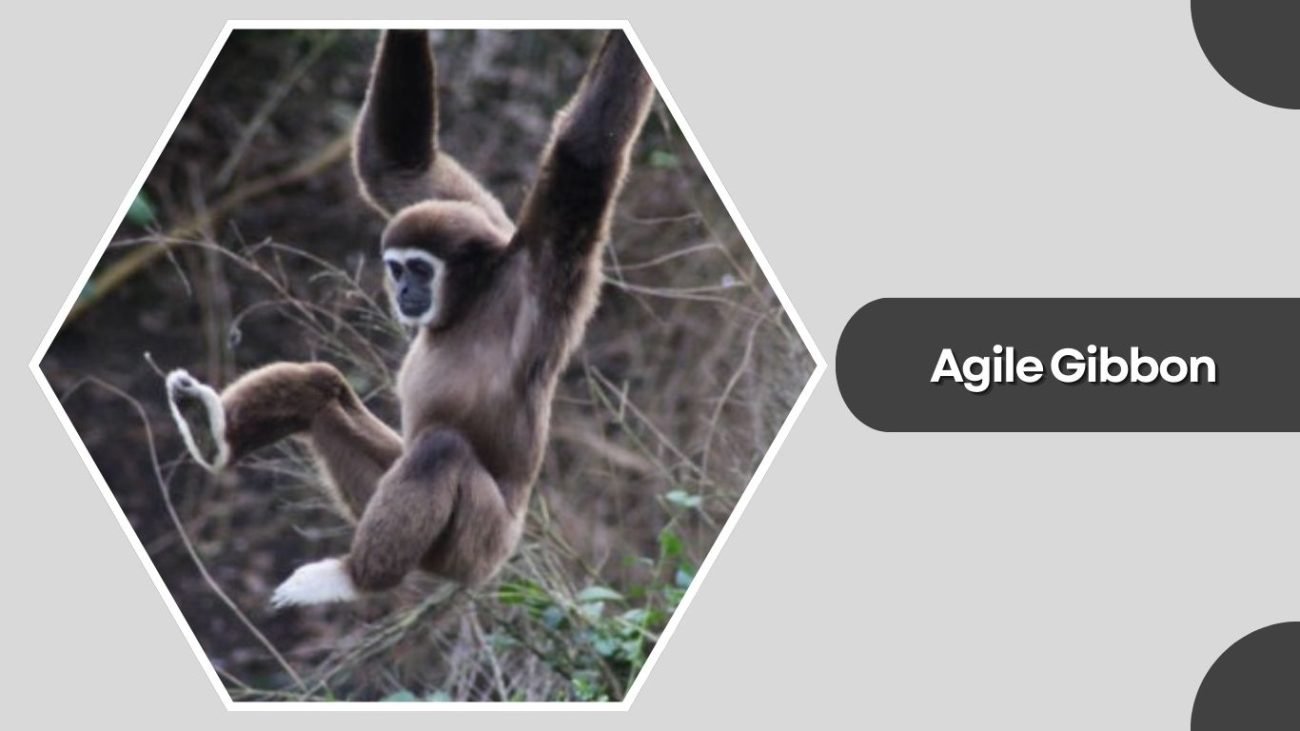
The agile gibbon is a small, energetic ape famous for its speed and smooth swinging through forest canopies. It is one of the fastest-moving tree-dwelling mammals. Agile gibbons are highly vocal and live in close family groups, using loud calls to mark territory and communicate.
Identification
- Scientific name: Hylobates agilis
- Common name: Agile gibbon
- Fur color: Black, brown, or reddish-brown
- Body type: Small, slender ape
- Arms: Extremely long arms
- Face: Dark face with lighter fur ring
- Average height: 44–63 cm
- Native range: Sumatra and the Malay Peninsula
Habitat
Agile gibbons inhabit tropical rainforests and hill forests. They require tall, continuous canopies to travel, feed, and sleep. Using brachiation, they swing rapidly between branches and rarely descend to the ground.
Diet
Their diet mainly consists of ripe fruits, especially figs, along with leaves, flowers, buds, and insects. Fruit provides most of their energy, and they travel daily to find fruiting trees.
Lifecycle & Lifespan
Female agile gibbons usually give birth to one infant after a gestation period of about seven months. Infants cling to their mothers and are later sometimes carried by fathers. Young gibbons stay with their family group for several years. In the wild, agile gibbons typically live around 25–30 years.
21. Yellow-cheeked Gibbon
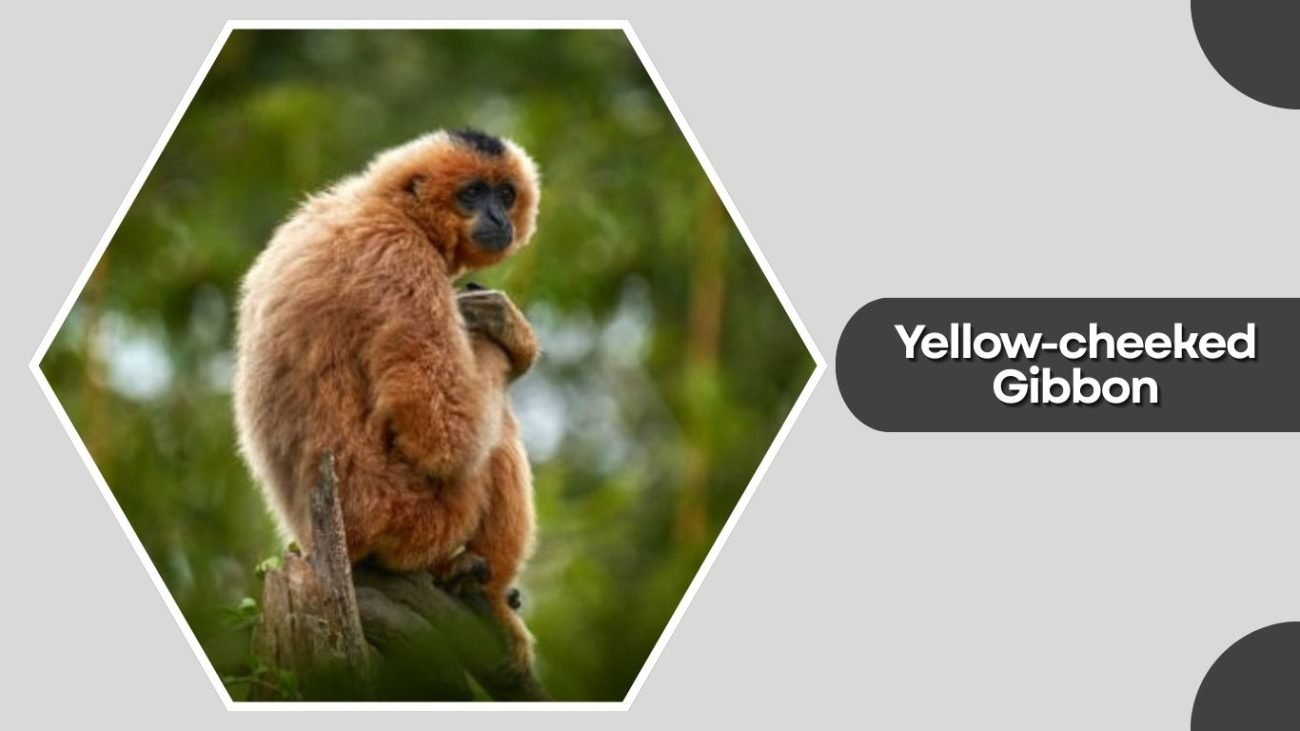
The yellow-cheeked gibbon is a striking small ape known for the bright yellow or golden patches on the cheeks of adult males. Females are lighter in color and lack the bold cheek markings. This species is highly vocal, producing loud, complex songs that echo through forests. Like all gibbons, it is fully arboreal and moves mainly by swinging through the canopy.
Identification
- Scientific name: Nomascus gabriellae
- Common name: Yellow-cheeked gibbon
- Fur color: Black in males with yellow cheeks, lighter brown in females
- Body type: Small, slender ape
- Arms: Extremely long arms
- Face: Dark face with contrasting cheek fur
- Average height: 45–63 cm
- Native range: Vietnam, Laos, and Cambodia
Habitat
Yellow-cheeked gibbons live in tropical evergreen forests and semi-evergreen forests. They depend completely on tall, continuous tree canopies for feeding, movement, and sleeping. These forests provide fruiting trees, shelter, and safe sleeping sites high above the ground.
Diet
Their diet mainly consists of ripe fruits, especially figs, along with young leaves, flowers, buds, and insects. Fruit makes up most of their daily intake, while leaves and flowers supplement nutrition during seasonal shortages.
Lifecycle & Lifespan
Females usually give birth to one infant after a gestation period of about seven months. Infants cling closely to their mothers and are raised within a small family group. Young gibbons remain with their parents for several years. In the wild, yellow-cheeked gibbons typically live around 25–30 years.
22. Kloss’s Gibbon
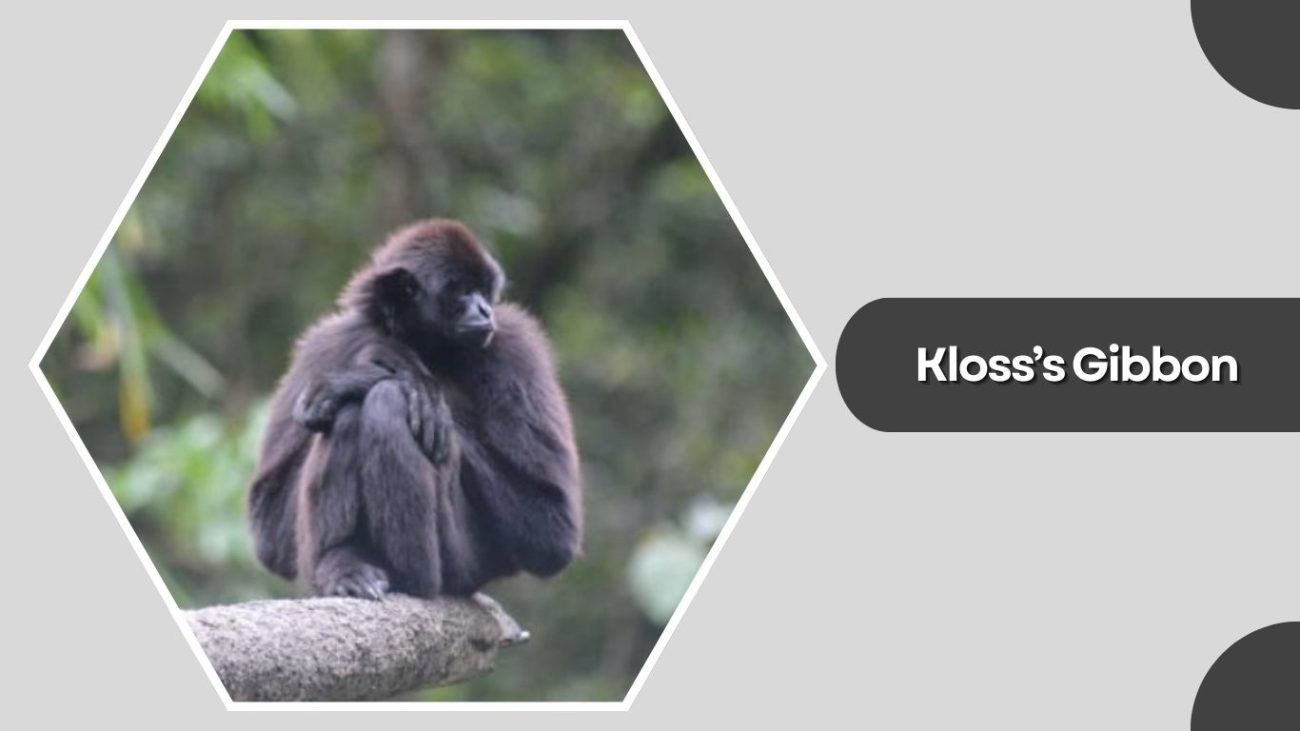
Kloss’s gibbon is a rare and elegant small ape known for its jet-black fur, long arms, and powerful singing calls. It is one of the least vocal-looking but most musically complex gibbons. This species lives in close family groups and moves almost entirely by brachiation, swinging swiftly beneath branches.
Identification
- Scientific name: Hylobates klossii
- Common name: Kloss’s gibbon
- Fur color: Jet black
- Body type: Small, slender ape
- Arms: Extremely long arms
- Face: Dark, mostly hairless face
- Average height: 45–64 cm
- Native range: Mentawai Islands, Indonesia
Habitat
Kloss’s gibbons inhabit tropical lowland rainforests on the Mentawai Islands off the western coast of Sumatra. They depend completely on tall, unbroken forest canopies for feeding, movement, and sleeping. They rarely descend to the ground and build sleeping sites high in the trees.
Diet
Their diet mainly consists of ripe fruits, along with young leaves, flowers, buds, and insects. Fruit provides most of their daily energy. They travel long distances through the canopy to reach seasonal fruiting trees.
Lifecycle & Lifespan
Females usually give birth to one infant after a gestation period of about seven months. Infants cling to their mothers and are later sometimes carried by fathers. Young gibbons remain with their family group for several years. In the wild, Kloss’s gibbons typically live around 25–30 years.
23. Western Chimpanzee
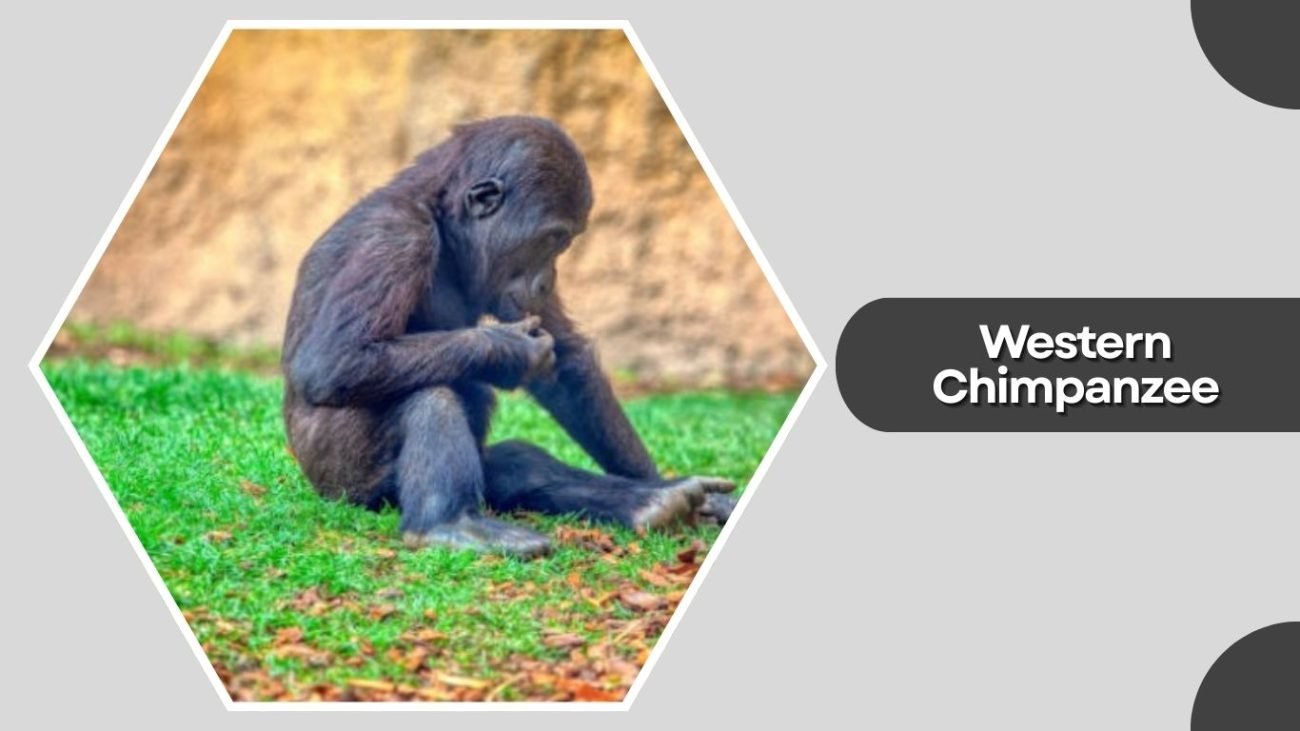
The western chimpanzee is a subspecies of the common chimpanzee and is known for its intelligence, strong social bonds, and remarkable tool use. It is found in West Africa and lives in complex communities that show regional behaviors, such as nut-cracking with stones. Western chimpanzees communicate through vocal calls, gestures, and facial expressions.
Identification
- Scientific name: Pan troglodytes verus
- Common name: Western chimpanzee
- Fur color: Black to dark brown
- Face: Mostly hairless, dark skin
- Body type: Muscular, long-armed ape
- Arms: Longer than legs
- Average height: 1–1.7 meters (standing)
- Native range: West Africa
Habitat
Western chimpanzees inhabit tropical rainforests, woodlands, savannas, and forest–savanna mosaics. They are highly adaptable and can live in both dense forests and more open landscapes. They build nests in trees every night for sleeping and rest during the hottest parts of the day.
Diet
Their diet mainly consists of fruits, leaves, seeds, flowers, insects, eggs, and honey. They are well known for hunting small mammals in coordinated groups. Western chimpanzees also use tools such as sticks for termite fishing and stones for cracking nuts.
Lifecycle & Lifespan
Female western chimpanzees usually give birth to one infant after a gestation period of about 230 days. Infants stay close to their mothers for many years. Young chimpanzees learn survival skills through play and observation. In the wild, western chimpanzees typically live around 33–40 years.
FAQs
How many types of apes are there in the world?
There are many types of apes, but they are generally grouped into great apes and lesser apes. Great apes include chimpanzees, bonobos, gorillas, and orangutans. Lesser apes are gibbons. Together, these groups make up more than 20 recognized ape types and species.
What is the main difference between apes and monkeys?
The biggest difference is that apes do not have tails, while most monkeys do. Apes also have broader chests, more flexible shoulder joints, and larger brains. These features allow apes to swing through trees, use tools, and show more complex problem-solving abilities.
Which apes are most closely related to humans?
Chimpanzees and bonobos are the closest living relatives of humans. They share about 98–99% of human DNA. Both species show advanced intelligence, emotional expression, tool use, and complex social behavior.
What do apes mainly eat?
Most apes are omnivores but rely heavily on plant-based foods. Their diet mainly includes fruits, leaves, shoots, flowers, seeds, and insects. Some apes, especially chimpanzees, also hunt small animals and eat meat occasionally.
Where do apes naturally live?
Apes are native to Africa and Southeast Asia. Gorillas, chimpanzees, and bonobos live in Africa, while orangutans and gibbons live in Southeast Asia. They inhabit rainforests, mountain forests, and in some cases, woodland and savanna-edge environments.


