










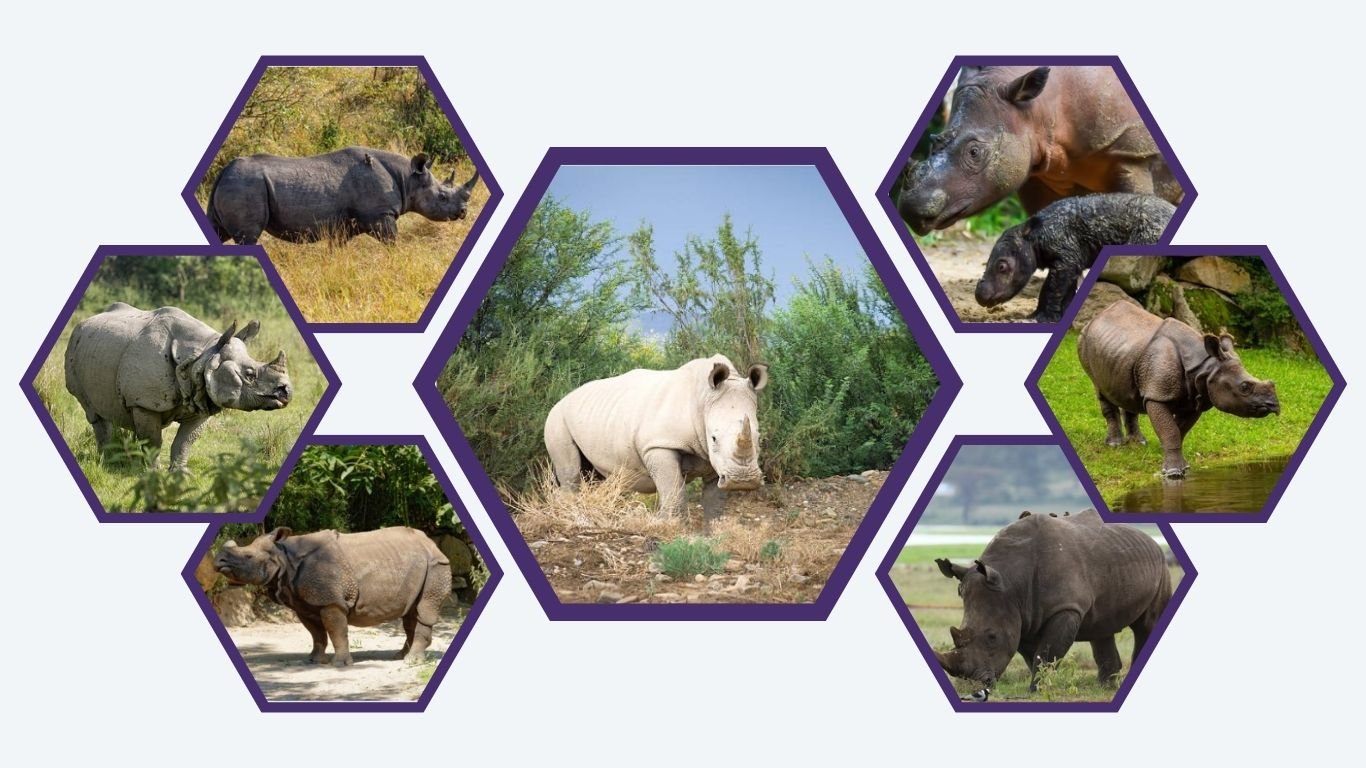
The Malayan rhinoceros, one of the smallest and most elusive rhino species, is critically endangered, with fewer than 50 individuals remaining in the wild. Native to the tropical rainforests of the Malay Peninsula, this solitary rhino faces severe threats from habitat destruction, poaching, and fragmentation of its natural environment. Despite its small size, the Malayan rhino plays an important role in maintaining the ecosystem. In this article, we will explore the characteristics, behaviors, and conservation challenges faced by this remarkable species.
1. White Rhinoceros
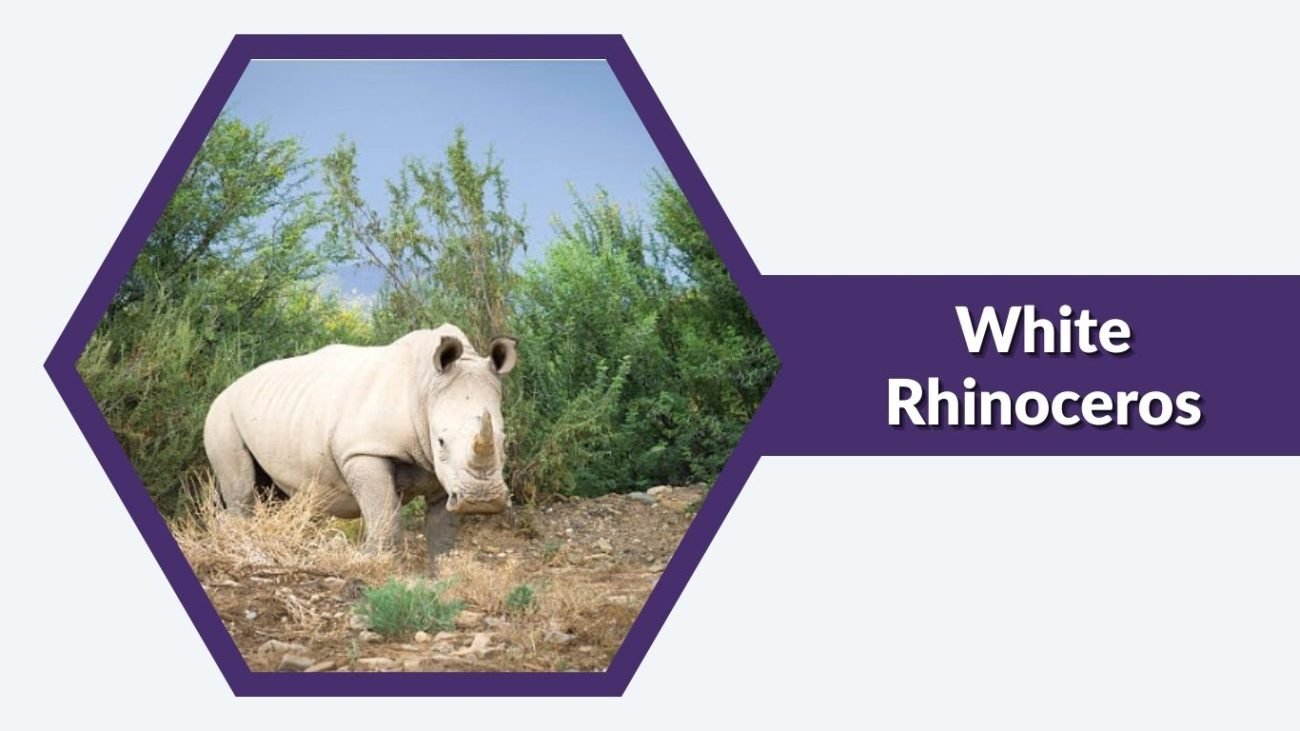
The white rhinoceros is the largest living rhinoceros species and one of the heaviest land mammals on Earth. Despite the name, its skin color is not white but varies from gray to brown depending on mud and dust. This species is best known for its broad, square mouth, which is specially adapted for grazing. White rhinoceroses are generally more social and less aggressive than other rhino species, making them easier to observe in protected areas. Their grazing behavior plays a key role in shaping African grassland ecosystems.
Identification
- Massive, heavy body with thick, armor-like skin
- Wide, square-shaped mouth suited for grazing
- Two horns on the snout, with the front horn usually longer
- Large head held low while feeding
- Short neck and strong, pillar-like legs
Habitat
White rhinoceroses primarily inhabit open grasslands, savannas, and lightly wooded regions. They prefer areas with abundant short grasses and access to water sources for drinking and wallowing. Mud wallows are especially important, as they help the rhino cool down and protect its skin from parasites. These rhinos are most commonly found in protected reserves and national parks, where human disturbance is limited and grazing land is well maintained.
Behaviors
This rhino species is more social than most others and may be seen alone, in pairs, or in small groups. Females often stay with their calves for several years, while adult males establish and defend territories. White rhinoceroses spend much of their day grazing, resting, or wallowing in mud. They have relatively poor eyesight but rely heavily on hearing and smell to detect danger. When threatened, they can charge quickly despite their size.
Diet
White rhinoceroses are strict grazers that feed almost entirely on grasses. Their wide lips allow them to crop grass efficiently and close to the ground. They may spend many hours each day feeding to support their massive body weight. By grazing heavily, white rhinos help maintain open grasslands, preventing bush overgrowth and supporting a variety of other grazing animals.
2. Black Rhinoceros
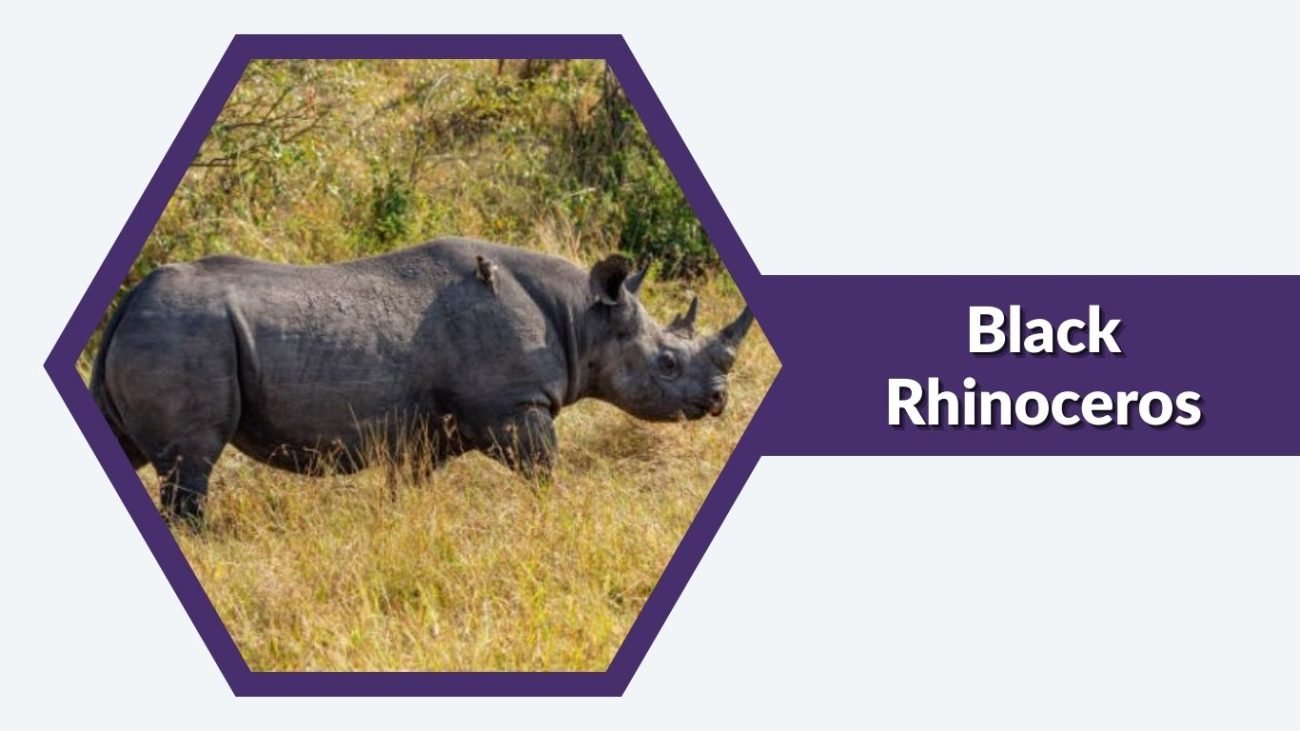
The black rhinoceros is a smaller but more aggressive rhinoceros species known for its hooked upper lip and alert nature. Unlike the white rhinoceros, it is a browser rather than a grazer, feeding mainly on shrubs and bushes. Its name refers to skin tone distinctions used historically rather than actual color, as it is also gray to brown. The black rhinoceros is known for its solitary behavior and strong territorial instincts.
Identification
- Smaller body size compared to the white rhinoceros
- Hooked, pointed upper lip adapted for browsing
- Two horns, often thinner and more curved
- Compact body with a higher head posture
- Thick skin with visible folds, especially around the neck
Habitat
Black rhinoceroses inhabit a variety of environments, including dry savannas, bushlands, scrub forests, and semi-desert regions. They prefer areas with dense vegetation that provide ample shrubs and bushes for feeding. Access to water is important, though they can survive in drier regions than white rhinos. These rhinos are mainly found in protected areas across eastern and southern Africa.
Behaviors
This rhinoceros type is mostly solitary and highly territorial, especially adult males. Black rhinos are known for their unpredictable and defensive behavior when startled. They rely more on smell and hearing than eyesight and may charge perceived threats. Despite their reputation, they generally avoid confrontation unless provoked. They are most active during early morning and late afternoon, resting in shade during the hottest parts of the day.
Diet
Black rhinoceroses are browsers that feed on leaves, twigs, shoots, and thorny bushes. Their hooked lip allows them to grasp and pull vegetation with precision. They consume a wide range of plant species depending on availability and season. By feeding on shrubs, black rhinos help control bush growth and maintain a balanced ecosystem within their habitat.
3. Indian Rhinoceros
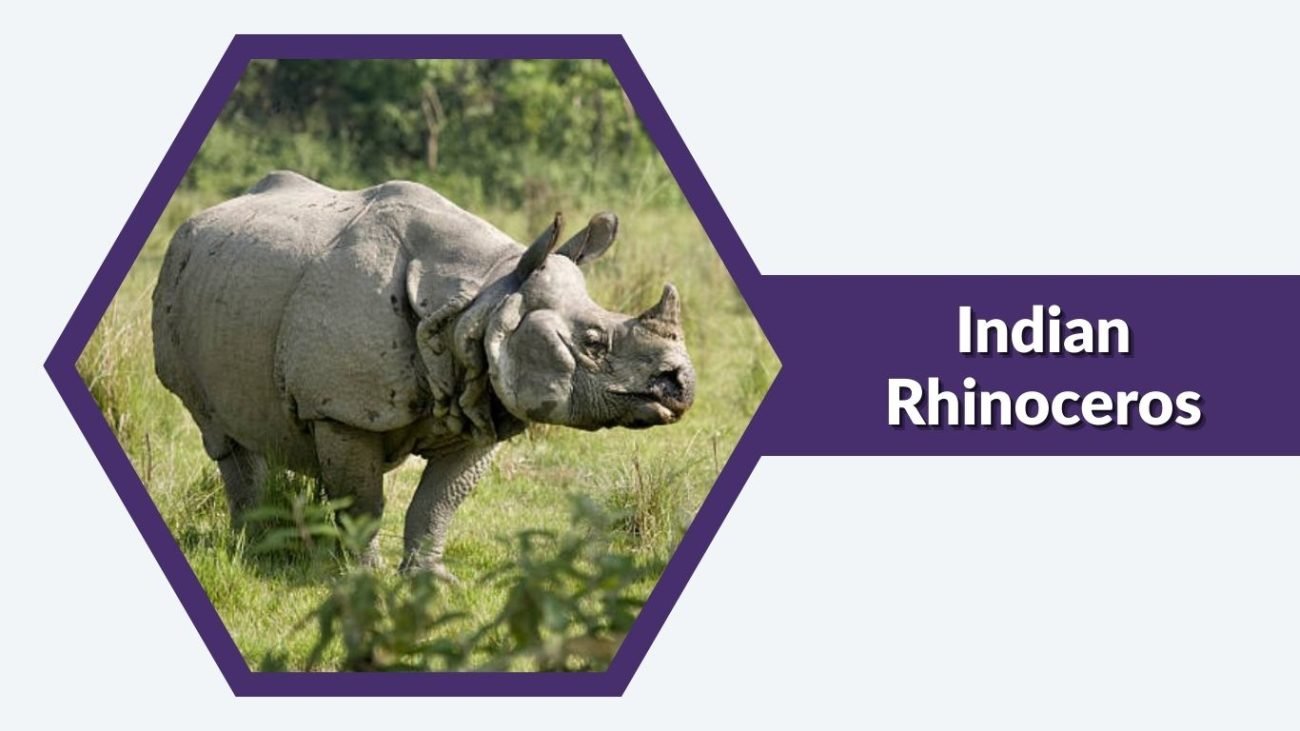
The Indian rhinoceros, also known as the greater one-horned rhinoceros, is easily recognized by its single horn and thick, armor-like skin folds. This species has a prehistoric appearance and is one of the largest rhinoceros types in Asia. Unlike African rhinos, it has fewer horns and a more segmented body structure. The Indian rhinoceros is generally calm but can be dangerous when threatened, especially during breeding season or when protecting calves.
Identification
- Single black horn on the snout
- Thick skin with deep folds resembling armor plates
- Gray to brown skin with a rough texture
- Large body with a relatively short neck
- Small ears and prominent skin tubercles
Habitat
Indian rhinoceroses inhabit riverine grasslands, floodplains, and swamps. They prefer areas with tall grasses, reeds, and nearby water sources. These habitats provide both food and opportunities for wallowing, which is essential for temperature control and skin health. Indian rhinos are mainly found in protected areas of India and Nepal, where conservation programs have helped stabilize their populations.
Behaviors
This rhinoceros type is generally solitary but may gather in loose groups at feeding grounds or wallowing sites. Indian rhinos are strong swimmers and often cross rivers with ease. They communicate using vocal sounds, scent markings, and dung piles. Males can be territorial, especially during mating season, while females are protective of their young.
Diet
Indian rhinoceroses are herbivores that feed mainly on tall grasses, aquatic plants, leaves, and fruits. They also consume branches and crops when natural food is scarce. Their grazing helps maintain grassland ecosystems, preventing overgrowth and supporting plant diversity in floodplain environments.
4. Javan Rhinoceros
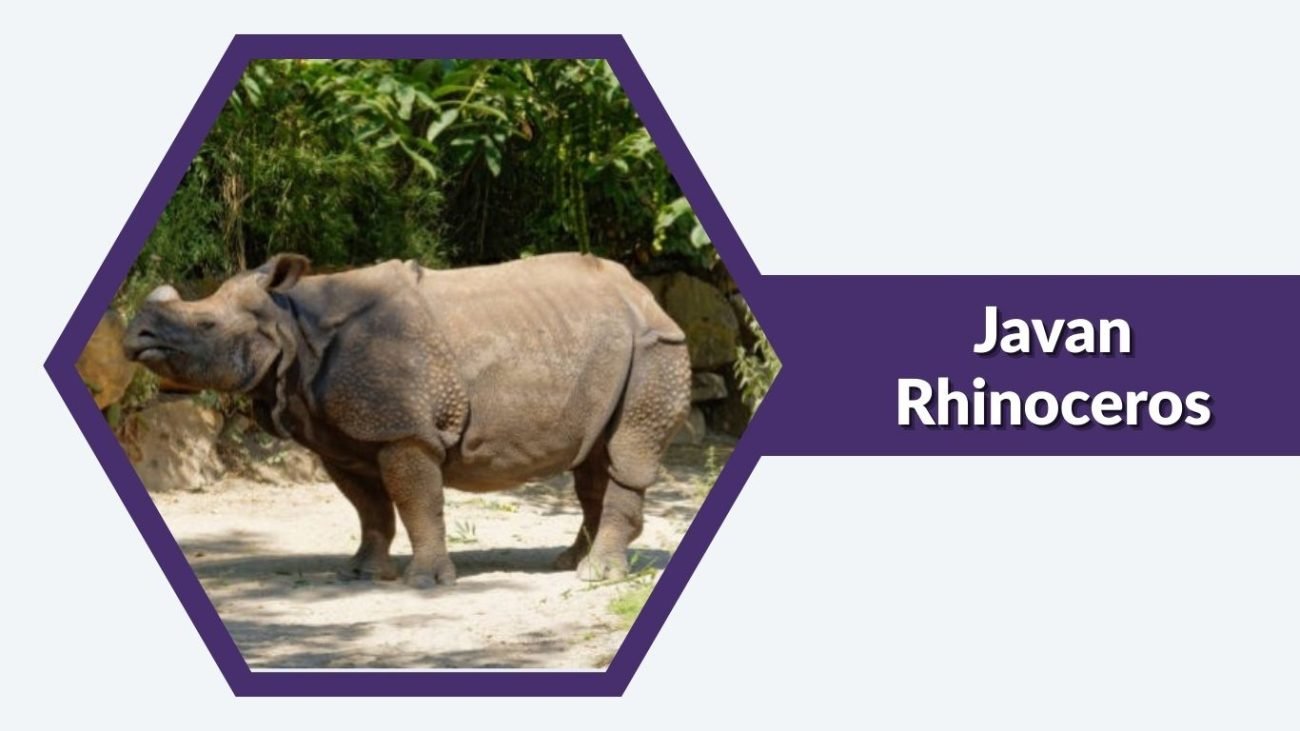
The Javan rhinoceros is one of the rarest large mammals in the world and is known for its shy, secretive nature. It closely resembles the Indian rhinoceros but is smaller and has less prominent skin folds. Today, this species survives in only one known wild population, making it extremely vulnerable to extinction. Due to its elusive behavior, much of what is known about the Javan rhinoceros comes from indirect observation.
Identification
- Single small horn, usually present only in males
- Gray skin with softer, less defined folds than the Indian rhino
- Smaller body size compared to the Indian rhinoceros
- Smooth skin texture with fewer armor-like plates
- Short legs and a broad chest
Habitat
Javan rhinoceroses inhabit dense tropical forests, lowland rainforests, and wet grasslands. They prefer areas with thick vegetation, mud wallows, and access to fresh water. Historically, they ranged across much of Southeast Asia, but today they are restricted to a single protected area. Dense cover helps them avoid human contact and predators.
Behaviors
This rhino species is extremely solitary and avoids interaction with others except during mating or when females are raising calves. They are mostly active during early morning and evening hours. Javan rhinos communicate through scent marking and dung piles. Because of their secretive lifestyle, direct sightings are rare, even by researchers.
Diet
Javan rhinoceroses are browsers that feed on leaves, shoots, twigs, and fallen fruit. They consume a wide variety of plant species, using their flexible lips to grasp vegetation. Their feeding habits help shape forest plant growth and maintain vegetation balance within their limited habitat.
5. Sumatran Rhinoceros
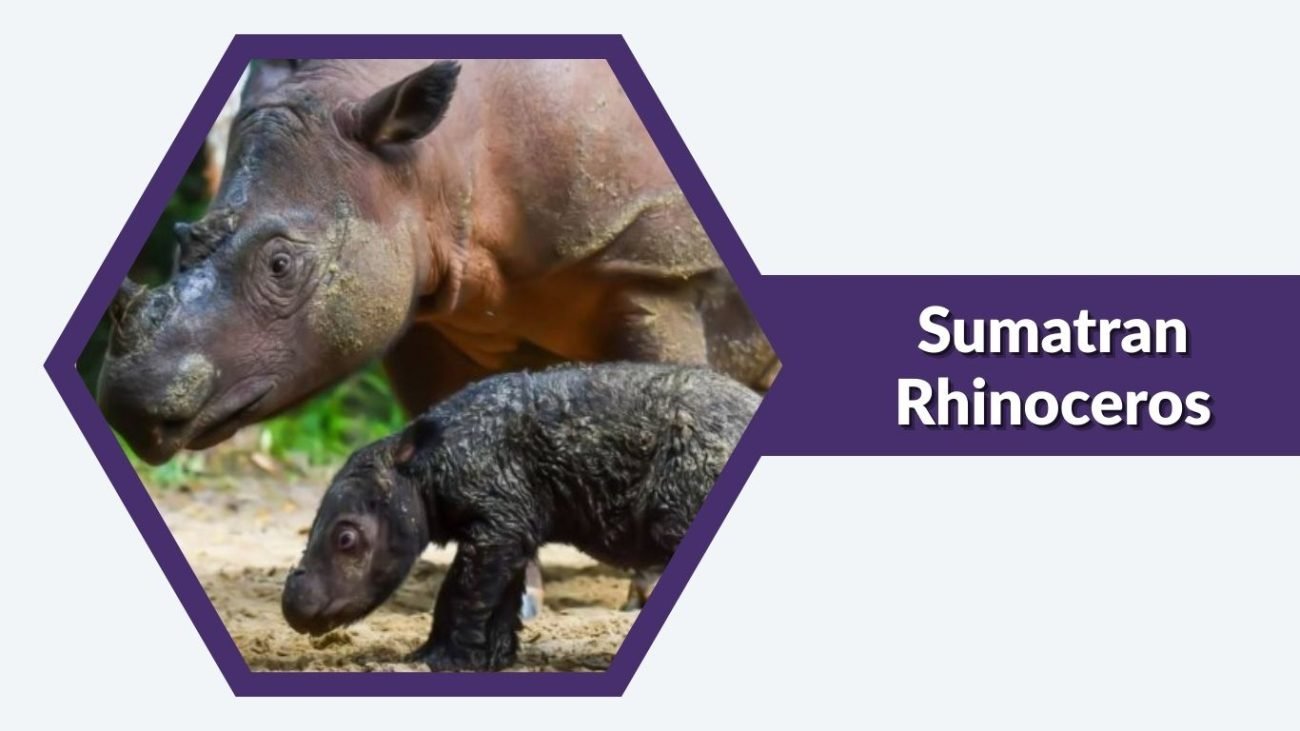
The Sumatran rhinoceros, also known as the Bornean rhinoceros, is the smallest living rhino species. It is recognized for its hairy body, which distinguishes it from other rhinoceros species. Found in the dense rainforests of Borneo and Sumatra, this species is critically endangered, with only a small population remaining in the wild. Despite its smaller size, the Sumatran rhinoceros is an important species for maintaining the biodiversity of its rainforest habitat.
Identification
- Smallest rhinoceros species with a body length of about 3–3.5 meters
- Covered in coarse, reddish-brown hair, especially on the ears, tail, and legs
- Two horns, with the front horn smaller than the rear one
- Wrinkled skin with thick folds and distinct tubercles
- Compact body with short legs and a large, rounded head
Habitat
Sumatran rhinoceroses are found in tropical rainforests, primarily in the lowland and montane forests of Borneo and Sumatra. They prefer dense, mountainous forests with abundant vegetation and access to water sources. These rhinos are typically found at altitudes between 1,000 and 2,500 meters above sea level. Habitat loss due to deforestation and human encroachment is a major threat to their survival.
Behaviors
The Sumatran rhinoceros is solitary and territorial, with males and females only interacting during mating. They are primarily nocturnal and spend much of the day resting in dense vegetation. These rhinos are strong swimmers and can easily navigate through swampy or forested areas. They communicate through scent marking and vocalizations, which help them establish territories and attract mates.
Diet
Sumatran rhinoceroses are herbivores, feeding on a variety of plant materials such as fruits, leaves, and tree bark. They are known to consume plants that are difficult for other herbivores to reach, which helps them thrive in their dense forest environment. Their diet also includes shrubs, roots, and vines, which they forage in the undergrowth of their rainforest habitat.
6. Borneo Pygmy Rhinoceros
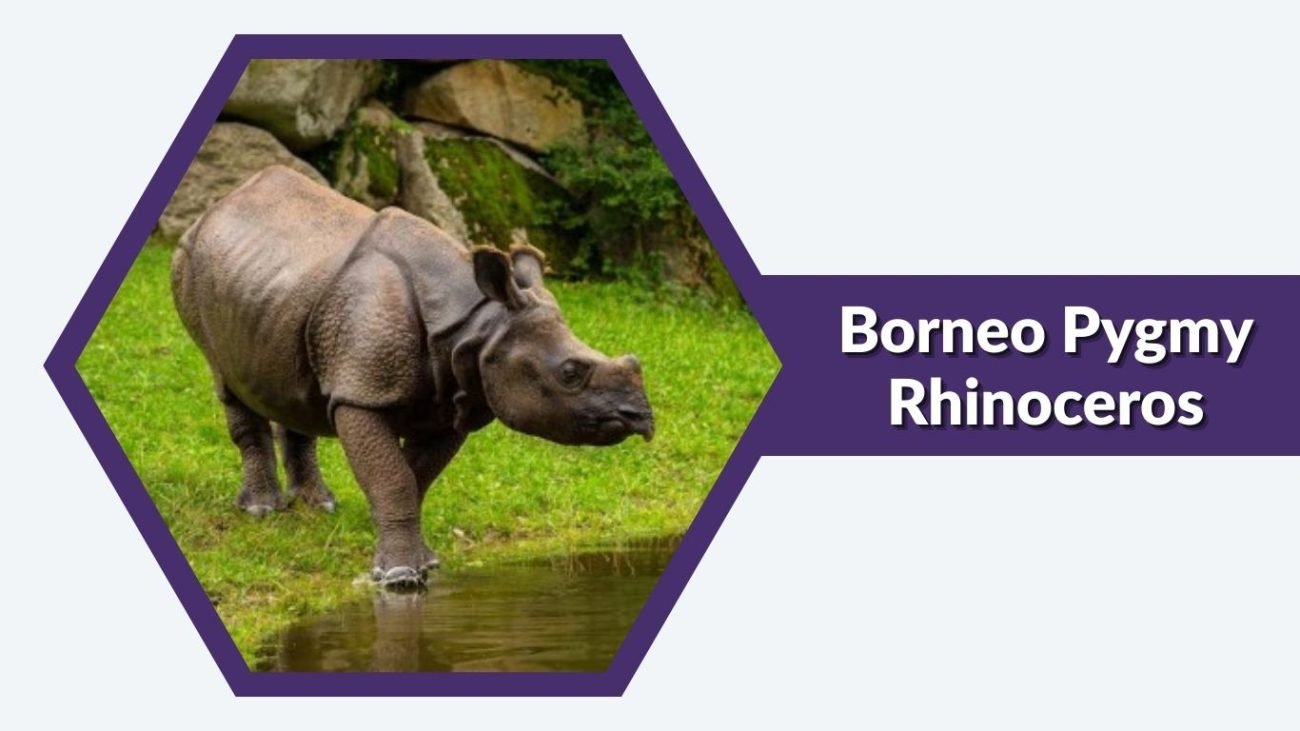
The Borneo pygmy rhinoceros is a distinct subspecies of the Sumatran rhinoceros and is the smallest of all living rhinoceros species. It is primarily found in the northern part of Borneo. Known for its compact size, short stature, and thick folds of skin, the Borneo pygmy rhinoceros is critically endangered with only a few individuals left in the wild. Conservation efforts are crucial for its survival.
Identification
- Smallest rhinoceros species, with an average height of about 1.2 meters at the shoulder
- Thick, wrinkled skin with pronounced folds
- Dark gray to black skin color with sparse hair
- Smaller, rounded body compared to the larger Sumatran rhino
- Two small horns, with the front horn often shorter than the rear
Habitat
The Borneo pygmy rhinoceros inhabits lowland rainforests, montane forests, and swampy areas in the northeastern part of Borneo, particularly in the Malaysian states of Sabah and Sarawak. It prefers dense, undisturbed forests with access to water and abundant vegetation. Habitat destruction due to logging and agriculture poses a significant threat to its survival, reducing the available area for these rhinos to roam.
Behaviors
This subspecies is solitary and territorial, like other rhinoceroses. Borneo pygmy rhinos are typically active during dawn and dusk and spend most of the day in thick vegetation to stay cool. They are known to wallow in mud to regulate their body temperature and protect themselves from parasites. Communication is mostly through scent marking and vocalizations, particularly during mating season.
Diet
Borneo pygmy rhinoceroses are herbivores that feed on a variety of plants found in their rainforest habitat. Their diet includes leaves, fruits, tree bark, and bamboo. They are known to forage for plants that grow in the undergrowth and are able to consume vegetation that is hard for other herbivores to access. Their feeding habits help maintain the health of their forest environment by preventing overgrowth.
7. Malayan Rhinoceros
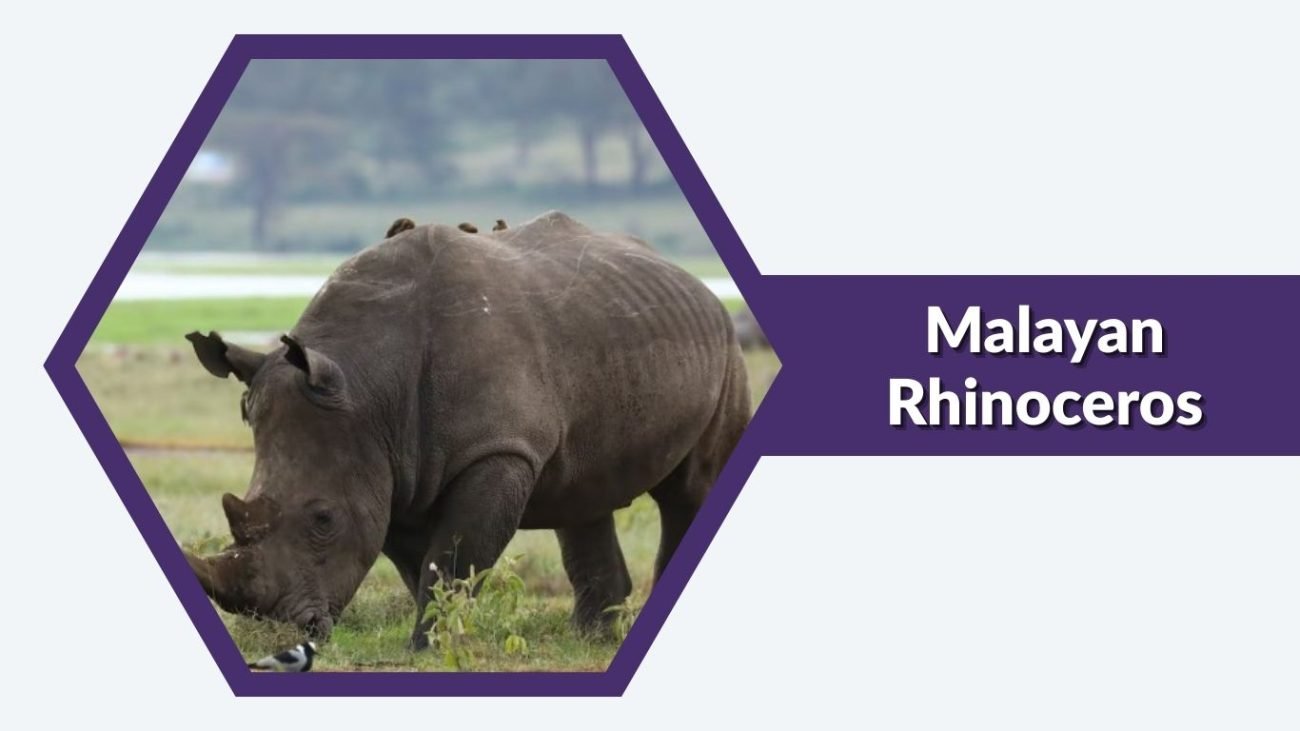
The Malayan rhinoceros is a critically endangered species and one of the smallest living rhinos in Asia. Known for its solitary and elusive nature, this species once roamed across the Malay Peninsula, but today it is confined to a few small areas in Malaysia. The Malayan rhino shares many physical traits with the Sumatran rhinoceros, including its size, skin texture, and solitary habits. With fewer than 50 individuals remaining in the wild, the Malayan rhinoceros is at severe risk of extinction.
Identification
- Small, stocky body with thick, wrinkled skin
- Dark gray or brown skin color with sparse hair, especially on the ears and tail
- Two horns, with the larger rear horn and a small front horn
- Short legs and a relatively compact body
- Thick skin folds around the neck and shoulders
Habitat
Malayan rhinoceroses are found in the tropical rainforests of the Malay Peninsula, where they inhabit lowland forests and swampy areas. These rhinos prefer dense, undisturbed forest environments where they can remain hidden from human activity. They are primarily found in protected areas, but deforestation and habitat fragmentation have severely reduced their range, making them one of the most endangered rhino species in the world.
Behaviors
This rhino species is solitary and elusive, often spending long periods hidden in dense vegetation. Malayan rhinos are generally nocturnal and prefer to remain active during the cooler parts of the day or at night. Their behavior is similar to that of the Sumatran rhinoceros, as they use scent marking to communicate territorial boundaries and during mating interactions. While they are not aggressive by nature, they can be defensive when threatened.
Diet
Malayan rhinoceroses are herbivores, feeding on a variety of vegetation found in their forested habitats. Their diet includes leaves, fruits, tree bark, and bamboo. They are opportunistic feeders and will consume different plant materials depending on availability. Their feeding habits help maintain the structure of their rainforest ecosystem by preventing the overgrowth of certain plant species and supporting the diversity of the habitat.
FAQs
1. Where can the Malayan rhinoceros be found?
The Malayan rhinoceros is found in the tropical rainforests of the Malay Peninsula, particularly in the protected areas of Malaysia. They inhabit lowland forests, swamps, and dense vegetation. However, their population is critically endangered, and their range has drastically diminished due to habitat loss and fragmentation.
2. What is the size of a Malayan rhinoceros?
The Malayan rhinoceros is one of the smallest living rhinos in Asia. It has a stocky body, with a height of about 1.2 meters at the shoulder. Adult males typically weigh around 800 kilograms, while females are slightly smaller. Despite their small size, they have thick, wrinkled skin and a robust build.
3. What do Malayan rhinoceroses eat?
Malayan rhinoceroses are herbivores and feed on a variety of vegetation, including leaves, fruits, tree bark, and bamboo. Their diet is dependent on the availability of plants in their tropical rainforest habitat. They are known to consume different types of plants found in the undergrowth, helping maintain the health of their forest ecosystem.
4. How do Malayan rhinoceroses communicate?
Malayan rhinoceroses communicate primarily through scent marking, which helps establish territorial boundaries and during mating seasons. They may also use vocalizations, though they are typically solitary and elusive, making direct interactions rare. Their communication is subtle, often occurring in dense vegetation where they can remain hidden.
5. Why is the Malayan rhinoceros endangered?
The Malayan rhinoceros is critically endangered due to habitat destruction, poaching, and the loss of its natural environment. Deforestation and illegal hunting have significantly reduced their population. Conservation efforts are ongoing, but the species faces severe threats due to its limited range and small population size.


