











Bats are incredibly diverse mammals found in nearly every part of the world, from tropical forests to deserts and urban landscapes. Known for their remarkable adaptations—such as echolocation, flight, and specialized diets—bats play essential ecological roles. They help control insects, pollinate plants, and disperse seeds, supporting healthy ecosystems. This list features 25 different bat species, showcasing their unique behaviors, habitats, and characteristics.
1. Little Brown Bat

The little brown bat (Myotis lucifugus) is one of the most widespread and familiar bat species in North America. Known for its agile flight and insect-eating habits, it plays a vital role in controlling insect populations and maintaining ecological balance across forests, wetlands, and urban areas.
Identification
- Small bat with a wingspan of about 8–11 inches
- Fur ranges from light to dark brown
- Small ears and a blunt, rounded snout
- Long, narrow wings suited for quick, agile flight
- Typically weighs less than half an ounce
Habitat
Little brown bats inhabit forests, wetlands, and areas near water sources such as rivers and lakes. They roost in caves, tree hollows, bridges, and buildings. During summer, maternity colonies form in warm, sheltered structures, while winter roosts are typically found in cold, humid caves for hibernation.
Behaviors
This species is nocturnal and highly active, emerging at dusk to hunt flying insects. They use echolocation to navigate and catch prey with remarkable accuracy. Little brown bats are social, often forming large colonies. In colder regions, they hibernate for several months to conserve energy.
Diet
The diet of the little brown bat consists mainly of insects, including mosquitoes, moths, beetles, and midges. They consume large quantities each night, often eating half their body weight in prey. Their insect-feeding behavior makes them valuable for natural pest control in many ecosystems.
2. Big Brown Bat
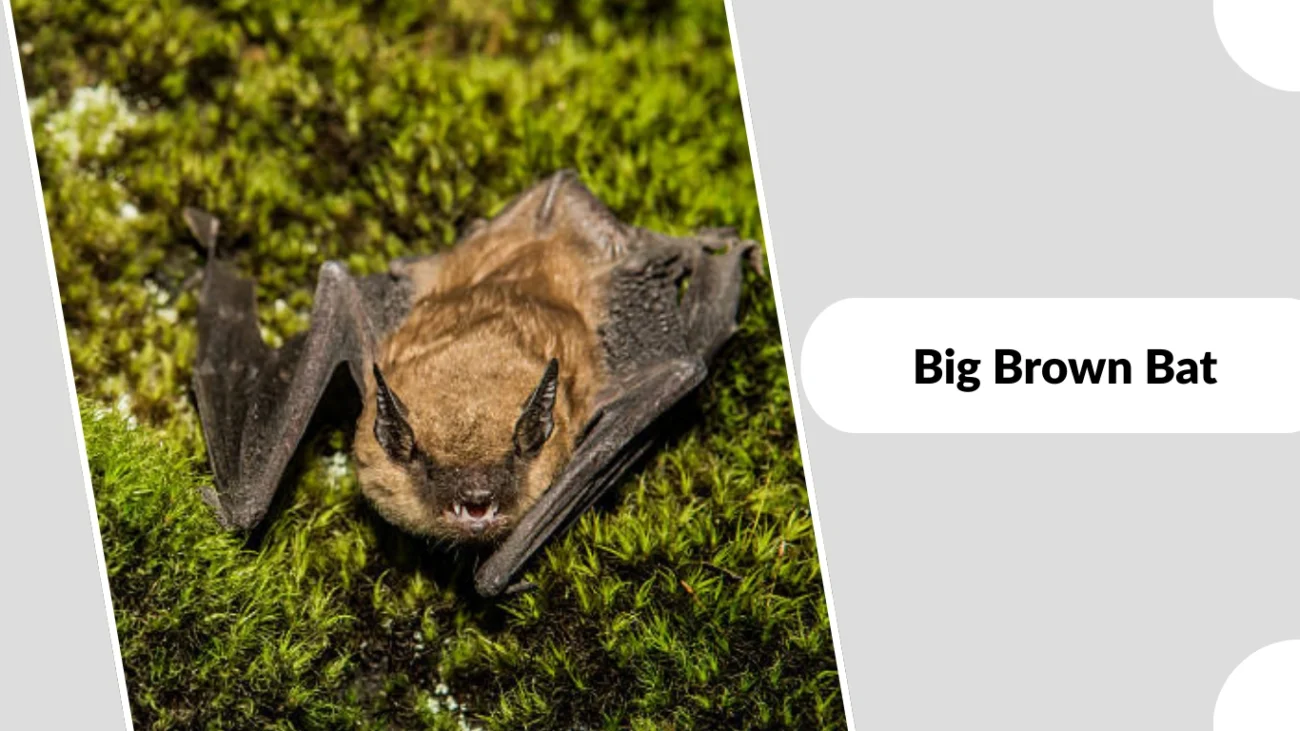
The big brown bat (Eptesicus fuscus) is a robust and adaptable bat species found throughout North and Central America. Known for its strong flight and tolerance for urban environments, it often roosts in buildings, barns, and tree cavities.
Identification
- Medium-sized bat with a wingspan of 12–16 inches
- Fur is typically glossy brown
- Broad nose and relatively large ears
- Strong, wide wings built for fast and direct flight
- Heavier and more muscular than many similar species
Habitat
Big brown bats inhabit forests, grasslands, deserts, and urban areas. They frequently roost in attics, barns, hollow trees, rock crevices, and sometimes bat boxes. In colder climates, they overwinter in sheltered locations such as caves and basements, often hibernating individually or in small groups.
Behaviors
This species is nocturnal and emerges at dusk to hunt. Big brown bats are powerful fliers capable of covering long distances in search of food. They use echolocation to track prey and often return to the same roost sites for years. They are generally solitary but may form small maternity colonies in summer.
Diet
Their diet consists mainly of beetles, along with moths, flies, and other flying insects. As efficient predators of agricultural pests, big brown bats contribute significantly to natural pest control in both rural and urban areas.
3. Mexican Free-Tailed Bat

The Mexican free-tailed bat (Tadarida brasiliensis) is one of the fastest and most abundant bat species in the Americas. Known for forming enormous colonies, it is famous for spectacular mass emergencies that fill the evening sky.
Identification
- Medium-sized bat with long, narrow wings
- Tail extends noticeably beyond the tail membrane
- Fur ranges from brown to gray
- Wrinkled lips and short, rounded ears
- Built for fast, high-altitude flight
Habitat
This species inhabits caves, bridges, abandoned buildings, and rock crevices across the southern United States, Mexico, Central America, and parts of South America. They prefer large roosts that can accommodate millions of individuals, especially during breeding season.
Behaviors
Mexican free-tailed bats are exceptional fliers, reaching speeds over 90 mph in level flight. They migrate seasonally and form huge colonies, some of the largest mammal gatherings on Earth. Using rapid, high-frequency echolocation, they hunt insects at great heights, often far above other bat species.
Diet
Their diet consists primarily of moths, beetles, flying ants, and other nocturnal insects. They consume vast quantities each night, making them important for agricultural pest control. Large colonies can remove tons of insects from the environment in a single evening.
4. Egyptian Fruit Bat
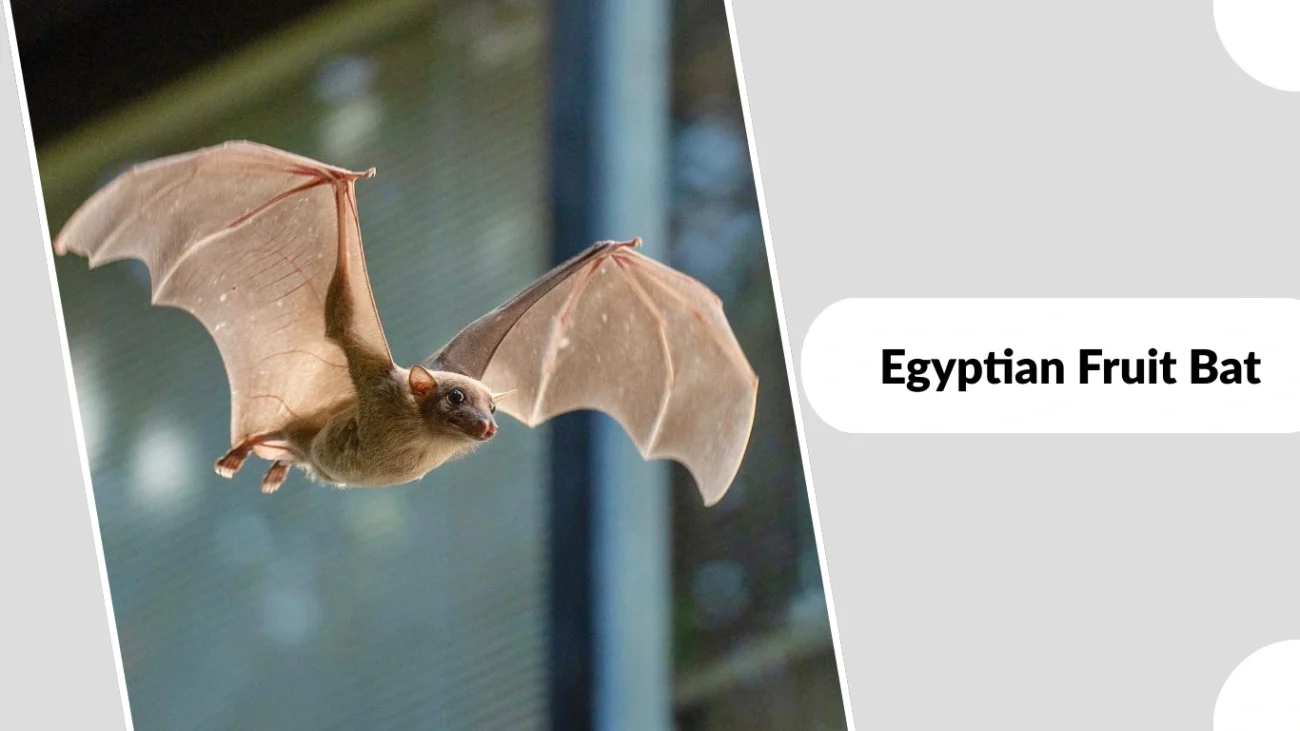
The Egyptian fruit bat (Rousettus aegyptiacus) is a medium-sized fruit bat widely distributed across Africa and parts of the Middle East. Known for its reliance on eyesight as well as a unique clicking form of echolocation, it plays a major role in seed dispersal and pollination.
Identification
- Medium-sized bat with a wingspan of 18–24 inches
- Short, fox-like face with large, round eyes
- Fur is typically brown to gray
- Longer thumb claws for climbing fruit trees
- Lacks nose-leaf structures seen in some echolocating bats
Habitat
Egyptian fruit bats inhabit caves, abandoned buildings, mines, and tree hollows. They are commonly found near forests, orchards, and agricultural areas. Their range includes North Africa, East Africa, the Middle East, and parts of the Mediterranean region.
Behaviors
These bats are social and often form large colonies. They rely heavily on good eyesight for nighttime navigation but also use tongue clicks for echolocation. Skilled flyers, they travel long distances to forage. They may hover while feeding and are known for carrying fruits away from trees before eating.
Diet
Their diet consists mainly of fruits such as dates, figs, guavas, and mangoes. They also drink nectar and occasionally consume soft leaves. As frugivores, Egyptian fruit bats play a crucial ecological role by dispersing seeds and pollinating fruit plants across their range.
5. Indian Flying Fox
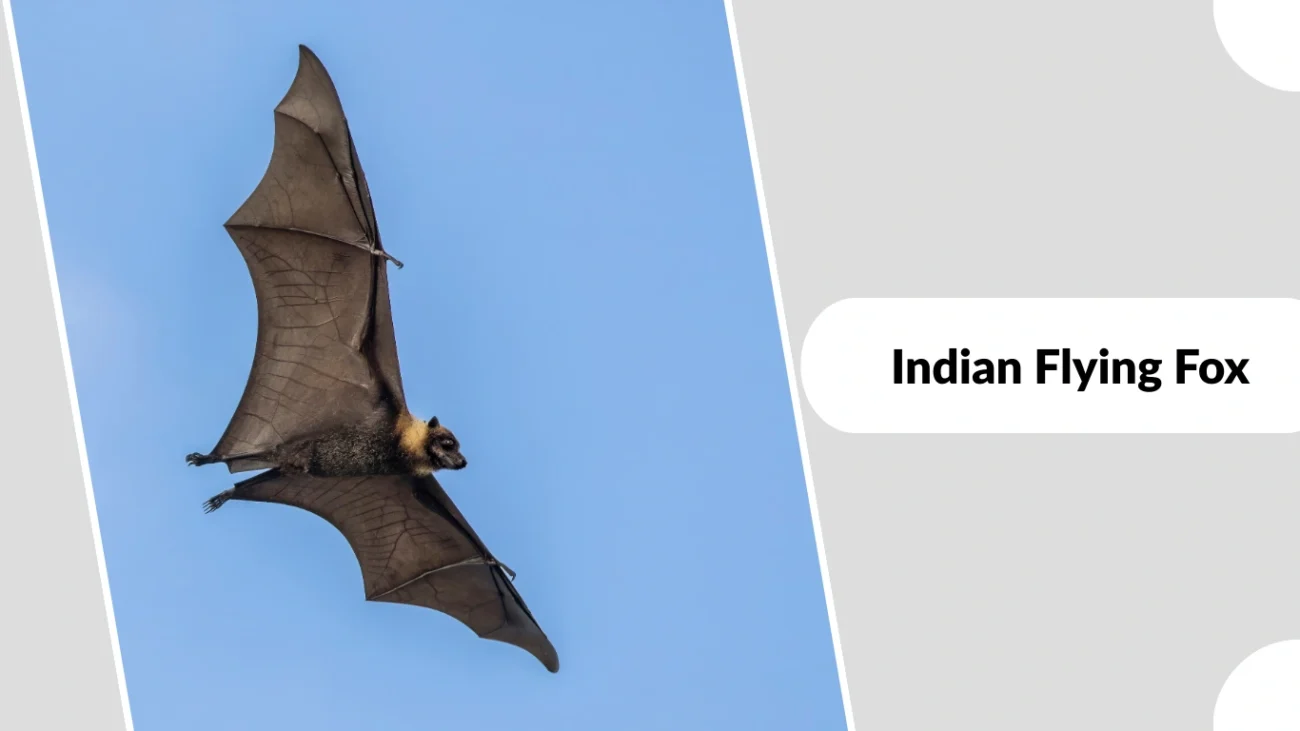
The Indian flying fox (Pteropus medius) is one of the largest bat species in the world, known for its impressive wingspan and fox-like appearance. Found widely across South Asia, it roosts in large colonies and plays an important ecological role in pollination and seed dispersal.
Identification
- Very large bat with a wingspan of up to 4–5 feet
- Fox-like face with large eyes and pointed ears
- Fur is reddish-brown to dark brown, often with a lighter collar
- Long, leathery wings suited for soaring flight
- Lacks echolocation; relies on vision and smell
Habitat
Indian flying foxes inhabit forests, wetlands, orchards, and urban areas. They roost in tall trees, often forming colonies of hundreds or thousands. Preferred roosting sites include fig trees, banyan trees, and areas near water sources, which support abundant fruit growth.
Behaviors
They are highly social and primarily nocturnal, leaving their roosts at dusk to forage. Using keen eyesight and a strong sense of smell, they locate fruit over long distances. Their flight is steady and powerful, and they play a significant role in pollinating large flowering trees.
Diet
Their diet consists mainly of fruit, including mangoes, bananas, figs, guavas, and sapodilla. They also consume nectar and flower pollen. As major seed dispersers, Indian flying foxes help maintain forest regeneration across South Asian landscapes.
6. Hoary Bat

The hoary bat (Lasiurus cinereus) is one of the most widespread and beautifully colored bats in the Americas. Its frosted fur and strong flying abilities make it easily recognizable as it travels long distances during seasonal migrations.
Identification
- Medium-sized bat with a wingspan of 13–16 inches
- Distinctive frosted or “hoary” silver-tipped fur
- Rounded face with small ears
- Long, narrow wings built for fast and efficient flight
- Tail membrane covered with fur
Habitat
Hoary bats inhabit forests, woodlands, and areas near open fields. They roost high in tree foliage rather than caves, often choosing dense leaves for camouflage. This species is migratory, traveling across North, Central, and South America depending on the season.
Behaviors
Hoary bats are solitary and primarily nocturnal. They fly swiftly and cover great distances while hunting, sometimes at higher altitudes than many other bat species. During migration, they may travel thousands of miles. Their solitary nature makes them less commonly observed than colony-forming bats.
Diet
Their diet consists mainly of moths, but they also feed on beetles, flies, and other flying insects. Hoary bats play an important role in maintaining insect balance across various ecosystems, especially during their long migratory routes.
7. Silver-Haired Bat

The silver-haired bat (Lasionycteris noctivagans) is a medium-sized North American bat known for its distinctive dark fur tipped with silver. It is a slow, maneuverable flier that prefers forested habitats and is often seen during migration seasons.
Identification
- Medium-sized bat with black fur frosted with silver
- Short, rounded ears and a blunt snout
- Wings designed for slow, controlled flight
- Tail membrane partially furred
- Typically weighs less than half an ounce
Habitat
Silver-haired bats inhabit coniferous and mixed forests, often roosting in loose tree bark, hollow trees, and occasionally buildings. They migrate seasonally, spending summers in northern regions and wintering farther south. They prefer wooded areas near water, where insect populations are abundant.
Behaviors
This species is primarily nocturnal and forages at low to mid-level heights. Known for their slow but highly maneuverable flight, silver-haired bats often hunt near streams, ponds, and forest edges. They are generally solitary except during migration periods when individuals may gather in small numbers.
Diet
Their diet mainly consists of moths, flies, midges, beetles, and other small flying insects. They often hunt close to water sources, taking advantage of dense insect activity. As insectivores, silver-haired bats play an important role in natural pest control within forest ecosystems.
8. Townsend’s Big-Eared Bat

Townsend’s big-eared bat (Corynorhinus townsendii) is easily recognized by its extraordinarily large, flexible ears. Found across western and southern North America, it is closely associated with caves and abandoned mines.
Identification
- Medium-sized bat with exceptionally large ears
- Soft, pale to dark brown fur
- Prominent facial glands forming lumps on the sides of the nose
- Long, delicate wings suited for hovering and slow flight
- Highly sensitive hearing for detecting faint insect sounds
Habitat
This species inhabits deserts, woodlands, grasslands, and mountainous regions. It prefers roosting in caves, mines, and occasionally old buildings. Maternity colonies form in warm, sheltered roosts during summer, while winter hibernation occurs in cold, stable underground sites.
Behaviors
Townsend’s big-eared bats are gentle fliers, capable of hovering and making tight turns. They are extremely sensitive to disturbance, especially during hibernation and maternity seasons. Their large ears allow them to detect small insects and navigate quietly through cluttered environments.
Diet
Their diet consists primarily of moths, which they detect and capture using their specialized hearing. They also consume beetles and other soft-bodied insects. Their feeding habits make them important for controlling moth populations in their natural habitats.
9. Pallid Bat
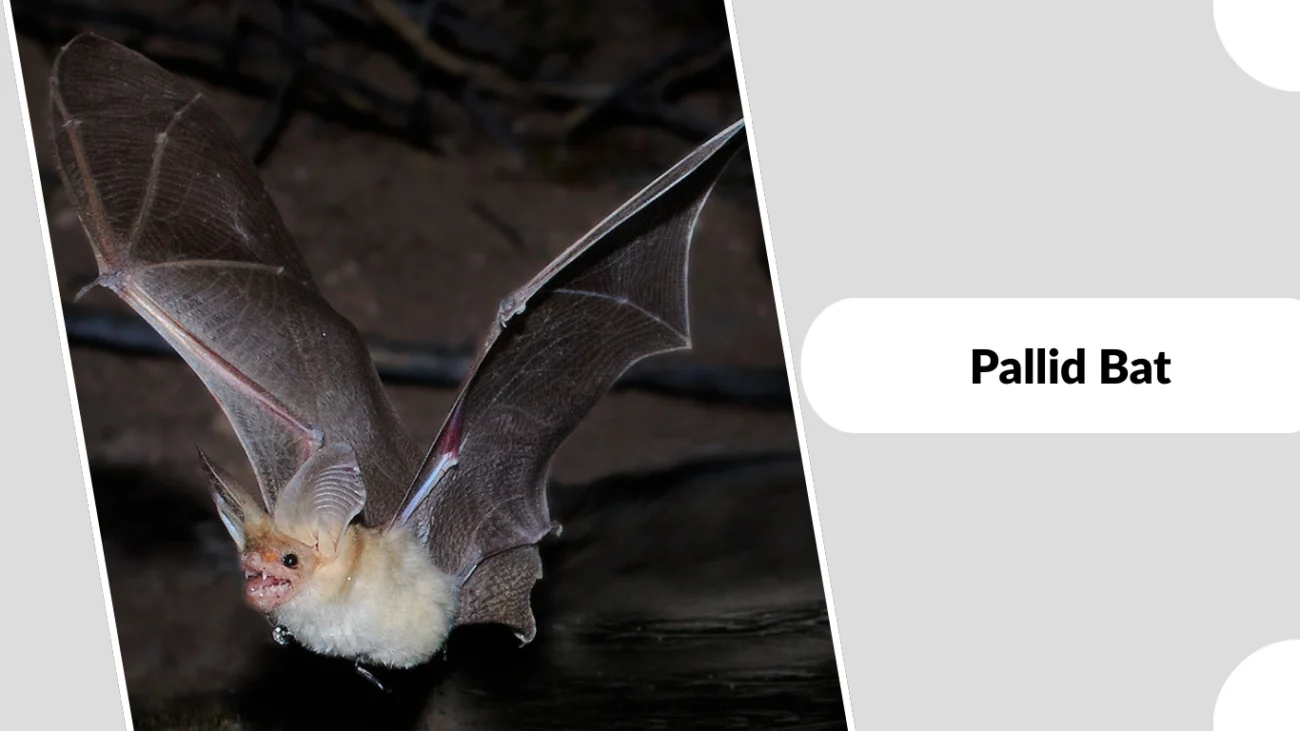
The pallid bat (Antrozous pallidus) is a distinctive North American bat known for its pale coloration and unusual hunting behavior. Unlike many bats that catch insects mid-flight, the pallid bat often hunts on the ground, using its sharp hearing to locate prey.
Identification
- Light tan to creamy white fur
- Large ears and a broad, pale face
- Robust body with a wingspan of 14–16 inches
- Strong legs adapted for ground hunting
- Short, rounded snout with prominent nostrils
Habitat
Pallid bats inhabit deserts, grasslands, chaparral, and open woodlands across the western United States, Mexico, and parts of Central America. They roost in rock crevices, caves, mines, and abandoned buildings. Their preferred habitats have warm, dry climates with abundant ground-dwelling prey.
Behaviors
This species is primarily nocturnal but may emerge before sunset. Pallid bats are unique because they capture many of their prey on the ground rather than in the air. They have excellent hearing and can detect the faint sounds of insects walking. They are social and often roost in colonies.
Diet
Their diet includes beetles, crickets, grasshoppers, scorpions, and even small vertebrates. Pallid bats are immune to scorpion stings, allowing them to feed on dangerous prey safely. They also eat flying insects but specialize in ground-based hunting.
10. Vampire Bat

The vampire bat (Desmodus rotundus), the most well-known of the three blood-feeding bat species, is native to Central and South America. Despite its eerie reputation, it is a highly specialized and efficient feeder with unique adaptations.
Identification
- Small bat with a wingspan of 7–8 inches
- Short muzzle with specialized incisors for cutting skin
- Grayish-brown fur
- Thumb claws used for crawling on the ground
- Heat sensors near the nose to locate blood-rich areas
Habitat
Vampire bats inhabit tropical and subtropical regions, including forests, grasslands, and agricultural areas. They roost in caves, hollow trees, abandoned buildings, wells, and mine shafts. Colonies can range from a few individuals to hundreds.
Behaviors
Primarily nocturnal, vampire bats crawl near sleeping animals and make a small incision to lap up blood. They are social animals known for sharing food with colony mates that fail to feed, demonstrating strong social bonds. They use echolocation, heat detection, and smell to locate hosts.
Diet
Their diet consists entirely of blood (hematophagy), typically from livestock such as cattle, horses, and sometimes wildlife or birds. Vampire bats consume small amounts and do not harm hosts severely, though bites can transmit diseases like rabies.
11. Greater Horseshoe Bat
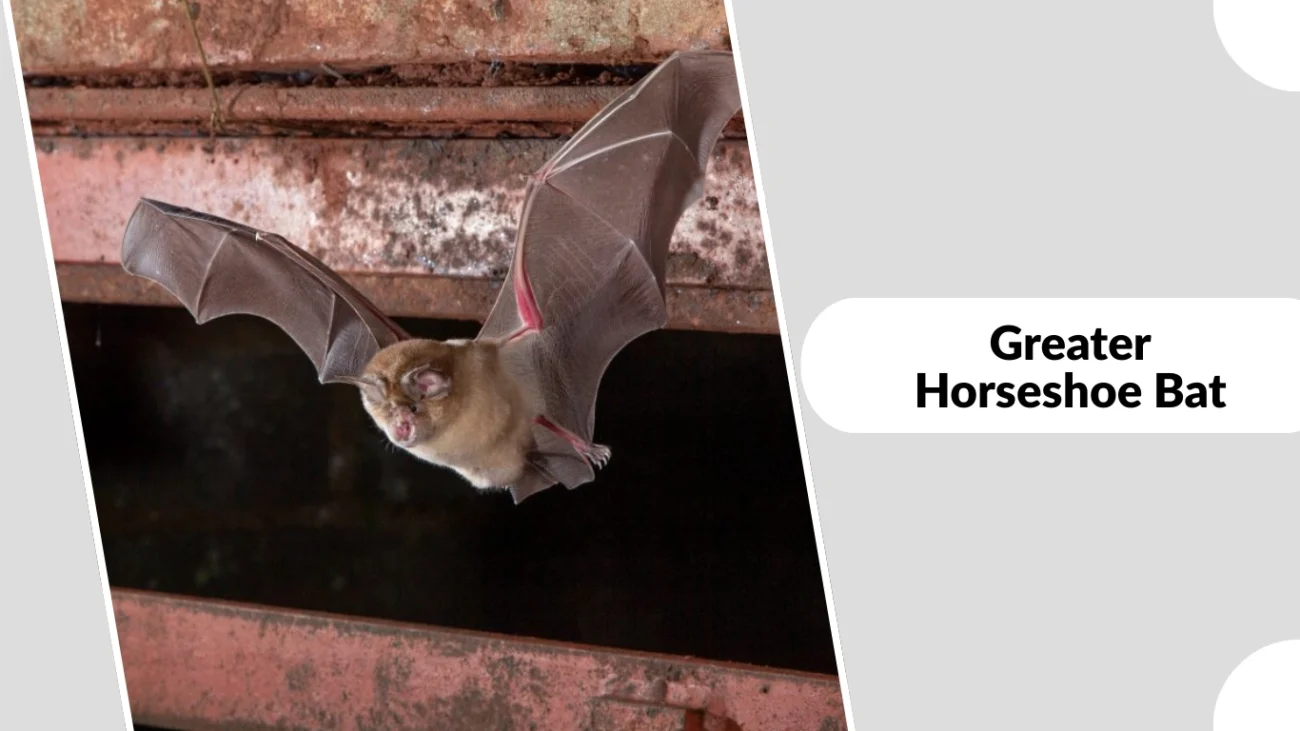
The greater horseshoe bat (Rhinolophus ferrumequinum) is a large European and Asian bat known for its distinct horseshoe-shaped noseleaf, which it uses to produce complex echolocation calls for navigating and hunting in cluttered environments.
Identification
- Medium to large bat with a wingspan of 12–14 inches
- Horseshoe-shaped noseleaf used for echolocation
- Fur is typically brown on top and paler underneath
- Broad wings adapted for slow, hovering flight
- Often roosts while wrapped in its wings like a cloak
Habitat
Greater horseshoe bats inhabit woodlands, agricultural areas, and limestone regions across Europe, North Africa, and Asia. They roost in caves, old buildings, mines, and large tree hollows. Summer roosts are warm and sheltered, while winter hibernation occurs in cool, stable underground sites.
Behaviors
This species is mostly nocturnal and emerges shortly after sunset. It forages using precise echolocation clicks that help it detect insects among dense vegetation. Greater horseshoe bats are known for their slow but highly maneuverable flight, often catching prey close to foliage.
Diet
Their diet consists mainly of moths, beetles, and other flying insects. They may also take spiders and small arthropods. By consuming agricultural pests, greater horseshoe bats contribute to ecosystem balance and crop protection in rural landscapes.
12. Lesser Horseshoe Bat

The lesser horseshoe bat (Rhinolophus hipposideros) is a small, delicate bat recognized by its distinct horseshoe-shaped noseleaf. Found across Europe, North Africa, and parts of Asia, it thrives in wooded and rural landscapes with abundant insect prey.
Identification
- Small bat with a wingspan of 7–10 inches
- Prominent horseshoe-shaped noseleaf
- Soft fur ranging from gray to light brown
- Rounded wings suited for slow, fluttering flight
- Often roosts hanging freely, wrapped in its wings
Habitat
Lesser horseshoe bats inhabit forests, farmland, and areas near rivers or wetlands. They roost in caves, tunnels, old buildings, and attics during summer. In winter, they hibernate in cool, humid underground sites with minimal disturbance.
Behaviors
These bats are nocturnal and emerge shortly after dusk. They fly slowly and close to vegetation, using highly specialized echolocation to locate small insects. They are shy and easily disturbed, forming small maternity colonies in the warmer months.
Diet
Their diet includes moths, mosquitoes, midges, beetles, and other small flying insects. They often capture prey mid-air but may glean insects from leaves as well. Their feeding habits help control insect populations in rural and woodland environments.
13. Common Pipistrelle
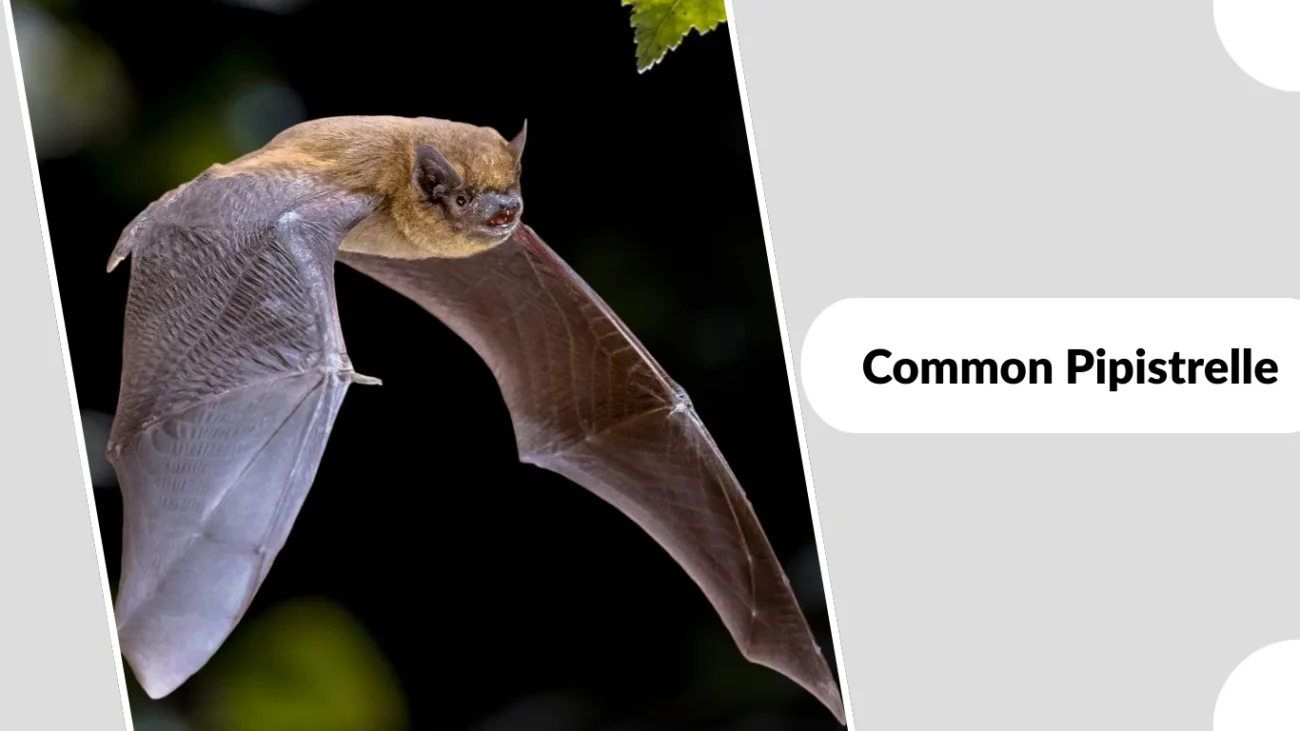
The common pipistrelle (Pipistrellus pipistrellus) is one of the smallest and most widespread bats in Europe. Despite its tiny size, it is an agile flier and a major consumer of mosquitoes and other small insects.
Identification
- Very small bat with a wingspan of 7–9 inches
- Fur ranges from light brown to dark brown
- Small, slightly triangular ears
- Narrow wings built for quick, erratic flight
- Typically weighs only 4–8 grams
Habitat
Common pipistrelles inhabit woodlands, farmland, suburbs, and urban areas. They frequently roost in buildings, attics, tree holes, and bat boxes. They prefer environments near water where insects are abundant and often forage along hedgerows and forest edges.
Behaviors
These bats are highly active at dusk and dawn, flying rapidly and unpredictably as they chase insects. They use rapid echolocation calls to track prey. Common pipistrelles often live in small colonies, especially during the breeding season when maternity roosts form.
Diet
Their diet includes mosquitoes, midges, gnats, small moths, and flying ants. They are among the most effective natural insect controllers, consuming thousands of tiny insects each night and helping maintain ecological balance in human-populated areas.
14. Brown Long-Eared Bat

The brown long-eared bat (Plecotus auritus) is easily recognized by its exceptionally large ears, nearly as long as its body. Found throughout Europe, it is a gentle flier that specializes in catching insects directly from foliage.
Identification
- Medium-sized bat with extremely long ears
- Soft brown fur with a pale underside
- Short snout and delicate facial features
- Broad wings adapted for slow, maneuverable flight
- Often folds ears back when resting
Habitat
This species inhabits woodlands, parks, orchards, and rural areas. It roosts in tree hollows, old buildings, attics, and barns. Brown long-eared bats prefer areas with dense vegetation that provide plenty of insects and suitable gleaning surfaces.
Behaviors
Unlike many bats that catch insects in flight, brown long-eared bats excel at gleaning—plucking insects from leaves and bark. They use exceptionally quiet echolocation and rely heavily on their sensitive ears to detect prey. They are generally shy and roost in small, quiet colonies.
Diet
Their diet includes moths, beetles, spiders, flies, and other small arthropods. They often consume large moths by landing on a perch to eat them, leaving behind wings as evidence. Their foraging style makes them valuable predators of forest and garden insects.
15. Grey-Headed Flying Fox
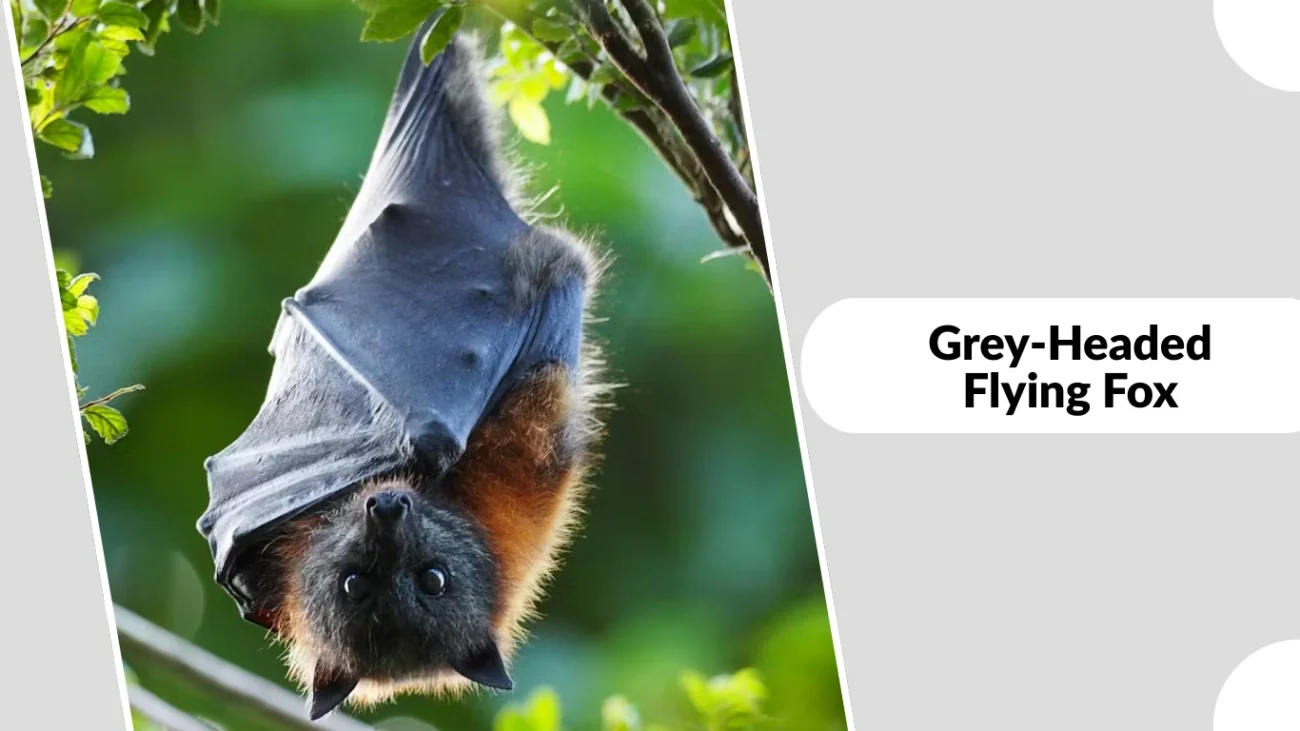
The grey-headed flying fox (Pteropus poliocephalus) is one of Australia’s largest bat species, known for its impressive wingspan and important role in pollination and seed dispersal. It is easily recognized by its gray head and reddish-brown fur.
Identification
- Large bat with a wingspan of up to 3 feet
- Gray head with reddish-brown or orange body fur
- Long, leathery wings suited for strong, steady flight
- Fox-like face with large eyes
- Lacks echolocation; relies on sight and smell
Habitat
This species inhabits forests, woodlands, mangroves, and urban parks across eastern Australia. They roost in large colonies, sometimes numbering in the thousands, in tall trees near water sources. Their roosting sites are often used for generations.
Behaviors
Grey-headed flying foxes are nocturnal and travel long distances to forage for nectar and fruit. They play a vital role in pollinating eucalyptus and other native trees. Highly social, they form noisy, bustling colonies. Their powerful flight and endurance allow them to cover large areas each night.
Diet
Their diet consists mainly of blossoms, nectar, pollen, and soft fruits. They feed on native eucalyptus flowers as well as orchard fruits. By transporting pollen and seeds across wide regions, grey-headed flying foxes contribute significantly to forest regeneration and ecosystem health.
16. Straw-Colored Fruit Bat

The straw-colored fruit bat (Eidolon helvum) is one of Africa’s most widespread and numerous fruit bats. Known for forming enormous migratory colonies, it plays a major ecological role in pollination and seed dispersal across the continent.
Identification
- Medium to large bat with a wingspan of 2–3 feet
- Fur is pale orange to straw-colored
- Fox-like face with large eyes and pointed ears
- Long wings adapted for soaring
- Lacks echolocation; relies on sight and smell
Habitat
Straw-colored fruit bats inhabit forests, savannas, wetlands, and urban areas throughout sub-Saharan Africa. They roost in tall trees, often in colonies of tens of thousands to millions. Seasonal migrations bring them to areas with abundant fruiting trees.
Behaviors
These bats are highly social and nocturnal. They travel long distances to forage, sometimes flying over 30 miles in a single night. Their colonies are noisy and dynamic, with constant movement. They play a key role in pollinating native trees and dispersing seeds far from parent plants.
Diet
Their diet consists mainly of fruits such as figs, mangoes, guavas, and dates. They also consume nectar and flower parts. Because of their extensive nightly travel and feeding habits, straw-colored fruit bats are major contributors to forest regeneration across Africa.
17. Spectral Bat

The spectral bat (Vampyrum spectrum) is the largest carnivorous bat in the Americas. With its imposing size and powerful build, it preys on small vertebrates and plays a unique role as an apex predator among bats.
Identification
- Very large bat with a wingspan of up to 3 feet
- Dark reddish-brown to black fur
- Strong jaws and long, sharp teeth
- Prominent ears and a well-developed noseleaf
- Robust wings built for powerful, controlled flight
Habitat
Spectral bats inhabit tropical rainforests, lowland forests, and river valleys across Central and South America. They roost in hollow trees, caves, and dense vegetation. They prefer remote, undisturbed forest areas with abundant prey.
Behaviors
These bats are nocturnal and typically hunt alone or in pairs. They use a combination of echolocation, keen hearing, and silent flight to ambush prey. Spectral bats exhibit strong pair bonding and often roost as mated pairs with their young. They defend their roosts fiercely when threatened.
Diet
Unlike most bats, spectral bats are carnivorous. Their diet includes birds, rodents, small marsupials, lizards, and occasionally large insects. Their predatory nature places them at the top of the food chain within bat communities.
18. Ghost Bat
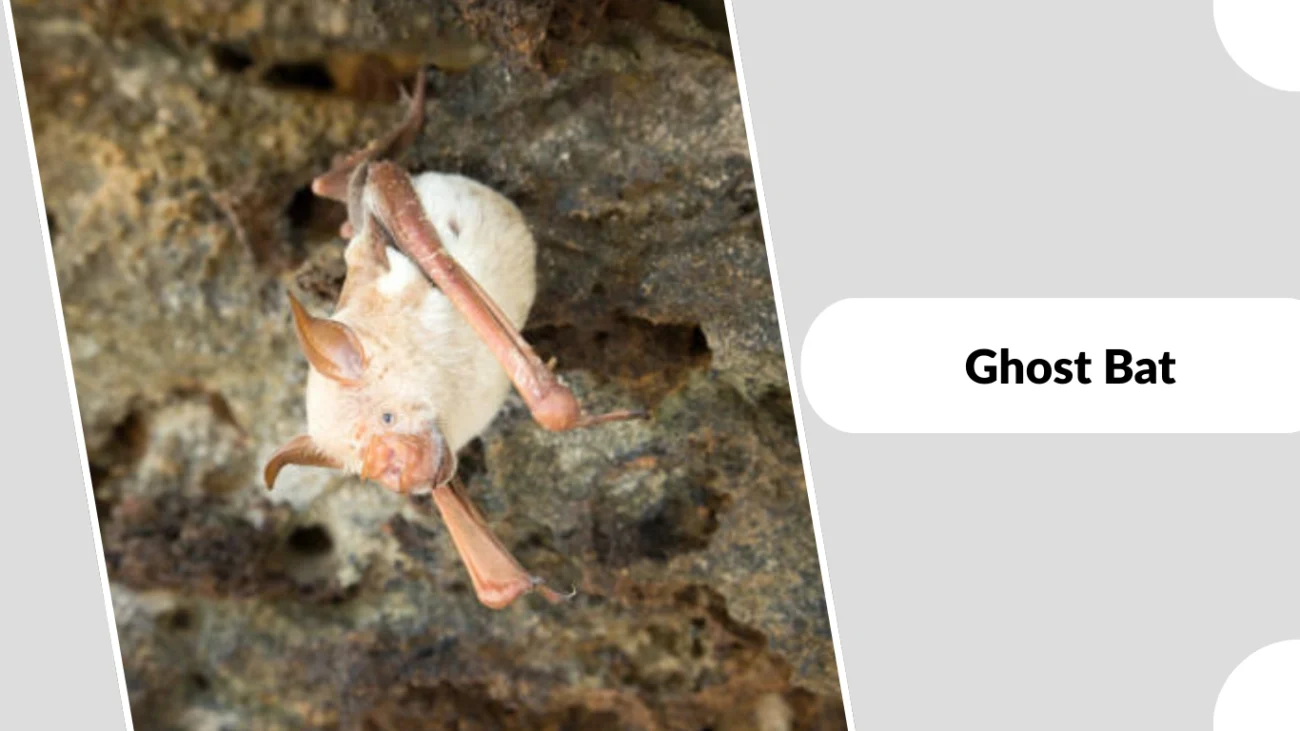
The ghost bat (Macroderma gigas) is Australia’s largest carnivorous bat, named for its pale coloration and silent, ghost-like flight. It is an expert predator that uses both echolocation and acute hearing to detect prey.
Identification
- Large bat with a wingspan of about 2.5 feet
- Pale gray to almost white fur
- Large ears joined at the base
- Long, narrow wings for agile hunting
- Strong jaws and sharp teeth suited for carnivory
Habitat
Ghost bats inhabit caves, abandoned mines, rocky outcrops, and deep crevices in northern Australia. They prefer warm, arid to semi-arid regions with access to sheltered roosts and nearby hunting grounds rich in small vertebrates.
Behaviors
They are nocturnal and hunt by combining echolocation with keen hearing to detect movement from prey. Ghost bats glide silently and strike quickly. They roost in small colonies and show strong site fidelity. They often carry prey back to their roost to feed.
Diet
Ghost bats are carnivorous, feeding on rodents, small birds, reptiles, and even other bats. They also eat large insects when available. Their apex predator role makes them important in maintaining ecological balance in their habitats.
19. Fishing Bat
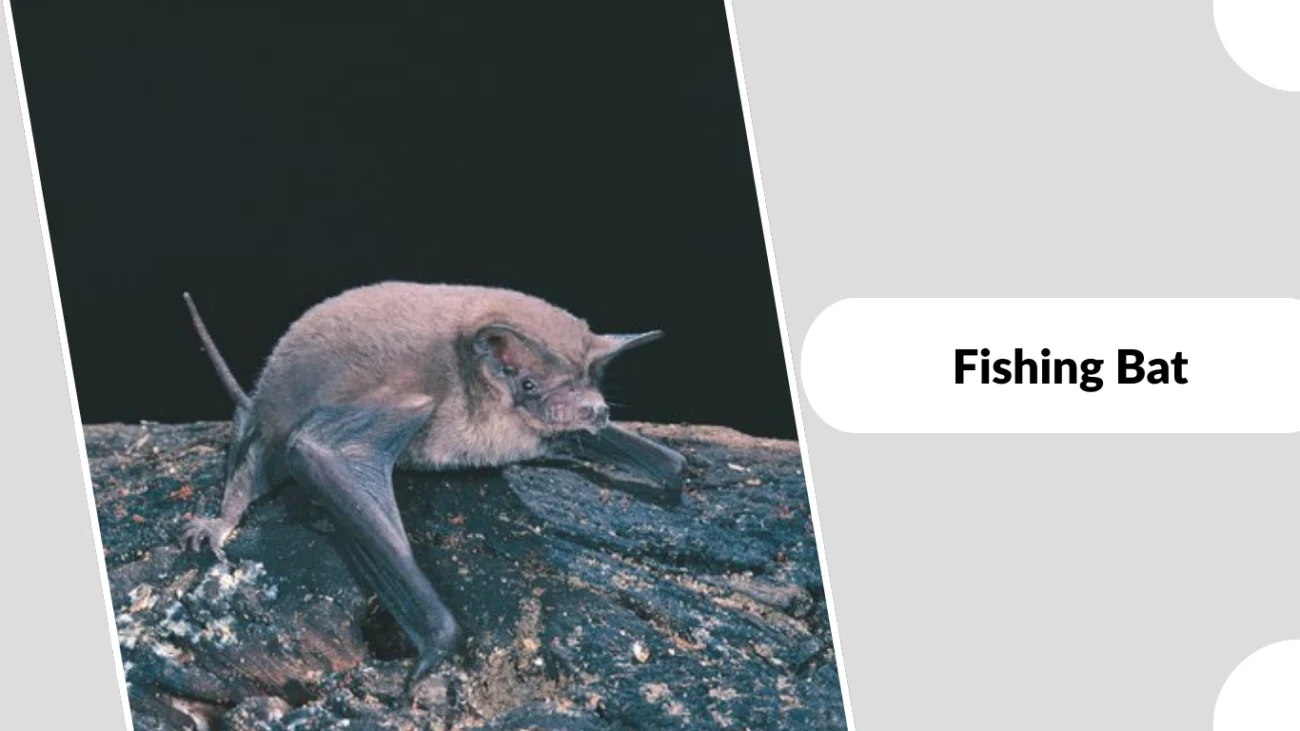
The fishing bat (Noctilio leporinus), also known as the greater bulldog bat, is a specialized hunter that skims over water to catch fish. Its powerful legs and large feet make it one of the most unique predators among bats.
Identification
- Medium to large bat with reddish to orange-brown fur
- Long, powerful hind legs with oversized feet
- Large cheek pouches for holding prey
- Elongated wings suited for fast, low flight
- Bulldog-like face with prominent lips
Habitat
Fishing bats inhabit tropical and subtropical regions of Central and South America. They roost in caves, hollow trees, and structures near rivers, lakes, and coastal areas. Their preferred habitats always include abundant water sources that support fish populations.
Behaviors
These bats are nocturnal and fly low over water, using echolocation to detect ripples made by swimming fish. They swoop down and snatch prey with their long claws. Fishing bats often forage in groups and return to their roosts to consume their catch.
Diet
Their diet primarily consists of small fish, but they also eat insects, crustaceans, and occasionally frogs. Their unique fishing adaptation makes them one of the few bat species specialized in aquatic hunting.
20. Evening Bat
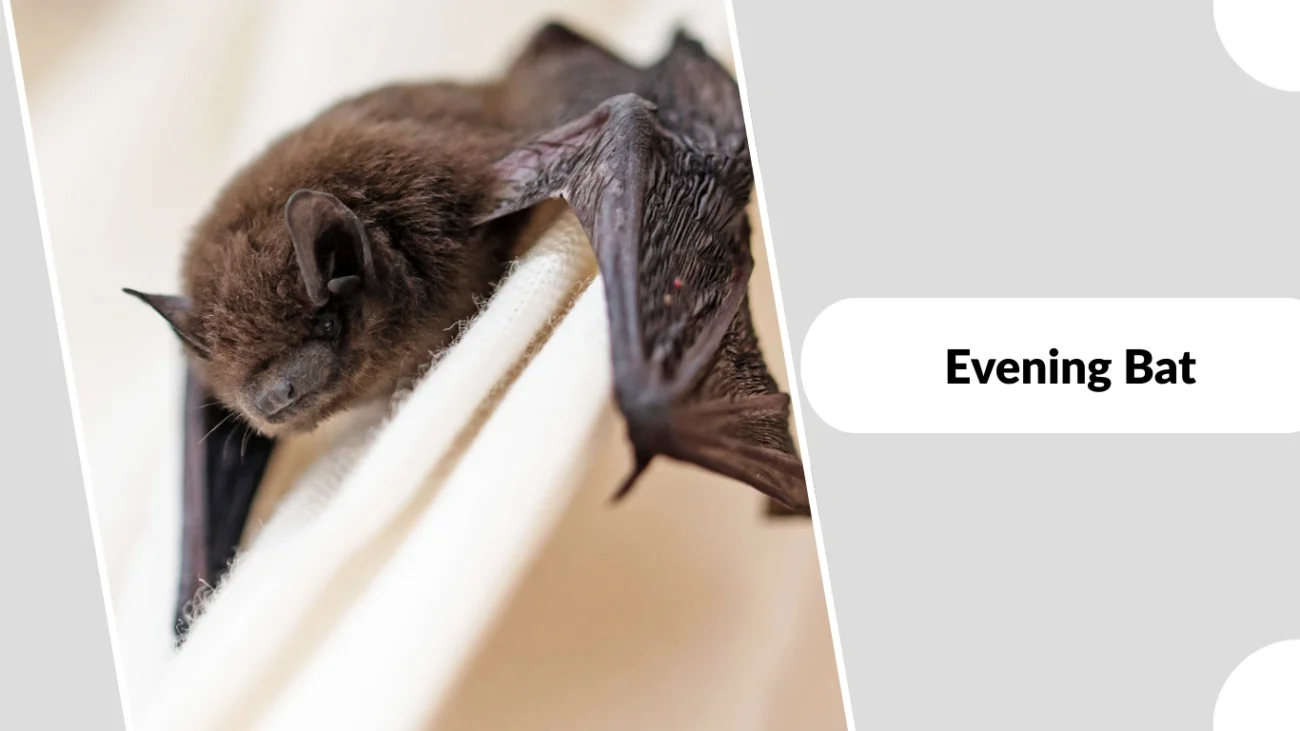
The evening bat (Nycticeius humeralis) is a small, insect-eating bat commonly found in the southeastern United States. Known for emerging early in the evening, it often appears before many other bat species begin their nightly activity.
Identification
- Small bat with a wingspan of 10–11 inches
- Fur is dark brown, smooth, and glossy
- Small, rounded ears and a short snout
- Narrow wings suited for agile flight
- Weighs about 6–14 grams
Habitat
Evening bats inhabit forests, farmlands, wetlands, and suburban areas. They roost in tree cavities, under bark, in buildings, and in bat boxes. They prefer habitats near water where insect populations are plentiful.
Behaviors
This species emerges earlier than most bats, often just after sunset. They are strong fliers with quick, darting movements and use echolocation to catch insects mid-flight. Evening bats typically form maternity colonies in summer, while males roost separately or alone.
Diet
Their diet consists mainly of beetles, flies, moths, and other flying insects. They are effective pest controllers, especially in agricultural regions where beetle populations can be abundant.
21. Indiana Bat
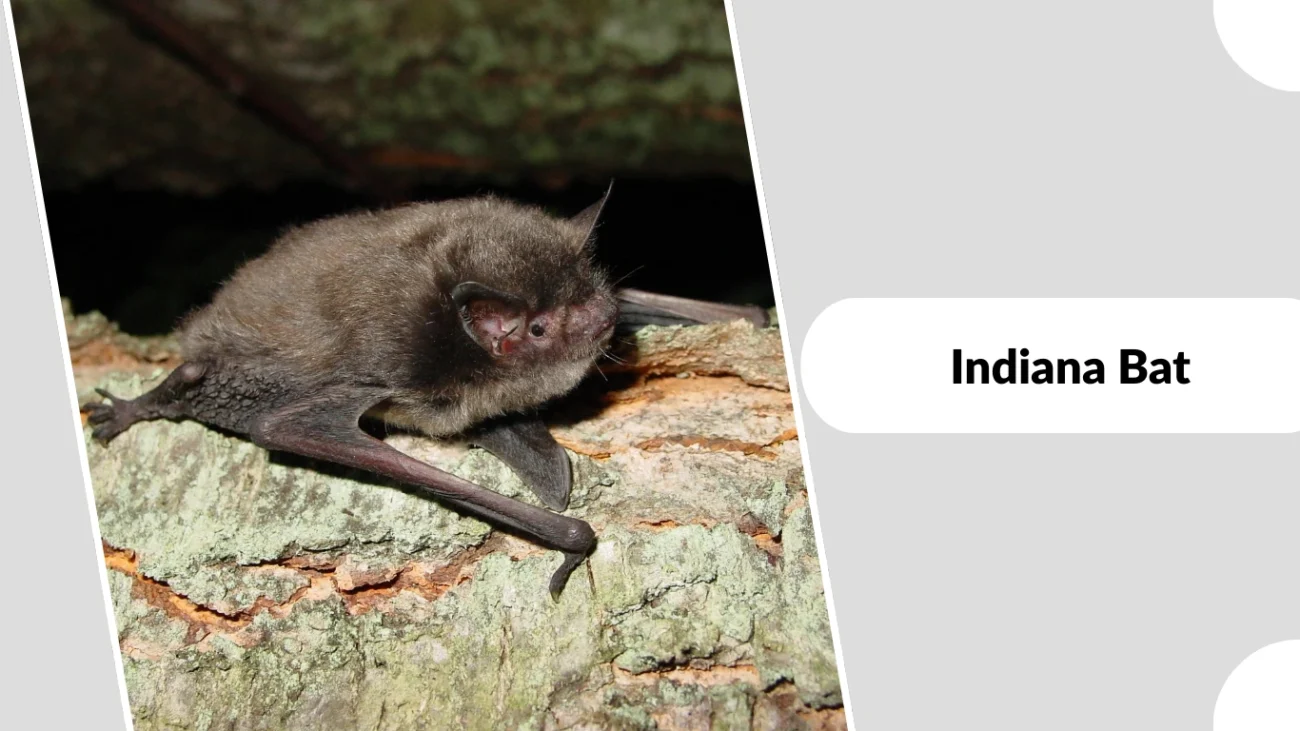
The Indiana bat (Myotis sodalis) is a small, federally endangered species native to the eastern United States. It forms large winter colonies and relies heavily on undisturbed caves for survival.
Identification
- Small bat with a wingspan of 9–11 inches
- Soft brown to grayish-brown fur
- Pinkish nose and small, rounded ears
- Similar in appearance to the little brown bat
- Weighs around 5–11 grams
Habitat
Indiana bats inhabit forests, river valleys, and woodlands. In summer, they roost under loose tree bark or in hollow trees. In winter, they form massive hibernation colonies in a few select caves, making them highly vulnerable to disturbance and habitat loss.
Behaviors
These bats are nocturnal and migrate between summer and winter roosts. They form large maternity colonies during breeding season. Indiana bats use echolocation to hunt and are fast, agile flyers. They are sensitive to human disturbance, especially during hibernation.
Diet
Their diet includes moths, beetles, flies, and other small flying insects. Indiana bats play a vital role in insect control, benefiting forest health and agriculture.
22. Florida Bonneted Bat

The Florida bonneted bat (Eumops floridanus) is one of the rarest and largest insect-eating bats in North America, found only in southern Florida. Its distinctive bonnet-like ears give the species its name.
Identification
- Large bat with a wingspan of up to 20 inches
- Smooth, dark brown to black fur
- Large, forward-projecting “bonnet” ears
- Long, narrow wings for fast, high-altitude flight
- Strong, muscular build
Habitat
This species occupies pine rocklands, wetlands, suburban areas, and forests in southern Florida. It roosts in tree cavities, buildings, bat houses, and sometimes under roof tiles. Due to its limited range, habitat loss poses a significant threat.
Behaviors
Florida bonneted bats are nocturnal and strong fliers, often foraging high above the ground. They use low-frequency echolocation calls that travel long distances. Unlike many bats, they may remain active during cooler winter temperatures in Florida.
Diet
Their diet primarily includes moths, beetles, and other flying insects. As efficient insect predators, Florida bonneted bats contribute to natural pest control within their restricted habitat range.
23. Red Bat
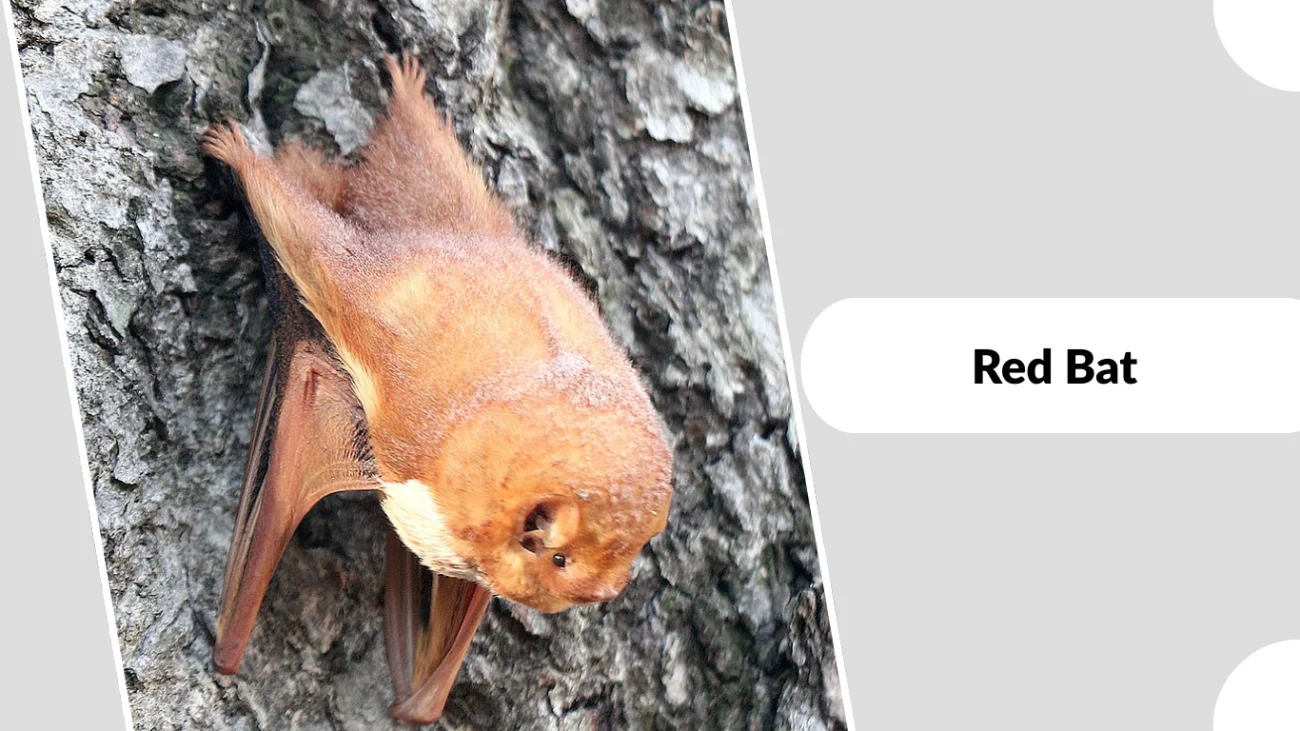
The red bat (Lasiurus borealis) is a beautifully colored North American bat known for its rusty red fur and solitary lifestyle. It roosts in trees rather than caves and is one of the few bat species adapted to colder climates.
Identification
- Bright reddish to orange fur, with males more vibrant
- White-tipped hairs giving a frosted appearance
- Long, narrow wings suited for strong flight
- Tail membrane heavily furred
- Small rounded ears and a short snout
Habitat
Red bats inhabit deciduous forests, forest edges, and wooded suburbs. They roost in trees, hanging from branches like dead leaves for camouflage. They migrate seasonally, moving south in winter and returning north in warmer months.
Behaviors
These bats are solitary and emerge at dusk to forage. Red bats are strong fliers, capable of long migrations and rapid flight. They often fly high above the canopy before swooping lower in search of prey. Females give birth to unusually large litters, often having 2–4 pups.
Diet
Red bats feed on moths, beetles, flies, and other flying insects. Their diverse insect diet helps maintain ecological balance, especially in forested and suburban environments.
24. Yellow-Winged Bat
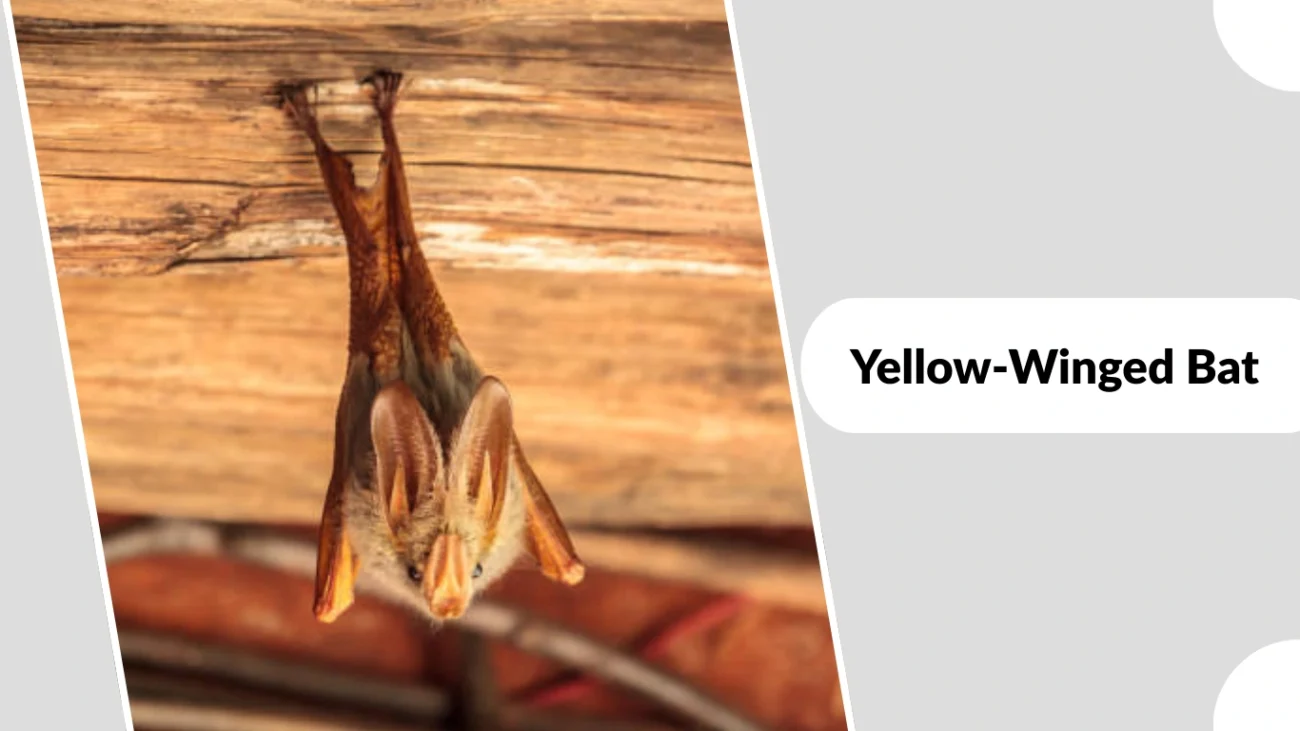
The yellow-winged bat (Lavia frons) is a striking and unique African bat belonging to the false vampire bat family. Its bright yellow wings and ears make it one of the most visually distinctive bats in the world.
Identification
- Medium-sized bat with bright yellow wings, ears, and nose
- Fur is typically gray to brown
- Large, pointed ears
- Broad wings suited for slow, hovering flight
- Slender body with a delicate facial structure
Habitat
Yellow-winged bats inhabit savannas, woodlands, forest edges, and riverine habitats across eastern and central Africa. They roost in shrubs, small trees, and dense vegetation rather than caves. They often choose open areas with scattered trees for foraging.
Behaviors
These bats are primarily crepuscular and nocturnal, becoming most active at dusk. They hunt from perches, dropping down to capture prey before returning to their lookout. They are typically seen in pairs or small family groups and maintain small territories.
Diet
Unlike fruit bats, yellow-winged bats are insectivorous. Their diet includes beetles, moths, flying ants, and other insects. Their perch-hunting strategy allows them to conserve energy while efficiently capturing prey in open habitats.
25. Jamaican Fruit Bat
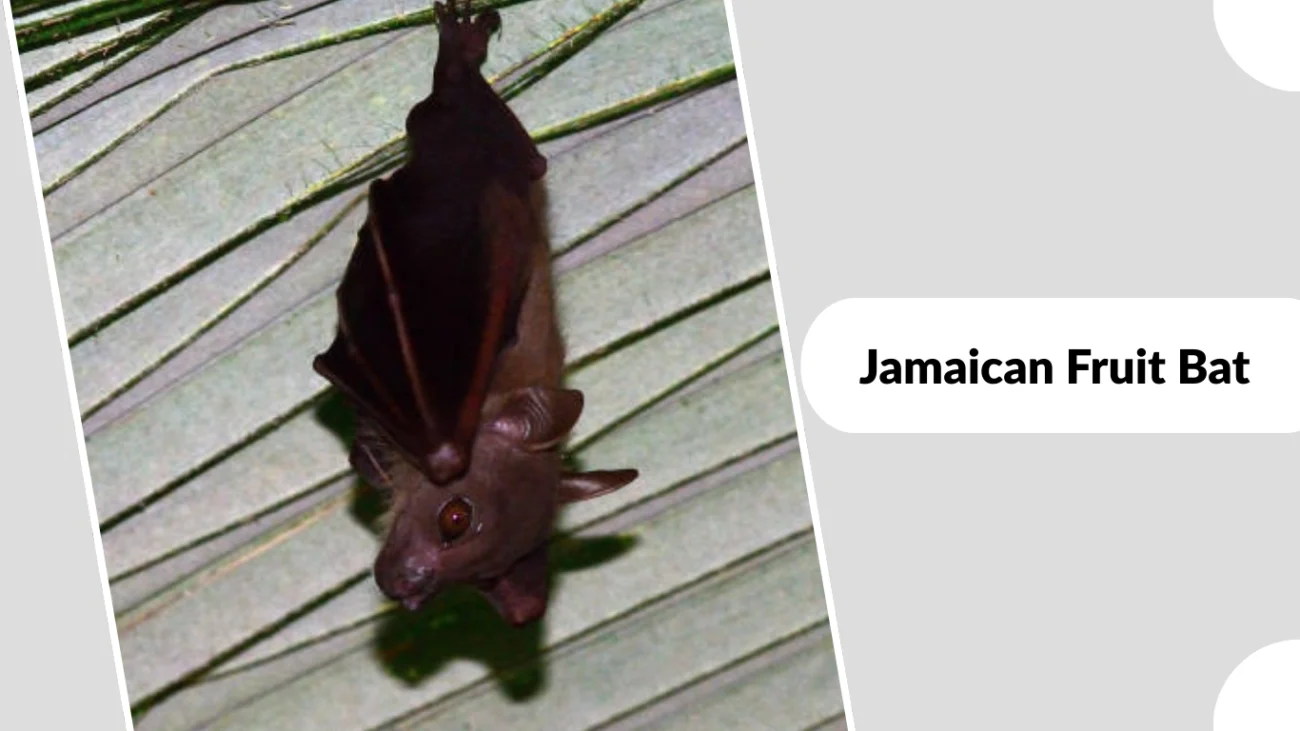
The Jamaican fruit bat (Artibeus jamaicensis) is a widespread and important pollinator and seed disperser in the Caribbean and Central America. Known for its fruit-based diet and gentle nature, it plays a vital ecological role in tropical forests.
Identification
- Medium-sized bat with dark brown to grayish fur
- Short, broad snout suited for fruit feeding
- Wide wings adapted for agile flight in dense forests
- Lacks a tail, typical of many fruit bats
- Large eyes for excellent night vision
Habitat
This species inhabits tropical forests, plantations, caves, and hollow trees throughout the Caribbean, Central America, and northern South America. It roosts in small groups, often hanging beneath large leaves, in tree hollows, or inside caves.
Behaviors
Jamaican fruit bats are nocturnal and highly social. They use both echolocation and vision to navigate. They often travel short distances to forage and may carry fruit to feeding perches. Their calm nature and group living make them one of the more approachable bat species.
Diet
Their diet consists mainly of fruits such as figs, guavas, bananas, and other soft tropical fruits. They also consume nectar and occasionally leave. By dispersing seeds over wide areas, Jamaican fruit bats significantly contribute to forest regeneration and plant diversity.
FAQs
Why are bats important to the environment?
Bats play crucial ecological roles, including pollination, seed dispersal, and insect control. Fruit bats help regenerate forests by spreading seeds, while insect-eating bats consume vast numbers of pests, benefiting agriculture and reducing the need for pesticides. Their diverse ecological functions support healthy ecosystems worldwide.
Do bats attack humans?
No, bats do not attack humans. They generally avoid people and only bite when handled or threatened. Most species are shy and nocturnal, keeping their distance from humans. While bats can carry diseases like rabies, transmission is extremely rare and usually occurs only through direct contact.
How do bats navigate in the dark?
Most bats use echolocation to navigate and hunt at night. They emit high-frequency sound waves that bounce off objects and return as echoes, allowing them to “see” their surroundings through sound. Fruit bats, which do not use echolocation, rely on excellent eyesight and a strong sense of smell.
Where do bats typically live?
Bats live in a wide range of habitats, including forests, deserts, wetlands, urban areas, and tropical regions. They roost in caves, tree hollows, under bark, bridges, abandoned buildings, and even bat houses. Different species choose roosts based on safety, temperature, and access to food.
What do bats eat?
Bat diets vary widely. Insect-eating bats feed on moths, beetles, flies, mosquitoes, and other insects. Fruit bats consume fruits, nectar, pollen, and occasionally leaves. Some specialized species eat fish, small vertebrates, or even blood. Their diverse feeding habits help maintain ecological balance.


