Crab spiders are fascinating ambush predators named for their crab-like stance and sideways movement. Known for their exceptional camouflage, they can be found on flowers, foliage, bark, and even the ground, waiting patiently for unsuspecting prey. With diverse colors and patterns, these spiders thrive in habitats worldwide. In this guide, we’ll explore 15 unique types of crab spiders, each with detailed identification tips and pictures for easier recognition.
1. Goldenrod Crab Spider
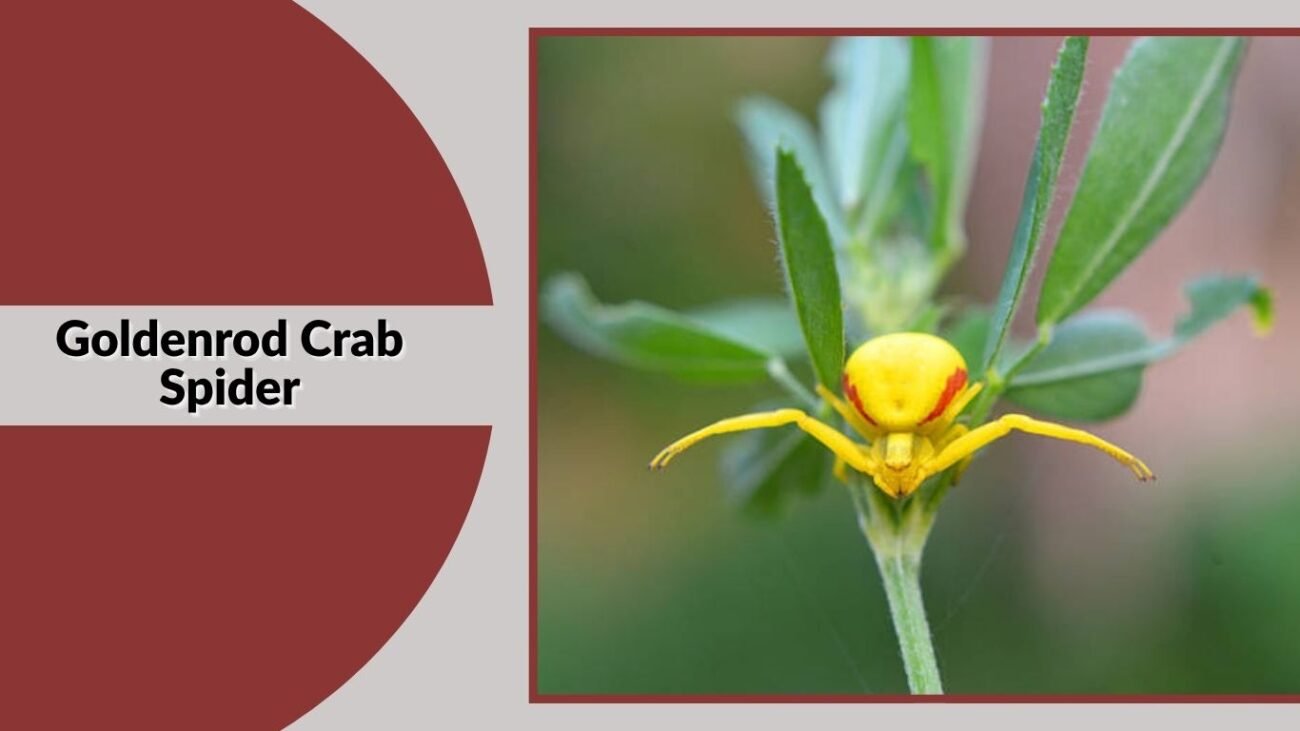
The goldenrod crab spider is one of the most well-known crab spiders, famous for its remarkable ability to change color between white and yellow to match the flowers it inhabits. This camouflage allows it to ambush pollinators such as bees and butterflies with precision. It is commonly seen on goldenrod plants, daisies, and other composite flowers during spring and summer.
Identification
- Scientific Name: Misumena vatia
- Body Length: Females 7–10 mm, males 3–5 mm
- Color: White or yellow, sometimes with red markings on the sides
- Legs: Long front legs adapted for grabbing prey
- Distinct Feature: Ability to change color for camouflage on flowers
Habitat and Distribution
Found across North America, Europe, and parts of Asia, usually on flowering plants in meadows, gardens, and forest edges.
Behavior and Diet
An ambush predator that waits motionless on flowers for pollinating insects. Uses powerful front legs to grasp prey and inject venom for quick immobilization.
2. Giant Crab Spider
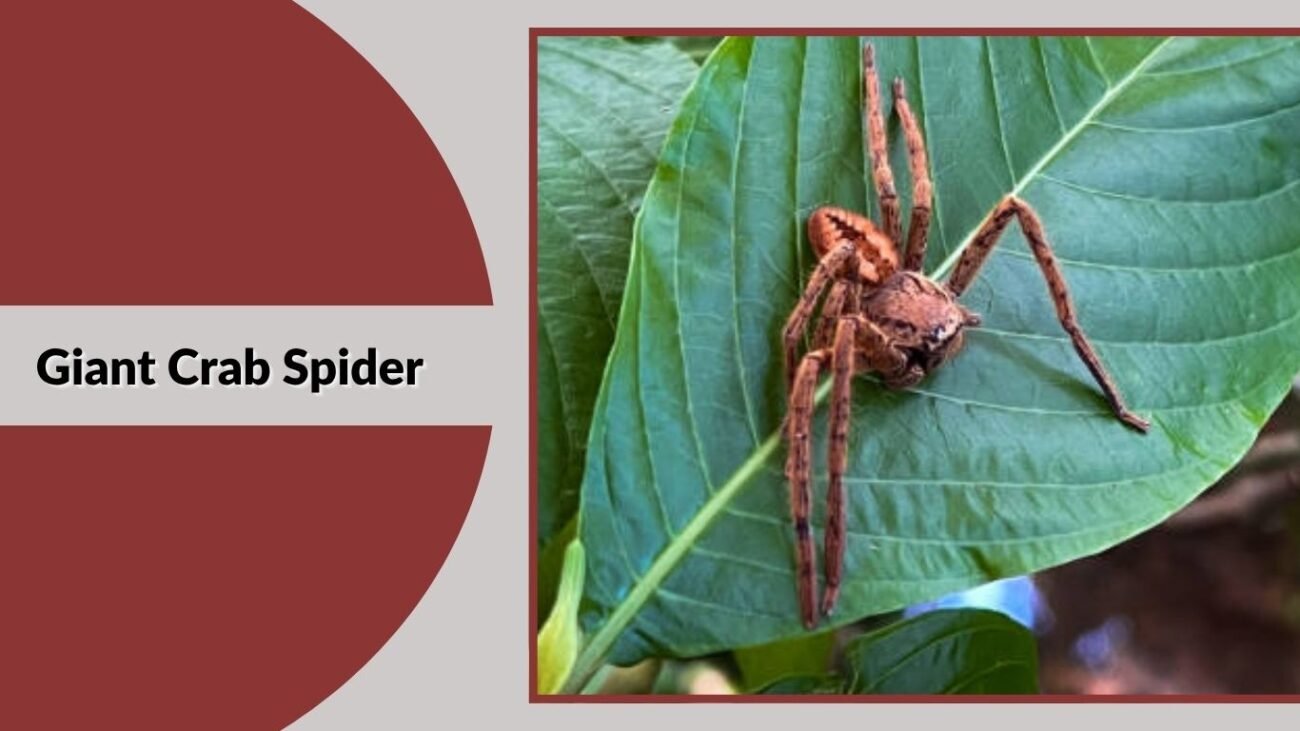
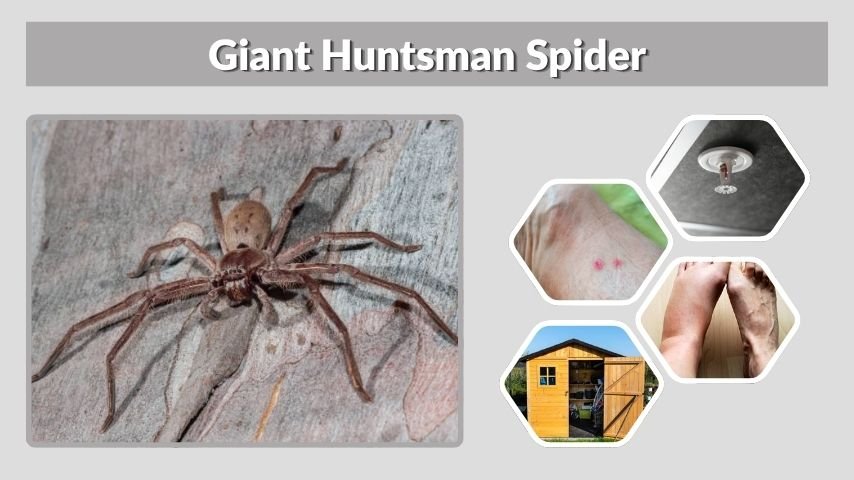
Despite its name, the giant crab spider is not a true crab spider but gets its name from its crab-like stance and sideways movement. It belongs to the huntsman spider family but shares many behavioral traits with crab spiders. Known for its large size and long legs, it is a fast-moving predator that prefers to chase or ambush prey rather than use webs.
Identification
- Scientific Name: Sparassidae family (various species)
- Body Length: Up to 2.5 cm
- Color: Brown, tan, or gray with mottled patterns
- Legs: Long, laterally extended for sideways movement
- Distinct Feature: Large size and crab-like sideways walk
Habitat and Distribution
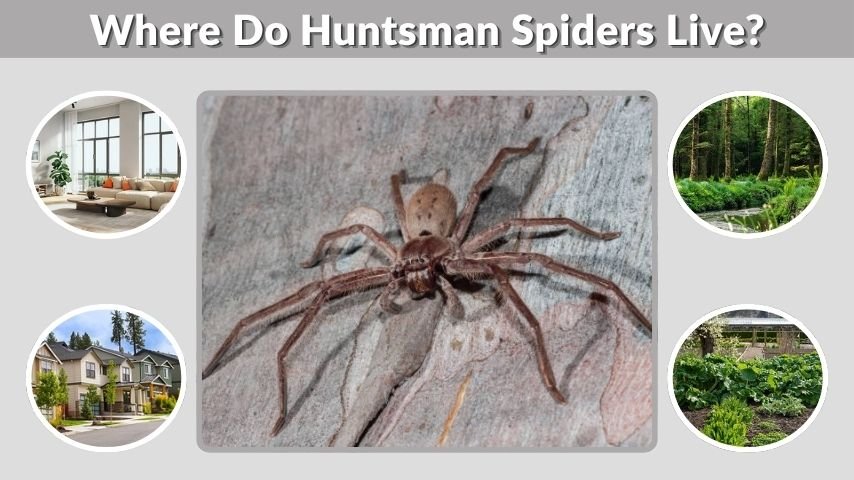
Found in warm climates worldwide, including Asia, Africa, Australia, and the Americas, often hiding under bark, in crevices, or inside buildings.
Behavior and Diet
Hunts cockroaches, moths, and other large insects, using speed and agility to overpower prey.
3. White-banded Crab Spider
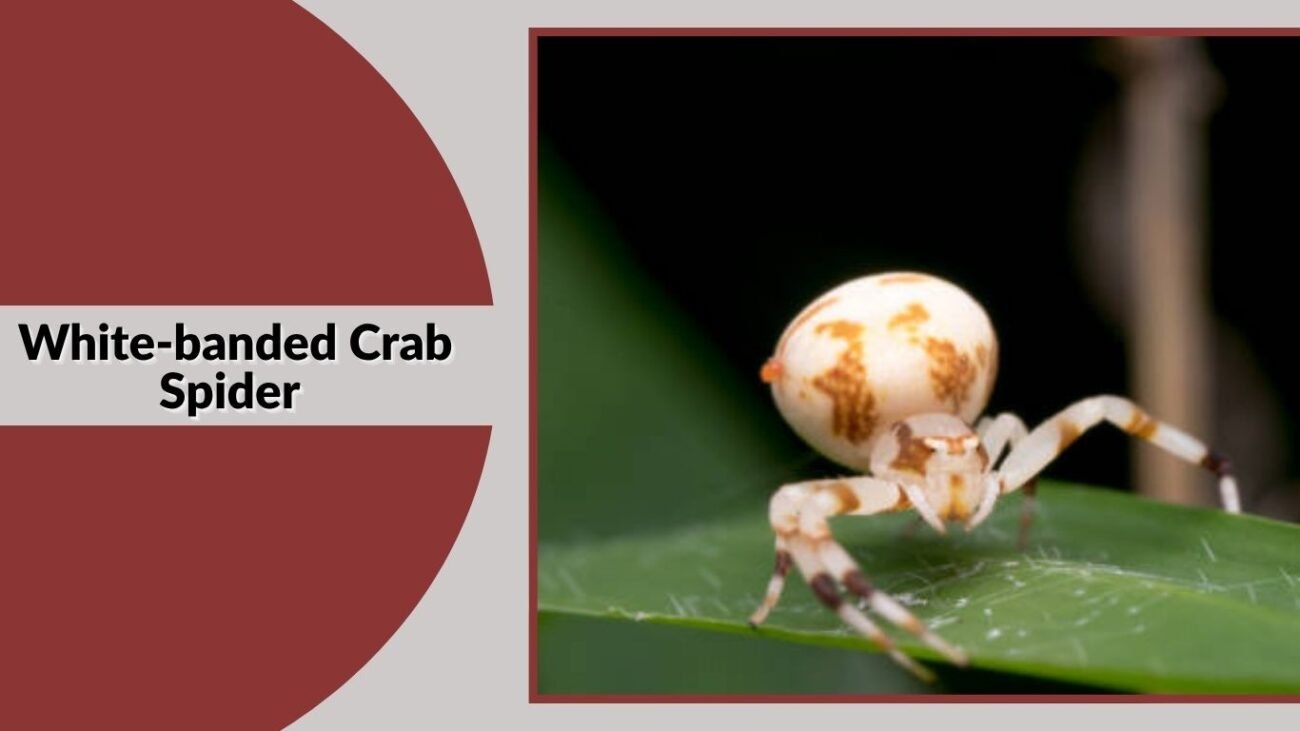
The white-banded crab spider is named for the distinctive white band running across the front of its head region. It is a master of camouflage, often blending into the petals of flowers to surprise visiting insects. Its ambush strategy and still posture make it nearly invisible to prey.
Identification
- Scientific Name: Misumenoides formosipes
- Body Length: Females 7–11 mm, males smaller
- Color: White or yellow with a bold white band near the eyes
- Legs: Long, strong front legs for grasping prey
- Distinct Feature: Horizontal white band across the cephalothorax
Habitat and Distribution
Found throughout North and Central America, especially in meadows, gardens, and forest edges where flowers are abundant.
Behavior and Diet
Ambushes bees, flies, and butterflies by waiting patiently on flower petals and striking with lightning speed when prey approaches.
4. Flower Crab Spider
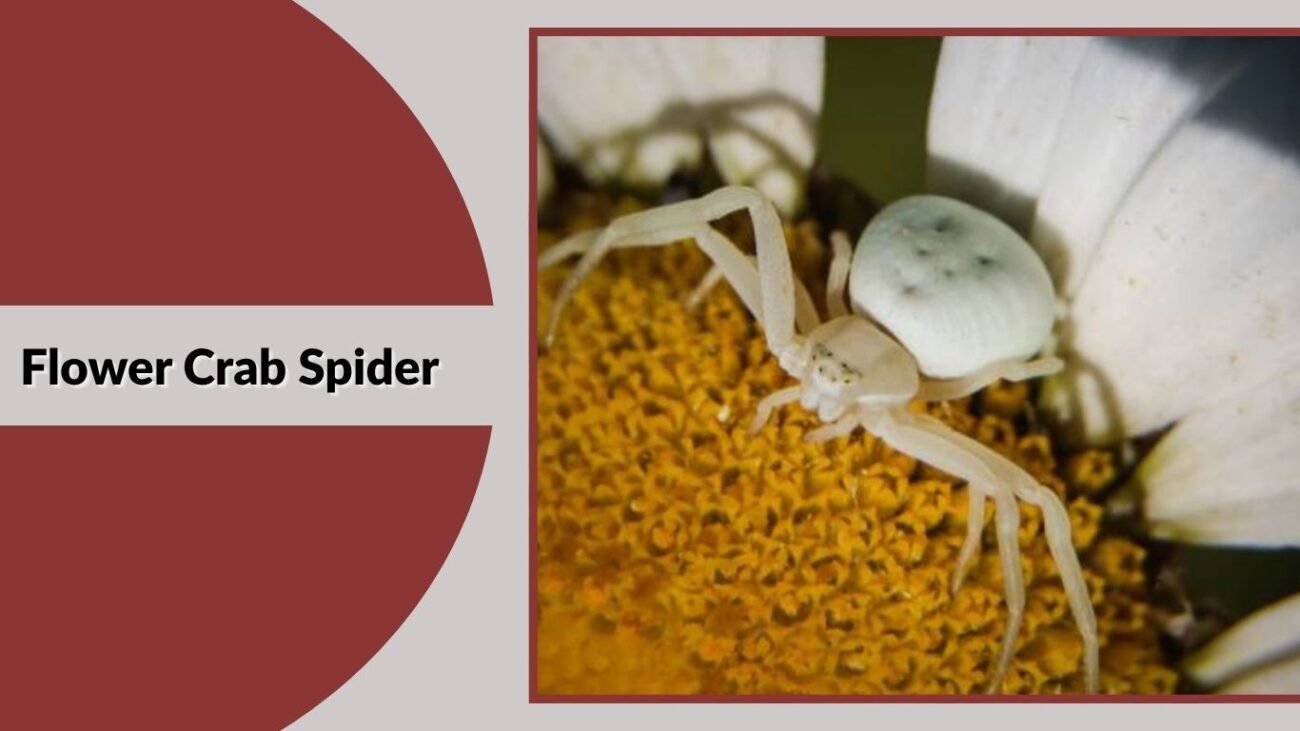
The flower crab spider is a beautiful and highly camouflaged predator that spends most of its life on blossoms, waiting for unsuspecting pollinators. Its flattened body and sideways walking style give it a distinctive crab-like appearance. This spider can vary in color from white to yellow and sometimes even light pink, depending on the flowers it inhabits, making it a master of disguise.
Identification
- Scientific Name: Thomisus onustus
- Body Length: Females 6–8 mm, males 3–4 mm
- Color: White, yellow, or pink with subtle markings
- Legs: Long, angled front legs for grabbing prey
- Distinct Feature: Camouflage coloration matching flower petals
Habitat and Distribution
Found in Europe, North Africa, and parts of Asia, typically on daisies, buttercups, and other composite flowers.
Behavior and Diet
Preys mainly on bees, butterflies, and flies, striking quickly when they land to collect nectar or pollen.
5. Ground Crab Spider
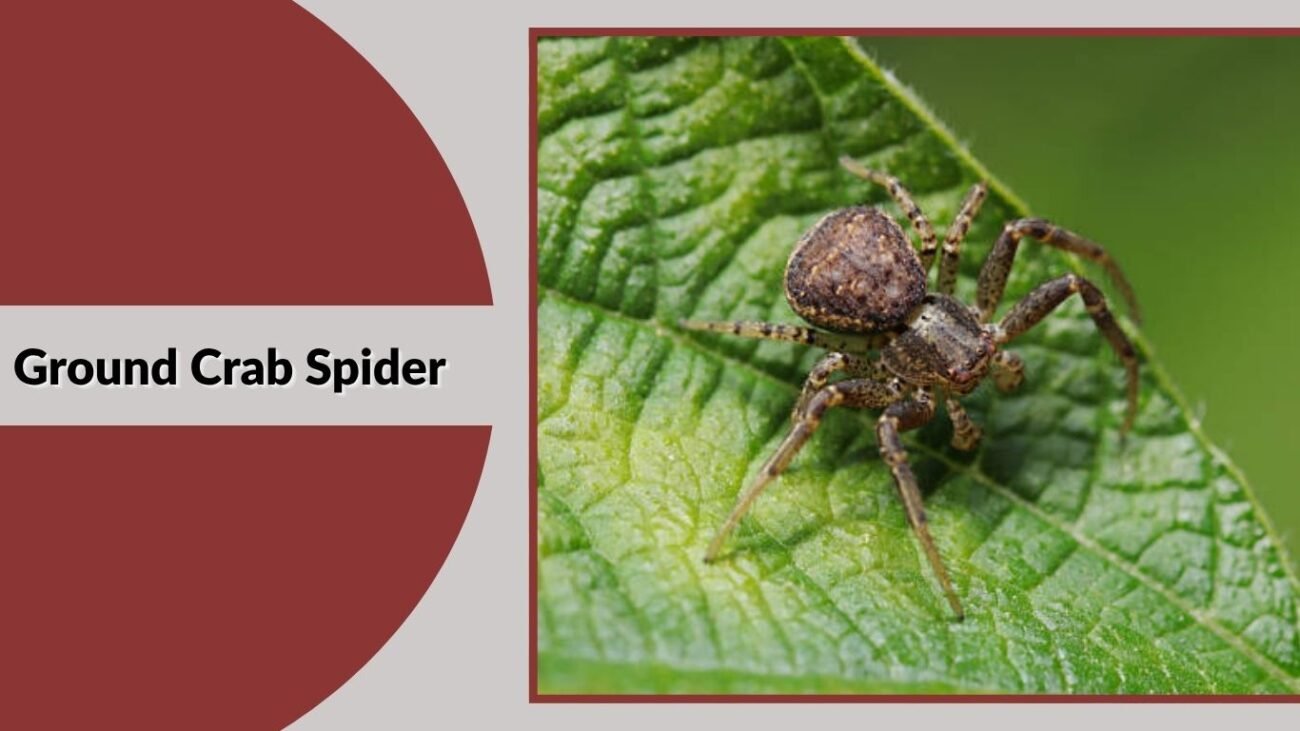
The ground crab spider is a stealthy hunter that prefers the leaf litter and soil of forests and grasslands rather than flowers. Its brown, mottled body blends seamlessly with the ground, making it an efficient ambush predator. Unlike flower-dwelling crab spiders, it uses earth tones rather than bright colors for concealment.
Identification
- Scientific Name: Xysticus cristatus
- Body Length: Females 6–8 mm, males 3–5 mm
- Color: Brown or gray with mottled patterns
- Legs: Thick and robust, well-adapted for gripping struggling prey
- Distinct Feature: Camouflage suited to soil and leaf litter
Habitat and Distribution
Found widely across Europe, Asia, and North America, often in meadows, woodland floors, and along forest edges.
Behavior and Diet
Ambushes ants, beetles, and other ground-dwelling insects, lying in wait among leaves or on bare soil.
6. Pink Crab Spider
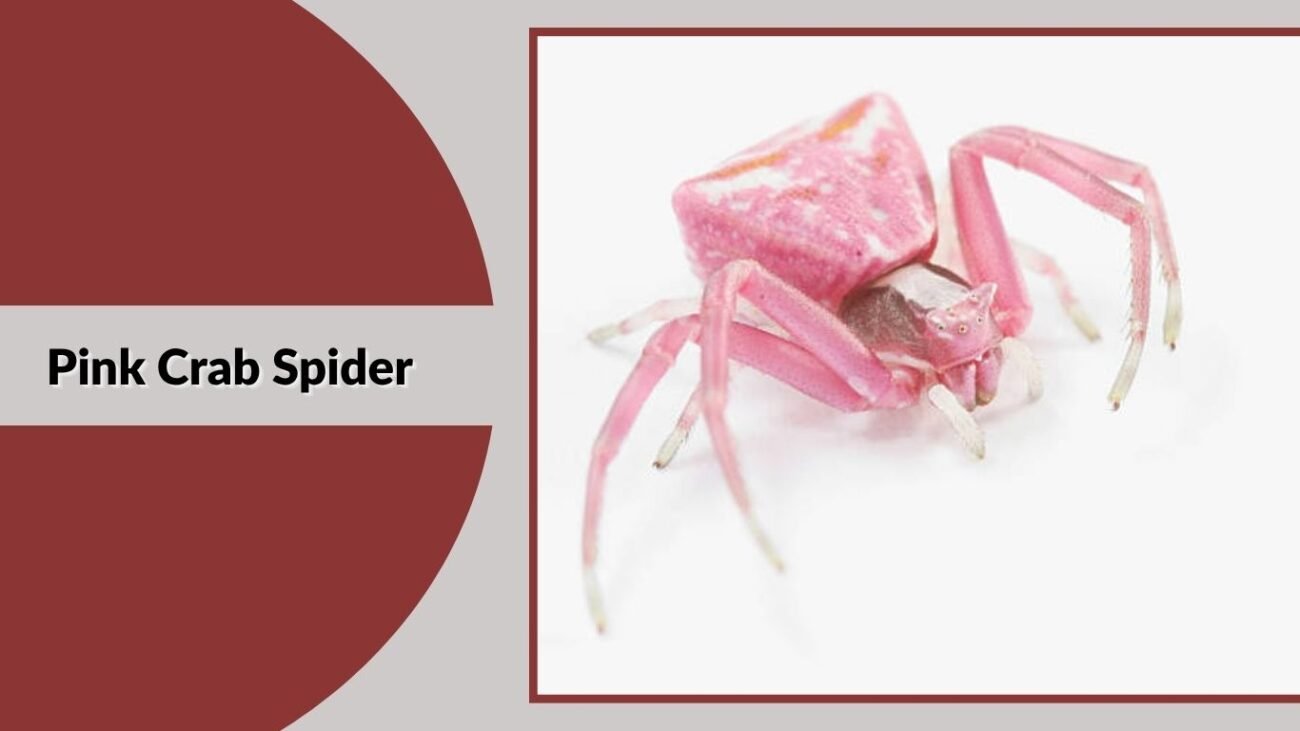
The pink crab spider is a striking species known for its ability to blend into pink-hued flowers such as orchids and certain daisies. This color adaptation makes it almost invisible to pollinating insects, allowing it to ambush prey with precision. While less common than white or yellow crab spiders, its vibrant appearance makes it a favorite subject for macro photographers.
Identification
- Scientific Name: Thomisus spectabilis
- Body Length: Females 7–10 mm, males smaller
- Color: Light to deep pink, sometimes with white or yellow markings
- Legs: Long, angled front legs typical of crab spiders
- Distinct Feature: Pink camouflage matching flower petals
Habitat and Distribution
Native to Australia and found in gardens, meadows, and bushland where pink flowers are abundant.
Behavior and Diet
Hunts bees, butterflies, and beetles visiting flowers, waiting motionless before striking with strong forelegs.
7. Australian Crab Spider

The Australian crab spider is a versatile predator that can be found in a variety of habitats, from coastal dunes to inland grasslands. Its body coloration varies from pale cream to yellow, helping it blend with flowers and sandy environments.
Identification
- Scientific Name: Thomisus australiae
- Body Length: Females 6–8 mm, males smaller
- Color: Cream, yellow, or light brown with subtle markings
- Legs: Shorter and stockier than some flower crab spiders
- Distinct Feature: Coloration adapted to sandy and floral surroundings
Habitat and Distribution
Widespread across Australia, particularly in open, sunny areas with low vegetation.
Behavior and Diet
Feeds on flies, ants, and small bees by ambushing them from flowers or sandy hiding spots, using its camouflage for concealment.
8. Spiny Crab Spider
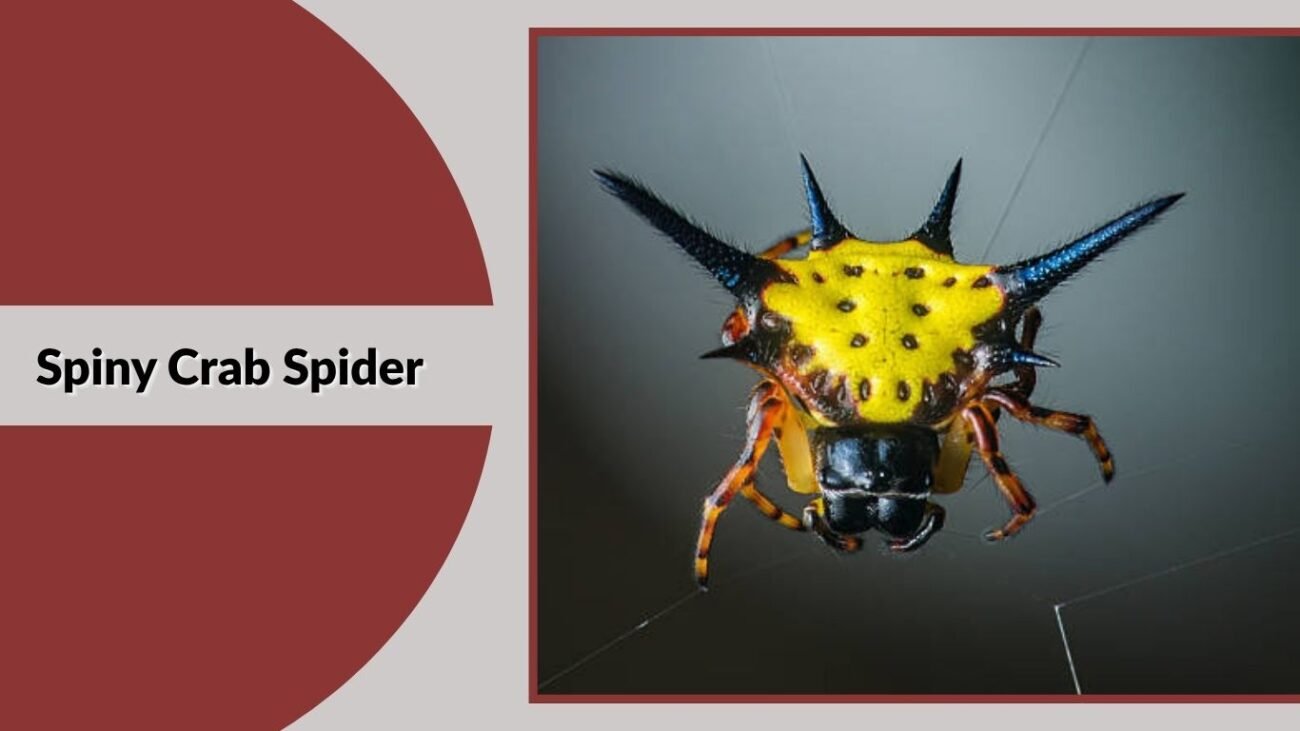
The spiny crab spider is an eye-catching species recognized for the pointed spines or protrusions on its body and legs. These spines give it a rough texture, making it resemble plant debris or thorns, which serves as excellent camouflage. It is often found resting on leaves or flowers where its unusual shape breaks up its outline.
Identification
- Scientific Name: Thomisus spp. (various species)
- Body Length: Females 5–8 mm, males smaller
- Color: White, yellow, brown, or mottled with darker patches
- Legs: Angled and spiny, perfect for ambush attacks
- Distinct Feature: Sharp body spines for camouflage and defense
Habitat and Distribution
Found in Asia, Africa, and parts of Australia, living in gardens, grasslands, and forest edges.
Behavior and Diet
Ambushes moths, bees, and flies by remaining perfectly still and striking with rapid precision when prey approaches.
9. Bark Crab Spider
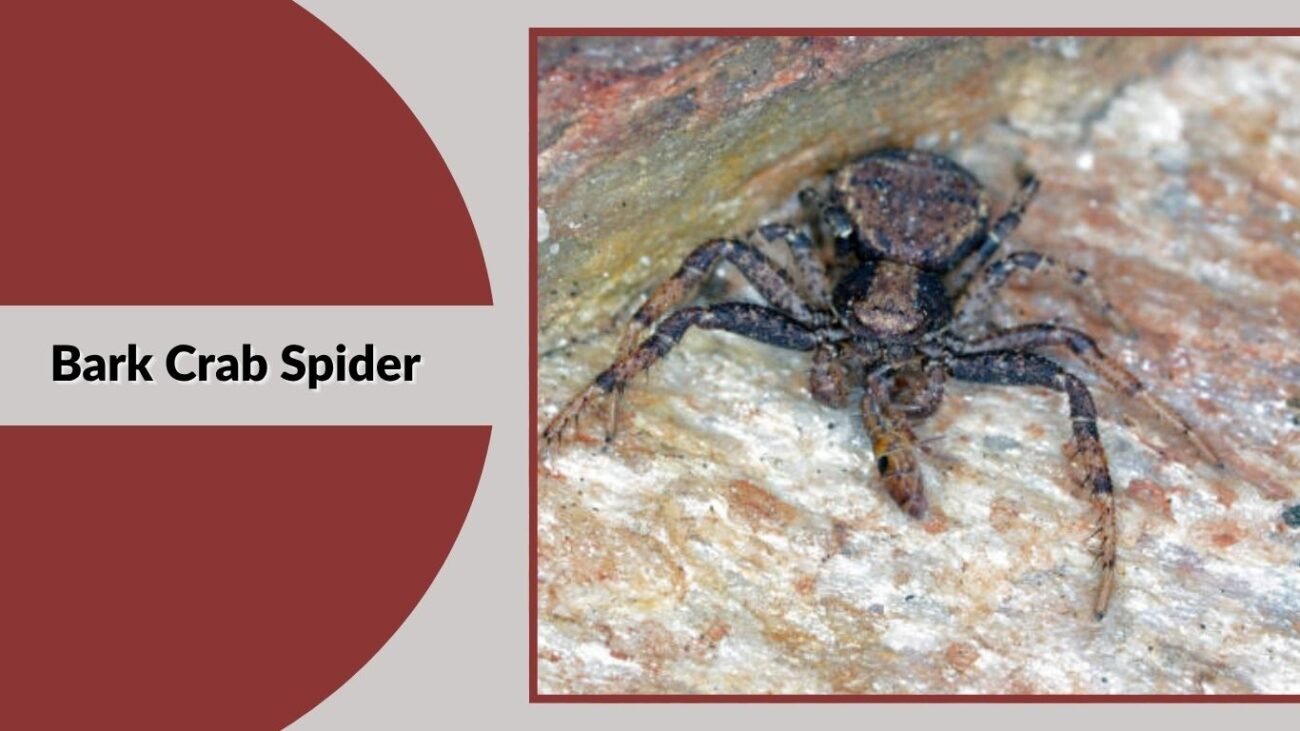
The bark crab spider is a ground- and tree-dwelling predator whose mottled brown coloration perfectly mimics tree bark and rough surfaces. This camouflage makes it nearly invisible to both prey and predators. Unlike flower crab spiders, it hunts in shaded and rugged environments.
Identification
- Scientific Name: Bassaniana versicolor
- Body Length: Females 6–8 mm, males 4–5 mm
- Color: Brown, gray, or tan with irregular dark markings
- Legs: Shorter and more robust than flower-dwelling species
- Distinct Feature: Bark-like coloration and pattern
Habitat and Distribution
Found in North America, often on tree trunks, logs, and wooden fences.
Behavior and Diet
Feeds on ants, beetles, and other insects crawling over bark, ambushing them from crevices or shadowed spots.
10. Running Crab Spider
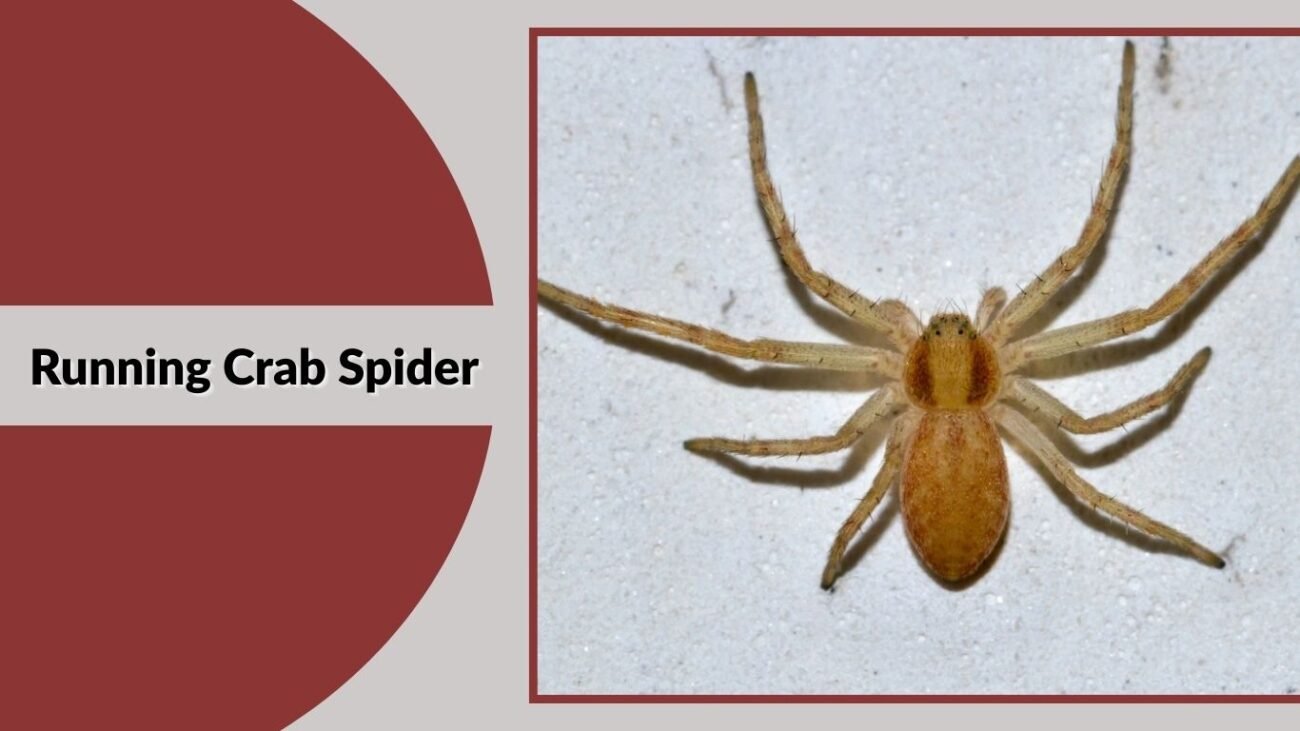
The running crab spider differs from many of its relatives by being more active and mobile, often chasing prey rather than solely relying on ambush tactics. It has a flattened body and long legs that allow it to move quickly in any direction, including sideways, much like a true crab.
Identification
- Scientific Name: Philodromus dispar
- Body Length: Females 5–7 mm, males slightly smaller
- Color: Brown, gray, or tan with subtle mottling
- Legs: Long, slender, and adapted for speed
- Distinct Feature: Excellent running ability combined with sideways movement
Habitat and Distribution
Common in Europe, North America, and parts of Asia, found on shrubs, tree bark, and ground vegetation.
Behavior and Diet
Actively patrols vegetation for flies, aphids, and small beetles. Rather than sitting in one place, it uses stealthy stalking followed by a rapid chase to capture prey.
11. Striped Crab Spider
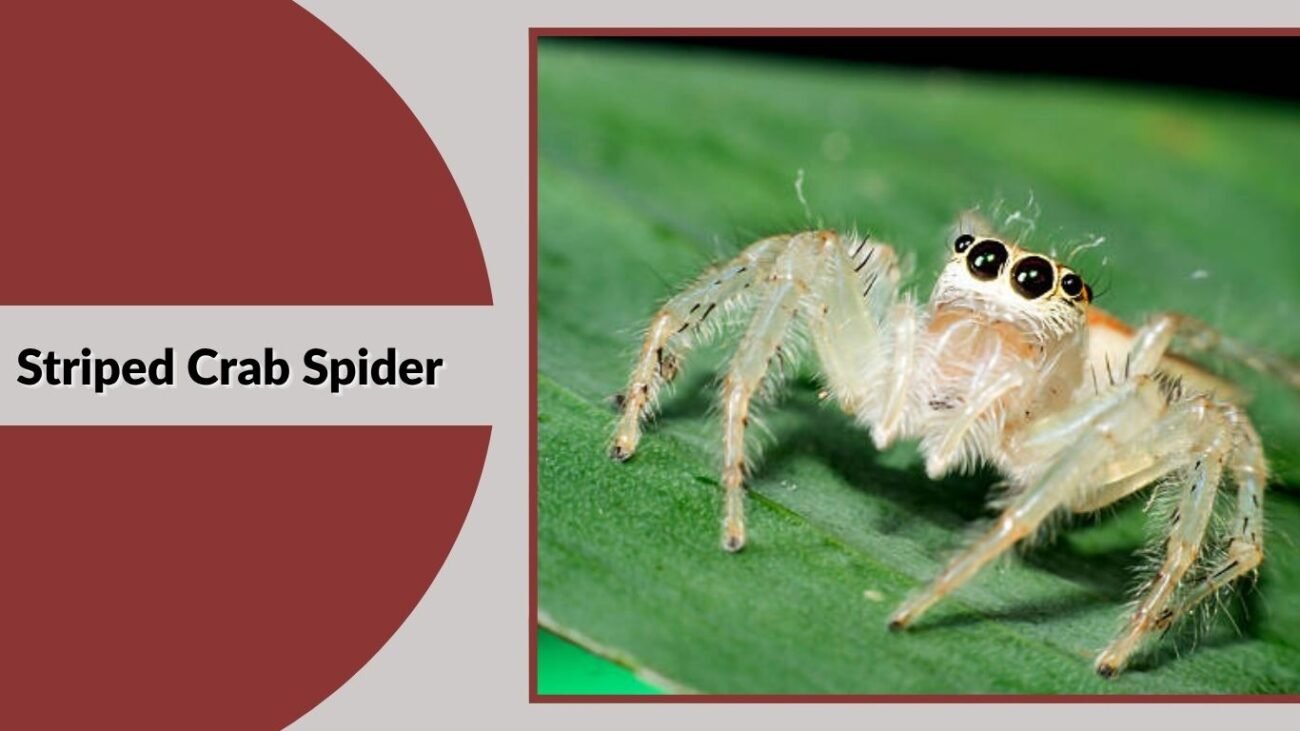
The striped crab spider is a visually striking species, easily recognized by the bold stripes running lengthwise down its body and legs. This pattern helps it blend in with grasses and stems, making it nearly invisible to both predators and prey.
Identification
- Scientific Name: Thomisus callidus
- Body Length: Females 6–8 mm, males smaller
- Color: Yellowish, white, or pale brown with dark longitudinal stripes
- Legs: Long, angled front legs for snatching prey
- Distinct Feature: Prominent stripes on body and limbs
Habitat and Distribution
Found in Asia and parts of Australia, typically in grassy fields, gardens, and crop areas.
Behavior and Diet
Waits motionless along plant stems for insects to pass, then quickly grabs them with its powerful forelegs. Often preys on grasshoppers, flies, and bees.
12. Green Crab Spider
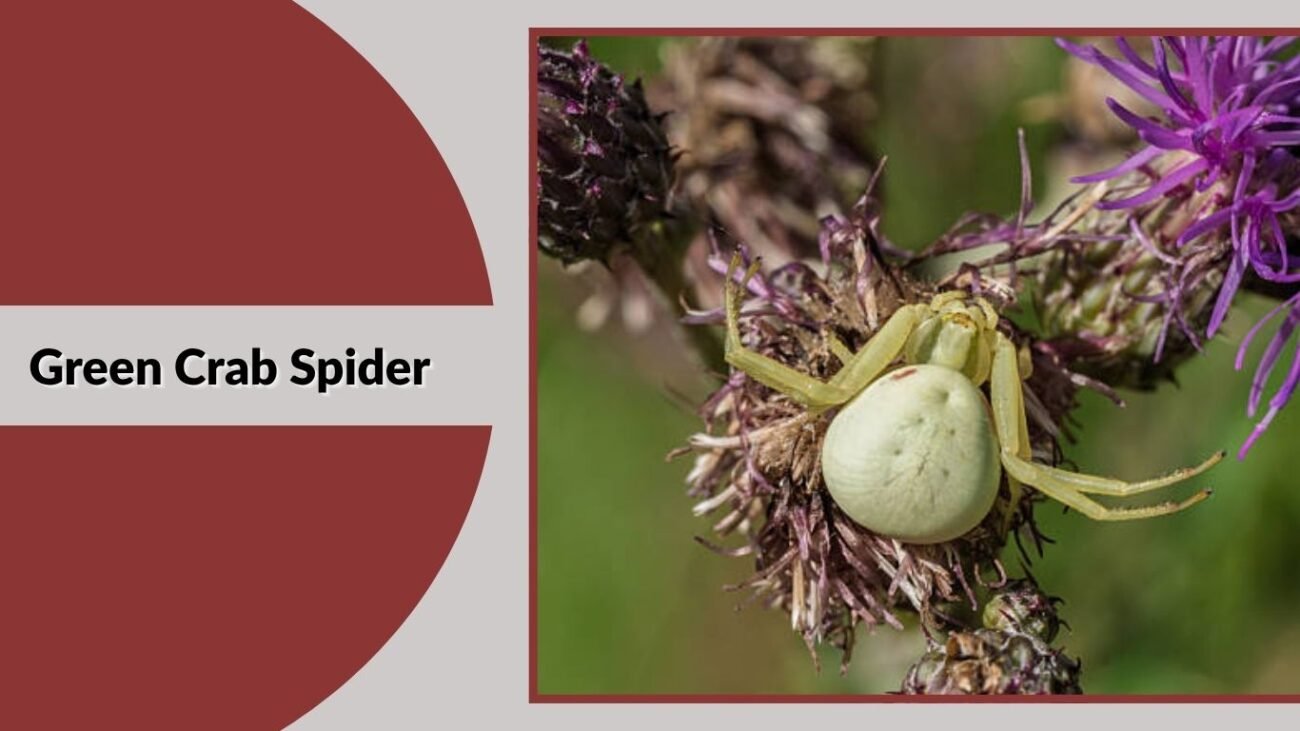
The green crab spider is a beautiful foliage-dwelling predator whose bright green coloration provides excellent camouflage among leaves. This makes it almost invisible to both prey and predators. It is often found on shrubs and plants where it hunts during the day, blending in seamlessly with its surroundings.
Identification
- Scientific Name: Diaea dorsata
- Body Length: Females 6–8 mm, males smaller
- Color: Vivid green with a slightly lighter underside and reddish markings near the eyes
- Legs: Short to medium length, matching the green body color
- Distinct Feature: Leaf-like coloration for camouflage in foliage
Habitat and Distribution
Found throughout Europe and parts of Asia, inhabiting gardens, hedgerows, and woodland edges.
Behavior and Diet
Ambushes flies, aphids, and other small insects visiting plants. Prefers to remain motionless on leaves until prey comes within striking range.
13. Orange Crab Spider
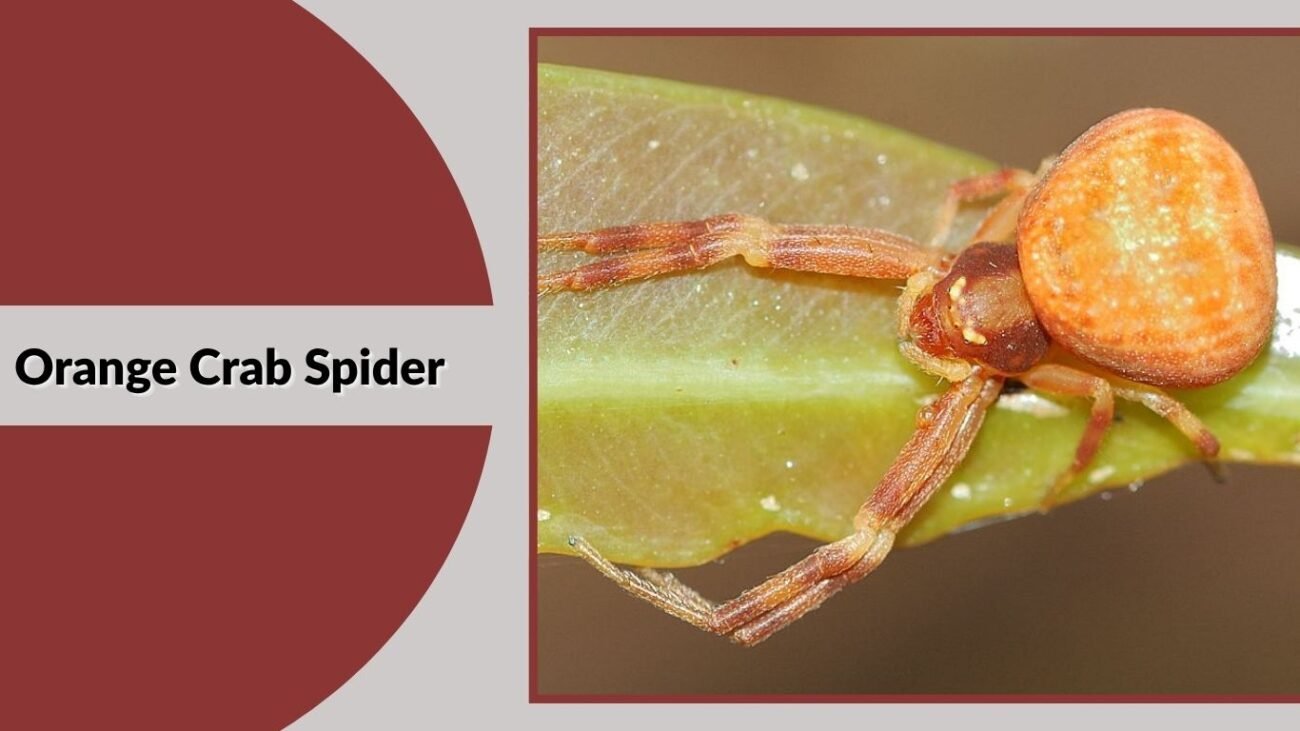
The orange crab spider stands out with its bright orange body, making it one of the more vividly colored crab spiders. Despite its bold hue, it often blends well with certain flowers such as marigolds, lantanas, and orange daisies, where it patiently waits for prey.
Identification
- Scientific Name: Thomisus aurantiacus
- Body Length: Females 7–9 mm, males smaller
- Color: Bright orange, sometimes with faint pale markings
- Legs: Long, angled front legs typical of crab spiders
- Distinct Feature: Bold orange coloration matching specific flowers
Habitat and Distribution
Native to parts of Asia and Africa, commonly found in gardens and meadows with orange-flowering plants.
Behavior and Diet
Preys on bees, butterflies, and beetles by blending with flower petals and striking quickly when insects land to feed.
14. Flat Crab Spider
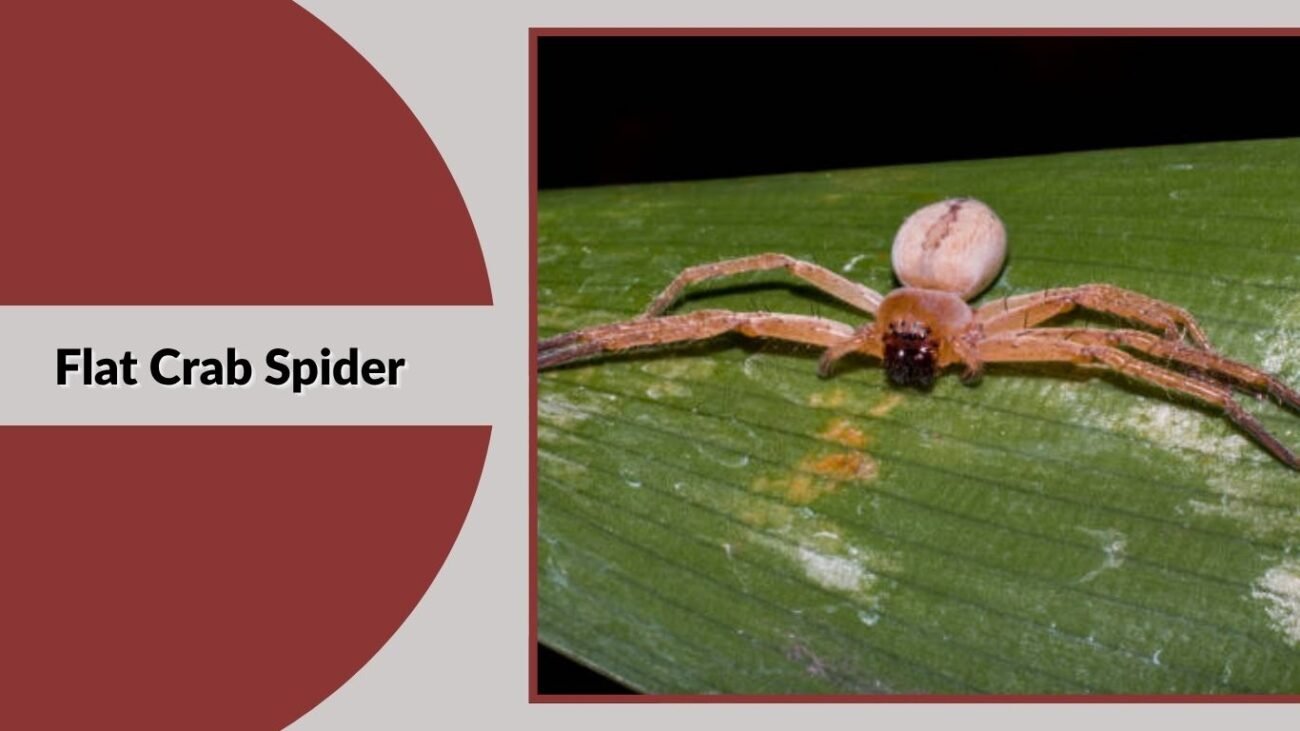
The flat crab spider is specially adapted to live in tight spaces, with a flattened body that allows it to hide under bark, stones, or leaf litter. Its muted coloration helps it blend perfectly with rough surfaces, making it an effective ambush predator. Unlike the more colorful flower crab spiders, this species relies on subtle earth tones for concealment.
Identification
- Scientific Name: Sidyma spp.
- Body Length: Females 5–7 mm, males smaller
- Color: Gray, brown, or mottled with darker markings
- Legs: Broad, angled legs for sideways movement
- Distinct Feature: Flattened body ideal for hiding in narrow spaces
Habitat and Distribution
Found in Asia, Africa, and parts of Australia, often in dry forests, under tree bark, or within rock crevices.
Behavior and Diet
Hunts ants, beetles, and other crawling insects, striking suddenly from its concealed hiding place.
15. Asian Crab Spider
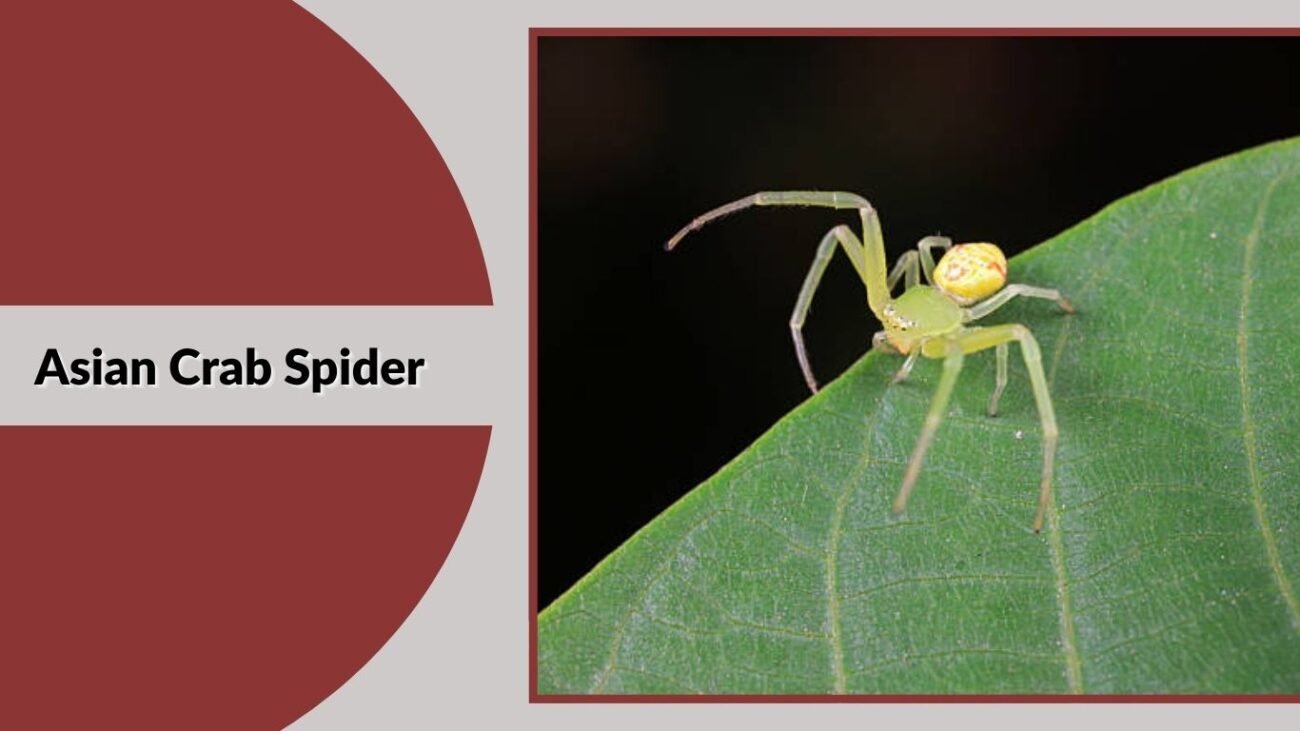
The Asian crab spider is a versatile hunter found in diverse habitats across Asia. Its coloration varies from cream to pale yellow, often with distinct markings that help it blend into flowers, foliage, or dry vegetation. It is commonly seen in gardens and meadows during warm months.
Identification
- Scientific Name: Thomisus labefactus
- Body Length: Females 6–8 mm, males smaller
- Color: Cream, yellow, or light brown with subtle markings
- Legs: Long, front legs angled outward for prey capture
- Distinct Feature: Adaptable coloration for multiple environments
Habitat and Distribution
Found widely in South and Southeast Asia, from grasslands to urban gardens.
Behavior and Diet
Ambushes bees, flies, and small beetles by hiding on flowers or leaves, remaining perfectly still until prey comes within range.