Lynx spiders are agile, daytime hunters known for their sharp vision, quick movements, and spiny legs. Unlike web-building spiders, they actively stalk and leap on their prey, making them fascinating to observe. Found in gardens, grasslands, and forests worldwide, these colorful and camouflaged predators play an important role in natural pest control. In this guide, we’ll explore 12 types of lynx spiders with detailed identification and pictures.
1. Green Lynx Spider
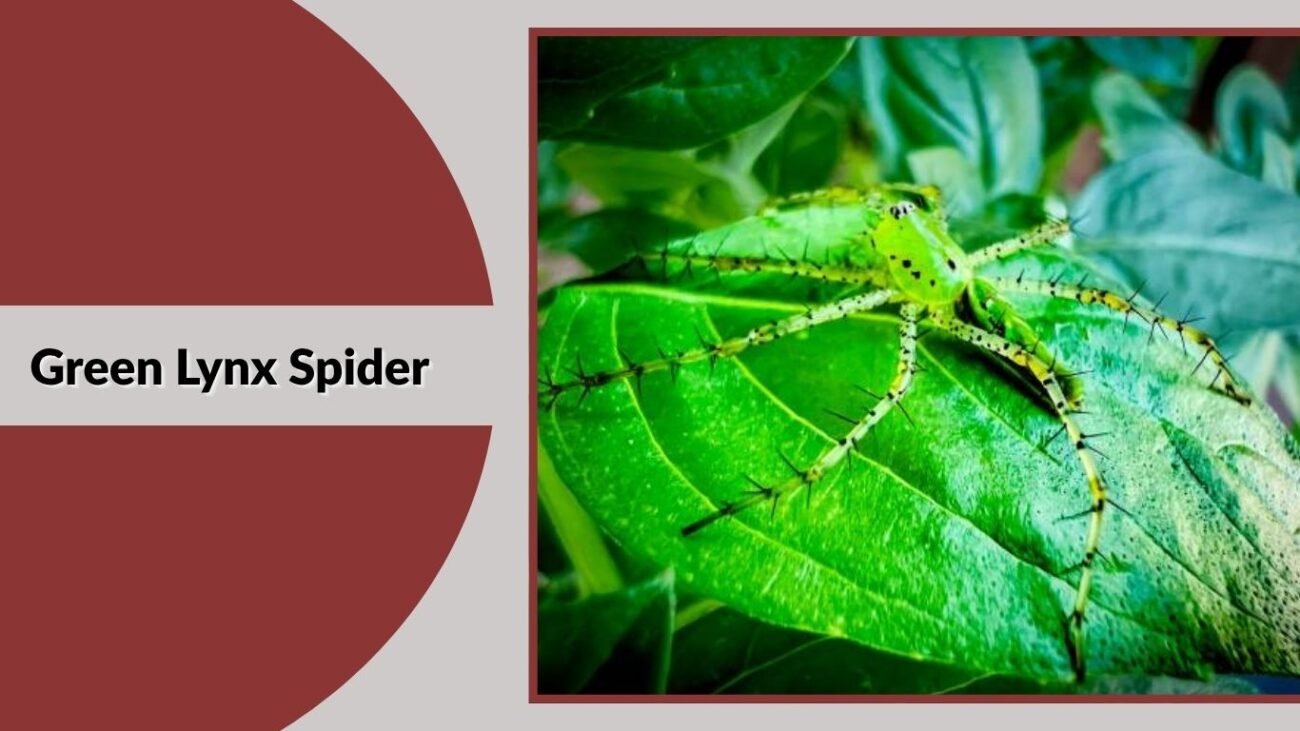
The green lynx spider is one of the most visually striking hunting spiders, easily recognized by its bright green body and long spiny legs. It is a highly active predator that relies on speed, agility, and keen eyesight to catch prey, rather than spinning webs. This species is often seen on flowers and shrubs, where it blends perfectly into the foliage, making it an excellent ambush hunter. Farmers and gardeners value it for its role in controlling agricultural pests.
Identification
- Scientific Name: Peucetia viridans
- Body Length: Females 12–22 mm, males smaller
- Color: Bright green with reddish spots and sometimes white markings
- Legs: Long, slender, with prominent black spines
- Distinct Feature: Transparent green body for foliage camouflage
Habitat and Distribution
Widespread in the southern United States, Mexico, Central America, the Caribbean, and parts of South America, typically found on flowering plants, shrubs, and crops.
Behavior and Diet
Hunts during the day, pouncing on moths, butterflies, bees, and flies. Often remains motionless until prey is within striking range, then captures it with lightning speed.
2. Striped Lynx Spider
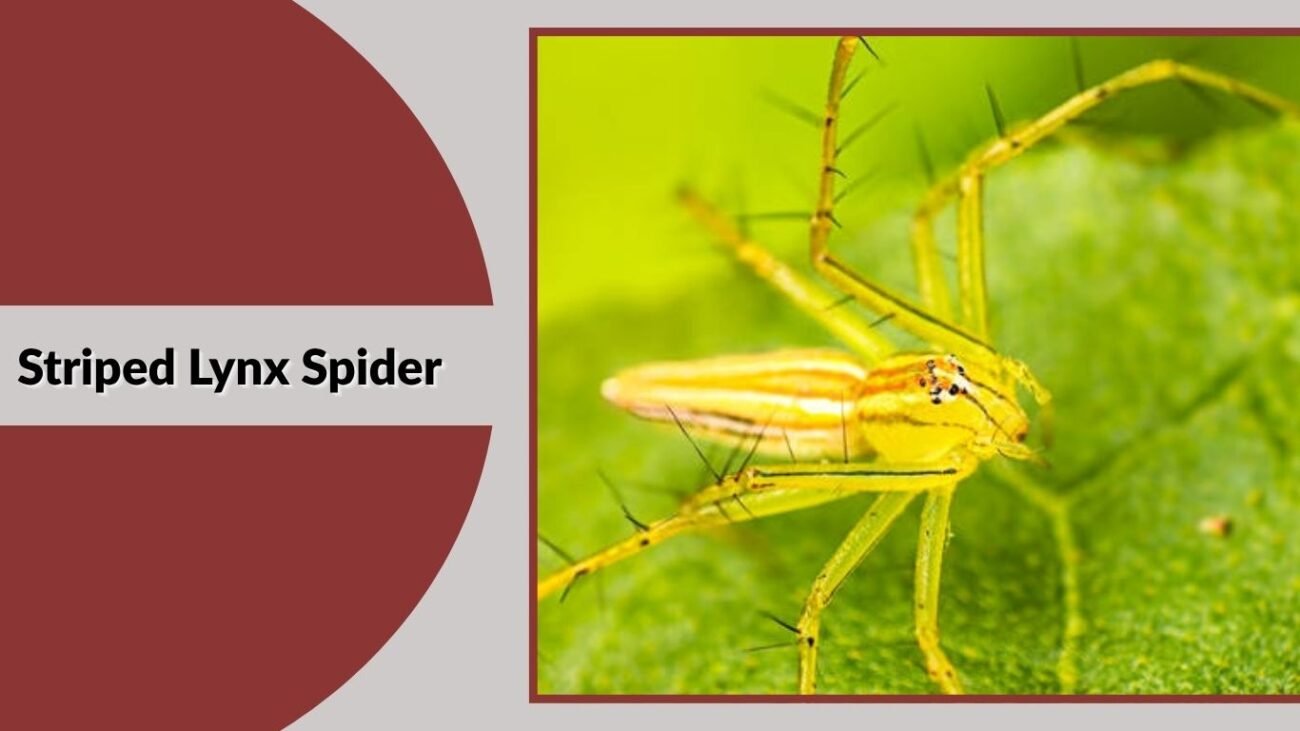
The striped lynx spider is a slender, fast-moving hunter recognized for the bold longitudinal stripes running along its body. Its agile movements and sharp vision make it an efficient predator in grassy and shrubby areas. This species is commonly seen in agricultural fields, where it helps control pest insects naturally without the need for chemical pesticides.
Identification
- Scientific Name: Oxyopes salticus
- Body Length: 4–6 mm
- Color: Pale yellow to brown with dark longitudinal stripes
- Legs: Long and spiny, often with banded patterns
- Distinct Feature: Parallel stripes from head to abdomen
Habitat and Distribution
Found throughout the Americas, from Canada to Argentina, especially in meadows, grasslands, and crop fields.
Behavior and Diet
Hunts small insects such as aphids, leafhoppers, and flies by actively stalking them. Often rests on leaves, blending with vegetation until prey passes by.
3. Golden Lynx Spider
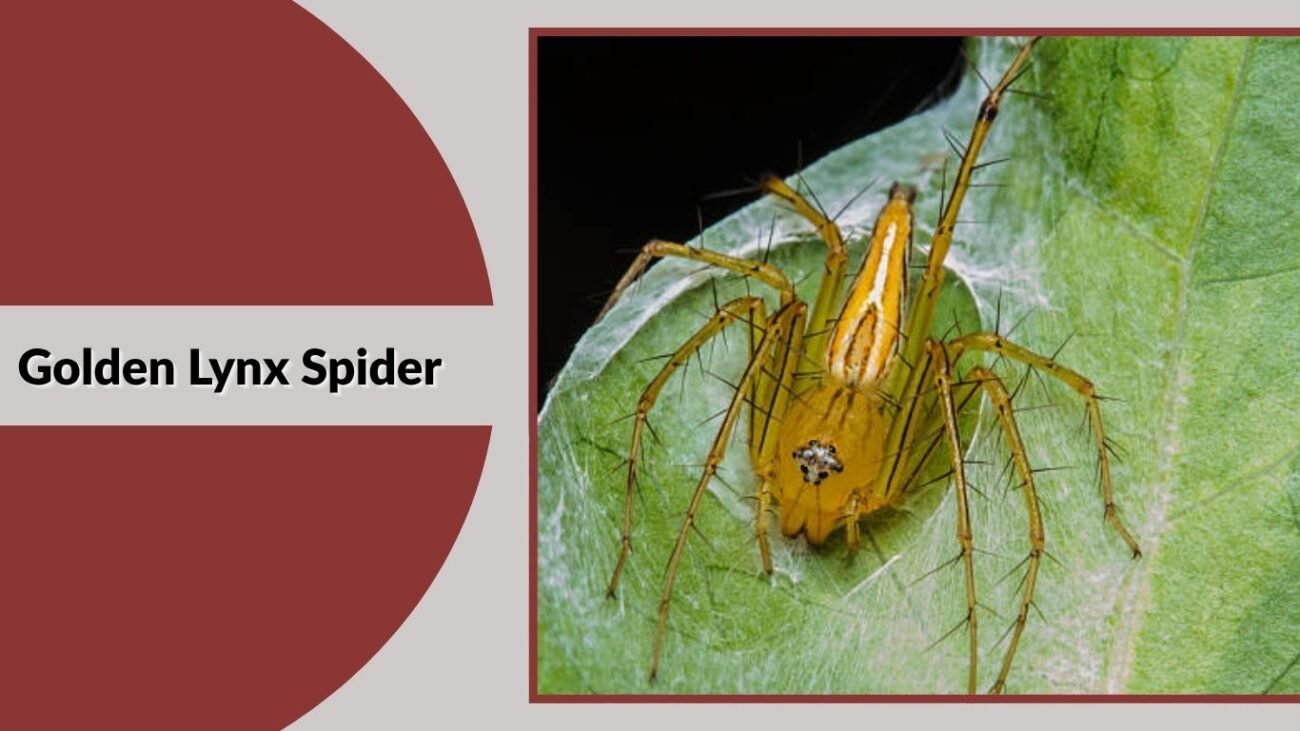
The golden lynx spider is a beautiful species with a warm golden or yellow body, often adorned with delicate markings. Its bright coloration allows it to camouflage among flowers, making it a skilled ambush predator for pollinating insects.
Identification
- Scientific Name: Oxyopes shweta
- Body Length: 6–8 mm
- Color: Golden yellow to light orange with faint markings
- Legs: Slender, long, and covered in fine spines
- Distinct Feature: Shiny golden body that blends with blossoms
Habitat and Distribution
Native to South and Southeast Asia, found in gardens, grasslands, and agricultural areas, especially on flowering plants.
Behavior and Diet
Preys on flies, bees, and small moths visiting flowers. Uses stealth and sudden leaps to overpower prey rather than building webs.
4. Western Lynx Spider
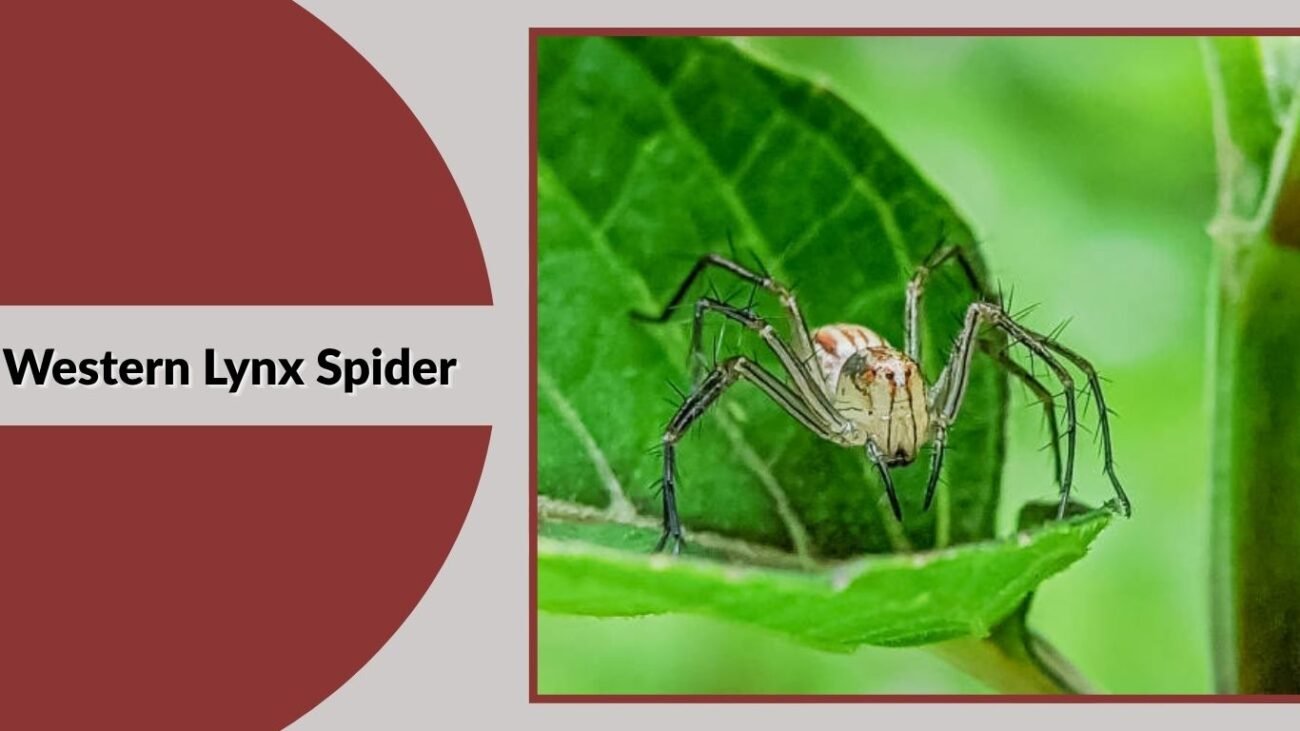
The western lynx spider is a quick and alert predator commonly found in open fields and grasslands. Its sharp vision and rapid movements make it highly effective at catching insects on the move. The species is known for its adaptability, thriving in both wild and cultivated landscapes.
Identification
- Scientific Name: Oxyopes scalaris
- Body Length: 4–6 mm
- Color: Light brown to tan with darker markings along the body
- Legs: Long, thin, and spiny with subtle banding
- Distinct Feature: Darker dorsal markings forming a central stripe
Habitat and Distribution
Widespread in North America, especially in open grassy habitats, gardens, and farmland.
Behavior and Diet
Actively hunts small insects such as aphids, grasshoppers, and flies, often perching on grass stems before leaping at prey.
5. Oriental Lynx Spider
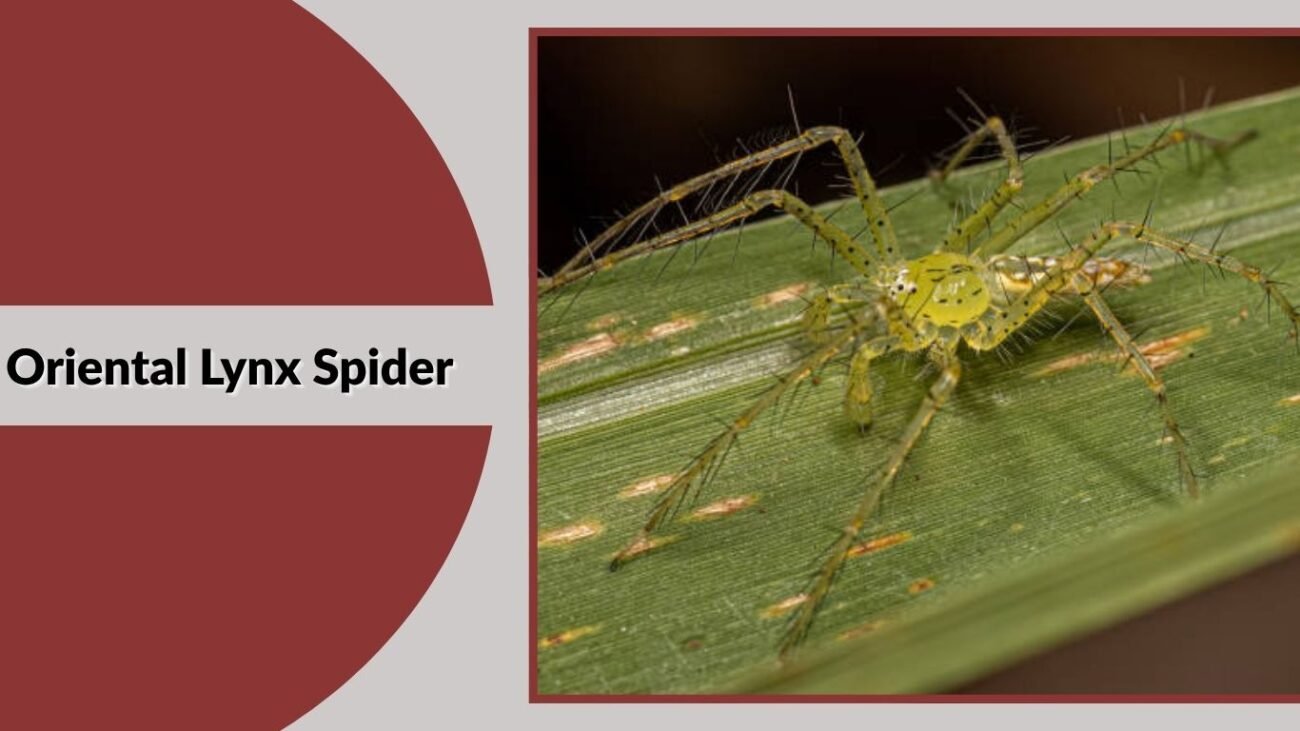
The oriental lynx spider is a slender, fast-moving species that thrives in warm, tropical regions. Its cryptic coloration helps it blend into foliage, making it an effective predator that is difficult to spot.
Identification
- Scientific Name: Oxyopes javanus
- Body Length: 6–8 mm
- Color: Light brown to yellowish with fine mottling
- Legs: Long, slender, and covered with black-tipped spines
- Distinct Feature: Elongated body with narrow head region
Habitat and Distribution
Found in tropical Asia, including India, Indonesia, and the Philippines, inhabiting shrubs, crops, and gardens.
Behavior and Diet
Feeds on a variety of small insects, including agricultural pests. Hunts by ambush and quick pursuit, often patrolling plant surfaces for prey.
6. Indian Lynx Spider

The Indian lynx spider is a swift and alert predator that thrives in both wild and cultivated environments. Known for its agility, it hunts without using webs, relying instead on rapid jumps and excellent eyesight to capture prey. Its subtle body markings help it blend into plant surfaces.
Identification
- Scientific Name: Oxyopes sunandae
- Body Length: 6–8 mm
- Color: Light brown to pale yellow with faint longitudinal stripes
- Legs: Long, thin, and spiny with light banding
- Distinct Feature: Narrow, elongated body suited for swift movements
Habitat and Distribution
Found widely across India in gardens, agricultural fields, and scrublands.
Behavior and Diet
Feeds mainly on small insects such as leafhoppers, flies, and caterpillars. Often patrols vegetation, pouncing on prey with great speed.
7. Long-legged Lynx Spider
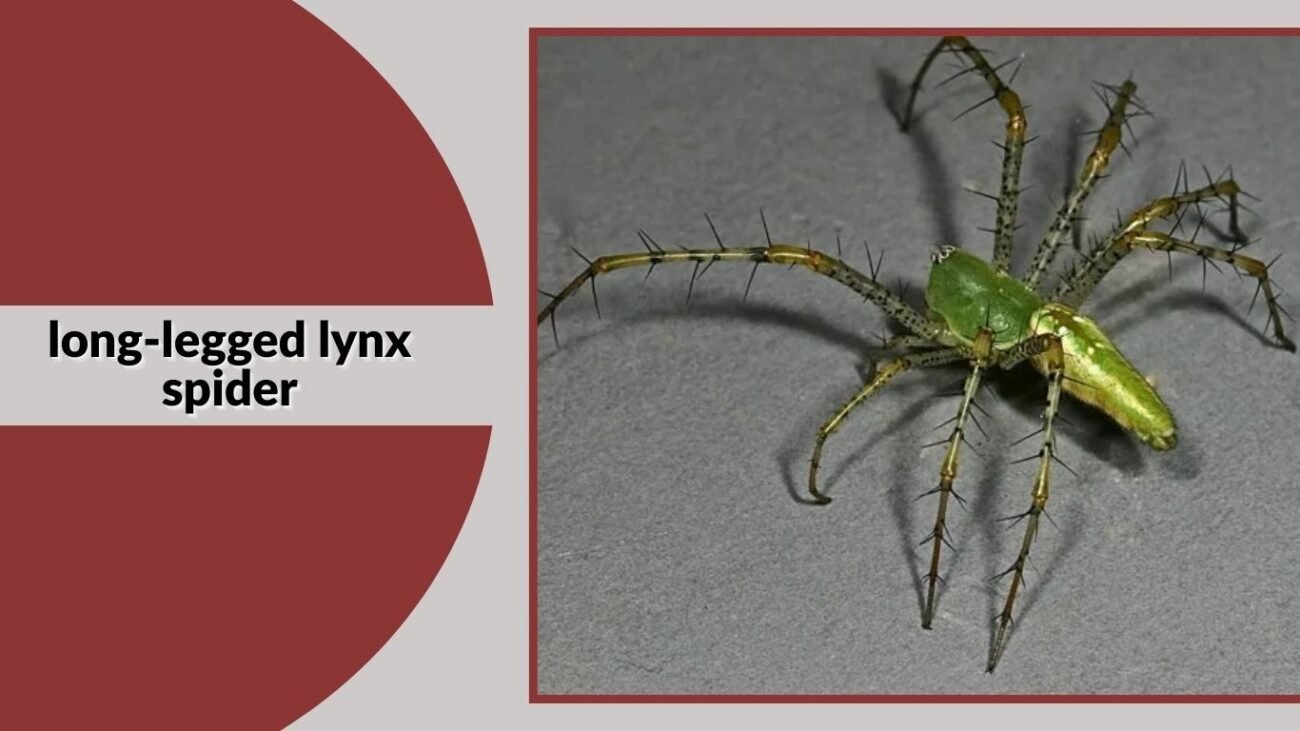
The long-legged lynx spider is aptly named for its proportionally long, slender legs, which provide both speed and balance when hunting. This species is a versatile predator, often spotted on leaves and stems in search of food.
Identification
- Scientific Name: Oxyopes longispinosus
- Body Length: 7–9 mm
- Color: Pale yellow to brown with minimal markings
- Legs: Exceptionally long and thin, covered with fine spines
- Distinct Feature: Extended legs that enhance leaping ability
Habitat and Distribution
Common in Southeast Asia, particularly in gardens, meadows, and rice fields.
Behavior and Diet
Hunts small insects such as flies, aphids, and grasshoppers, relying on stealth and quick leaps rather than webs to secure prey.
8. Dotted Lynx Spider
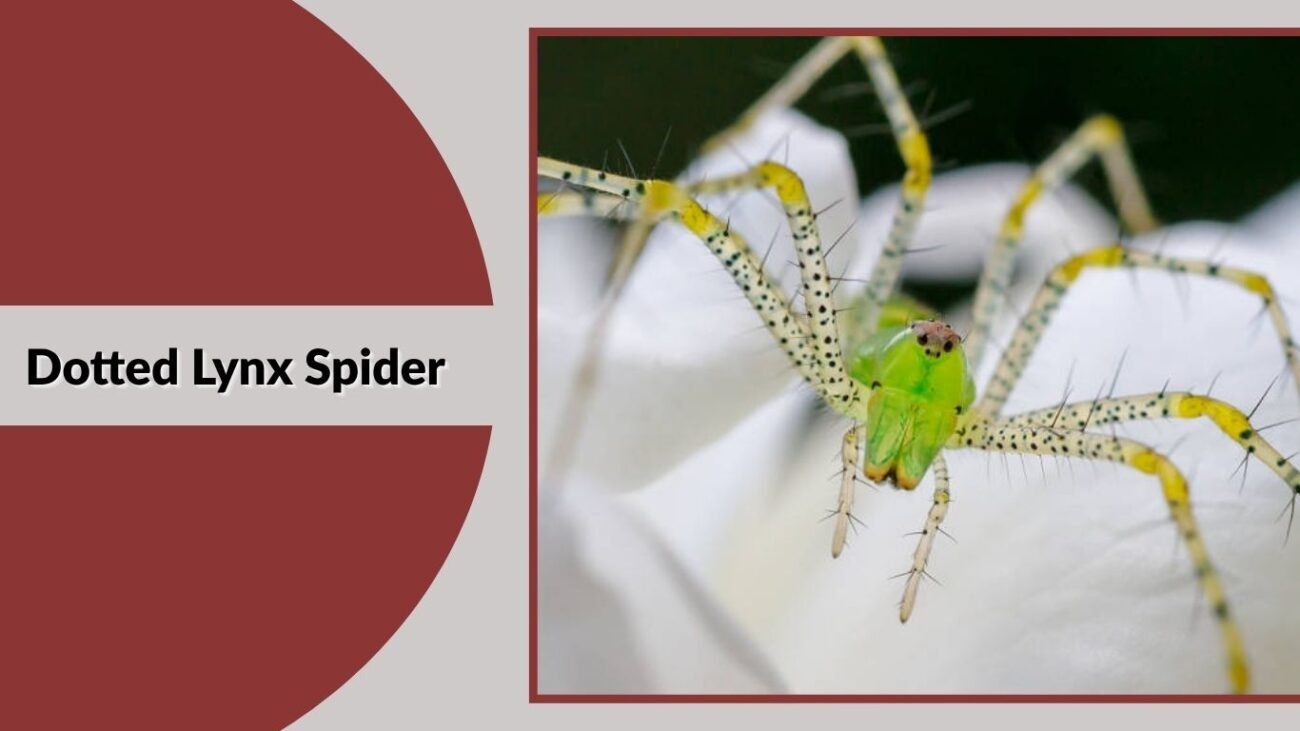
The dotted lynx spider is named for the small dark spots scattered across its body and legs, giving it a speckled appearance. This unique patterning provides excellent camouflage against mottled leaves and flowers, making it an efficient ambush predator.
Identification
- Scientific Name: Oxyopes punctatus
- Body Length: 5–7 mm
- Color: Pale yellow to light brown with distinct dark spots
- Legs: Slender, spiny, and covered with dotted markings
- Distinct Feature: Speckled body and legs for camouflage
Habitat and Distribution
Found in Asia and parts of Australia, inhabiting gardens, shrublands, and agricultural areas.
Behavior and Diet
Preys on flies, moths, and small plant-feeding insects. Often remains motionless on leaves, striking quickly when prey comes within reach.
9. Black-tufted Lynx Spider
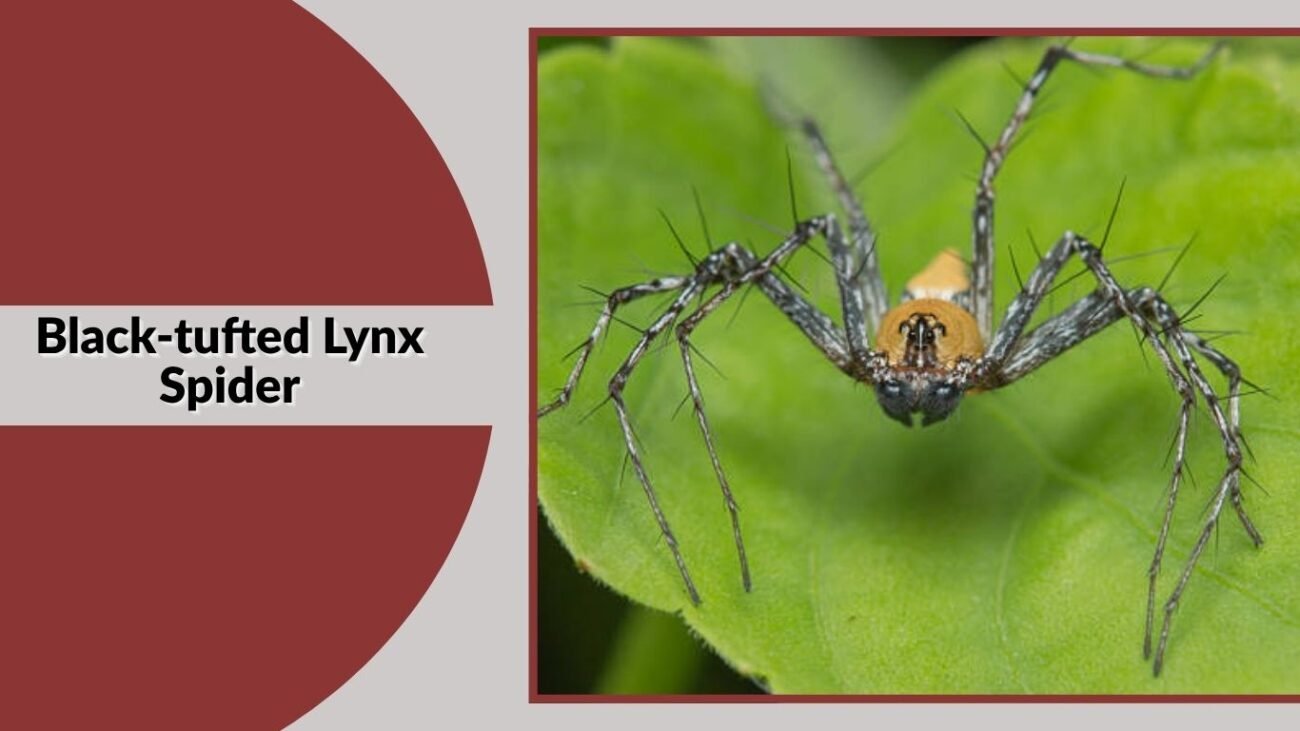
The black-tufted lynx spider is notable for the small black tufts of hair on its legs, which make it easily distinguishable from other lynx species. It is an agile hunter that prefers open, sunny vegetation.
Identification
- Scientific Name: Oxyopes sertatus
- Body Length: 6–8 mm
- Color: Yellowish to light brown with fine body markings
- Legs: Long, spiny, with black tufts at intervals
- Distinct Feature: Prominent black tufts of leg hairs
Habitat and Distribution
Widespread in East Asia, particularly in China, Japan, and Korea, living in grasslands, crops, and gardens.
Behavior and Diet
Hunts by active pursuit, chasing down insects such as flies, leafhoppers, and small beetles with quick bursts of speed.
10. Spiny Lynx Spider
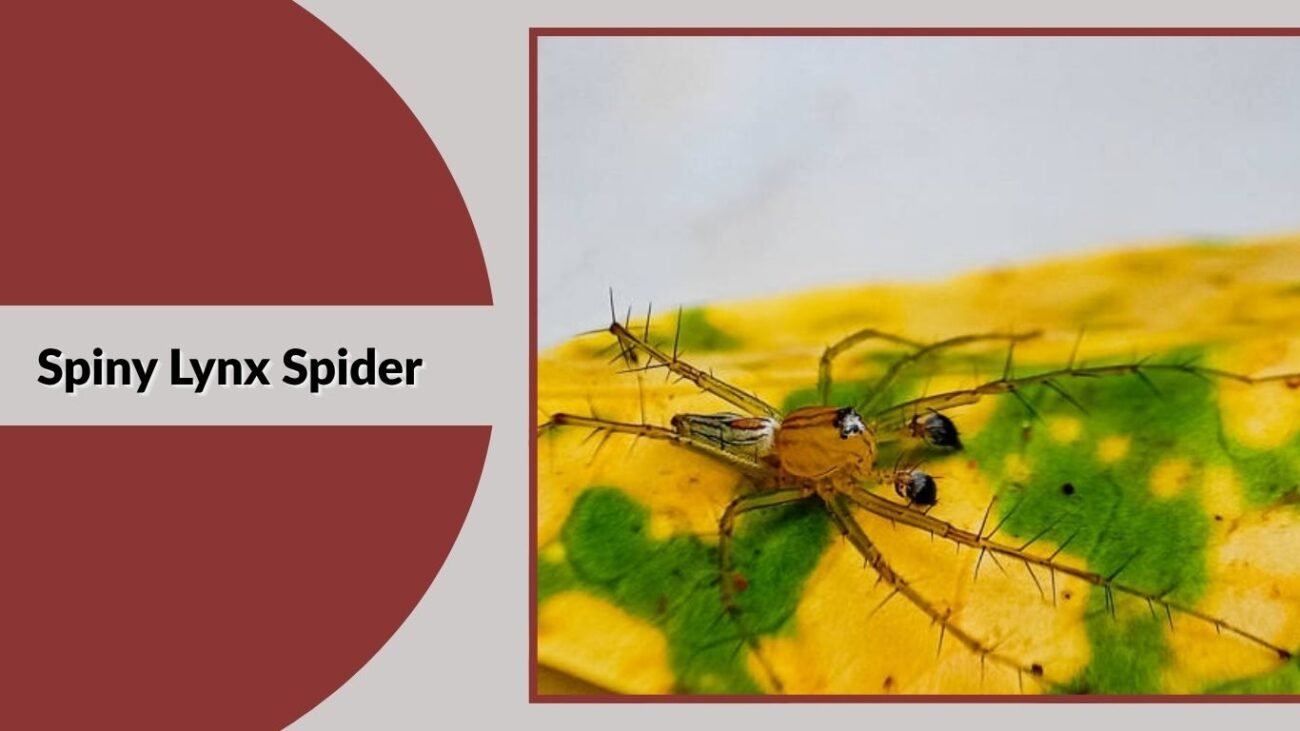
The spiny lynx spider is instantly recognizable due to the prominent spines covering its legs, which give it a more rugged appearance compared to other lynx spiders. These spines not only help with prey capture but also serve as a defensive adaptation against predators.
Identification
- Scientific Name: Oxyopes quadrifasciatus
- Body Length: 6–8 mm
- Color: Yellowish-brown with four distinct dark longitudinal stripes on the abdomen
- Legs: Long, covered in thick spines, with faint banding
- Distinct Feature: Four bold stripes on the abdomen combined with heavy leg spination
Habitat and Distribution
Found in parts of Africa, Asia, and tropical regions, inhabiting shrubs, grasslands, and crop plants.
Behavior and Diet
An active hunter that stalks and leaps onto prey, feeding on flies, moths, and agricultural pests. Often spotted resting on leaves, ready to pounce.
11. Red Lynx Spider
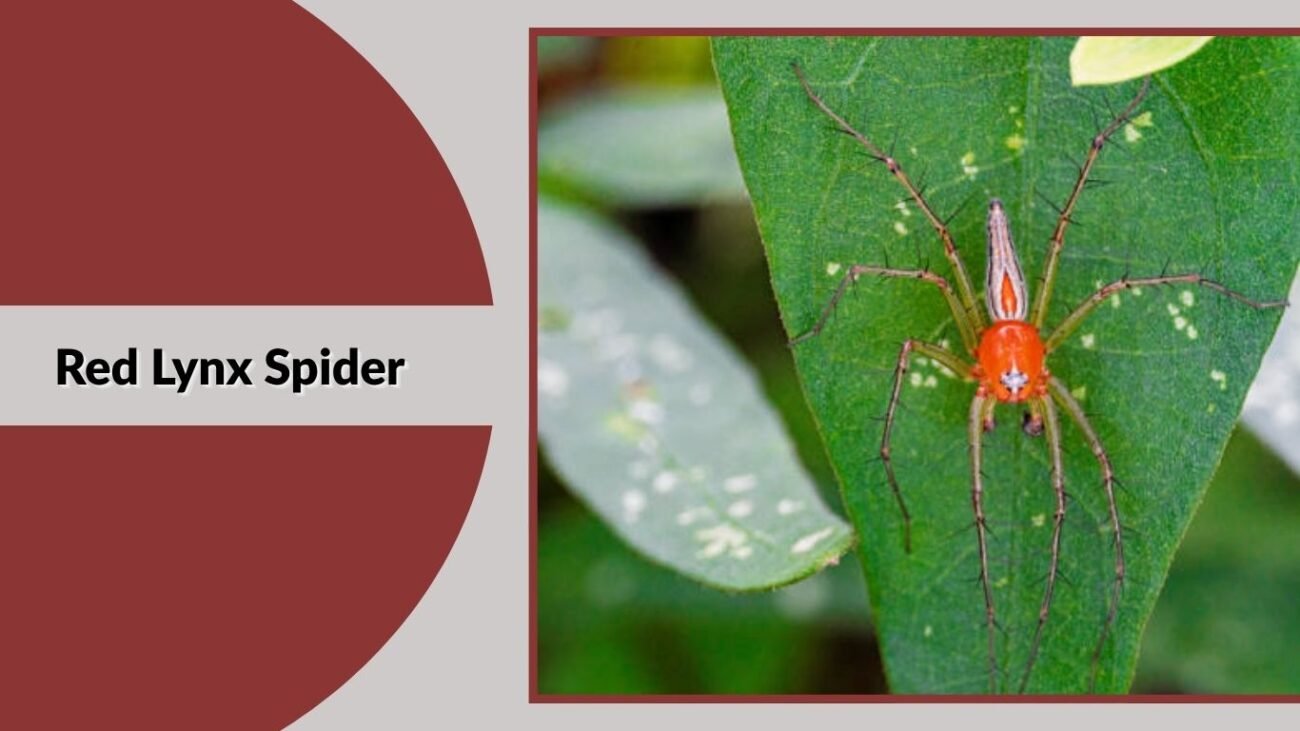
The red lynx spider stands out due to its reddish body markings and bright coloration, making it one of the more vibrant members of the lynx spider family. Its striking appearance is complemented by its swift hunting abilities.
Identification
- Scientific Name: Peucetia rubrolineata
- Body Length: 8–10 mm
- Color: Green with prominent red or reddish-brown longitudinal lines
- Legs: Long, green, and spiny with fine red streaks
- Distinct Feature: Red longitudinal stripes on a green body
Habitat and Distribution
Found in tropical and subtropical regions of South America and parts of Asia, often on flowering plants.
Behavior and Diet
Specializes in catching pollinator insects like bees, wasps, and butterflies by ambushing them on flowers. Relies heavily on its camouflage to remain undetected.
12. Giant Lynx Spider
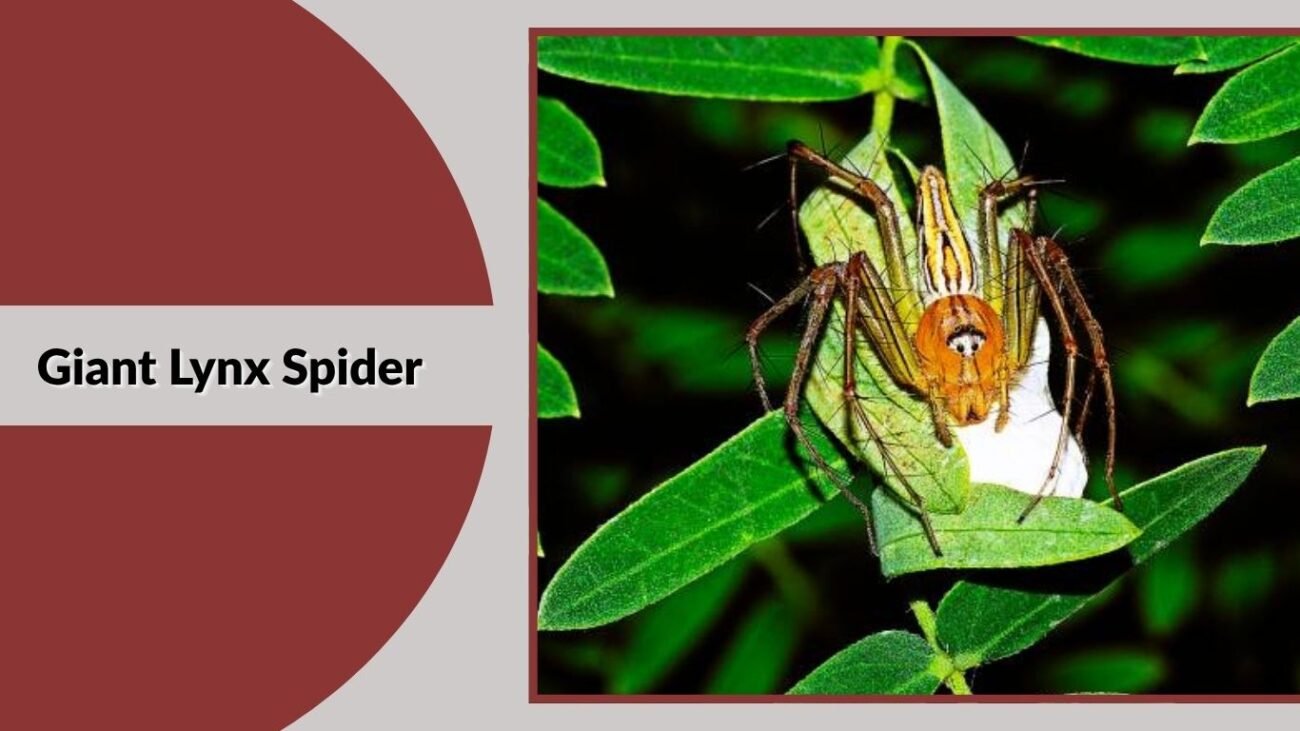
The giant lynx spider is one of the largest species in the lynx spider family, with long legs and an elongated body that give it an intimidating presence. Despite its size, it is harmless to humans and an asset in natural pest control.
Identification
- Scientific Name: Oxyopes macilentus
- Body Length: 10–12 mm
- Color: Brown to gray with darker side markings
- Legs: Very long and slender, covered in spines
- Distinct Feature: Large size compared to other lynx spiders
Habitat and Distribution
Found across Asia, including India, Sri Lanka, and Southeast Asia, in grassy fields, shrubs, and crops.
Behavior and Diet
Hunts grasshoppers, moths, flies, and other large insects, using its speed and leaping ability to overpower prey. Often patrols plants actively rather than waiting in one spot.