This guide introduces a flock of 25 egg-laying chickens, each presented with clear, practical details for easy understanding. Every chicken is described individually, covering identification, diet, egg-laying timeline and quantity, along with basic care and environment needs. The purpose is to help backyard keepers, small farmers, and beginners recognize differences among layers while understanding how proper nutrition, housing, and routine care influence healthy birds and consistent egg production throughout the year.
1. Daisy
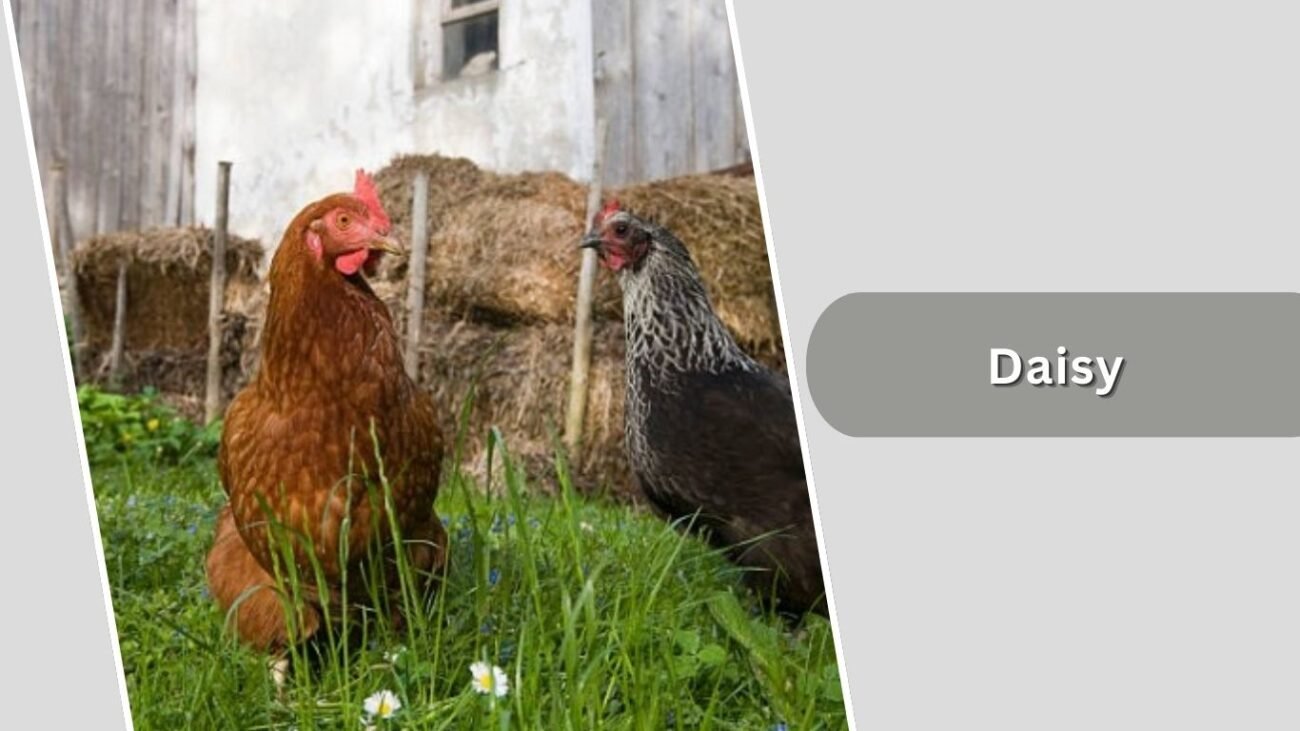
Daisy is a calm, reliable layer with a friendly temperament, making her an excellent choice for small backyard flocks. She adapts well to routine care, forages happily, and maintains steady egg production when kept healthy and stress-free.
Identification
- Medium-sized hen
- Smooth, well-kept feathers
- Bright eyes and alert posture
- Active but gentle behavior
- Easy to handle and social with humans
Diet
Daisy thrives on a balanced layer feed rich in protein (16–18%) and calcium to support eggshell strength. She benefits from free-range foraging, which adds insects and greens to her diet. Occasional treats like grains, vegetable scraps, and crushed oyster shells help maintain good health, but treats should be limited to avoid nutritional imbalance.
Egg Laying (When and How Much)
Daisy typically begins laying eggs at around 18–22 weeks of age. Once mature, she can produce about 5–6 eggs per week under good conditions. Egg production is highest during longer daylight months and may slow down during winter or molting periods.
Care & Environment
Daisy does best in a clean, dry coop with good ventilation and protection from predators. She needs regular access to fresh water, a comfortable nesting box, and enough space to move freely. Consistent lighting, minimal stress, and routine health checks help keep her productive and content.
2. Ruby
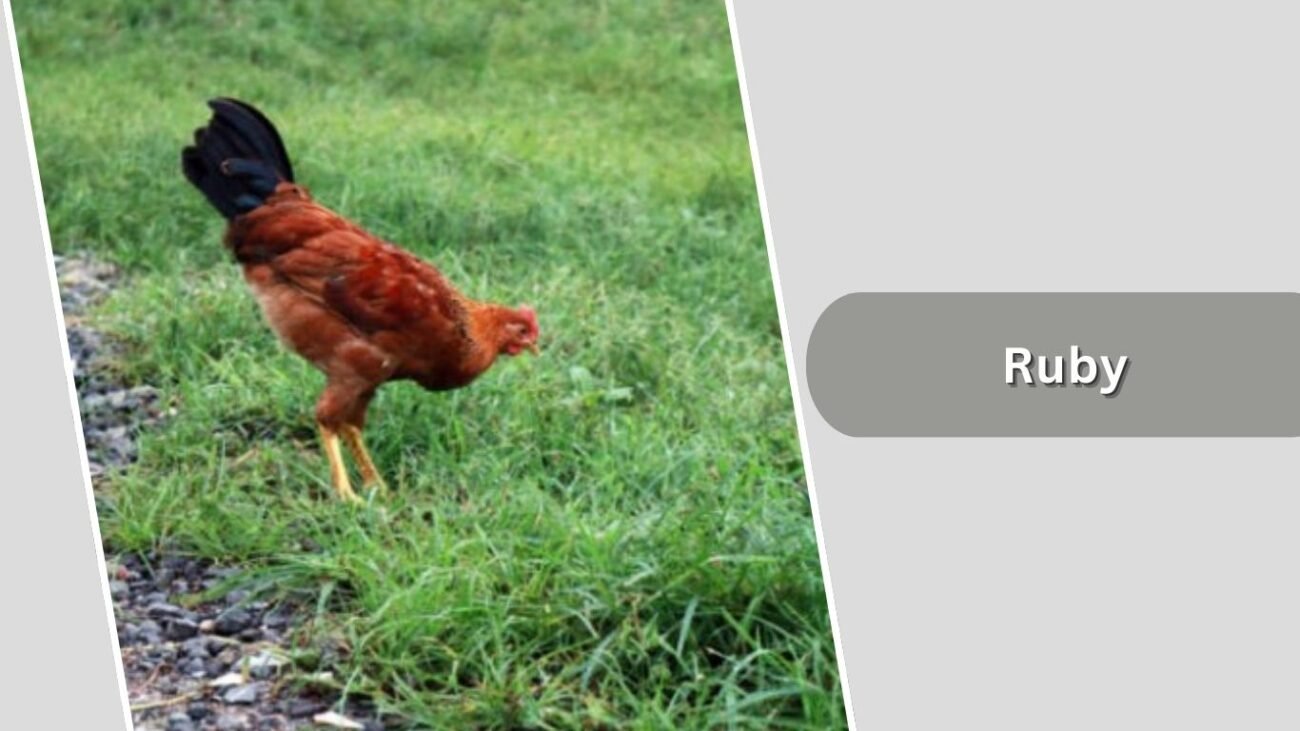
Ruby is an energetic and confident layer known for her consistency and strong foraging instincts. She fits well into active flocks and responds best to structured daily care and ample space.
Identification
- Rich-colored feathers
- Strong legs and upright stance
- Alert and curious nature
- Medium to large body size
- Active forager
Diet
Ruby requires a high-quality layer feed with adequate calcium to sustain regular egg production. She benefits from access to greens, insects, and grit when free-ranging. Supplemental calcium sources such as crushed shells support shell quality, especially during peak laying periods.
Egg Laying (When and How Much)
Ruby usually starts laying at around 19–23 weeks of age. In optimal conditions, she can lay approximately 4–6 eggs per week. Production may dip during extreme heat, cold, or molting.
Care & Environment
Ruby thrives in a secure coop with space to roam and scratch. She prefers an environment that encourages movement and exploration. Regular cleaning, predator protection, and stable routines help maintain her productivity.
3. Hazel
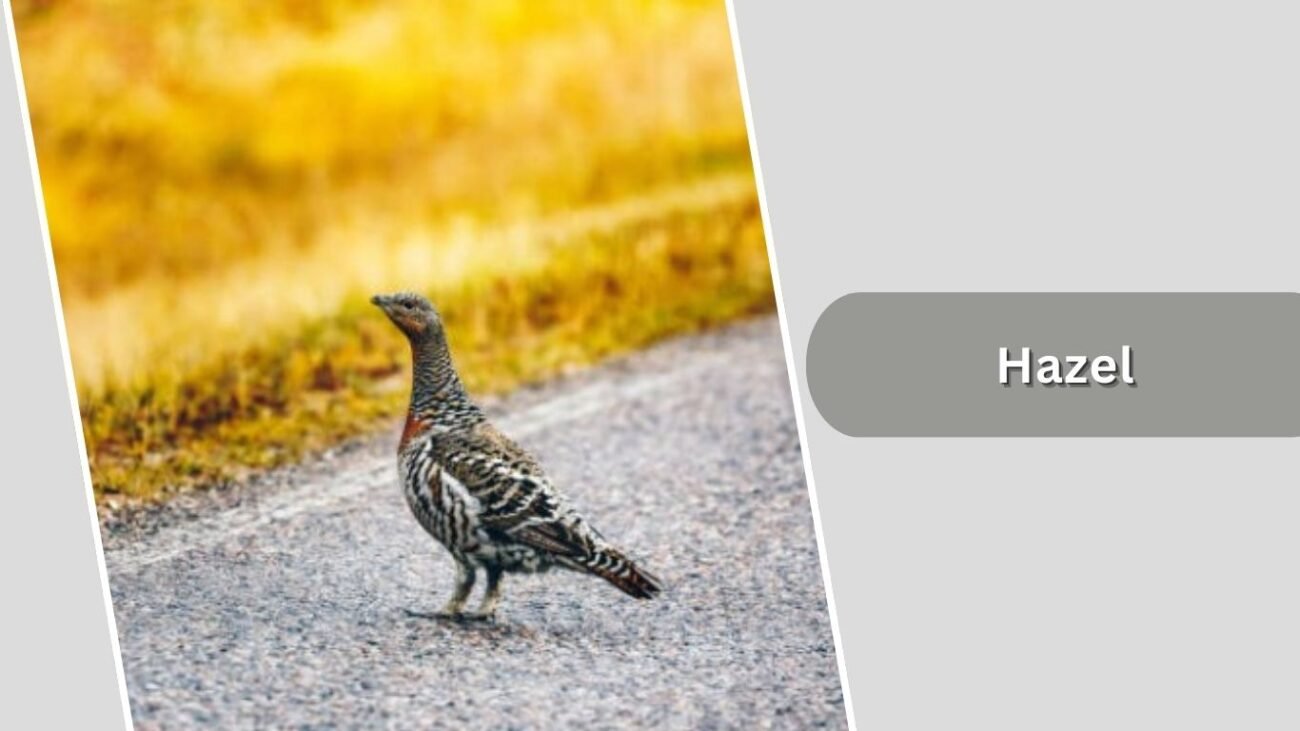
Hazel is a gentle, steady layer valued for her calm temperament and adaptability. She is well-suited for mixed flocks and beginner chicken keepers.
Identification
- Soft-toned feather coloring
- Compact, well-balanced body
- Calm and approachable behavior
- Smooth feather condition
- Moderate activity level
Diet
Hazel does best on a consistent layer ration supplemented with fresh greens and occasional protein treats like mealworms. Clean water and steady calcium intake are essential to keep her healthy and laying regularly.
Egg Laying (When and How Much)
Hazel typically begins laying between 18–21 weeks of age. She averages about 4–5 eggs per week, with more consistent output during spring and summer months.
Care & Environment
Hazel prefers a quiet, low-stress environment with comfortable nesting areas. She does well in clean coops with good airflow and benefits from routine handling and observation to ensure ongoing health.
4. Pearl
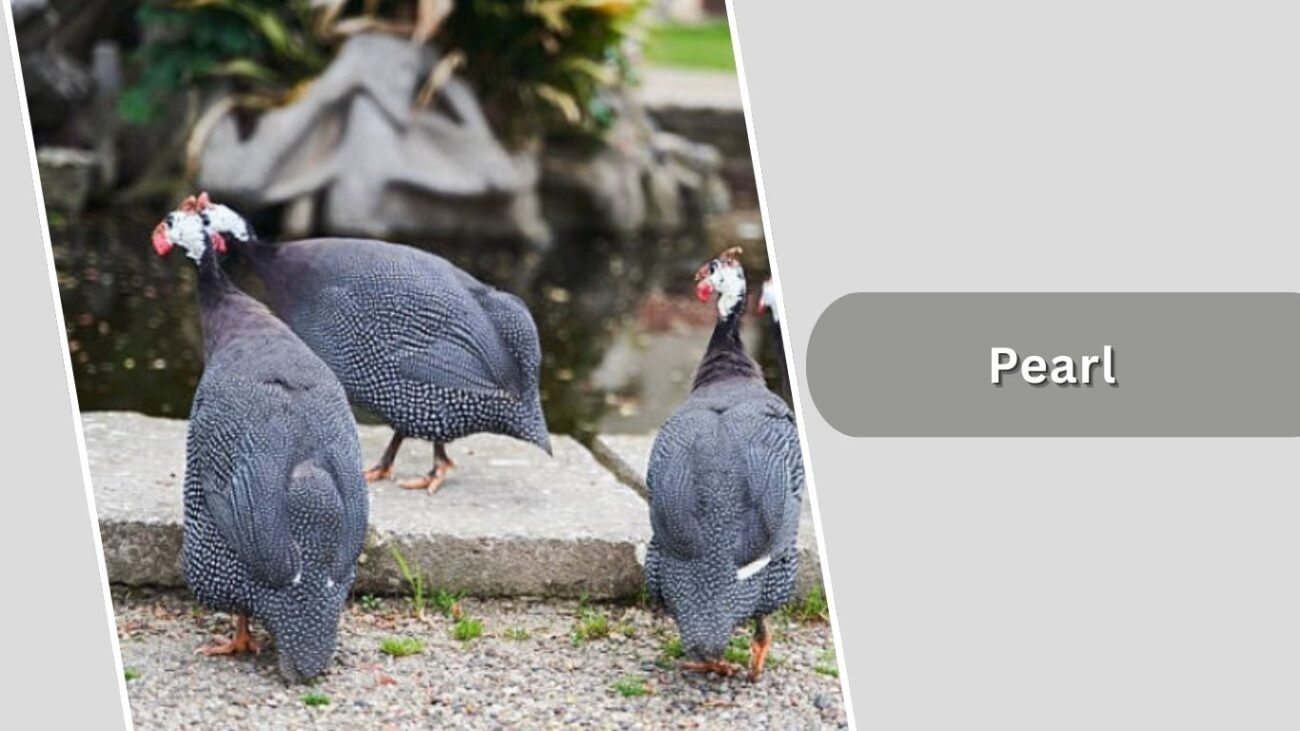
Pearl is a calm and dependable layer, prized for her steady routine and easygoing nature. She blends well into established flocks and maintains good productivity with minimal fuss.
Identification
- Light, clean-looking plumage
- Well-rounded body shape
- Bright, attentive eyes
- Calm and steady movements
- Friendly disposition
Diet
Pearl thrives on a standard layer feed containing sufficient calcium and protein. Access to fresh greens, grit, and occasional kitchen scraps helps round out her nutrition. Clean, fresh water should always be available to support digestion and egg formation.
Egg Laying (When and How Much)
Pearl usually starts laying at around 19–22 weeks of age. Under good care, she can produce about 4–5 eggs per week. Egg output may decrease slightly during molting or shorter daylight periods.
Care & Environment
Pearl does best in a clean, dry coop with proper ventilation and secure nesting boxes. A calm environment and consistent daily routine help her remain healthy and productive.
5. Olive
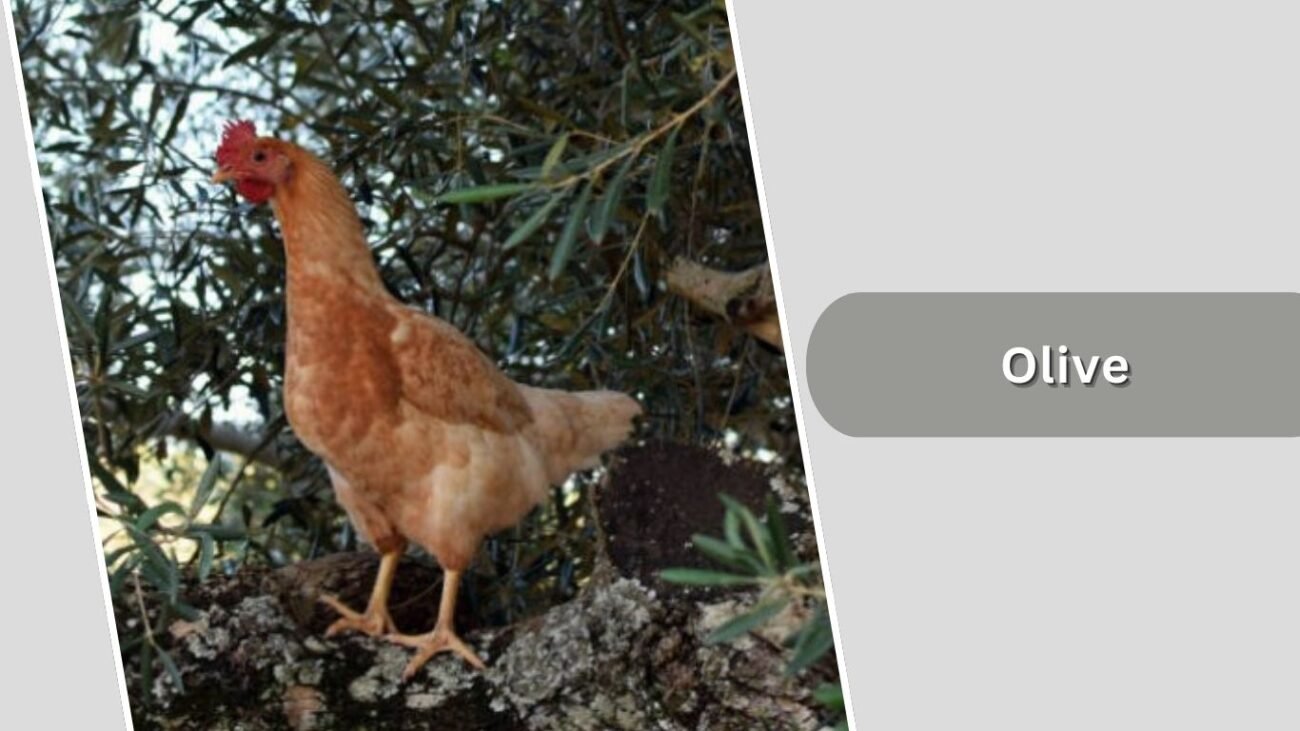
Olive is an active and intelligent layer with strong foraging skills. She adapts quickly to new environments and is often one of the first to explore during free-range time.
Identification
- Dark or olive-toned feathers
- Lean, agile body
- Sharp, curious eyes
- High activity level
- Confident posture
Diet
Olive benefits from a balanced layer feed supplemented with insects, weeds, and leafy greens gathered while foraging. Extra calcium sources are important to maintain strong shells, especially during periods of high production.
Egg Laying (When and How Much)
Olive generally begins laying at about 20–24 weeks of age. She can lay around 4–6 eggs per week when daylight, nutrition, and health are optimal.
Care & Environment
Olive requires adequate space to roam and forage. Secure fencing, predator protection, and enrichment activities help keep her mentally stimulated and physically healthy.
6. Willow
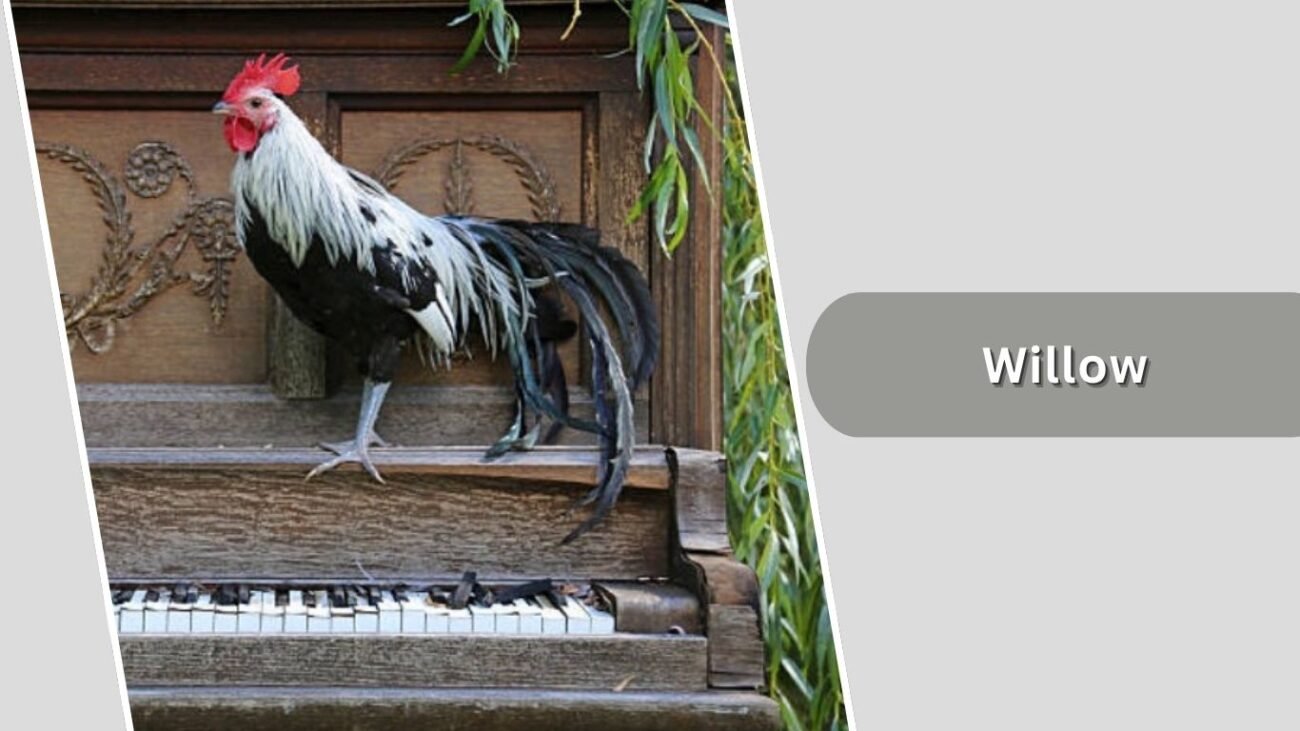
Willow is a quiet, graceful layer known for her calm presence and adaptability. She handles changes in weather and flock dynamics well, making her a steady and low-maintenance hen.
Identification
- Slender body structure
- Soft, flowing feathers
- Gentle and relaxed movements
- Alert but non-aggressive behavior
- Medium body size
Diet
Willow does best on a complete layer feed with steady calcium levels. She enjoys grazing on grasses and leafy greens and benefits from occasional protein treats during molting. Fresh water and grit should always be available.
Egg Laying (When and How Much)
Willow typically starts laying at around 18–22 weeks of age. She produces approximately 4–5 eggs per week, with consistent output during mild seasons and reduced laying in winter.
Care & Environment
Willow prefers a peaceful coop with adequate roosting space and soft nesting areas. A stress-free environment, good ventilation, and regular coop cleaning help maintain her health and egg production.
7. Rosie
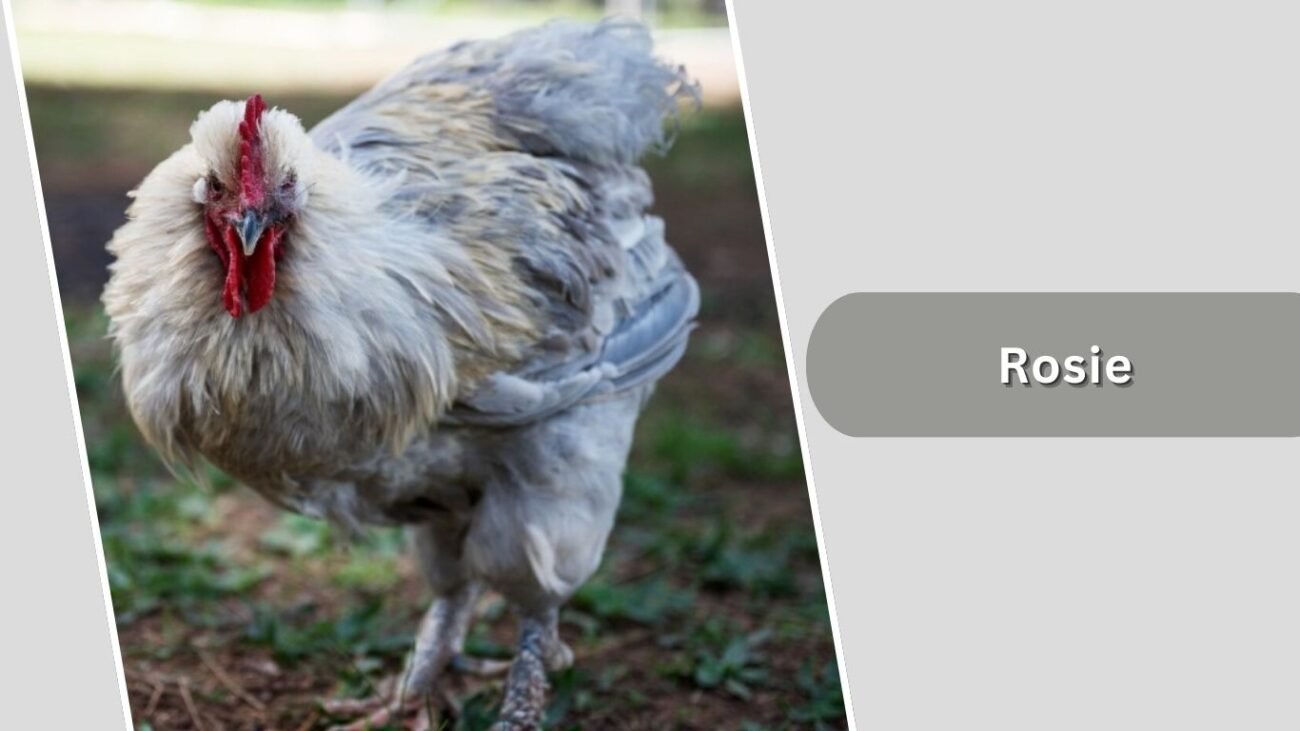
Rosie is a friendly and social layer that often bonds closely with caretakers. She is active without being aggressive and fits well in both small and large flocks.
Identification
- Warm-colored plumage
- Rounded, sturdy body
- Curious and people-friendly behavior
- Bright comb and eyes
- Moderate activity level
Diet
Rosie thrives on a balanced layer ration supplemented with vegetables, grains, and occasional protein snacks. Adequate calcium intake is essential to support her frequent laying cycle.
Egg Laying (When and How Much)
Rosie usually begins laying between 19–23 weeks of age. With proper care, she can lay about 5 eggs per week, slowing slightly during molting or periods of stress.
Care & Environment
Rosie does best in an engaging environment with space to scratch and explore. Regular interaction, predator protection, and a clean coop help keep her content and productive.
8. Honey
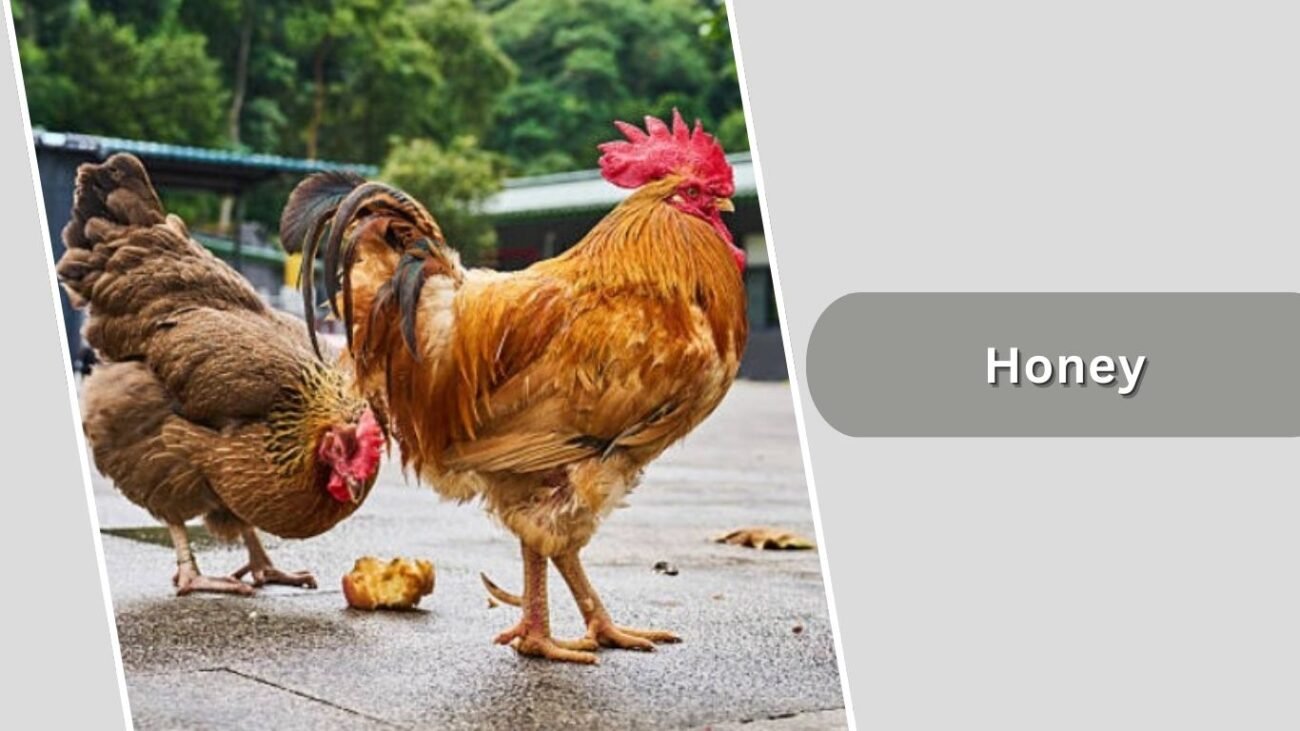
Honey is a gentle, easygoing layer with a calm personality. She is well-suited for backyard setups and is known for maintaining steady production with minimal stress.
Identification
- Warm golden feather tones
- Compact, well-proportioned body
- Calm and relaxed demeanor
- Smooth, healthy plumage
- Friendly but not overly active
Diet
Honey thrives on a quality layer feed with consistent calcium content. She enjoys fresh greens and small amounts of grains or fruit as treats. Clean water and access to grit support digestion and overall health.
Egg Laying (When and How Much)
Honey typically starts laying at around 18–21 weeks of age. She produces about 4–5 eggs per week, with the best output during spring and early summer.
Care & Environment
Honey prefers a quiet, secure coop with comfortable nesting boxes. Stable routines, good ventilation, and protection from extreme weather help keep her productive.
9. Ginger
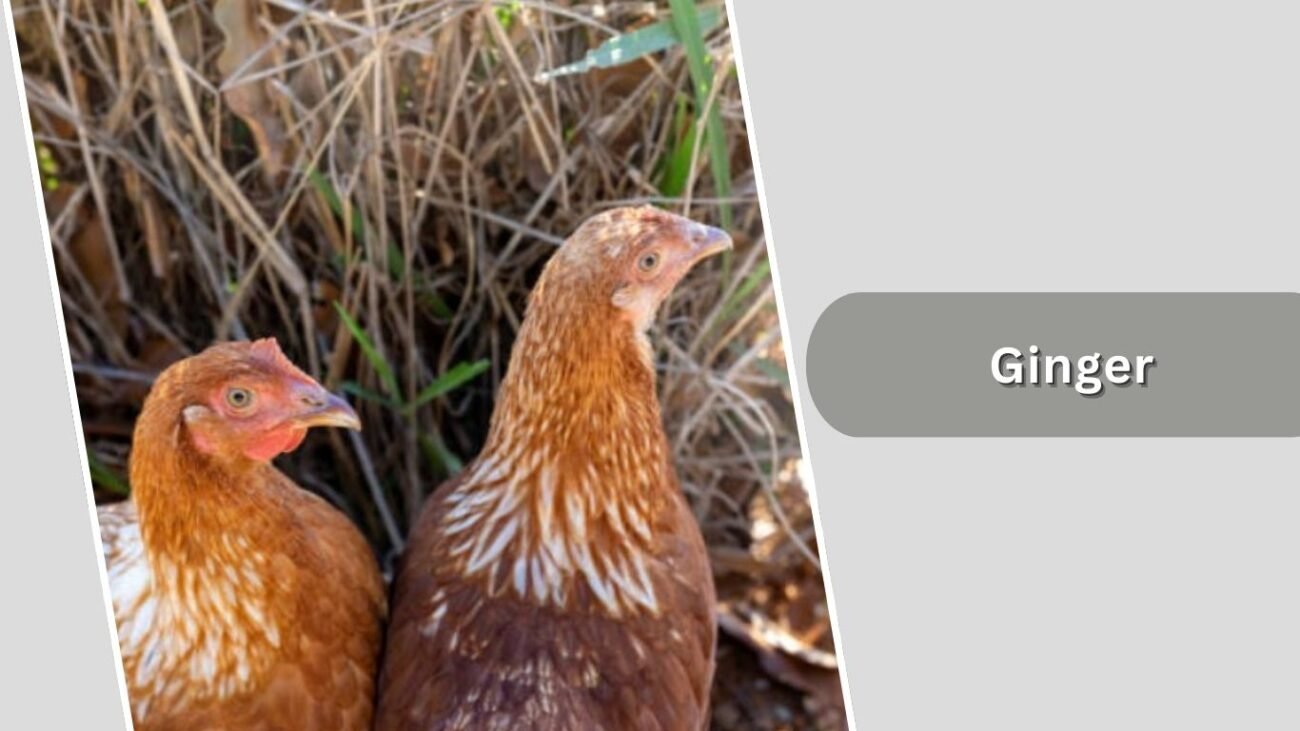
Ginger is an active and alert layer with a bold personality. She is an excellent forager and often takes the lead during free-range time.
Identification
- Reddish or copper-toned feathers
- Strong legs and upright stance
- Alert, confident behavior
- Medium to large body size
- High energy level
Diet
Ginger requires a balanced layer diet rich in protein and calcium. She benefits from free-ranging, which adds insects and greens to her nutrition. Occasional protein supplements help sustain her active lifestyle.
Egg Laying (When and How Much)
Ginger usually begins laying between 20–24 weeks of age. Under good conditions, she can lay around 4–6 eggs per week, with production peaking during long daylight periods.
Care & Environment
Ginger needs enough space to move and forage. Secure fencing, predator-proof housing, and enrichment activities help manage her energy and maintain good laying performance.
10. Poppy
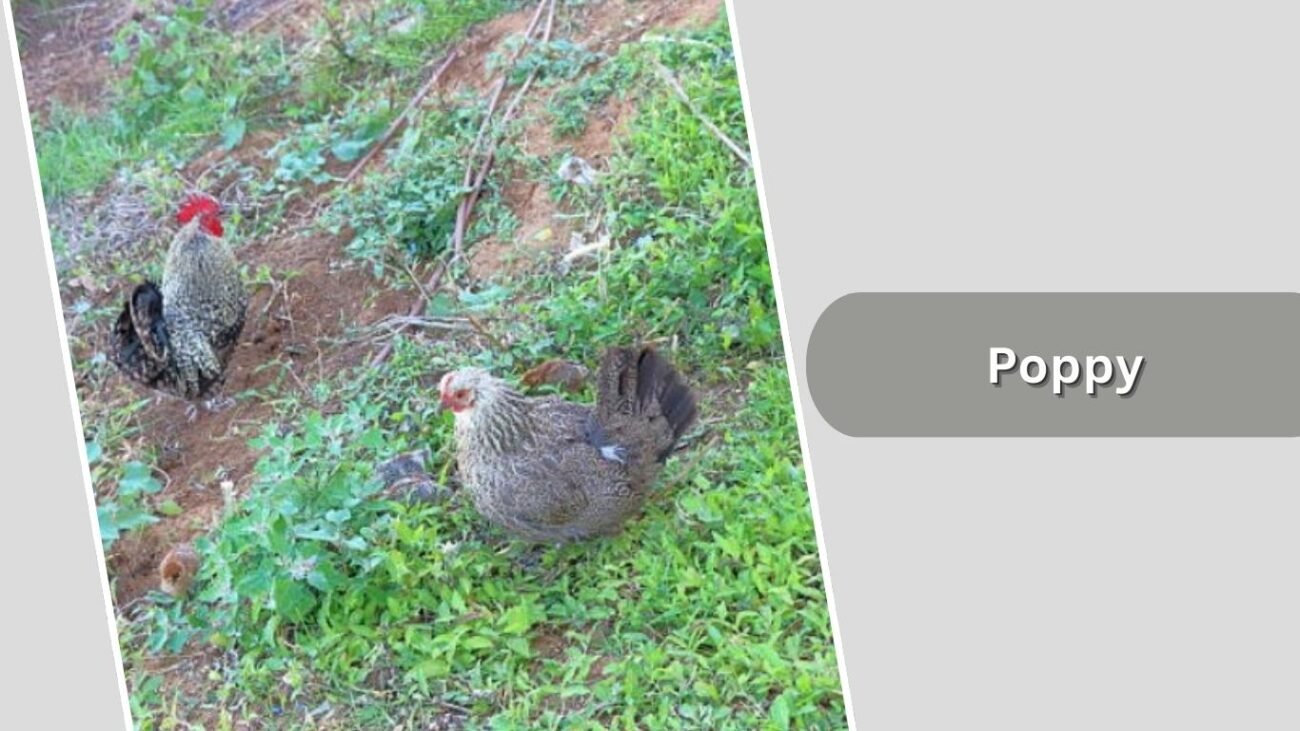
Poppy is a lively and curious layer with a balanced temperament. She is adaptable, easy to manage, and performs well in both confined and free-range environments.
Identification
- Bright, colorful plumage
- Compact and sturdy body
- Curious and alert behavior
- Smooth feather condition
- Moderate activity level
Diet
Poppy does well on a standard layer feed with proper calcium levels. She enjoys leafy greens, grains, and occasional insects. Clean water and access to grit are essential for healthy digestion and egg production.
Egg Laying (When and How Much)
Poppy typically begins laying at around 19–22 weeks of age. She can produce about 4–5 eggs per week when nutrition and daylight are adequate.
Care & Environment
Poppy thrives in a clean coop with good airflow and comfortable nesting boxes. Regular routines and protection from predators help keep her stress-free and productive.
11. Clover
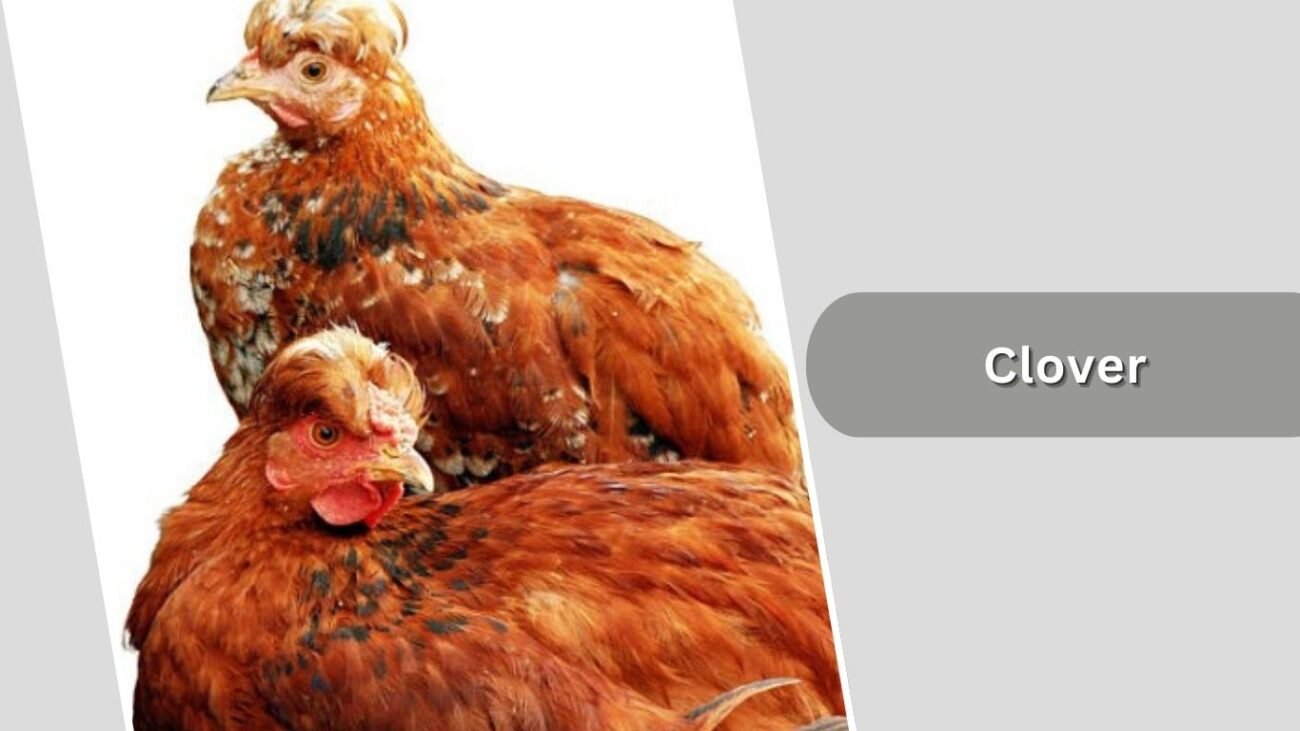
Clover is a friendly and steady layer known for her calm nature and consistent performance. She integrates easily into mixed flocks and responds well to regular handling.
Identification
- Soft greenish or earth-toned feathers
- Well-rounded body shape
- Gentle, approachable demeanor
- Healthy comb and eyes
- Low to moderate activity
Diet
Clover benefits from a balanced layer ration supplemented with fresh vegetables and occasional protein treats. Adequate calcium intake supports strong eggshells throughout her laying cycle.
Egg Laying (When and How Much)
Clover usually starts laying between 18–21 weeks of age. She averages around 4–5 eggs per week, with reliable output during favorable seasons.
Care & Environment
Clover prefers a calm, predictable environment with clean bedding and secure nesting areas. Consistent care and low stress help maintain her health and productivity.
12. Maple
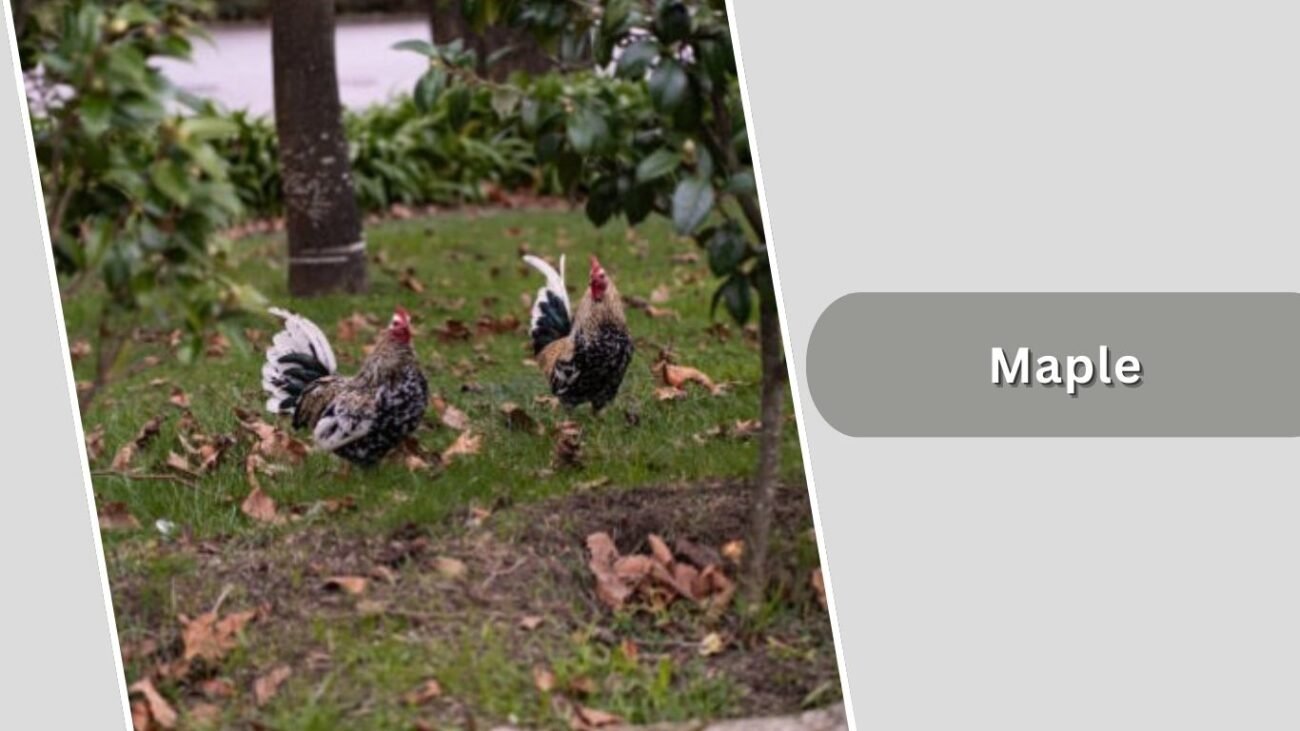
Maple is a calm and resilient layer that adapts well to different environments. She is dependable, easy to care for, and maintains steady egg production with proper attention.
Identification
- Warm brown or maple-toned feathers
- Medium-sized, well-balanced body
- Calm and observant behavior
- Smooth, healthy plumage
- Steady movement and posture
Diet
Maple thrives on a quality layer feed containing adequate protein and calcium. She benefits from access to fresh greens, grains, and occasional insects. Fresh water and grit should always be available.
Egg Laying (When and How Much)
Maple typically begins laying at around 19–23 weeks of age. She can produce approximately 4–5 eggs per week, with peak laying during spring and summer.
Care & Environment
Maple does best in a clean, dry coop with good ventilation. Comfortable nesting boxes, predator protection, and a consistent routine help keep her healthy and productive.
13. Sunny
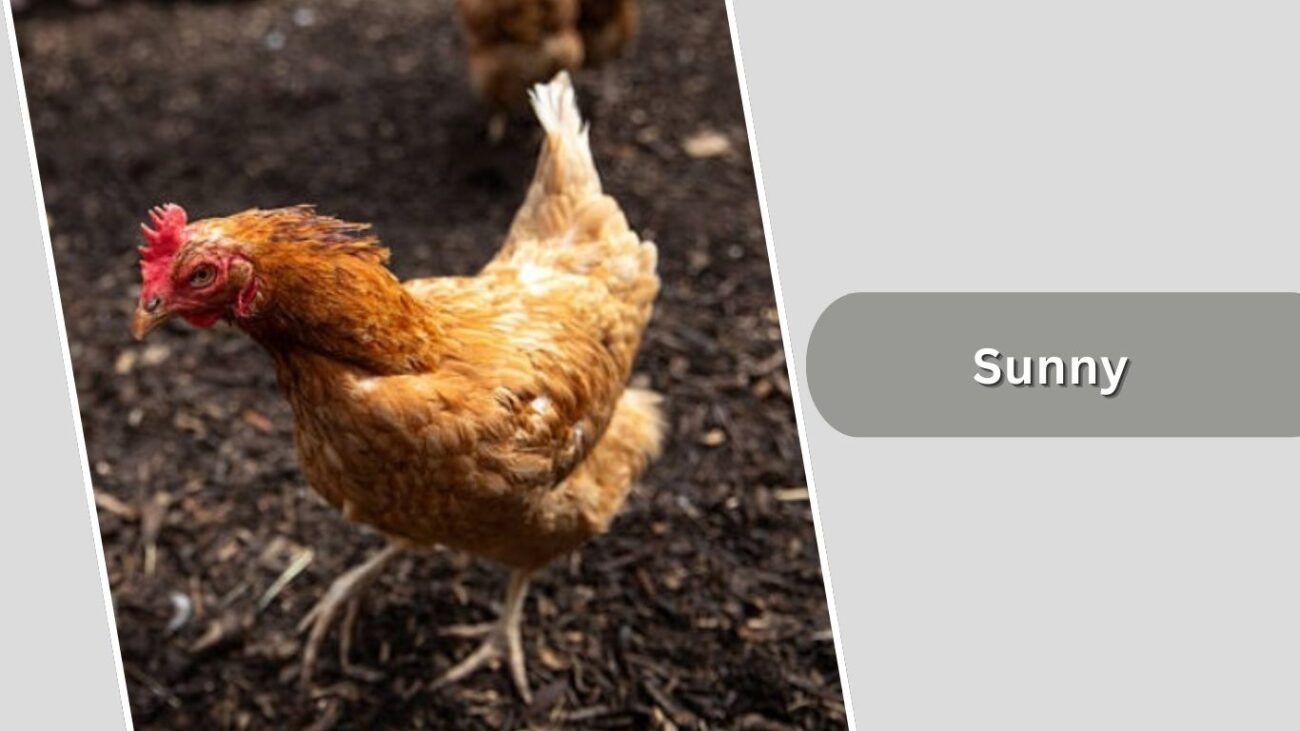
Sunny is an energetic and cheerful layer known for her alertness and strong foraging instincts. She adds activity and balance to any flock.
Identification
- Bright yellow or golden feathers
- Lean, active body type
- High alertness and curiosity
- Confident stance
- Active movement
Diet
Sunny requires a balanced layer diet with sufficient protein to support her energy level. Free-ranging adds insects and greens, while calcium supplements ensure strong eggshells.
Egg Laying (When and How Much)
Sunny usually begins laying between 20–24 weeks of age. In good conditions, she can lay about 4–6 eggs per week, with production highest during longer daylight hours.
Care & Environment
Sunny needs space to roam and explore. Secure housing, enrichment, and regular health checks help manage her energy and maintain consistent egg production.
14. Goldie
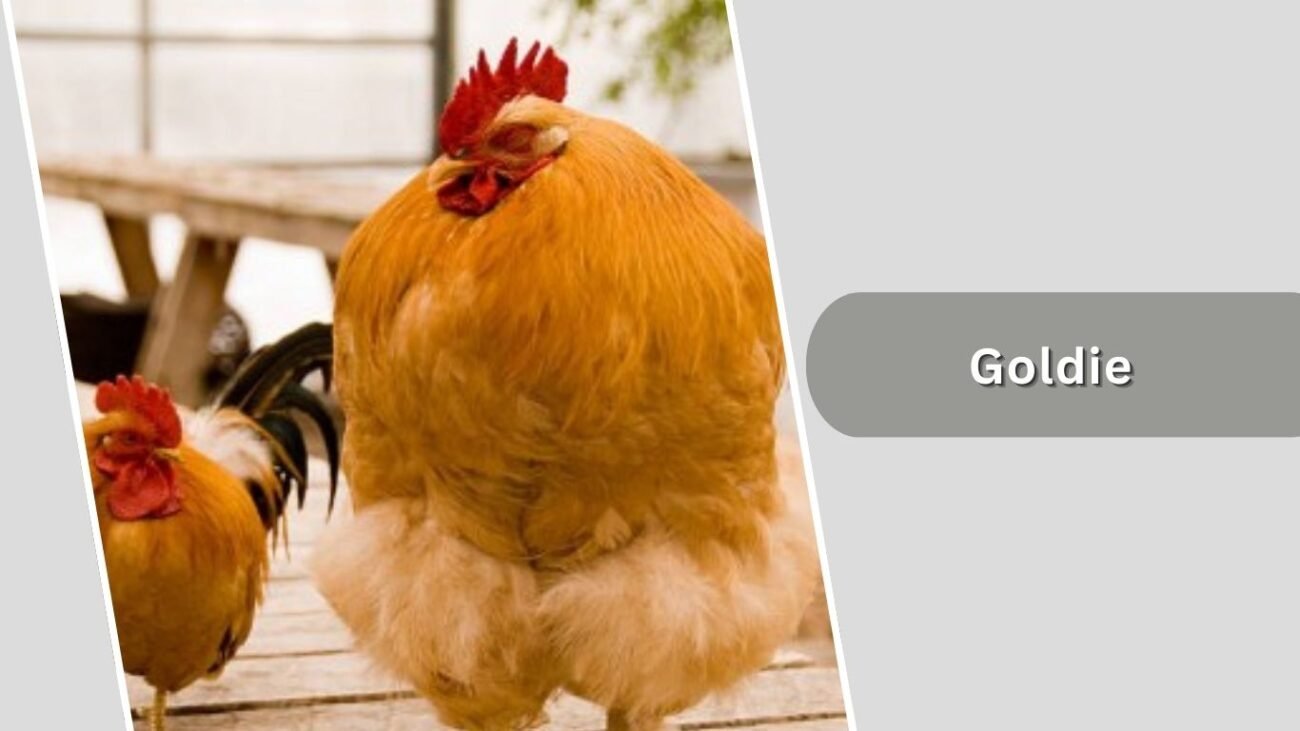
Goldie is a gentle and dependable layer with a calm temperament. She is well-suited for backyard flocks and is known for her steady egg production and easy care.
Identification
- Golden or light-yellow plumage
- Rounded, sturdy body
- Calm and friendly behavior
- Bright comb and clear eyes
- Moderate activity level
Diet
Goldie thrives on a balanced layer feed with adequate calcium and protein. She enjoys fresh greens, grains, and occasional kitchen scraps. Clean water and grit are essential for digestion and shell quality.
Egg Laying (When and How Much)
Goldie typically begins laying at around 18–22 weeks of age. She can produce about 4–5 eggs per week, with best results during spring and early summer.
Care & Environment
Goldie prefers a clean, secure coop with comfortable nesting boxes. Consistent routines, good ventilation, and protection from predators help maintain her health and productivity.
15. Buttercup
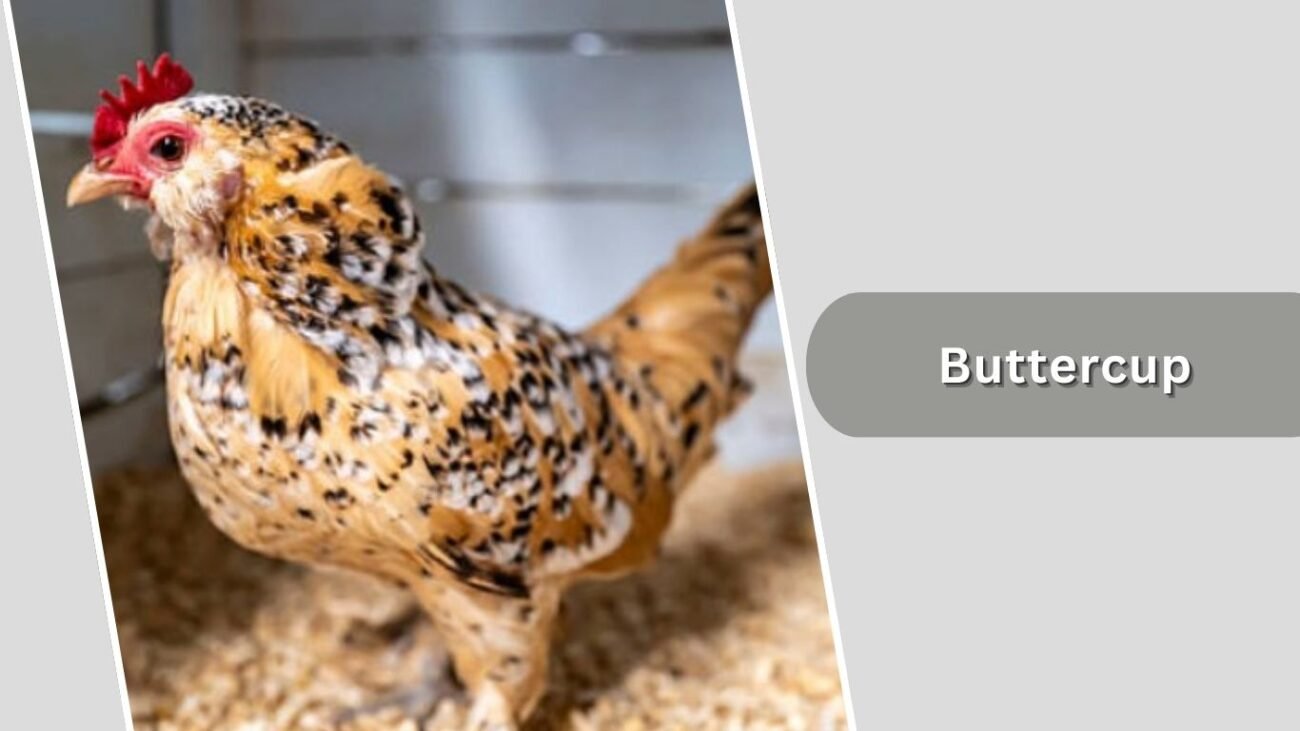
Buttercup is a cheerful and adaptable layer with a friendly personality. She is active without being aggressive and integrates easily into most flocks.
Identification
- Soft yellow or cream-colored feathers
- Medium-sized, well-proportioned body
- Curious and gentle demeanor
- Smooth, healthy plumage
- Alert but relaxed posture
Diet
Buttercup does well on a quality layer ration supplemented with leafy greens and occasional protein treats. Adequate calcium intake supports strong shells and regular laying.
Egg Laying (When and How Much)
Buttercup usually starts laying between 19–23 weeks of age. She lays approximately 4–6 eggs per week under good nutritional and environmental conditions.
Care & Environment
Buttercup thrives in an environment with space to move and scratch. A clean coop, predator protection, and regular interaction help keep her content and productive.
16. Mocha
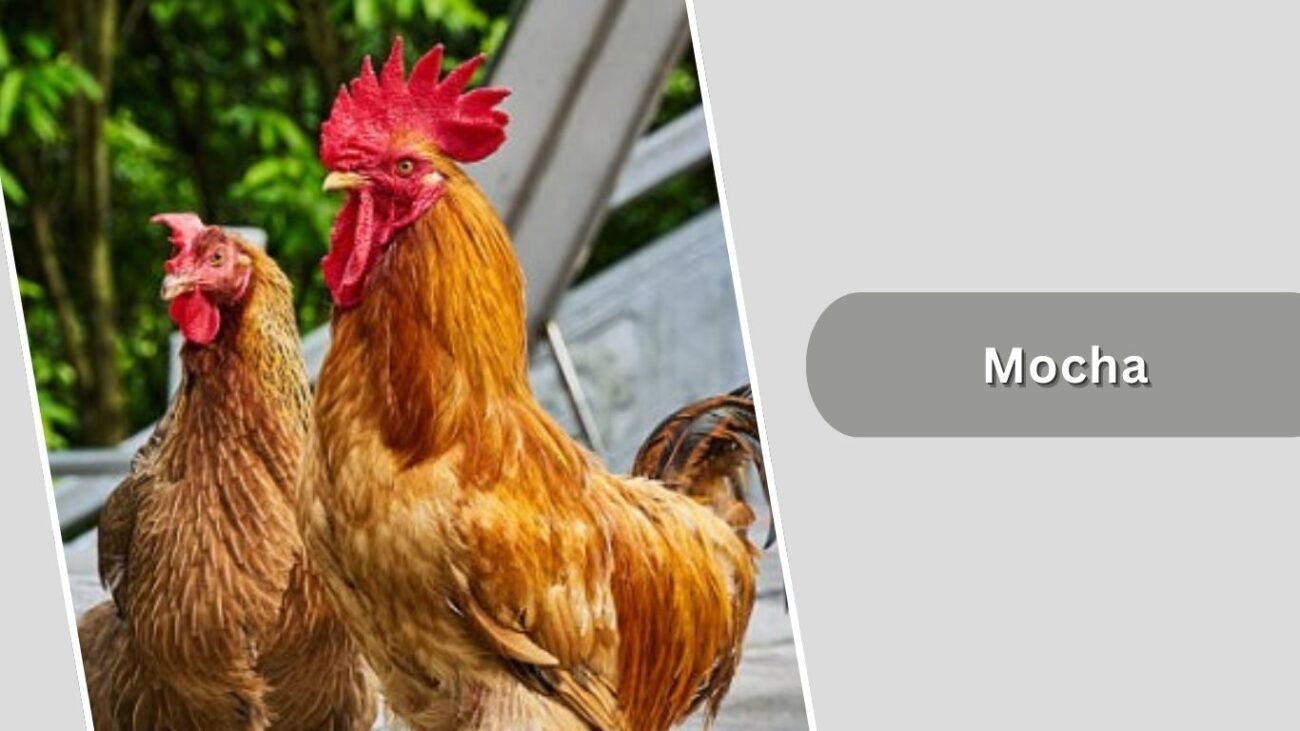
Mocha is a calm and observant layer with a steady temperament. She adapts well to routine care and is valued for her consistent egg production.
Identification
- Deep brown or chocolate-toned feathers
- Solid, well-built body
- Calm and watchful behavior
- Smooth feather texture
- Moderate activity level
Diet
Mocha thrives on a balanced layer feed with sufficient protein and calcium. She benefits from fresh greens, grains, and occasional insects. Clean water and access to grit are essential for overall health.
Egg Laying (When and How Much)
Mocha typically begins laying at around 20–24 weeks of age. She can produce about 4–5 eggs per week, with production slowing slightly during molting or colder months.
Care & Environment
Mocha prefers a stable, low-stress environment with clean bedding and secure nesting boxes. Regular coop maintenance and consistent routines help keep her healthy.
17. Pepper
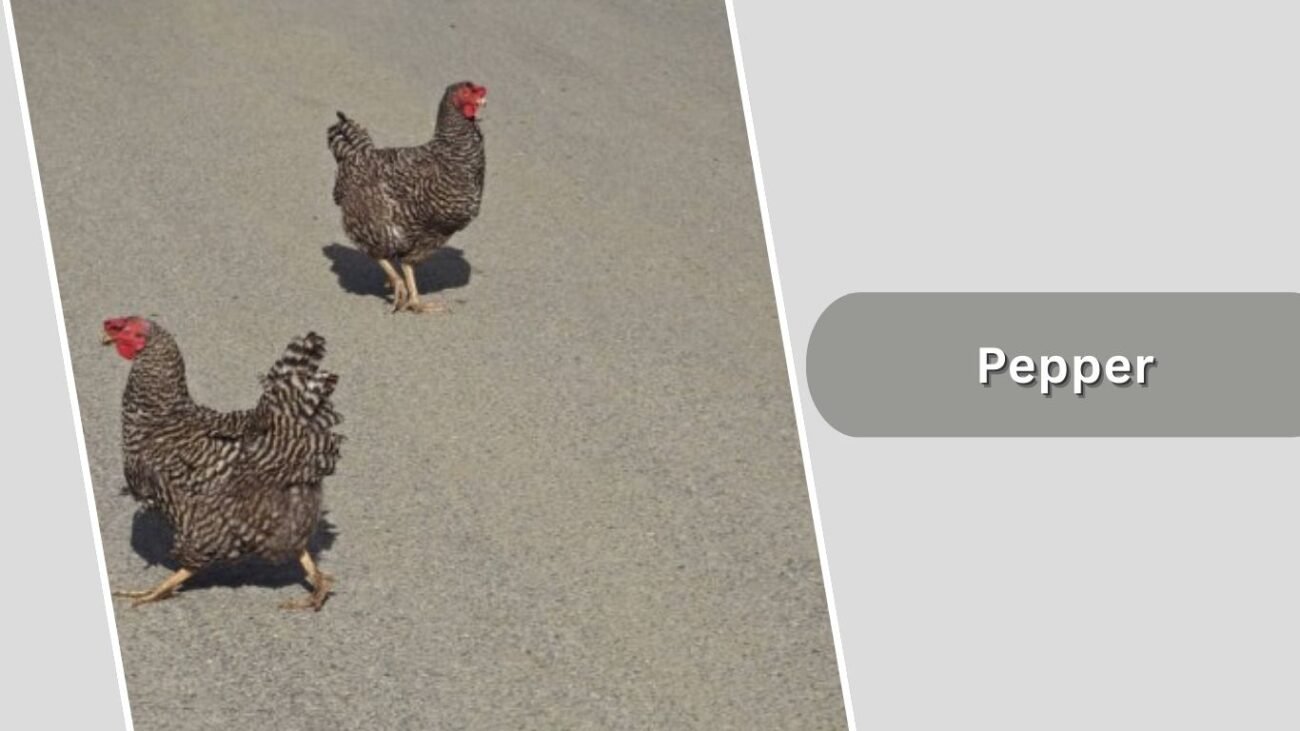
Pepper is an alert and energetic layer with a bold personality. She is an excellent forager and adds liveliness to the flock.
Identification
- Dark or speckled plumage
- Lean, agile body
- Sharp, attentive movements
- Confident and curious nature
- High activity level
Diet
Pepper requires a nutrient-rich layer diet with adequate protein to support her energy. Free-ranging provides insects and greens, while calcium supplements ensure strong eggshells.
Egg Laying (When and How Much)
Pepper usually begins laying between 19–23 weeks of age. In good conditions, she can lay around 4–6 eggs per week, with peak production during long daylight periods.
Care & Environment
Pepper needs ample space to roam and explore. Secure fencing, enrichment activities, and predator protection help manage her activity and maintain productivity.
18. Biscuit
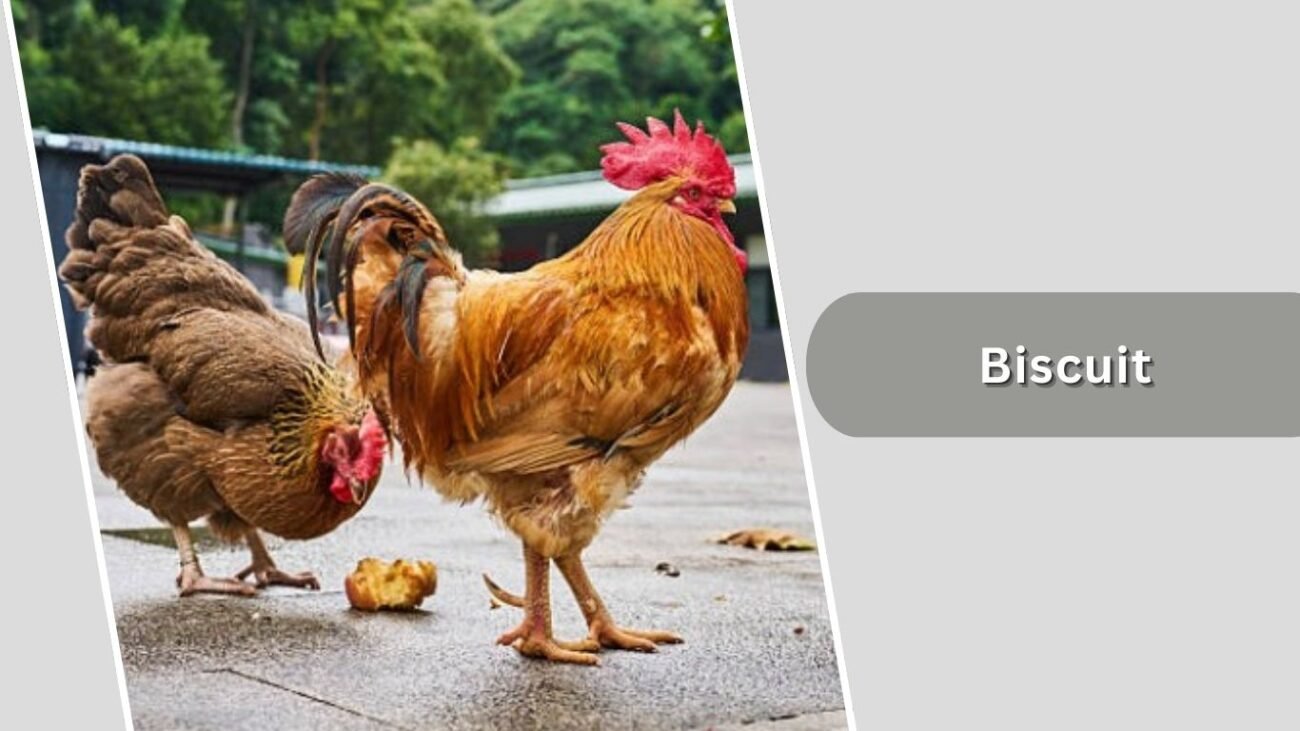
Biscuit is a friendly and easygoing layer with a relaxed temperament. She is well-suited for backyard flocks and beginner keepers due to her predictable behavior.
Identification
- Light brown or tan feathers
- Rounded, sturdy body
- Calm and approachable nature
- Smooth, healthy plumage
- Low to moderate activity level
Diet
Biscuit thrives on a standard layer feed with balanced protein and calcium. She enjoys kitchen scraps like vegetables and grains in moderation. Fresh water and grit are essential for digestion and egg health.
Egg Laying (When and How Much)
Biscuit typically begins laying at around 18–21 weeks of age. She produces about 4–5 eggs per week, with steady output during warmer months.
Care & Environment
Biscuit prefers a quiet, clean coop with soft bedding and comfortable nesting boxes. Low stress and consistent care help maintain her health and productivity.
19. Blossom
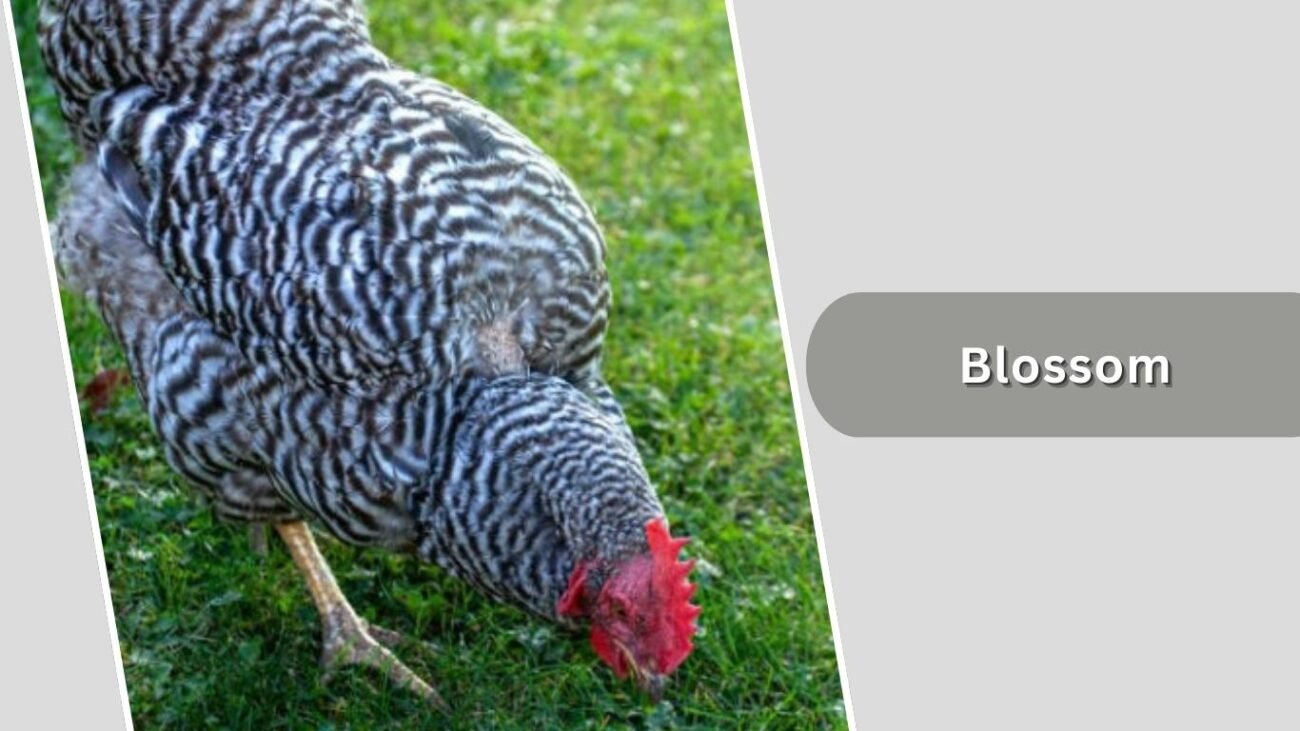
Blossom is a gentle and graceful layer known for her calm demeanor. She blends well into peaceful flocks and maintains consistent laying with proper care.
Identification
- Soft pastel or light-colored feathers
- Slim, well-balanced body
- Gentle movements
- Calm and observant behavior
- Clean, well-kept plumage
Diet
Blossom does best on a quality layer ration supplemented with fresh greens and occasional protein treats. Adequate calcium intake supports strong eggshells and regular production.
Egg Laying (When and How Much)
Blossom usually starts laying between 19–22 weeks of age. She lays approximately 4–5 eggs per week, with best production in spring and summer.
Care & Environment
Blossom thrives in a calm environment with good ventilation and clean nesting areas. Regular routines and minimal disturbances help keep her content and productive.
20. Amber
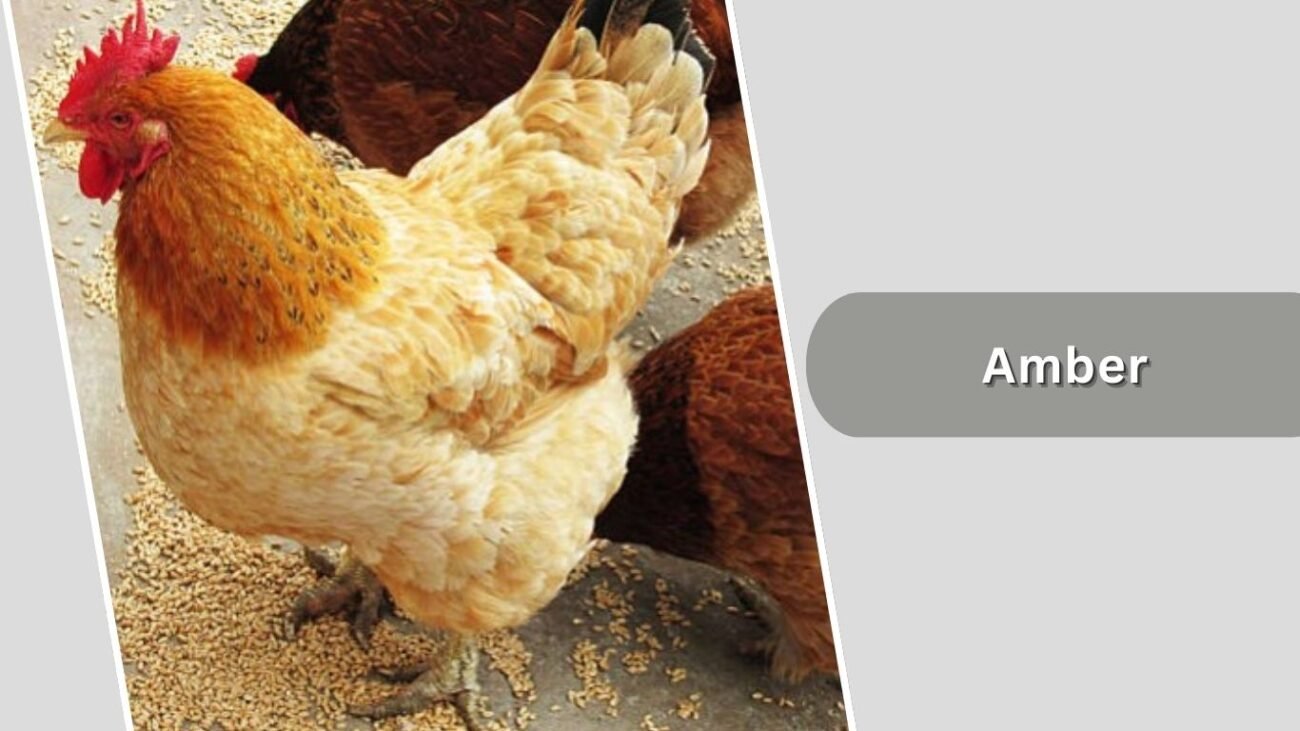
Amber is a confident and steady layer with a balanced temperament. She is adaptable and performs well in both free-range and enclosed setups.
Identification
- Rich amber or reddish-brown feathers
- Strong, well-proportioned body
- Alert yet calm behavior
- Bright eyes and healthy comb
- Moderate activity level
Diet
Amber thrives on a balanced layer feed with sufficient protein and calcium. She benefits from free-ranging for insects and greens, along with occasional supplemental treats. Clean water and grit are essential.
Egg Laying (When and How Much)
Amber typically begins laying at around 19–23 weeks of age. She can produce about 4–6 eggs per week when nutrition and lighting are optimal.
Care & Environment
Amber does best in a secure coop with adequate space and clean nesting boxes. Consistent routines and predator protection help maintain her health and egg production.
21. Skye
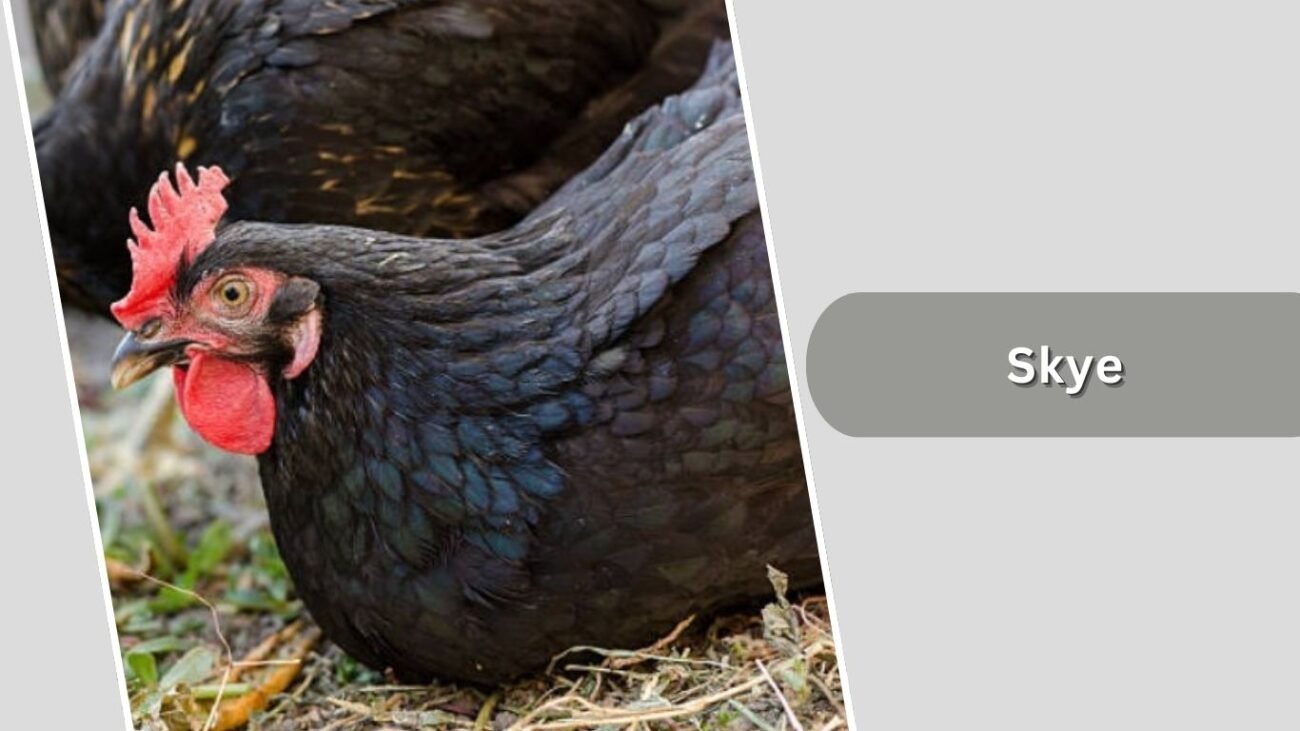
Skye is an alert and curious layer with a light, active build. She enjoys exploring and is often one of the first to notice changes in her surroundings.
Identification
- Light gray or blue-toned feathers
- Slim, agile body
- High alertness
- Curious and observant behavior
- Quick, smooth movements
Diet
Skye requires a quality layer diet with balanced nutrients and calcium. She benefits from access to greens, insects, and grit, especially when free-ranging.
Egg Laying (When and How Much)
Skye usually begins laying between 20–24 weeks of age. In good conditions, she lays around 4–5 eggs per week, with production highest during longer daylight hours.
Care & Environment
Skye thrives in an environment with space to explore and perch. Secure housing, enrichment, and regular monitoring help keep her healthy and productive.
22. Luna
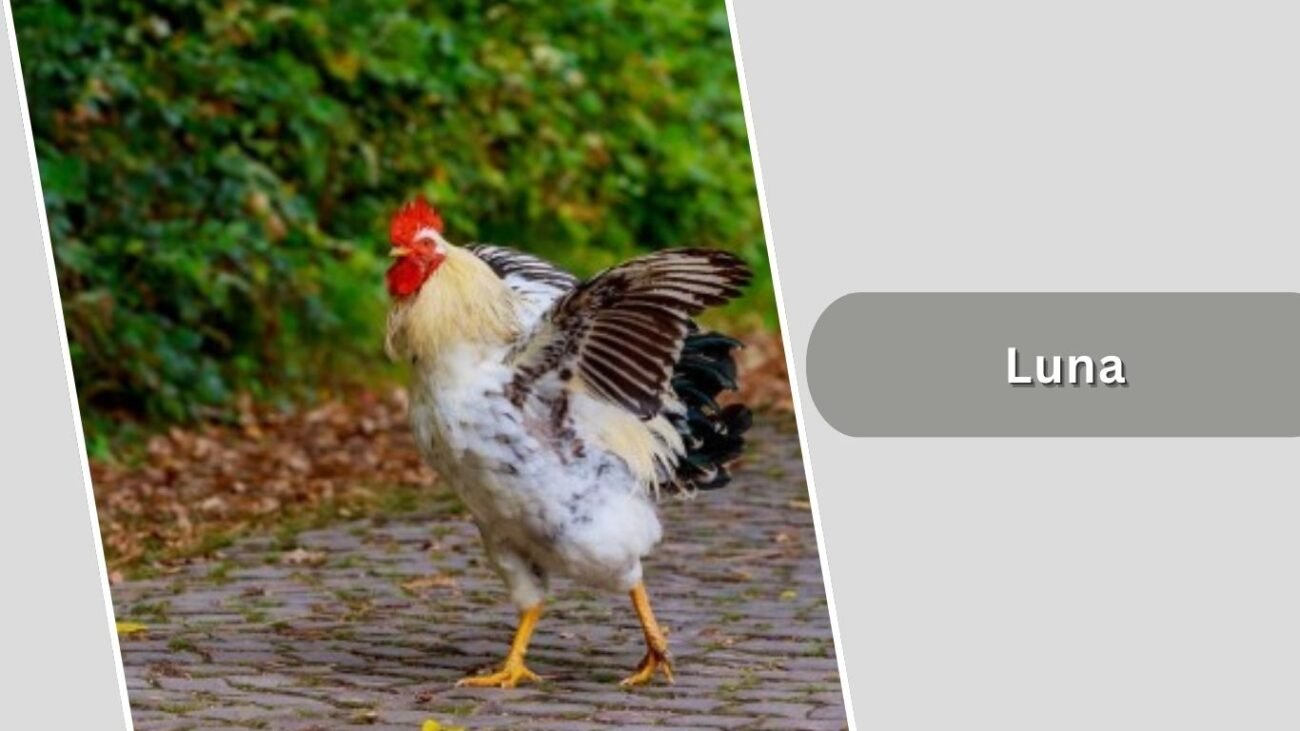
Luna is a calm and observant layer with a gentle personality. She adapts well to routine care and is often one of the quieter members of the flock.
Identification
- Dark or silver-toned feathers
- Medium-sized, balanced body
- Calm and watchful behavior
- Smooth, healthy plumage
- Low to moderate activity level
Diet
Luna thrives on a balanced layer feed with adequate calcium and protein. She enjoys fresh greens and occasional grains. Clean water and grit are essential for digestion and eggshell quality.
Egg Laying (When and How Much)
Luna typically begins laying at around 19–23 weeks of age. She produces about 4–5 eggs per week, with steady output during mild seasons.
Care & Environment
Luna prefers a quiet, low-stress coop with good ventilation and comfortable nesting boxes. Consistent routines help keep her healthy and productive.
23. Saffron
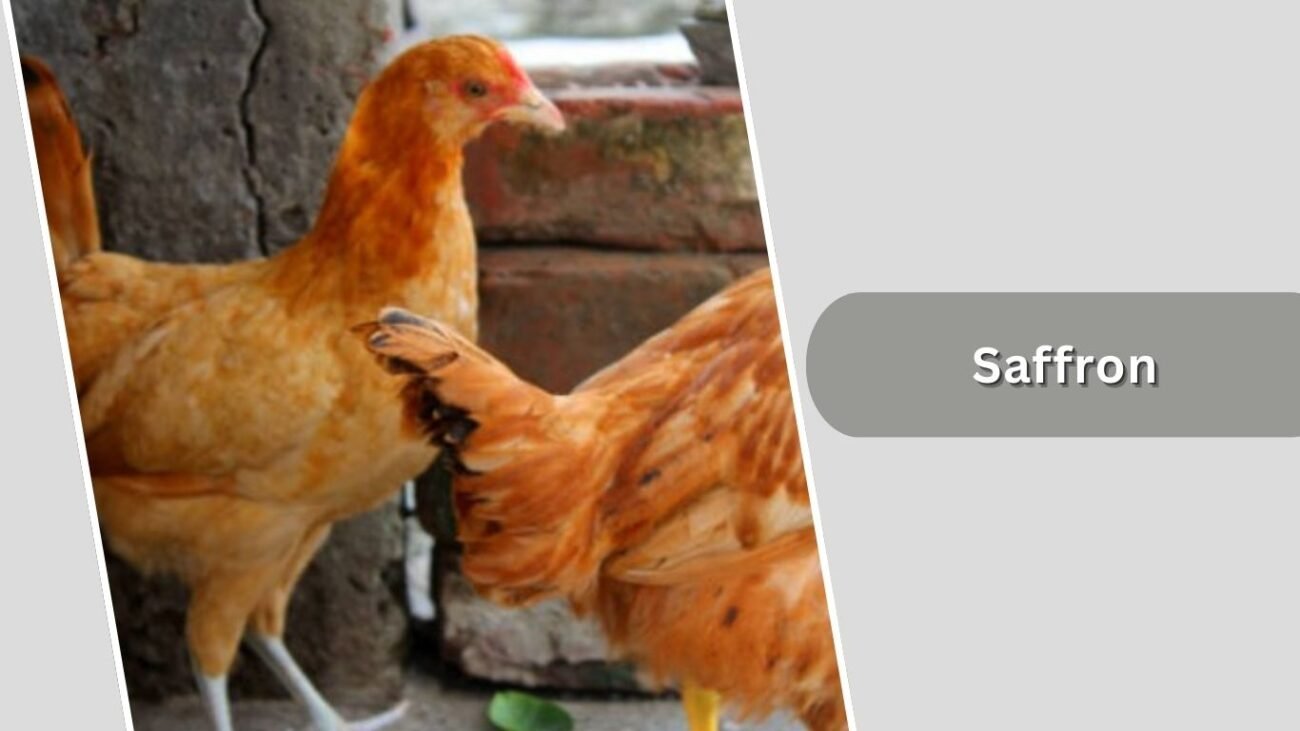
Saffron is an active and alert layer known for her strong foraging instincts. She adds energy to the flock and performs best with room to roam.
Identification
- Golden-orange or saffron-colored feathers
- Lean, active body
- Bright, attentive eyes
- Confident posture
- High activity level
Diet
Saffron requires a nutrient-rich layer diet with sufficient protein. Free-ranging provides insects and greens, while calcium supplements support strong eggshells.
Egg Laying (When and How Much)
Saffron usually begins laying between 20–24 weeks of age. Under good conditions, she can lay about 4–6 eggs per week, with peak production in longer daylight periods.
Care & Environment
Saffron needs space for movement and exploration. Secure fencing, predator protection, and enrichment help maintain her health and egg-laying performance.
24. Cherry
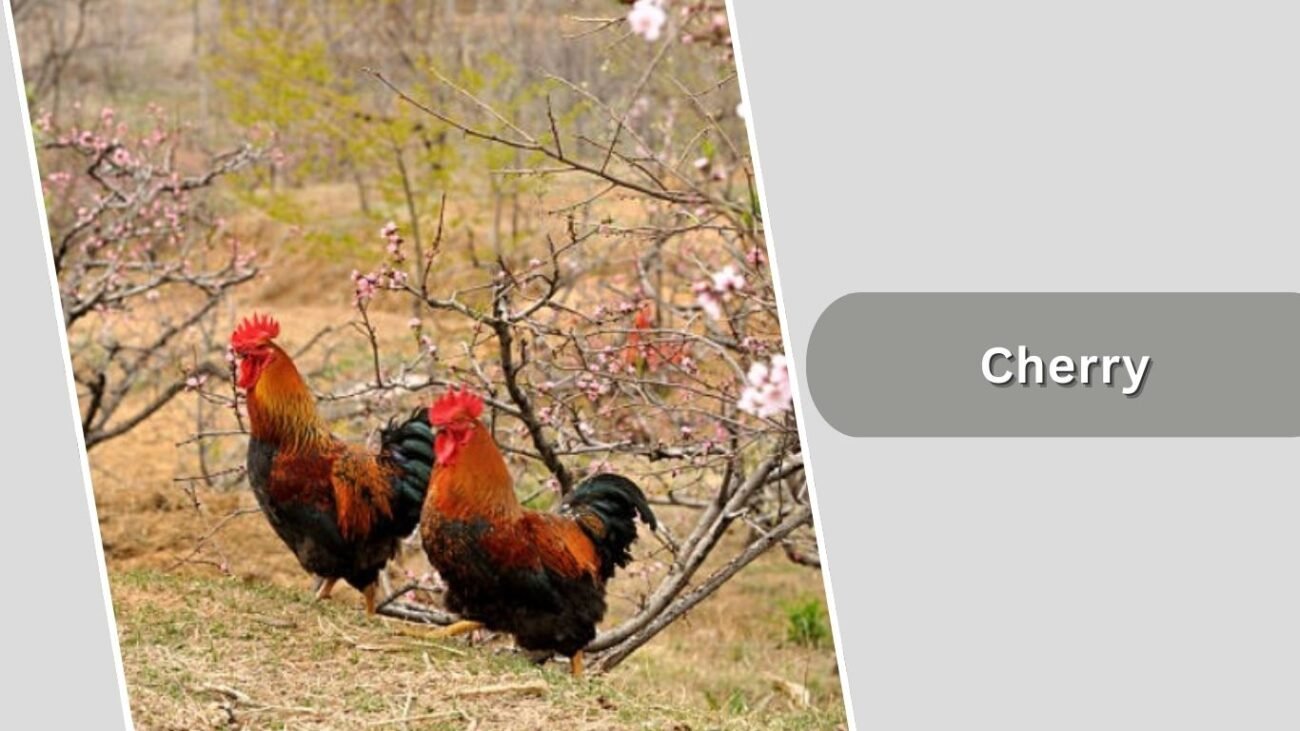
Cherry is a friendly and lively layer with a balanced mix of energy and calmness. She adapts easily to flock life and responds well to regular care.
Identification
- Reddish or cherry-toned plumage
- Compact, sturdy body
- Alert and sociable behavior
- Smooth, glossy feathers
- Moderate activity level
Diet
Cherry thrives on a balanced layer feed with adequate calcium and protein. She enjoys fresh greens, grains, and occasional insects. Clean water and access to grit are essential for good digestion and egg quality.
Egg Laying (When and How Much)
Cherry typically begins laying at around 19–22 weeks of age. She can produce about 4–5 eggs per week, with consistent output during spring and summer.
Care & Environment
Cherry does best in a clean, secure coop with comfortable nesting boxes. Regular routines, good ventilation, and predator protection help keep her healthy and productive.
25. Ivy
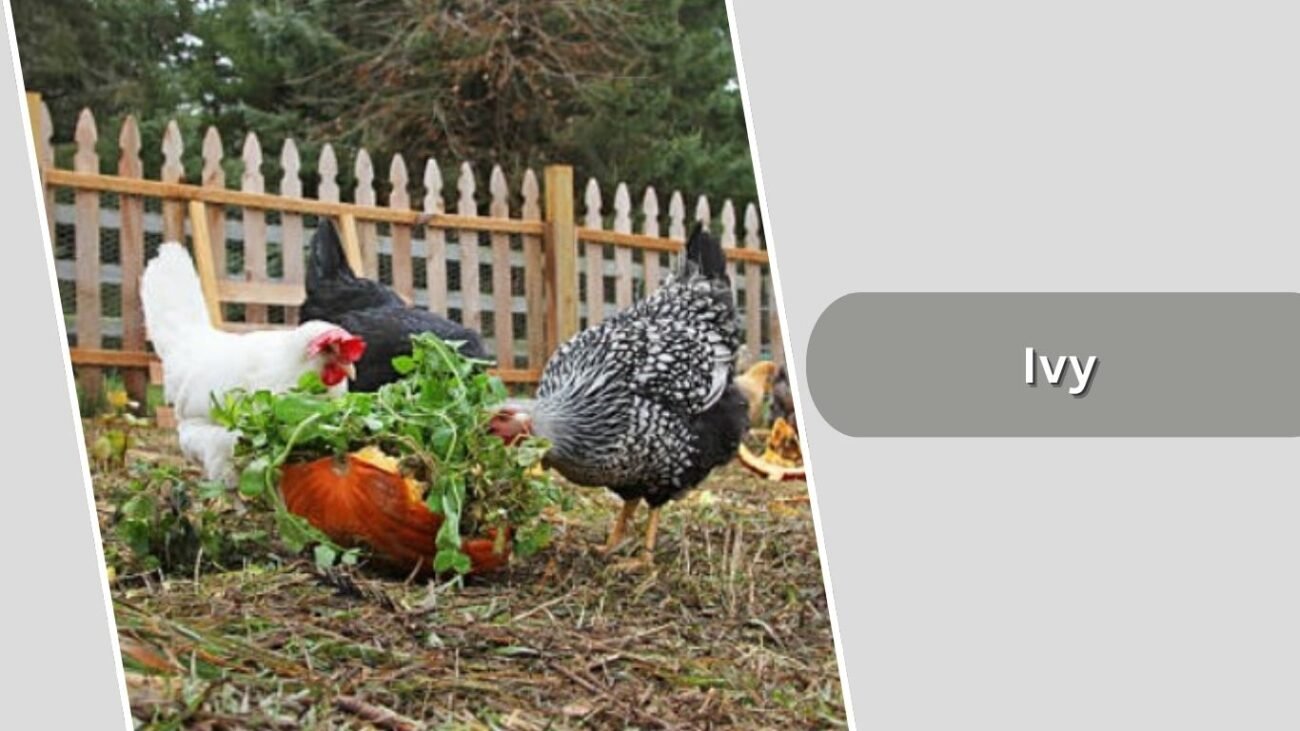
Ivy is a calm and resilient layer known for her adaptability. She fits well into mixed flocks and maintains steady egg production with minimal stress.
Identification
- Deep greenish or dark-toned feathers
- Medium-sized, well-balanced body
- Calm and observant nature
- Healthy plumage condition
- Low to moderate activity level
Diet
Ivy does well on a quality layer ration supplemented with fresh greens and occasional protein treats. Adequate calcium intake supports strong eggshells and regular laying.
Egg Laying (When and How Much)
Ivy usually begins laying between 18–22 weeks of age. She produces approximately 4–5 eggs per week under good conditions.
Care & Environment
Ivy prefers a stable, low-stress environment with clean bedding and secure nesting areas. Consistent care and protection from predators help maintain her health and productivity.