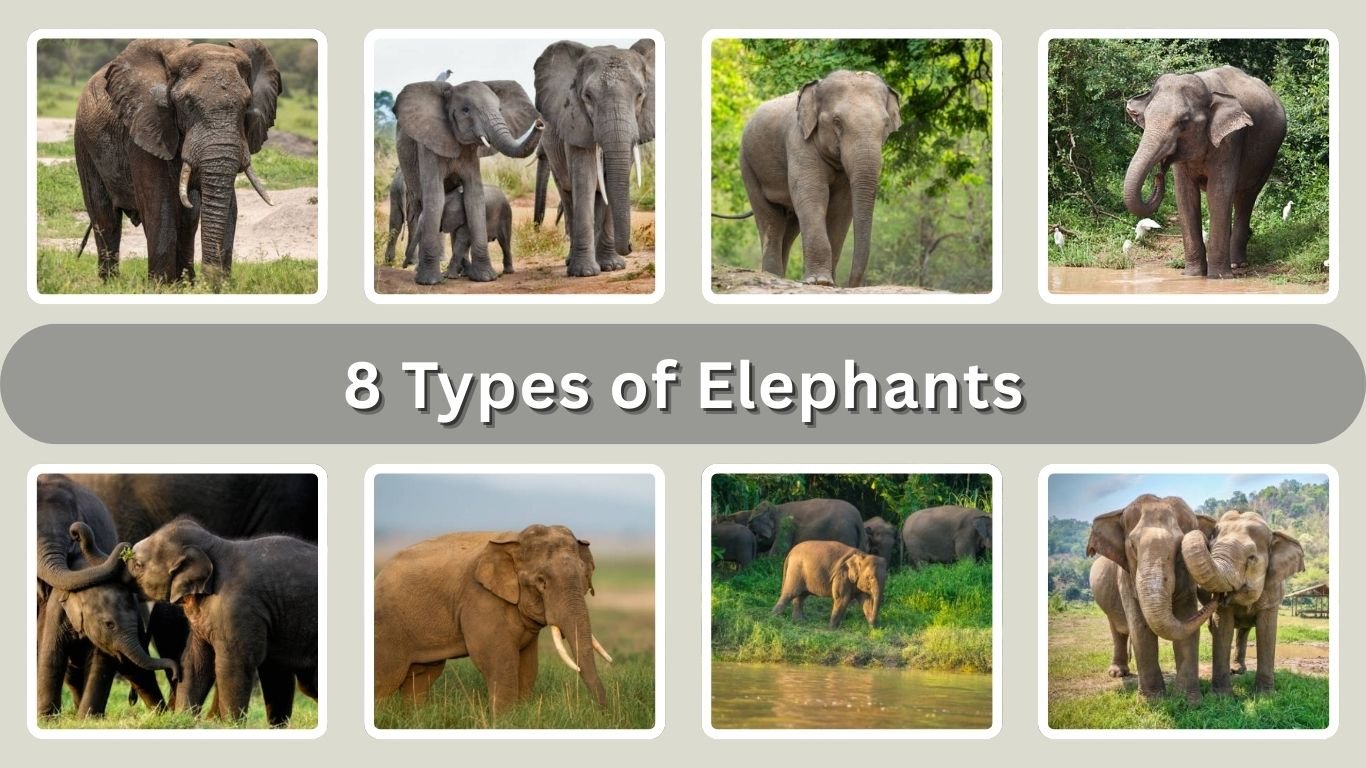
Elephants are magnificent creatures, known for their impressive size, intelligence, and deep social bonds. There are various species and subspecies of elephants, each with unique characteristics that make them stand out. In this article, we will explore 8 distinct types of elephants, from the mighty African Bush Elephant to the smaller, elusive Borneo Elephant, uncovering their habitats, behaviors, and how they contribute to their ecosystems. Whether it’s the cultural significance of the Thai Elephant or the endangered status of the Sumatran Elephant, each one offers something special.
1. African Bush Elephant (Loxodonta africana)
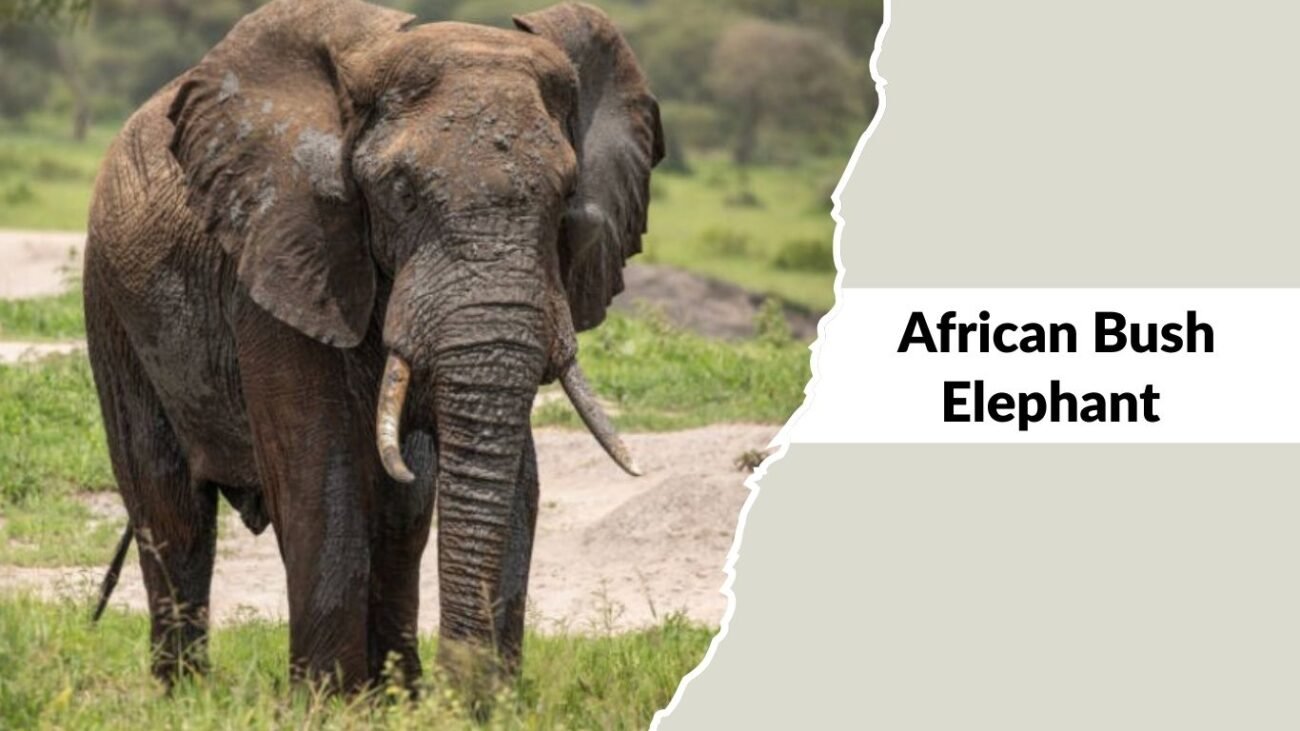
The African Bush Elephant is the largest species of elephant and can be found in a variety of habitats across sub-Saharan Africa. They are known for their large ears, which help regulate their body temperature. These elephants live in large herds and are primarily herbivores, feeding on grasses, fruits, and bark.
Identification
- Large ears shaped like the African continent
- Bigger size compared to the African Forest Elephant
- Tusks are long and more visible in males
- Typically found in open savannas and forests
Habitat and Range
The African Bush Elephant is commonly found in open savannas, forests, and grasslands across sub-Saharan Africa, particularly in countries like Kenya, Tanzania, and Botswana. Their range extends across many African national parks and reserves.
Behavior
African Bush Elephants are social animals, forming tight-knit herds led by the oldest female. They communicate using low-frequency sounds that can travel long distances. These elephants are migratory and travel vast distances in search of food and water.
2. African Bush Elephant (Loxodonta africana)
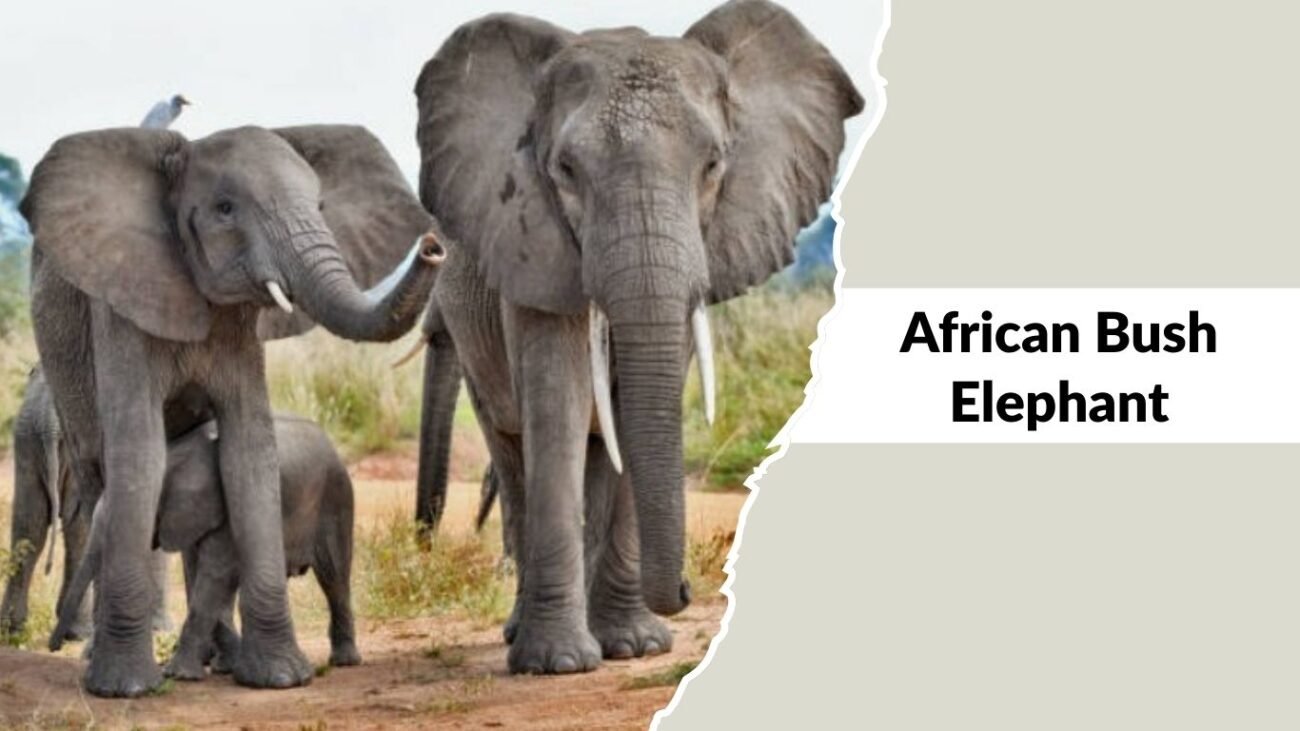
The African Bush Elephant is the largest species of elephant, recognized by its massive size and large ears that help regulate body temperature. These elephants thrive in various habitats across sub-Saharan Africa, where they form large, matriarchal herds. They are herbivores, feeding primarily on grasses, fruits, and bark.
Identification
- Large, African continent-shaped ears
- Larger size compared to the African Forest Elephant
- Long, prominent tusks, particularly in males
- Found in open savannas and grasslands
Habitat and Range
African Bush Elephants are typically found in open savannas, forests, and grasslands across sub-Saharan Africa, with significant populations in countries like Kenya, Tanzania, and Botswana. They occupy many national parks and wildlife reserves.
Behavior
These elephants are highly social, living in herds led by the oldest female. They communicate through low-frequency sounds that can travel over long distances. African Bush Elephants are migratory and often travel vast distances in search of food and water.
3. African Forest Elephant (Loxodonta cyclotis)
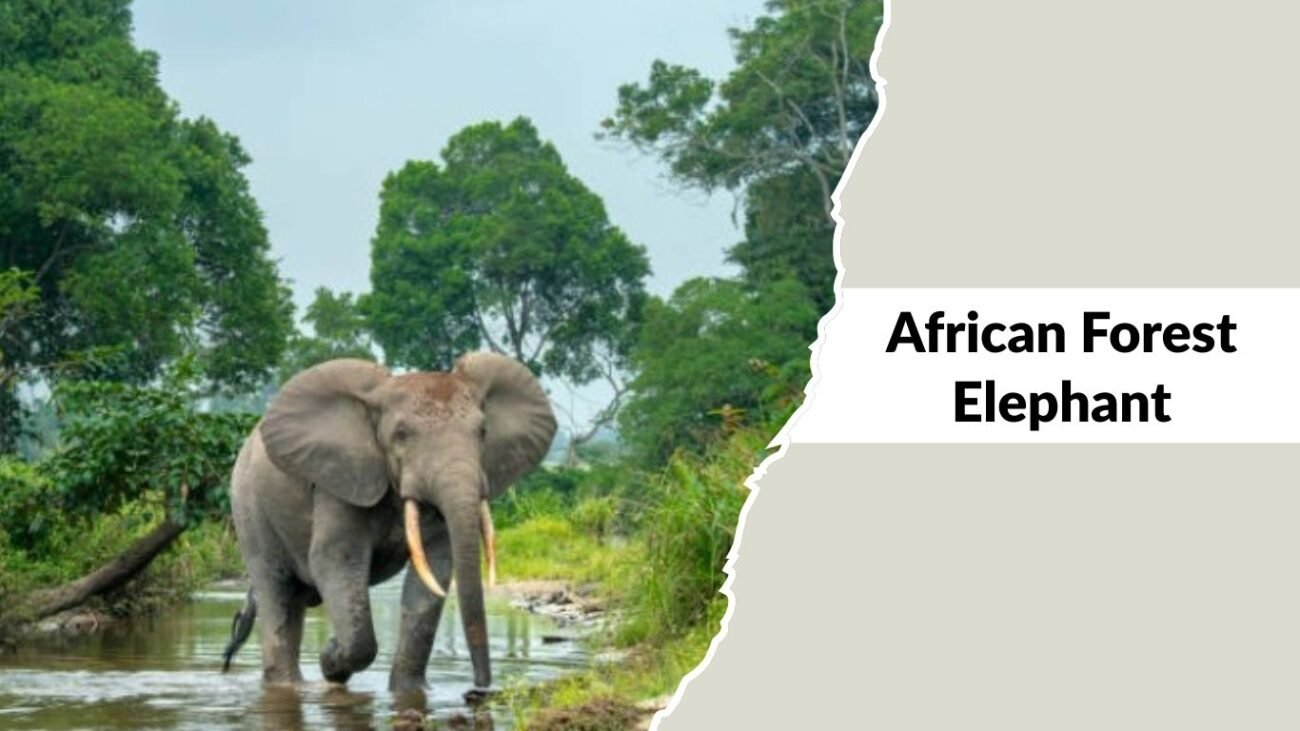
The African Forest Elephant is a smaller, more elusive species compared to the African Bush Elephant. They primarily inhabit the dense forests of central and West Africa. While they share similar characteristics with their larger relatives, they are distinguished by their smaller size, straighter tusks, and rounder ears.
Identification
- Smaller size compared to the African Bush Elephant
- Straighter, thinner tusks
- Rounder ears
- Shorter legs and more compact body
Habitat and Range
African Forest Elephants are found in the dense rainforests of central and West Africa, including countries such as Gabon, Cameroon, and the Democratic Republic of Congo. They live in regions that are more difficult to access, making them harder to study.
Behavior
Forest elephants are solitary or form smaller, more fluid family groups compared to their bush counterparts. They are known to be more elusive, preferring the dense forest cover for protection. These elephants communicate using vocalizations, but also rely on chemical signals and vibrations through the ground to communicate with each other.
4. Asian Elephant (Elephas maximus)
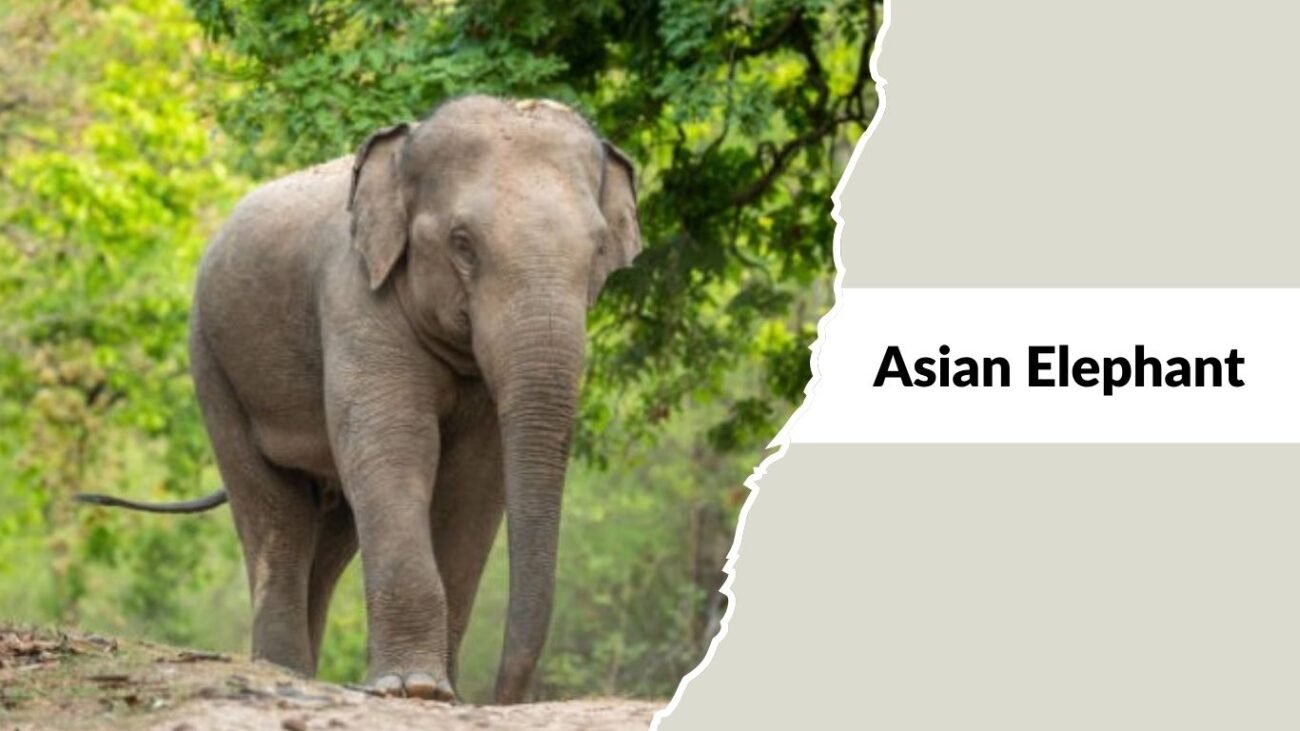
The Asian Elephant is the largest of the elephant species found in Asia. Known for their slightly smaller size compared to African elephants, they have a distinct smaller, rounded ear shape and a more arched back. They are primarily found in the forests, grasslands, and swamps of South and Southeast Asia.
Identification
- Smaller, rounded ears compared to African elephants
- Smaller size with a more arched back
- Shorter tusks, often present only in males
- Smaller number of ribs and less pronounced trunk compared to African species
Habitat and Range
Asian Elephants are found in countries across South and Southeast Asia, including India, Sri Lanka, Thailand, and Malaysia. They inhabit a range of environments, including tropical forests, grasslands, and wetlands, and are often seen in mountainous areas.
Behavior
Asian Elephants are social animals, typically found in herds led by the oldest female. Their behavior and herd structure are similar to African elephants, but the herds tend to be smaller. These elephants communicate with each other using a variety of vocalizations, body language, and physical gestures, and they are highly protective of their young. They are also known to have a deep cultural significance in many Asian societies.
5. Sri Lankan Elephant (Elephas maximus maximus)
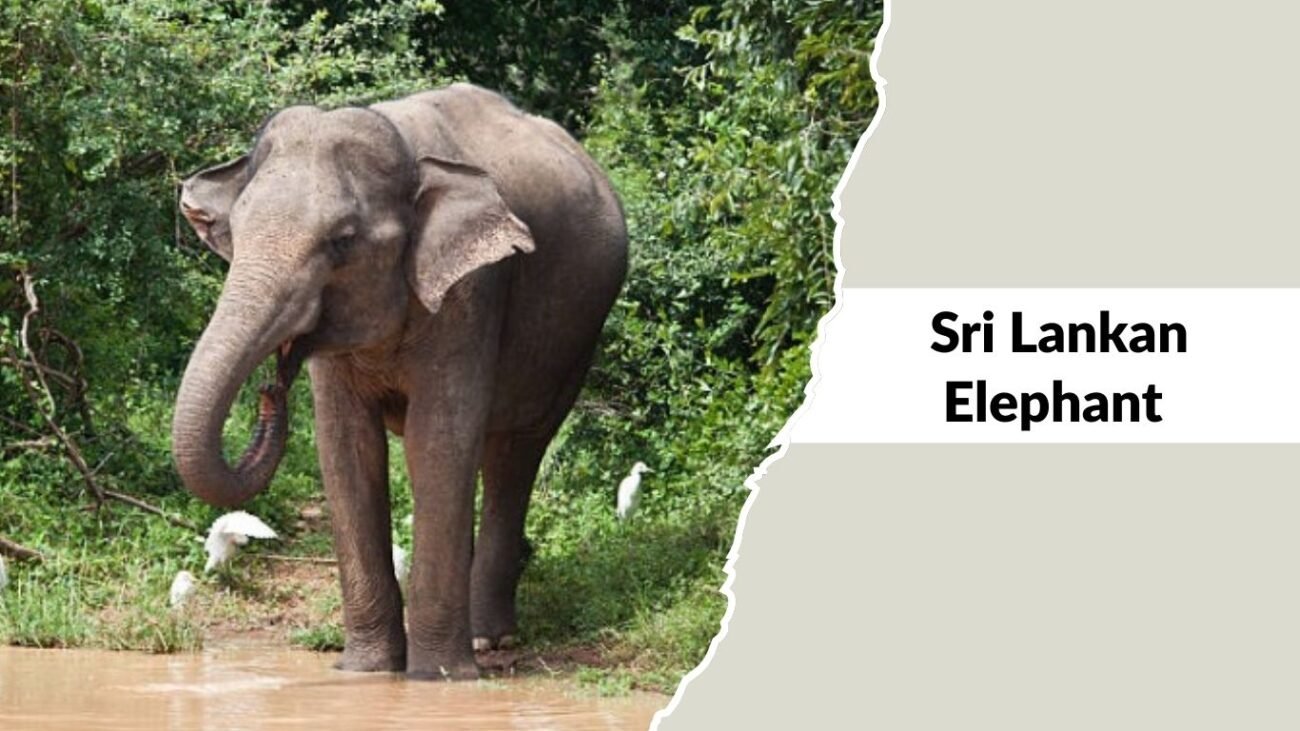
The Sri Lankan Elephant is a subspecies of the Asian Elephant and is primarily found in Sri Lanka. They are known for their relatively larger size compared to other Asian elephant subspecies and have a more distinct appearance due to the geographical isolation of their habitat.
Identification
- Larger than other Asian elephant subspecies
- Darker skin color
- Tusks are usually longer and more prominent in males
- Smaller ears compared to African species
Habitat and Range
Sri Lankan Elephants are native to Sri Lanka, where they can be found in various habitats, including tropical rainforests, grasslands, and wetlands. They are commonly seen in national parks such as Yala and Udawalawe.
Behavior
Sri Lankan Elephants are highly social, living in family groups led by a matriarch. They are known to be more aggressive compared to other Asian elephant subspecies, particularly during the mating season. These elephants are primarily herbivores and feed on a variety of plants, fruits, and bark.
6. Indian Elephant (Elephas maximus indicus)
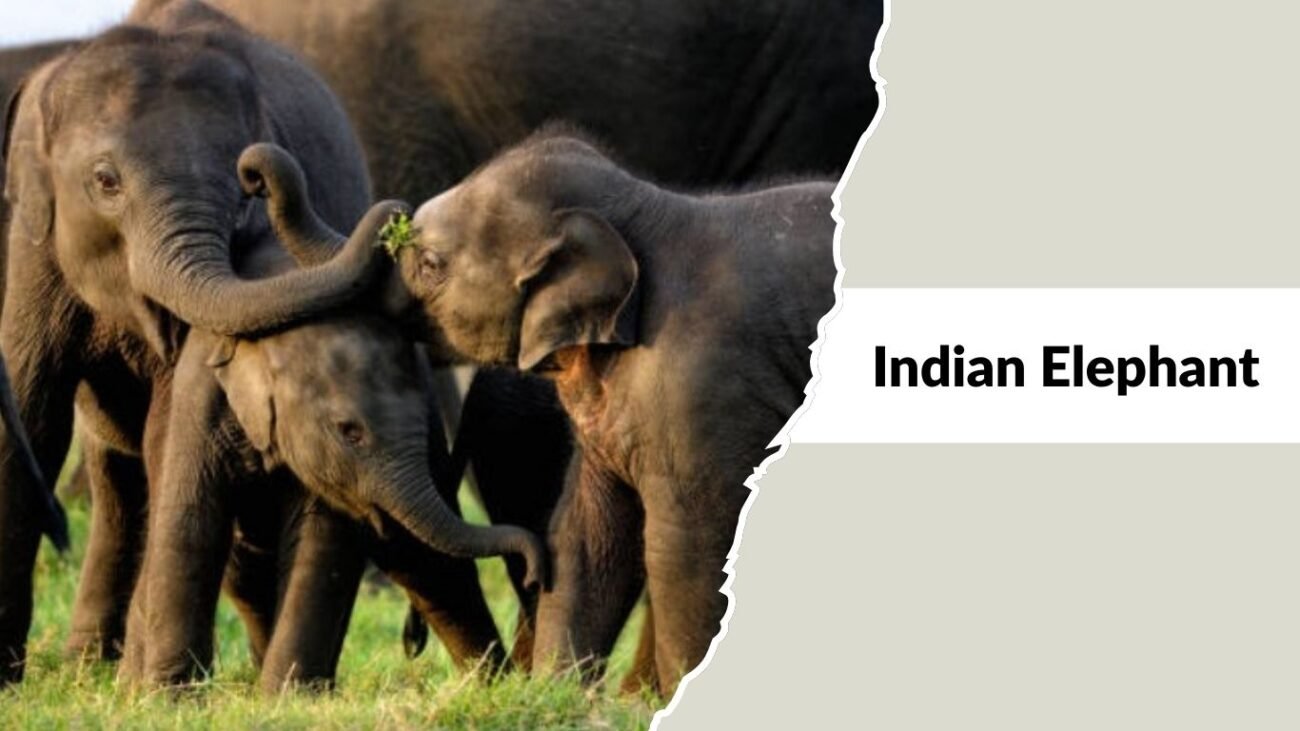
The Indian Elephant is a subspecies of the Asian Elephant, native to the Indian subcontinent. These elephants are slightly smaller in size than their Sri Lankan counterparts but are well-known for their intelligence and cultural significance in India.
Identification
- Smaller ears compared to African elephants
- Slightly shorter tusks, often present only in males
- Relatively smaller size compared to Sri Lankan elephants
- Typically have a more pronounced trunk and head shape
Habitat and Range
Indian Elephants are found across India, Nepal, Bhutan, and Bangladesh, inhabiting forests, grasslands, and wetlands. They are often found in regions such as the Western Ghats, the Terai grasslands, and the Assam region, where they live in large protected reserves.
Behavior
Indian Elephants are highly social animals, living in herds led by the oldest female. These elephants play an important role in the cultural and religious practices of India, particularly in temples and festivals. They are known for their intelligence, strong memory, and ability to adapt to different environments, from dense forests to grasslands.
7. Sumatran Elephant (Elephas maximus sumatranus)
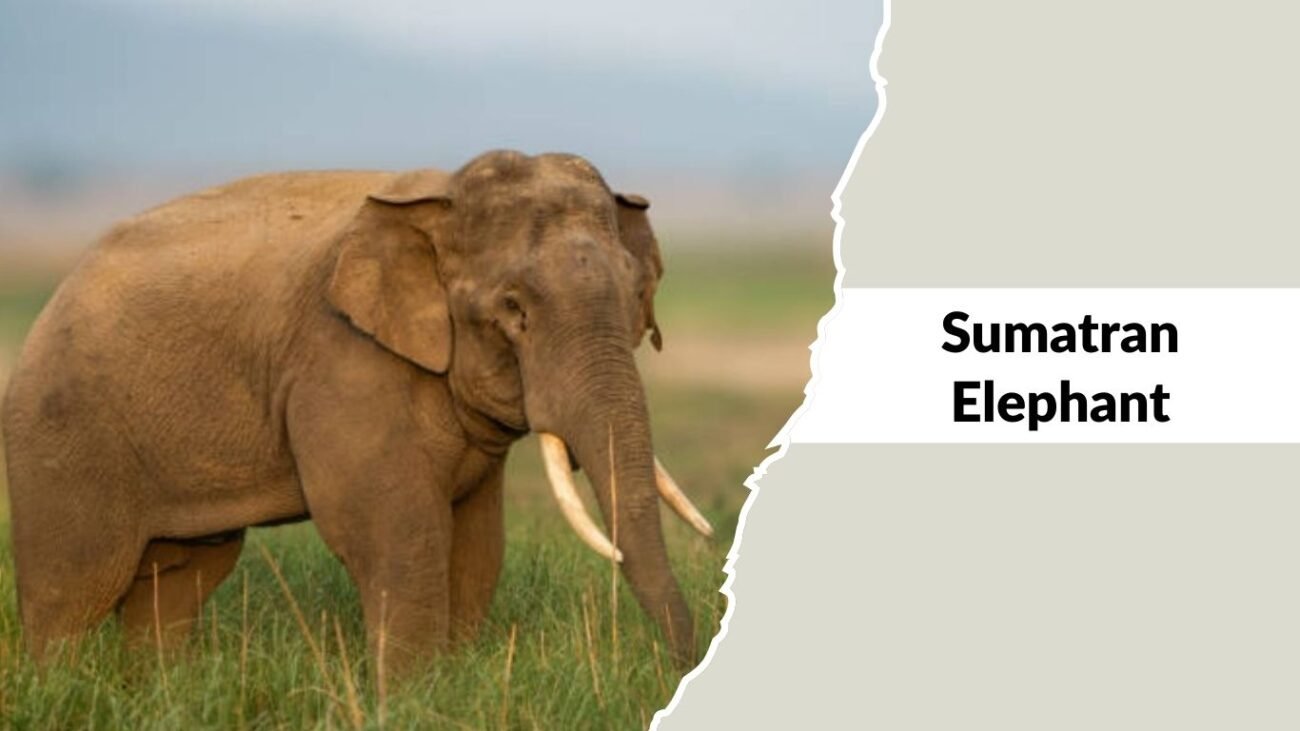
The Sumatran Elephant is a subspecies of the Asian Elephant found exclusively on the island of Sumatra in Indonesia. They are smaller in size compared to other Asian elephant subspecies and are critically endangered due to habitat loss and poaching.
Identification
- Smaller size compared to other Asian elephants
- Darker skin and smaller tusks, which are often less pronounced
- Rounder ears, similar to other Asian elephant subspecies
- Often have more distinct body markings, such as lighter patches on the skin
Habitat and Range
Sumatran Elephants are found in the forests of Sumatra, Indonesia, particularly in protected national parks such as Gunung Leuser and Way Kambas. They primarily inhabit lowland rainforests and are known to prefer the dense forest areas for protection.
Behavior
Sumatran Elephants are highly social, living in small herds, often led by the oldest female. These elephants are known to be extremely gentle and less aggressive than other elephant subspecies. They play a crucial role in maintaining the health of their environment by dispersing seeds through their droppings. However, their populations are severely threatened by habitat destruction, particularly due to illegal logging and palm oil plantations.
8. Borneo Elephant (Elephas maximus borneensis)
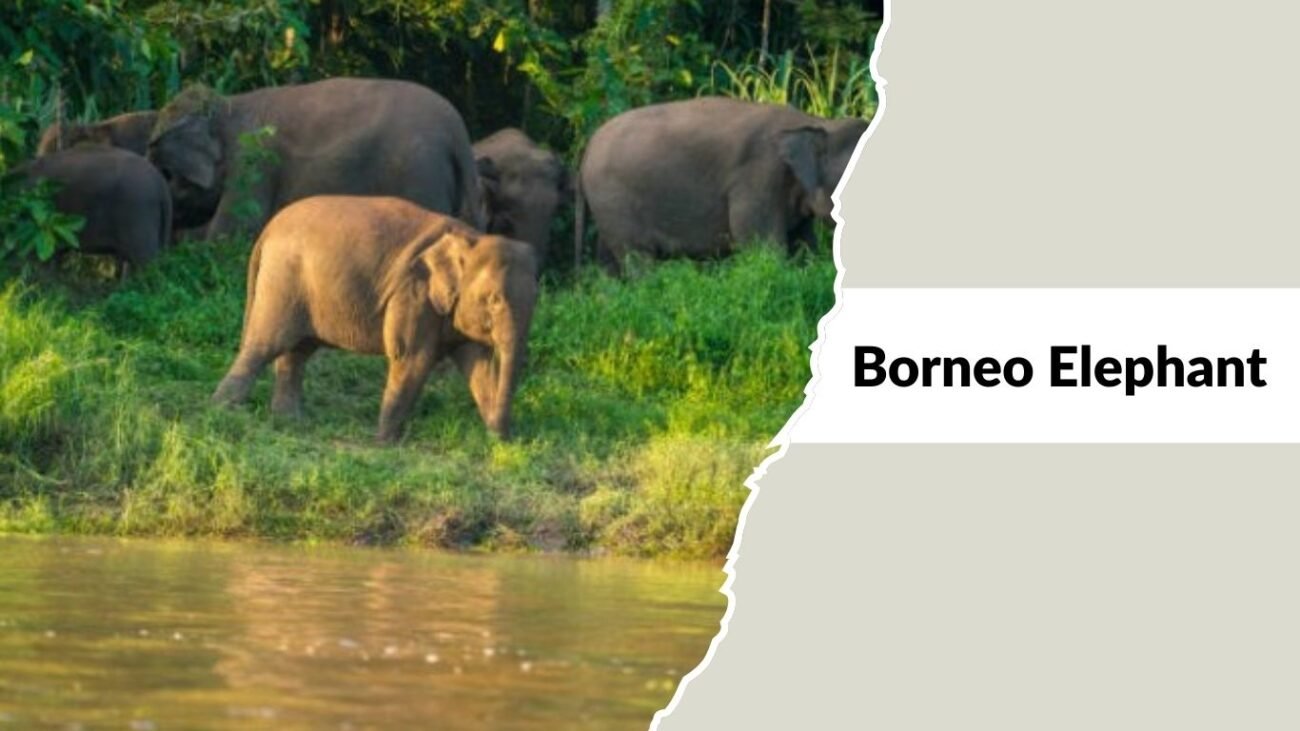
The Borneo Elephant, also known as the Bornean Pygmy Elephant, is a subspecies of the Asian Elephant found exclusively in the forests of Borneo, an island in Southeast Asia. They are smaller than other Asian elephants and are distinguished by their unique features and gentle temperament.
Identification
- Smaller size compared to other Asian elephants, with a more compact body
- Larger, rounder ears and a short, stocky trunk
- Distinctive, larger-than-usual tusks for their size
- Younger elephants tend to have a more playful appearance
Habitat and Range
Borneo Elephants are found in the lowland rainforests of Borneo, primarily in the Malaysian states of Sabah and Sarawak. They inhabit areas near rivers and forested regions, where they rely on dense vegetation for food and shelter.
Behavior
Borneo Elephants are known for their calm and gentle nature, which makes them distinct among elephant species. They live in small herds and are more solitary compared to African elephants. These elephants have a critical role in forest regeneration as they help maintain the ecosystem by spreading seeds. However, they are endangered due to habitat loss and human-wildlife conflict.
9. Thai Elephant (Elephas maximus indicus)
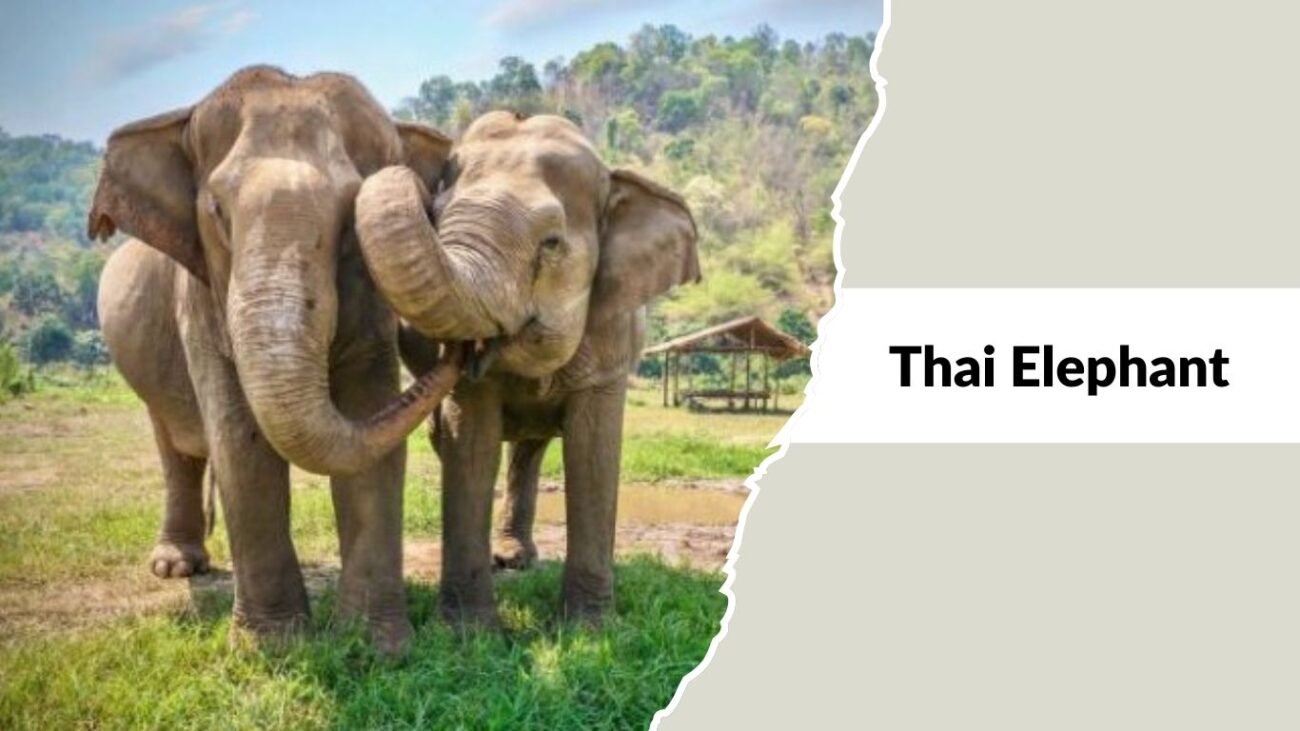
The Thai Elephant is another subspecies of the Asian Elephant, primarily found in Thailand. These elephants are renowned for their historical and cultural importance in Thailand, often used in festivals, parades, and traditional labor.
Identification
- Similar in size to the Indian Elephant, but typically more robust
- Smaller, rounded ears compared to African elephants
- Males usually have prominent tusks, while females rarely do
- Characteristic wrinkled skin with a more pronounced trunk
Habitat and Range
Thai Elephants are found throughout Thailand, including in national parks such as Khao Yai and Kui Buri. They inhabit a range of environments, from dense tropical forests to grasslands, and are often found in protected areas and sanctuaries.
Behavior
Thai Elephants are social and intelligent animals that live in family groups. They have been an integral part of Thai culture for centuries, playing key roles in religious ceremonies and royal events. These elephants are also used in the tourism industry, particularly for elephant rides. Despite their cultural significance, wild populations face threats from habitat loss and illegal poaching.
FAQs
What is the largest species of elephant?
The African Bush Elephant (Loxodonta africana) is the largest elephant species, known for its massive size and large ears that help regulate body temperature.
How are Asian elephants different from African elephants?
Asian elephants are smaller, with smaller, rounder ears compared to the larger, more prominent ears of African elephants. Additionally, African elephants tend to have larger tusks, and their behavior and habitat preferences differ between the two species.
Are Borneo Elephants a unique subspecies?
Yes, Borneo Elephants (Elephas maximus borneensis), also known as Bornean Pygmy Elephants, are a distinct subspecies of the Asian Elephant, known for their smaller size and unique characteristics, such as rounder ears and stocky bodies.
What is the primary threat to elephant populations?
Elephant populations are primarily threatened by habitat loss, poaching for their tusks, and human-wildlife conflict. Many subspecies, such as the Sumatran Elephant, are critically endangered due to these factors.
What role do elephants play in their ecosystems?
Elephants are considered keystone species in their ecosystems. They help with seed dispersal, maintain the structure of the habitat, and play a crucial role in the regeneration of forests by clearing paths and creating waterholes that benefit other species.