










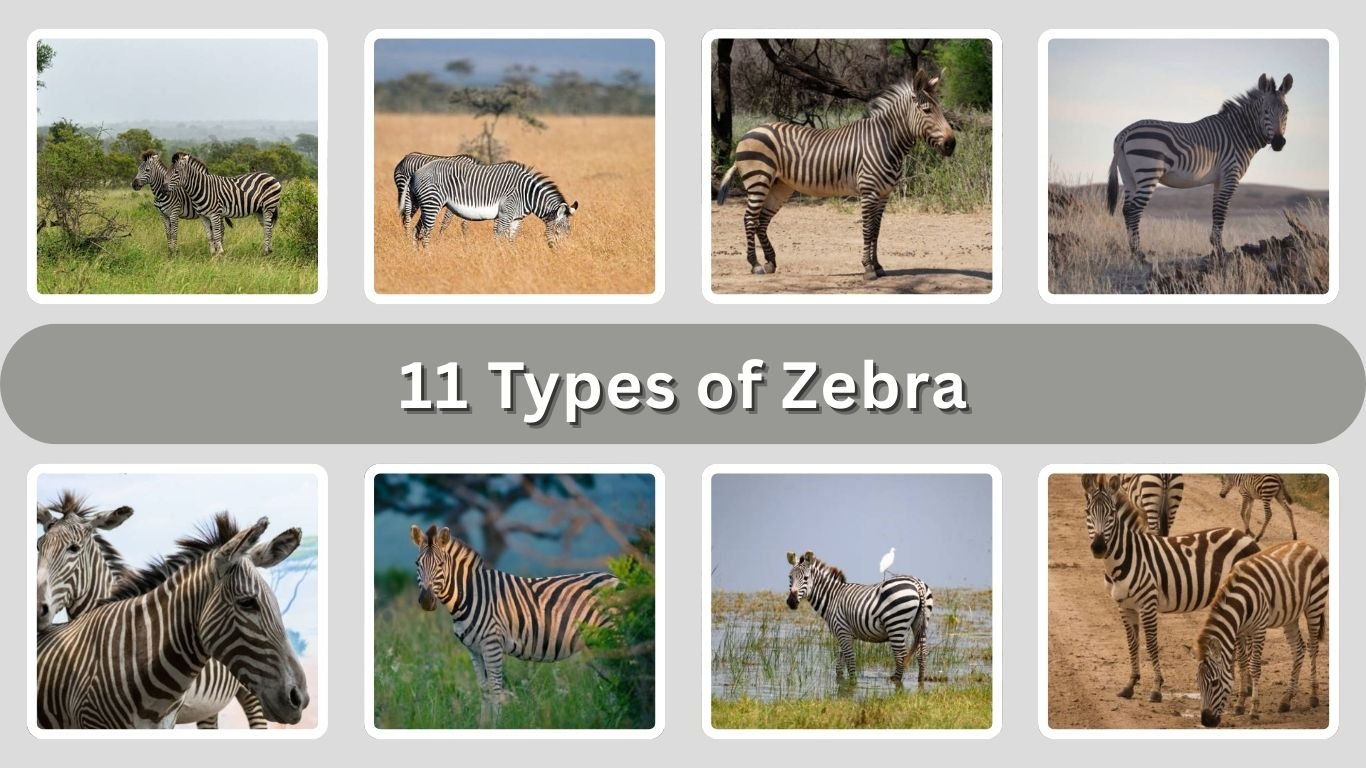
Chaco zebras are a unique and lesser-known species found in the Gran Chaco region of South America. Distinct from their African relatives, they thrive in the dense woodlands and scrublands of Argentina, Paraguay, and Bolivia. Known for their compact build and adaptable nature, Chaco zebras have distinctive behavior patterns and a diet suited to their humid, temperate habitat. In this article, we’ll explore their features, behaviors, and habitat.
1. Plains Zebra
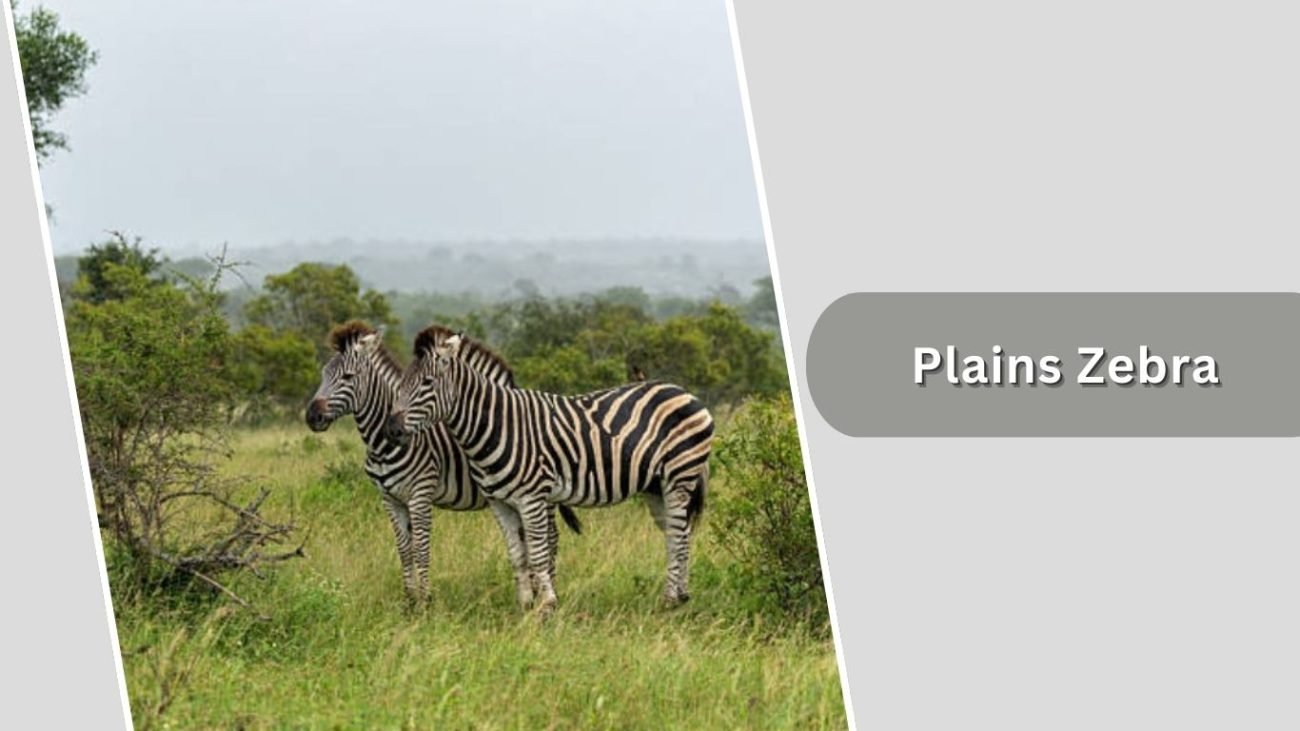
The plains zebra is the most widespread and familiar zebra type, easily recognized by its bold black-and-white stripe pattern. Each individual has a unique stripe arrangement, much like a fingerprint. This zebra is highly adaptable and plays an important role in grassland ecosystems by grazing on coarse grasses that help maintain healthy vegetation. Known for its strong social bonds, the plains zebra often lives in large groups that provide safety and stability.
Identification
- Bold black and white stripes covering the entire body
- Unique stripe pattern for each individual
- Stocky body with a strong chest and shoulders
- Short, upright mane running along the neck
- Medium-sized ears with rounded tips
Habitat
Plains zebras are commonly found in grasslands, savannas, and open woodlands. They prefer areas with access to water and abundant grass, as grazing is central to their survival. These zebras inhabit a wide range of regions across eastern and southern Africa, where seasonal rainfall supports grass growth. They are highly mobile and may migrate over long distances to find fresh grazing areas during dry seasons.
Behaviors
This zebra type is extremely social and usually lives in stable family groups led by a dominant stallion. Multiple family groups often gather to form large herds, especially during migration. Plains zebras communicate using vocal sounds, ear movements, and body posture. They are alert animals and rely on group vigilance and speed to avoid predators such as lions and hyenas.
Diet
Plains zebras are herbivores that mainly graze on grasses. They are able to digest tough, low-quality grasses that many other grazers avoid. When grass is scarce, they may also feed on leaves and stems. Their grazing helps stimulate new plant growth, benefiting other herbivores sharing the same habitat.
2. Grevy’s Zebra
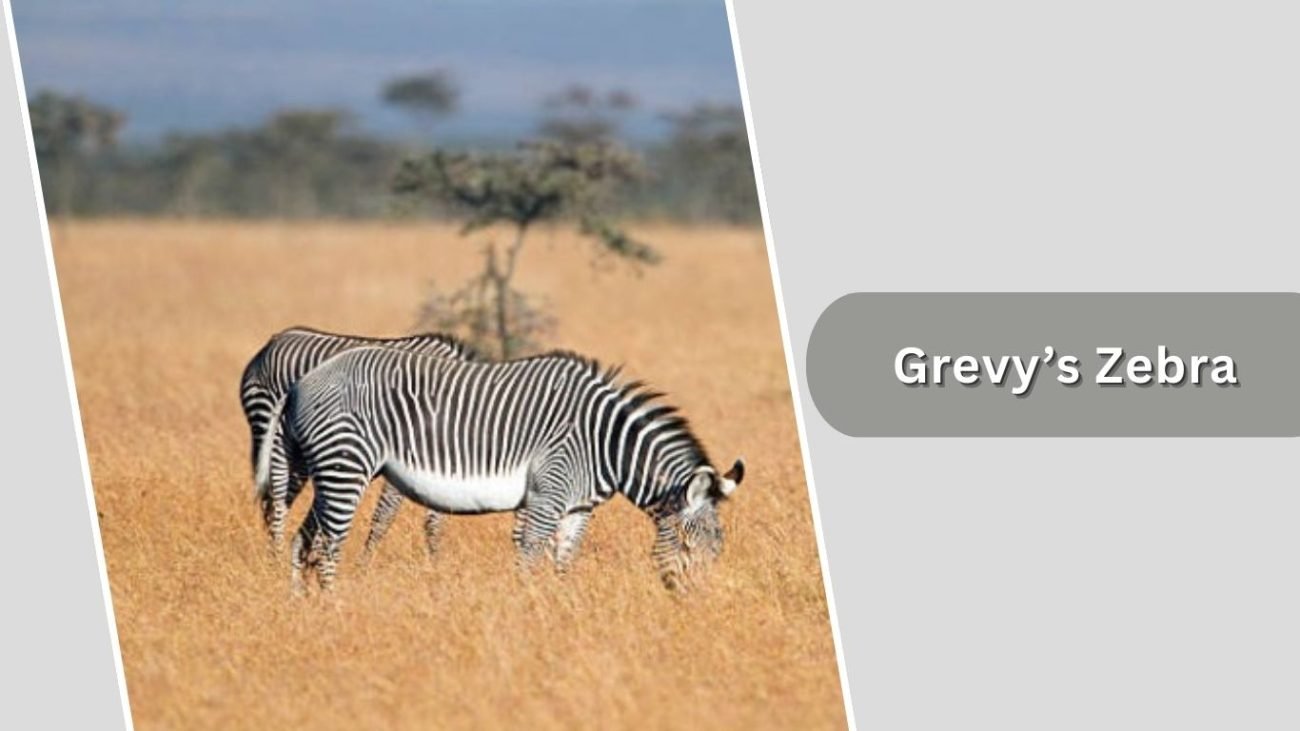
Grevy’s zebra is the largest and most distinctive zebra type, known for its narrow, closely spaced stripes and elegant appearance. Compared to other zebras, it has a taller build, larger ears, and a more mule-like body shape. This zebra is less social than plains zebras and is well adapted to dry, harsh environments. Due to habitat loss and limited range, Grevy’s zebra is considered one of the most threatened zebra types.
Identification
- Narrow, tightly packed black and white stripes
- White belly with no striping
- Large, rounded ears set close together
- Tall, slender body with long legs
- Broad muzzle and upright mane
Habitat
Grevy’s zebras inhabit dry grasslands, semi-desert regions, and open plains. They prefer arid and semi-arid environments where vegetation is sparse but durable grasses are available. These zebras are mainly found in parts of northern Kenya and southern Ethiopia. Unlike other zebra types, they can survive longer periods without direct access to water, making them well suited to drought-prone regions.
Behaviors
This zebra type is less social and does not form permanent family herds. Adult males often live alone and defend territories, while females move freely with their foals. Grevy’s zebras communicate using calls, body posture, and ear movements. They are alert and cautious animals, relying on awareness and speed to escape predators rather than herd defense.
Diet
Grevy’s zebras are grazers that primarily feed on tough grasses. They can digest coarse vegetation that many other herbivores avoid. During dry seasons, they may also consume leaves, bark, and shrubs. Their efficient feeding habits allow them to survive in environments with limited food resources.
3. Mountain Zebra
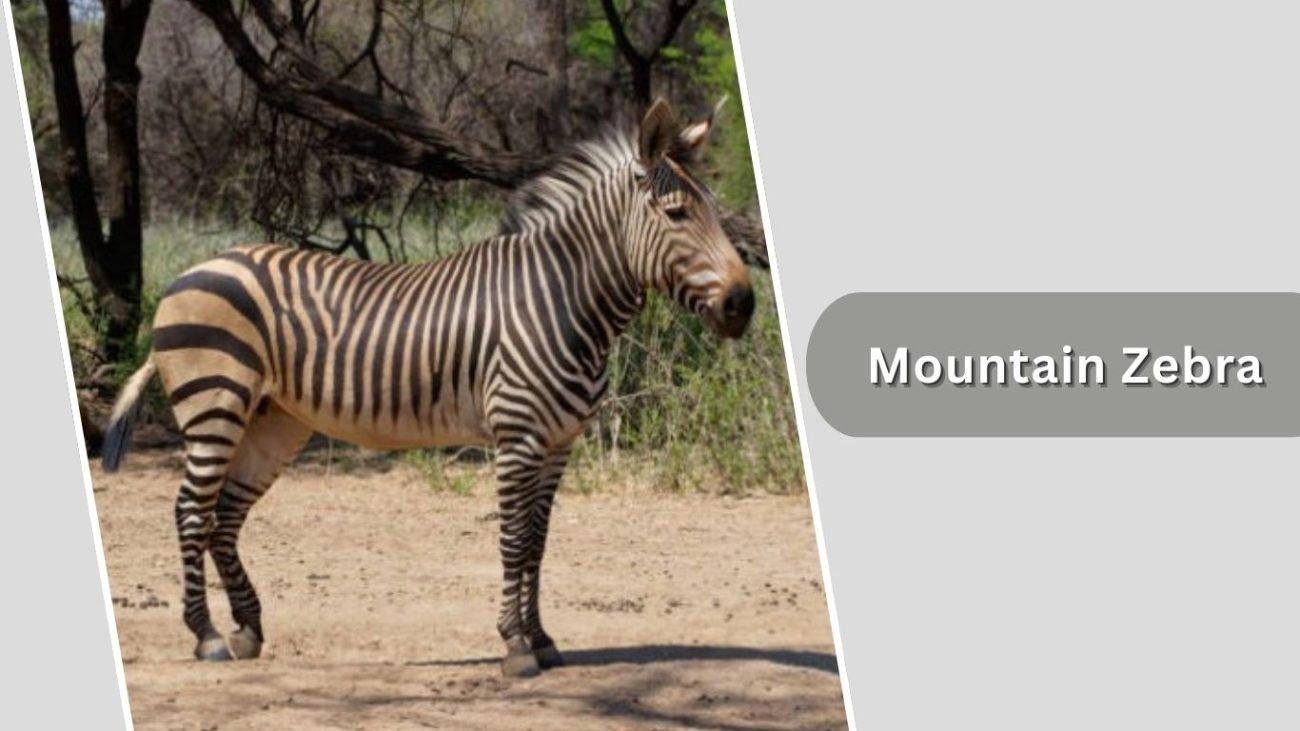
The mountain zebra is a hardy zebra type adapted to rugged and hilly landscapes. It is easily recognized by its bold stripe pattern and a distinctive dewlap, which is a flap of loose skin on the throat. Compared to plains zebras, mountain zebras have a more compact build and stronger legs, helping them move efficiently across steep terrain. This zebra type is less numerous and relies heavily on protected areas for survival.
Identification
- Bold black and white stripes with a narrow spacing
- Distinct dewlap hanging from the throat
- Rounded rump with vertical stripes
- Upright mane that stands straight
- Strong legs and compact body
Habitat
Mountain zebras live in mountainous regions, rocky slopes, and highland grasslands. They prefer areas with steep terrain where fewer large predators can easily follow. These zebras are mainly found in parts of southern Africa, where they move between higher and lower elevations depending on season and food availability. Access to grazing land and water sources influences their daily movement.
Behaviors
Mountain zebras live in small family groups usually led by a dominant stallion. These groups are stable and defend their territories against intruding males. They are cautious animals, often choosing higher ground to rest and observe their surroundings. Vocal calls, ear positions, and body posture are used for communication within the group.
Diet
This zebra type feeds primarily on grasses found in highland areas. They prefer short, nutritious grasses but will also graze on tougher varieties when necessary. During dry periods, mountain zebras may travel longer distances to find suitable grazing areas, relying on their endurance and strong hooves.
4. Hartmann’s Mountain Zebra
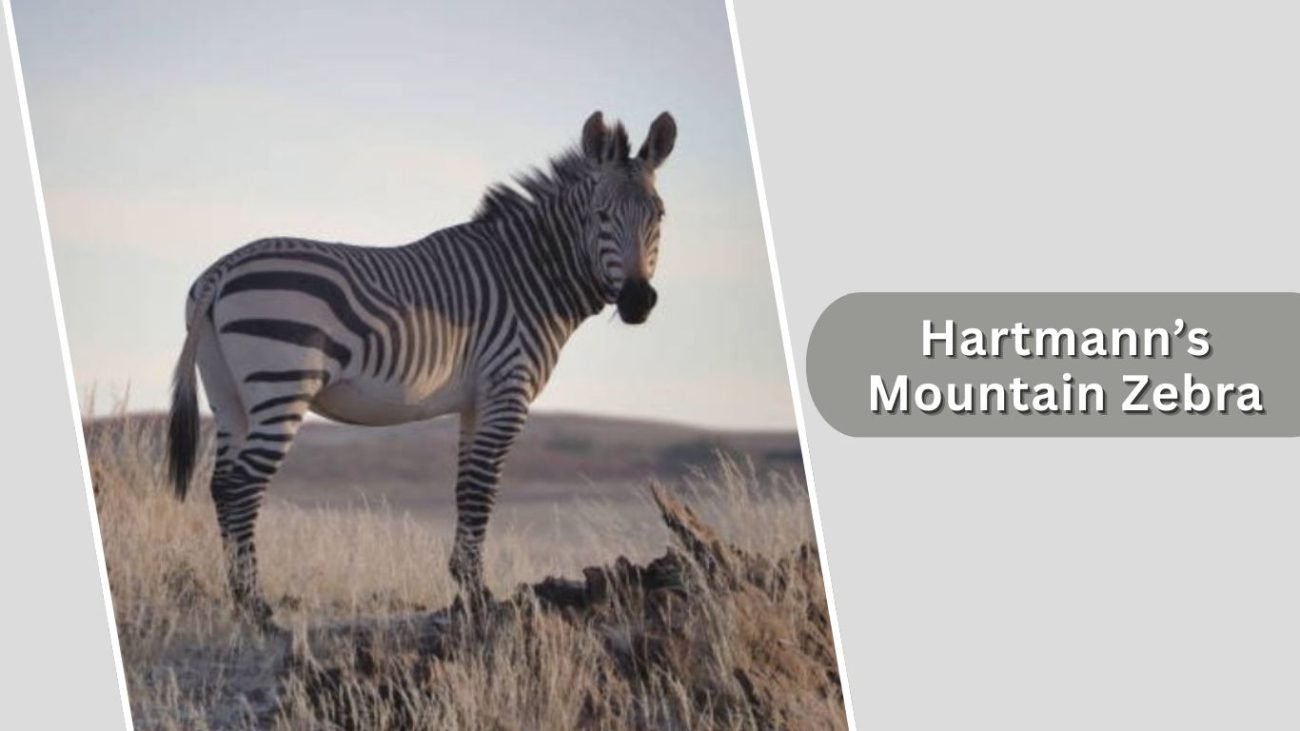
Hartmann’s mountain zebra is a strong and agile zebra type adapted to dry, mountainous regions. It is closely related to the mountain zebra but is generally larger and more robust. This zebra is well suited to steep slopes and rocky terrain, where its strength and sure-footed movement help it survive. Its bold striping and alert behavior make it easy to recognize in its natural environment.
Identification
- Bold black and white stripes, wider than plains zebra
- Stripes extend over most of the body, including the legs
- Distinct dewlap on the throat
- Strong, muscular body with long legs
- Upright, stiff mane along the neck
Habitat
Hartmann’s mountain zebra inhabits arid mountains, rocky hillsides, and dry plateaus. It is mainly found in southwestern Africa, especially in regions with sparse vegetation. These zebras prefer open, elevated areas where they can easily detect predators. They are well adapted to dry conditions and can travel long distances between grazing areas and water sources.
Behaviors
This zebra type lives in small, stable family groups led by a dominant stallion. These groups maintain territories and may defend them against other males. Hartmann’s mountain zebras are cautious and often rest on higher ground to watch for danger. They communicate using vocal calls, ear movements, and body posture, especially when alerting others to threats.
Diet
Hartmann’s mountain zebras are grazers that mainly feed on grasses adapted to dry environments. They prefer tough, drought-resistant grasses and may also consume herbs when grass is limited. Their ability to survive on sparse vegetation allows them to thrive in harsh landscapes where few other large grazers can live.
5. Cape Mountain Zebra
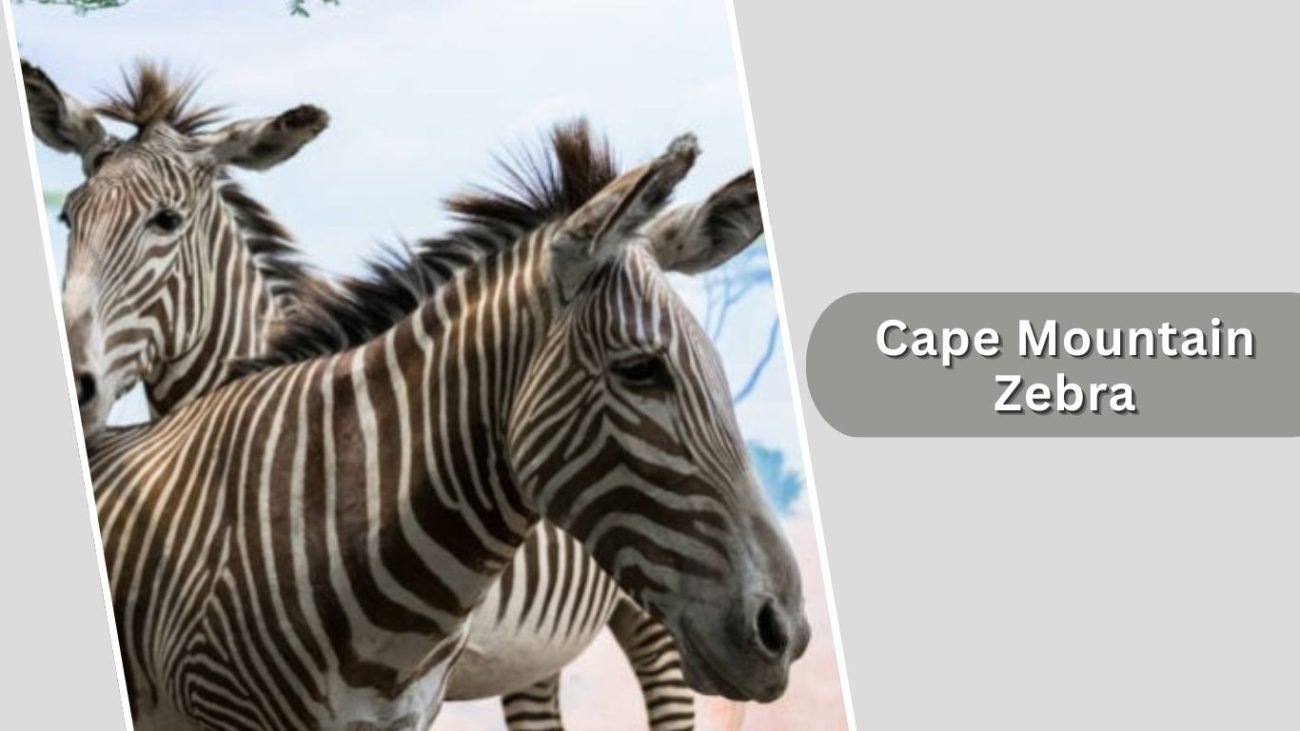
The Cape mountain zebra is a rare and conservation-dependent zebra type, known for its compact body and bold striping. It is smaller than many other zebras but well adapted to rugged landscapes. This zebra once faced near extinction, but dedicated protection efforts have helped its population recover. Agile and cautious, it is especially suited to steep slopes where predators have difficulty following.
Identification
- Bold black stripes with little to no shadow striping
- Distinct dewlap on the throat
- Narrow, vertical stripes on the rump
- Compact body with strong legs
- Upright, stiff mane along the neck
Habitat
Cape mountain zebras inhabit mountainous grasslands, rocky hills, and highland plateaus. They prefer open terrain with good visibility and short grasses for grazing. These zebras are mainly found in protected areas of southern Africa, where elevation and rugged landforms provide natural protection. Seasonal movement occurs as they shift between higher and lower areas in search of fresh grazing.
Behaviors
This zebra type lives in small, stable family groups led by a dominant stallion. Groups are territorial and may defend their range from rival males. Cape mountain zebras are alert and often choose elevated resting spots to observe their surroundings. Communication involves vocal calls, ear movements, and body posture, especially when sensing danger.
Diet
Cape mountain zebras are grazers that mainly feed on short grasses found in mountainous regions. They prefer fresh, nutritious grass but can survive on tougher varieties during dry periods. Their grazing helps maintain grassland balance, supporting overall ecosystem health.
6. Burchell’s Zebra

Burchell’s zebra is a well-known zebra type and is often considered a regional form of the plains zebra. It is recognized by its wide stripes that fade or partially disappear toward the legs and belly. This zebra is highly adaptable and commonly seen in open landscapes where large herds gather. Its strong social structure and migratory behavior make it an important part of African grassland ecosystems.
Identification
- Broad black stripes on the upper body
- Stripes often fade or disappear on the legs
- Shadow stripes may appear between main stripes
- Stocky body with a rounded belly
- Short, upright mane
Habitat
Burchell’s zebras live mainly in grasslands, savannas, and open plains. They prefer areas with abundant grass and regular access to water. These zebras are commonly found in eastern and southern Africa, where seasonal rains support grazing lands. During dry seasons, they may travel long distances in search of fresh pasture and water sources.
Behaviors
This zebra type is highly social and lives in stable family groups led by a dominant stallion. Several family groups often join together to form large herds, especially during migration. Burchell’s zebras rely on group vigilance to detect predators and use speed and coordination to escape danger. They communicate through vocal sounds, ear positions, and body movements.
Diet
Burchell’s zebras are grazers that primarily feed on grasses. They are capable of eating coarse, low-quality grass that other herbivores avoid. When grass is scarce, they may also consume leaves and stems. Their grazing helps stimulate new plant growth, benefiting other animals in the same habitat.
7. Damara Zebra
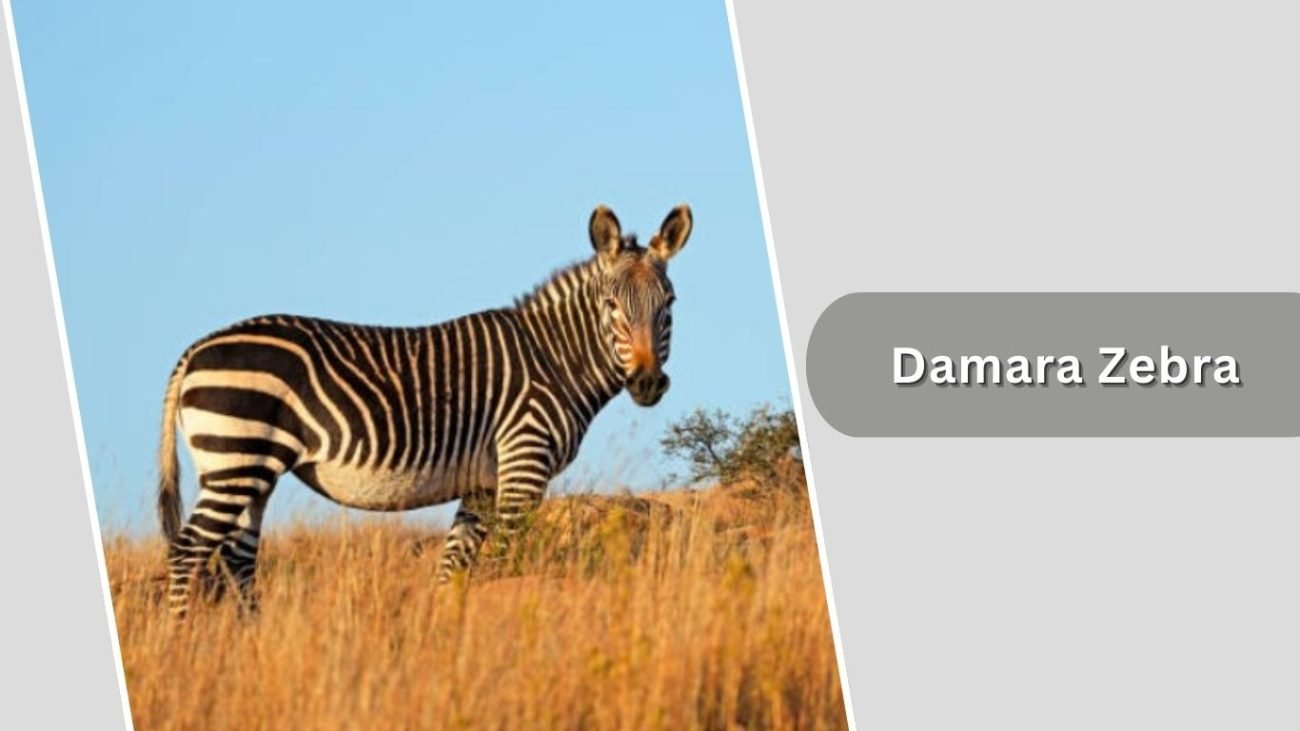
The Damara zebra, a subspecies of the mountain zebra, is found in the arid regions of southwestern Africa. Known for its narrow, vertical stripes, it is well adapted to the harsh, dry landscapes where it resides. The Damara zebra’s ability to survive in arid conditions makes it an important species in these ecosystems, helping maintain the balance of plant life and other herbivores.
Identification
- Narrow, vertical black and white stripes
- Smaller body compared to other zebra types
- Strong legs and a sturdy frame adapted for rugged terrain
- Stripes continue down to the hooves
- Upright mane that is typically stiff and short
Habitat
The Damara zebra thrives in semi-arid and dry savannas, rocky hills, and mountain ranges. It is found mainly in Namibia, where it inhabits the harsh desert landscape, though it may also be seen in surrounding areas with similar environments. These zebras are well adapted to life in arid climates and can survive in areas where water is scarce, relying on dew and available vegetation.
Behaviors
Damara zebras tend to live in small, tight-knit groups. Family units consist of a dominant stallion and several females with their offspring. These zebras are highly mobile, traveling long distances in search of food and water. They are cautious and alert, using their keen eyesight to detect predators. The Damara zebra is also known for its ability to navigate rocky, difficult terrain with ease, using its strong hooves to grip rocky surfaces.
Diet
Damara zebras are primarily grazers, feeding on the tough grasses and shrubs found in their arid environment. They can survive on coarse vegetation that other herbivores find difficult to digest. During dry spells, they may also feed on leaves, bark, and stems. Their ability to thrive on sparse vegetation is key to their survival in the desert-like habitats they occupy.
8. Grant’s Zebra
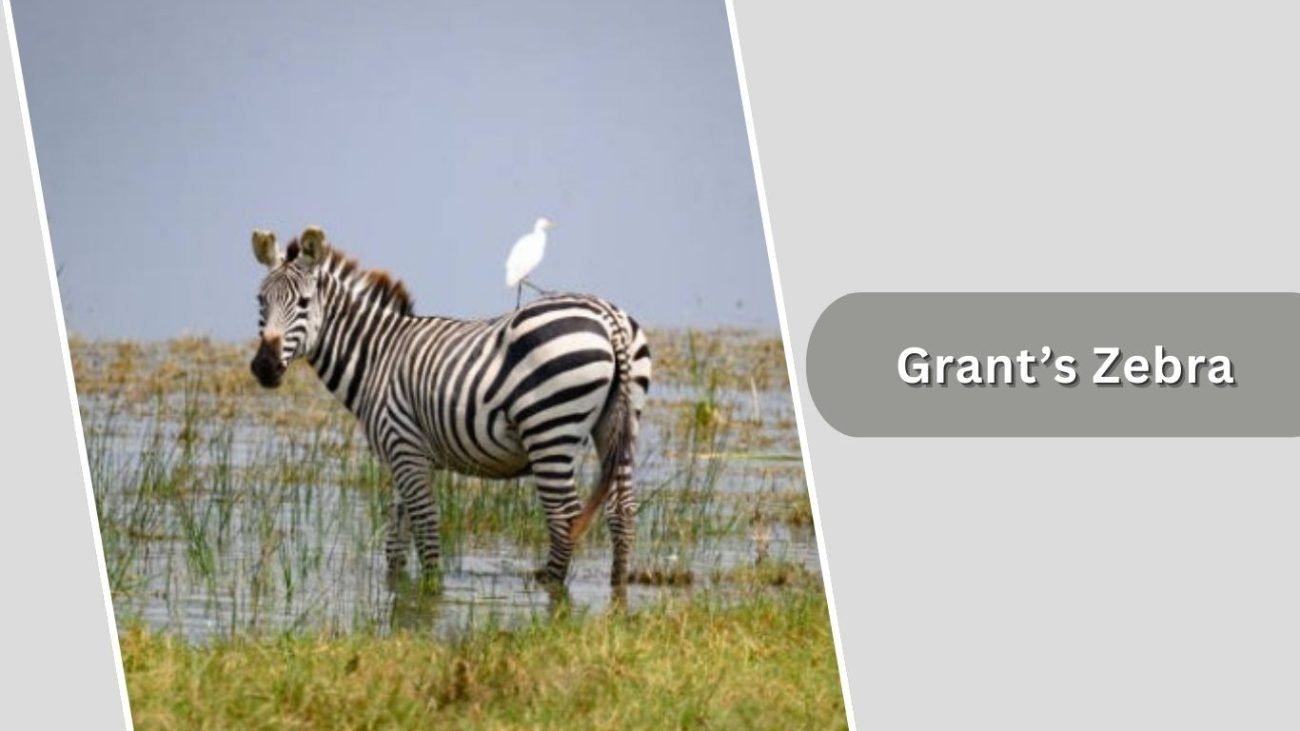
Grant’s zebra is a robust and highly adaptable zebra type found primarily in East Africa. Recognized by its broad, vertical stripes, it is one of the most common zebra species in savannas and grasslands. These zebras are well-suited for open plains and have a strong social structure, often living in large herds. They are named after the explorer Grant, who first documented them in the mid-19th century.
Identification
- Broad black and white stripes
- Stripes extend from the body to the legs and face
- Larger build compared to smaller zebra types
- Distinct mane that stands upright
- The face often has a more defined stripe pattern than the body
Habitat
Grant’s zebras are found in open savannas, grasslands, and forest edges throughout East Africa. They inhabit countries such as Kenya, Tanzania, and Uganda, where seasonal rainfall supports the growth of abundant grasses. Grant’s zebras are highly adaptable and can thrive in both wet and dry environments, moving to follow food and water sources.
Behaviors
Grant’s zebras live in large, social herds that provide protection against predators. Their herds are often composed of females and their offspring, with males joining or leaving as needed. These zebras rely heavily on their speed and the safety of the group to avoid predators such as lions and hyenas. Grant’s zebras are known for their coordinated movements, especially when migrating between grazing areas.
Diet
Grant’s zebras are herbivores that feed primarily on grasses, although they may also consume herbs, shrubs, and leaves when grass is scarce. They are efficient grazers, using their sharp teeth to crop grasses close to the ground. By feeding on a variety of grasses, Grant’s zebras help maintain the health of the savanna ecosystems, promoting new plant growth and reducing overgrazing of specific species.
9. King’s Zebra
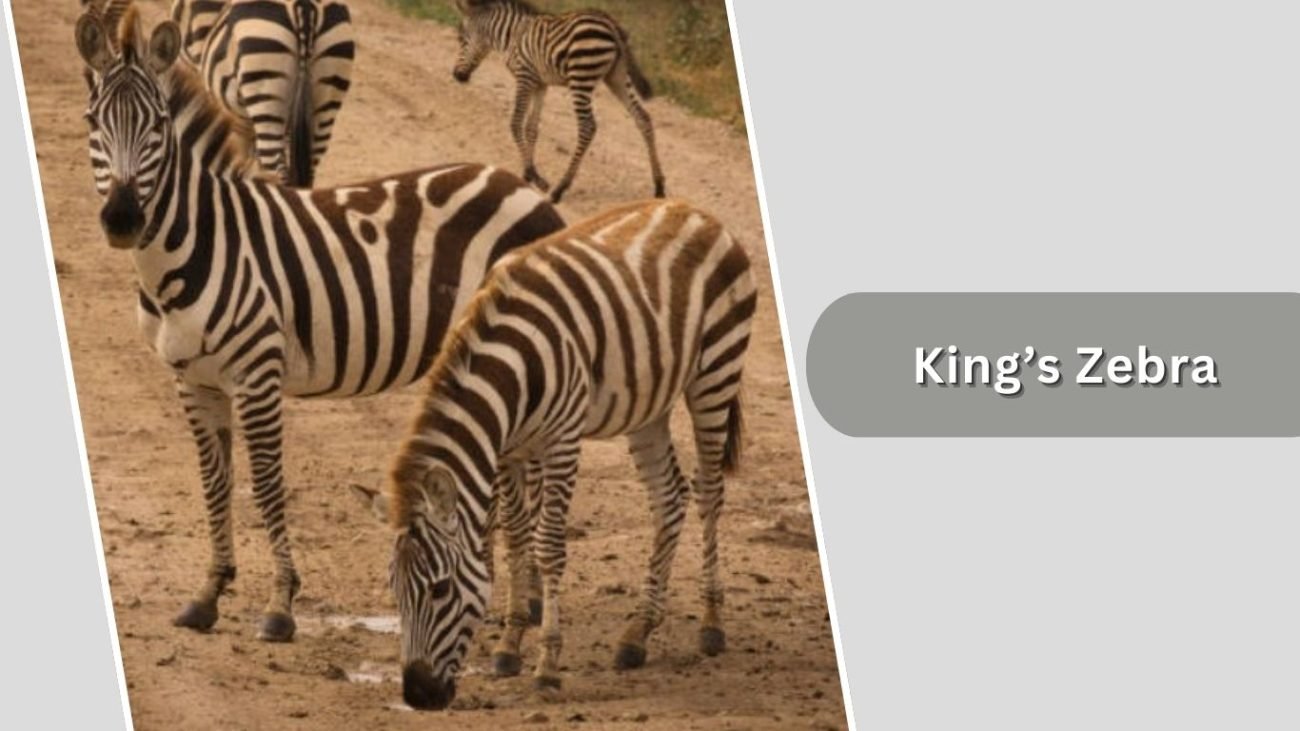
King’s zebra is a lesser-known zebra type that primarily inhabits the savannas and semi-desert regions of southern Africa. Although not as widespread as some other zebra species, it is highly adapted to the more arid landscapes it occupies. King’s zebra is notable for its bold stripes and robust build, which help it survive in the tough environments of its range.
Identification
- Distinct black and white stripes, often darker than those of other zebra types
- The stripes are broader and more defined across the body
- Strong, muscular build with a slightly larger body than the plains zebra
- A thick, upright mane that complements its stocky frame
- Long legs with hooves adapted to tough terrain
Habitat
King’s zebra is found in dry savannas, grasslands, and arid regions of southern Africa, particularly in areas with rocky terrain and sparse vegetation. They are more commonly found in semi-desert landscapes, where food and water are limited. These zebras are highly adapted to dry conditions, able to travel long distances in search of fresh grazing areas.
Behaviors
King’s zebra is typically a solitary or small-group species. While they may sometimes join larger herds, they are more often seen in smaller family units. Males may defend territories and actively compete for mating rights, while females with foals tend to form stable groups. These zebras are alert and wary, using their agility to navigate tough terrain and avoid predators. They communicate with vocalizations, body movements, and ear gestures.
Diet
King’s zebras are herbivores that primarily feed on grasses, shrubs, and other vegetation found in arid regions. During dry seasons, they may also eat leaves and bark from trees. Their digestive system is adapted to process tough, dry grasses that other herbivores may struggle with. King’s zebras can survive in harsh environments by consuming a wide variety of vegetation and traveling long distances to find food and water.
10. Quagga (Extinct)
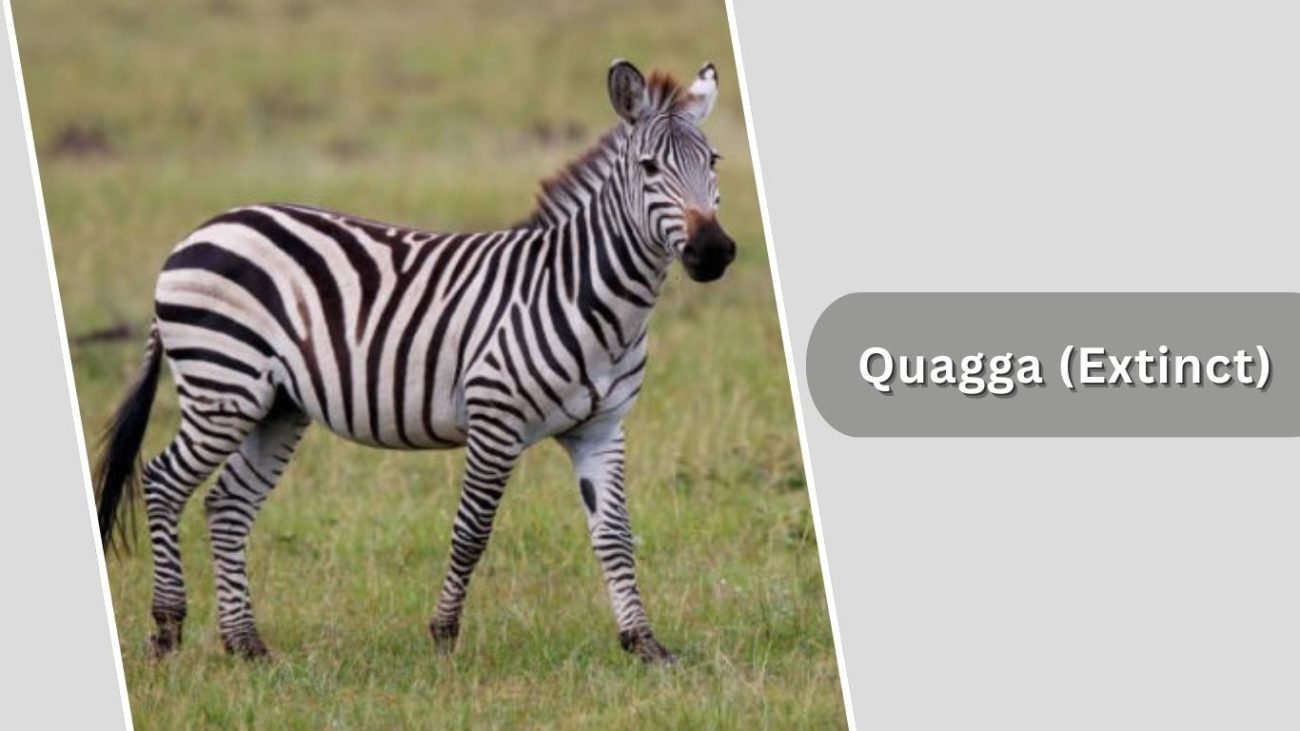
The quagga was a unique zebra subspecies that once roamed the grasslands of South Africa. It is now extinct, with the last known individual dying in captivity in the late 19th century. The quagga was notable for its striking appearance, characterized by a pattern of striping that faded into a solid brown body. Its extinction was caused by hunting and habitat loss, but it remains a symbol of conservation efforts today.
Identification
- Distinct pattern of stripes only on the front half of the body
- The rear half of the body was solid brown with no stripes
- Smaller and more compact than other zebras
- Long, narrow face with typical zebra features
- Short, upright mane with little to no tail tuft
Habitat
The quagga was native to the dry grasslands and semi-arid regions of southern Africa, particularly in the Cape area. It lived in open savannas, where it grazed on grasses and interacted with other herbivores. Due to its limited range and the pressures of human settlement, the quagga’s natural habitat gradually diminished, contributing to its decline.
Behaviors
Quaggas were social animals, typically found in small herds led by a dominant male. Their behavior was similar to that of other zebra species, with strong group dynamics and a tendency to use group vigilance for predator detection. However, unlike other zebras, the quagga’s behavior is less documented due to its extinction in the wild before extensive studies could be conducted.
Diet
The quagga was a herbivore, primarily grazing on grasses found in its native savanna habitat. It likely consumed a variety of grasses, shrubs, and herbs, depending on the availability of fresh vegetation. As a grazer, the quagga’s feeding habits were similar to those of modern zebras, helping maintain the balance of grassland ecosystems.
11. Chaco Zebra
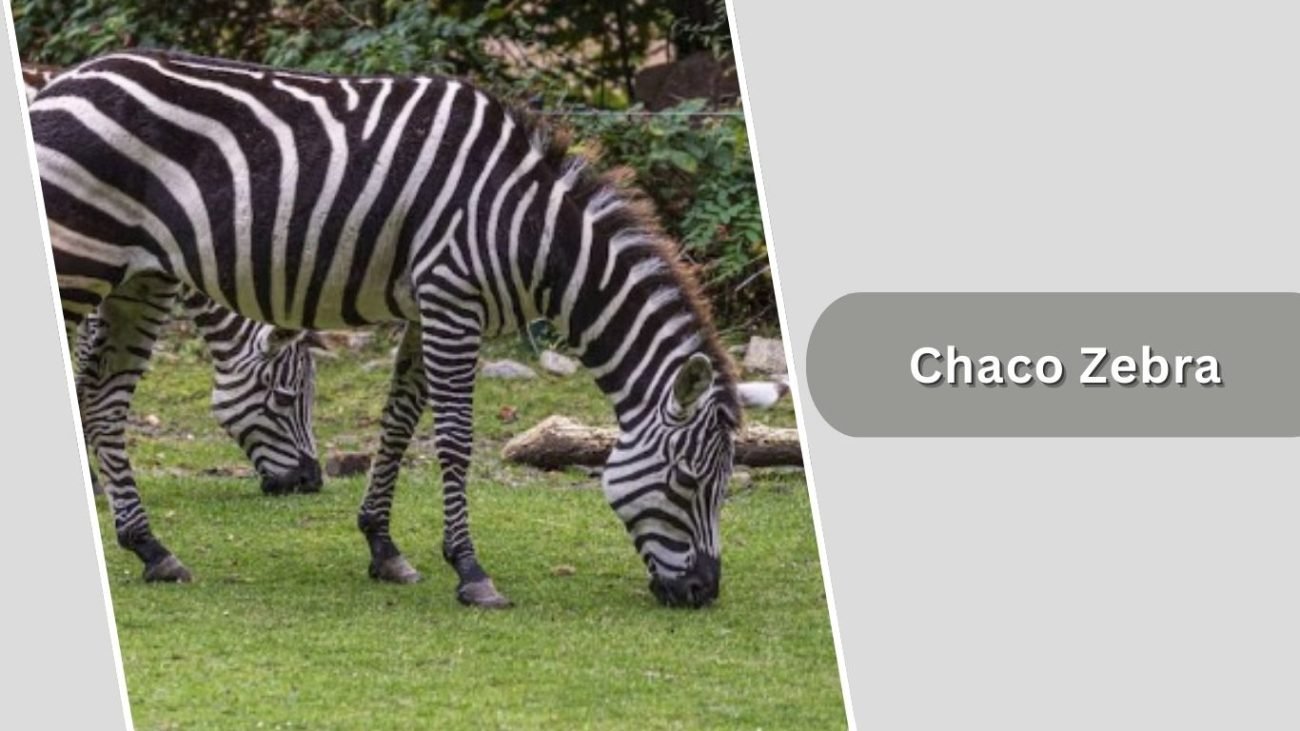
The Chaco zebra is a lesser-known zebra type native to the Gran Chaco region of South America. It is primarily found in the dense forests and scrublands of Argentina, Paraguay, and Bolivia. This zebra is known for its adaptability to the humid and more temperate climates of its habitat, differing from the arid environments typically associated with zebras. It has a unique stripe pattern and a strong, muscular build designed for survival in rugged terrains.
Identification
- Narrow, vertical black and white stripes
- Stripes are more defined in the upper body and fade toward the legs
- A compact and muscular build, suited for the dense terrain
- Large ears and strong hooves for navigating through forested areas
- Short mane, typically standing upright
Habitat
The Chaco zebra inhabits the dense, semi-arid woodlands and scrublands of the Gran Chaco region, an area that includes parts of Argentina, Paraguay, and Bolivia. Unlike other zebras that prefer open grasslands, the Chaco zebra thrives in the humid, temperate climates of the region. Its ability to survive in areas with varied rainfall patterns and dense vegetation sets it apart from its African relatives.
Behaviors
Chaco zebras are generally solitary or found in small family units. They are highly alert animals and tend to move cautiously through their forested habitat. Unlike other zebra species that form large herds, the Chaco zebra prefers smaller, more mobile groups. These zebras are known for their adaptability to different environments and for being elusive, making them harder to observe in the wild.
Diet
Chaco zebras are herbivores, grazing on grasses, leaves, and shrubs available in the scrubland and forested areas. Their diet is influenced by seasonal availability, and they have adapted to feed on the tough vegetation found in their environment. Their ability to process a variety of plant material allows them to survive in their unique habitat.
FAQs
1. What makes the Chaco zebra different from other zebra species?
The Chaco zebra is unique because it is found in the Gran Chaco region of South America, unlike other zebras that inhabit Africa. It has a more compact, muscular build suited to dense forested and scrubland environments, and its stripes fade toward the legs. It also prefers smaller family groups and is more elusive, making it distinct from the larger herds of African zebras.
2. Where can Chaco zebras be found?
Chaco zebras are native to the Gran Chaco region, which spans parts of Argentina, Paraguay, and Bolivia in South America. They inhabit semi-arid woodlands, scrublands, and temperate climates within this area, adapting to the region’s humid conditions and varying rainfall patterns.
3. Are Chaco zebras endangered?
Chaco zebras are not as widely studied as their African counterparts, but they face threats from habitat destruction and human encroachment. While not officially classified as endangered, their populations are believed to be in decline due to these factors. Conservation efforts are essential to maintain their numbers and protect their habitats.
4. What do Chaco zebras eat?
Chaco zebras are herbivores that primarily graze on grasses, shrubs, and leaves available in their scrubland and forested environments. Their diet varies seasonally based on plant availability, and they are capable of consuming tough vegetation, which helps them thrive in their unique habitat.
5. How do Chaco zebras behave in the wild?
Chaco zebras are generally solitary or found in small family units. They are more elusive than other zebra species, often staying hidden in their dense habitat. They rely on their keen senses to detect predators and prefer to stay in smaller, more mobile groups rather than large herds.


