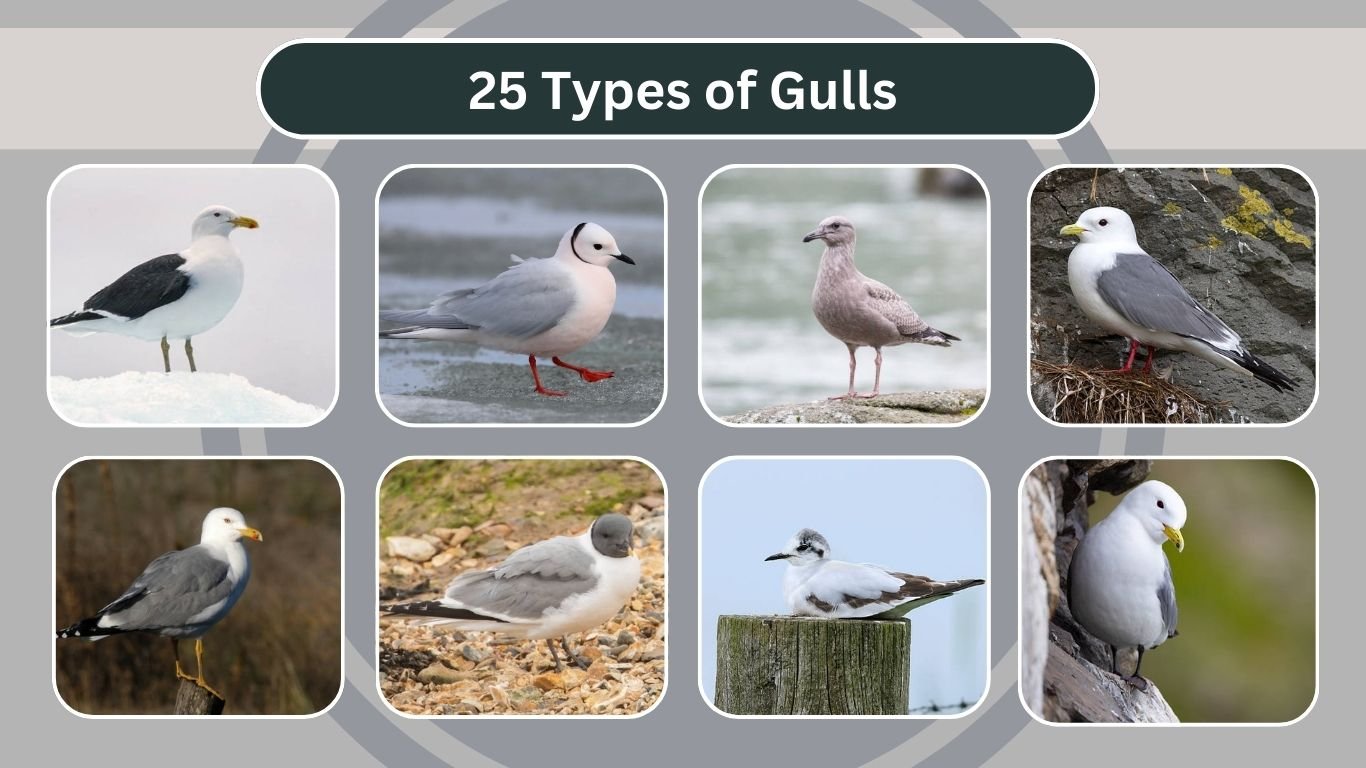
Gulls are among the most familiar and widespread seabirds, found along coasts, lakes, rivers, and even urban environments across the globe. Known for their intelligence, adaptability, and striking plumage variations, these birds thrive in both wild and human-dominated habitats. From the powerful Great Black-backed Gull to the delicate Little Gull and the ocean-going Kittiwakes, each species has its own unique traits. This guide covers 25 types of gulls, highlighting their identification features, habitats, and behaviors to help you recognize and appreciate these fascinating seabirds.
1. Herring Gull
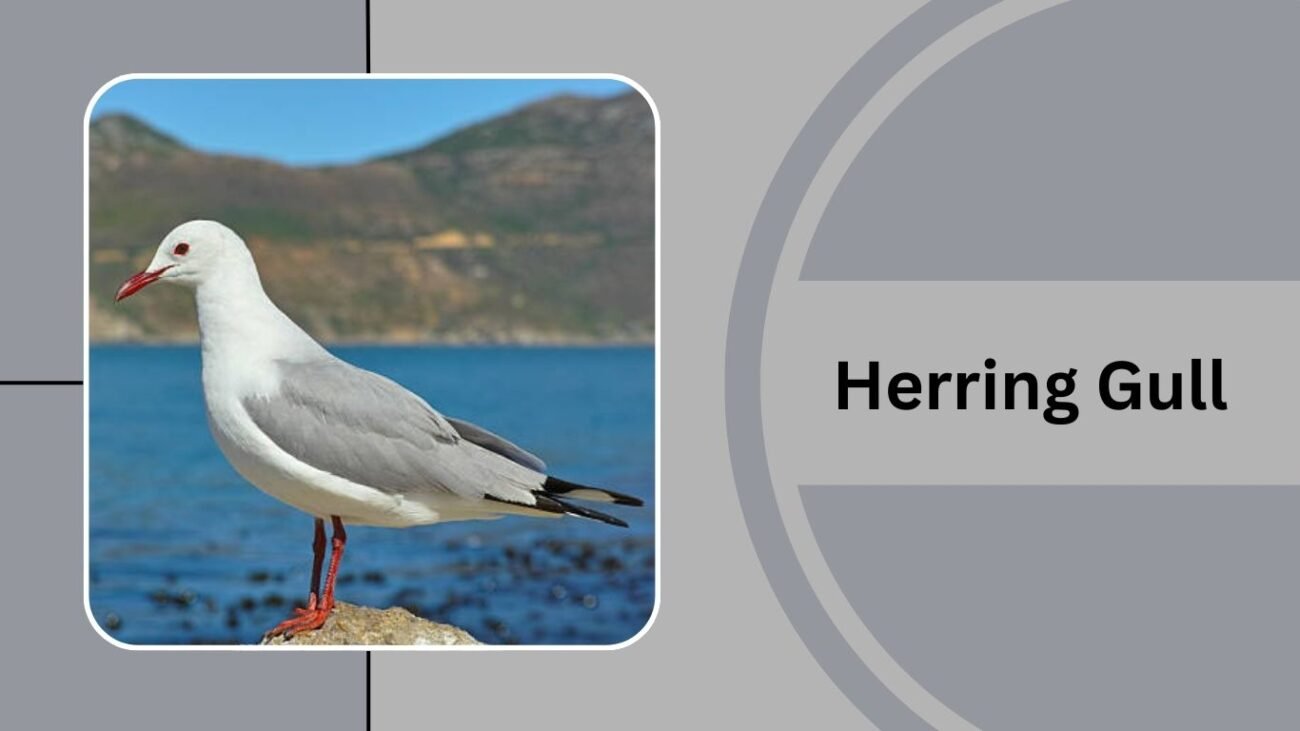
The Herring Gull (Larus argentatus) is one of the most widespread and familiar gulls across the Northern Hemisphere. Known for its adaptability, it thrives in coastal regions, cities, and inland areas, making it a common sight near harbors and fishing grounds.
Identification
- Size: 22–26 inches (56–66 cm) long
- Wingspan: 53–60 inches (135–150 cm)
- Color: Pale gray back, white head and underparts, black wingtips with white spots
- Legs: Pink
- Bill: Yellow with a distinctive red spot on the lower mandible
Habitat and Range
Herring Gulls breed along coasts, cliffs, and islands across North America, Europe, and Asia. In winter, they move further south, frequenting coastlines, lakes, and even landfills in urban areas.
Behavior and Diet
These gulls are opportunistic feeders, eating fish, crustaceans, insects, carrion, and human food scraps. They are also known for stealing food from other birds. Highly intelligent, they use creative foraging strategies, such as dropping shellfish from heights to crack them open.
2. Ring-billed Gull
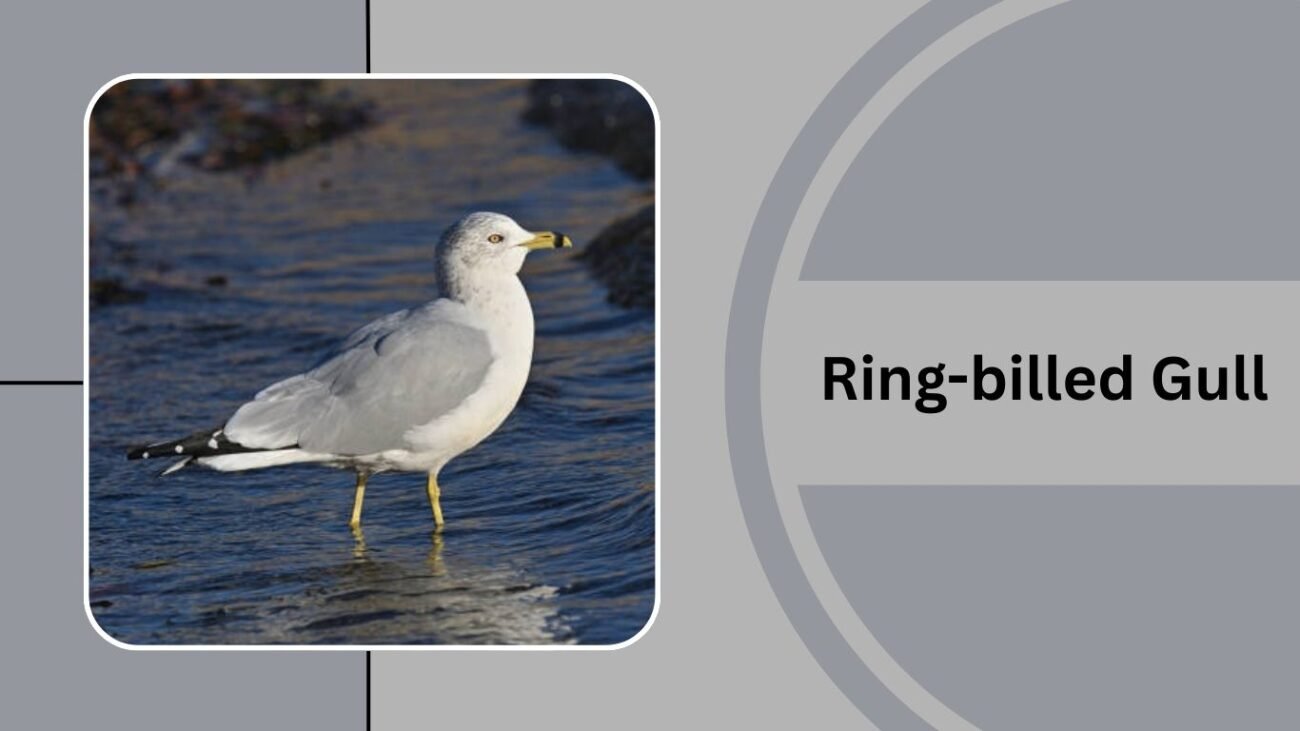
The Ring-billed Gull (Larus delawarensis) is a medium-sized gull widely seen across North America, especially near lakes, rivers, and coastal areas. Its distinctive black ring around the bill makes it easy to identify.
Identification
- Size: 16–21 inches (41–54 cm) long
- Wingspan: 41–46 inches (104–117 cm)
- Color: White head and underparts, pale gray back, black wingtips with white spots
- Legs: Yellow
- Bill: Yellow with a bold black ring near the tip
Habitat and Range
Ring-billed Gulls breed near freshwater lakes and rivers across Canada and the northern United States. In winter, they migrate southward to coastal regions of the U.S., Mexico, and the Caribbean.
Behavior and Diet
They are highly adaptable feeders, consuming fish, insects, earthworms, and discarded human food. They are often seen in parking lots, parks, and landfills, making them one of the most urban-adapted gulls.
3. Great Black-backed Gull
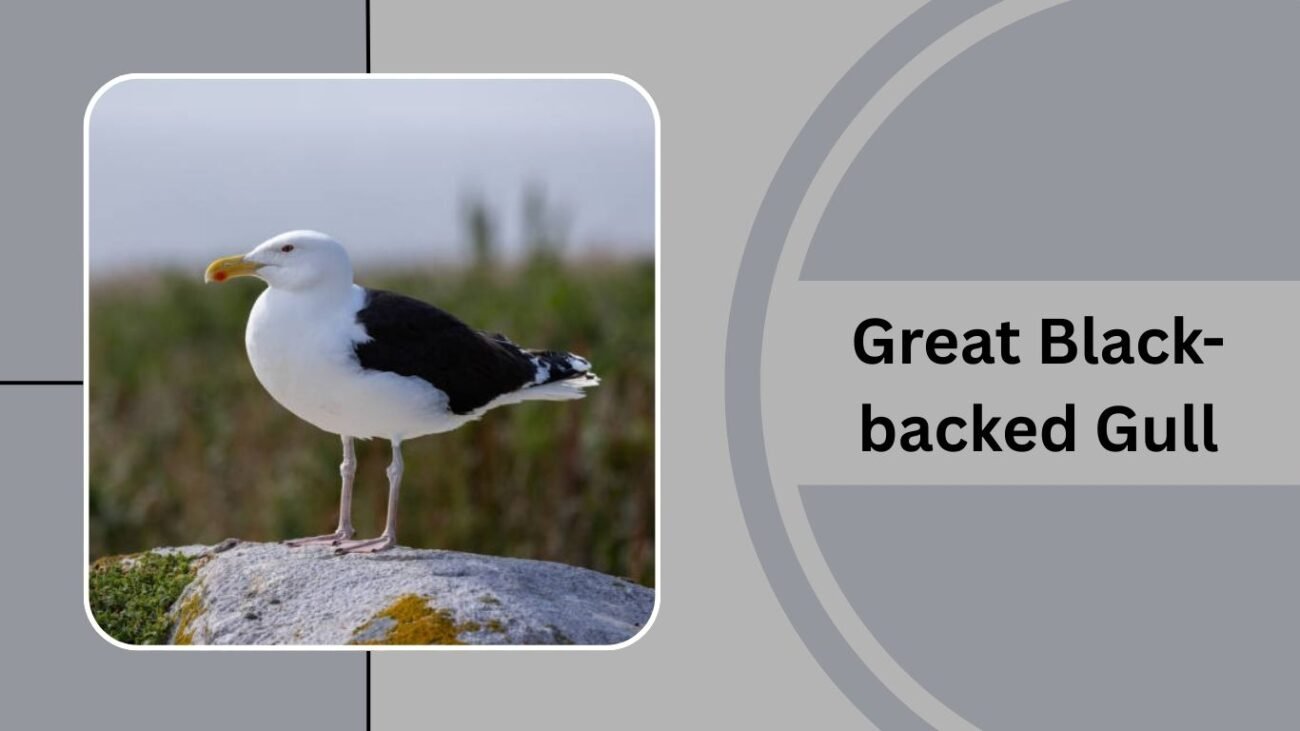
The Great Black-backed Gull (Larus marinus) is the largest gull species in the world, often described as the “king of gulls.” Its size and dominance make it a formidable presence among seabirds.
Identification
- Size: 27–31 inches (68–79 cm) long
- Wingspan: 59–67 inches (150–170 cm)
- Color: White head and underparts, jet-black back and wings, white wingtips
- Legs: Pink
- Bill: Heavy yellow bill with a red spot on the lower mandible
Habitat and Range
They breed along the coasts of the North Atlantic, including eastern North America and northern Europe. In winter, they move slightly south but remain near coastal habitats.
Behavior and Diet
Great Black-backed Gulls are aggressive predators and scavengers, feeding on fish, seabird eggs, chicks, carrion, and human food waste. Their size allows them to dominate other gulls and even chase away raptors.
4. Lesser Black-backed Gull
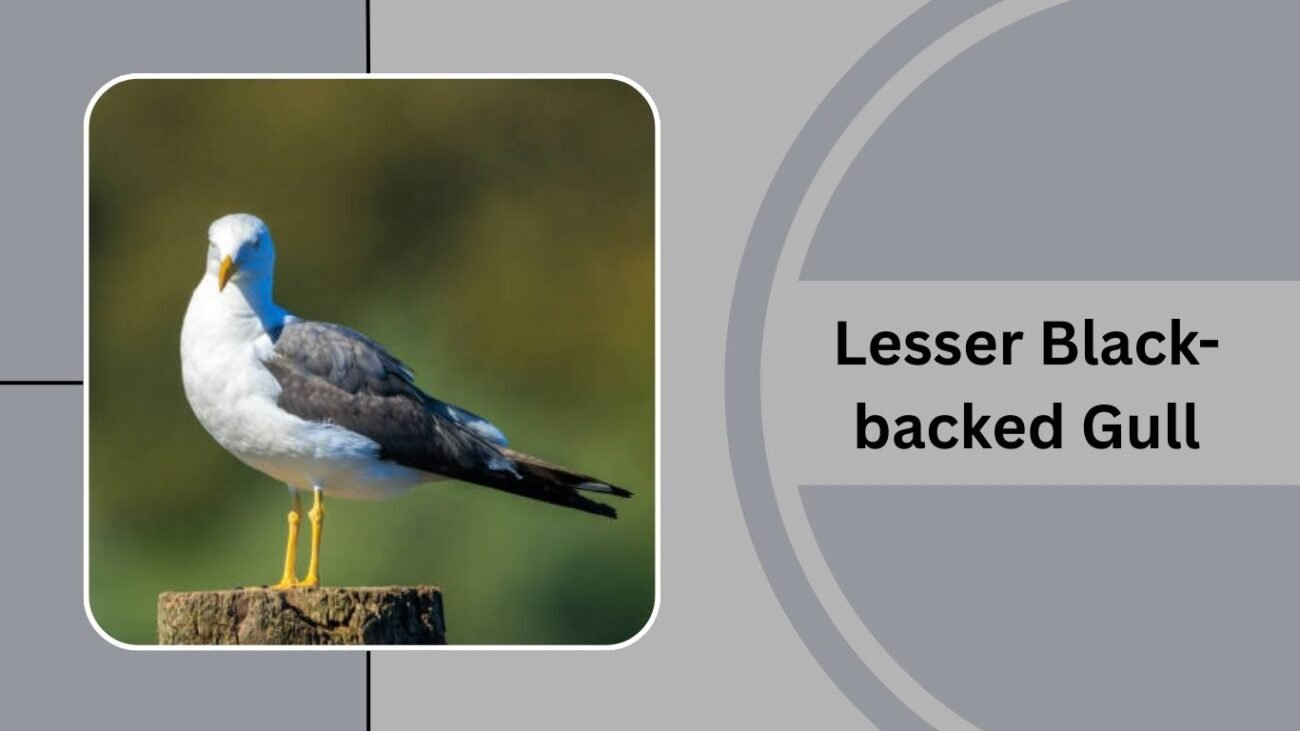
The Lesser Black-backed Gull (Larus fuscus) is a sleek, medium-to-large gull that stands out with its dark slate-gray back and contrasting white body. It is more slender than the Great Black-backed Gull and is known for its strong migratory habits.
Identification
- Size: 20–24 inches (51–61 cm) long
- Wingspan: 49–59 inches (125–150 cm)
- Color: Dark gray to nearly black back; white head, underparts, and tail; black wingtips with white spots
- Legs: Yellow
- Bill: Yellow with a red spot on the lower mandible
Habitat and Range
They breed across northern Europe and Iceland, with growing populations along coasts and inland lakes. Many migrate to western Europe, Africa, and the Mediterranean during winter, with some reaching North America.
Behavior and Diet
Lesser Black-backed Gulls are opportunistic, feeding on fish, insects, carrion, and human refuse. They are strong flyers and often migrate in flocks, mixing with Herring Gulls and other gull species.
5. Glaucous Gull
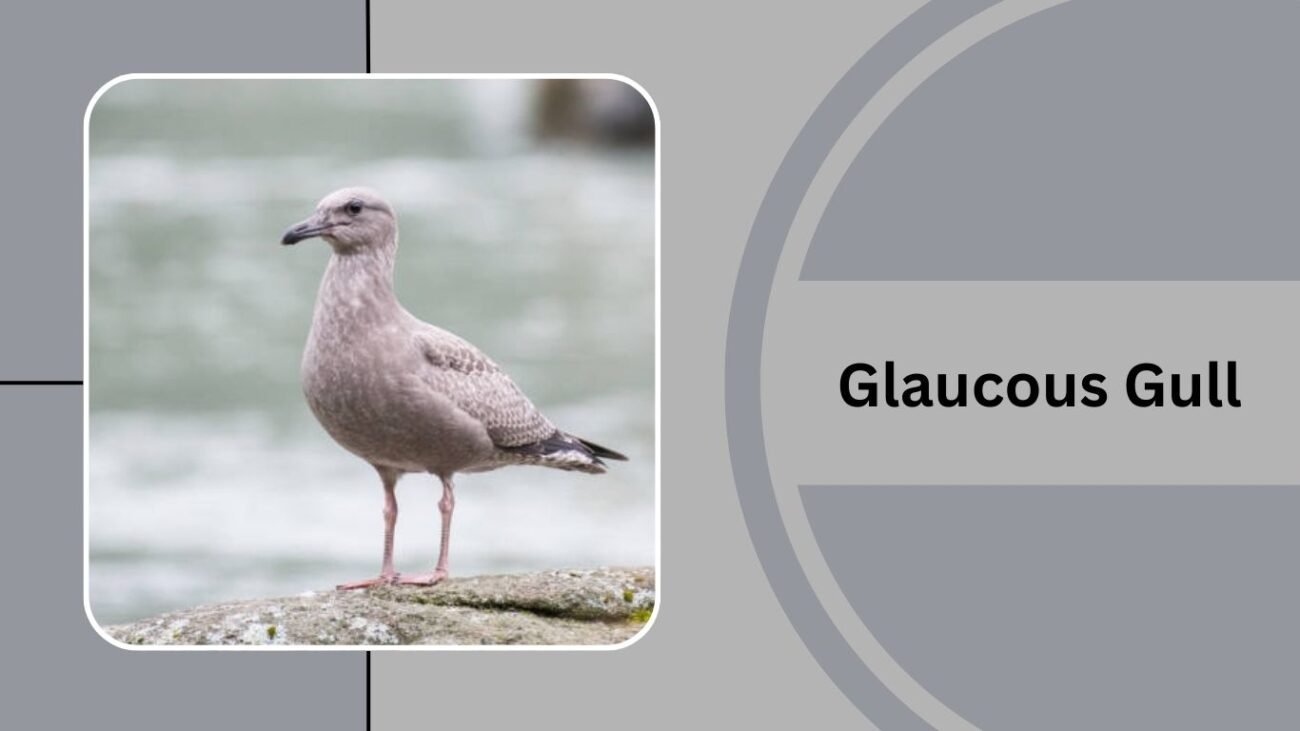
The Glaucous Gull (Larus hyperboreus) is a massive Arctic gull, notable for its pale plumage and complete lack of black in its wings—a rarity among large gulls.
Identification
- Size: 27–30 inches (68–76 cm) long
- Wingspan: 59–66 inches (150–168 cm)
- Color: Pale gray back with white head, underparts, and wing tips; lacks black markings
- Legs: Pink
- Bill: Yellow with a red spot on the lower mandible
Habitat and Range
They breed in the high Arctic regions of Canada, Greenland, and Siberia. During winter, they move south along coasts, reaching northern United States, northern Europe, and occasionally Asia.
Behavior and Diet
Glaucous Gulls are powerful predators and scavengers. They feed on fish, carrion, seabird eggs, and chicks, and often follow fishing vessels for scraps. Their large size allows them to dominate smaller gulls and seabirds.
6. Iceland Gull
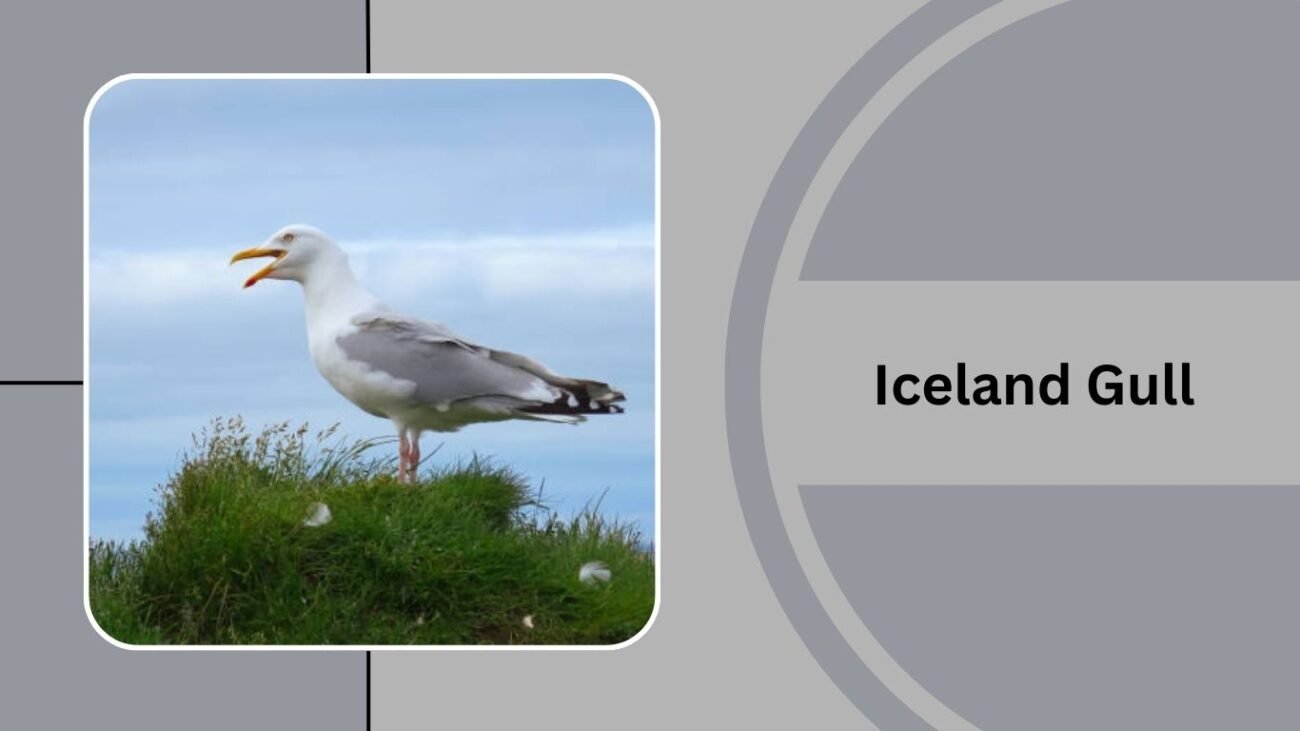
The Iceland Gull (Larus glaucoides) is a medium-to-large, pale gull that lacks the black wing markings typical of many gull species. Its soft gray and white tones give it a clean, elegant look.
Identification
- Size: 20–24 inches (50–61 cm) long
- Wingspan: 45–59 inches (115–150 cm)
- Color: Pale gray back, white head, underparts, and wingtips
- Legs: Pink
- Bill: Yellow with a faint red spot on the lower mandible
Habitat and Range
They breed in Greenland and northeastern Canada. In winter, they migrate to the North Atlantic coasts, reaching as far south as the northeastern United States and western Europe.
Behavior and Diet
Iceland Gulls feed on fish, invertebrates, carrion, and waste near fishing ports. They are generally less aggressive than larger gulls and are often seen foraging in coastal waters, harbors, and dumps.
7. California Gull
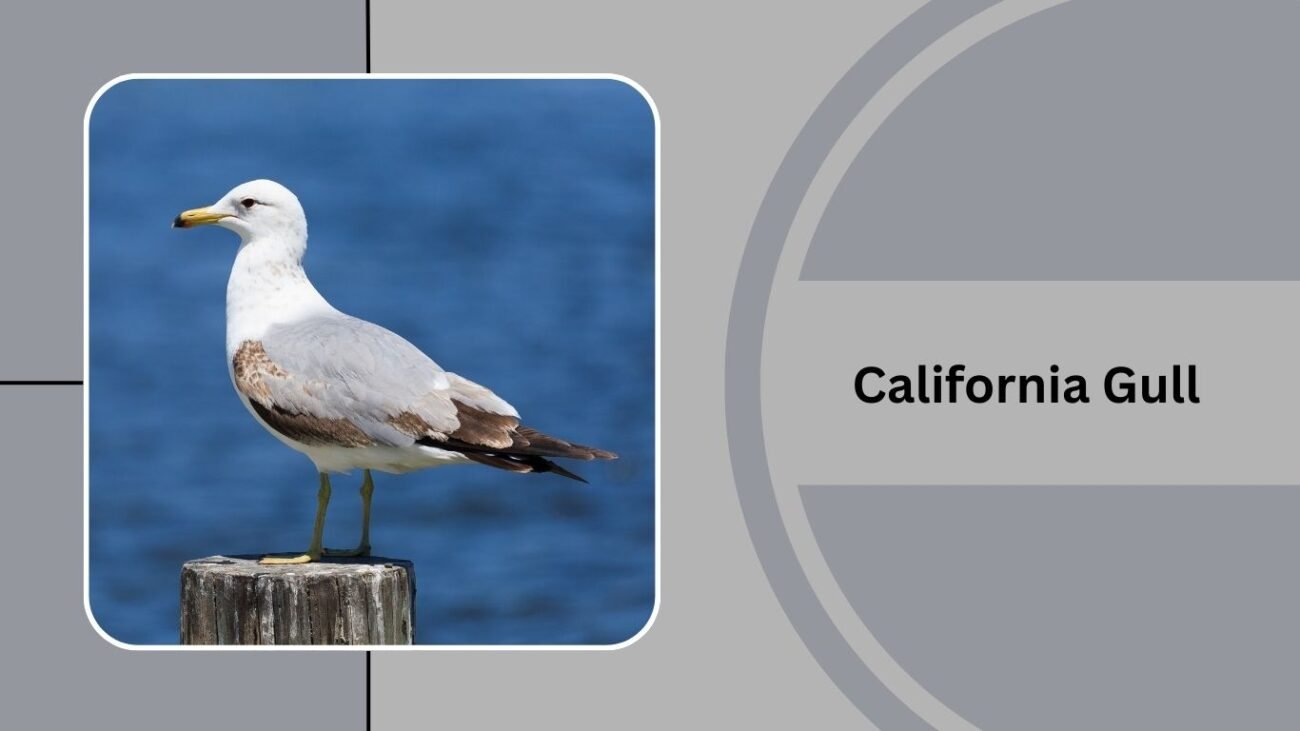
The California Gull (Larus californicus) is a medium-sized gull well known in western North America. It played a historic role in helping Mormon settlers in Utah by consuming swarms of crop-destroying crickets, earning it recognition as Utah’s state bird.
Identification
- Size: 18–22 inches (46–56 cm) long
- Wingspan: 48–54 inches (122–137 cm)
- Color: Gray back, white head and underparts, black wingtips with white spots
- Legs: Greenish-yellow
- Bill: Yellow with a red spot and a small black ring near the tip
Habitat and Range
California Gulls breed around inland lakes in western North America, particularly the Great Basin region. In winter, they migrate to the Pacific Coast, from British Columbia to Mexico.
Behavior and Diet
They are opportunistic feeders, eating fish, insects, rodents, grain, and human food scraps. California Gulls are highly adaptable and can be seen around farms, garbage dumps, and fishing harbors.
8. Western Gull
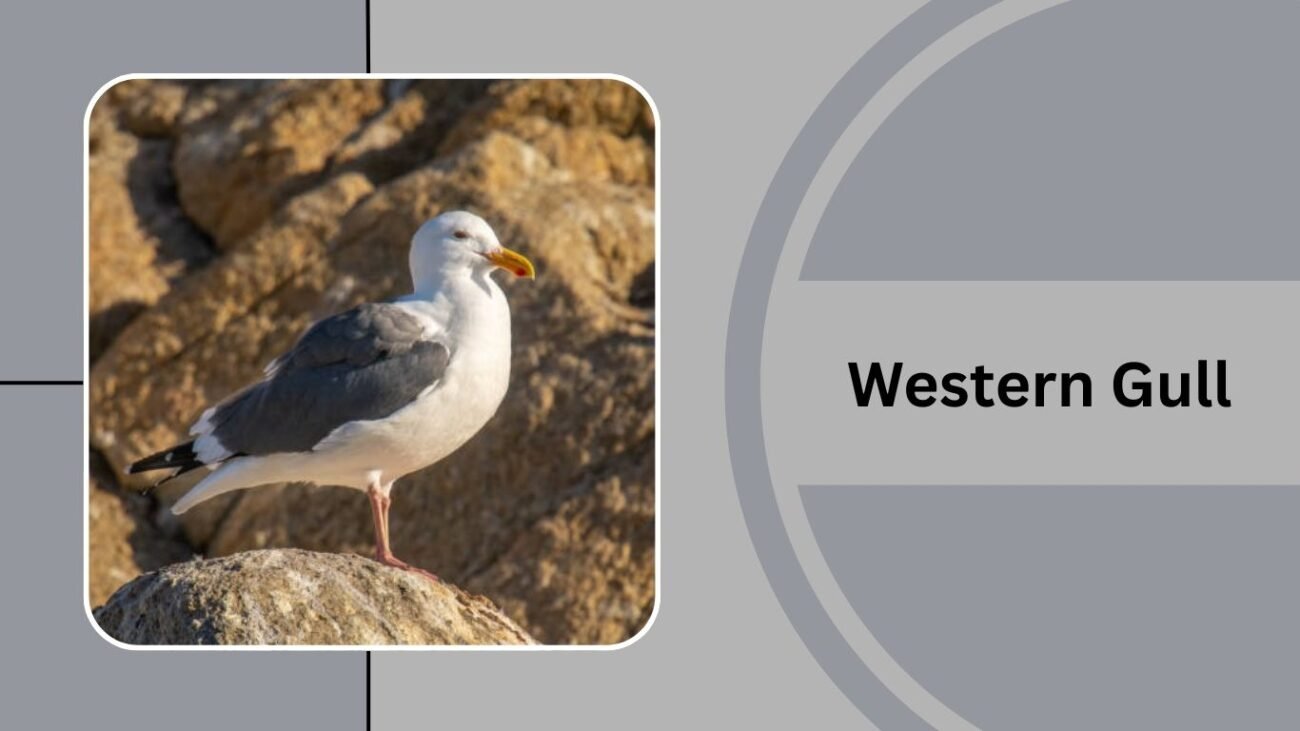
The Western Gull (Larus occidentalis) is a large gull native to the Pacific Coast of North America. It is a dominant seabird in its range and is often seen perched on piers, cliffs, and beaches.
Identification
- Size: 22–27 inches (56–68 cm) long
- Wingspan: 51–57 inches (130–145 cm)
- Color: Dark gray back and wings, white head and underparts, black wingtips with white spots
- Legs: Pink
- Bill: Heavy, yellow with a red spot on the lower mandible
Habitat and Range
They are found year-round along the Pacific Coast from British Columbia to Baja California. Unlike many gulls, Western Gulls are not strongly migratory, staying close to coastal areas.
Behavior and Diet
Western Gulls feed on fish, invertebrates, carrion, and human refuse. They are known for their aggressive behavior, often stealing food from other seabirds and even people at beaches and harbors.
9. Heermann’s Gull
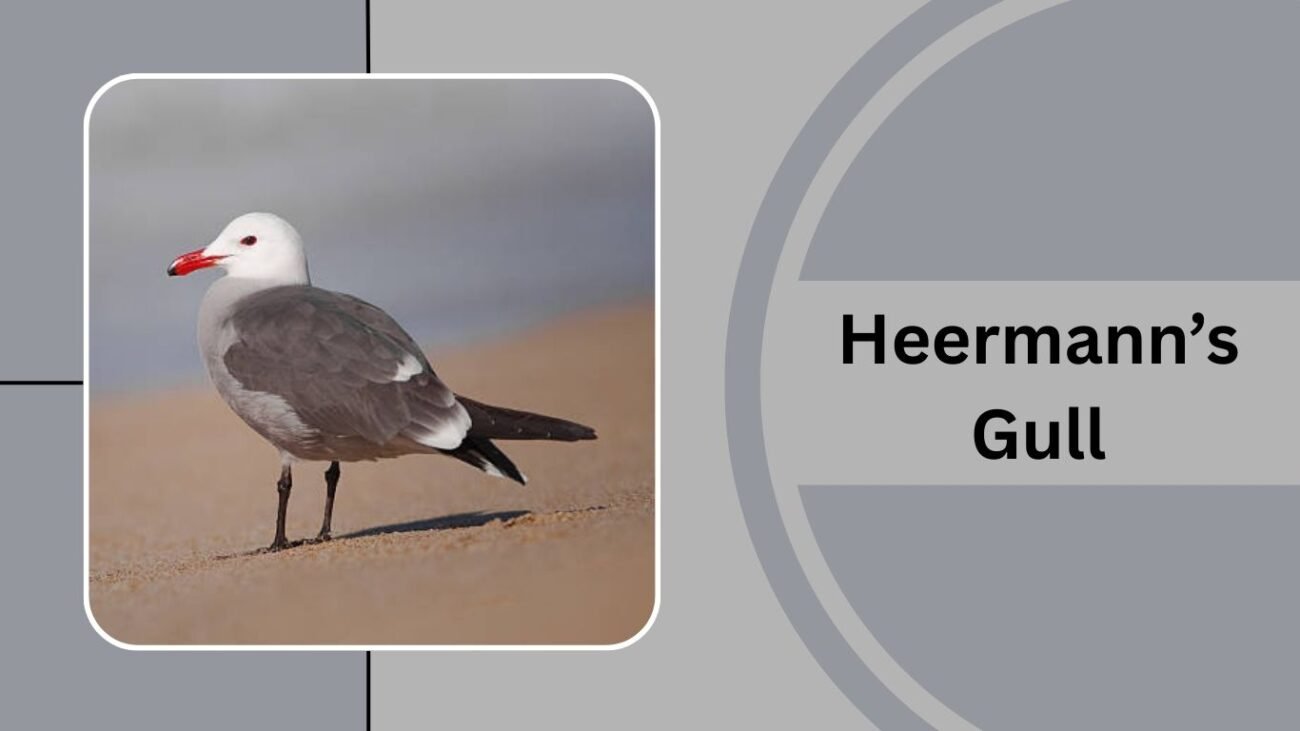
The Heermann’s Gull (Larus heermanni) is a striking gull with a unique plumage, featuring a dark gray body and a white head during breeding season. Its appearance makes it one of the most distinctive gulls in North America.
Identification
- Size: 18–21 inches (46–53 cm) long
- Wingspan: 40–45 inches (102–114 cm)
- Color: Dark gray body, white head in breeding season, red bill with black tip
- Legs: Dark gray to black
- Bill: Red with a black tip, slender compared to larger gulls
Habitat and Range
Heermann’s Gulls breed in large colonies on islands off western Mexico, particularly Isla Rasa in the Gulf of California. After breeding, they disperse north along the Pacific Coast up to British Columbia.
Behavior and Diet
They primarily feed on fish and squid, often kleptoparasitizing Brown Pelicans by stealing prey from their pouches. They also scavenge and forage along beaches, displaying bold and agile flight patterns.
10. Laughing Gull
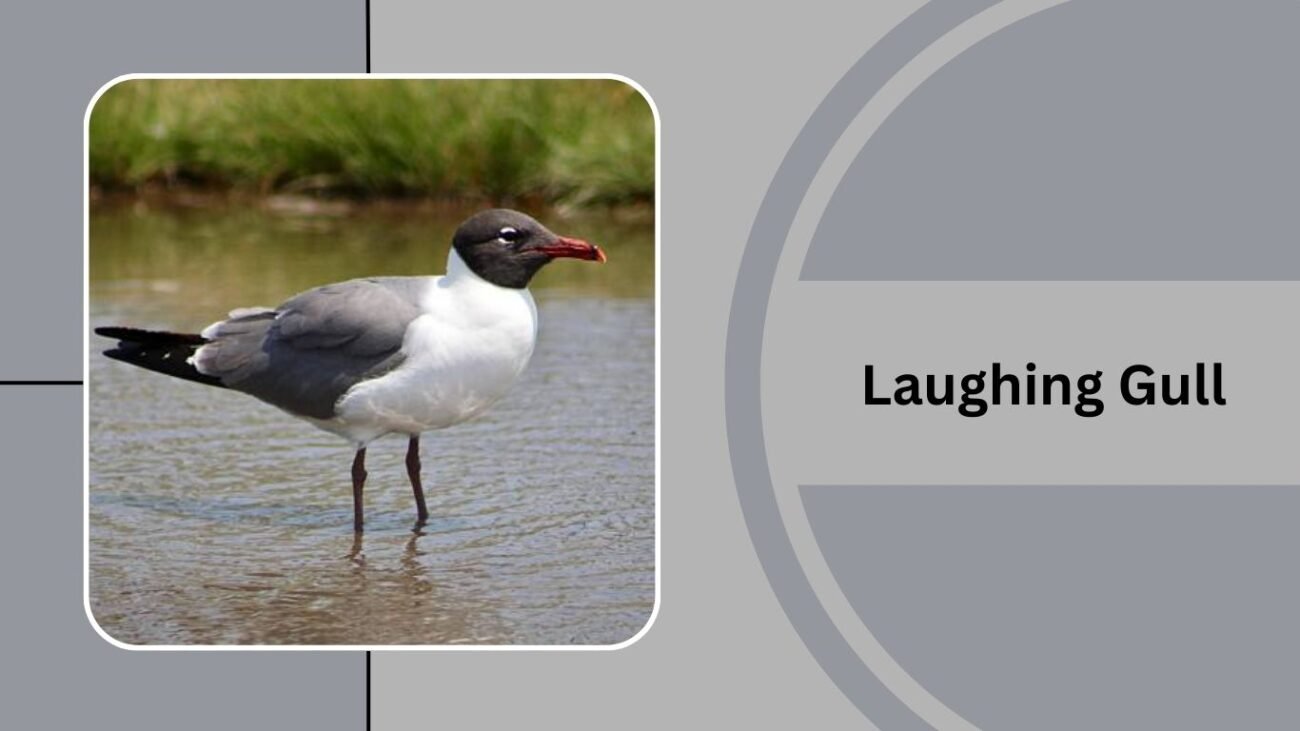
The Laughing Gull (Leucophaeus atricilla) is a medium-sized gull well known for its raucous, laughing-like call. In breeding plumage, it sports a striking black head, making it easy to recognize along coastlines.
Identification
- Size: 15–18 inches (39–46 cm) long
- Wingspan: 39–43 inches (100–110 cm)
- Color: Breeding plumage shows black head, white underparts, and dark gray back with black wingtips; nonbreeding plumage has a white head with a dark smudge behind the eye
- Legs: Black
- Bill: Red to blackish with a slender shape
Habitat and Range
They breed along the Atlantic and Gulf coasts of North America, the Caribbean, and parts of Central America. In winter, they move further south into South America.
Behavior and Diet
Laughing Gulls feed on fish, insects, carrion, and human food scraps. They are notorious food thieves at beaches and piers, often snatching snacks from unsuspecting visitors.
11. Franklin’s Gull
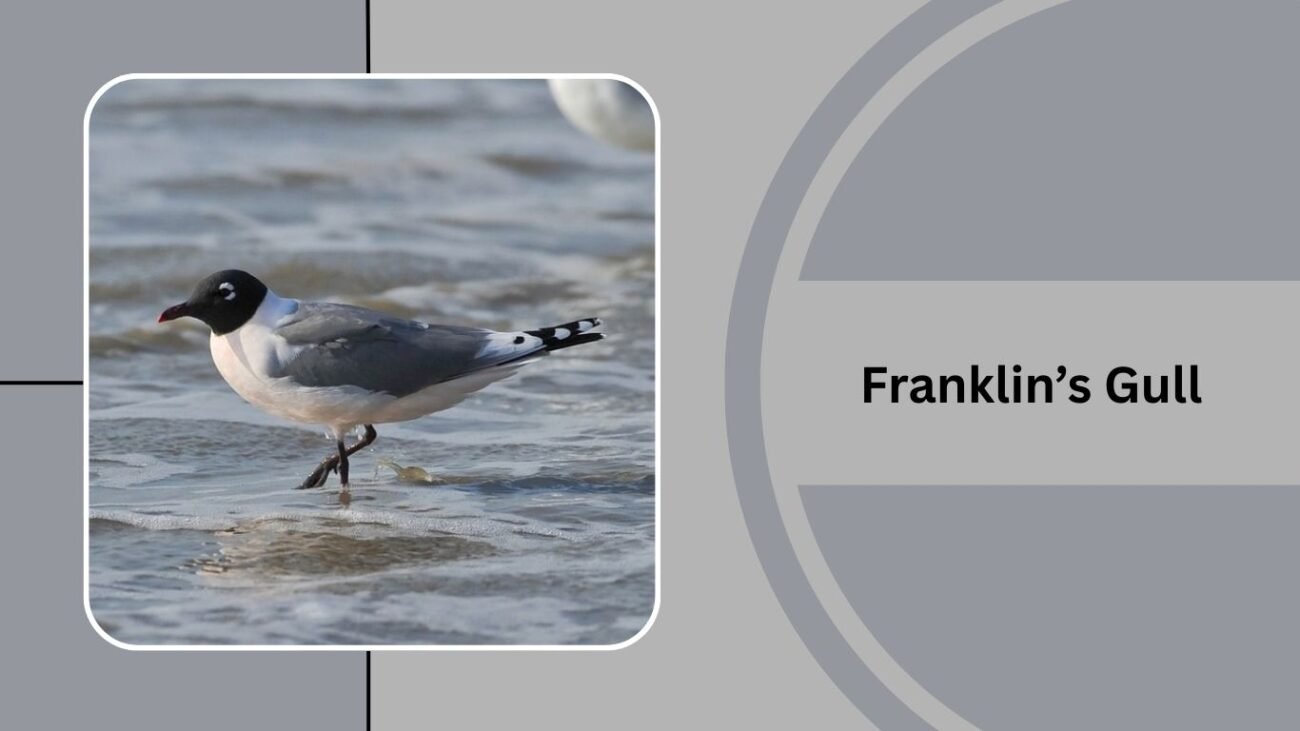
The Franklin’s Gull (Leucophaeus pipixcan) is a migratory gull that travels incredible distances, breeding in North America and wintering along South American coasts. It is smaller than many gulls and is known for its graceful flight.
Identification
- Size: 13–15 inches (33–38 cm) long
- Wingspan: 33–36 inches (85–92 cm)
- Color: Breeding plumage has a black head, white underparts, gray back, and black-tipped wings with white spots; nonbreeding plumage features a white head with dark ear spots
- Legs: Reddish to dark
- Bill: Red during breeding season, darker otherwise
Habitat and Range
Franklin’s Gulls breed in colonies around prairie lakes and marshes in central Canada and the northern United States. After breeding, they migrate south, with wintering grounds along the Pacific coast of South America, as far south as Chile.
Behavior and Diet
They feed on insects, fish, and invertebrates, often catching insects midair or foraging in agricultural fields. During migration, they gather in massive flocks, sometimes numbering in the thousands.
12. Black-headed Gull
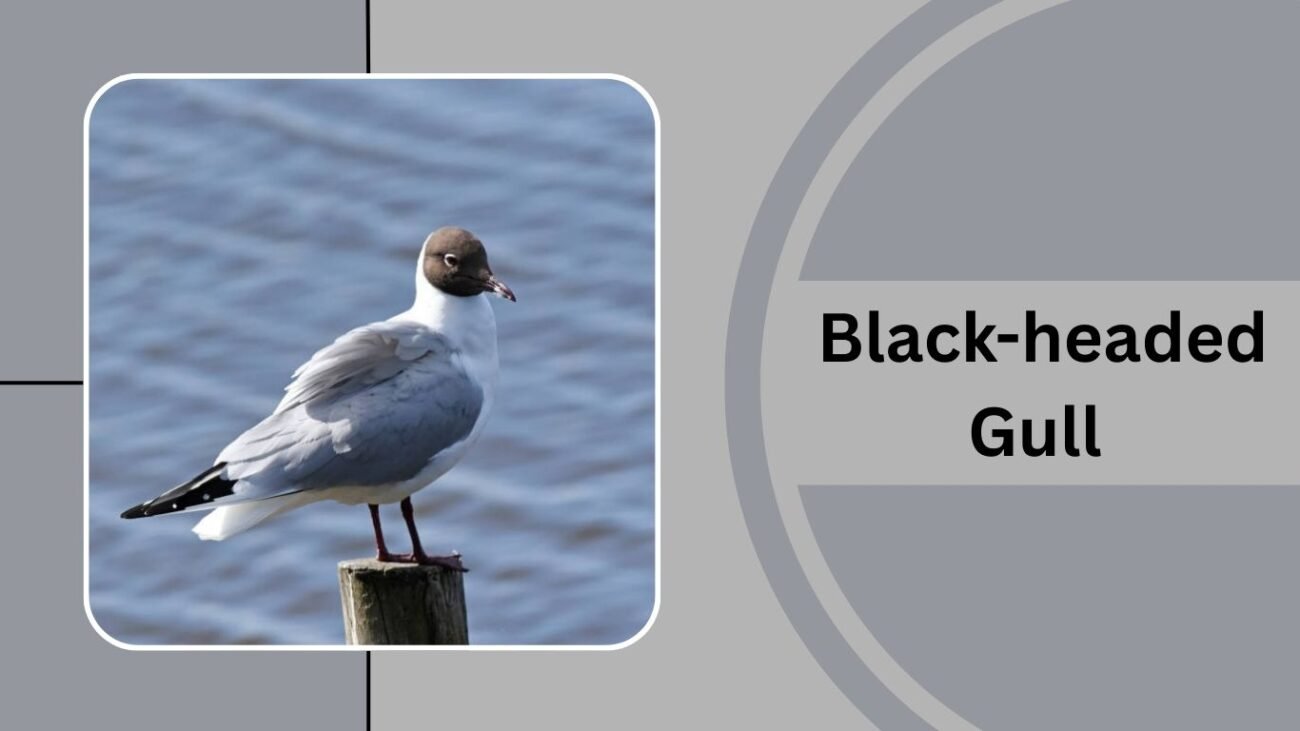
The Black-headed Gull (Chroicocephalus ridibundus) is a small, widespread gull across Europe and Asia, easily recognized in summer by its chocolate-brown head. Despite the name, its head never turns completely black.
Identification
- Size: 15–17 inches (38–44 cm) long
- Wingspan: 36–40 inches (92–105 cm)
- Color: Breeding plumage shows a dark brown head, pale gray back, and white underparts; nonbreeding plumage has a white head with a dark ear spot
- Legs: Reddish
- Bill: Red, slender, and straight
Habitat and Range
They breed in colonies around lakes, marshes, and wetlands throughout Europe and Asia. In winter, they migrate southward, reaching Africa, the Middle East, and South Asia.
Behavior and Diet
Black-headed Gulls are omnivorous, feeding on insects, fish, seeds, and food waste. They are social birds, often forming noisy flocks and nesting in dense colonies.
13. Little Gull
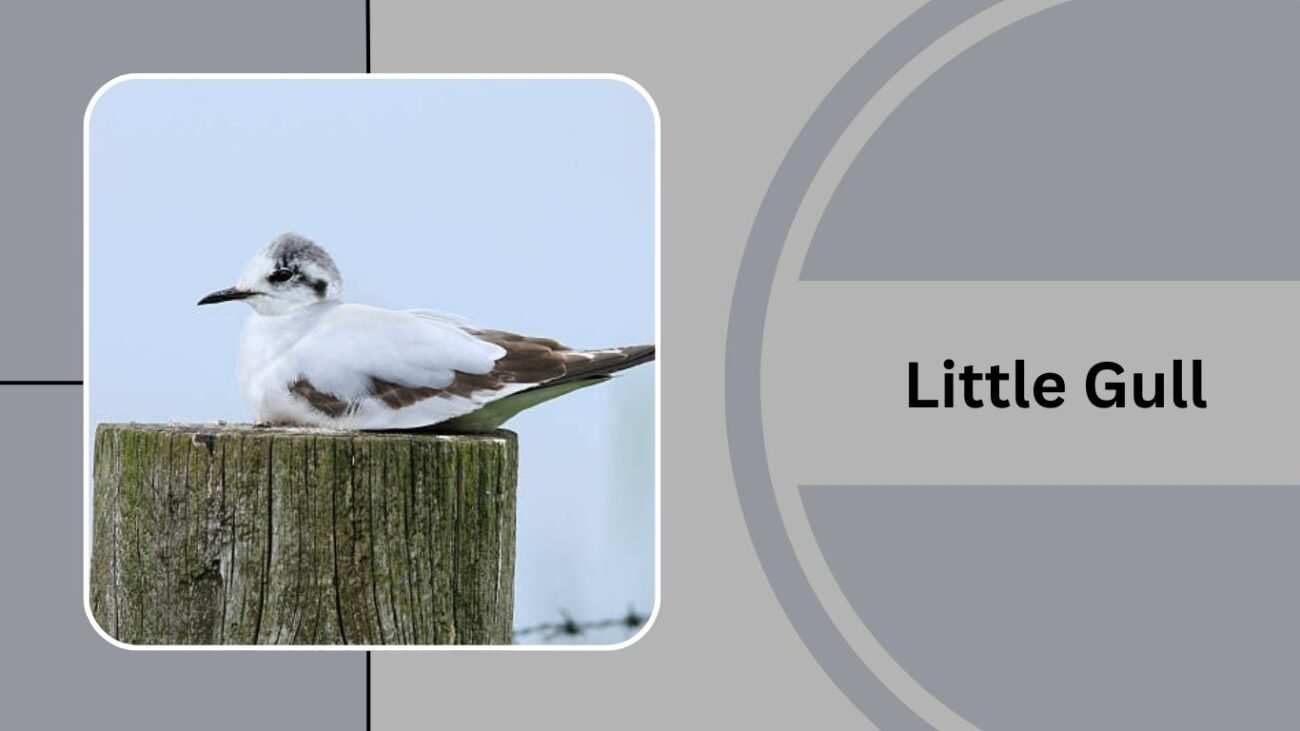
The Little Gull (Hydrocoloeus minutus) is the smallest gull in the world, notable for its delicate build and graceful flight. Its small size and buoyant movements often make it resemble a tern more than a gull.
Identification
- Size: 10–12 inches (25–30 cm) long
- Wingspan: 24–28 inches (61–71 cm)
- Color: Breeding plumage has a black head, pale gray back, and white body; nonbreeding plumage has a white head with a dark ear patch
- Legs: Red
- Bill: Short, thin, and black
Habitat and Range
They breed in northern Europe and parts of Russia, nesting in freshwater marshes and lakes. In winter, they migrate south to coastal regions of Europe, the Mediterranean, and parts of Asia.
Behavior and Diet
Little Gulls primarily feed on insects, small fish, and crustaceans, catching prey both on the water surface and in flight. Their light, fluttery wingbeats make them one of the most graceful gulls to observe.
14. Bonaparte’s Gull
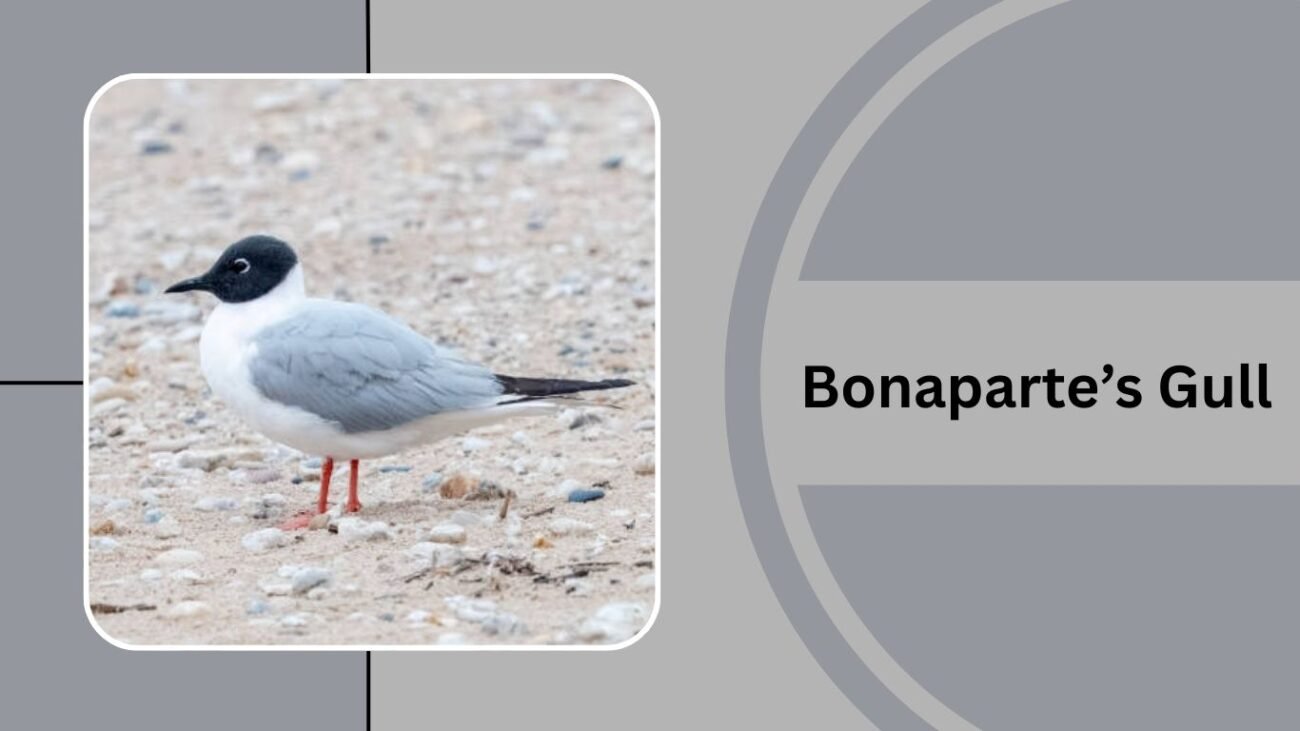
Bonaparte’s Gull (Chroicocephalus philadelphia) is a small, elegant gull native to North America. Unlike many gulls, it often nests in trees and has a dainty, tern-like appearance.
Identification
- Size: 11–13 inches (28–34 cm) long
- Wingspan: 35–40 inches (89–102 cm)
- Color: Breeding plumage features a black head, pale gray back, and white body; nonbreeding plumage shows a white head with a small black ear spot
- Legs: Reddish-orange
- Bill: Thin, straight, and black
Habitat and Range
They breed in boreal forests of Canada and Alaska, nesting in coniferous trees near lakes. In winter, they migrate to coastal regions of the United States, Mexico, and the Caribbean.
Behavior and Diet
Bonaparte’s Gulls feed on insects, small fish, and crustaceans. They often hover above water before dipping down to catch prey, displaying graceful and agile flight similar to terns.
15. Ross’s Gull
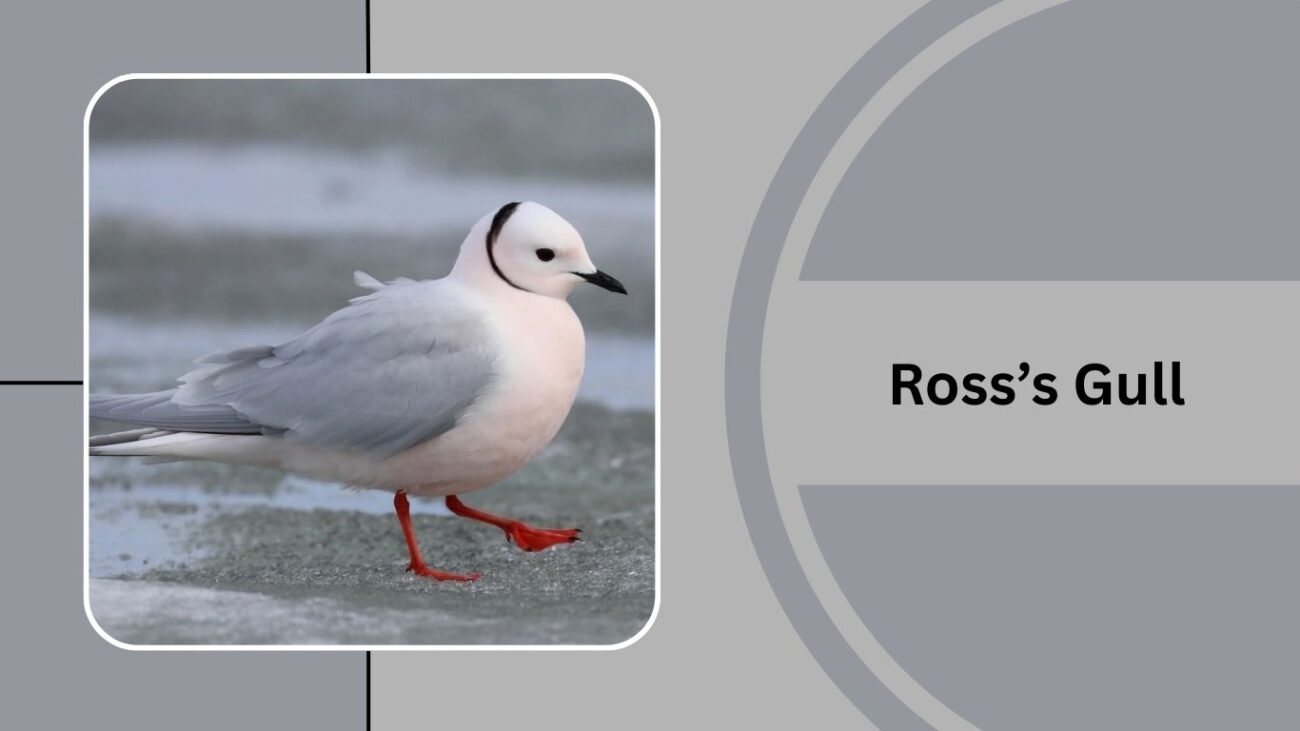
Ross’s Gull (Rhodostethia rosea) is a rare and delicate Arctic gull, admired for its pink-tinged plumage and graceful flight. It is one of the least observed gulls due to its remote breeding grounds.
Identification
- Size: 11–14 inches (28–36 cm) long
- Wingspan: 32–36 inches (82–92 cm)
- Color: White body with pale gray back, wedge-shaped tail, and soft pinkish wash on the breast in breeding plumage
- Legs: Red
- Bill: Small, black, and slender
Habitat and Range
They breed in the high Arctic of Siberia and northern Canada, mainly along remote tundra rivers. In winter, they move south toward the edges of pack ice, occasionally reaching northern Europe or North America.
Behavior and Diet
Ross’s Gulls feed on insects, crustaceans, and small fish, often picking prey delicately from the water’s surface. Their rarity and striking appearance make them a prized sighting for birdwatchers.
16. Sabine’s Gull
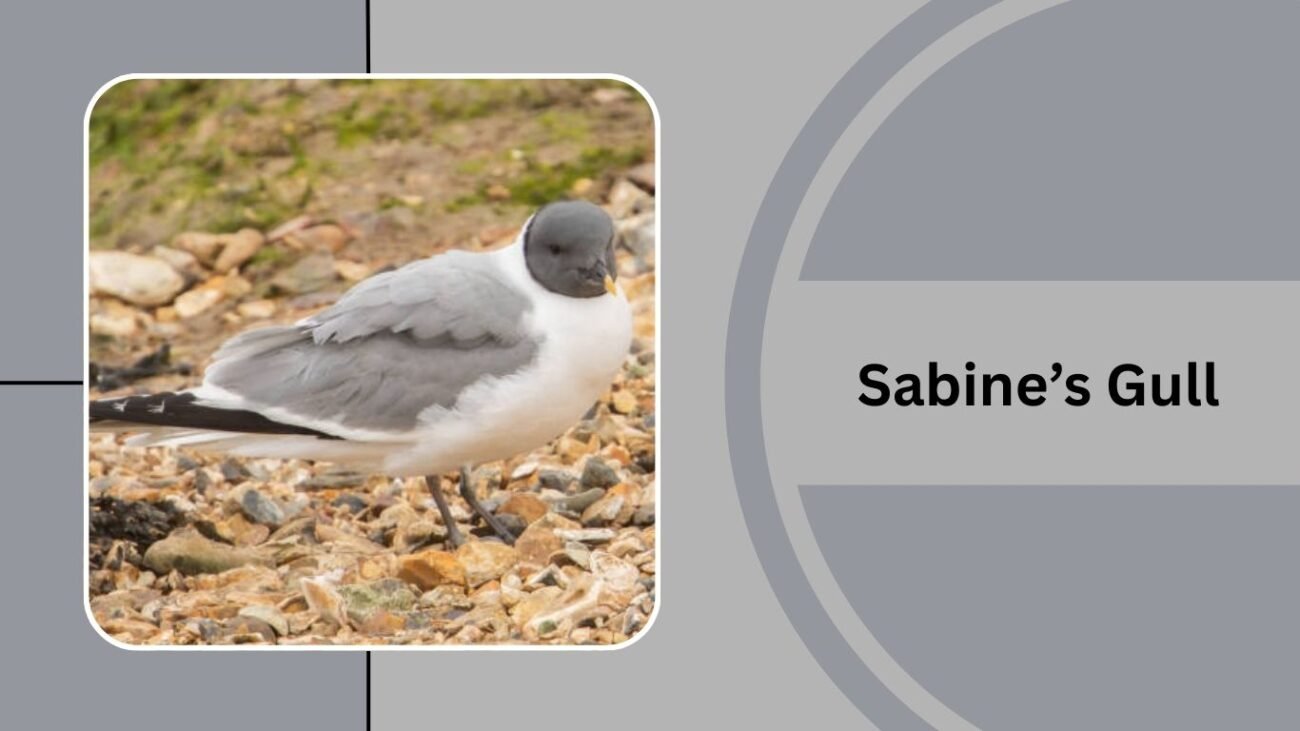
Sabine’s Gull (Xema sabini) is a striking, medium-sized gull with a bold wing pattern and a forked tail that sets it apart from most gulls. It is often seen during migration far out at sea.
Identification
- Size: 13–14 inches (33–36 cm) long
- Wingspan: 33–36 inches (85–92 cm)
- Color: Breeding plumage has a dark gray head, white body, and striking black, white, and gray wings; nonbreeding plumage shows a white head with dark smudge behind the eye
- Legs: Black
- Bill: Black with a yellow tip
Habitat and Range
They breed in the Arctic tundra of North America, Greenland, and Siberia. During migration, they travel long distances over the open ocean, wintering off the coasts of South America and Africa.
Behavior and Diet
Sabine’s Gulls feed on fish, crustaceans, and insects, often catching prey while hovering over water. Their long-distance, oceanic migrations make them one of the most pelagic gull species.
17. Slaty-backed Gull
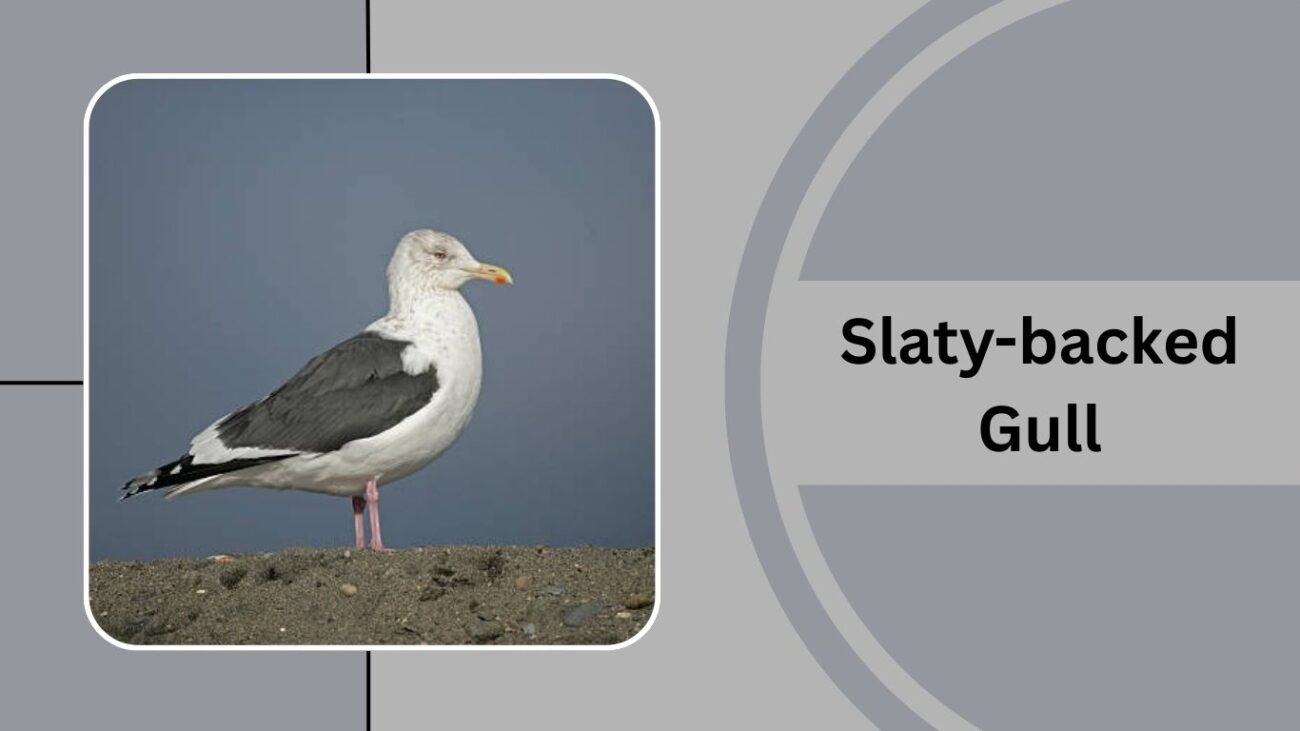
The Slaty-backed Gull (Larus schistisagus) is a large gull of the North Pacific, recognizable by its dark slate-gray back and robust build. It is among the dominant gulls in its range, rivaling the Great Black-backed Gull in size.
Identification
- Size: 24–27 inches (61–68 cm) long
- Wingspan: 55–61 inches (140–155 cm)
- Color: Dark slate-gray back and wings, white head and underparts, black wingtips with white spots
- Legs: Pink
- Bill: Yellow with a red spot on the lower mandible
Habitat and Range
They breed along the coasts of northeastern Asia, particularly in Russia and Japan. In winter, some move to Korea, China, and occasionally North America’s Pacific Coast.
Behavior and Diet
Slaty-backed Gulls are powerful predators and scavengers, feeding on fish, shellfish, carrion, and refuse. They are often seen following fishing boats and can dominate feeding flocks of other gulls.
18. Yellow-legged Gull
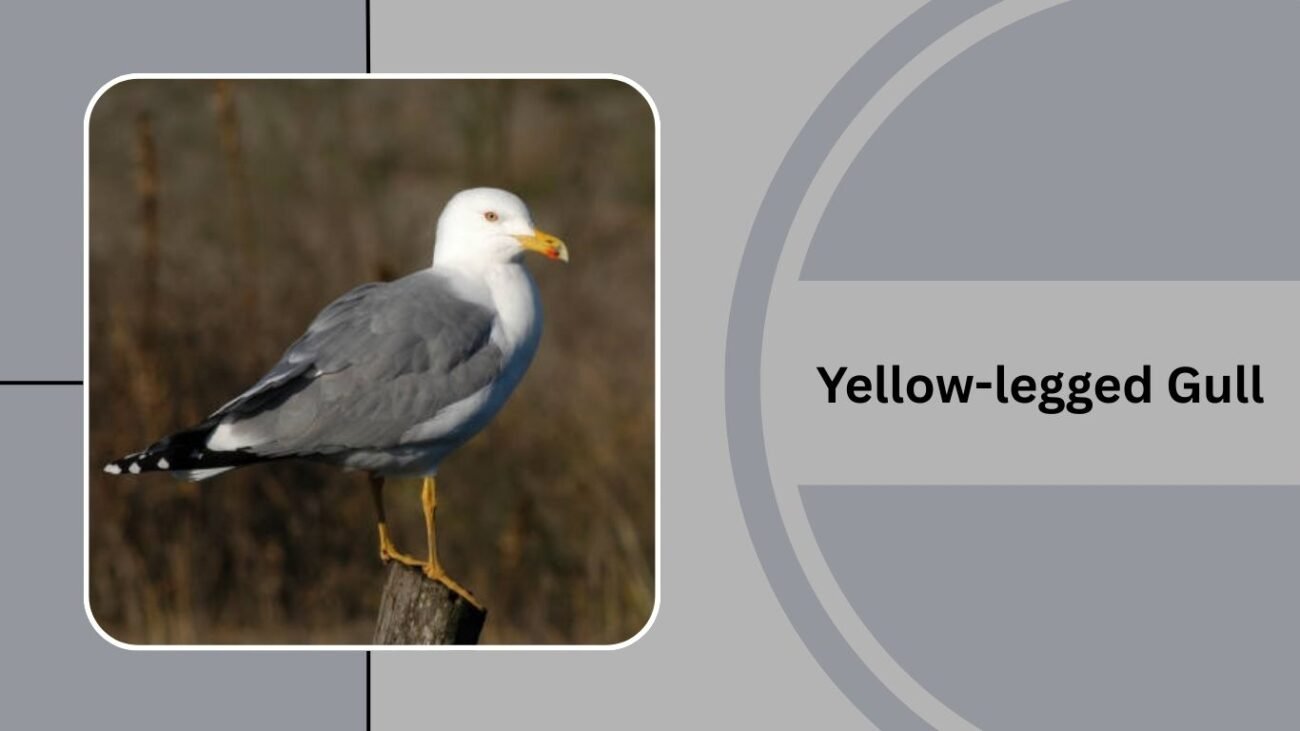
The Yellow-legged Gull (Larus michahellis) is a large gull closely related to the Herring Gull but distinguished by its bright yellow legs and slightly darker gray back. It is a common sight along Mediterranean coasts.
Identification
- Size: 22–26 inches (55–67 cm) long
- Wingspan: 52–60 inches (132–152 cm)
- Color: Pale gray back, white head and underparts, black wingtips with white spots
- Legs: Bright yellow
- Bill: Strong yellow bill with a red spot on the lower mandible
Habitat and Range
They breed around the Mediterranean, the Black Sea, and parts of western Europe. In winter, some populations move south to North Africa and the Middle East.
Behavior and Diet
Yellow-legged Gulls feed on fish, invertebrates, carrion, and human refuse. They are aggressive foragers, often seen around harbors, garbage dumps, and fishing boats.
19. Caspian Gull
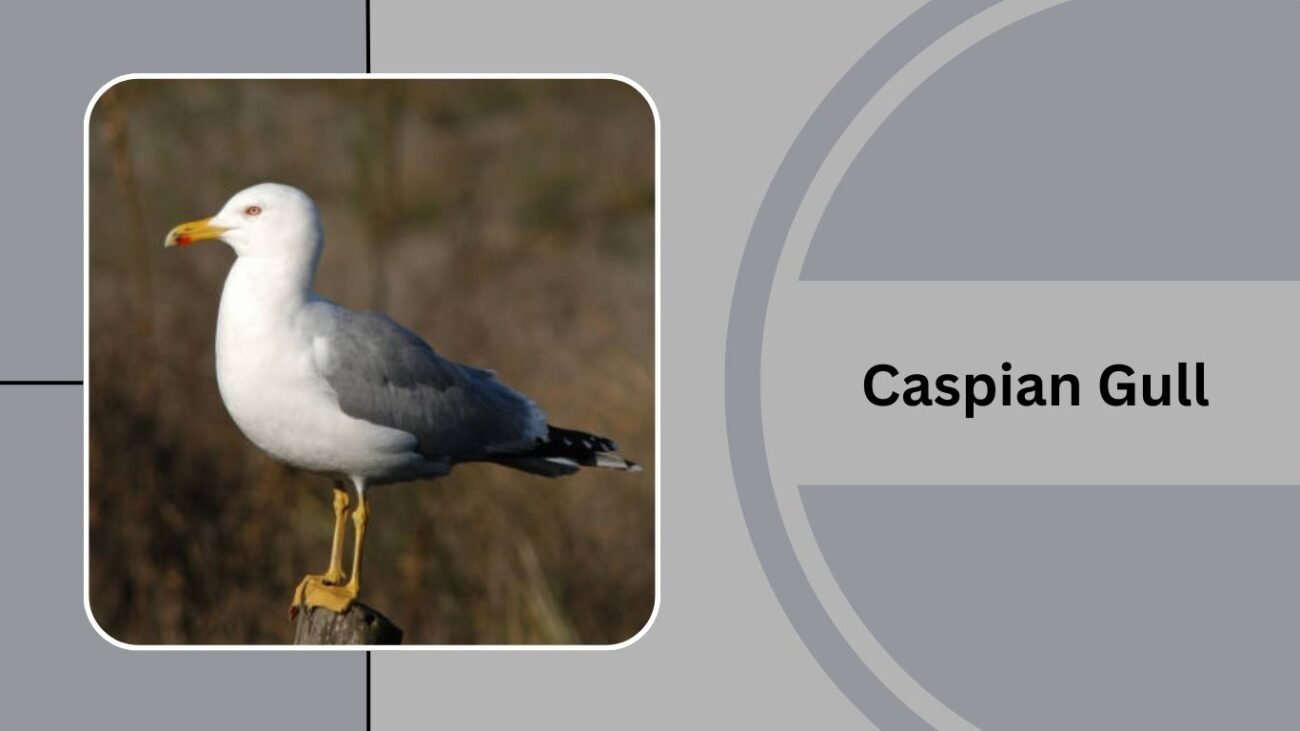
The Caspian Gull (Larus cachinnans) is a large gull found mainly around eastern Europe and western Asia. It is closely related to Herring and Yellow-legged Gulls but is slimmer, with longer legs and wings.
Identification
- Size: 22–26 inches (56–66 cm) long
- Wingspan: 55–63 inches (140–160 cm)
- Color: Pale gray back, white head and underparts, black wingtips with small white mirrors
- Legs: Pale pink to yellowish
- Bill: Long, slender, yellow with a red spot
Habitat and Range
They breed around the Caspian Sea, Black Sea, and eastern Europe, with populations spreading into central Asia. Many migrate south in winter to the Middle East, North Africa, and South Asia.
Behavior and Diet
Caspian Gulls feed on fish, insects, rodents, and carrion. They are highly adaptable, often nesting near rivers, lakes, and urban areas, and are known for their loud, deep calls.
20. Vega Gull
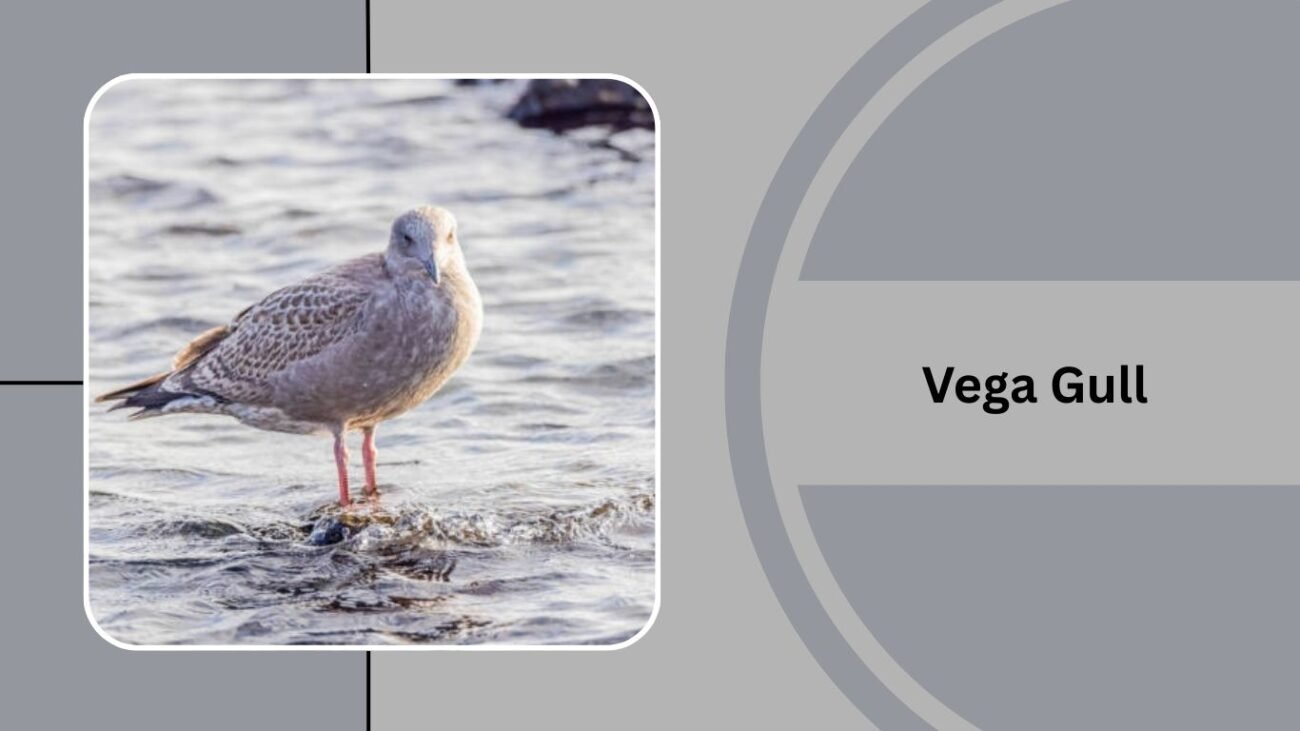
The Vega Gull (Larus vegae) is a large gull of northeastern Asia, often considered a subspecies of the Herring Gull. It is common in Japan, Korea, and eastern Russia, where it winters along coasts and rivers.
Identification
- Size: 23–26 inches (58–66 cm) long
- Wingspan: 55–61 inches (140–155 cm)
- Color: Medium-gray back, white head and underparts, black wingtips with small white spots
- Legs: Pink
- Bill: Yellow with a red spot on the lower mandible
Habitat and Range
They breed in northeastern Siberia and migrate to winter along the coasts of Japan, Korea, and China. Occasionally, they are spotted as vagrants in Alaska and western North America.
Behavior and Diet
Vega Gulls feed on fish, shellfish, carrion, and refuse. They are opportunistic scavengers, often gathering at fishing harbors, garbage dumps, and beaches.
21. Black-tailed Gull
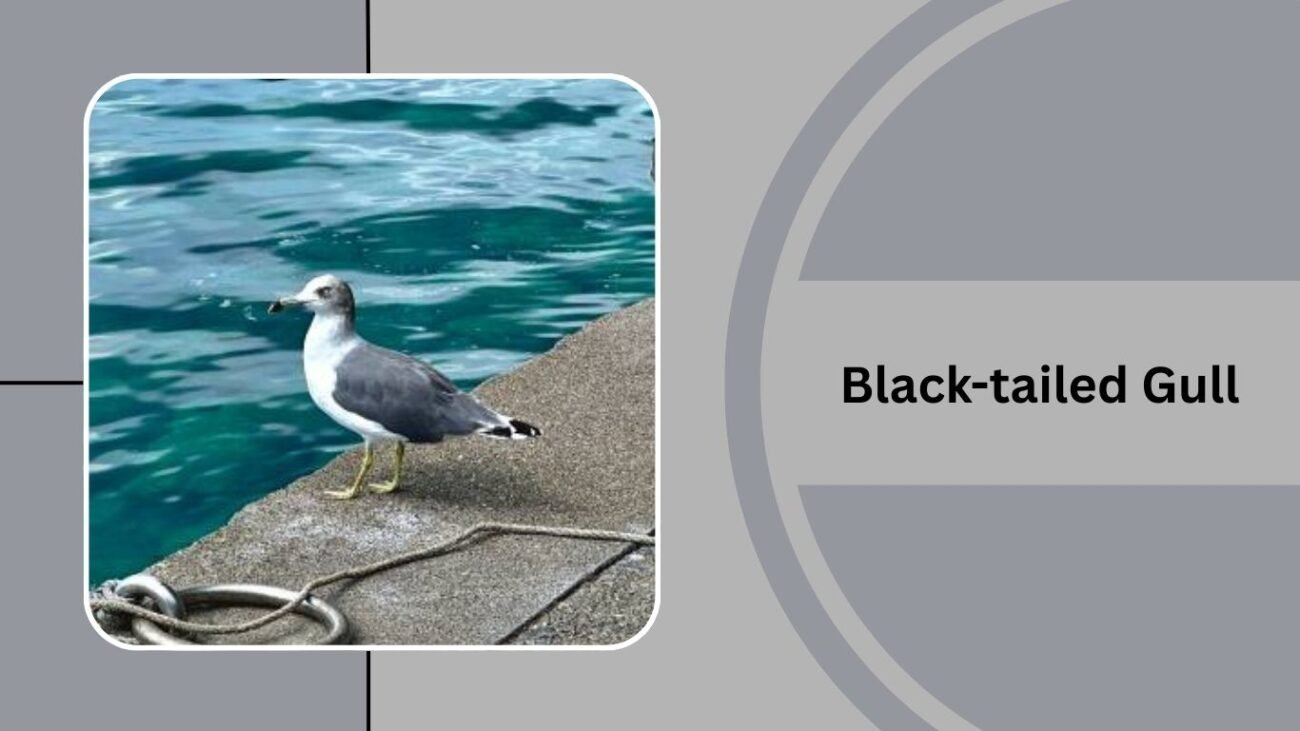
The Black-tailed Gull (Larus crassirostris) is a medium-sized gull native to East Asia, easily recognized by its distinctive black tail band and bright yellow bill with a red and black tip.
Identification
- Size: 18–20 inches (46–51 cm) long
- Wingspan: 47–48 inches (120–123 cm)
- Color: Medium-gray back, white head and underparts, black wingtips with white spots, and a black tail band
- Legs: Yellow
- Bill: Yellow with a red spot and a black band near the tip
Habitat and Range
They breed on coastal cliffs and islands of Japan, Korea, and eastern China. In winter, they move further south along East Asian coasts.
Behavior and Diet
Black-tailed Gulls feed on fish, squid, and invertebrates, and are also known to scavenge around fishing ports. They are vocal and gregarious, often seen in large coastal flocks.
22. Glaucous-winged Gull
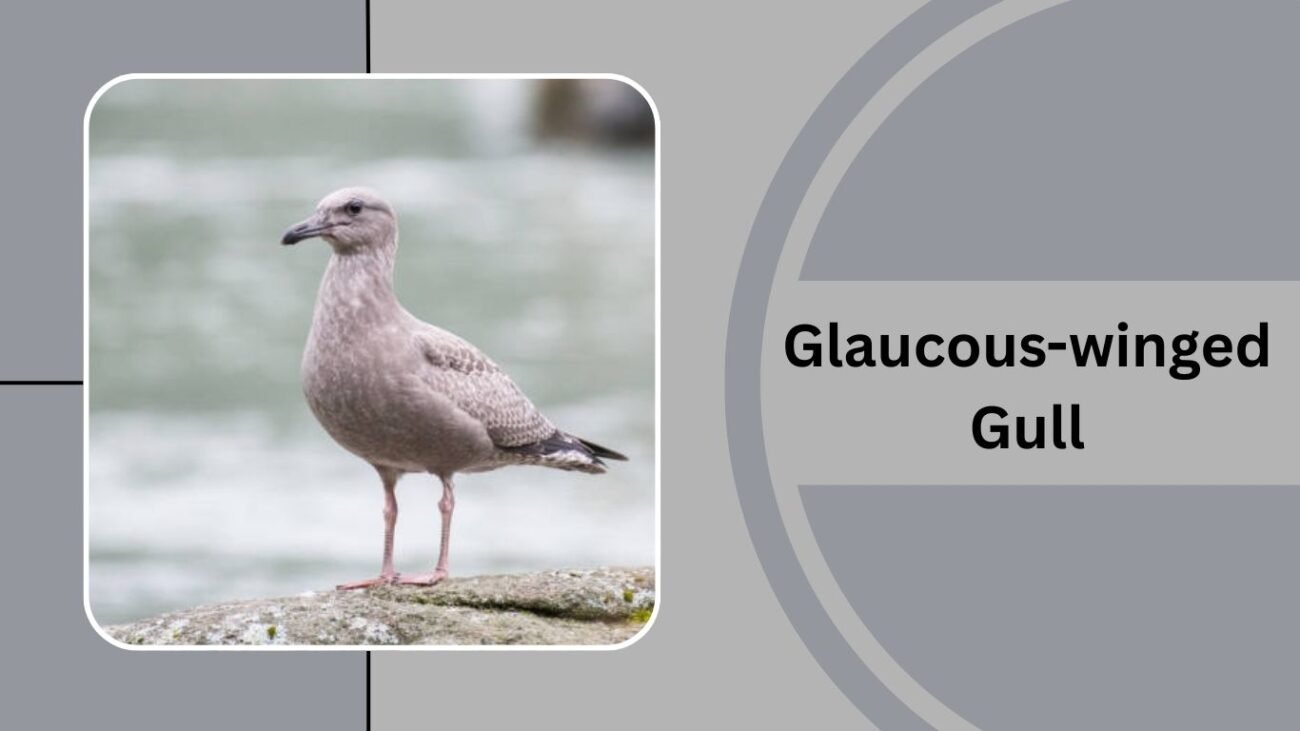
The Glaucous-winged Gull (Larus glaucescens) is a large gull of the North Pacific coast, notable for its pale gray wings that match the color of its back, unlike many gulls with black wingtips.
Identification
- Size: 22–27 inches (55–68 cm) long
- Wingspan: 50–59 inches (127–150 cm)
- Color: Pale gray back and wings, white head and underparts, wingtips same gray as the back (no black)
- Legs: Pink
- Bill: Yellow with a red spot on the lower mandible
Habitat and Range
They breed along the Pacific coast from Alaska to Washington, often nesting on cliffs, islands, and urban rooftops. In winter, they spread southward along the Pacific to California and occasionally Mexico.
Behavior and Diet
Glaucous-winged Gulls are omnivores, eating fish, shellfish, carrion, and human refuse. They are known to hybridize frequently with Western Gulls, creating mixed-plumage birds in overlapping ranges.
23. Kelp Gull
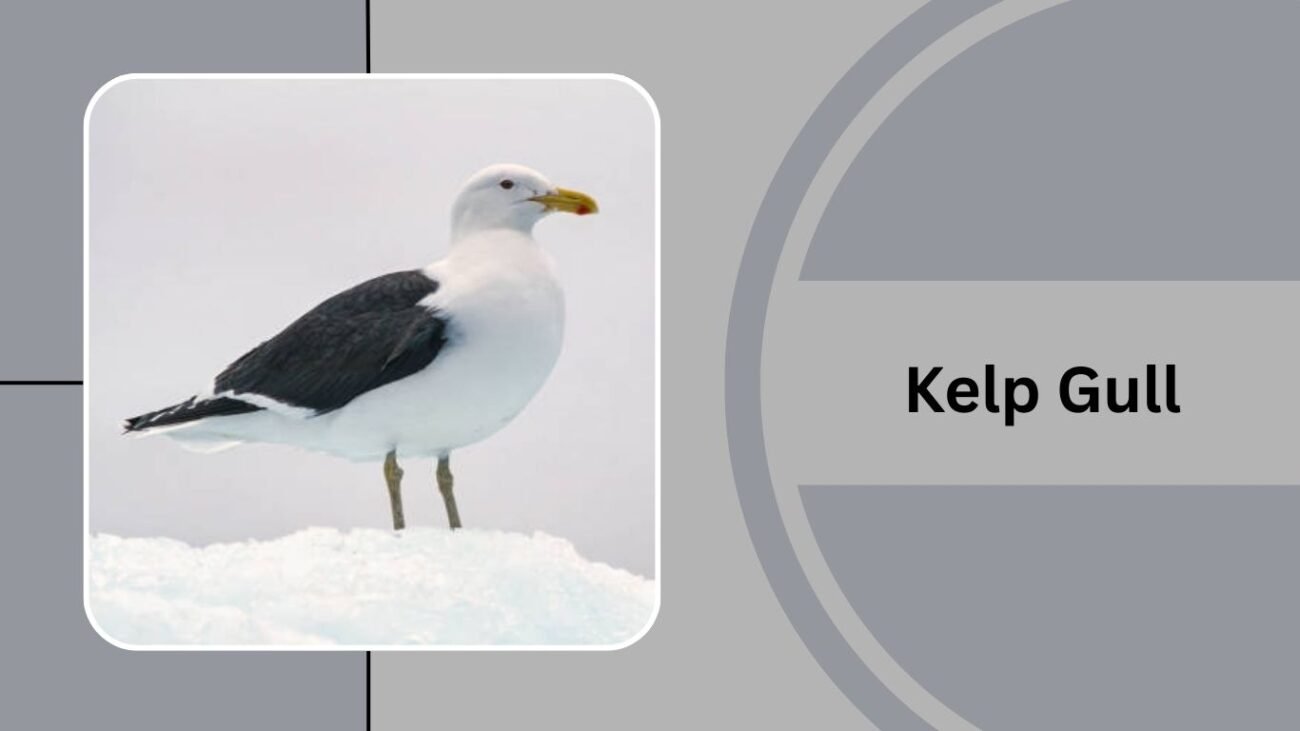
The Kelp Gull (Larus dominicanus) is a widespread southern hemisphere gull, easily recognized by its striking black back and wings. It is one of the most dominant gulls in its range.
Identification
- Size: 21–25 inches (54–65 cm) long
- Wingspan: 51–59 inches (130–150 cm)
- Color: Black back and wings, white head and underparts, black wingtips with white spots
- Legs: Greenish-yellow
- Bill: Yellow with a red spot on the lower mandible
Habitat and Range
They are found along coasts of South America, southern Africa, Australia, and New Zealand. They prefer rocky shores, harbors, and offshore islands for breeding.
Behavior and Diet
Kelp Gulls feed on fish, shellfish, carrion, seabird eggs, and refuse. They are aggressive foragers, often preying on other seabirds and competing strongly with smaller gulls.
24. Red-legged Kittiwake
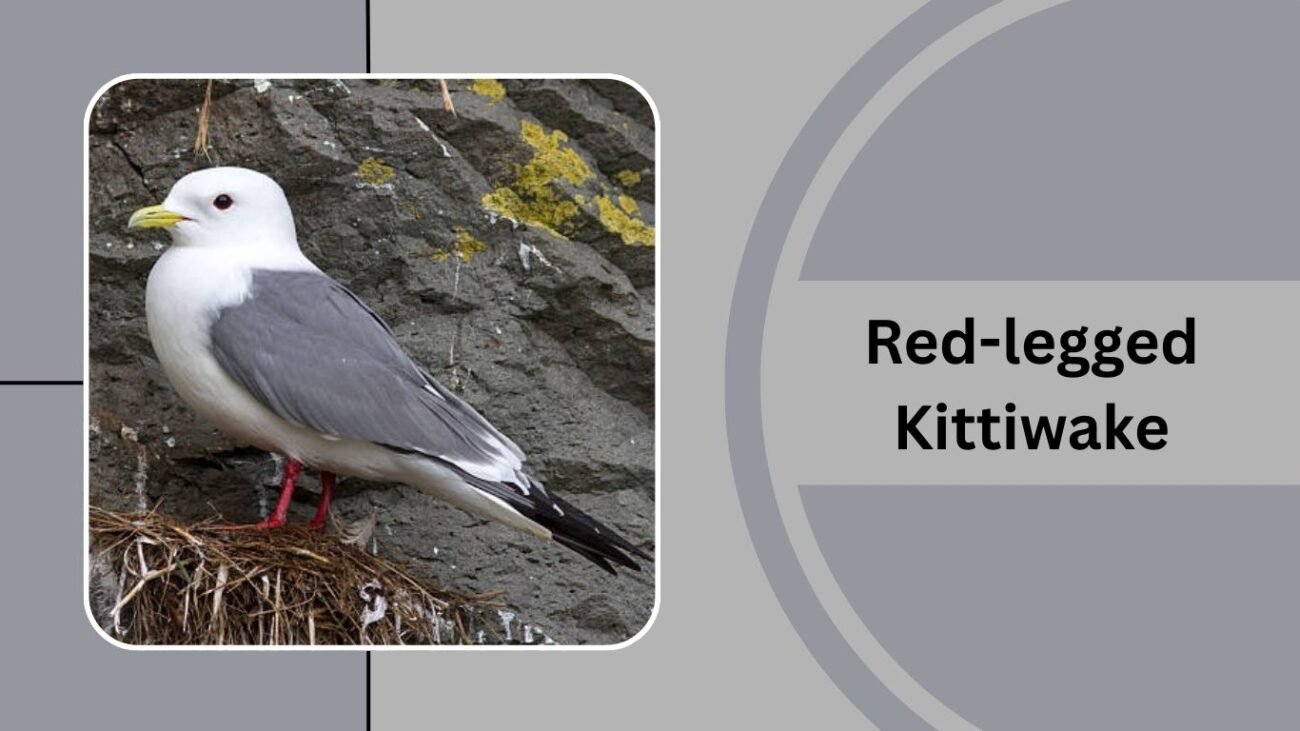
The Red-legged Kittiwake (Rissa brevirostris) is a rare seabird closely related to the Black-legged Kittiwake but is distinguished by its bright red legs and darker gray plumage. It is found only in the North Pacific.
Identification
- Size: 14–16 inches (35–40 cm) long
- Wingspan: 33–36 inches (85–92 cm)
- Color: Darker gray back than the Black-legged Kittiwake, white head and underparts, black wingtips
- Legs: Bright red
- Bill: Short, yellow, and slightly stubby
Habitat and Range
They breed on remote islands in the Bering Sea, especially the Pribilof and Aleutian Islands. In winter, they disperse across the North Pacific Ocean.
Behavior and Diet
Red-legged Kittiwakes feed mainly on fish and squid, catching prey by surface-dipping while flying. They nest in dense colonies on narrow cliff ledges, often alongside their Black-legged relatives.
25. Black-legged Kittiwake
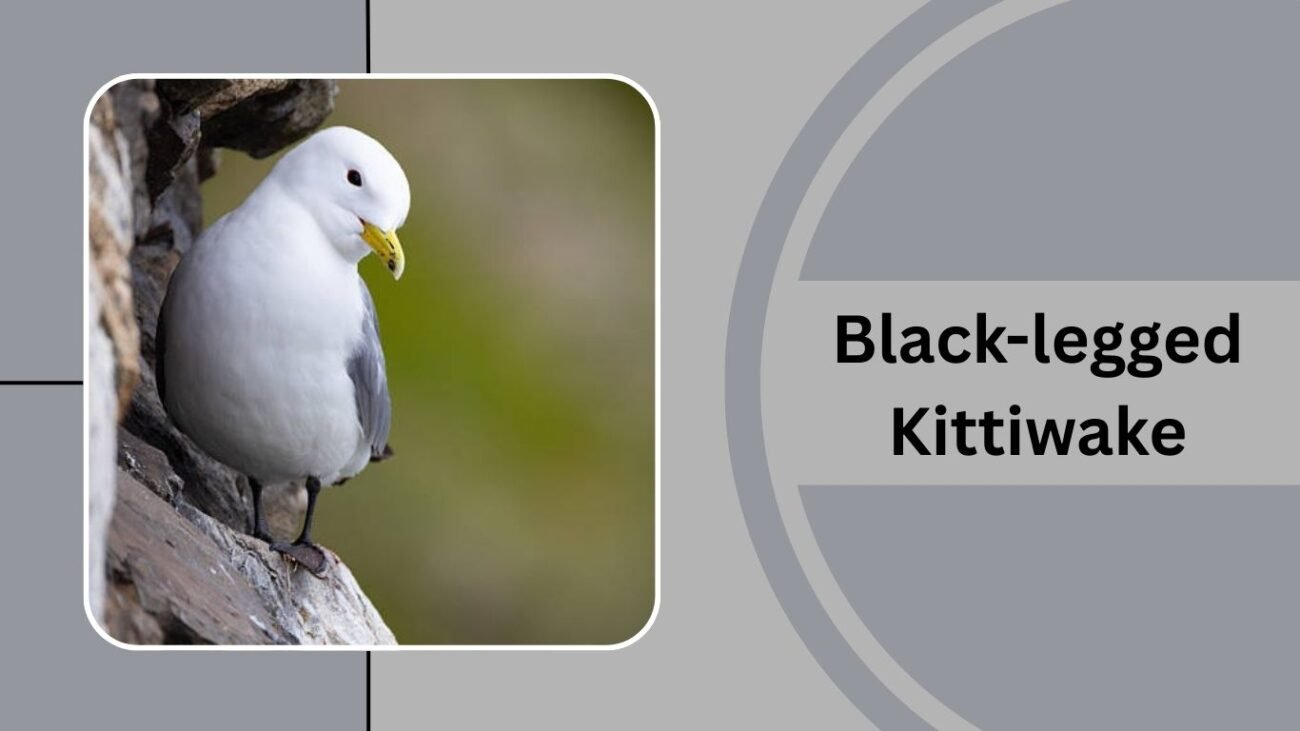
The Black-legged Kittiwake (Rissa tridactyla) is a graceful, pelagic gull commonly seen over the open ocean. It is the most widespread kittiwake species, breeding in huge colonies on coastal cliffs.
Identification
- Size: 15–16 inches (38–41 cm) long
- Wingspan: 36–42 inches (91–107 cm)
- Color: Pale gray back, white head and underparts, black wingtips with no white spots
- Legs: Black
- Bill: Yellow, slender, and straight
Habitat and Range
They breed on sea cliffs across the North Atlantic and North Pacific, from North America to Europe and Asia. After breeding, they spend most of their lives at sea, wintering in open oceans.
Behavior and Diet
Black-legged Kittiwakes feed on fish and plankton, often diving or dipping from flight to catch prey. Their colonies can number in the tens of thousands, with loud, continuous calls echoing along the cliffs.