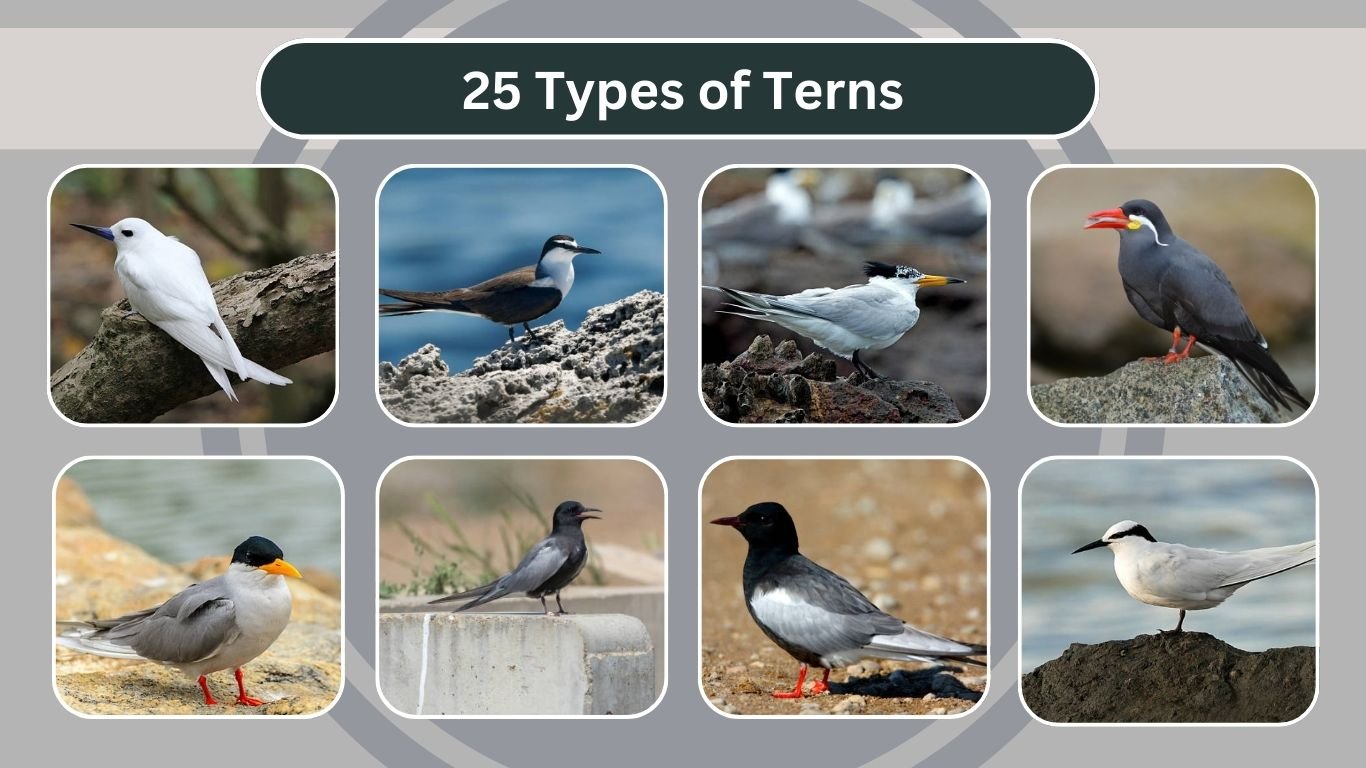
Terns are elegant seabirds known for their slender bodies, sharp bills, and graceful flight. Found along coasts, rivers, and lakes across the world, they play an important role in marine and freshwater ecosystems. From the tiny Least Tern to the massive Caspian Tern, each species has unique traits, migration patterns, and feeding styles. This article highlights 25 different types of terns, providing an overview of their appearance, habitats, and fascinating behaviors.
1. Common Tern
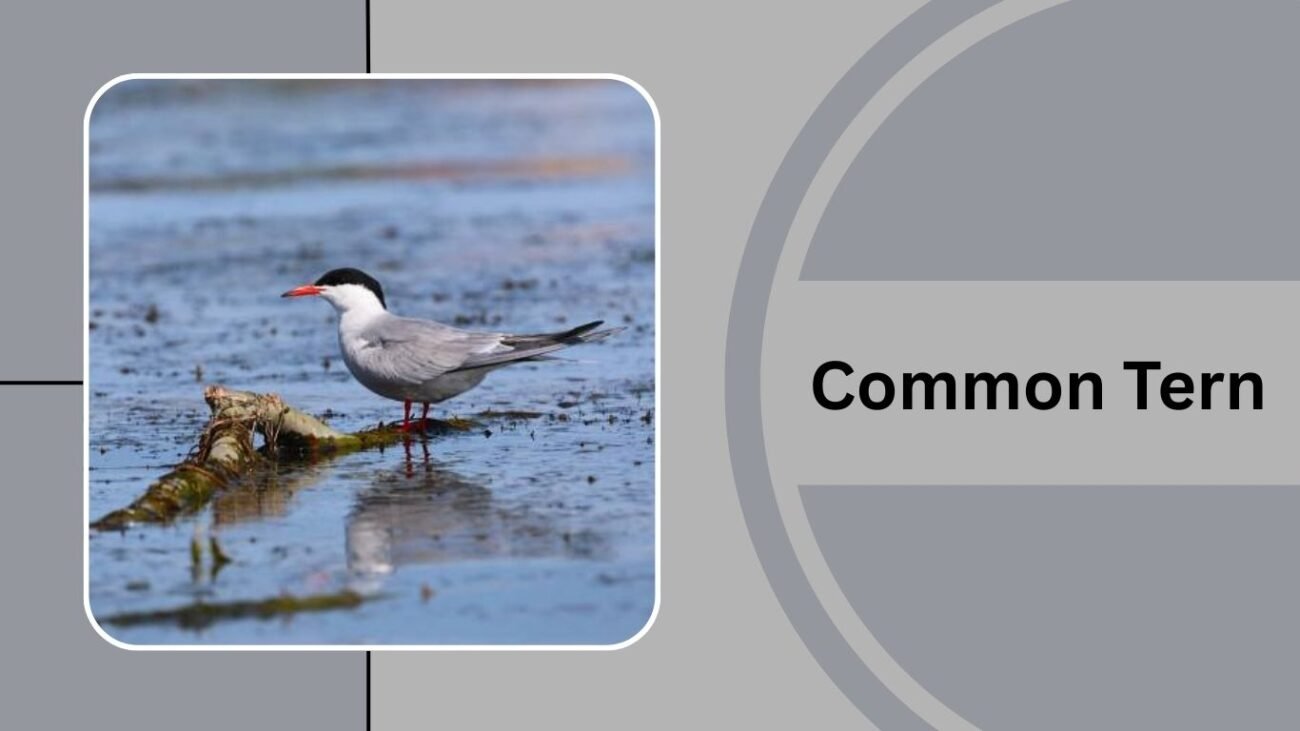
The Common Tern (Sterna hirundo) is one of the most widespread and recognizable tern species across the globe. Known for its graceful flight and sharp diving ability, this bird is often seen hovering above water before plunging to catch fish. Its elegant appearance and loud calls make it a familiar sight along coasts, lakes, and rivers.
Identification
- Size: 12–15 inches (31–38 cm)
- Wingspan: 30–31 inches (76–79 cm)
- Color: Pale gray upperparts, white underparts, and a black cap on the head
- Bill: Orange-red with a black tip
- Legs: Reddish-orange
- Tail: Long and deeply forked, often extending beyond wingtips at rest
Habitat and Range
Common Terns breed widely across Europe, Asia, and North America, favoring coastal beaches, islands, and freshwater lakes. In winter, they migrate to tropical and subtropical coasts, traveling as far as South America, Africa, and Southeast Asia.
Behavior and Diet
They feed mainly on small fish, insects, and crustaceans, captured by plunge-diving into water. Common Terns are highly vocal, using sharp “kee-arr” calls, especially during breeding season. They nest in colonies, often on sandy or gravelly shores, and show strong site fidelity year after year.
2. Arctic Tern
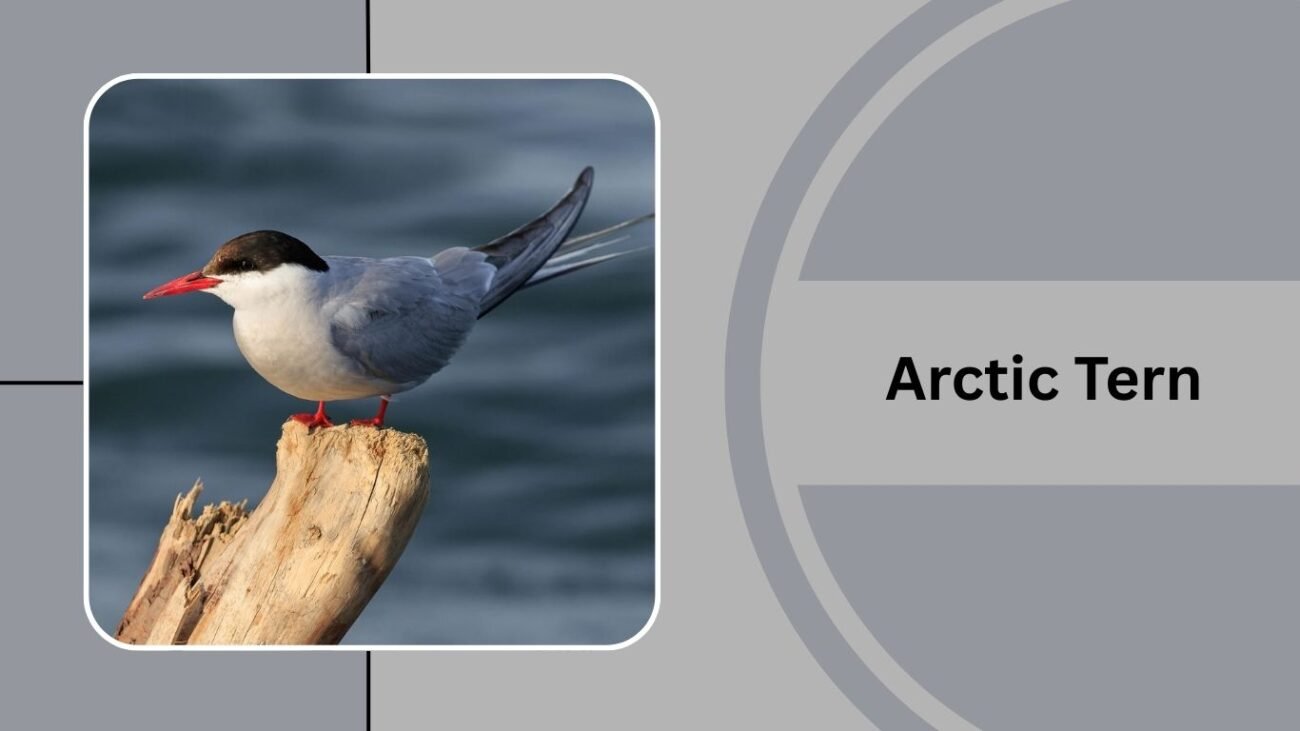
The Arctic Tern (Sterna paradisaea) is famous for making the longest migration of any bird, traveling from Arctic breeding grounds to the Antarctic and back each year. This incredible journey gives it nearly two summers annually, more daylight than any other species on Earth.
Identification
- Size: 11–15 inches (28–38 cm)
- Wingspan: 25–30 inches (64–76 cm)
- Color: Pale gray above, white below, with a black cap on the head
- Bill: Slender, entirely red
- Legs: Short, reddish
- Tail: Long, deeply forked, extending past the wings in flight
Habitat and Range
They breed in Arctic and subarctic regions of North America, Europe, and Asia. Wintering occurs in the Antarctic, making their migration a round trip of about 25,000 miles annually.
Behavior and Diet
Arctic Terns feed mainly on small fish and invertebrates, caught by plunge-diving. They are aggressive defenders of their nests, attacking intruders with noisy dives. Their extreme migration and adaptability make them a symbol of endurance among seabirds.
3. Least Tern
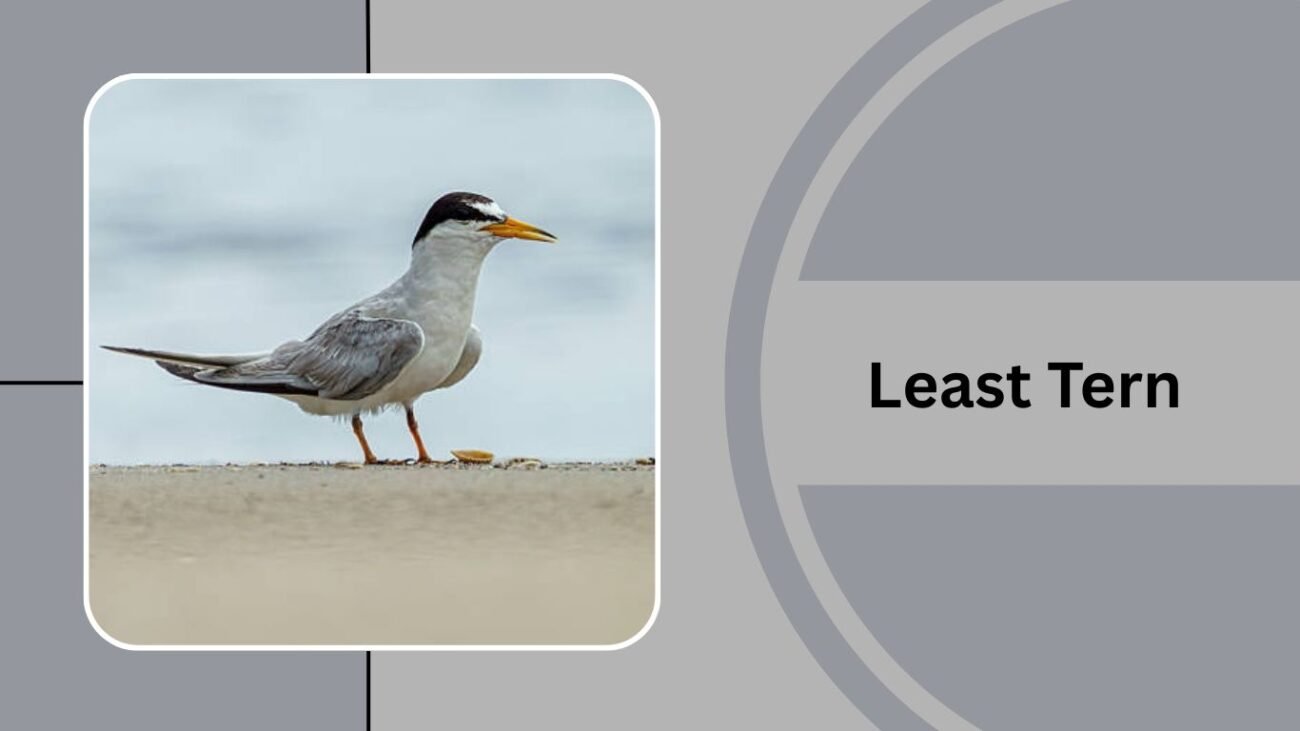
The Least Tern (Sternula antillarum) is the smallest tern in North America, recognized by its tiny size and quick, fluttery flight. Despite its delicate appearance, it is a determined fisher and an agile flyer.
Identification
- Size: 8–9 inches (20–23 cm)
- Wingspan: 18–20 inches (46–51 cm)
- Color: Pale gray upperparts, white underparts, black crown with a white forehead
- Bill: Yellow with a black tip
- Legs: Yellow
- Tail: Short and forked
Habitat and Range
Least Terns breed on sandy or gravelly beaches, river sandbars, and coastal lagoons across North America. They migrate to Central and South America for the winter, favoring warm coastal areas.
Behavior and Diet
They feed primarily on small fish, captured by hovering and plunge-diving in shallow waters. Least Terns nest in colonies, often scraping shallow nests directly into sandy ground. Their high-pitched calls and protective behaviors make them quite noticeable during breeding season.
4. Forster’s Tern
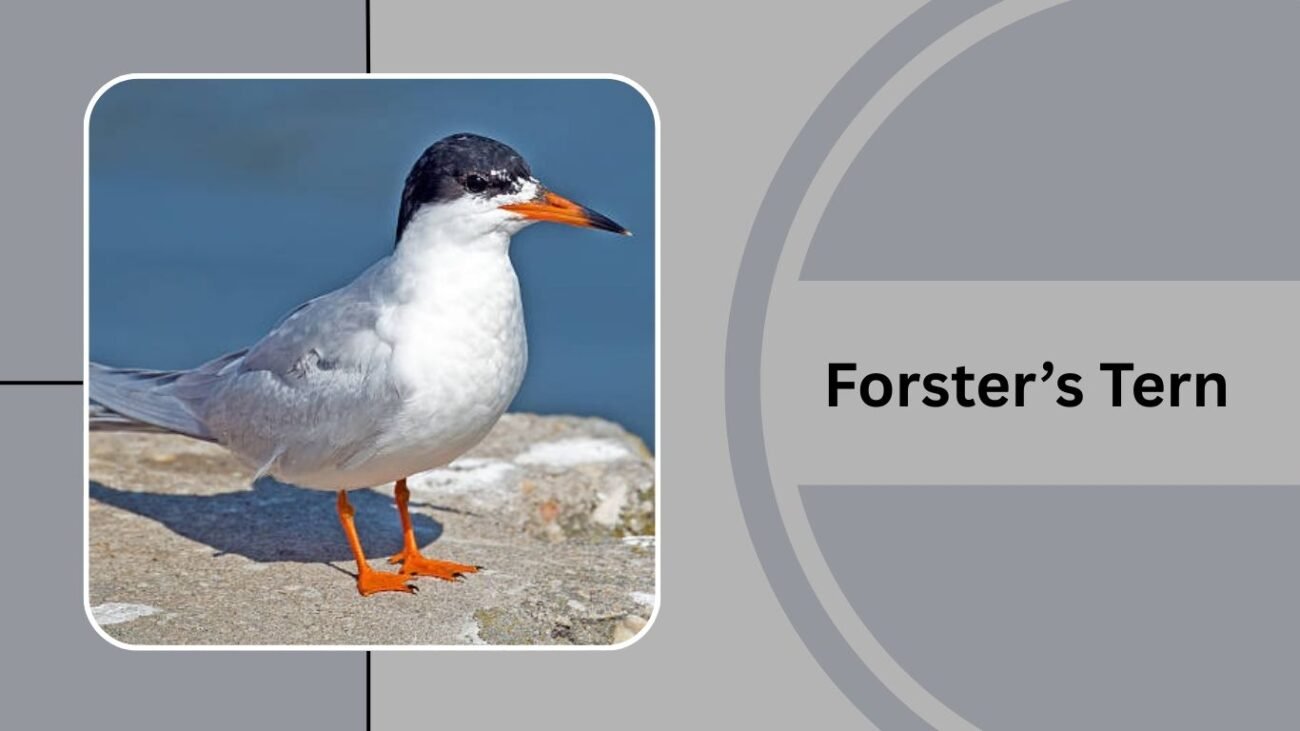
Forster’s Tern (Sterna forsteri) is a striking medium-sized tern, often seen gliding gracefully above marshes and coastal waters. It is the only tern species that winters entirely within North America, making it a familiar bird year-round in certain regions.
Identification
- Size: 13–15 inches (33–38 cm)
- Wingspan: 29–31 inches (74–79 cm)
- Color: Breeding plumage shows white underparts, pale gray back, and a full black cap; nonbreeding plumage has a white forehead with a dark eye patch
- Bill: Orange with a black tip (breeding); duller in nonbreeding
- Legs: Orange-red
- Tail: Long and deeply forked
Habitat and Range
They breed in freshwater and brackish marshes across the northern U.S. and southern Canada. In winter, they migrate south but remain within North America, concentrating along the southern coasts.
Behavior and Diet
Forster’s Terns feed mainly on fish and insects, catching prey through agile hovering and plunge-diving. They nest in colonies, usually on floating mats of vegetation in marshes, and are very vocal during breeding season.
5. Black Tern
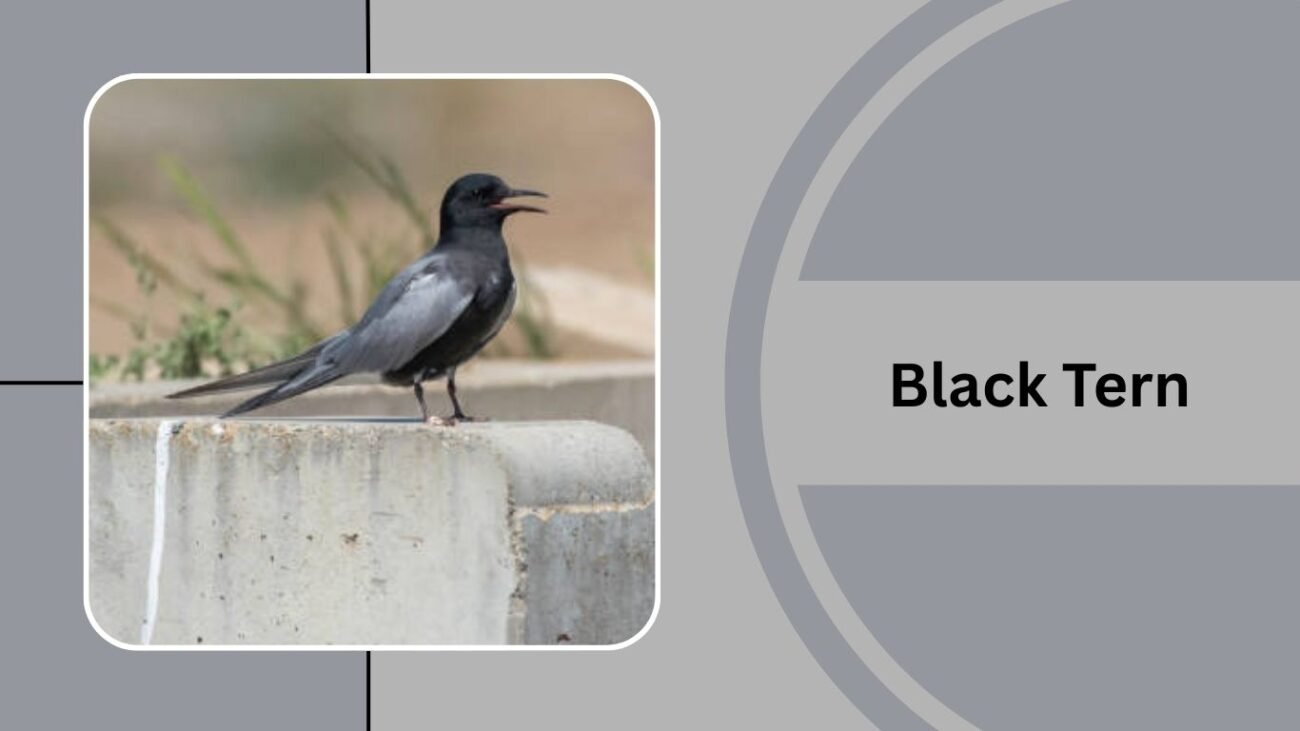
The Black Tern (Chlidonias niger) is a small marsh tern with a unique, dark breeding plumage that sets it apart from most terns. Unlike many others, it rarely plunge-dives, instead picking food items directly from the surface.
Identification
- Size: 9–10 inches (23–27 cm)
- Wingspan: 23–25 inches (58–64 cm)
- Color: Breeding plumage is sooty-black head, breast, and belly with gray wings; nonbreeding plumage is white below with gray back and dark cap
- Bill: Short, thin, and black
- Legs: Black
- Tail: Short and slightly forked
Habitat and Range
Black Terns breed in freshwater marshes across North America and Europe. During migration, they move to coastal areas and winter in Central and South America as well as Africa.
Behavior and Diet
They feed on insects, small fish, and crustaceans, often caught in flight or picked from the water’s surface. Black Terns nest in loose colonies, typically on floating vegetation in marshlands, and are known for their graceful, buoyant flight.
6. White-winged Tern
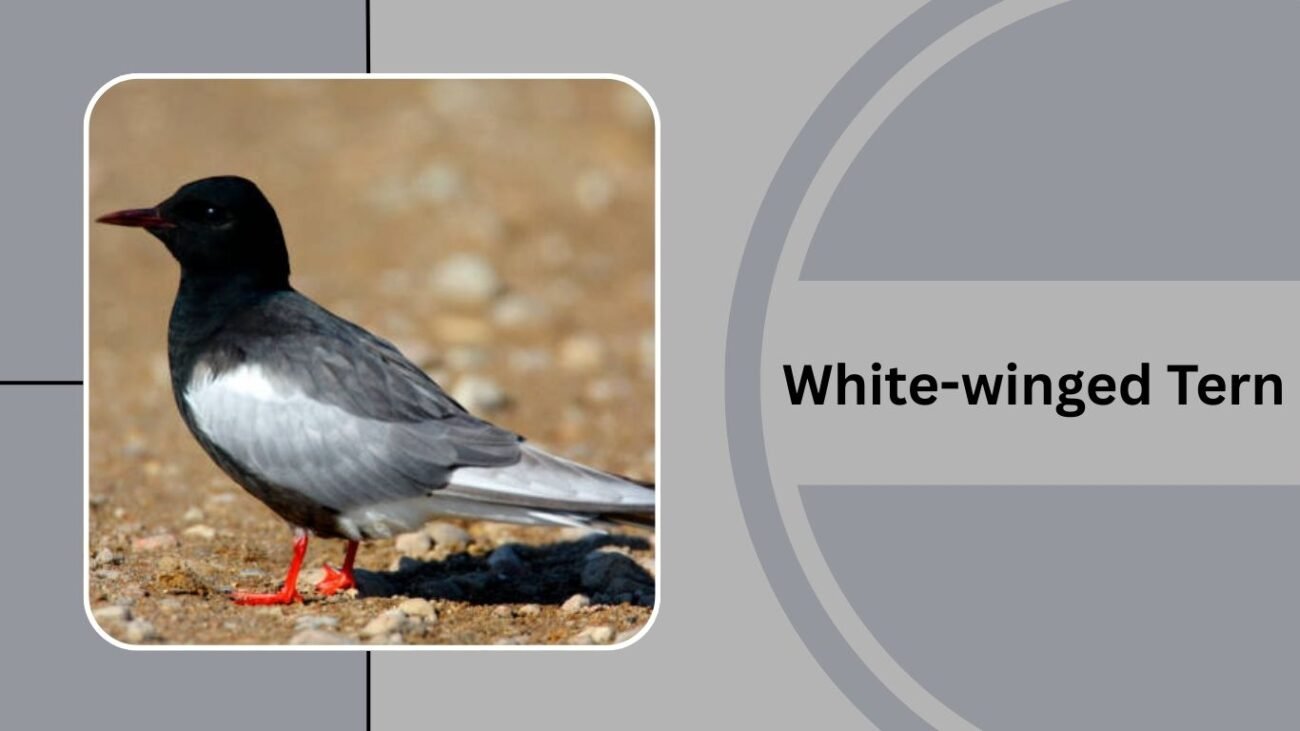
The White-winged Tern (Chlidonias leucopterus) is a striking marsh tern, especially in breeding plumage when its wings flash pale silver against a jet-black body. It is mostly an Old World species but occasionally appears as a rare vagrant in North America.
Identification
- Size: 9–10 inches (23–26 cm)
- Wingspan: 23–24 inches (58–61 cm)
- Color: Breeding plumage shows black head, body, and wings with contrasting white upperwings; nonbreeding plumage is white below with gray back and dark cap
- Bill: Short, thin, and black
- Legs: Dark reddish
- Tail: Short, square, not deeply forked
Habitat and Range
They breed in freshwater wetlands across eastern Europe and central Asia. During migration, they move to Africa, southern Asia, and Australia, frequenting marshes, lakes, and coastal lagoons.
Behavior and Diet
White-winged Terns feed mainly on insects, small fish, and aquatic invertebrates, often caught in flight or picked from the water surface. They are agile flyers, frequently seen in flocks skimming low over wetlands.
7. Whiskered Tern
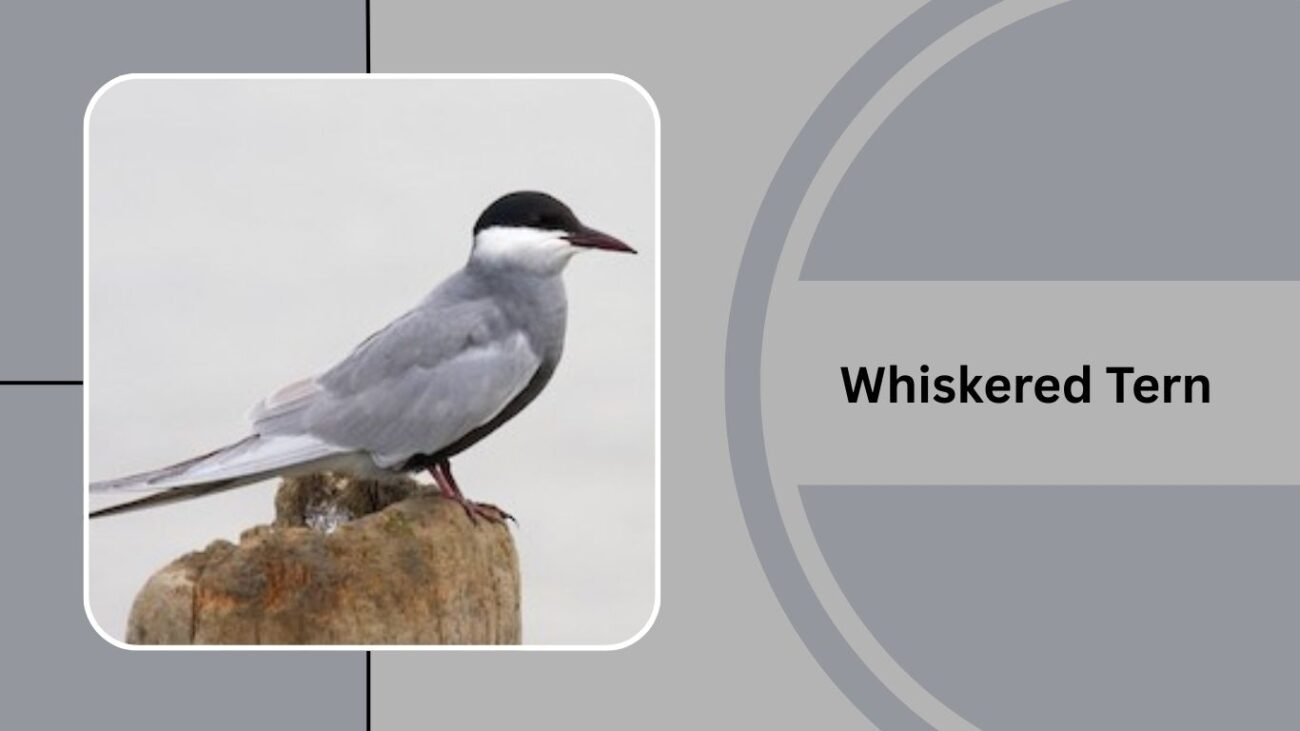
The Whiskered Tern (Chlidonias hybrida) is a marsh tern named for the pale streaks on its cheeks that resemble whiskers. It is widely distributed across Europe, Asia, and Africa, adapting well to freshwater habitats.
Identification
- Size: 9–11 inches (24–28 cm)
- Wingspan: 24–26 inches (61–67 cm)
- Color: Breeding plumage is black cap and underparts with gray wings and body; nonbreeding plumage is pale with a dark crown and gray back
- Bill: Short, stout, red in breeding season
- Legs: Red
- Tail: Short, slightly forked
Habitat and Range
Whiskered Terns breed in wetlands across southern Europe, Asia, and northern Africa. In winter, they migrate to Africa, South Asia, and Southeast Asia, often found in rice paddies and marshes.
Behavior and Diet
They feed on insects, frogs, small fish, and aquatic invertebrates, usually picked from the surface or caught mid-air. Whiskered Terns nest in colonies on floating vegetation and are highly social, often feeding in large flocks.
8. Gull-billed Tern
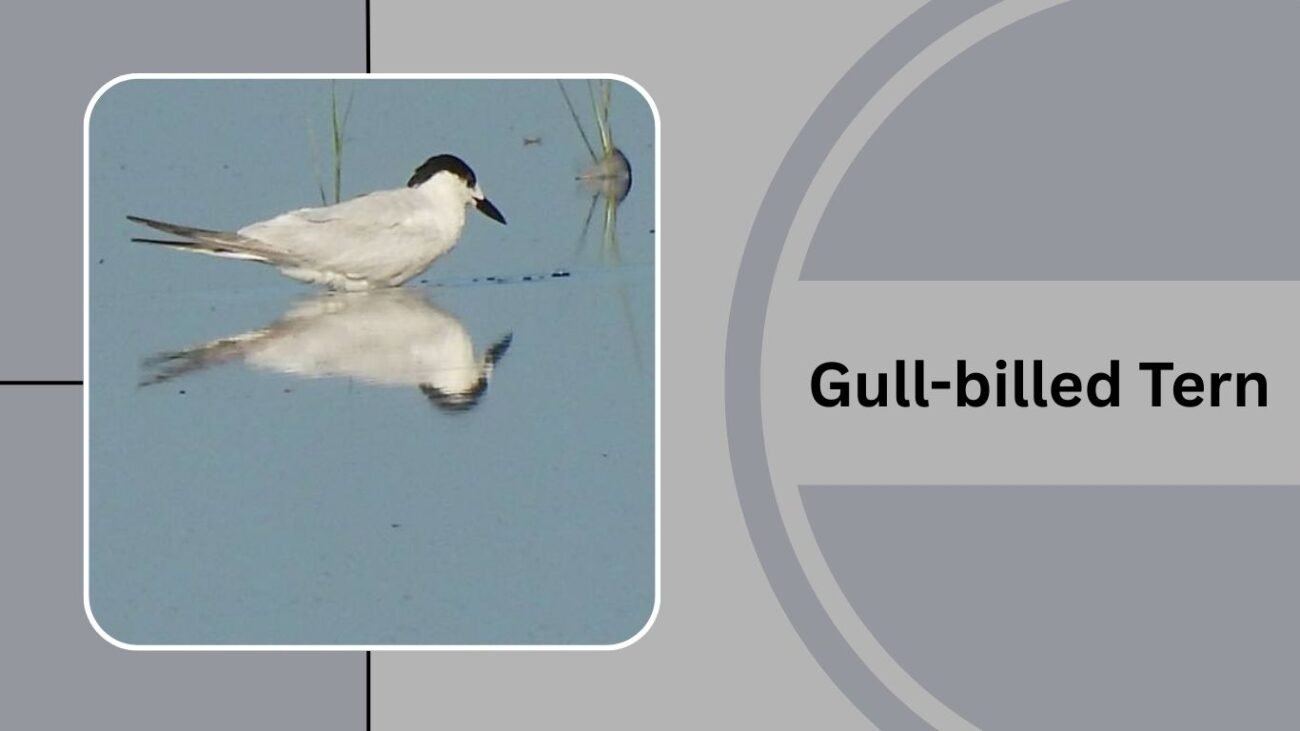
The Gull-billed Tern (Gelochelidon nilotica) is a robust, gull-like tern with a thick bill that distinguishes it from slender-billed relatives. Its adaptability allows it to feed not only on fish but also insects, amphibians, and small mammals.
Identification
- Size: 12–14 inches (30–36 cm)
- Wingspan: 28–30 inches (72–76 cm)
- Color: Pale gray upperparts, white underparts, and a black cap in breeding season; cap recedes in winter, leaving a dark eye patch
- Bill: Thick, strong, and black
- Legs: Black
- Tail: Short and slightly forked
Habitat and Range
They breed in warm temperate and tropical regions worldwide, including southern Europe, Asia, Africa, and the Americas. Preferred breeding sites are coastal lagoons, salt pans, and sandy islands.
Behavior and Diet
Unlike most terns, Gull-billed Terns often forage away from water, catching insects in flight or hunting small animals in fields. They are opportunistic feeders, showing great versatility in diet.
9. Caspian Tern
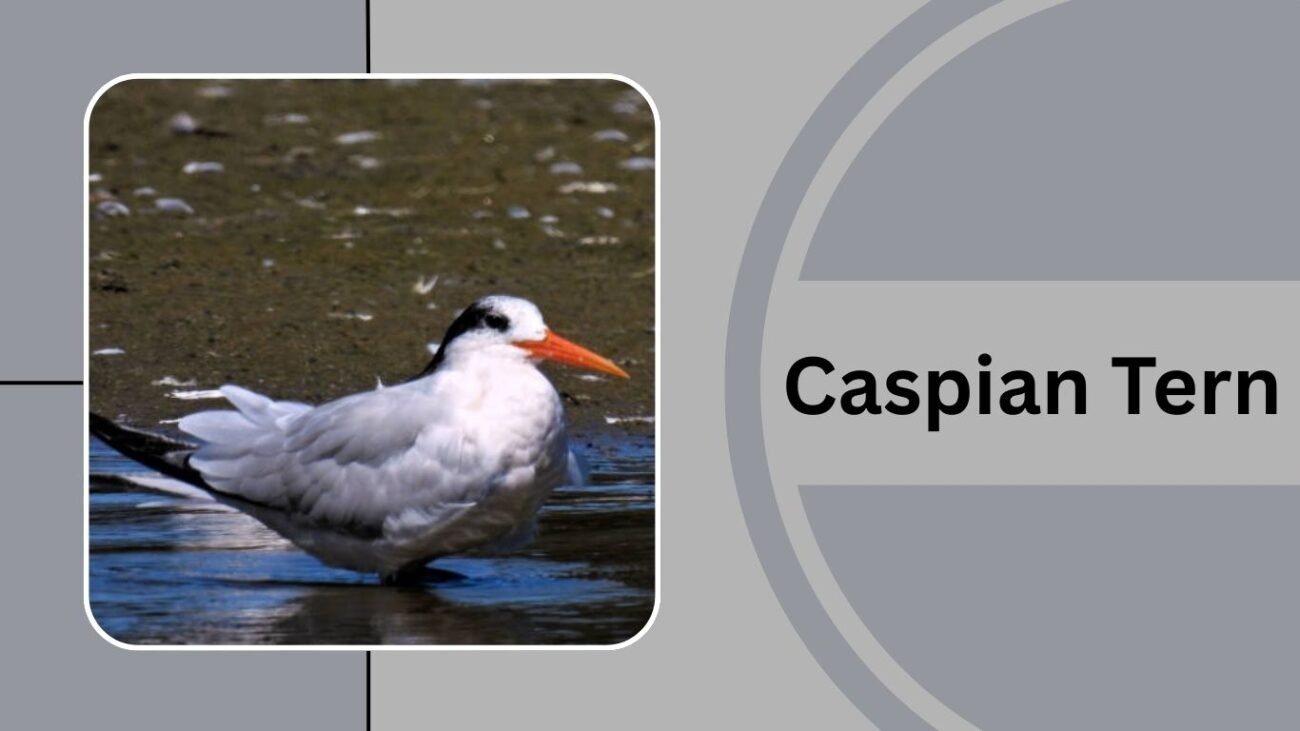
The Caspian Tern (Hydroprogne caspia) is the largest tern in the world, easily recognized by its massive red bill and powerful flight. Its loud, hoarse calls and commanding presence make it stand out among other seabirds.
Identification
- Size: 19–21 inches (48–54 cm)
- Wingspan: 50–57 inches (127–145 cm)
- Color: White body, pale gray wings, and black cap during breeding; cap recedes in winter to a dark crown
- Bill: Large, thick, bright red with a dark tip
- Legs: Black
- Tail: Short and shallowly forked
Habitat and Range
Caspian Terns breed along lakes, rivers, and coasts across North America, Europe, Asia, Africa, and Australasia. They winter along warmer coasts, often forming scattered flocks.
Behavior and Diet
They primarily eat fish, captured by plunge-diving with strong precision. Caspian Terns are territorial breeders, nesting in colonies on sandy or gravelly islands but aggressively defending their space from intruders, including other terns.
10. Royal Tern
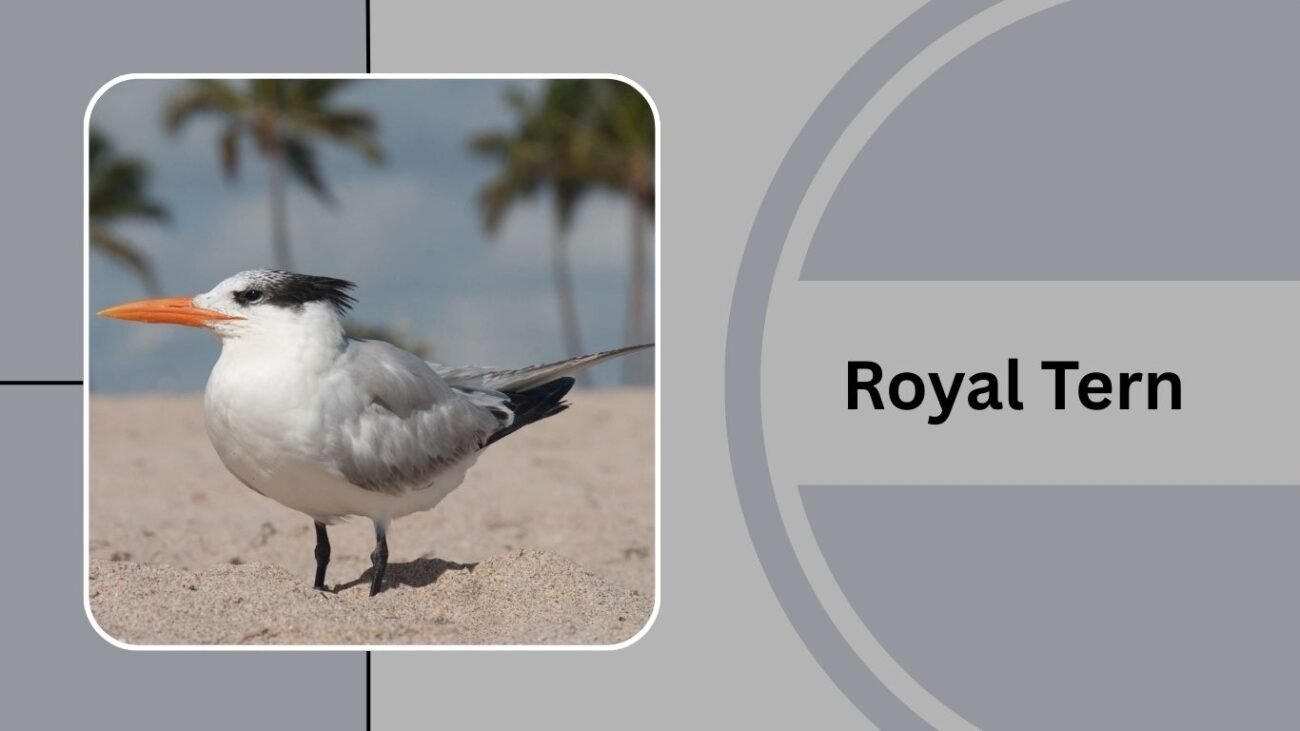
The Royal Tern (Thalasseus maximus) is a large, elegant tern known for its striking orange bill and graceful flight. It often roosts in large groups along sandy beaches, creating spectacular coastal gatherings.
Identification
- Size: 18–20 inches (45–50 cm)
- Wingspan: 49–52 inches (124–132 cm)
- Color: White body with pale gray back and wings; black cap in breeding season, reduced to a dark crest in winter
- Bill: Long, slender, bright orange
- Legs: Black
- Tail: Moderately forked
Habitat and Range
Royal Terns breed along the Atlantic and Gulf coasts of North and South America, as well as parts of West Africa. Wintering occurs along tropical and subtropical coasts.
Behavior and Diet
They feed mainly on fish, diving headfirst into the sea from above. Royal Terns are colonial nesters, often nesting alongside other seabirds. They are noisy, with sharp, rolling calls that echo across colonies.
11. Sandwich Tern
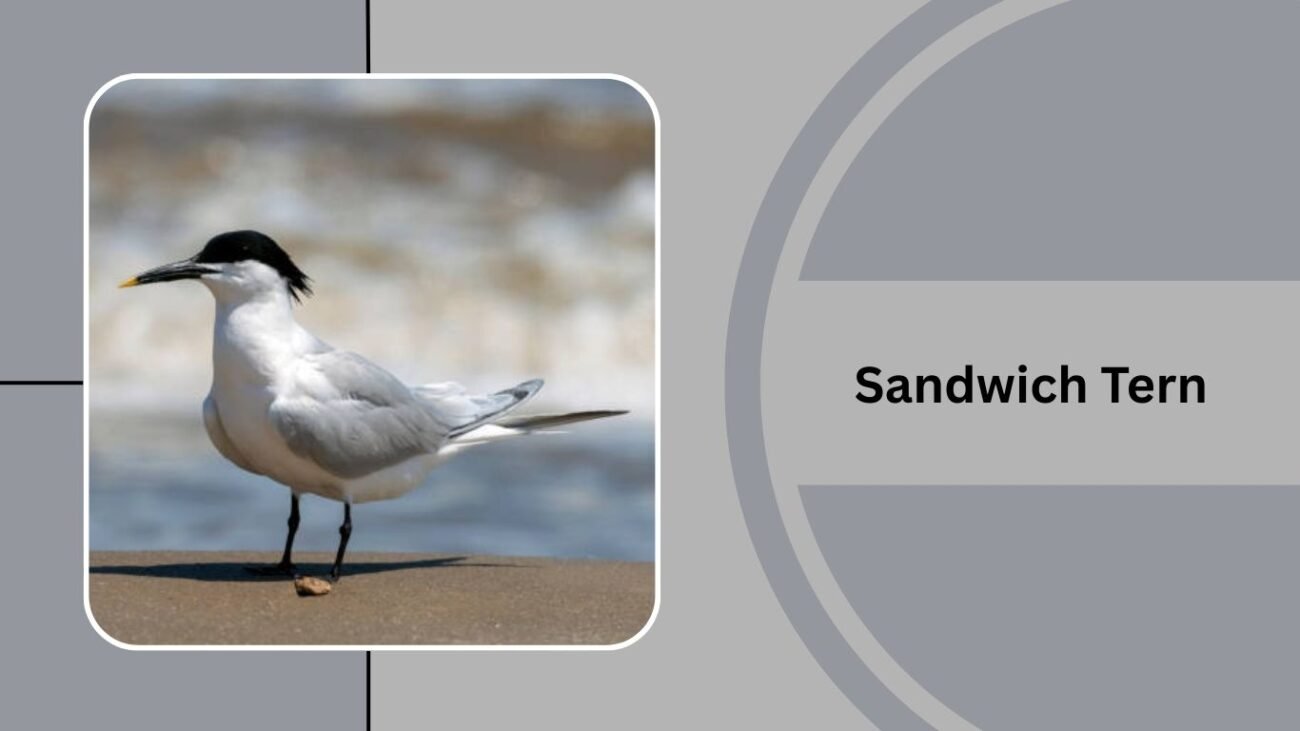
The Sandwich Tern (Thalasseus sandvicensis) is a medium-large tern recognized by its slender black bill tipped with yellow. It is graceful in flight and a specialist in plunge-diving for small fish.
Identification
- Size: 15–17 inches (38–43 cm)
- Wingspan: 34–37 inches (86–94 cm)
- Color: White body, pale gray back, and wings; black cap in breeding season, receding to a mottled crown in winter
- Bill: Long, slender, black with a yellow tip
- Legs: Black
- Tail: Moderately forked
Habitat and Range
They breed along European coasts, the Mediterranean, and parts of the Caribbean and North America. In winter, they migrate to Africa, South America, and southern Asia, favoring sandy beaches and lagoons.
Behavior and Diet
Sandwich Terns feed on small fish and crustaceans, captured by swift plunge-dives. They nest in dense colonies on sandy or shingle beaches, often near gulls and other tern species, and are highly vocal with loud, grating calls.
12. Elegant Tern
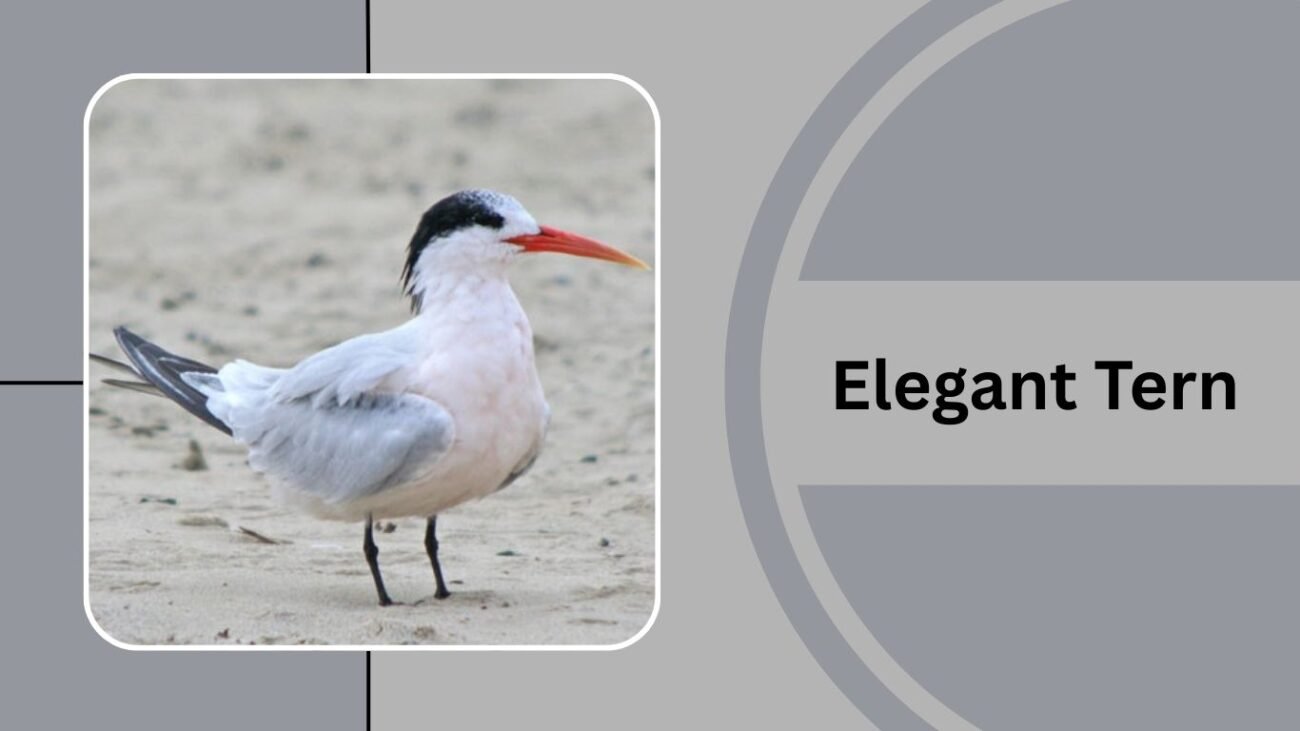
The Elegant Tern (Thalasseus elegans) is a sleek, long-billed tern with a stylish crest, giving it a refined appearance. It is known for its slender build and is mostly confined to the Pacific coasts of the Americas.
Identification
- Size: 15–17 inches (38–43 cm)
- Wingspan: 40–47 inches (102–119 cm)
- Color: White body, pale gray wings and back; black cap in breeding season with a shaggy crest
- Bill: Long, slender, orange to reddish-orange
- Legs: Black
- Tail: Moderately forked
Habitat and Range
They breed mainly in Mexico and southern California, nesting in large colonies on coastal islands. Wintering extends south along the Pacific coast to Peru and Chile.
Behavior and Diet
Elegant Terns feed almost exclusively on fish, caught by plunge-diving. They are highly social, nesting in dense colonies and often forming mixed flocks with Royal and Sandwich Terns. Their calls are harsh and distinctive, often echoing over colonies.
13. Lesser Crested Tern
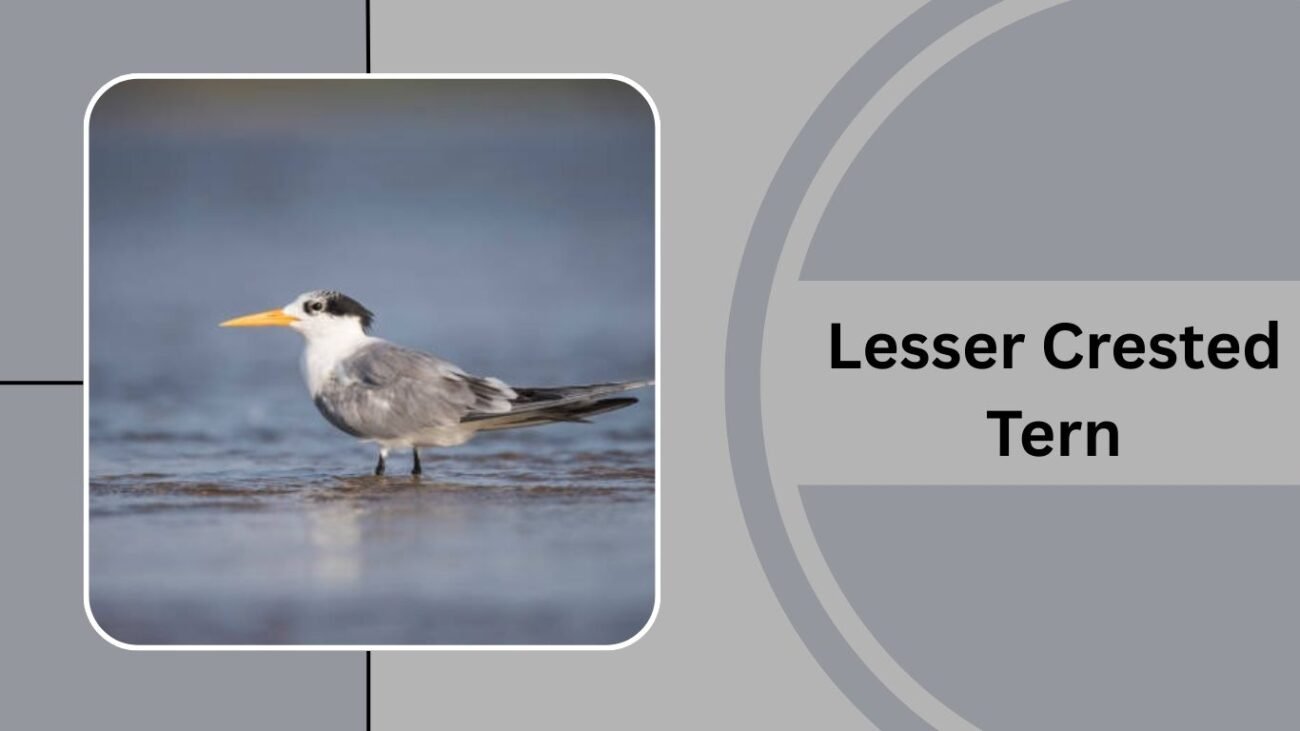
The Lesser Crested Tern (Thalasseus bengalensis) is a medium-sized tern with a bright orange bill, often confused with the larger Royal Tern but distinguishable by size and range.
Identification
- Size: 14–16 inches (36–41 cm)
- Wingspan: 35–37 inches (89–94 cm)
- Color: White body, pale gray back, black cap in breeding season, fading to mottled in winter
- Bill: Orange, slightly shorter and slimmer than the Royal Tern’s
- Legs: Black
- Tail: Forked
Habitat and Range
They breed along tropical coasts of the Indian Ocean, Red Sea, and parts of Southeast Asia. Wintering extends to East Africa, India, and northern Australia.
Behavior and Diet
Lesser Crested Terns feed mostly on fish, diving from the air into shallow waters. They nest in colonies on sandy islands, often alongside Greater Crested and Sandwich Terns, and are loud, social birds during the breeding season.
14. Greater Crested Tern
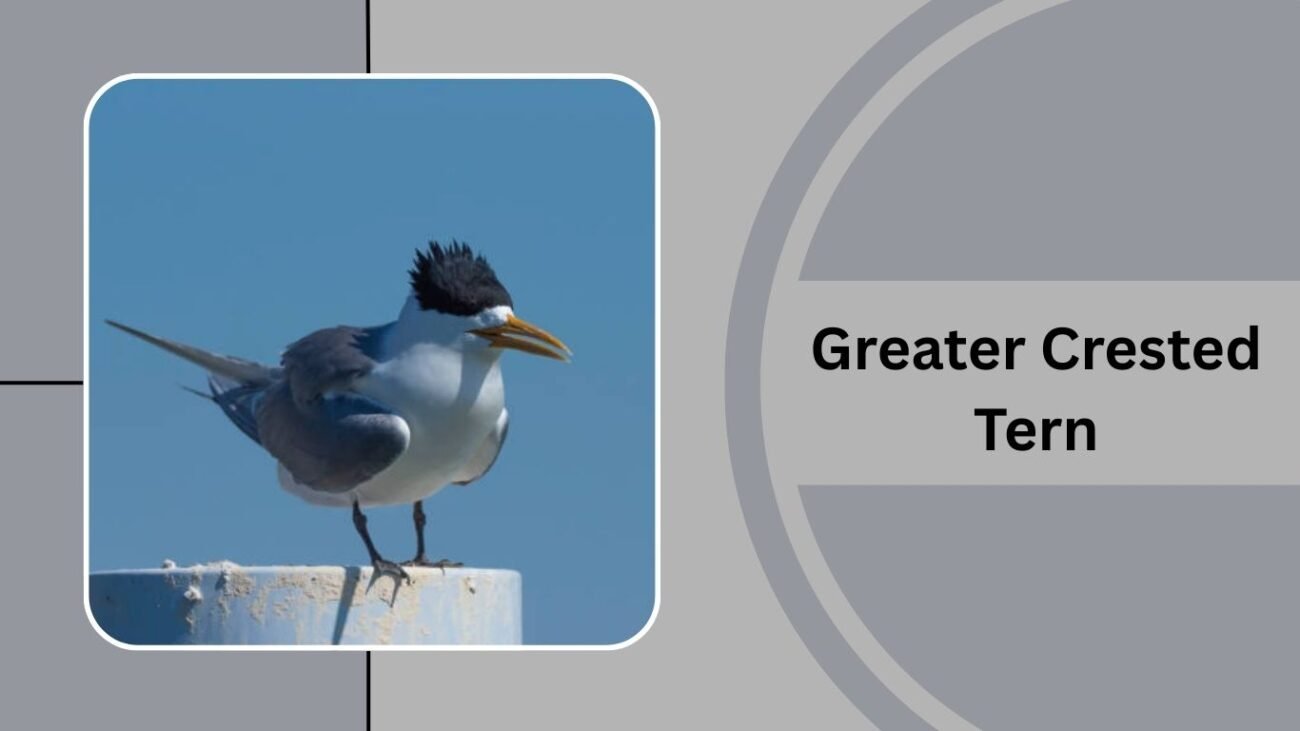
The Greater Crested Tern (Thalasseus bergii), also known as the Swift Tern, is a large coastal tern with a powerful presence. It is distinguished by its shaggy black crest and loud calls that dominate colonies.
Identification
- Size: 18–20 inches (46–51 cm)
- Wingspan: 47–51 inches (120–130 cm)
- Color: White body with pale gray back and wings; black crest and cap in breeding season, mottled in winter
- Bill: Large, strong, yellow to yellow-green
- Legs: Black
- Tail: Moderately forked
Habitat and Range
They are widespread across tropical and subtropical coasts of the Indian Ocean, western Pacific, and parts of Australia. They prefer sandy islands, coral reefs, and estuaries for breeding.
Behavior and Diet
Greater Crested Terns feed mainly on fish, caught by plunge-diving into coastal waters. They are colonial nesters, often forming very large, noisy colonies with other tern species. Their raucous calls make them one of the loudest terns in mixed flocks.
15. Chinese Crested Tern
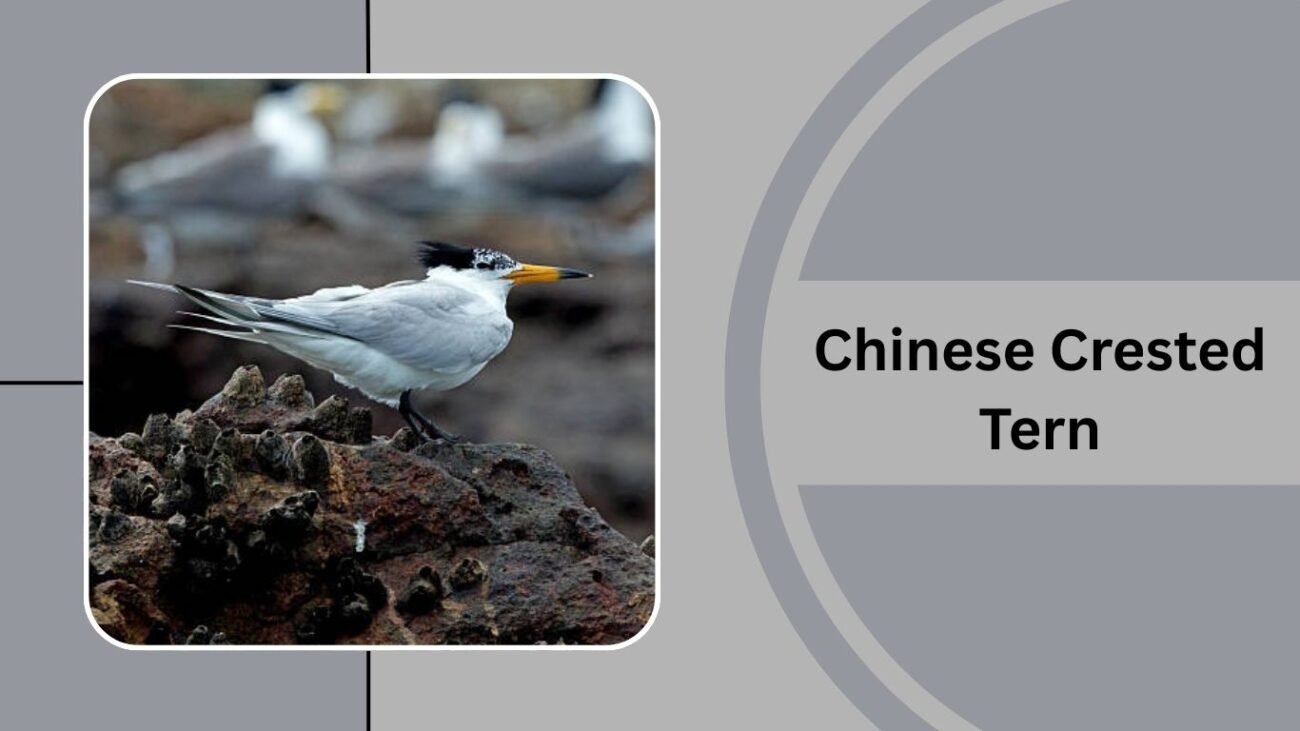
The Chinese Crested Tern (Thalasseus bernsteini) is one of the rarest seabirds in the world, critically endangered and highly sought after by birdwatchers. It is closely related to the Greater Crested Tern but identifiable by its pale bill tip.
Identification
- Size: 16–17 inches (41–43 cm)
- Wingspan: 44–47 inches (112–120 cm)
- Color: White body, gray back and wings; black crest and cap in breeding plumage
- Bill: Yellow with a distinct black tip
- Legs: Black
- Tail: Forked
Habitat and Range
They breed on small offshore islands in the East China Sea. Wintering grounds are less well known but include Southeast Asia. With only a few hundred individuals left, their distribution is extremely restricted.
Behavior and Diet
Chinese Crested Terns feed mainly on fish, diving headfirst into the sea like other crested terns. They nest in colonies, often alongside Greater Crested Terns, but their population has been devastated by habitat loss and egg collection.
16. Black-naped Tern
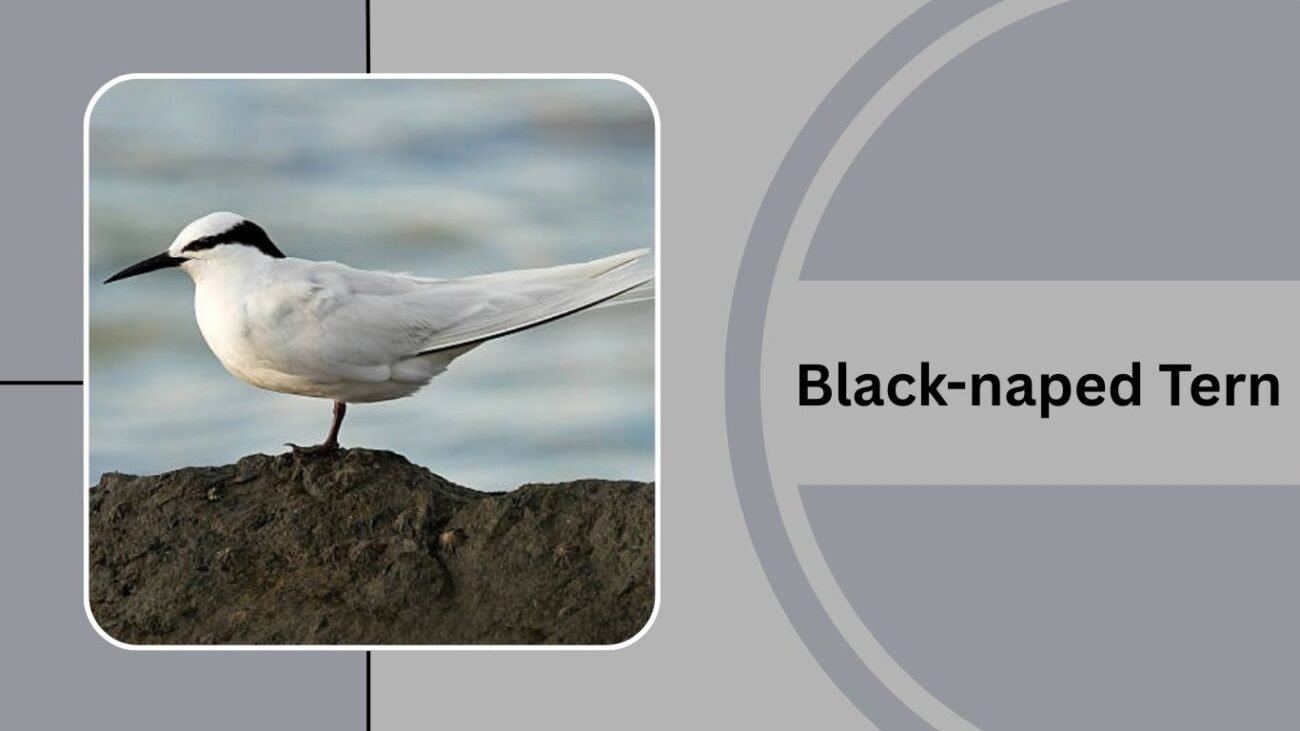
The Black-naped Tern (Sterna sumatrana) is a graceful, pale tern easily recognized by the thin black line running from its bill through the eye to the nape. It is a common sight in tropical and subtropical seas.
Identification
- Size: 12–13 inches (30–33 cm)
- Wingspan: 25–27 inches (64–69 cm)
- Color: Pure white body with pale gray upperwings; narrow black eye-line extending to the nape
- Bill: Long, slender, black
- Legs: Black
- Tail: Very long, deeply forked, often extending beyond wing tips
Habitat and Range
They breed on sandy and coral islands across the Indian Ocean and western Pacific, including Southeast Asia, northern Australia, and the Red Sea.
Behavior and Diet
Black-naped Terns feed primarily on small fish, caught by shallow plunge-dives in coastal waters. They nest in colonies on beaches, rocky outcrops, and coral cays, laying eggs in scrapes on the ground.
17. Roseate Tern
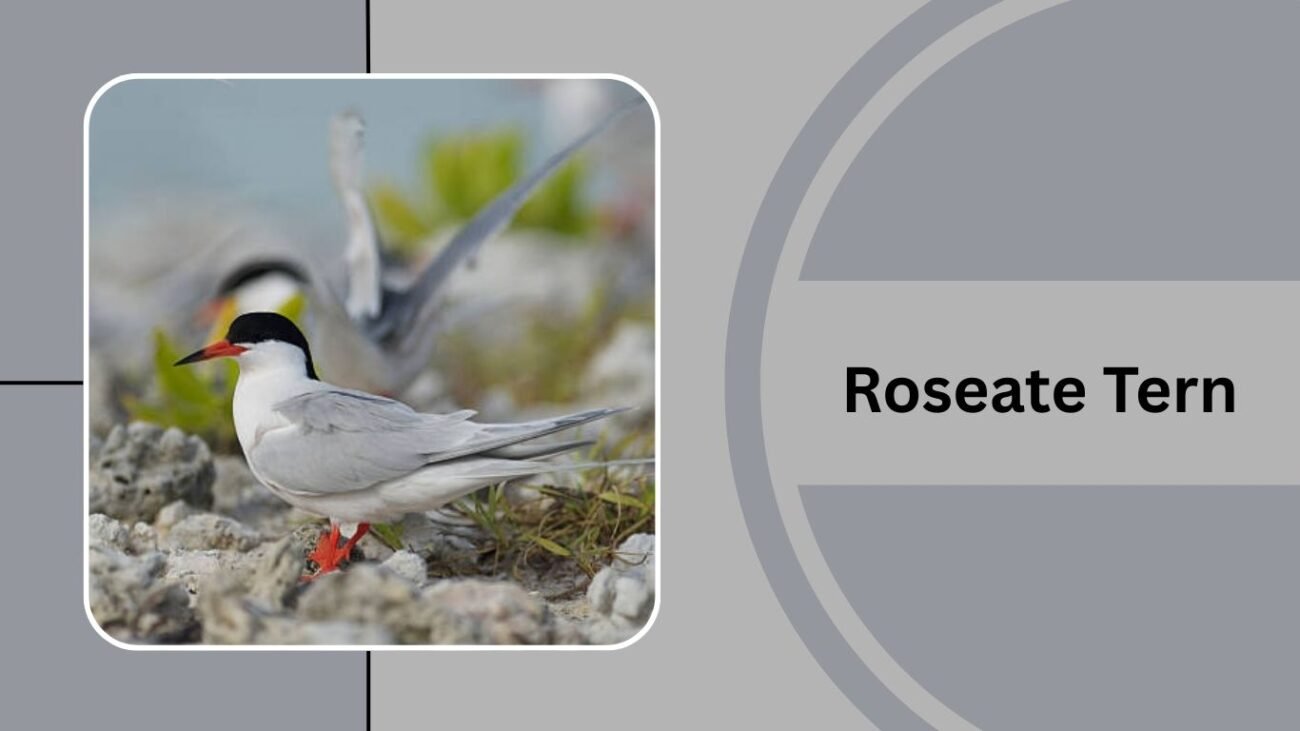
The Roseate Tern (Sterna dougallii) is a slender, elegant tern known for its delicate pinkish flush during breeding season and long tail streamers. It is considered one of the most beautiful tern species.
Identification
- Size: 13–15 inches (33–38 cm)
- Wingspan: 30–33 inches (76–84 cm)
- Color: White with a subtle rosy wash on the breast in breeding plumage; black cap extends to the nape
- Bill: Black with a red base during breeding
- Legs: Red
- Tail: Long, deeply forked with elongated streamers
Habitat and Range
They breed on islands along the Atlantic coasts of North America and Europe, as well as in parts of the Caribbean, Indian Ocean, and Pacific. Wintering grounds include the tropics, especially West Africa and Southeast Asia.
Behavior and Diet
Roseate Terns feed mainly on small fish, captured by elegant plunge-dives. They nest in colonies, often hiding nests in vegetation or under rocks for protection, and are very social with other tern species during breeding season.
18. Sooty Tern
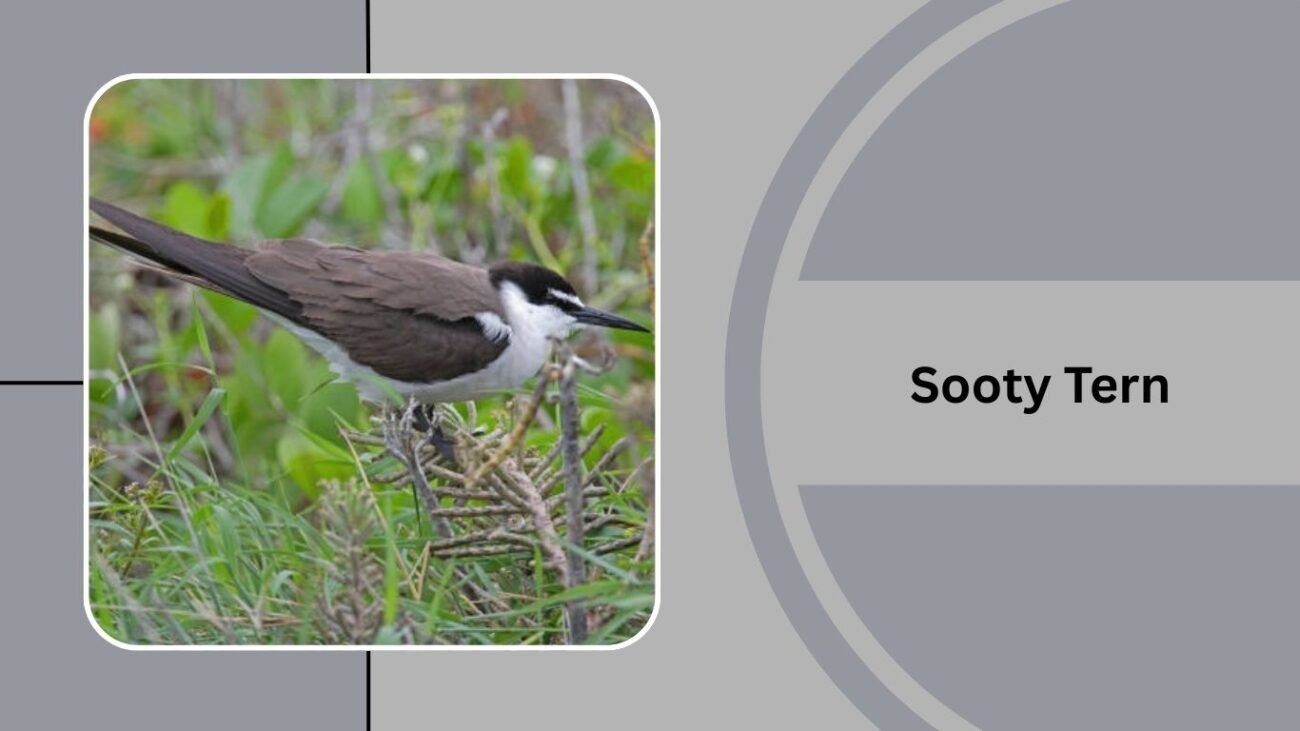
The Sooty Tern (Onychoprion fuscatus) is a striking black-and-white tern best known for its massive breeding colonies on tropical islands. Sailors historically called it the “Wideawake Tern” because of its noisy, nonstop calls.
Identification
- Size: 14–15 inches (35–38 cm)
- Wingspan: 30–34 inches (77–86 cm)
- Color: Black back, wings, and cap; white forehead, underparts, and collar
- Bill: Black, slender, straight
- Legs: Black
- Tail: Long, deeply forked
Habitat and Range
They breed on tropical islands across the Atlantic, Pacific, and Indian Oceans, including the Caribbean and remote Pacific atolls. Sooty Terns spend most of their lives at sea, only coming ashore to breed.
Behavior and Diet
Their diet consists mainly of fish and squid, caught by dipping from the air or surface-seizing. They nest in enormous colonies, sometimes numbering in the millions, with nests placed directly on the ground. Their loud, continuous calls make colonies almost deafening.
19. Bridled Tern
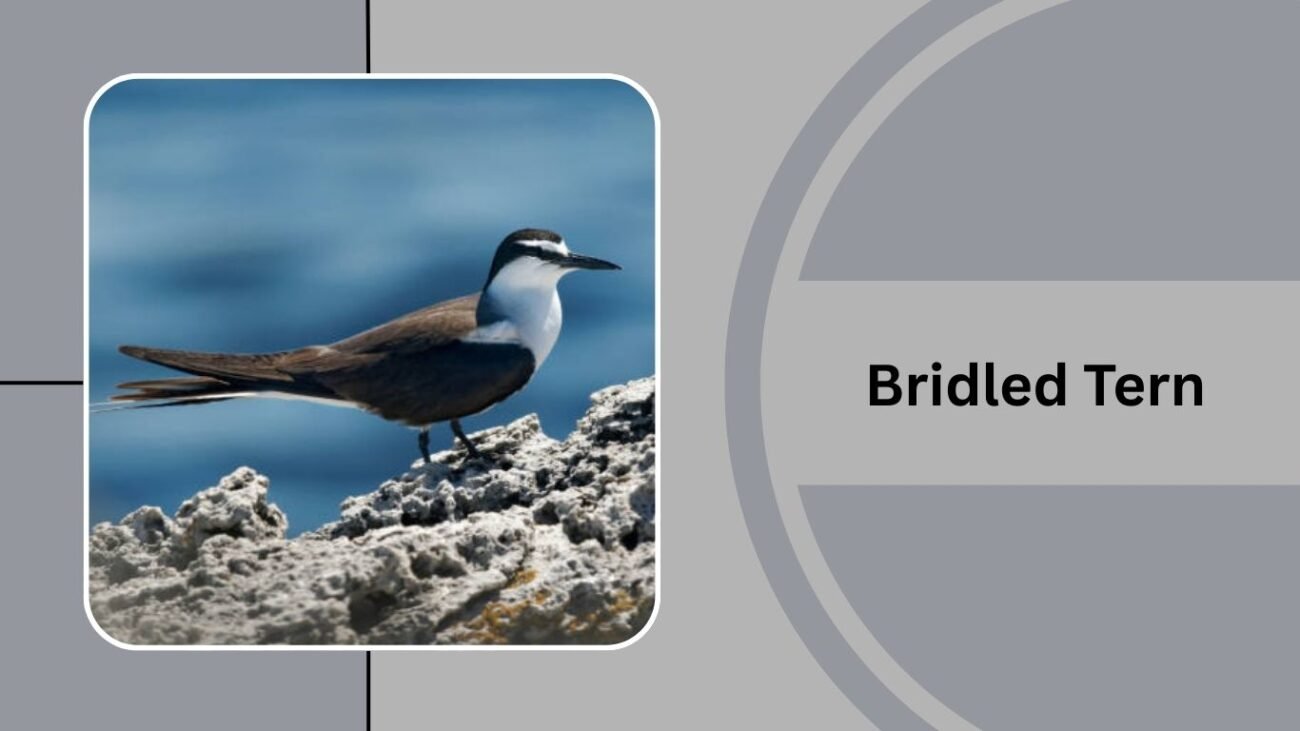
The Bridled Tern (Onychoprion anaethetus) is a slender seabird with elegant black-and-white plumage, often seen resting on rocky coasts and offshore islands. Its more delicate appearance and quieter nature distinguish it from the Sooty Tern.
Identification
- Size: 13–15 inches (33–38 cm)
- Wingspan: 30–32 inches (76–81 cm)
- Color: Dark gray-brown back and wings; black cap with white forehead and eyebrow; white underparts
- Bill: Black, slender
- Legs: Black
- Tail: Moderately forked, shorter than Sooty Tern
Habitat and Range
They breed on tropical and subtropical coasts and islands in the Atlantic, Indian, and Pacific Oceans. Nesting often occurs in rocky crevices or under vegetation rather than in open colonies.
Behavior and Diet
Bridled Terns feed on small fish and squid, captured by surface-dipping or shallow plunge-diving. They are less gregarious than Sooty Terns, forming smaller colonies or nesting in scattered pairs. Their soft calls contrast with the constant din of their noisier relatives.
20. Little Tern
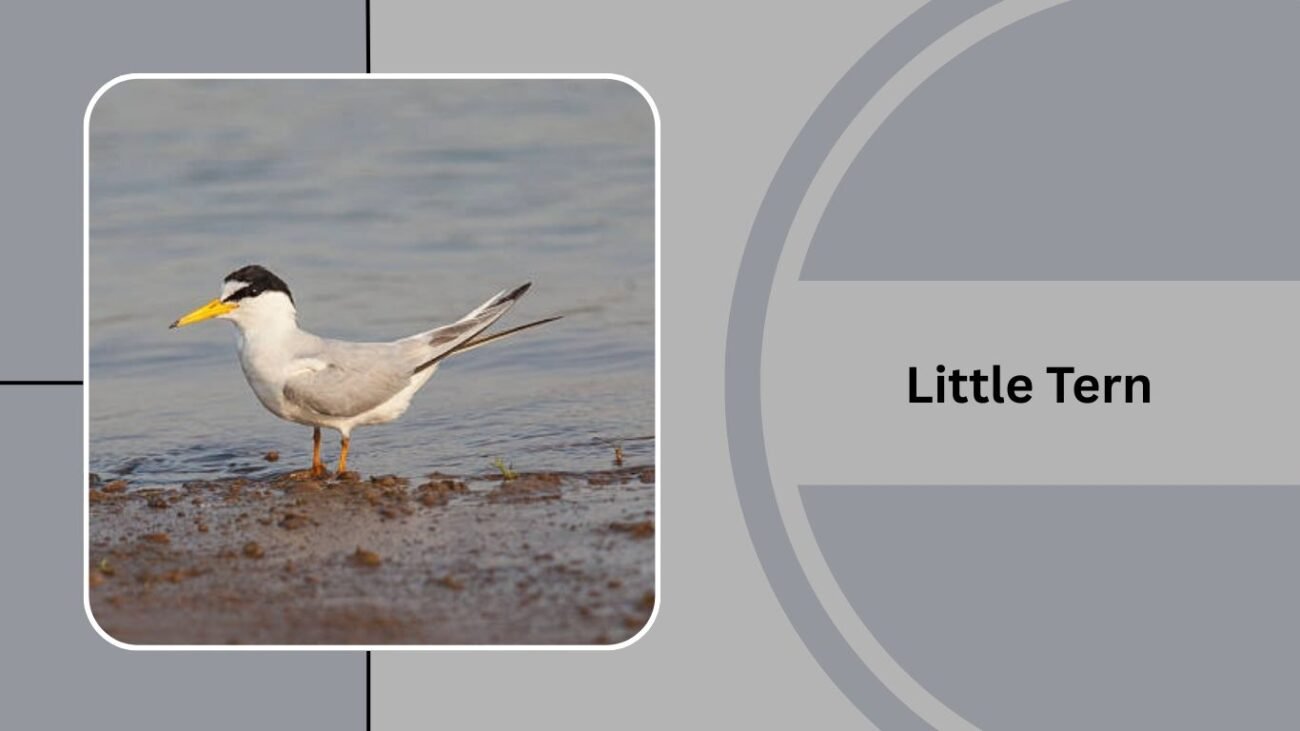
The Little Tern (Sternula albifrons) is a tiny tern with a fast, fluttering flight and sharp, high-pitched calls. Despite its small size, it is a skilled fisher, often seen hovering before diving into shallow waters.
Identification
- Size: 8.5–9.5 inches (22–24 cm)
- Wingspan: 18–20 inches (46–52 cm)
- Color: White underparts, pale gray back and wings; black cap with a white forehead patch
- Bill: Yellow with a black tip
- Legs: Yellow
- Tail: Short and forked
Habitat and Range
They breed on sandy beaches, riverbanks, and coastal lagoons across Europe, Asia, and parts of Australia. In winter, they migrate to Africa, South Asia, and northern Australia.
Behavior and Diet
Little Terns feed mainly on small fish, caught by hovering and plunge-diving into shallow waters. They nest in colonies, scraping shallow nests directly into sand or gravel, and vigorously defend their breeding territories.
21. Saunders’s Tern
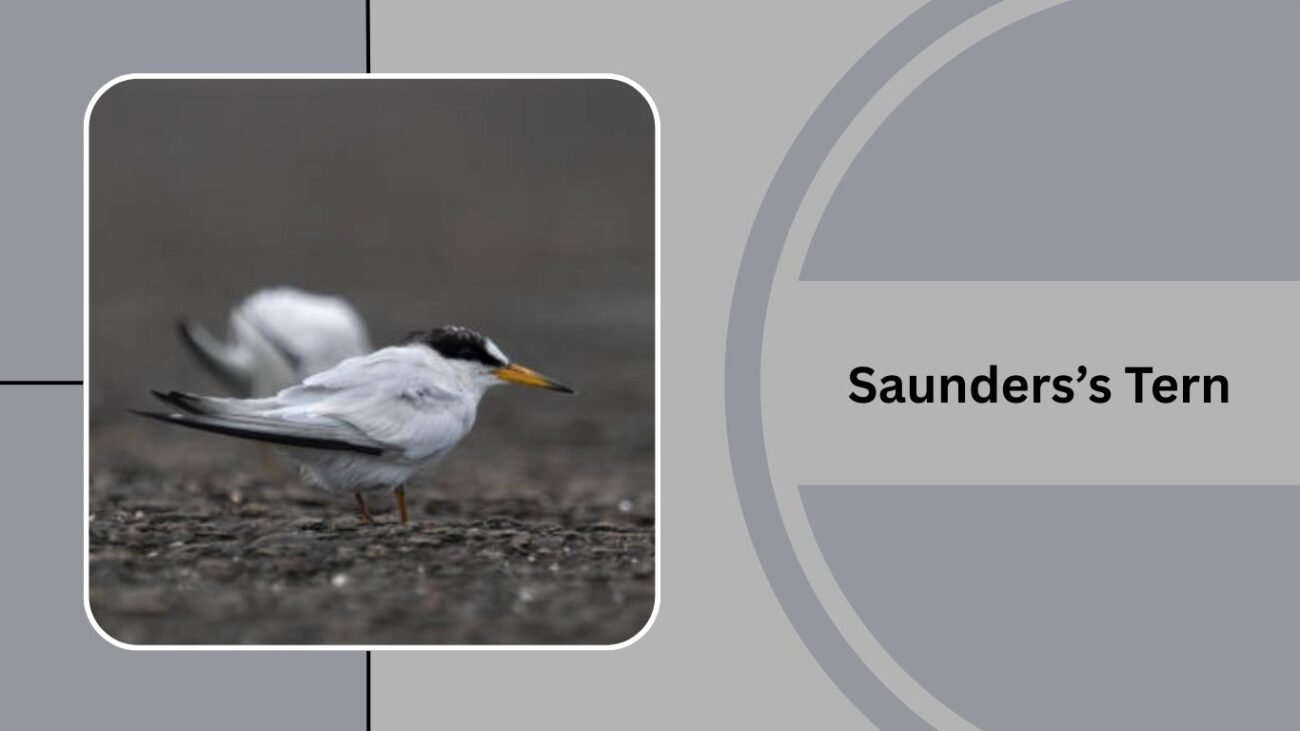
Saunders’s Tern (Sternula saundersi) is a small, coastal tern closely resembling the Little Tern but distinguished by subtle differences in bill and plumage. It is mainly found around the Arabian Peninsula and parts of South Asia.
Identification
- Size: 8–9 inches (21–23 cm)
- Wingspan: 18–20 inches (46–50 cm)
- Color: White body, pale gray upperparts; black cap with a small white forehead patch
- Bill: Black with yellowish base (breeding); entirely black in nonbreeding
- Legs: Yellow to orange
- Tail: Short, forked
Habitat and Range
They breed along sandy coasts and salt flats of the Middle East, Red Sea, Arabian Gulf, and parts of India. Wintering grounds include nearby coastal regions of East Africa and South Asia.
Behavior and Diet
Saunders’s Terns feed on tiny fish and marine invertebrates, caught by hovering and diving in shallow coastal waters. They nest in small colonies on sandy flats, with simple scrapes for nests, and are very vocal during the breeding season.
22. Fairy Tern
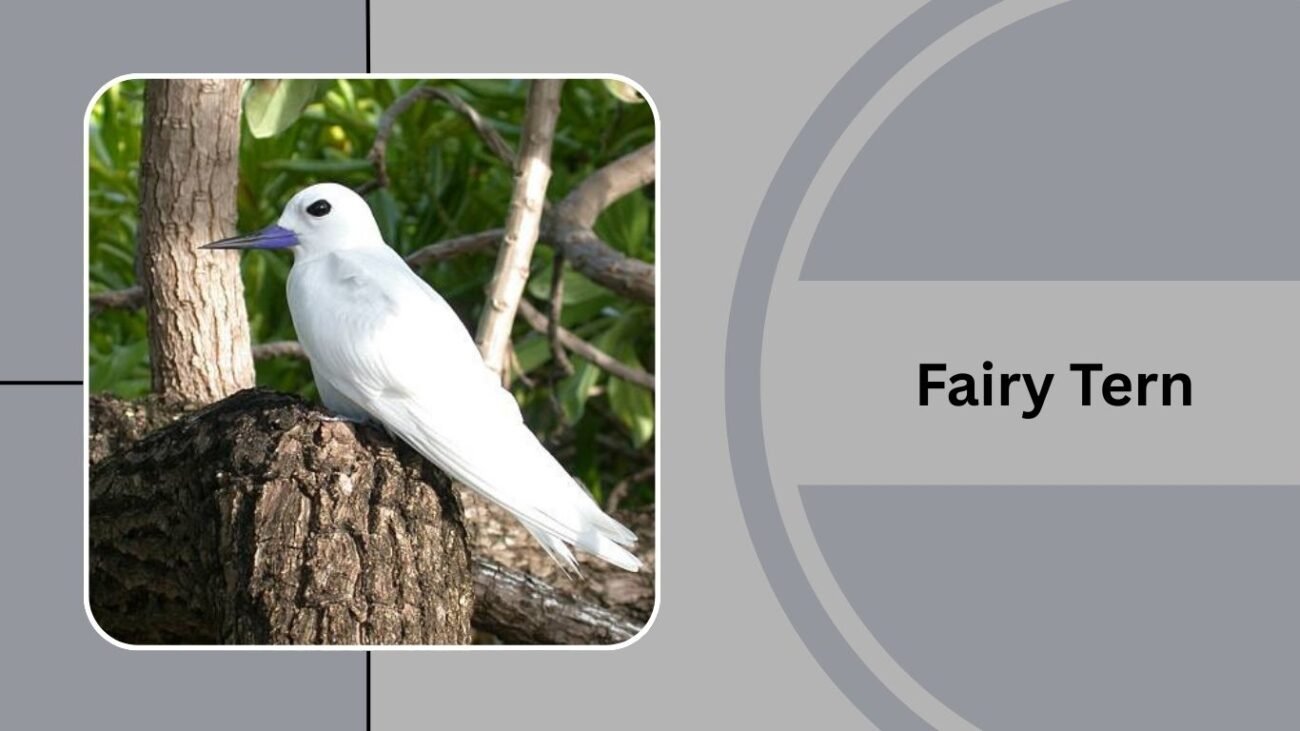
The Fairy Tern (Sternula nereis) is a delicate, pale tern often found in coastal Australia and nearby islands. It is named for its dainty size and graceful flight, making it one of the most charming tern species.
Identification
- Size: 9–10 inches (23–25 cm)
- Wingspan: 20–22 inches (50–55 cm)
- Color: White body, pale gray upperwings; black cap with small white forehead patch
- Bill: Yellow with a black tip
- Legs: Yellow to orange
- Tail: Short and forked
Habitat and Range
They breed on sandy beaches, offshore islands, and lagoons in southern Australia, New Zealand, and parts of the South Pacific.
Behavior and Diet
Fairy Terns feed mainly on small fish and crustaceans, caught by plunge-diving in shallow waters. They nest in small colonies, scraping shallow nests into sand, and are highly protective of their breeding sites.
23. Inca Tern
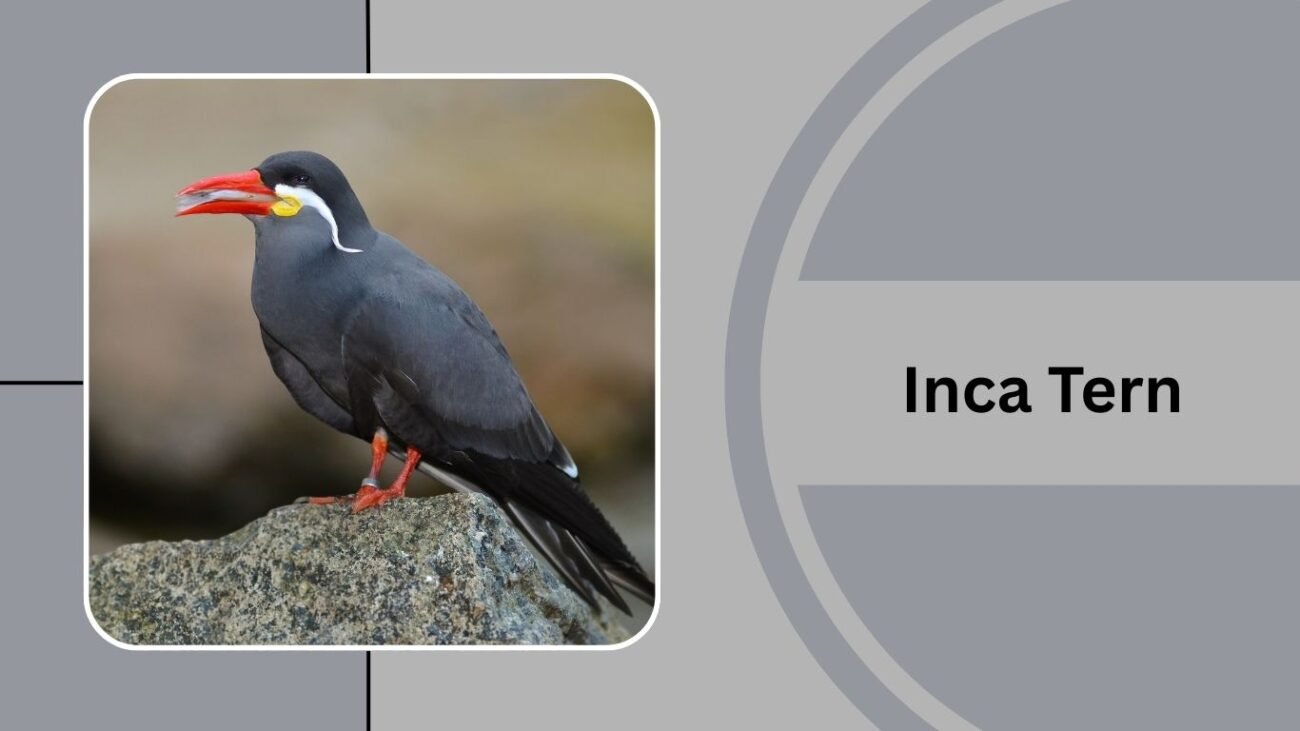
The Inca Tern (Larosterna inca) is one of the most distinctive terns, easily recognized by its dark plumage and striking white “moustache” feathers. Endemic to the Pacific coast of South America, it is a favorite among bird enthusiasts for its unique appearance.
Identification
- Size: 15–16 inches (39–41 cm)
- Wingspan: 30–32 inches (76–82 cm)
- Color: Slate-gray body with a contrasting white moustache extending from the bill; red bill and legs
- Bill: Medium length, red, slightly downcurved
- Legs: Bright red
- Tail: Moderately forked
Habitat and Range
They inhabit rocky coasts and offshore islands along the Humboldt Current, mainly in Peru and Chile.
Behavior and Diet
Inca Terns feed primarily on anchovies and other small fish, caught by plunge-diving into cold, nutrient-rich waters. They nest in burrows, rock crevices, or abandoned seabird burrows, forming dense colonies. Their flamboyant plumage makes them one of the most visually striking seabirds.
24. White Tern
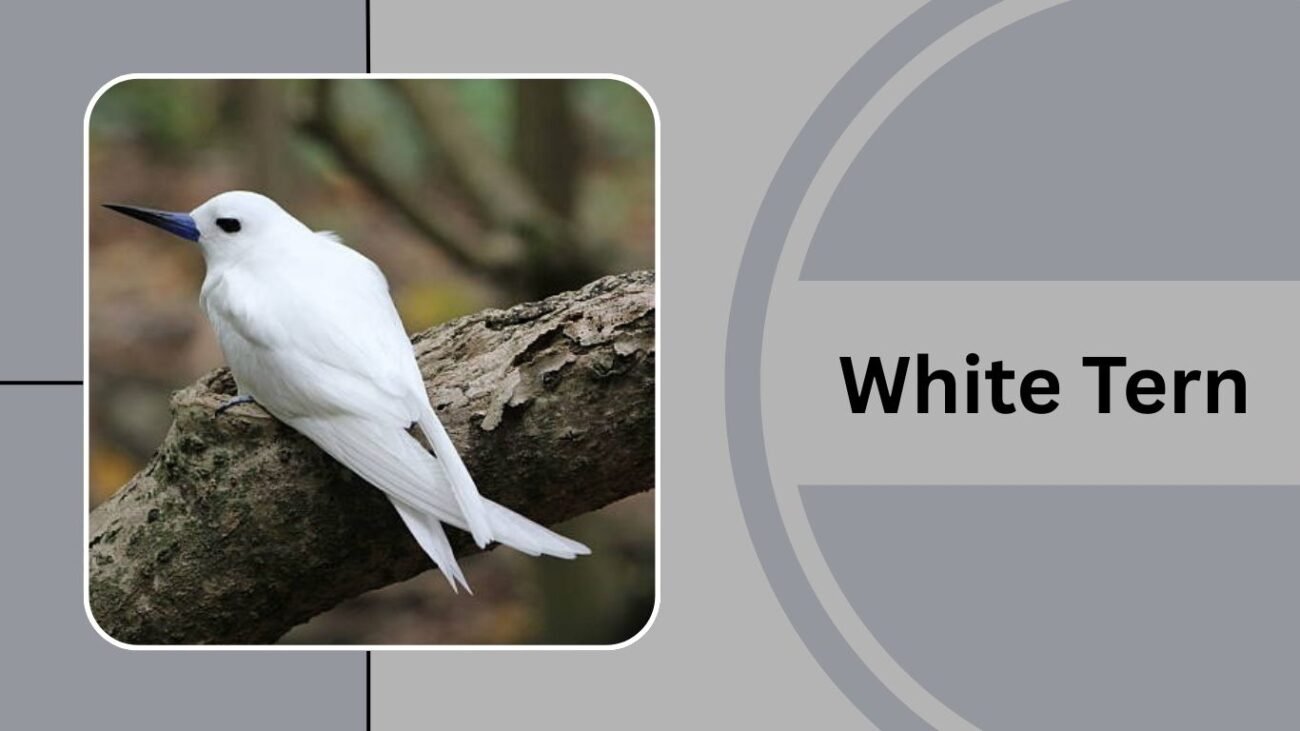
The White Tern (Gygis alba), often called the “Fairy Tern,” is a pure white seabird known for its habit of laying eggs directly on bare branches without building a nest. Its striking appearance and unusual nesting make it a unique tern species.
Identification
- Size: 11–12 inches (28–30 cm)
- Wingspan: 25–28 inches (63–71 cm)
- Color: Entirely white plumage with a slight sheen
- Bill: Long, slender, blackish-blue with a bluish base
- Legs: Blue-gray to dark
- Tail: Long and pointed, not deeply forked
Habitat and Range
White Terns are found across tropical oceans, breeding on islands in the Pacific, Indian, and Atlantic Oceans, including Hawaii and Seychelles.
Behavior and Diet
They feed mainly on small fish and squid, caught by plunge-diving. White Terns are highly agile in flight and known for their unusual nesting habit of balancing eggs on branches or ledges without any nest structure.
25. Black-fronted Tern
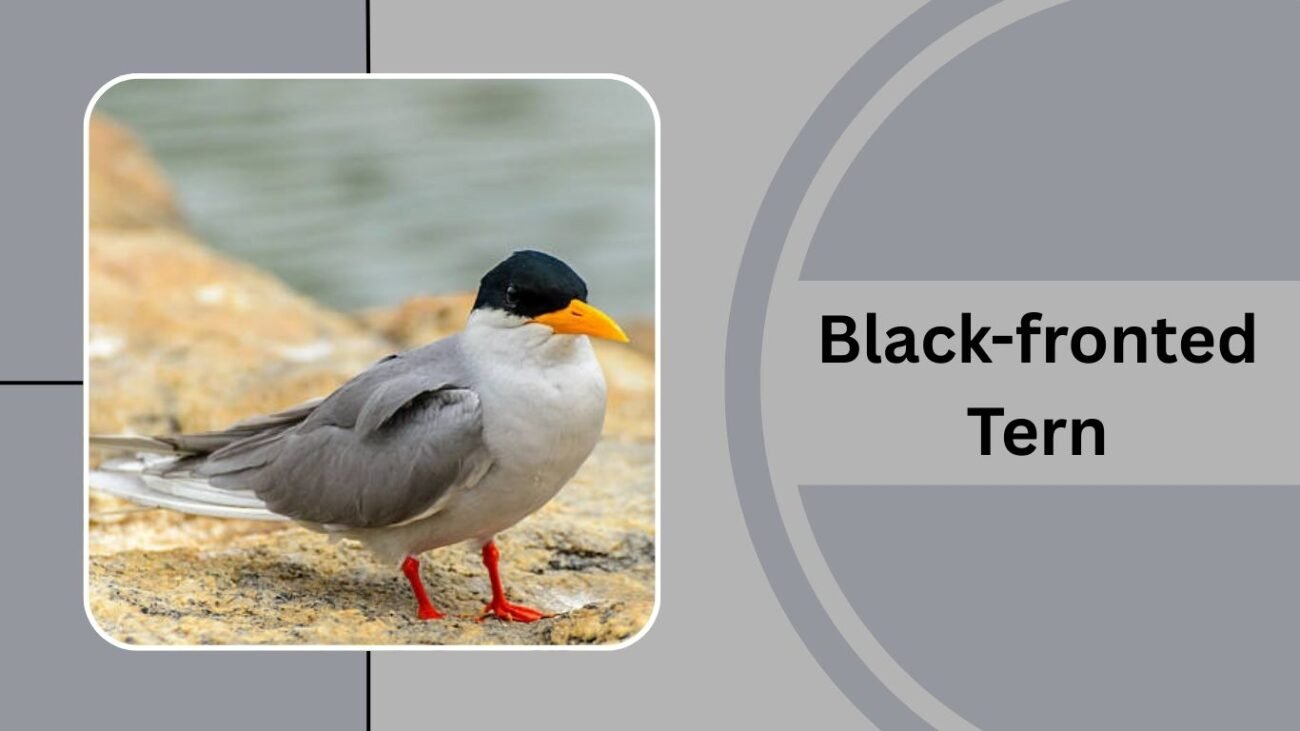
The Black-fronted Tern (Chlidonias albostriatus) is an endangered tern endemic to New Zealand, often seen along rivers and braided streams. Its sharp black mask and agile flight distinguish it from other terns.
Identification
- Size: 11–12 inches (28–31 cm)
- Wingspan: 26–28 inches (65–72 cm)
- Color: Gray body with white underparts; black forehead and eye-stripe; white cheek and throat
- Bill: Slender, black
- Legs: Red
- Tail: Long, forked
Habitat and Range
They breed inland along rivers and shingle beds in New Zealand’s South Island and migrate to coastal areas during winter.
Behavior and Diet
Black-fronted Terns feed on insects, small fish, and invertebrates, caught while skimming over rivers or plunge-diving. They nest in small colonies on gravel riverbeds, but their population is declining due to predation and habitat loss.