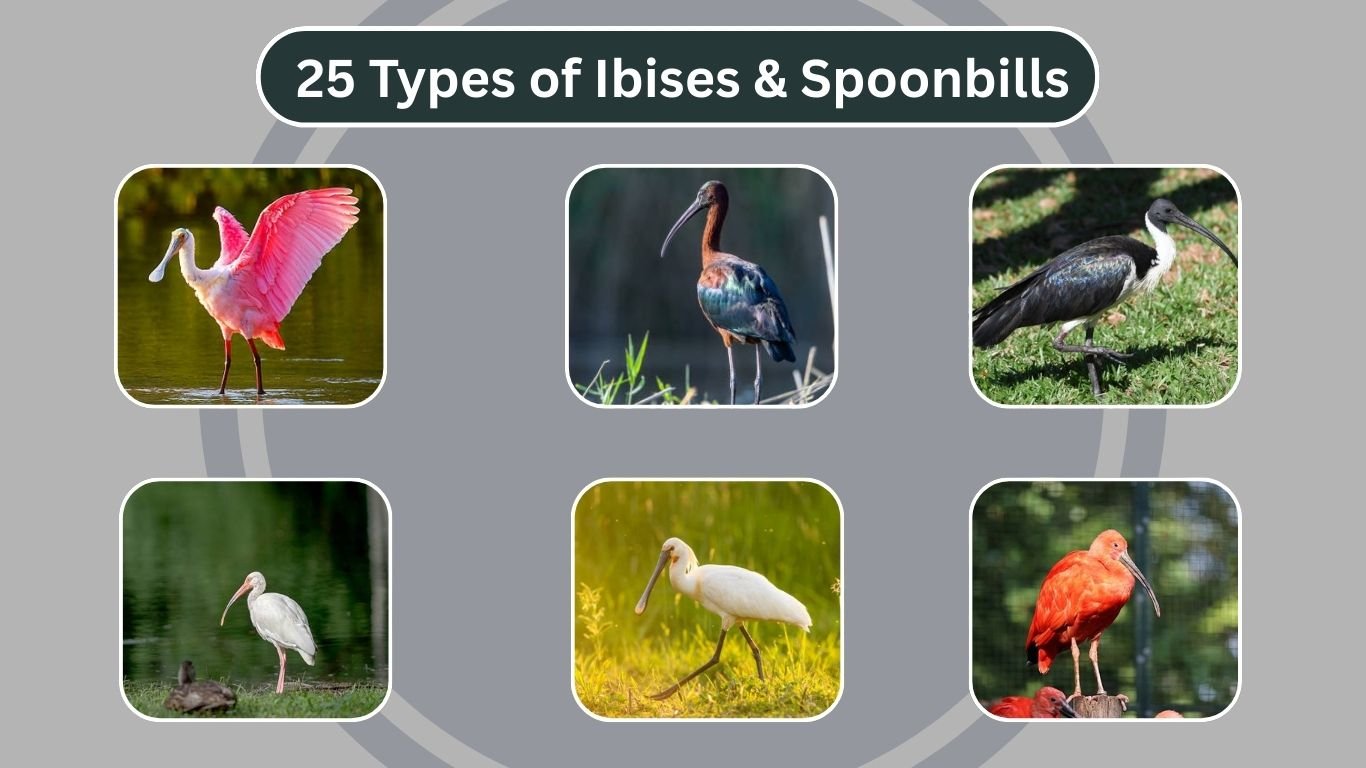
The family of ibises and spoonbills is a fascinating group of wading birds, admired for their long, curved or spoon-shaped bills and elegant movements in wetlands. Spread across the globe, these species thrive in marshes, estuaries, and riverbanks, each playing a vital ecological role in their habitat. From the brightly colored Roseate Spoonbill to the endangered Northern Bald Ibis, this collection highlights the diversity and beauty of 25 unique ibises and spoonbills.
1. Glossy Ibis (Plegadis falcinellus)
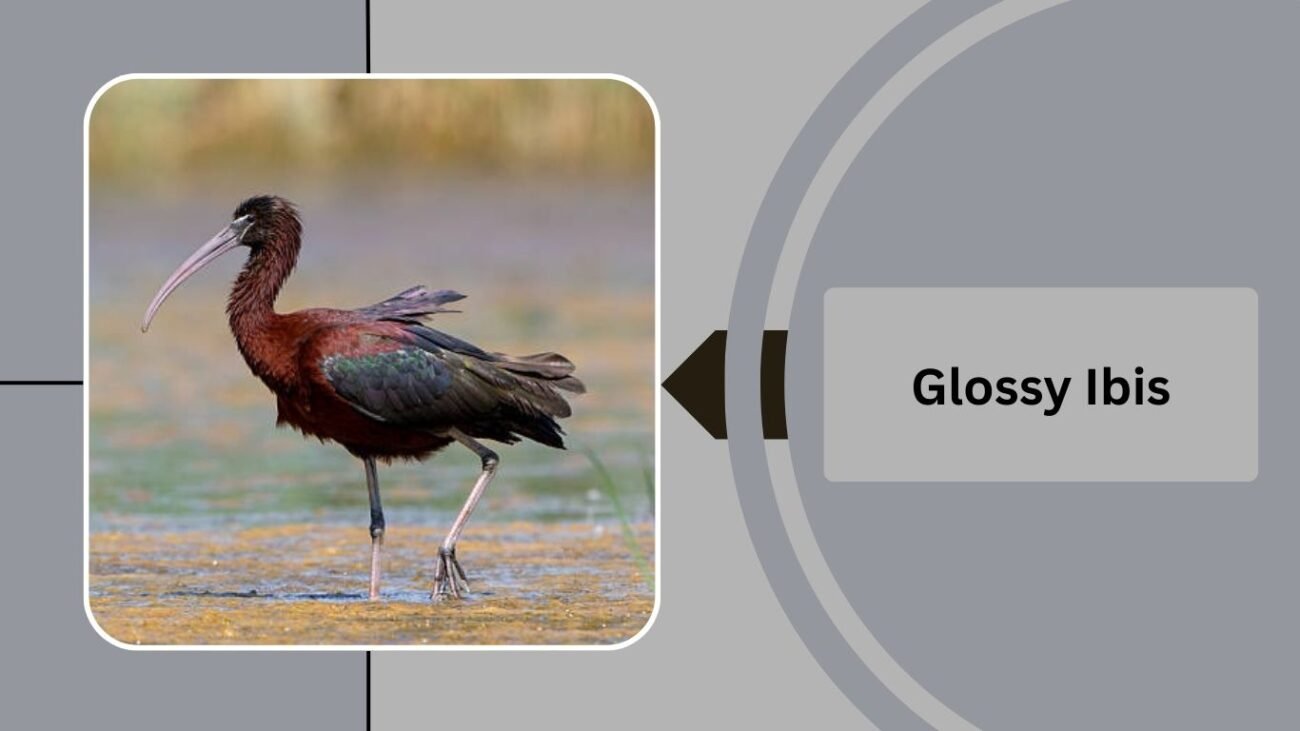
The Glossy Ibis is a medium-sized wading bird found across warm regions of Europe, Africa, Asia, and the Americas. Known for its shimmering, iridescent plumage that reflects shades of green, purple, and bronze, it is often spotted in wetlands and marshes, where it feeds in groups. Its elegant shape and unique coloration make it one of the most striking members of the ibis family.
Identification
- Medium-sized bird with long, curved bill
- Plumage appears dark at a distance but shines with green, bronze, and purple iridescence in sunlight
- Long legs suited for wading
- Wings are broad and rounded in flight
Habitat and Distribution
Glossy Ibises are typically found in wetlands, marshes, flooded fields, and shallow lakes. Their range spans southern Europe, Africa, Asia, Australia, and across the Americas, making them one of the most widespread ibis species.
Behavior and Diet
These birds are highly social, often seen foraging in flocks. They feed mainly on aquatic invertebrates such as insects, crustaceans, mollusks, and small fish, which they probe from mud and shallow waters using their long, curved bills.
2. White-faced Ibis (Plegadis chihi)
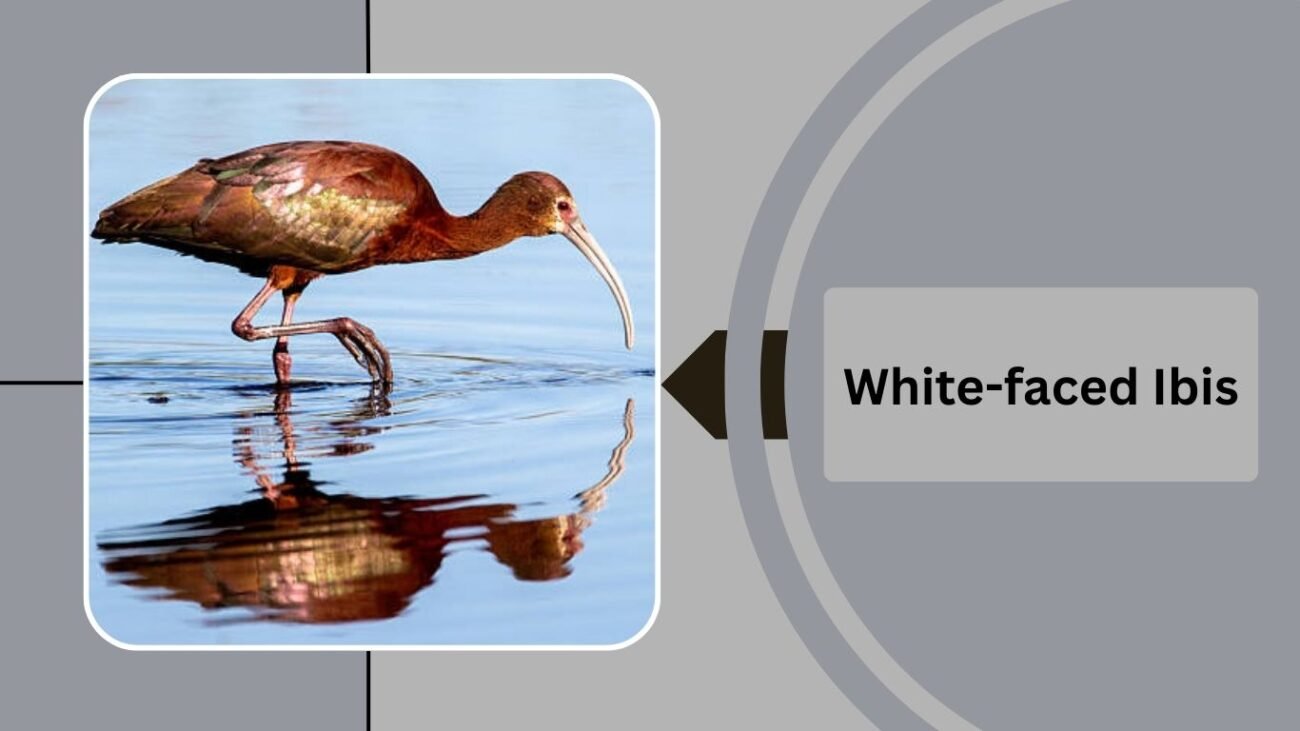
The White-faced Ibis is a striking wader that closely resembles the Glossy Ibis but is distinguished by its pale face during the breeding season. Found primarily in the Americas, it thrives in freshwater marshes, wetlands, and shallow lakes. With its shimmering plumage of green, bronze, and maroon tones, this ibis is both elegant and vital to wetland ecosystems.
Identification
- Medium-sized ibis with long, decurved bill
- Glossy plumage with iridescent green, bronze, and maroon shades
- Distinct white feathers around the eyes and face during breeding season
- Long legs and neck, suited for wading
Habitat and Distribution
The White-faced Ibis is native to North and South America. It breeds in the western United States, Mexico, and parts of South America, favoring marshes, lakes, and wet grasslands. During winter, it migrates to Central and South America.
Behavior and Diet
Highly social, the White-faced Ibis often forages in flocks. Its diet includes aquatic insects, crustaceans, mollusks, and small amphibians, which it extracts by probing the mud with its long, curved bill.
3. Hadada Ibis (Bostrychia hagedash)
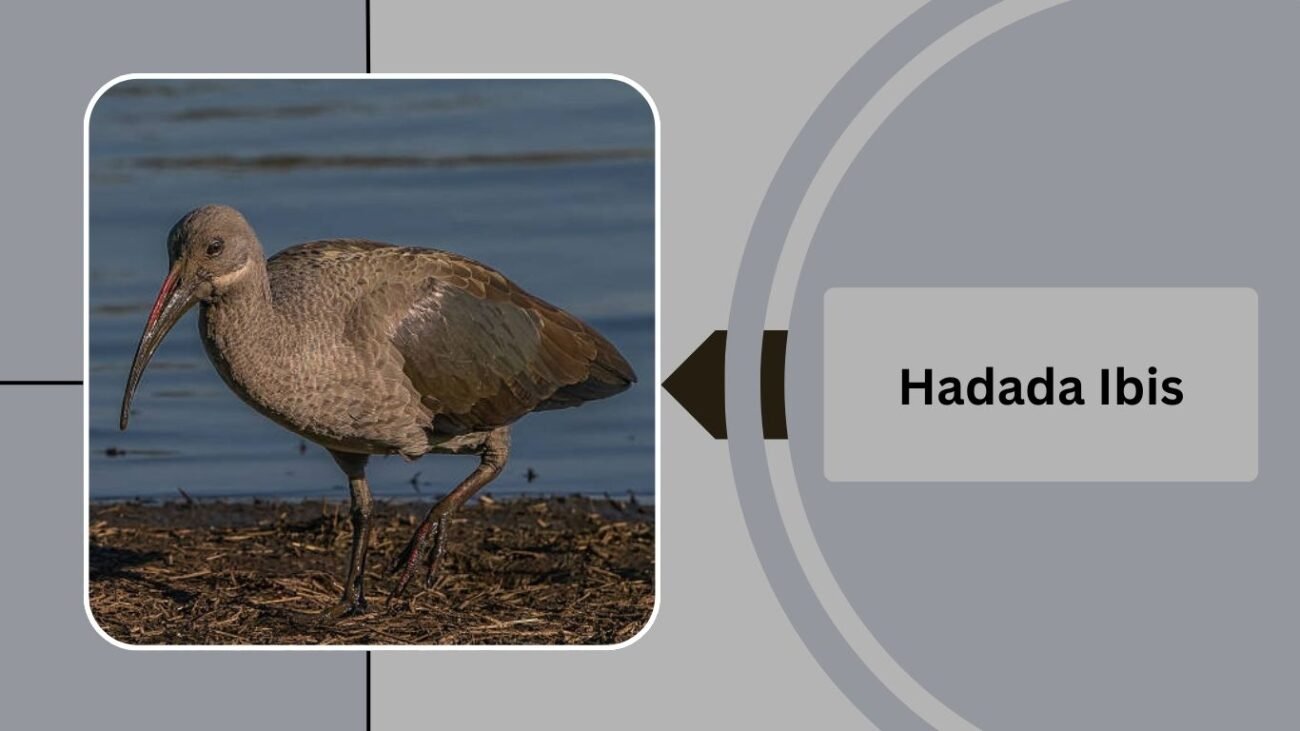
The Hadada Ibis is a well-known bird across Sub-Saharan Africa, recognized not only for its distinctive appearance but also for its loud, resonant “haa-haa-haa-de-dah” call, which inspired its name. Often seen in urban gardens, farmlands, and wetlands, it is a highly adaptable ibis species that thrives near human settlements as well as in wild habitats.
Identification
- Large ibis with dark brown-gray plumage
- Glossy greenish sheen on the wings, especially visible in sunlight
- Long, curved gray bill with a red stripe along the top ridge
- Loud and distinctive call, often heard at dawn and dusk
Habitat and Distribution
The Hadada Ibis is widespread throughout Sub-Saharan Africa, from South Africa to Ethiopia. It inhabits open grasslands, wetlands, parks, golf courses, and even suburban backyards, showing remarkable adaptability to human-modified environments.
Behavior and Diet
This ibis is often seen walking slowly over lawns and fields in search of food. Its diet consists mainly of insects, worms, snails, and small invertebrates, which it extracts from soil and shallow mud using its strong curved bill. Hadadas are typically seen in small groups or pairs and are known for their boldness around humans.
4. Scarlet Ibis (Eudocimus ruber)
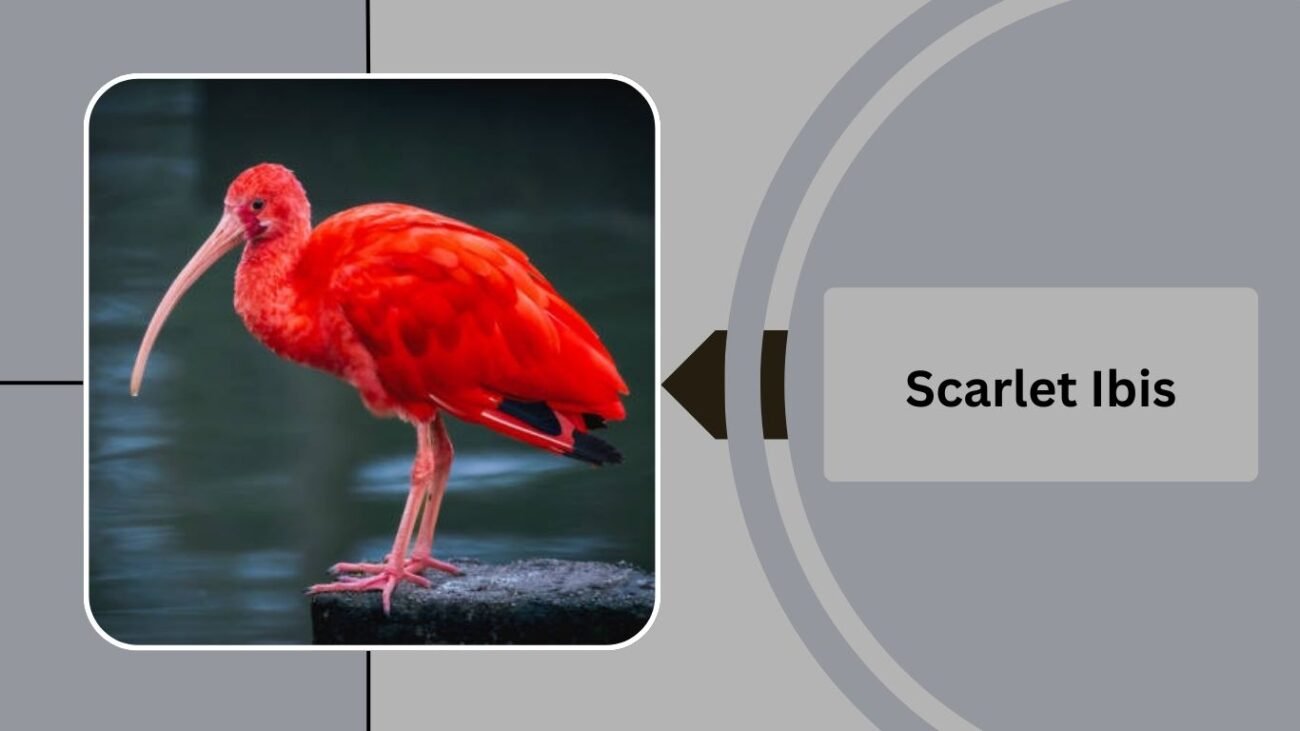
The Scarlet Ibis is one of the most striking birds in the ibis family, celebrated for its brilliant crimson plumage that makes it instantly recognizable. Native to tropical South America and the Caribbean, this bird is often considered a symbol of beauty and vitality in its range. Its vibrant color is a result of carotenoid pigments from its crustacean-rich diet.
Identification
- Entire body covered in vivid scarlet-red plumage
- Long, slender, downward-curved bill
- Black wing tips visible during flight
- Long legs, adapted for wading in shallow waters
Habitat and Distribution
The Scarlet Ibis is found mainly in coastal regions, mangroves, tidal mudflats, and river estuaries of northern South America, including Venezuela, Colombia, and Trinidad and Tobago. These birds are colonial nesters and often roost in large flocks, creating spectacular displays against the wetlands.
Behavior and Diet
Scarlet Ibises forage in shallow waters and mudflats, probing with their bills for small aquatic prey. Their diet consists largely of crabs, shrimp, mollusks, and insects, which contribute to their red coloration. They are highly social birds, flying in groups and nesting in colonies, often with other ibis and heron species.
5. African Sacred Ibis (Threskiornis aethiopicus)
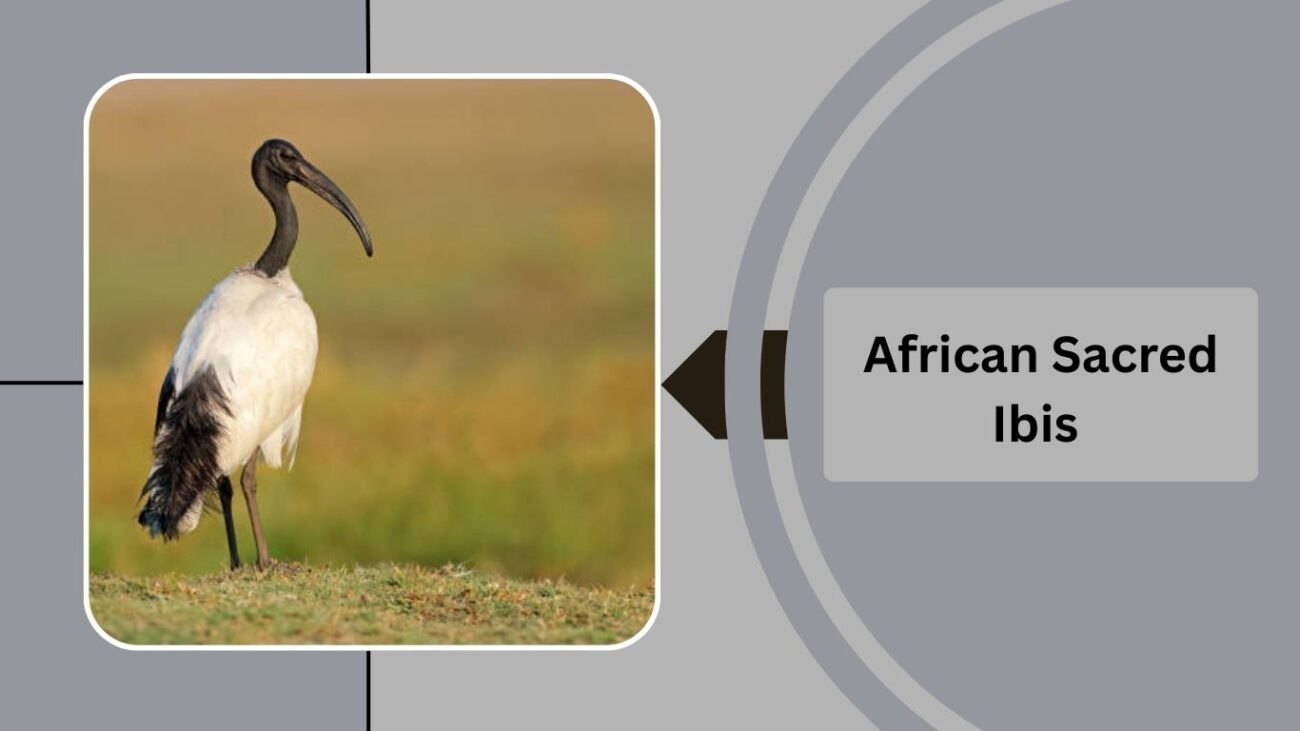
The African Sacred Ibis is a large wading bird that holds deep cultural and historical significance, especially in Ancient Egypt where it was revered and associated with the god Thoth. Recognized for its distinctive black-and-white plumage, this species is widespread across sub-Saharan Africa and parts of the Middle East.
Identification
- White body with contrasting black head and neck (bare skin)
- Long, downward-curved black bill
- Black plumes on lower back during breeding season
- Long dark legs adapted for wading
Habitat and Distribution
This ibis inhabits wetlands, marshes, rivers, and lakes throughout Africa, particularly in Ethiopia, Kenya, South Africa, and surrounding regions. It thrives in both freshwater and coastal ecosystems and is often seen foraging in open shallow waters or feeding alongside other wading birds.
Behavior and Diet
The African Sacred Ibis is an opportunistic feeder, consuming a wide variety of prey including fish, frogs, crustaceans, insects, and even refuse near human settlements. They are colonial nesters, building large stick nests in trees near water, often in mixed colonies with herons and egrets.
6. Glossy Ibis (Plegadis falcinellus)
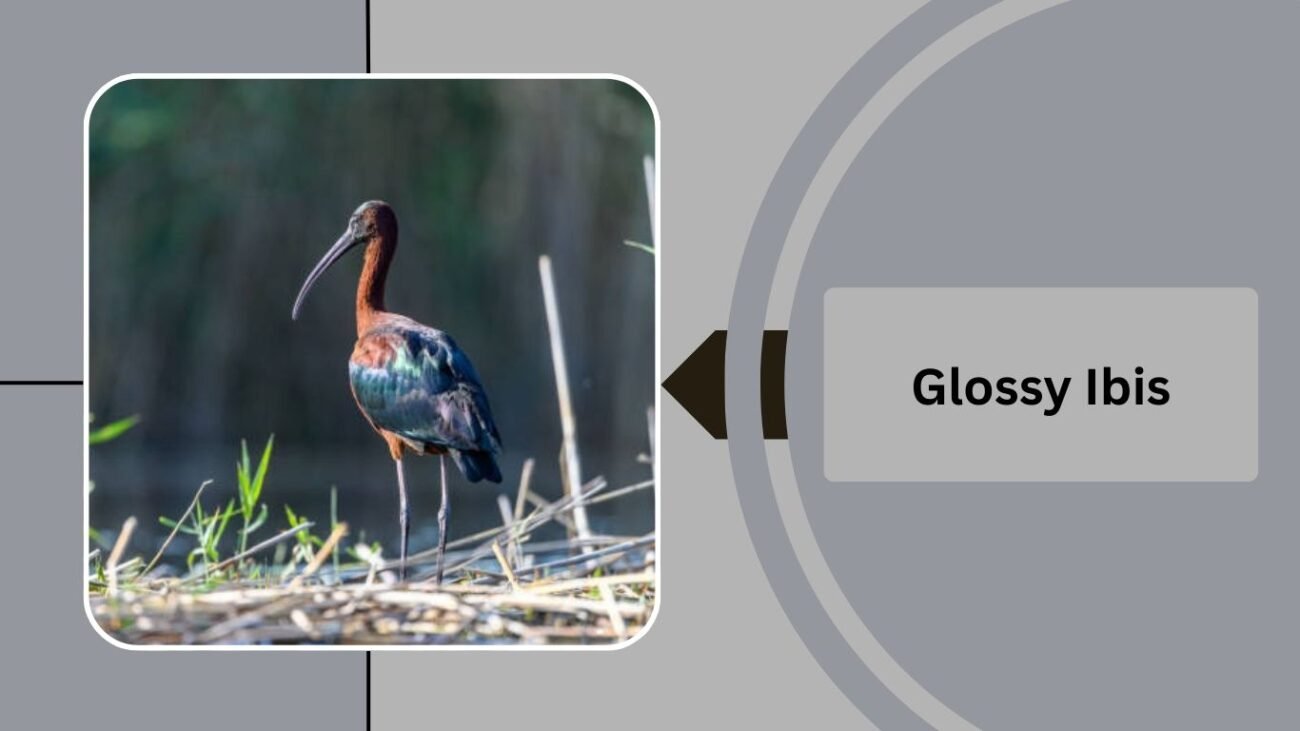
The Glossy Ibis is a striking wading bird recognized for its shimmering plumage that glows with bronze, green, and purple hues under the sunlight. Unlike the pale ibises, its iridescence makes it one of the most colorful members of the ibis family. This species is widespread across Africa, southern Europe, Asia, and the Americas.
Identification
- Medium-sized ibis with slender build
- Long, decurved dark bill
- Overall dark plumage with metallic green, bronze, and purple sheen
- Long legs adapted for shallow-water feeding
Habitat and Distribution
Glossy Ibises favor wetlands, marshes, lagoons, estuaries, and rice fields. They are highly adaptable and occupy both freshwater and brackish environments. Their distribution stretches across continents, making them one of the most cosmopolitan ibis species.
Behavior and Diet
These ibises are social feeders, often seen in flocks probing mudflats for prey. Their diet includes insects, crustaceans, amphibians, and small fish. They breed in colonies, usually alongside herons and spoonbills, constructing platform nests of sticks and reeds in flooded areas.
7. Scarlet Ibis (Eudocimus ruber)
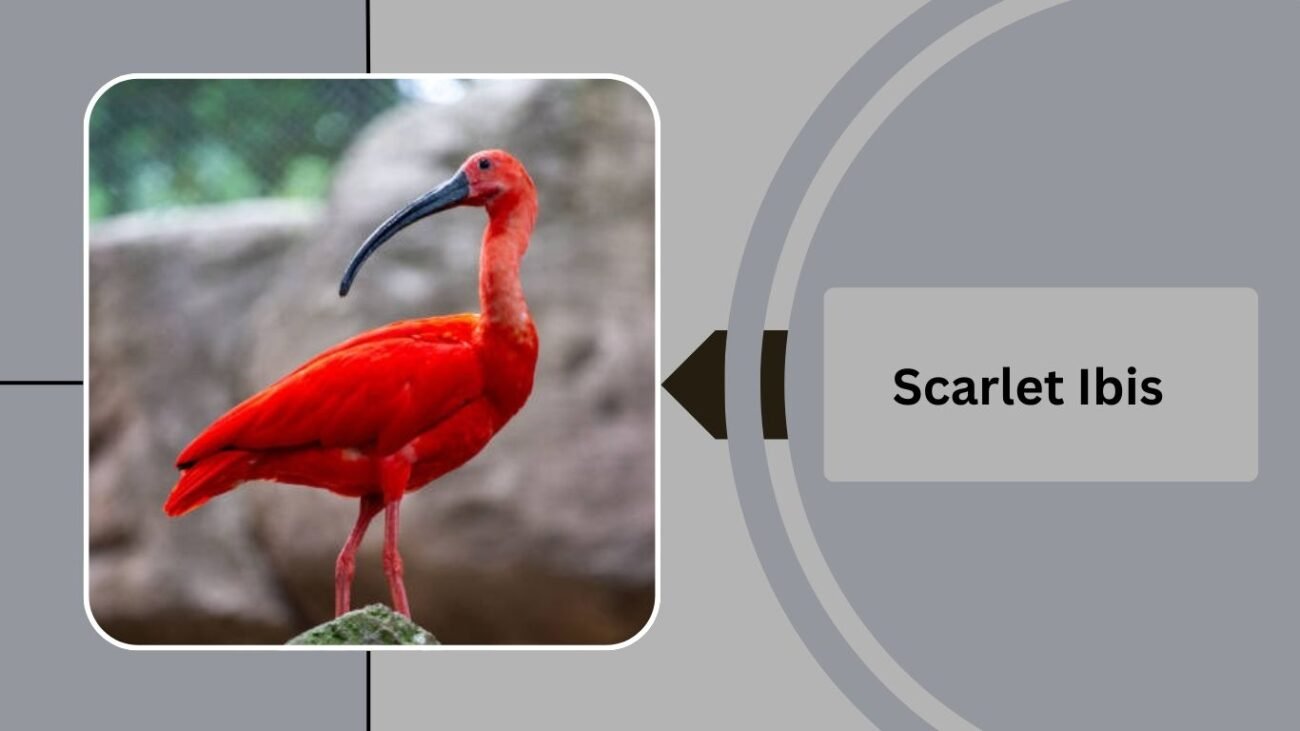
The Scarlet Ibis is among the most visually stunning of all ibises, famous for its brilliant red plumage that stands out vividly in tropical wetlands. Native to South America and the Caribbean, this bird has become a national symbol of Trinidad and Tobago. Its dazzling color is derived from carotenoid pigments in its crustacean-rich diet.
Identification
- Medium-sized ibis with slim build
- Entire body covered in vibrant scarlet-red feathers
- Long, decurved pinkish bill
- Black-tipped wings visible in flight
Habitat and Distribution
Scarlet Ibises thrive in coastal mangroves, mudflats, tidal lagoons, and estuaries. Their range extends across northern South America, including Venezuela, Colombia, Brazil, and the islands of Trinidad and Tobago. They are often found feeding in shallow brackish waters alongside herons and spoonbills.
Behavior and Diet
These birds are highly social and often form large, dazzling flocks. Their diet mainly consists of crabs, shrimp, insects, and small fish, which contribute to their distinctive red coloration. They nest in colonies, typically on mangroves or low trees, and both parents share incubation and chick-rearing duties.
8. American White Ibis (Eudocimus albus)
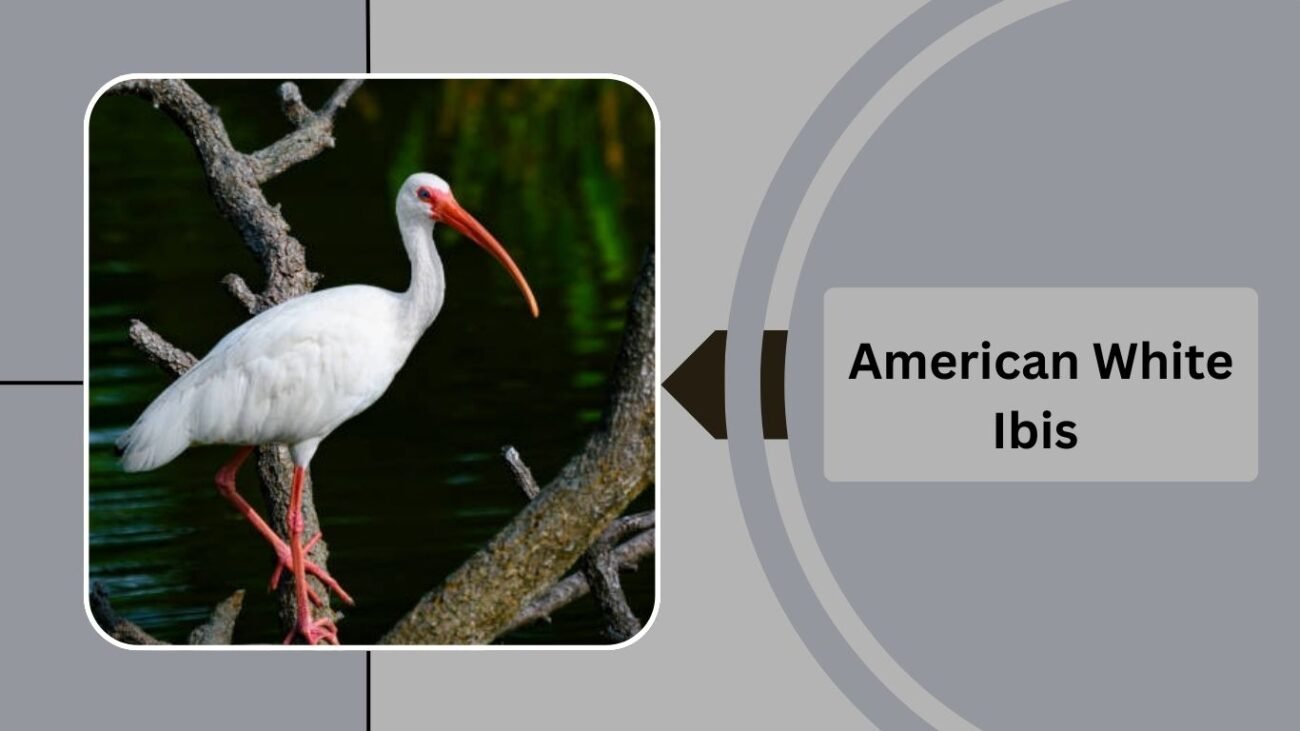
The American White Ibis is one of the most recognizable wading birds in the Americas, known for its brilliant white plumage and long down-curved bill. It is commonly seen in wetlands, marshes, and even suburban parks where it forages in flocks. Graceful in flight and striking in appearance, it is a vital species in maintaining ecological balance in aquatic habitats.
Identification
- Medium-sized ibis with slender body
- Pure white plumage with black-tipped wings visible in flight
- Long, curved reddish-orange bill
- Pinkish-red legs and facial skin
Habitat and Distribution
This species is found across the southeastern United States, especially Florida, extending into the Gulf Coast, Central America, and northern South America. It prefers shallow wetlands, tidal flats, marshes, and coastal estuaries but also adapts to urban areas with ponds and lakes.
Behavior and Diet
American White Ibises are highly social, often feeding and nesting in large colonies. Their diet includes crayfish, insects, small fish, and other aquatic invertebrates. They use their curved bill to probe mud and shallow water for prey. These ibises are also known for their seasonal migrations, moving inland or southward during colder months.
9. Glossy Ibis (Plegadis falcinellus)
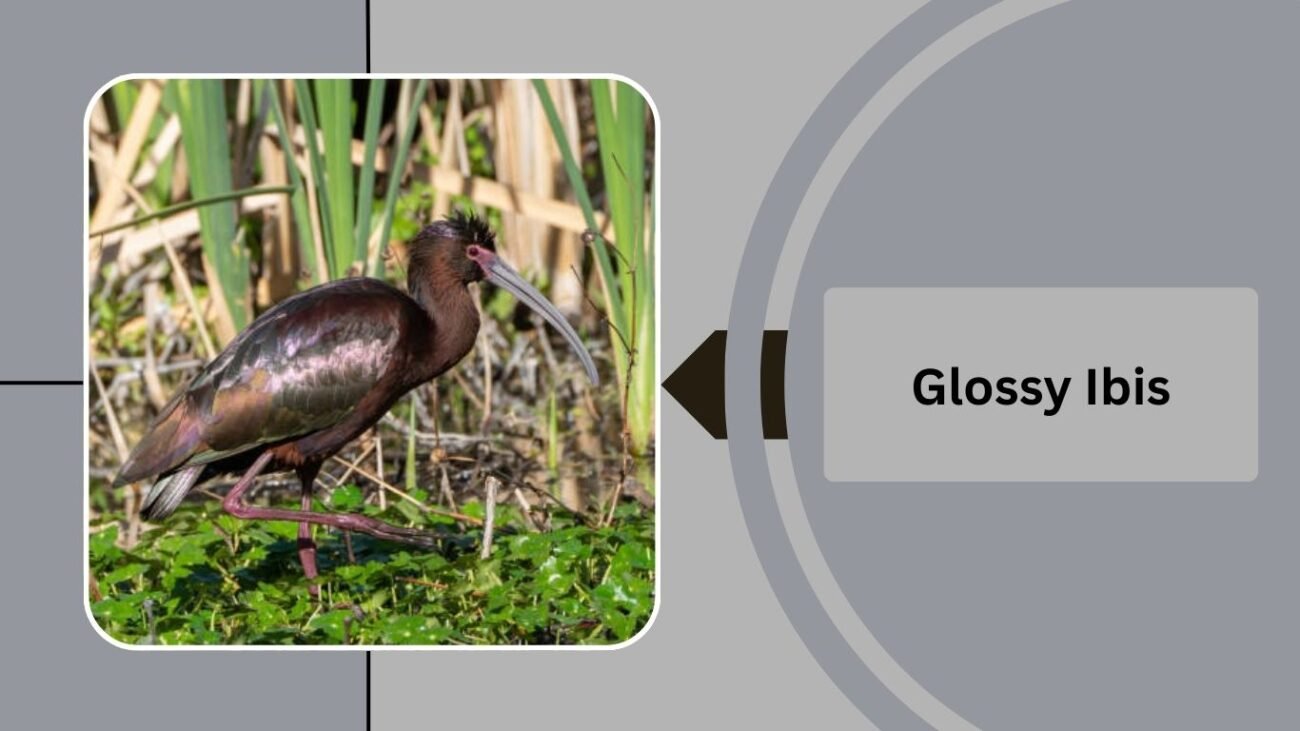
The Glossy Ibis is a striking wader, notable for its shimmering plumage that reveals green, bronze, and purple hues under sunlight. Unlike the predominantly white species in the ibis family, this bird’s darker colors make it stand out. It is highly adaptable and often found in wetlands across several continents, making it one of the most widespread ibis species in the world.
Identification
- Medium-sized ibis with slender frame
- Dark chestnut-brown body with iridescent green and purple sheen
- Long, down-curved grayish bill
- Long legs with dark gray coloration
Habitat and Distribution
The Glossy Ibis has a wide range, found in Europe, Africa, Asia, Australia, and the Americas. It thrives in marshes, swamps, rice paddies, shallow lakes, and estuaries. Its ability to adapt to varied wetland environments has contributed to its broad global distribution.
Behavior and Diet
These ibises are gregarious and usually forage in flocks. They probe soft mud with their bills to catch prey, feeding primarily on aquatic insects, crustaceans, small fish, and amphibians. Glossy Ibises often nest in colonies, sometimes alongside herons and spoonbills, forming mixed rookeries.
10. Northern Bald Ibis (Geronticus eremita)
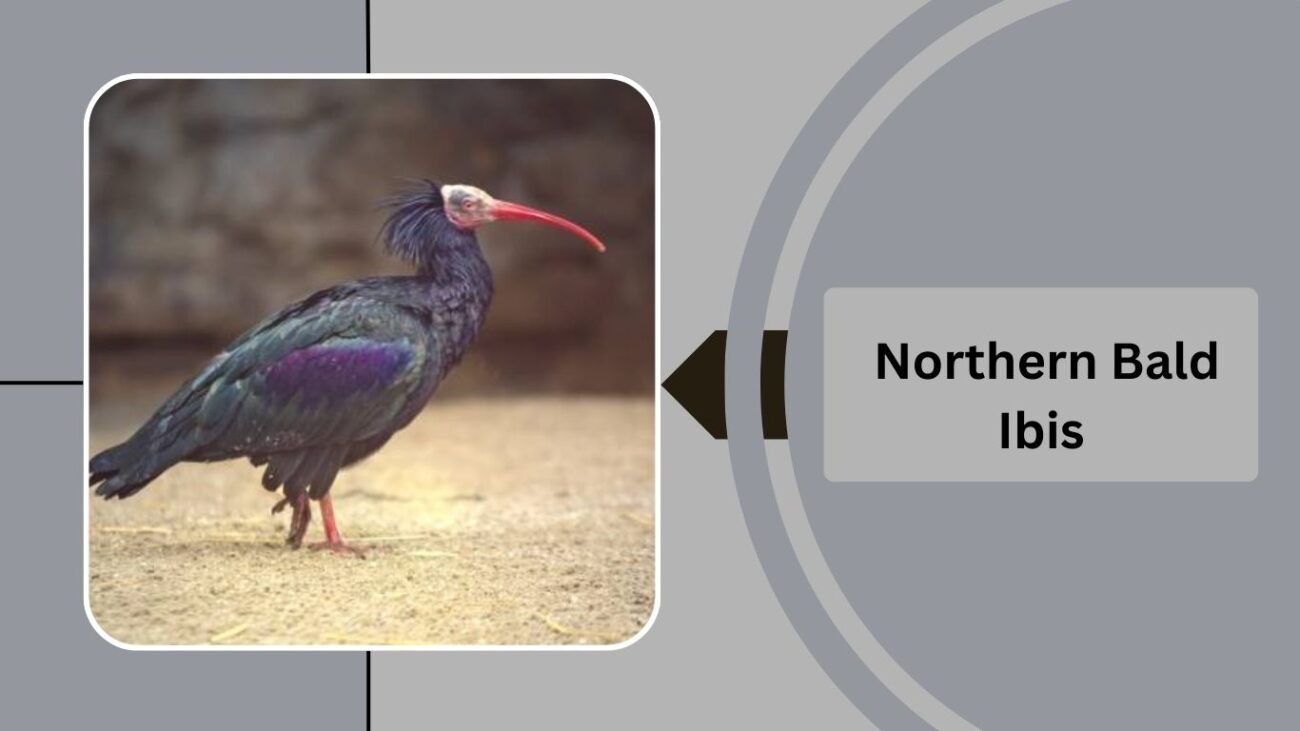
The Northern Bald Ibis is a rare and endangered bird, easily recognized by its bare, reddish head and glossy black plumage with a green and purple sheen. Unlike many ibis species, it favors rocky landscapes rather than wetlands. Once widespread across Europe, the Middle East, and North Africa, its population has declined dramatically, making conservation efforts critical for its survival.
Identification
- Medium-large ibis with bare red face and head
- Long, curved red bill
- Glossy black feathers with iridescent green and violet tones
- Prominent shaggy crest at the back of the head
Habitat and Distribution
This species inhabits semi-arid areas, cliffs, and rocky plateaus rather than marshlands. Today, small populations remain in Morocco and parts of the Middle East, especially Syria and Turkey, supported by intensive conservation programs.
Behavior and Diet
The Northern Bald Ibis forages on dry ground, feeding on insects, small reptiles, and other invertebrates rather than aquatic prey. It is highly social, often moving and nesting in colonies. Once considered sacred in ancient Egypt, it now symbolizes conservation success stories where reintroduction programs have revived its presence in certain regions.
11. Australian White Ibis (Threskiornis molucca)
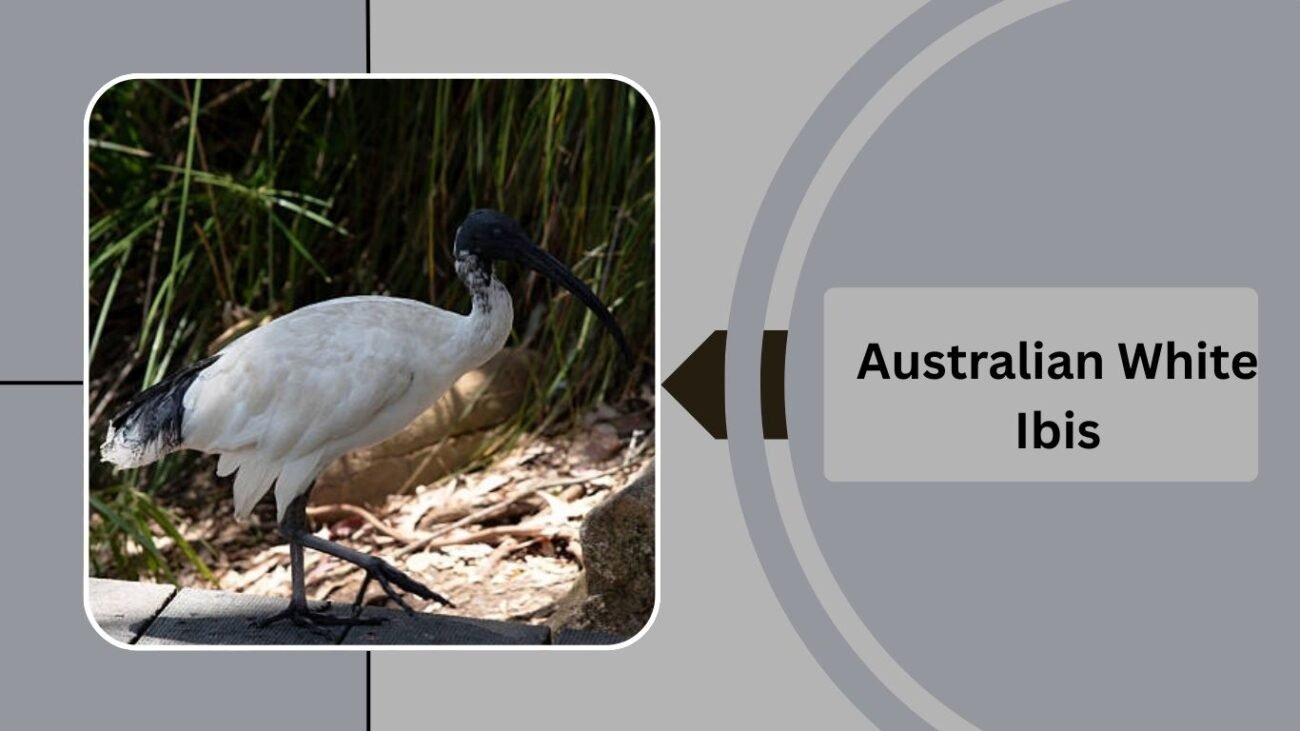
The Australian White Ibis is a large, striking bird commonly seen across urban areas in Australia, where it has adapted well to human presence. Its white plumage, long down-curved bill, and bare black head make it instantly recognizable. While once more common in wetlands and floodplains, it is now often spotted in city parks, garbage dumps, and streets, earning it the nickname “bin chicken.”
Identification
- White body with black tips on the wings
- Long, slender, curved black bill
- Bare, featherless black head and neck
- Large size with broad wings and slow, deliberate flight
Habitat and Distribution
Originally native to wetlands, floodplains, and river systems across northern and eastern Australia, the Australian White Ibis has become a familiar urban bird. It thrives in city parks, beaches, and landfills, adapting well to human-provided food sources. Populations are also found in parts of New Guinea and nearby islands.
Behavior and Diet
This ibis is opportunistic and omnivorous, feeding on insects, crustaceans, and small aquatic animals in natural habitats, but scavenging food scraps in cities. It is highly social, often nesting in colonies in large trees or reed beds. Its adaptability has made it both admired as a resilient survivor and criticized as a nuisance in urban environments.
12. Sacred Ibis (Threskiornis aethiopicus)
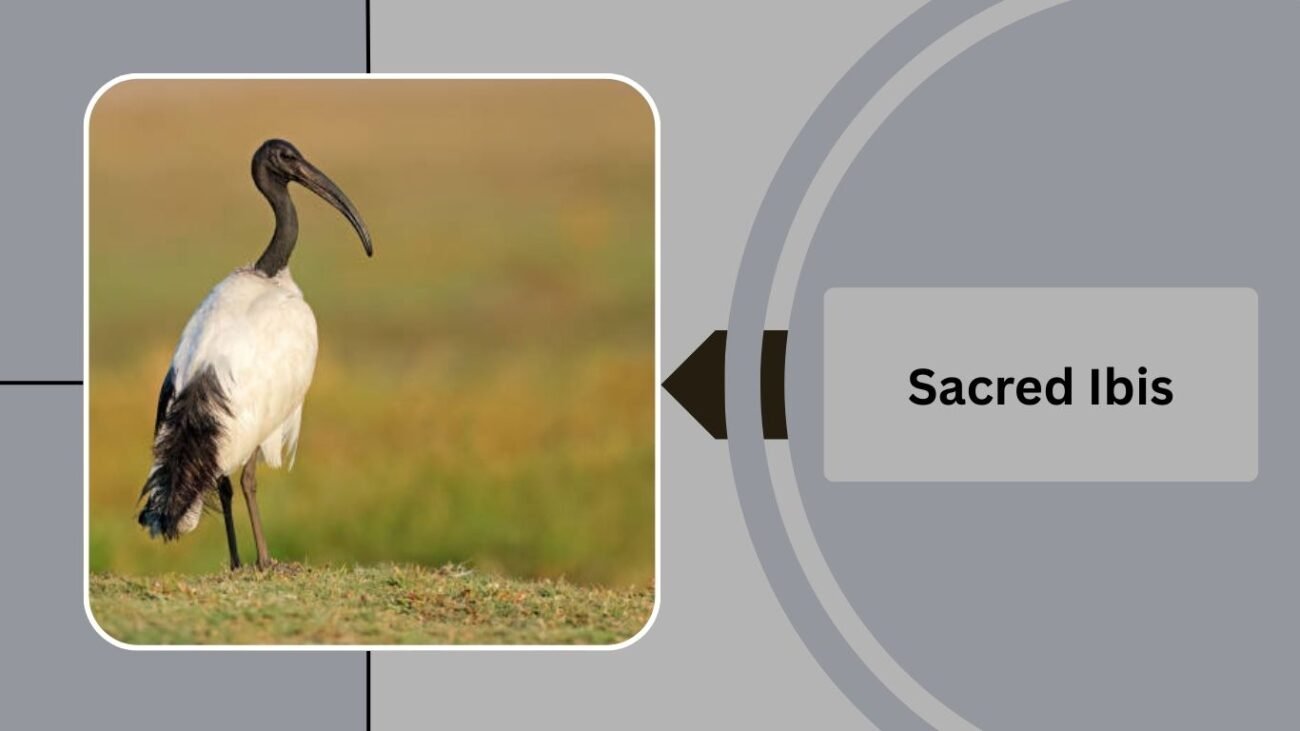
The Sacred Ibis is a medium-to-large wading bird well known from Africa and parts of the Middle East. It is most famous for its role in ancient Egyptian culture, where it was revered and often mummified as a symbol of wisdom and the god Thoth. Its striking appearance with a white body, black plumes, and bare black head makes it a distinctive species within the ibis family.
Identification
- White plumage with black wingtips and ornamental plumes
- Bald, black head and neck
- Long, downward-curved black bill
- Long legs suited for wading in shallow water
Habitat and Distribution
The Sacred Ibis inhabits wetlands, riverbanks, marshes, and coastal lagoons across sub-Saharan Africa and parts of the Middle East. It prefers areas with shallow water where it can forage easily. While it was once common in Egypt, it has largely disappeared there but thrives in many other regions.
Behavior and Diet
This ibis feeds on fish, amphibians, insects, and small invertebrates, often probing mud with its curved bill. It is social, nesting in colonies in trees or reed beds, often alongside other waterbirds. Its historical importance in Egyptian religion has made it one of the most culturally significant bird species.
13. Glossy Ibis (Plegadis falcinellus)
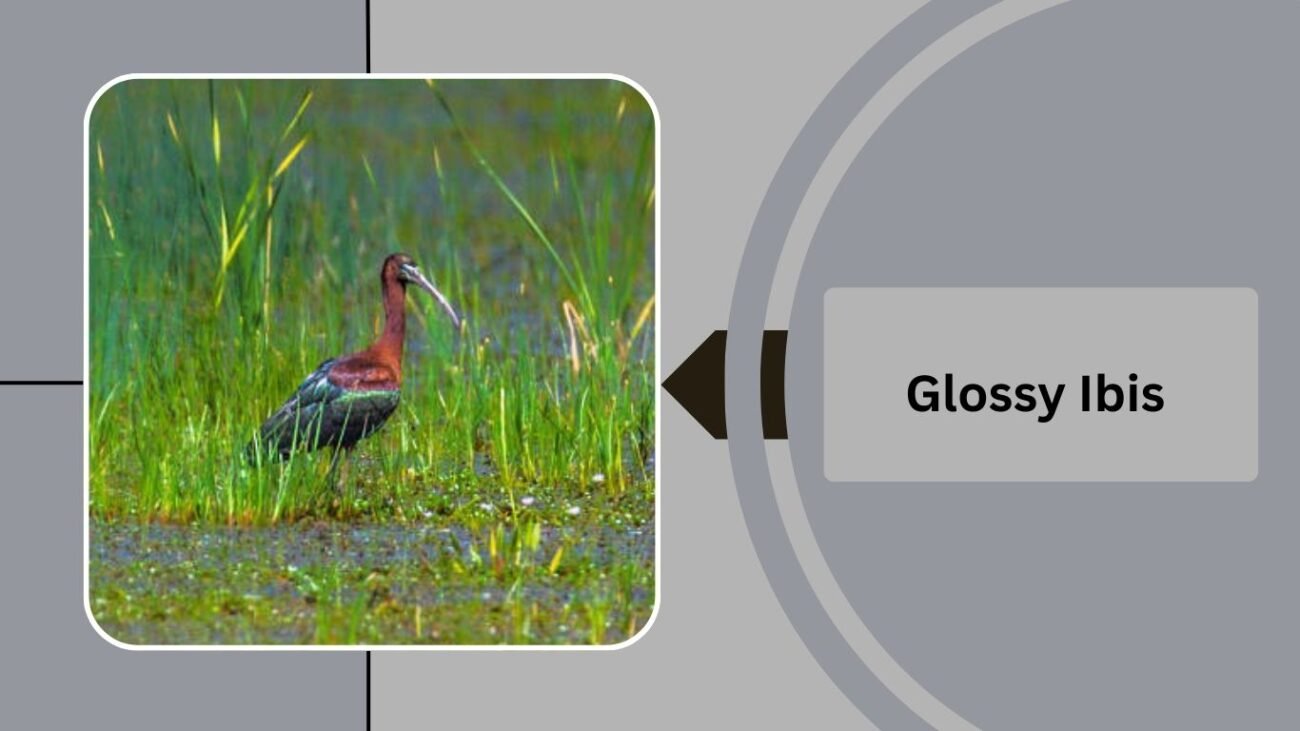
The Glossy Ibis is one of the most widespread ibis species, admired for its elegant shape and shimmering plumage. At first glance, it may appear dark, but in sunlight its feathers reveal an iridescent sheen of green, bronze, and purple. This striking bird thrives in wetland ecosystems and is often seen in flocks wading gracefully in shallow waters.
Identification
- Slender, medium-sized ibis with long legs
- Dark reddish-brown plumage with metallic green and purple gloss
- Long, downward-curved grayish bill
- Dark wings that gleam with iridescence in bright light
Habitat and Distribution
Glossy Ibises are found across Europe, Asia, Africa, Australia, and the Americas, making them a truly cosmopolitan species. They prefer freshwater and brackish wetlands, marshes, and floodplains where food sources are abundant. Their adaptability allows them to occupy diverse environments, from temperate zones to tropical regions.
Behavior and Diet
These ibises are highly social, often foraging in groups. They feed mainly on insects, crustaceans, frogs, and other small aquatic creatures. By probing the mud with their curved bill, they efficiently extract prey hidden beneath the surface. Glossy Ibises often nest in colonies, sharing space with other herons and egrets.
14. White Ibis (Eudocimus albus)
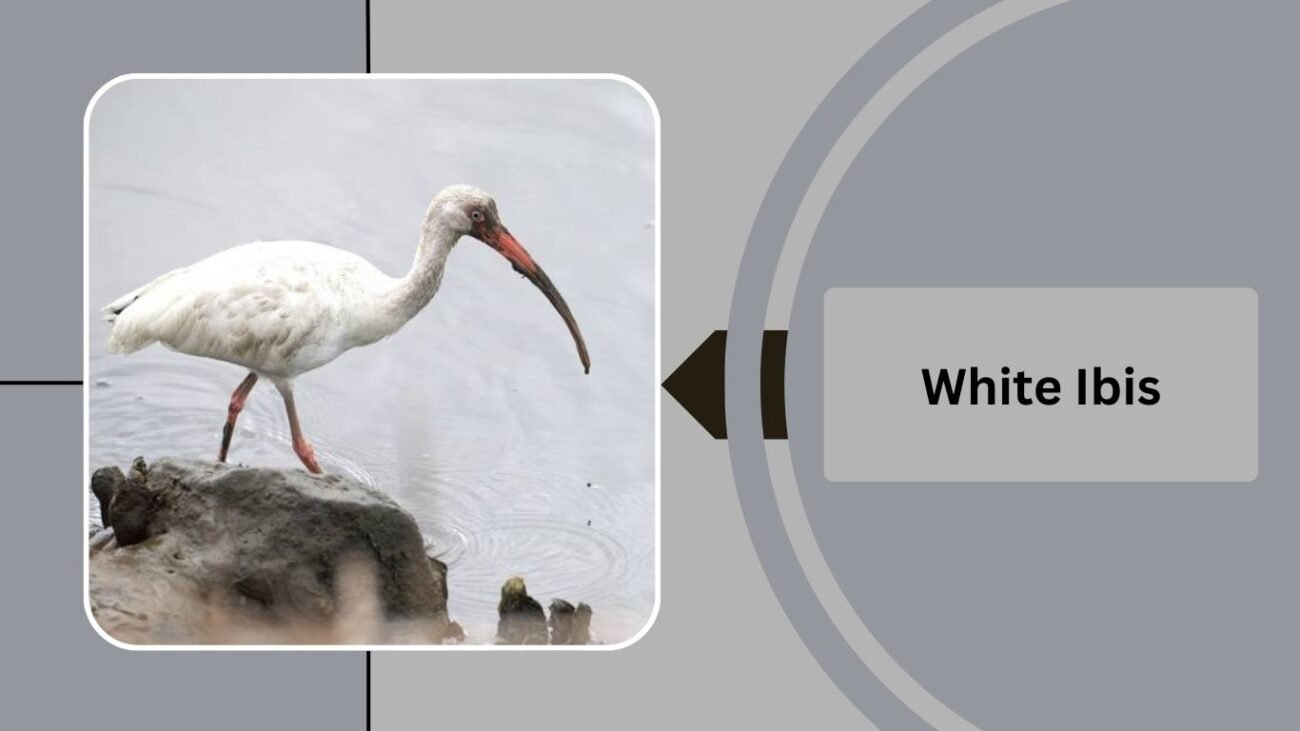
The White Ibis is a striking wader, easily recognized by its pure white body, long red legs, and bright orange-red bill. Common in wetlands of the southeastern United States, Central America, and parts of South America, this bird is often seen foraging in large flocks along marshes, swamps, and coastal lagoons. Its elegant shape and social behavior make it a distinctive wetland species.
Identification
- Medium-sized ibis with entirely white plumage
- Long, downward-curved orange-red bill
- Bright red facial skin and legs
- Black wing tips, only visible in flight
Habitat and Distribution
The White Ibis is native to the southeastern U.S., especially Florida, but extends through the Caribbean, Central America, and northern South America. It thrives in marshes, estuaries, mangroves, and shallow wetlands. This species is highly adaptable and often visits urban parks, golf courses, and ponds in search of food.
Behavior and Diet
White Ibises feed primarily on crustaceans, particularly crayfish and crabs, along with insects, frogs, and small fish. They forage by probing muddy or shallow waters with their curved bills. Highly social, they roost and nest in large colonies, often mixed with herons, egrets, and other ibises, creating lively wetland communities.
15. Scarlet Ibis (Eudocimus ruber)
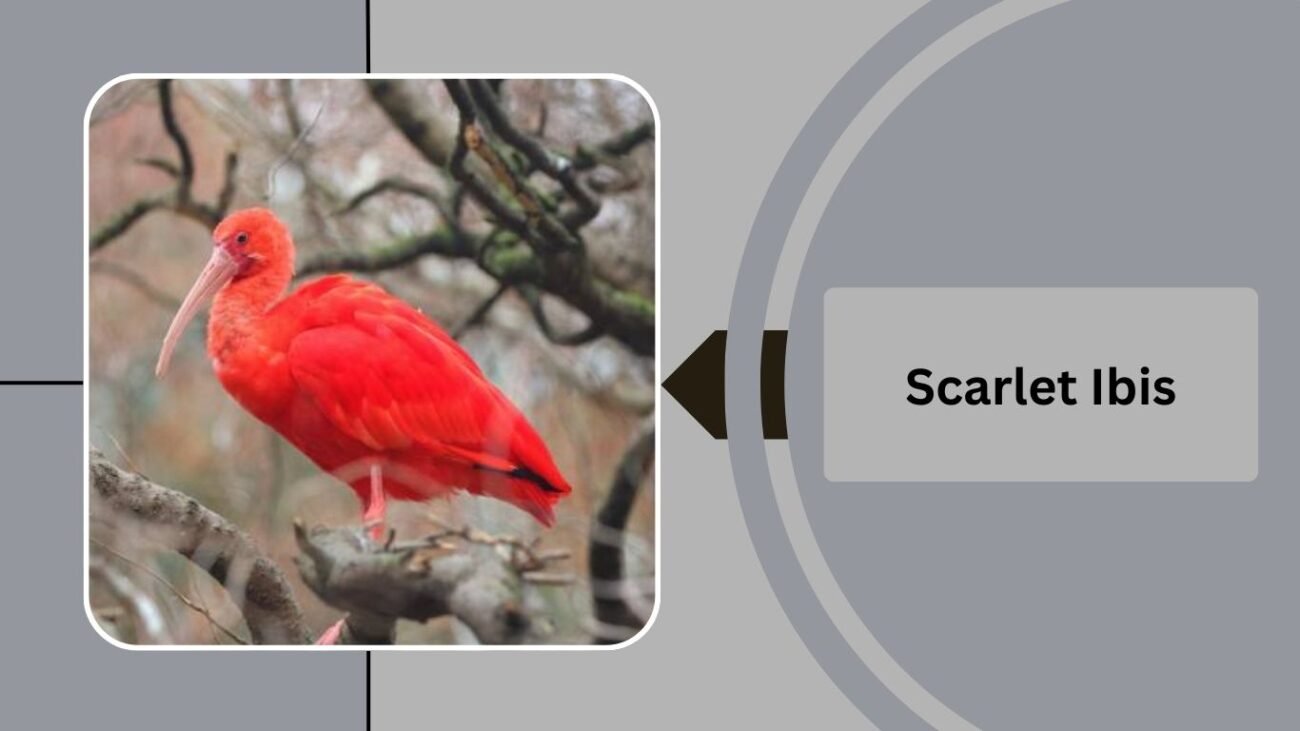
The Scarlet Ibis is one of the most stunning wading birds in the world, famous for its brilliant crimson-red plumage. Native to tropical South America and the Caribbean, this species stands out vividly in wetlands, mangroves, and coastal lagoons. Its striking color comes from a diet rich in carotenoid pigments, primarily from crustaceans such as crabs and shrimp.
Identification
- Entire body covered in bright scarlet-red plumage
- Long, downward-curved blackish-red bill
- Pinkish-red legs and facial skin
- Wings display slightly darker tips in flight
Habitat and Distribution
The Scarlet Ibis is native to northern South America, particularly Venezuela, Colombia, Brazil, and Trinidad and Tobago. It thrives in coastal wetlands, mudflats, mangroves, and shallow estuaries. This ibis is highly social and often forms large, colorful flocks, making them a spectacular sight in their natural environment.
Behavior and Diet
Scarlet Ibises feed mainly on crustaceans, small fish, insects, and mollusks. Their red coloration intensifies with a diet rich in carotenoids found in shrimp and crabs. They nest colonially in mangrove trees, often sharing rookeries with other waders. Their synchronized flight and foraging behavior highlight their strong social nature.
16. Glossy Ibis (Plegadis falcinellus)
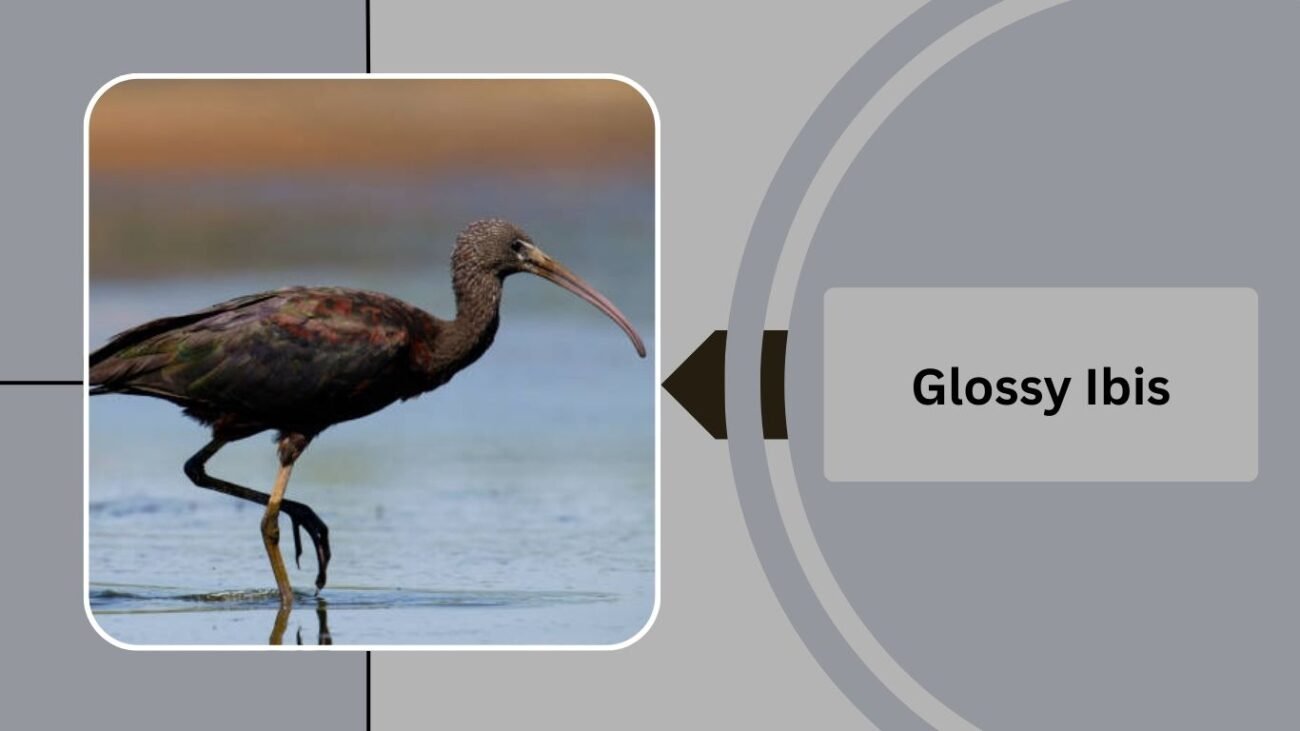
The Glossy Ibis is a graceful wading bird with a distinctive iridescent plumage that shimmers in shades of bronze, green, and purple under sunlight. Known for its wide distribution, it is one of the most adaptable ibis species, often seen in wetlands across Europe, Africa, Asia, the Americas, and Australia.
Identification
- Slim body with long, curved dark bill
- Plumage appears dark brown but glows with green, bronze, and violet iridescence
- Long legs, usually grayish or dark in color
- During breeding, facial skin turns reddish with bluish borders around the eyes
Habitat and Distribution
The Glossy Ibis occupies a variety of wetlands, including marshes, swamps, floodplains, and rice fields. It has one of the broadest ranges among ibises, found on nearly every continent, with major populations in Africa, southern Europe, Asia, and the Americas.
Behavior and Diet
Glossy Ibises feed mainly on aquatic insects, mollusks, crustaceans, frogs, and small fish. They forage in groups, probing soft mud with their long bills. Highly social, they nest colonially, often sharing sites with herons and egrets. Their adaptability to both freshwater and brackish wetlands makes them one of the most resilient ibis species.
17. White Ibis (Eudocimus albus)
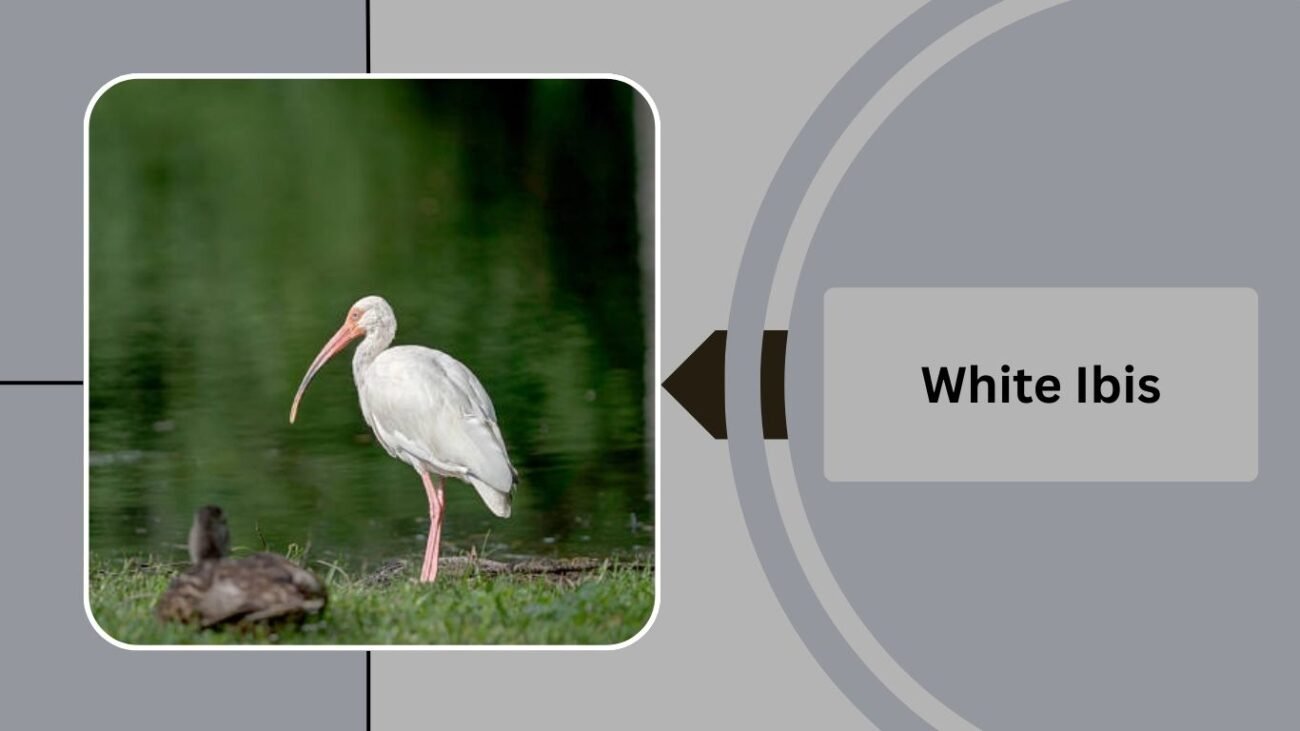
The White Ibis is a striking wading bird native to the southeastern United States, Central America, and parts of South America. Easily recognizable with its pure white plumage and contrasting red facial skin and bill, it is often seen foraging in wetlands and coastal areas. This bird is also well known for its role in folklore and symbolism, especially in Florida.
Identification
- Pure white plumage with black wingtips visible in flight
- Long, downward-curved reddish-orange bill
- Red facial skin and legs (legs turn brighter during breeding)
- Medium-sized body with long neck and slender build
Habitat and Distribution
The White Ibis inhabits marshes, swamps, coastal estuaries, and mangroves. It is commonly found in the southeastern U.S., especially Florida, and its range extends through the Caribbean, Central America, and into northern South America.
Behavior and Diet
White Ibises forage in flocks, sweeping their bills through shallow water to catch crayfish, insects, crustaceans, and small fish. They are highly social, nesting in large colonies often shared with herons, egrets, and spoonbills. During breeding, they form dense rookeries near water sources, which helps protect them from predators.
18. Scarlet Ibis (Eudocimus ruber)
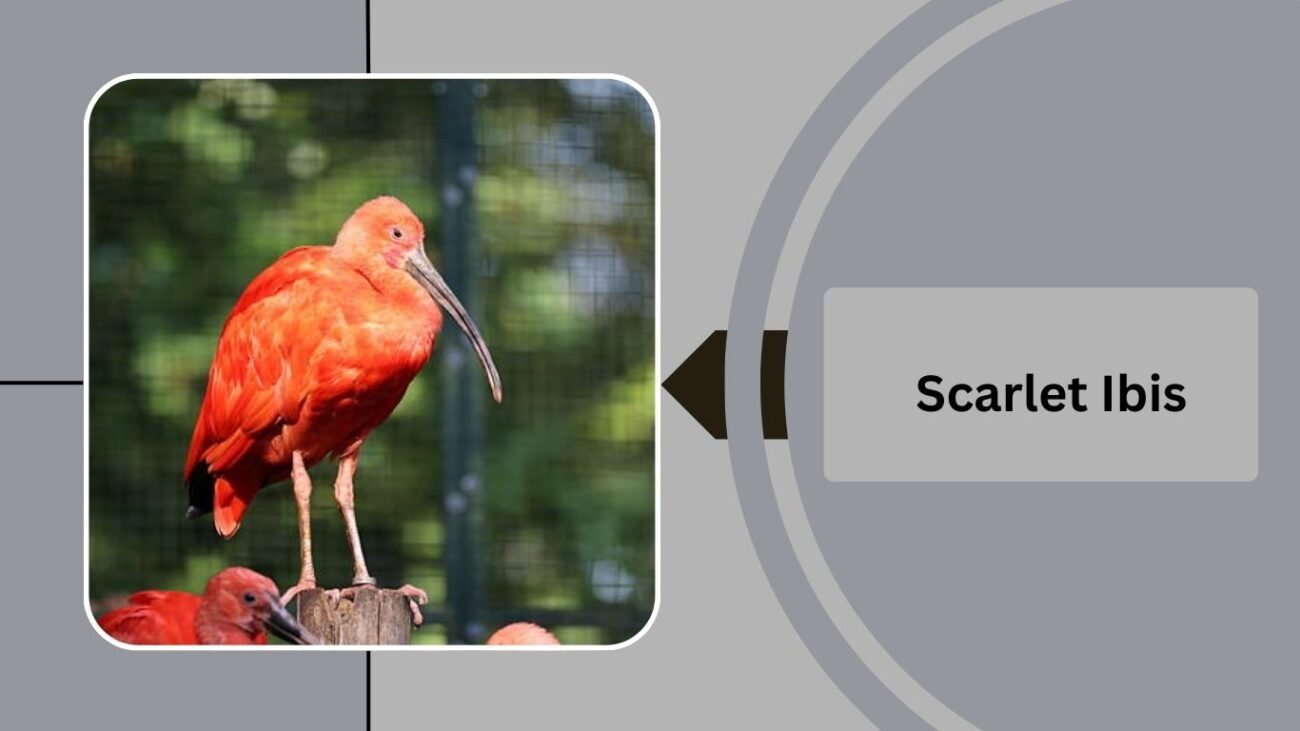
The Scarlet Ibis is one of the most visually stunning members of the ibis family, celebrated for its brilliant red plumage. Found mainly in tropical South America and the Caribbean, this bird is not only admired for its beauty but also plays an important role in wetland ecosystems. Its vibrant color makes it a national bird of Trinidad and Tobago.
Identification
- Entire plumage is a bright scarlet-red shade
- Long, thin, downward-curved bill (pinkish to reddish)
- Black wingtips visible in flight
- Long reddish legs and facial skin
Habitat and Distribution
The Scarlet Ibis inhabits mangroves, mudflats, lagoons, and coastal estuaries. It is commonly found in northern South America, particularly Venezuela, Colombia, Brazil, and the islands of Trinidad and Tobago.
Behavior and Diet
Its striking red color comes from a diet rich in crustaceans, particularly crabs and shrimp, which contain carotenoid pigments. Scarlet Ibises forage in groups, often wading through shallow waters while probing the mud with their bills. They are highly social and nest in colonies, often alongside other wading birds like herons and spoonbills.
19. Glossy Ibis (Plegadis falcinellus)
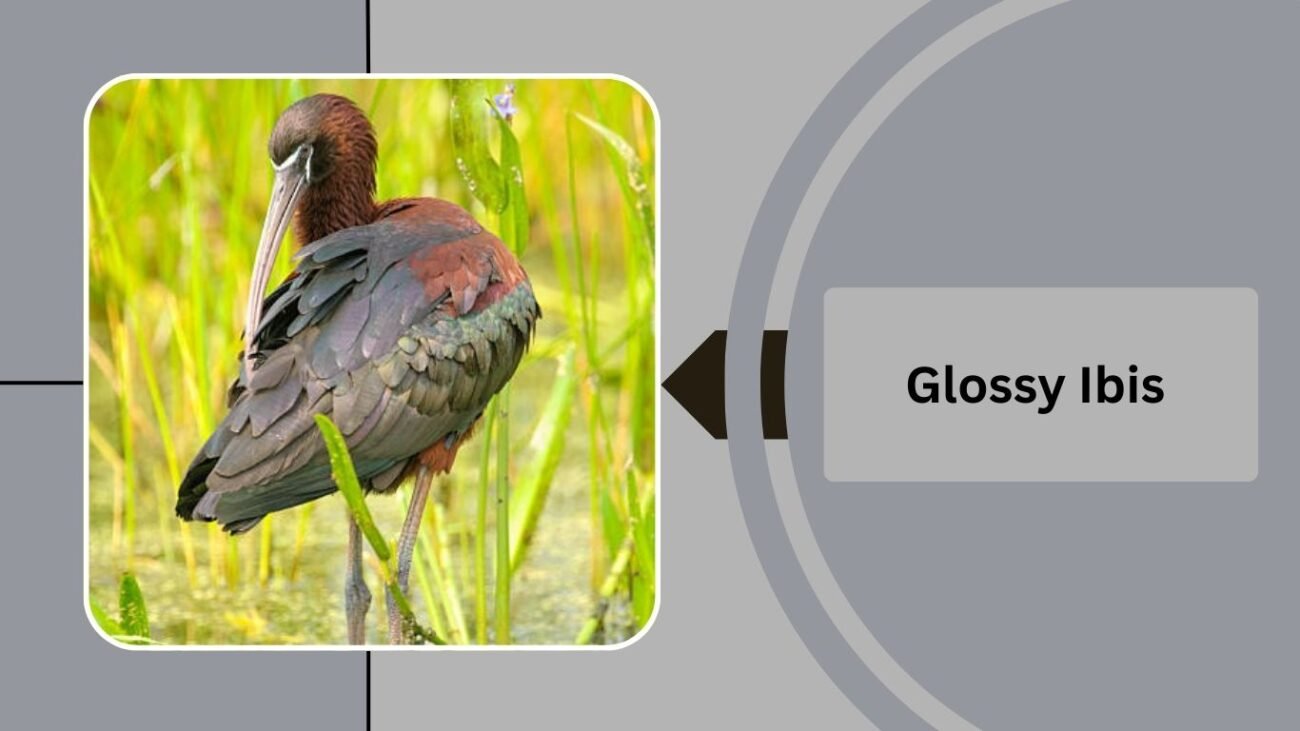
The Glossy Ibis is a medium-sized wader with a unique shimmering plumage that changes color under different lighting. Unlike the brightly colored Scarlet Ibis, this species displays subtle but striking iridescent greens, purples, and bronzes, making it a truly elegant bird. It is widespread and adaptable, found across Europe, Africa, Asia, Australia, and the Americas.
Identification
- Slender body with chestnut-brown feathers and metallic green/purple sheen
- Long, downward-curved grayish bill
- Long legs, gray to brownish in color
- Breeding plumage shows iridescent gloss on wings and back
Habitat and Distribution
Glossy Ibises inhabit freshwater and brackish wetlands, marshes, flooded fields, rice paddies, and coastal lagoons. They have one of the widest distributions of all ibises, breeding in southern Europe, Africa, Asia, and spreading to North America, the Caribbean, and parts of Australia.
Behavior and Diet
This ibis feeds mainly on aquatic invertebrates such as insects, mollusks, crustaceans, and amphibians. It forages by probing shallow mud with its long bill, often in groups. Social in nature, Glossy Ibises nest in colonies alongside herons, spoonbills, and other waders. Their flocks are known for graceful synchronized movements in flight.
20. Black-headed Ibis (Threskiornis melanocephalus)
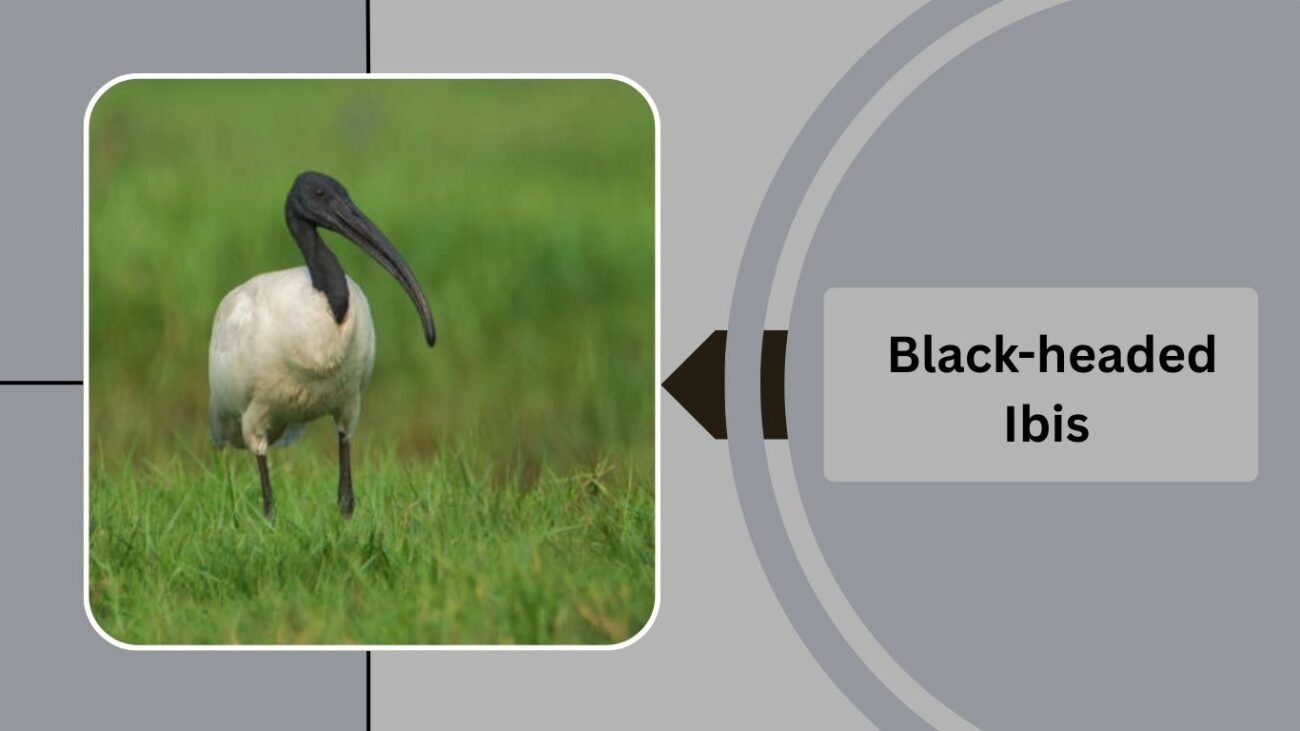
The Black-headed Ibis, also known as the Oriental White Ibis, is a large and distinctive wading bird commonly found in South and Southeast Asia. Unlike other ibises, it has a bare black head and neck, contrasting sharply with its white plumage. This species is revered in some cultures and is a familiar sight in wetlands, agricultural fields, and urban water bodies.
Identification
- White body with glossy white wings
- Bare black head and neck with a long, down-curved black bill
- Black legs and feet
- Breeding adults show reddish patches on the head and neck
Habitat and Distribution
The Black-headed Ibis is distributed widely across India, Sri Lanka, Nepal, Myanmar, Thailand, and parts of Southeast Asia. It inhabits freshwater marshes, flooded fields, mangroves, and shallow lakes, and it is highly adaptable, often foraging in agricultural lands and even near urban areas.
Behavior and Diet
This ibis feeds on fish, frogs, crustaceans, insects, and carrion, making it an opportunistic feeder. It forages by probing into mud or shallow water, often in groups. During breeding season, large colonies form in wetlands and rookeries, sometimes alongside storks and herons. Despite habitat loss, the species is resilient and continues to thrive in many regions.
21. Sacred Ibis (Threskiornis aethiopicus)
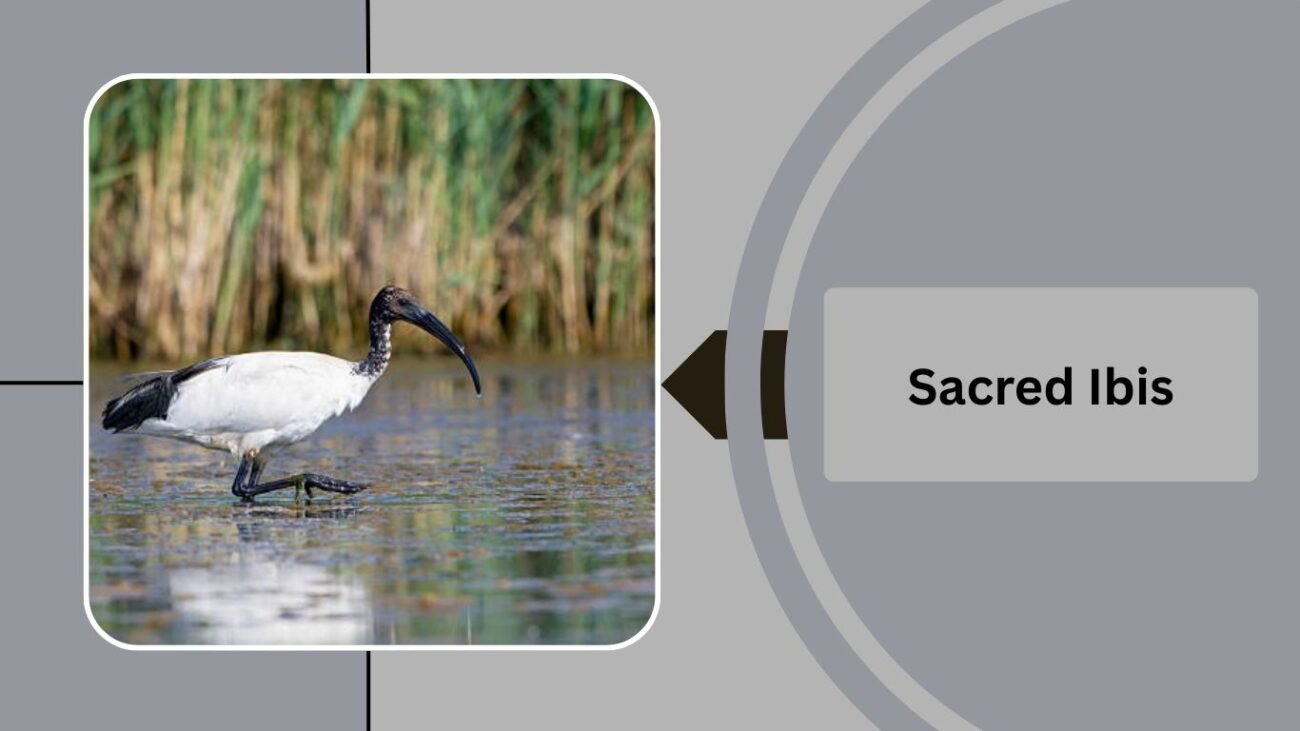
The Sacred Ibis is a large wading bird native to sub-Saharan Africa and parts of the Middle East. It holds historical and cultural significance, especially in ancient Egypt, where it was revered and often depicted in art and hieroglyphs as a symbol of the god Thoth. Today, it is recognized as a striking wetland bird with bold black-and-white plumage.
Identification
- Predominantly white body with black plumes on the lower back
- Bare black head and neck with a long, downward-curved black bill
- Black legs and feet
- In flight, shows striking black-and-white contrast with broad wings
Habitat and Distribution
Sacred Ibises inhabit freshwater marshes, riverbanks, lakes, coastal lagoons, and floodplains. While they are naturally distributed across much of Africa, they have also been introduced to parts of Europe and the Middle East. Some feral populations have established themselves outside their native range.
Behavior and Diet
Sacred Ibises feed on fish, frogs, insects, crustaceans, and carrion, and are known for their opportunistic scavenging habits. They forage both in water and on land, often in large flocks. Highly social, they nest in colonies, often sharing trees or reed beds with other waterbirds. Their adaptability allows them to thrive in varied environments, including near human settlements.
22. Straw-necked Ibis (Threskiornis spinicollis)
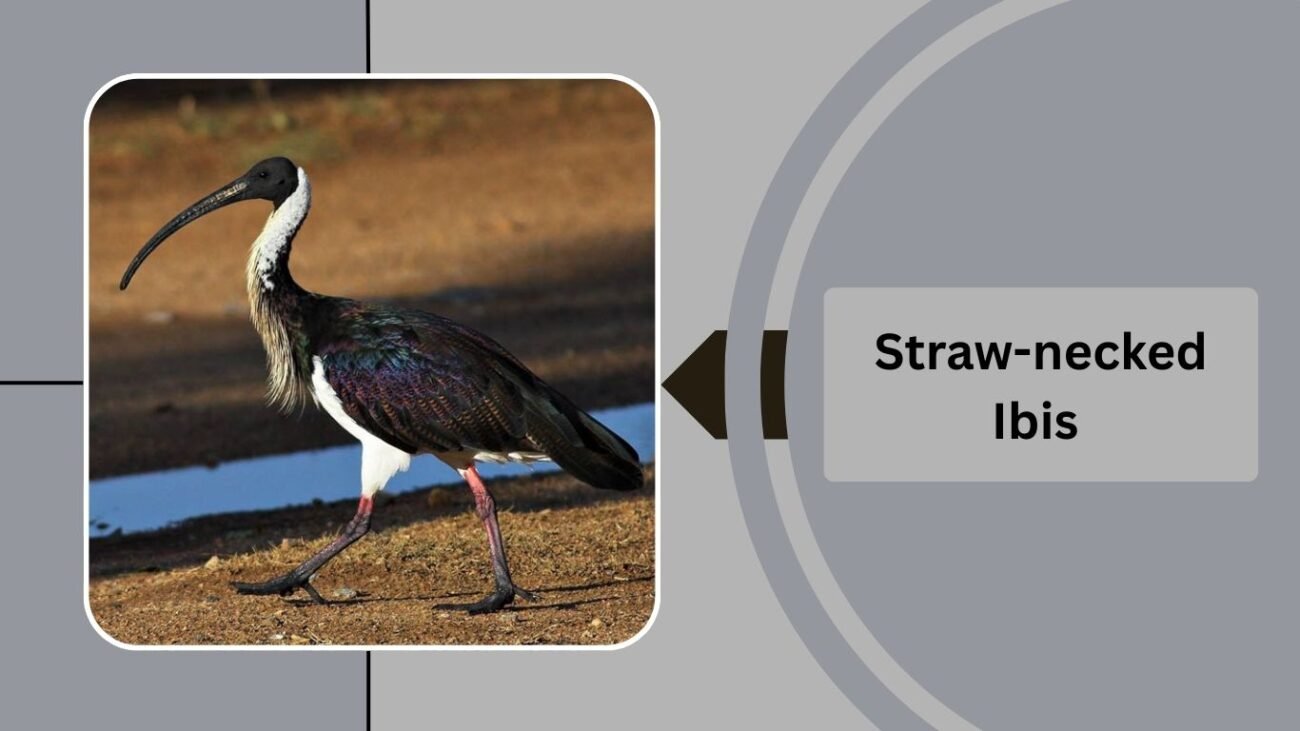
The Straw-necked Ibis is a striking wader native to Australia, easily recognized by its shimmering plumage and distinctive straw-like feathers on the neck. Known locally as the “Farmer’s Friend” because of its appetite for crop pests, this bird plays an important ecological role in agricultural landscapes. Its iridescent feathers make it one of the most colorful ibises.
Identification
- Glossy black upperparts with metallic green, purple, and bronze sheen
- Distinctive straw-colored plumes on the neck
- White underparts with contrasting black tail and wings
- Long, down-curved black bill and dark legs
Habitat and Distribution
The Straw-necked Ibis is widespread across Australia and parts of Papua New Guinea. It thrives in open wetlands, grasslands, agricultural fields, and floodplains. It is often seen in large flocks moving across farmlands, helping control insect populations.
Behavior and Diet
This ibis feeds on insects, frogs, crustaceans, and small reptiles, but is particularly noted for eating grasshoppers, locusts, and other crop pests. It forages by probing soil and shallow water with its curved bill. Social by nature, Straw-necked Ibises often form massive flocks, sometimes numbering in the thousands, and nest in large colonies near water sources.
23. American White Ibis (Eudocimus albus)
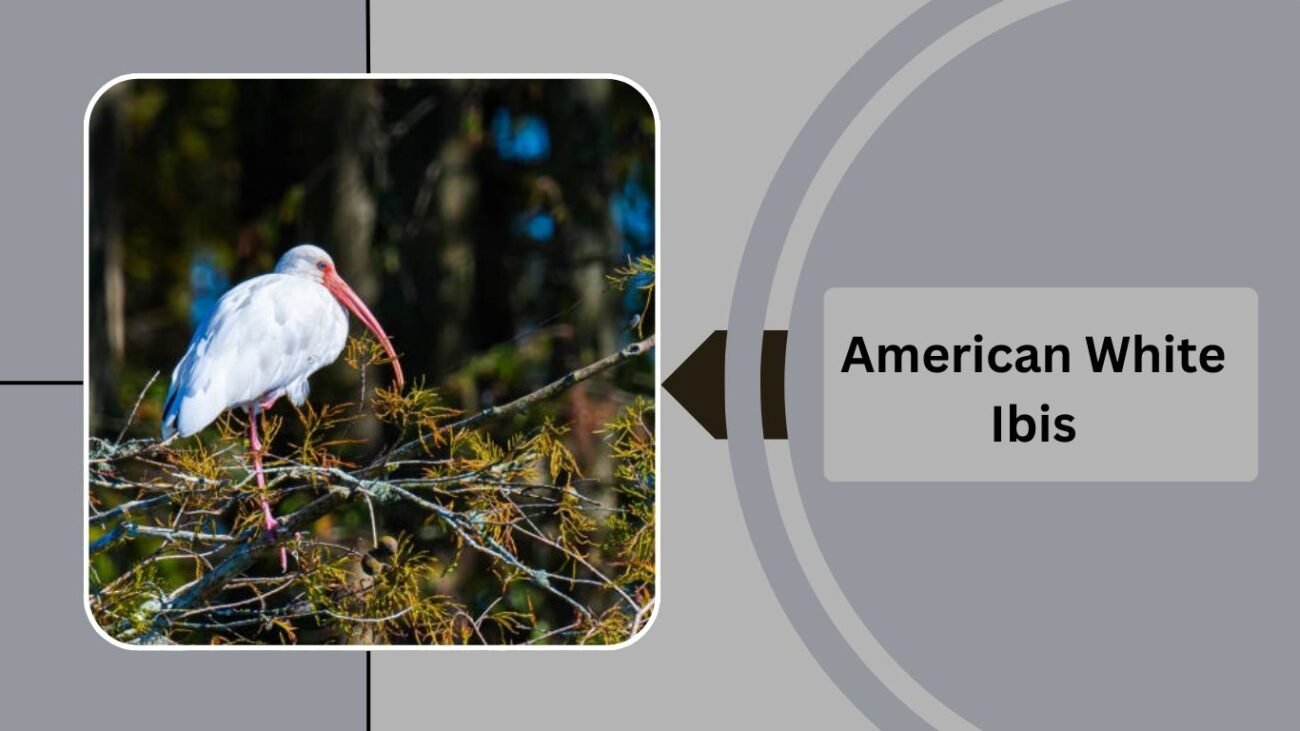
The American White Ibis is one of the most familiar and graceful ibises of the Americas. With its pure white plumage, vivid red bill, and long legs, it is often seen foraging in flocks across wetlands, beaches, and even urban parks. This species is particularly common in Florida and the Gulf Coast, where it is a beloved bird among residents and birdwatchers alike.
Identification
- All-white plumage with black wingtips visible in flight
- Long, downward-curved bright red bill
- Red facial skin and long red legs
- Juveniles are brownish-gray with streaked plumage before turning white
Habitat and Distribution
The American White Ibis is widespread across the southeastern United States, Mexico, Central America, and northern South America. It thrives in coastal marshes, estuaries, mangroves, and lagoons, but it also adapts to urban wetlands and grassy areas, often feeding in suburban lawns and golf courses.
Behavior and Diet
This ibis feeds mainly on small aquatic prey, including crayfish, crabs, insects, and small fish. Foraging is done by probing shallow mud and water with its long bill. It is highly social, gathering in flocks that can number in the thousands. Colonies nest in mangroves or tree islands, where their synchronized flights and group dynamics create an impressive spectacle.
24. Roseate Spoonbill (Platalea ajaja)
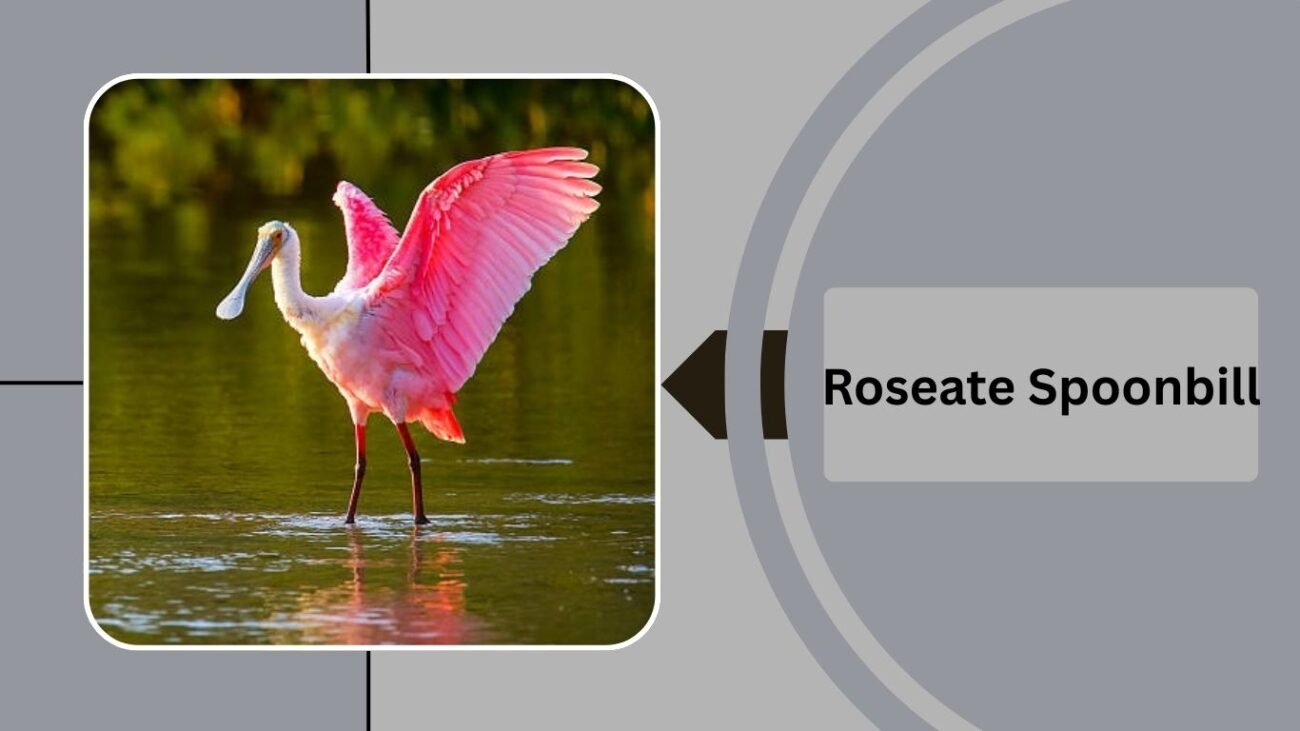
The Roseate Spoonbill is one of the most striking wading birds in the Americas, easily recognized by its bubblegum-pink plumage and long, spoon-shaped bill. Often mistaken for flamingos due to its vivid color, the spoonbill is actually unrelated and belongs to the ibis and spoonbill family. Its unique feeding style and vibrant appearance make it a favorite among birdwatchers.
Identification
- Bright pink body with varying shades of red and white
- Long, flat, spoon-shaped gray bill
- Bare greenish or yellowish head with red eyes
- Long pink legs and wide wings with carmine accents
Habitat and Distribution
The Roseate Spoonbill inhabits marshes, mangroves, estuaries, and coastal lagoons across the southeastern United States, the Caribbean, Central America, and South America. It thrives in shallow brackish waters where it can sift for food.
Behavior and Diet
This spoonbill feeds by sweeping its spoon-shaped bill side-to-side in shallow waters, detecting prey by touch. Its diet consists of small fish, crustaceans, aquatic insects, and snails. The pink coloration comes from carotenoid pigments in its diet, similar to flamingos. Social in nature, Roseate Spoonbills often feed and nest in colonies alongside ibises and herons, creating spectacular rookeries.
25. Eurasian Spoonbill (Platalea leucorodia)
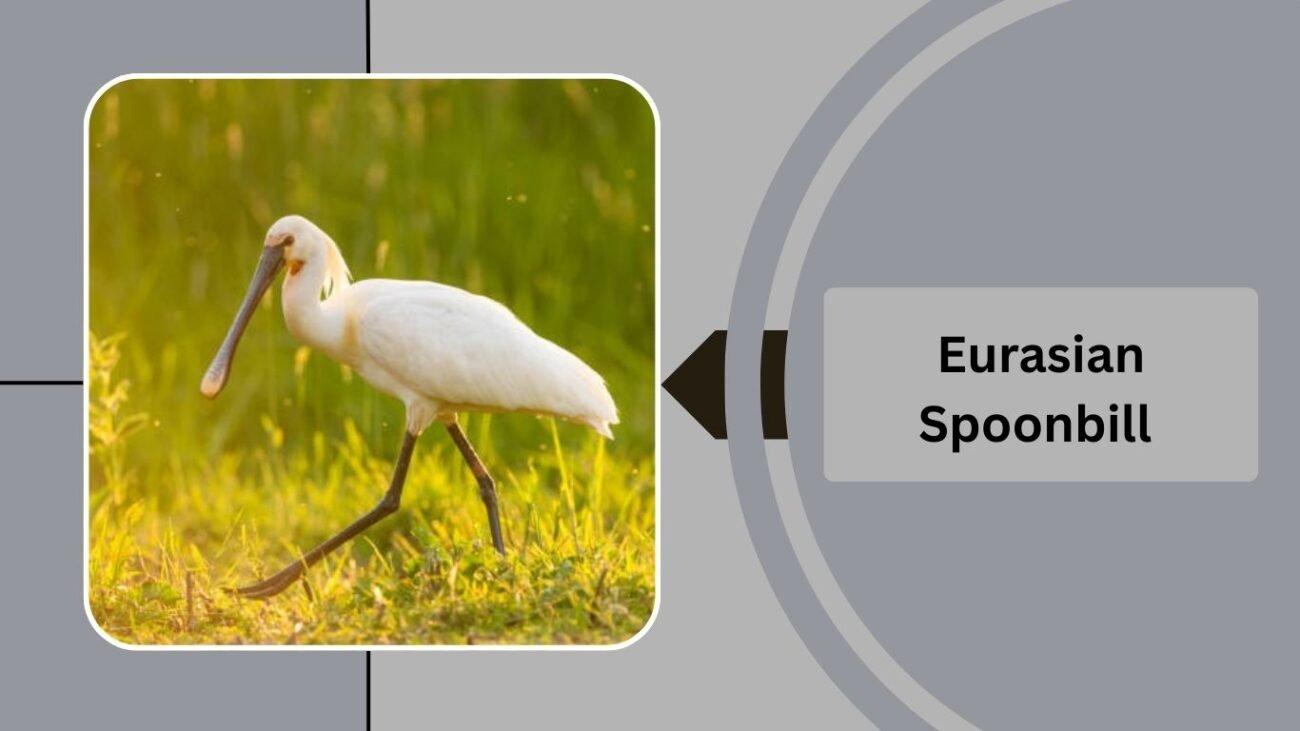
The Eurasian Spoonbill is a graceful and elegant waterbird, known for its striking white plumage and distinctive spoon-shaped bill. Unlike the colorful Roseate Spoonbill, this species has a more subtle appearance but remains impressive when seen in colonies, often among herons and ibises. It is the only spoonbill widely distributed across Europe and parts of Asia.
Identification
- Pure white plumage with a long, flat, spoon-shaped black bill
- Bill has a yellow tip (more prominent in adults)
- Long black legs with webbed toes
- In breeding season, adults develop a golden breast patch and long head plumes
Habitat and Distribution
This species breeds in shallow wetlands, estuaries, salt marshes, and lagoons. Its range spans across southern Europe, parts of North Africa, the Middle East, and Central to East Asia. Many populations are migratory, wintering in Africa, India, and Southeast Asia.
Behavior and Diet
The Eurasian Spoonbill uses its specialized bill to sweep side-to-side through shallow waters, detecting prey by touch. Its diet includes small fish, aquatic insects, crustaceans, and mollusks. Social in nature, it nests in colonies, often with cormorants and herons. The species has shown adaptability, and conservation efforts have helped restore declining populations in Europe.