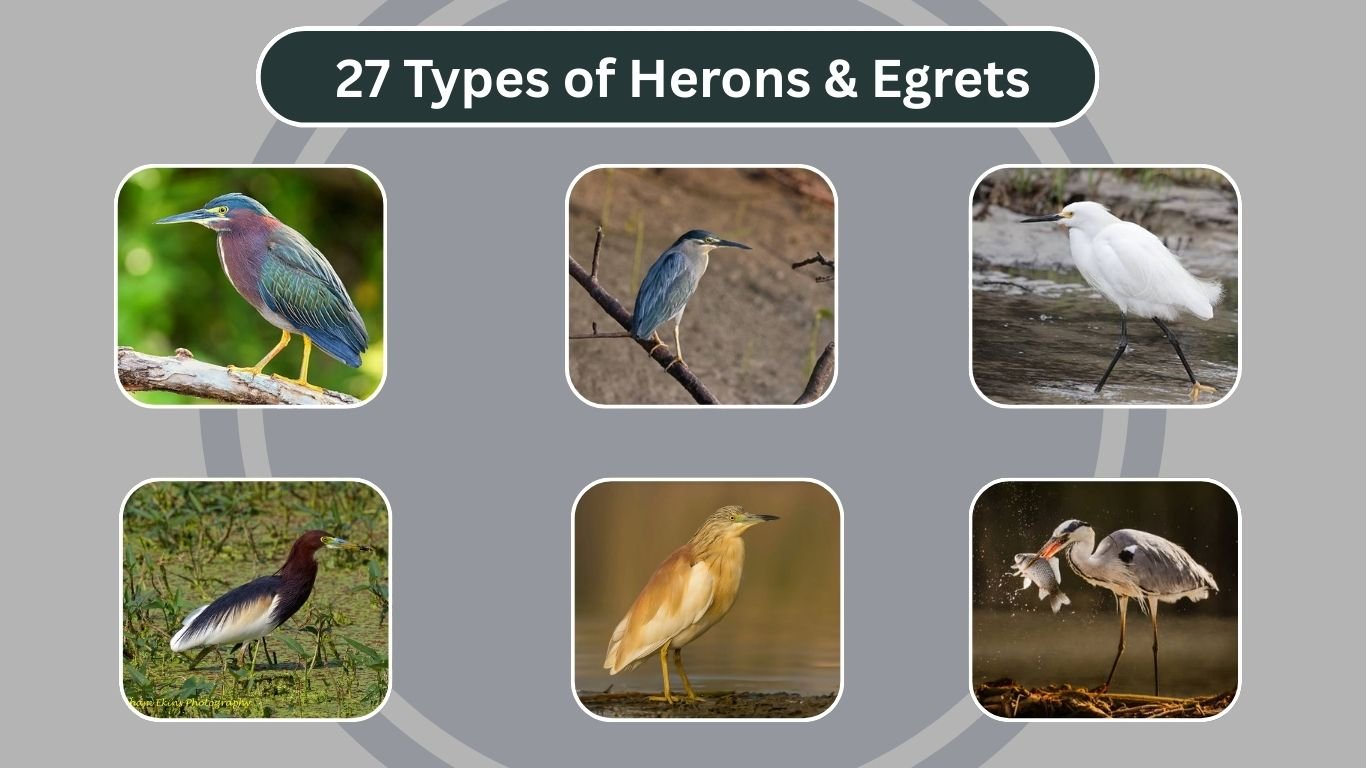
Herons and egrets are elegant wading birds found in wetlands across the world. Known for their long legs, sharp bills, and graceful hunting style, they play a vital role in aquatic ecosystems. From the towering Great Blue Heron to the delicate Little Egret, each species has unique adaptations for survival. In this guide, we explore 27 remarkable types of herons and egrets, covering their identification, habitats, and fascinating behaviors.
1. Great Blue Heron (Ardea herodias)
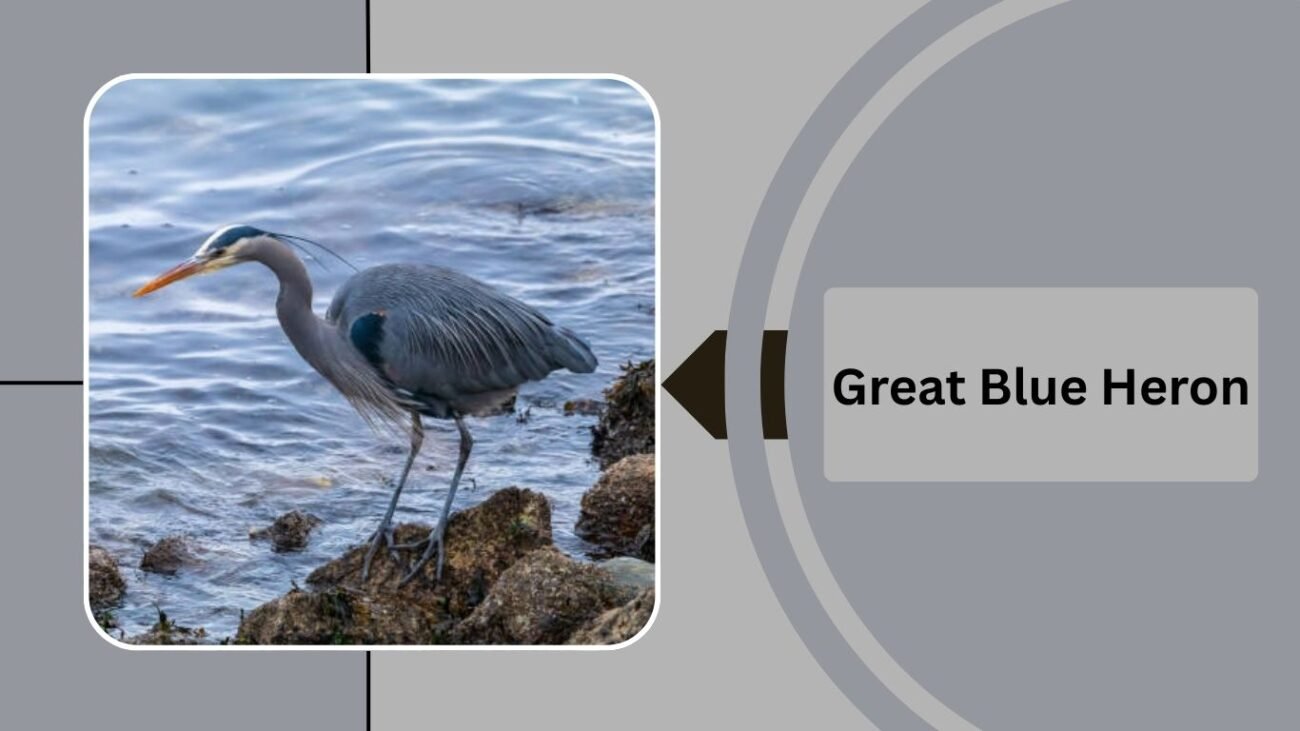
The Great Blue Heron is the largest heron in North America, easily recognized by its tall stature and graceful presence. Often seen standing silently along shorelines, marshes, and rivers, it is a skilled hunter that feeds primarily on fish. With its broad wings and elegant flight, this bird has become a familiar sight across wetlands, embodying both strength and serenity in its natural habitats.
Identification
- Height: 97–137 cm (38–54 in)
- Wingspan: 167–201 cm (66–79 in)
- Plumage: Mostly blue-gray body with long black plumes on the head
- Bill: Long, sharp, yellowish bill
- Legs: Long and dull grayish to yellowish in color
Habitat
Great Blue Herons are highly adaptable, found in both freshwater and saltwater environments. They inhabit marshes, lakes, rivers, ponds, estuaries, and coastal shorelines throughout North America, from southern Canada to Central America.
Behavior
These birds are patient hunters, often standing still in shallow waters before striking quickly at fish or small aquatic creatures. Outside the breeding season, they are mostly solitary, though they nest in colonies known as rookeries. Their slow wingbeats and tucked neck in flight make them easy to identify in the sky.
2. Grey Heron (Ardea cinerea)
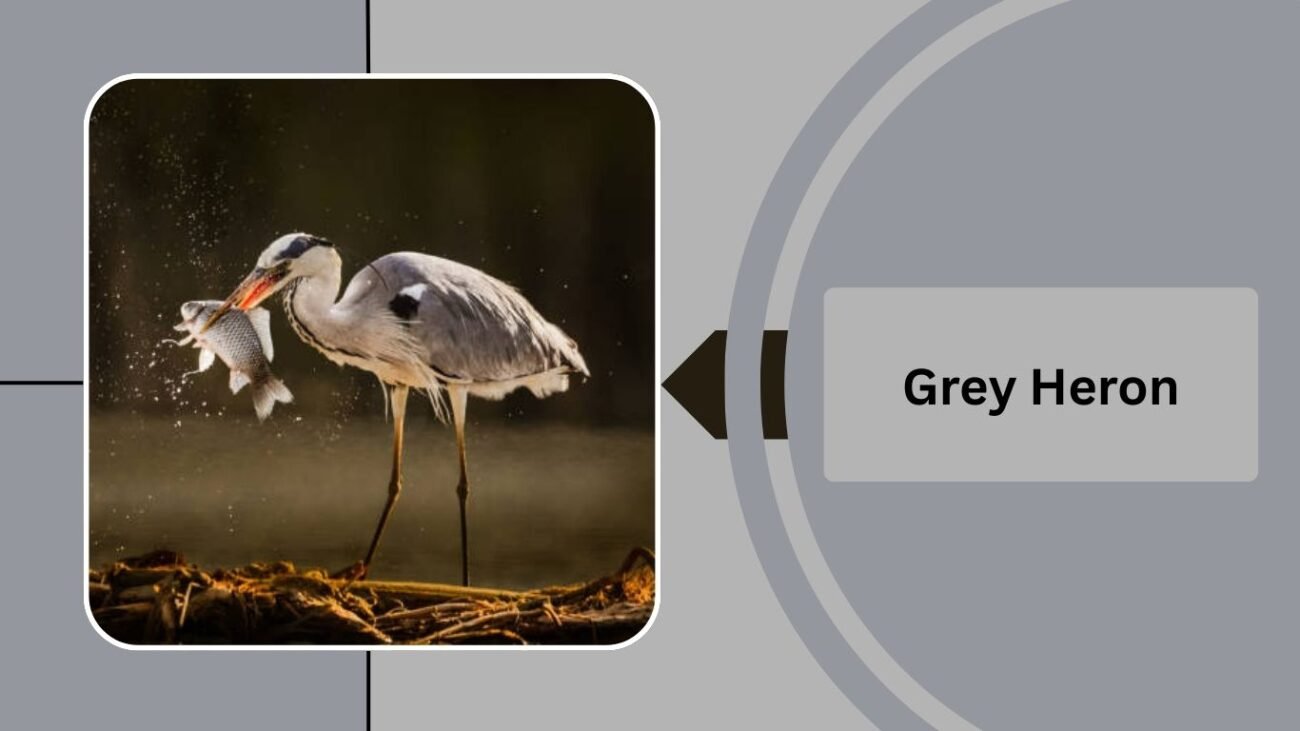
The Grey Heron is a widespread wader found across Europe, Asia, and parts of Africa. Known for its stately stance and graceful movements, it is often seen standing motionless near lakes, rivers, and wetlands while waiting to strike at prey. This heron resembles the Great Blue Heron but is slightly smaller and paler, making it a familiar sight in many parts of the Old World.
Identification
- Height: 84–102 cm (33–40 in)
- Wingspan: 155–195 cm (61–77 in)
- Plumage: Pale grey body, white head with black eye stripe and plumes
- Bill: Long, sharp, yellow-orange bill
- Legs: Long and dark, adapted for wading in shallow waters
Habitat
Grey Herons prefer freshwater habitats such as rivers, lakes, reservoirs, and marshes, but they can also be found in coastal estuaries and tidal mudflats. They are widely distributed throughout Europe and Asia and are resident in many areas, though northern populations may migrate south in winter.
Behavior
They are patient hunters, standing still in water to ambush fish, amphibians, and insects. Grey Herons are solitary feeders but nest in large colonies called heronries. In flight, they can be recognized by their slow wingbeats and retracted neck, a typical posture of herons.
3. Purple Heron (Ardea purpurea)
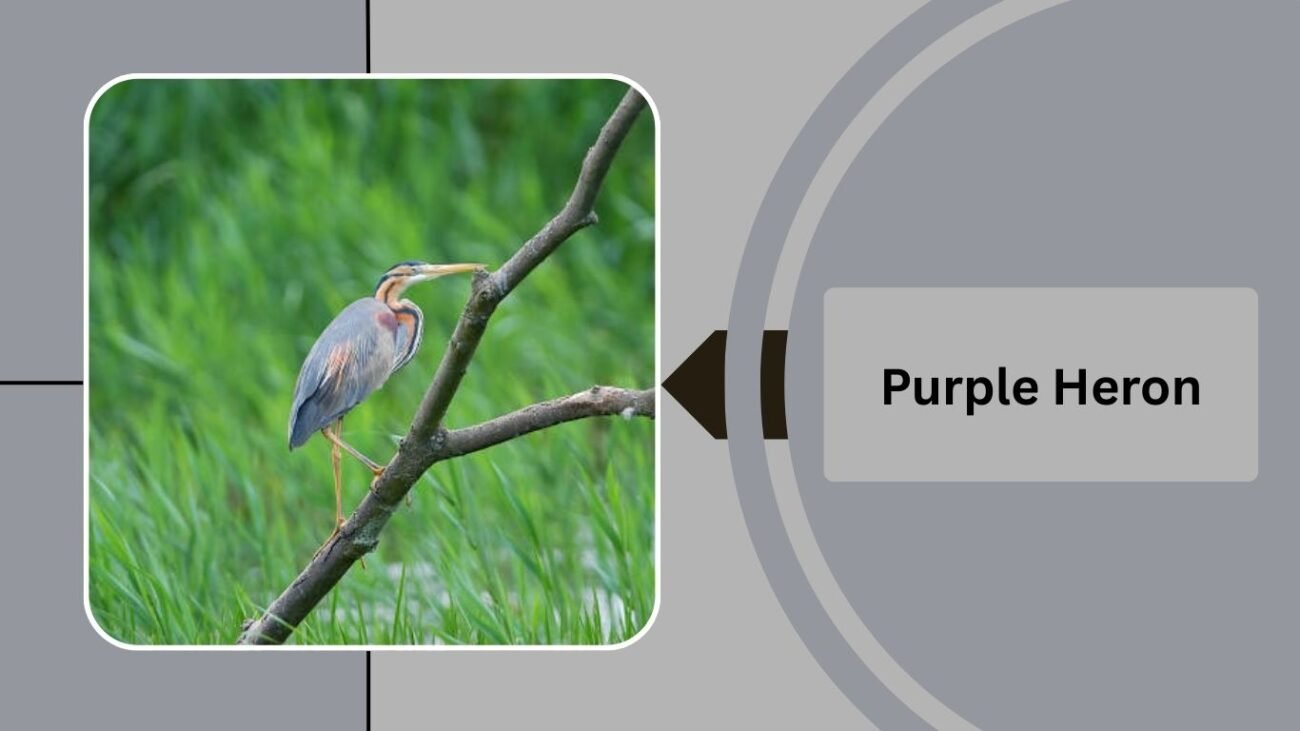
The Purple Heron is a striking heron species distinguished by its slender build and chestnut-purple plumage. Compared to the larger Grey Heron, it appears more delicate and secretive, often hiding within reed beds. Its elegant colors and stealthy nature make it a fascinating bird for birdwatchers and wetland enthusiasts.
Identification
- Height: 78–97 cm (31–38 in)
- Wingspan: 120–150 cm (47–59 in)
- Plumage: Reddish-brown and purplish hues with black streaks on the neck
- Bill: Long, yellowish bill, slightly darker on top
- Legs: Yellowish-brown, long and adapted for wading
Habitat
Purple Herons are strongly associated with dense reed beds, marshes, lagoons, and lakes with abundant vegetation. They breed across parts of Europe, Africa, and Asia, preferring warmer regions and migrating southwards during winter.
Behavior
Unlike other herons that are often seen in the open, the Purple Heron is secretive and prefers to stay hidden in thick vegetation. It feeds mainly on fish, amphibians, and small reptiles. In flight, it appears more slender than the Grey Heron, with a deeply arched neck and slow, steady wingbeats.
4. Black-headed Heron (Ardea melanocephala)
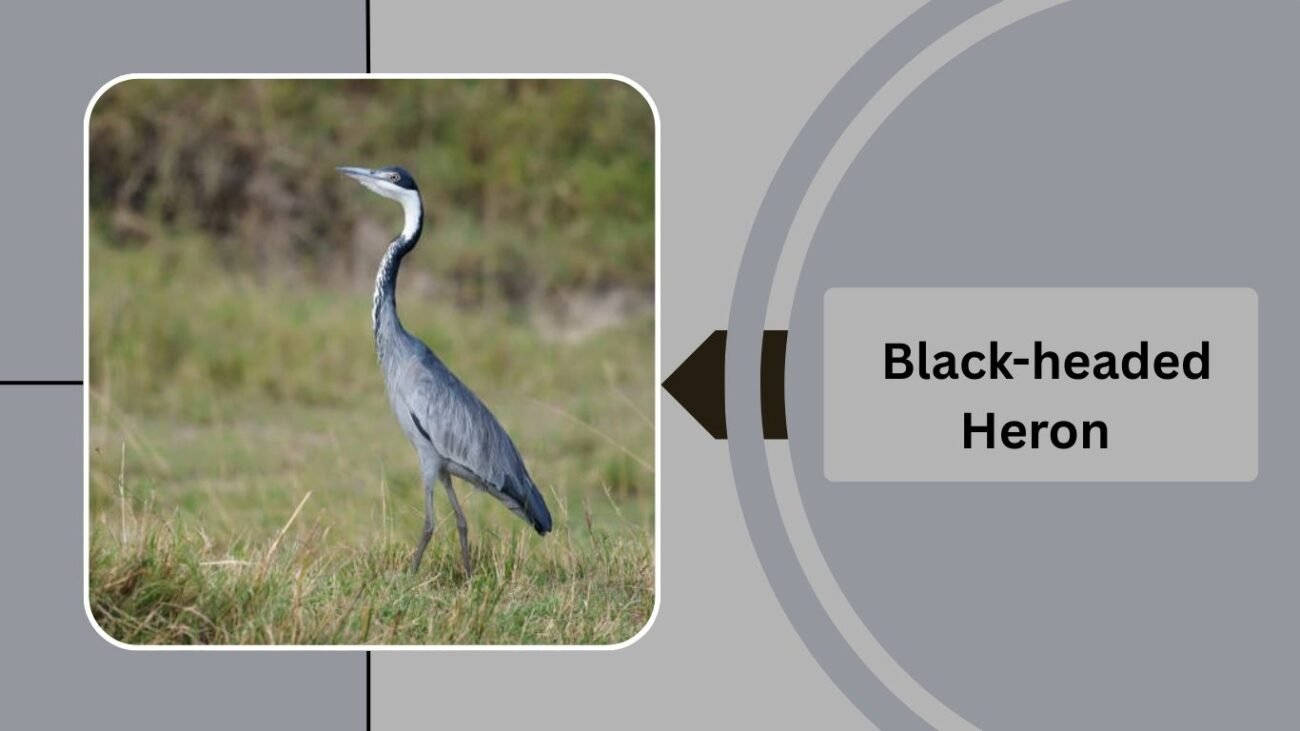
The Black-headed Heron is a medium-to-large wader native to sub-Saharan Africa. It resembles the Grey Heron but is darker in appearance and adapted to more open grassland habitats. This heron is highly adaptable and often seen not just in wetlands but also in savannas, agricultural fields, and even near human settlements.
Identification
- Height: 85–100 cm (33–39 in)
- Wingspan: 150–170 cm (59–67 in)
- Plumage: Grey body with contrasting black head, neck, and flight feathers
- Bill: Strong, yellowish bill with dark tip
- Legs: Long, blackish-grey legs suited for terrestrial hunting
Habitat
Unlike many other herons, the Black-headed Heron is not restricted to water bodies. While it does inhabit marshes, rivers, and lakes, it is equally comfortable in dry savannas, farmlands, and open grasslands. This adaptability allows it to thrive in both wild and semi-urban environments.
Behavior
This species hunts a wide range of prey including small mammals, reptiles, amphibians, and insects. It often forages by walking slowly on land, resembling storks in its feeding style. While it can be solitary, it is also found in loose groups, especially in favorable feeding areas. In flight, it shows the typical heron posture with a retracted neck and broad wings.
5. Goliath Heron (Ardea goliath)
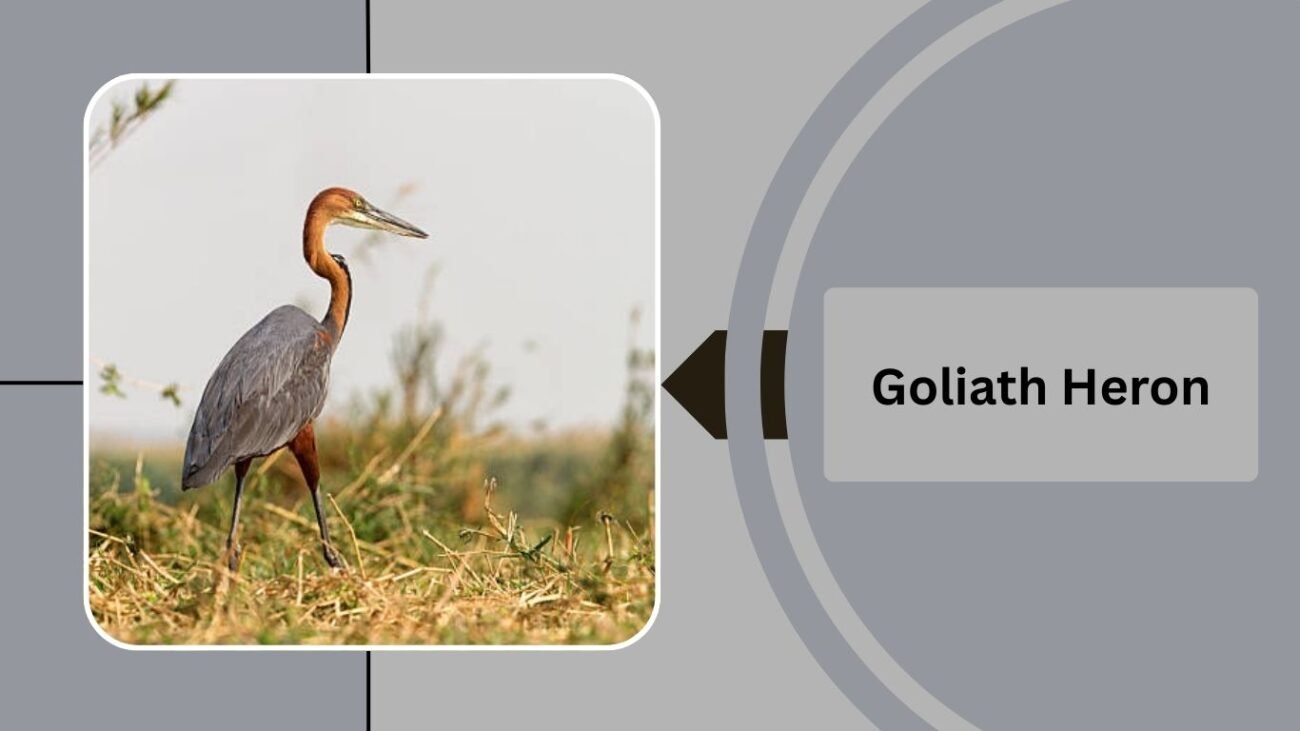
The Goliath Heron is the largest heron species in the world, often called the “giant heron.” Its massive size, striking plumage, and powerful hunting style make it a remarkable bird of wetlands and rivers across Africa and parts of Asia. It is a solitary species that dominates its territory and feeds mainly on large fish.
Identification
- Height: 120–152 cm (47–60 in)
- Wingspan: 185–230 cm (73–91 in)
- Plumage: Chestnut neck and head with a black stripe running down the throat
- Bill: Very long, heavy, and dagger-like, perfect for spearing large prey
- Legs: Long and dark, adapted to wading in deeper waters
Habitat
Goliath Herons are found in large lakes, rivers, estuaries, swamps, and coastal lagoons. They prefer quiet, undisturbed wetlands with abundant fish populations. This species avoids crowded habitats and maintains solitary territories, often stretching over large areas.
Behavior
The Goliath Heron is a patient hunter, often standing still for long periods before striking with incredible precision. It primarily feeds on large fish, sometimes up to 50 cm long, which smaller herons cannot handle. It is usually solitary, nesting in isolated trees or reed beds, though occasionally it may join small colonies. Its deep, booming call carries far across wetlands, adding to its commanding presence.
6. Great Egret (Ardea alba)
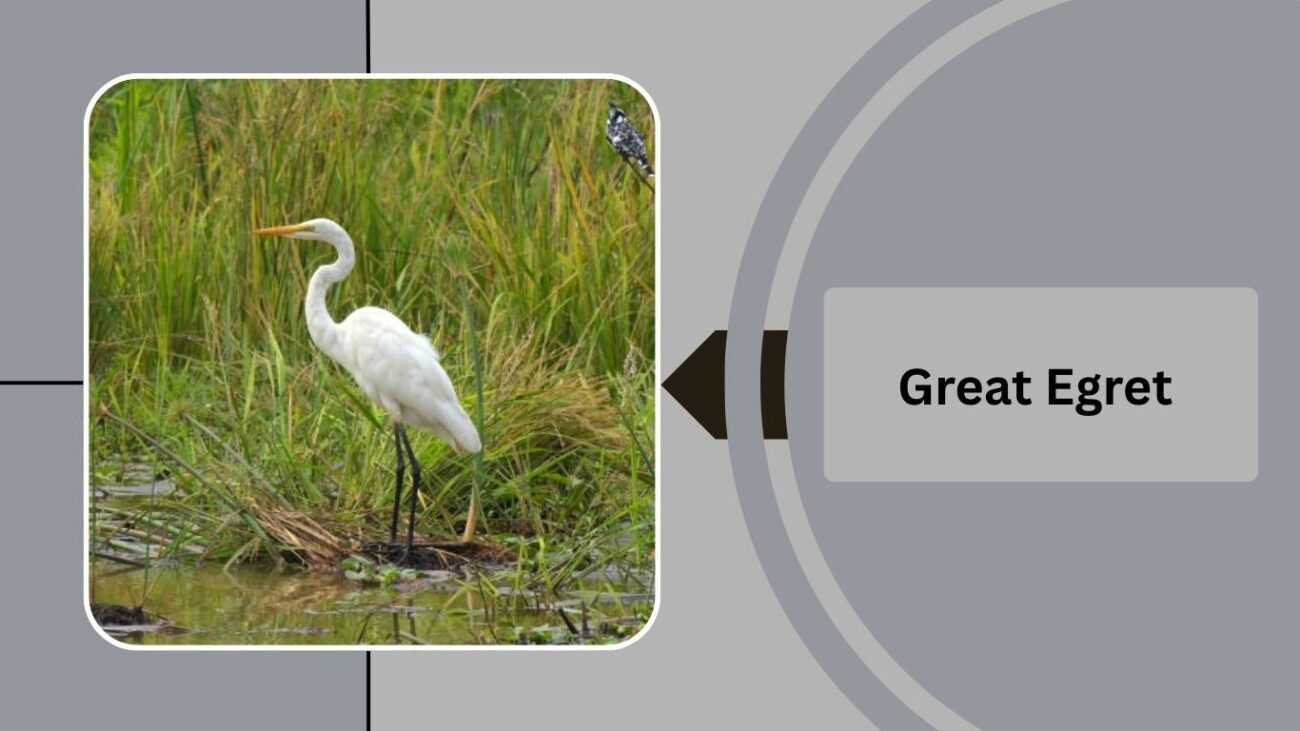
The Great Egret is one of the most elegant and widely recognized herons, admired for its striking white plumage and graceful presence. Found on nearly every continent, it is a symbol of wetland conservation and has even been used as the emblem of the National Audubon Society. Its long neck, sharp bill, and majestic flight make it a stunning sight in wetlands and coastal habitats.
Identification
- Height: 85–104 cm (33–41 in)
- Wingspan: 131–170 cm (52–67 in)
- Plumage: Pure white feathers with long, delicate plumes during breeding season
- Bill: Yellow and slender, turning darker during breeding
- Legs: Black and long, giving it a sleek and elegant appearance
Habitat
The Great Egret inhabits marshes, swamps, ponds, lakes, rivers, and coastal lagoons. It thrives in both freshwater and saltwater environments. Because of its adaptability, it is found across North and South America, Europe, Africa, Asia, and Australia, making it one of the most widespread heron species.
Behavior
This egret is a skilled hunter, typically stalking fish, amphibians, reptiles, and small mammals in shallow waters. It employs a slow, calculated walk or stands still before striking quickly with its bill. During breeding season, Great Egrets develop beautiful long plumes on their backs, which were once heavily hunted for use in fashion. They nest in colonies, often alongside other herons, in trees or shrubs near wetlands.
7. Intermediate Egret (Ardea intermedia)
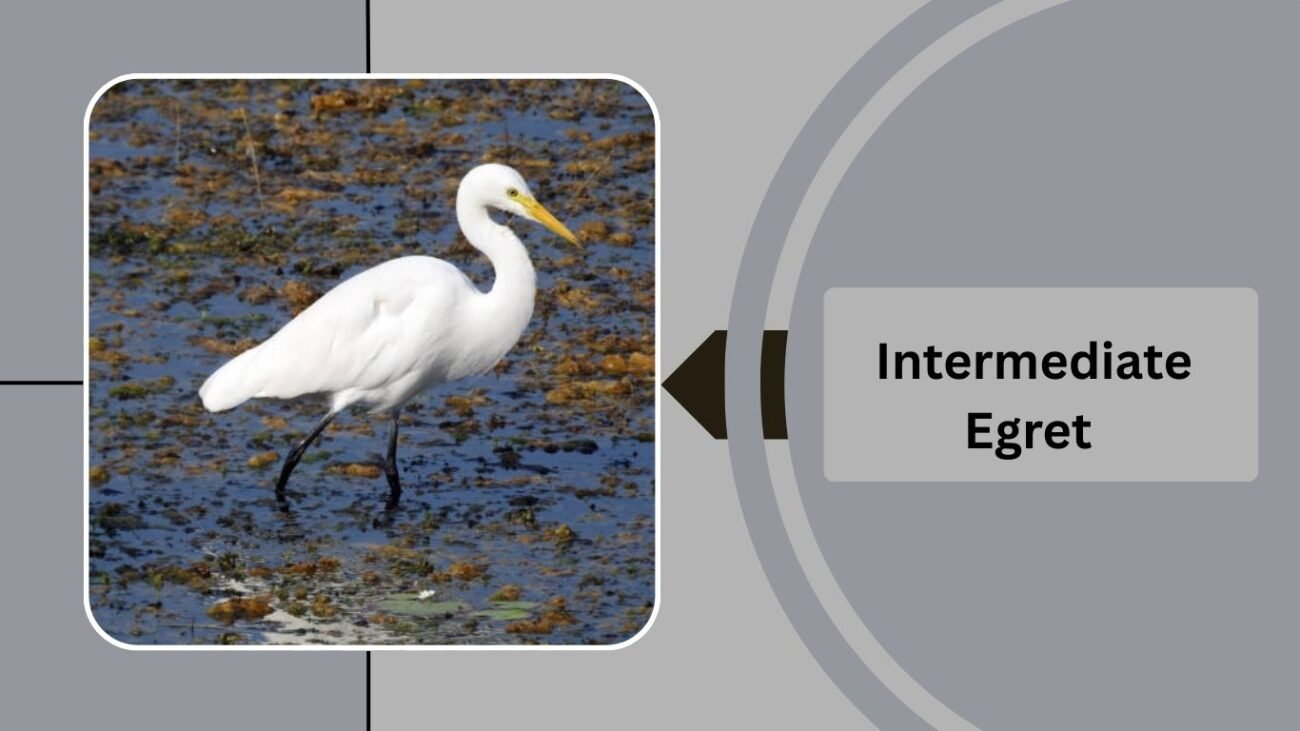
The Intermediate Egret, also known as the Median Egret or Yellow-billed Egret, is a medium-sized white heron often mistaken for the Great Egret or Little Egret. Its size falls between the two, giving it the name “Intermediate.” This bird is elegant and graceful, making its presence striking in wetlands and marshes across Asia, Africa, and parts of Australia.
Identification
- Height: 56–72 cm (22–28 in)
- Wingspan: 105–115 cm (41–45 in)
- Plumage: Pure white with no distinguishing marks
- Bill: Yellow, turning reddish during breeding season
- Legs: Usually dark, blackish to greenish-grey
- Neck: Shorter and thicker compared to the Great Egret
Habitat
Intermediate Egrets are typically found in wetlands, rice paddies, shallow lakes, swamps, and rivers. They prefer habitats with dense vegetation and shallow water, where prey is abundant. They often share breeding colonies with other herons and egrets, nesting in trees and shrubs close to water sources.
Behavior
This egret is a patient feeder, often standing still for long periods before striking quickly at fish, amphibians, and insects. It is less gregarious than other egrets, often seen alone or in small groups. During breeding season, they display beautiful plumes and reddish facial skin, enhancing their otherwise plain white appearance.
8. Little Egret (Egretta garzetta)
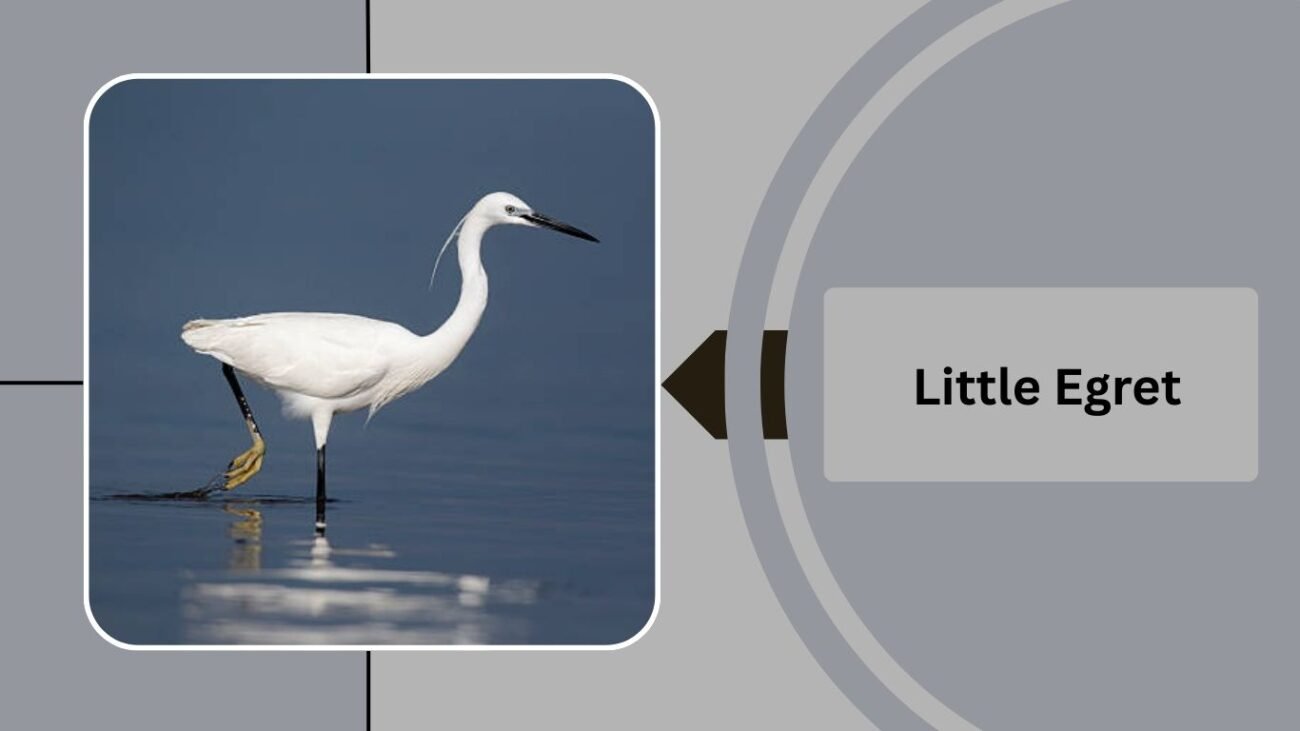
The Little Egret is one of the most graceful and widely recognized species of egret. With its striking white plumage and elegant black legs tipped with bright yellow feet, it stands out in wetlands across Europe, Africa, Asia, and Australia. Its delicate appearance, coupled with active foraging behavior, makes it a favorite among birdwatchers.
Identification
- Height: 55–65 cm (22–26 in)
- Wingspan: 88–106 cm (35–42 in)
- Plumage: Pure white with long, thin plumes during breeding season
- Bill: Long, slender, and black
- Legs: Black legs with vivid yellow feet
- Eyes: Yellow, with lores turning reddish in breeding season
Habitat
Little Egrets inhabit marshes, estuaries, tidal flats, lakes, rice paddies, and shallow rivers. They thrive in both freshwater and coastal wetlands, often choosing open areas where prey is easy to spot. They also adapt well to human-altered habitats such as rice fields and fish farms.
Behavior
Unlike larger egrets, the Little Egret is highly active in its feeding style. It often runs through shallow water, flaps its wings, and stirs the water with its feet to flush out fish, amphibians, and aquatic insects. During breeding, they develop ornate plumes on the head, neck, and back, which are displayed in elaborate courtship rituals.
9. Snowy Egret (Egretta thula)
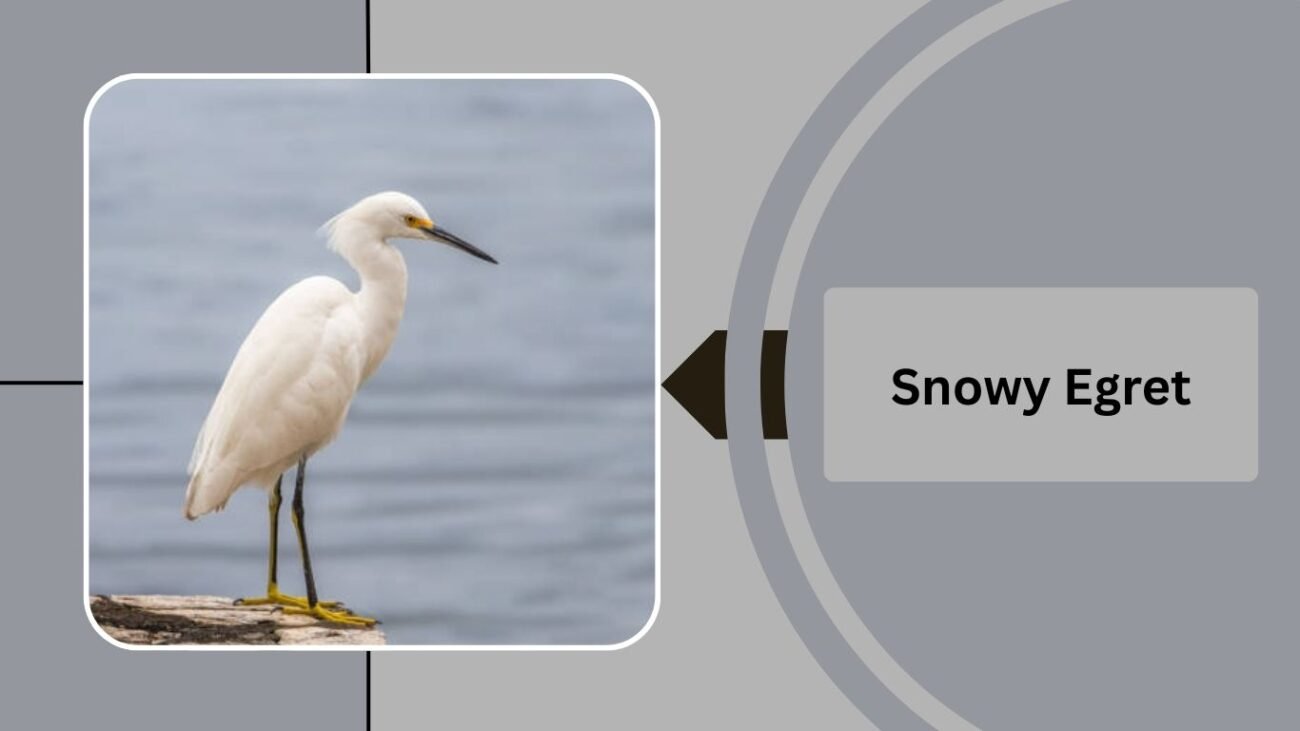
The Snowy Egret is a small, elegant heron native to the Americas, often admired for its striking appearance and active feeding behavior. It is closely related to the Little Egret but is mainly distributed across North, Central, and South America. Known for its beauty, the species was once hunted for its ornamental plumes, which are now protected.
Identification
- Height: 61–71 cm (24–28 in)
- Wingspan: 100–104 cm (39–41 in)
- Plumage: Pure white with fine, lacy plumes in breeding season
- Bill: Slender and black with a yellow base near the eyes
- Legs: Black legs with bright yellow feet
- Eyes: Yellow, turning reddish during breeding
Habitat
Snowy Egrets are found in marshes, tidal flats, lagoons, lakes, rivers, and mangrove swamps. They prefer shallow wetlands, both fresh and saltwater, where they can easily hunt small fish, crustaceans, and insects. They are common in coastal areas but also appear inland near lakes and ponds.
Behavior
These egrets are highly animated hunters, often darting quickly through shallow water, stirring the mud with their bright yellow feet to flush out prey. They are social birds, nesting in colonies with other waders. During breeding, they perform spectacular courtship displays, spreading their delicate plumes and raising their crests to attract mates.
10. Cattle Egret (Bubulcus ibis)
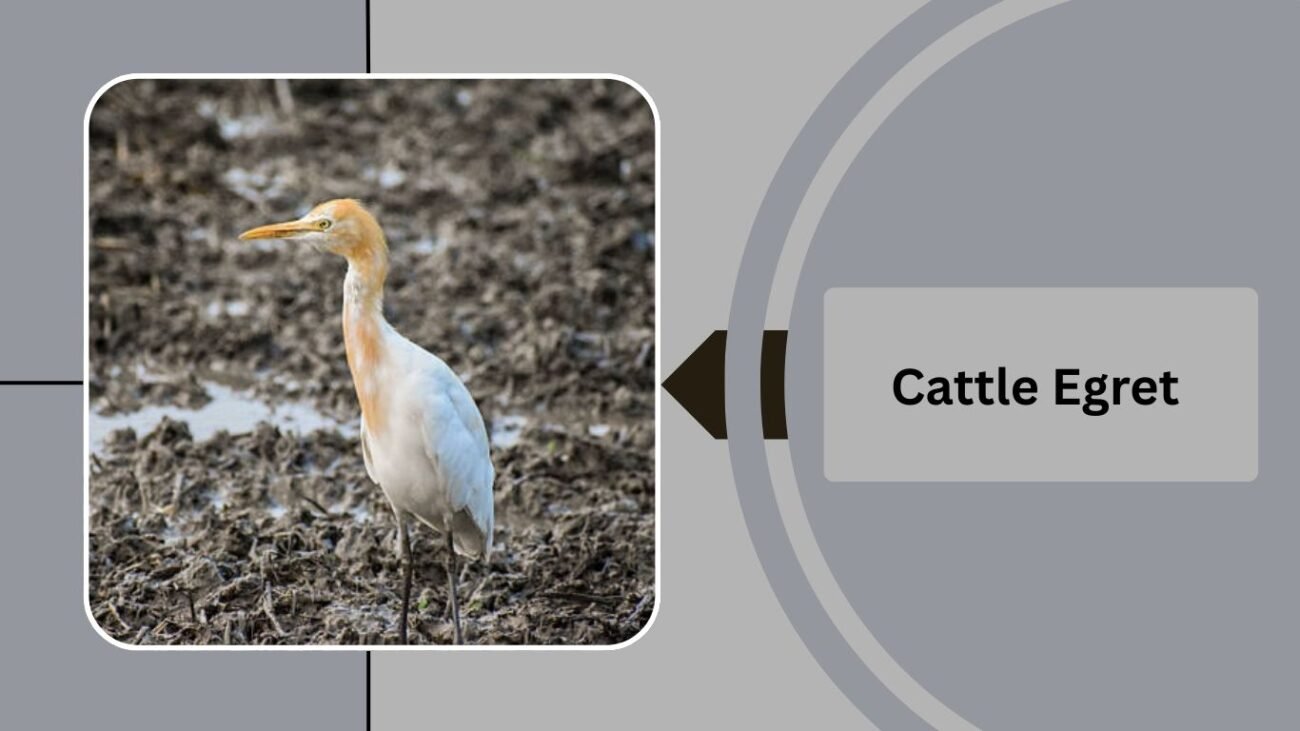
The Cattle Egret is a small, stocky heron widely distributed across the globe. Unlike many other herons and egrets, it has adapted closely to human-altered landscapes, especially farmland and grazing fields. Its habit of following livestock for feeding makes it a unique member of the heron family and has contributed to its rapid global spread.
Identification
- Height: 46–56 cm (18–22 in)
- Wingspan: 88–96 cm (35–38 in)
- Plumage: Mostly white, with buff-orange plumes on the head, chest, and back during breeding season
- Bill: Short, thick, and yellow (reddish during breeding)
- Legs: Yellow to greenish, turning reddish during courtship
- Eyes: Yellow, with a reddish tinge in breeding season
Habitat
Cattle Egrets are most commonly seen in grasslands, pastures, agricultural fields, and wetlands. They thrive in open environments where large mammals or livestock are present, as these animals help stir up insects and small creatures from the grass. They are adaptable and often found near human settlements.
Behavior
Unlike other egrets that primarily hunt fish in wetlands, Cattle Egrets often feed on land, following cattle, horses, or even tractors to catch insects, frogs, and small mammals flushed from the vegetation. They are highly gregarious, nesting in large colonies, often with other herons and ibises. During courtship, males display dramatically by raising their plumes, bowing, and calling.
11. Grey Heron (Ardea cinerea)
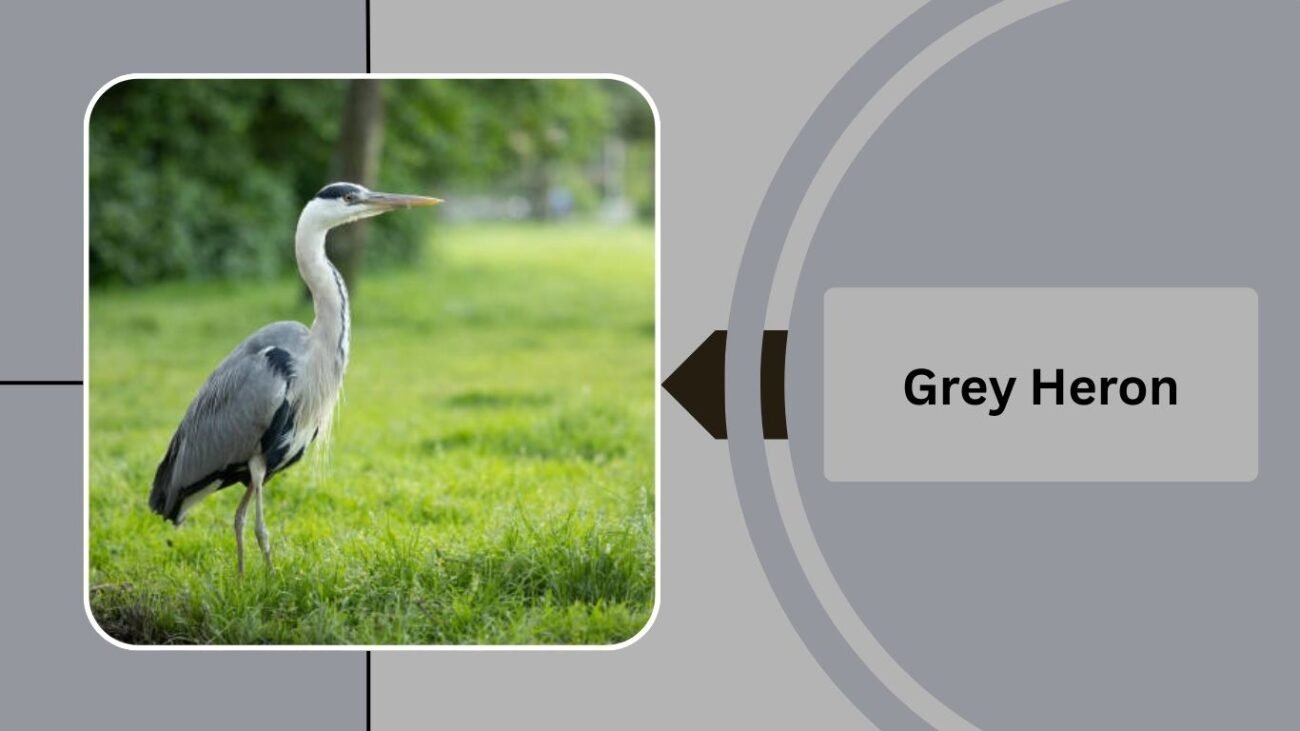
The Grey Heron is one of the most iconic herons in Eurasia, easily recognizable for its tall, slender form and striking grey, black, and white plumage. Common across wetlands, rivers, and coastal areas, this species is known for its patient hunting style and commanding presence.
Identification
- Height: 84–102 cm (33–40 in)
- Wingspan: 155–195 cm (61–77 in)
- Plumage: Grey upperparts, white head and neck with black streaks, and a distinct black eye stripe extending to a long crest
- Bill: Long, straight, and yellow, turning orange during breeding season
- Legs: Long and yellowish, darkening in breeding plumage
- Eyes: Pale yellow with keen vision
Habitat
Grey Herons thrive in a wide variety of wetland habitats, including rivers, lakes, estuaries, marshes, and even urban ponds. They prefer shallow waters where fish are abundant but can also be seen foraging in grasslands and agricultural fields.
Behavior
The Grey Heron is a master of stealth, often standing motionless in shallow water before striking rapidly to catch fish, frogs, and small mammals. It usually hunts alone but roosts and nests in colonies, often high in trees near water. During breeding season, males perform aerial displays and bill-clattering rituals to attract mates.
12. Great Egret (Ardea alba)
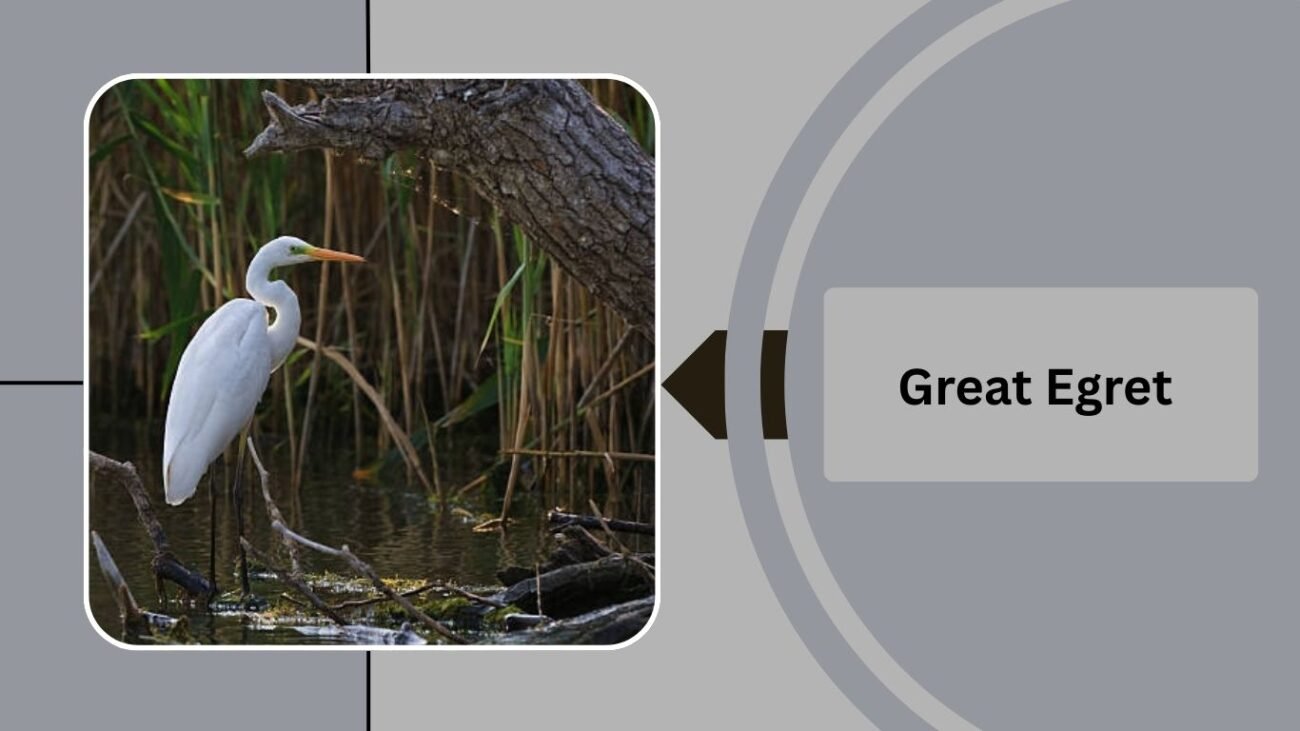
The Great Egret is one of the most elegant and widespread members of the heron family, instantly recognizable for its pure white plumage and graceful stature. Found across every continent except Antarctica, it is a common sight in wetlands, lakes, marshes, and coastal areas, often admired for its slow, deliberate hunting style and striking breeding display.
Identification
- Height: 80–100 cm (31–39 in)
- Wingspan: 131–170 cm (52–67 in)
- Plumage: Entirely white with long, lacy plumes during breeding season
- Bill: Yellow, turning black in breeding plumage
- Legs: Long and black, contrasting with its white body
- Eyes: Yellow with sharp vision, aiding in fishing
Habitat
Great Egrets prefer shallow wetlands such as lakes, rivers, estuaries, marshes, and coastal lagoons. They are highly adaptable and can thrive in both freshwater and saltwater environments, often nesting in colonies near other herons and waterbirds.
Behavior
These birds are skilled hunters, moving slowly or standing motionless before striking quickly with their long bill to catch fish, frogs, reptiles, and insects. During breeding season, males display striking aigrettes (plumes) and engage in elaborate courtship dances. They are colonial nesters, often building stick nests in trees or shrubs near water.
13. Intermediate Egret (Ardea intermedia)
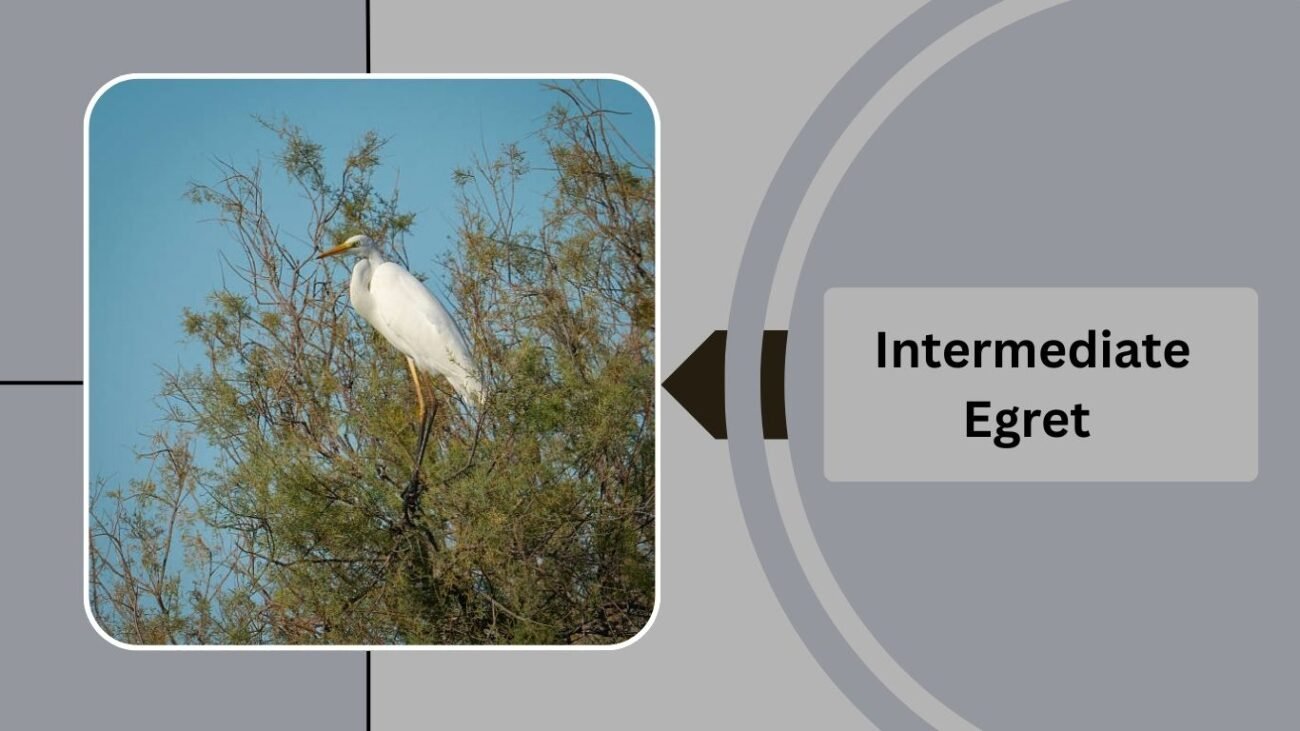
The Intermediate Egret, as its name suggests, is a medium-sized egret that bridges the size difference between the Great Egret and the Little Egret. It is widely distributed across Asia, Africa, and Australia, where it inhabits wetlands and shallow water bodies. Known for its elegant white plumage and steady hunting behavior, this species is often mistaken for its larger or smaller relatives.
Identification
- Height: 65–72 cm (26–28 in)
- Wingspan: About 105–115 cm (41–45 in)
- Plumage: Pure white, with shorter neck compared to Great Egret
- Bill: Yellow, turning darker during breeding season
- Legs: Usually blackish with greenish tones
- Neck: Appears thicker and less elongated compared to other egrets
Habitat
Intermediate Egrets thrive in freshwater wetlands, rice fields, marshes, rivers, and shallow lakes. They are often seen in inland habitats more than coastal regions, frequently foraging in groups but also comfortably solitary.
Behavior
They hunt patiently by wading in shallow waters, feeding on fish, frogs, crustaceans, and insects. During the breeding season, they nest in colonies, often alongside other herons and egrets, constructing stick nests in trees or dense reed beds. Males display their ornamental plumes to attract females.
14. Little Egret (Egretta garzetta)
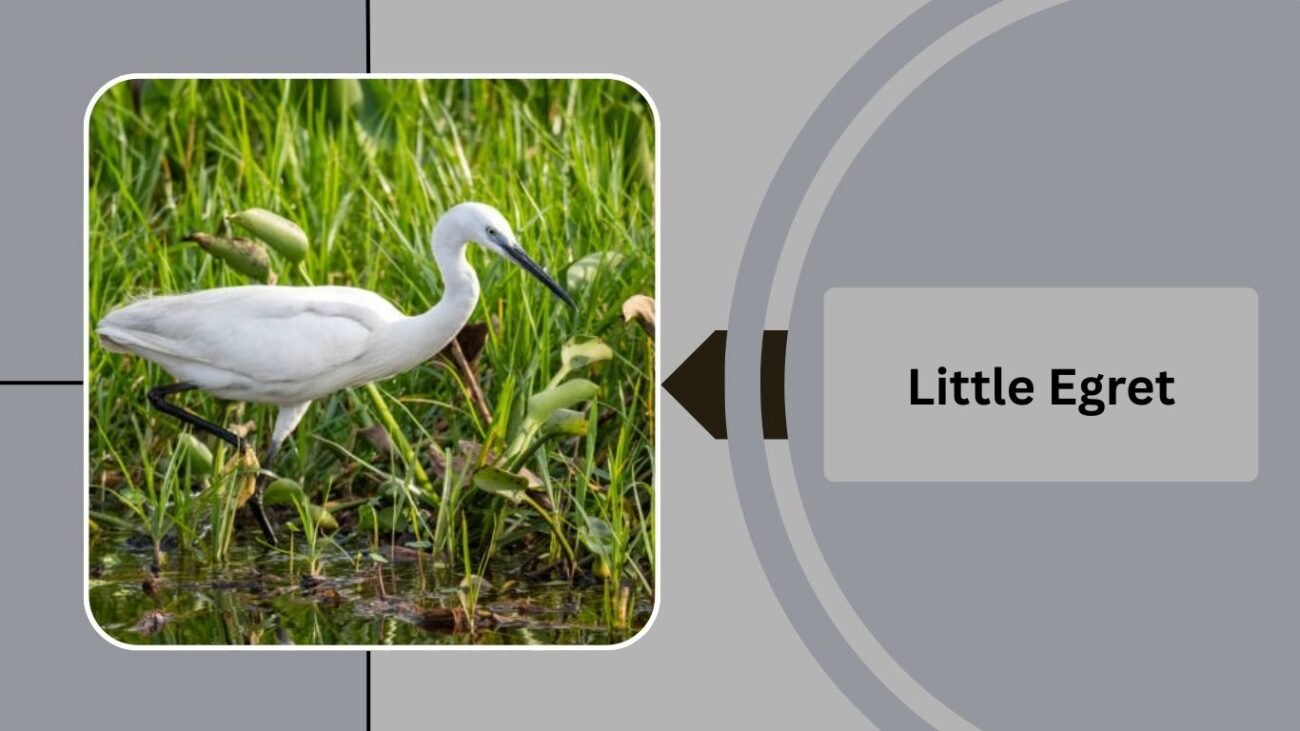
The Little Egret is one of the most widespread and recognizable egrets, admired for its pure white plumage and graceful appearance. Found across Europe, Asia, Africa, and Australia, it thrives in wetlands, coastal regions, and riverbanks. Its adaptability and striking foraging displays make it a favorite among birdwatchers.
Identification
- Height: 55–65 cm (22–26 in)
- Wingspan: 88–106 cm (35–42 in)
- Plumage: Snow-white, with long, delicate plumes on the head, back, and breast during breeding season
- Bill: Long, slender, and black
- Legs: Black with bright yellow feet, a key distinguishing feature
- Neck: Slender, often held in an S-shape when foraging
Habitat
Little Egrets occupy freshwater wetlands, coastal lagoons, estuaries, rivers, and lakes. They adapt well to human-altered environments, including rice paddies and reservoirs, and are often seen in mixed colonies with other waterbirds.
Behavior
They are active hunters, often stirring the water with their feet to flush out prey. Their diet includes fish, amphibians, crustaceans, and aquatic insects. During the breeding season, males perform elaborate displays, showing off their plumes and spreading wings. Colonies are noisy and can be quite large, with nests built in trees or reed beds.
15. Snowy Egret (Egretta thula)
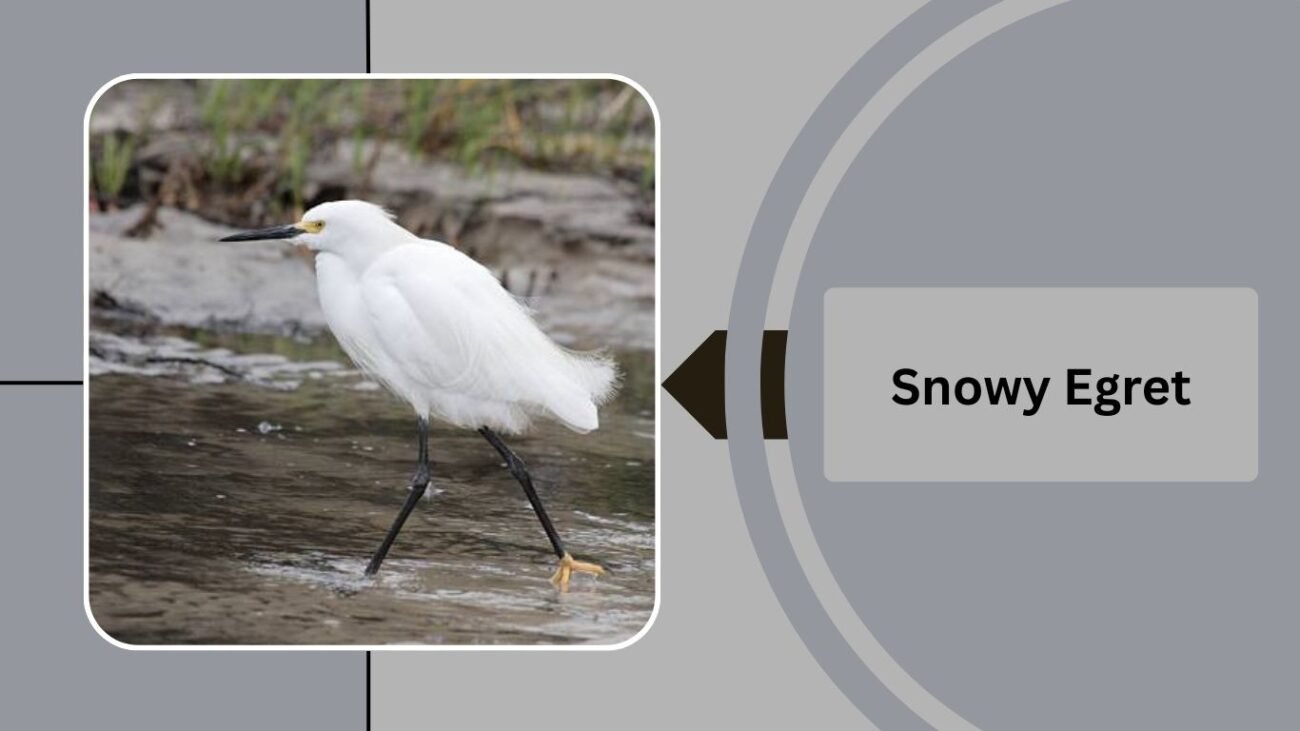
The Snowy Egret is a striking white heron native to the Americas, easily recognized by its graceful appearance and contrasting black-and-yellow features. Once hunted extensively for its plumes, this bird has made a strong recovery and is now commonly found in wetlands across North, Central, and South America.
Identification
- Height: 56–66 cm (22–26 in)
- Wingspan: 100–110 cm (39–43 in)
- Plumage: Pure white, with delicate plumes during the breeding season
- Bill: Black, slender, and pointed
- Legs: Long and black, with bright yellow feet (known as “golden slippers”)
- Face: Yellow lores (skin between bill and eyes)
Habitat
Snowy Egrets are widespread in marshes, estuaries, ponds, and coastal lagoons. They often adapt well to shallow freshwater and saltwater environments, where they can easily hunt small aquatic prey.
Behavior
These birds are known for their active foraging techniques, including stirring the water with their yellow feet to flush out fish. They eat fish, frogs, crustaceans, insects, and other small aquatic animals. During breeding season, they display elegant plumes and courtship dances. Colonies are often mixed with other herons, egrets, and ibises, creating vibrant nesting sites.
16. Cattle Egret (Bubulcus ibis)
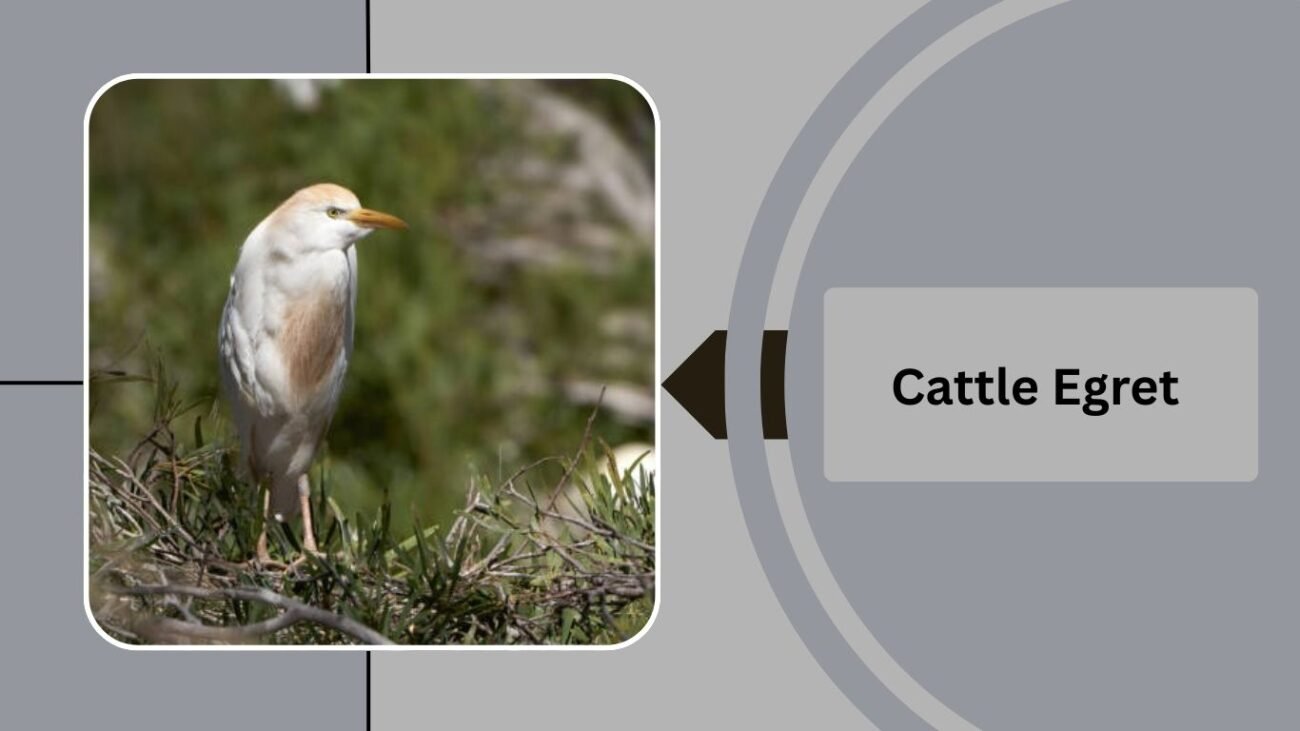
The Cattle Egret is a small, stocky heron found across much of the world. Unlike other egrets that thrive mainly in wetlands, this species is often seen in grasslands, agricultural fields, and near livestock. Originally native to Africa and Asia, it has successfully expanded to every continent except Antarctica, becoming one of the most widespread herons today.
Identification
- Height: 46–56 cm (18–22 in)
- Wingspan: 88–96 cm (35–38 in)
- Plumage: White; during breeding season, golden-orange plumes appear on the head, chest, and back
- Bill: Short, thick, and yellow (reddish in breeding season)
- Legs: Yellowish to greenish; reddish tones in breeding season
- Body: Stockier and shorter-necked than other egrets
Habitat
Cattle Egrets are highly adaptable and commonly found in open grasslands, savannas, farmlands, and wetlands. They are often seen perched on or walking near cattle, buffalo, and even tractors, taking advantage of disturbed insects and small prey.
Behavior
Known for their symbiotic relationship with grazing animals, Cattle Egrets feed on insects and small vertebrates stirred up by livestock. They often gather in large flocks, both when foraging and roosting. During breeding, they nest in colonies, often alongside other herons and ibises, and display striking orange breeding plumes.
17. Chinese Pond Heron (Ardeola bacchus)
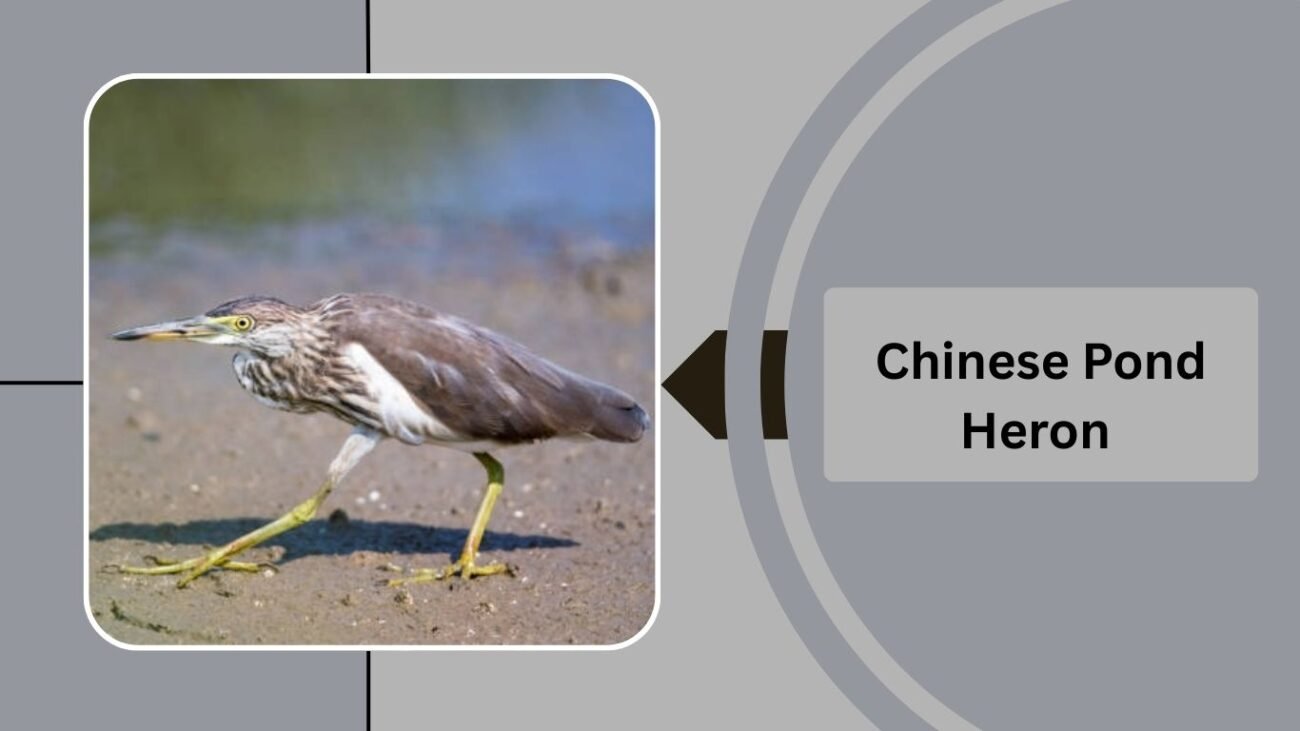
The Chinese Pond Heron is a medium-sized heron widely distributed across East and Southeast Asia. It is a common sight in wetlands, rice paddies, and ponds, where it often forages quietly along the water’s edge. While its non-breeding plumage is rather plain, during breeding season it transforms into a striking bird with vivid colors, making it easy to distinguish.
Identification
- Height: 45–50 cm (18–20 in)
- Wingspan: About 90 cm (35 in)
- Non-breeding plumage: Dull brown streaked body with white wings and rump, giving a sharp contrast in flight
- Breeding plumage: Rich maroon head and neck, dark blue back, and bright white wings
- Bill: Yellow with a black tip
- Legs: Yellow-green, turning reddish in breeding season
Habitat
This heron prefers freshwater wetlands, shallow lakes, ponds, and flooded agricultural fields. It is often seen in rice paddies, making it a familiar bird to farmers across Asia.
Behavior
The Chinese Pond Heron usually hunts alone or in small groups, feeding on fish, frogs, insects, and crustaceans. Its slow, deliberate stalking technique helps it ambush prey. During the breeding season, it nests in colonies, often alongside other herons, in trees near water bodies.
18. Javan Pond Heron (Ardeola speciosa)
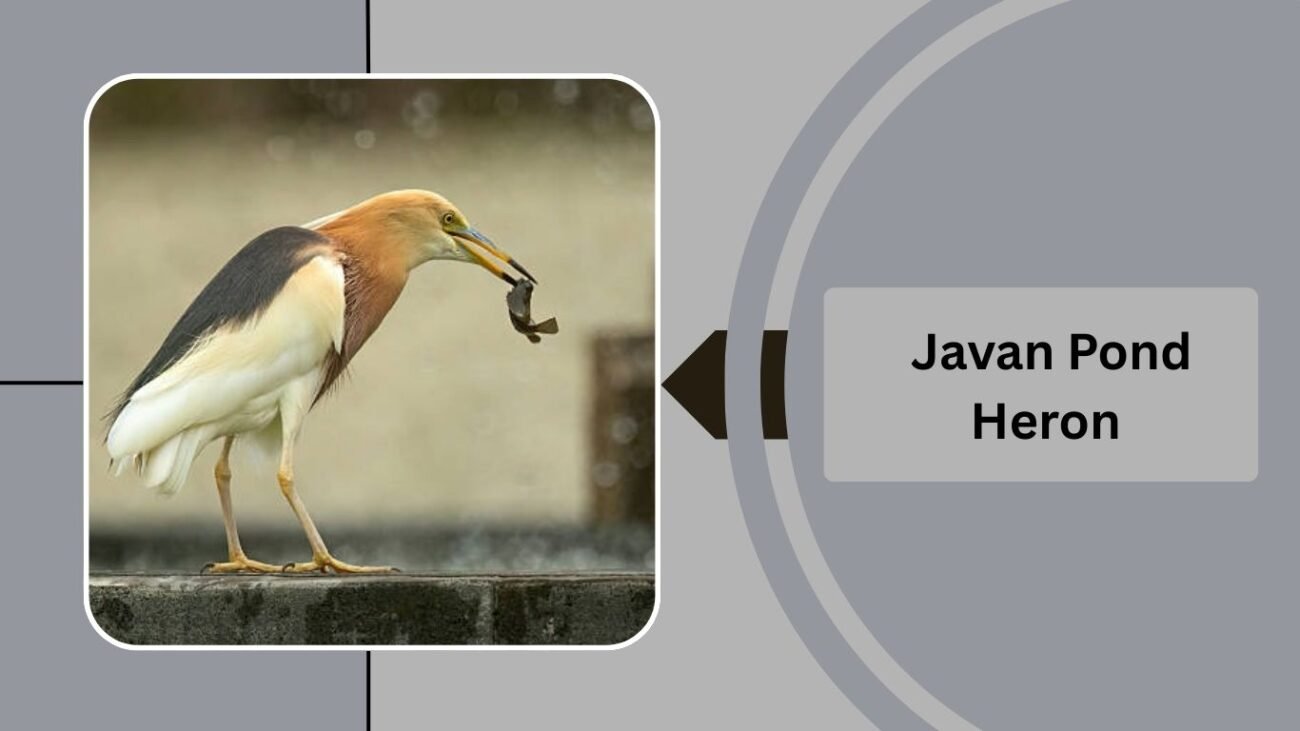
The Javan Pond Heron is a small heron native to Southeast Asia, particularly found in Indonesia, Thailand, and surrounding regions. It is often seen in wetlands, rice fields, and shallow lakes. While it looks similar to other pond herons outside the breeding season, it becomes truly spectacular when it dons its bright breeding plumage, making it stand out in its natural habitat.
Identification
- Height: 45–50 cm (18–20 in)
- Wingspan: About 85–90 cm (33–35 in)
- Non-breeding plumage: Dull brown streaked body, with white wings visible in flight
- Breeding plumage: Bright orange-buff head and neck, chestnut breast, and white wings with bluish bill base
- Bill: Yellow with black tip
- Legs: Yellow, turning red during breeding season
Habitat
The Javan Pond Heron prefers shallow wetlands, rice paddies, marshes, and lakes. It is commonly found in agricultural landscapes where water is abundant, often seen foraging alongside egrets and other herons.
Behavior
This heron feeds mainly on fish, insects, and amphibians, using its stealthy movements to capture prey. During breeding, it nests in colonies in mangroves or trees near water, often with other wading birds. Its striking plumage during the breeding season makes it one of the most beautiful pond herons.
19. Indian Pond Heron (Ardeola grayii)
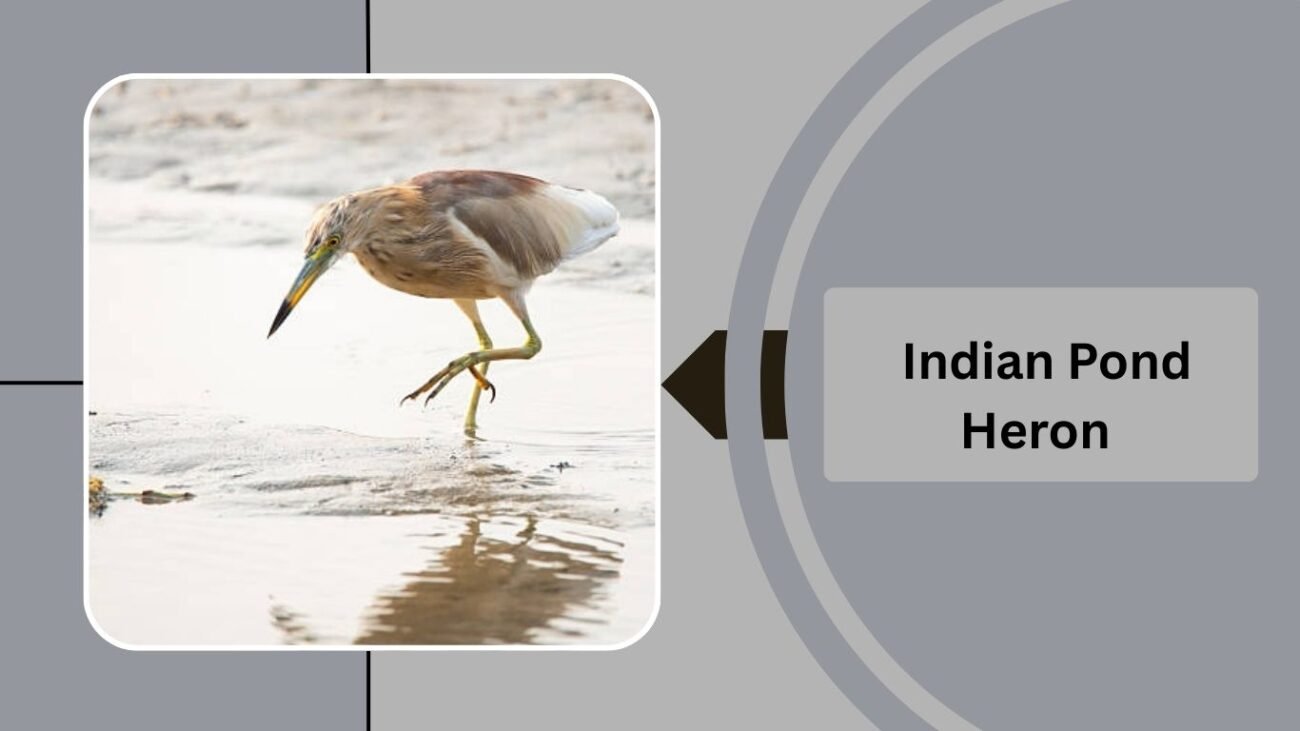
The Indian Pond Heron is a small and widespread heron commonly found across the Indian subcontinent. It is well adapted to both rural and urban environments, often seen in ponds, marshes, flooded fields, and even city parks. Known for its ability to blend into its surroundings, this bird is often overlooked until it takes flight, revealing its striking white wings.
Identification
- Height: 40–45 cm (16–18 in)
- Wingspan: 75–90 cm (30–35 in)
- Non-breeding plumage: Brown-streaked body, with cryptic colors that provide camouflage
- Breeding plumage: Creamy-white with maroon, buff, and golden feathers on the head and neck
- Bill: Yellow with black tip
- Legs: Yellow, turning reddish during breeding season
Habitat
The Indian Pond Heron thrives in ponds, lakes, rivers, rice paddies, and wetlands. It is often seen in human-dominated landscapes and is not shy around villages or towns, as long as water bodies with fish and insects are available.
Behavior
This heron typically hunts alone or in small groups, feeding on fish, frogs, insects, and crustaceans. It remains motionless for long periods, striking quickly when prey comes close. During the breeding season, it nests in colonies in trees near water, often alongside egrets, cormorants, and other herons.
20. Chinese Pond Heron (Ardeola bacchus)
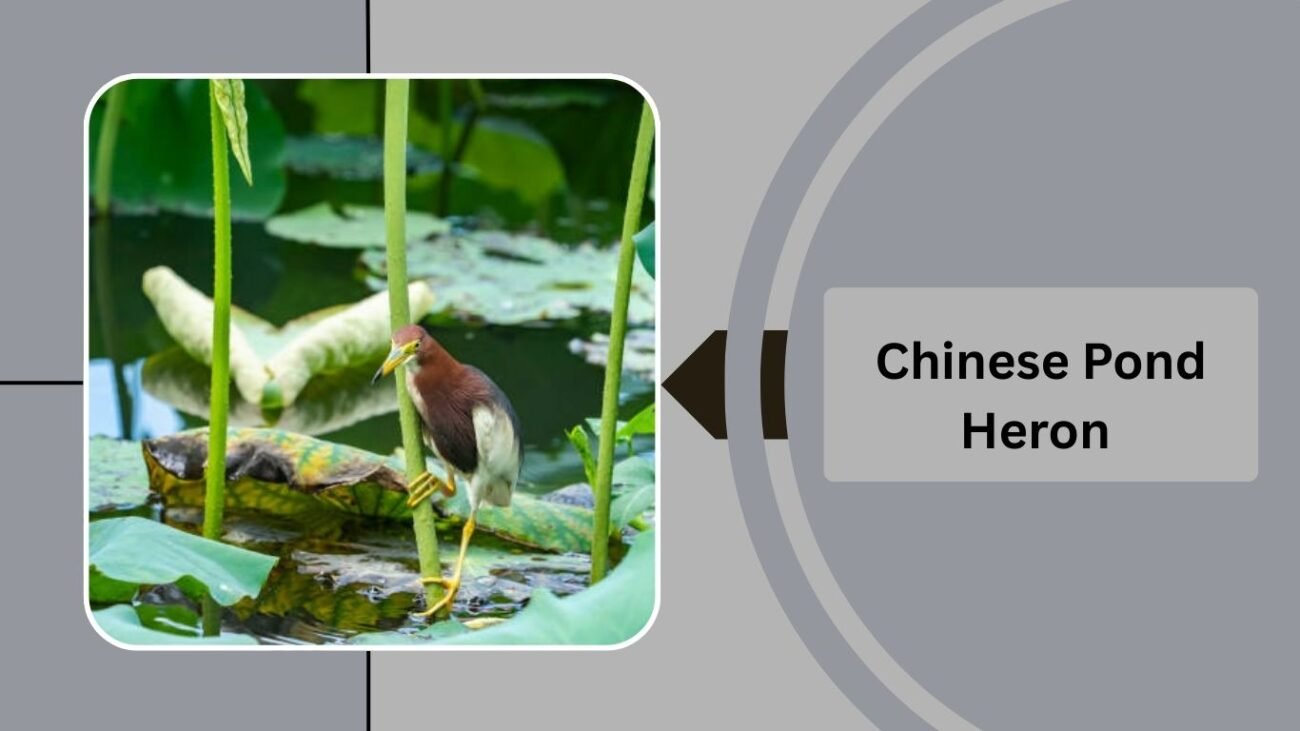
The Chinese Pond Heron is a medium-sized heron native to East and Southeast Asia. It is closely related to the Indian and Javan Pond Herons, and the three species can look very similar outside the breeding season. During flight, however, its striking white wings stand out clearly. It is commonly seen around wetlands, rice fields, ponds, and rivers.
Identification
- Height: 45–50 cm (18–20 in)
- Wingspan: 85–95 cm (33–37 in)
- Non-breeding plumage: Brown-streaked with dull tones, giving excellent camouflage
- Breeding plumage: Rich maroon head and neck, white wings, and golden back feathers
- Bill: Yellow with a dark tip
- Legs: Yellow-green, turning reddish during breeding season
Habitat
The Chinese Pond Heron inhabits lowland wetlands, lakes, ponds, rice paddies, and marshes. It is found across China, Taiwan, Japan, Thailand, Cambodia, Vietnam, and other parts of Southeast Asia. During migration, it also visits parts of India and the Philippines.
Behavior
Like other pond herons, this species hunts by waiting patiently near water edges and striking swiftly at prey. Its diet mainly consists of fish, insects, frogs, and aquatic invertebrates. It nests in colonies, often with other waterbirds, building stick nests in trees or shrubs near water.
21. Javan Pond Heron (Ardeola speciosa)
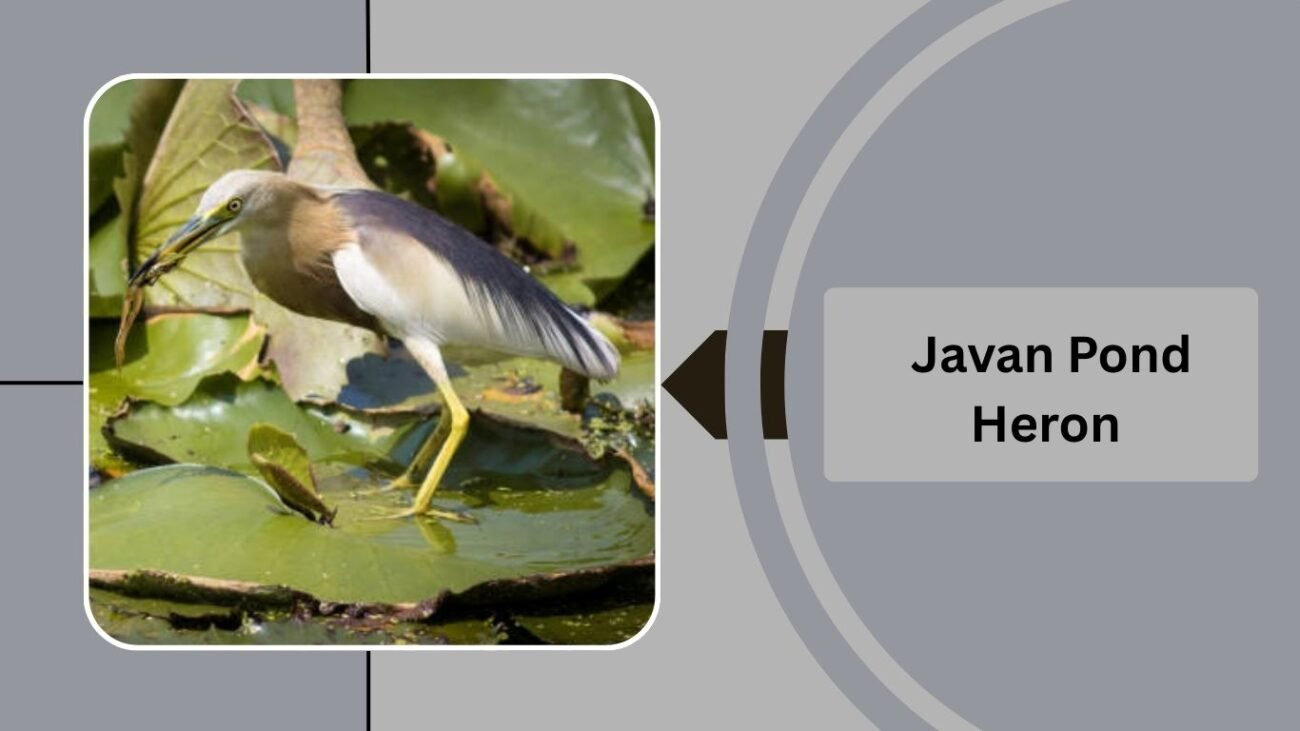
The Javan Pond Heron is a striking medium-sized heron found mainly in Southeast Asia. It is closely related to the Chinese and Indian Pond Herons, with which it often shares overlapping ranges. Outside of its breeding season, it looks nearly identical to its relatives, making identification tricky unless observed in breeding plumage.
Identification
- Height: 45–50 cm (18–20 in)
- Wingspan: Around 90 cm (35 in)
- Non-breeding plumage: Dull brown with streaking, blending well with wetland vegetation
- Breeding plumage: Rich golden-orange body, white wings, and a dark blue-black crown and back
- Bill: Yellow with a black tip
- Legs: Yellow, turning reddish during the breeding season
Habitat
This heron inhabits marshes, rice paddies, shallow lakes, and river edges across Indonesia, Thailand, Cambodia, Malaysia, and the Philippines. It prefers tropical lowlands but can also be found in coastal lagoons and estuaries.
Behavior
The Javan Pond Heron is a stealthy hunter, standing motionless near water edges before striking prey with precision. Its diet includes small fish, frogs, insects, and crustaceans. It often nests in colonies, frequently alongside other waterbirds, building platform-like nests in trees or shrubs near wetlands.
22. Indian Pond Heron (Ardeola grayii)
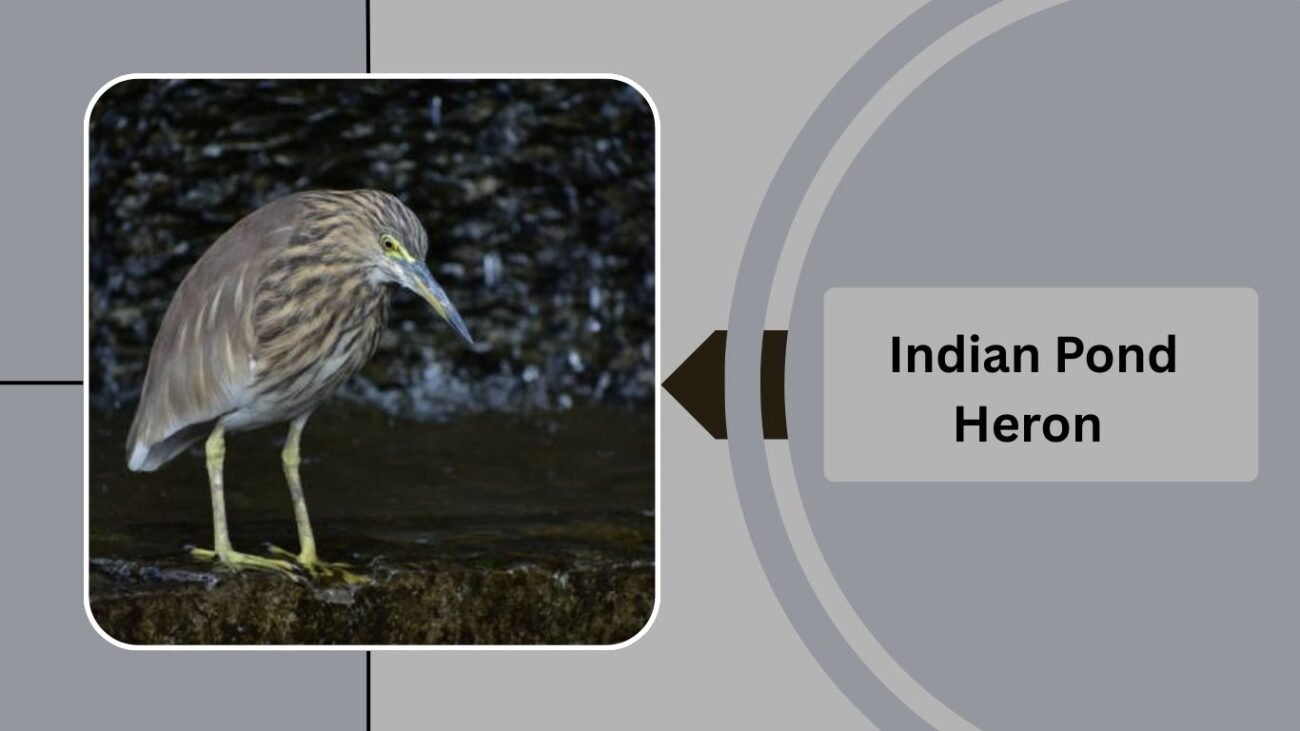
The Indian Pond Heron is a common and widespread heron across South Asia. It is a small, stocky bird that is often overlooked due to its excellent camouflage. When perched quietly in wetlands or fields, its streaked brown plumage blends seamlessly into the background. However, once it takes flight, its bright white wings make it easy to recognize.
Identification
- Height: 40–46 cm (16–18 in)
- Wingspan: Around 90 cm (35 in)
- Non-breeding plumage: Brown streaked body, well-camouflaged in dry vegetation
- Breeding plumage: Creamy buff head, maroon back, and golden-white wings
- Bill: Yellow with a black tip
- Legs: Greenish-yellow, turning reddish during breeding
Habitat
The Indian Pond Heron thrives in rice fields, ponds, marshes, riverbanks, and urban wetlands across India, Sri Lanka, Pakistan, Bangladesh, and Myanmar. It adapts well to human-altered landscapes and is often seen near villages and agricultural fields.
Behavior
This heron is a solitary feeder, stalking fish, insects, frogs, and crustaceans in shallow water. Its characteristic “sudden flush” flight—where the bird remains hidden until the last moment, then bursts into the air with startlingly white wings—is a common sight in rural wetlands. During the breeding season, it nests in colonies, often with other herons and egrets.
23. Squacco Heron (Ardeola ralloides)
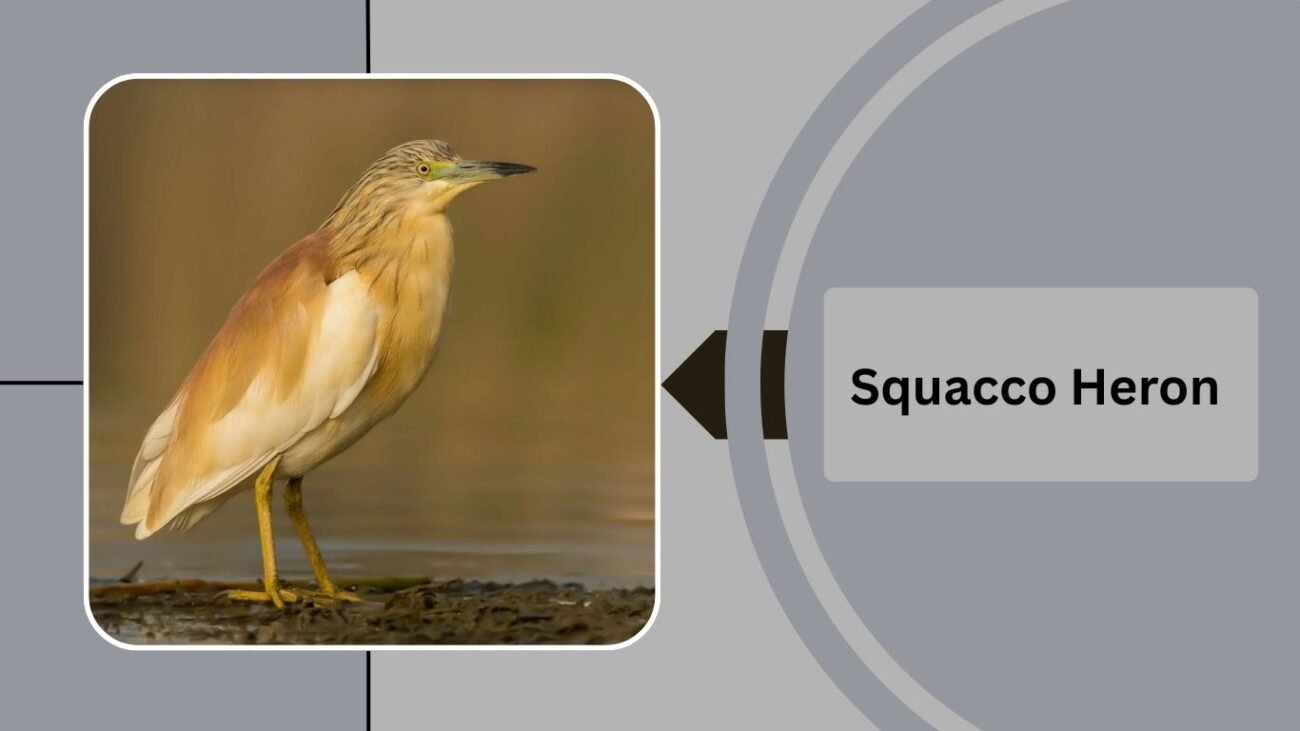
The Squacco Heron is a small, elegant heron species native to southern Europe, Africa, and parts of western Asia. Though it appears dull and cryptic when perched, it transforms into a striking bird in flight, displaying its pure white wings against the sky. This contrast makes it one of the most easily recognizable herons during movement.
Identification
- Height: 40–49 cm (16–19 in)
- Wingspan: 80–92 cm (31–36 in)
- Plumage: Buff-brown and streaked when perched; white wings revealed in flight
- Bill: Yellow with a dark tip, turning bluish during breeding
- Legs: Greenish-yellow, becoming reddish during breeding season
Habitat
The Squacco Heron inhabits freshwater wetlands, lakes, marshes, and riverbanks. It is often found in reedbeds and areas with dense vegetation, providing excellent cover. Migratory populations breed in Europe and migrate to Africa for the winter.
Behavior
This heron is a patient hunter, standing still for long periods before darting quickly to catch fish, frogs, and insects. During the breeding season, it forms colonies, often nesting alongside other herons, egrets, and ibises. Its cryptic plumage allows it to remain hidden among reeds, while its stunning white flight display adds dramatic contrast to wetland landscapes.
24. Green Heron (Butorides virescens)
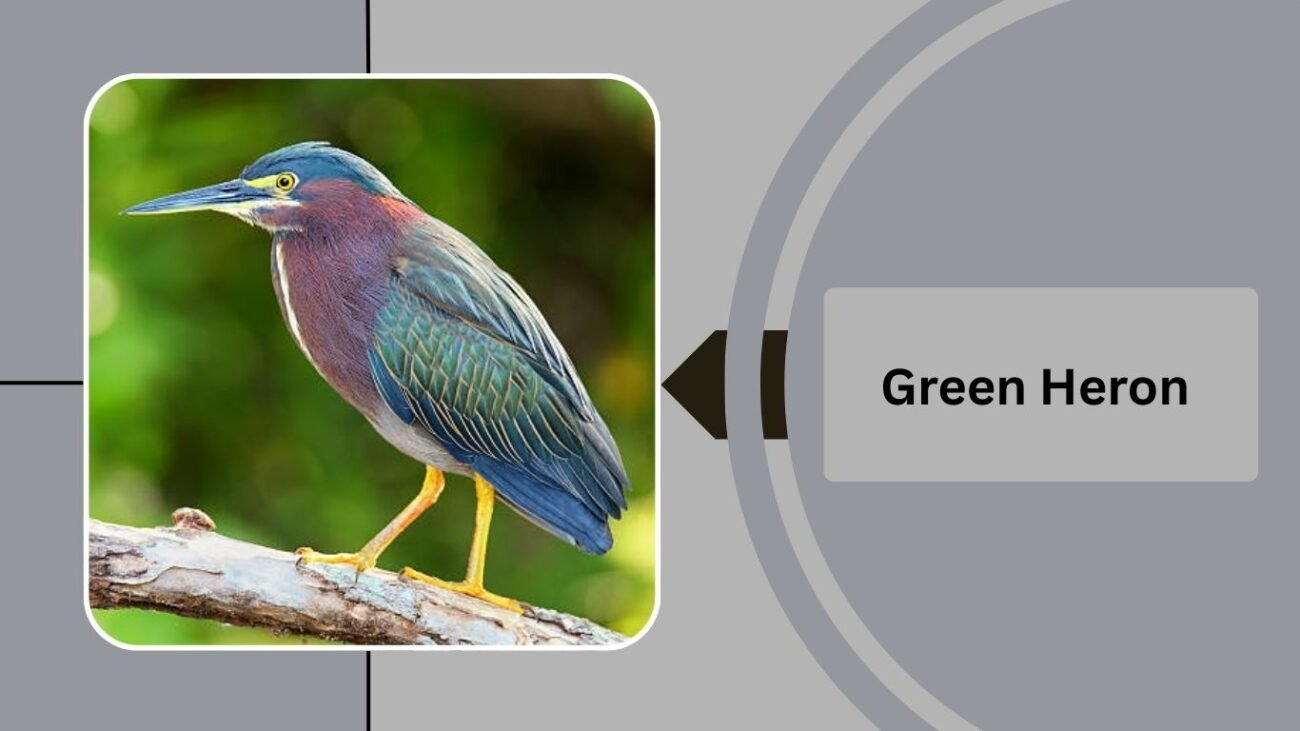
The Green Heron is a small, stocky heron found in North and Central America. Despite its modest size, it is a striking bird with rich colors and fascinating behaviors. Known for its intelligence, this heron is one of the few bird species observed using tools—such as dropping insects or twigs on water surfaces to lure fish.
Identification
- Height: 41–46 cm (16–18 in)
- Wingspan: 64–68 cm (25–27 in)
- Plumage: Deep green back and crown, chestnut neck, and grayish underparts
- Bill: Long, dark, and dagger-like
- Legs: Yellow, turning orange during breeding season
Habitat
Green Herons prefer freshwater habitats, including marshes, rivers, ponds, and lakes. They often remain hidden in dense vegetation, perched quietly along water edges, making them less noticeable compared to larger herons.
Behavior
These herons are patient and stealthy hunters, relying on ambush techniques to catch fish, amphibians, and aquatic insects. They are notable for their use of baiting behavior, making them unique among herons. During breeding season, Green Herons form monogamous pairs, nesting in trees or shrubs near water. Their vocal call, a sharp “skeow,” is often heard before the bird is seen.
25. Striated Heron (Butorides striata)
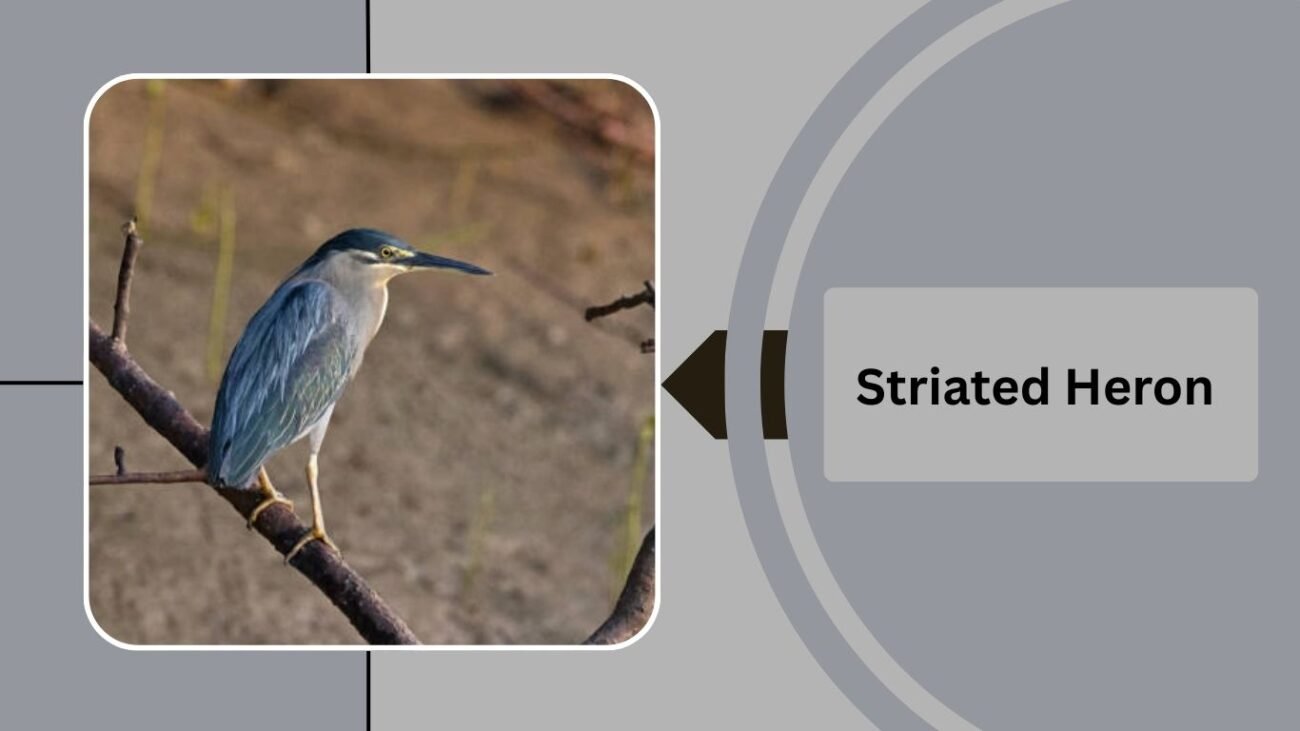
The Striated Heron, also known as the Little Heron, is a small and adaptable wading bird found across tropical and subtropical regions worldwide. Its wide range extends from South America and Africa to Asia and Oceania. This species is closely related to the Green Heron, sharing similar behaviors and appearance but is more widely distributed.
Identification
- Height: 35–48 cm (14–19 in)
- Wingspan: Around 55–60 cm (22–24 in)
- Plumage: Grayish body, dark greenish back and crown, and a black cap
- Bill: Sharp, black, and pointed
- Legs: Yellow to orange, depending on breeding season
Habitat
Striated Herons inhabit mangroves, wetlands, rivers, lakes, and estuaries. They are usually found in sheltered coastal areas or slow-moving freshwater systems where fish and amphibians are abundant. Their preference for dense cover often makes them less conspicuous than larger herons.
Behavior
This species is a solitary feeder and is well known for its patience and stealth when hunting. Like the Green Heron, Striated Herons have been observed using tools—dropping insects, feathers, or twigs on water surfaces to attract prey. They build small nests in trees, shrubs, or reed beds near water. Their call is a sharp “kek” or “kyow,” usually heard in flight.
26. Chinese Pond Heron (Ardeola bacchus)
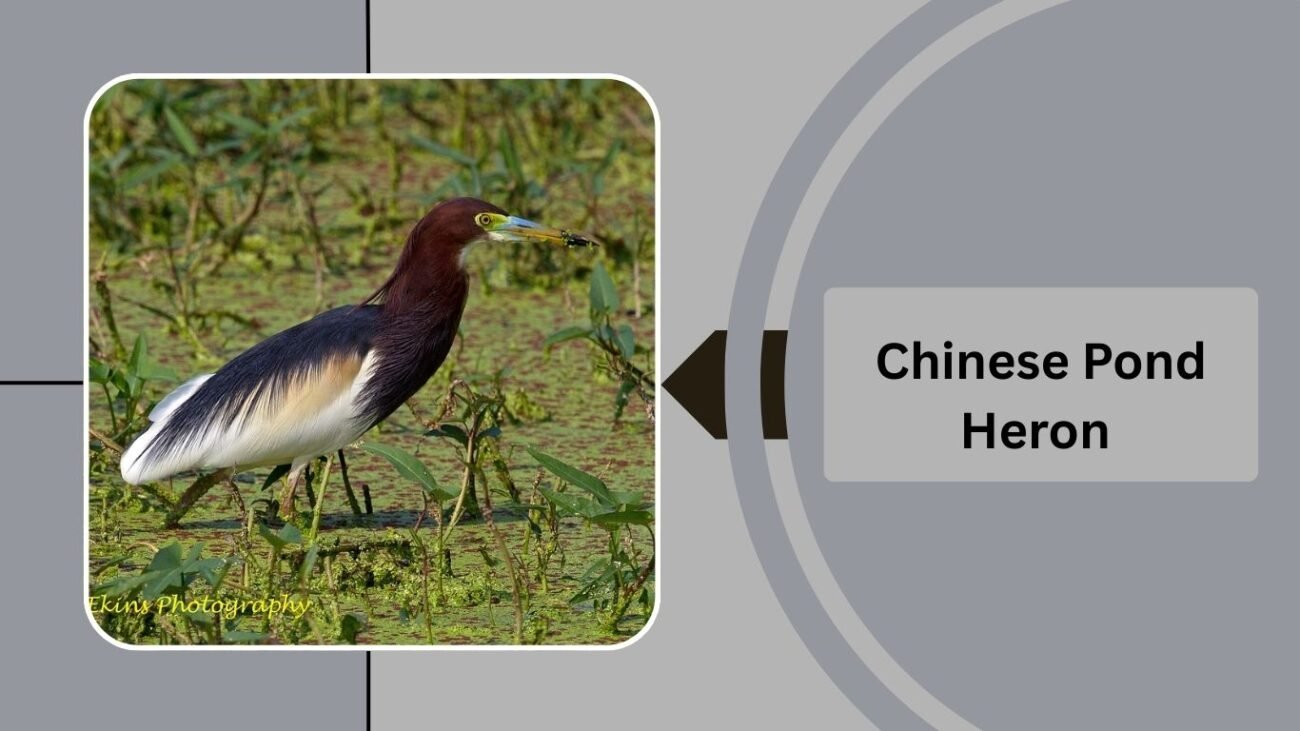
The Chinese Pond Heron is a medium-sized wading bird native to East and Southeast Asia. It is a common sight in wetlands, rice paddies, and urban ponds, especially during the breeding season when its striking colors make it easy to identify. This species is migratory in northern parts of its range and resident further south.
Identification
- Height: 45–47 cm (18–19 in)
- Plumage (Breeding): Chestnut head and neck, maroon body, with white wings that are conspicuous in flight
- Plumage (Non-breeding): Brownish streaked body with duller tones, giving better camouflage
- Bill: Yellow with a dark tip
- Legs: Yellow to greenish, brighter in breeding season
Habitat
Chinese Pond Herons inhabit shallow wetlands, lakes, marshes, rivers, rice fields, and urban ponds. They thrive in both natural and human-modified landscapes, often foraging near water with abundant small fish, crustaceans, and insects.
Behavior
This species is usually solitary when feeding but may roost communally with other herons and egrets. During breeding, it nests in colonies, often mixed with other wading birds, in trees or shrubs close to water. Its call is a harsh “quark” or croak, usually heard when startled.
27. Little Egret (Egretta garzetta)
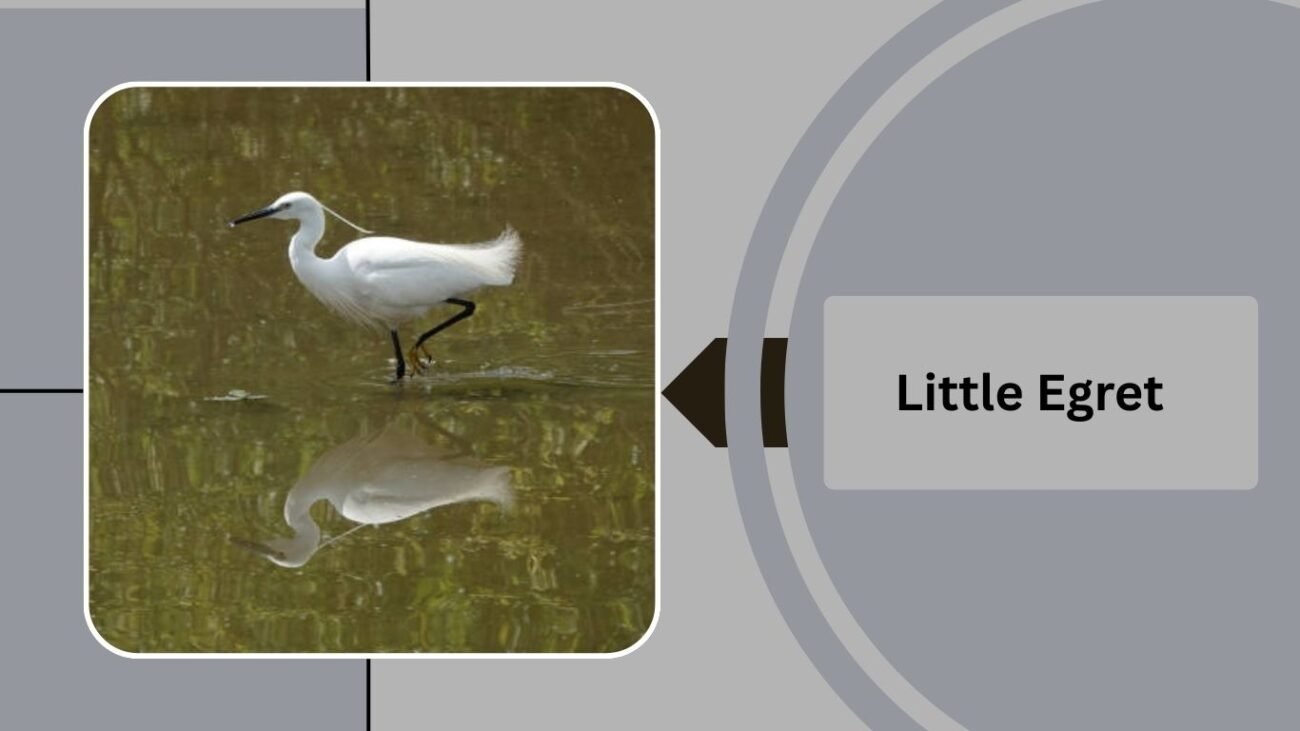
The Little Egret is one of the most widespread and elegant members of the heron family. With its snowy white plumage, slender build, and graceful movements, it is instantly recognizable. Found across Europe, Asia, Africa, and Australia, this bird thrives in both coastal and inland wetlands. Its adaptability has allowed it to expand its range steadily over the years.
Identification
- Height: 55–65 cm (22–26 in)
- Plumage: Pure white body with long decorative plumes on the nape and back during breeding
- Bill: Long, slender, and black
- Legs: Black with distinctive bright yellow feet
- Flight: Steady, with retracted neck and outstretched legs
Habitat
The Little Egret inhabits estuaries, tidal flats, lagoons, freshwater marshes, lakeshores, and rice fields. It is equally at home in brackish coastal waters and inland wetlands, making it a highly versatile species.
Behavior
Little Egrets are active hunters, using quick movements such as foot stirring, dashing, and wing shading to flush out prey. They feed on fish, amphibians, insects, and crustaceans. These birds often forage alone but can also gather in flocks, particularly at rich feeding grounds. They nest in colonies, often with other herons and egrets, in trees, bushes, or reedbeds.