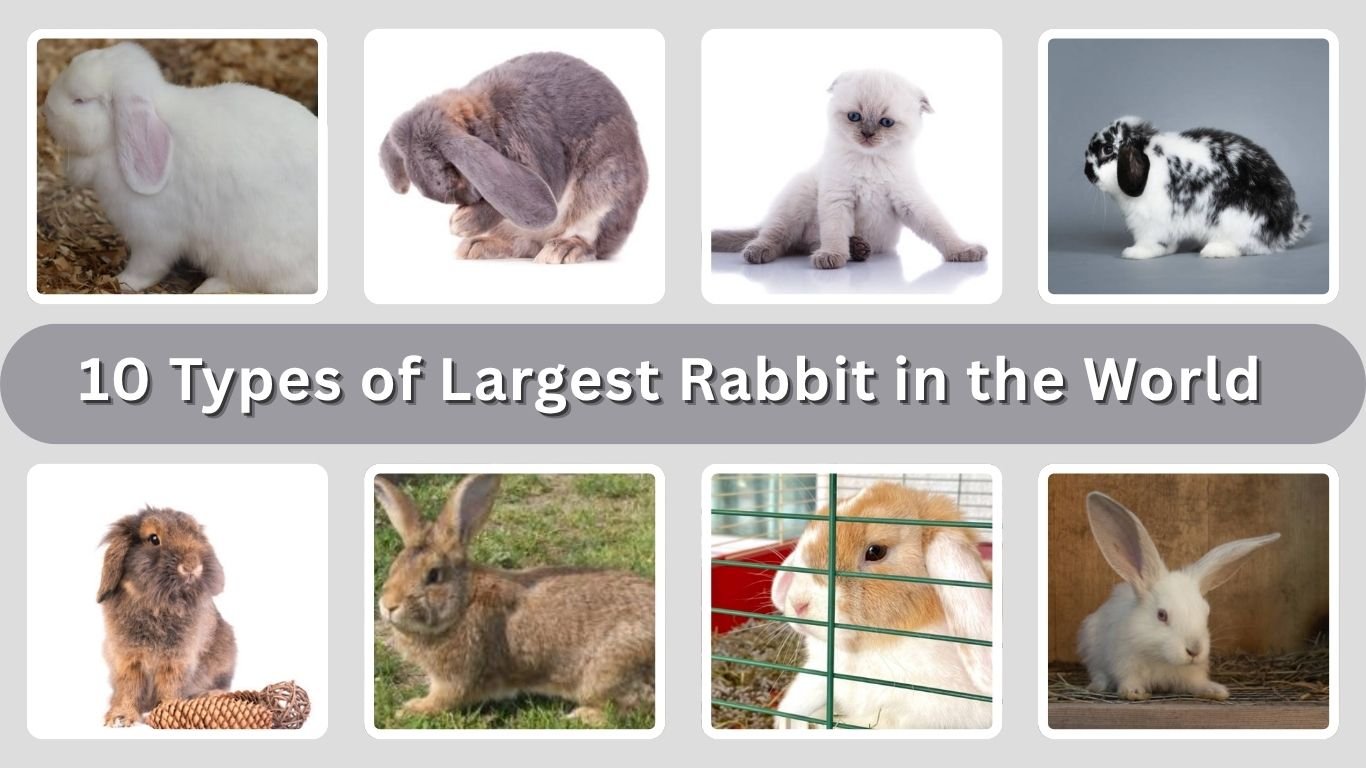
Giant rabbit breeds are truly impressive, known for their massive size, strong build, and gentle personalities. From the famous Flemish Giant to other large and rare breeds, these rabbits require more space, food, and care than smaller types. Despite their size, many of them are calm and affectionate, making them unique companions for experienced owners. In this guide, you’ll discover 10 of the largest rabbit breeds in the world along with their key characteristics and care details.
1. Flemish Giant
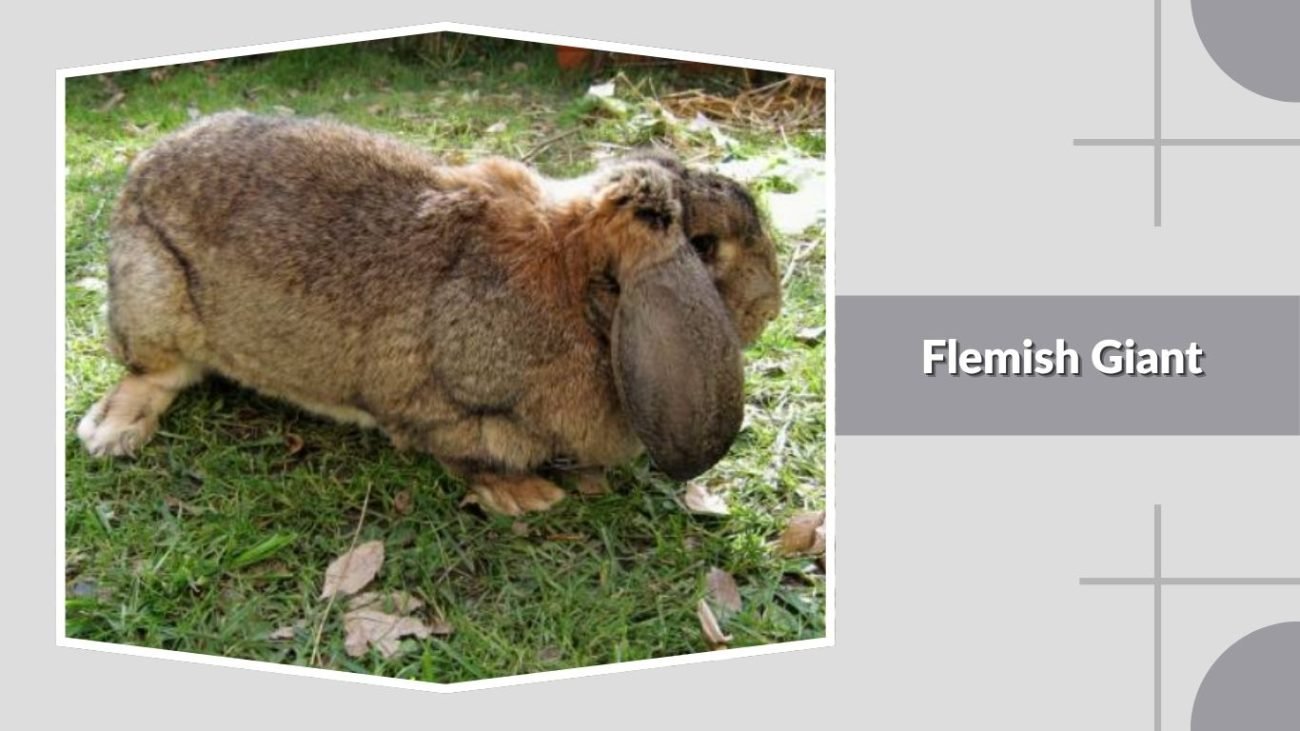
The Flemish Giant is widely known as the largest domestic rabbit breed in the world. Often called the “gentle giant,” it is famous for its massive size, calm temperament, and friendly nature. This breed is popular among rabbit enthusiasts who have enough space to care for such a large pet.
Identification
- Very large, long, and heavy body
- Broad head with strong bone structure
- Thick, upright ears that are long
- Short, dense coat with a smooth texture
- Comes in several colors like black, gray, and fawn
Size
Flemish Giants are truly impressive in size, often weighing between 6 to 10 kg (13 to 22 lbs), with some individuals growing even larger. They can reach lengths of up to 2.5 feet or more. Their large frame and muscular build make them stand out among all rabbit breeds.
Habitat
This breed requires a very spacious living area due to its large size. Indoor housing is recommended for safety and comfort. Their habitat should include strong flooring, soft bedding, and enough space to stretch, move, and rest without restriction.
Diet
Flemish Giants need a high-quality diet consisting mainly of hay to support digestion and dental health. Fresh vegetables can be given daily, along with a moderate amount of pellets. Due to their size, they consume more food, so clean water must always be available.
Lifespan
The average lifespan of a Flemish Giant is around 5 to 8 years. With proper care, a healthy diet, and a clean living environment, some may live longer. Regular health checks and a stress-free habitat can help improve their overall longevity.
2. Continental Giant
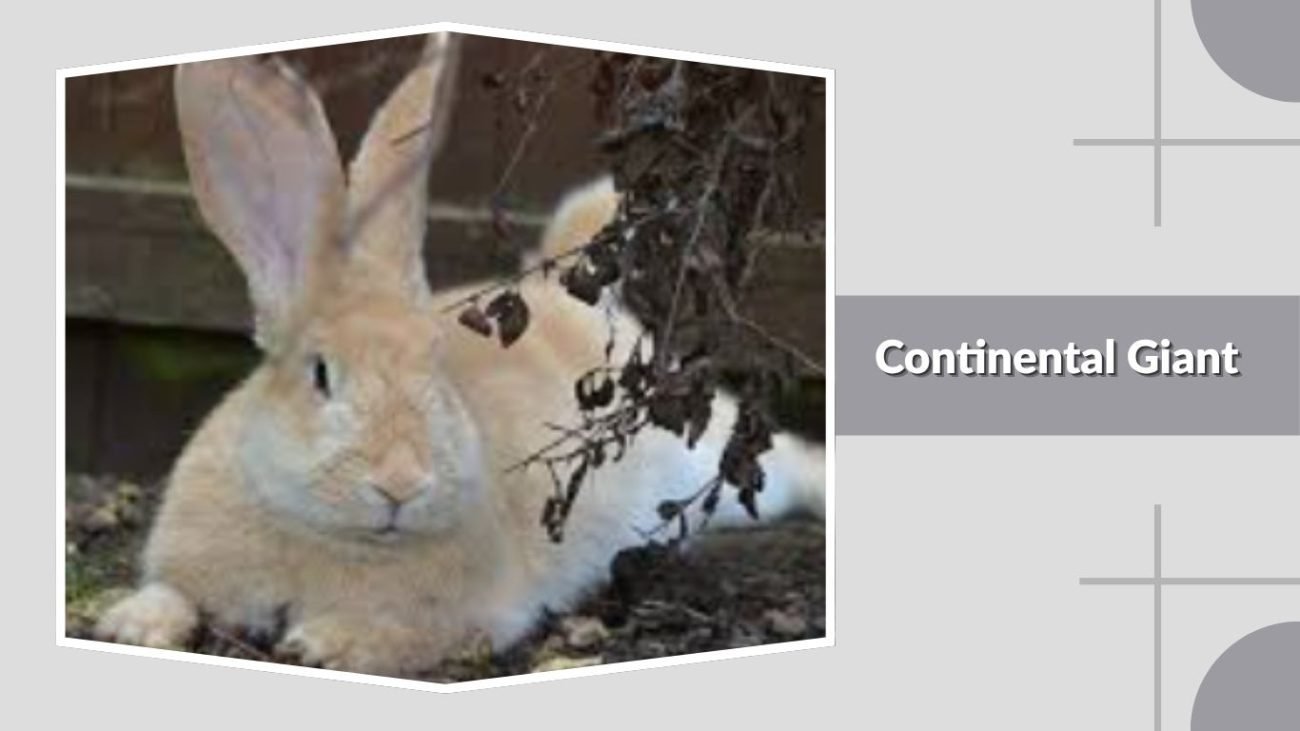
The Continental Giant is one of the largest rabbit breeds in the world, closely related to the Flemish Giant. Known for its enormous size and gentle temperament, this breed is often kept by experienced owners who can provide the space and care it requires. It is both impressive and affectionate.
Identification
- Extremely large, long, and powerful body
- Broad head with a well-developed structure
- Long, thick, upright ears
- Short, dense coat with a smooth texture
- Available in various colors such as agouti, black, and light gray
Size
Continental Giants can grow even larger than Flemish Giants, often weighing between 7 to 11 kg (15 to 25 lbs) or more. They can reach lengths of over 3 feet. Their large frame and muscular build require strong support and plenty of room to move comfortably.
Habitat
This breed needs a very large and secure living space. Indoor housing is ideal to protect them from extreme weather and predators. Their enclosure should have sturdy flooring, soft bedding, and enough space for exercise, as confinement can lead to health issues.
Diet
A proper diet includes unlimited hay, which supports digestion and dental health. Fresh vegetables should be provided daily, along with a controlled portion of pellets. Due to their size, they require larger food quantities, and clean, fresh water must always be available.
Lifespan
The average lifespan of a Continental Giant is around 5 to 8 years. With proper nutrition, a clean habitat, and regular veterinary care, some may live longer. Providing enough space and reducing stress plays an important role in maintaining their health.
3. Checkered Giant
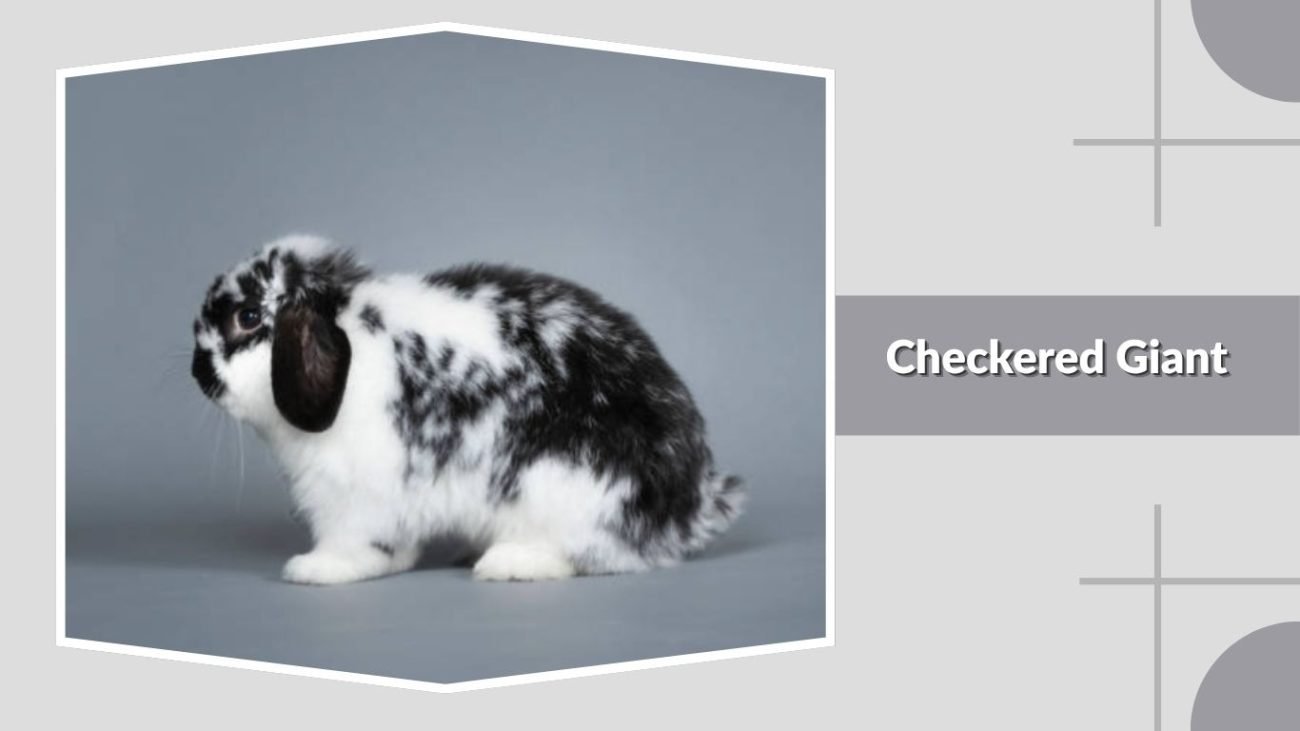
The Checkered Giant is a large and striking rabbit breed known for its unique spotted coat pattern and athletic build. Unlike heavier giant breeds, it has a more slender and active body, making it both visually distinctive and energetic in behavior.
Identification
- Large, slender, and muscular body
- Distinctive spotted coat with a white base
- Black or blue markings including spine stripe and eye circles
- Upright ears of medium to long length
- Well-defined butterfly marking on the nose
Size
Checkered Giants typically weigh between 5 to 7 kg (11 to 15 lbs). While not as heavy as some giant breeds, they are still large in size with a long and lean body. Their athletic build allows them to move quickly and remain very active.
Habitat
This breed requires a spacious enclosure to support its active lifestyle. Indoor housing is recommended, but they also benefit from safe outdoor exercise areas. Their habitat should be clean, well-ventilated, and large enough to allow free movement and play.
Diet
A balanced diet includes unlimited hay for digestion and dental health. Fresh vegetables should be offered daily, along with a moderate amount of pellets. Clean water must always be available, and proper nutrition helps maintain their energy and overall health.
Lifespan
Checkered Giants usually live between 5 to 8 years. With proper care, including a healthy diet and regular exercise, they can live a full and active life. Maintaining a clean environment and reducing stress helps improve their lifespan.
4. Giant Chinchilla
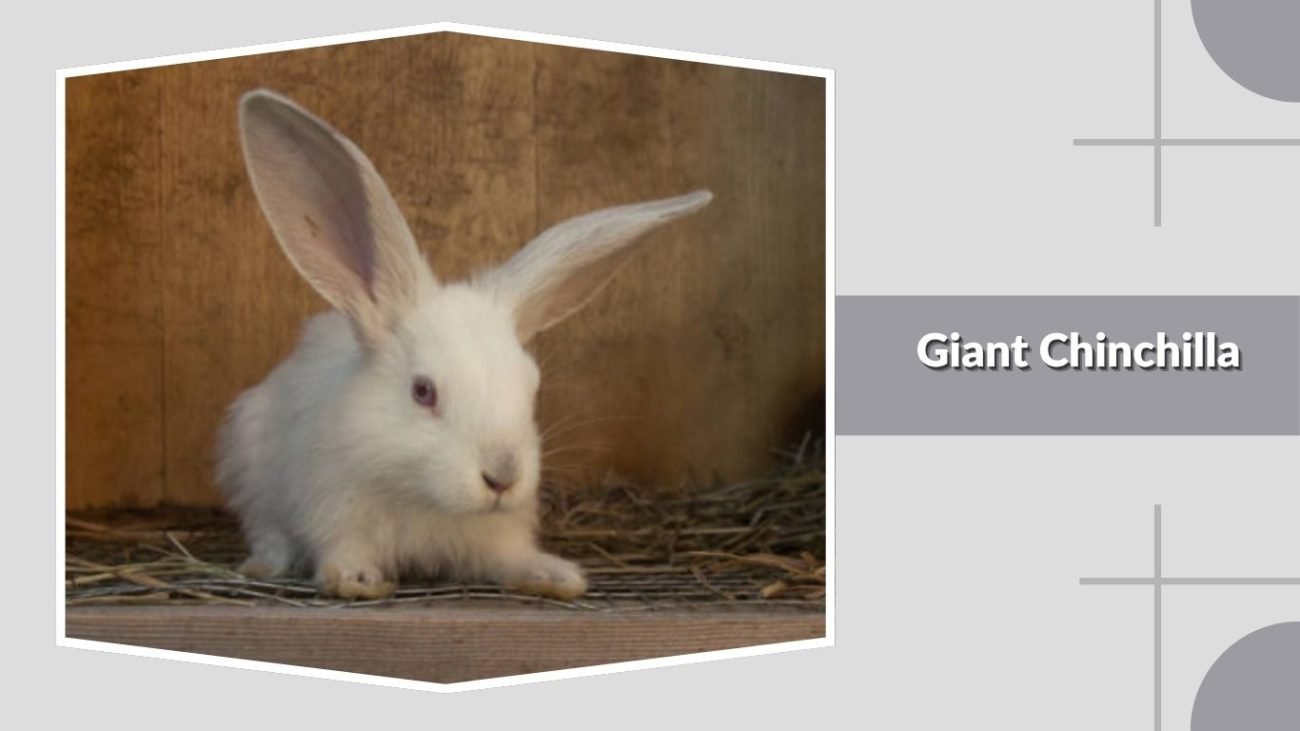
The Giant Chinchilla is a large rabbit breed known for its dense, soft fur and strong, well-built body. Originally developed for meat and fur, it is now also kept as a pet due to its calm temperament and impressive size.
Identification
- Large, solid, and muscular body
- Dense, soft coat with a chinchilla-like texture
- Gray coat with mixed light and dark shading
- Upright ears of medium length
- Broad head with a strong structure
Size
Giant Chinchillas typically weigh between 5.5 to 7 kg (12 to 16 lbs). They are large and heavy rabbits with a sturdy frame. Their size makes them one of the bigger domestic breeds, though slightly smaller than the very largest giants.
Habitat
This breed requires a spacious and clean living area. Indoor housing is ideal, but outdoor enclosures can also work if well-protected. Their habitat should include soft bedding, strong flooring, and enough room for movement and rest.
Diet
Their diet should mainly consist of high-quality hay to support digestion and dental health. Fresh vegetables can be given daily, along with a moderate amount of pellets. Clean water must always be available to keep them healthy and hydrated.
Lifespan
Giant Chinchillas usually live between 5 to 8 years. With proper care, a balanced diet, and a clean environment, they can enjoy a healthy life. Regular health checks and a stress-free habitat help improve their longevity.
5. British Giant
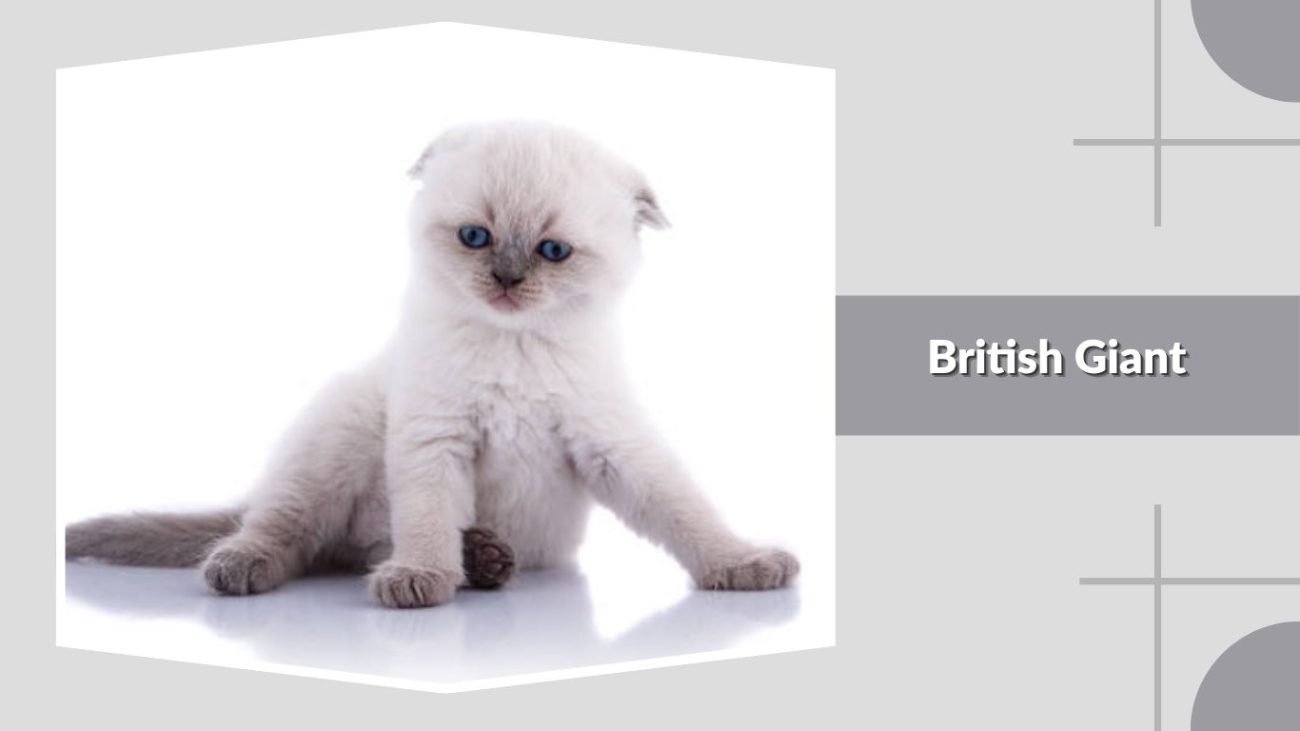
The British Giant is a large rabbit breed developed in the United Kingdom, known for its impressive size and calm nature. It is similar to the Flemish Giant but often has a more solid and compact build. This breed is valued for both its size and gentle temperament.
Identification
- Large, broad, and heavy body
- Thick, upright ears of medium to long length
- Short, dense coat with a smooth texture
- Strong bone structure with a wide chest
- Comes in colors like black, blue, white, and gray
Size
British Giants typically weigh between 6 to 8 kg (13 to 18 lbs). They are large and powerful rabbits with a solid build. While not always as long as Continental Giants, their weight and body mass make them one of the biggest domestic breeds.
Habitat
This breed needs a spacious enclosure to accommodate its large size. Indoor housing is preferred for safety and comfort. Their habitat should include strong flooring, soft bedding, and enough space to move, stretch, and rest without restriction.
Diet
A proper diet includes unlimited hay for digestion and dental health. Fresh vegetables should be offered daily, along with a moderate portion of pellets. Clean water must always be available, and their larger size means they require more food than smaller breeds.
Lifespan
The British Giant usually lives around 5 to 7 years. With proper care, a balanced diet, and a clean living environment, they can live a healthy life. Regular monitoring and a stress-free habitat help improve their overall well-being.
6. French Lop
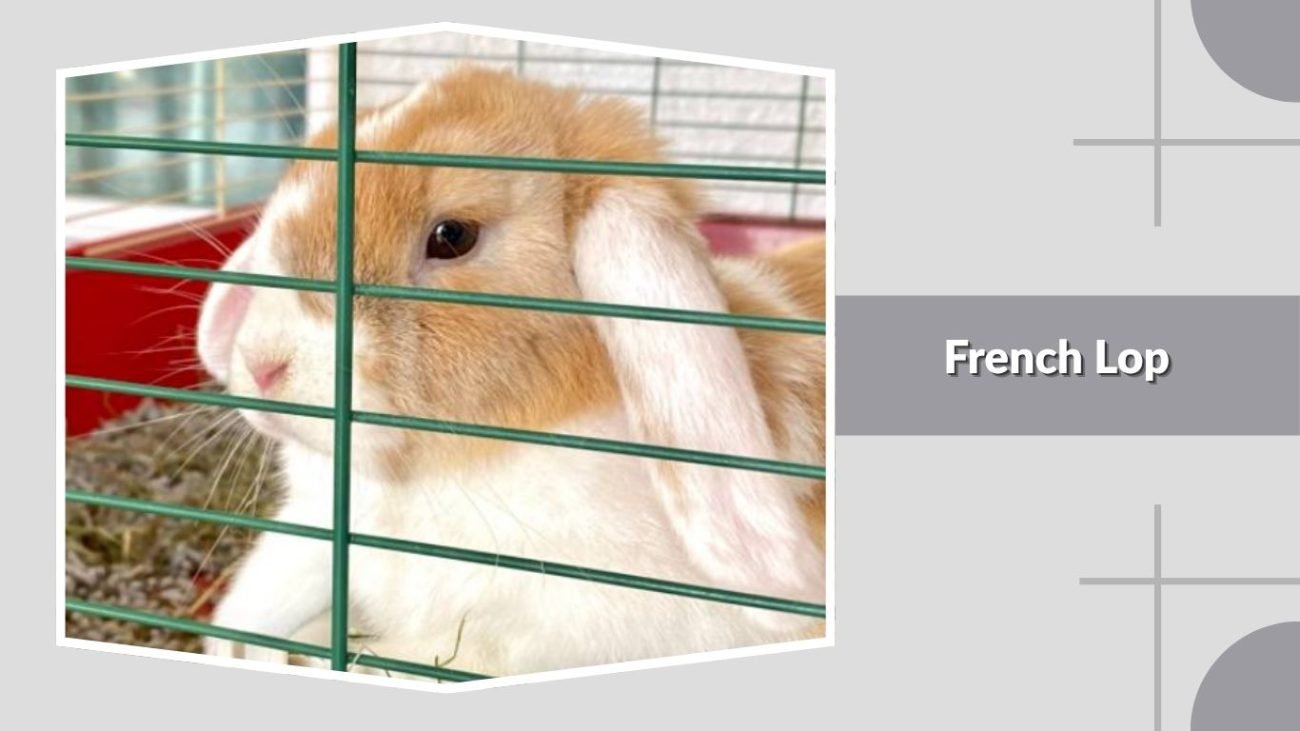
The French Lop is a large and powerful rabbit breed known for its distinctive lop ears and calm, friendly nature. It is one of the largest lop-eared rabbits and is popular as both a pet and a show animal due to its impressive size and gentle personality.
Identification
- Large, heavy, and muscular body
- Long, thick lop ears hanging down on both sides
- Short, dense coat with a smooth texture
- Broad head with a well-developed structure
- Available in various colors and patterns
Size
French Lops typically weigh between 5 to 7 kg (11 to 15 lbs), though some can grow larger. They have a wide, solid body and a strong build, making them one of the biggest lop-eared rabbit breeds in the world.
Habitat
This breed requires a spacious enclosure due to its large size and heavy body. Indoor housing is ideal for safety and comfort. Their habitat should include soft bedding, sturdy flooring, and enough room to move around and rest comfortably.
Diet
A balanced diet includes unlimited hay for proper digestion and dental health. Fresh vegetables should be provided daily, along with a moderate amount of pellets. Clean water must always be available, and portion control is important to maintain a healthy weight.
Lifespan
French Lops generally live between 5 to 7 years. With proper care, a nutritious diet, and a clean living environment, they can live a healthy and comfortable life. Regular health checks help ensure their long-term well-being.
7. German Giant (Deutsche Riesen)
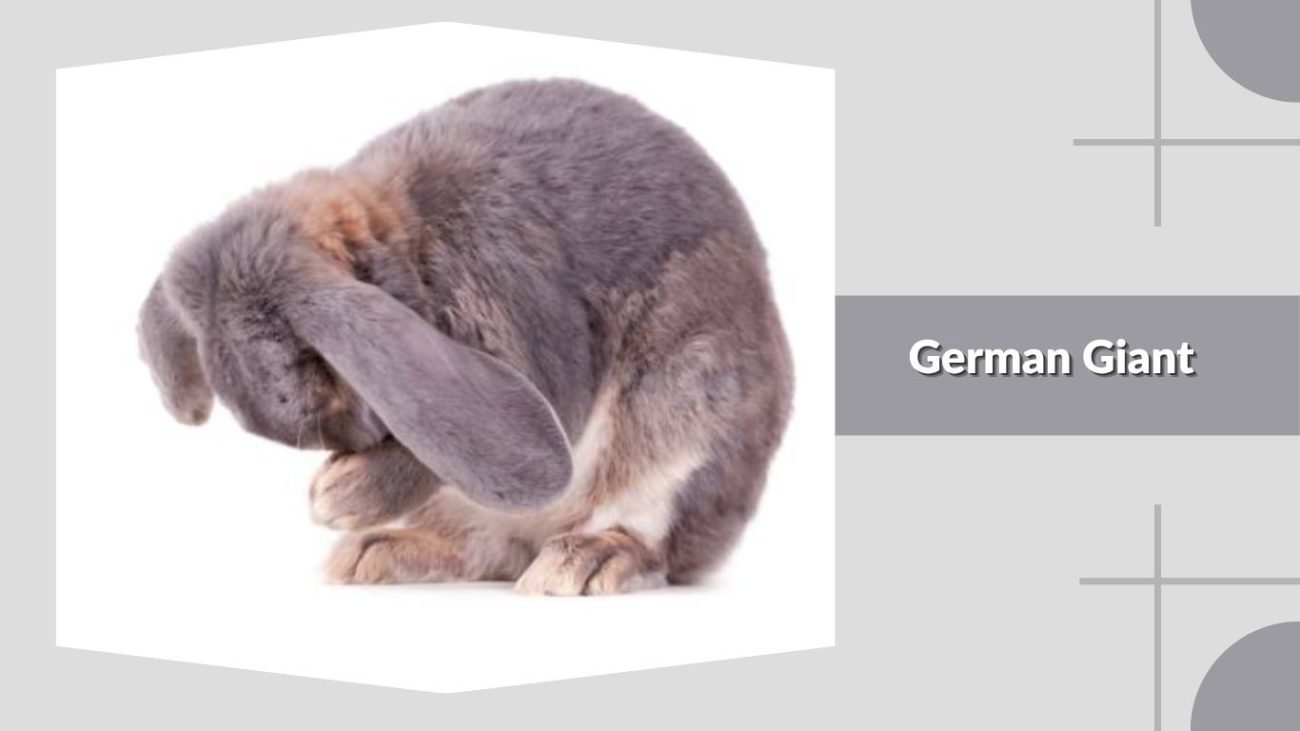
The German Giant, also known as Deutsche Riesen, is one of the largest rabbit breeds in the world. Developed from the Flemish Giant, it is known for its massive size, strong build, and calm temperament. This breed is often raised by experienced keepers due to its space and care requirements.
Identification
- Extremely large, long, and powerful body
- Broad head with a strong bone structure
- Thick, upright ears that are long
- Short, dense coat with a smooth texture
- Common colors include gray, black, and agouti
Size
German Giants can weigh between 7 to 11 kg (15 to 24 lbs) or more. They are very large rabbits with a long body and heavy frame. Their size places them among the biggest domestic rabbit breeds in the world.
Habitat
This breed requires a very large and secure living space. Indoor housing is recommended to protect them from weather and predators. Their habitat should include strong flooring, soft bedding, and enough room for movement, stretching, and rest.
Diet
A proper diet includes unlimited hay to support digestion and dental health. Fresh vegetables should be given daily, along with a controlled amount of pellets. Due to their size, they consume more food, so clean water must always be available.
Lifespan
German Giants typically live around 5 to 7 years. With proper care, a healthy diet, and a clean environment, they can live a stable and comfortable life. Regular health checks and low-stress conditions help improve their longevity.
8. Spanish Giant
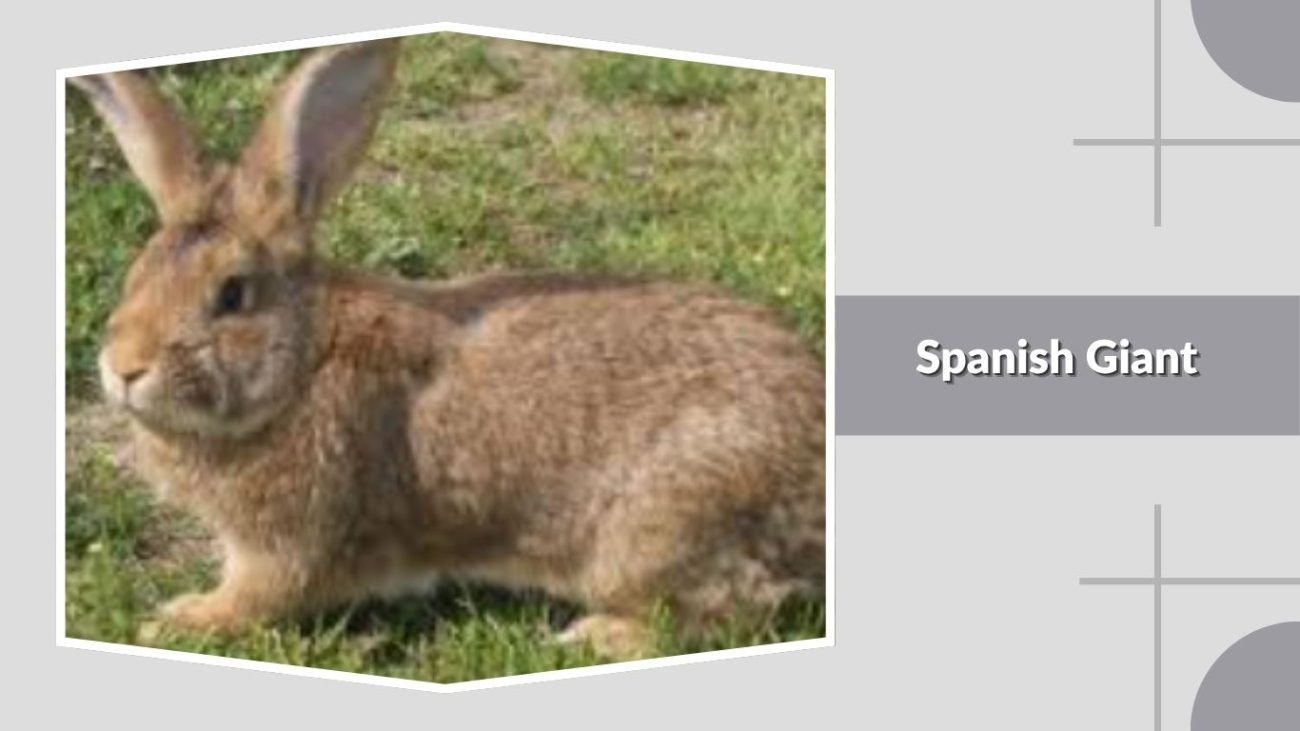
The Spanish Giant is a rare and lesser-known large rabbit breed recognized for its impressive size and strong, muscular build. Though not as widely popular as other giant breeds, it is valued for its hardy nature and adaptability. This breed is best suited for experienced owners who can provide proper space and care.
Identification
- Large, long, and well-built body
- Strong bone structure with a broad chest
- Upright ears of medium to long length
- Short, dense coat with a smooth texture
- Usually found in natural colors like gray, brown, and black
Size
Spanish Giants typically weigh between 6 to 9 kg (13 to 20 lbs). They have a large and sturdy frame, making them one of the bigger domestic rabbit breeds. Their size requires proper handling and enough room to move comfortably.
Habitat
This breed needs a spacious and secure environment to stay healthy. Indoor housing is recommended, but large outdoor enclosures can work if well-protected. Their habitat should include soft bedding, strong flooring, and enough space for movement and rest.
Diet
A high-quality diet is essential, with hay as the main component to support digestion and dental health. Fresh vegetables should be offered daily, along with a moderate portion of pellets. Clean water must always be available to keep them hydrated.
Lifespan
Spanish Giants generally live around 5 to 7 years. With proper care, a balanced diet, and a clean environment, they can live a healthy and stable life. Reducing stress and providing enough space plays an important role in their overall well-being.
9. Hungarian Giant
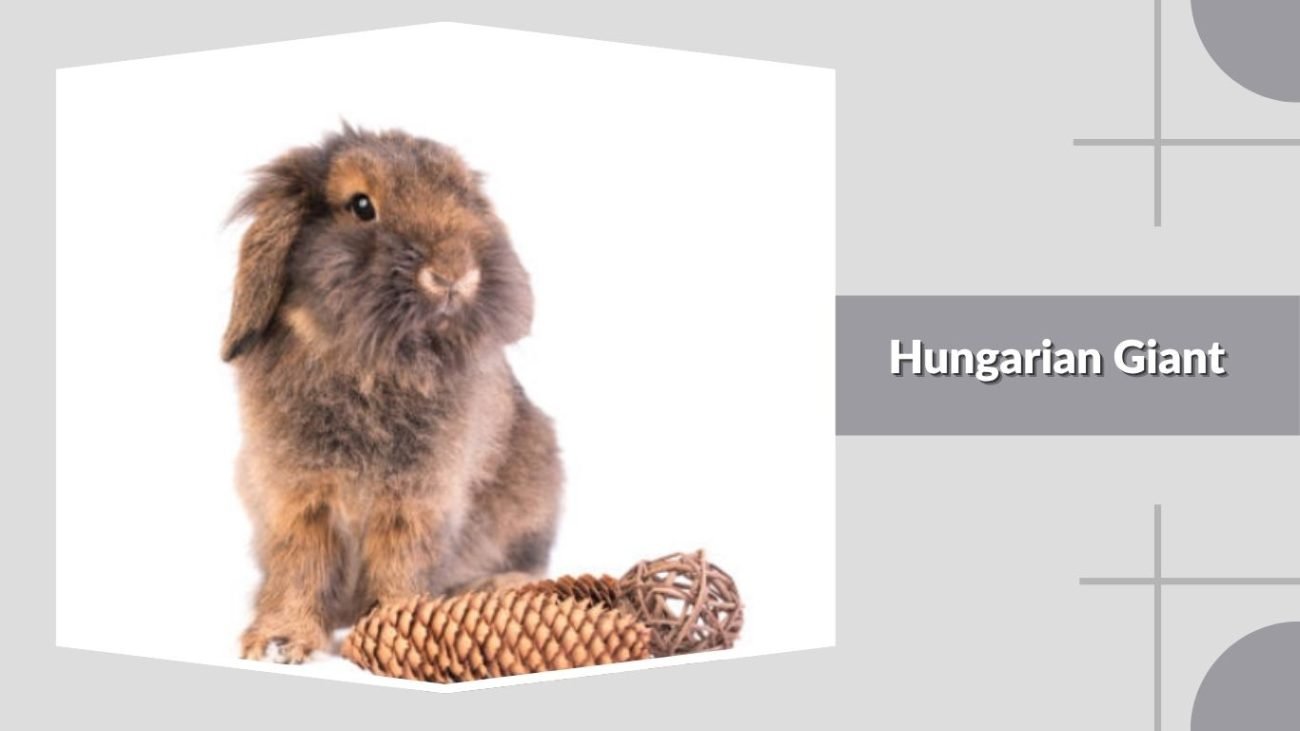
The Hungarian Giant is a large and robust rabbit breed developed primarily for meat production. It is known for its fast growth, strong body, and adaptability to different environments. Although less common as a pet, it can be kept by experienced owners who can manage its size and needs.
Identification
- Large, heavy, and muscular body
- Strong bone structure with a broad chest
- Upright ears of medium length
- Short, dense coat with a smooth texture
- Usually found in mixed or natural color variations
Size
Hungarian Giants typically weigh between 5 to 7 kg (11 to 15 lbs), though some can grow larger under proper care. They have a solid and well-built frame, making them one of the larger domestic rabbit breeds, though slightly smaller than the biggest giants.
Habitat
This breed requires a spacious and secure living area. Indoor housing is preferred for better control of temperature and safety. Their habitat should include strong flooring, soft bedding, and enough room to move freely, rest, and stretch comfortably.
Diet
A proper diet includes unlimited hay to support digestion and dental health. Fresh vegetables should be provided daily, along with a moderate amount of pellets. Clean water must always be available, and maintaining a balanced diet is important for their growth and health.
Lifespan
Hungarian Giants usually live between 5 to 7 years. With good care, proper nutrition, and a clean environment, they can live a healthy life. Regular monitoring and a stress-free habitat help improve their overall lifespan.
10. Blanc de Bouscat
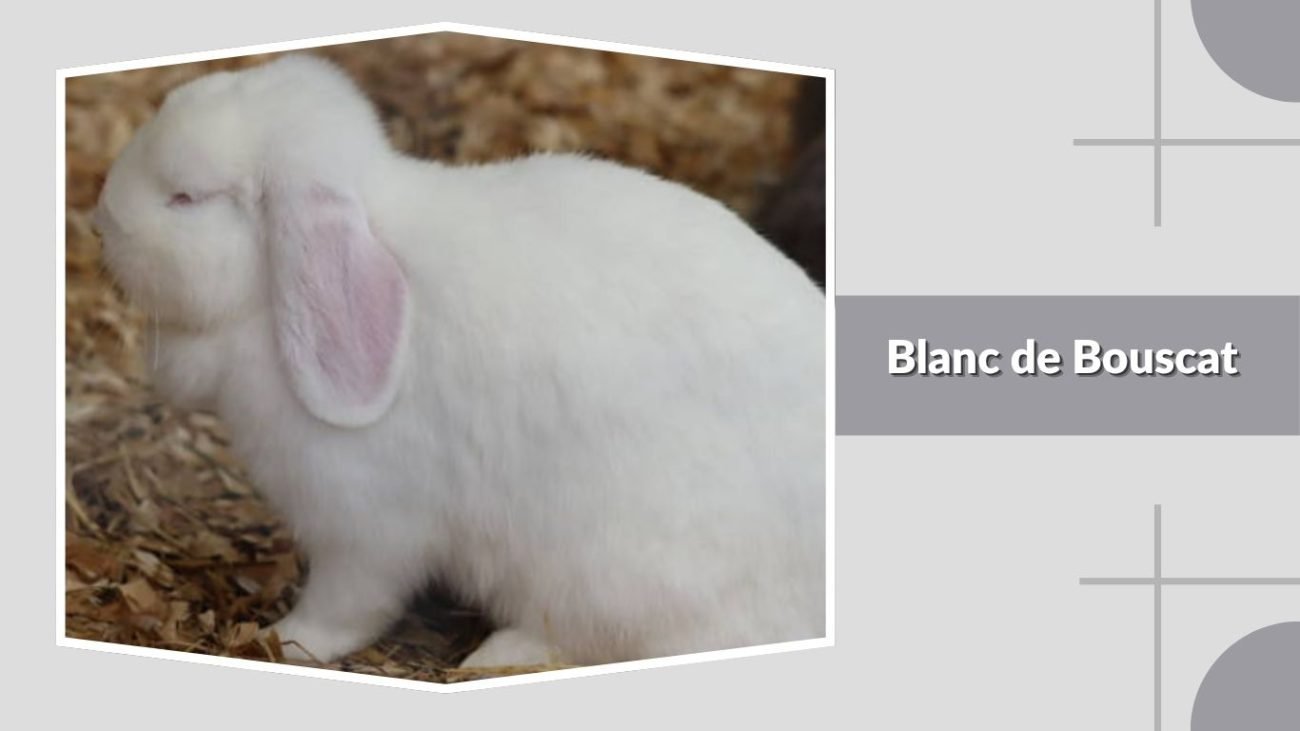
The Blanc de Bouscat is a large French rabbit breed known for its pure white coat and impressive size. It is valued for its calm temperament, strong build, and adaptability. This breed is often appreciated for both its appearance and its suitability for experienced rabbit keepers.
Identification
- Large, strong, and well-proportioned body
- Pure white coat with a smooth, dense texture
- Red or pink eyes typical of albino rabbits
- Upright ears of medium to long length
- Broad head with a sturdy structure
Size
Blanc de Bouscat rabbits typically weigh between 5 to 7 kg (11 to 15 lbs). They have a solid and muscular build, making them one of the larger domestic rabbit breeds. Their size requires proper space and care for healthy growth.
Habitat
This breed needs a spacious, clean, and well-ventilated environment. Indoor housing is ideal to protect them from extreme weather. Their enclosure should include soft bedding, strong flooring, and enough room to move, stretch, and rest comfortably.
Diet
A healthy diet includes unlimited hay for digestion and dental health. Fresh vegetables should be provided daily, along with a moderate amount of pellets. Clean water must always be available, and proper nutrition is essential for maintaining their size and health.
Lifespan
Blanc de Bouscat rabbits generally live between 5 to 7 years. With proper care, a balanced diet, and a stress-free environment, they can live a healthy and comfortable life. Regular health monitoring helps improve their longevity.
FAQs
Which is the largest rabbit breed in the world?
The Flemish Giant and Continental Giant are considered the largest rabbit breeds in the world. Some individuals can grow extremely large in both weight and length. Their size depends on genetics, diet, and overall care.
Are giant rabbits good as pets?
Yes, giant rabbits can make great pets due to their calm and gentle nature. However, they require more space, food, and care compared to smaller breeds. They are best suited for experienced owners who can meet their needs.
How much space do large rabbits need?
Large rabbits need significantly more space than smaller breeds. They require a spacious enclosure or even a dedicated room to move freely. Proper space helps prevent stress, obesity, and health issues related to limited movement.
What do giant rabbits eat?
Giant rabbits mainly eat high-quality hay, which supports digestion and dental health. Their diet also includes fresh vegetables and a moderate amount of pellets. Due to their size, they consume more food than smaller rabbits and need constant access to clean water.
Do large rabbits live shorter lives?
Yes, larger rabbit breeds generally have shorter lifespans compared to smaller ones. Most giant rabbits live around 5 to 8 years. Proper care, a healthy diet, and a stress-free environment can help improve their lifespan and overall health.