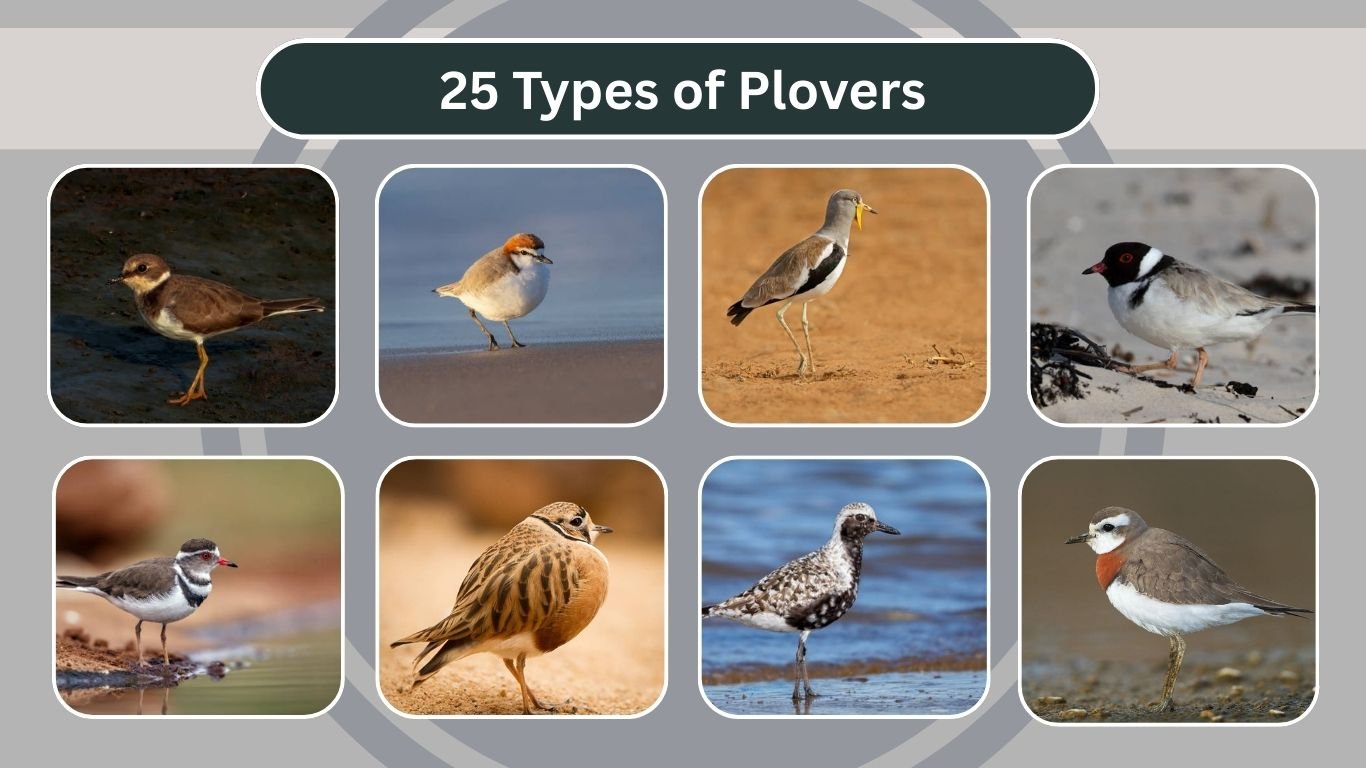
Plovers are small to medium-sized shorebirds known for their quick movements, striking plumage patterns, and ability to thrive in a wide range of habitats. From sandy beaches and tidal flats to inland grasslands and deserts, these birds are found across the globe. With their sharp eyesight and “run-and-pause” feeding style, plovers are fascinating to observe both in the wild and during migration.
This guide introduces 25 different types of plovers, highlighting their unique identification traits, habitats, and behaviors.
1. Killdeer
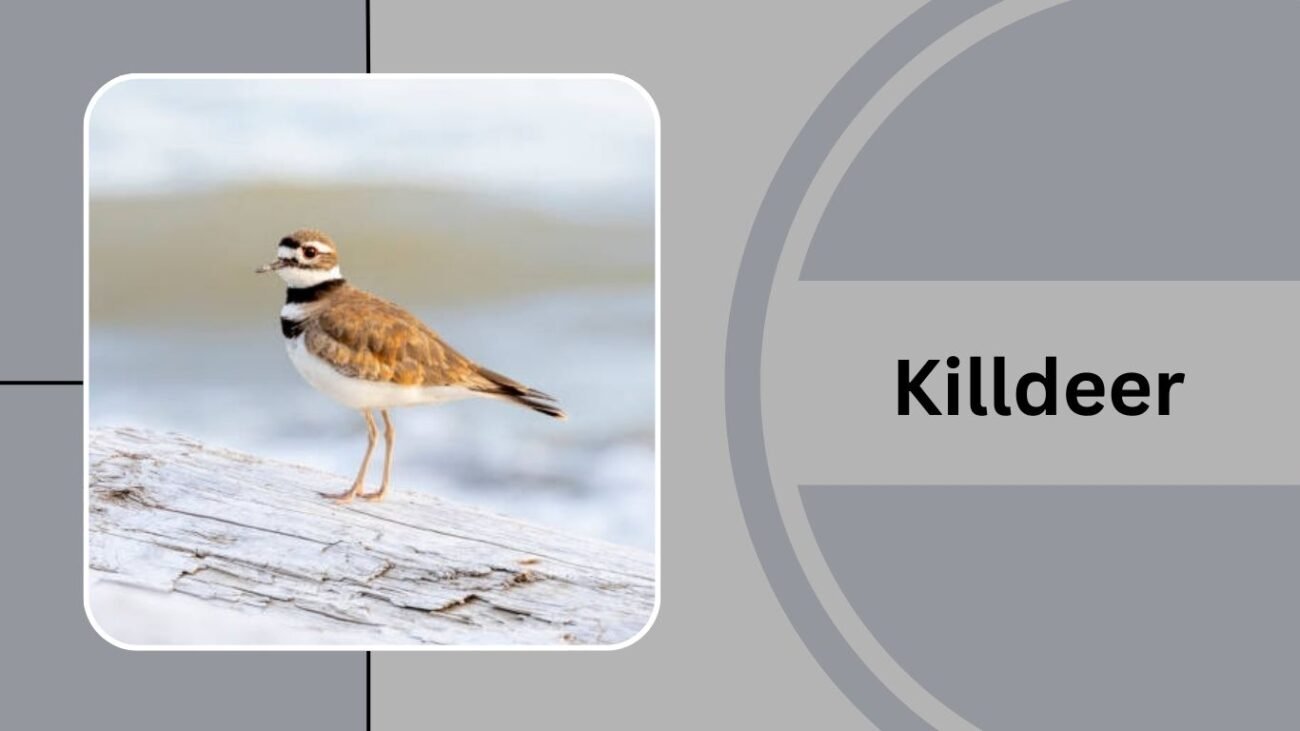
The Killdeer (Charadrius vociferus) is one of the most widespread and recognizable plovers in North America. Known for its loud “kill-deer” call and dramatic distraction displays to protect its nest, this species often lives near people in open fields, golf courses, and even parking lots.
Identification
- Size: 8–11 inches (20–28 cm)
- Wingspan: 18–19 inches (46–48 cm)
- Color: Brown upperparts, white underparts, and two bold black bands across the chest
- Legs: Long and pale, usually pinkish or yellowish
- Bill: Short, straight, and black
Habitat and Range
Killdeer are found across most of North America, from Canada to Mexico. They prefer open habitats such as fields, gravel roads, shorelines, and agricultural lands. During winter, many migrate southward to Central America.
Behavior and Diet
Killdeer feed by running and pausing on open ground, picking up insects, worms, and small crustaceans. They are ground-nesters, often laying eggs on gravelly surfaces. When threatened, they perform a “broken-wing act,” pretending to be injured to lure predators away from their nest.
2. Semipalmated Plover
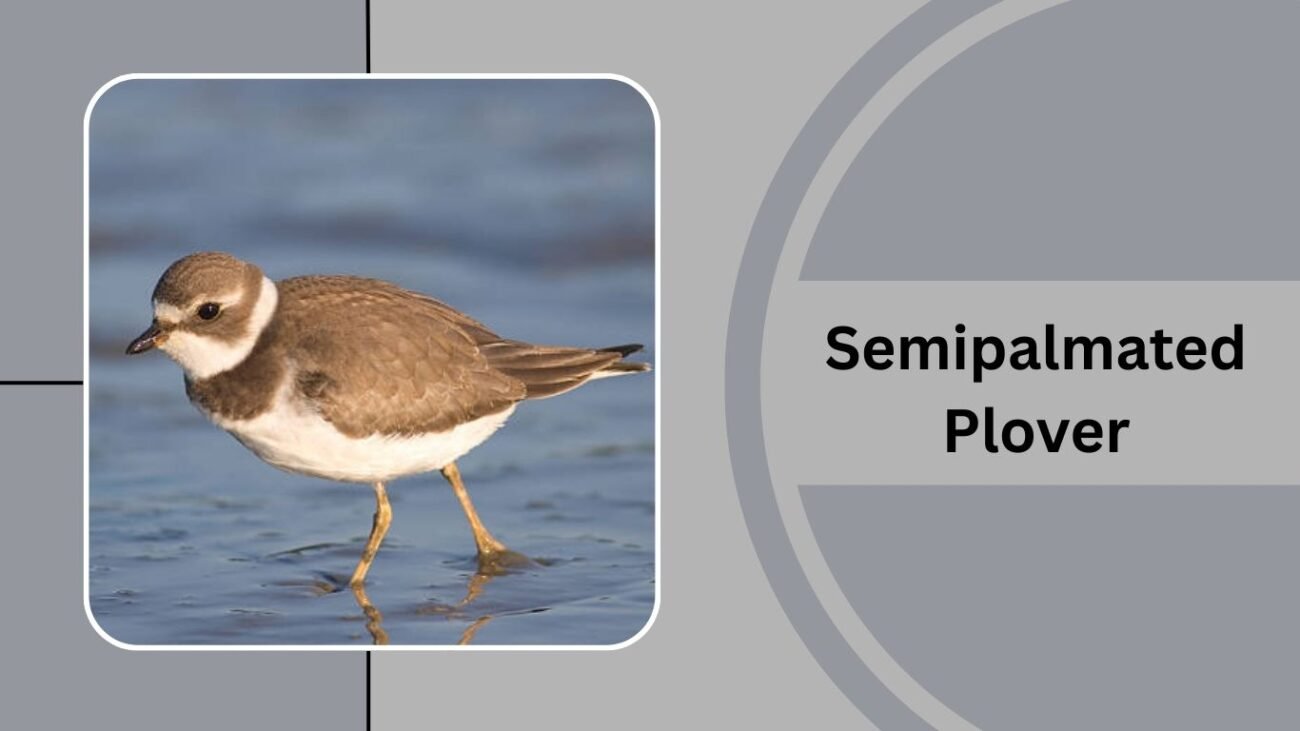
The Semipalmated Plover (Charadrius semipalmatus) is a small shorebird named for its partially webbed toes, which help it forage in wet areas. It is common along North American coasts during migration.
Identification
- Size: 6–7.5 inches (15–19 cm)
- Wingspan: 14–16 inches (35–40 cm)
- Color: Brown upperparts, white underparts, and a single bold black breast band
- Legs: Yellow to orange
- Bill: Short, orange with a black tip
Habitat and Range
They breed in the Arctic tundra of Canada and Alaska. During migration, they are widespread along North American coasts and mudflats, wintering in Central and South America.
Behavior and Diet
Semipalmated Plovers forage by running and pecking on mudflats, beaches, and estuaries. Their diet includes insects, worms, crustaceans, and mollusks. They are often seen in mixed flocks with sandpipers.
3. Piping Plover
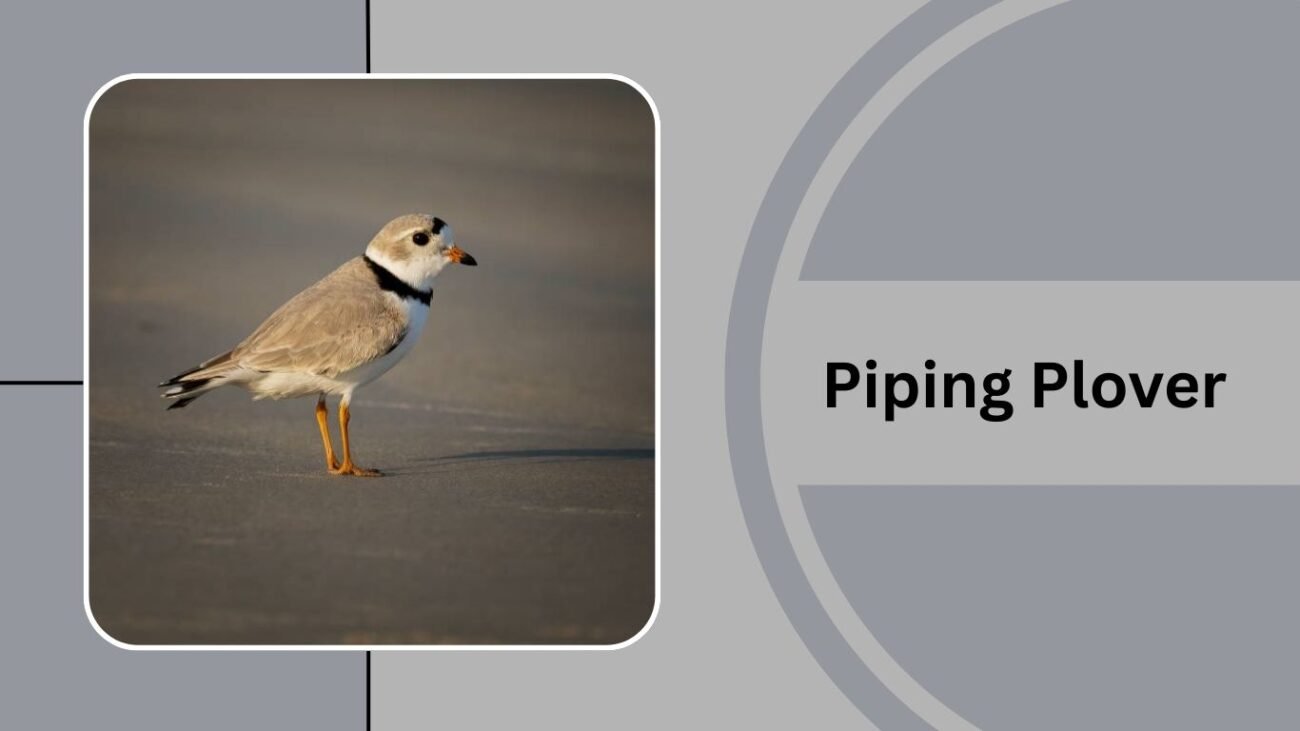
The Piping Plover (Charadrius melodus) is a small, pale shorebird known for its soft, melodic call. It is considered threatened or endangered in parts of its range due to habitat loss.
Identification
- Size: 6–7 inches (15–18 cm)
- Wingspan: 14–15 inches (35–38 cm)
- Color: Sandy-gray upperparts, white underparts, and a single faint black breast band
- Legs: Bright orange-yellow
- Bill: Short, orange with a black tip
Habitat and Range
Piping Plovers breed along sandy beaches, sandbars, and lake shores in North America. Populations are found around the Great Lakes, Atlantic Coast, and northern Great Plains. They winter along the southern U.S. coasts, Gulf of Mexico, and the Caribbean.
Behavior and Diet
They forage along beaches and mudflats, eating marine worms, crustaceans, and insects. Piping Plovers are shy and blend well with sandy habitats, making them difficult to spot. Conservation efforts protect their nesting areas with enclosures and beach restrictions.
4. Snowy Plover
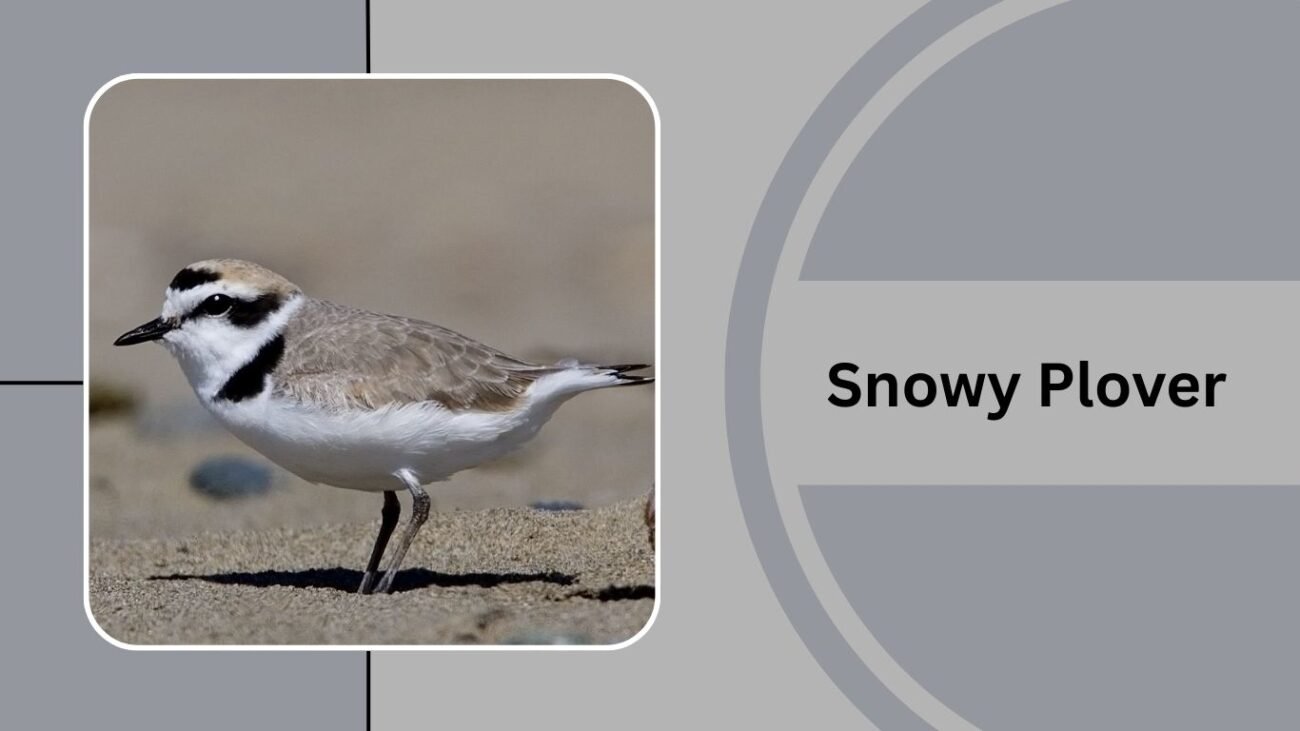
The Snowy Plover (Charadrius nivosus) is a delicate, pale shorebird that blends seamlessly with sandy beaches. Its light plumage and small size make it one of the most charming but also vulnerable plovers.
Identification
- Size: 6–7 inches (15–18 cm)
- Wingspan: 13–14 inches (33–36 cm)
- Color: Pale gray-brown upperparts, white underparts; faint dark patches on the sides of the neck and forehead
- Legs: Black
- Bill: Short, thin, and black
Habitat and Range
They breed along sandy beaches, salt flats, and alkali lakes across the western and southern United States, Mexico, and parts of Central America. Some populations are resident, while others migrate short distances.
Behavior and Diet
Snowy Plovers feed by running and pecking along wet sand, mudflats, and tidal pools. Their diet includes insects, worms, crustaceans, and tiny mollusks. They are solitary or in small groups, and their eggs are often camouflaged against the sand, making nests vulnerable to disturbance.
5. Wilson’s Plover
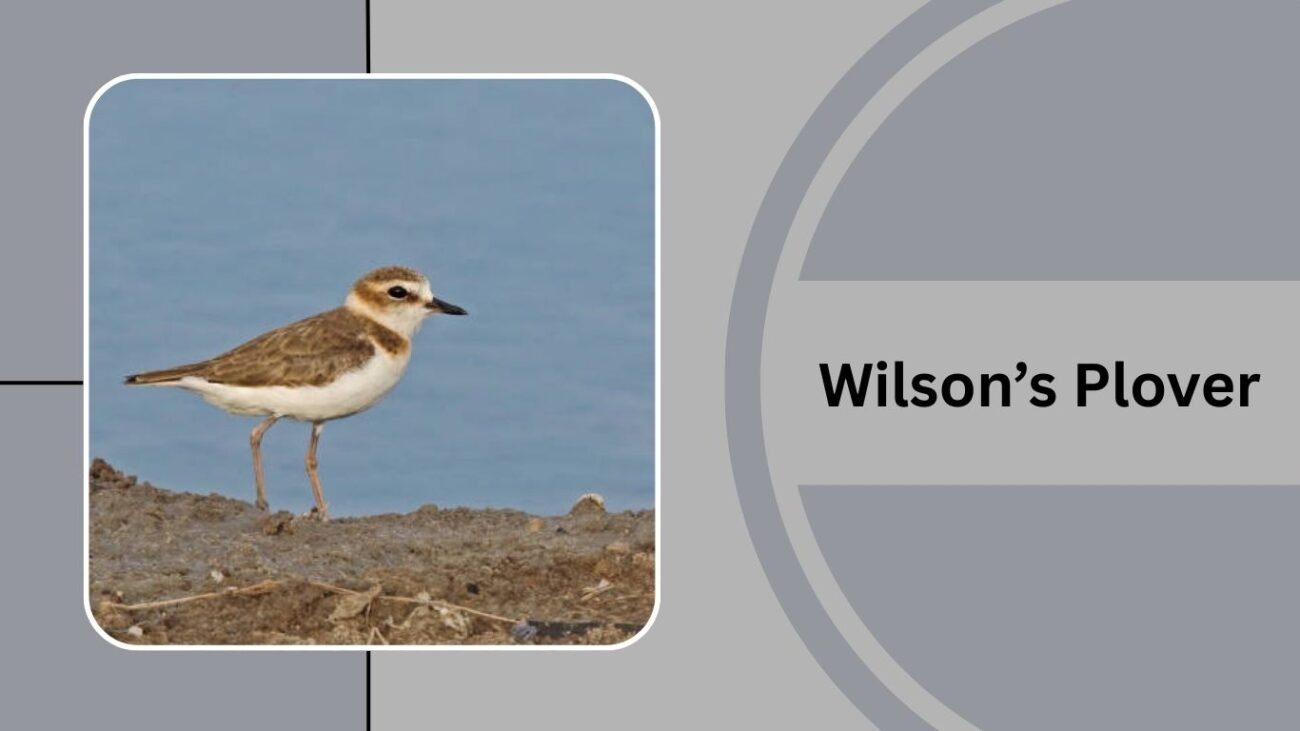
Wilson’s Plover (Charadrius wilsonia) is a larger plover with a distinctive thick bill, well-adapted for catching crabs and other crustaceans. It is a coastal specialist, often seen along beaches and salt flats.
Identification
- Size: 7–8.5 inches (18–22 cm)
- Wingspan: 16–17 inches (40–43 cm)
- Color: Brownish-gray upperparts, white underparts, and a single dark breast band (wider in males)
- Legs: Pale gray to pinkish
- Bill: Thick, black, and longer than most plovers
Habitat and Range
They breed along coastal areas of the southeastern United States, Mexico, Central America, and parts of South America. They prefer sandy beaches, barrier islands, and salt flats.
Behavior and Diet
Wilson’s Plovers feed mainly on fiddler crabs and other small crustaceans, using their heavy bill to crush and consume prey. They are typically solitary or in pairs, defending nesting territories on open sandy ground.
6. Common Ringed Plover
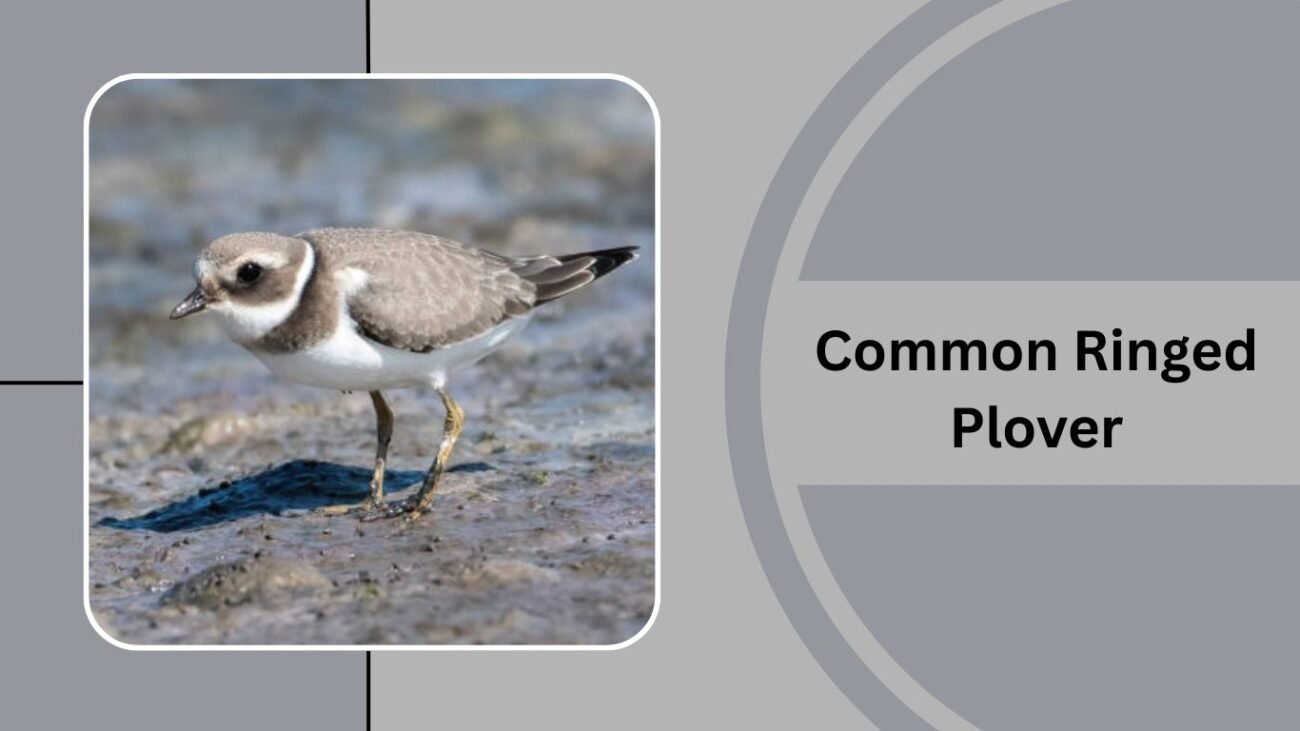
The Common Ringed Plover (Charadrius hiaticula) is a widespread small plover of Europe, Asia, and parts of Africa. It closely resembles the Semipalmated Plover but lacks the partial webbing between toes.
Identification
- Size: 7–8 inches (18–20 cm)
- Wingspan: 15–17 inches (38–43 cm)
- Color: Brown upperparts, white underparts, and a single bold black breast band
- Legs: Bright orange
- Bill: Orange with a distinct black tip
Habitat and Range
They breed in Arctic and subarctic regions of northern Europe and Asia, often on gravelly or sandy shores. Wintering occurs along coasts of western Europe, Africa, the Middle East, and South Asia.
Behavior and Diet
Common Ringed Plovers forage on sandy or muddy flats, eating insects, worms, mollusks, and crustaceans. They perform a “run-and-pause” feeding style, typical of plovers, and are often seen in small flocks.
7. Little Ringed Plover
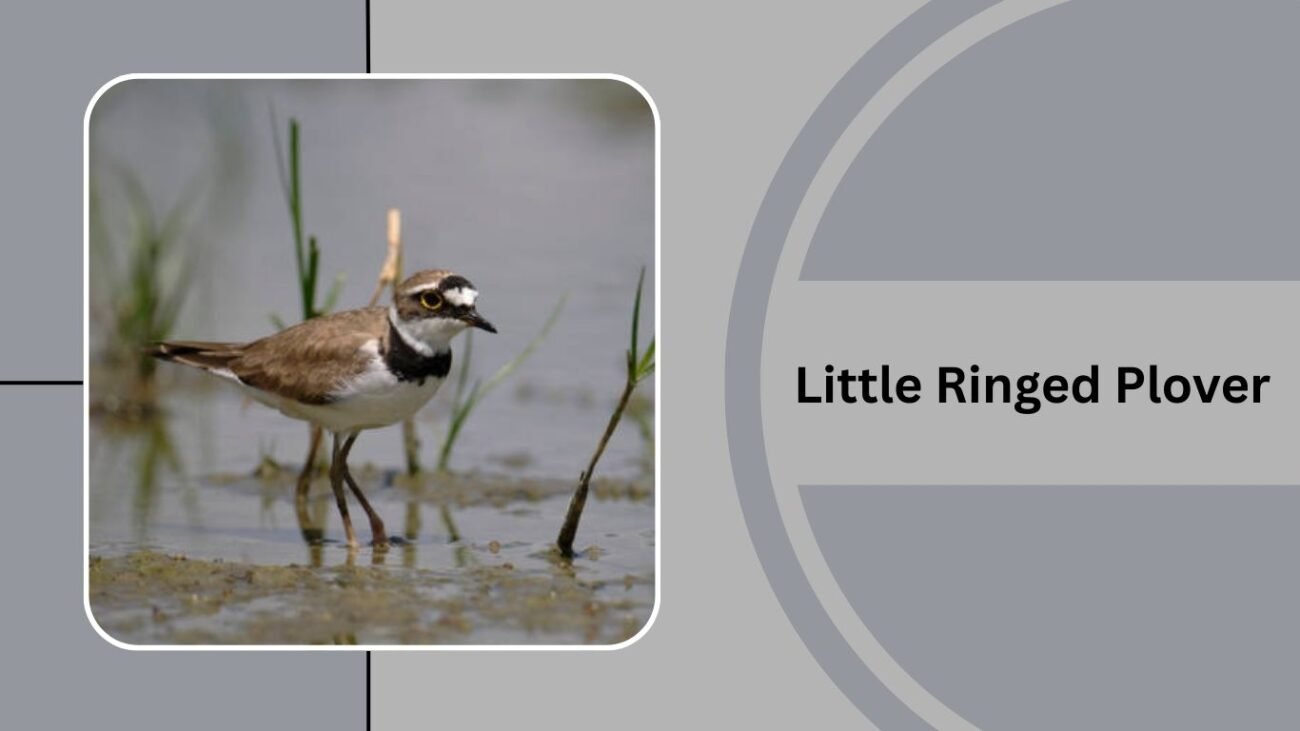
The Little Ringed Plover (Charadrius dubius) is a small, slender plover with distinctive yellow eye-rings, which separate it from similar species. It prefers freshwater habitats more than many coastal plovers.
Identification
- Size: 6–7 inches (15–18 cm)
- Wingspan: 14–15 inches (35–38 cm)
- Color: Brown back, white underparts, black breast band, and a narrow black mask across the face
- Legs: Pale flesh-colored
- Bill: Short, thin, and black
- Distinctive Feature: Bright yellow orbital ring around the eye
Habitat and Range
They breed in Europe, Asia, and North Africa, favoring riverbanks, gravel pits, and freshwater lakeshores. Wintering areas extend into Africa and South Asia.
Behavior and Diet
Little Ringed Plovers forage along muddy or sandy edges, feeding on insects, small crustaceans, and worms. They are more often solitary or in pairs compared to other flocking plovers. Their bright eye-ring makes them easy to identify in the field.
8. Kentish Plover
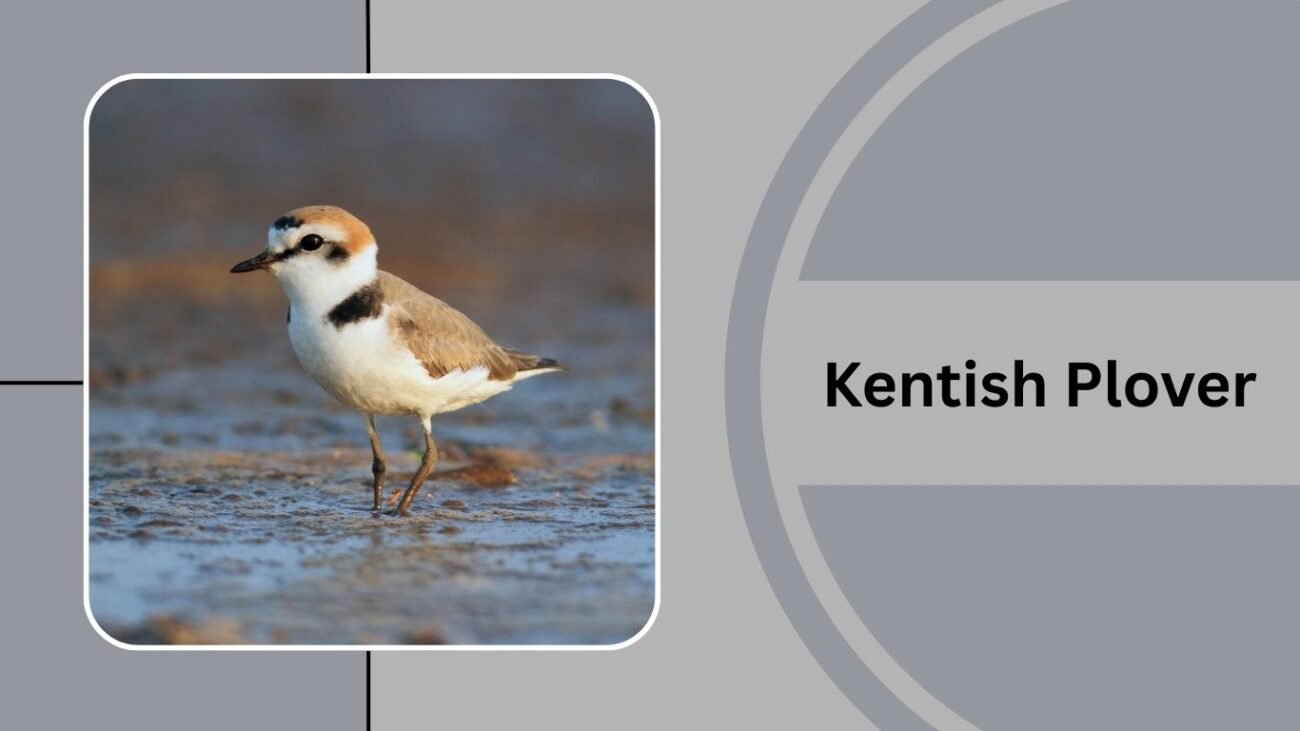
The Kentish Plover (Charadrius alexandrinus) is a small, elegant plover with pale plumage, often blending with sandy beaches. It is widely distributed across Europe, Asia, and parts of Africa.
Identification
- Size: 6–7 inches (15–18 cm)
- Wingspan: 13–15 inches (33–38 cm)
- Color: Sandy-brown upperparts, white underparts, and faint dark markings on the head and breast (males have stronger markings than females)
- Legs: Black
- Bill: Short, slender, and black
Habitat and Range
They breed on sandy beaches, coastal lagoons, and salt flats across southern Europe, North Africa, and Asia. Wintering occurs in Africa, South Asia, and parts of Southeast Asia.
Behavior and Diet
Kentish Plovers forage along the shoreline for small insects, worms, and crustaceans. They are often solitary or found in pairs, though small groups gather during migration. Their cryptic plumage makes them well-camouflaged against sand.
9. Black-bellied Plover
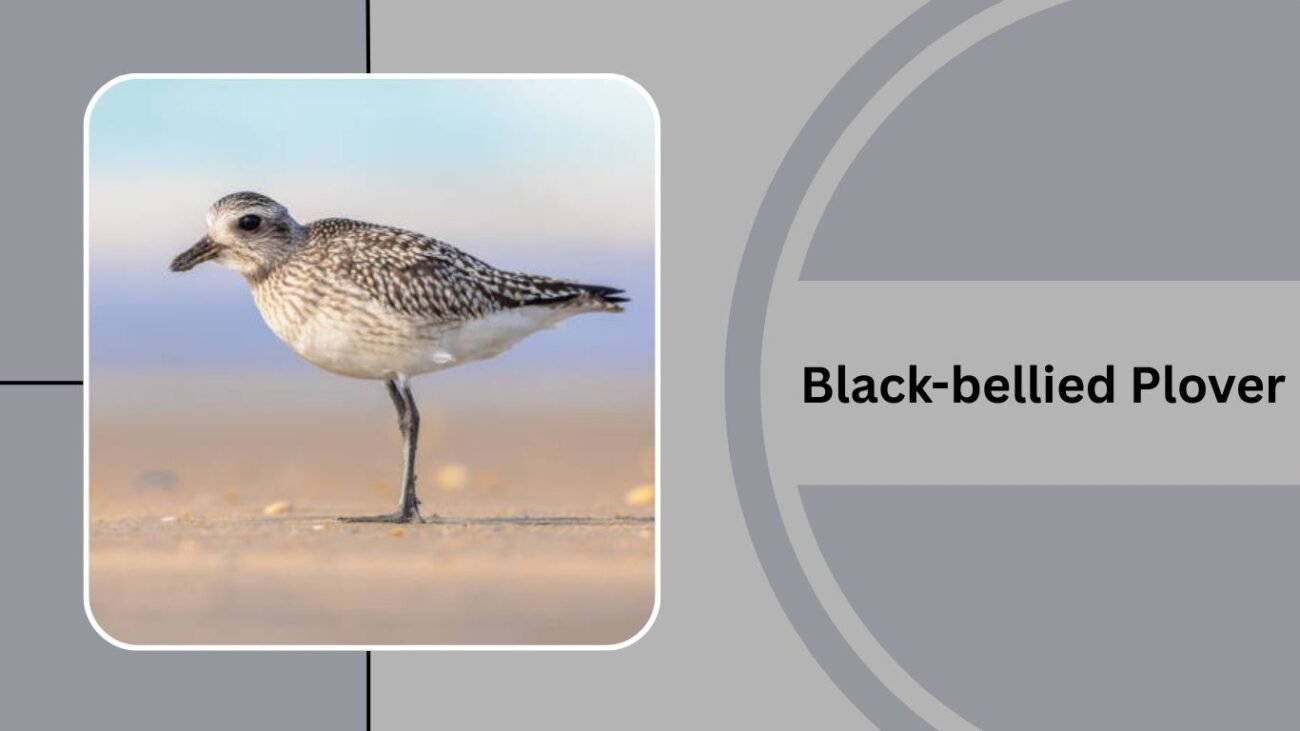
The Black-bellied Plover (Pluvialis squatarola) is the largest plover in North America and is famous for its bold black belly patch during breeding season. In winter, it becomes more subdued in color but remains a sturdy and conspicuous shorebird.
Identification
- Size: 10–12 inches (25–31 cm)
- Wingspan: 23–24 inches (58–61 cm)
- Color: Breeding plumage shows striking black face, throat, and belly with white and mottled upperparts; nonbreeding plumage is gray above and white below
- Legs: Black
- Bill: Short, thick, and black
Habitat and Range
They breed in the Arctic tundra of North America, Europe, and Asia. In winter, they migrate to coasts worldwide, from North and South America to Africa, Asia, and Oceania.
Behavior and Diet
Black-bellied Plovers forage on mudflats, estuaries, and beaches, feeding on worms, mollusks, crustaceans, and insects. They are alert and cautious, often the first to give alarm calls in mixed flocks of shorebirds.
10. American Golden Plover
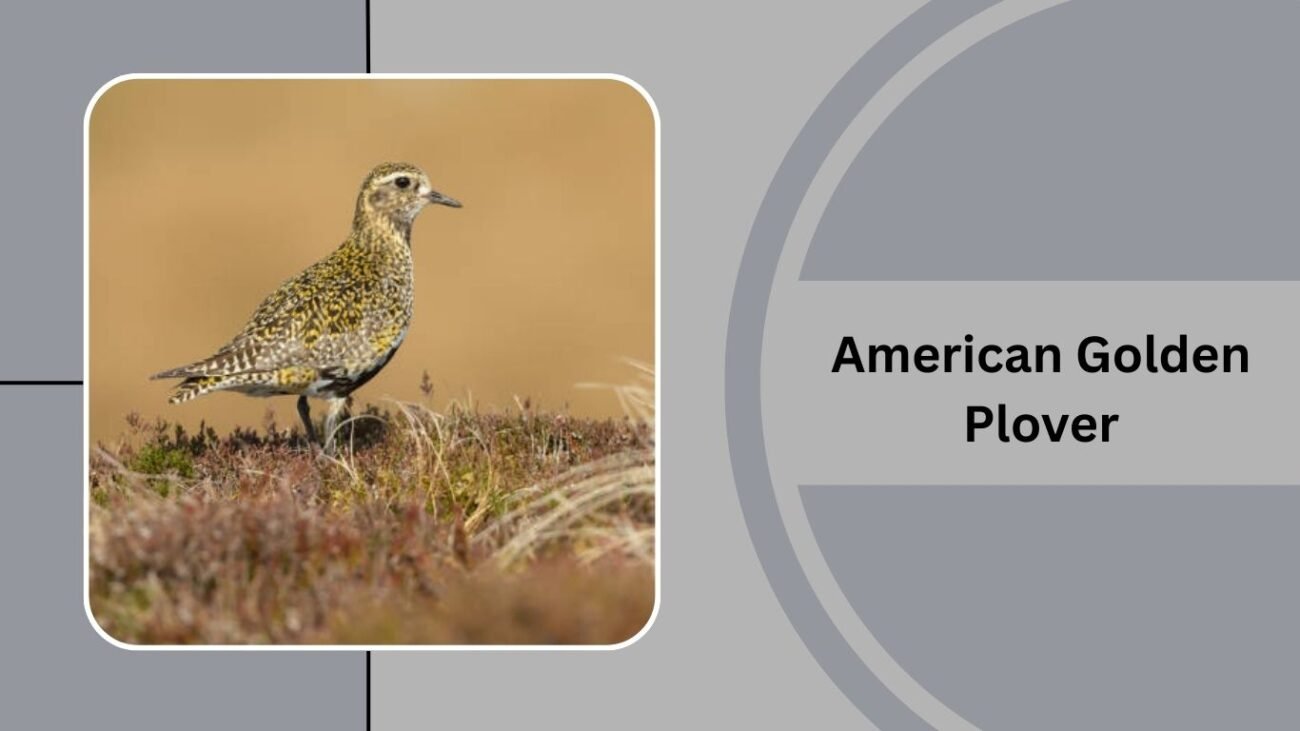
The American Golden Plover (Pluvialis dominica) is a sleek, long-winged plover famous for one of the longest migratory journeys of any bird, flying nonstop from Alaska to South America.
Identification
- Size: 9–11 inches (23–28 cm)
- Wingspan: 23–25 inches (58–64 cm)
- Color: Breeding plumage shows black face, throat, and belly with golden-speckled upperparts; nonbreeding plumage is grayish-brown above and pale below
- Legs: Black
- Bill: Short, thin, and black
Habitat and Range
They breed in the Arctic tundra of Alaska and northern Canada. Migration takes them through the central U.S., the Caribbean, and onward to South America, where they winter in grasslands and agricultural fields.
Behavior and Diet
American Golden Plovers forage by running and stopping to pick insects, spiders, worms, and berries. They are wary and usually solitary or in small groups during migration, unlike some other plovers that gather in large flocks.
11. Pacific Golden Plover
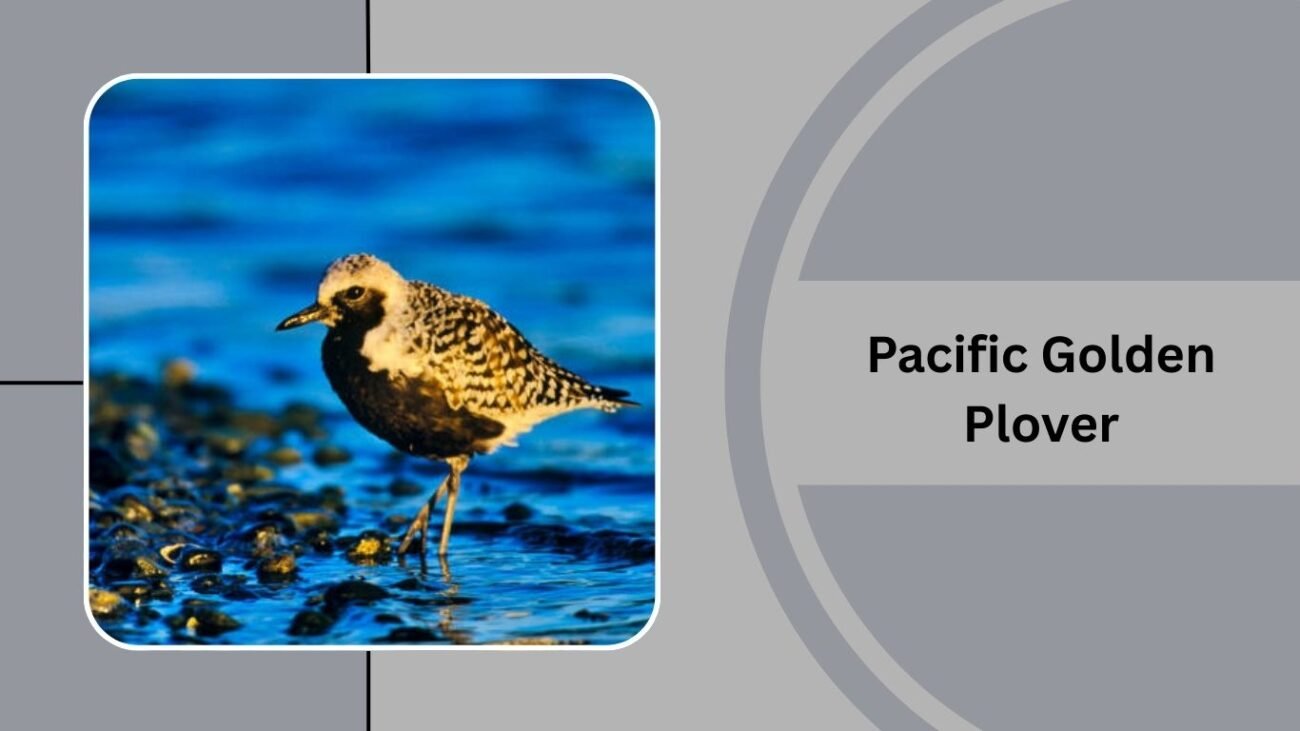
The Pacific Golden Plover (Pluvialis fulva) is a close relative of the American Golden Plover but slightly smaller and more golden in appearance. It is admired for its incredible long-distance migrations across the Pacific.
Identification
- Size: 9–10.5 inches (23–26 cm)
- Wingspan: 22–24 inches (56–61 cm)
- Color: Breeding plumage shows black underparts with golden-spotted upperparts; nonbreeding plumage is grayish-brown above with paler underparts
- Legs: Black
- Bill: Short, thin, and black
Habitat and Range
They breed in the Arctic tundra of Siberia and western Alaska. Their migration extends across the Pacific to islands such as Hawaii, as well as Australia, New Zealand, and Southeast Asia.
Behavior and Diet
Pacific Golden Plovers forage in coastal mudflats, grassy fields, and even urban lawns. They feed on insects, mollusks, crustaceans, and berries. Hawaiian residents know them as “Kōlea,” celebrated for returning each winter.
12. European Golden Plover
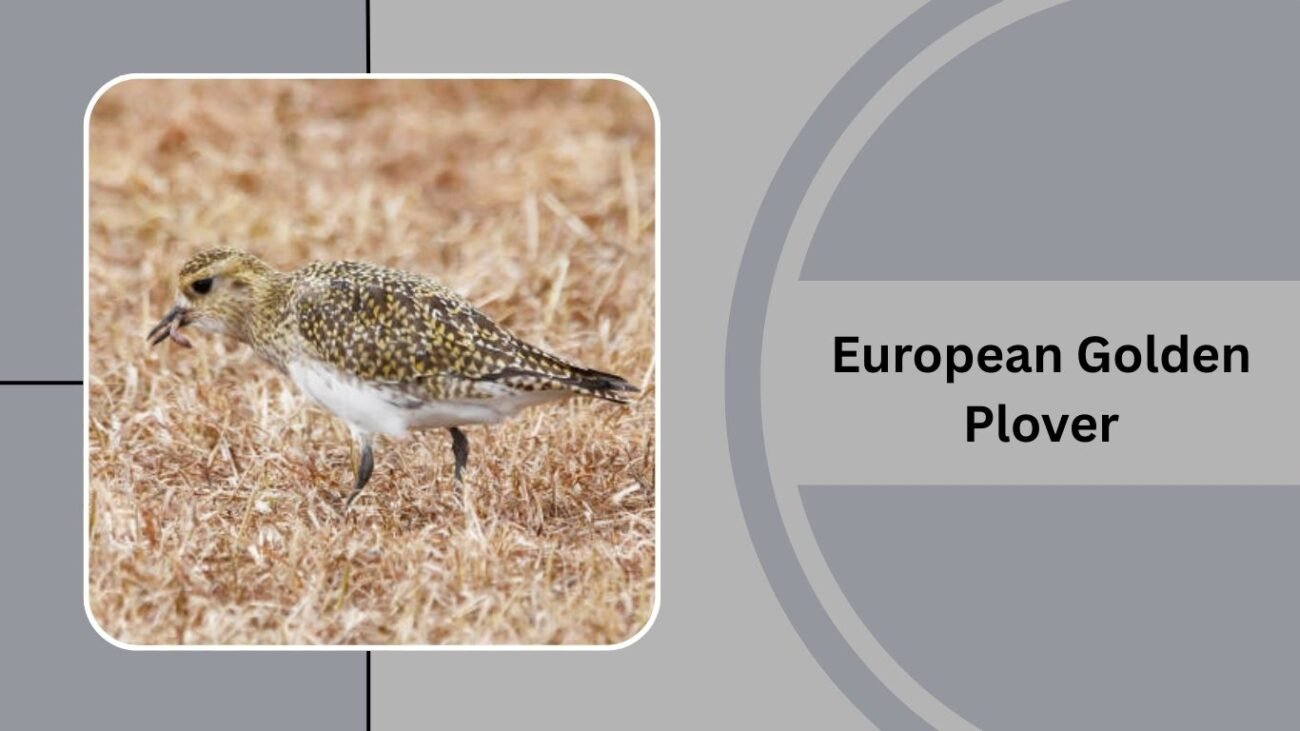
The European Golden Plover (Pluvialis apricaria) is a striking shorebird known for its golden-spotted plumage. It is commonly found across Europe and parts of Asia, especially in tundra and moorland habitats.
Identification
- Size: 10–12 inches (25–30 cm)
- Wingspan: 24–26 inches (61–67 cm)
- Color: Breeding plumage has black face, throat, and belly with golden and white speckled back; nonbreeding plumage is mottled brown above and pale below
- Legs: Black
- Bill: Short, thin, and black
Habitat and Range
They breed in upland tundra, heathlands, and bogs across northern Europe and Asia. Wintering occurs in western Europe, the Mediterranean, and North Africa, where they gather in large flocks on fields and coastal areas.
Behavior and Diet
European Golden Plovers forage by probing soil and grasslands for insects, worms, and mollusks. They are highly gregarious outside breeding season, often forming massive flocks that mix with Lapwings.
13. Grey Plover
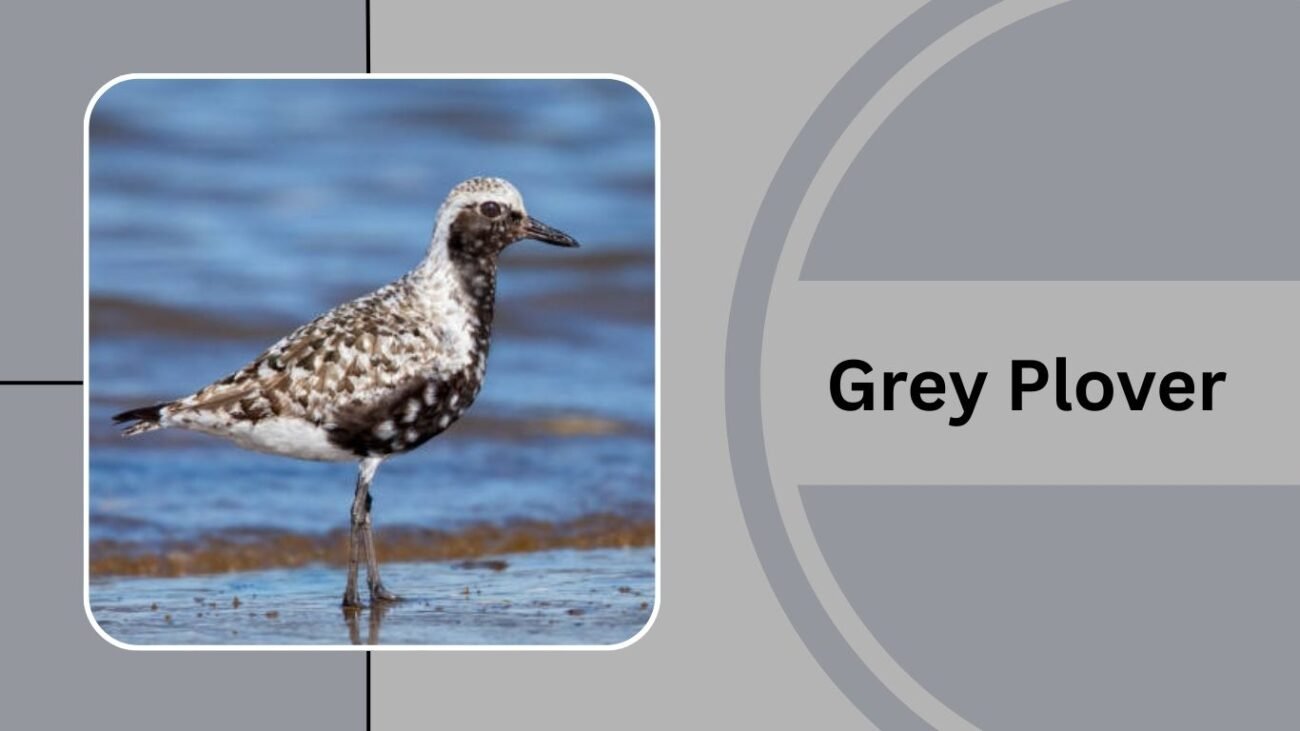
The Grey Plover (Pluvialis squatarola), also known as the Black-bellied Plover outside breeding season, is a hardy and widespread species that thrives in both Arctic breeding grounds and temperate coasts during migration.
Identification
- Size: 11–12 inches (28–31 cm)
- Wingspan: 23–25 inches (58–64 cm)
- Color: Breeding plumage shows bold black face, throat, and belly with mottled white and gray above; nonbreeding plumage is pale gray with white belly
- Legs: Black
- Bill: Short, sturdy, and black
Habitat and Range
They breed in Arctic tundra across North America, Europe, and Asia. Wintering occurs along coastlines worldwide, including North and South America, Africa, and Asia.
Behavior and Diet
Grey Plovers forage mainly on tidal mudflats, beaches, and coastal marshes, feeding on worms, mollusks, and crustaceans. They are cautious and alert birds, often acting as sentinels that warn other shorebirds of danger.
14. Inland Dotterel
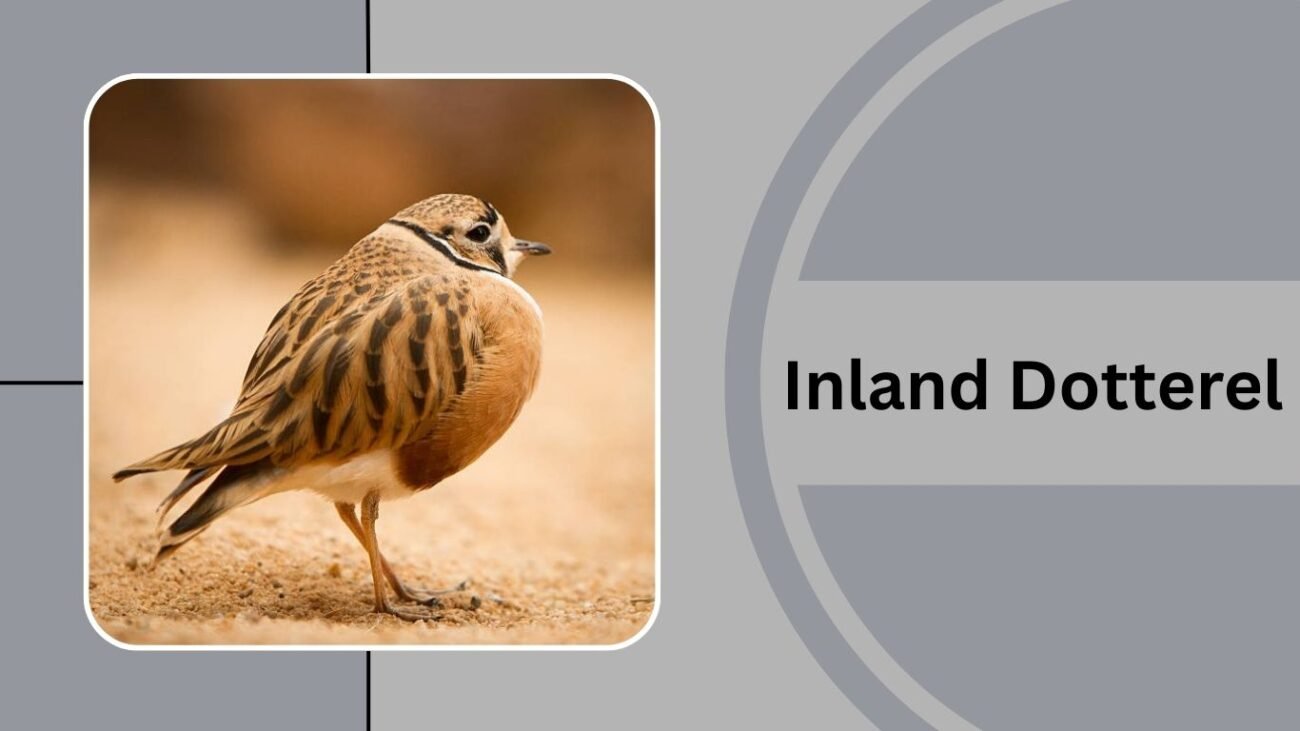
The Inland Dotterel (Peltohyas australis) is a rare, desert-dwelling plover found only in Australia. Adapted to dry inland regions, it is more terrestrial than most plovers and blends well into arid landscapes.
Identification
- Size: 8–9 inches (20–23 cm)
- Wingspan: 16–18 inches (40–45 cm)
- Color: Sandy-brown above with pale underparts; bold black and white facial pattern with a dark breast band
- Legs: Pale yellow to gray
- Bill: Short, dark, and slender
Habitat and Range
They inhabit arid and semi-arid grasslands, stony deserts, and open plains across inland Australia. Unlike many coastal plovers, they rarely appear near water.
Behavior and Diet
Inland Dotterels feed on seeds, insects, and small invertebrates, often foraging at night to avoid the desert heat. They are usually found in small groups, moving cautiously across open ground.
15. Mountain Plover
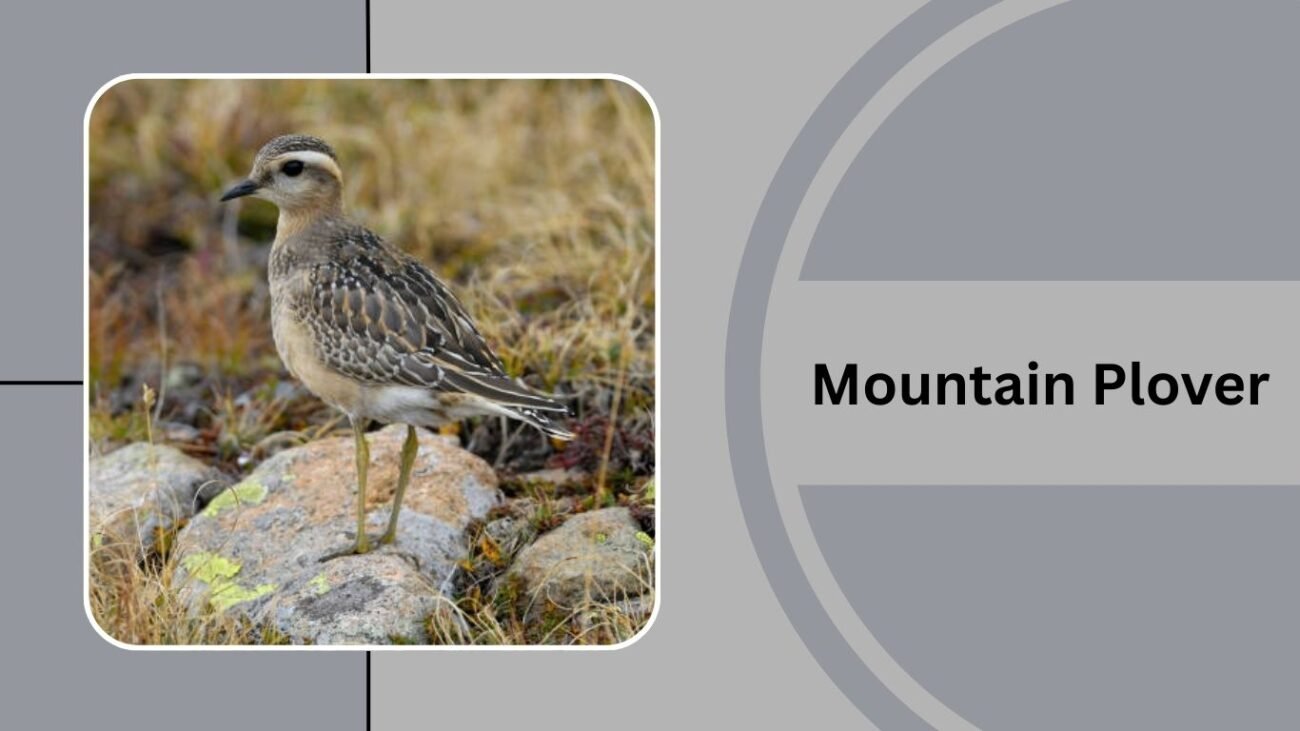
The Mountain Plover (Charadrius montanus) is an unusual plover that favors dry plains and grasslands instead of coastal areas. It is native to western North America and is sometimes called the “prairie ghost” due to its camouflage and elusive behavior.
Identification
- Size: 8–9.5 inches (20–24 cm)
- Wingspan: 17–18 inches (43–46 cm)
- Color: Sandy-brown above, white below; lacks the bold breast bands typical of many plovers
- Legs: Pale yellow
- Bill: Short, thin, and dark
Habitat and Range
They breed in shortgrass prairies and plains of the western U.S., especially Colorado, Montana, and Wyoming. Wintering grounds extend into California, Texas, and northern Mexico.
Behavior and Diet
Mountain Plovers forage on dry, open ground, feeding mainly on grasshoppers, beetles, and other insects. They are ground-nesters, laying eggs in shallow scrapes, and often rely on camouflage for protection instead of distraction displays.
16. Oriental Plover
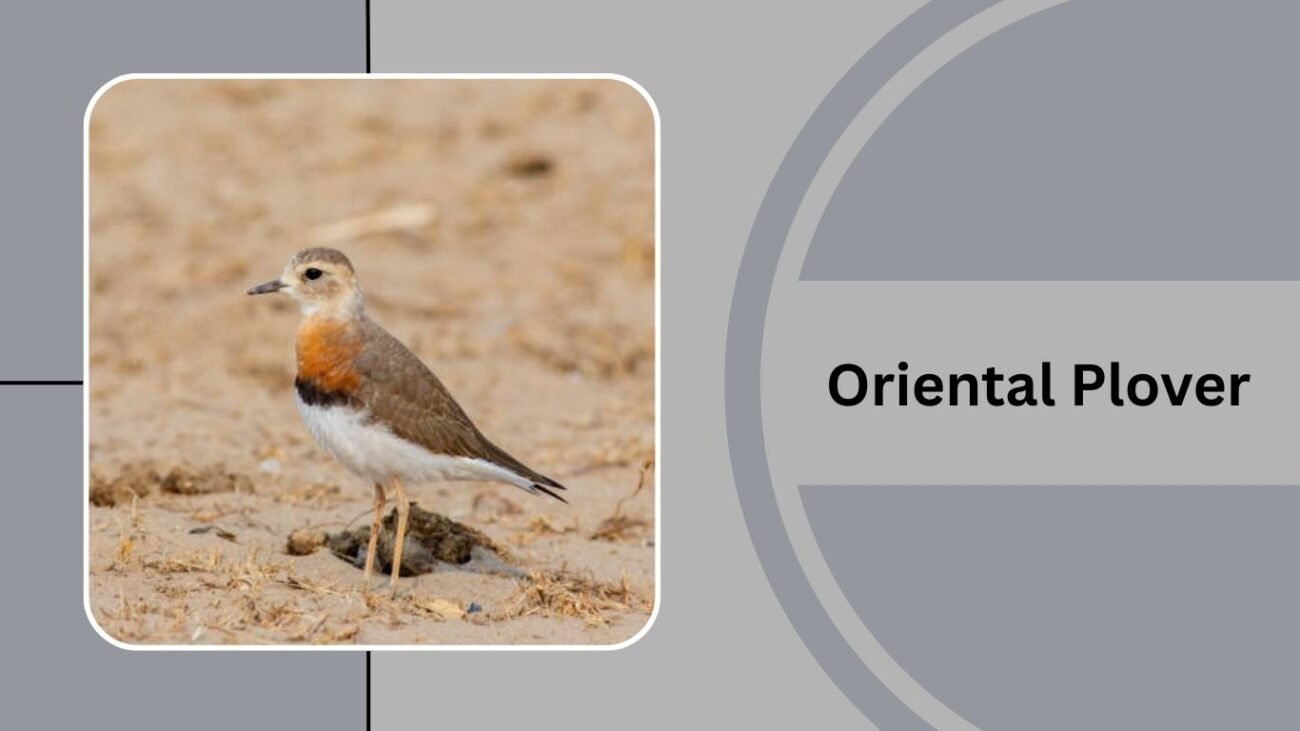
The Oriental Plover (Charadrius veredus) is a striking migratory plover of Asia, known for its graceful build and rich breeding plumage. Unlike many plovers, it prefers open grasslands over coastal habitats.
Identification
- Size: 8–9.5 inches (21–24 cm)
- Wingspan: 18–19 inches (45–48 cm)
- Color: Breeding plumage features chestnut breast and throat with a white belly and brown back; nonbreeding plumage is duller sandy-brown above and pale below
- Legs: Long and pale yellow
- Bill: Short, straight, and dark
Habitat and Range
They breed in Mongolia, northern China, and southeastern Russia. Migration routes extend through East and Southeast Asia, with wintering grounds in northern Australia and parts of Indonesia.
Behavior and Diet
Oriental Plovers forage mainly in open fields and grasslands, feeding on insects, grasshoppers, beetles, and worms. They are often seen alone or in small flocks, blending into dry landscapes.
17. Forbes’s Plover
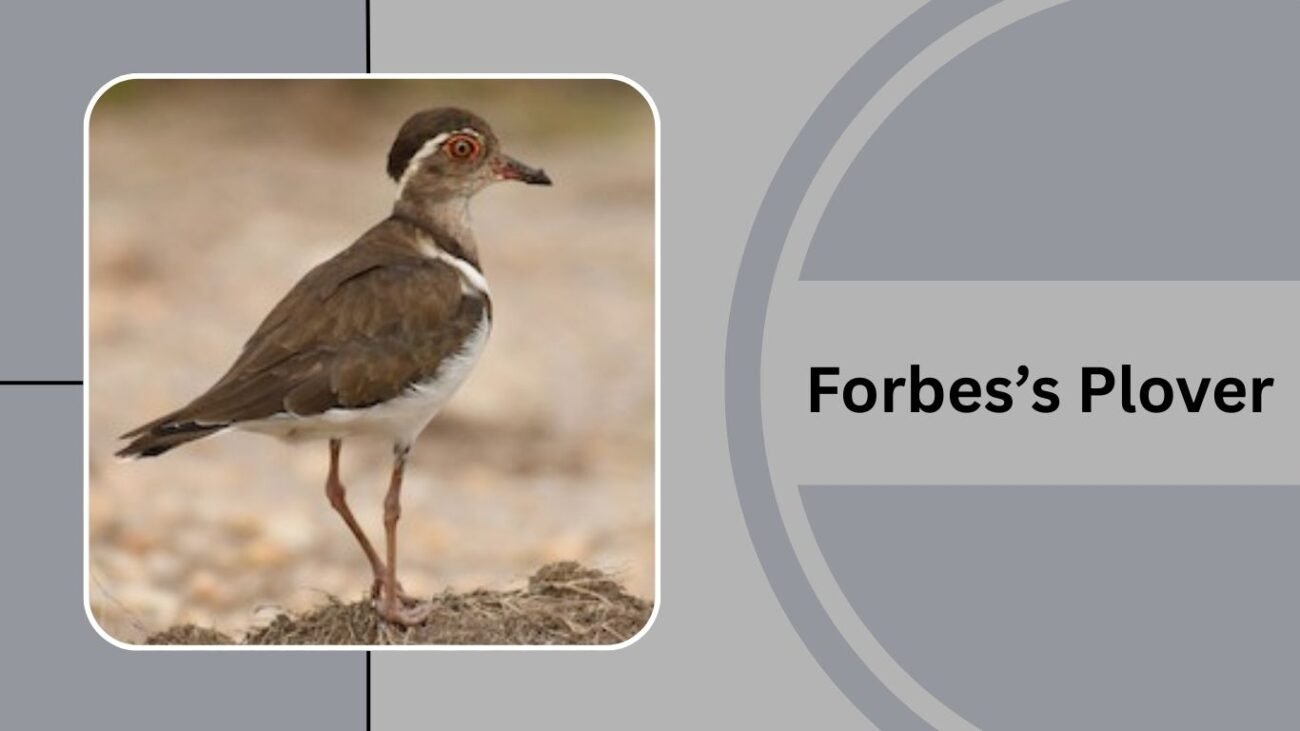
The Forbes’s Plover (Charadrius forbesi) is a lesser-known but distinctive plover native to Africa, recognized for its unique double breast bands.
Identification
- Size: 7–8 inches (18–20 cm)
- Wingspan: 15–16 inches (38–41 cm)
- Color: Brownish-gray upperparts, white underparts with two dark breast bands (upper band incomplete in females)
- Legs: Yellow
- Bill: Short, black, and slender
Habitat and Range
They are resident across western and central Africa, particularly in savannas, open grasslands, and along riverbanks. Unlike migratory plovers, they remain year-round in tropical regions.
Behavior and Diet
Forbes’s Plovers forage on open ground, feeding on insects, ants, beetles, and worms. They are usually seen in pairs or small groups and show strong territorial behavior during breeding.
18. Caspian Plover
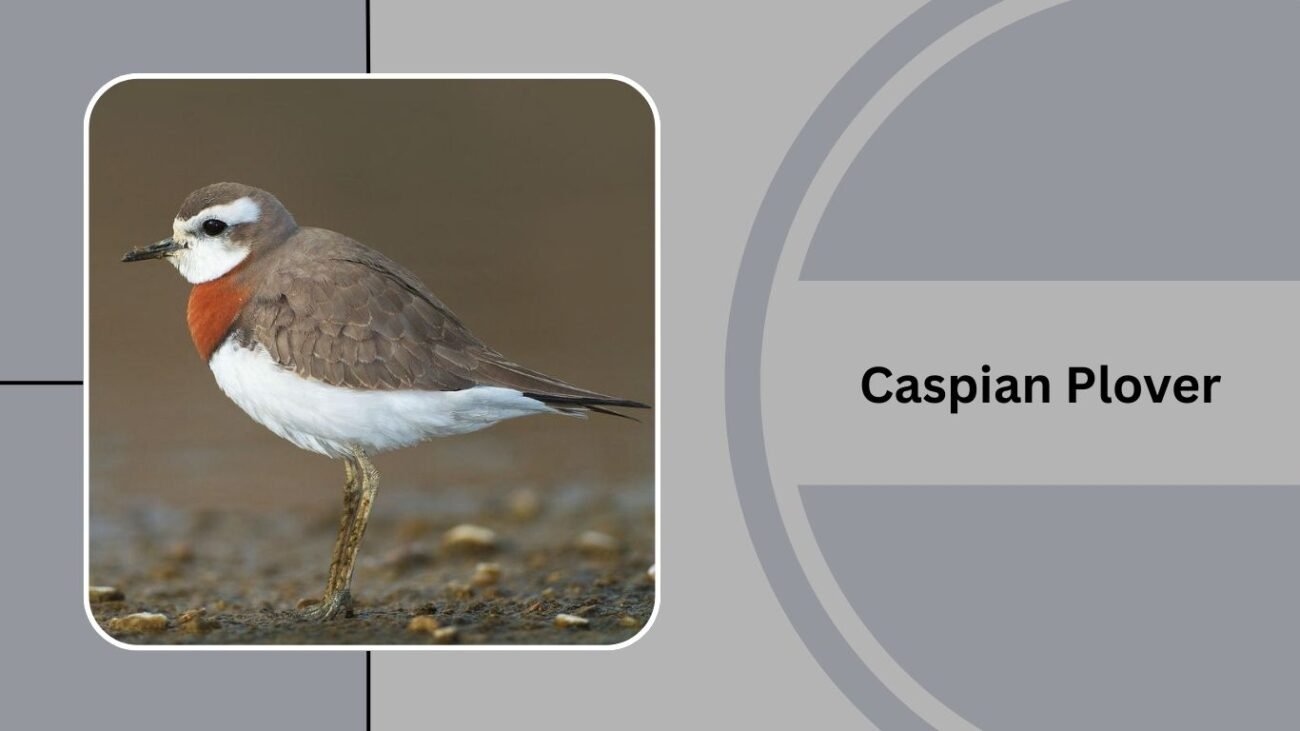
The Caspian Plover (Charadrius asiaticus) is a graceful migratory plover named after the Caspian Sea region, though its range stretches far beyond. It is admired for its striking chestnut breast in breeding season.
Identification
- Size: 6.5–8 inches (17–20 cm)
- Wingspan: 15–16 inches (38–41 cm)
- Color: Breeding males show a rich chestnut breast, white belly, and sandy-brown upperparts; nonbreeding plumage is much paler with faint markings
- Legs: Long and grayish
- Bill: Short, slender, and dark
Habitat and Range
They breed in central Asia, particularly Kazakhstan and surrounding steppe regions. Wintering grounds extend into eastern and southern Africa, with migration passing through the Middle East.
Behavior and Diet
Caspian Plovers forage in open grasslands, semi-deserts, and agricultural fields, feeding on insects, grasshoppers, and beetles. During migration and winter, they are often found in flocks.
19. Three-banded Plover
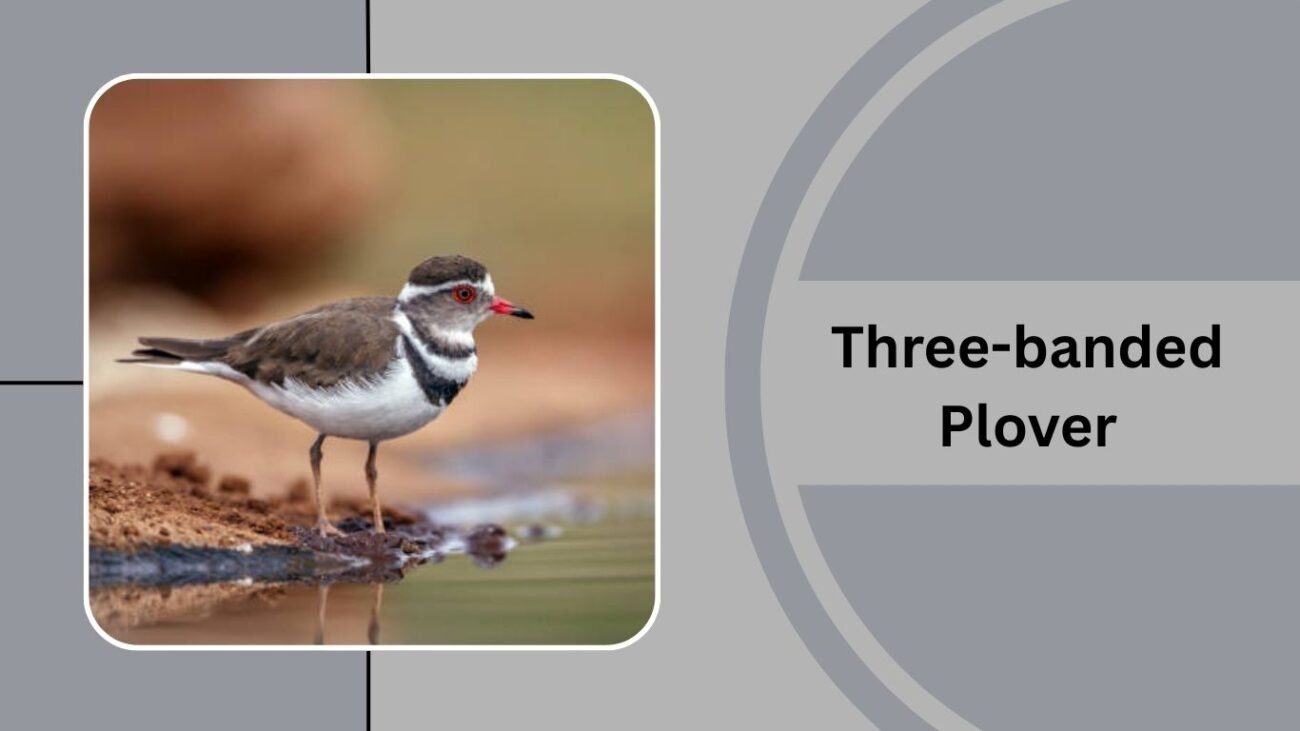
The Three-banded Plover (Charadrius tricollaris) is a distinctive African plover, easily identified by its bold black-and-white bands on the head and chest.
Identification
- Size: 6–7 inches (15–18 cm)
- Wingspan: 13–14 inches (33–36 cm)
- Color: Gray-brown upperparts, white underparts, with two bold black breast bands and a striking white forehead
- Legs: Bright red or pinkish
- Bill: Red with a black tip
Habitat and Range
They are widespread across sub-Saharan Africa and Madagascar, preferring freshwater lakeshores, rivers, and mudflats.
Behavior and Diet
Three-banded Plovers forage by running and pecking along wet shorelines, feeding mainly on insects, worms, and small crustaceans. They are often seen singly or in pairs and have a distinctive sharp, whistled call.
20. Double-banded Plover
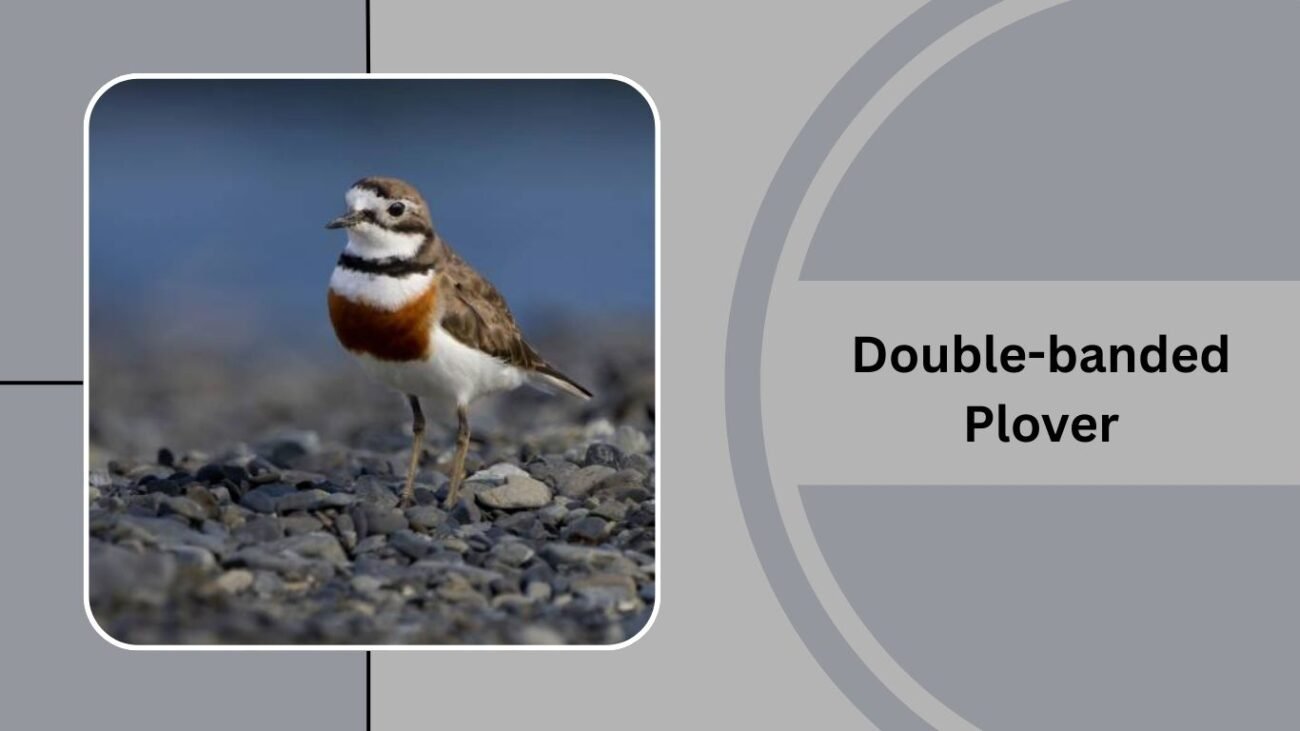
The Double-banded Plover (Charadrius bicinctus) is a charming shorebird native to New Zealand, named for the two dark breast bands that stand out during breeding season.
Identification
- Size: 7–8 inches (18–21 cm)
- Wingspan: 15–17 inches (38–43 cm)
- Color: Breeding plumage features chestnut breast bordered by two dark bands; nonbreeding plumage is paler with only faint markings
- Legs: Pale gray to pinkish
- Bill: Short, thin, and black
Habitat and Range
They breed in the open grassy areas, riverbeds, and beaches of New Zealand. During winter, some migrate to Australia and nearby Pacific islands.
Behavior and Diet
Double-banded Plovers forage on sandy and stony shores, feeding on insects, worms, small crustaceans, and mollusks. They are often solitary or in pairs, showing strong territorial defense during nesting.
21. Hooded Plover
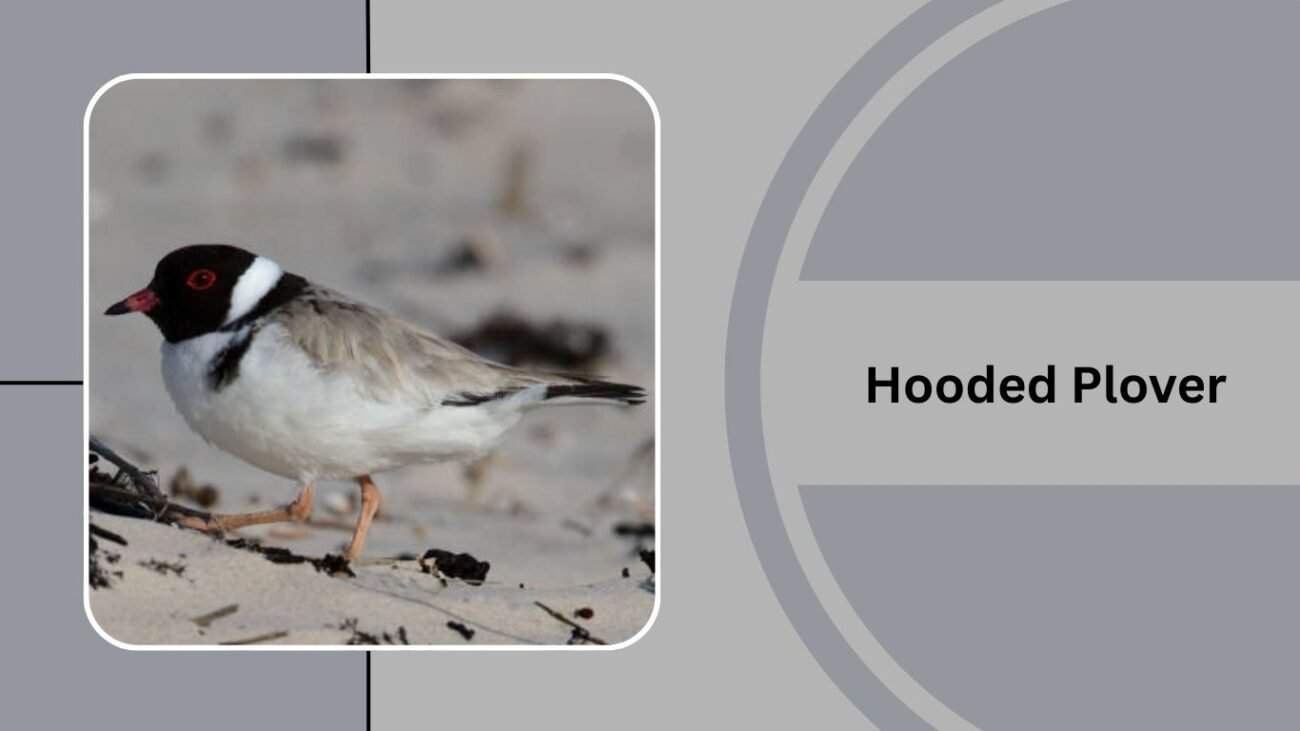
The Hooded Plover (Thinornis cucullatus) is a vulnerable species of Australia, known for its striking black hood and white body. Conservation efforts are ongoing to protect its declining population.
Identification
- Size: 8–9 inches (20–23 cm)
- Wingspan: 15–16 inches (38–41 cm)
- Color: White underparts with sandy-brown back, black head and throat, and a red eye-ring
- Legs: Pink
- Bill: Red with a black tip
Habitat and Range
They are found along sandy beaches, coastal dunes, and salt lakes in southern Australia and Tasmania. Due to human disturbance, their breeding success is often low.
Behavior and Diet
Hooded Plovers forage along beaches and lagoons, eating insects, marine worms, small crustaceans, and seeds. They nest directly on sandy beaches, leaving eggs vulnerable to predators and trampling, which makes conservation measures essential.
22. Red-capped Plover
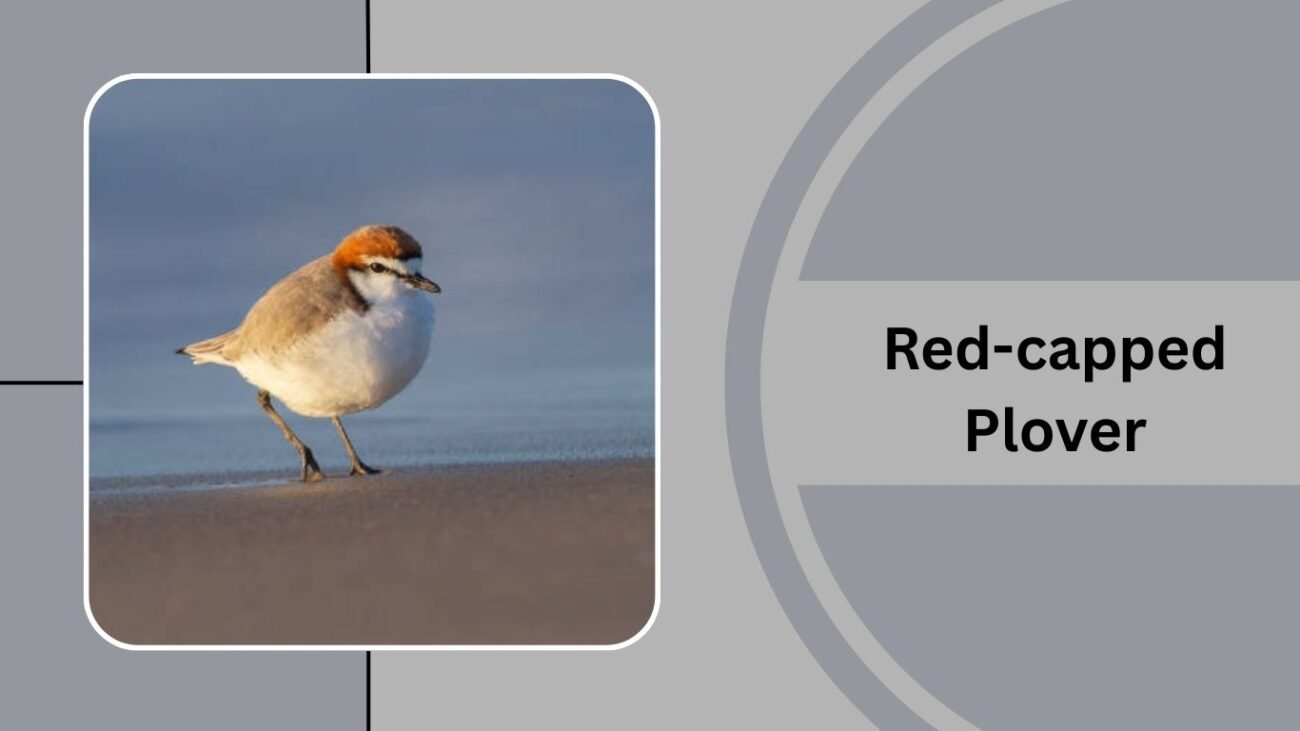
The Red-capped Plover (Charadrius ruficapillus) is a small Australian plover, instantly recognizable by the bright rufous cap of breeding males. It is one of the most widespread shorebirds in Australia.
Identification
- Size: 5.5–6.5 inches (14–16 cm)
- Wingspan: 12–13 inches (30–33 cm)
- Color: Breeding males show rufous crown and nape, white face, and sandy-brown back; females and nonbreeding birds are duller
- Legs: Black
- Bill: Short, thin, and black
Habitat and Range
They are found across Australia, Tasmania, and parts of New Zealand, inhabiting sandy beaches, estuaries, salt lakes, and mudflats.
Behavior and Diet
Red-capped Plovers feed by running and pecking along shorelines, consuming insects, crustaceans, worms, and mollusks. They nest on open sand or salt flats, making them vulnerable to disturbance and predation.
23. White-fronted Plover
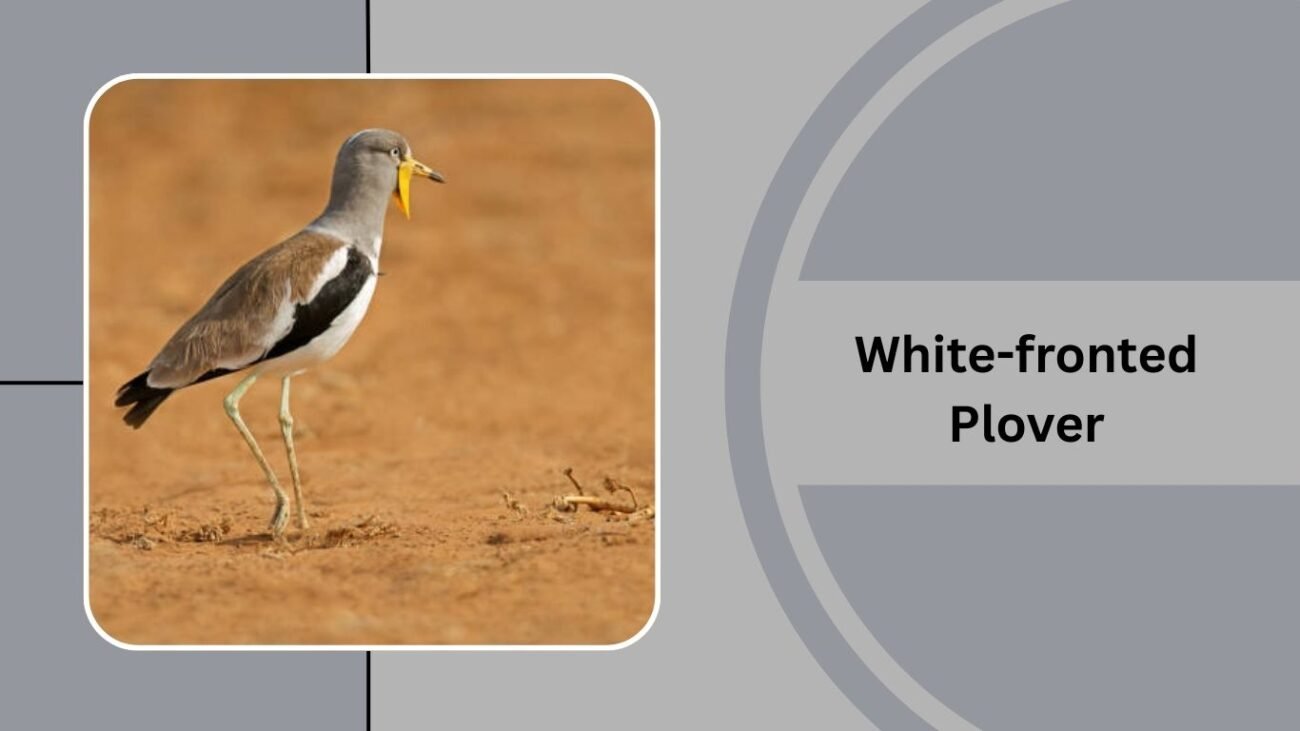
The White-fronted Plover (Charadrius marginatus) is a coastal African plover with pale plumage that blends seamlessly with sandy beaches. It is also sometimes called the Kentish Plover in parts of its range.
Identification
- Size: 6–7 inches (15–18 cm)
- Wingspan: 13–14 inches (33–36 cm)
- Color: Pale sandy-brown upperparts, white underparts, and white forehead with a narrow dark eye-stripe
- Legs: Black
- Bill: Short, slender, and black
Habitat and Range
They are found along the coasts of sub-Saharan Africa, from Namibia and South Africa up to East Africa, inhabiting sandy beaches, lagoons, and estuaries.
Behavior and Diet
White-fronted Plovers forage along beaches and mudflats, feeding on insects, crustaceans, and small mollusks. They are often solitary or in pairs and rely on camouflage to protect their nests on open sand.
24. Madagascar Plover
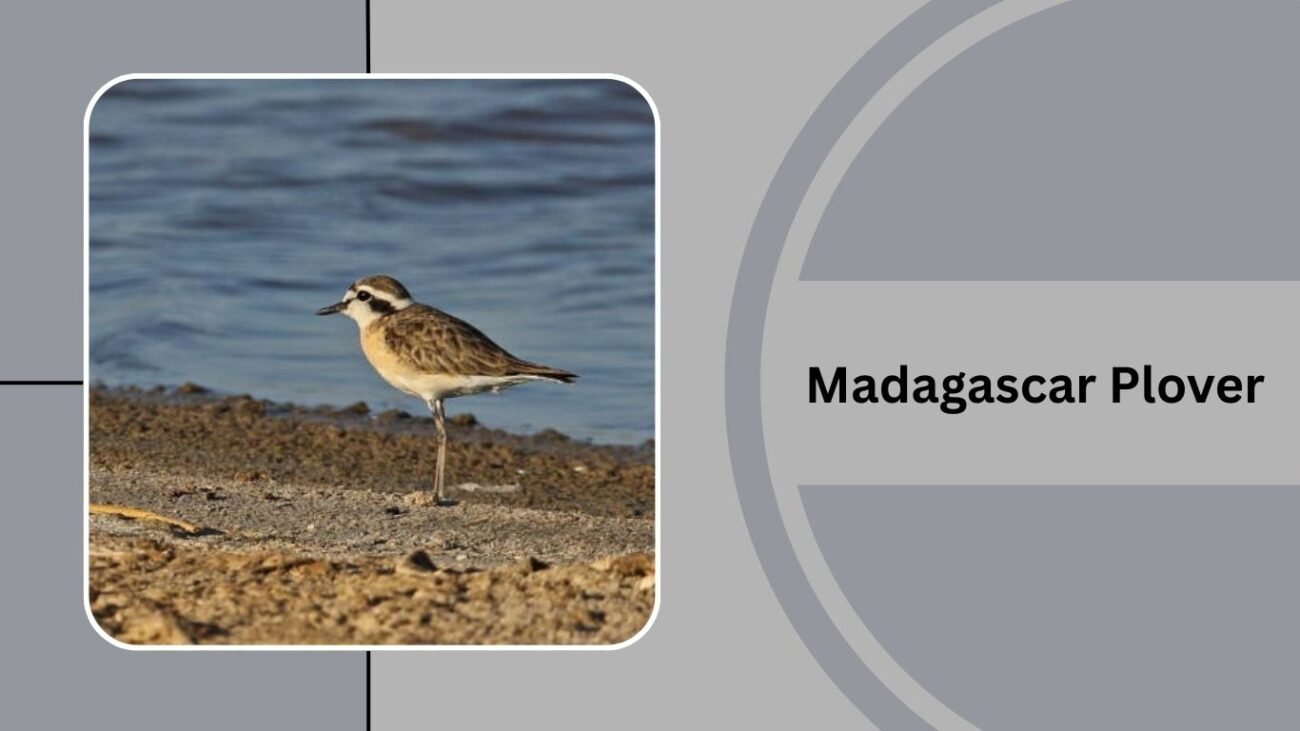
The Madagascar Plover (Charadrius thoracicus) is a rare and localized species, found only in Madagascar. Its small population and limited range make it vulnerable to habitat changes.
Identification
- Size: 6–6.5 inches (15–17 cm)
- Wingspan: 12–13 inches (30–33 cm)
- Color: Pale sandy-brown upperparts, white underparts, and a narrow dark breast band
- Legs: Black
- Bill: Short, thin, and black
Habitat and Range
This species is restricted to Madagascar, where it inhabits coastal sand flats, salt marshes, and alkaline lakes.
Behavior and Diet
Madagascar Plovers feed on insects, worms, and small crustaceans by running and pecking in shallow wetlands. They are ground-nesters, laying eggs on open sandy patches, which makes them highly vulnerable to disturbance.
25. Javan Plover
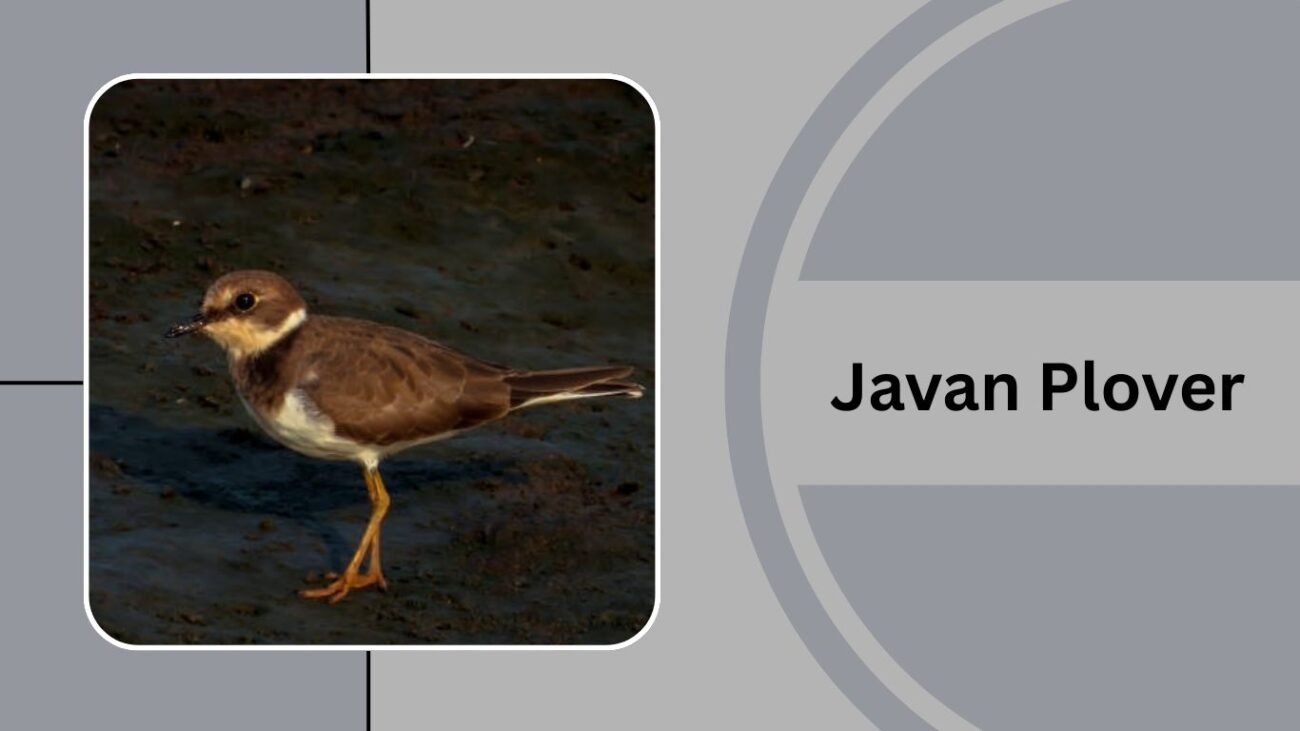
The Javan Plover (Charadrius javanicus) is a little-known plover species found in parts of Indonesia. It is closely related to other small coastal plovers but is recognized as a distinct species by its range and subtle differences in plumage.
Identification
- Size: 6–7 inches (15–18 cm)
- Wingspan: 12–13 inches (30–33 cm)
- Color: Sandy-brown above, white underparts, with a faint breast band and dark markings near the eyes
- Legs: Black
- Bill: Short, slender, and black
Habitat and Range
They are native to Indonesia, mainly Java, Sumatra, and nearby islands, where they inhabit coastal lagoons, beaches, and estuaries.
Behavior and Diet
Javan Plovers forage along sandy and muddy shores, feeding on insects, mollusks, and small crustaceans. They are typically seen in pairs or small groups, nesting directly on open sand.