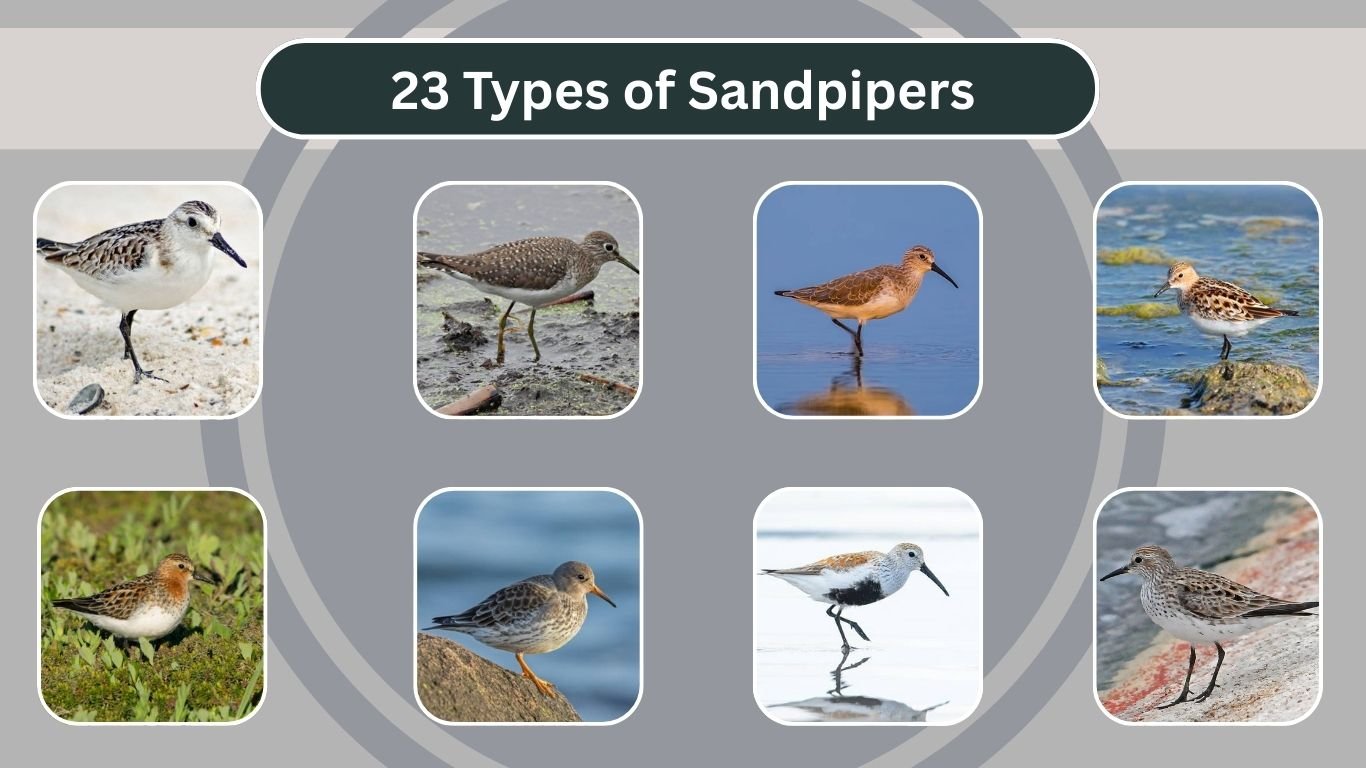
Sandpipers are a diverse group of shorebirds found worldwide, ranging from tiny stints to hardy species that thrive in the coldest coasts. Known for their long migrations, unique feeding behaviors, and varied habitats, sandpipers are fascinating to birdwatchers and researchers alike. This article explores 23 distinct types of sandpipers, covering their identification, range, and lifestyle to help you recognize and appreciate these remarkable birds.
1. Least Sandpiper

The Least Sandpiper (Calidris minutilla) is the smallest shorebird in the world, often found foraging along muddy shores, wetlands, and tidal flats. Despite its tiny size, this bird is a long-distance migrant, traveling thousands of miles between its Arctic breeding grounds and wintering areas in Central and South America. Its delicate build and distinctive coloration make it a fascinating species for birdwatchers.
Identification
- Size: About 5–6 inches long (13–15 cm)
- Wingspan: Roughly 10–11 inches (25–28 cm)
- Color: Brownish upperparts with darker streaks, white underparts
- Legs: Yellowish-green, a key feature distinguishing it from similar species
- Bill: Short, thin, and slightly decurved
Habitat and Range
Least Sandpipers breed in the tundra of North America and migrate southward to coastal mudflats, marshes, and inland wetlands. They prefer muddy edges where they can probe for small invertebrates.
Behavior and Diet
These sandpipers forage by picking at the surface or probing shallow mud for insects, crustaceans, and other invertebrates. They often move in small flocks, blending in with larger groups of migrating shorebirds.
2. Western Sandpiper

The Western Sandpiper (Calidris mauri) is one of the most abundant small shorebirds in North America. It is well-known for its long migratory journeys, often traveling from the Arctic to Central and South America. These birds are usually seen in flocks during migration, foraging actively on mudflats and estuaries.
Identification
- Size: About 6–7 inches (15–18 cm)
- Wingspan: 14–15 inches (36–38 cm)
- Color: Breeding plumage shows rufous tones on the head and back; nonbreeding plumage is grayish
- Legs: Black
- Bill: Longer and more downcurved than the Least Sandpiper’s
Habitat and Range
They breed in western Alaska and migrate along both North and South American coasts. Western Sandpipers favor mudflats, estuaries, and tidal lagoons during migration and winter.
Behavior and Diet
Western Sandpipers feed on small invertebrates, insects, and crustaceans. They forage by probing and pecking quickly, often in large, synchronized flocks.
3. Semipalmated Sandpiper
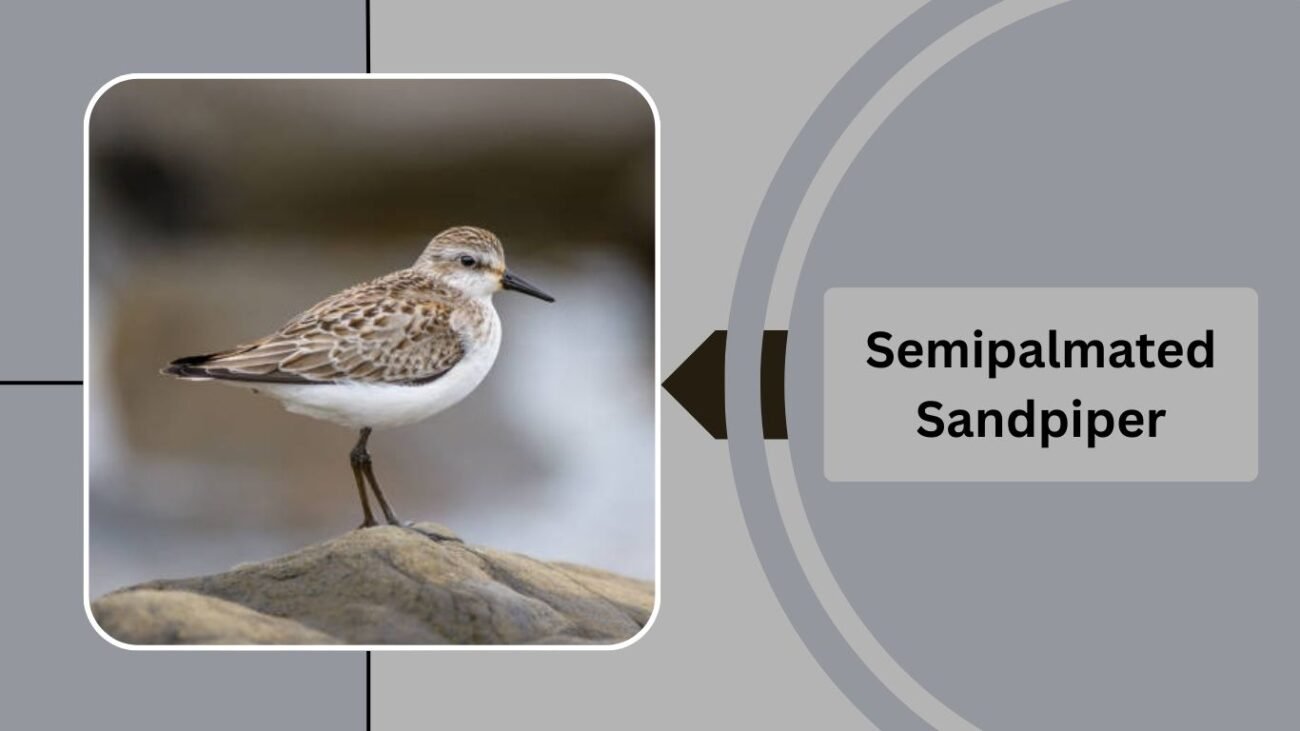
The Semipalmated Sandpiper (Calidris pusilla) is a tiny shorebird named for the small webs, or “semipalmations,” between its toes. It is one of the most numerous migratory sandpipers, traveling from the Arctic to South America each year.
Identification
- Size: About 5–6 inches (13–15 cm)
- Wingspan: 14 inches (35 cm)
- Color: Grayish-brown upperparts, white underparts; subtle streaking
- Legs: Black
- Bill: Short, straight, and stubby compared to other sandpipers
Habitat and Range
This species breeds in the Arctic tundra of Canada and Alaska. During migration, it is commonly found on mudflats, sandy beaches, and estuaries before wintering in the Caribbean and South America.
Behavior and Diet
Semipalmated Sandpipers forage in dense flocks, pecking and probing mudflats for worms, mollusks, and other small invertebrates. Their massive migratory gatherings are a spectacular sight.
4. White-rumped Sandpiper
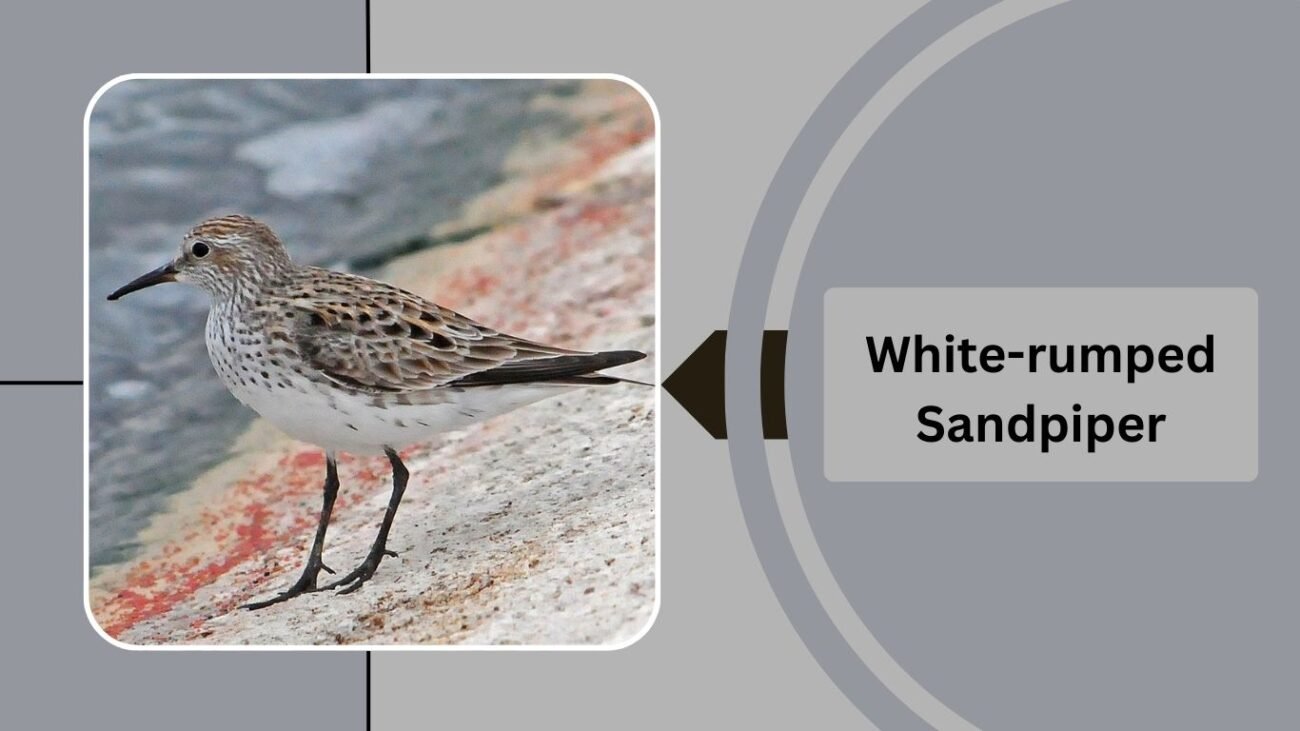
The White-rumped Sandpiper (Calidris fuscicollis) is a medium-sized shorebird best recognized by the white patch on its rump, which flashes during flight. It is one of the longest-distance migrants among sandpipers, traveling from Arctic Canada to as far south as southern South America.
Identification
- Size: 6.5–7.5 inches (16–19 cm)
- Wingspan: 14–15 inches (36–39 cm)
- Color: Brown-gray upperparts with streaked breast; white belly; distinctive white rump visible in flight
- Legs: Black
- Bill: Medium length, slightly downcurved
Habitat and Range
Breeding occurs in the high Arctic tundra, particularly in northeastern Canada. On migration, they frequent mudflats, shores, and wetlands, with wintering grounds extending across southern South America, especially in Argentina and Chile.
Behavior and Diet
White-rumped Sandpipers forage actively on mudflats, often mixing with other small shorebirds. They probe for insects, mollusks, and aquatic invertebrates. Their incredibly long migration, covering up to 10,000 km, showcases their stamina and adaptability.
5. Baird’s Sandpiper
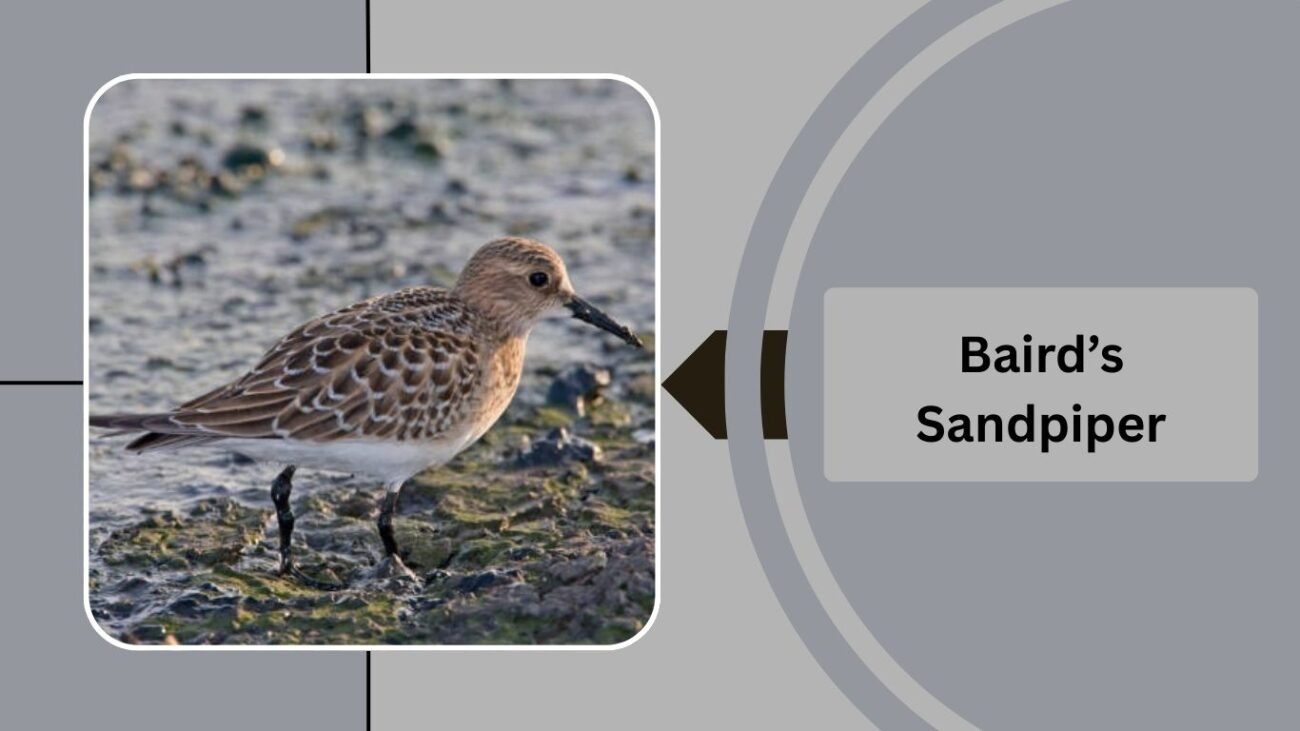
The Baird’s Sandpiper (Calidris bairdii) is a graceful, long-winged shorebird that breeds in the Arctic and migrates to South America. It is noted for its slim body, elongated wings, and subtle brown coloration, which helps it blend into tundra and sandy habitats.
Identification
- Size: 6–7.5 inches (15–19 cm)
- Wingspan: 14–15 inches (36–38 cm)
- Color: Brown upperparts with buff and streaked breast, fading to white belly
- Legs: Black
- Bill: Medium length, straight, and thin
Habitat and Range
Baird’s Sandpipers breed on dry, rocky tundra in Alaska and Canada. They migrate through North America, stopping on grasslands, beaches, and mudflats, before reaching wintering grounds in South America, especially the Andes.
Behavior and Diet
They forage mainly by probing and gleaning for insects, larvae, and small crustaceans. Baird’s Sandpipers are solitary or found in small groups during migration, often standing out due to their slender, long-winged appearance.
6. Pectoral Sandpiper
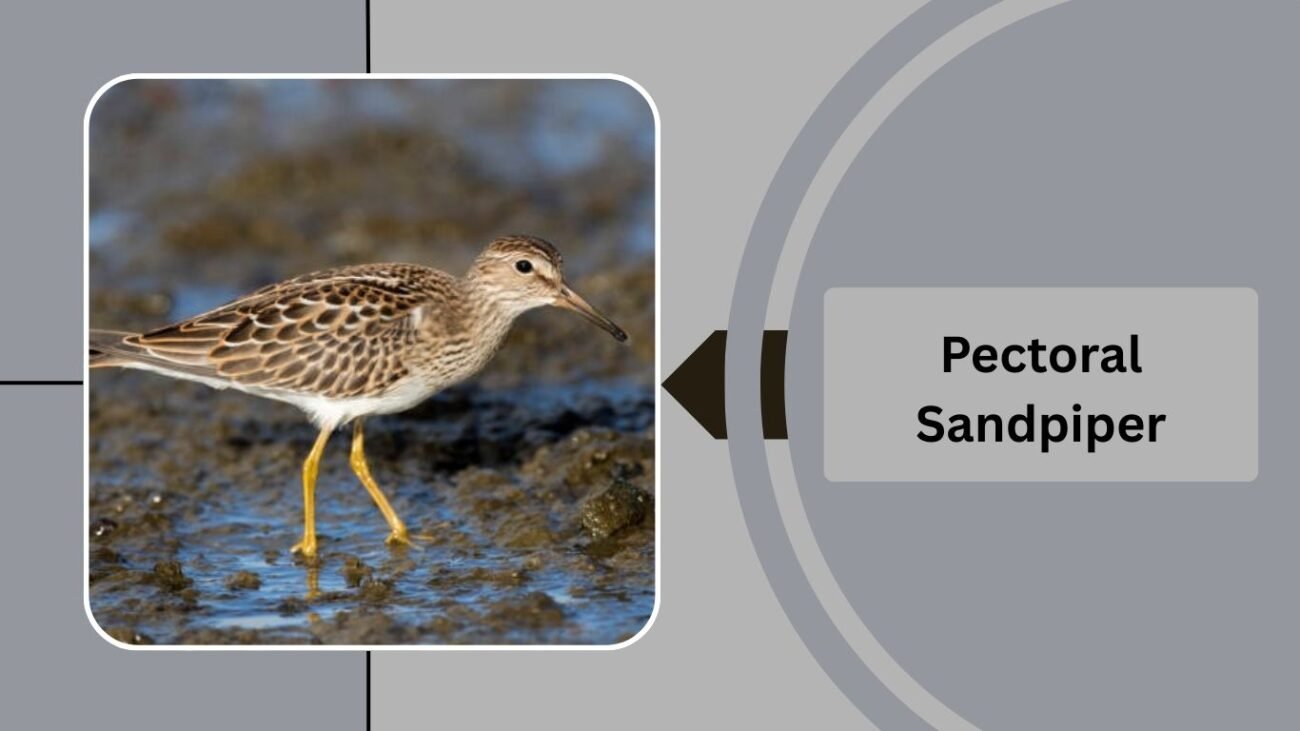
The Pectoral Sandpiper (Calidris melanotos) is a medium-sized shorebird recognized for its sharp demarcation between the streaked breast and white belly. Males perform a unique courtship display, inflating their chest to produce a low-pitched “hooting” sound while flying.
Identification
- Size: 8–9 inches (20–23 cm)
- Wingspan: 18 inches (46 cm)
- Color: Brown-streaked breast with a clean white belly; mottled brown back
- Legs: Yellowish-green
- Bill: Medium length, slightly downcurved at the tip
Habitat and Range
They breed in the tundra of Alaska and northeastern Siberia. Migratory routes extend across North America, with wintering grounds in South America, particularly in Argentina, Paraguay, and Brazil.
Behavior and Diet
Pectoral Sandpipers forage on mudflats, grasslands, and marshes, feeding on insects, worms, and seeds. Males are polygynous, mating with multiple females but providing no parental care, a rare behavior among sandpipers.
7. Sharp-tailed Sandpiper
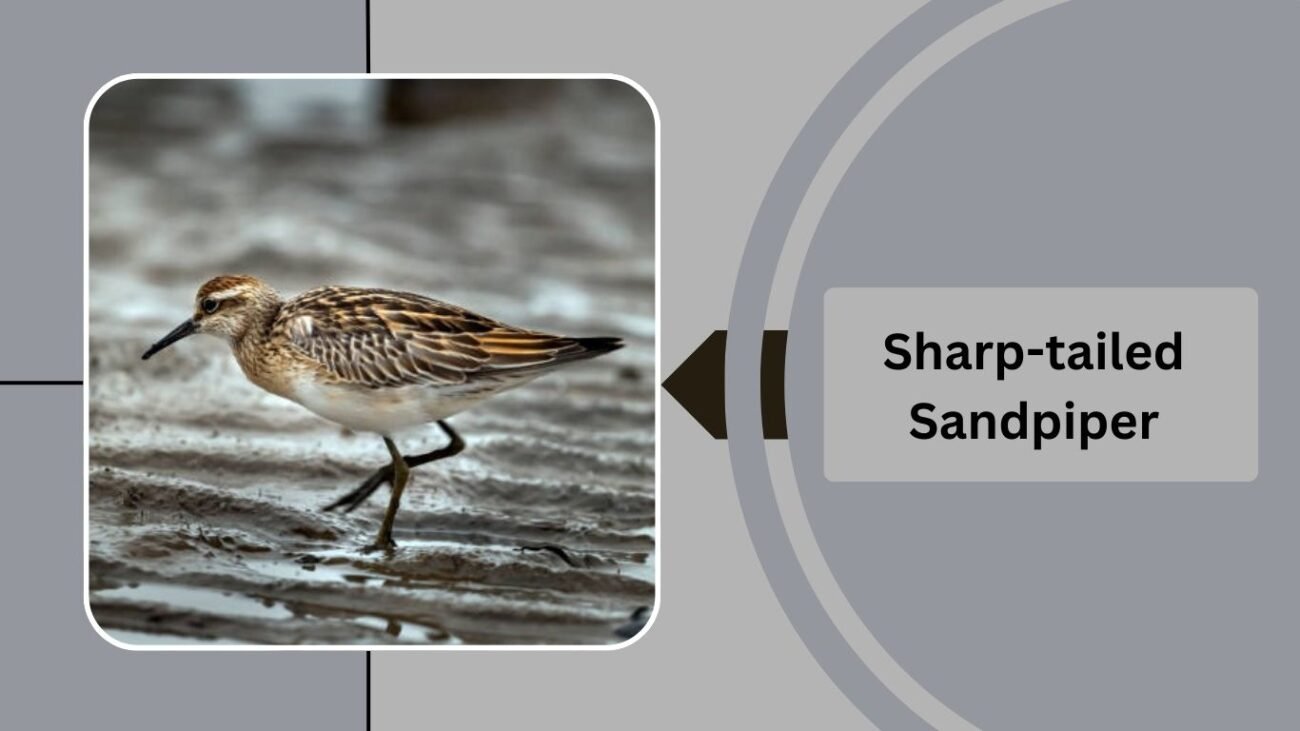
The Sharp-tailed Sandpiper (Calidris acuminata) is an elegant shorebird native to Siberia, occasionally seen as a vagrant in North America. It is named for the distinctive, pointed appearance of its tail feathers.
Identification
- Size: 7–9 inches (18–23 cm)
- Wingspan: 16–18 inches (41–45 cm)
- Color: Rich rufous crown, streaked breast, and scaly-patterned back with chestnut edges
- Legs: Greenish-yellow
- Bill: Medium length, slightly downcurved
Habitat and Range
They breed in northeastern Siberia and migrate mainly to Australasia, wintering in Australia and Southeast Asia. Rarely, they appear in North America during migration, especially along the Pacific Coast.
Behavior and Diet
Sharp-tailed Sandpipers forage in wetlands and grassy marshes, feeding on insects, mollusks, and aquatic plants. They are often seen in flocks and can mix with other migratory shorebirds, showing an active feeding style of probing and picking.
8. Curlew Sandpiper
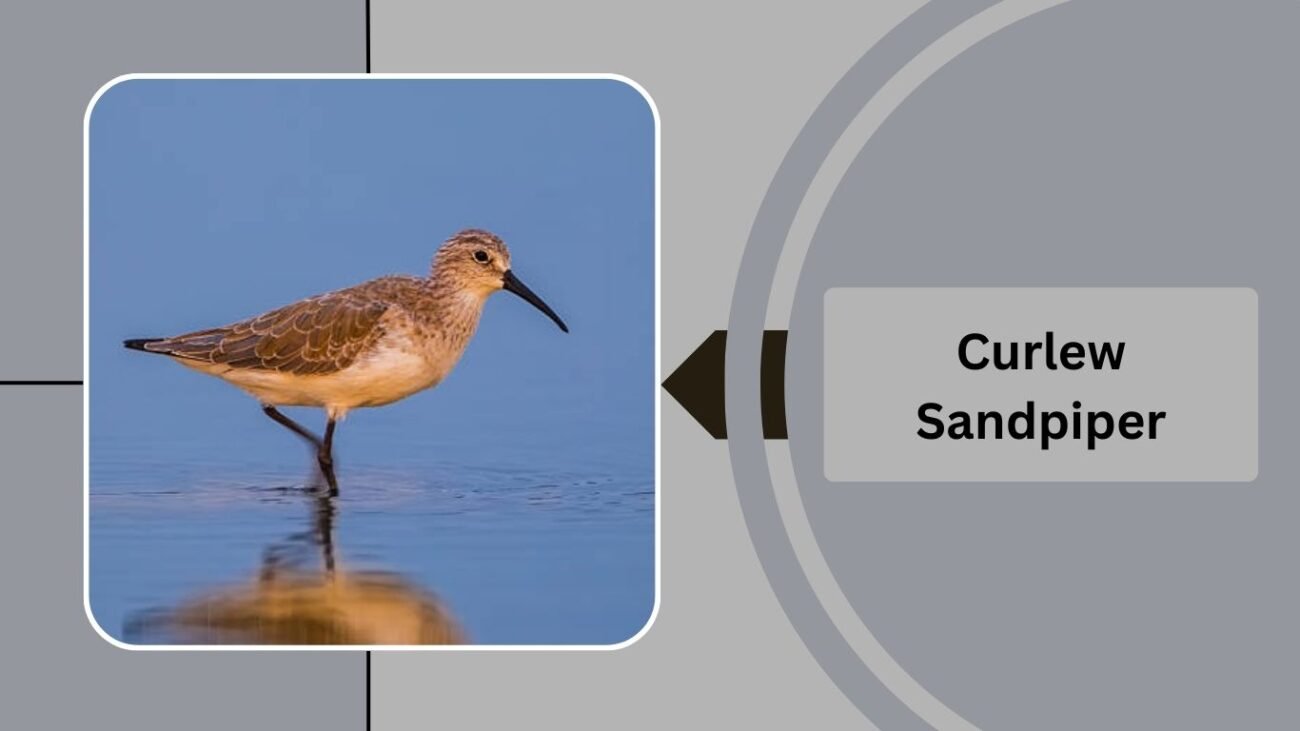
The Curlew Sandpiper (Calidris ferruginea) is a striking wader, especially in breeding plumage when it turns a rich chestnut-red. Its slightly downcurved bill resembles that of a curlew, which inspired its name.
Identification
- Size: 7–9 inches (18–23 cm)
- Wingspan: 14–16 inches (36–41 cm)
- Color: Breeding plumage deep chestnut-red; nonbreeding plumage gray above and white below
- Legs: Black
- Bill: Long, slender, and distinctly downcurved
Habitat and Range
They breed in the Arctic tundra of Siberia. During migration, they travel great distances to wintering grounds in Africa, South Asia, and Australasia. They are occasional visitors to Europe and North America.
Behavior and Diet
Curlew Sandpipers feed on insects, mollusks, worms, and crustaceans by probing in soft mud. They are highly gregarious, often forming large flocks with other sandpiper species during migration.
9. Dunlin
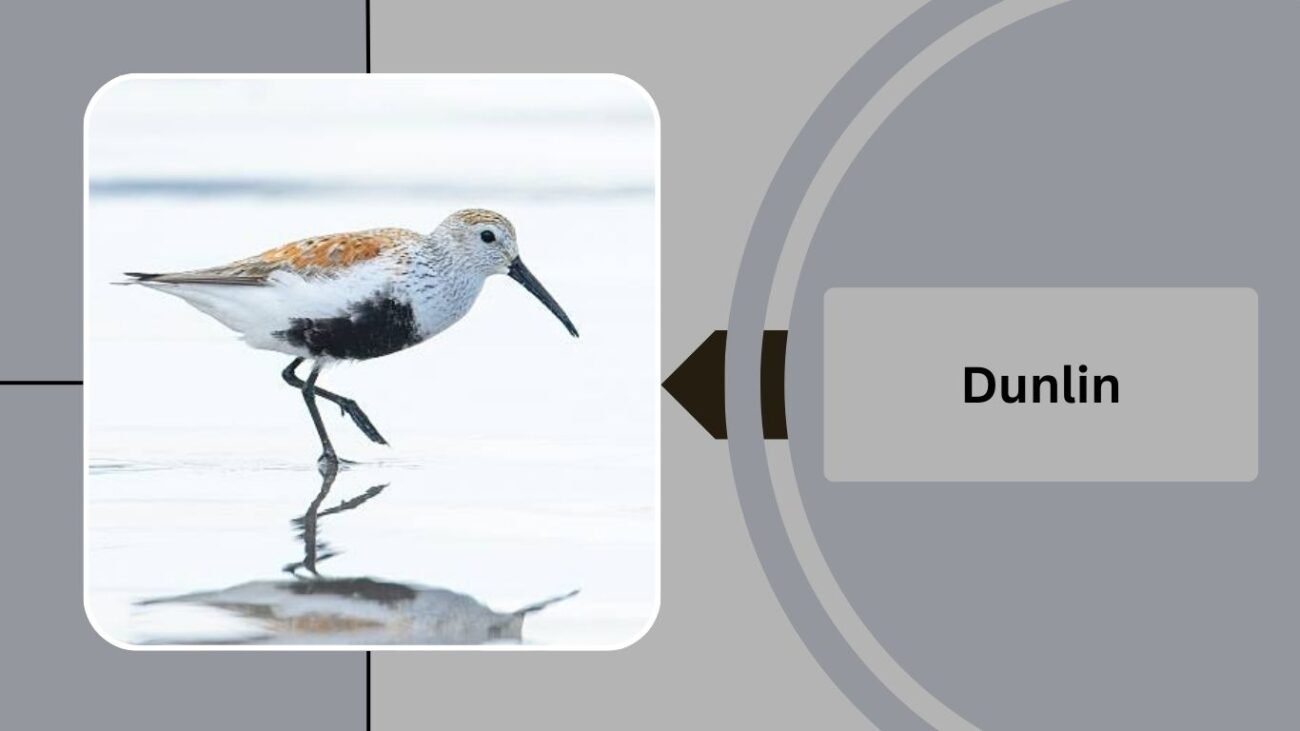
The Dunlin (Calidris alpina) is one of the most widespread and recognizable sandpipers. In breeding season, its distinctive black belly patch and rufous back make it easy to identify.
Identification
- Size: 7–9 inches (17–22 cm)
- Wingspan: 14–15 inches (35–38 cm)
- Color: Breeding plumage shows rufous back and black belly patch; nonbreeding plumage is gray and white
- Legs: Black
- Bill: Medium length, fairly slender, slightly decurved
Habitat and Range
Dunlins breed in Arctic and subarctic regions across North America, Europe, and Asia. They migrate southward to coastal mudflats, estuaries, and marshes in Africa, South America, and southern Asia.
Behavior and Diet
They forage by probing in mud or shallow water, feeding on insects, worms, snails, and small crustaceans. Dunlins often gather in massive flocks during migration, creating spectacular aerial displays.
10. Stilt Sandpiper
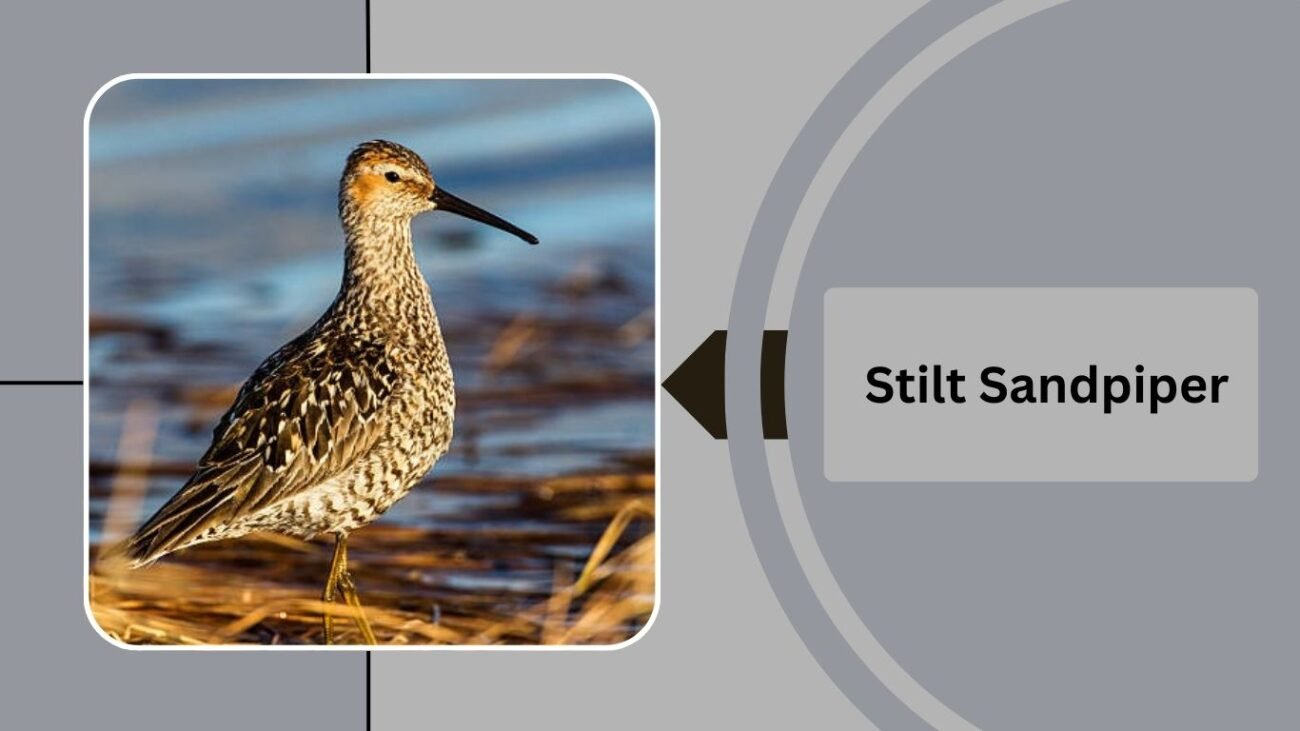
The Stilt Sandpiper (Calidris himantopus) is a slender shorebird that resembles a smaller version of a yellowlegs due to its long legs and slightly downcurved bill. It is graceful in both appearance and feeding behavior.
Identification
- Size: 8–9 inches (20–23 cm)
- Wingspan: 17 inches (43 cm)
- Color: Breeding plumage shows mottled brown upperparts with a reddish wash and barred underparts; nonbreeding plumage is gray above and white below
- Legs: Greenish-yellow, long and slender
- Bill: Medium to long, slightly decurved
Habitat and Range
They breed in the Arctic tundra of northern Canada and Alaska. Wintering grounds extend across South America, particularly in Argentina and Brazil, with stopovers on inland wetlands and coastal mudflats in the U.S. during migration.
Behavior and Diet
Stilt Sandpipers forage by probing shallow water for insects, worms, and small crustaceans. They often wade deeper than other small sandpipers, showing more resemblance to yellowlegs and dowitchers in their feeding style.
11. Rock Sandpiper
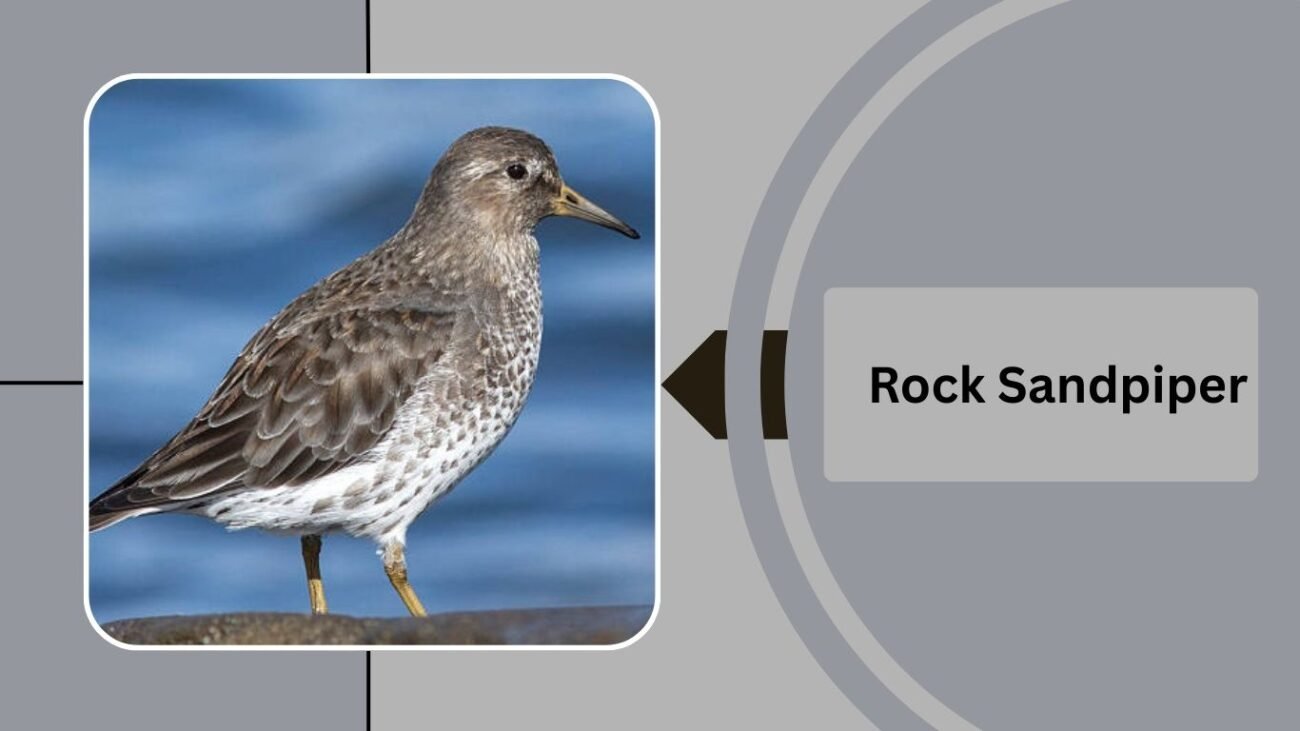
The Rock Sandpiper (Calidris ptilocnemis) is a hardy shorebird that thrives in cold northern habitats, often found on rocky coastlines where few other sandpipers can survive.
Identification
- Size: 8–9.5 inches (20–24 cm)
- Wingspan: 16–17 inches (40–43 cm)
- Color: Grayish-brown back, streaked breast, white belly; breeding plumage may show reddish tones on the back
- Legs: Yellow to greenish
- Bill: Medium length, straight, slightly drooping at the tip
Habitat and Range
They breed in western Alaska and parts of Siberia, preferring tundra regions. In winter, they remain farther north than most sandpipers, staying along rocky, algae-covered coastlines of Alaska and the Pacific Northwest.
Behavior and Diet
Rock Sandpipers forage on rocky shores and intertidal zones, feeding on mollusks, marine worms, crustaceans, and algae. Their tolerance for harsh, icy environments sets them apart from other sandpipers.
12. Purple Sandpiper
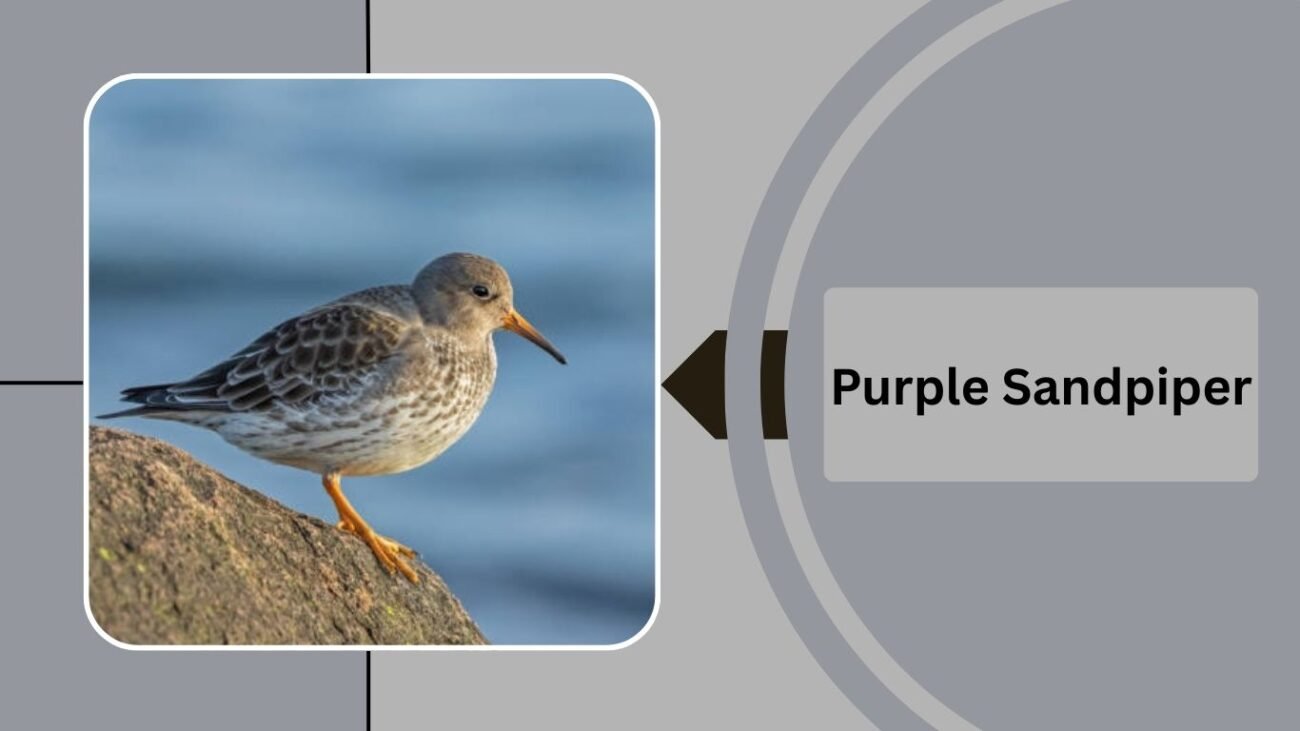
The Purple Sandpiper (Calidris maritima) is a tough, cold-weather shorebird often found along rocky Atlantic coasts in winter. Its name comes from the subtle purplish sheen on its feathers when seen in good light.
Identification
- Size: 8–9 inches (20–23 cm)
- Wingspan: 16–17 inches (40–43 cm)
- Color: Dark grayish-brown plumage with faint purplish gloss; paler belly; yellow base to bill
- Legs: Yellow-orange
- Bill: Medium length, slightly downcurved with yellow at the base
Habitat and Range
They breed in the Arctic tundra of Canada, Greenland, Iceland, and northern Europe. In winter, they move to rocky coasts along the North Atlantic, from northeastern North America to Western Europe.
Behavior and Diet
Purple Sandpipers are hardy foragers on rocky shorelines, feeding on mollusks, marine worms, and crustaceans. They often forage among crashing waves, showing remarkable resilience in harsh conditions.
13. Buff-breasted Sandpiper
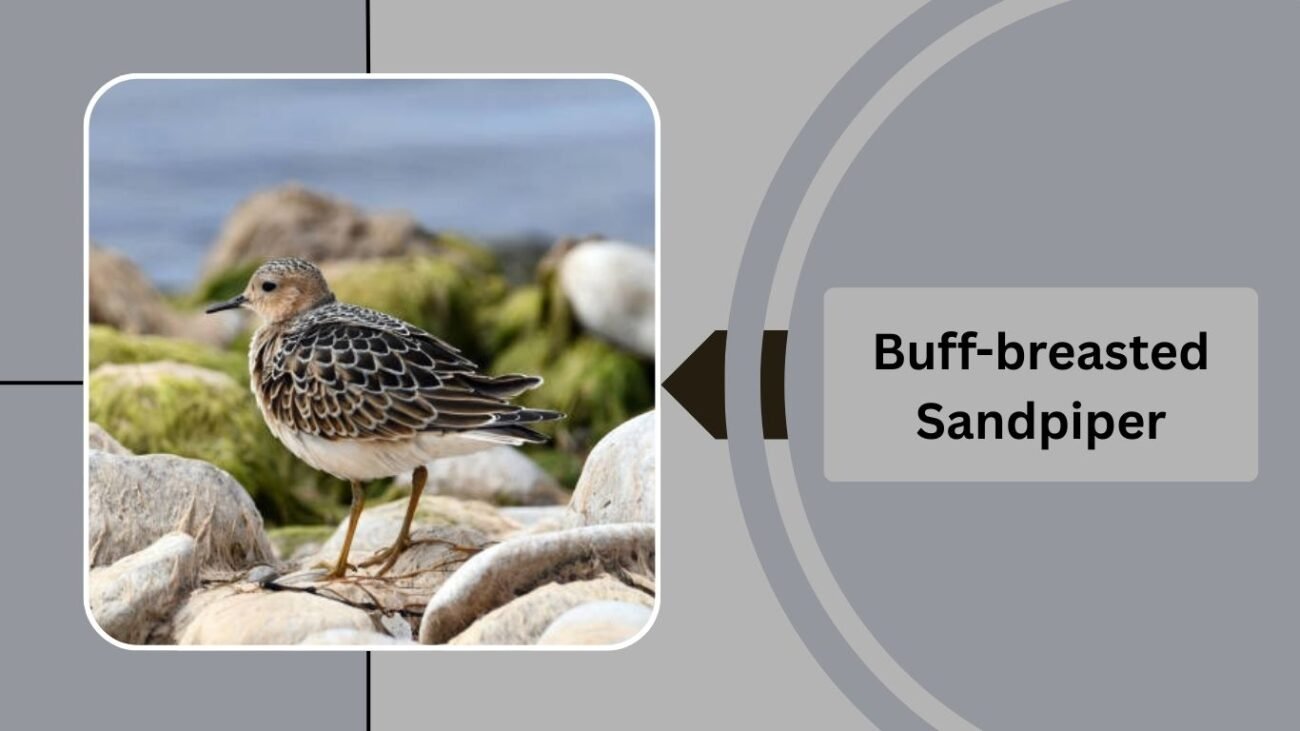
The Buff-breasted Sandpiper (Calidris subruficollis) is a grassland shorebird with buff-colored plumage, giving it a soft, warm-toned appearance. Unlike many sandpipers, it prefers dry prairies and tundra rather than mudflats.
Identification
- Size: 7–8 inches (18–20 cm)
- Wingspan: 15–17 inches (38–43 cm)
- Color: Pale buff breast and face; brown upperparts; white belly
- Legs: Yellow-green
- Bill: Short, straight, and dark
Habitat and Range
They breed in the Arctic tundra of North America and Siberia, migrating through the central plains of North America. Wintering grounds extend to South America, mainly in Argentina, Uruguay, and Paraguay.
Behavior and Diet
Buff-breasted Sandpipers forage on dry tundra, fields, and grasslands, feeding on insects and spiders. During courtship, males display in leks, spreading wings and performing dances to attract females.
14. Broad-billed Sandpiper
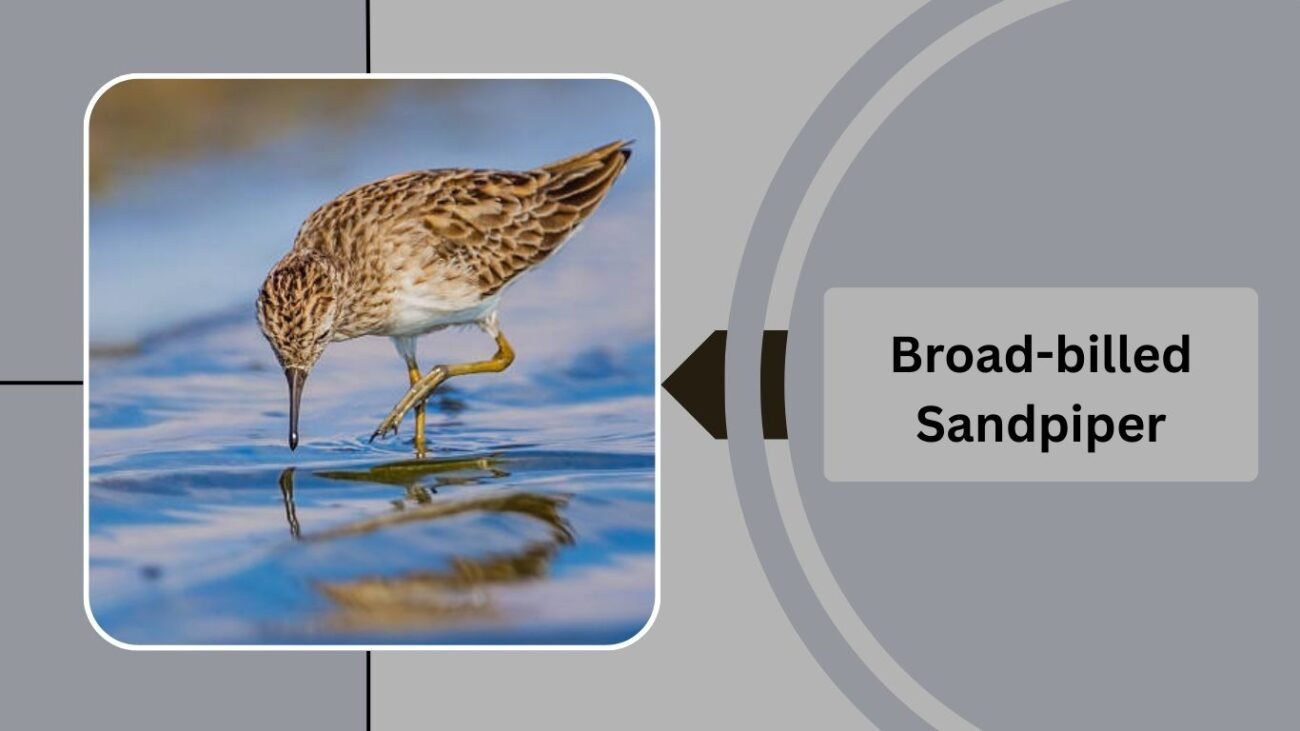
The Broad-billed Sandpiper (Calidris falcinellus) is a small, distinctive shorebird named for its relatively wide, flattened bill. Though uncommon in North America, it is regularly observed across Eurasia.
Identification
- Size: 6.5–7 inches (16–18 cm)
- Wingspan: 13–14 inches (33–36 cm)
- Color: Breeding plumage shows streaked head with a bold white eyebrow; grayish-brown upperparts; whitish underparts
- Legs: Dark gray to black
- Bill: Short, broad at the base, slightly downcurved
Habitat and Range
They breed in northern Scandinavia and Siberia, migrating south through Europe, Africa, South Asia, and Southeast Asia to wintering grounds in India, Sri Lanka, and Australia.
Behavior and Diet
Broad-billed Sandpipers forage in shallow wetlands, mudflats, and tidal areas. They feed on insects, small mollusks, and aquatic larvae, often probing rapidly in wet mud.
15. Temminck’s Stint
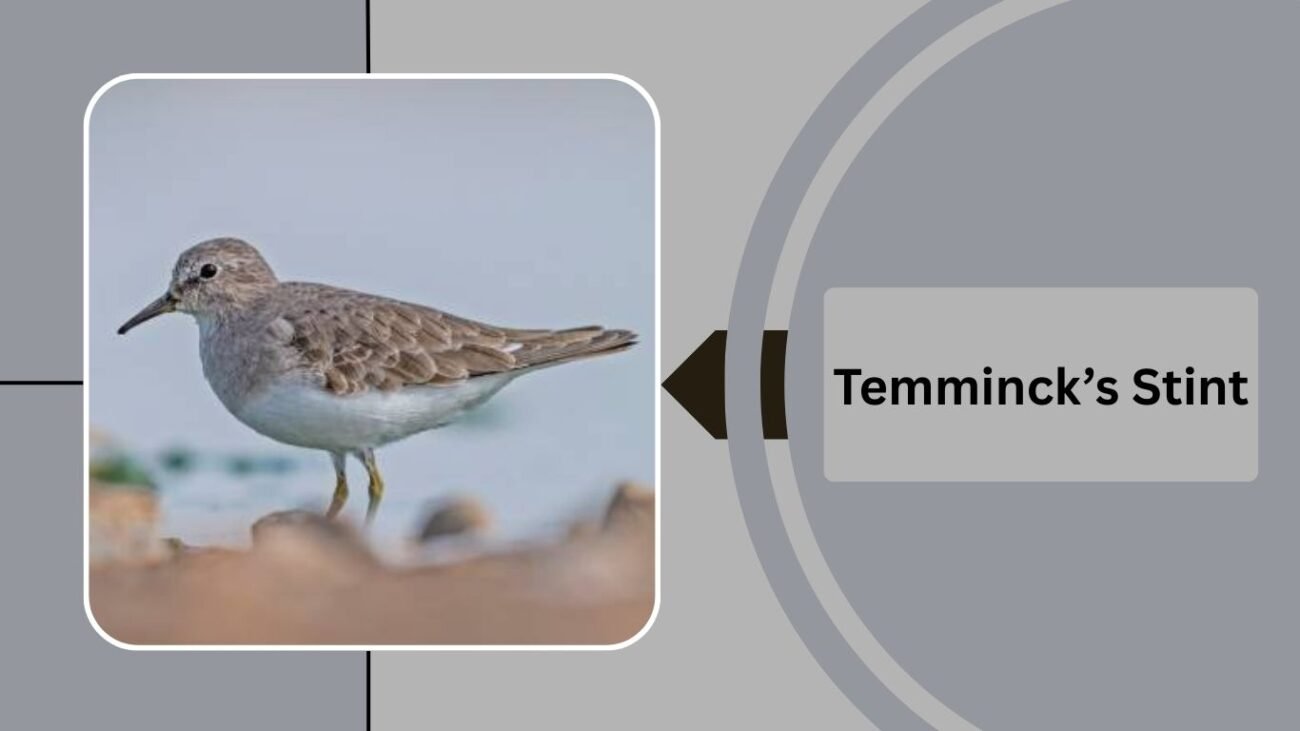
Temminck’s Stint (Calidris temminckii) is a tiny sandpiper named after the Dutch naturalist Coenraad Temminck. It is distinguished by its subtle plumage and a characteristic tail-flicking behavior.
Identification
- Size: 5.5–6 inches (14–15 cm)
- Wingspan: 12–13 inches (30–33 cm)
- Color: Breeding plumage is gray-brown above with fine streaking; nonbreeding is plainer gray; white underparts
- Legs: Yellowish-green
- Bill: Short, thin, and straight
Habitat and Range
They breed in northern Europe and Siberia, favoring tundra marshes. Wintering occurs in Africa, the Middle East, and South Asia. Rare individuals sometimes appear in western Europe and North America.
Behavior and Diet
Temminck’s Stints feed along muddy shorelines, foraging for insects, larvae, and small crustaceans. Unlike many sandpipers, they often feed alone or in small numbers rather than large flocks.
16. Little Stint
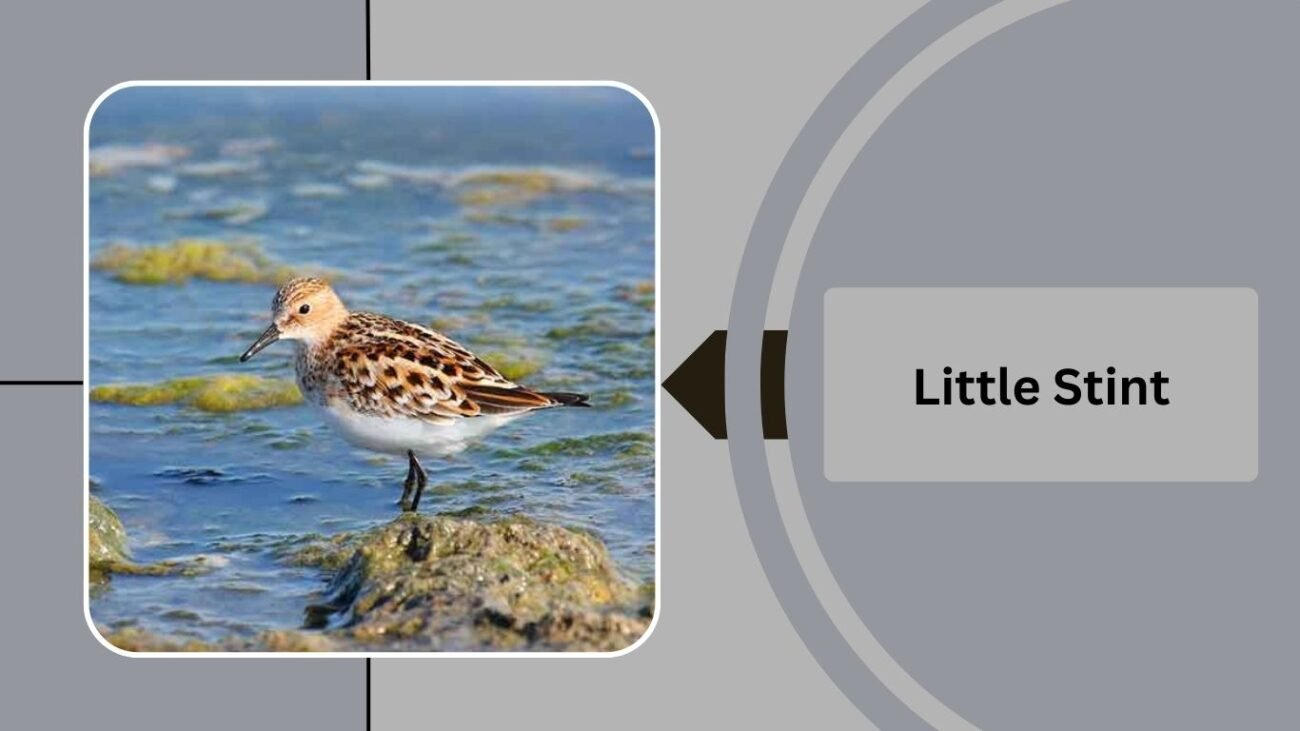
The Little Stint (Calidris minuta) is one of the smallest sandpipers, well-known for its restless feeding behavior and impressive long-distance migrations. Despite its tiny size, it travels from Arctic breeding grounds to Africa and South Asia every year.
Identification
- Size: 5.5–6 inches (13–15 cm)
- Wingspan: 11–12 inches (28–30 cm)
- Color: Breeding plumage has rufous tones on the back and head with dark streaks; nonbreeding plumage is pale gray above and white below
- Legs: Black
- Bill: Short, thin, and straight
Habitat and Range
They breed in the high Arctic regions of northern Europe and Asia. Migration routes extend across Europe, the Middle East, and Asia to wintering areas in Africa, India, and Southeast Asia.
Behavior and Diet
Little Stints forage rapidly on mudflats and shallow wetlands, pecking for insects, larvae, and small crustaceans. They are highly gregarious during migration, often found in mixed flocks with other small sandpipers.
17. Spoon-billed Sandpiper
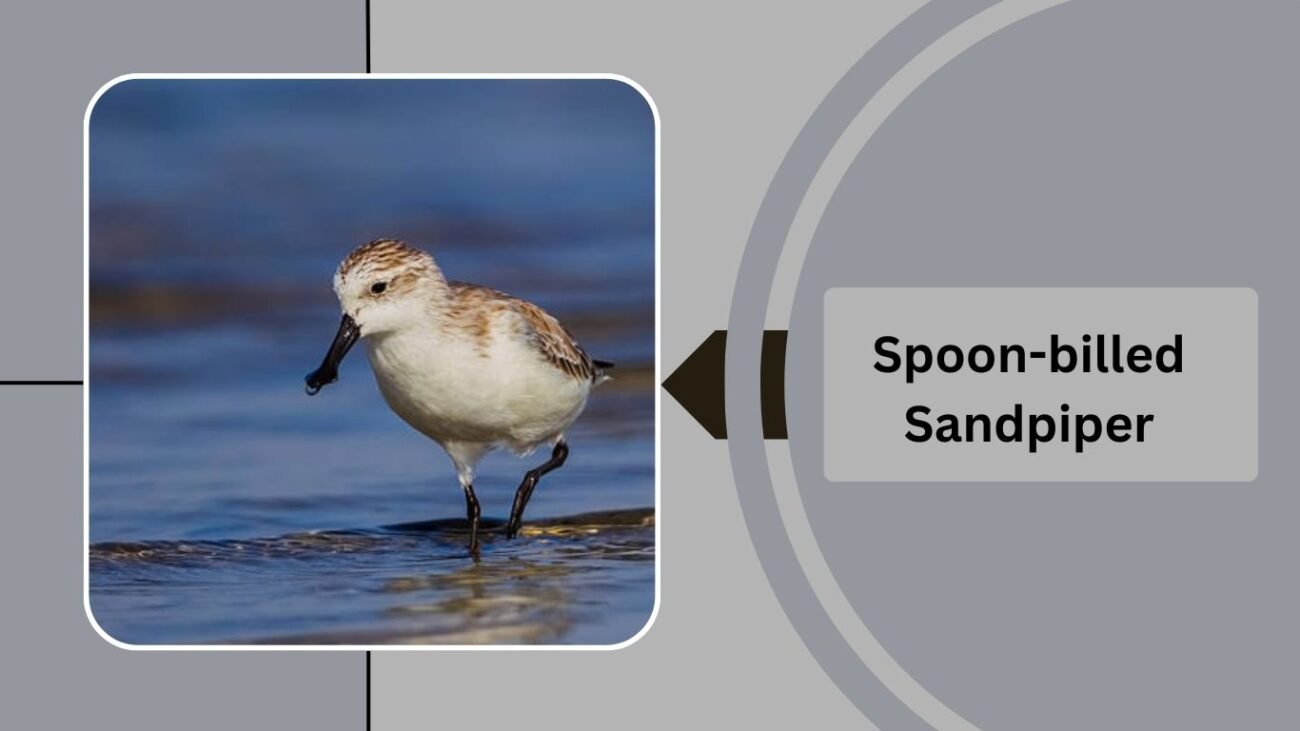
The Spoon-billed Sandpiper (Calidris pygmaea) is a critically endangered species, famous for its unique spatula-shaped bill. With fewer than 1,000 individuals remaining, it is one of the rarest sandpipers in the world.
Identification
- Size: 5.5–6.5 inches (14–16 cm)
- Wingspan: 12–13 inches (30–33 cm)
- Color: Breeding plumage has rich chestnut on the head and breast with dark upperparts; nonbreeding plumage is pale gray with white underparts
- Legs: Black
- Bill: Short with a broad, spoon-shaped tip
Habitat and Range
They breed in the remote tundra of northeastern Russia, particularly Chukotka. Wintering grounds include coastal Southeast Asia, especially Bangladesh, Myanmar, and Thailand, though habitat loss threatens their survival.
Behavior and Diet
Spoon-billed Sandpipers forage on tidal mudflats, using their specialized bill to sweep through the mud for small crustaceans, worms, and aquatic insects. They are solitary or in small groups, unlike the large flocks typical of other sandpipers.
18. Red-necked Stint
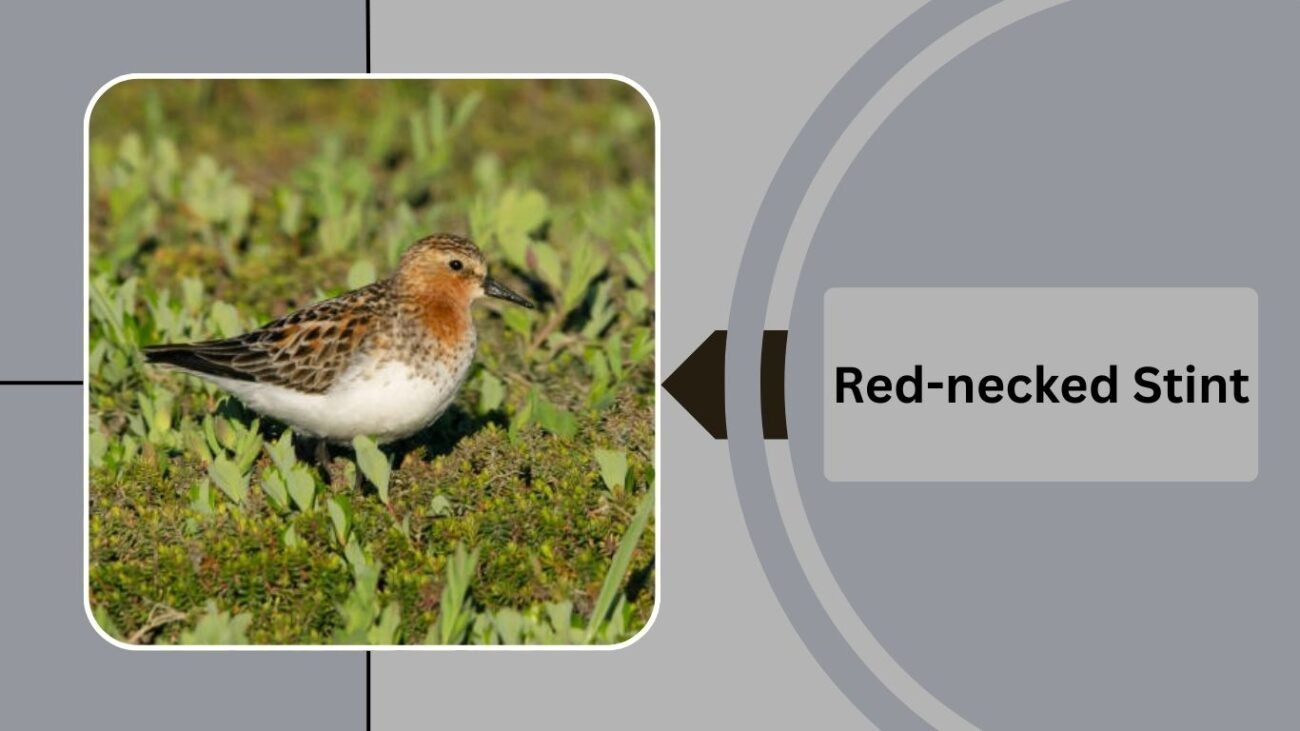
The Red-necked Stint (Calidris ruficollis) is a tiny but hardy sandpiper, most recognizable in breeding plumage when its throat and neck turn a rich reddish color. It is one of the most abundant small shorebirds in Asia and Australasia.
Identification
- Size: 5.5–6 inches (14–15 cm)
- Wingspan: 11–12 inches (28–30 cm)
- Color: Breeding plumage shows rufous throat, face, and neck with dark streaked back; nonbreeding plumage is gray above and white below
- Legs: Black
- Bill: Short, thin, straight
Habitat and Range
They breed in northeastern Siberia and migrate southward to Southeast Asia, Australia, and New Zealand. They are often observed in massive flocks along estuaries and mudflats during migration.
Behavior and Diet
Red-necked Stints forage actively on tidal flats and marshes, feeding on insects, small crustaceans, and worms. They are highly social, often forming huge flocks that synchronize movements while feeding or flying.
19. Long-toed Stint
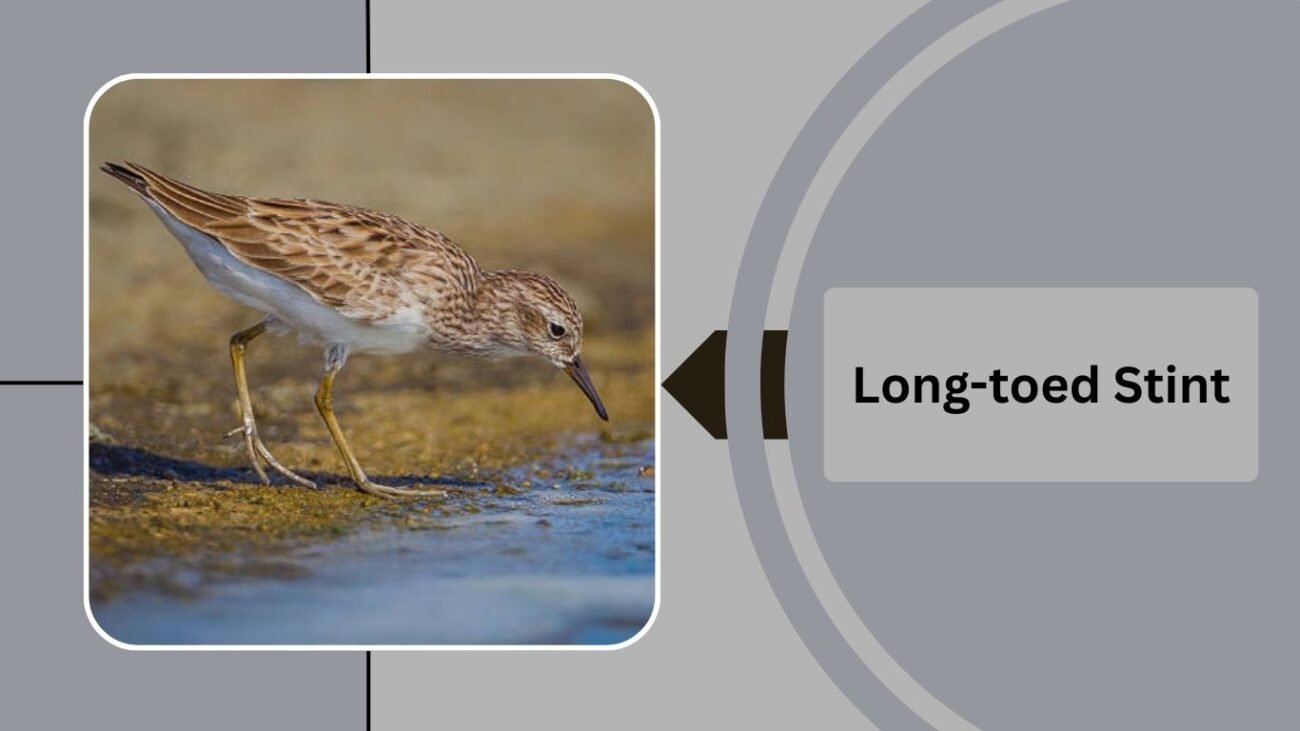
The Long-toed Stint (Calidris subminuta) is a small sandpiper named for its elongated toes, which help it forage in marshy and vegetated wetlands. It is less common than other stints but occasionally recorded as a vagrant outside its usual range.
Identification
- Size: 5.5–6 inches (14–15 cm)
- Wingspan: 11–12 inches (28–30 cm)
- Color: Breeding plumage shows rufous back with dark streaks and a buffy chest; nonbreeding plumage is gray-brown above with white underparts
- Legs: Yellowish-green
- Bill: Short, straight, thin
Habitat and Range
They breed in northeastern Siberia. During migration, they move to South and Southeast Asia, with wintering grounds in India, Bangladesh, and northern Australia. Rare sightings occur in Europe and North America.
Behavior and Diet
Long-toed Stints forage in shallow marshes, rice paddies, and grassy wetlands, feeding on insects, larvae, and tiny mollusks. They are usually solitary or found in small groups rather than large flocks.
20. Sanderling
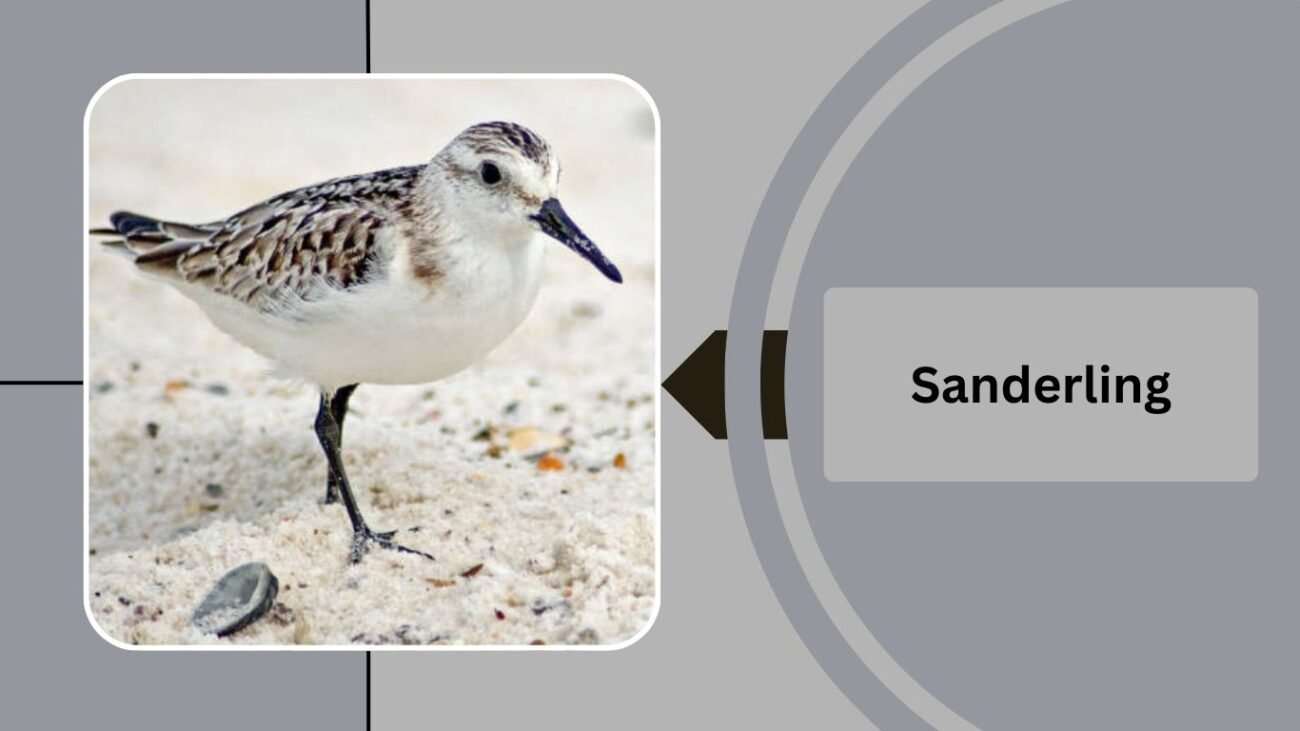
The Sanderling (Calidris alba) is a familiar sandpiper often seen racing back and forth with the waves on sandy beaches. Its energetic behavior and pale plumage make it one of the easiest shorebirds to recognize.
Identification
- Size: 7–8 inches (18–21 cm)
- Wingspan: 13–14 inches (33–36 cm)
- Color: Breeding plumage shows rufous head and back with black streaks; nonbreeding plumage is very pale gray above and white below
- Legs: Black
- Bill: Medium length, straight, and black
Habitat and Range
They breed in the high Arctic tundra of North America, Europe, and Asia. In winter, they are found worldwide on sandy beaches, from the Americas to Africa, Asia, and Australia.
Behavior and Diet
Sanderlings feed mainly on marine invertebrates, insects, and small crustaceans. They are famous for their “wave-chasing” feeding style, darting in and out of surf zones as waves recede.
21. Green Sandpiper
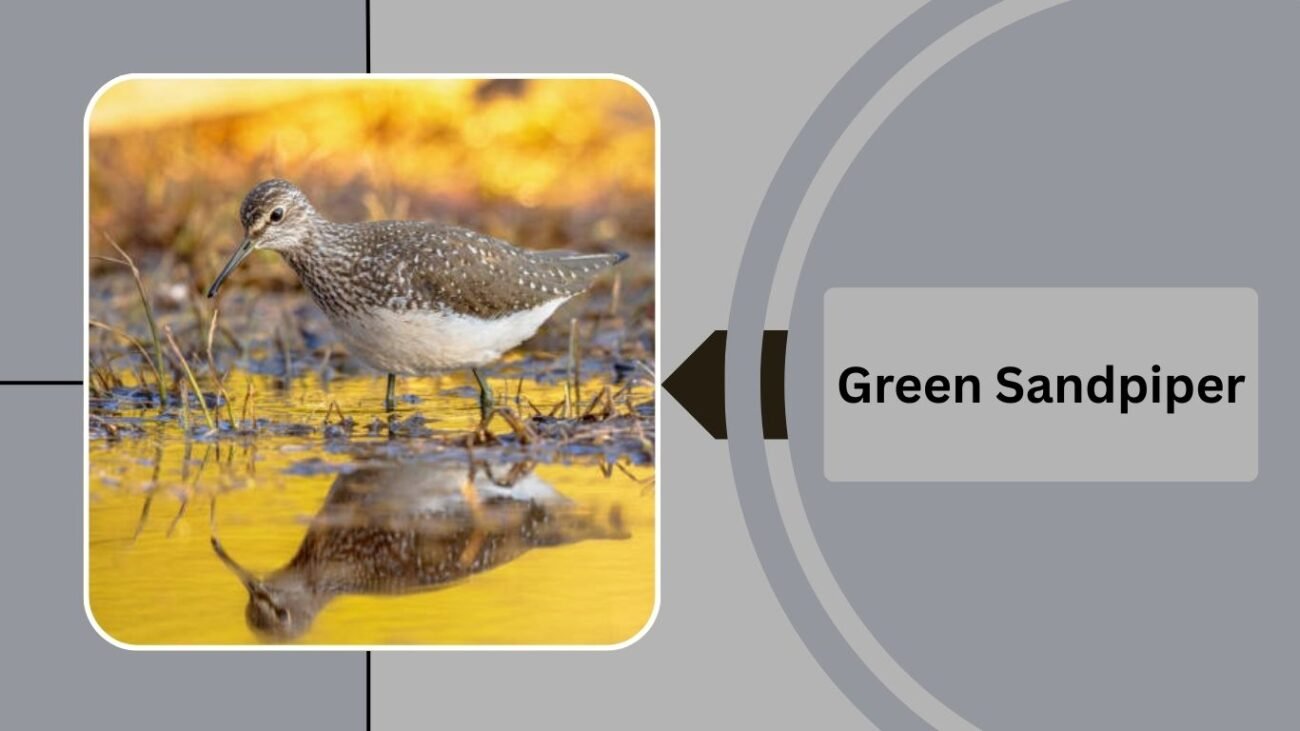
The Green Sandpiper (Tringa ochropus) is a distinctive shorebird with dark greenish-brown plumage and a unique preference for freshwater habitats, unlike most sandpipers that favor coastal zones.
Identification
- Size: 8.5–9.5 inches (22–24 cm)
- Wingspan: 16–18 inches (40–45 cm)
- Color: Dark greenish-brown back, white belly, and streaked chest; conspicuous white rump in flight
- Legs: Greenish-gray
- Bill: Medium length, straight, and dark
Habitat and Range
They breed in the boreal forests and wetlands of northern Europe and Siberia, often nesting in old tree nests abandoned by other birds. In winter, they migrate to southern Europe, Africa, South Asia, and Southeast Asia.
Behavior and Diet
Green Sandpipers forage along freshwater marshes, rivers, and ponds, feeding on insects, worms, and small aquatic creatures. They are usually solitary and display strong, rapid flight when disturbed.
22. Wood Sandpiper
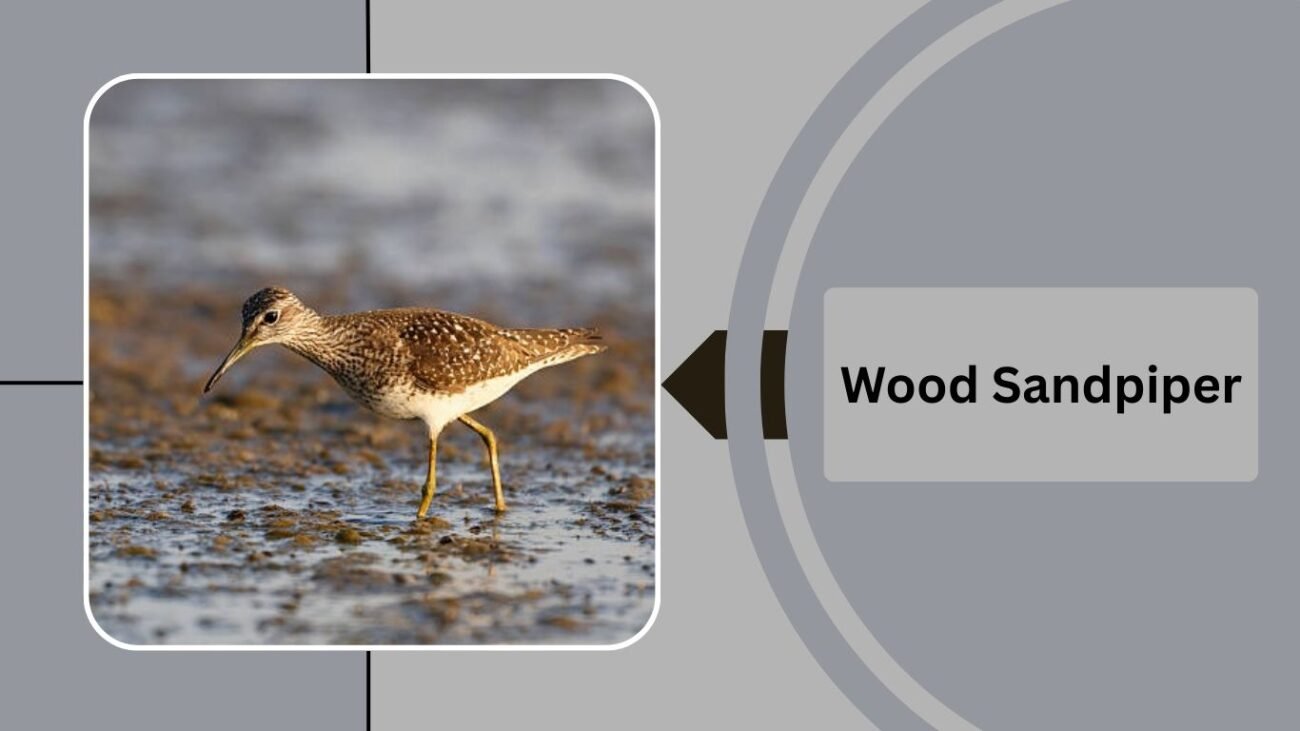
The Wood Sandpiper (Tringa glareola) is a graceful, medium-sized sandpiper often found in freshwater wetlands. Its spotted back and slender build give it a delicate appearance compared to other shorebirds.
Identification
- Size: 8–9 inches (20–23 cm)
- Wingspan: 16–18 inches (40–45 cm)
- Color: Brown back with white spots, pale underparts, and streaked breast
- Legs: Greenish-yellow, relatively long
- Bill: Medium length, straight, slightly tapering
Habitat and Range
They breed in northern Europe and Siberia, preferring marshy tundra and boreal wetlands. In winter, they migrate to Africa, South Asia, and Southeast Asia, frequenting rice paddies, ponds, and marshes.
Behavior and Diet
Wood Sandpipers forage along shallow waters, feeding on insects, small crustaceans, and worms. They are often solitary but can also appear in small groups, showing graceful, deliberate movements when feeding.
23. Solitary Sandpiper
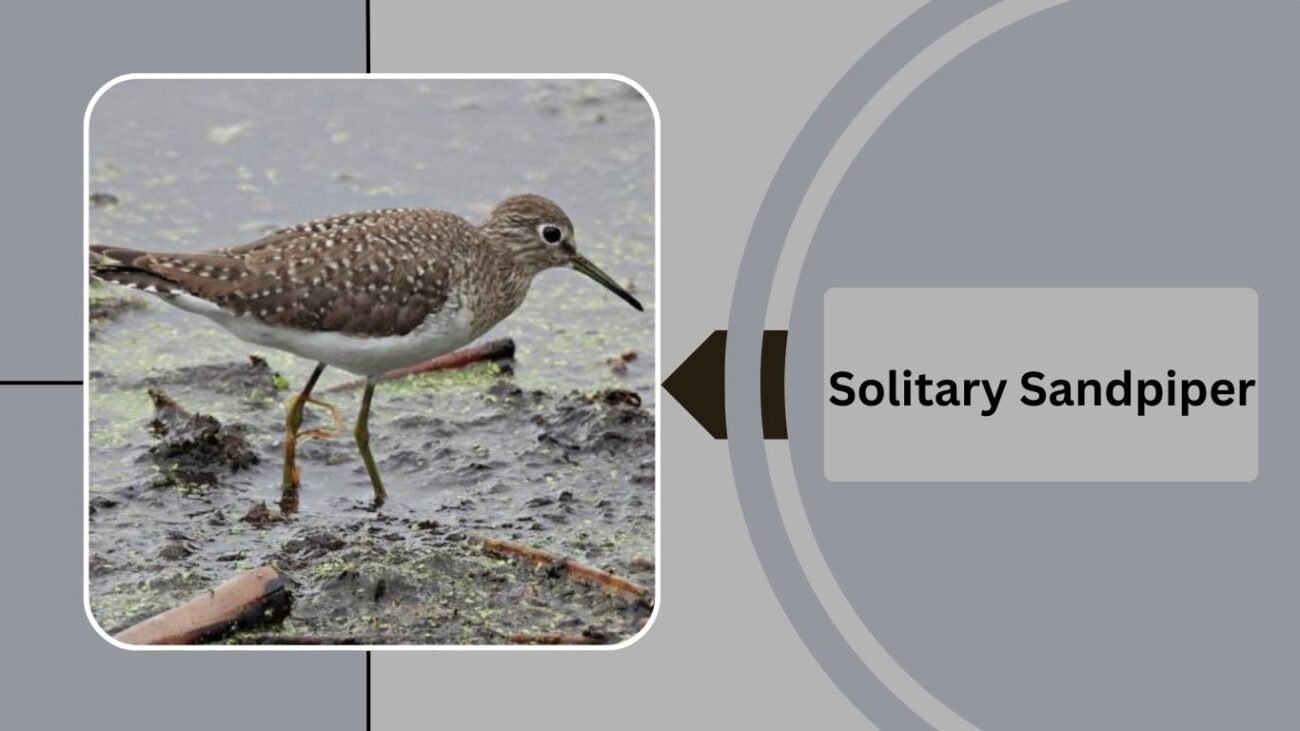
The Solitary Sandpiper (Tringa solitaria) is unique among sandpipers for its preference to migrate and forage alone, rather than in flocks. It is also notable for nesting in old songbird nests in trees, a rare trait for a shorebird.
Identification
- Size: 8–9 inches (20–23 cm)
- Wingspan: 18–20 inches (45–50 cm)
- Color: Dark olive-brown back with fine white spots; white underparts; dark breast with streaks
- Legs: Greenish-gray
- Bill: Medium length, straight, dark
Habitat and Range
They breed in the boreal forests of Canada and Alaska, often near ponds and marshy areas. During migration, they travel through North and Central America to wintering grounds in South America.
Behavior and Diet
Solitary Sandpipers forage along freshwater habitats like ponds, rivers, and swamps. Their diet includes insects, small amphibians, worms, and crustaceans. True to their name, they are usually observed alone, unlike most other sandpipers that flock together.