Tanagers are among the most vibrant and eye-catching birds found across the Americas, admired for their brilliant plumage and lively songs. From the fiery reds of the Scarlet and Summer Tanagers to the rainbow shades of the Paradise and Green-headed Tanagers, each species brings unique beauty to forests, gardens, and woodlands. These birds play an important role in ecosystems by dispersing seeds, pollinating plants, and controlling insect populations. In this guide, we’ll explore 17 types of tanagers, each with its own striking appearance, diet, behavior, and habitat.
1. Scarlet Tanager

The Scarlet Tanager is one of the most striking birds in North America, known for its vivid red body and contrasting black wings and tail. Males display their bright scarlet plumage during the breeding season, while females are more subdued in olive-yellow tones. These birds are commonly found in deciduous forests, where they stay high in the canopy and are often heard before being seen.
Identification
- Male: Bright red body with jet-black wings and tail
- Female: Olive-yellow body with darker wings
- Size: About 6.5–7.5 inches long
- Bill: Thick and pointed, adapted for insect hunting
Diet
Scarlet Tanagers mainly feed on insects like beetles, wasps, and caterpillars during summer, but they also consume fruits and berries in late summer and fall. This mixed diet helps them migrate long distances between North and South America.
Behavior
They prefer staying hidden in the upper forest canopy, making them harder to spot despite their bright colors. Males sing a distinctive, burry song that helps mark territory and attract mates.
2. Summer Tanager

The Summer Tanager is a medium-sized songbird well known for its uniform bright red plumage in males, often earning it the nickname “the red bird.” Females and young males are yellowish to orange, creating a distinct contrast. They are widespread in the southern United States during summer and migrate to Central and South America for winter.
Identification
- Male: Entirely red body, wings, and tail
- Female: Yellow to orange with lighter underparts
- Size: 6.5–7.5 inches long
- Bill: Pale and slightly thicker, useful for catching insects
Diet
Primarily feeds on bees, wasps, and other flying insects. They are skilled at catching insects mid-air and also eat berries and fruits during migration and winter.
Behavior
They are often solitary and prefer perching quietly while scanning for prey. Males sing a sweet, robin-like song to establish territories.
Habitat
Found in open woodlands, pine-oak forests, orchards, and near forest edges. During migration, they are often seen in parks and gardens.
3. Western Tanager
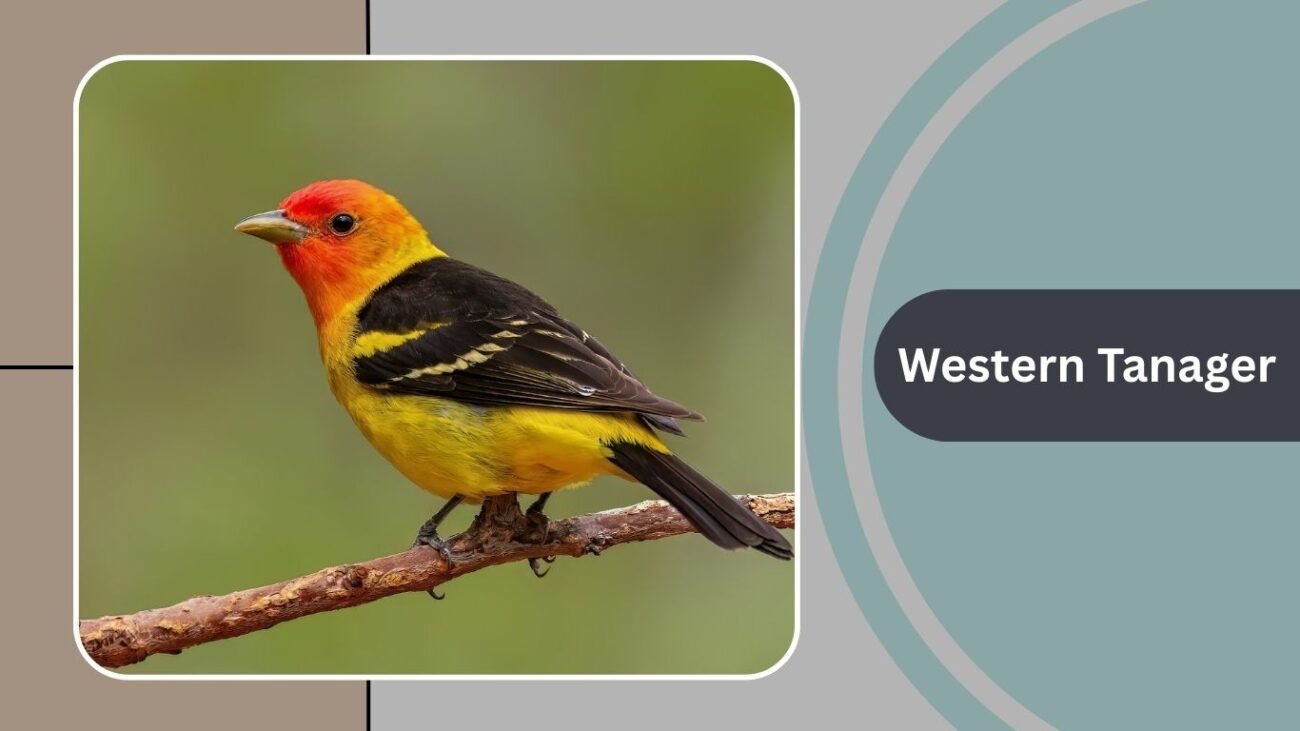
The Western Tanager is admired for its brilliant yellow body, black wings, and bright red-orange head. This striking appearance makes them one of the most colorful tanagers in North America. They are commonly found in the western United States and Canada during summer before migrating south.
Identification
- Male: Yellow body, black wings with white wing bars, red-orange head
- Female: Duller yellow-green with grayish wings
- Size: About 7 inches long
- Bill: Stout and pale, suited for catching insects
Diet
Their diet includes a variety of insects such as ants, beetles, and caterpillars. They also enjoy fruits and berries, especially during the non-breeding season.
Behavior
Males sing a series of short, burry notes to defend territory. They forage both in trees and mid-air, often catching flying insects with quick movements.
Habitat
They inhabit coniferous and mixed forests, especially near mountain ranges. During migration, they may also visit suburban gardens and orchards.
4. Hepatic Tanager
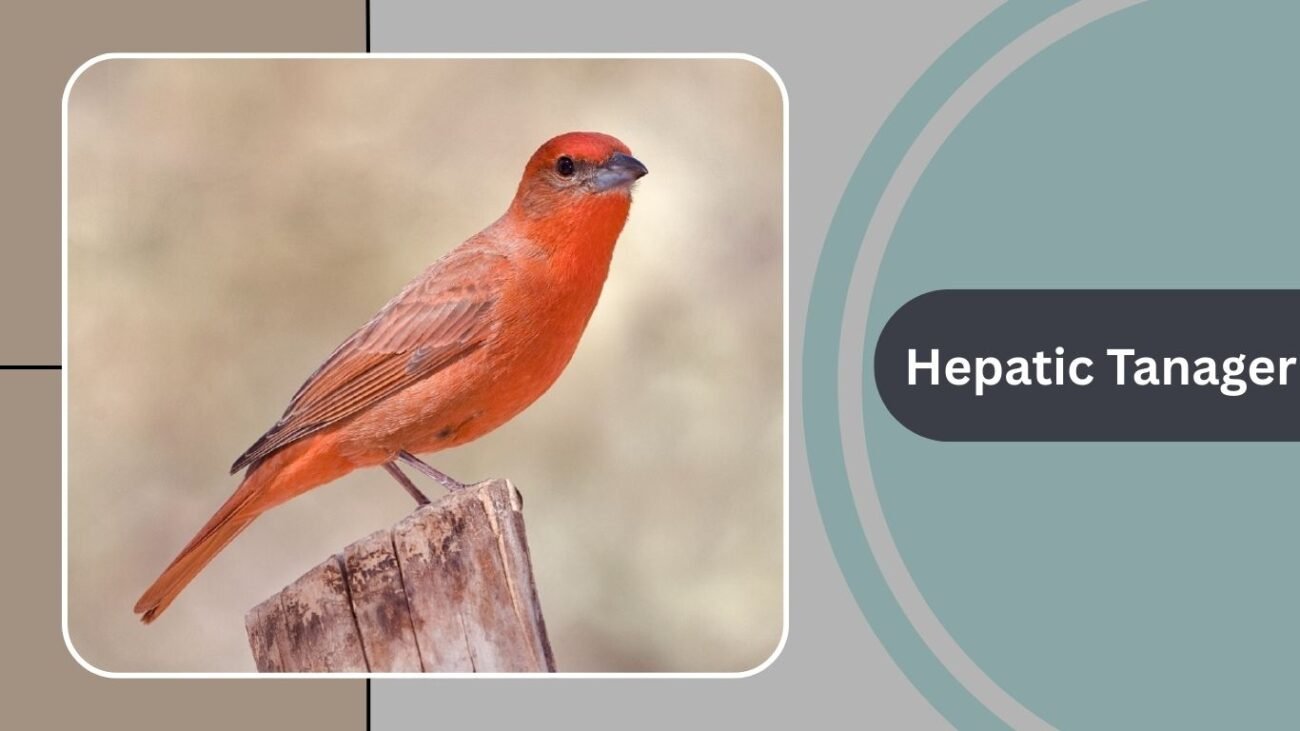
The Hepatic Tanager is a striking species found across the southwestern United States, Mexico, Central America, and parts of South America. Unlike other bright red tanagers, its plumage is more brick-red in males, while females display olive-yellow tones.
Identification
- Male: Brick-red body with slightly darker wings and tail
- Female: Yellow-olive body with duller wings
- Size: About 7.5 inches long
- Bill: Strong and grayish, adapted for mixed diet
Diet
Feeds on insects such as beetles, grasshoppers, and caterpillars. They also consume berries, fruits, and occasionally seeds.
Behavior
Often forages slowly among trees, sometimes descending closer to the ground than other tanagers. Males sing a clear, melodic song to attract mates.
Habitat
Prefers pine-oak woodlands, montane forests, and semi-open areas with scattered trees. They are commonly found at higher elevations in tropical and subtropical regions.
5. Flame-colored Tanager
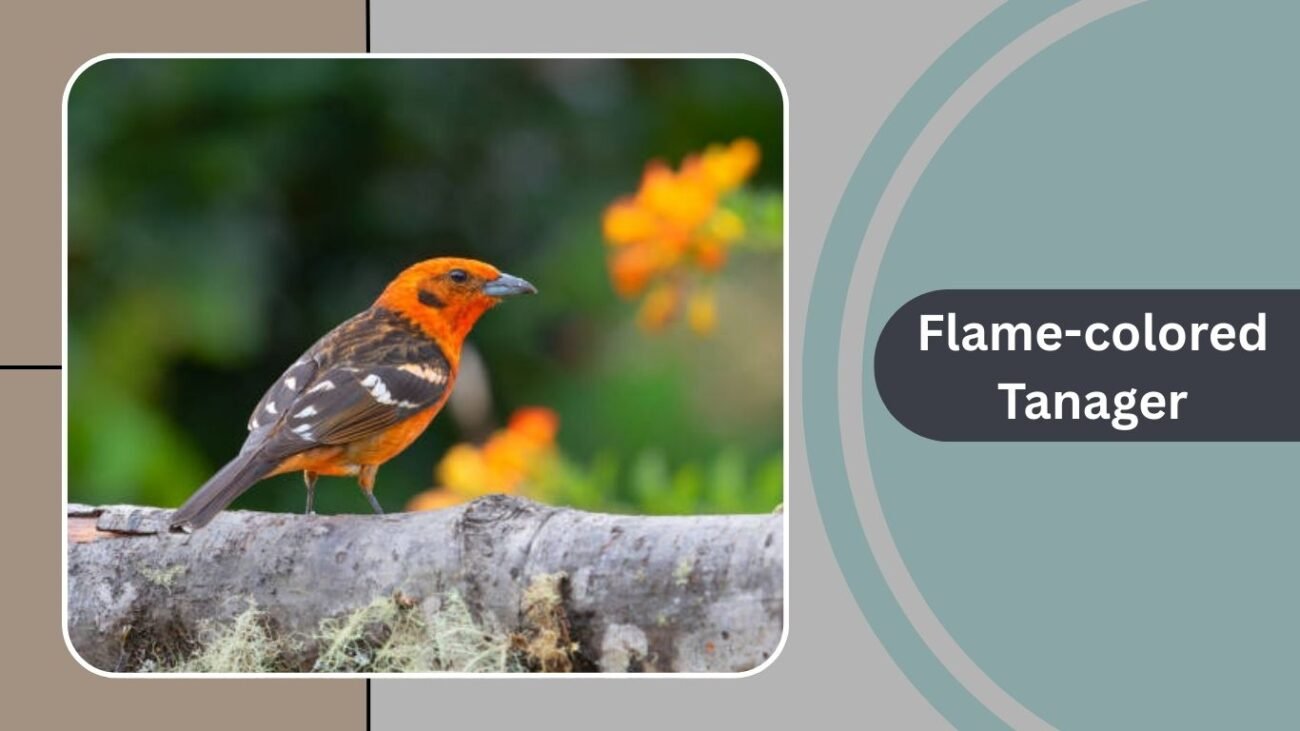
The Flame-colored Tanager is a vibrant bird native to Mexico and Central America, occasionally seen in the southern United States. It is admired for its fiery plumage, which varies from bright orange-red to deep reddish tones depending on the region and age.
Identification
- Male: Bright orange-red body with black-streaked wings and tail
- Female: Yellow-orange with streaked back and wings
- Size: Around 7 inches long
- Bill: Short, stout, and pale
Diet
Primarily insectivorous, feeding on beetles, caterpillars, and grasshoppers. They also eat a wide variety of fruits and berries, especially during winter.
Behavior
Active and social, often moving in pairs or small groups. They are quick foragers, flitting between branches and occasionally joining mixed-species flocks.
Habitat
Thrives in pine-oak forests, cloud forests, and forest edges in mountainous areas. They are most often found in mid to high elevations of Central America.
6. Crimson-collared Tanager

The Crimson-collared Tanager is a boldly colored bird found in Central America, particularly from southern Mexico to western Panama. Its dramatic black and crimson plumage makes it stand out in the dense tropical forests.
Identification
- Male & Female: Striking crimson-red head, throat, chest, and back contrasted with black wings, tail, and belly
- Size: Around 7 inches long
- Bill: Pale bluish-gray, stout, and slightly curved
Diet
Feeds on insects, small invertebrates, and a wide variety of fruits and berries. This mixed diet allows it to adapt easily in both natural and disturbed habitats.
Behavior
Often moves in pairs or small groups. They are active, hopping among branches while feeding and sometimes joining mixed-species flocks.
Habitat
Common in lowland tropical rainforests, forest edges, plantations, and gardens. They are typically seen in humid regions up to 3,000 feet elevation.
7. Passerini’s Tanager

Passerini’s Tanager, also known as the Scarlet-rumped Tanager, is a common bird of Central America. It is particularly abundant in Costa Rica and western Panama, where its colorful appearance adds brightness to forest edges and gardens.
Identification
- Male: Black body with a brilliant scarlet-red rump
- Female: Brownish body with an orange-brown rump and paler underparts
- Size: About 6 inches long
- Bill: Short, thick, and silver-gray
Diet
Eats insects, spiders, and fruits. They are also known to feed on nectar, making them regular visitors to flowering plants and feeders.
Behavior
Very social, often seen in pairs or small flocks. They are vocal and active, frequently hopping between branches or darting into open spaces.
Habitat
Prefers open woodlands, secondary forests, gardens, and plantations. They thrive in human-influenced landscapes and are often spotted near fruiting trees and feeders.
8. White-lined Tanager

The White-lined Tanager is a striking bird native to South America, found from Colombia and Venezuela down to Brazil and Paraguay. Its simple yet bold plumage makes it easy to recognize.
Identification
- Male: Glossy black body with a distinct white line along the wing
- Female: Rich chestnut-brown overall, lacking the white wing line
- Size: Around 7 inches long
- Bill: Stout and black, ideal for fruit and insect diet
Diet
Primarily frugivorous, feeding on berries and other small fruits. They also catch insects like ants, beetles, and grasshoppers, especially when feeding young.
Behavior
Usually seen in pairs or small groups. They are bold around human settlements, often frequenting gardens and plantations. Males sing a loud, whistling song from exposed perches.
Habitat
Common in forest edges, secondary growth, open woodlands, and cultivated areas. They are highly adaptable and thrive in disturbed habitats.
9. Blue-gray Tanager

The Blue-gray Tanager is one of the most widespread and familiar tanagers in the Americas. Its soft blue and gray tones make it a gentle contrast to the more vividly colored tanagers.
Identification
- Male & Female: Pale blue-gray body with brighter blue wings and tail
- Size: About 6.5 inches long
- Bill: Slender and dark, adapted for both fruit and insect feeding
Diet
Feeds heavily on fruits, including bananas, papayas, and berries. They also take insects, especially caterpillars and beetles, during the breeding season.
Behavior
Very social and active, often found in pairs or small flocks. They are frequent visitors to fruit feeders in gardens and are known for their soft, chattering calls.
Habitat
Found in open woodlands, gardens, plantations, and forest edges across Central and South America. They thrive in both rural and urban environments.
10. Palm Tanager

The Palm Tanager is a widespread bird in Central and South America, named for its close association with palm trees and tropical habitats. Its subtle yet elegant coloring blends well with foliage.
Identification
- Male & Female: Olive-green overall with slightly grayer head and wings, paler underparts, and light blue wing edges
- Size: Around 7 inches long
- Bill: Slender and dark, suited for fruits and insects
Diet
Feeds on fruits, berries, nectar, and a variety of insects. They are especially fond of bananas and are frequent visitors to fruit feeders.
Behavior
Social and lively, usually moving in pairs or small groups. They are active foragers and often join mixed flocks with other tanagers.
Habitat
Common in gardens, plantations, open woodlands, and forest edges. Strongly associated with palm groves but also thrives in urban and rural areas.
11. Silver-beaked Tanager

The Silver-beaked Tanager is a striking bird found in the Amazon Basin and northern South America. It is best recognized for its velvety dark plumage and gleaming silver-white beak.
Identification
- Male: Deep crimson body with darker wings and a silvery-white bill
- Female: Duller reddish-brown with a dark bill
- Size: About 6.5–7 inches long
- Bill: Prominent, pale, and slightly curved
Diet
Primarily frugivorous, feeding on small fruits and berries. They also supplement their diet with insects and nectar when available.
Behavior
Often seen in small groups, perching together while foraging. Males sing short, sweet phrases to communicate and defend territories.
Habitat
Thrives in tropical rainforests, forest edges, riverbanks, and cultivated areas. They are especially abundant in humid lowlands across South America.
12. Red-legged Honeycreeper
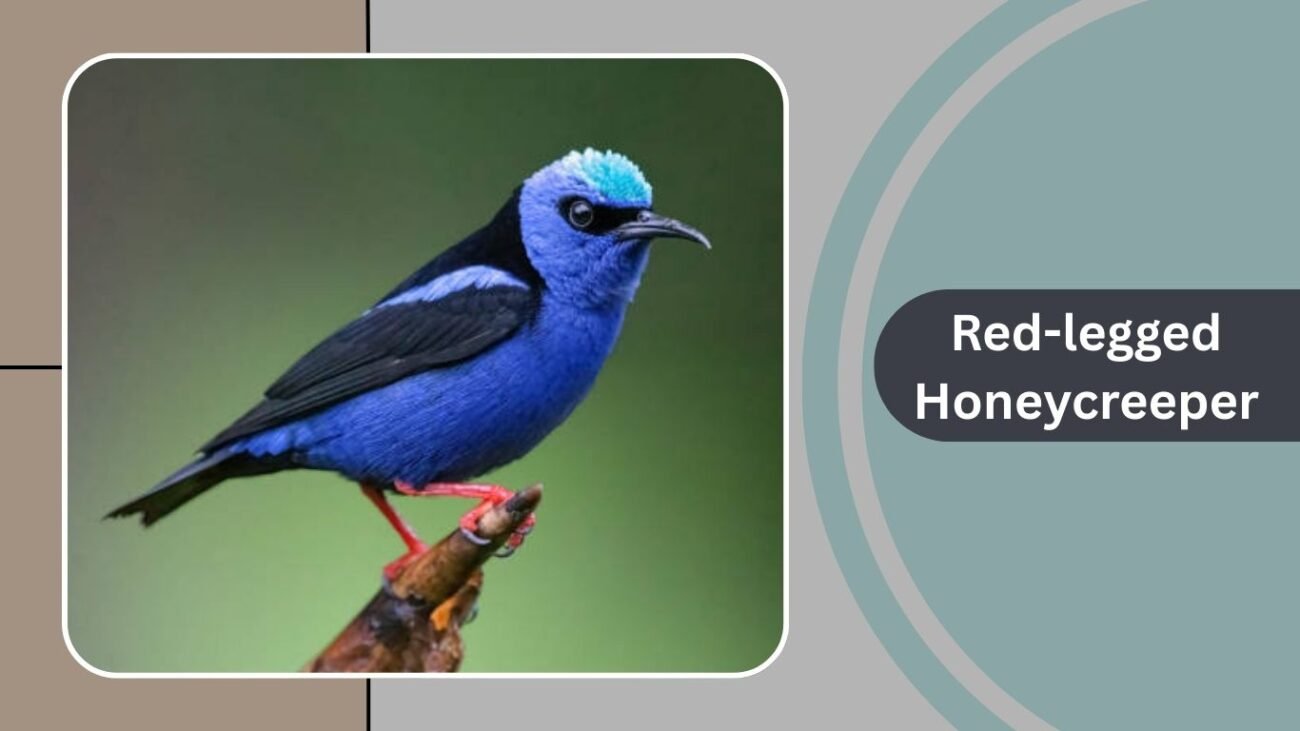
Although not a true tanager by classification, the Red-legged Honeycreeper is often grouped with tanagers due to its close relation and shared characteristics. Its vibrant colors and energetic behavior make it a favorite among birdwatchers.
Identification
- Male: Bright blue body, black wings, turquoise crown, and striking red legs
- Female: Greenish overall with paler underparts and red legs
- Size: About 5 inches long
- Bill: Thin and slightly curved, ideal for nectar feeding
Diet
Consumes nectar, fruits, berries, and small insects. Their nectar-feeding habits make them important pollinators in tropical ecosystems.
Behavior
Highly active, often moving in flocks. They are agile and frequently hover near flowers to sip nectar, similar to hummingbirds.
Habitat
Found in tropical forests, plantations, gardens, and open woodlands across Central and South America. They adapt well to human-altered landscapes.
13. Bay-headed Tanager

The Bay-headed Tanager is a colorful Neotropical bird recognized for its bright green body and contrasting chestnut head. Its multi-colored plumage gives it a dazzling appearance in forested habitats.
Identification
- Male & Female: Chestnut-colored head, bright green body, blue wings, and turquoise rump
- Size: Around 5.5–6 inches long
- Bill: Short, black, and conical
Diet
Primarily frugivorous, eating berries and small fruits. They also consume insects, especially during the breeding season.
Behavior
Usually travels in small groups or joins mixed-species flocks. They are quiet feeders but can be seen hopping actively among branches.
Habitat
Inhabits tropical and subtropical forests, forest edges, and plantations. Found from Central America into northern South America, often at mid-elevations.
14. Green-headed Tanager

The Green-headed Tanager is one of the most brilliantly colored species, native to the Atlantic Forests of Brazil, Paraguay, and Argentina. Its dazzling mix of green, blue, black, and orange makes it look almost jewel-like.
Identification
- Male: Bright green head, turquoise underparts, black back with golden and orange streaks on wings
- Female: Duller green with lighter shades of blue and green tones
- Size: About 5.5 inches long
- Bill: Small, black, and pointed
Diet
Feeds mainly on fruits, berries, and nectar. They also consume insects and small arthropods, especially during breeding.
Behavior
Active foragers, often moving quickly among branches. They commonly join mixed-species flocks and can be seen in pairs during the breeding season.
Habitat
Thrives in humid forests, secondary growth, plantations, and gardens. Most abundant in the Atlantic Forest region but also found in orchards and urban green areas.
15. Paradise Tanager

The Paradise Tanager is one of the most stunning birds in the tanager family, showcasing a rainbow of colors. It inhabits large areas of the Amazon Basin and is a favorite sighting for birdwatchers.
Identification
- Male & Female: Turquoise-blue head, green back, black wings, and multicolored rump with red, yellow, or blue depending on the population
- Size: Around 5.5–6 inches long
- Bill: Small, black, and slender
Diet
Feeds on fruits, berries, and insects. They play an important role in seed dispersal in tropical forests.
Behavior
Often seen in noisy flocks, moving quickly through the canopy. They are highly social and may join mixed-species groups.
Habitat
Widespread in lowland tropical rainforests of the Amazon. They are canopy specialists and rarely descend to lower forest levels.