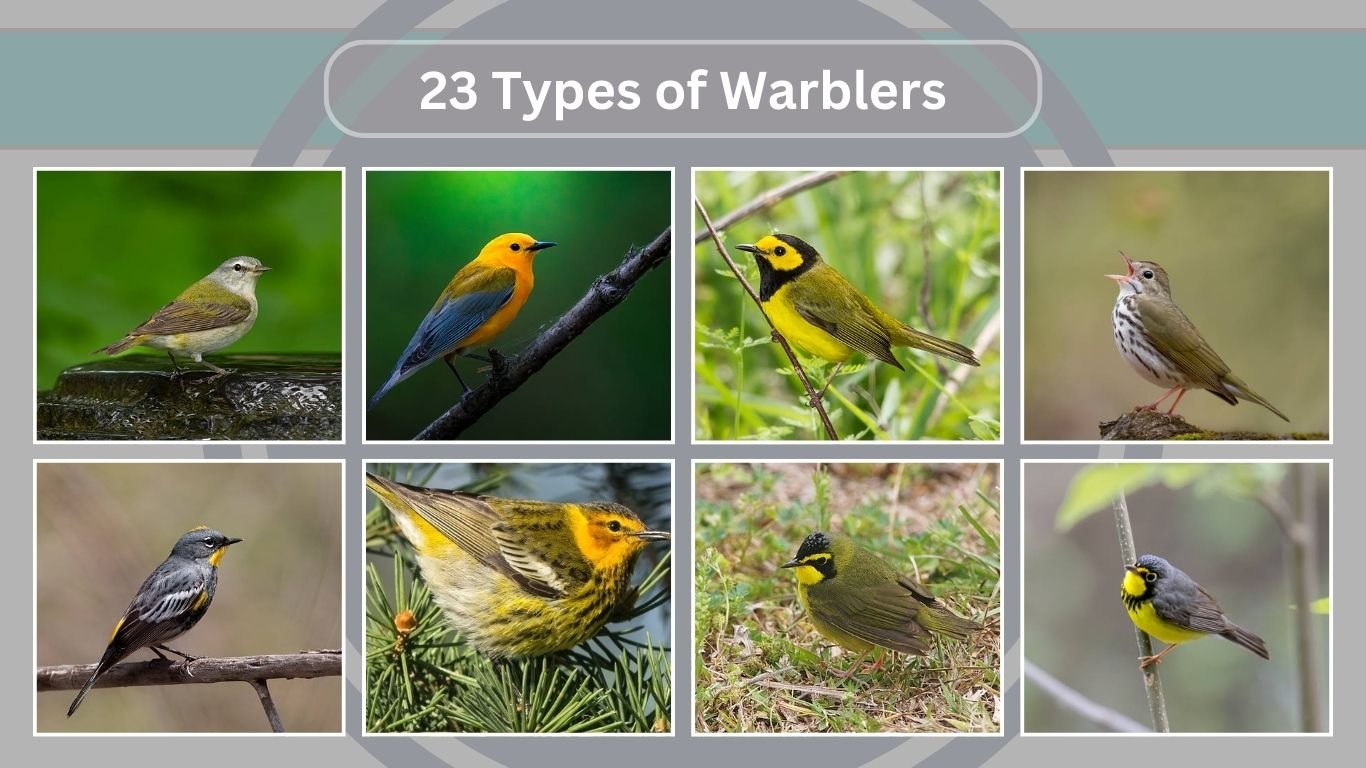
Warblers are some of the most colorful and energetic songbirds in North America and beyond. Despite their small size, these birds play an important role in ecosystems by controlling insect populations and spreading seeds. Known for their lively songs, restless movements, and seasonal migrations, warblers add beauty and sound to forests, wetlands, and gardens. From the bright yellow of the Yellow Warbler to the fiery throat of the Blackburnian Warbler and the masked face of the Common Yellowthroat, each species has its own charm. In this guide, we’ll explore 23 types of warblers, highlighting their identification, behavior, diet, and habitats.
1. Yellow Warbler
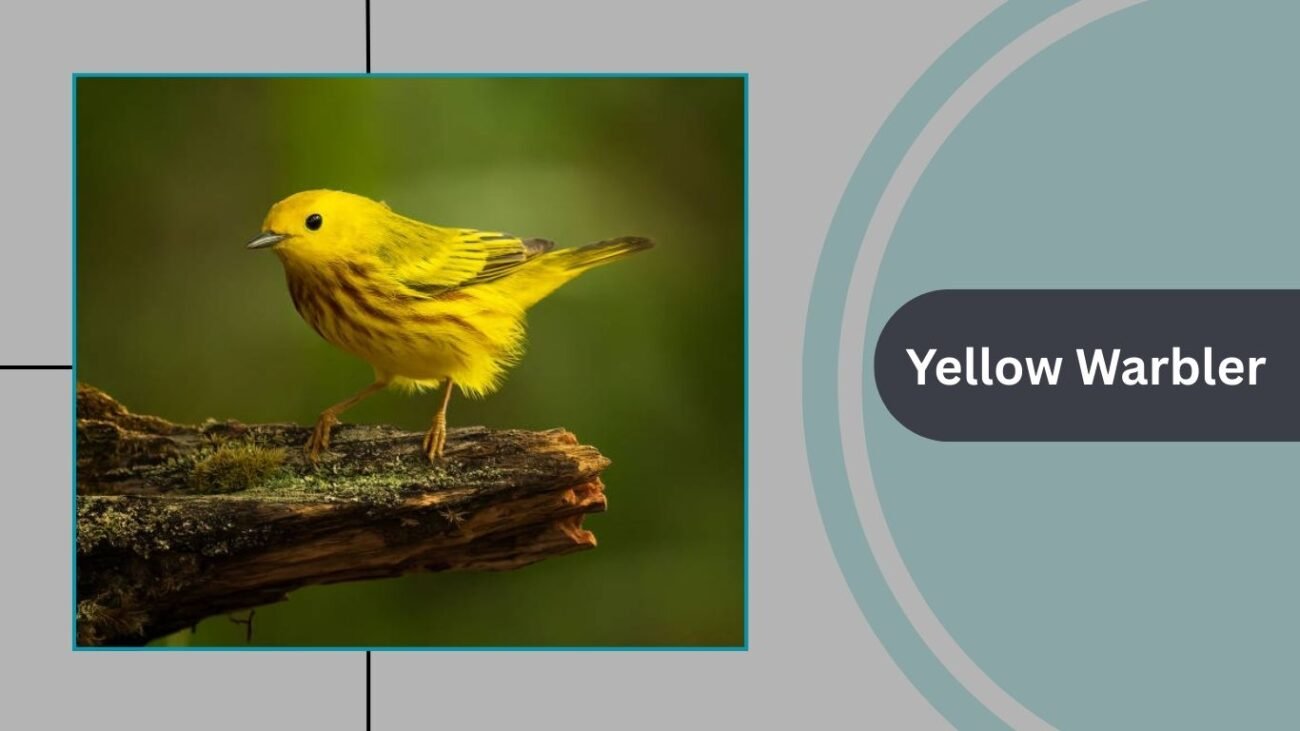
The Yellow Warbler is one of the most widespread and recognizable warblers in North America. Its brilliant golden-yellow plumage and cheerful song make it a favorite among birdwatchers during spring and summer. Males are brighter than females, often displaying faint reddish streaks across the chest, which add more distinction. This small bird migrates long distances, breeding across much of North America and wintering in Central and South America.
Identification
- Male: Bright yellow body with subtle reddish streaks on the chest
- Female: Slightly duller yellow without bold streaks
- Size: Around 5 inches long
- Bill: Thin and pointed, perfect for catching insects
Diet
The Yellow Warbler primarily feeds on insects, such as caterpillars, beetles, and midges. They occasionally eat spiders and small berries, especially during migration.
Behavior
They are very active and often seen flitting through shrubs and small trees, constantly searching for prey. Their sweet, whistling song, often described as “sweet-sweet-sweet, I’m so sweet,” is a key part of their breeding display.
Habitat
Yellow Warblers prefer wet thickets, forest edges, willow groves, and riparian areas. They thrive near streams, ponds, and marshes, where insects are abundant.
2. Black-and-white Warbler
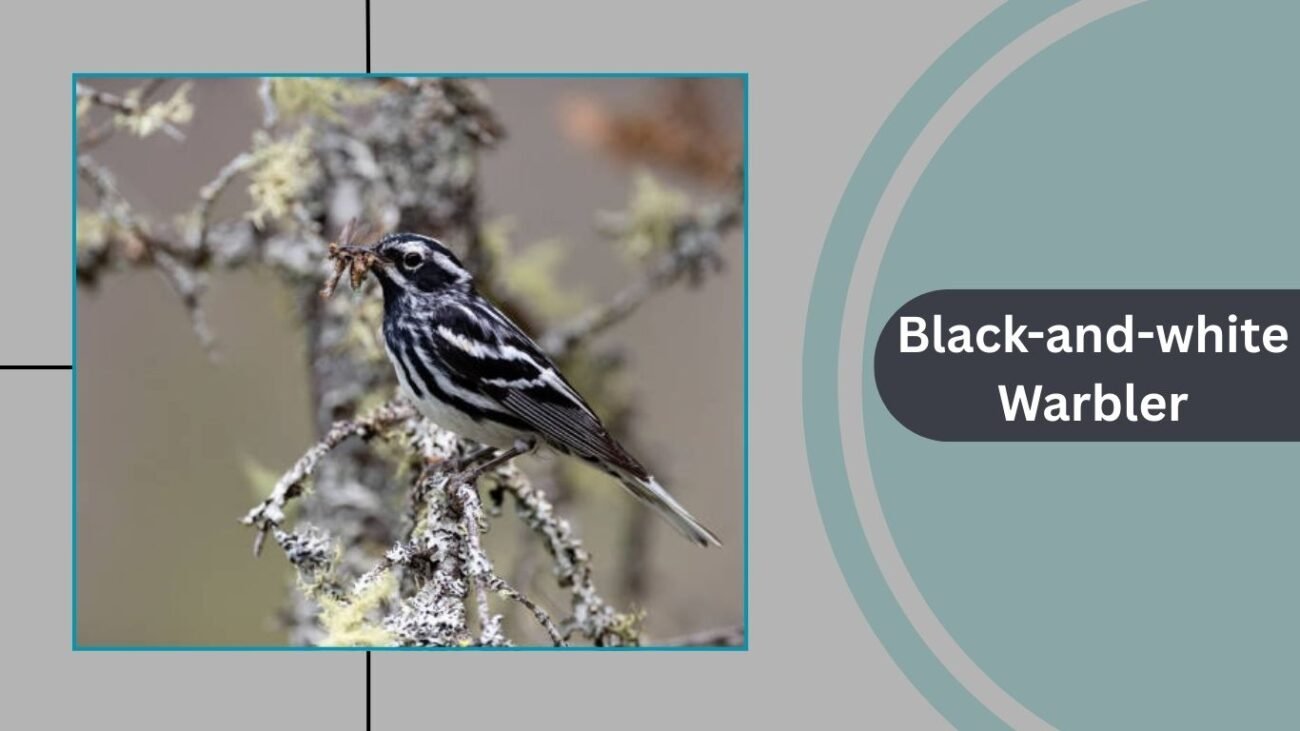
The Black-and-white Warbler is a distinctive species that stands out from other warblers due to its striking zebra-like stripes. Unlike most warblers, it behaves more like a nuthatch, creeping along trunks and branches in search of insects. Found across much of North America during the breeding season, it migrates to Central and South America for winter.
Identification
- Male & Female: Bold black-and-white streaks across the entire body
- Male: Black throat and darker markings
- Female: Paler throat with lighter streaking
- Size: Around 5 inches long
- Bill: Slightly curved and thin
Diet
Feeds on insects, spiders, and larvae that it gleans from bark. It often probes into crevices to find hidden prey.
Behavior
Known for its tree-creeping style, moving vertically along trunks and branches. Males sing a high-pitched, squeaky song during breeding season.
Habitat
Prefers mature forests, woodlands, and edges, especially areas with plenty of trees for foraging.
3. American Redstart
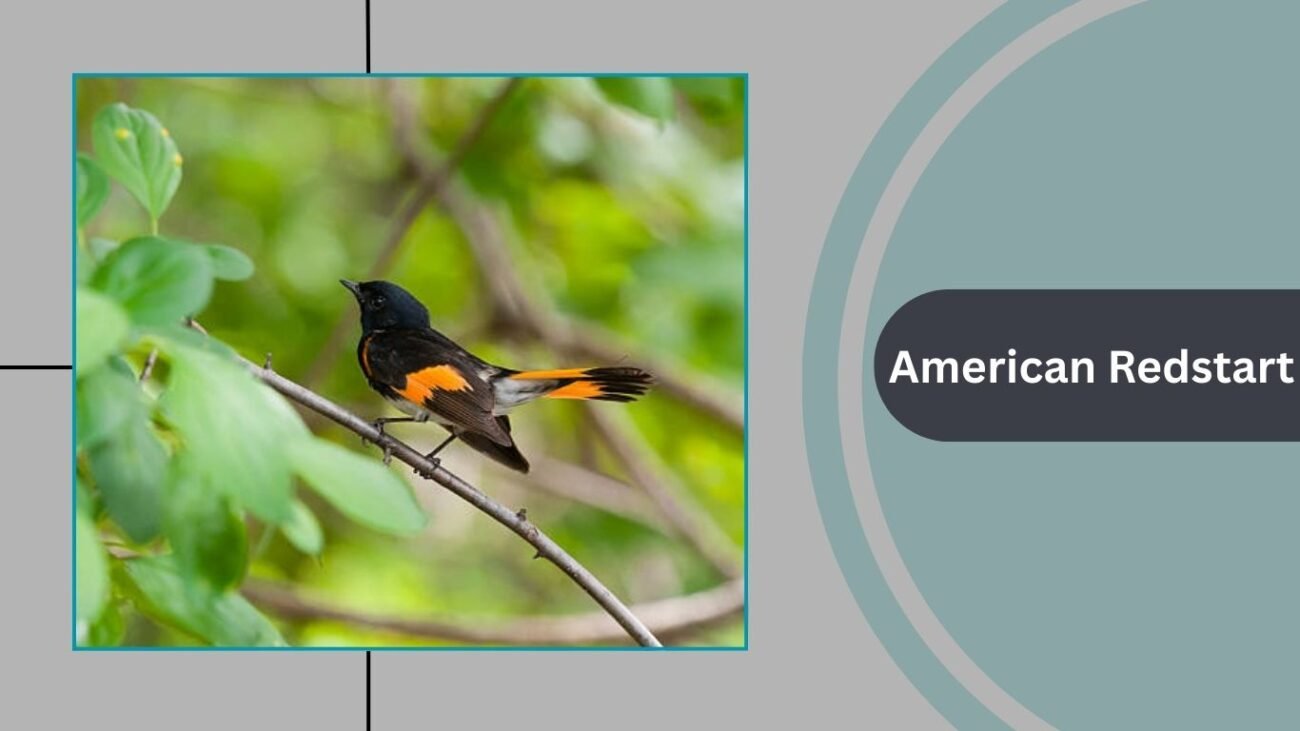
The American Redstart is one of the most colorful and energetic warblers. Males are easily identified by their bold black-and-orange plumage, while females display gray and yellow tones. They are highly active and constantly flick their tails, flashing bright patches to flush insects into flight.
Identification
- Male: Black body with bright orange patches on wings, sides, and tail
- Female: Gray body with yellow patches instead of orange
- Size: About 5 inches long
- Bill: Thin, short, and dark
Diet
Feeds mainly on insects such as flies, moths, and caterpillars. They also eat berries during migration and in winter.
Behavior
Restless and acrobatic, often sallying out to snatch insects mid-air. Their tail-flashing behavior is a signature trait.
Habitat
Found in open woodlands, forest edges, and shrubby areas. They breed across much of North America and winter in the Caribbean, Central, and South America.
4. Wilson’s Warbler
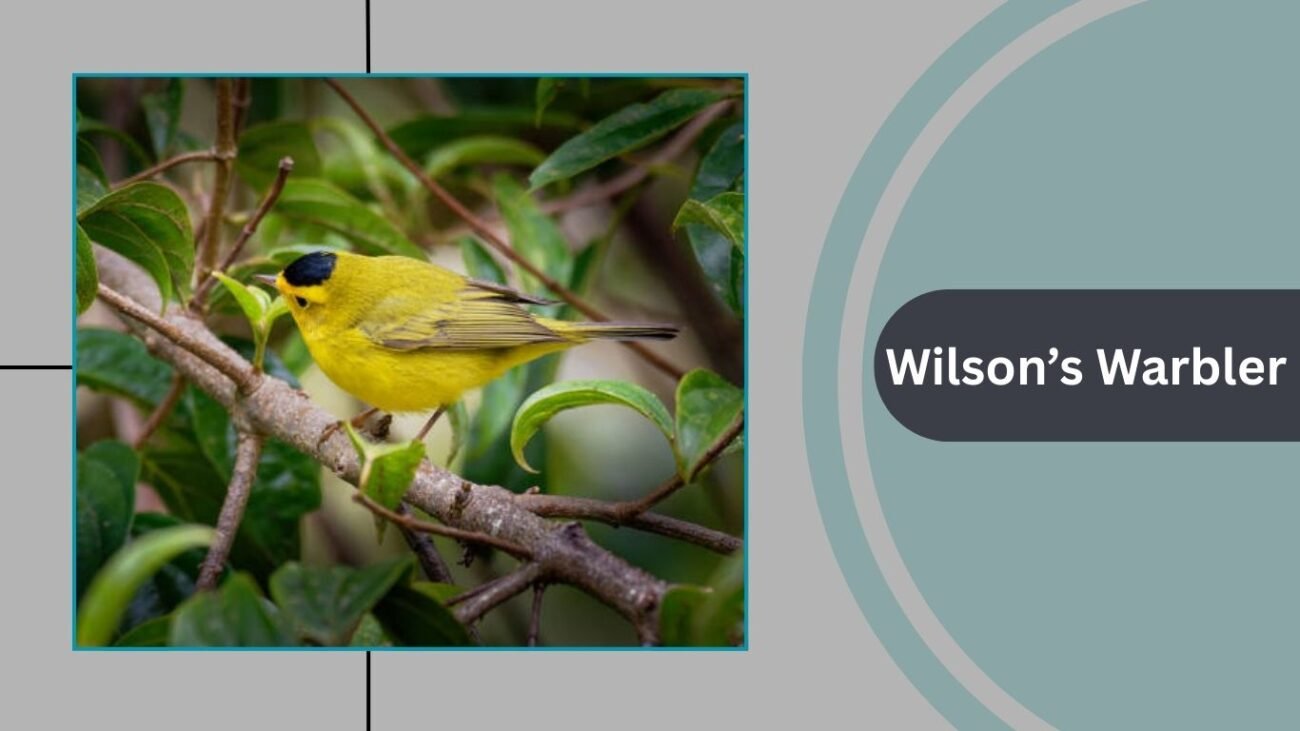
The Wilson’s Warbler is a lively and easily recognizable species, best known for its bright yellow body and distinctive black cap on males. These small, active warblers are quick movers, often flitting through shrubs in search of insects. They migrate long distances, breeding in Canada and the northern U.S., then wintering in Central America.
Identification
- Male: Bright yellow body with a bold black cap on the head
- Female: Yellow overall with a faint or no cap
- Size: About 4.5 inches long
- Bill: Thin, short, and pointed
Diet
Feeds mostly on insects such as beetles, caterpillars, and flies. They occasionally eat spiders and other small arthropods.
Behavior
Extremely active, constantly flicking wings and hopping among branches. Males sing a rapid, chattering song during the breeding season.
Habitat
Found in thickets, shrubby edges, streamside growth, and willows. They prefer dense, low vegetation both in breeding and migration areas.
5. Prothonotary Warbler
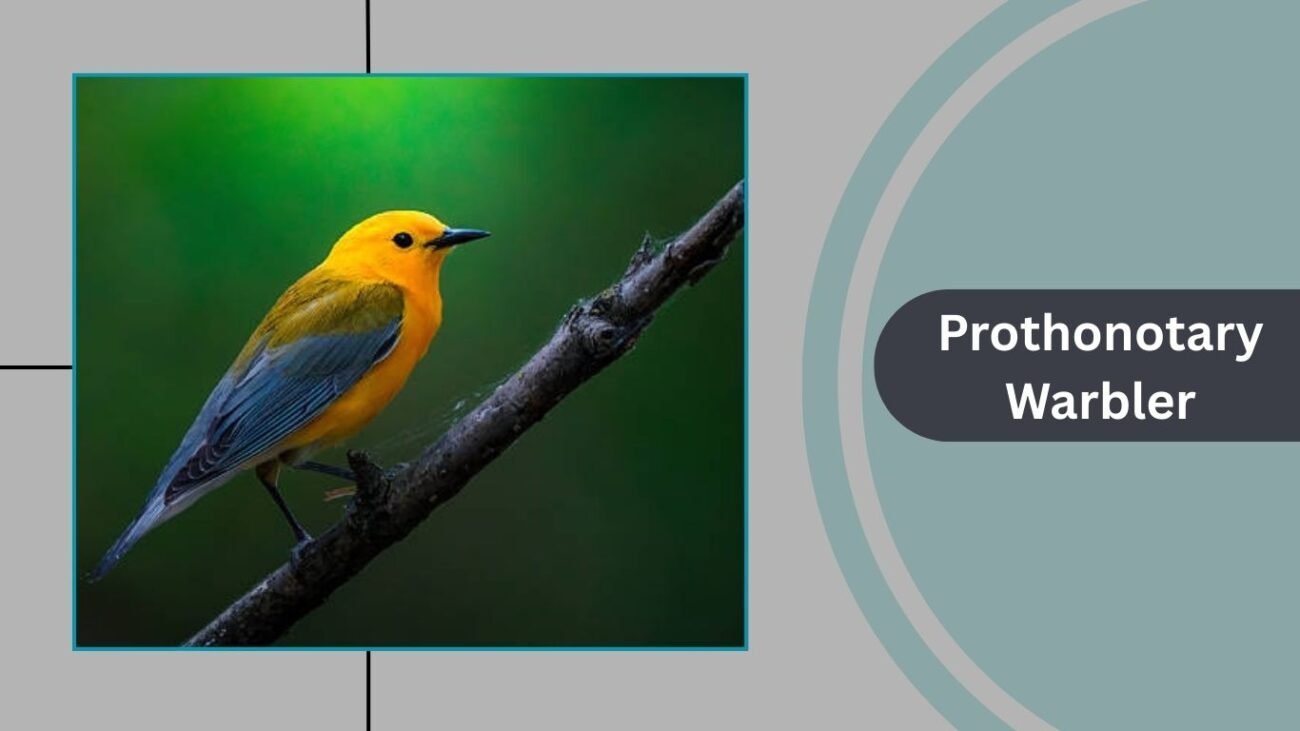
The Prothonotary Warbler is a striking golden-yellow bird often referred to as the “golden swamp warbler.” Unlike many warblers, it nests in tree cavities and is strongly tied to wetland habitats in the eastern United States.
Identification
- Male: Brilliant golden-yellow head and body with blue-gray wings and tail
- Female: Slightly duller but still bright yellow overall
- Size: Around 5.5 inches long
- Bill: Long, straight, and dark
Diet
Eats insects, spiders, and snails. During migration and winter, they also consume fruits and seeds.
Behavior
Active foragers, often climbing branches and probing into bark for insects. They are territorial during breeding season, defending nest cavities fiercely.
Habitat
Lives in swampy woodlands, cypress-tupelo forests, and river floodplains. They are most often seen near water, nesting in old woodpecker holes or nest boxes.
6. Magnolia Warbler
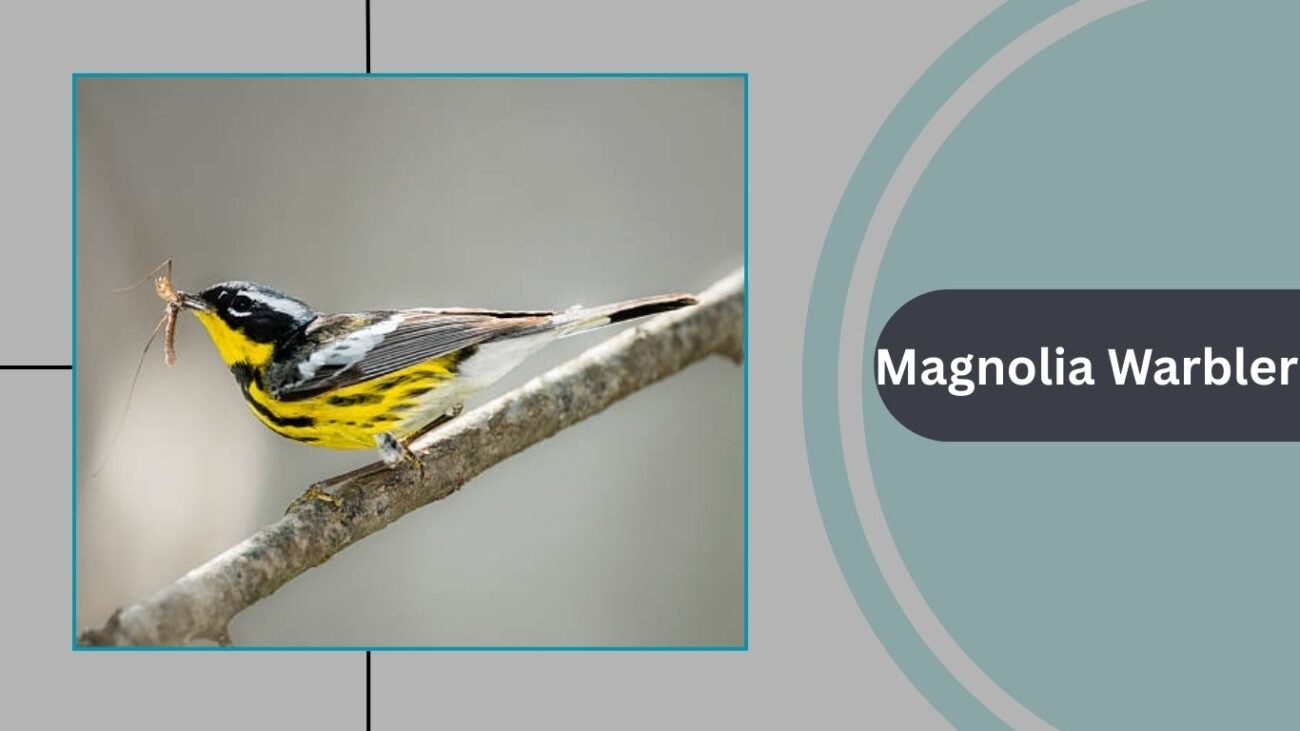
The Magnolia Warbler is a small, strikingly patterned bird that adds color to North American forests during spring and summer. Despite its name, it does not have a strong association with magnolia trees; the species was first described after being spotted in one during migration.
Identification
- Male: Bright yellow chest with bold black streaks, black mask, and gray back with white wing bars
- Female: Paler yellow with faint streaking and less distinct markings
- Size: Around 5 inches long
- Bill: Short, thin, and pointed
Diet
Feeds primarily on insects such as caterpillars, flies, beetles, and spiders. Occasionally eats berries during migration.
Behavior
Active forager, moving quickly through shrubs and trees, often flicking its tail to reveal white spots. Males sing a sweet, rising song during breeding.
Habitat
Breeds in dense coniferous forests, especially young spruces and firs. During migration, it can be found in gardens, woodlots, and shrubby areas.
7. Blackburnian Warbler
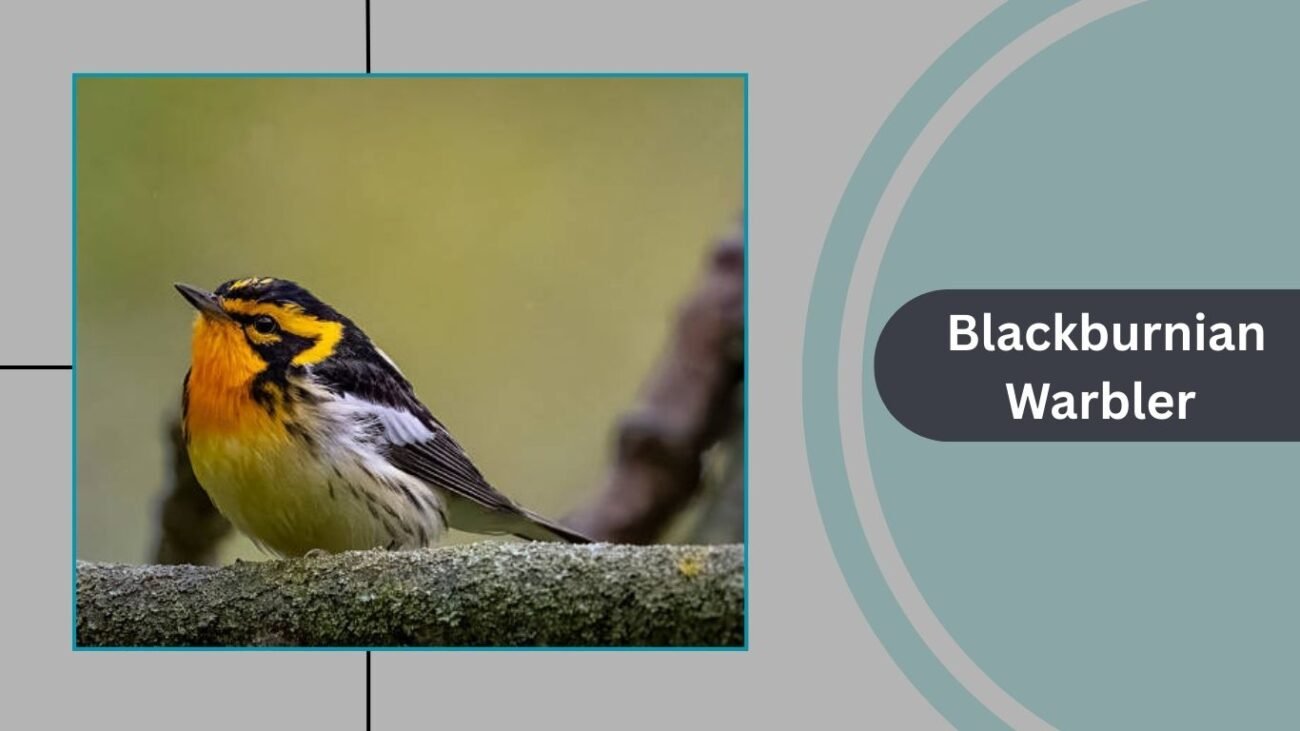
The Blackburnian Warbler is one of the most dazzling warblers, known for its fiery orange throat and face. This species is often seen high in the forest canopy, making it a special treat for birdwatchers when spotted.
Identification
- Male: Flame-orange throat and face, black crown, and striking white wing patches
- Female: Yellow throat with duller overall coloration
- Size: About 5 inches long
- Bill: Fine, slender, and dark
Diet
Feeds mainly on insects, including caterpillars, beetles, and flies. They may also take small berries during migration.
Behavior
Energetic canopy dwellers, often foraging high in tall trees. Their sharp, high-pitched song is a key clue to their presence.
Habitat
Prefers mature coniferous and mixed forests, especially spruce and hemlock stands. Winters in South America, mainly in Andean forests.
8. Pine Warbler
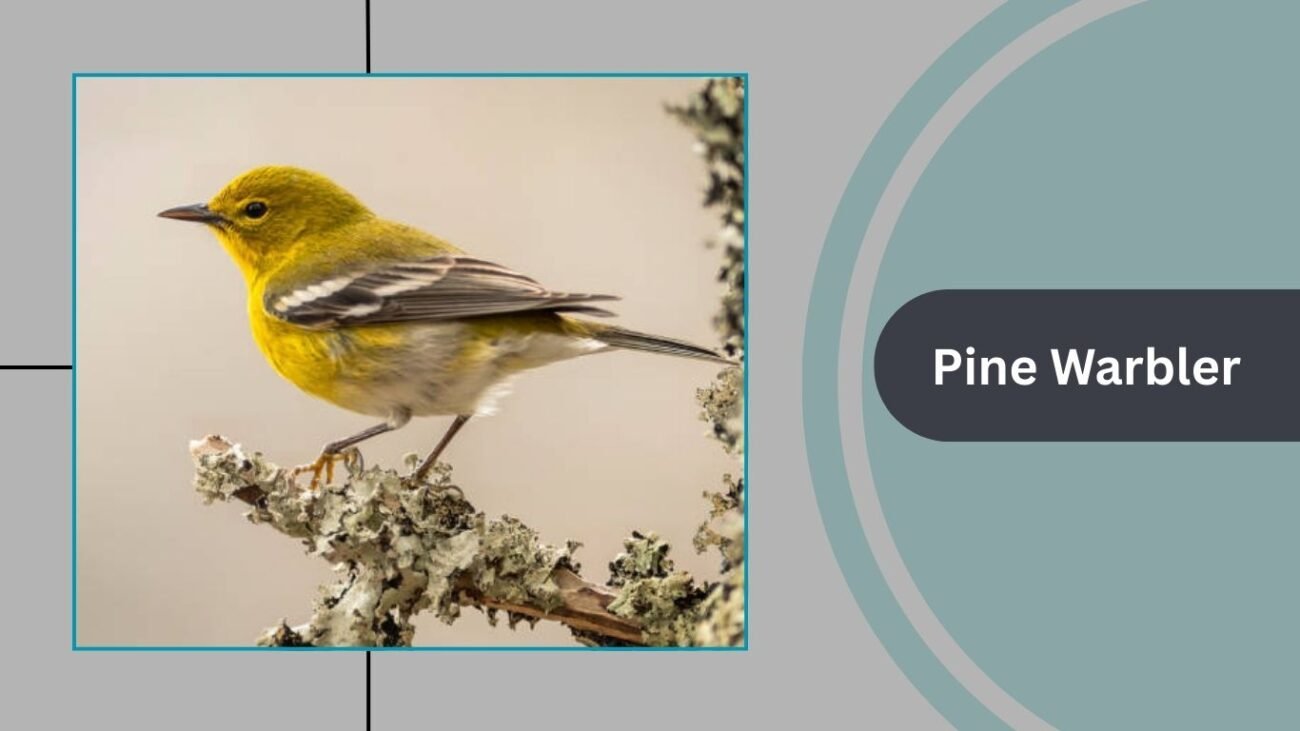
The Pine Warbler is a sturdy, year-round resident in parts of the southeastern United States, though northern populations migrate south for the winter. As its name suggests, this bird is closely tied to pine forests, where it spends most of its time foraging among the needles.
Identification
- Male: Olive-green upperparts, yellow throat and breast, and white wing bars
- Female: Duller with more grayish tones and less vibrant yellow
- Size: Around 5.5 inches long
- Bill: Thick and slightly longer than most warblers, adapted for a varied diet
Diet
Unlike most warblers, Pine Warblers have a diverse diet. They eat insects such as ants, beetles, and caterpillars, but also consume a significant amount of seeds—especially pine seeds. They readily visit feeders for suet, cracked corn, and sunflower seeds in winter.
Behavior
Slow-moving compared to other warblers, often creeping along branches and trunks searching for food. They are frequent singers, producing a slow, musical trill.
Habitat
Primarily inhabit pine woodlands, plantations, and mixed forests with a high proportion of pine trees. They are one of the few warblers that remain in the U.S. year-round in their southern range.
9. Palm Warbler
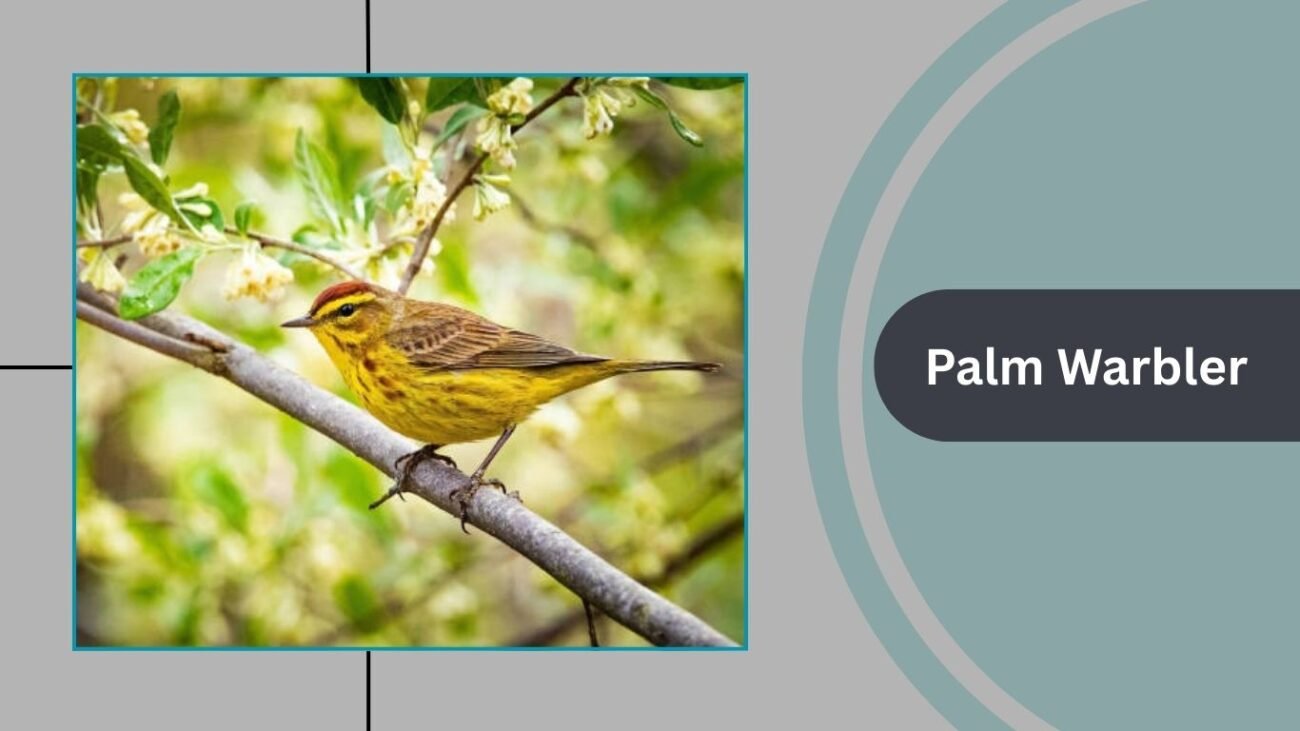
The Palm Warbler is a lively species best known for its constant tail-wagging behavior. Despite its tropical-sounding name, it breeds in northern bogs of Canada and migrates south to spend winters in the Caribbean, Central America, and the southern U.S.
Identification
- Male: Olive-brown back, bright yellow underparts, and chestnut cap in breeding plumage
- Female: Duller overall but still shows a yellowish belly and faint streaking
- Size: Around 5 inches long
- Bill: Thin, dark, and slightly longer than some other warblers
Diet
Feeds mainly on insects, including beetles, ants, flies, and caterpillars. In winter, they expand their diet to include berries and seeds.
Behavior
Active ground foragers, often walking or hopping while constantly bobbing their tails up and down. Their tail-wagging is a signature field mark that helps identify them instantly.
Habitat
Breeds in northern bogs with tamarack and spruce. During migration and winter, they are common in open areas, fields, weedy edges, and coastal habitats, often feeding along roadsides and lawns.
10. Bay-breasted Warbler
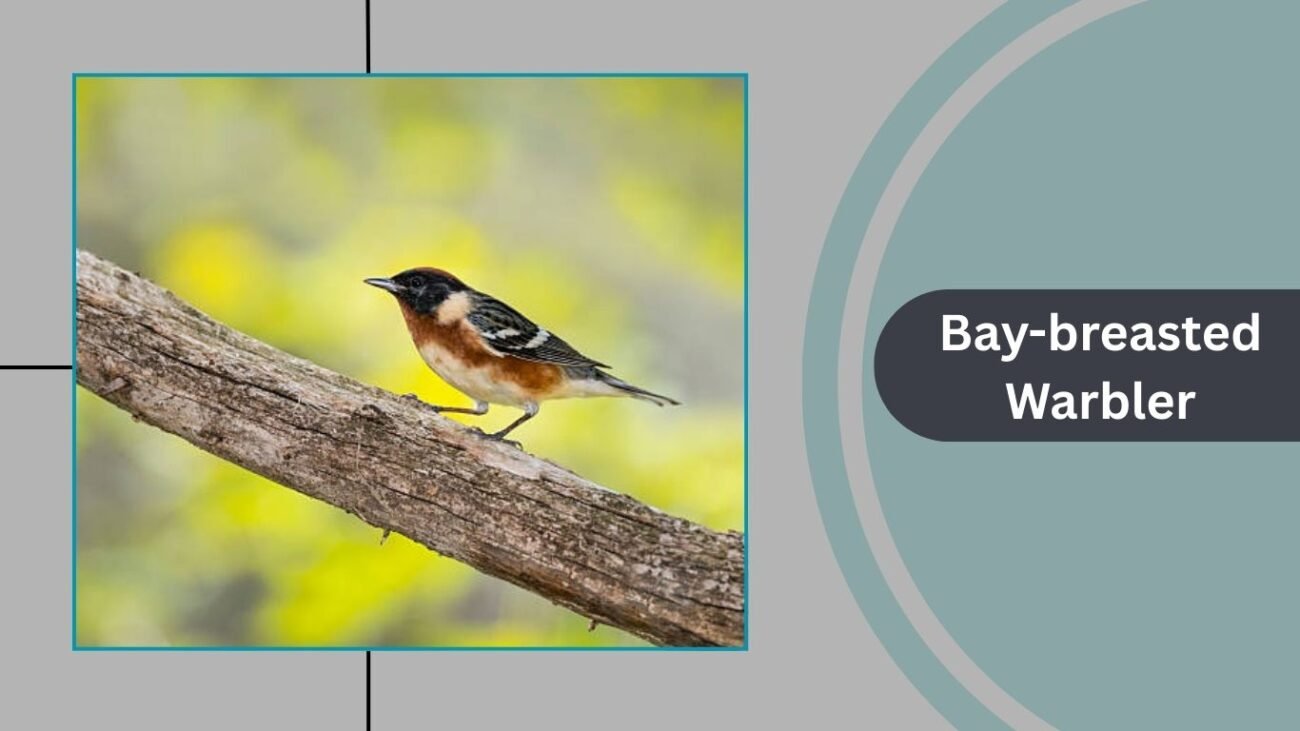
The Bay-breasted Warbler is a striking forest bird, admired for its rich chestnut coloring during the breeding season. Though it is less conspicuous in fall, this species plays an important role in controlling insect populations, especially spruce budworms.
Identification
- Male (breeding): Chestnut crown, throat, and flanks; gray back with black streaks; buffy underparts
- Female & Non-breeding: Duller olive-green with only faint traces of chestnut
- Size: About 5.5 inches long
- Bill: Short, thin, and pointed
Diet
Specializes in eating caterpillars, particularly spruce budworms. Also consumes flies, beetles, and other small insects, along with berries during migration.
Behavior
Forages in the mid to upper canopy, often moving deliberately among branches. Males sing a thin, high-pitched song to mark territories.
Habitat
Breeds in boreal spruce-fir forests of Canada and the northeastern U.S. Winters in northern South America, preferring forest edges and shade-grown coffee plantations.
11. Chestnut-sided Warbler
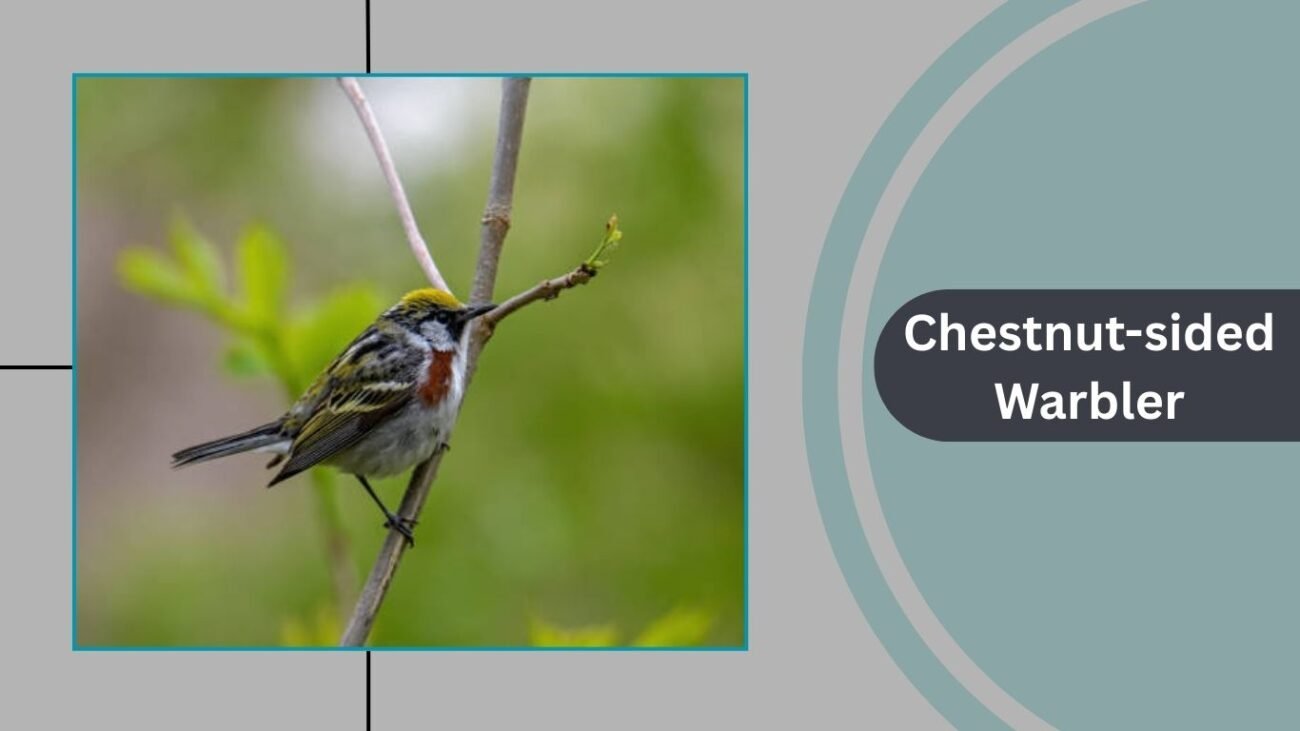
The Chestnut-sided Warbler is a colorful and easily recognized bird, especially during the breeding season when its plumage is at its brightest. Its distinctive chestnut side streaks set it apart from other warblers.
Identification
- Male: Bright yellow crown, white underparts with bold chestnut flanks, black eye line, and greenish back
- Female: Paler with less prominent chestnut coloring
- Size: Around 5 inches long
- Bill: Thin and dark, slightly curved
Diet
Feeds primarily on insects like caterpillars, beetles, and leafhoppers. They occasionally eat berries during migration.
Behavior
Active and restless, frequently flitting through shrubs and trees. Males sing a loud, buzzy song that sounds like “pleased, pleased, pleased to meet ya.”
Habitat
Prefers shrubby habitats, regenerating forests, and forest edges. Breeds in young deciduous woodlands across northeastern North America and winters in Central America and the Caribbean.
12. Cape May Warbler
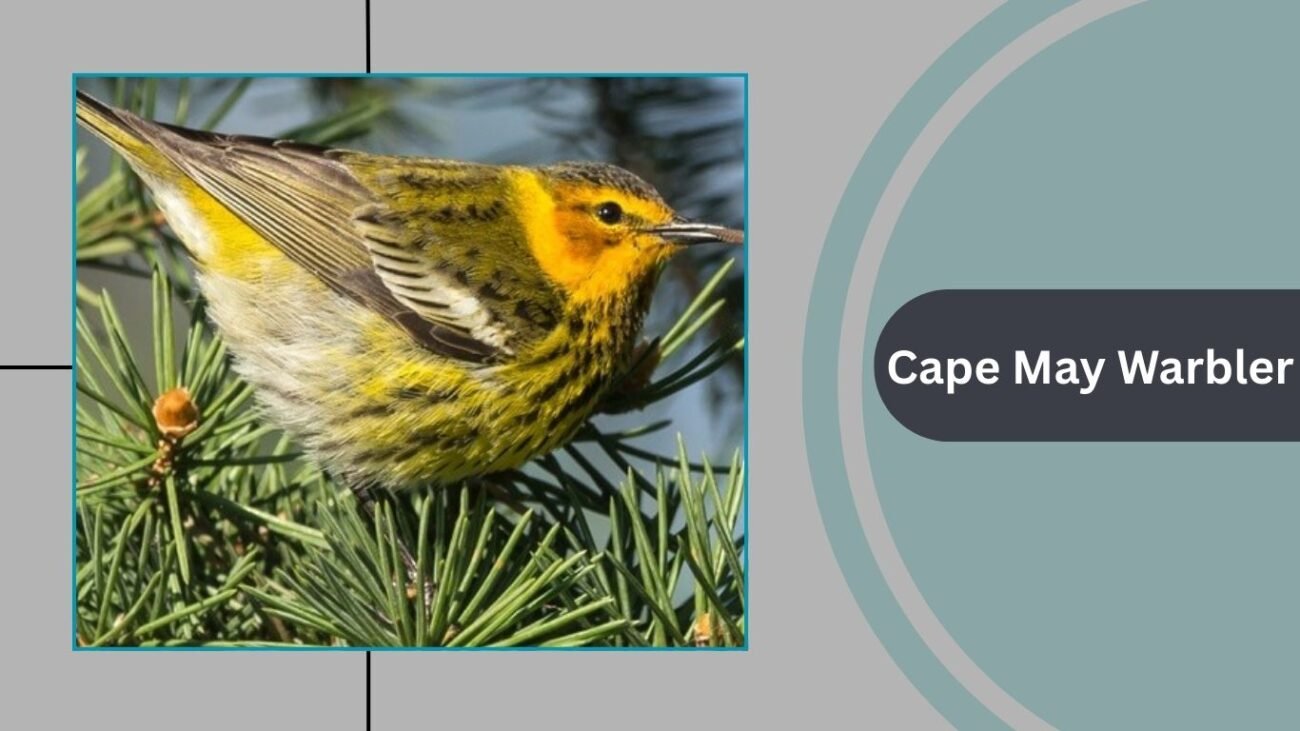
The Cape May Warbler is a striking species with bold plumage and a unique feeding style. It is especially known for its ability to feed on nectar, using its curled tongue, which is unusual among warblers.
Identification
- Male: Yellow chest with dark streaks, chestnut cheek patch, black crown, and white wing patch
- Female: Duller yellow-green overall with faint streaking and little or no chestnut patch
- Size: About 5 inches long
- Bill: Thin and slightly decurved, adapted for both insects and nectar
Diet
Primarily consumes insects, especially spruce budworms during breeding. In migration and winter, they eat nectar, berries, and fruits, often visiting flowering plants.
Behavior
Active canopy foragers, frequently flicking wings and hovering briefly to catch insects. Their nectar-feeding allows them to adapt well in tropical wintering habitats.
Habitat
Breeds in boreal coniferous forests across Canada. During migration, they are found in woodlands, gardens, and orchards, and they winter in the Caribbean.
13. Blackpoll Warbler
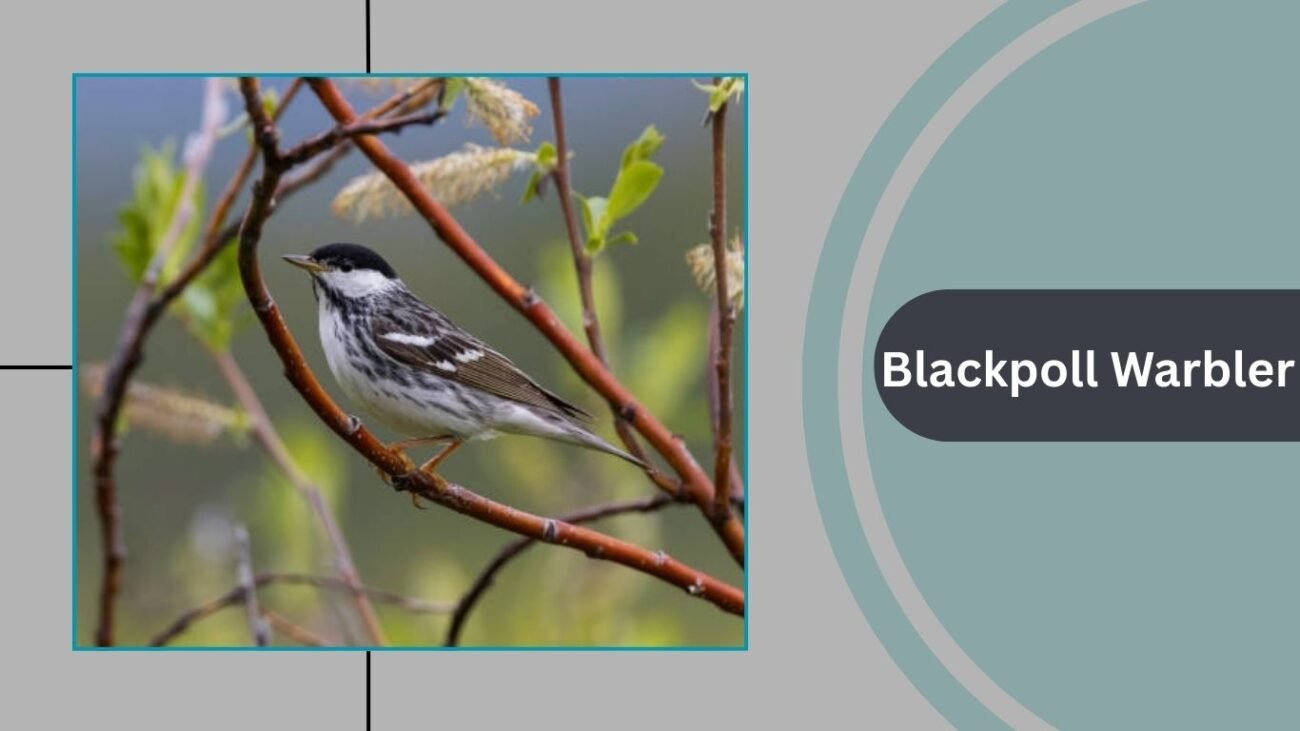
The Blackpoll Warbler is remarkable for its incredible long-distance migration, flying non-stop across the Atlantic Ocean to South America in the fall. Its plumage may seem modest, but its endurance is unmatched.
Identification
- Male (breeding): Black cap, white cheeks, streaked black-and-white back, and pale underparts
- Female & Non-breeding: Olive-gray with faint streaking and less contrast
- Size: About 5.5 inches long
- Bill: Fine, sharp, and dark
Diet
Feeds on insects such as caterpillars, beetles, flies, and spiders. They also eat berries, especially during fall migration to fuel their long journey.
Behavior
Often forages in the canopy, picking insects from leaves and twigs. Known for their thin, high-pitched song that is almost insect-like.
Habitat
Breeds in boreal spruce and fir forests of Canada and Alaska. Winters in northern South America, favoring tropical forests.
14. Yellow-rumped Warbler
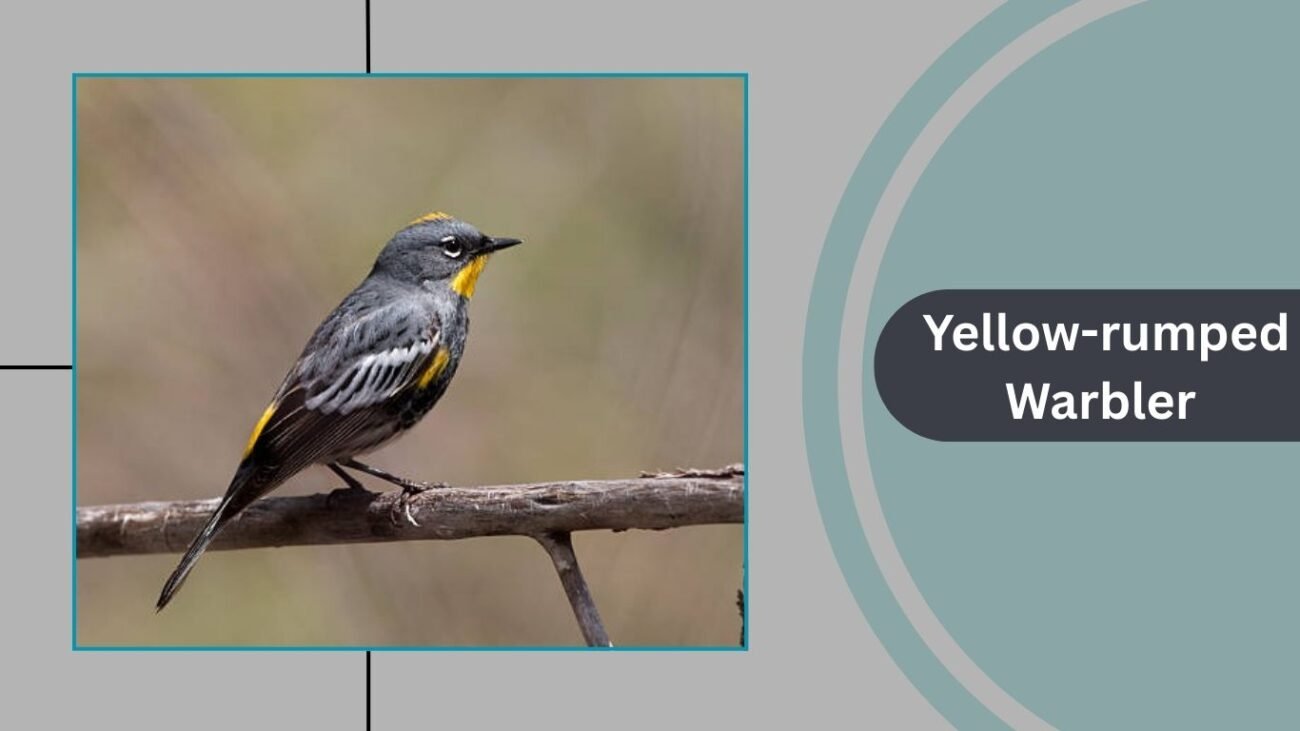
The Yellow-rumped Warbler is one of the most widespread and adaptable warblers in North America. Known for its distinctive yellow patches, it can survive farther north than most warblers due to its ability to digest wax-coated berries in winter.
Identification
- Male (breeding): Gray body with black streaks, bright yellow patches on rump, sides, and crown, plus white wing bars
- Female & Non-breeding: Browner overall with duller yellow patches
- Size: Around 5.5 inches long
- Bill: Small, sharp, and black
Diet
Feeds mainly on insects during summer, including caterpillars, beetles, and ants. In winter, switches heavily to berries such as bayberry and juniper, which few other warblers can digest.
Behavior
Active and versatile, foraging in trees, shrubs, and sometimes on the ground. Frequently flicks wings while feeding. Known for forming large winter flocks.
Habitat
Breeds in coniferous and mixed forests. Winters in open woodlands, coastal scrub, parks, and even urban areas.
15. Tennessee Warbler
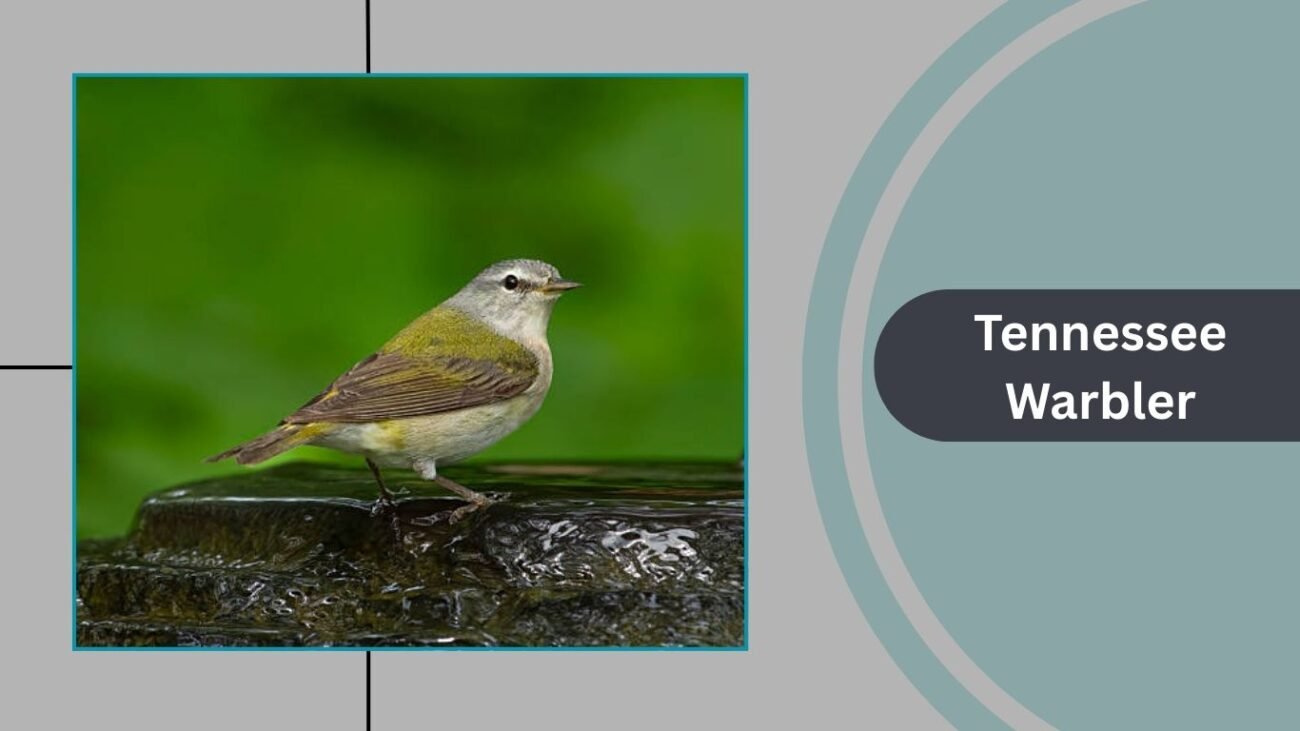
The Tennessee Warbler is a small, energetic species famous for its connection to spruce budworms, which make up a large portion of its diet during breeding season. Despite its name, it does not breed in Tennessee but passes through during migration.
Identification
- Male (breeding): Gray upperparts, white underparts, greenish back, and white eyebrow
- Female & Non-breeding: Yellowish wash on underparts and more olive tones overall
- Size: About 4.5–5 inches long
- Bill: Thin, sharp, and dark
Diet
Primarily insectivorous, specializing in caterpillars, especially spruce budworms. During migration, also eats nectar and berries.
Behavior
Hyperactive, constantly moving through foliage in search of food. Known for its sharp, buzzy song, often delivered rapidly.
Habitat
Breeds in boreal spruce-fir forests of Canada. During migration, found in woodlands, orchards, gardens, and shade-grown coffee plantations in Central and South America.
16. Orange-crowned Warbler
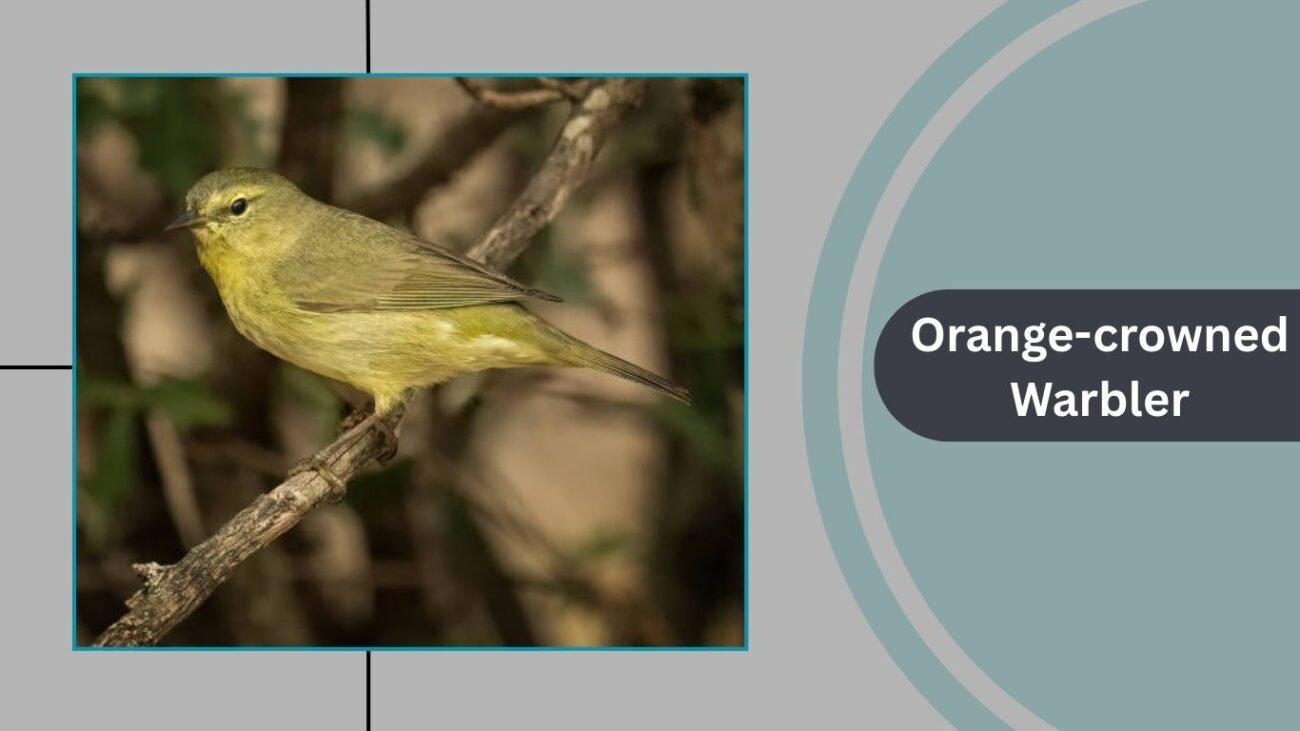
The Orange-crowned Warbler is a subtle but widespread warbler, less flashy than many of its relatives. Its muted colors often make it tricky to identify, but its adaptability allows it to thrive in diverse habitats.
Identification
- Male & Female: Olive-green upperparts, yellowish underparts with faint streaking, and a small orange crown patch (usually hidden)
- Size: Around 5 inches long
- Bill: Thin, pointed, and slightly longer than average for warblers
Diet
Feeds on insects, spiders, and caterpillars. They also consume berries and nectar during migration and winter.
Behavior
Restless and curious, often creeping through low shrubs while foraging. They have a thin, trilled song and soft “chip” calls.
Habitat
Breeds in shrubby clearings, open woodlands, and forest edges across much of North America. Winters in the southern U.S., Mexico, and Central America, often in gardens and orchards.
17. Nashville Warbler
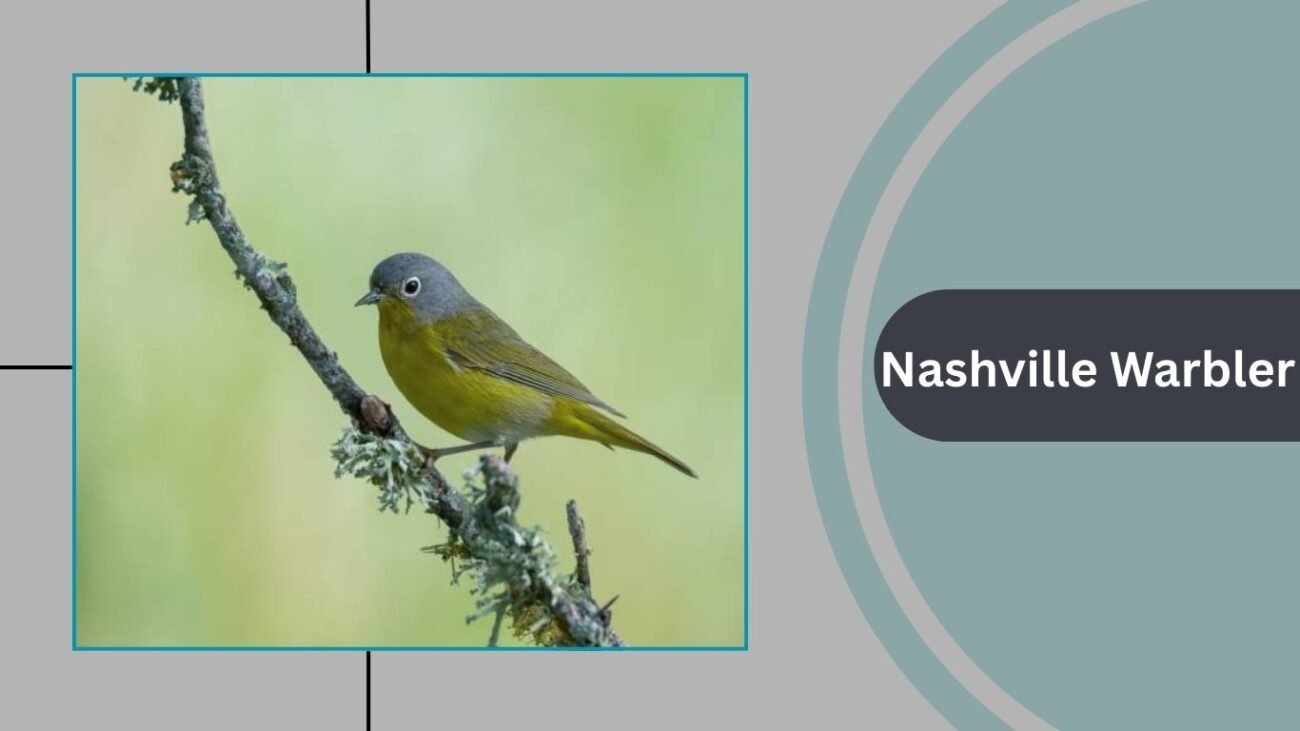
The Nashville Warbler is a small, active bird named after Nashville, Tennessee, where it was first described. Its bright yellow belly and contrasting gray head make it an attractive yet relatively understated species.
Identification
- Male: Gray head, white eye ring, olive-green back, and yellow throat and belly
- Female: Similar but slightly duller
- Size: About 4.5–5 inches long
- Bill: Slender, dark, and sharply pointed
Diet
Eats mostly insects such as caterpillars, beetles, and flies. Also feeds on berries and nectar during migration.
Behavior
Active forager, often flitting through low shrubs and trees, frequently flicking its tail. Males sing a two-part song: a rapid trill followed by a slower, higher-pitched ending.
Habitat
Breeds in open woodlands, regenerating forests, and scrubby areas across Canada and the northeastern U.S. Winters in Mexico and Central America, favoring tropical forests and gardens.
18. Kentucky Warbler
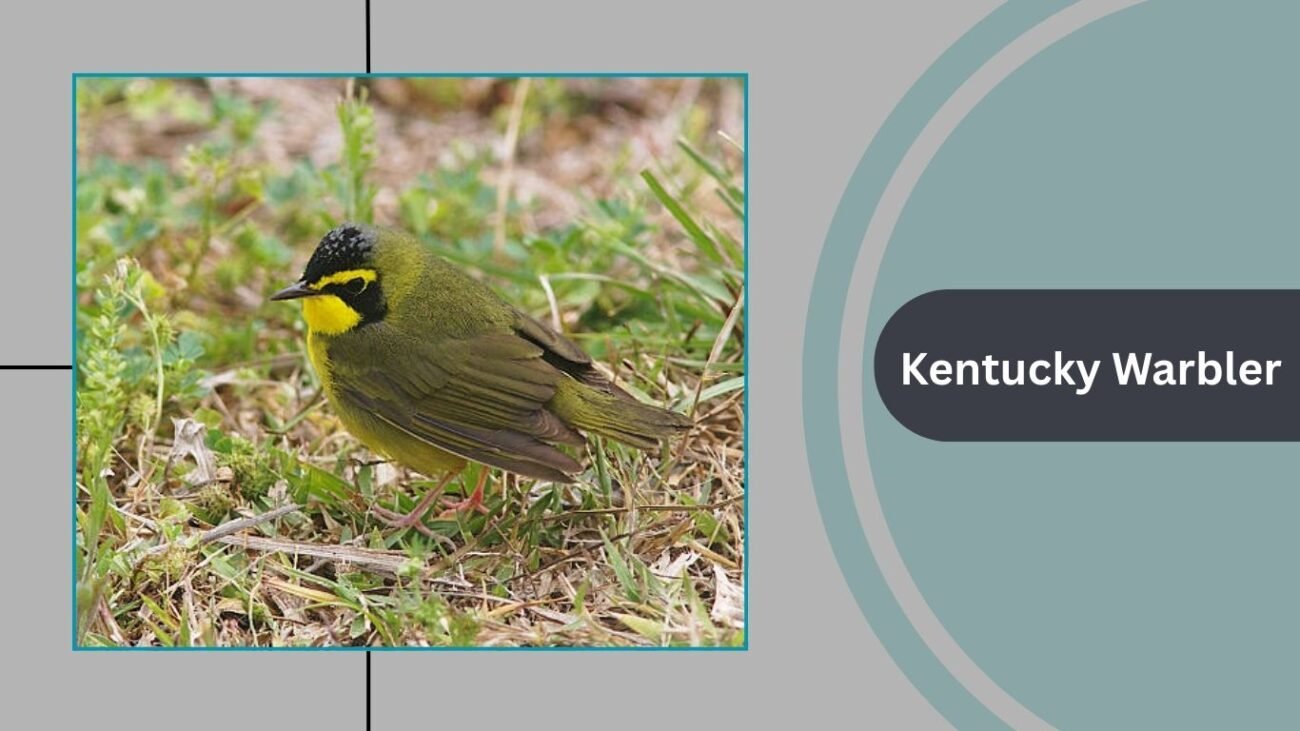
The Kentucky Warbler is a striking, ground-dwelling warbler with bold facial markings. Though brightly colored, it is often difficult to spot because it prefers staying hidden in dense understory vegetation. It breeds mainly in the southeastern United States and migrates to Central America for winter.
Identification
- Male & Female: Bright yellow underparts, olive-green upperparts, and a distinctive black mask that extends from the bill through the eye, outlined by a yellow “eyebrow”
- Size: Around 5.5 inches long
- Bill: Strong, dark, and slightly longer than average for probing into leaf litter
Diet
Primarily insectivorous, feeding on beetles, ants, caterpillars, grasshoppers, and spiders. They forage close to or on the ground, flipping leaves to uncover hidden prey.
Behavior
Skulking and secretive, usually hopping along the forest floor rather than flitting in trees. Males sing a loud, rolling “churry-churry-churry” song that carries through dense forests.
Habitat
Breeds in moist deciduous forests with dense understory, often near streams. Winters in lowland tropical forests of Central America, where it remains near thickets and dense growth.
19. Hooded Warbler
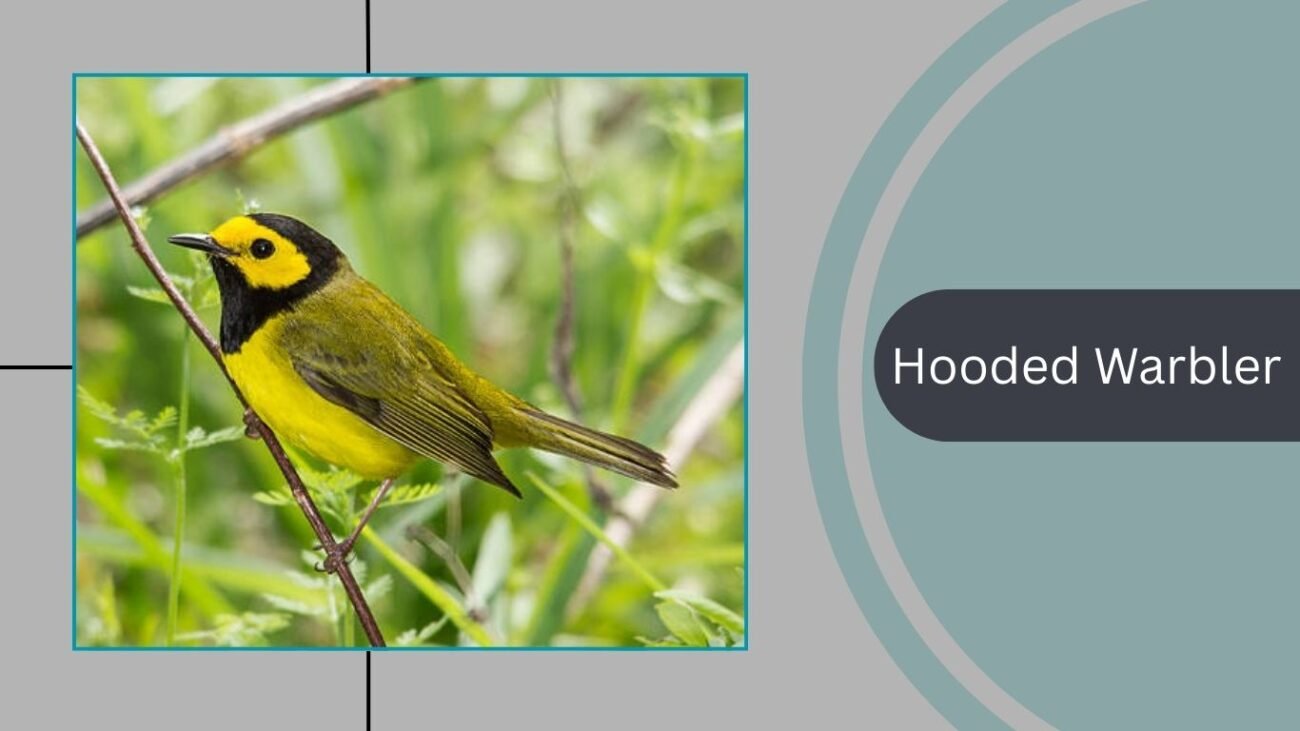
The Hooded Warbler is a charismatic species with bold plumage and an energetic personality. Males are easily recognized by their bright yellow face surrounded by a jet-black “hood,” giving the bird its name. Females lack the full hood but are still distinctive.
Identification
- Male: Black hood and throat framing a bright yellow face and underparts; olive-green back and wings
- Female: Yellow face with faint or absent hood, olive-green back, and duller overall plumage
- Size: Around 5 inches long
- Bill: Short, sharp, and dark
Diet
Feeds on a variety of insects, including moths, flies, beetles, caterpillars, and spiders. They occasionally eat berries during migration.
Behavior
Agile and active, often flicking their tails to reveal large white tail spots, which may help flush insects from hiding. Males are territorial and sing a loud, ringing song during the breeding season.
Habitat
Prefers shady, moist deciduous forests with dense shrub layers. Found in the eastern and southeastern United States during breeding, and winters in Central America and the Caribbean in tropical forests and plantations.
20. Mourning Warbler
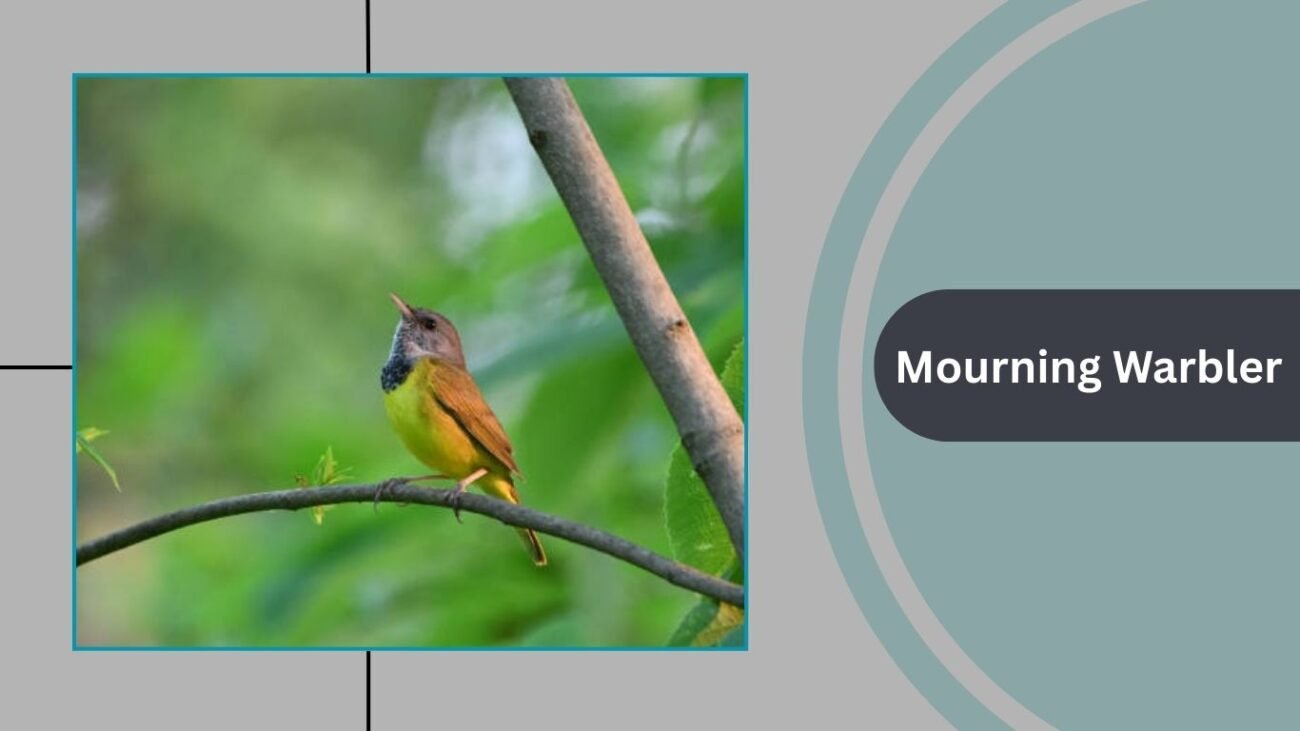
The Mourning Warbler is a secretive species often heard before it is seen. Named for its dark hood, which resembles a mourner’s veil, this bird is more often found in dense vegetation than in open spaces. Though elusive, its bright underparts make it striking when visible.
Identification
- Male: Olive-green back, bright yellow belly, and a gray hood with a black chest patch
- Female: Duller overall, with a faint or absent black patch on the chest
- Size: Around 5.5 inches long
- Bill: Thin, pointed, and slightly larger than average warbler bills
Diet
Feeds primarily on insects, including beetles, caterpillars, grasshoppers, and spiders. They forage low to the ground, often hopping through leaf litter. In migration, they also eat berries and small fruits.
Behavior
Skulking and shy, preferring dense thickets and understory. Males sing a rich, rolling song similar to that of the Common Yellowthroat but clearer. They are territorial during breeding.
Habitat
Breeds in dense shrubby habitats and regenerating forests in Canada and the northeastern U.S. Winters in Central America and northern South America, sticking to dense, brushy areas.
21. Ovenbird
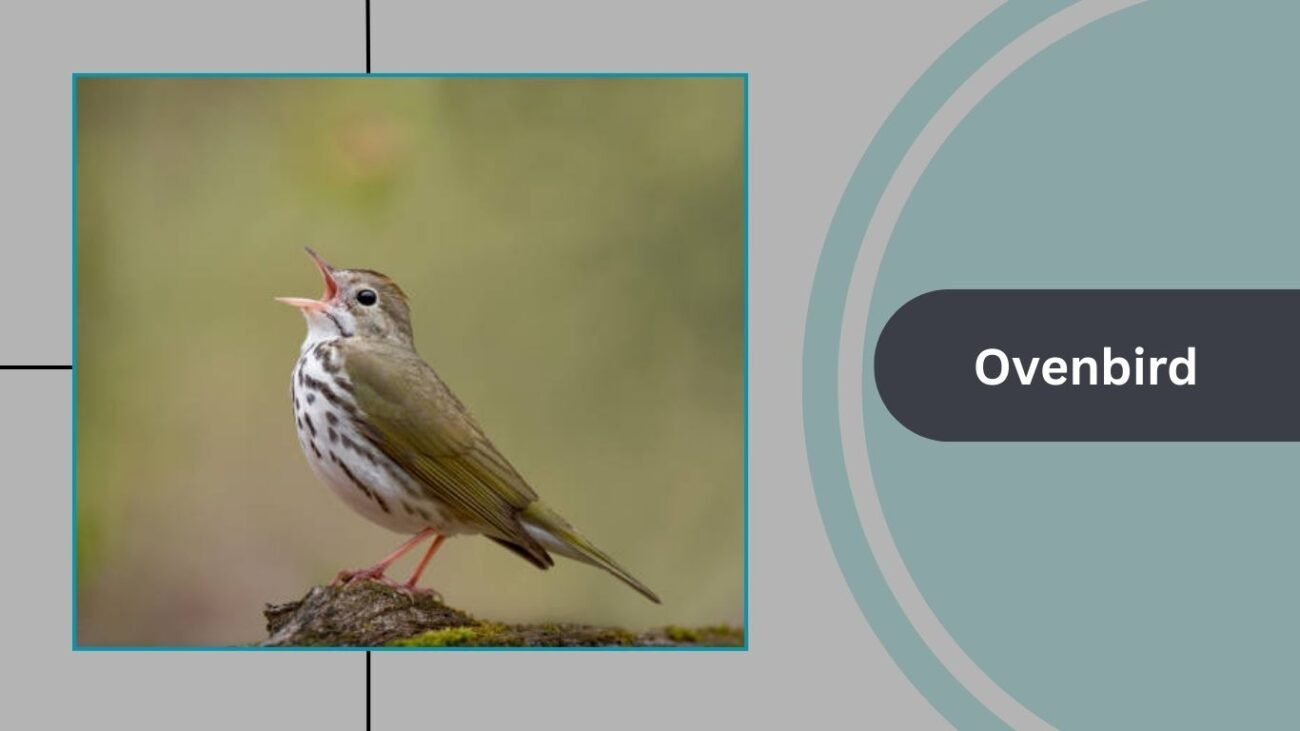
The Ovenbird is a large, ground-dwelling warbler named for its distinctive, dome-shaped nest that resembles an old-fashioned oven. Unlike brightly colored warblers, it is more subdued in appearance, but its loud song makes it highly noticeable.
Identification
- Male & Female: Olive-brown back, white underparts heavily streaked with black, and a bold orange crown bordered by black stripes
- Size: Around 6 inches long, larger than many other warblers
- Bill: Straight, sharp, and strong, adapted for probing leaf litter
Diet
Feeds on insects such as ants, beetles, caterpillars, and earthworms, often picked from the forest floor. They may also consume spiders and other invertebrates.
Behavior
Primarily ground-foraging, walking steadily rather than hopping like many other warblers. Known for its loud “teacher-teacher-teacher” song that echoes through forests.
Habitat
Breeds in mature deciduous and mixed forests across Canada and the eastern U.S. Winters in Central America, the Caribbean, and northern South America, usually in shaded forests with rich understory.
22. Common Yellowthroat
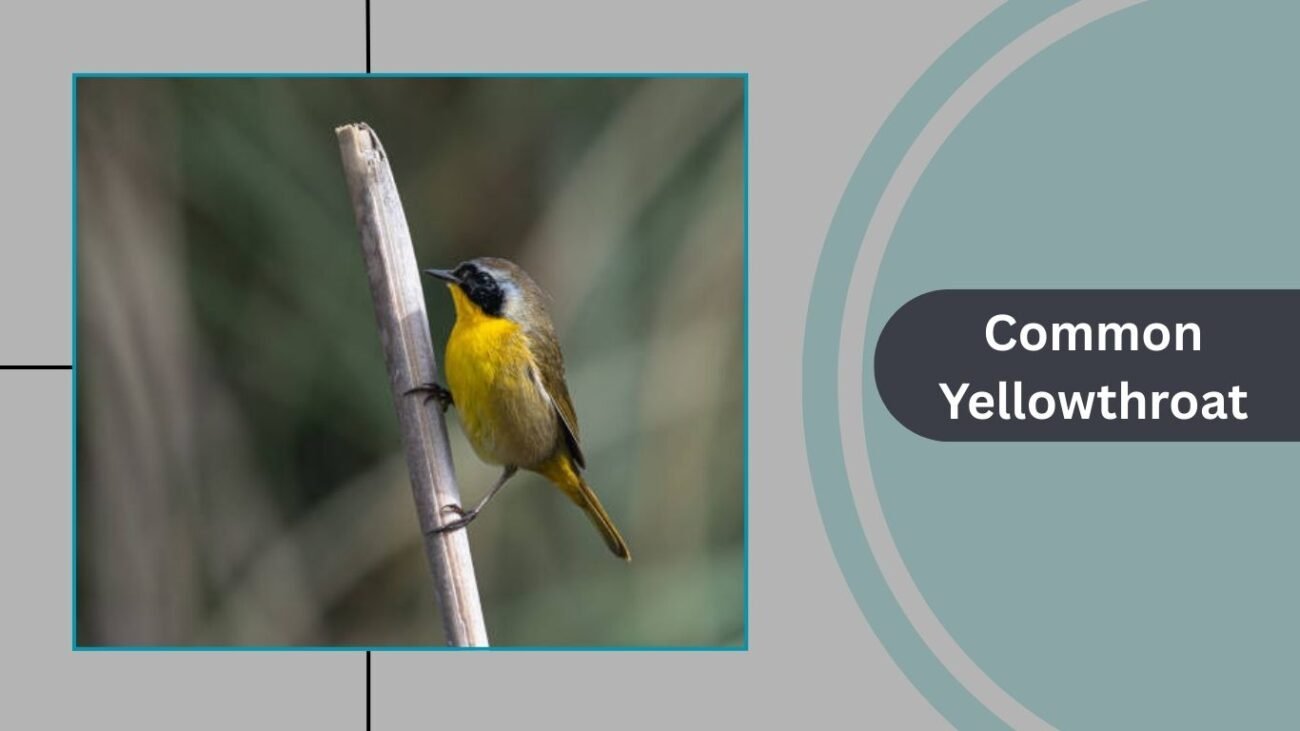
The Common Yellowthroat is one of the most familiar warblers in North America, easily recognized by the male’s black facial mask. It is a secretive bird, often heard giving its distinctive “witchety-witchety-witchety” song from dense vegetation.
Identification
- Male: Bright yellow throat and chest, olive-green back, and bold black mask bordered with white or gray
- Female: Lacks black mask, with olive upperparts and paler yellow throat
- Size: About 5 inches long
- Bill: Thin, pointed, and dark
Diet
Feeds primarily on insects, including beetles, caterpillars, flies, and grasshoppers. Also consumes spiders and small seeds during migration.
Behavior
Active and curious, often skulking in dense shrubs or marsh vegetation. Known for quick, darting movements close to the ground.
Habitat
Breeds in wetlands, marshes, shrubby fields, and forest edges across much of North America. Winters in the southern U.S., Mexico, Central America, and the Caribbean.
23. Canada Warbler
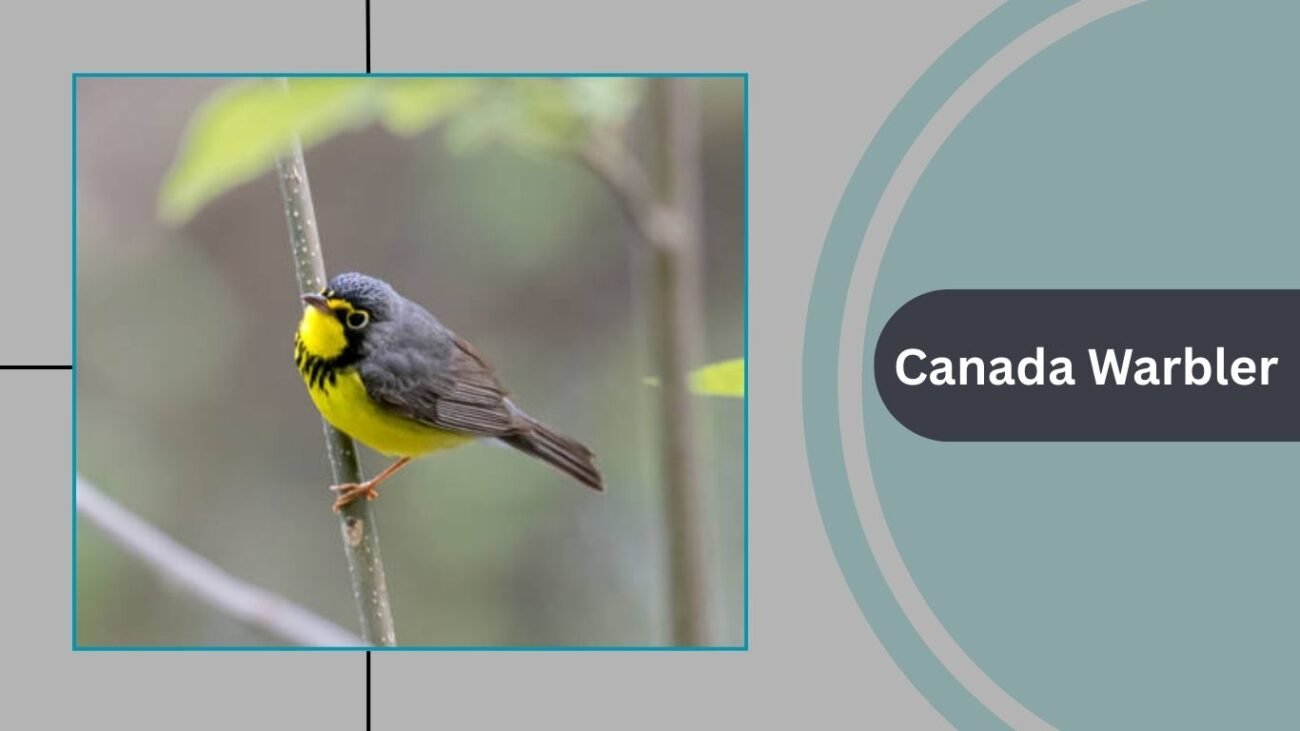
The Canada Warbler is a stunning bird often called the “necklaced warbler” because of the distinctive black streaks across its bright yellow chest. Though beautiful, it is also a declining species due to habitat loss in both breeding and wintering grounds.
Identification
- Male: Gray upperparts, yellow underparts, bold black necklace of streaks, and white eye ring
- Female: Similar but with a paler necklace and slightly duller overall colors
- Size: About 5.5 inches long
- Bill: Small, sharp, and dark
Diet
Feeds on insects such as flies, moths, beetles, and caterpillars. They are agile foragers, often catching insects mid-flight or gleaning from leaves.
Behavior
Active and restless, often flitting through low shrubs and understory while constantly moving. Known for their sharp, ringing “chip” calls and rich, musical song.
Habitat
Breeds in cool, moist mixed forests with dense understory across Canada and the northeastern U.S. Winters in the Andes of South America, especially in Venezuela, Colombia, and Peru.