











Crows are among the most intelligent and adaptable birds in the world. Found across continents and climates, their diet reflects incredible versatility. From fruits and seeds to insects and small animals, crows eat nearly everything they can find. Their scavenging skills and problem-solving abilities allow them to survive in forests, cities, and even harsh winters—making them one of nature’s most fascinating omnivores.
Understanding the Crow’s Diet
Are Crows Omnivores or Carnivores?
Crows are true omnivores. This means they consume both plant-based and animal-based food depending on what’s available. Unlike birds that rely solely on seeds or insects, crows adjust their diet according to the season and habitat. This flexibility allows them to thrive in urban areas, rural farmlands, and wild environments alike. Their intelligence helps them recognize food sources and even plan how to access them.
What Do Crows Commonly Eat?
Crows have one of the most varied diets in the bird kingdom. Their meals include worms, insects, grains, nuts, fruits, small animals, and even carrion. They are also notorious for scavenging—feeding on roadkill, garbage, and leftover human food. In farmlands, crows feast on corn and seeds, while in forests, they rely more on insects, berries, and eggs from other birds. Their food choices reflect the environment around them.
What Do Crows Like to Eat the Most?
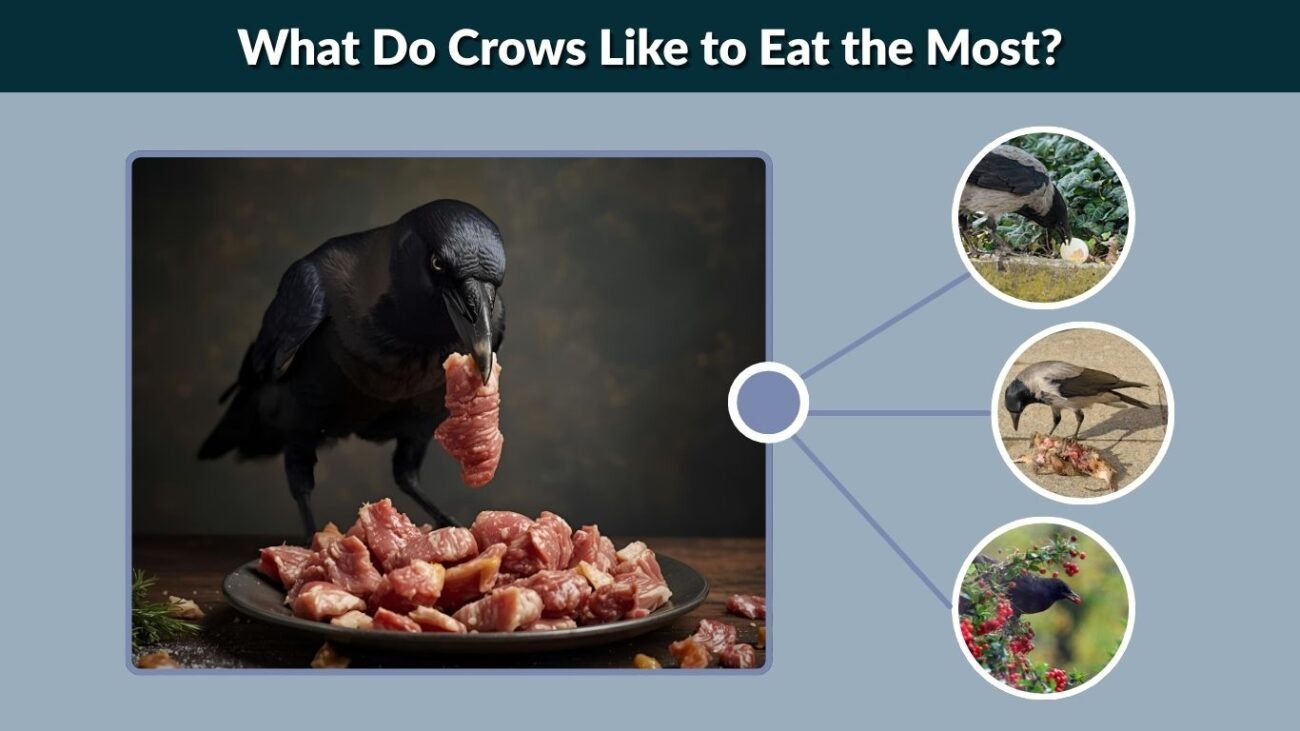
Crows show a strong preference for protein-rich and high-fat foods. They particularly enjoy peanuts in the shell, boiled eggs, meat scraps, and soft fruits. Observations show that crows remember generous feeders and often return to the same locations daily. They also have an attraction to shiny or unusual objects, although this behavior is more about curiosity than diet. If you want to attract crows, offering peanuts, corn, and bits of meat is almost guaranteed to work.
Seasonal Eating Habits of Crows
What Do Crows Eat in Winter?
Winter brings scarcity, and crows adapt cleverly. When insects and fresh fruits vanish, they rely on scavenging. Carrion—dead animals—is a primary winter food source. They also dig through snow to find hidden nuts or grains and frequent human areas for leftover food. Crows may gather in large flocks near garbage dumps or farmland to share resources. Their social behavior helps them survive harsh conditions as a group.
What Do Crows Eat in Spring and Summer?
During warmer months, the food supply is abundant. Crows feed heavily on insects, worms, fruits, and seeds. Spring also marks the breeding season, and parent crows search for protein-rich foods to nourish their young. They hunt caterpillars, beetles, and small rodents. Summer diets expand to include berries, corn, cherries, and garden vegetables. This is when they are most active foragers, preparing for leaner months ahead.
Regional and Species-Specific Diets

American and Fish Crows
The American crow (Corvus brachyrhynchos) and the Fish crow (Corvus ossifragus) share many dietary similarities but differ slightly due to habitat.
- American crows eat grains, insects, carrion, frogs, and small mammals.
- Fish crows, common near coastlines and wetlands, consume fish, crabs, and amphibians.
Both species scavenge frequently and are often seen near urban centers and farmlands where food is plentiful.
Crows in Different Countries
Crows’ diets vary worldwide based on climate and environment.
- In India, they eat rice, fruits, insects, and household leftovers.
- In Australia, they feast on insects, reptiles, and roadkill due to the warm environment.
- In the UK, crows eat worms, seeds, carrion, and scraps from picnic areas.
- In Florida, fish and frogs make up a large part of their diet.
This adaptability explains why crows successfully inhabit diverse regions across the globe.
What Do Baby and Young Crows Eat?
Baby crows, also called chicks or nestlings, rely entirely on their parents for food. For the first few weeks, adult crows regurgitate pre-digested food to make it easier for the chicks to swallow. Their diet mainly includes soft insects, worms, and small pieces of meat. As they grow into fledglings, parents introduce solid food like grains and fruit pieces. By six to eight weeks, young crows can feed themselves, mimicking the foraging habits of adults.
What Do Crows Eat in the Wild vs. Near Humans
Natural Foraging Diet
In the wild, crows are skilled foragers. They eat insects, seeds, snails, small reptiles, frogs, and berries. Crows are opportunistic hunters, capable of catching small prey or opening nutshells using tools. They play a vital ecological role by cleaning up carrion and dispersing seeds through their droppings—keeping ecosystems balanced.
What Crows Eat Around Humans
Crows have adapted remarkably to human environments. In cities and towns, they scavenge food from garbage bins, compost piles, and parking lots. They’re known to snatch fries, bread, or pet food from backyards. In gardens, crows eat corn, tomatoes, and fruit—sometimes frustrating gardeners but helping control pests by eating insects and slugs. Their resourcefulness allows them to survive comfortably near people, making them one of the few wild birds thriving in urban landscapes.
Animal and Insect Prey of Crows

Crows are not just scavengers—they are also opportunistic hunters. They actively prey on small animals such as mice, frogs, and even baby birds from nests. Their diet includes a variety of insects like beetles, caterpillars, crickets, and grasshoppers. By consuming dead animals (carrion), crows help clean the environment and prevent disease spread. Their intelligence enables them to drop nuts or shells on hard surfaces to break them open, demonstrating remarkable problem-solving abilities.
Fruits, Seeds, and Plant Foods
Plant-based foods make up a significant portion of a crow’s diet. They love fruits such as apples, cherries, berries, pears, and grapes. During harvest season, crows raid fields for corn, wheat, and sunflower seeds. They also eat nuts like walnuts, acorns, and almonds, which provide valuable fat for the winter. In gardens, they might nibble on vegetables and grains. This balance between animal and plant foods defines their omnivorous diet, allowing them to adapt to any ecosystem.
What Crows Don’t Eat or Avoid
Although crows are known for eating almost anything, they do have preferences and dislikes. They typically avoid very spicy, bitter, or overly processed foods. Artificially flavored snacks or foods with preservatives don’t appeal to them. Crows also tend to avoid rotten or moldy food unless food scarcity forces them. Interestingly, while they’re often associated with stealing shiny objects, they don’t eat metal or plastic—it’s curiosity, not appetite, that drives this behavior.
Feeding Behavior and Timing
When Do Crows Eat?
Crows are daytime feeders, active mostly during early morning and late afternoon. They spend these hours searching for food, caching some for later use. In urban areas, crows often coordinate feeding times with human activity—raiding garbage bins right after people discard waste. Their sharp eyesight and memory help them locate and return to reliable food sources.
How Crows Find and Share Food
Crows have complex communication skills. They use calls to alert each other about food or danger. In some cases, one crow scouts a location and signals others when it’s safe to feed. They also recognize friendly humans and will revisit feeders who consistently provide food. Their ability to remember faces and associate them with generosity or threat makes them one of the most intelligent bird species on Earth.
Crows and Ravens – Diet Comparison
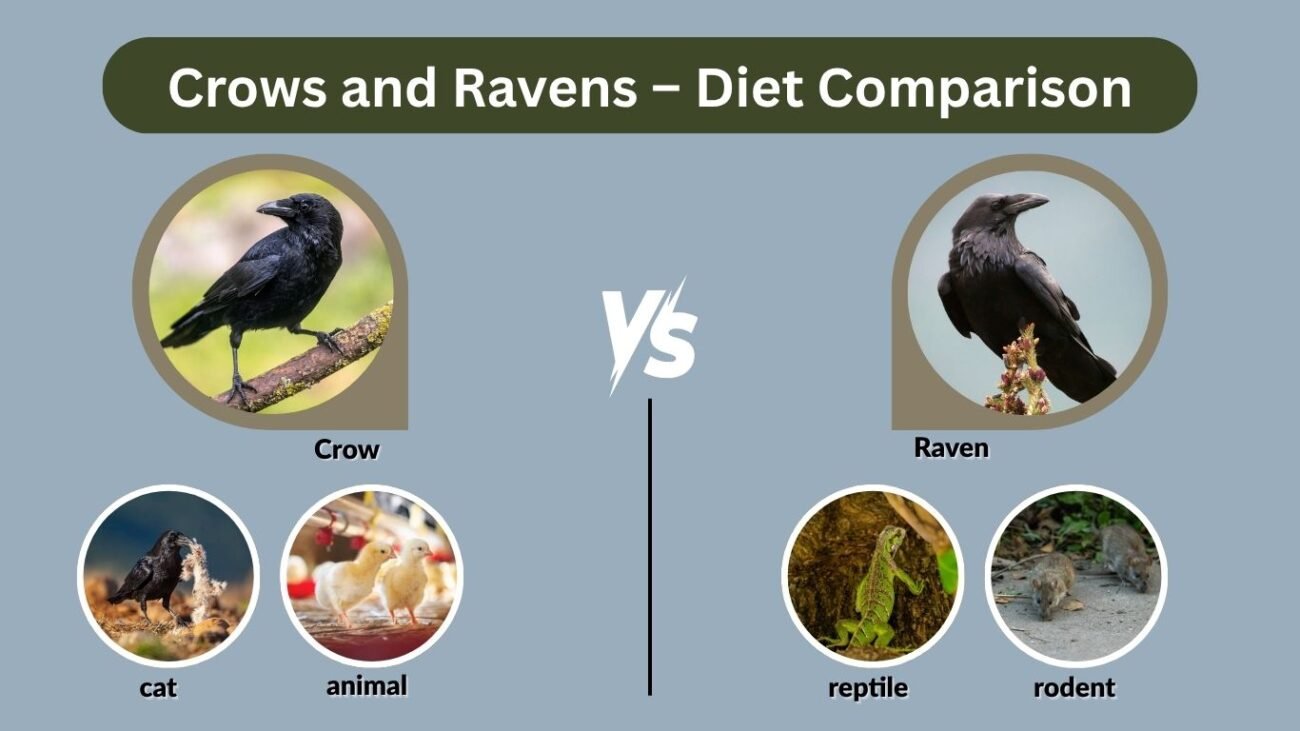
Crows and ravens belong to the same Corvus genus but differ slightly in diet and behavior. Ravens are generally larger and more carnivorous, preferring bigger prey like rodents, reptiles, and carrion. Crows, however, have a more balanced diet, consuming both animal and plant foods in equal measure. Ravens often scavenge in pairs or alone, while crows forage in flocks. Both species share similar intelligence, tool use, and scavenging habits, but crows are more likely to live near humans.
Fun Fact – What Do Crows Eat in Disney Dreamlight Valley?
In the popular game Disney Dreamlight Valley, crows have a whimsical appetite. They love five-star meals such as Roasted Vegetables, Fruit Sorbet, and other high-quality dishes made by the player. To befriend a crow in the game, players must approach it slowly and offer one of these special meals. While fictional, this reflects real-life crows’ preference for flavorful, high-energy foods—a fun nod to their intelligence and curiosity.
Key Takeaways
- Crows are omnivores that eat both animal and plant matter.
- Their diet includes insects, fruits, grains, carrion, and even small animals.
- In winter, crows rely on scavenging and stored food.
- They easily adapt to human environments, feeding on leftovers and waste.
- Baby crows depend on parents for soft, regurgitated food before learning to forage.
- Crows’ intelligence helps them find, share, and even store food for later.
FAQs
What do crows eat in winter?
During winter, crows eat whatever they can find—dead animals, grains, nuts, and leftover human food. Their scavenging skills and ability to store food in advance help them survive when natural sources are scarce.
What fruits do crows enjoy most?
Crows love fruits like cherries, apples, berries, grapes, and pears. These provide energy and hydration. In orchards, crows often feed on ripened fruits directly from trees, sometimes causing trouble for farmers.
Can crows eat meat or eggs?
Yes, crows regularly consume raw or cooked meat, fish, and eggs. They raid other birds’ nests for eggs or nestlings and eat small rodents and frogs. This protein helps sustain their energy, especially during breeding season.
What should I feed crows in my yard?
You can feed crows unsalted peanuts, meat scraps, eggs, or fruit pieces. Place the food in an open area and maintain a consistent feeding routine. Avoid processed foods, chocolate, or anything with salt or spices.
Do crows drink water or other liquids?
Crows drink fresh water daily. They often use puddles, birdbaths, or streams to stay hydrated. On hot days, crows may even dip food in water to soften it before eating—a sign of their remarkable intelligence.


