











Crows are among the most intelligent and adaptable birds on Earth. Found in almost every region, these black-feathered creatures thrive in forests, cities, and even deserts. Their sharp memory, tool use, and social intelligence make them fascinating subjects of study. But one question often arises: how long do crows live? The answer depends on their species, habitat, and whether they live in the wild or in captivity.
Average Lifespan of Crows
How Long Do Crows Live on Average?
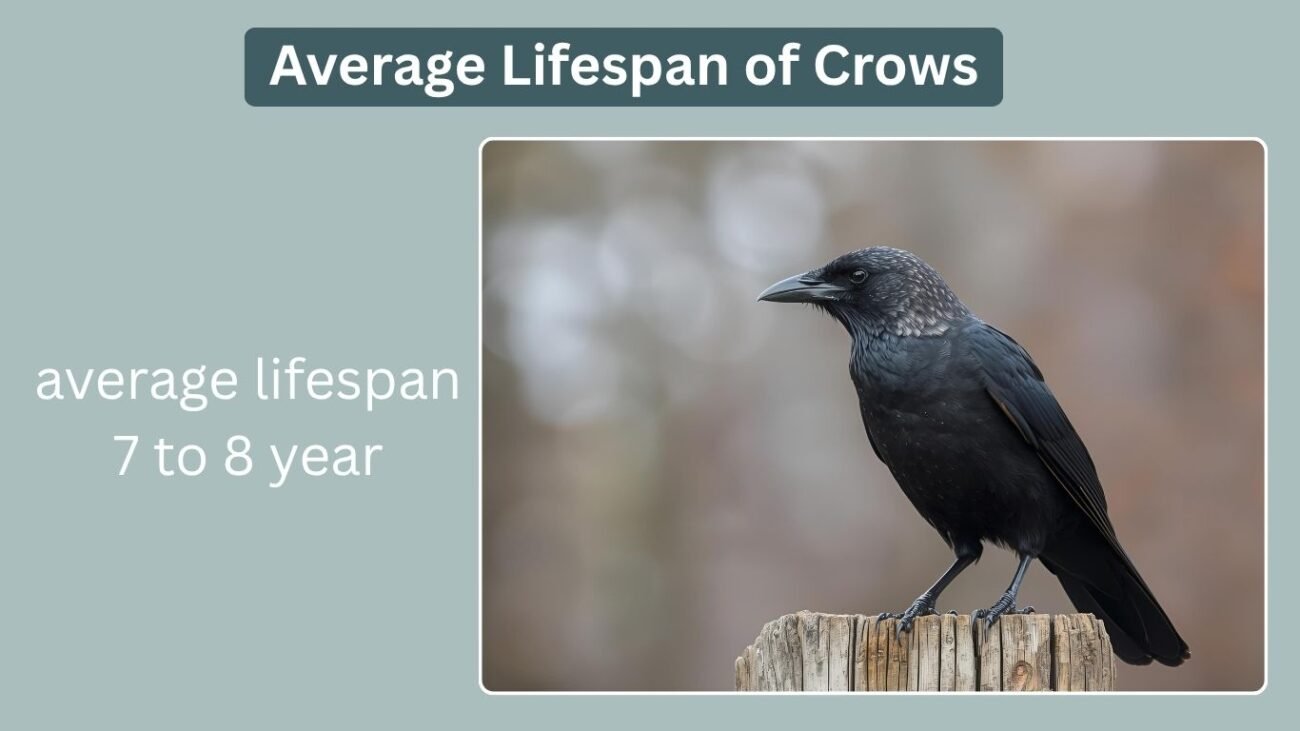
The average lifespan of a crow in the wild is around 7 to 8 years, though many die earlier due to predators or accidents. However, under ideal conditions, some can live up to 20 years or more. Crows are incredibly resourceful birds—they learn from each other, adapt to urban life, and remember human faces, which helps them avoid danger. These traits give them a better chance of survival compared to many other birds.
The record for the oldest known wild crow is over 17 years, while captive crows have been known to live even longer—some exceeding 25 years. Their intelligence and cautious nature help them outlive most small bird species in similar environments.
Myths About Crow Longevity
Crows are often surrounded by myths and folklore. One of the most popular but false claims is that crows can live for 300 years. This myth likely originated from ancient stories where crows symbolized mystery, intelligence, and immortality. Scientifically, no bird of their size can live anywhere near that long. Their actual lifespan depends on natural challenges like disease, predators, and environmental hazards.
Despite the myth, the truth about crow longevity is still impressive—especially considering their adaptability and intelligence.
Wild vs. Captive Lifespan
How Long Do Wild Crows Live?
In the wild, crows face many dangers, from predators like hawks and owls to human-made threats such as cars, poisons, and habitat destruction. On average, a wild crow lives between 5 and 8 years. However, most young crows don’t even make it past their first year due to high mortality rates among fledglings.
Still, crows have adapted well to human environments. Urban populations often live slightly longer because they find food more easily and have fewer natural predators. These smart birds use traffic lights to crack nuts, raid garbage bins, and even store food for later—all behaviors that improve their survival odds.
How Long Do Crows Live in Captivity?

When kept in captivity or under human care—such as in sanctuaries, rescue centers, or as pets—crows can live 15 to 25 years, sometimes even longer. In a controlled environment, they’re safe from predators, receive regular meals, and have access to medical care.
Captive crows also benefit from mental stimulation. They’re curious and intelligent enough to learn tricks, mimic sounds, and recognize caretakers. However, it’s worth noting that keeping crows as pets is illegal in many regions, as they are protected wildlife species. Only licensed rehabilitators or researchers are typically allowed to care for them.
Life Challenges for Young or Grounded Crows
Baby crows, known as fledglings, face the toughest survival odds. Many fall from nests before they can fly and must learn quickly to evade predators and find food. Their early months are critical; if they make it through their first year, their survival chances rise significantly. Parental care plays a huge role—adult crows are very protective and often live in family groups, where older siblings help raise the young.
Grounded or injured crows that are rescued by humans sometimes recover and live long lives in captivity, but in the wild, such birds rarely survive long. Environmental hazards like storms, starvation, and disease make early life especially dangerous.
Species-Specific Lifespans

Crow lifespan varies considerably between species and regions. Each type of crow has unique adaptations and environmental pressures that influence how long it lives.
American Crow (Corvus brachyrhynchos)
The American crow is one of the most common and studied species. In the wild, they usually live 7 to 8 years, though some banded individuals have been recorded at over 17 years. In captivity, they can live up to 20–25 years. American crows thrive in cities, farms, and forests, taking advantage of human activity to find food and shelter.
Carrion Crow (Corvus corone)
Found throughout Europe and parts of Asia, the carrion crow typically lives 4 to 8 years in the wild, though some individuals reach 15 years in protected habitats. They are solitary birds compared to other crow species but display similar intelligence and adaptability. In the UK, carrion crows are common in rural areas and are known for their resilience in harsh weather.
Hooded Crow (Corvus cornix)
The hooded crow, easily recognized by its gray body and black head, is native to Northern Europe, the Middle East, and parts of Asia. Its average lifespan is around 7–10 years in the wild. In captivity, they can live up to 20 years. Their intelligence and ability to thrive in both rural and urban environments make them one of the most successful crow species across continents.
Indian House Crow (Corvus splendens)
The Indian house crow is one of the most familiar species across South Asia. Known for its loud calls and close association with humans, it thrives in urban settings. These crows generally live 6 to 10 years in the wild, but in captivity, they can survive up to 20 years. Their adaptable diet—ranging from fruit and grains to food waste—helps them flourish even in crowded cities like Mumbai and Dhaka. Their intelligence and opportunism make them one of the most resilient crow species.
Pied Crow and African Species
The pied crow (Corvus albus), native to Sub-Saharan Africa, is a striking black-and-white bird known for its curiosity and problem-solving skills. In the wild, pied crows typically live 10 to 15 years, but in captivity, some have been recorded living over 20 years. African crows, including the Cape crow and Somali crow, exhibit similar lifespans, thriving in both savannas and urban centers. Their intelligence and adaptability make them integral to local ecosystems.
Australian and Fish Crows
The Australian crow, commonly called the little raven (Corvus mellori) or Australian raven (Corvus coronoides), lives between 10 and 15 years in the wild. Their lifespan benefits from Australia’s relatively mild climate and fewer large predators. Meanwhile, the fish crow (Corvus ossifragus)—native to the eastern United States—usually lives around 8 years in the wild. Found near coasts and wetlands, this species is highly social and benefits from group cooperation, which increases its lifespan.
Regional Lifespan Comparisons
How Long Do Crows Live in the UK and Ireland?
Crows in the UK and Ireland, mainly carrion and hooded crows, generally live 4 to 7 years in the wild. Harsh winters, habitat loss, and human conflict (especially poisoning and shooting) lower their survival rates. However, urban crows tend to live longer because they find abundant food sources and fewer predators. In captivity, UK crows can reach up to 20 years, especially under wildlife care.
How Long Do Crows Live in Canada and the USA?
In North America, crows such as the American crow enjoy relatively long lifespans thanks to favorable conditions and urban adaptability. Wild American crows live 7 to 8 years, but many surpass 15 years when banded and tracked by researchers. Urbanization has helped them thrive, providing easy access to food and fewer natural threats. Crows in Canada adapt well to colder climates but face additional challenges from harsh winters and predators like owls.
How Long Do Crows Live in Australia and Asia?
In Australia, crows live an average of 10 to 15 years. They benefit from diverse habitats and a warm climate. In Asia, especially India, Bangladesh, and Sri Lanka, crows have integrated deeply into human life. The Indian house crow, in particular, prospers due to easy food availability and warm weather, living around 8 to 10 years in the wild. Urbanization has increased their lifespan by reducing exposure to predators.
Factors Influencing Crow Longevity

Environmental and Climatic Factors
Crows live longer in regions where food and shelter are abundant. Harsh weather, scarcity of food, and habitat destruction all shorten their lifespan. Urban crows often fare better than rural ones due to consistent food availability and milder microclimates. However, pollution and human hostility—like poisoning or shooting—can counterbalance these advantages.
Predators and Threats
Even though adult crows are clever and alert, they face several natural and human-made threats. Predators such as hawks, owls, and raccoons prey on young crows or eggs. Diseases like West Nile virus have also significantly reduced crow populations in certain areas. In cities, vehicles, toxic chemicals, and electrical wires are leading causes of accidental deaths. Despite these dangers, their intelligence allows many to learn survival strategies that extend their lives.
Intelligence and Adaptation Advantage
Crows are among the smartest birds in the world, capable of recognizing faces, using tools, and solving puzzles. Their problem-solving skills and memory enable them to avoid risky areas, identify friendly humans, and share danger warnings with their group. These behavioral adaptations significantly improve their chances of living longer. Research shows that family-based crow groups, where members cooperate in raising young and defending territory, also experience higher survival rates.
Role of Crows in Ecosystems
Crows play a vital role in maintaining environmental balance. As scavengers, they help clean up carrion and waste, reducing the spread of disease. They also disperse seeds, aid in nutrient recycling, and even control pest populations. Their relatively long lifespan means each bird contributes to the ecosystem for years, helping maintain the balance between urban and natural environments.
Key Takeaways
- Most crows live 7–8 years in the wild, though some reach 20+ years in captivity.
- Lifespan varies by species—American, Indian, and Australian crows tend to live longer than carrion crows.
- Predation, disease, and environment are key lifespan factors.
- Myths about crows living 300 years are untrue; the oldest recorded crow lived about 30 years.
- Crows’ intelligence and adaptability give them a significant survival advantage.
FAQs About Crow Lifespan
How long do crows live in the wild?
Wild crows typically live 5 to 8 years, though many die young due to predators and environmental challenges. Those that survive the first year can live much longer, sometimes reaching 15–17 years in the wild, depending on species and location.
How long do pet crows or captive crows live?
Crows kept under human care—such as in rescue centers or sanctuaries—can live 15 to 25 years. They live longer due to regular food, shelter, and absence of predators. However, keeping a crow as a pet is illegal in most places due to wildlife protection laws.
Do crows live longer in cities than in forests?
Yes. Urban crows often live longer because they have access to abundant food sources and fewer natural predators. Cities provide safety and warmth, though hazards like cars and pollution can still pose risks. Forest crows, by contrast, face more predators and harsher survival conditions.
What’s the oldest recorded crow?
The oldest known wild crow lived about 17 years, while the oldest captive crow reportedly reached 29 years. Such cases are rare, but they show how ideal care and safe environments can significantly extend a crow’s lifespan compared to the wild.
Why do people believe crows live 300 years?
This myth comes from ancient folklore. In various cultures, crows symbolize wisdom, mystery, and immortality, leading to exaggerated stories of centuries-long lifespans. In reality, scientific studies show crows live only a few decades at most—still impressive for their size and environment.


