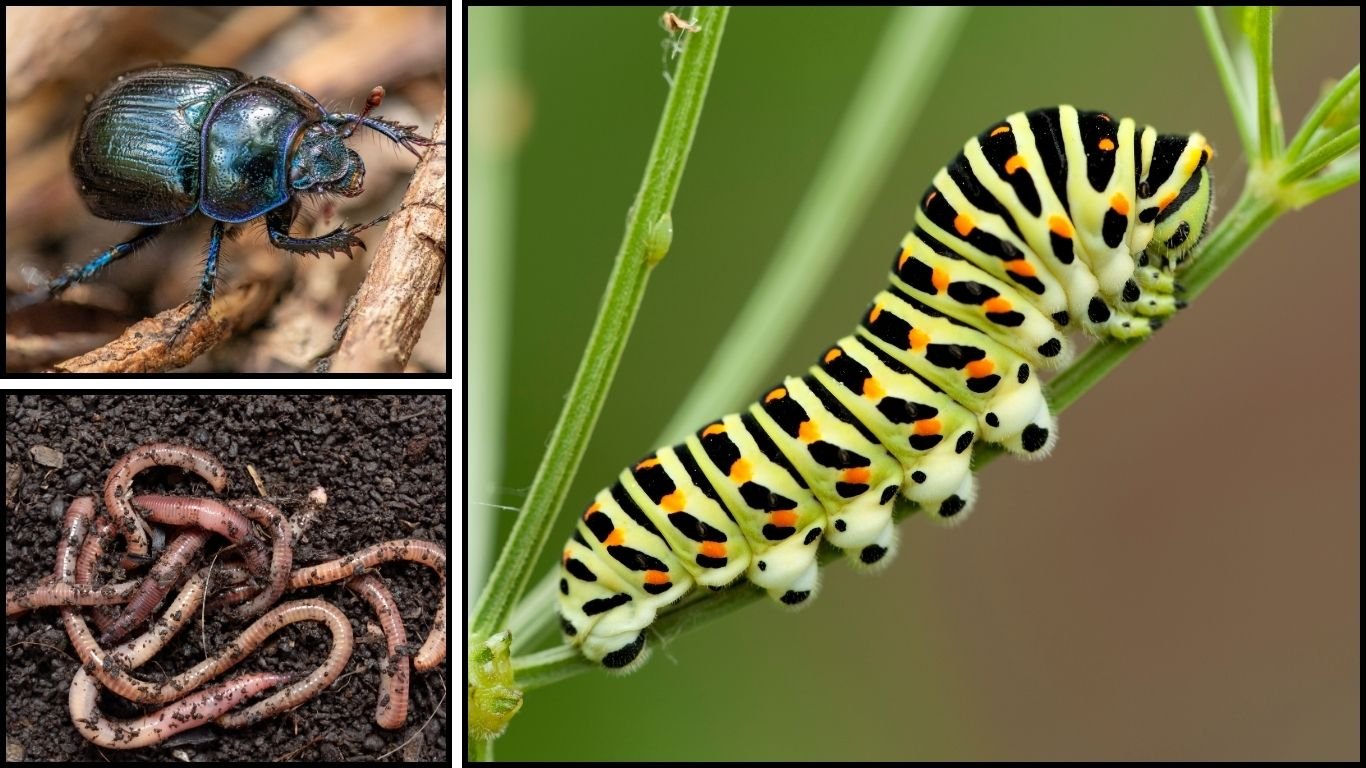
Magpies are clever, curious birds with a surprisingly diverse appetite. As omnivores, they eat everything from insects and small animals to fruits, grains, and even leftovers from human meals. Their ability to adapt to different environments helps them find food in cities, farmlands, and forests alike. In this guide, we’ll explore 25 different foods magpies eat—and explain how they find and consume each one.
What Do Magpies Eat?
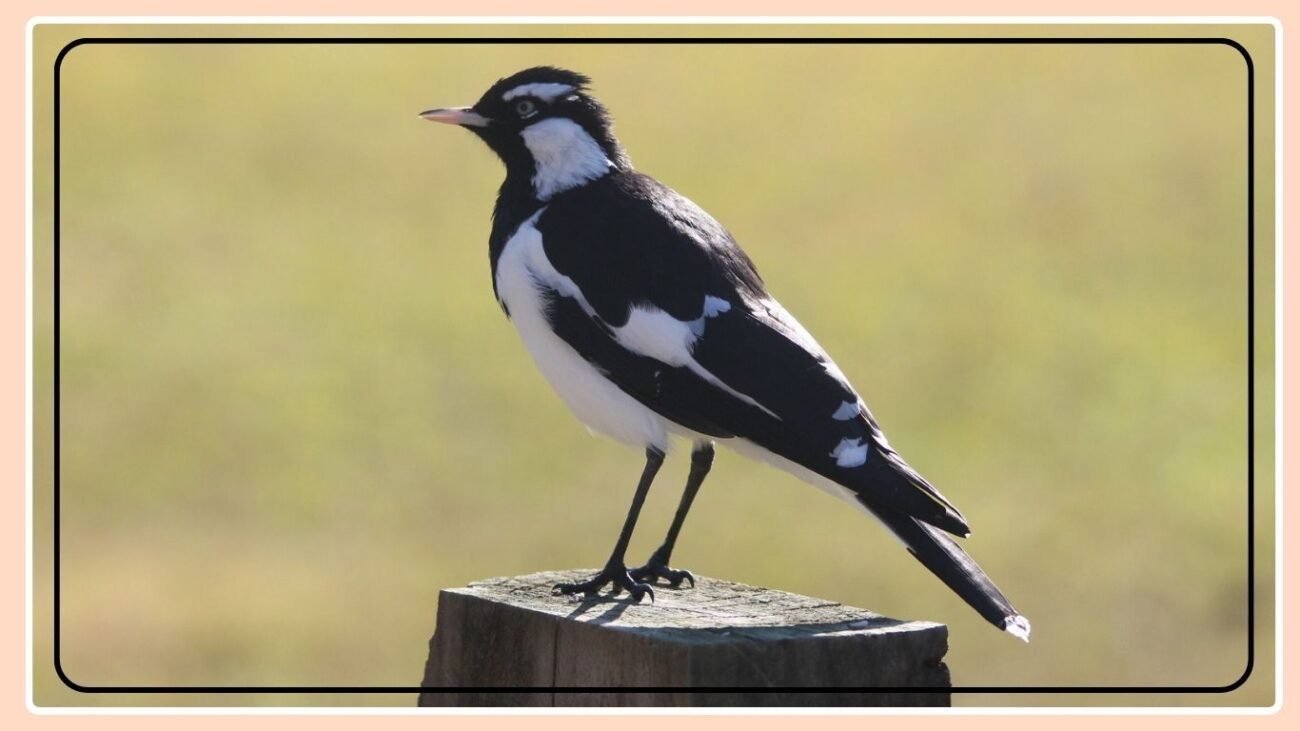
Magpies are opportunistic feeders, meaning they eat whatever is most easily available in their surroundings. Their diet includes both plant and animal matter, making them true omnivores. In the wild, they hunt insects and small animals or scavenge carrion. In urban areas, they often raid trash bins or pick up scraps from the ground. Their feeding habits also change with the seasons, adapting to what’s most abundant.
They use their strong beaks to dig into soil for worms, crack open nuts, or even break into other birds’ nests for eggs. Magpies are also known to store extra food in the ground or in hidden spots for later. Their sharp memory helps them locate these caches when food is scarce.
Next, let’s look at 25 specific foods magpies eat—and how they eat each one.
1. Insects
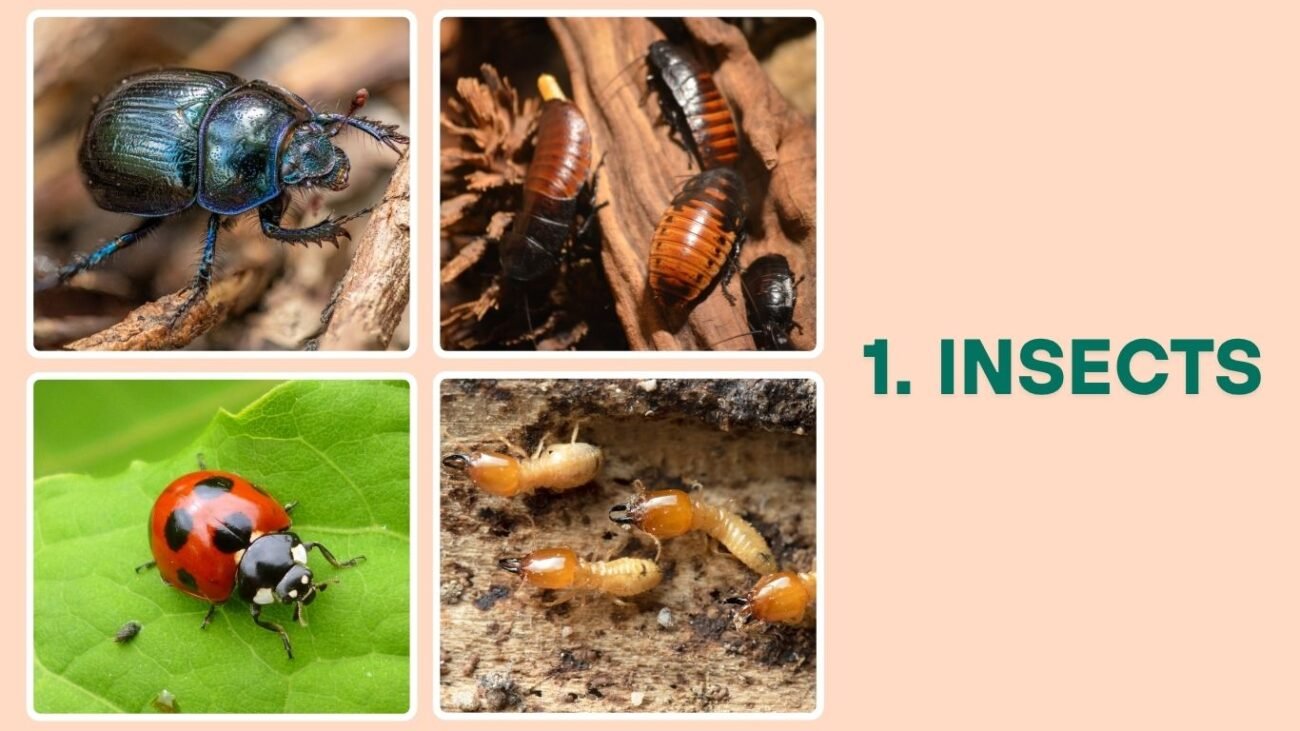
Insects are one of the most important food sources for magpies, especially during the warmer months. They feed on beetles, ants, grasshoppers, and other soft-bodied insects. Magpies often forage on the ground, flipping leaves or pecking into the soil to uncover bugs. Their sharp eyesight helps them detect movement quickly.
Magpies will also catch flying insects mid-air or snatch them off low plants. This protein-rich diet is especially vital for feeding chicks during the breeding season. Insects are easy to digest and offer the nutrients magpies need for energy and growth.
2. Earthworms
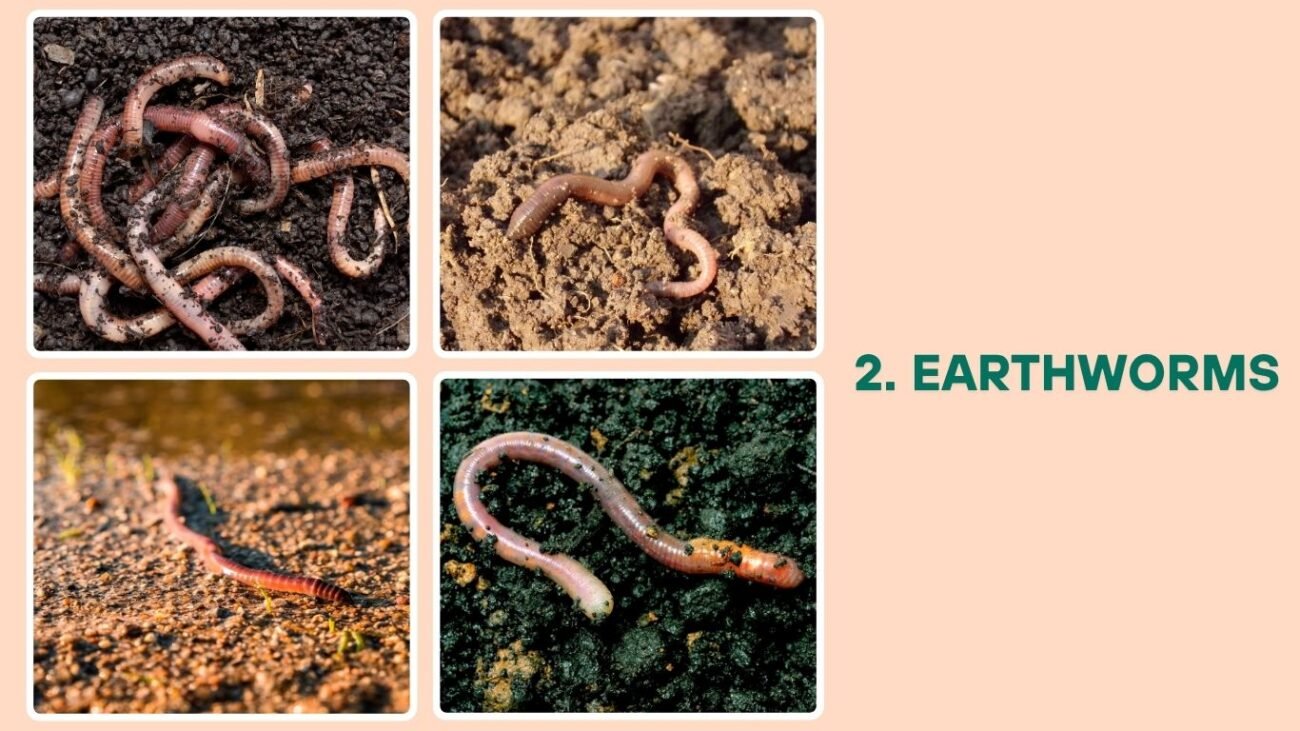
Earthworms are a favorite meal for magpies, particularly after rain when worms surface. These birds walk around grassy areas or soil beds, using quick jabs of their beak to pull worms from the ground. They rely on sound and vibration to locate them beneath the surface.
Once caught, magpies often beat the worm against a hard surface to kill or soften it before swallowing. Earthworms provide hydration and protein, making them an ideal food source for both adult magpies and their young during the nesting season.
3. Caterpillars
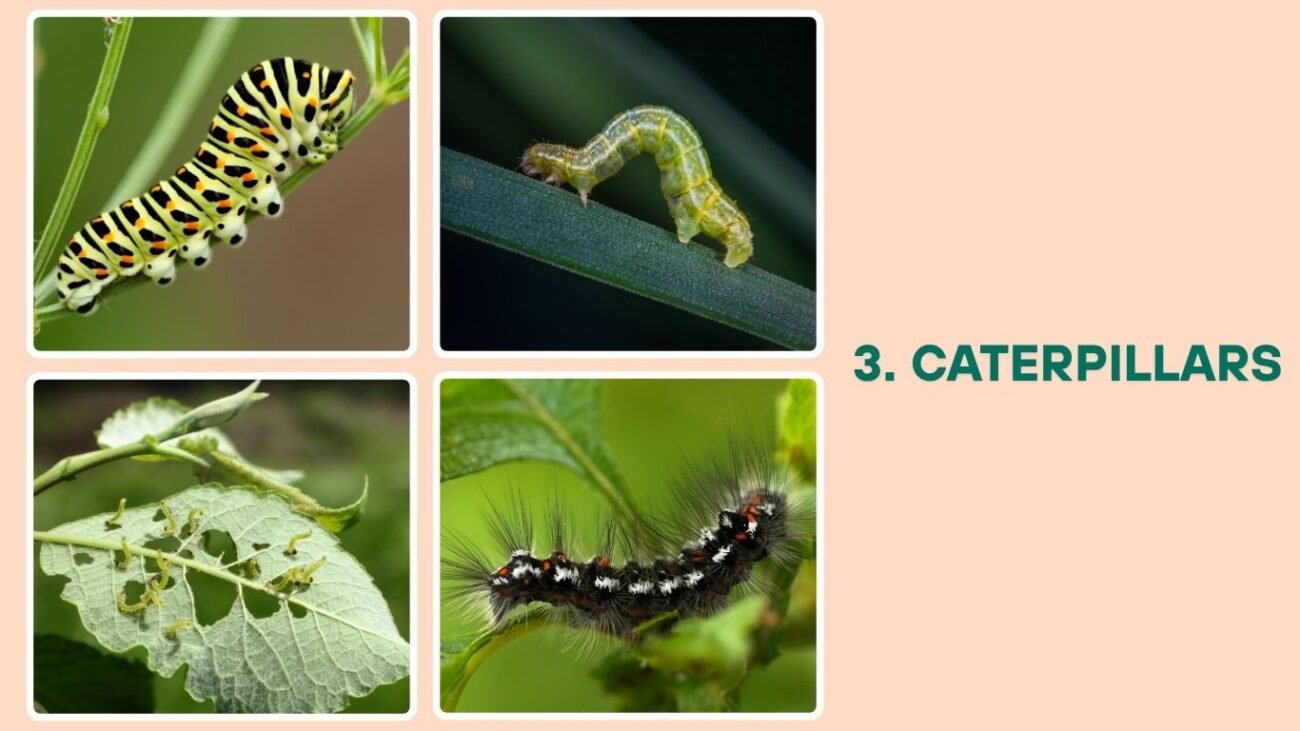
Magpies actively seek out caterpillars during spring and summer when these larvae are abundant. They forage in trees, shrubs, and under leaves, picking off caterpillars with precision. These soft-bodied insects are easy to swallow and are a favorite among magpie chicks.
Magpies will sometimes beat hairy caterpillars against branches to remove stinging hairs or toxins. This careful feeding technique shows how magpies adapt their behavior depending on the prey. Caterpillars provide fat and protein, which is essential for chick development.
4. Spiders
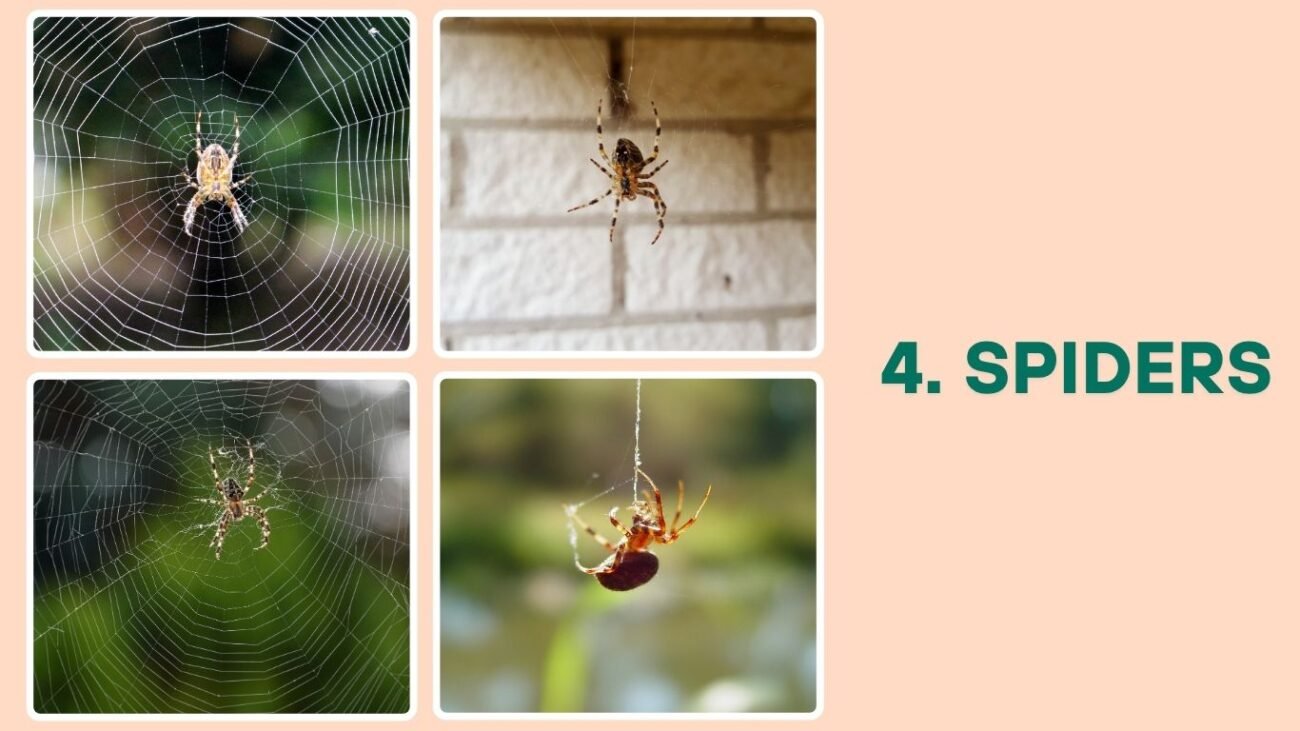
Spiders are another common prey item for magpies. They often find them in garden corners, bushes, or hidden beneath rocks. While small, spiders are easy for magpies to catch and consume quickly without much effort.
Magpies peck at webs and crevices to expose the spider, then snatch it in one swift move. These arachnids add variety to the magpie’s insect-rich diet and offer trace nutrients not found in other foods.
5. Small Frogs
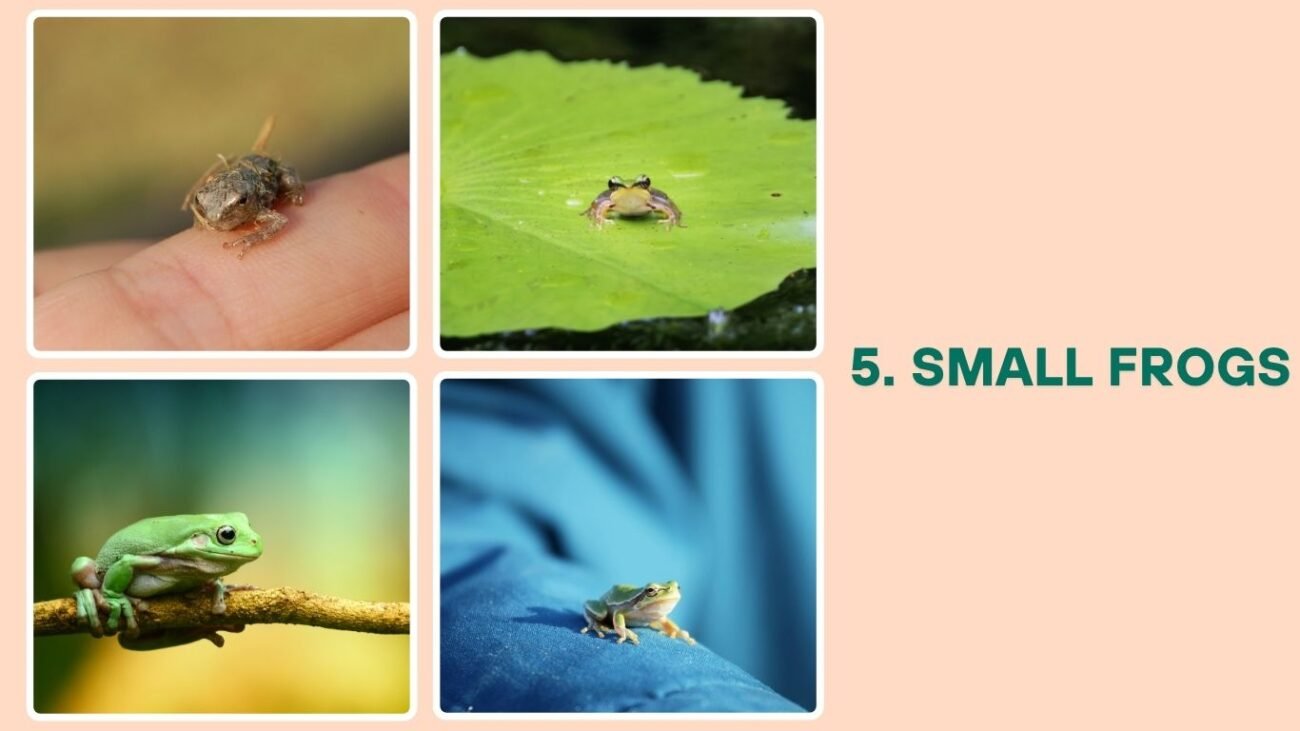
In wetland areas or after rain, magpies may hunt for small frogs. These amphibians are usually found hopping in grass or sitting near puddles, making them easy targets for the sharp-eyed magpie.
Magpies catch frogs with their beak and may shake them or strike them against a surface to kill them before swallowing. While not a daily food, frogs provide a nutritious boost with protein, moisture, and trace minerals.
6. Bird Eggs
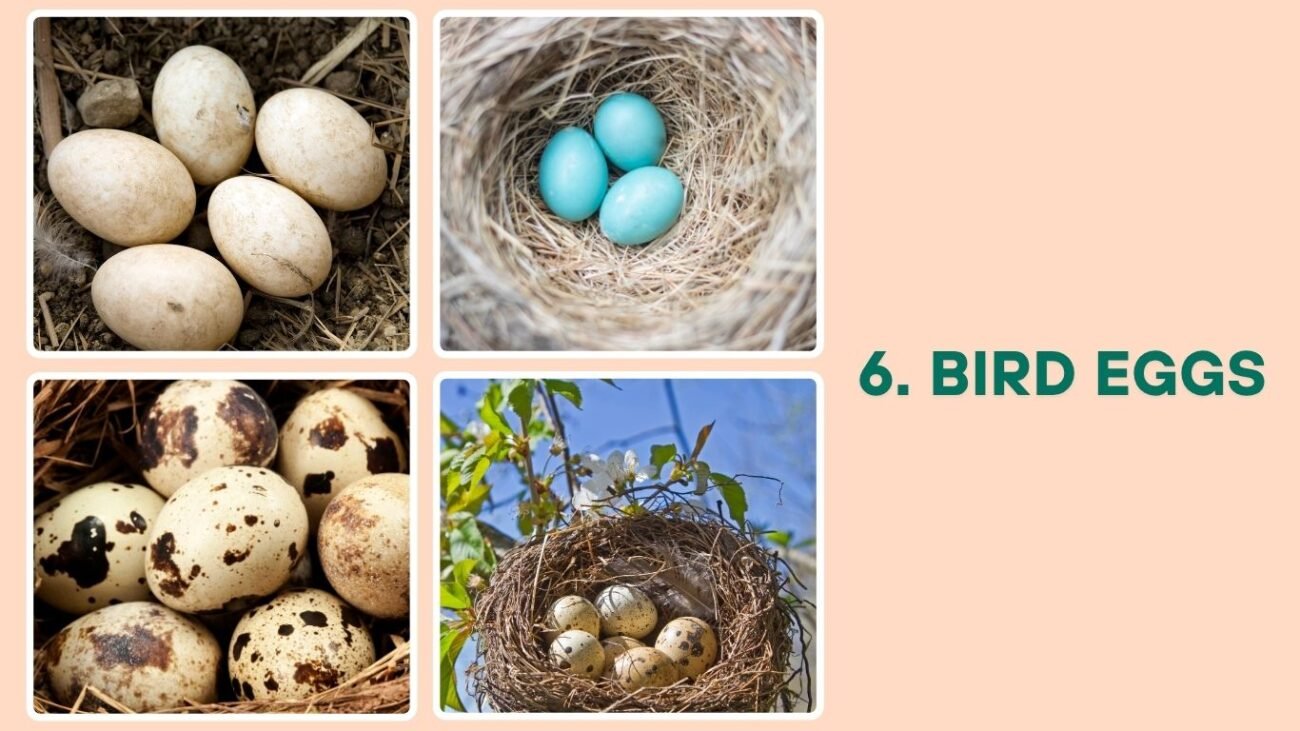
Magpies are known to raid the nests of smaller birds to eat their eggs. They search trees and shrubs for accessible nests, using their strong beaks to crack open the shells.
After piercing the egg, magpies consume the yolk and white quickly, leaving behind the empty shell. This behavior, though controversial, is natural and helps them survive during times when other food is scarce.
7. Nestlings of Small Birds
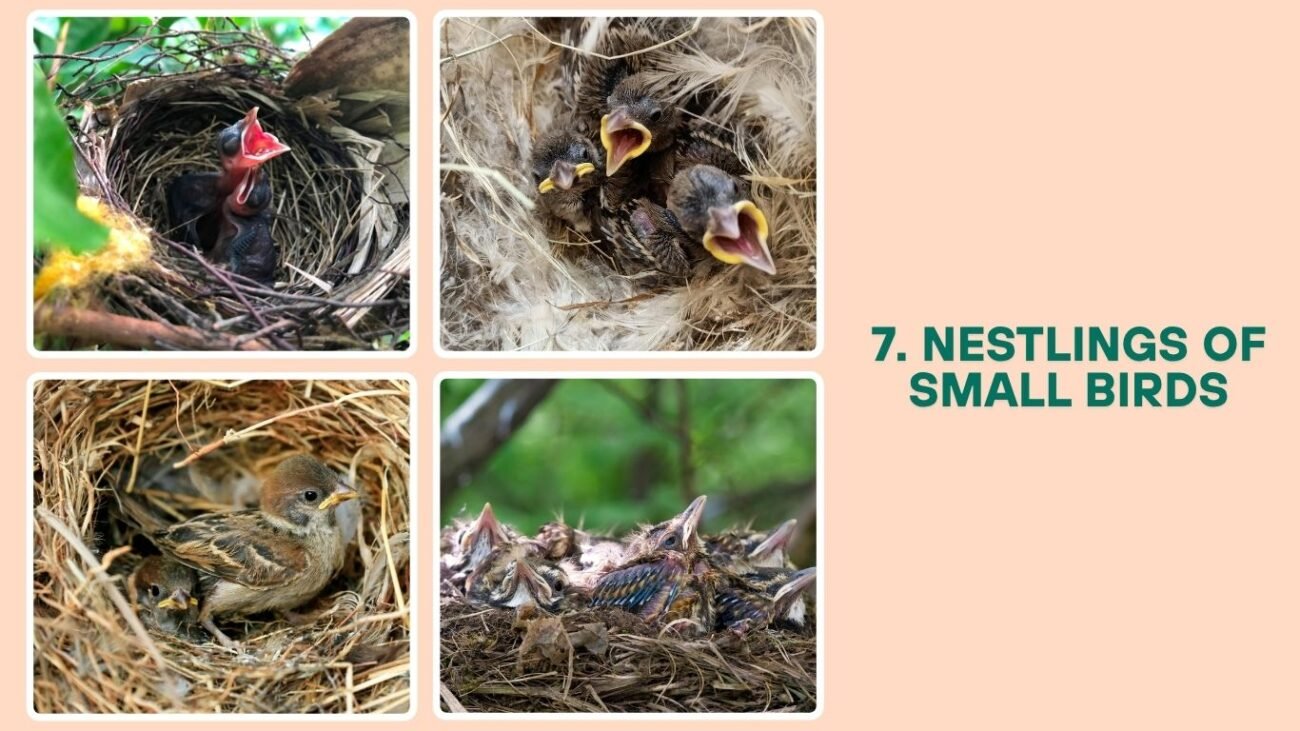
In some cases, magpies will prey on hatchlings from other birds’ nests. This usually happens when other protein sources are limited, and the magpie has chicks to feed. They scout for nests and snatch the young quickly.
Magpies either eat the nestling immediately or carry it back to feed their own chicks. Although it may seem cruel, this instinct helps magpies ensure the survival of their own offspring in the wild.
8. Carrion (Dead Animals)
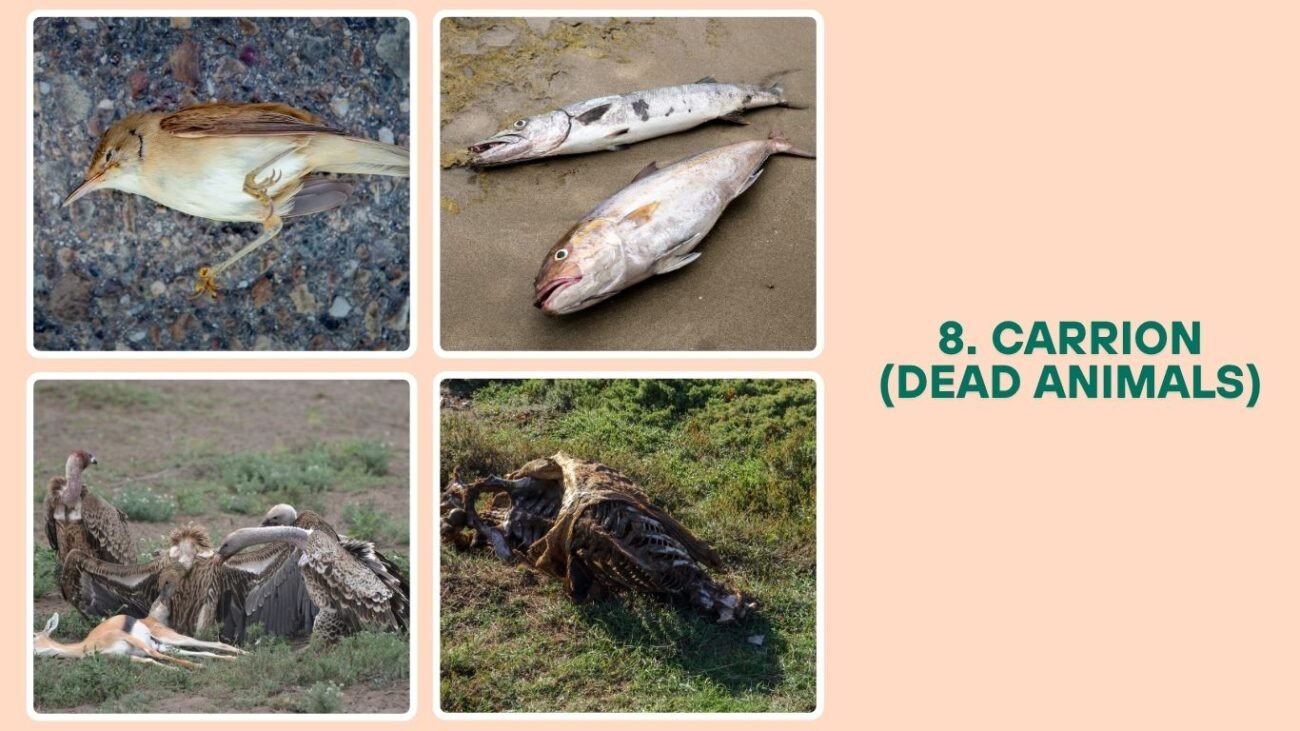
Magpies are skilled scavengers and won’t hesitate to feed on carrion—animal remains left behind by predators or roadkill. They often find dead birds, small mammals, or fish and tear off pieces using their strong beaks.
This food source is especially important in winter when live prey is scarce. Magpies will often return to large carcasses over several days, sometimes sharing space with crows or other scavengers.
9. Mice
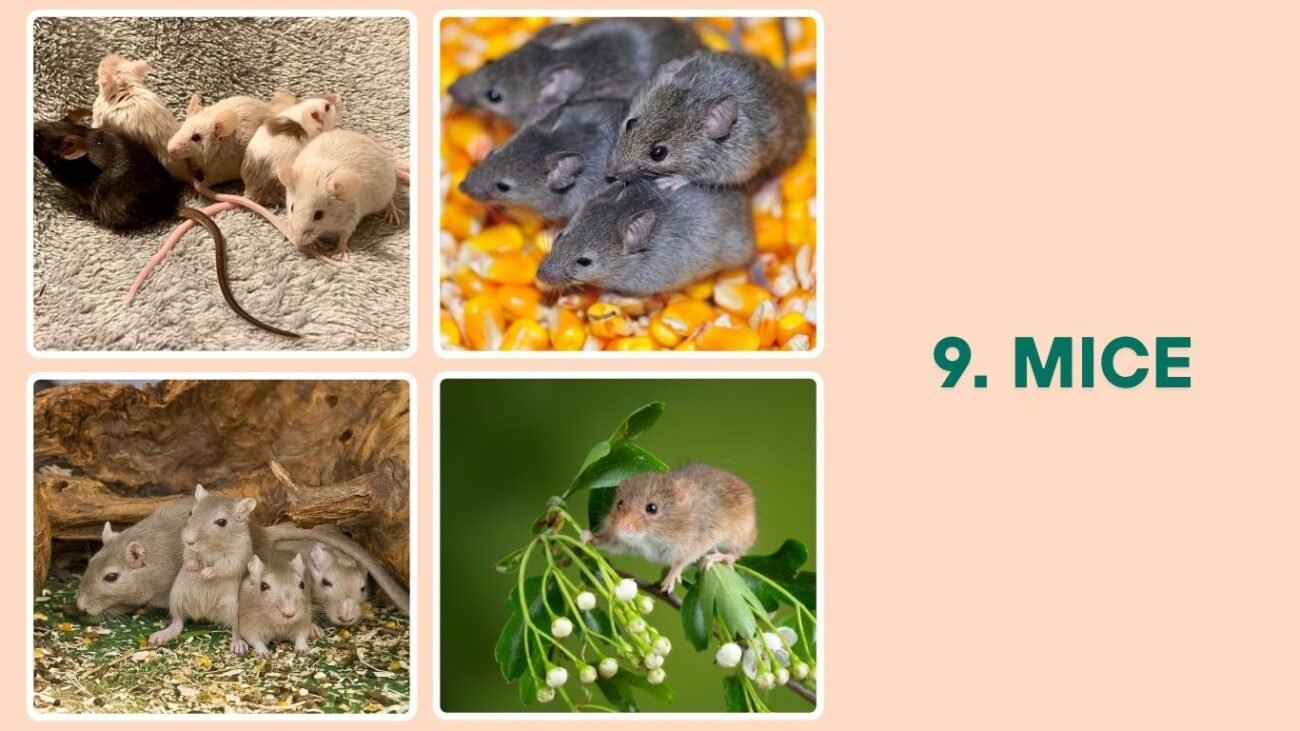
Though not frequent, magpies will hunt small rodents like mice when the opportunity arises. They usually target young or injured mice in open fields or gardens. A swift peck or strike from the beak is often enough to immobilize the prey.
After catching a mouse, magpies may kill it with repeated blows, then tear it into smaller pieces to eat. The meat provides high-protein content and is especially useful during the nesting season.
10. Snails
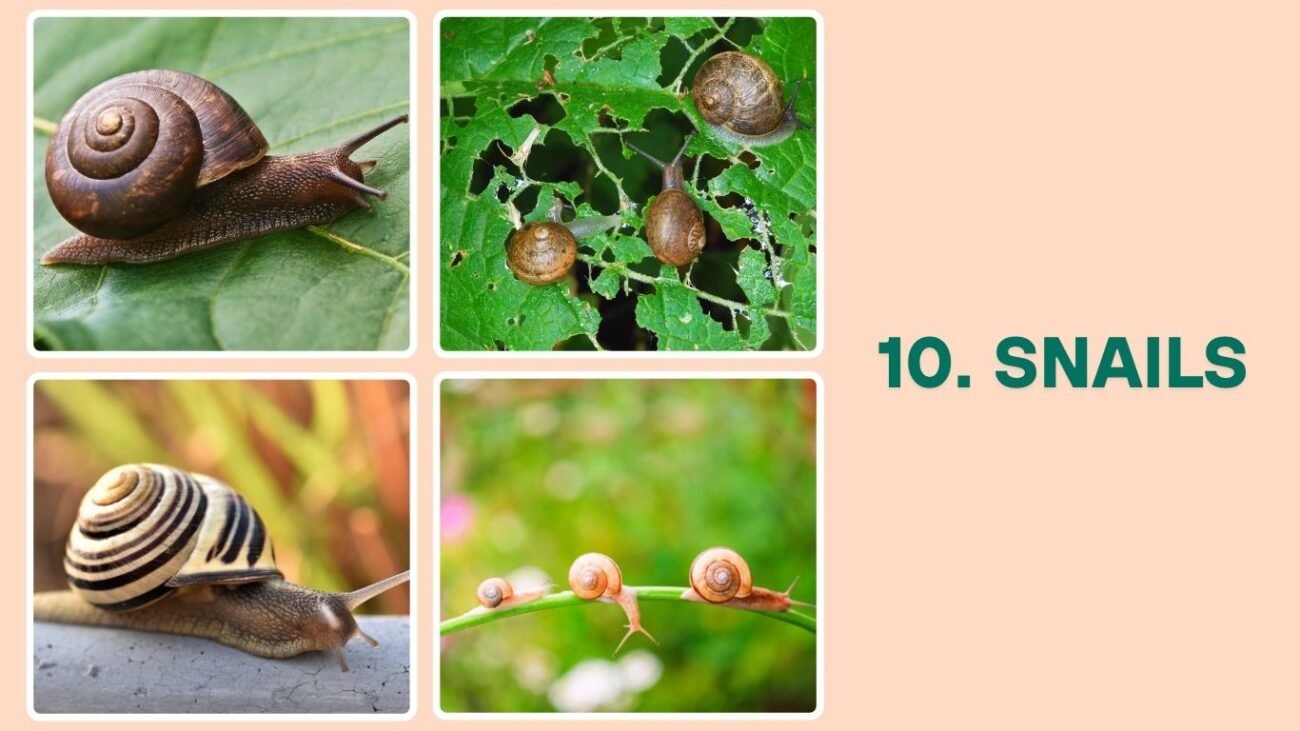
Snails are another food item magpies enjoy, especially in damp environments. They search gardens, walls, and bushes to find them. Because of the shell, magpies often use a technique called “anvilling”—smashing the snail against a hard surface to break the shell open.
Once the shell is cracked, the magpie extracts the soft body and swallows it whole. Snails are rich in minerals and water, offering valuable nutrients with minimal effort once accessed.
11. Grains (Wheat, Oats, Barley)
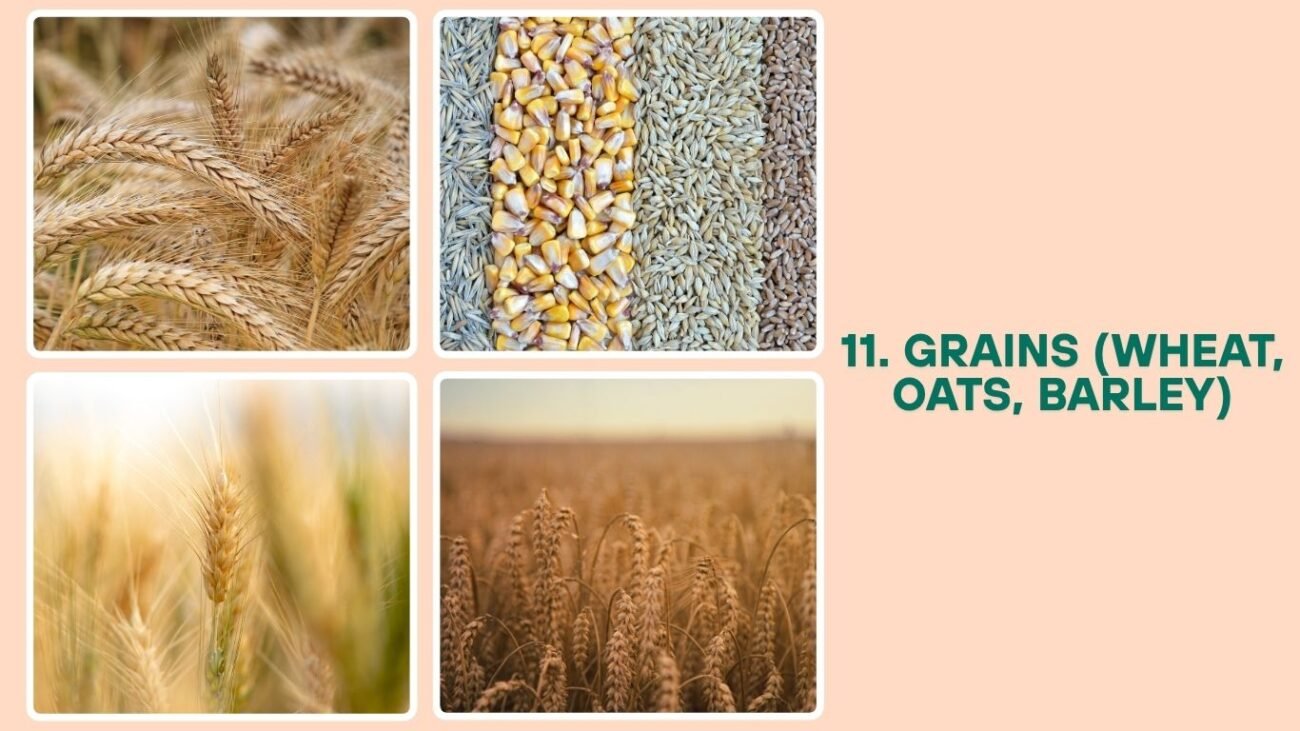
Magpies frequently eat grains, especially in farmlands or near bird feeders. They forage for spilled wheat, oats, and barley either directly from the field or from feeding areas. Grains are high in carbohydrates, giving them a steady energy source.
To eat grains, magpies may peck directly at scattered seeds or pull loose grains from stalks. They usually eat them whole or may crack the outer husk with their beak before swallowing.
12. Berries (Blackberries, Elderberries, etc.)
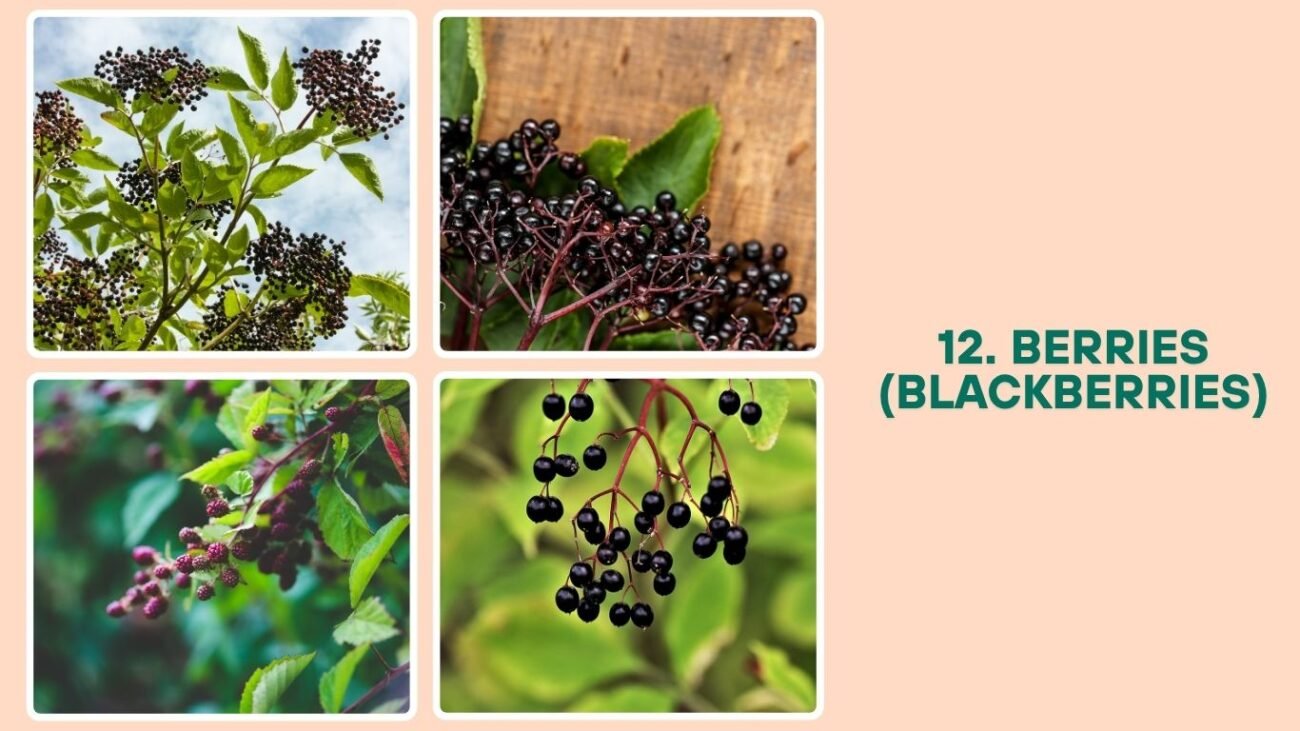
Magpies love sweet berries and often visit bushes and hedgerows in late summer and autumn. Blackberries, elderberries, and even garden fruits are common in their diet. They pick the ripe ones using their beak and swallow them whole.
Berries offer sugars, antioxidants, and water, which are especially important before the colder seasons. You may spot magpies balancing on thin branches to pluck juicy berries with impressive skill.
13. Apples (and Other Fallen Fruit)
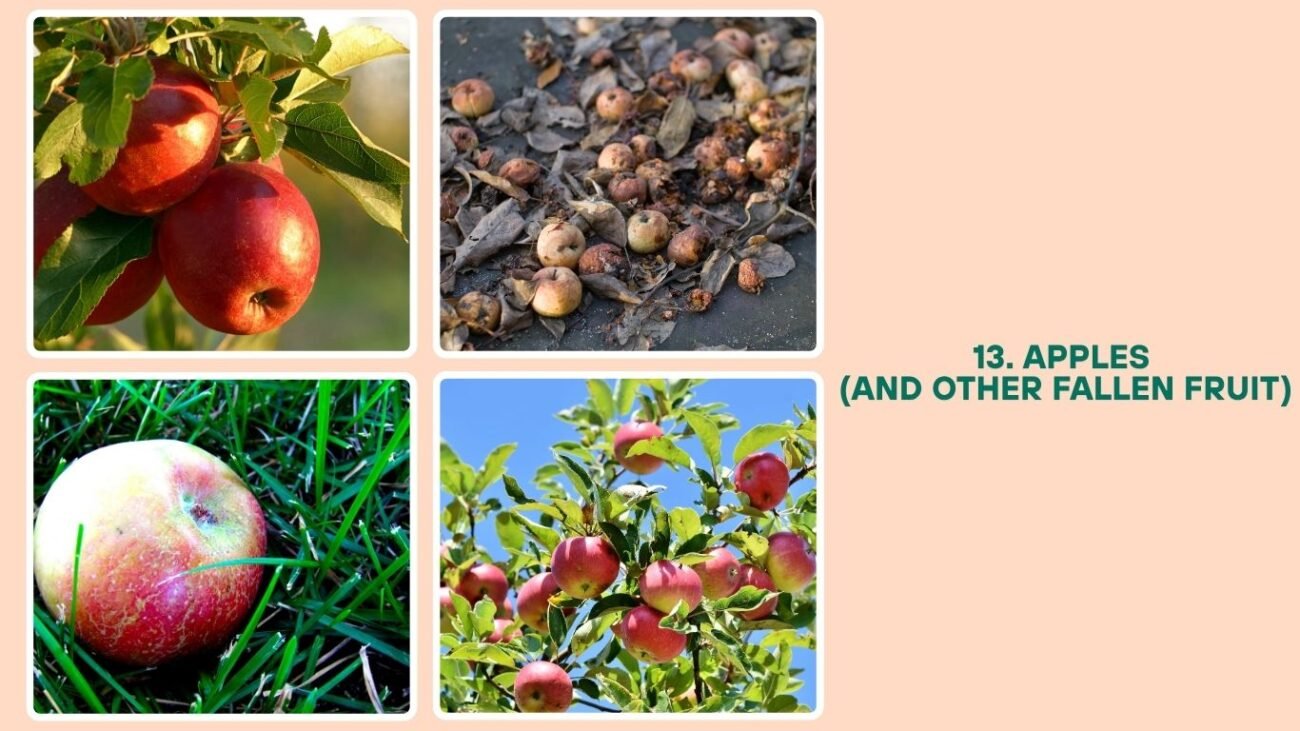
Magpies often eat fallen apples and other fruits like pears or plums, especially in orchards or gardens. They peck at the soft, ripened flesh, consuming chunks at a time. They usually avoid the core and seeds, focusing on the juicy outer parts.
If the fruit is too large, they may return to it multiple times, tearing it apart gradually. These fruits provide natural sugars and hydration, helping them stay energized during dry or hot periods.
14. Nuts (Acorns, Hazelnuts)
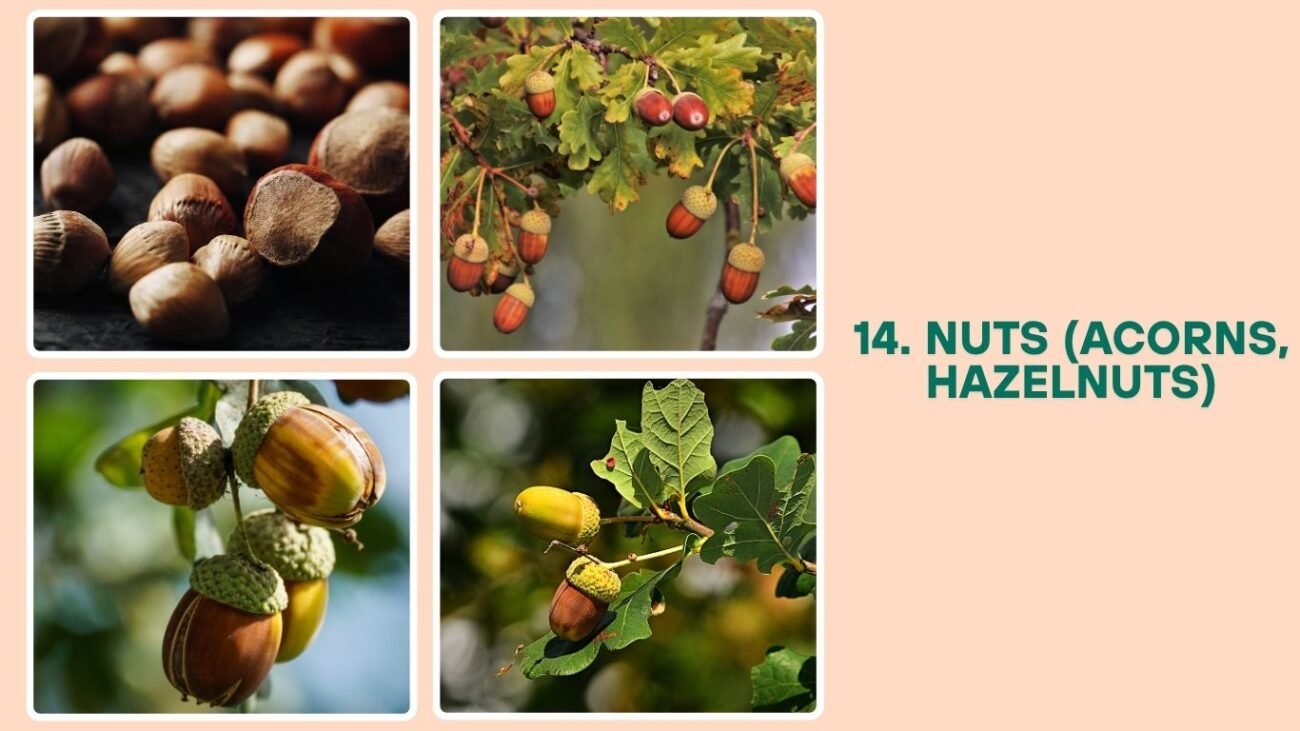
While nuts can be tough to open, magpies have developed clever ways to access the edible kernel. They often pick up acorns or hazelnuts and drop them from heights or strike them against rocks to crack the shell.
Once opened, they eat the inner meat or store it for later. This caching behavior is common in autumn, allowing them to survive through winter when other food is limited. Nuts provide fats, energy, and important nutrients.
15. Bread Scraps
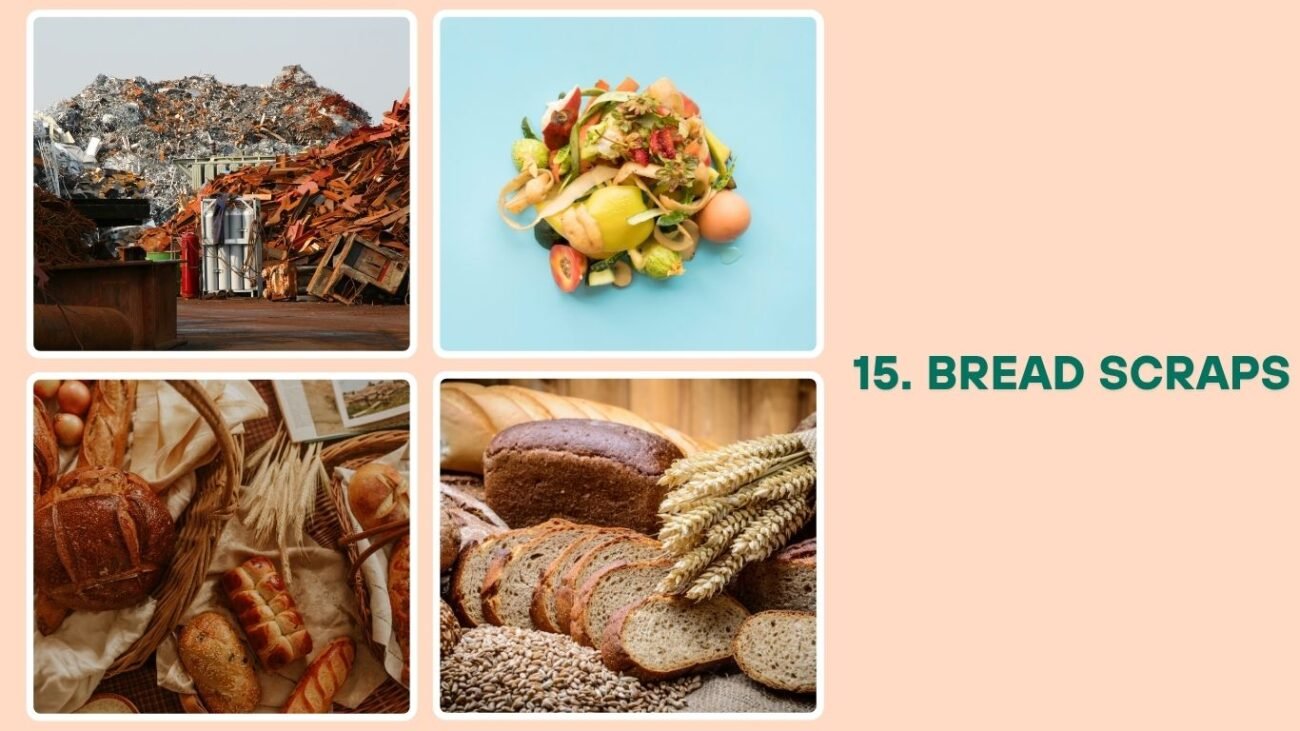
In urban or suburban areas, magpies often rely on bread scraps discarded by humans. They pick up crusts, slices, or bits near trash bins, picnic areas, or bird feeding spots. Bread is easy to tear and swallow, even without much preparation.
However, while magpies enjoy it, bread lacks proper nutrients and should not be a primary food source. Too much processed bread can cause malnutrition in wild birds if no other foods are available.
16. Cooked Rice or Pasta
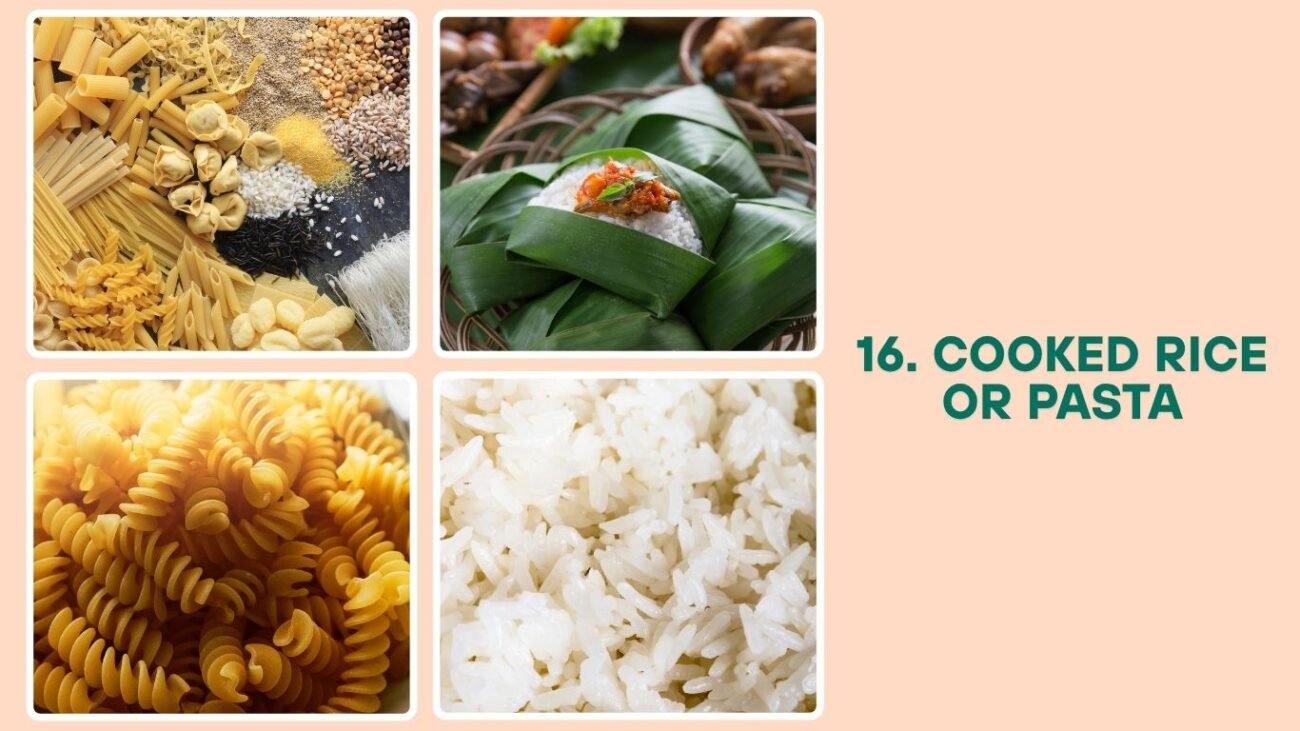
Magpies will readily eat cooked rice or pasta, often found near homes or outdoor eating areas. These soft, starchy foods are easy to peck at and swallow. If slightly moist or oily, they’re even more appealing to magpies.
They eat grains individually or in small clumps and sometimes carry it off to feed chicks. Like bread, though, these foods lack balanced nutrients and should only be occasional treats in their diet.
17. Cheese Bits
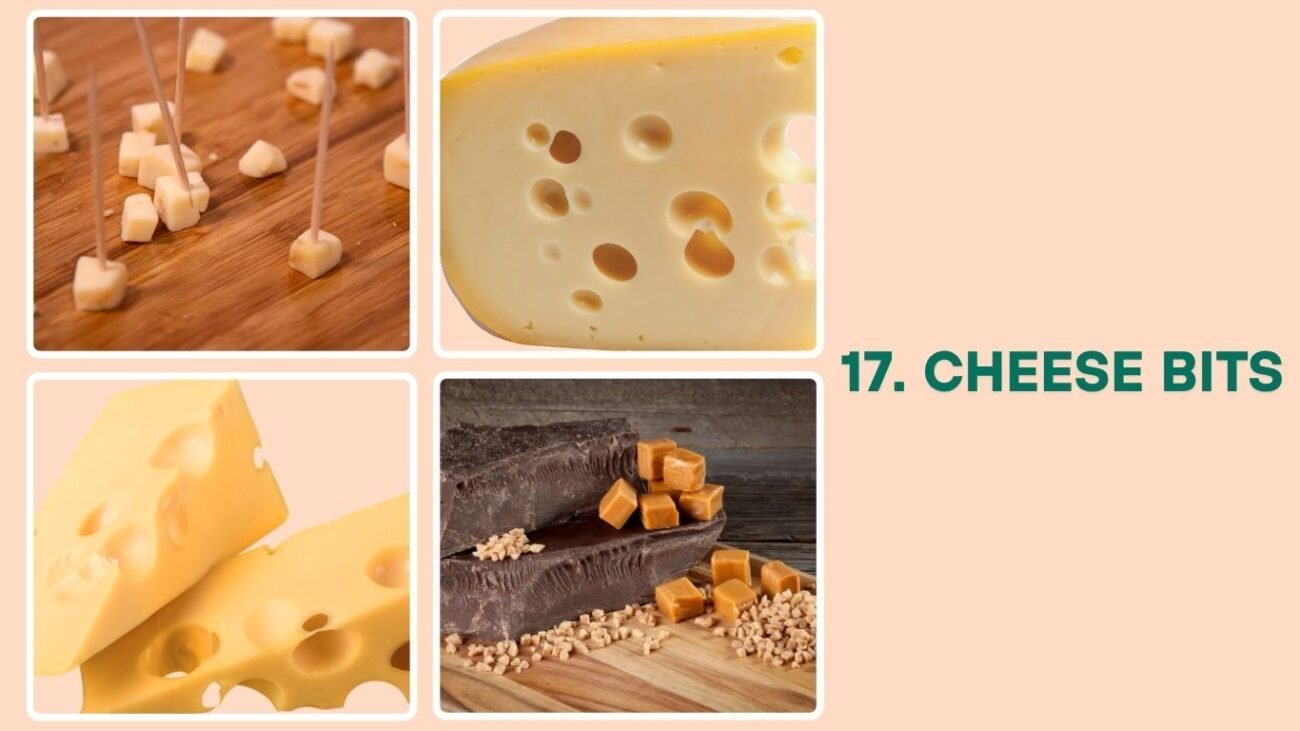
Though not a natural food source, magpies may eat small bits of cheese left outside or found in rubbish. Soft cheeses are especially easy to consume, and the strong smell attracts their curiosity.
They usually nibble on these quickly, but cheese is high in fat and salt—so it isn’t ideal for their long-term health. Still, in urban environments, it adds to the variety of their scavenged meals.
18. Seeds (Sunflower, Pumpkin, etc.)
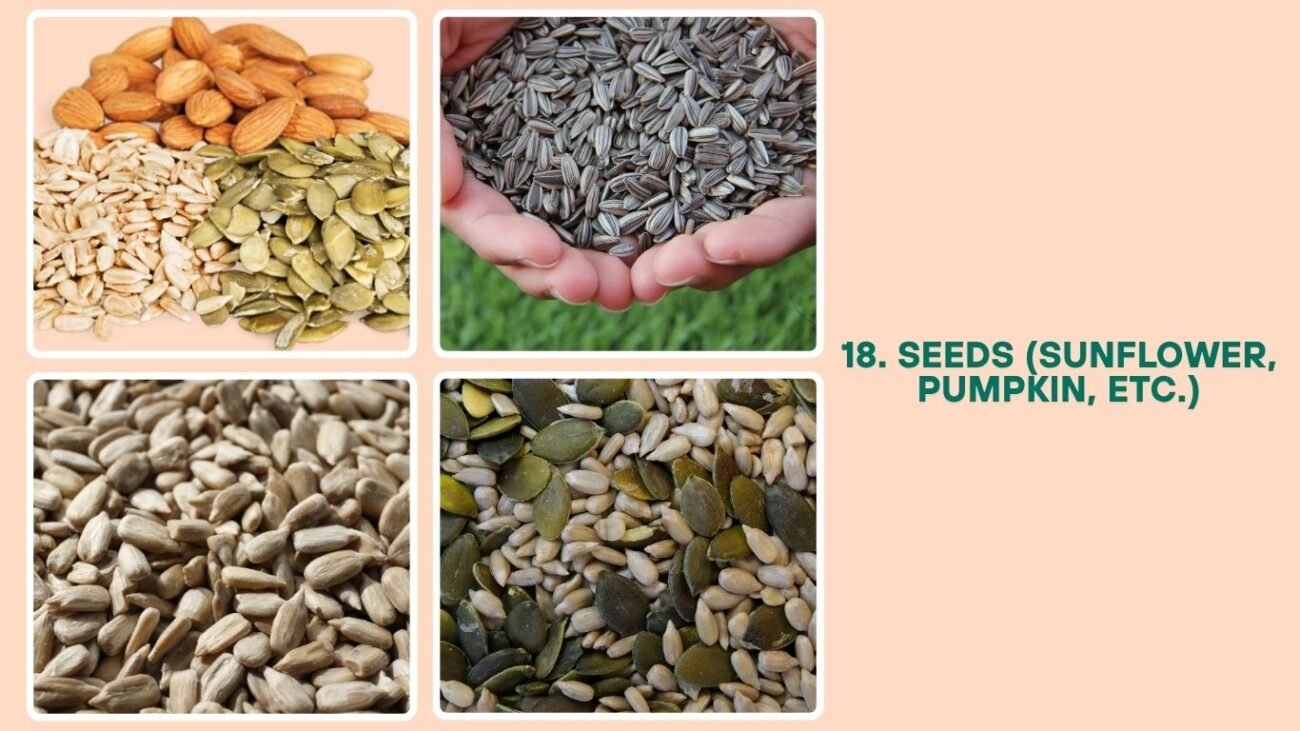
Magpies enjoy a variety of seeds, particularly those found in bird feeders or spilled from gardens. Sunflower and pumpkin seeds are among their favorites. They use their beaks to crack open the shells and extract the nutritious inner seed.
Sometimes they carry seeds away and hide them for later, especially in autumn. Seeds provide essential fats, oils, and vitamins, making them a valuable source of energy, especially during winter.
19. Pet Food (Left Outside or Stolen)
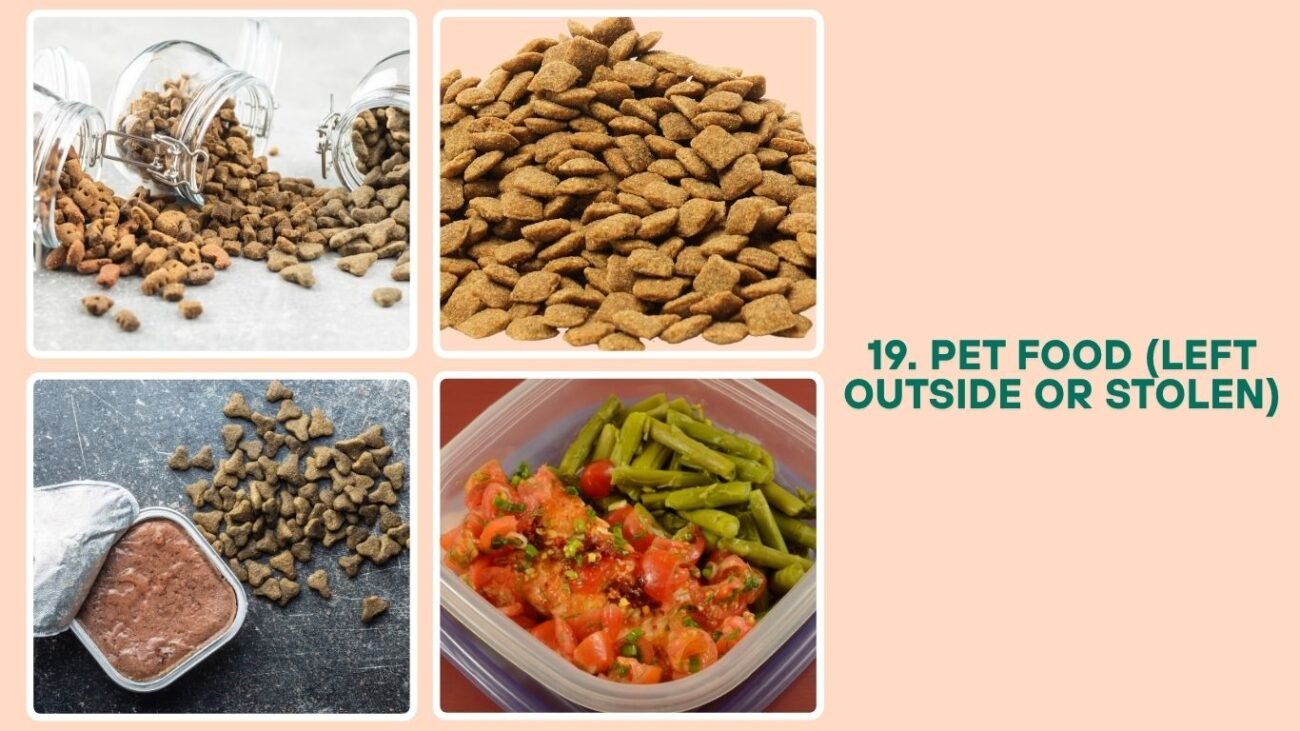
Magpies are notorious for stealing food meant for cats or dogs. If pet food is left outside, especially dry kibble or soft meat chunks, magpies will swoop down and snatch it. They often carry the food away or eat it on the spot.
Because pet food is protein-rich, it appeals to their carnivorous side. While not part of their natural diet, it provides a concentrated source of nutrients and is commonly eaten in urban settings.
20. Suet and Fat Balls
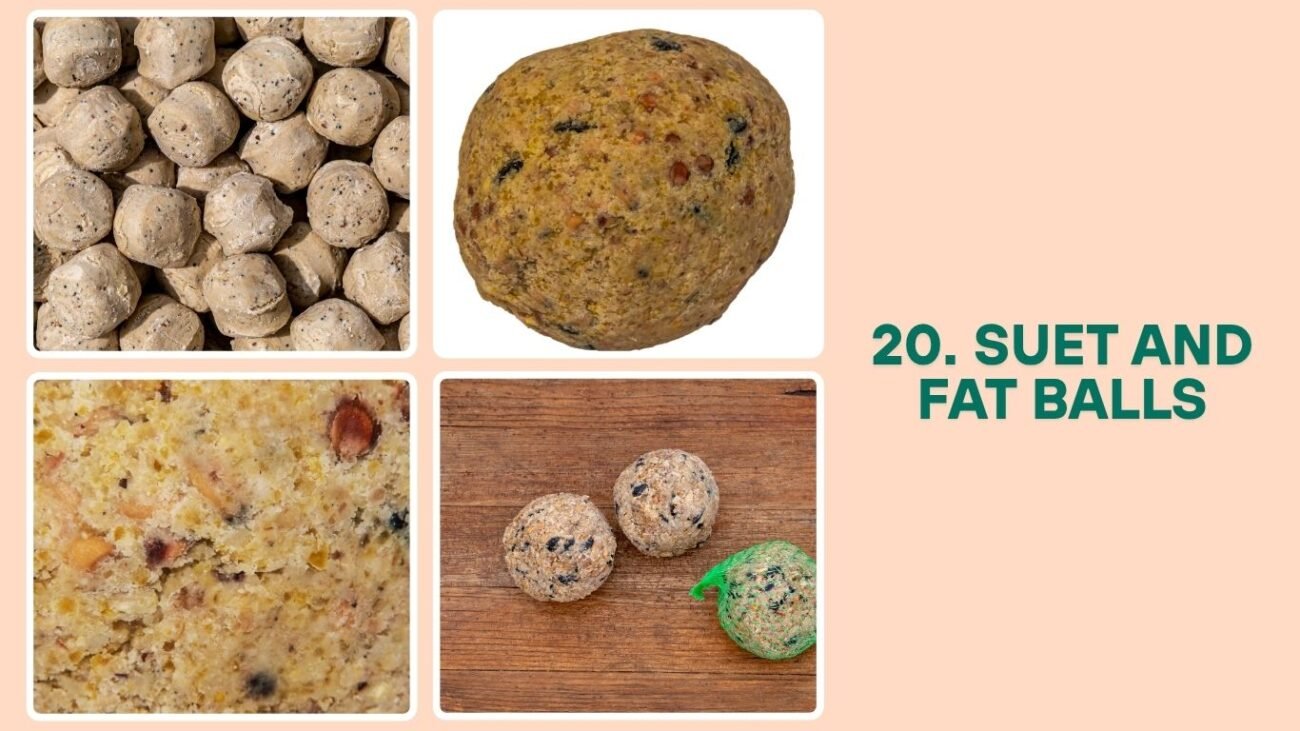
Often hung on bird feeders, suet and fat balls are packed with calories and are popular among many wild birds, including magpies. These fatty treats are ideal for cold weather when extra energy is needed.
Magpies will peck at the suet or pull it off in chunks using their beaks. They may also dominate feeders and chase smaller birds away to get more of the food. These high-energy options support their active foraging behavior.
21. Mealworms
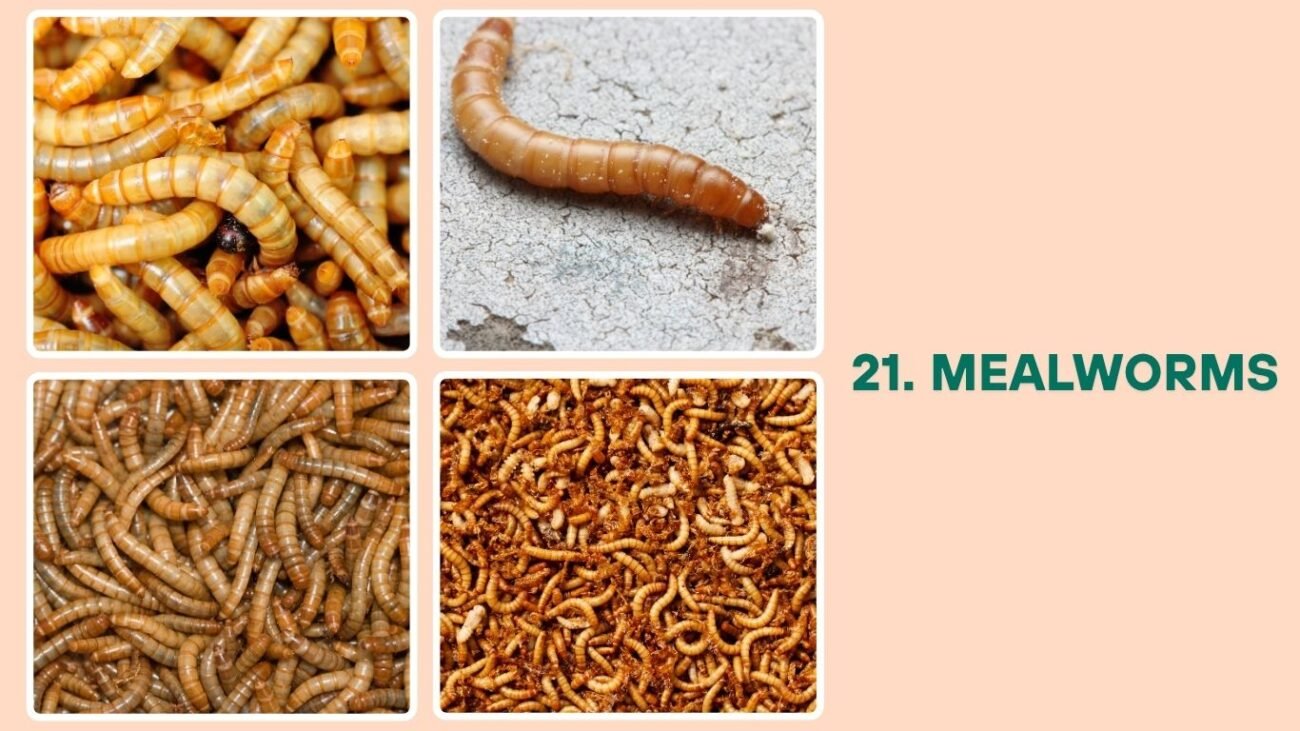
Magpies love mealworms, whether they find them naturally in the soil or are offered them at bird feeding stations. These soft, wiggly insects are full of protein and easy to swallow, making them perfect for feeding chicks.
They pick mealworms off the ground or dish and often carry multiple in their beak at once. Bird enthusiasts sometimes leave them out to attract magpies, especially during the breeding season when they’re raising young.
22. Grasshoppers
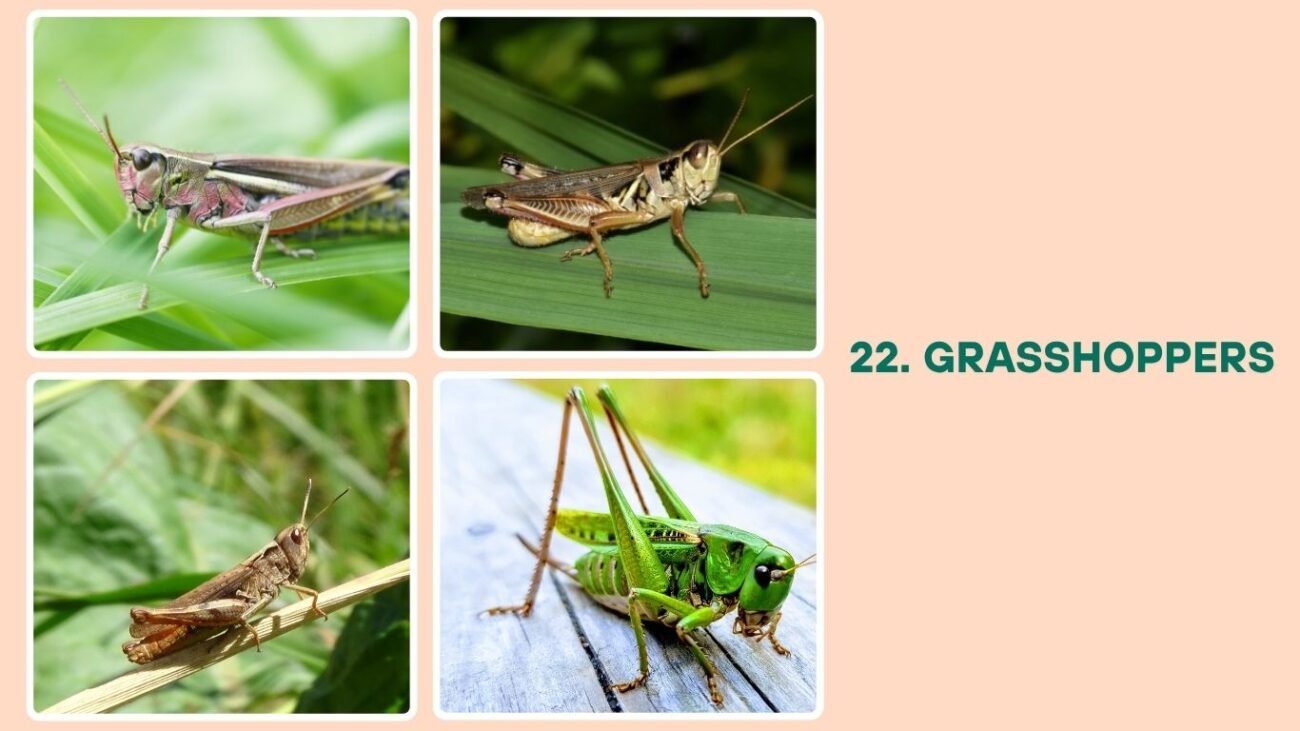
In open meadows or grassy patches, magpies chase down grasshoppers with impressive agility. Once caught, they either eat them immediately or stun them by hitting them on a hard surface.
Grasshoppers are a protein-packed snack and easy to digest. Their jumping movement makes them easy for magpies to spot, and catching them shows the bird’s quick reflexes and hunting skills.
23. Bees and Wasps
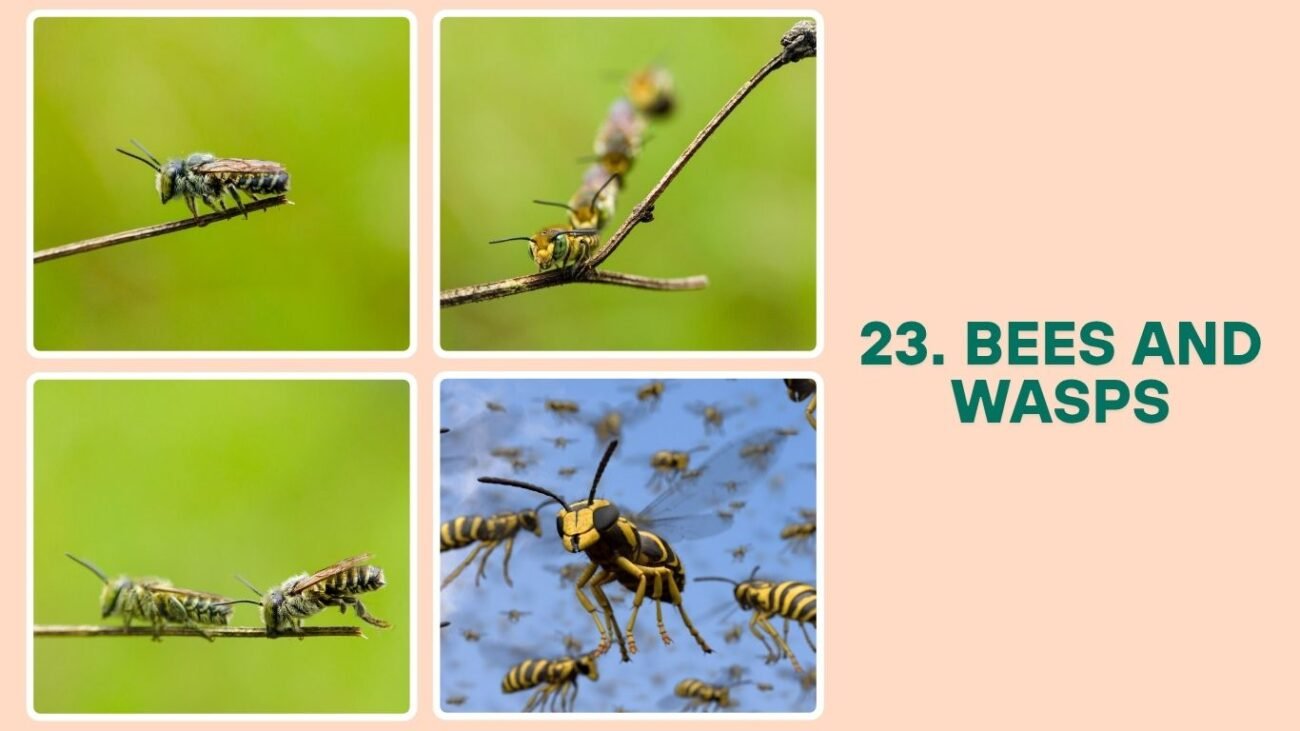
Though risky, magpies sometimes catch and eat bees or wasps. They typically go after them when the insects are grounded, sluggish, or distracted by flowers. Magpies avoid the stinger by shaking or striking the insect before eating it.
They may also raid nests if accessible, pulling out larvae or adult insects. Despite the danger, these bugs provide rich protein and are consumed more often when other food is scarce.
24. Crumbs and Discarded Snacks

In populated areas, magpies often forage near cafes, schoolyards, or picnic spots for crumbs and snack leftovers. Bits of crackers, chips, cookies, and sandwiches are all fair game.
They use their beak to scoop up crumbs or carry larger pieces away. While not nutritionally ideal, these scraps add variety to their urban diet and help them survive in human-dominated environments.
25. Birdseed Mixtures
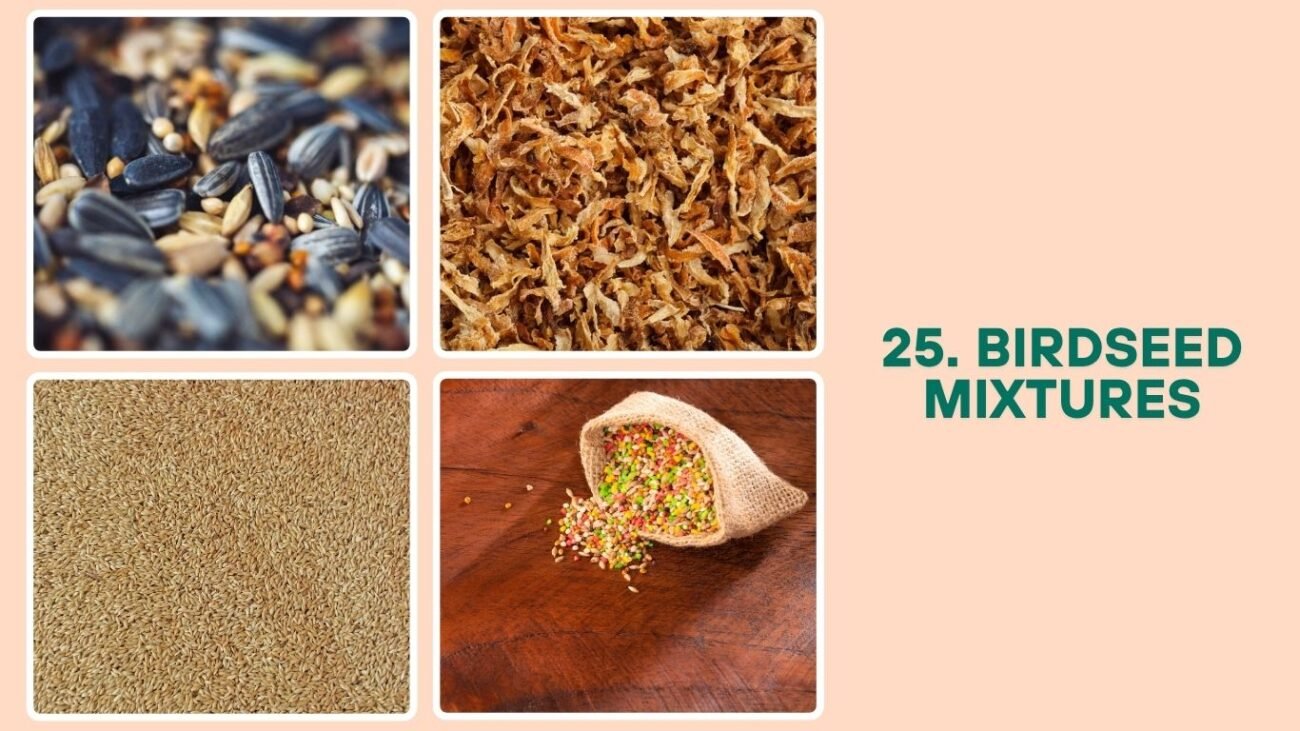
Birdseed mixes placed in feeders or scattered in gardens attract magpies alongside other birds. These blends often include millet, sunflower seeds, cracked corn, and peanuts—all of which magpies enjoy.
Magpies will quickly pick out the larger seeds they prefer and may even scare off smaller birds to take over a feeding spot. Birdseed offers a dependable food source, especially in winter when insects and fruit are limited.
How Smart Feeding Helps Magpies Survive
Magpies are among the most intelligent birds in the world. Their clever feeding habits—such as caching food for later, using tools, and problem-solving—help them adapt to almost any environment. In urban settings, they quickly learn where to find regular food sources like pet bowls, bins, or bird feeders.
Their memory is strong enough to relocate hidden food caches days or even weeks later. This smart behavior ensures they have access to nutrition even when the environment becomes harsh, especially in winter or dry seasons.
Should You Feed Magpies in Your Garden?
Feeding magpies can be enjoyable and beneficial—especially during breeding seasons when they need extra food for their young. You can offer natural items like mealworms, fruits, seeds, and unsalted nuts.
However, avoid feeding them processed human foods like salty snacks, white bread, or sugary leftovers. These can lead to poor nutrition and dependency. Always provide clean water and place food in an open area where magpies feel safe from predators.
Creating a garden with berry bushes, insect-attracting plants, and native trees can also offer a more natural, long-term food source for local magpies.
FAQs
1. Do magpies eat baby birds?
Yes, magpies may eat nestlings of smaller bird species, especially when feeding their own chicks. It’s a natural part of their survival strategy and is driven by the need for protein-rich food.
2. Are magpies harmful to other wildlife?
Magpies occasionally raid nests or scavenge carrion, but they are not a major threat to bird populations. In fact, they also help control pest insects and clean up dead animals.
3. What should you not feed magpies?
Avoid giving magpies salty snacks, chocolate, processed meats, or dairy-heavy products. These can harm their digestive system and lead to nutritional imbalance.
4. Do magpies store food for later?
Yes, magpies are known to cache food in the ground, tree crevices, or roof tiles. They rely on their strong memory to return and retrieve it when needed.
5. Can magpies eat dog or cat food?
Yes, they often do—especially dry kibble or meat-based wet food. However, this should only be an occasional supplement, not a regular diet source.