Magpies are known for their sharp intelligence, distinct black-and-white plumage, and complex songs. But despite their common name, not all magpies are alike. Some belong to the Corvidae family, closely related to crows and ravens, while others—like the iconic Australian magpie—belong to a completely different bird family. So where exactly do magpies live? And where do they come from?
This article explores the habitats and origins of magpies across the world, from Eurasia to Australia, breaking down the differences between species and their evolutionary backgrounds.
What Are Magpies?
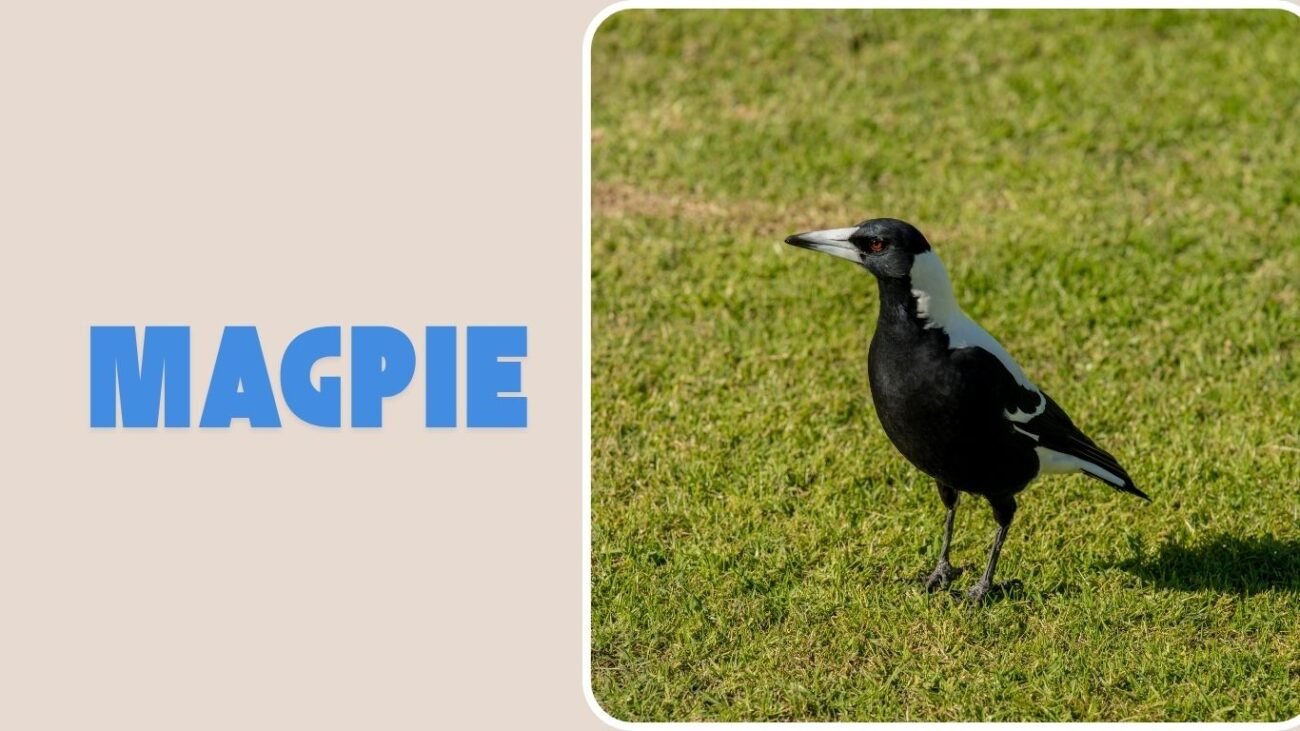
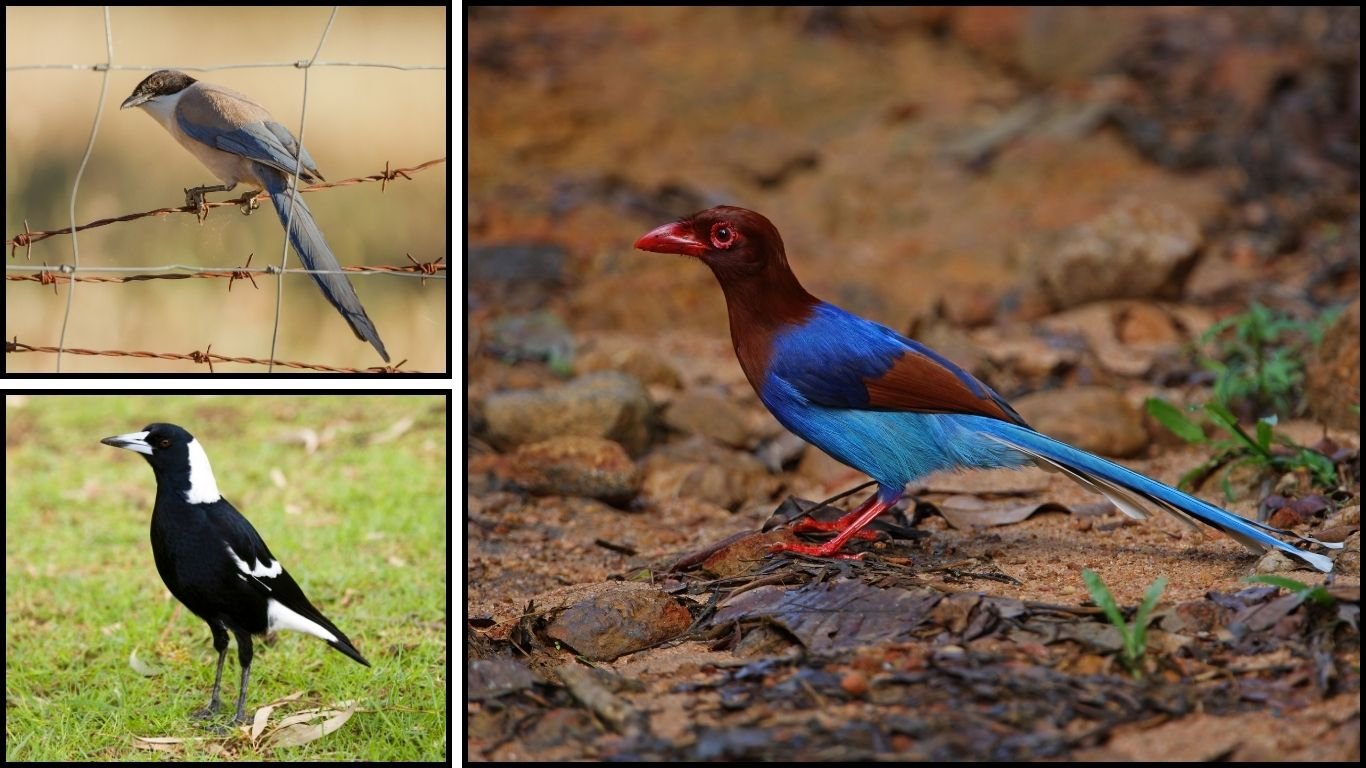
The term “magpie” refers to several different species of birds that share similar visual traits—typically black, white, and sometimes iridescent plumage—but belong to different taxonomic groups.
There are two main types:
- True magpies (Corvidae family): These include the Eurasian magpie, black-billed magpie, and yellow-billed magpie.
- Australian magpies (Artamidae family): Despite the name, they’re not true magpies and are more closely related to butcherbirds and currawongs.
While they may look similar and share some behaviors, their origins and habitats are very different.
Global Distribution of Magpies

Magpies are found in many parts of the world. Their range depends on species and evolutionary origin.
Magpies in Europe and Asia
The Eurasian magpie (Pica pica) is the most widespread of all magpie species. It ranges from Western Europe across to East Asia and thrives in various environments, including:
- Farmlands and agricultural zones
- Forest edges and open woodlands
- Urban areas and suburban parks
This magpie adapts well to human-altered landscapes and is known for its bold personality, often seen hopping across roads or stealing food from picnic tables.
Magpies in North America
In the western parts of the United States and parts of Canada, you’ll find:
- Black-billed magpie (Pica hudsonia): Common across the Rocky Mountains, Great Plains, and parts of Canada.
- Yellow-billed magpie (Pica nuttalli): Endemic to California’s Central Valley.
These birds prefer open fields, scrublands, ranchlands, and areas with scattered trees. They are often seen perched on fences or foraging alongside livestock for insects and carrion.
Magpies in Africa and Other Regions
Magpies are less common in Africa, but some corvid relatives, like the Maghreb magpie (Pica mauritanica), can be found in North Africa. These birds inhabit arid zones and cultivated lands.
Other parts of the world, like South America and Southeast Asia, do not have native magpie species from the Corvidae family.
Where Do Australian Magpies Live

Unlike the Eurasian or North American magpies, the Australian magpie (Gymnorhina tibicen) is a native of Australasia and has its own distinct range and preferences.
Distribution Across Australia
Australian magpies are found throughout:
- Mainland Australia
- Tasmania
- Some parts of southern New Guinea
They are absent from the driest deserts but thrive in almost every other habitat type, including:
- Suburban neighborhoods
- City parks and schoolyards
- Open fields and pastures
- Eucalyptus woodlands and forest edges
Their adaptability is one of the key reasons they are so widespread.
Preferred Habitats
Australian magpies favor areas with:
- Open grassy ground for foraging
- Large trees or elevated structures for nesting
- Moderate to low shrub density
They tend to avoid dense forests or very wet environments like rainforests.
Urban vs Rural Behavior
In cities, magpies are highly visible and often interact with humans. They learn routines, recognize individuals, and even rely on human behavior for food opportunities. In rural or bushland areas, they are more cautious but just as territorial.
Urban magpies may also become more aggressive during breeding season, often swooping at cyclists or walkers who venture too close to their nests.
Where Do Magpies Come From?

Understanding where magpies come from means diving into their evolutionary roots—and separating the story of corvid magpies from that of Australian magpies.
Origins of Corvid Magpies
True magpies, like the Eurasian and American varieties, belong to the Corvidae family. Corvids are believed to have originated in Asia and spread to Europe and North America over millions of years.
Fossil records suggest that magpie-like ancestors existed during the Miocene epoch, and these birds gradually evolved into different species suited for varied environments.
Origins of Australian Magpies
Australian magpies, despite the name, are not corvids. They evolved from a completely different lineage within the Artamidae family. This family includes:
- Butcherbirds
- Currawongs
- Woodswallows
The Australian magpie is thought to have evolved in Australia or nearby islands, adapting to the continent’s open habitats and diverse climate zones.
Their similarity in appearance to corvid magpies is a case of convergent evolution—where unrelated species develop similar traits due to environmental pressures.
Interesting Habitat Facts About Magpies
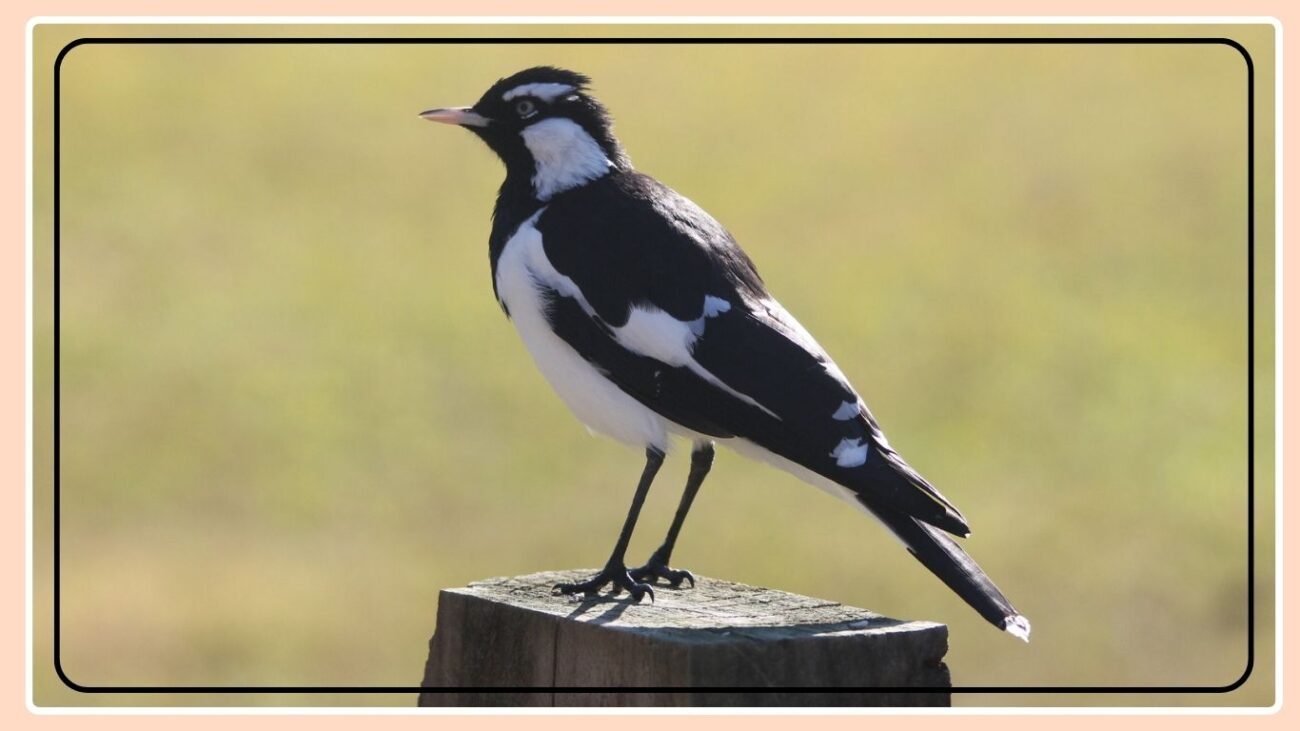
Adapting to Human Environments
Magpies across the world have shown a remarkable ability to live alongside humans. They build nests in lamp posts, forage in garbage bins, and even follow lawnmowers for worms.
In suburban areas, they often use power lines, rooftops, and TV antennas as perches.
Territory and Nesting Range
Magpies are territorial and maintain strict boundaries, especially during breeding season. A single magpie family may claim a territory ranging from 1 to 5 hectares.
They often return to the same nesting sites year after year, improving the nest each season with new twigs, grass, and even pieces of wire or string.
FAQs
Do magpies migrate?
Most magpie species are sedentary and remain in their home range year-round. Some may move locally if food becomes scarce.
Are there magpies in New Zealand?
Yes, the Australian magpie was introduced to New Zealand in the 19th century and is now established in many areas, especially on farmland and open spaces.
Do magpies live in rainforests?
No, magpies prefer open or lightly wooded areas. Dense tropical rainforests are not suitable for them due to lack of ground access and visibility.
Can magpies survive in deserts?
Magpies are found near desert fringes but usually avoid deep arid zones. They require some vegetation, water, and foraging ground.
Where do magpies sleep?
Magpies sleep in trees, often roosting in the same safe spots each night. They prefer tall branches, away from predators and noise.
Final Thoughts
Magpies are remarkable birds with a wide global reach, but their diversity is more complex than it seems. While Eurasian and American magpies belong to the intelligent and social Corvid family, Australian magpies stand apart, uniquely adapted to their home continent.
From city parks to country fields, magpies thrive in a range of environments by being smart, adaptable, and fiercely protective of their territories. Whether you’re watching a pair sing in your backyard or trying to avoid a swooping parent in spring, magpies are an unforgettable part of the world’s avian life.