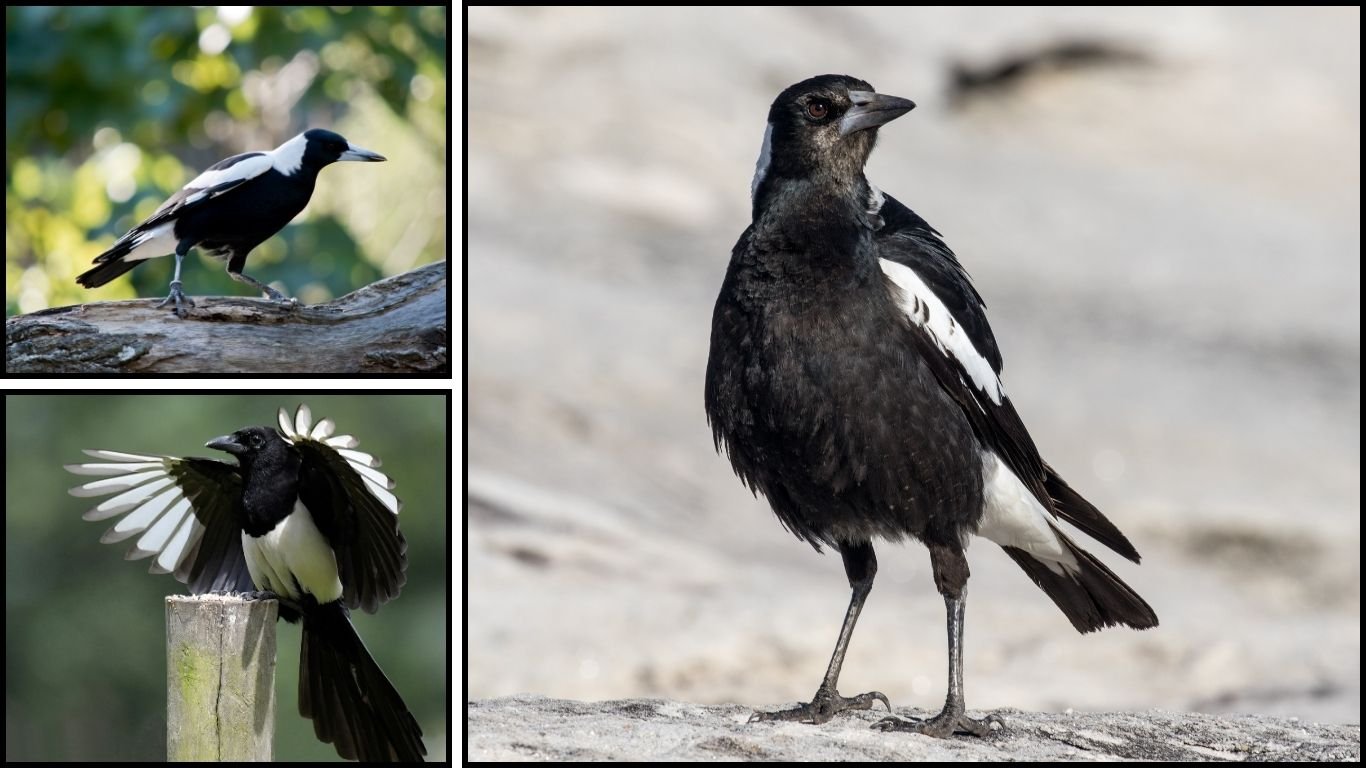
Curious about Australian magpies? These black-and-white birds are more than just swooping legends—they’re smart, social, and full of surprises. From their feeding habits to legal protections and nesting behavior, there’s a lot to uncover. In this guide, we’ve gathered 40 essential facts and frequently asked questions about Australian magpies to help you better understand and appreciate one of Australia’s most iconic and talked-about birds.
1. Are Australian magpies corvids?
No, Australian magpies are not corvids. While they resemble crows and ravens in appearance and intelligence, they actually belong to the Artamidae family, not the Corvidae family. Their closest relatives include butcherbirds and currawongs.
2. Are Australian magpies dangerous?

Australian magpies are generally not dangerous, but during breeding season (spring), some become aggressive and swoop at people to defend their nests. These swoops can startle or slightly injure people, especially cyclists or pedestrians near nesting areas.
3. Are Australian magpies smart?
Yes, Australian magpies are highly intelligent birds. They can recognize individual human faces, solve problems, mimic sounds, and even pass the “mirror test” for self-awareness—an ability shared with only a few other animals like dolphins and great apes.
4. Are magpies native to Australia?
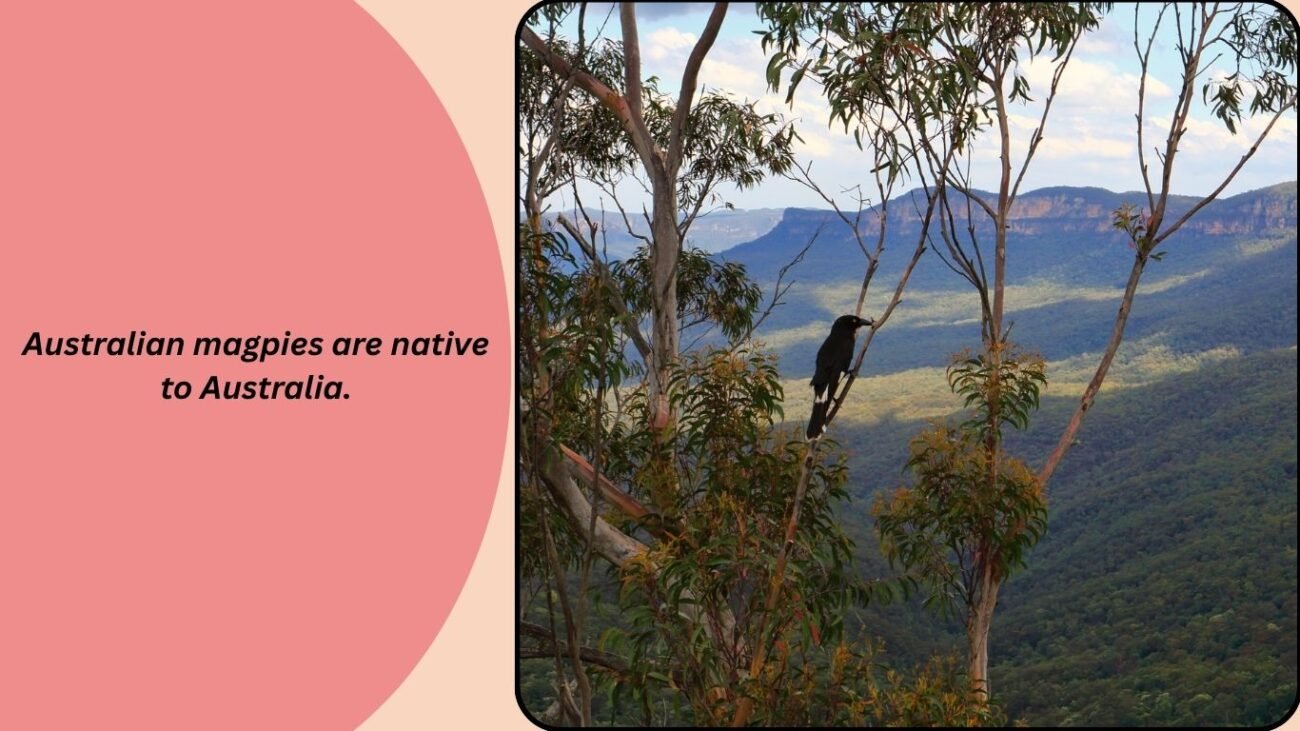
Yes, Australian magpies are native to Australia. They are found throughout the mainland and in Tasmania, thriving in open woodlands, urban areas, and farmlands. They are one of the most iconic and widely recognized native birds in the country.
5. Are magpies only in Australia?
No, not all magpies are exclusive to Australia. The Australian magpie is unique to the region, but other birds called “magpies” exist elsewhere, such as the Eurasian magpie in Europe. These birds are unrelated and belong to different families.
6. Are magpies protected in Australia?
Yes, Australian magpies are protected under various state and territory wildlife laws. It’s illegal to harm, capture, or relocate them without special permits. Protection helps preserve their role in ecosystems and ensures ethical treatment, especially during nesting season.
7. Can Australian magpies talk?

Some Australian magpies can mimic human speech and other sounds, especially if raised in captivity or closely around humans. While they’re not as advanced as parrots, their vocal range and learning ability make them surprisingly talented mimics in certain conditions.
8. Can you own a magpie in Australia?
Generally, you cannot keep a magpie as a pet in Australia without a wildlife rehabilitation or special license. Magpies are protected native birds, and keeping them without proper authorization is illegal in most states and territories.
9. Do Australian magpies mate for life?

Yes, Australian magpies often form lifelong monogamous pairs. These bonded pairs stay together year after year, defending their territory and raising chicks together. They’re also known to maintain strong family and group structures across generations.
10. How big is an Australian magpie?
An Australian magpie typically measures between 37 to 43 cm (14.5 to 17 inches) in length, with a wingspan of around 65 cm. Males are slightly larger than females, and both sexes have strong, muscular bodies suited for territorial defense.
11. How long do Australian magpies live?

In the wild, Australian magpies can live up to 20 years, though the average lifespan is around 10 to 12 years. In captivity, with proper care and safety from predators, some individuals have lived over 25 years.
12. Is it illegal to kill magpies in Australia?
Yes, killing magpies is illegal in most parts of Australia without a special permit. Since they are protected native birds, harming them can result in fines or legal action under local wildlife conservation laws.
13. What do Australian magpies eat?

Australian magpies are omnivores. They eat insects, spiders, worms, small reptiles, fruit, seeds, and occasionally scraps from humans. Their diet varies by season and location, but invertebrates like beetles and larvae make up a large portion of their food.
14. What does an Australian magpie sound like?
Australian magpies produce a rich, flute-like warble that is melodic and complex. Their songs can vary by region and individual and are often heard at dawn. They also mimic other birds, animals, and even human-made sounds.
15. What is a group of magpies called in Australia?
A group of magpies in Australia is commonly called a “tribe” or “tidings.” These groups often consist of extended family members that live and defend territories together. They cooperate in raising young and protecting against threats.
16. What to feed Australian magpies?
You can feed Australian magpies natural foods like mealworms, insects, minced lean meat, or small amounts of fruit. Avoid processed foods, bread, or salty items. Offering clean water and placing food in open areas also helps keep them safe.
17. When is magpie season in Australia?

Magpie season, also known as swooping season, typically runs from August to October during spring. This is when magpies breed and aggressively defend their nests from perceived threats, especially pedestrians and cyclists near nesting areas.
18. Where do magpies live in Australia?
Australian magpies live across most of the country, including urban areas, farmlands, grasslands, and woodlands. They adapt well to human presence and are often seen in parks, school grounds, and suburban backyards with open spaces and scattered trees.
19. Why are Australian magpies so aggressive?

Australian magpies become aggressive during breeding season to protect their nests and chicks. They may swoop at humans or animals they see as threats. This behavior is instinctive and usually performed by dominant males within the territory.
20. Are Australian magpies intelligent?
Yes, they are extremely intelligent birds. Australian magpies can recognize individual faces, solve problems, mimic sounds, and demonstrate social learning. Studies have shown they can pass cognitive tests, making them one of the smartest non-corvid bird species.
21. Can you have a pet magpie in Australia?

No, keeping a magpie as a pet is generally illegal in Australia without a special wildlife permit. Magpies are protected native species, and it’s against the law to capture, keep, or raise them without proper authorization.
22. Do Australian magpies eat fruit?

Yes, Australian magpies do eat fruit, especially soft and ripe varieties like berries, apples, or figs. While not their main food source, fruit offers hydration and sugar, especially during hot seasons or when insect prey is limited.
23. How to draw an Australian magpie?
To draw an Australian magpie, start with a sleek body outline, add a slightly curved beak, and define its black-and-white plumage. Focus on its strong legs and distinctive wing markings. Observing real photos helps capture their unique posture and shape.
24. How to get rid of magpies in Australia?
To deter magpies, avoid feeding them, cover shiny objects, and use deterrents like reflective tape or fake predators. During nesting season, wear hats or carry umbrellas. It’s illegal to harm them, so only humane methods should be used.
25. When do magpies lay eggs in Australia?

Magpies typically lay eggs between August and October. Females build the nest and incubate 2–5 eggs for about three weeks. Chicks stay in the nest for several weeks before fledging but continue to be fed by parents afterward.
26. When do magpies swoop in Australia?
Magpies begin swooping in early spring, usually from late August to October. This behavior peaks when eggs hatch and chicks are in the nest. Swooping is a defensive action by adult magpies to protect their young from perceived threats.
27. Why do magpies swoop in Australia?
Magpies swoop to defend their nesting area during breeding season. They see humans, especially walkers or cyclists, as potential threats. Only a small percentage of magpies swoop, and their intent is to scare, not seriously injure.
28. Are Australian magpies protected by law?
Yes, Australian magpies are legally protected under wildlife conservation laws in all states and territories. It is illegal to harm, trap, or relocate them without a specific license from local environmental authorities or wildlife agencies.
29. Are Australian magpies true magpies?
No, Australian magpies are not true magpies. Despite the name, they are not part of the Corvidae family like European magpies. They belong to the Artamidae family and are more closely related to butcherbirds and currawongs.
30. Are magpie geese native to Australia?
Yes, magpie geese are native to northern Australia. They are large, distinct waterfowl found in wetlands and floodplains. Although they share the “magpie” name due to similar coloring, they are not closely related to Australian magpies.
31. Are magpie larks protected in Australia?
Yes, magpie larks—also known as “peewees”—are protected native birds in Australia. It’s illegal to harm or capture them without a permit. These birds are often found in open habitats and are not closely related to Australian magpies.
32. Can you shoot magpies in Australia?

No, you cannot legally shoot magpies in Australia without special permission. As protected native species, harming or killing them is prohibited under environmental and wildlife laws. Penalties may apply for anyone caught killing them without proper authorization.
33. Do Australian magpies actually hurt people?
While most swoops are harmless, magpies can cause injuries, especially to the face or eyes. Cyclists are more at risk. Serious harm is rare, but scratches, cuts, or falls can occur if people panic or aren’t cautious during nesting season.
34. Do Australian magpies eat seeds?

Yes, Australian magpies do eat seeds, especially those found in bird feeders or scattered on the ground. However, seeds make up a small portion of their diet compared to insects, worms, and small animals, which provide more protein.
35. Do Australian magpies eat small birds?
Occasionally, Australian magpies may prey on small birds or nestlings, particularly during breeding season when they need protein-rich food for their chicks. However, this behavior is uncommon and usually driven by food scarcity rather than regular hunting.
36. Do Australian magpies migrate?
No, Australian magpies are generally non-migratory birds. They maintain and defend permanent territories year-round. However, some juveniles may move short distances to establish new territories after leaving their family group, but large-scale migration does not occur.
37. How large are Australian magpies?
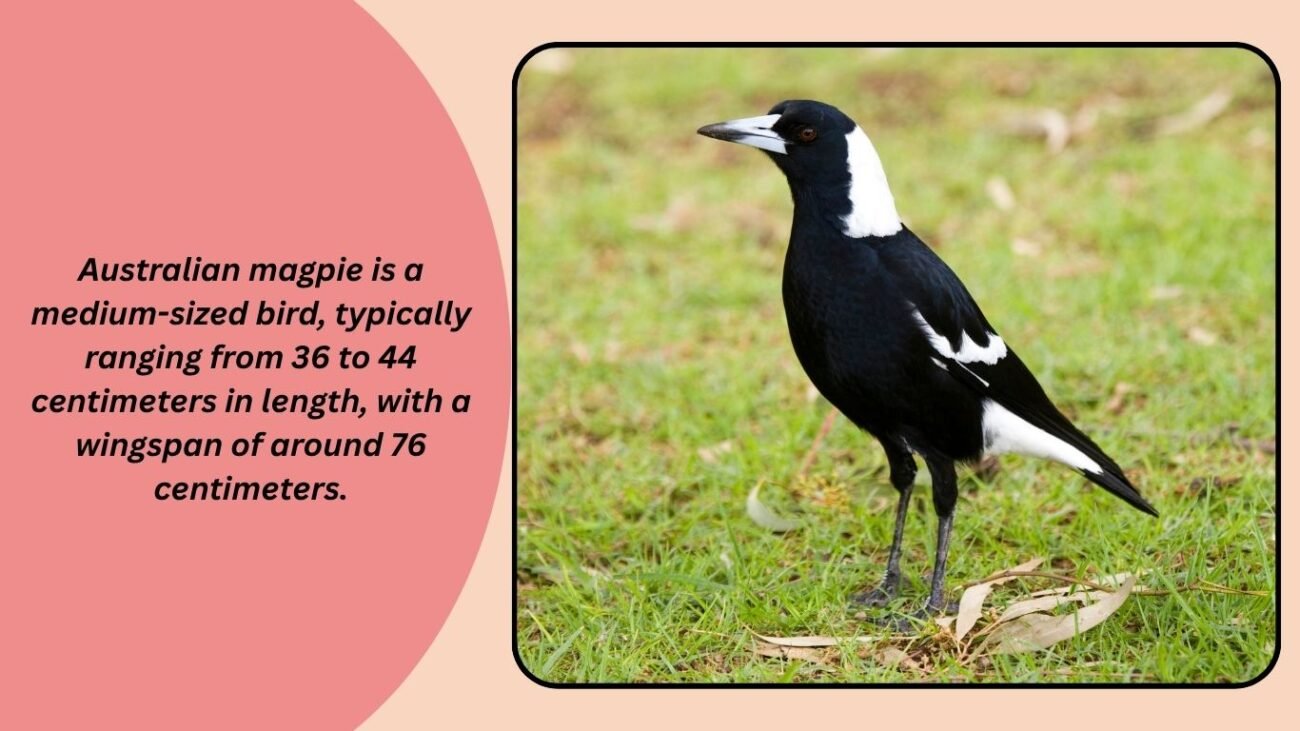
Australian magpies are medium-sized birds measuring around 37–43 cm in length with a wingspan of approximately 65 cm. Males are usually slightly larger than females. They have strong, muscular builds suited for flying, foraging, and defending territory.
38. How many babies do Australian magpies have?
Australian magpies typically lay 2 to 5 eggs per breeding season. After hatching, both parents (and sometimes helpers) care for the chicks. It’s common for only 2–3 chicks to survive and fledge successfully due to predation or environmental factors.
39. How to attract Australian magpies?

You can attract magpies by offering natural food like mealworms or minced meat, providing clean water, and maintaining open grassy areas for foraging. Avoid loud noises or disturbances, and never use processed or salty foods that may harm them.
40. What do baby magpies eat in Australia?
Baby magpies are mainly fed insects, worms, and small invertebrates brought by their parents. The food is soft and protein-rich, ideal for growth. Adults carefully feed them in the nest until they fledge and can start foraging on their own.