The American Robin is one of North America’s most familiar and beloved birds, known for its bright orange belly and cheerful morning song. But there’s more to this backyard bird than meets the eye. From diet and nesting to migration and symbolism, this FAQ guide answers 55 of the most common and interesting questions about the American Robin—perfect for bird watchers, gardeners, and curious minds alike.
1. What does an American Robin sound like?

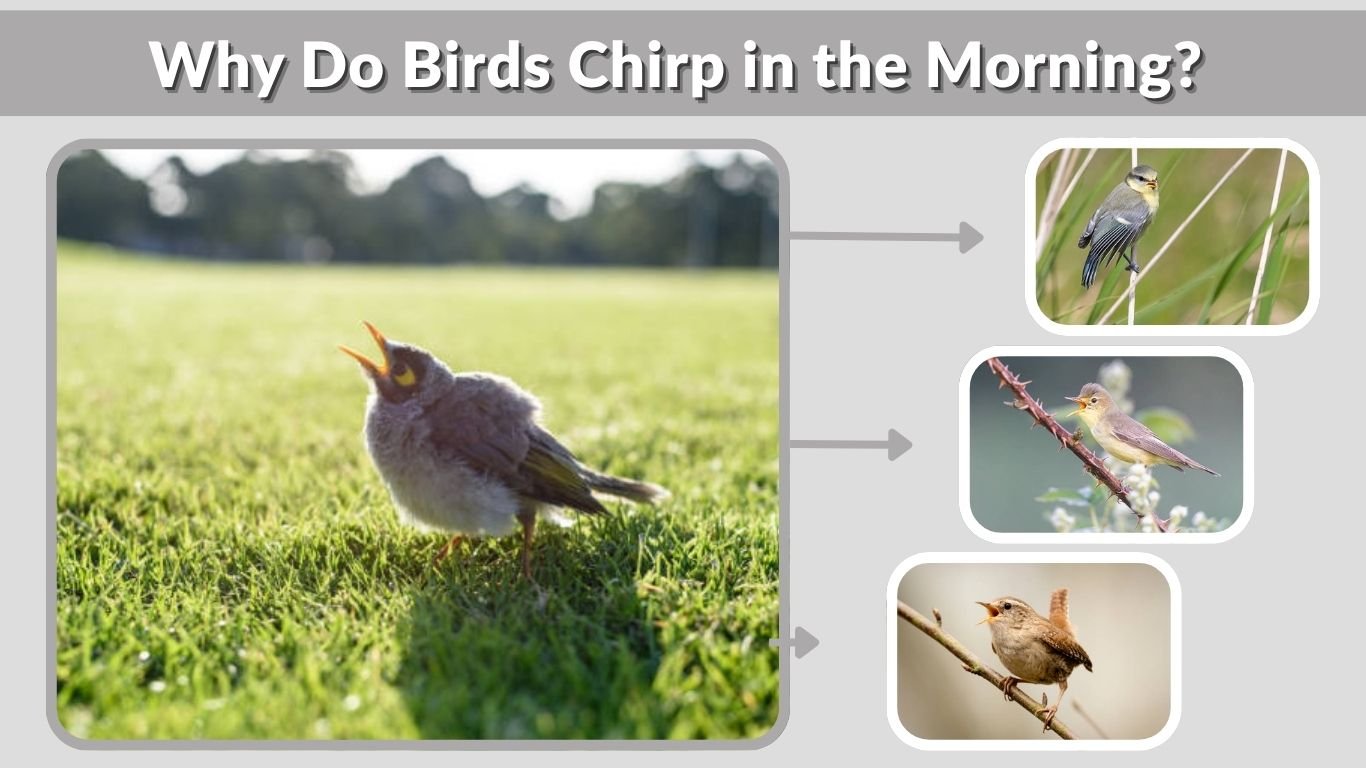
The American Robin has a cheerful, whistling song made up of clear phrases, often described as “cheerily, cheer-up, cheer-up.” They sing most actively in the early morning and late afternoon. Their calls include a sharp “tut” when alarmed and a soft “whinny” sound during flight or communication with mates or young.
2. What do American Robins eat?
American Robins primarily eat earthworms, insects, and berries. In the spring and summer, they focus on protein-rich invertebrates like beetles, grubs, and caterpillars. During colder months, when insects are scarce, they rely more on fruits such as crabapples, dogwood berries, and holly. Their diet shifts with the seasons to meet nutritional needs.
3. Why are American Robin eggs blue?
The blue color of American Robin eggs comes from a pigment called biliverdin, deposited on the eggshell during laying. This pigment provides camouflage in dappled light, protecting the eggs from predators. Some researchers also believe brighter blue may indicate a healthier mother, influencing parental care and offspring survival.
4. Where do American Robins live?
American Robins are found throughout North America, from southern Canada to Mexico. They adapt well to various environments including forests, gardens, parks, and suburban neighborhoods. During winter, they often migrate south, though some populations remain year-round in warmer areas. They nest in trees, shrubs, or ledges close to human homes.
5. Do American Robins migrate?

Yes, American Robins are migratory birds. In fall, most northern populations fly south to the United States’ southern states, Mexico, or Central America. However, some robins stay year-round if food sources like berries are available. Spring migration begins early, often making robins one of the first signs of spring.
6. How long do American Robins live?
In the wild, American Robins typically live around 2 years, although some individuals can live much longer—up to 14 years has been recorded. Most young robins face high mortality during their first year due to predators, accidents, and harsh weather, but those that survive may live several more years.
7. What does the American Robin look like?
The American Robin is a medium-sized bird with a bright orange-red breast, dark gray back, and a white throat with black streaks. It has a rounded body, long legs, and a yellow beak. Males are more vibrant in color than females, while juveniles have speckled chests instead of the iconic orange.
8. How many eggs do American Robins lay?
American Robins typically lay 3 to 5 eggs per clutch. The female lays one egg per day, usually in the early morning. The eggs are incubated for about 12 to 14 days before hatching. A pair of robins may have two to three broods during a single breeding season, depending on conditions.
9. Are American Robins aggressive?
American Robins can be territorial and show aggression during breeding season, especially the males. They often chase away intruders, including other birds, to defend their nests. They may also peck at their reflection in windows or mirrors, mistaking it for a rival. However, they are not generally aggressive toward humans.
10. Are American Robins friendly?

Yes, American Robins are considered friendly and familiar birds, especially around people. They often forage on lawns and may become comfortable near human activity. Some individuals can become quite tame, especially if they associate humans with food or water. While not “pet-friendly,” they are not fearful like many wild birds.
11. Are American Robins protected?
Yes, American Robins are protected under the Migratory Bird Treaty Act in the United States. This law makes it illegal to harm, capture, or destroy robins, their nests, or their eggs without a permit. Although they are common, protection ensures their populations remain stable and aren’t impacted by human interference.
12. Do American Robins mate for life?
No, American Robins do not mate for life. They are seasonally monogamous, meaning they often form pairs for a single breeding season but may choose different mates the following year. Occasionally, a pair may reunite if both return to the same breeding grounds, but long-term bonding is not typical for this species.
13. How long do American Robin eggs take to hatch?
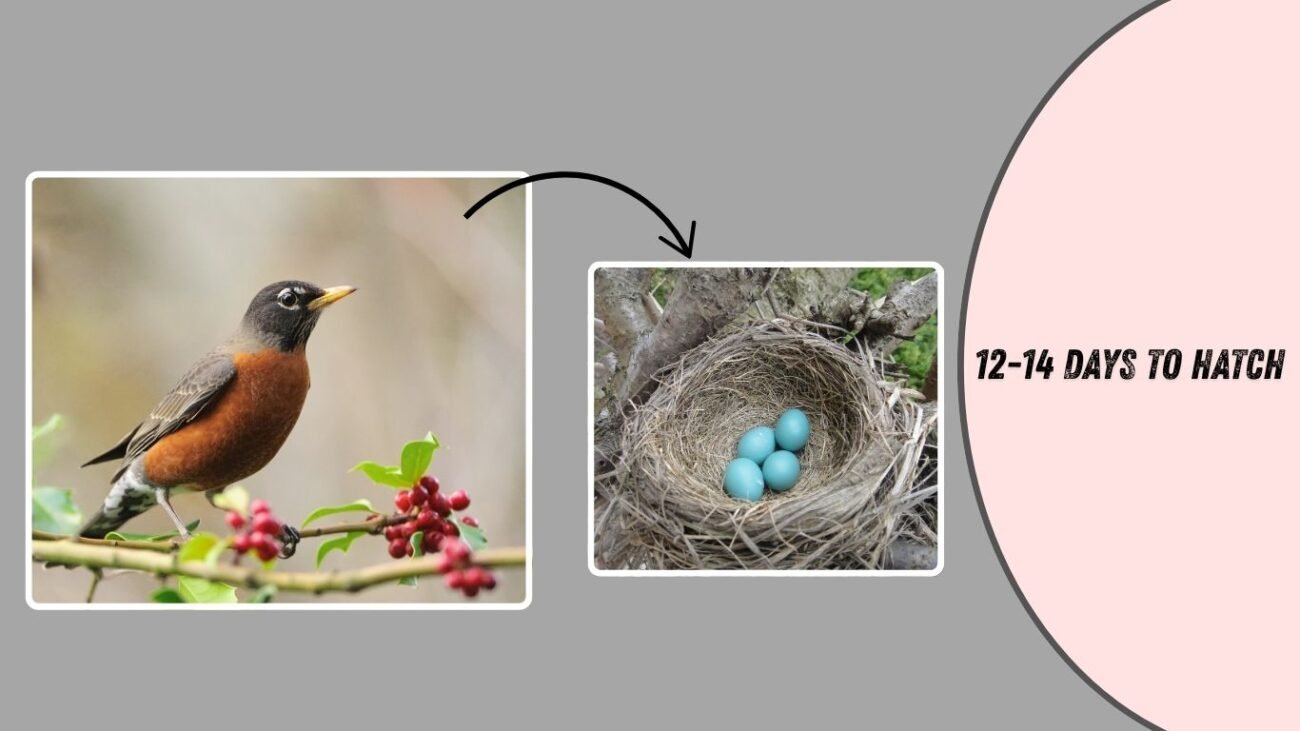
American Robin eggs typically hatch in 12 to 14 days after incubation begins. The female does most of the incubating, while the male provides food and defends the territory. Once hatched, the chicks remain in the nest for another 13 to 15 days before fledging, depending on weather and food availability.
14. What eats American Robins?
American Robins face many predators including cats, hawks, snakes, raccoons, squirrels, and blue jays. Eggs and nestlings are especially vulnerable, while adult robins are often hunted by raptors like Cooper’s Hawks. Robins are alert and quick to alarm, often gathering in flocks to warn each other of potential threats.
15. Are American Robins endangered?
No, American Robins are not endangered. In fact, they are one of the most widespread and abundant songbirds in North America. Their population is estimated in the hundreds of millions and is stable. They adapt well to human environments, which helps them thrive despite habitat changes and urbanization.
16. Can American Robins be pets?
Keeping an American Robin as a pet is illegal in the U.S. due to the Migratory Bird Treaty Act. This law prohibits capturing or keeping native birds without a license. Additionally, robins are wild animals that require freedom, natural diets, and migration. They don’t adapt well to captivity and should remain wild.
17. Do American Robins eat seeds?
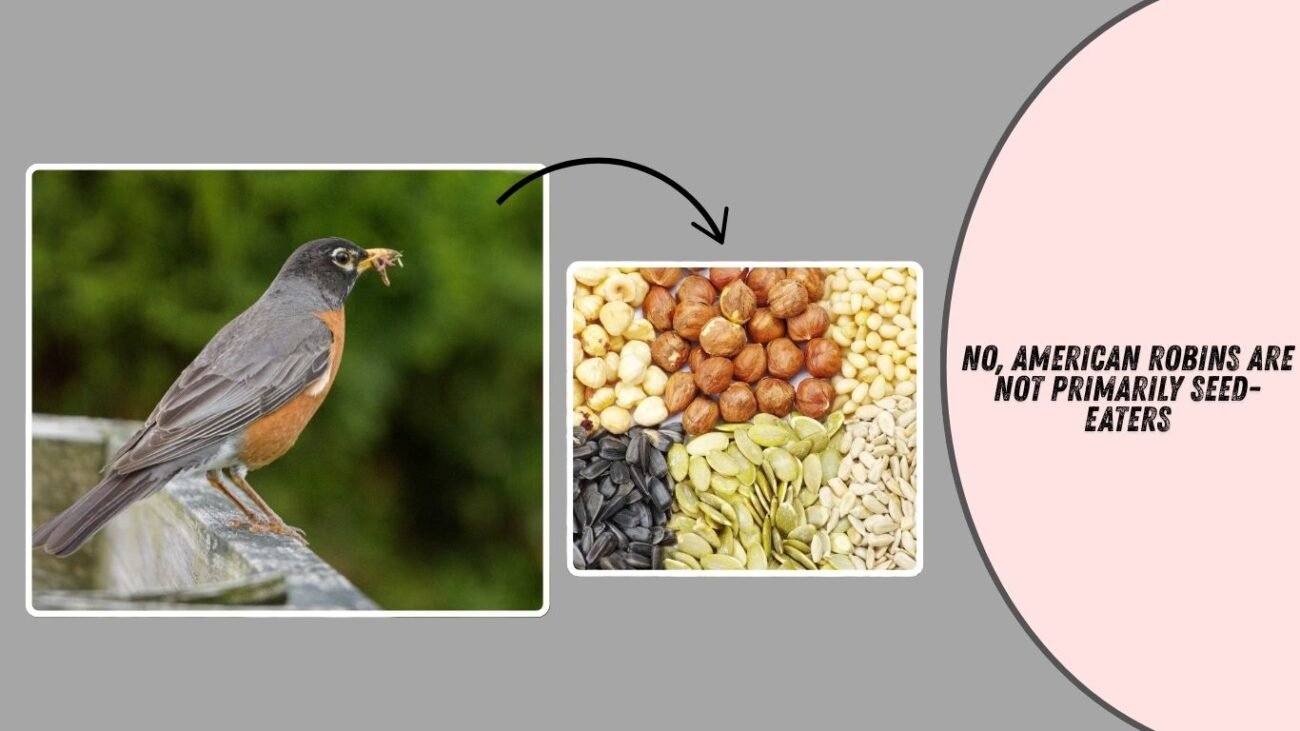
Robins are not big seed-eaters like sparrows or finches. They prefer soft-bodied invertebrates like worms and insects, and they also enjoy fruits and berries. Occasionally, they may eat small seeds or grains, but this is rare. Suet or chopped fruit is more effective for attracting them to backyard feeders.
18. Do American Robins flock?
Yes, American Robins often flock, especially outside the breeding season. In fall and winter, they gather in large groups that can number in the hundreds or even thousands. These flocks move together in search of food sources like berries and shelter. During breeding season, they become more solitary or stay in pairs.
19. Do American Robins reuse their nests?
American Robins rarely reuse old nests. Instead, the female typically builds a new nest for each brood, although she may reuse materials from the previous one. Old nests are often abandoned due to parasite build-up or structural weakness. However, some robins will build a new nest directly on top of an old one.
20. Do female American Robins sing?

Female American Robins do not sing as prominently as males. The male’s song is used to establish territory and attract a mate. Females may make soft calls or chirps, especially to communicate with their young or respond to danger, but the complex and musical song robins are known for comes from males.
21. Does the American Robin migrate?
Yes, American Robins are migratory birds. They typically breed in Canada and the northern U.S. during spring and summer, then migrate south to the southern U.S. and Mexico for winter. However, some robins remain in northern areas year-round if food—especially berries—is plentiful, leading many people to mistakenly think they’ve returned early.
22. How big is an American Robin?
An adult American Robin typically measures 9 to 11 inches (23 to 28 cm) in length with a wingspan of about 12 to 16 inches (30 to 40 cm). They weigh between 2.3 to 3 ounces (65 to 85 grams). They are considered medium-sized songbirds, slightly larger than sparrows but smaller than jays.
23. How long do American Robins stay in the nest?
American Robin chicks remain in the nest for about 13 to 15 days after hatching. During this time, they are fed constantly by both parents. Once they fledge, or leave the nest, the parents may continue feeding them for another week or two until they learn to forage independently.
24. How many American Robins are there?
There are an estimated 310 million American Robins across North America. They are one of the most common songbirds on the continent. Their population is considered stable and widespread, thanks to their adaptability to different habitats, including urban areas, parks, gardens, forests, and farmlands.
25. How to attract American Robins?
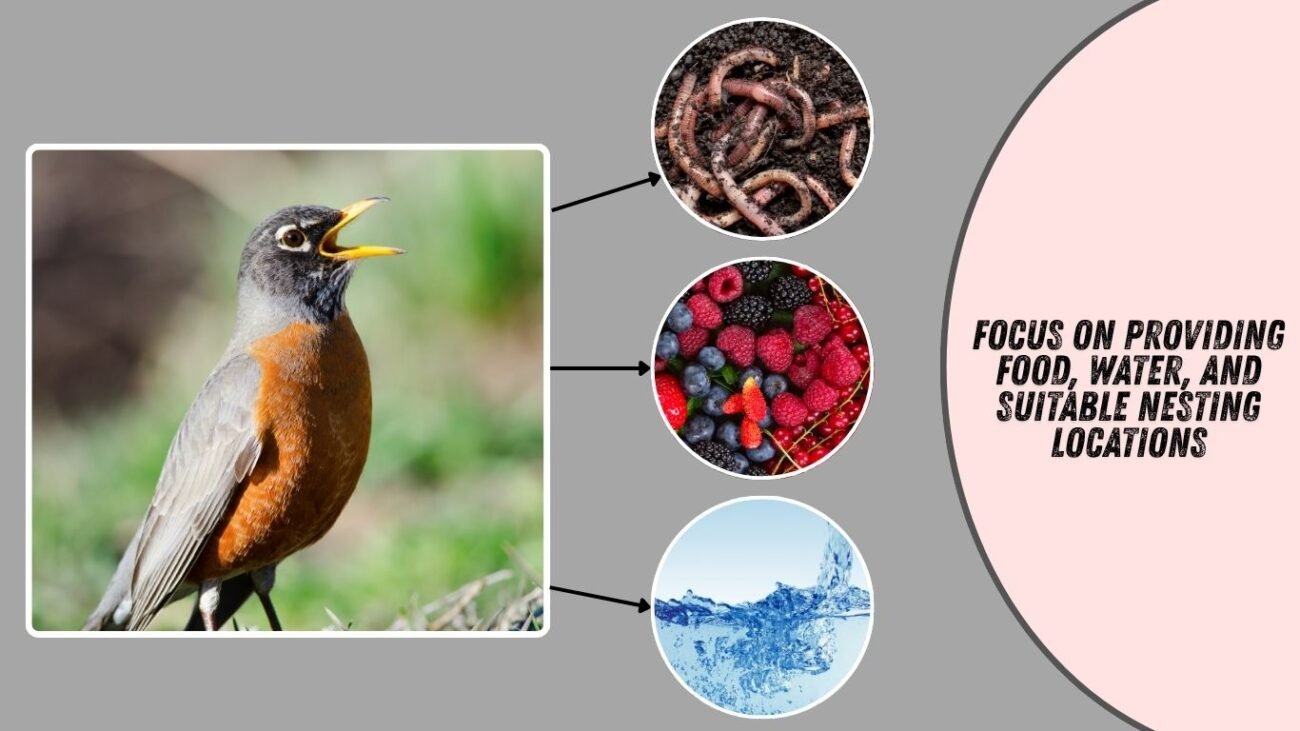
To attract robins to your yard, provide food like berries, chopped fruit, and mealworms. They also appreciate a clean water source for drinking and bathing. Avoid using pesticides, as robins love foraging for worms and insects. Providing trees, shrubs, and grassy lawns also encourages nesting and feeding behavior.
26. How to get rid of American Robins?
While robins are generally beneficial, if you need to deter them, use bird netting on fruit trees, reflective tape, or noise deterrents. Avoid harming or trapping them, as they are protected. Removing food sources like open fruit or standing water can also discourage them from frequenting specific areas.
27. Are American Robins sexually dimorphic?
Yes, American Robins show sexual dimorphism, though it’s subtle. Males typically have brighter plumage, especially their reddish-orange chest and darker heads. Females have duller, more muted colors and paler bellies. However, the difference can be hard to spot without them side-by-side, especially for inexperienced observers.
28. Do American Robins eat suet?

Occasionally, robins will eat suet, especially in winter when insects and worms are scarce. However, they generally prefer fruit, mealworms, or soft-bodied insects. To attract robins with suet, try mixing it with raisins or berries and place it on a tray or dish rather than in a traditional suet cage.
29. Do American Robins eat sunflower seeds?
Robins don’t typically eat sunflower seeds. Their diet is focused on insects, earthworms, and fruit. While they may occasionally pick at seeds if nothing else is available, they prefer soft foods. If you’re hoping to feed robins, offer chopped fruits or mealworms instead of seeds.
30. Do American Robins fly in flocks?
Yes, especially outside of the breeding season. In fall and winter, American Robins form large flocks that can include hundreds of individuals. These flocks travel and feed together, especially around fruiting trees and shrubs. Flocking helps them find food more efficiently and offers protection against predators.
31. Do American Robins reuse their nests?
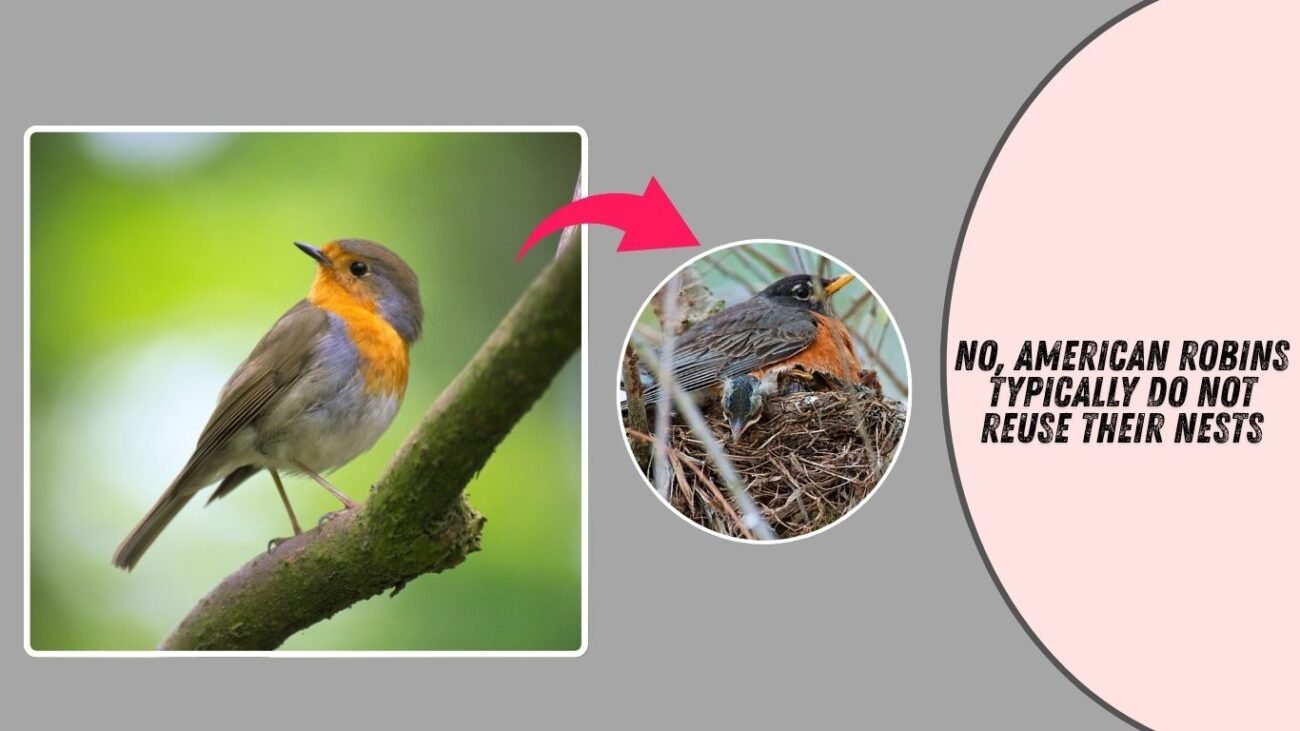
American Robins rarely reuse old nests for a second brood. Instead, the female often builds a new one nearby. However, they might build a new nest on top of an old one if the location feels secure. Old nests can become unstable or infested, so robins usually prefer a fresh start.
32. Do female American Robins sing?
Female American Robins generally do not sing the same way males do. Males sing to claim territory and attract mates, especially during the breeding season. Females make various chirps and alarm calls to communicate, but their vocalizations are shorter and less melodic than the males’ songs.
33. Where do American Robins sleep at night?
At night, robins sleep in dense trees, shrubs, or foliage that offers cover from predators. Males may sleep alone during the breeding season, while females stay near the nest. In winter, they often gather in communal roosts with other robins, sometimes in groups of hundreds for warmth and safety.
34. What do American Robins symbolize?
American Robins are often symbols of spring, renewal, and hope. Their return to northern regions in early spring marks the end of winter in many cultures. They also represent new beginnings and joy due to their cheerful song and bright coloring. In some folklore, robins are messengers of spiritual guidance.
35. Are American Robins protected?

Yes, American Robins are protected under the Migratory Bird Treaty Act in the U.S. It is illegal to harm, capture, or disturb their nests, eggs, or young without a federal permit. This protection helps ensure their populations remain stable and healthy across North America.
36. Are American Robins aggressive?
Robins are generally peaceful but can be territorial during the breeding season. Males may become aggressive toward other males, chasing them away from nesting areas. They may also peck at their reflection, mistaking it for a rival. Outside breeding, robins are not usually aggressive toward humans or other birds.
37. Can you keep an American Robin as a pet?
No, it’s illegal to keep American Robins as pets in the U.S. under the Migratory Bird Treaty Act. They are wild birds and do not adapt well to captivity. Robins are best appreciated in their natural habitat, where they contribute to the ecosystem by controlling insect populations and spreading seeds.
38. Do American Robins eat seeds?
Not typically. Robins primarily eat insects, worms, and fruit. Their beaks aren’t designed for cracking hard seeds like those of finches or cardinals. If seeds are soft or embedded in fruit, they might consume them, but they won’t visit seed feeders unless other food is scarce.
39. Are American Robins invasive?
No, American Robins are native to North America and not considered invasive. They are well-integrated into local ecosystems and help control insect populations. However, their adaptable nature allows them to thrive in urban areas, which may give the impression of being overly abundant or intrusive.
40. Can American Robins be black?
American Robins are not black, but males can appear darker overall, especially on the head and back, giving them a deeper contrast with their red-orange chest. If a bird looks entirely black but shaped like a robin, it’s likely a different species such as a starling or grackle.
41. Do American Robins attack humans?

American Robins are not known to attack humans. However, during nesting season, they may act defensively if someone approaches their nest. They could chirp loudly, swoop close, or flutter their wings as a warning, but they rarely make physical contact. These behaviors are driven by their instinct to protect their young.
42. How to attract American Robins?
To attract robins, provide food like mealworms, berries, and soft fruits. Plant native berry-producing shrubs such as dogwood or serviceberry. Offer a clean birdbath for drinking and bathing, and avoid using pesticides. Robins prefer open lawns for foraging and trees or shrubs for nesting, so landscaping that includes both is ideal.
43. Do American Robins eat sunflower seeds?
No, robins generally do not eat sunflower seeds. Their diet mainly consists of insects, worms, and fruits. Sunflower seeds are too hard for their beaks and are not part of their natural feeding habits. If you want to attract robins, offer mealworms, raisins, or soft berries instead of seeds.
44. Are American Robins sexually dimorphic?
Yes, American Robins are sexually dimorphic, meaning males and females have different physical appearances. Males usually have darker, more vivid black heads and richer red-orange breasts, while females are slightly paler and more subdued in color. However, the difference is subtle and may be hard to distinguish from a distance.
45. Can American Robins fly in flocks?
Yes, American Robins often form large flocks, especially in the fall and winter. These flocks can include hundreds or even thousands of individuals. Outside the breeding season, robins are highly social and forage together. During the breeding season, however, they become more territorial and are usually seen alone or in pairs.
46. What eats American Robins?
Robins are preyed upon by hawks, snakes, domestic cats, squirrels, raccoons, and even crows. Eggs and nestlings are especially vulnerable to predators. Adult robins are most at risk during foraging or flight. Despite their predators, robins maintain strong populations due to their reproductive rate and adaptability.
47. What is the scientific name of the American Robin?
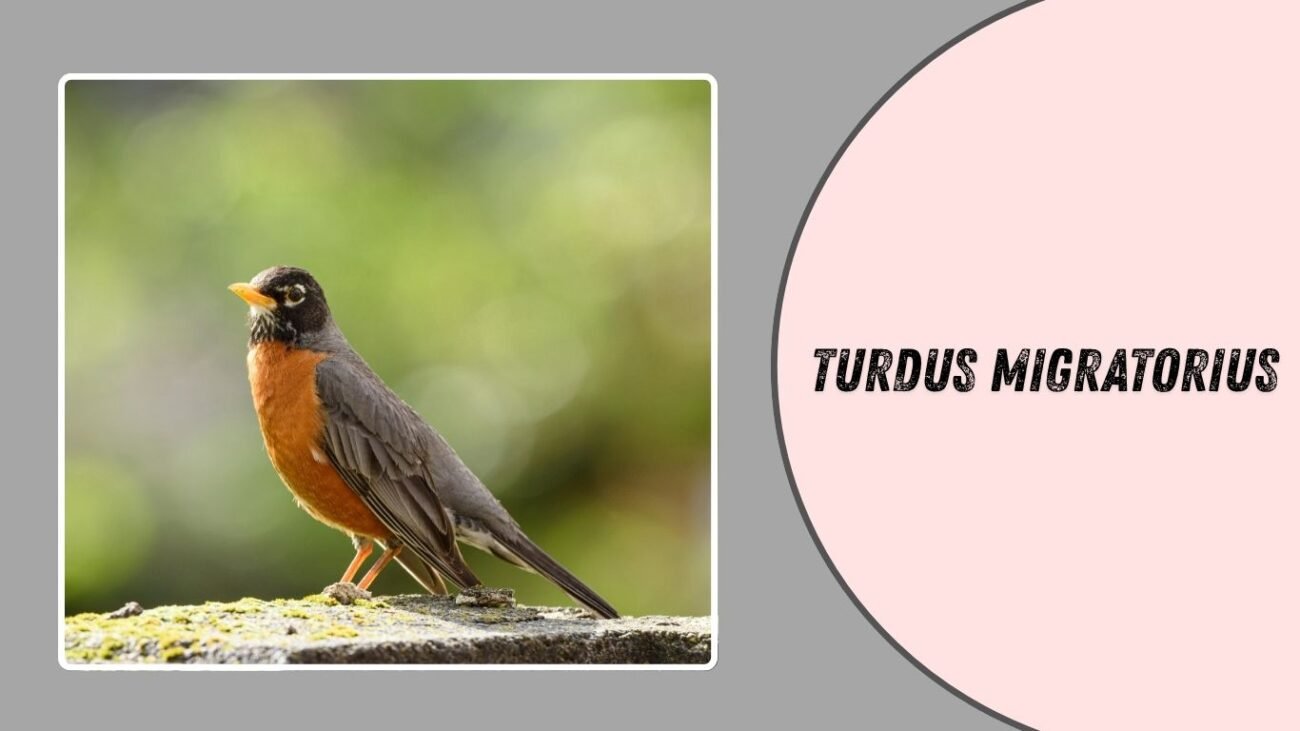
The scientific name of the American Robin is Turdus migratorius. It belongs to the thrush family, which includes other songbirds known for their melodious calls. The name “migratorius” refers to the robin’s seasonal movement patterns, as many populations migrate to warmer climates during winter.
48. What does an American Robin bite look like?
American Robins do not typically bite humans, and even if they did, the bite would likely be very minor. Their beaks are not strong enough to cause injury. If you find a bite on your skin, it is more likely from an insect or another source, not a robin.
49. Can you eat an American Robin?
It is illegal and unethical to eat American Robins in the U.S. They are protected under the Migratory Bird Treaty Act. In the past, robins were hunted for food, but this is no longer permitted. Today, these birds are valued for their role in the ecosystem and their beauty.
50. Are American Robins good for the environment?
Yes, American Robins are beneficial to the environment. They help control insect populations by eating beetles, caterpillars, and other pests. They also aid in seed dispersal by consuming fruits and berries. As one of the most widespread North American birds, their presence contributes to a balanced ecosystem.
51. What is the personality of American Robins?
American Robins are alert, curious, and bold birds. They are often seen confidently hopping across lawns, pulling worms, or singing loudly from rooftops. While territorial during nesting season, they are generally sociable, especially in the winter. Their approachable behavior and melodious songs make them one of the most familiar backyard birds in North America.
52. Why do American Robins sing at night?
Male robins may sing at night, particularly during early spring, when establishing territory or attracting a mate. Streetlights and urban lighting can confuse them into thinking it’s dawn, prompting them to start singing earlier. It’s most common just before and after sunrise, but city robins may sing even in the dark.
53. Can you keep an American Robin as a pet?
No, keeping an American Robin as a pet is illegal in the United States. They are protected under the Migratory Bird Treaty Act, which prohibits capturing, selling, or keeping native migratory birds without proper licensing. Additionally, robins require a specific diet and environment that is difficult to replicate in captivity.
54. What does it mean when you see an American Robin?
In many cultures, seeing a robin is considered a sign of spring, renewal, or hope. Symbolically, robins represent new beginnings and change. Some believe a robin’s appearance brings good luck or a message from a loved one. While these meanings are cultural, they reflect the robin’s strong seasonal presence.
55. Are American Robins invasive or endangered?
American Robins are not invasive and not endangered. In fact, they are one of the most widespread and abundant songbirds in North America. Their adaptability to suburban and urban areas has allowed them to thrive despite habitat changes, making them a common sight in parks, gardens, and backyards.
.