










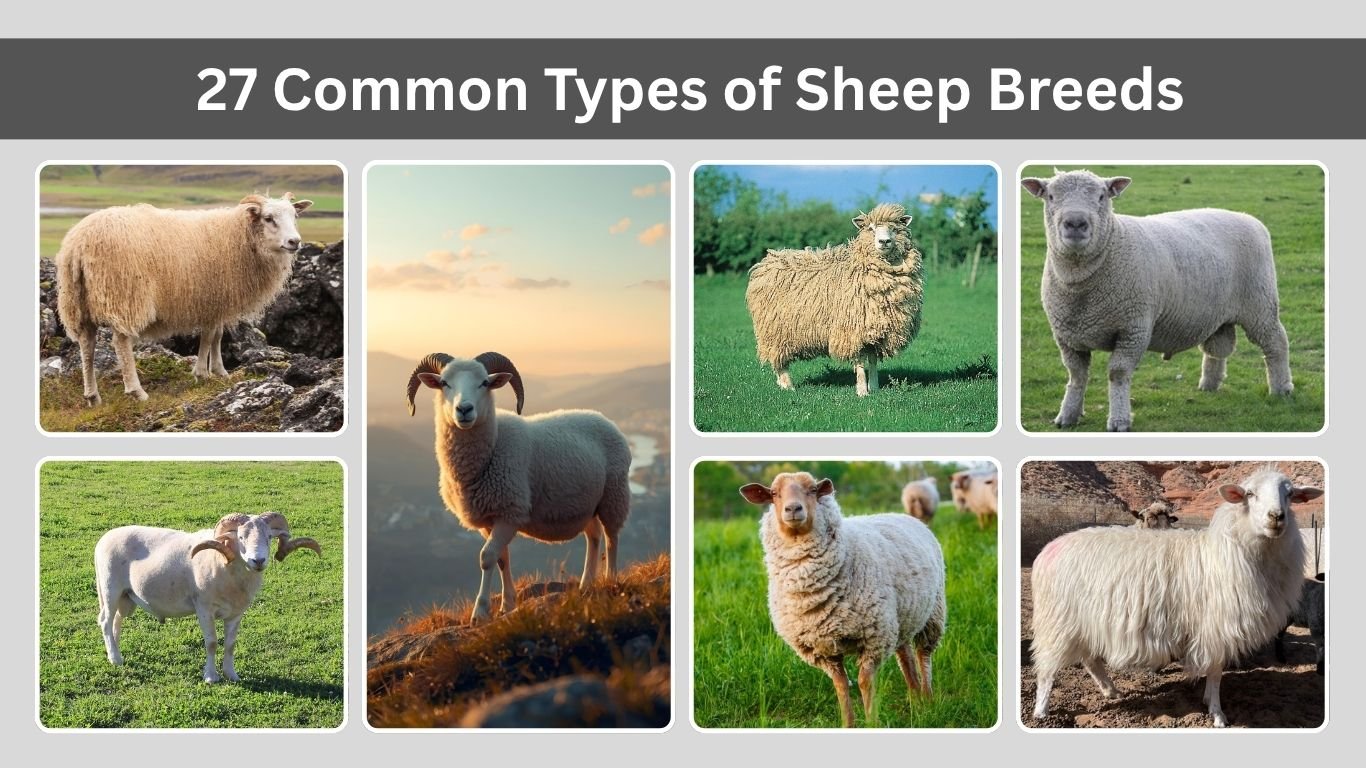
Sheep have been domesticated for thousands of years, providing humans with wool, meat, milk, and hides. Over time, selective breeding has produced diverse sheep breeds suited to different climates, terrains, and purposes. From fine wool producers like the Merino to hardy hair sheep like the Katahdin, each breed has unique traits that make it valuable to farmers and industries worldwide. In this guide, we’ll explore 27 common sheep breeds, their characteristics, and their primary uses.
1. Merino Sheep
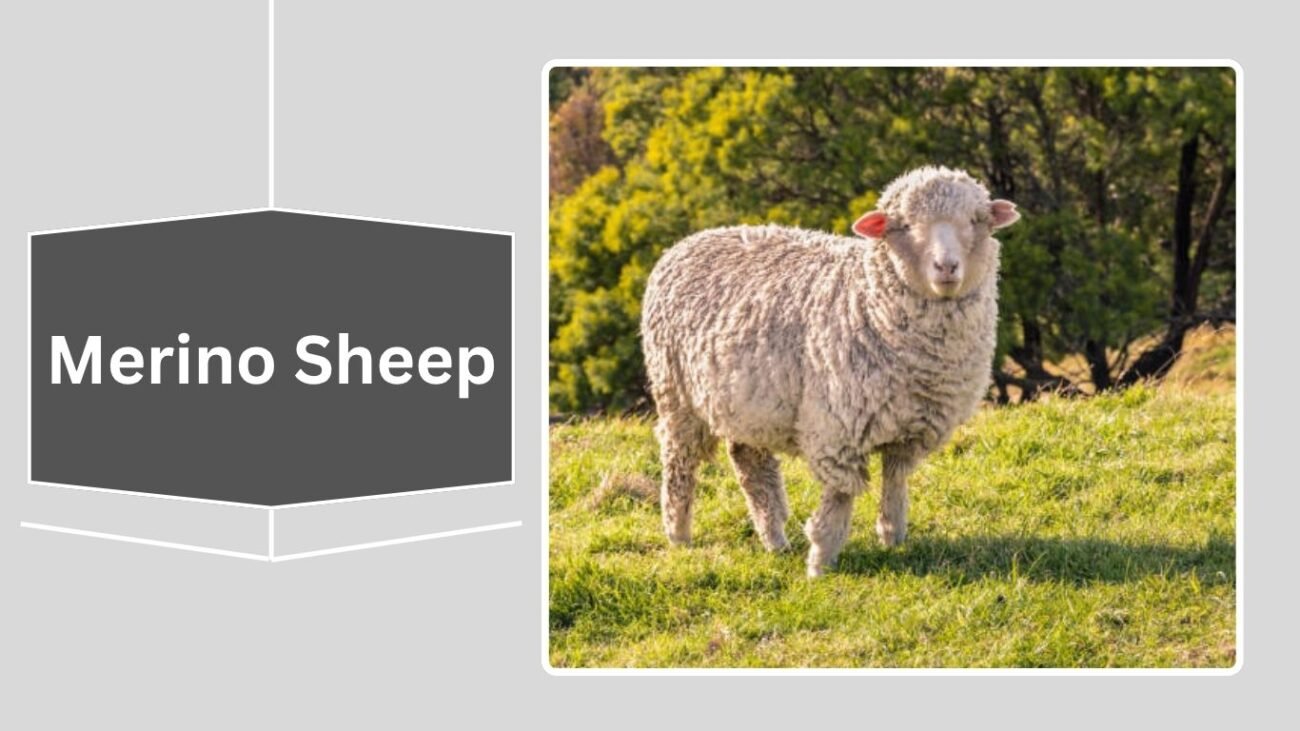
Merino sheep are one of the most famous and valuable breeds in the world, widely known for their fine, soft wool. Originating in Spain, they have spread globally and are now a foundation of the wool industry. Their adaptability, gentle temperament, and premium fleece make them highly prized among farmers and textile producers.
Identification
- Medium-sized breed
- White wool with dense, fine fibers
- Face and legs usually free of wool
- Rams may have large spiral horns, ewes are mostly polled (hornless)
Characteristics
Merino sheep are best known for producing extremely fine wool, often considered the softest and most comfortable for clothing. They are hardy animals, capable of thriving in a variety of climates, including harsh mountain regions.
Behavior
These sheep are generally docile, flock-oriented, and easy to manage. They prefer staying in groups and are less likely to wander compared to some other breeds.
Uses
The primary use of Merino sheep is wool production, with their fleece being highly sought after for premium garments. Some strains are also raised for meat, though wool remains their greatest economic value.
2. Suffolk Sheep
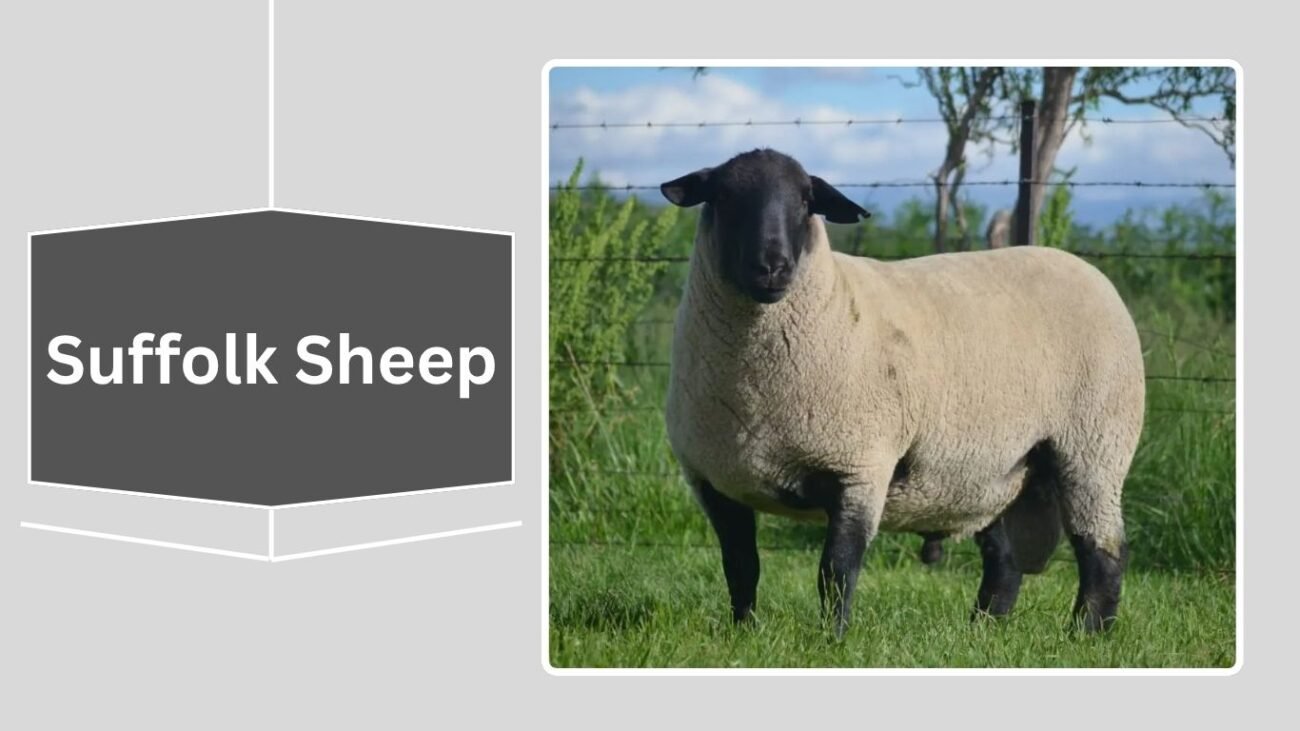
Suffolk sheep are a popular British breed recognized for their distinctive black faces and legs combined with a white body. They are primarily raised for meat production and are valued for their rapid growth and muscular build.
Identification
- Large-sized breed
- Black face and legs, free of wool
- White body with medium wool quality
- Polled (naturally hornless)
Characteristics
Suffolks are strong, fast-growing sheep with excellent carcass quality. They are widely used in crossbreeding programs to improve meat yield.
Behavior
Active, hardy, and adaptable to different environments. They have strong flocking instincts and are easy to manage.
Uses
Primarily bred for meat production, producing lean, flavorful lamb. Their wool is coarser compared to fine-wool breeds but still used in various textiles.
3. Dorset Sheep
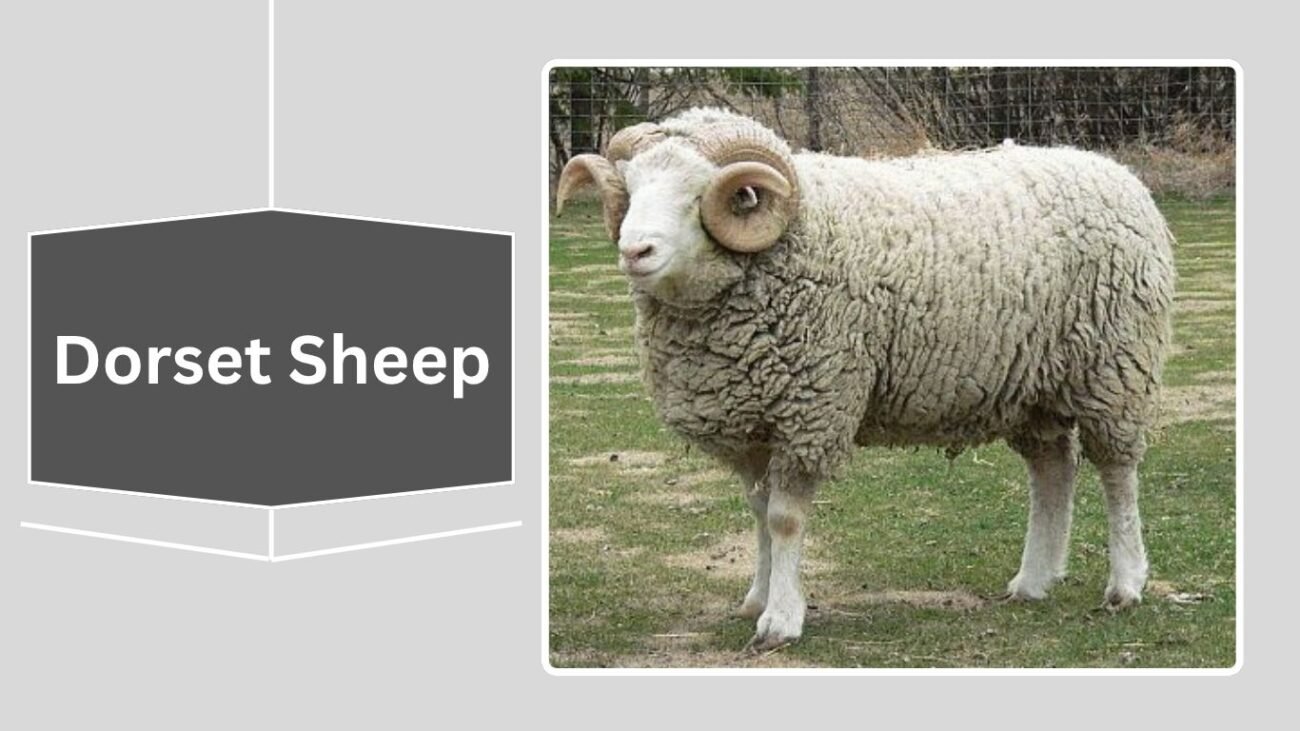
Dorset sheep are one of the most versatile breeds, known for their ability to breed out of season and produce high-quality meat. They originated in England and are now popular worldwide.
Identification
- Medium to large-sized breed
- White face and body
- Can be horned or polled, depending on the strain
- Dense, medium-quality wool
Characteristics
Dorsets are highly fertile and can lamb up to twice a year. They have a sturdy frame and are efficient grazers, making them suitable for different climates.
Behavior
Calm, manageable, and excellent mothers. They have good maternal instincts and high lambing percentages.
Uses
Valued for both meat and wool, with lamb being tender and flavorful. Their wool is medium grade, often used in knitwear and blankets.
4. Hampshire Sheep
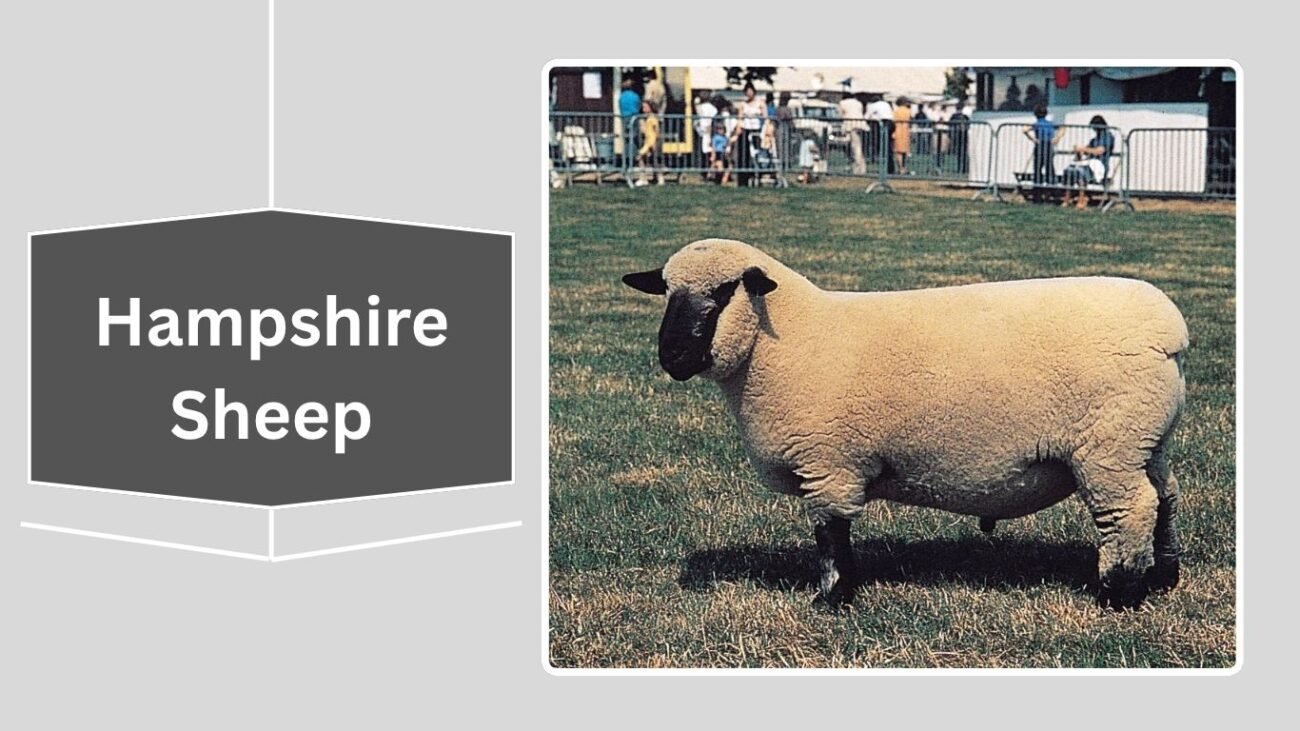
Hampshire sheep are a large, fast-growing breed originating from England. They are recognized for their black face and legs with some wool covering, and they are highly prized for meat production.
Identification
- Large-sized breed
- Black face and legs with some wool
- Dense medium wool, white body
- Polled (hornless)
Characteristics
Hampshires are strong, hardy sheep with rapid growth rates. They produce heavy, well-muscled carcasses and are excellent for crossbreeding programs.
Behavior
They are docile, easy to handle, and good foragers. Known for adapting well to various environments.
Uses
Primarily raised for meat production. Their wool is medium grade, often used in outerwear and blankets.
5. Rambouillet Sheep
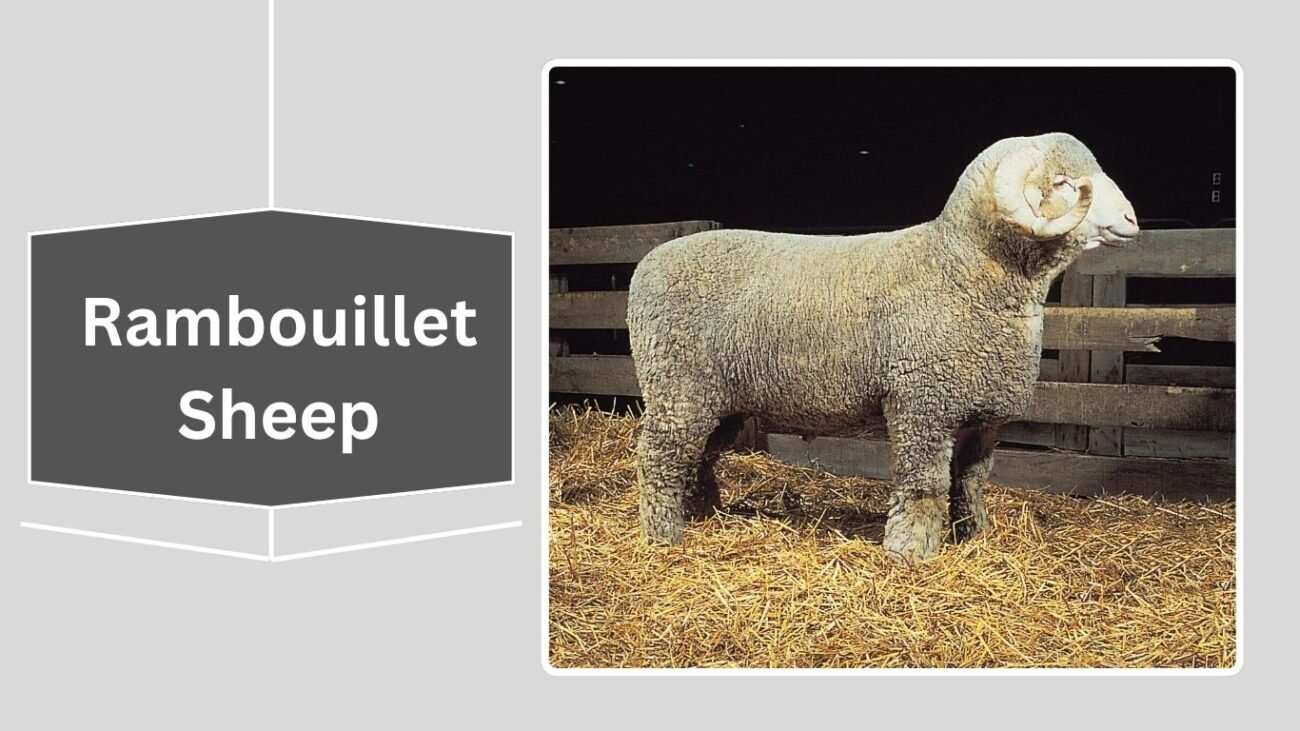
Rambouillet sheep are a fine-wool breed originally developed in France from Spanish Merinos. They are renowned for their exceptionally soft fleece and adaptability to harsh climates.
Identification
- Medium to large breed
- White face and legs, free of wool
- Fine, dense white fleece
- Rams may be horned, ewes usually polled
Characteristics
Rambouillets produce some of the finest wool in the world, rivaling Merino in softness. They are hardy, long-lived sheep with good mothering ability.
Behavior
They are calm, flock-oriented, and thrive in large range conditions. Adaptable to different climates, including arid and mountainous regions.
Uses
Valued mainly for high-quality fine wool used in luxury clothing. They are also used in meat production, though wool remains their primary asset.
6. Lincoln Sheep
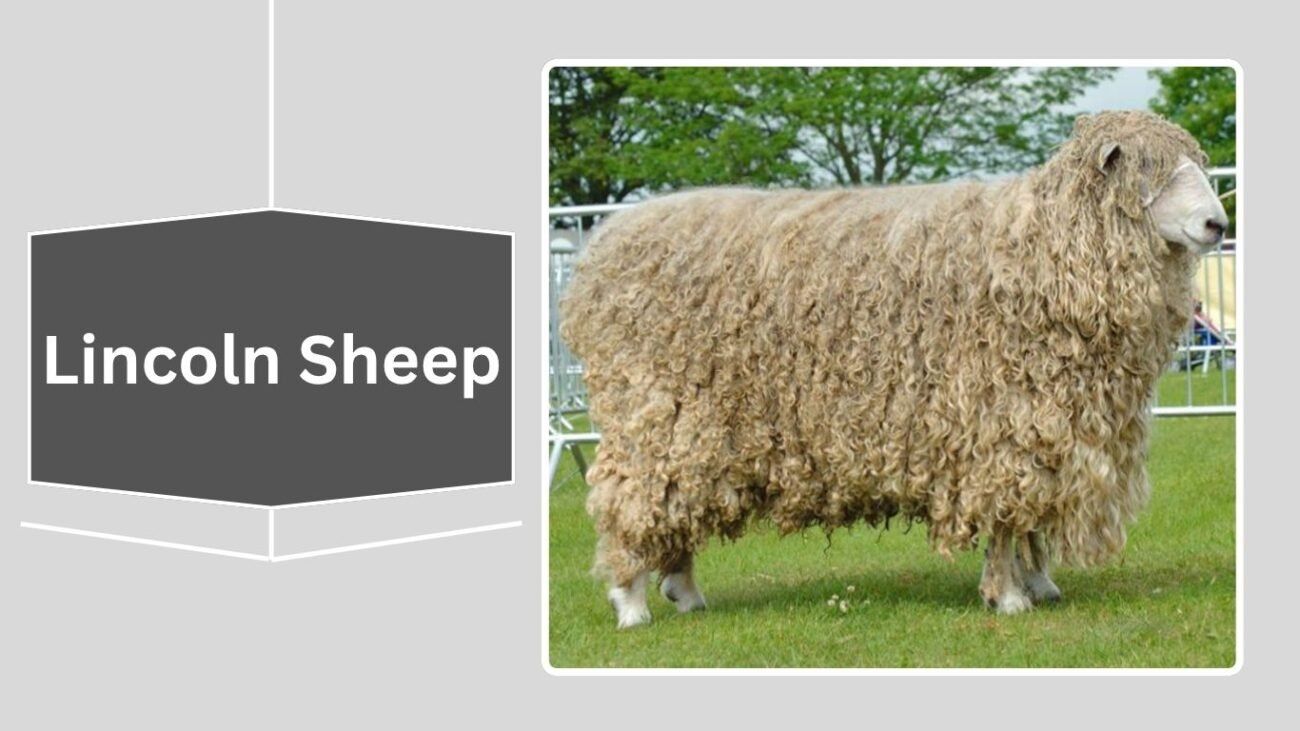
Lincoln sheep are one of the world’s largest sheep breeds, famous for their long, lustrous wool. They originated in England and are often referred to as the “big sheep with long wool.”
Identification
- Very large-sized breed
- White face and legs, often with wool covering
- Long, heavy fleece with a distinct luster
- Polled (hornless)
Characteristics
Lincolns produce the heaviest and longest wool of any breed, often used in hand spinning and specialty textiles. They are strong and hardy, well-suited to damp climates.
Behavior
Generally calm and manageable. They adapt well to grazing systems but need regular shearing due to heavy fleece.
Uses
Primarily raised for wool production, especially for carpets, rugs, and specialty yarns. Their meat is also lean and flavorful.
7. Romney Sheep
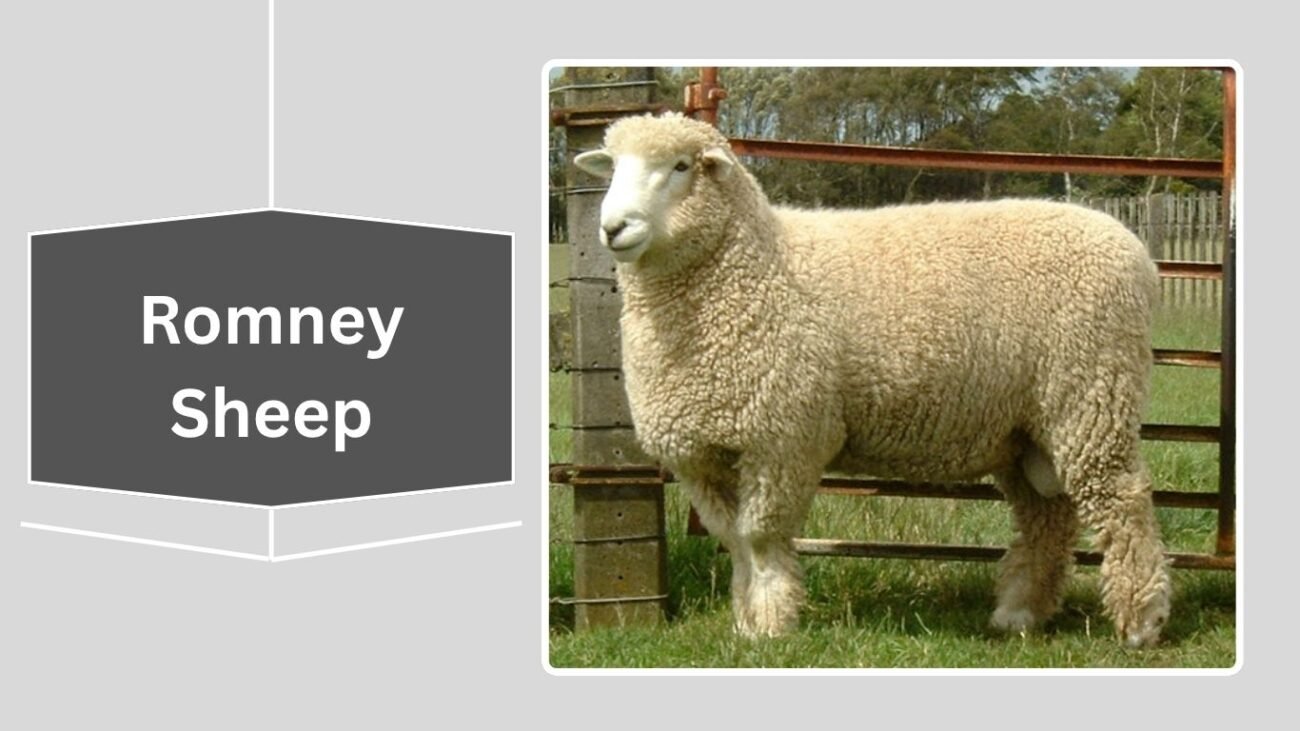
Romney sheep, also called Romney Marsh, are a dual-purpose breed from England. They are valued for both their quality wool and meat production.
Identification
- Medium to large breed
- White face and legs, covered with some wool
- Strong, lustrous fleece with medium to long staple
- Polled (hornless)
Characteristics
Romneys are resistant to foot rot and well-suited to wet climates. Their wool is strong and lustrous, making it popular with hand spinners.
Behavior
Hardy, adaptable, and good foragers. They have a calm temperament and thrive in pastures with heavy rainfall.
Uses
Raised for both wool and meat. Their wool is used in outerwear, blankets, and rugs, while their meat is tender and marketable.
8. Cheviot Sheep
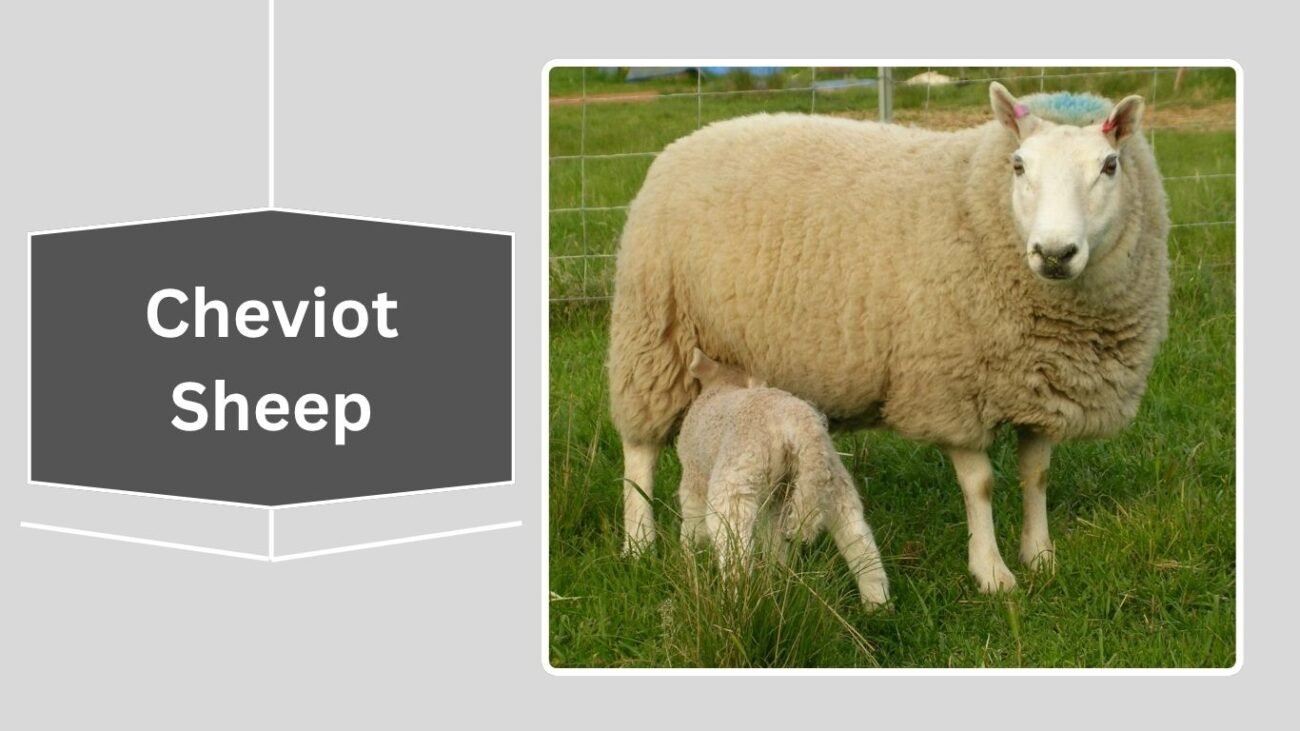
Cheviot sheep are a hardy hill breed that originated in the Cheviot Hills on the border of England and Scotland. They are best known for their resilience and quality wool.
Identification
- Medium-sized breed
- Distinctive white face with black nose and legs
- Erect ears and alert expression
- Dense, medium-length wool
Characteristics
Cheviots are hardy and resistant to harsh weather, making them ideal for upland grazing. Their wool is crisp and durable, highly valued in tweed and knitting yarn.
Behavior
Active and independent, with strong survival instincts. They are less docile than lowland breeds but highly adaptable.
Uses
Primarily raised for wool production, especially tweeds and outer garments. Their meat is lean and flavorful, making them a dual-purpose breed.
9. Columbia Sheep
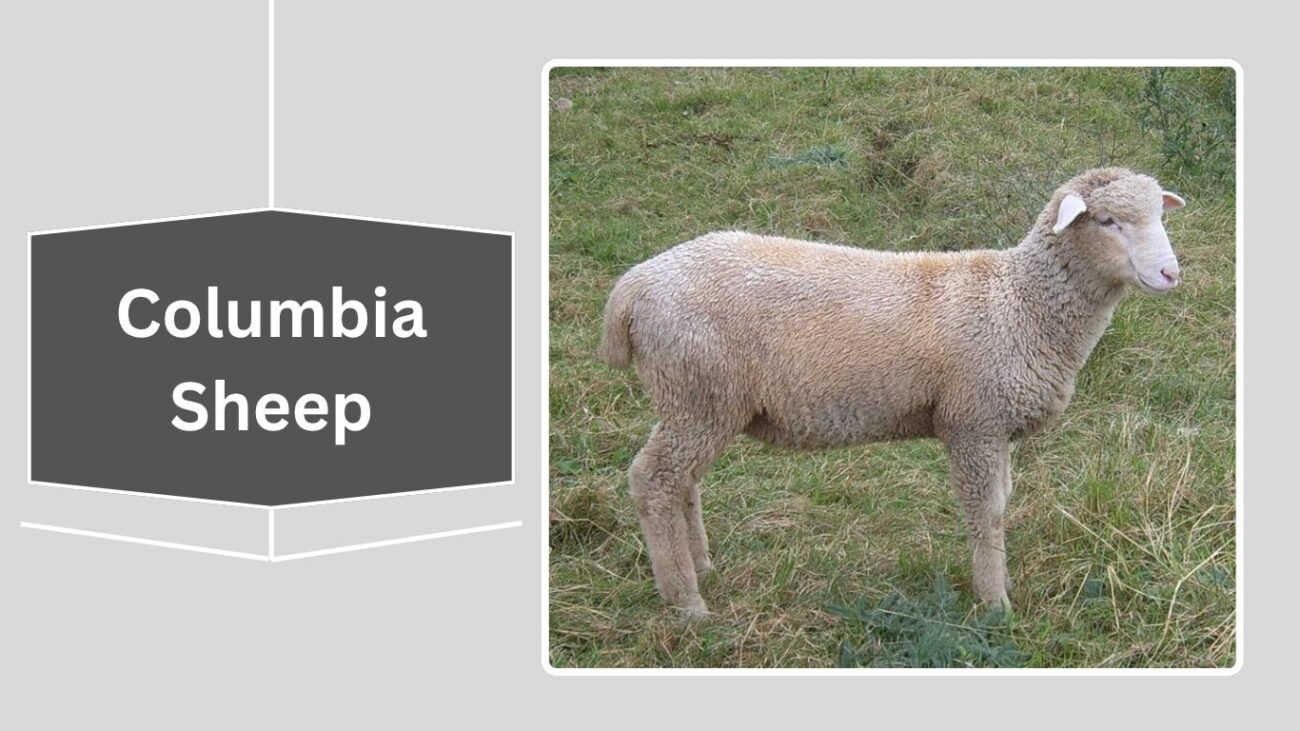
Columbia sheep are one of the first breeds developed in the United States, created by crossing Lincoln rams with Rambouillet ewes. They are large, dual-purpose sheep known for wool and meat.
Identification
- Large breed
- White face and legs, covered with wool
- Dense, medium-fine fleece
- Polled (hornless)
Characteristics
Columbias produce heavy fleece and fast-growing lambs. They are hardy, long-lived, and thrive on western U.S. ranges.
Behavior
Gentle, docile, and easy to manage. They adapt well to extensive grazing systems.
Uses
Dual-purpose: their wool is used for medium-weight clothing and blankets, while their meat is popular for its quality and yield.
10. Corriedale Sheep
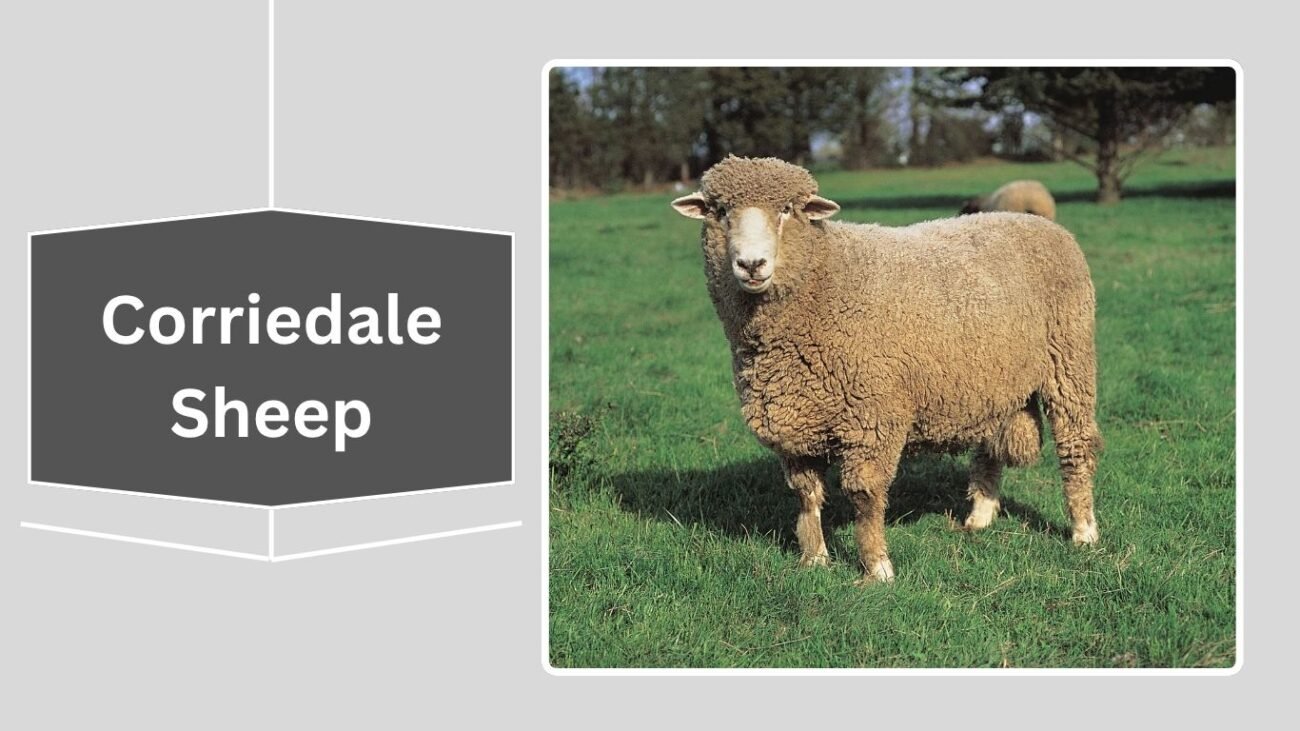
Corriedale sheep are a dual-purpose breed that originated in New Zealand and Australia through crossing Lincoln or Leicester rams with Merino ewes. They are highly valued for both meat and wool.
Identification
- Medium to large-sized breed
- White face and legs with wool covering
- Dense, medium-length fleece with good crimp
- Polled (hornless)
Characteristics
Corriedales produce medium-fine wool suitable for knitwear and textiles. They are hardy, adaptable, and efficient grazers, thriving in diverse climates.
Behavior
Docile, calm, and easy to handle. They flock well and are excellent for both range and farm systems.
Uses
Valued for both wool and meat. Their wool is widely used in sweaters and blankets, while their meat provides good market lambs.
11. Jacob Sheep
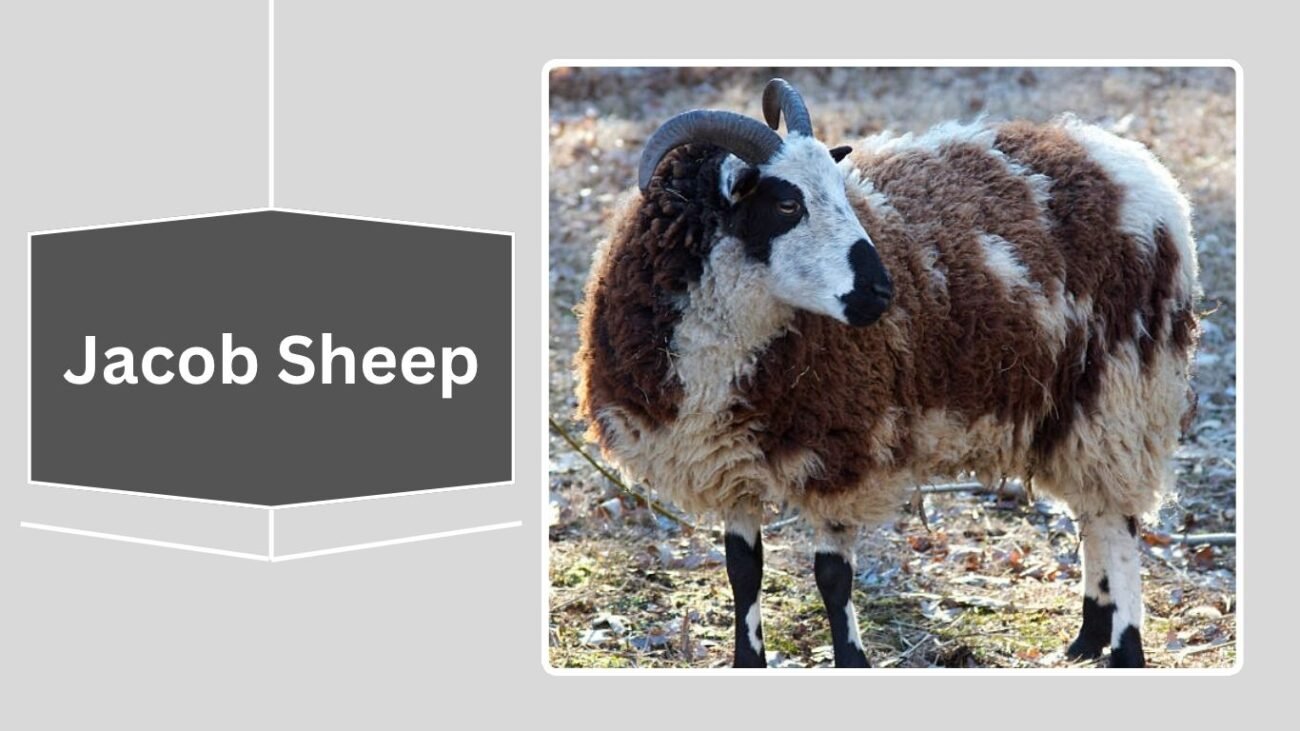
Jacob sheep are a rare and distinctive breed, recognized for their multi-horned appearance and spotted fleece. They have a long history, with origins possibly tracing back to the Middle East.
Identification
- Small to medium-sized breed
- White fleece with black or brown spots
- Typically have 2, 4, or even 6 horns
- Fine to medium fleece quality
Characteristics
Jacobs are striking in appearance and hardy in nature. Their fleece is popular among hand spinners due to its natural color variations.
Behavior
Active, alert, and independent. They are hardy grazers and well-suited to low-input systems.
Uses
Primarily raised for specialty wool and as ornamental or heritage sheep. Their meat is lean and flavorful, though less emphasized than their fleece.
12. Shetland Sheep
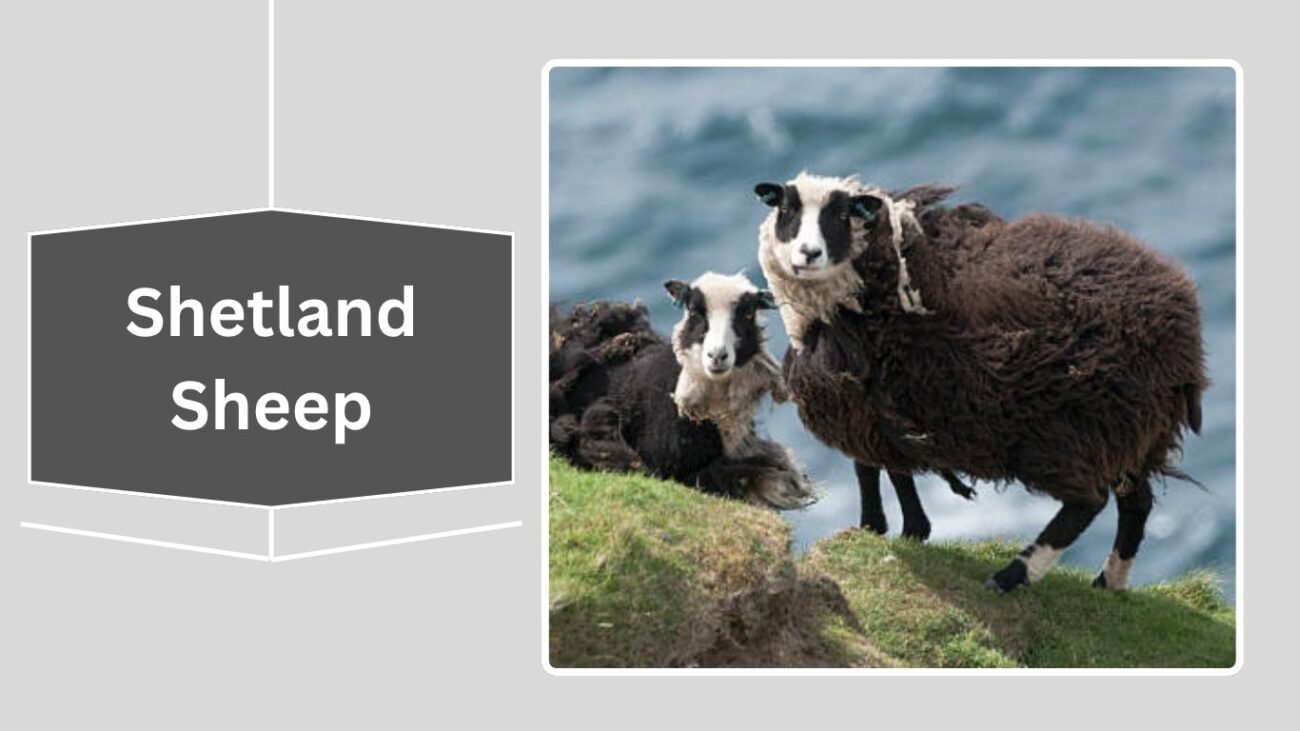
Shetland sheep are a small, hardy breed from the Shetland Islands of Scotland. They are known for their fine, soft wool that comes in a wide variety of natural colors.
Identification
- Small-sized breed
- White face and legs, though may come in many natural shades
- Wool is fine, soft, and lightweight
- Polled or with small horns depending on the strain
Characteristics
Shetlands are resilient and long-lived, thriving in harsh, rugged environments. Their wool is prized for hand-spinning and high-quality knitwear.
Behavior
Active, alert, and independent but manageable. They adapt well to poor grazing land.
Uses
Primarily raised for wool, especially in natural-colored yarns. Also provide lean, flavorful meat on a smaller scale.
13. Navajo-Churro Sheep
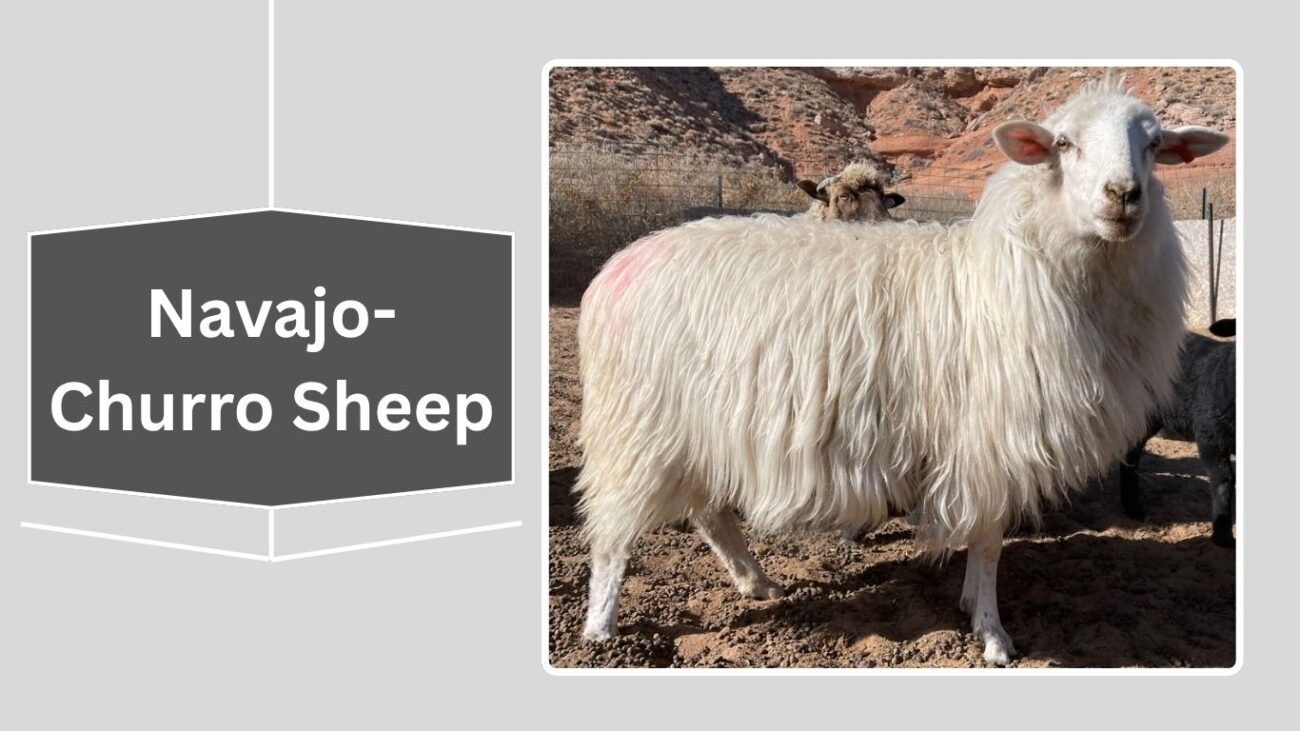
Navajo-Churro sheep are the first domesticated sheep in North America, introduced by the Spanish in the 16th century. They became integral to Navajo culture and are valued for their unique wool.
Identification
- Medium-sized breed
- Long, coarse outer coat with a soft inner fleece
- Can be white, black, brown, or spotted
- Both rams and ewes may have horns
Characteristics
Navajo-Churro wool is strong and long, ideal for weaving rugs and textiles. The breed is hardy, disease-resistant, and well-adapted to arid environments.
Behavior
Independent, active, and hardy. They are excellent survivors in harsh desert climates.
Uses
Primarily raised for wool used in traditional Navajo weaving. Their meat is also valued for its lean quality.
14. Katahdin Sheep
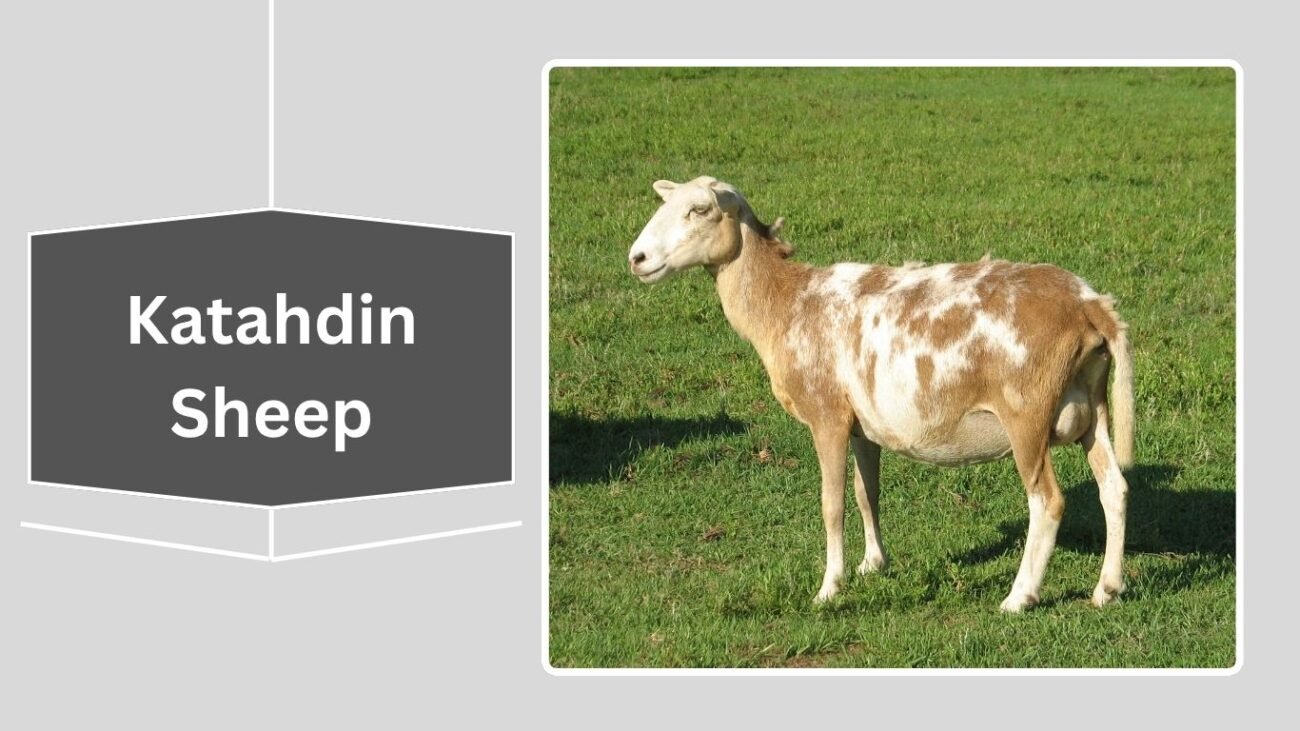
Katahdin sheep are a hair sheep breed developed in the United States. They are named after Mount Katahdin in Maine and are valued for being low-maintenance meat producers.
Identification
- Medium-sized breed
- Coat of hair instead of wool (naturally sheds)
- White or various solid colors
- Polled (hornless)
Characteristics
Katahdins do not require shearing since they shed naturally. They are hardy, parasite-resistant, and thrive in a variety of climates.
Behavior
Docile, easy to handle, and excellent grazers. They are also good mothers with high lambing rates.
Uses
Primarily raised for meat production. Their hair coat makes them ideal for farmers who do not want to manage wool.
15. Dorper Sheep
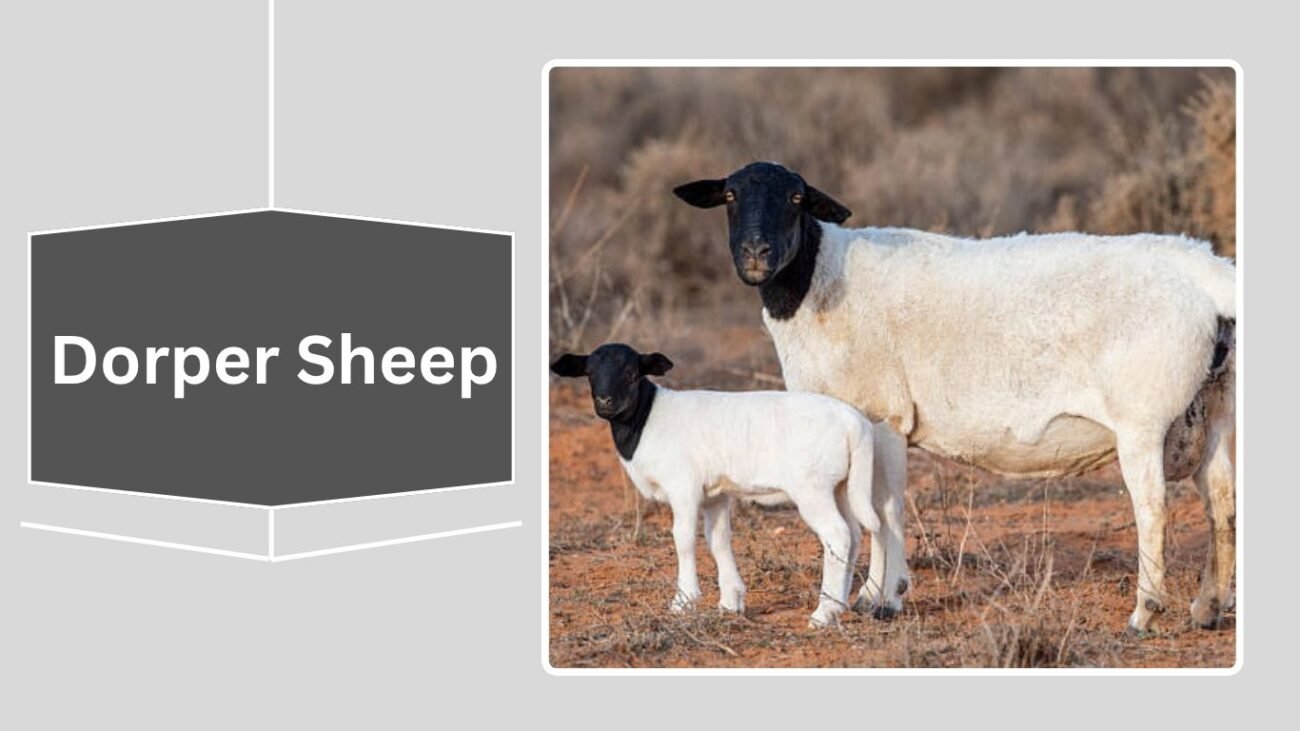
Dorper sheep were developed in South Africa by crossing Dorset Horn rams with Blackhead Persian ewes. They are a popular meat breed known for their adaptability.
Identification
- Medium-sized breed
- Distinctive black head and white body (Blackhead Dorper) or all white (White Dorper)
- Short hair with a woolly undercoat that sheds naturally
- Polled (hornless)
Characteristics
Dorpers are highly fertile, fast-growing, and well-suited to arid and semi-arid regions. They produce excellent carcasses with good meat quality.
Behavior
Hardy, calm, and adaptable. They graze efficiently and perform well in tough grazing conditions.
Uses
Primarily raised for meat, producing tender, flavorful lamb. Their skins are also prized for high-quality leather.
16. Texel Sheep
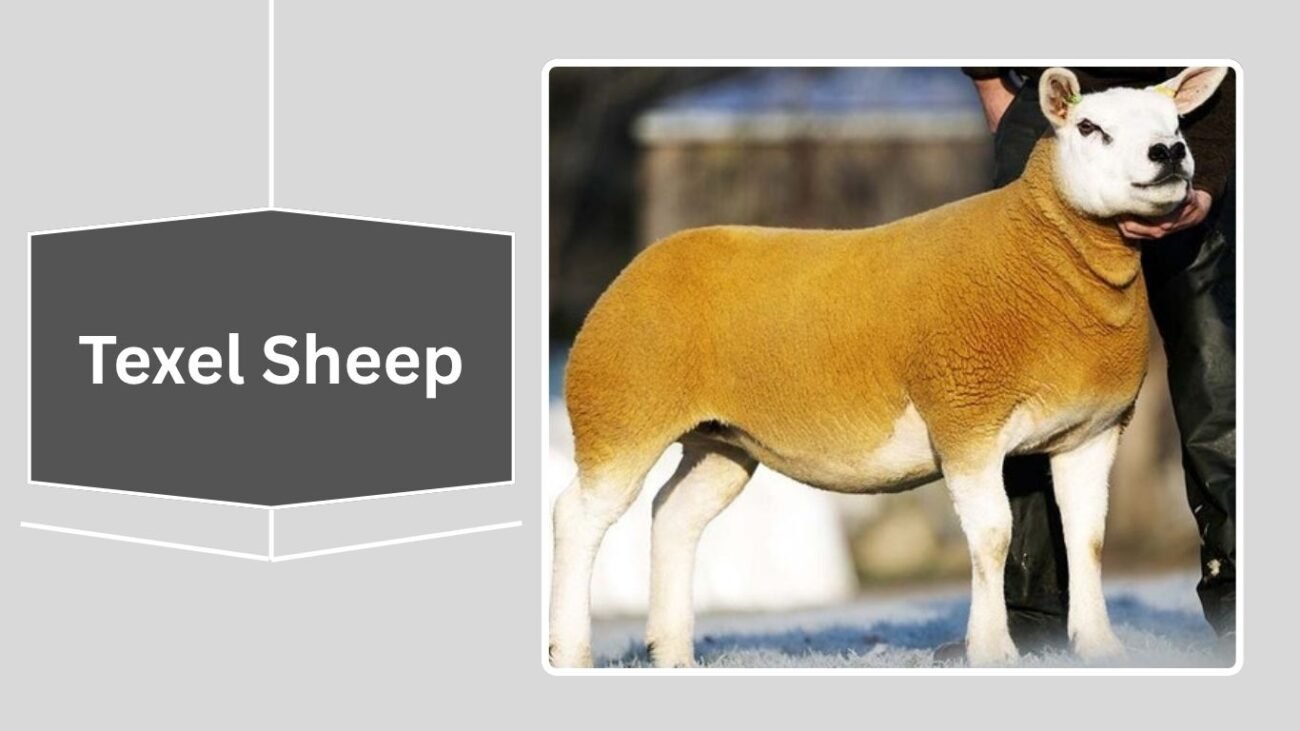
Texel sheep originated from the island of Texel in the Netherlands and are among the most popular meat sheep breeds worldwide. They are prized for their muscular build and lean, high-quality meat.
Identification
- Medium to large-sized breed
- White face and body with no wool on face or legs
- Broad head with short, thick neck
- Polled (hornless)
Characteristics
Texels are heavily muscled and provide some of the best meat carcasses in the sheep industry. Their wool is medium-grade with good staple length but secondary in value compared to meat.
Behavior
Generally calm but alert, with good foraging ability. They adapt well to pasture systems and have strong flocking instincts.
Uses
Primarily raised for meat production, providing lean cuts with minimal fat. Their wool is used in knitwear, upholstery, and blankets, though not as fine as Merino or Rambouillet.
17. Black Welsh Mountain Sheep
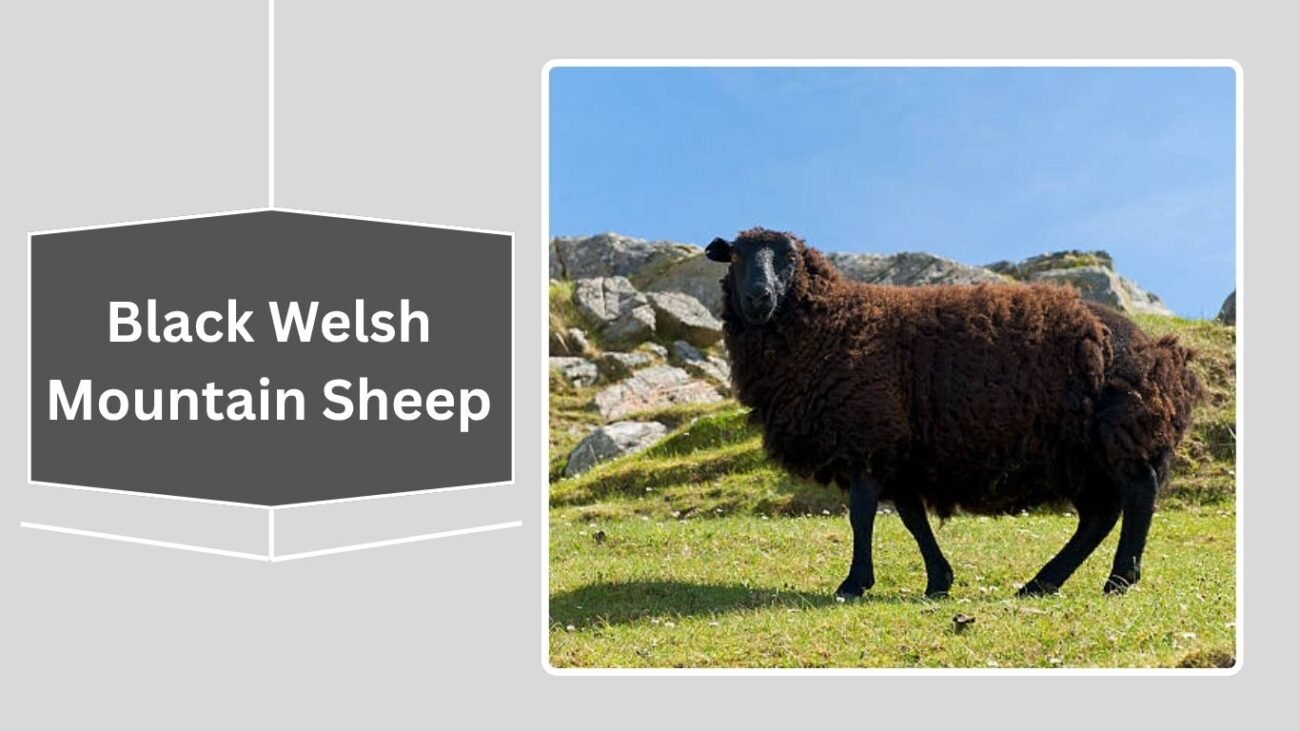
Black Welsh Mountain sheep are one of the oldest native breeds of Wales, distinguished by their striking all-black fleece. They are small, hardy, and highly adapted to mountainous terrain.
Identification
- Small-sized breed
- Entirely black wool, face, and legs
- Rams have elegant, curved horns; ewes are polled
- Fine, soft fleece with natural dark color
Characteristics
This breed is very hardy, surviving well on sparse upland grazing. Their fleece is dense, strong, and naturally dark, making it desirable for specialty wool products.
Behavior
Alert, active, and independent, but manageable in flocks. They thrive in rough, hilly environments with minimal inputs.
Uses
Primarily raised for meat and specialty wool. Their lamb is tender with a rich flavor, while their black fleece is used for undyed garments and traditional Welsh textiles.
18. Tunis Sheep
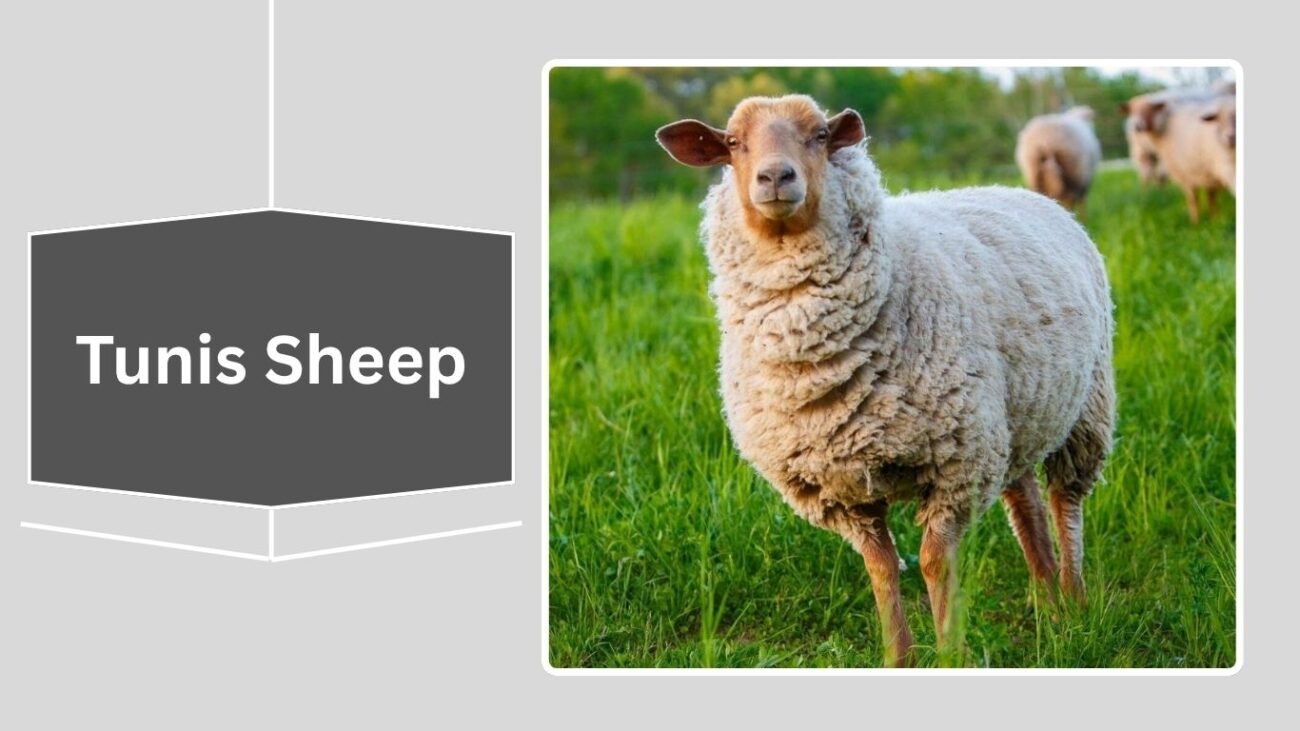
Tunis sheep are one of the oldest breeds in the United States, with roots tracing back to sheep imported from North Africa. They are valued for both their meat and medium-grade wool.
Identification
- Medium-sized breed
- Creamy white body with a reddish-brown face and legs
- Long, pendulous ears
- Polled (hornless)
Characteristics
Tunis sheep are adaptable and perform well in warm climates. Their wool is medium-fine, soft, and commonly used for blankets and knitwear.
Behavior
Docile, calm, and easy to manage. They are excellent mothers with high fertility rates.
Uses
Raised for both meat and wool. Their lamb is highly regarded for tenderness, while their wool is sought after by hand spinners and textile makers.
19. Shropshire Sheep
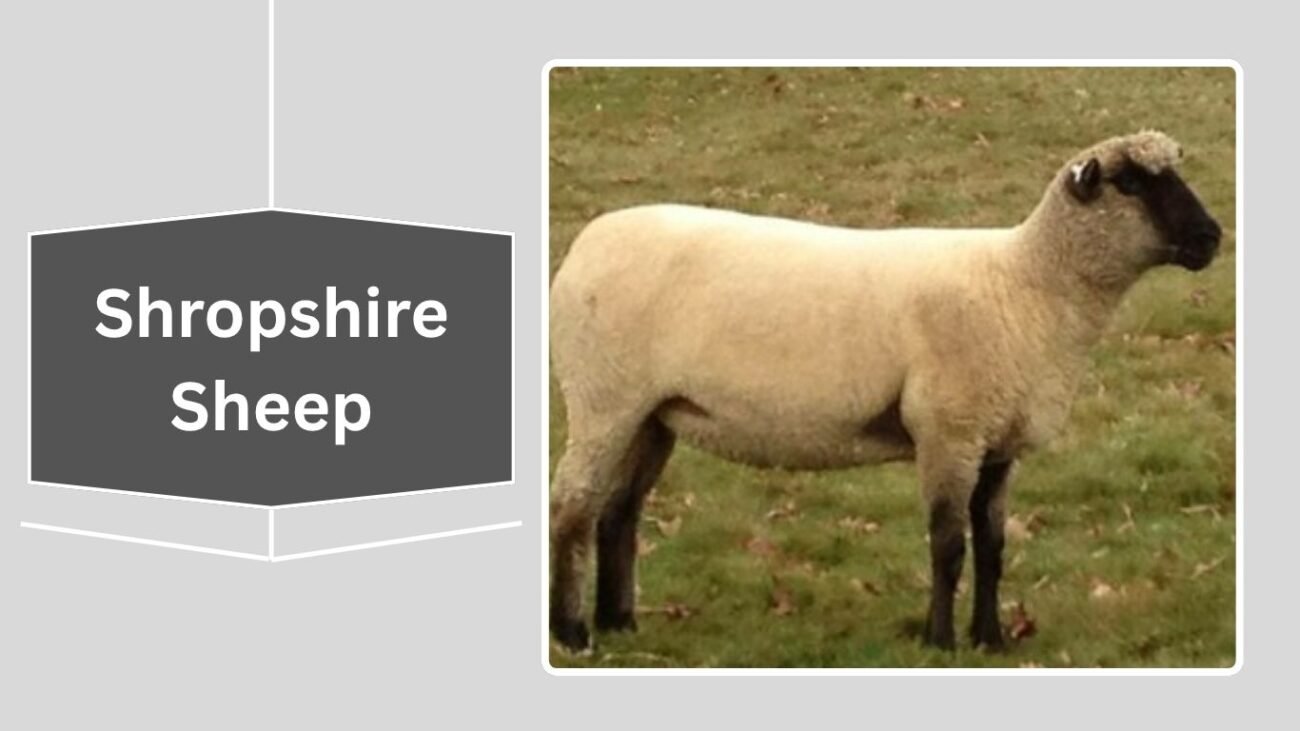
Shropshire sheep are a dual-purpose breed from England, appreciated for both their meat and wool. They are one of the oldest recognized British sheep breeds.
Identification
- Medium to large-sized breed
- Dark brown to black face and legs with wool covering
- Dense, medium-length fleece
- Polled (hornless)
Characteristics
Shropshires produce well-muscled carcasses with high-quality meat. Their wool is medium grade with good crimp, suitable for handcrafts.
Behavior
Gentle, calm, and adaptable. They are easy to handle and suitable for both small farms and larger flocks.
Uses
Primarily raised for meat but also valued for their wool, which is used in knitwear, blankets, and upholstery.
20. Cotswold Sheep
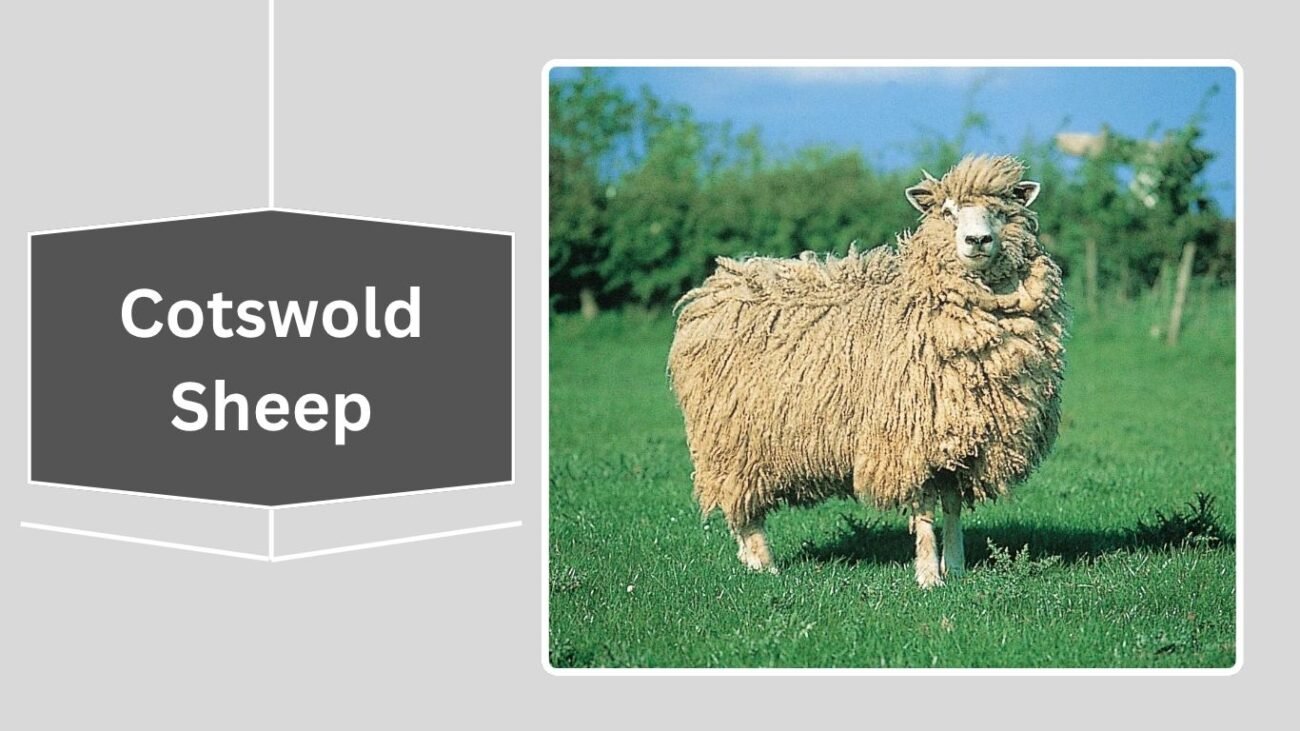
Cotswold sheep are an ancient longwool breed from the Cotswold Hills of England. They are easily recognized by their long, curly fleece and large size.
Identification
- Large-sized breed
- White face with a distinctive forelock of wool
- Long, lustrous fleece with heavy locks
- Polled (hornless)
Characteristics
Cotswolds produce some of the heaviest fleeces among longwool breeds. Their wool is strong, shiny, and favored for specialty yarns and weaving. They are hardy and thrive in pasture systems.
Behavior
Docile, calm, and easy to manage. They adapt well to grazing and are excellent flock animals.
Uses
Primarily raised for wool, which is popular in crafts, carpets, and specialty textiles. They also provide good-quality meat, though secondary to their wool.
21. Southdown Sheep
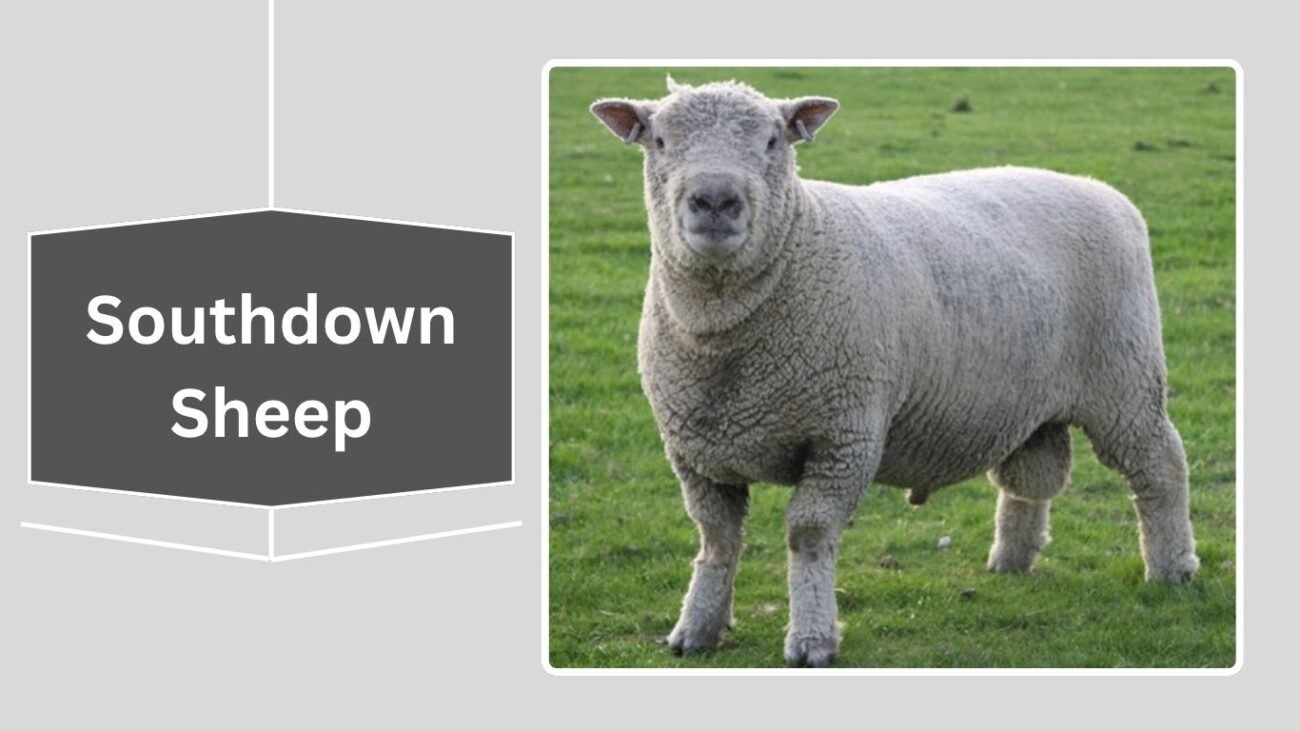
Southdown sheep are a small, early-maturing breed from England, widely regarded as the foundation for many modern meat breeds. They are known for their compact size and excellent meat quality.
Identification
- Small to medium-sized breed
- Mouse-grey face and legs, covered with wool
- Dense, fine to medium fleece
- Polled (hornless)
Characteristics
Southdowns produce well-muscled carcasses with sweet, tender meat. Their wool is short-stapled, fine, and popular in hand spinning and knitwear.
Behavior
Quiet, docile, and easy to handle. They are well-suited to small farms and intensive systems.
Uses
Primarily raised for meat production, known for excellent lamb. Their wool is also valuable, especially for high-quality garments.
22. Border Leicester Sheep
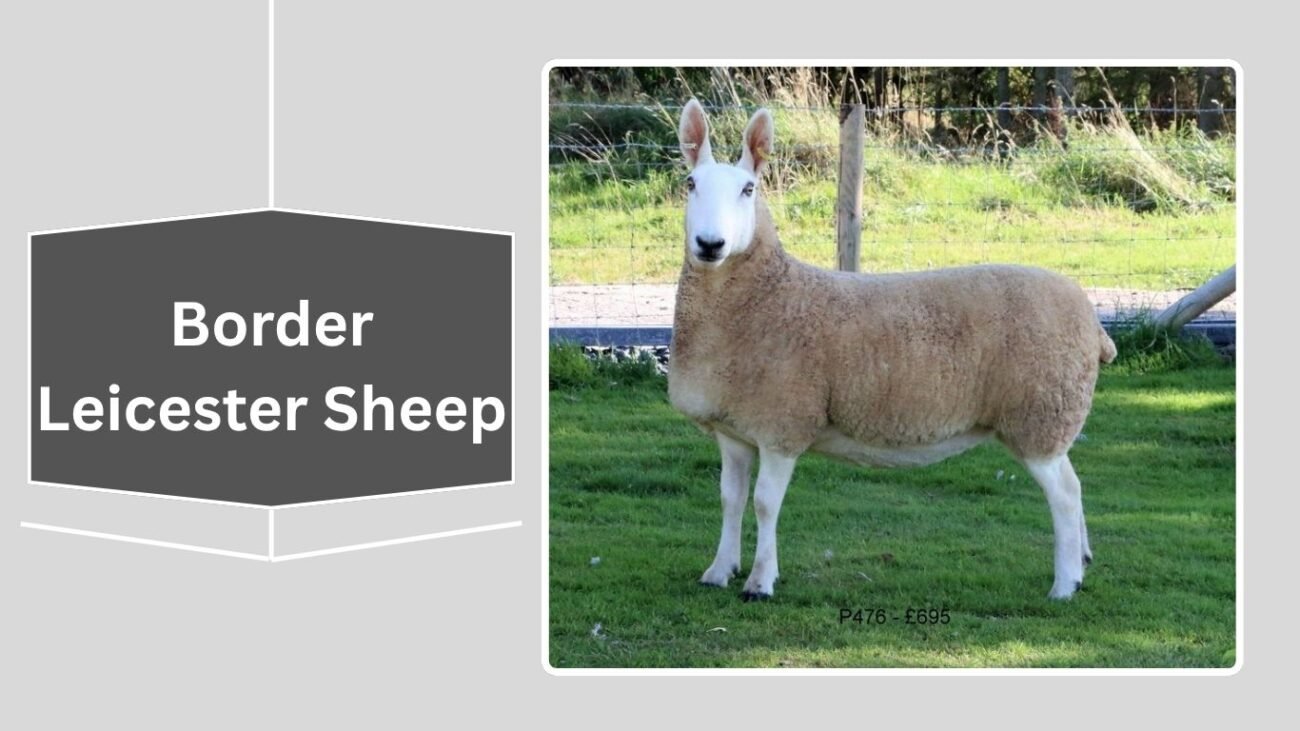
Border Leicester sheep are a British longwool breed known for their tall frame and distinctive Roman nose. They are prized for crossbreeding and their lustrous wool.
Identification
- Large-sized breed
- White face with no wool, long upright ears
- Curved Roman nose
- Long, lustrous wool with heavy fleece
- Polled (hornless)
Characteristics
Border Leicesters are excellent for improving other breeds through crossbreeding. Their wool is shiny, strong, and highly sought after in the textile industry.
Behavior
Calm, hardy, and adaptable to various grazing systems. They are good mothers and produce vigorous lambs.
Uses
Dual-purpose breed: their wool is used in high-quality textiles, while their meat is lean and flavorful.
23. Karakul Sheep
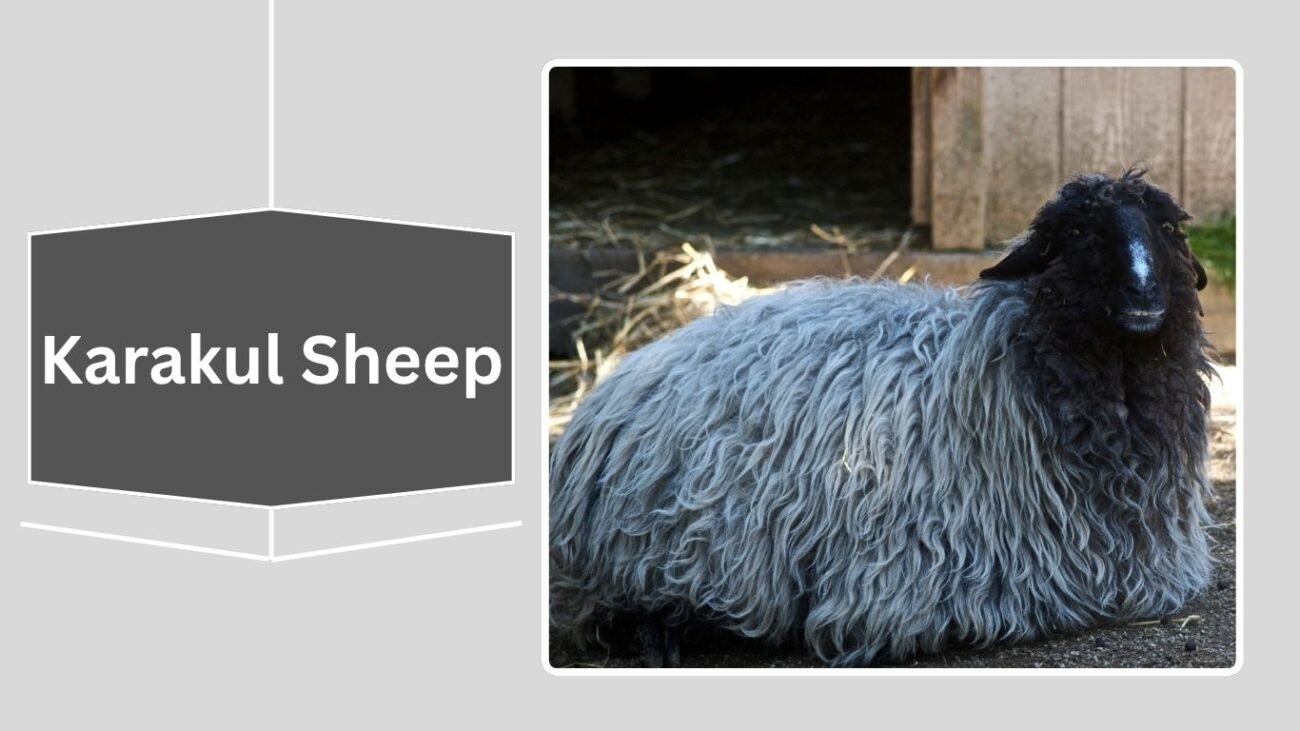
Karakul sheep are one of the oldest sheep breeds, originating from Central Asia. They are especially known for their pelts and coarse wool.
Identification
- Medium-sized breed
- Black, brown, grey, or mixed coat colors
- Distinctive fat-tail characteristic
- Coarse, long-stapled fleece
- Both horned and polled varieties exist
Characteristics
Karakuls are extremely hardy and adapted to desert and arid climates. Their lambs’ pelts, known as Persian lamb, are especially valuable.
Behavior
Independent, active, and resilient. They can survive on sparse grazing and tolerate extreme heat and cold.
Uses
Primarily valued for pelts and wool. Their coarse fleece is used in rugs, felts, and outerwear. They are also raised for meat and milk in their native regions.
24. Icelandic Sheep
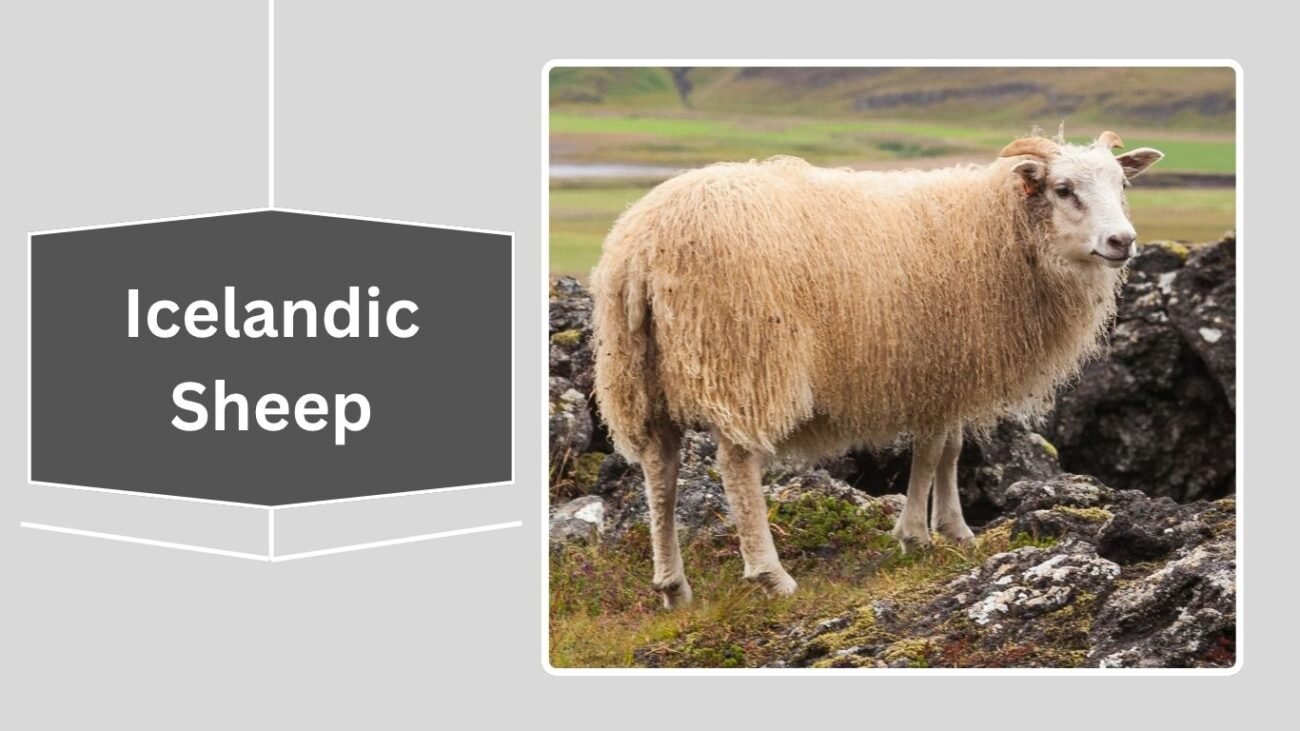
Icelandic sheep are a versatile, ancient breed brought to Iceland by Viking settlers. They are famous for their dual-coated fleece and ability to thrive in harsh northern climates.
Identification
- Medium-sized breed
- Wide variety of natural colors (white, black, brown, gray, spotted)
- Dual-coated fleece: soft inner coat and long outer coat
- Both horned and polled strains exist
Characteristics
Icelandic wool is unique, with the fine undercoat (thel) used in soft garments and the outer coat (tog) used in durable textiles. They are hardy, fertile, and excellent foragers.
Behavior
Independent yet manageable. They adapt well to rugged terrain and are strong survivors in cold climates.
Uses
Raised for wool, meat, and milk. Their wool is especially prized for traditional Icelandic sweaters (lopapeysa).
25. Polypay Sheep
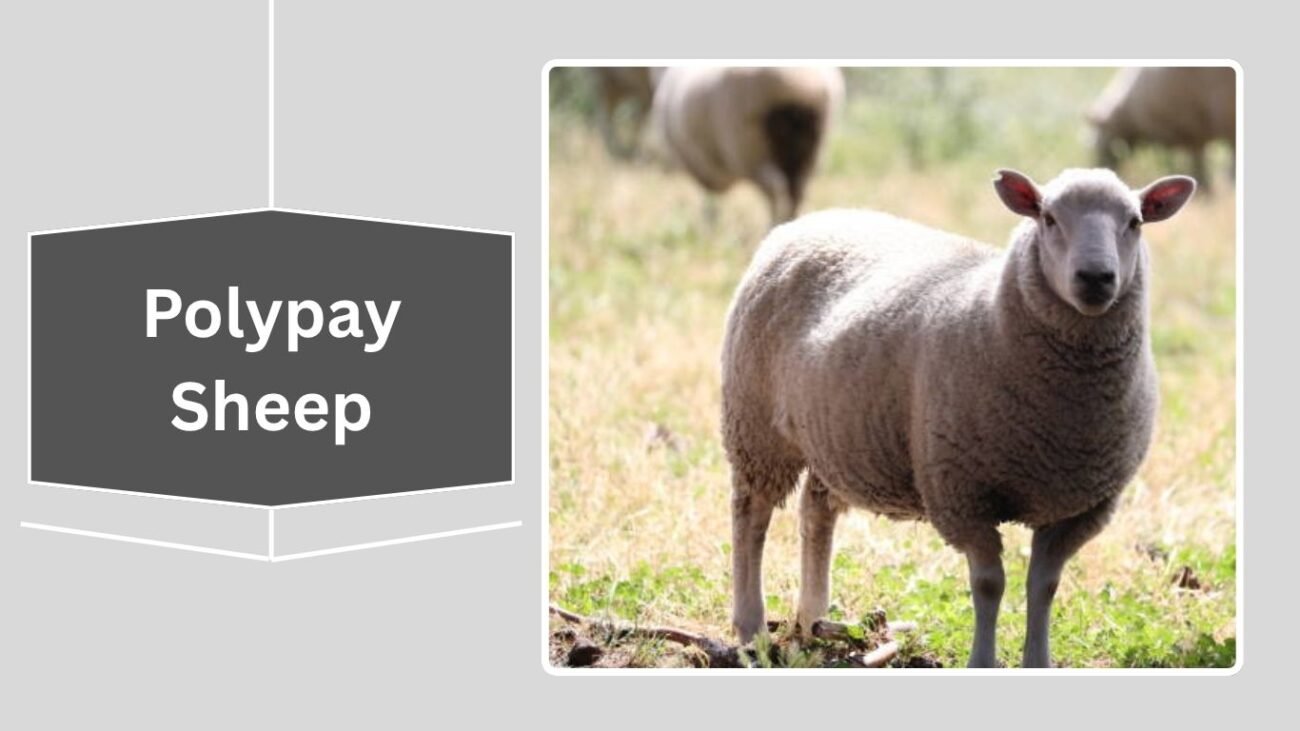
Polypay sheep are a modern American breed developed in the 1970s by crossing Finnsheep, Rambouillet, Targhee, and Dorset. They were created to maximize productivity.
Identification
- Medium-sized breed
- White face and body with dense wool
- Medium-fine fleece with good crimp
- Polled (hornless)
Characteristics
Polypays are highly prolific, with excellent lambing percentages and the ability to breed out of season. Their wool is versatile, and they grow quickly on pasture.
Behavior
Docile, hardy, and efficient. They thrive in commercial systems and adapt well to different climates.
Uses
Dual-purpose: raised for both meat and wool. They provide high lamb yields and fleece suitable for a range of textile products.
26. Montadale Sheep
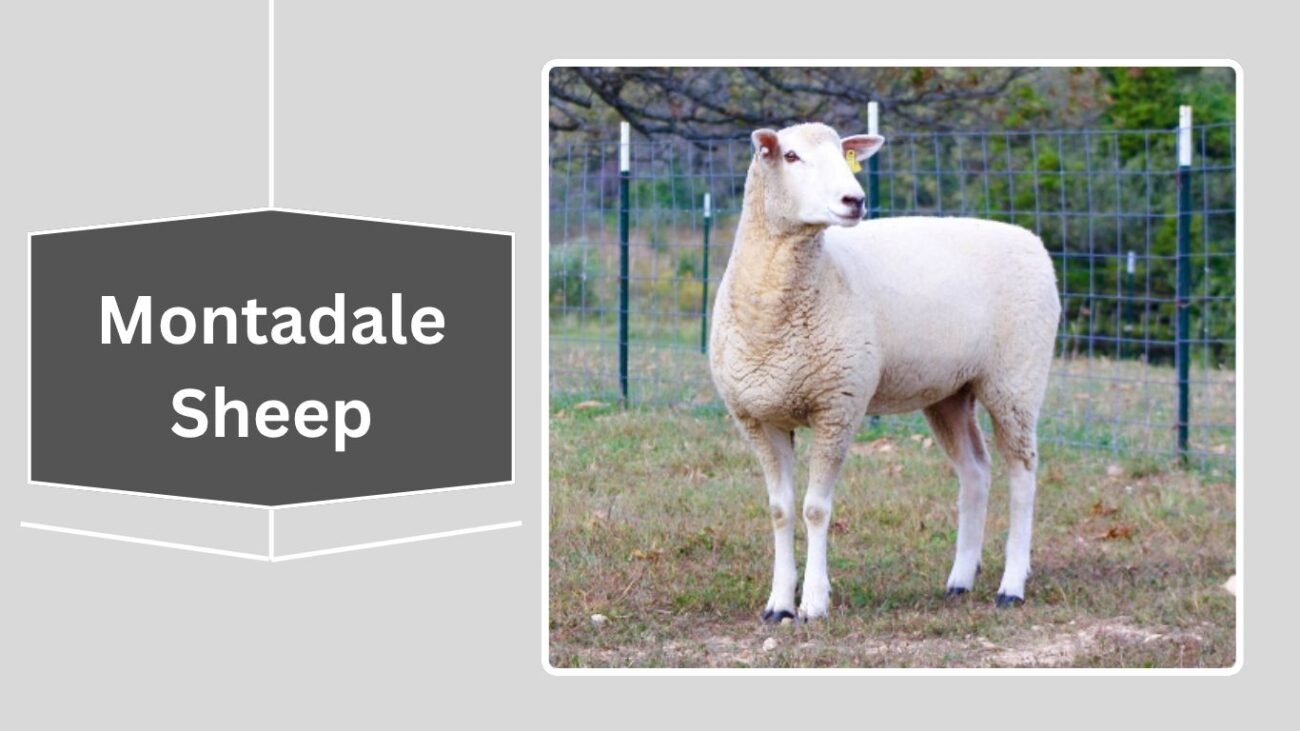
Montadale sheep are an American breed developed in the 1930s by crossing Columbia ewes with Cheviot rams. They are well-regarded for their meat quality and attractive carcasses.
Identification
- Medium to large-sized breed
- White face and legs, free of wool
- Dense, medium-grade fleece
- Polled (hornless)
Characteristics
Montadales combine the size and wool production of Columbias with the hardiness and carcass quality of Cheviots. They are efficient grazers and adaptable to varied climates.
Behavior
Alert, hardy, and manageable. They are active grazers and perform well on pasture-based systems.
Uses
Primarily raised for meat, producing lean, high-yield lambs. Their wool is medium-grade, commonly used in blankets and knitwear.
27. Wiltshire Horn Sheep
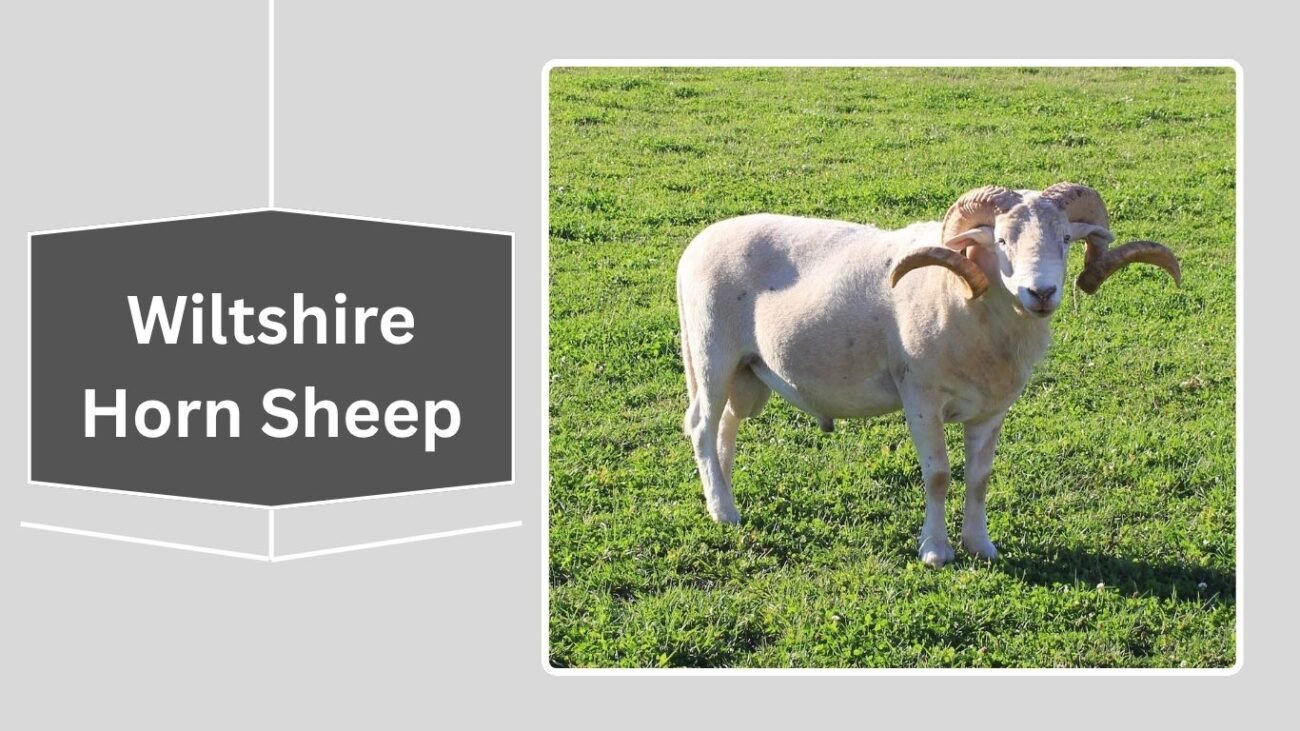
Wiltshire Horn sheep are a traditional British breed known for their natural shedding ability and distinctive horns. They are a hardy, low-maintenance meat breed.
Identification
- Medium to large-sized breed
- White body with no wool on face or legs
- Both rams and ewes have horns
- Hair sheep that naturally sheds fleece
Characteristics
Wiltshire Horns are strong, fertile, and excellent mothers. They require no shearing due to their shedding coat, making them low-maintenance.
Behavior
Independent but docile, with good foraging ability. They adapt well to extensive grazing systems.
Uses
Primarily raised for meat, producing lean, flavorful lamb. Their natural shedding reduces labor and eliminates wool management.


