
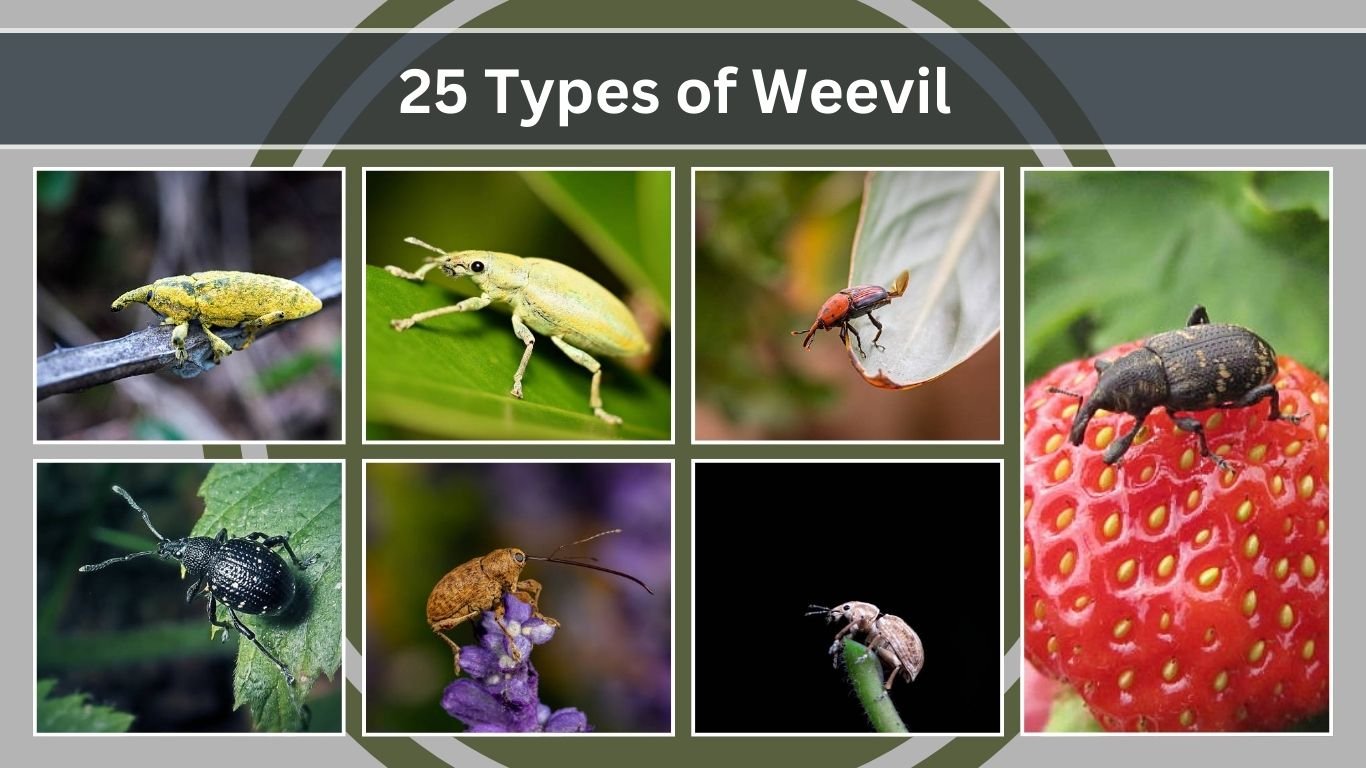
Weevils are a diverse group of beetles known for their distinctive snouts and plant-feeding habits. Found worldwide, they infest crops, stored grains, and various plants, causing significant agricultural and ecological impact. Understanding their identification, habitat, behavior, and lifecycle is essential for effective management. This guide covers 25 common weevil species, providing insights into their unique characteristics, feeding habits, and reproductive cycles, helping farmers, gardeners, and enthusiasts recognize and control these persistent pests.
1. Boll Weevil

The Boll Weevil (Anthonomus grandis) is a notorious pest primarily affecting cotton crops. Originating from Central America, it has spread to many cotton-growing regions worldwide. This small beetle can cause severe economic losses by feeding on cotton buds and flowers. Its life cycle and behavior make it a persistent threat, requiring careful monitoring and management by farmers.
Identification
- Size: 6–8 mm in length
- Color: Grayish-brown with a slightly elongated snout
- Distinctive feature: Long, curved rostrum (snout)
- Body shape: Oval with a rough, textured exoskeleton
Habitat
Boll Weevils are commonly found in cotton fields. They thrive in warm climates and prefer areas where cotton is cultivated extensively.
Behavior
Boll Weevils feed on cotton buds and flowers, causing damage that reduces yield. They are primarily active at night and tend to hide in plant debris during the day.
Lifecycle
The Boll Weevil lays eggs inside cotton squares. The larvae feed internally, pupate within the cotton bud, and emerge as adults. The species can produce multiple generations per year, especially in warm regions.
2. Rice Weevil

The Rice Weevil (Sitophilus oryzae) is a common pest that infests stored grains like rice, wheat, and corn. It is one of the most widespread weevils worldwide and can cause significant post-harvest losses. Both adults and larvae feed on the grains, making early detection crucial for effective control.
Identification
- Size: 2–3 mm in length
- Color: Reddish-brown to black
- Distinctive feature: Four pale spots on the wing covers
- Body shape: Oval with a pronounced snout
Habitat
Rice Weevils are typically found in stored grains, grain silos, and pantries. They prefer warm, humid conditions that support rapid reproduction.
Behavior
Rice Weevils bore into grains to lay eggs. Larvae develop inside the grain, consuming it from within, which makes infestations difficult to detect until significant damage occurs.
Lifecycle
Adult Rice Weevils lay eggs inside individual grains. Larvae feed internally, pupate, and emerge as adults. Multiple generations can occur per year under favorable conditions, allowing infestations to grow quickly.
3. Maize Weevil

The Maize Weevil (Sitophilus zeamais) is a major pest of stored maize and other cereal grains. Closely related to the Rice Weevil, it is slightly larger and can infest grains both in the field and in storage. Its feeding can significantly reduce grain quality and weight, posing economic challenges for farmers and grain storage facilities.
Identification
- Size: 2.5–4 mm in length
- Color: Dark brown with reddish hues
- Distinctive feature: Four pale spots on the wing covers, similar to Rice Weevil but slightly larger
- Body shape: Oval with a long, curved snout
Habitat
Maize Weevils are found in stored maize, sorghum, rice, and wheat. They thrive in warm, humid environments and can also infest grains still in the field.
Behavior
Adults feed on grains and bore into them to lay eggs. Larvae develop inside the kernels, consuming them from within. Infested grains often show small exit holes when adults emerge.
Lifecycle
Eggs are laid inside individual kernels. The larvae consume the grain from the inside, pupate, and emerge as adults. Under optimal conditions, multiple generations can develop each year, leading to severe infestations.
4. Granary Weevil

The Granary Weevil (Sitophilus granarius) is a well-known pest of stored grains, particularly wheat, barley, and rye. Unlike the Rice and Maize Weevils, it rarely infests grains in the field and is primarily a storage pest. Granary Weevils can survive long periods without food, making them particularly persistent in grain storage facilities.
Identification
- Size: 3–5 mm in length
- Color: Reddish-brown to dark brown
- Distinctive feature: Long, curved snout without wing spots (adults are flightless)
- Body shape: Elongated oval with a hard exoskeleton
Habitat
Granary Weevils are mainly found in grain silos, warehouses, and pantries. They prefer cool, dry grains but can survive in various storage conditions.
Behavior
Adults bore into grains to lay eggs, and larvae develop inside the kernels. Unlike other weevils, Granary Weevils cannot fly, so infestations spread mainly through human activity and grain movement.
Lifecycle
Females lay eggs inside individual grains. Larvae feed internally, pupate, and emerge as adults. The species can have several generations per year in favorable storage conditions, leading to extensive damage.
5. Vine Weevil

The Vine Weevil (Otiorhynchus sulcatus) is a widespread pest affecting ornamental plants, shrubs, and some fruit crops. Both adults and larvae cause damage, but larvae feeding on roots can be particularly destructive, often leading to plant death. Vine Weevils are notorious in gardens and greenhouses across Europe and North America.
Identification
- Size: 8–10 mm in length
- Color: Dark brown to black
- Distinctive feature: Grooved elytra (wing covers) and broad snout
- Body shape: Oval and slightly flattened
Habitat
Vine Weevils are commonly found in gardens, nurseries, and greenhouses. They prefer moist soil and are often associated with potted plants and ornamental shrubs.
Behavior
Adults feed on leaves, creating characteristic notches along the edges. Larvae feed on roots and underground stems, which can severely weaken or kill plants. Adults are nocturnal and hide in soil or under debris during the day.
Lifecycle
Adults lay eggs in the soil near host plants. Larvae hatch and feed on roots for several weeks before pupating in the soil. New adults emerge and begin feeding on foliage, completing the lifecycle annually.
6. Strawberry Root Weevil
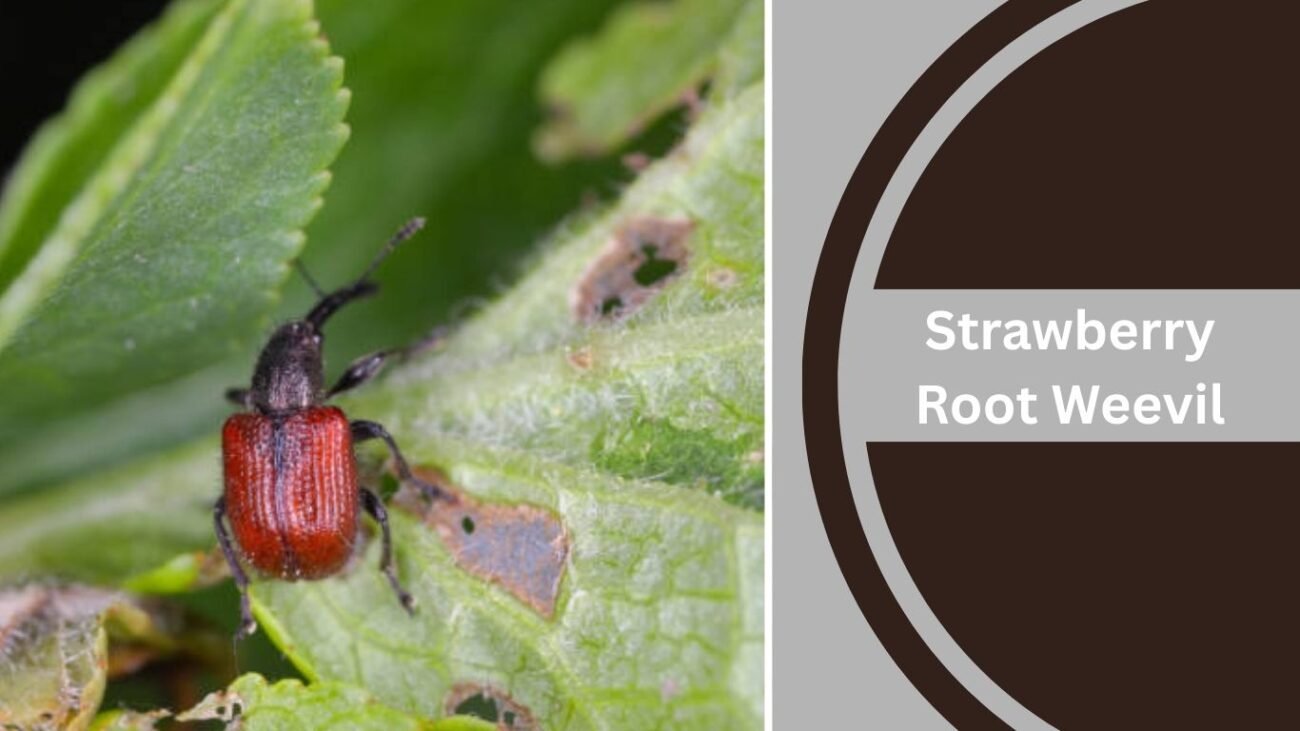
The Strawberry Root Weevil (Otiorhynchus ovatus) is a common pest in strawberry fields, gardens, and ornamental plantings. Larvae feed on the roots, while adults chew leaves at night, causing damage that can stunt plant growth or even kill young plants. It is prevalent in temperate regions and is a major concern for commercial strawberry production.
Identification
- Size: 6–7 mm in length
- Color: Dark brown to black
- Distinctive feature: Broad snout and finely ridged elytra
- Body shape: Oval and slightly convex
Habitat
Strawberry Root Weevils are typically found in strawberry fields, gardens, and areas with ornamental shrubs. They prefer moist soil and are often hidden at the base of plants during the day.
Behavior
Adults feed on the edges of leaves at night, producing characteristic notches. Larvae feed on roots underground, which can severely affect plant health. Adults are flightless and spread slowly.
Lifecycle
Females lay eggs in the soil near host plants. Larvae develop underground by feeding on roots, then pupate in the soil. Adults emerge to feed on foliage, completing one generation per year in most temperate regions.
7. Black Vine Weevil
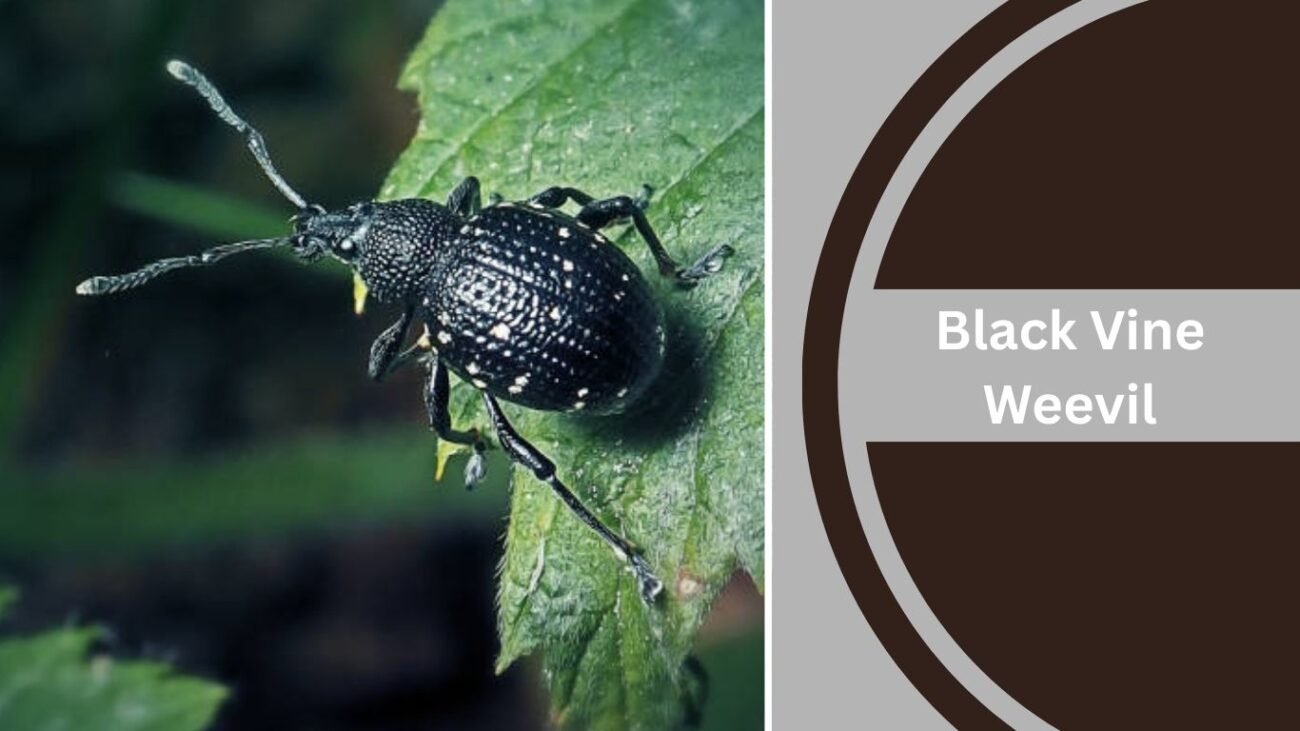
The Black Vine Weevil (Otiorhynchus sulcatus) is a significant pest of ornamental plants, fruit crops, and shrubs. While adults primarily feed on foliage, it is the larvae that cause the most damage by feeding on roots, often leading to plant decline or death. This species is common in gardens, nurseries, and greenhouses across Europe and North America.
Identification
- Size: 8–10 mm in length
- Color: Black or dark brown
- Distinctive feature: Grooved elytra (wing covers) and broad snout
- Body shape: Oval, slightly flattened, and flightless
Habitat
Black Vine Weevils are found in soil around ornamental plants, shrubs, and potted plants. They prefer moist environments and are nocturnal, hiding in soil or under debris during the day.
Behavior
Adults feed on leaf edges at night, producing characteristic notches. Larvae feed on roots and underground stems, which can severely weaken or kill plants. Adults cannot fly, so infestations spread slowly unless plants are moved.
Lifecycle
Eggs are laid in soil near host plants. Larvae feed on roots for several weeks before pupating in the soil. New adults emerge to feed on foliage, completing an annual lifecycle in most temperate regions.
8. Pine Weevil
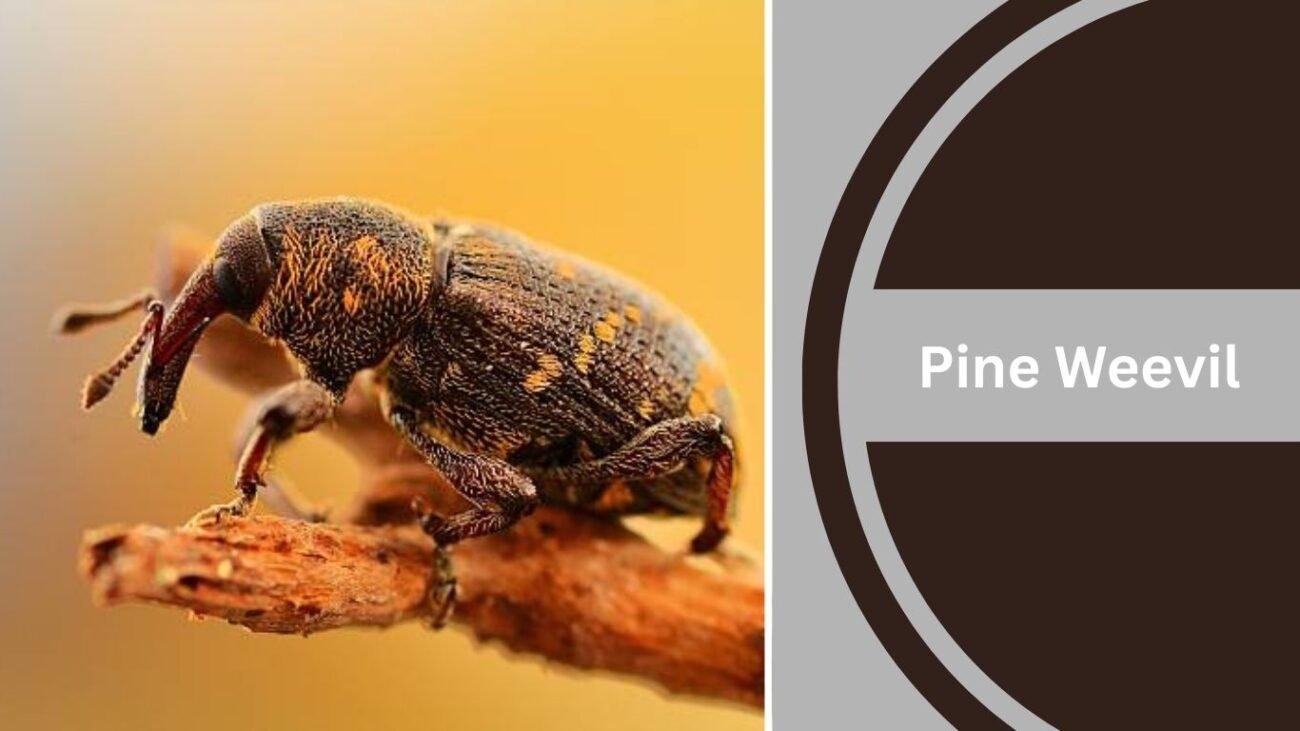
The Pine Weevil (Hylobius abietis) is a major pest of coniferous trees, particularly young pine and spruce plantations. Both adults and larvae can cause serious damage: adults feed on bark, while larvae tunnel into roots and stems, which can stunt growth or kill seedlings. This species is widespread across Europe and parts of Asia.
Identification
- Size: 8–12 mm in length
- Color: Dark brown to black with reddish-brown hairs
- Distinctive feature: Long snout and robust body with fine hair coverage
- Body shape: Oval, slightly elongated, and flightless
Habitat
Pine Weevils are commonly found in pine and spruce forests, particularly in newly planted or young trees. They prefer areas with freshly cut stumps or logged sites.
Behavior
Adults feed on bark, creating girdling damage, while larvae tunnel into roots and stems. The weevils are mostly nocturnal, hiding in soil or under debris during the day.
Lifecycle
Females lay eggs in soil near stumps or roots. Larvae feed underground on roots and stems, pupate in the soil, and emerge as adults. They usually have one generation per year, but adults can live for several years, causing prolonged damage.
9. Palm Weevil
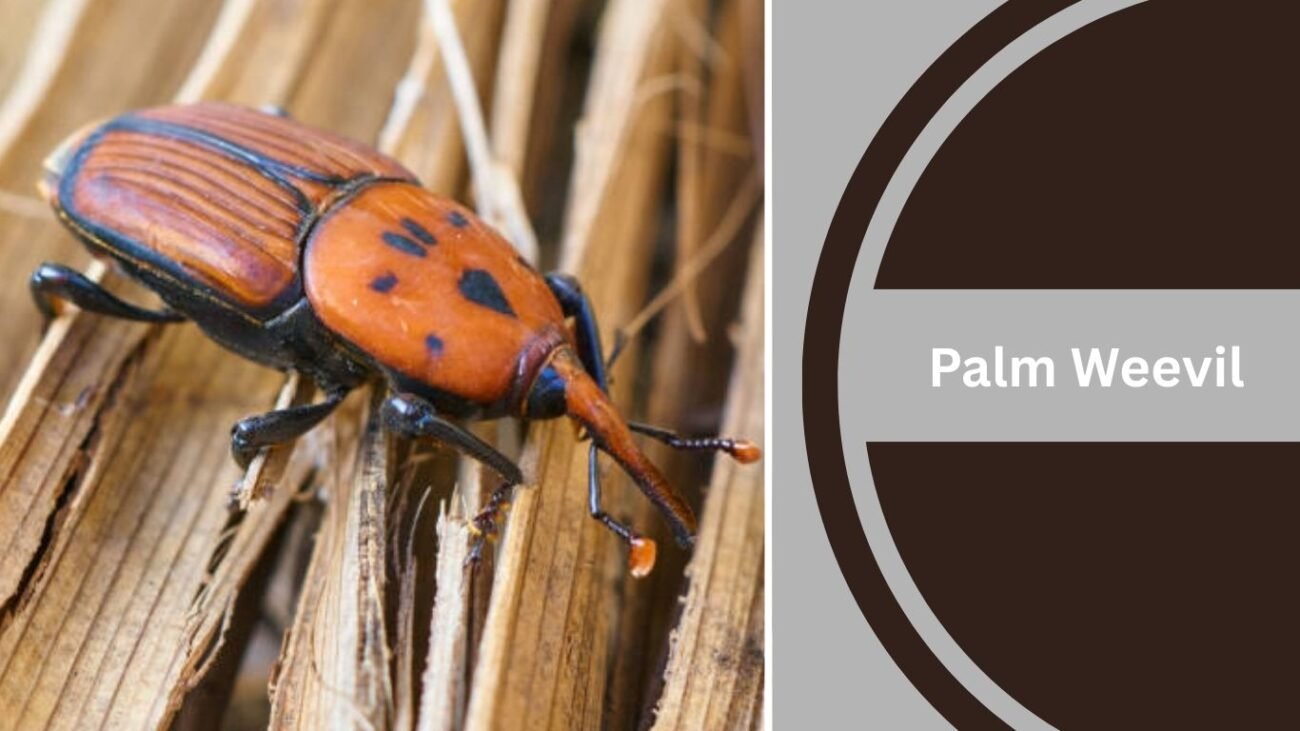
The Palm Weevil (Rhynchophorus ferrugineus), also known as the Red Palm Weevil, is a destructive pest of palm trees, including coconut, date, and oil palms. Larvae bore deep into the trunk, causing extensive internal damage that can kill mature trees if left untreated. It is considered one of the most serious palm pests worldwide.
Identification
- Size: 20–40 mm in length
- Color: Reddish-brown to dark brown, sometimes with black markings
- Distinctive feature: Long curved snout and strong mandibles
- Body shape: Elongated and robust with a hard exoskeleton
Habitat
Palm Weevils are found in tropical and subtropical regions, infesting cultivated and wild palm trees. They prefer stressed or injured palms for egg-laying.
Behavior
Adults bore into the trunk to lay eggs. Larvae feed internally, tunneling through the trunk and weakening the tree structure. Infested palms often show oozing sap and frass at entry points.
Lifecycle
Females lay eggs in wounds or cracks of palm trunks. Larvae feed and develop inside the trunk for several months before pupating. Adults emerge and continue the cycle, often producing multiple generations per year in favorable climates.
10. Hazel Leaf Weevil
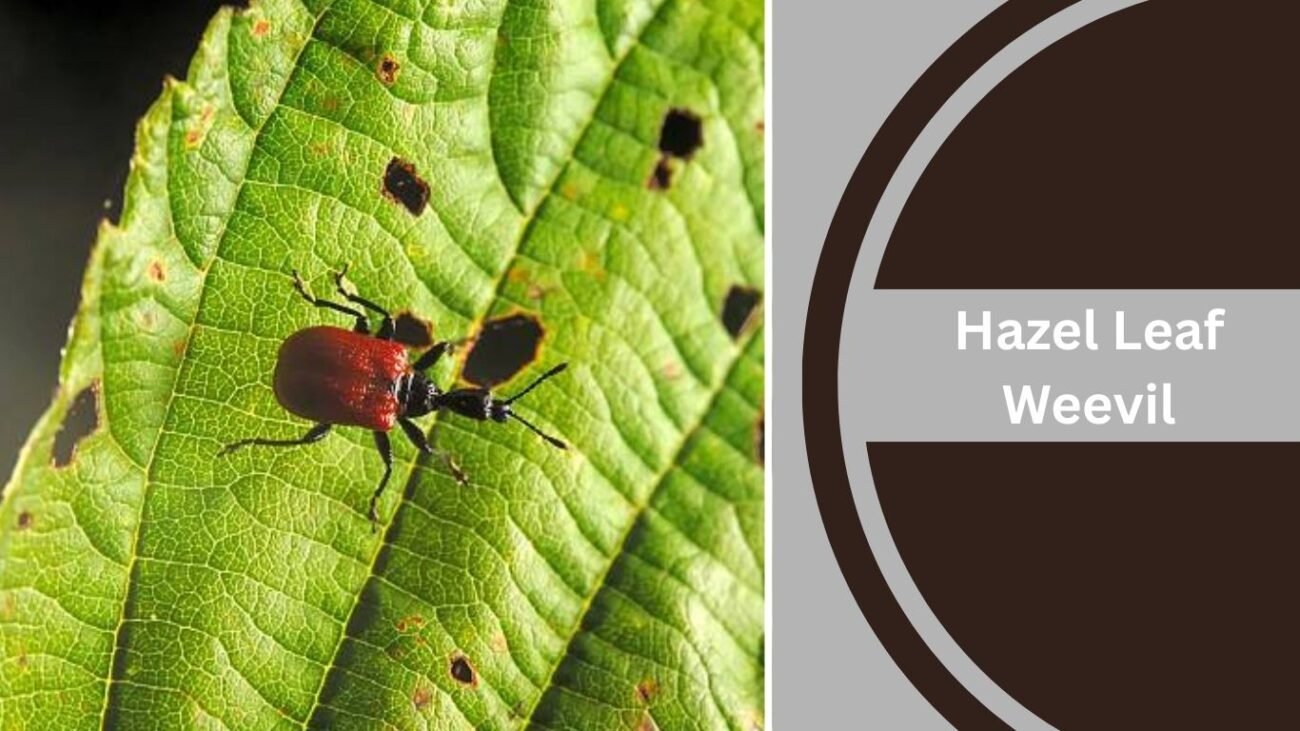
The Hazel Leaf Weevil (Curculio nucum) is a pest that primarily targets hazel and other nut-bearing trees. Both adults and larvae cause damage: adults feed on leaves, while larvae burrow into nuts, reducing crop quality and yield. It is commonly found in Europe and temperate regions where hazel trees are cultivated.
Identification
- Size: 4–6 mm in length
- Color: Reddish-brown to dark brown
- Distinctive feature: Long, curved snout and small punctured markings on elytra
- Body shape: Oval and slightly elongated
Habitat
Hazel Leaf Weevils are found in hazel groves, orchards, and woodland areas. They prefer temperate climates and often feed on new foliage in spring.
Behavior
Adults feed on hazel leaves, creating small notches along the edges. Larvae develop inside nuts, consuming the kernels, which can significantly reduce the harvest.
Lifecycle
Females lay eggs in developing nuts. Larvae feed internally and then pupate inside or near the nut. Adults emerge to feed on foliage, completing one generation per year in most regions.
11. Oak Leaf Weevil
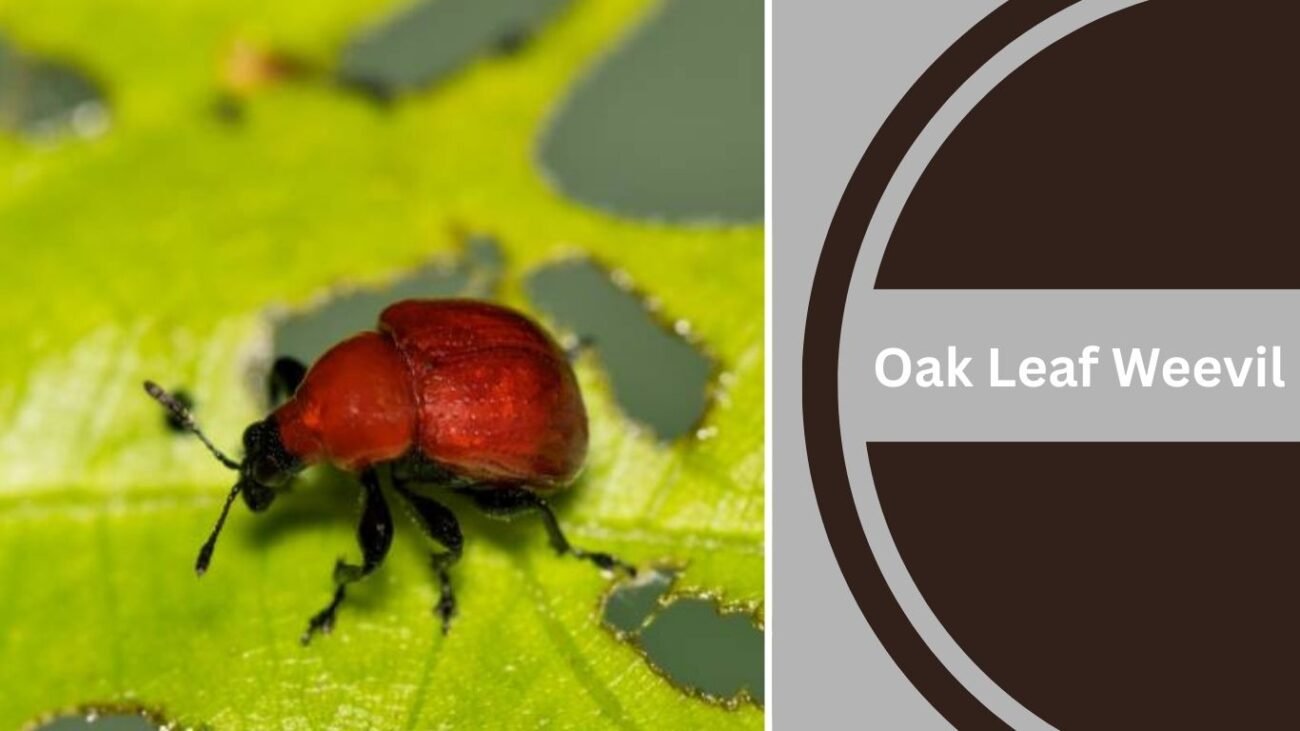
The Oak Leaf Weevil (Curculio glandium) is a pest that primarily affects oak trees, feeding on leaves and acorns. While adult feeding is generally minor, larvae can cause significant damage by burrowing into acorns, affecting seed production and forest regeneration. This species is widely distributed in temperate regions.
Identification
- Size: 5–7 mm in length
- Color: Brown to dark brown
- Distinctive feature: Curved snout and finely ridged wing covers
- Body shape: Oval and slightly elongated
Habitat
Oak Leaf Weevils are found in oak forests, woodlands, and urban areas with oak trees. They prefer temperate climates and feed on young leaves in spring.
Behavior
Adults feed on oak leaves, creating small notches along the edges. Larvae develop inside acorns, consuming the nut from within, which can reduce acorn viability.
Lifecycle
Females lay eggs inside developing acorns. Larvae feed internally and pupate within the acorn or soil. Adults emerge in late summer or autumn to feed and overwinter, completing one generation per year.
12. Acorn Weevil
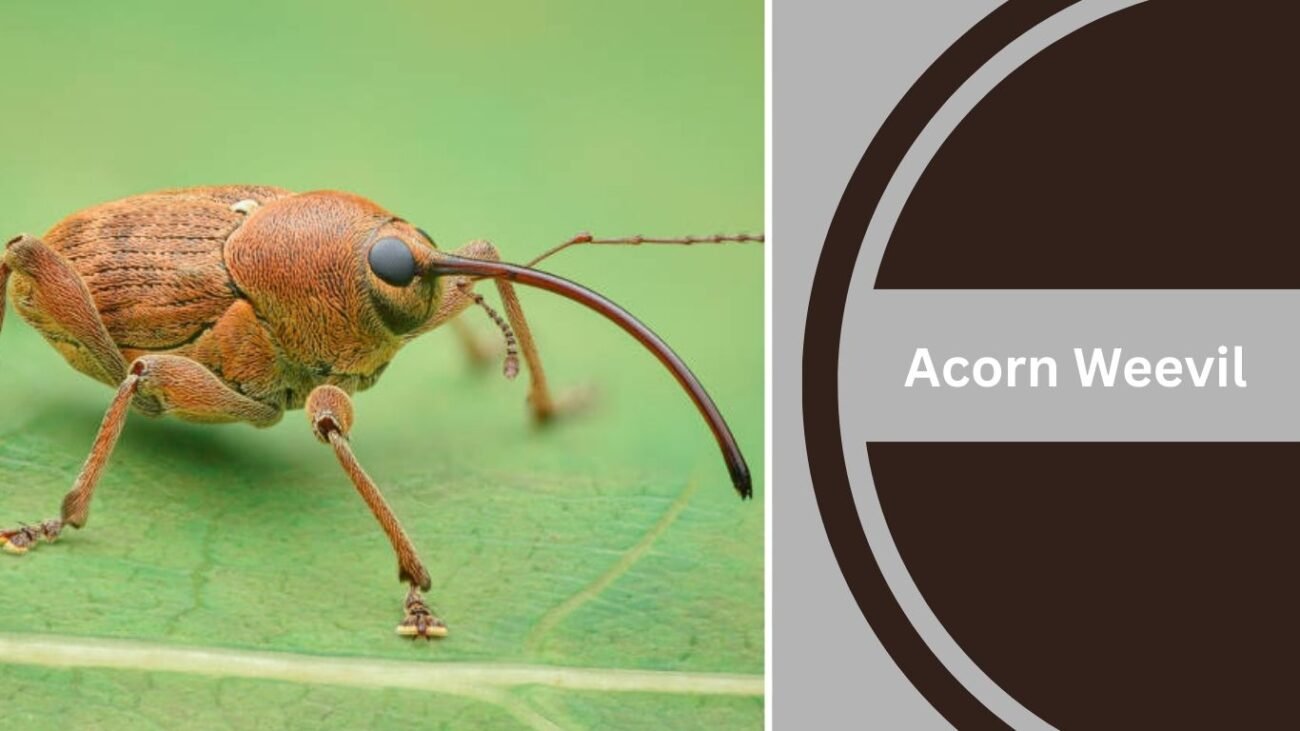
The Acorn Weevil (Curculio glandium) is a common pest of oak trees, specifically targeting acorns. Larvae develop inside the nuts, consuming the seed and reducing reproductive success of the trees. This weevil plays a key role in oak ecosystems, although it can negatively impact nut production in managed forests.
Identification
- Size: 5–8 mm in length
- Color: Brown to dark brown
- Distinctive feature: Long, slender, curved snout
- Body shape: Oval and slightly elongated
Habitat
Acorn Weevils are found in oak forests and woodlands. They prefer temperate climates and areas with abundant mature oak trees.
Behavior
Adults feed minimally on leaves, but females bore into acorns to lay eggs. Larvae consume the nut from within, emerging as fully grown weevils by chewing exit holes in the shell.
Lifecycle
Eggs are laid inside developing acorns. Larvae feed internally and pupate either inside the acorn or in the soil. Adults emerge in late summer or autumn, feed briefly, and overwinter, completing one generation per year.
13. Green Immigrant Leaf Weevil
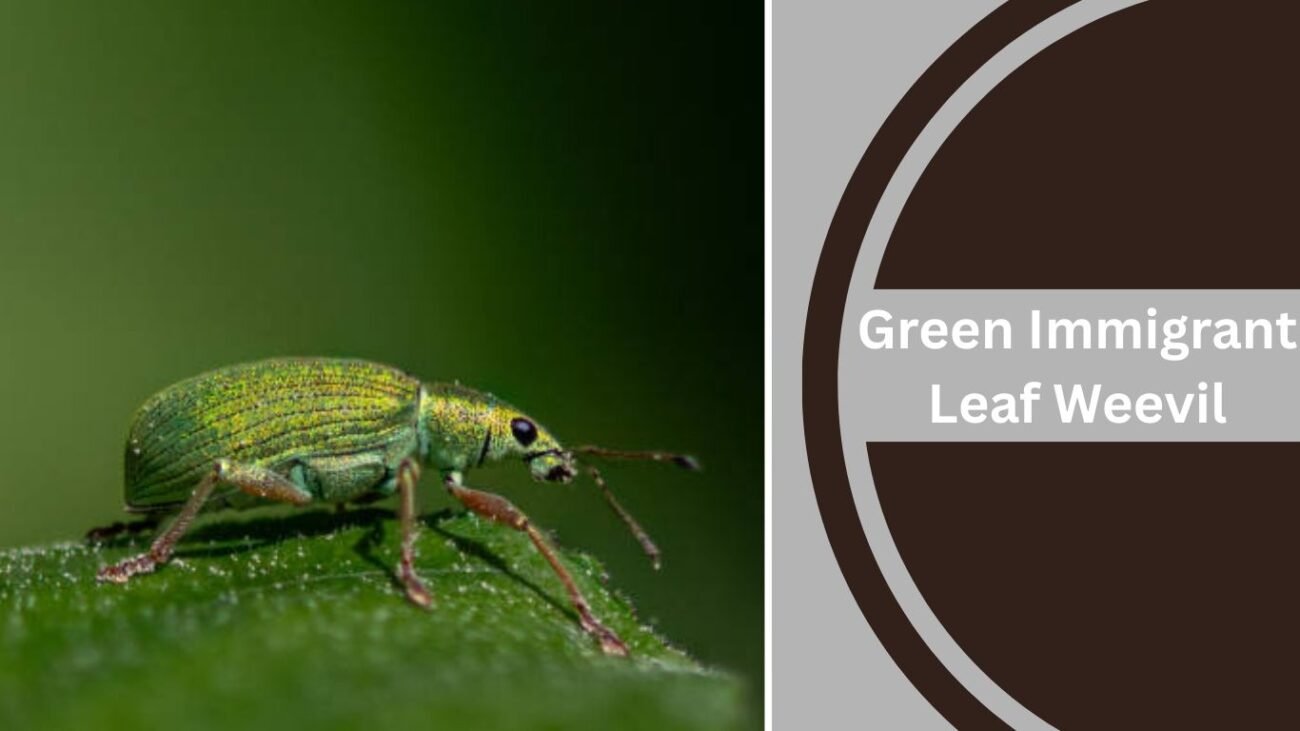
The Green Immigrant Leaf Weevil (Polydrusus sericeus) is a small, metallic-green pest that primarily feeds on the foliage of trees and shrubs. Originally from Europe, it has become established in parts of North America. While generally not lethal to plants, heavy infestations can cause significant defoliation and reduce plant vigor.
Identification
- Size: 4–6 mm in length
- Color: Metallic green with a shiny, iridescent appearance
- Distinctive feature: Smooth, shiny elytra without ridges
- Body shape: Oval and slightly convex
Habitat
Green Immigrant Leaf Weevils are commonly found in gardens, parks, and forests, particularly on deciduous trees such as elms, maples, and oaks.
Behavior
Adults feed on leaves, producing small holes and notches along the edges. They are active during the day and can be observed crawling on foliage. Larval stages feed on roots in the soil, though damage is generally minor.
Lifecycle
Females lay eggs in the soil near host plants. Larvae feed on roots for several weeks before pupating in the soil. Adults emerge in spring and continue feeding on foliage, completing one generation per year.
14. Strawberry Crown Weevil
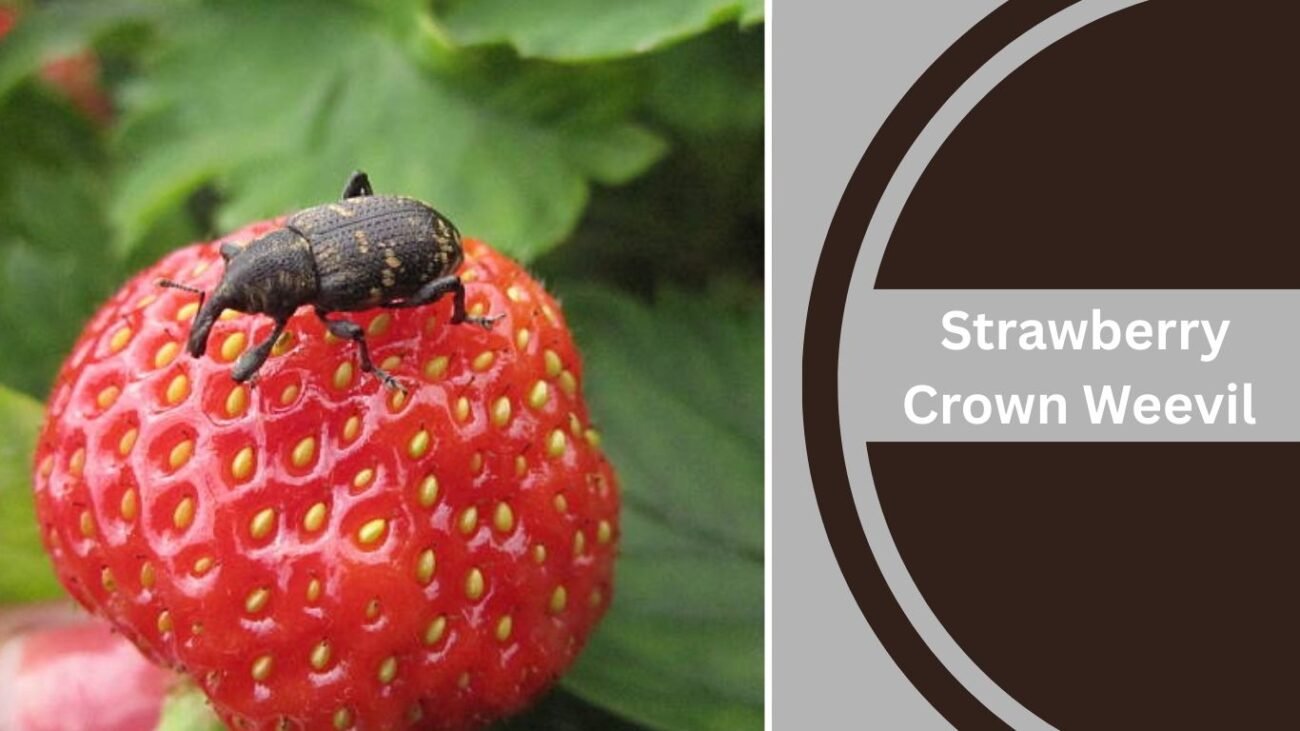
The Strawberry Crown Weevil (Anthonomus signatus) is a pest that primarily targets strawberry plants, feeding on crowns and buds. Adult feeding can damage flower buds, reducing fruit yield, while larvae develop inside buds, further impacting plant productivity. This species is common in North American strawberry fields.
Identification
- Size: 4–5 mm in length
- Color: Dark brown to black
- Distinctive feature: Long, curved snout and slightly rounded body
- Body shape: Oval and compact
Habitat
Strawberry Crown Weevils are found in strawberry fields, gardens, and nurseries. They prefer areas with dense strawberry plantings and moist soil.
Behavior
Adults feed on flower buds and crowns, causing notching and bud damage. Larvae develop inside the buds, consuming internal tissues. Adults are mostly nocturnal and hide in soil or plant debris during the day.
Lifecycle
Females lay eggs inside flower buds. Larvae feed internally, pupate within the bud, and emerge as adults. The species typically completes one generation per year, coinciding with the strawberry flowering period.
15. Mango Seed Weevil
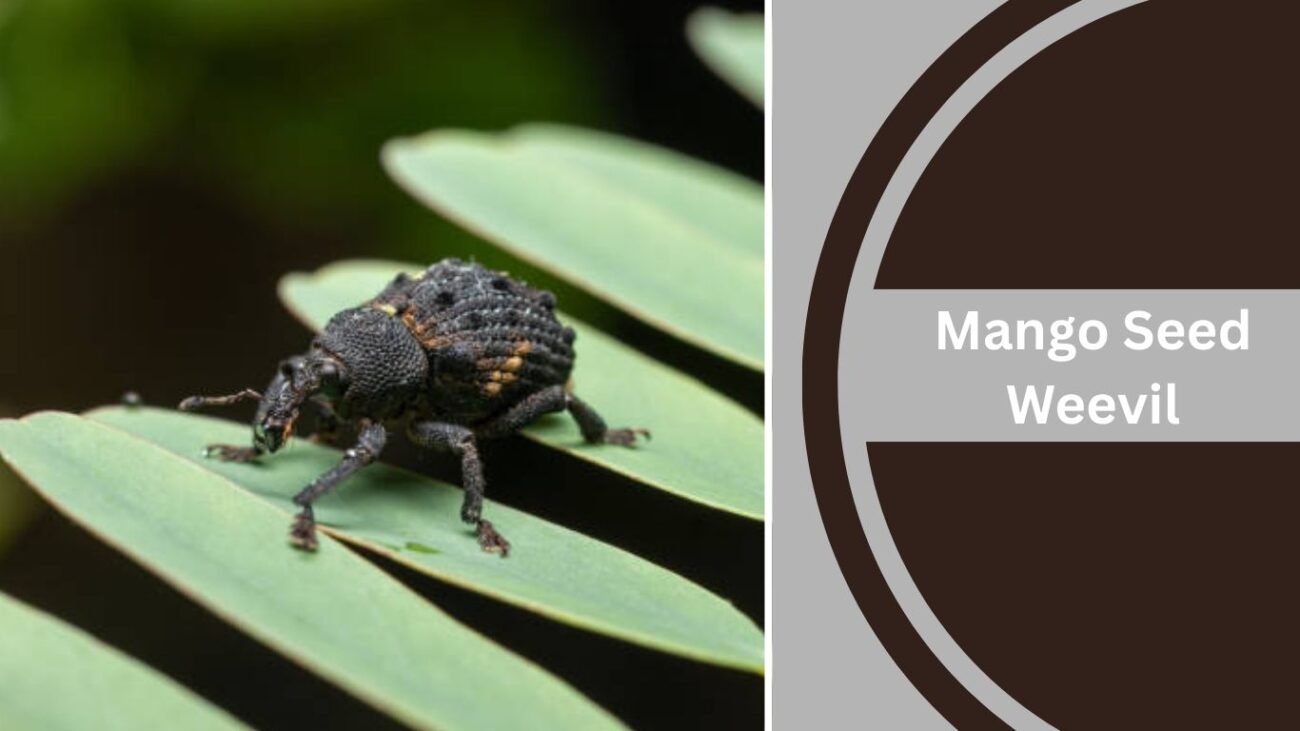
The Mango Seed Weevil (Sternochetus mangiferae) is a serious pest of mango trees, targeting seeds within the fruit. Larval feeding destroys the seed, reducing germination and potentially impacting mango production. This weevil is widespread in tropical and subtropical mango-growing regions.
Identification
- Size: 8–12 mm in length
- Color: Dark brown to black
- Distinctive feature: Long, curved snout and robust body
- Body shape: Oval and compact
Habitat
Mango Seed Weevils are found in mango orchards, particularly in areas with mature fruit. They prefer warm, tropical climates.
Behavior
Adults lay eggs on developing mango fruits. Larvae burrow into the seed and feed internally, often going undetected until fruit is harvested. Infested fruits may drop prematurely.
Lifecycle
Females lay eggs on the fruit surface near the seed. Larvae develop inside the seed, pupate, and emerge as adults, often remaining inside the fruit until it falls. The lifecycle can take several months, typically aligning with the fruiting season.
16. Citrus Root Weevil
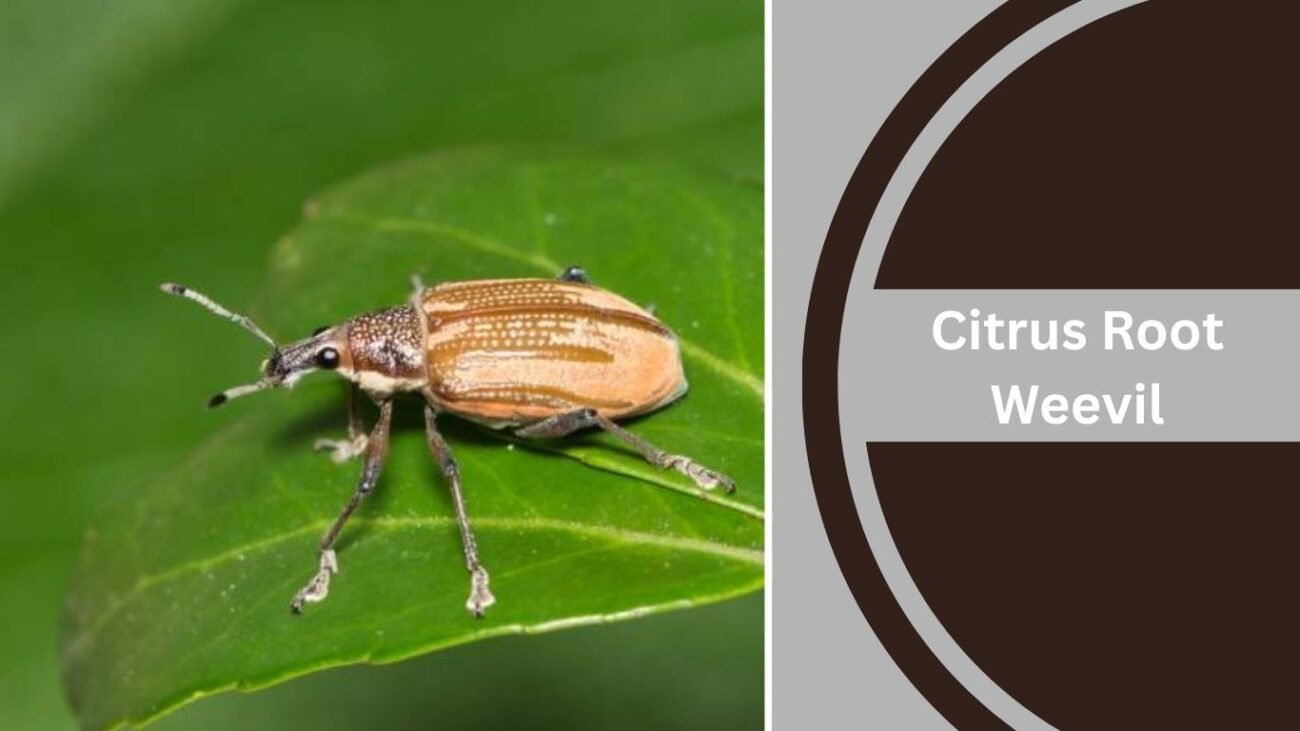
The Citrus Root Weevil (Diaprepes abbreviatus) is a major pest of citrus trees and other woody plants. Larvae feed on roots, causing significant damage that can weaken or kill trees, while adults feed on foliage. This species is particularly problematic in citrus-growing regions of the Americas.
Identification
- Size: 10–15 mm in length
- Color: Black with orange or yellow spots on the elytra
- Distinctive feature: Long, curved snout and spotted wing covers
- Body shape: Oval and robust
Habitat
Citrus Root Weevils are found in citrus orchards, nurseries, and gardens. They prefer sandy soils and areas with abundant host plants.
Behavior
Adults feed on leaves, producing characteristic notches along the edges. Larvae feed underground on roots, which can cause stunted growth or tree death. Adults are nocturnal and hide in soil or plant debris during the day.
Lifecycle
Females lay eggs in soil near host plants. Larvae feed on roots for several months before pupating in the soil. Adults emerge and continue feeding on foliage, completing one generation per year in most regions.
17. Cranberry Weevil
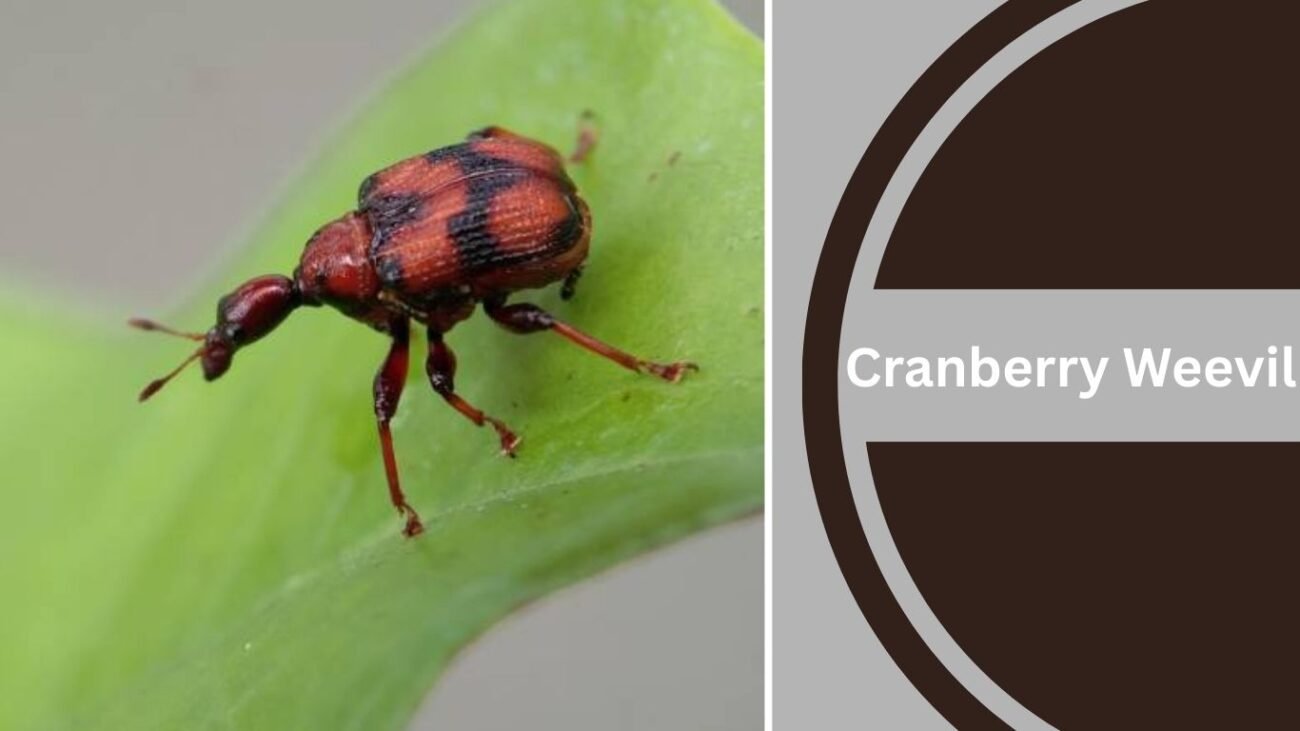
The Cranberry Weevil (Anthonomus musculus) is a pest that primarily targets cranberry and related plants. Adults feed on flower buds, while larvae develop inside the buds, potentially reducing fruit yield. It is commonly found in North American cranberry-growing regions.
Identification
- Size: 3–4 mm in length
- Color: Dark brown to black
- Distinctive feature: Long, curved snout and compact, oval body
- Body shape: Oval and slightly convex
Habitat
Cranberry Weevils are typically found in cranberry bogs, wetlands, and areas with dense cranberry plantings. They prefer moist environments.
Behavior
Adults feed on flower buds, causing notching and minor damage. Larvae develop inside buds, consuming internal tissues and affecting fruit production. Adults are mostly nocturnal.
Lifecycle
Females lay eggs inside flower buds. Larvae feed internally, pupate within the bud, and emerge as adults. The species usually completes one generation per year, coinciding with the flowering season of cranberry plants.
18. Grape Weevil
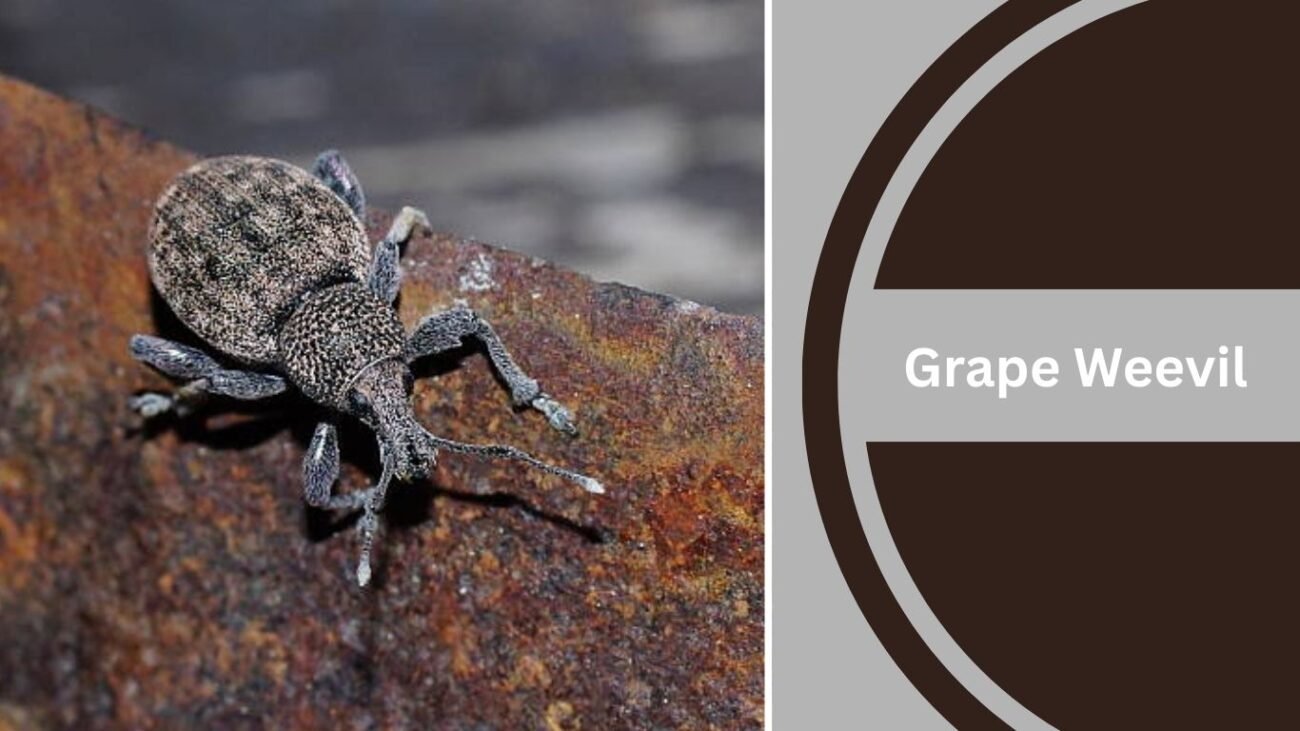
The Grape Weevil (Otiorhynchus singularis) is a pest that affects grapevines and other ornamental plants. Adults feed on leaves, while larvae target the roots, potentially weakening or killing young plants. It is commonly found in vineyards and gardens across Europe and parts of North America.
Identification
- Size: 6–9 mm in length
- Color: Dark brown to black
- Distinctive feature: Broad snout and grooved elytra
- Body shape: Oval and slightly flattened
Habitat
Grape Weevils are typically found in vineyards, gardens, and areas with host plants like grapevines and ornamental shrubs. They prefer moist soils and shaded environments.
Behavior
Adults feed on leaf edges at night, creating characteristic notches. Larvae feed on roots underground, which can severely affect plant health. Adults are flightless and hide during the day.
Lifecycle
Females lay eggs in soil near host plants. Larvae feed on roots, pupate in the soil, and emerge as adults. The species usually completes one generation per year, with adults overwintering in soil or plant debris.
19. Almond Weevil
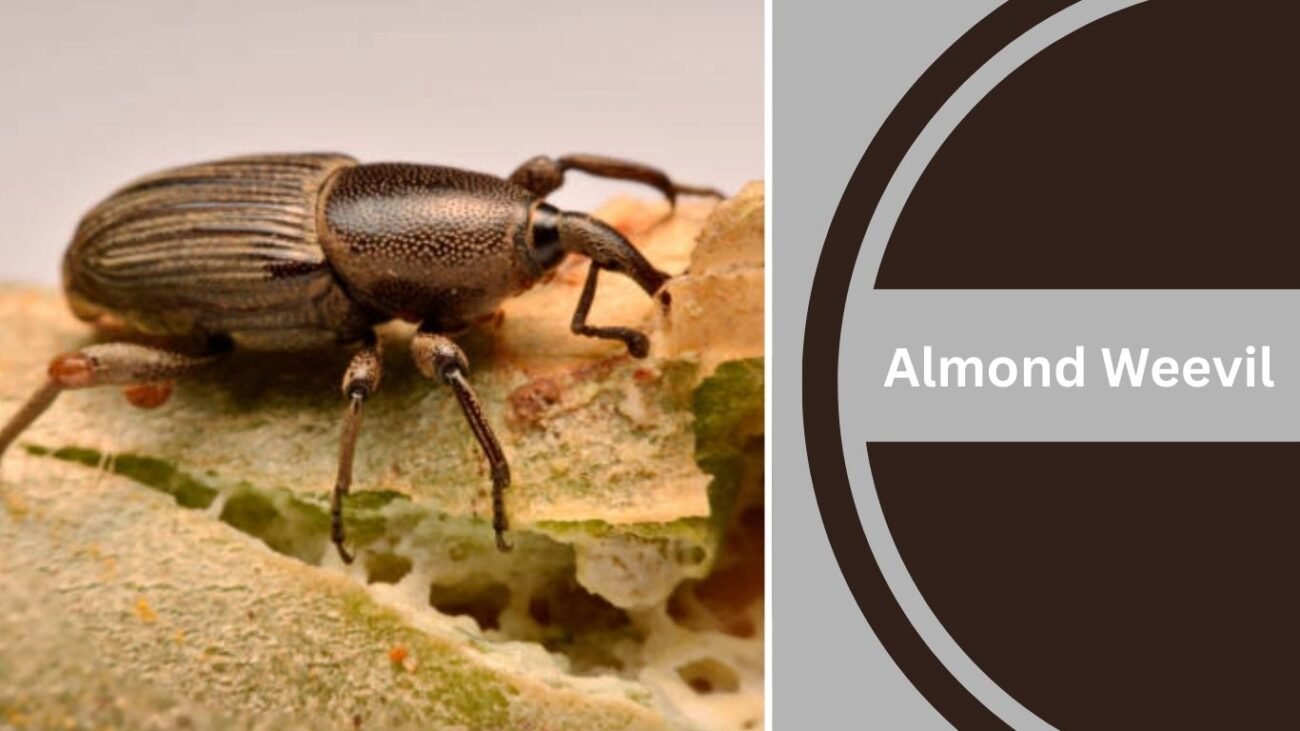
The Almond Weevil (Almondus amygdali) is a pest that targets almond trees, with larvae feeding inside the nuts and adults occasionally feeding on leaves. Infestations can reduce nut yield and quality, making it a significant concern for almond growers in affected regions.
Identification
- Size: 5–8 mm in length
- Color: Dark brown to black
- Distinctive feature: Long, curved snout and slightly ridged elytra
- Body shape: Oval and compact
Habitat
Almond Weevils are typically found in almond orchards and surrounding areas with suitable host trees. They prefer temperate climates and areas with abundant nut production.
Behavior
Adults feed minimally on leaves, while larvae bore into nuts to feed internally. Infested nuts often drop prematurely, reducing overall yield.
Lifecycle
Females lay eggs inside developing nuts. Larvae feed within the nuts, pupate, and emerge as adults. The species usually completes one generation per year, coinciding with the almond fruiting season.
20. Banana Weevil
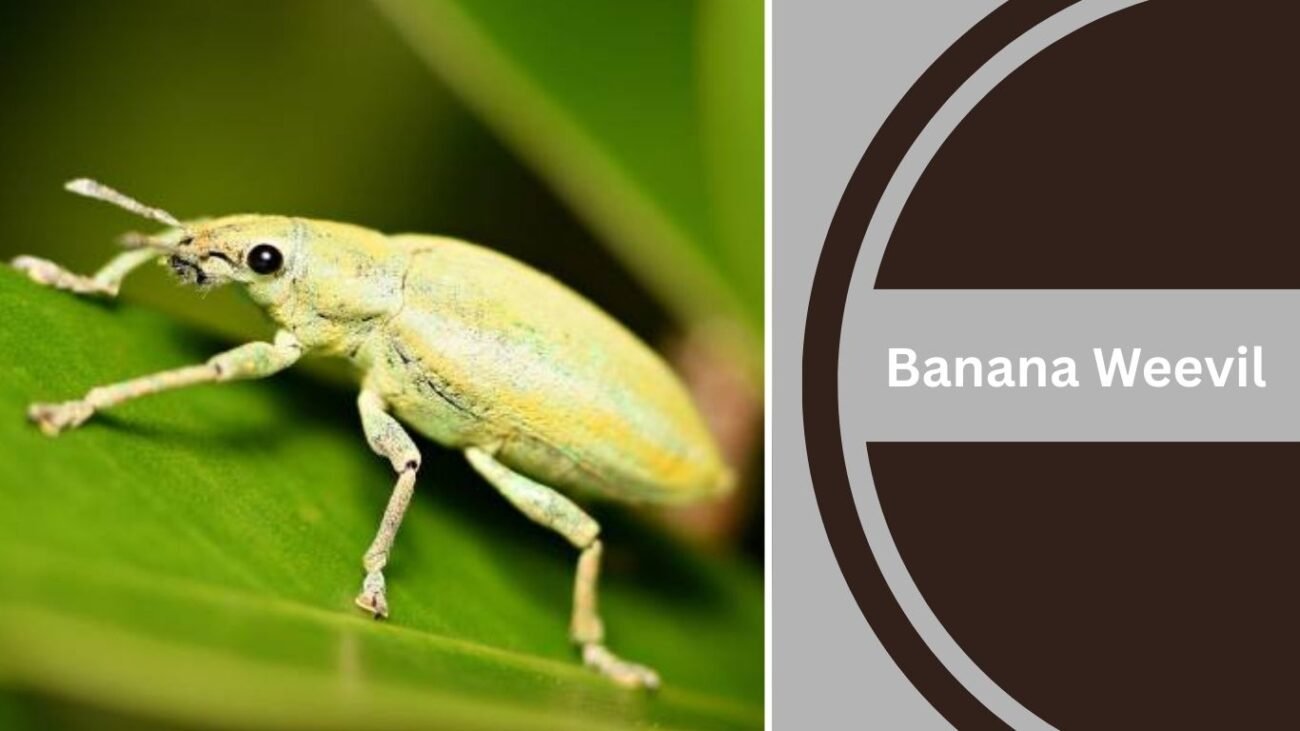
The Banana Weevil (Cosmopolites sordidus) is a major pest of banana and plantain crops. Larvae bore into the corm and pseudostem, causing significant damage that can reduce yield or kill the plant. This species is prevalent in tropical regions worldwide.
Identification
- Size: 12–15 mm in length
- Color: Dark brown to black
- Distinctive feature: Long, curved snout and robust, cylindrical body
- Body shape: Elongated and slightly flattened
Habitat
Banana Weevils are commonly found in banana plantations and areas with cultivated plantains. They prefer moist, tropical environments and plant debris.
Behavior
Adults feed on the base of banana plants and lay eggs near the corm. Larvae tunnel inside, feeding on the internal tissues, which weakens the plant and can lead to collapse.
Lifecycle
Females lay eggs at the base of banana plants or in plant debris. Larvae feed inside the corm and pseudostem, pupate within the plant tissue, and emerge as adults. Multiple generations can occur per year in tropical climates.
21. Clover Root Weevil
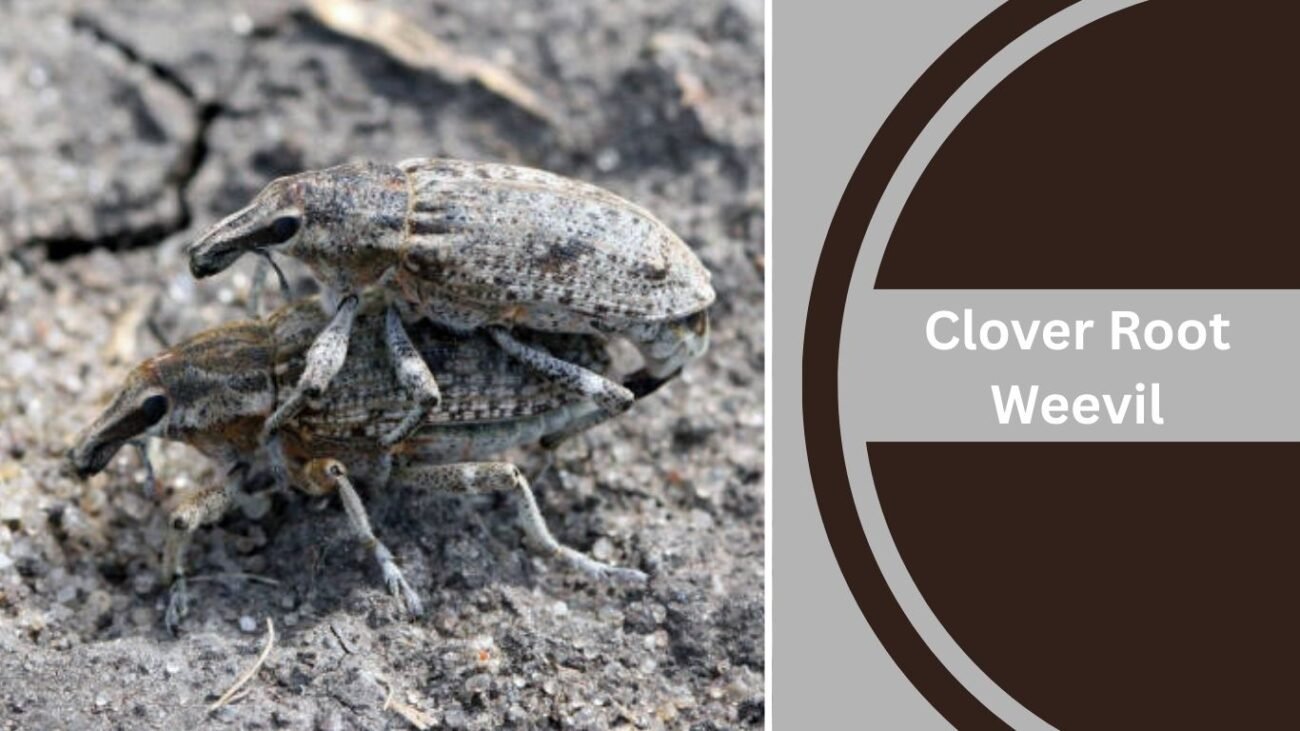
The Clover Root Weevil (Sitona hispidulus) is a pest that primarily affects clover and other leguminous crops. Larvae feed on roots, reducing nitrogen fixation and plant vigor, while adults feed on leaves, causing notching damage. It is common in temperate regions with pasture crops.
Identification
- Size: 4–6 mm in length
- Color: Brown to grayish-brown
- Distinctive feature: Short, curved snout and fine hair coverage on the body
- Body shape: Oval and slightly convex
Habitat
Clover Root Weevils are found in pastures, meadows, and areas with clover or other legumes. They prefer moist soils and temperate climates.
Behavior
Adults feed on leaves, creating small notches along the edges. Larvae feed on roots underground, reducing plant growth and nitrogen fixation. Adults are mostly nocturnal and hide during the day.
Lifecycle
Females lay eggs in the soil near host plants. Larvae feed on roots for several weeks before pupating in the soil. Adults emerge to feed on foliage, completing one generation per year in most temperate regions.
22. Bean Weevil
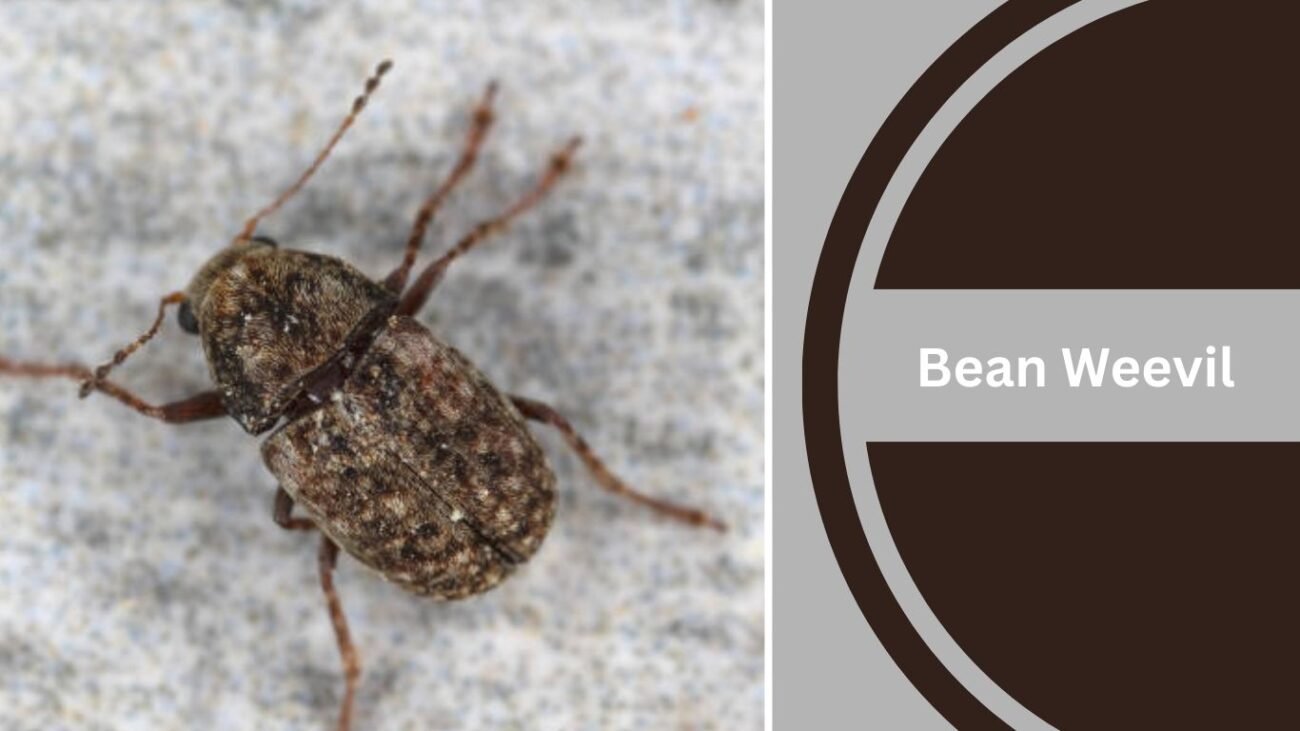
The Bean Weevil (Acanthoscelides obtectus) is a common pest of stored beans and other legumes. Larvae feed inside seeds, reducing germination and quality, while adults feed minimally on seed surfaces. It is a widespread pest in tropical and temperate regions.
Identification
- Size: 2–5 mm in length
- Color: Brown to grayish-brown
- Distinctive feature: Oval body with short snout and fine punctures on elytra
- Body shape: Compact, oval, and slightly convex
Habitat
Bean Weevils are typically found in stored beans, legumes, and occasionally in fields. They prefer warm, dry storage conditions.
Behavior
Adults feed on the surface of seeds, while larvae bore inside to consume the seed internally. Infestations can cause significant losses if grains are stored for long periods.
Lifecycle
Females lay eggs on or inside seeds. Larvae develop within the seed, pupate, and emerge as adults. Multiple generations can occur per year in favorable conditions, leading to rapid infestation growth.
23. Coconut Weevil
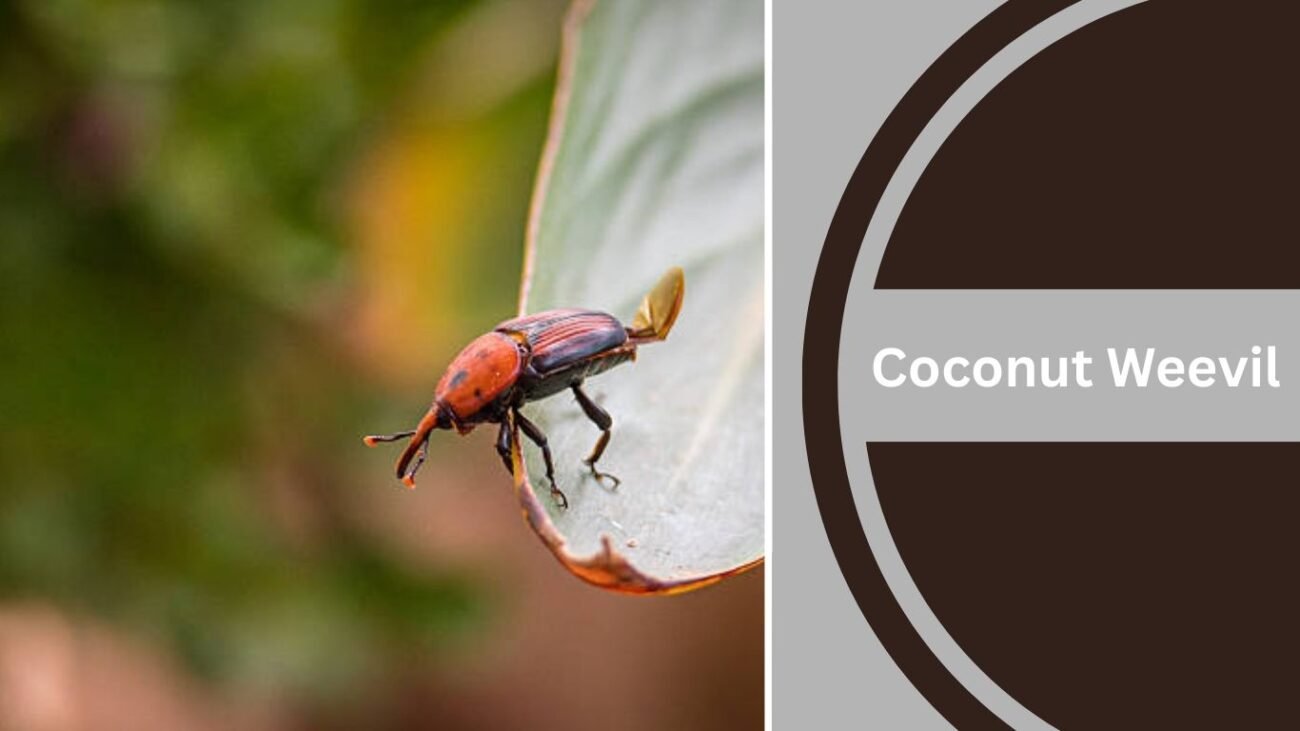
The Coconut Weevil (Brontispa longissima), also known as the Red Palm Weevil in some regions, is a destructive pest of coconut palms. Larvae bore into the petiole and trunk, causing damage that can stunt growth or kill the tree. It is considered a serious pest in tropical regions.
Identification
- Size: 10–15 mm in length
- Color: Dark brown to black with reddish markings
- Distinctive feature: Long, curved snout and elongated, cylindrical body
- Body shape: Robust and slightly flattened
Habitat
Coconut Weevils are commonly found in coconut plantations, palm gardens, and tropical regions where palms are cultivated. They prefer stressed or injured trees for egg-laying.
Behavior
Adults feed on young leaf bases, while larvae tunnel into petioles and trunks, causing structural damage. Infested palms may show wilting, yellowing, or dieback.
Lifecycle
Females lay eggs in the base of young leaves or cracks in the trunk. Larvae feed internally for several weeks before pupating within the plant tissue. Adults emerge to continue the cycle, often producing multiple generations per year in tropical climates.
24. Sitona Weevil
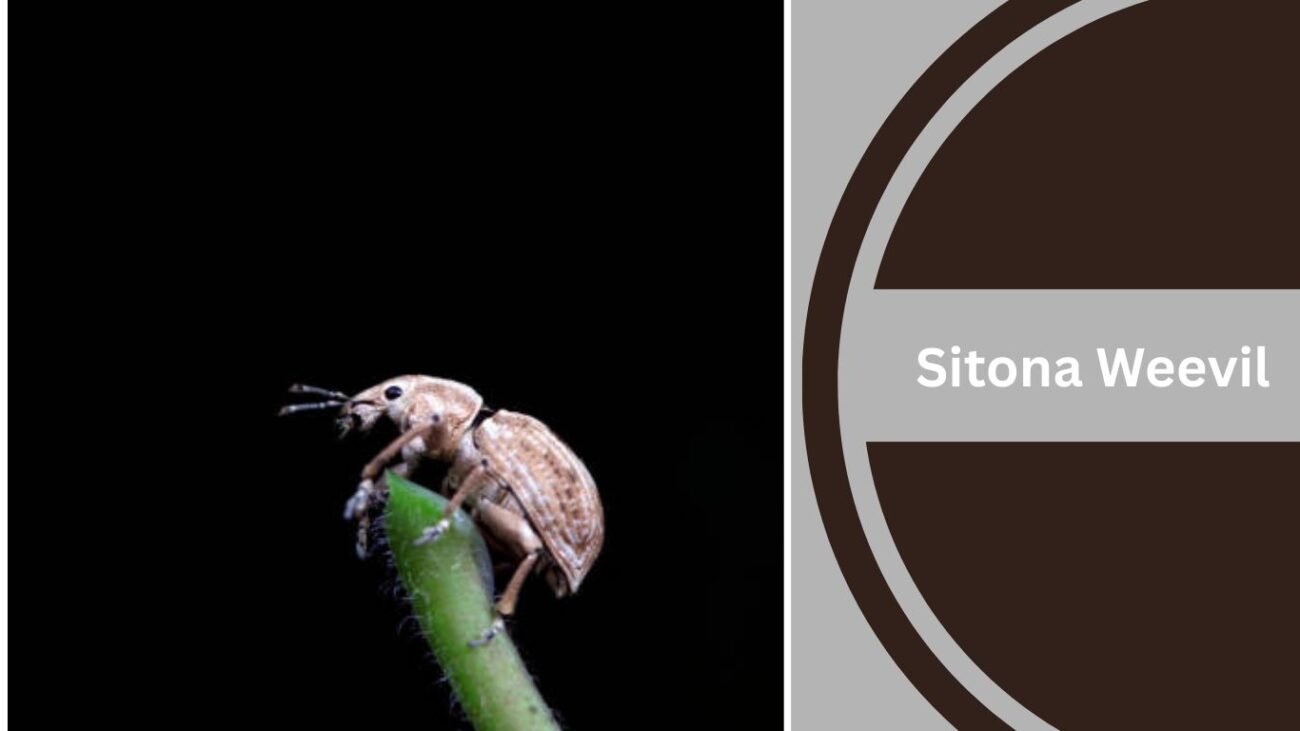
The Sitona Weevil (Sitona spp.) is a pest that primarily affects legumes such as peas and beans. Adults feed on foliage, creating characteristic notches, while larvae target roots and root nodules, which can reduce nitrogen fixation and plant growth. It is commonly found in temperate agricultural regions.
Identification
- Size: 3–5 mm in length
- Color: Brown to grayish-brown
- Distinctive feature: Short, curved snout and finely textured elytra
- Body shape: Oval and slightly convex
Habitat
Sitona Weevils are typically found in fields, pastures, and areas with leguminous crops. They prefer temperate climates with moderate soil moisture.
Behavior
Adults feed on leaves, producing small notches along the edges. Larvae feed on roots and root nodules underground, reducing plant vigor. Adults are primarily nocturnal.
Lifecycle
Females lay eggs in the soil near host plants. Larvae feed on roots and nodules, pupate in the soil, and emerge as adults. The species usually completes one generation per year, though multiple generations may occur in favorable conditions.
25. Curculio Weevil
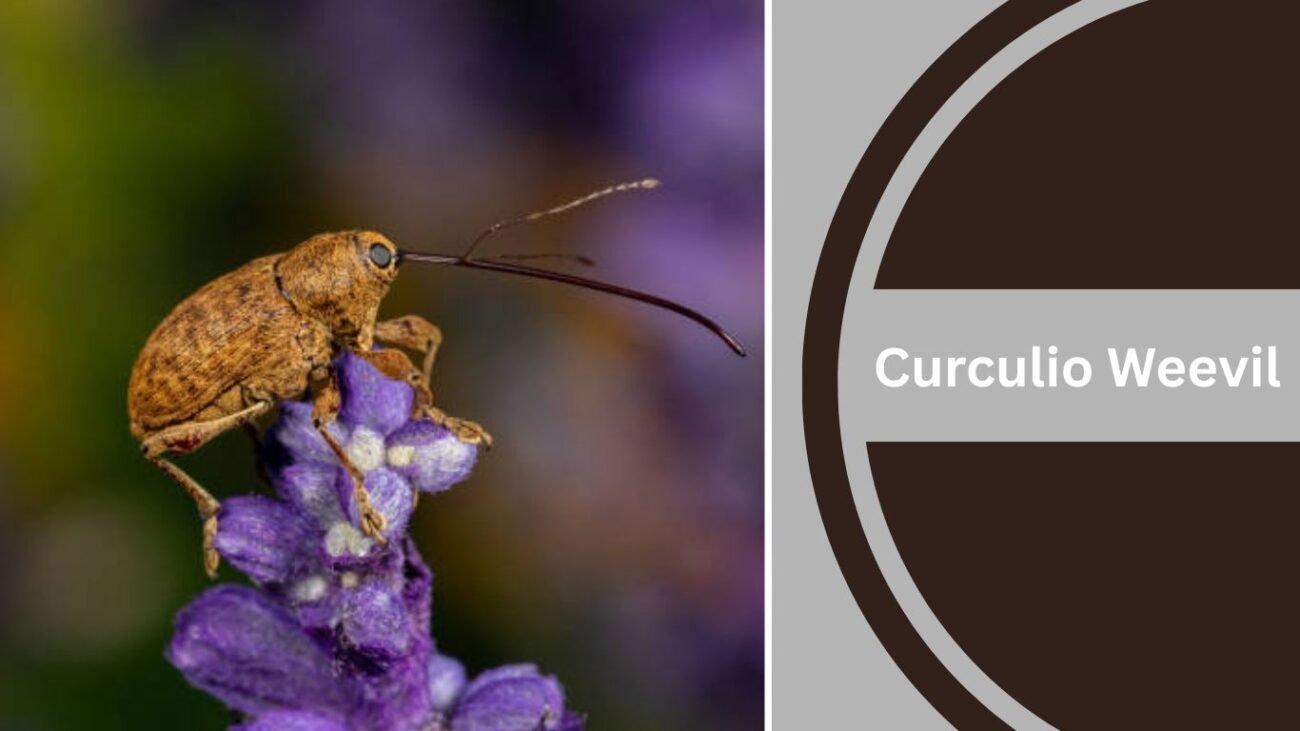
The Curculio Weevil (Curculio spp.) is a pest that primarily targets nut-bearing trees such as chestnuts, acorns, and hazelnuts. Larvae develop inside the nuts, consuming the seed, while adults may feed minimally on leaves. This genus includes several species that are economically important in forestry and agriculture.
Identification
- Size: 4–8 mm in length
- Color: Brown to dark brown
- Distinctive feature: Long, curved snout and slightly ridged elytra
- Body shape: Oval and slightly elongated
Habitat
Curculio Weevils are found in forests, orchards, and areas with nut-bearing trees. They prefer temperate climates and host-rich environments.
Behavior
Adults feed minimally on leaves, while females bore into nuts to lay eggs. Larvae consume the nut from within, often leading to premature nut drop.
Lifecycle
Females lay eggs inside developing nuts. Larvae feed internally, pupate in the soil or inside the nut, and emerge as adults. Most species complete one generation per year, synchronized with the fruiting season of their host trees.


