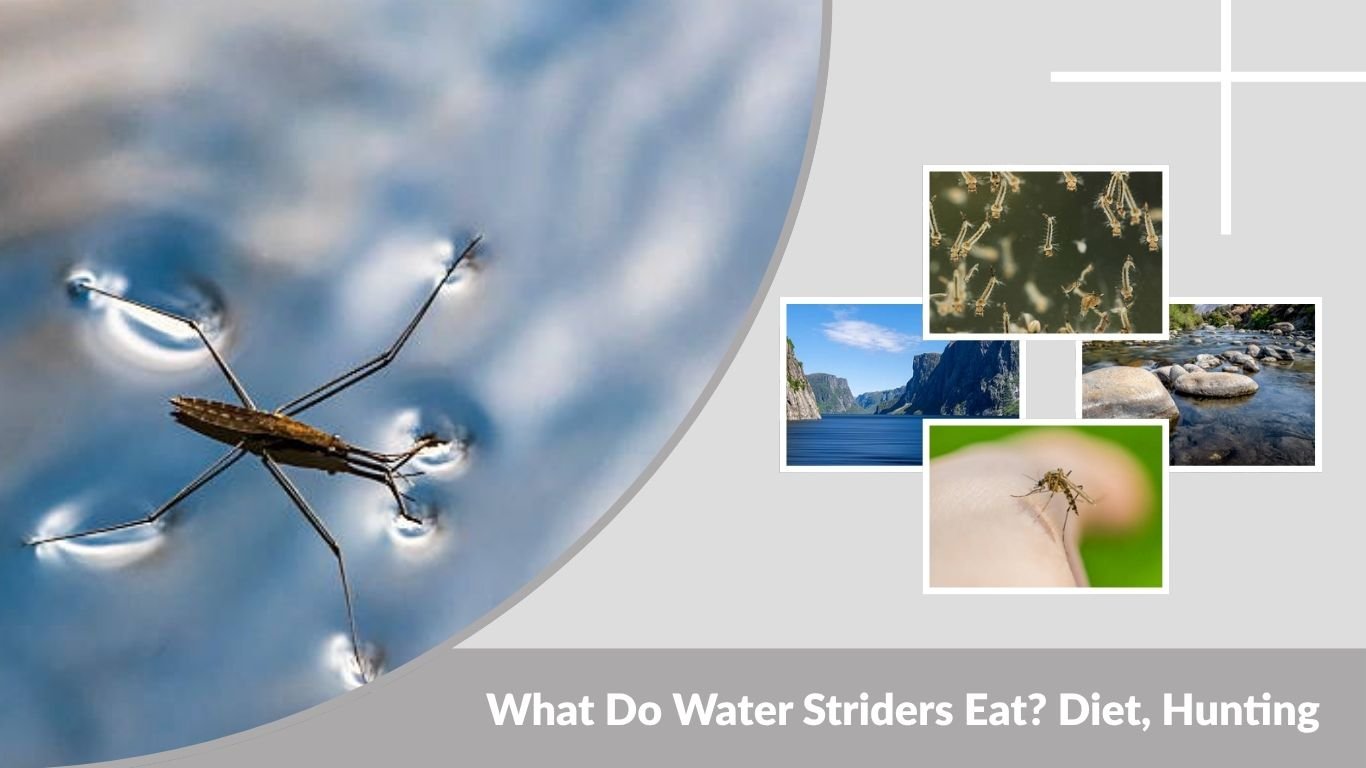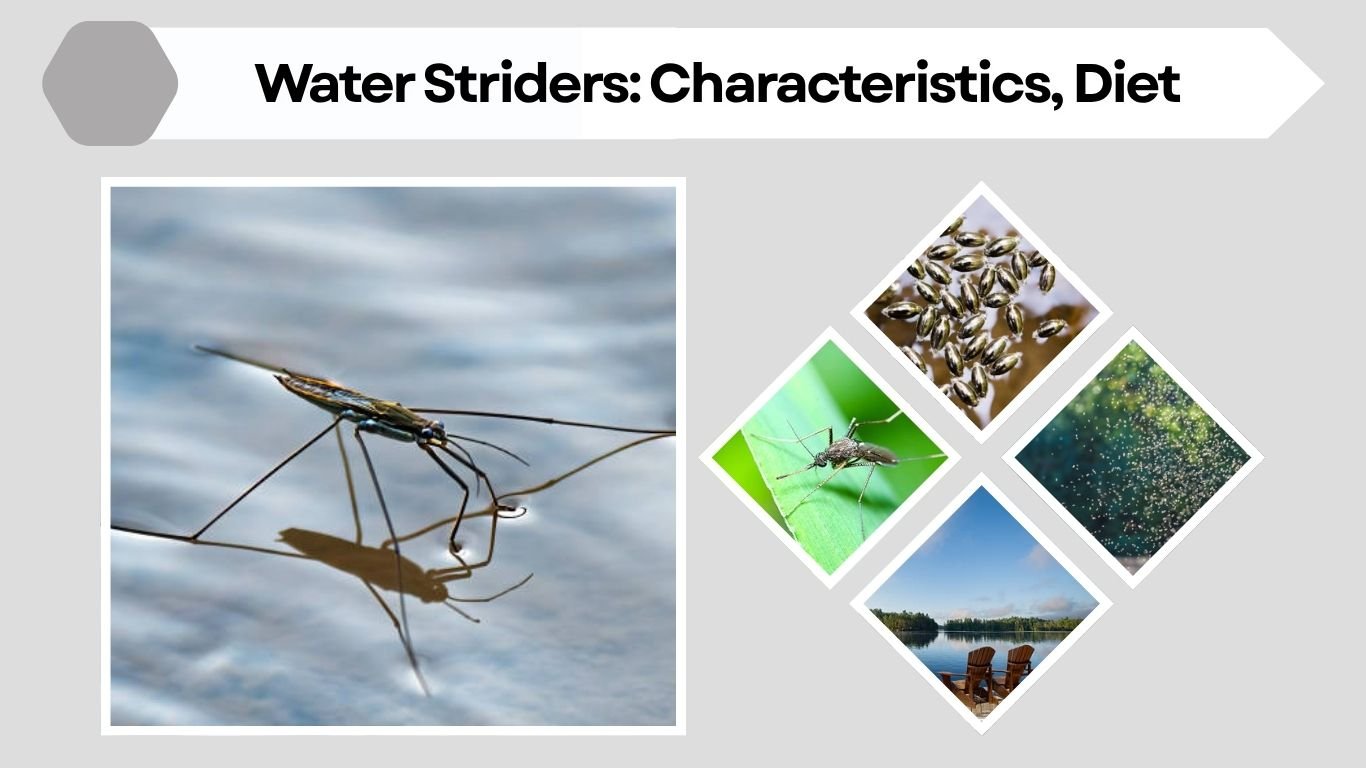



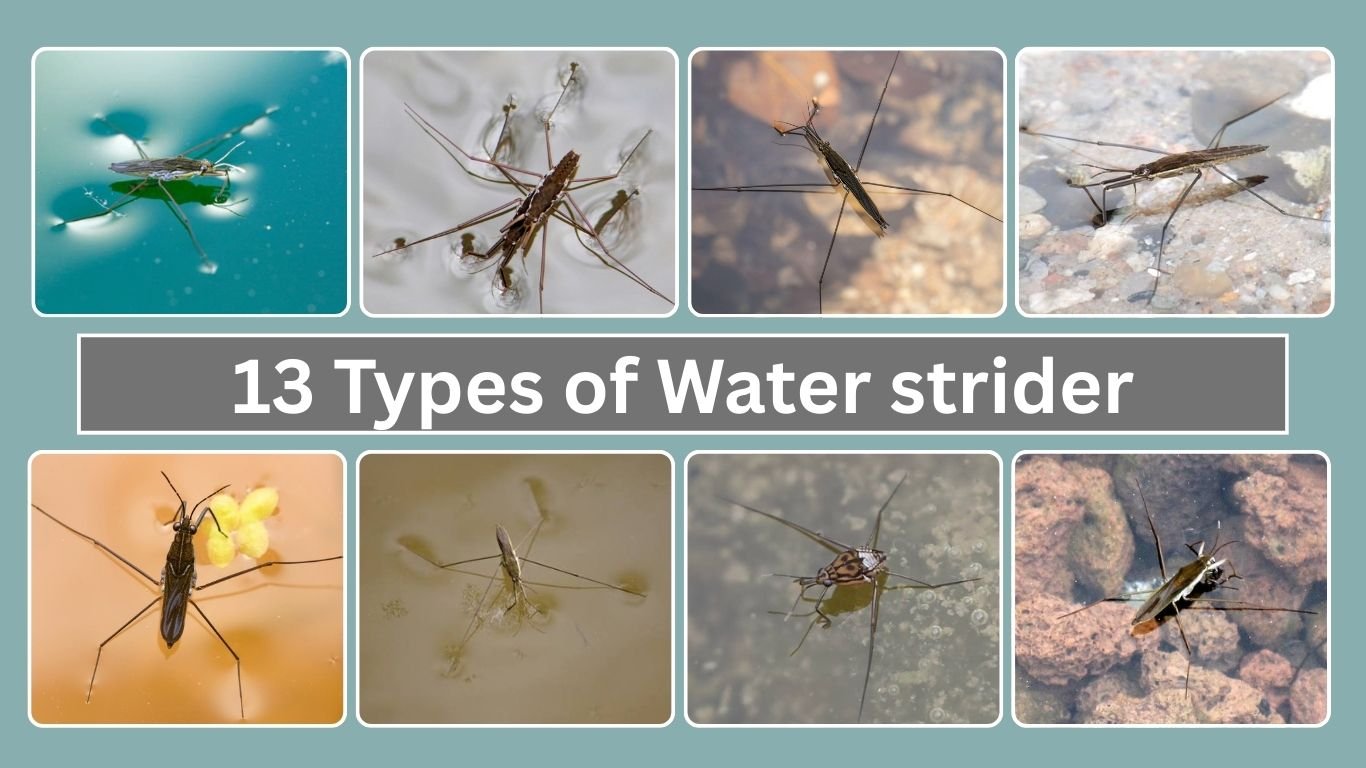
Water striders are fascinating insects that can walk on water thanks to their long, hydrophobic legs. Found worldwide in ponds, lakes, and streams, these agile hunters use ripples to detect prey and communicate. Each species has unique traits that distinguish it from others, from size and coloration to behavior and habitat preferences. Below, we explore 13 notable types of water striders, highlighting their identification, habitats, behaviors, and diets.
1. Aquarius remigis
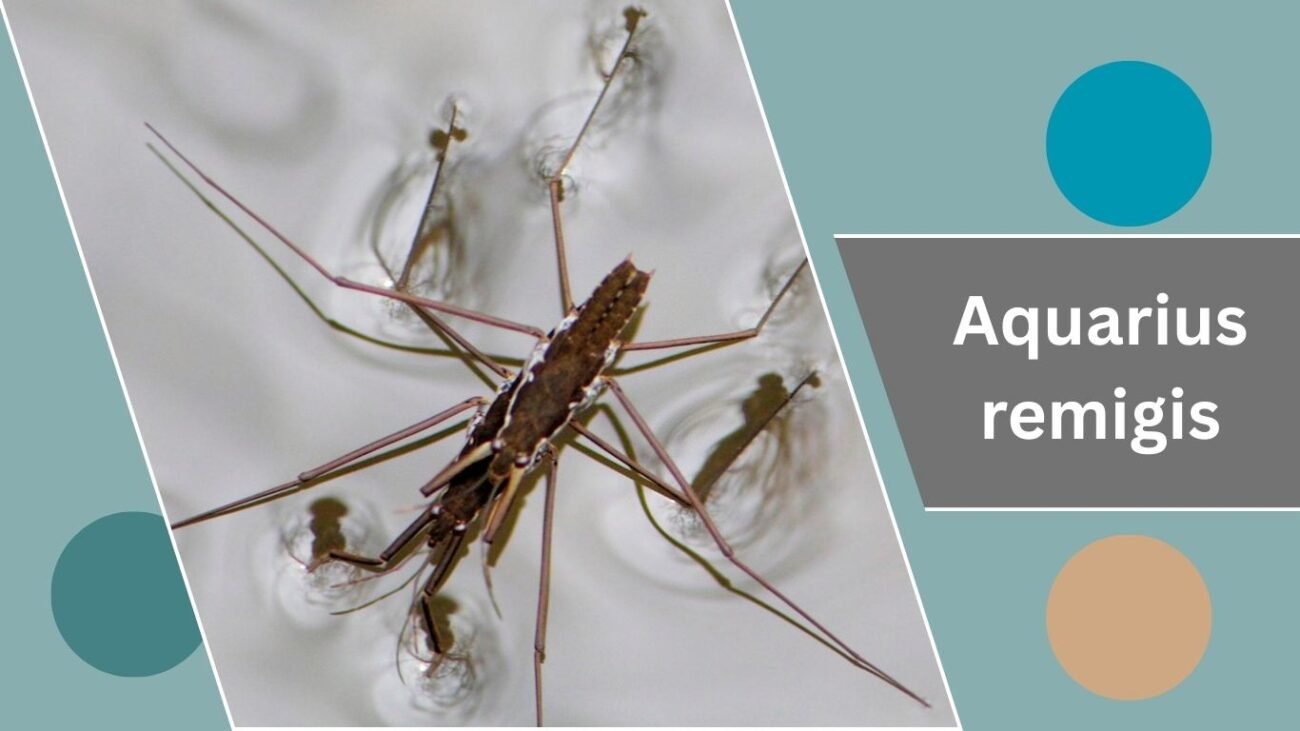
The Aquarius remigis, commonly known as the common water strider, is one of the most widespread and well-studied species of water striders in North America. It is often found gliding gracefully across ponds, lakes, and slow-moving streams.
Identification
- Medium to large-sized water strider (typically 15–17 mm long).
- Slender, dark brown to black body.
- Long legs adapted for skating on water surfaces.
- Mid-legs especially long, used for propulsion.
Habitat
Aquarius remigis prefers still or gently flowing freshwater bodies such as ponds, lakes, and streams. They are commonly seen in sunny areas where water is calm and vegetation is nearby for resting.
Behaviors
This species is highly adapted to walking on water, using surface tension and water-repellent leg hairs. They are agile predators, detecting ripples to locate prey. They are also territorial and may aggressively defend their hunting area.
Diet
Aquarius remigis primarily feeds on insects trapped on the water surface, such as flies, mosquitoes, and small invertebrates. They pierce prey with their rostrum and suck out the bodily fluids.
2. Aquarius paludum
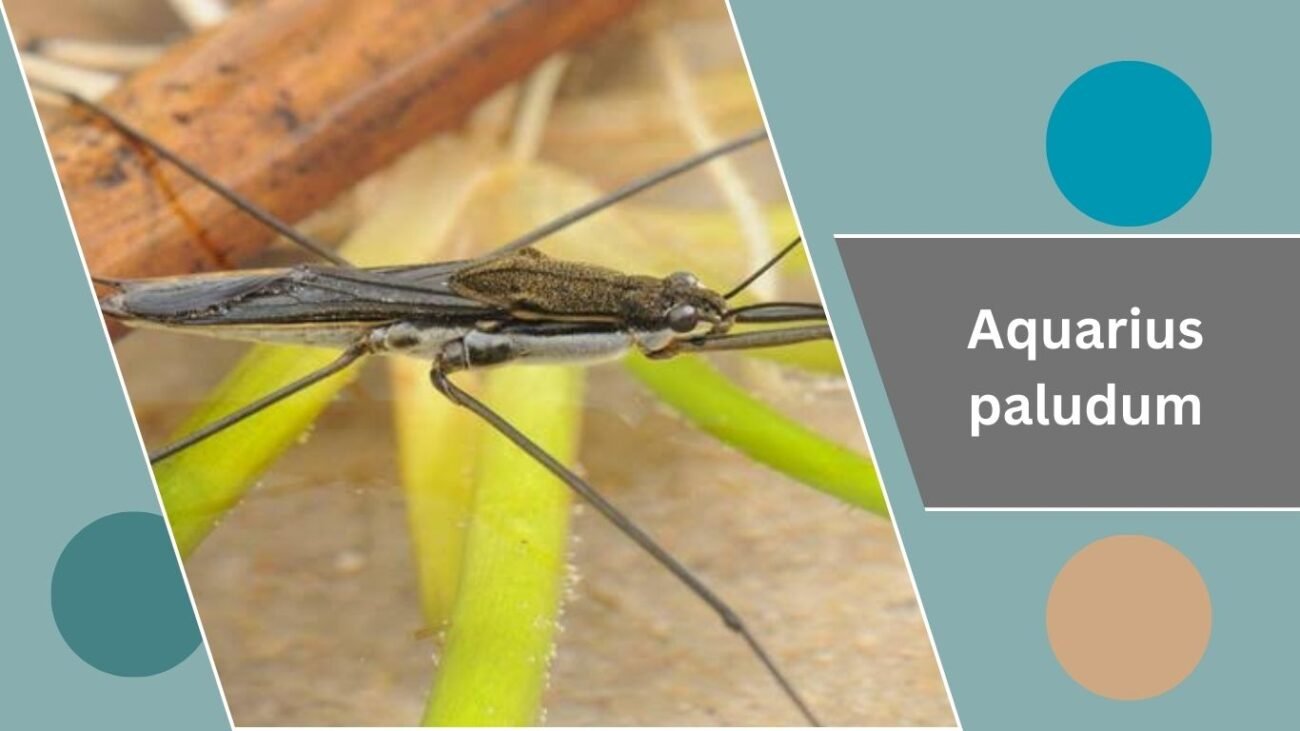
The Aquarius paludum is a large species of water strider widely distributed across Europe and Asia. Known for its strong flight ability, it is one of the few water striders capable of dispersing over long distances, allowing it to colonize new habitats efficiently.
Identification
- Large size, typically 15–18 mm long.
- Dark brown to black elongated body.
- Long, slender legs with fine water-repellent hairs.
- Wings often present, giving it strong flying capability.
Habitat
Aquarius paludum inhabits lakes, ponds, marshes, and slow-moving rivers. Its wide distribution is due to its ability to fly and adapt to different aquatic environments.
Behaviors
This species is a strong disperser, often flying to new water bodies when local conditions become unsuitable. Like other water striders, it uses ripple detection to locate prey and communicate with others.
Diet
Aquarius paludum feeds primarily on insects trapped at the water surface, such as flies and mosquito larvae, making it an important predator in freshwater ecosystems.
3. Aquarius najas
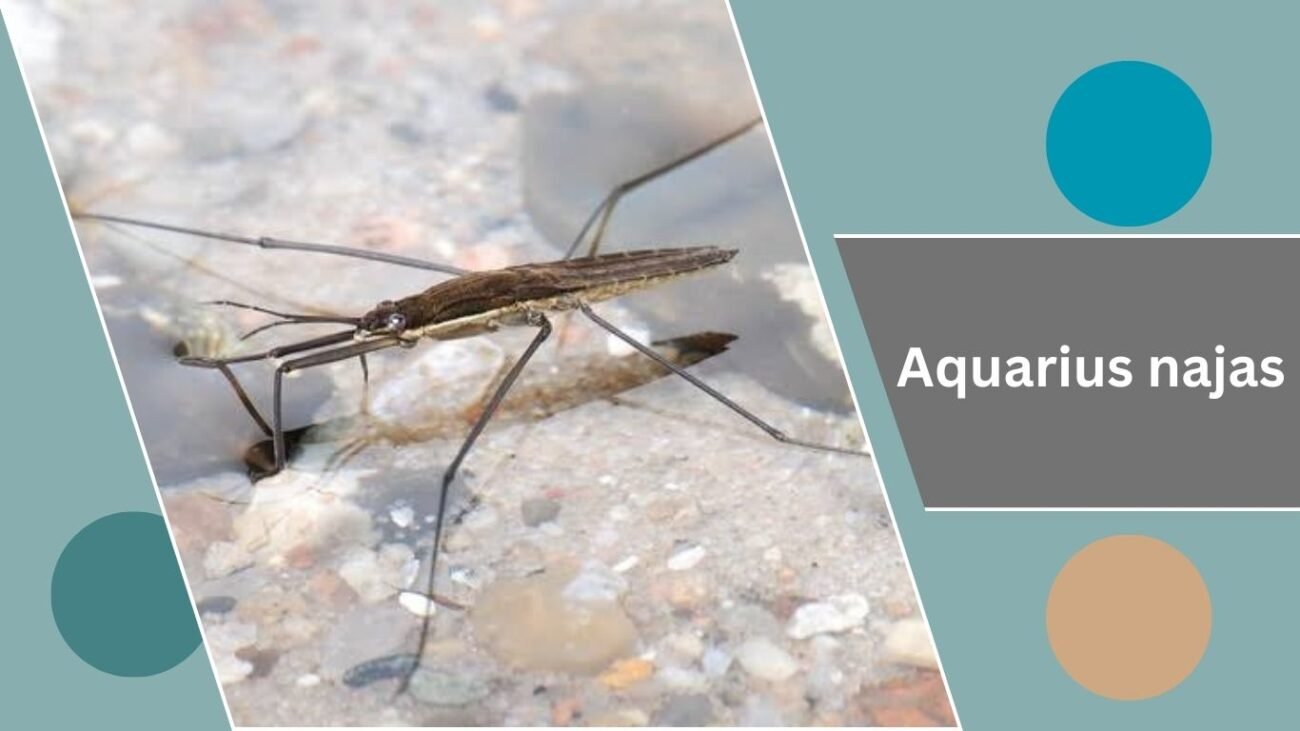
The Aquarius najas is a moderately large water strider species found across Europe and parts of Asia. It is commonly seen skimming over calm freshwater surfaces and is recognized for its slender body and agile movements.
Identification
- Medium to large size, around 12–15 mm long.
- Slim, elongated body with dark brown to black coloration.
- Long mid-legs used for rapid propulsion across water.
- Fine hydrophobic hairs covering the legs, aiding buoyancy.
Habitat
Aquarius najas prefers quiet lakes, ponds, and gently flowing streams. It often gathers near shorelines where floating debris or vegetation provides shelter and hunting opportunities.
Behaviors
This species relies on detecting vibrations on the water surface to sense prey or threats. They are agile hunters and also display territorial behaviors, with individuals defending their foraging zones.
Diet
Aquarius najas primarily consumes insects and other small invertebrates trapped on the water surface, piercing them with their rostrum to extract bodily fluids.
4. Aquarius elongatus
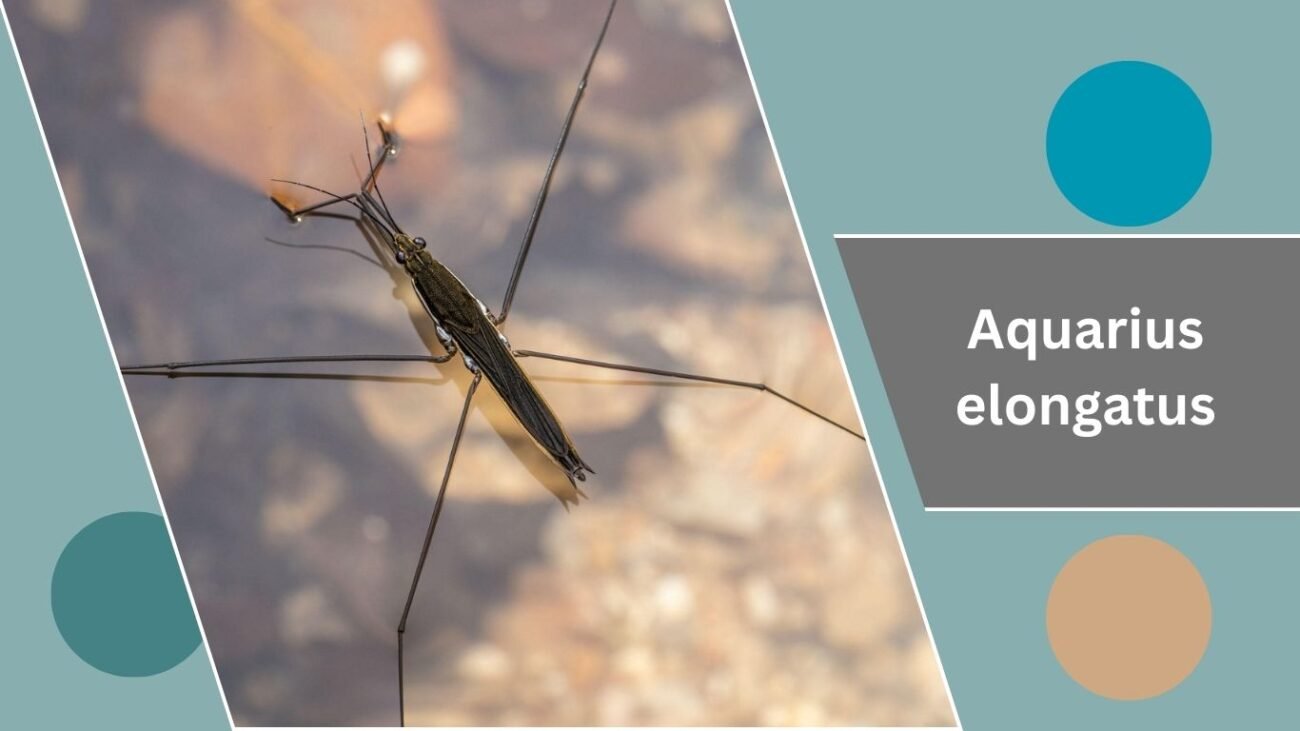
The Aquarius elongatus is a long-bodied water strider species known for its slender appearance and swift gliding behavior. It is found in parts of Europe and Asia, inhabiting calm freshwater systems.
Identification
- Body length usually 14–16 mm, noticeably elongated.
- Very slim and narrow body compared to other Aquarius species.
- Dark brown to black coloration with a slightly shiny surface.
- Exceptionally long mid-legs adapted for quick propulsion.
Habitat
Aquarius elongatus thrives in slow-moving rivers, ponds, and still sections of lakes. It is commonly seen near vegetation and prefers clean, calm water bodies.
Behaviors
This species is agile and quick on the water surface, using vibrations to detect prey. It often maintains territories and displays aggressive interactions with other striders when food sources are abundant.
Diet
Aquarius elongatus feeds on insects and small arthropods trapped on the water surface. It immobilizes prey with its forelegs and uses its rostrum to suck out the fluids.
5. Gerris lacustris
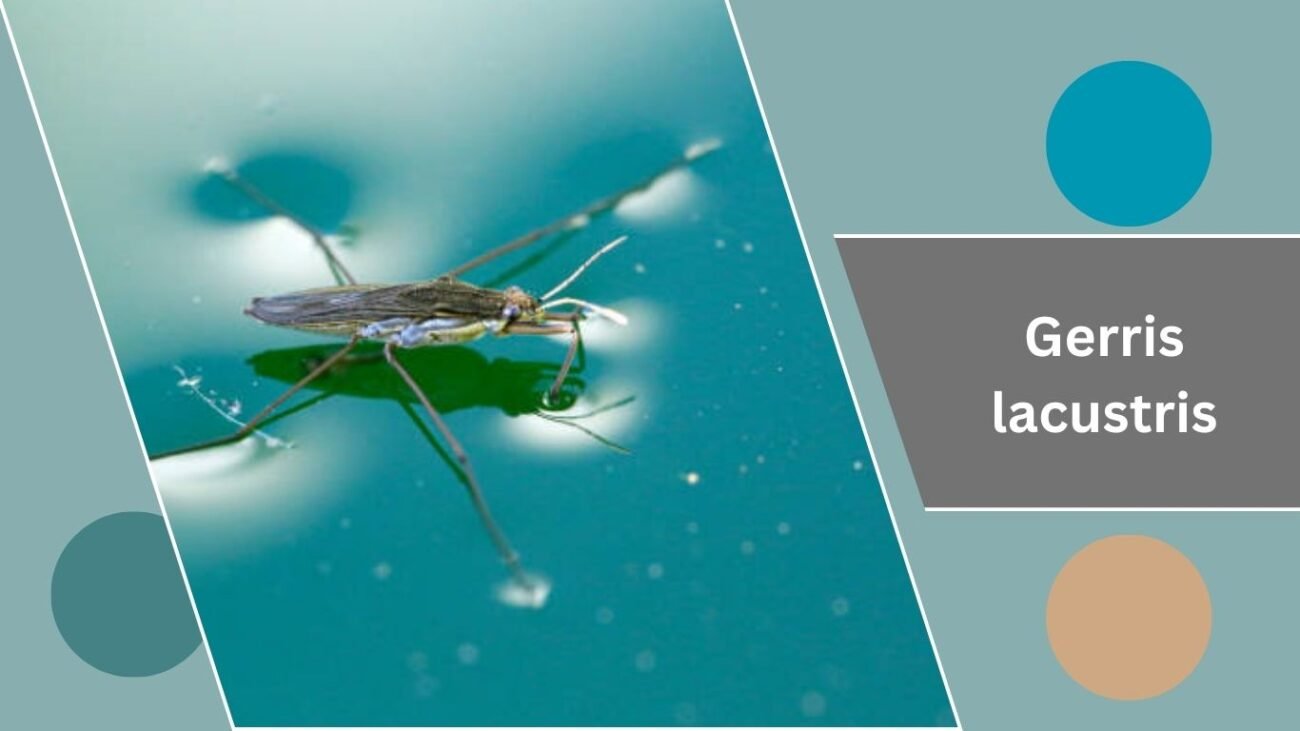
The Gerris lacustris, often called the common pond skater, is one of the most familiar water strider species in Europe. It is widespread and frequently observed gliding across the surfaces of ponds, lakes, and canals.
Identification
- Medium size, usually 8–10 mm long.
- Slender dark brown to black body.
- Long legs with pale joints, giving a contrasting appearance.
- Oval-shaped body, less elongated compared to Aquarius species.
Habitat
Gerris lacustris is commonly found in ponds, lakes, canals, and slow-moving rivers. It prefers calm waters with plenty of sunlight and vegetation nearby.
Behaviors
This species is active from spring through autumn, often forming small groups on the water surface. It detects ripples to locate prey and is agile in both movement and escape from predators.
Diet
Gerris lacustris feeds on insects trapped on the water surface, including flies and small aquatic invertebrates. It immobilizes prey with its forelegs before feeding.
6. Gerris marginatus

The Gerris marginatus is a widespread water strider species commonly found across Europe and parts of Asia. It is well adapted to calm and slow-moving waters, where it is often seen skimming gracefully on the surface.
Identification
- Medium size, about 8–12 mm long.
- Slender, elongated body, usually dark brown to black.
- Pale markings are often visible along the body margins.
- Long legs with fine water-repellent hairs aiding buoyancy.
Habitat
Gerris marginatus inhabits ponds, ditches, marshes, and quiet streams. It favors shallow water near vegetation where prey is abundant.
Behaviors
This species is active in warm seasons and often seen in groups on the water surface. Like other striders, it uses surface vibrations to detect prey or communicate. It may also fly to colonize new habitats when water levels change.
Diet
Gerris marginatus feeds mainly on small insects that fall onto the water surface, including mosquitoes, gnats, and other invertebrates. It captures prey quickly with its front legs and feeds by piercing and sucking out fluids.
7. Gerris argentatus
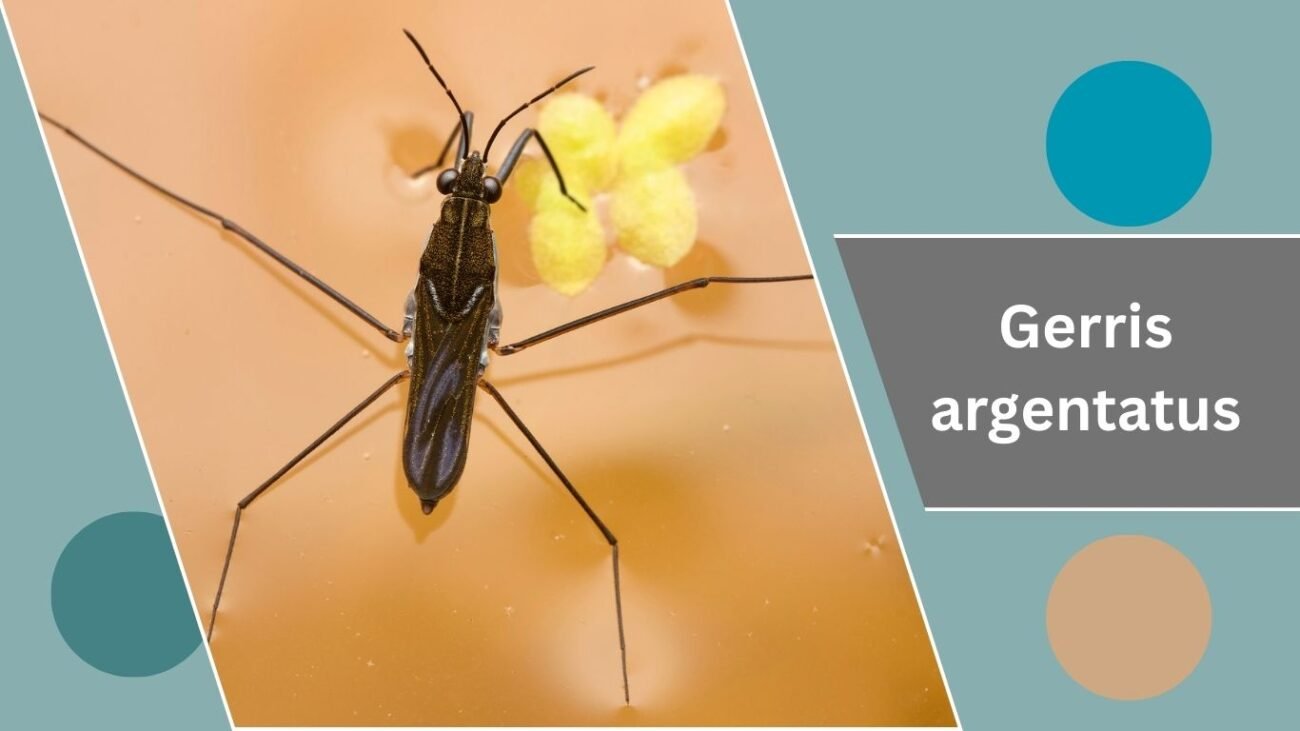
The Gerris argentatus is a small to medium-sized water strider known for its silvery reflections caused by fine hairs that trap air on its body surface. It is widespread in Europe and Asia, typically found in shaded or vegetated waters.
Identification
- Size ranges between 7–10 mm.
- Slender, dark-colored body with silvery reflections along the underside.
- Long legs with pale joints, adapted for gliding on water.
- Short wings or wingless forms are common, though winged morphs may occur.
Habitat
Gerris argentatus prefers shaded ponds, forest pools, ditches, and slow-moving streams. It is often found in smaller water bodies with abundant vegetation.
Behaviors
This species is less gregarious than other water striders, often occurring in small numbers. It uses its sensitive legs to detect ripples caused by prey or threats. Some populations develop wings seasonally for dispersal.
Diet
Gerris argentatus feeds mainly on small insects trapped on the water surface, including gnats, flies, and other invertebrates. It subdues prey with its forelegs and consumes it by sucking out body fluids.
8. Gerris odontogaster
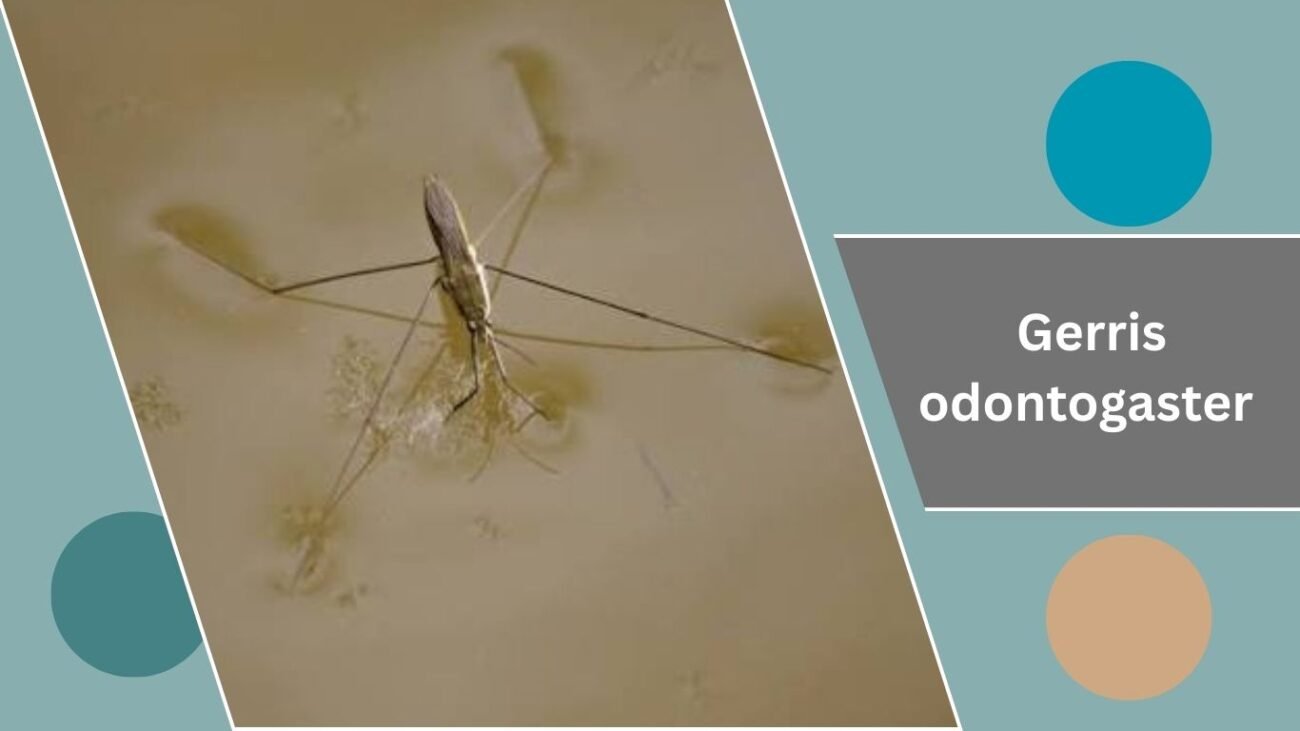
The Gerris odontogaster is a medium-sized water strider species distributed across Europe and Asia. It is recognized by its elongated body form and distinctive features that separate it from other Gerris species.
Identification
- Typically 9–12 mm long.
- Slender, elongated dark brown to black body.
- Pale markings are sometimes visible on the thorax and abdomen.
- Long legs with hydrophobic hairs, aiding movement on water.
Habitat
Gerris odontogaster is commonly found in ponds, lakes, ditches, and slow-moving sections of rivers. It prefers sunny and calm freshwater surfaces with nearby vegetation.
Behaviors
This species is active during warm months and is adept at gliding quickly across the water surface. It uses leg sensitivity to detect ripples made by prey or predators. Winged individuals may appear occasionally, aiding in dispersal to new habitats.
Diet
Gerris odontogaster preys on small insects and invertebrates that fall onto the water surface, such as gnats, flies, and mosquito larvae. It seizes prey with its forelegs and feeds by piercing and sucking out fluids.
9. Gerris lateralis
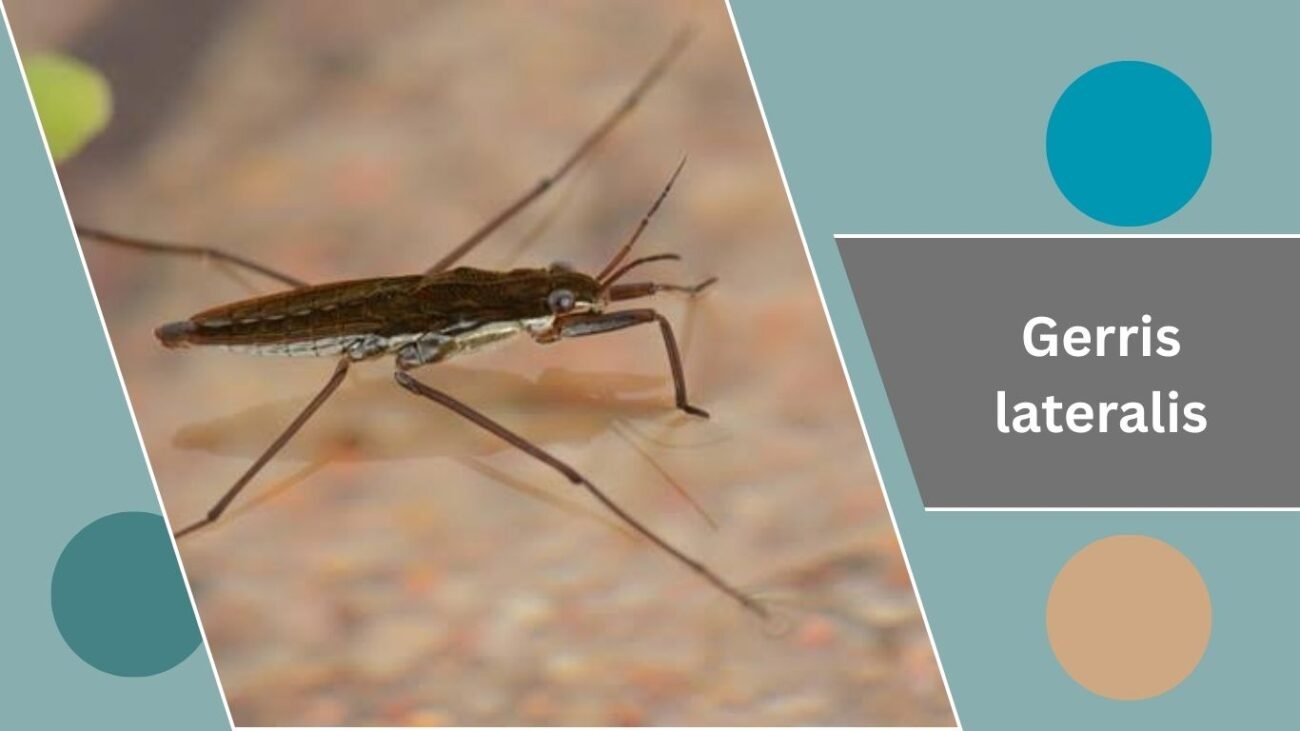
The Gerris lateralis is a small to medium-sized water strider commonly found across Europe. It is one of the more frequently encountered Gerris species and is recognized for its lateral body markings.
Identification
- Size ranges between 8–10 mm.
- Dark brown to black slender body.
- Distinct pale or reddish markings along the sides (lateral edges).
- Long legs relative to body size, well-adapted for surface skating.
Habitat
Gerris lateralis inhabits ponds, lakes, canals, and slow-moving rivers. It prefers shallow edges with aquatic vegetation and is often seen in groups during warm weather.
Behaviors
This species is very active on the water surface, using its sensitive legs to detect vibrations. It is social and often gathers in small clusters. Winged forms may appear seasonally to disperse and colonize new habitats.
Diet
Gerris lateralis feeds on small insects and invertebrates that fall onto the water surface, such as mosquitoes, gnats, and flies. It immobilizes prey with its forelegs before feeding on bodily fluids.
10. Gerris thoracicus
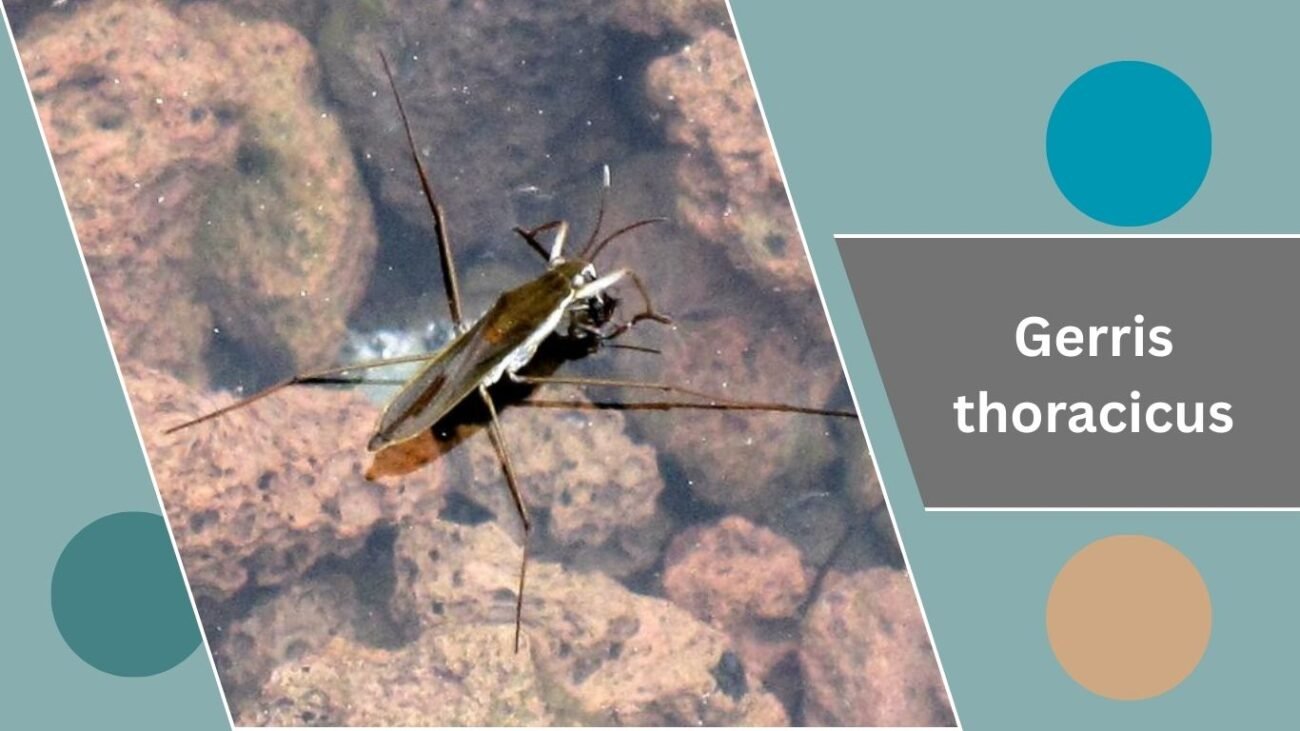
The Gerris thoracicus is a relatively small species of water strider, widespread across Europe. It is often recognized by its compact body shape and characteristic thoracic markings.
Identification
- Small to medium size, about 7–9 mm long.
- Dark brown to black body with distinctive pale or reddish markings on the thorax.
- Slim body with proportionally long legs.
- Often appears shorter and stockier compared to other Gerris species.
Habitat
Gerris thoracicus is commonly found in ponds, ditches, marshes, and still or slow-flowing streams. It prefers shallow edges with plenty of aquatic vegetation for cover and hunting.
Behaviors
This species is active during warm months and often forms groups on the water surface. It relies heavily on detecting surface vibrations for communication and hunting. Winged morphs may occasionally occur, enabling dispersal to new habitats.
Diet
Gerris thoracicus feeds on small insects and other invertebrates that land on or fall into the water, such as gnats, flies, and mosquito larvae. It uses its forelegs to capture prey and consumes it by sucking out internal fluids.
11. Trepobates pictus

The Trepobates pictus is a small water strider species native to the Americas, particularly Central and South America. It is distinguished by its compact body and characteristic color patterns.
Identification
- Small body size, usually 6–8 mm long.
- Dark body with pale or yellowish markings, often giving a “painted” appearance.
- Legs are relatively short compared to larger striders.
- Fine water-repellent hairs allow it to glide easily.
Habitat
Trepobates pictus inhabits ponds, marshes, ditches, and calm streams in tropical and subtropical regions. It prefers shallow edges with vegetation.
Behaviors
This species is fast and agile on the water surface. It detects ripples to locate prey and may form small groups in suitable habitats. Unlike some larger striders, it is less territorial.
Diet
Trepobates feed mainly on tiny insects and larvae trapped on the water surface. Its diet includes gnats, flies, and mosquito larvae, which it captures quickly and consumes by sucking fluids.
12. Limnoporus canaliculatus
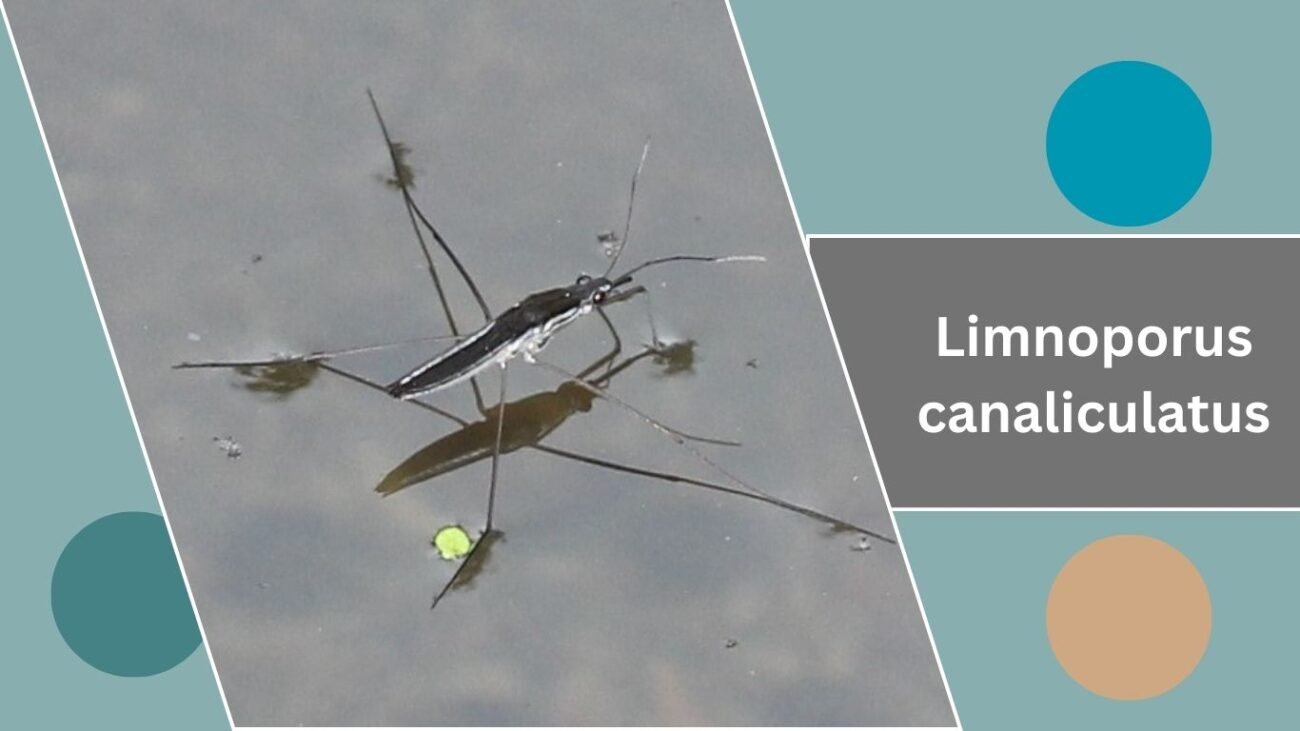
The Limnoporus canaliculatus is a large water strider species commonly found in North America. It is often recognized for its size and its tendency to inhabit still or slow-moving waters.
Identification
- Large body size, usually 12–16 mm long.
- Dark brown to black elongated body.
- Long legs with pale joints, well-suited for surface locomotion.
- Winged forms are common, aiding dispersal.
Habitat
Limnoporus canaliculatus is typically found in ponds, marshes, lakes, and calm sections of rivers. It prefers open water surfaces with little disturbance and often occupies habitats alongside other water striders.
Behaviors
This species is strong and agile, capable of covering large distances on water surfaces. It can also fly to colonize new water bodies. Like other striders, it communicates and hunts using ripple detection.
Diet
Limnoporus canaliculatus primarily feeds on insects that fall onto the water surface, including flies, gnats, and mosquito larvae. It captures prey with its forelegs and feeds by piercing and sucking fluids.
13. Rheumatobates rileyi
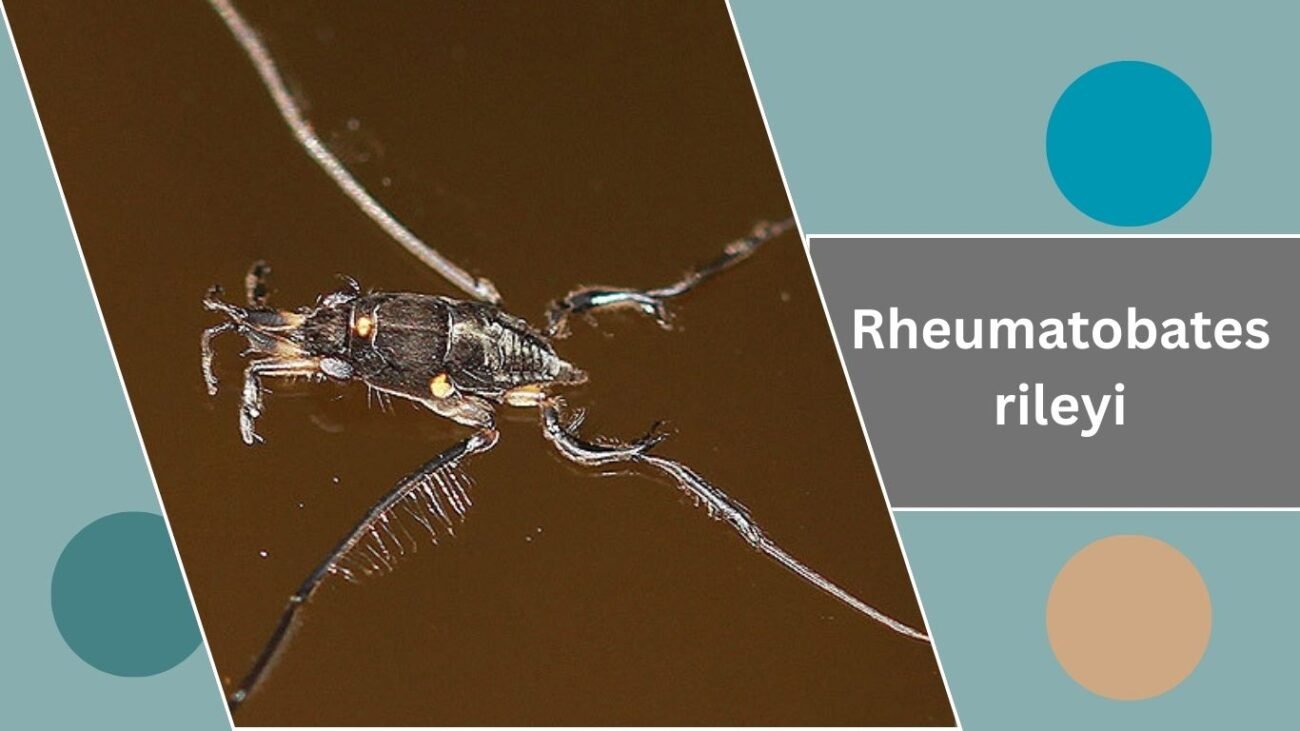
The Rheumatobates rileyi is a small, delicate water strider species native to the Americas. Unlike many other striders, it is adapted to both open water surfaces and areas with floating vegetation.
Identification
- Small size, usually 4–6 mm long.
- Slender, elongated body with dark coloration.
- Legs are long and thin relative to body size.
- Fine hairs on legs allow efficient movement across water.
Habitat
Rheumatobates rileyi inhabits ponds, marshes, and slow-moving streams. It often prefers quiet areas with floating plants or debris, where it can hunt and find shelter.
Behaviors
This species is quick and agile on the water, often darting rapidly to capture prey. It is less territorial than larger striders and can be found in small groups. Some individuals may develop wings for dispersal.
Diet
Rheumatobates rileyi feed on tiny insects and larvae trapped on the water surface, such as midges and mosquito larvae. It pierces its prey and consumes their internal fluids.