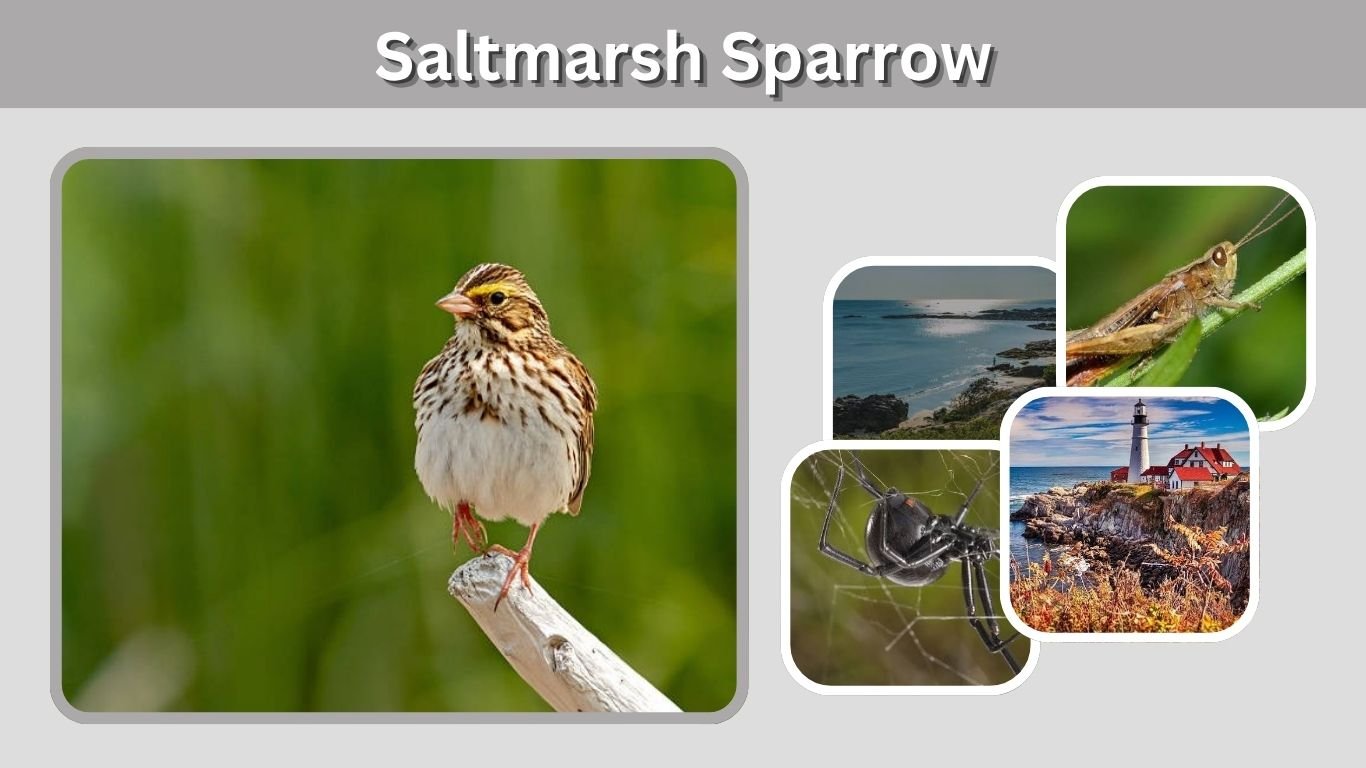
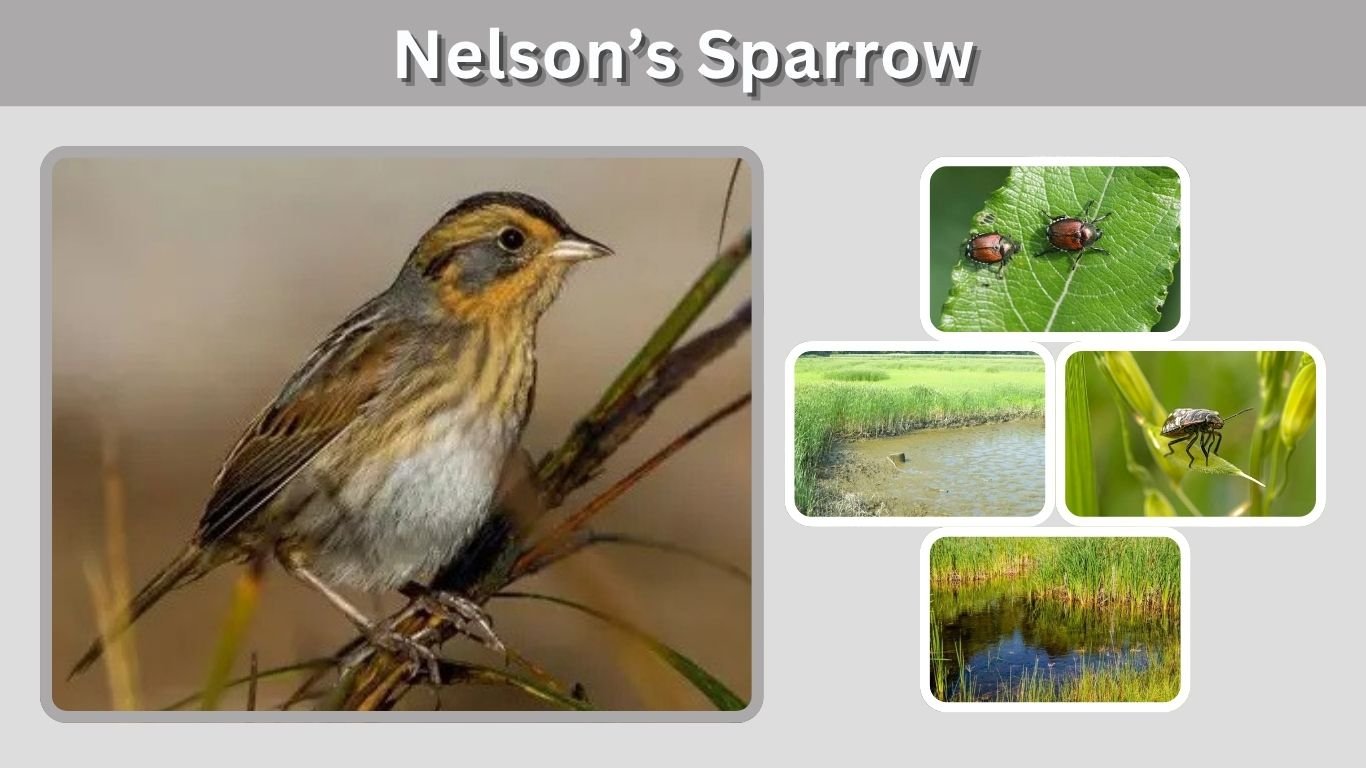
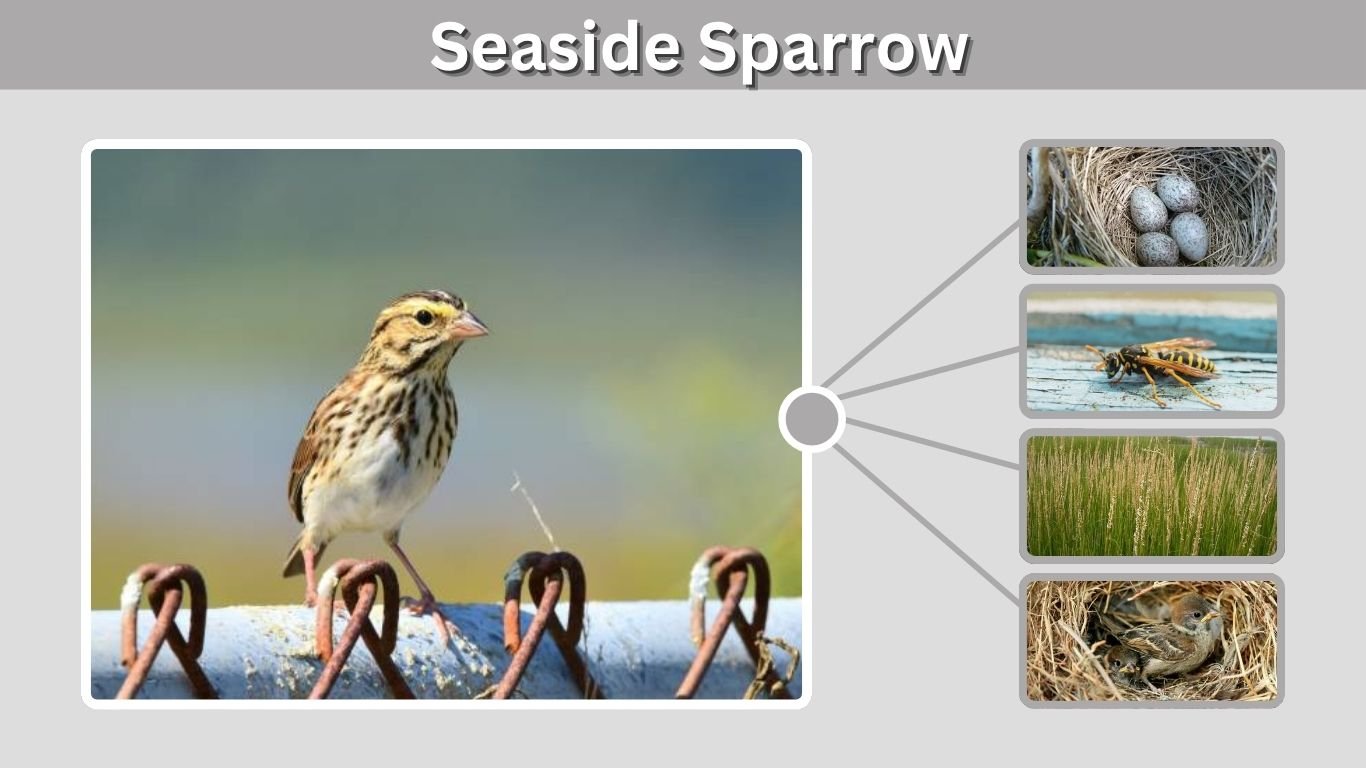
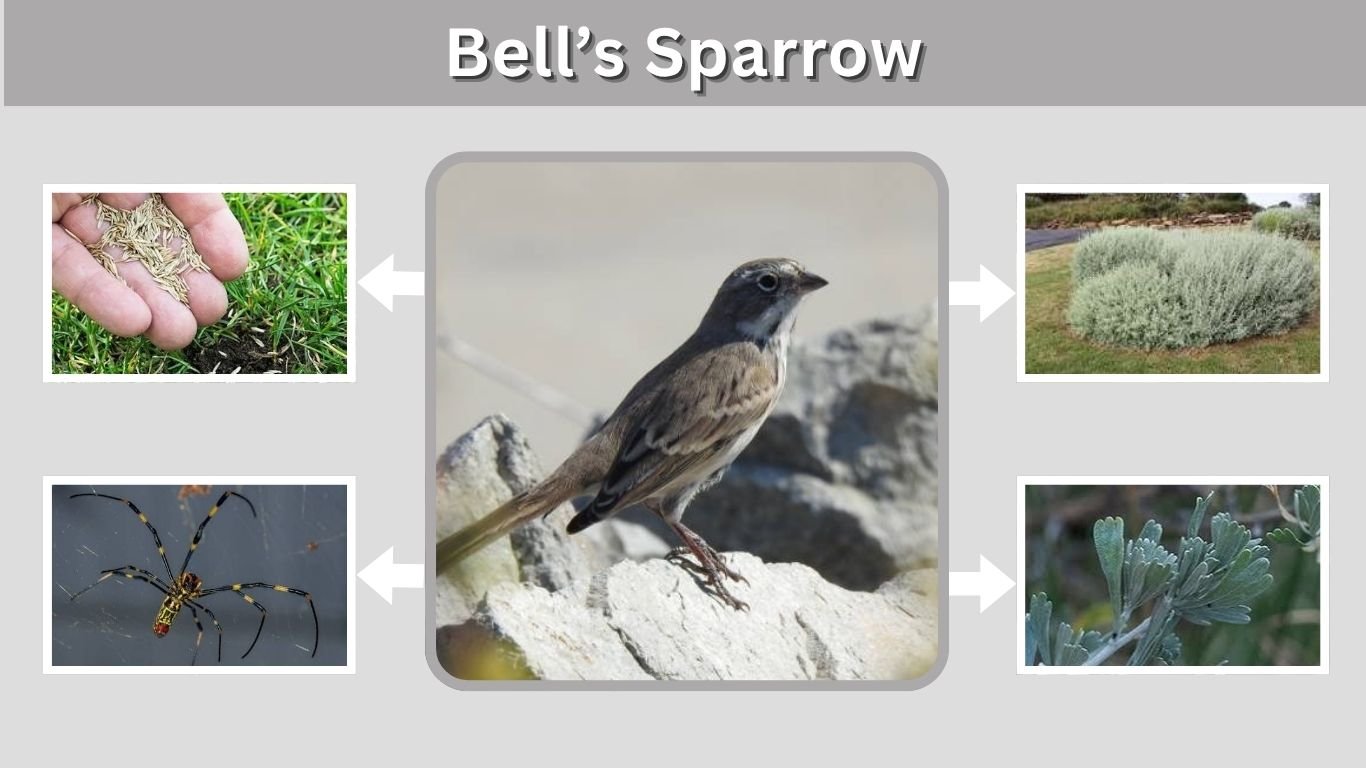
Sparrows are among the most familiar and widespread birds in the world. These small, lively creatures thrive in both rural farmlands and bustling cities, adapting perfectly to life alongside humans. Their constant chirping and social nature make them easy to spot, yet few people know much about how long they live or where they make their homes. In this article, we’ll explore the lifespan of sparrows, what affects their survival, and the various places they inhabit across the globe.
Understanding Sparrow Lifespan
Average Lifespan
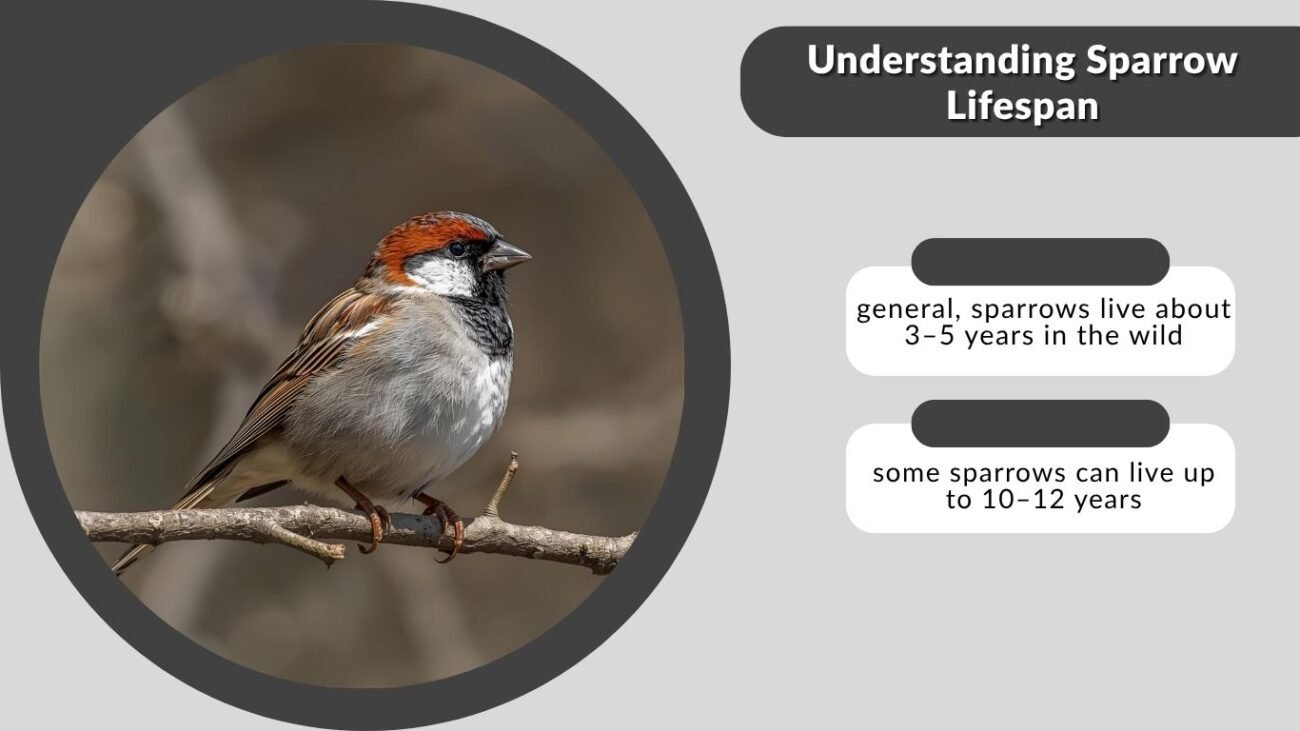
The average lifespan of a sparrow largely depends on its environment and species. In general, sparrows live about 3–5 years in the wild, though many don’t survive their first year due to natural threats like predators or harsh weather. However, under ideal conditions with ample food and shelter, some sparrows can live up to 10–12 years, particularly in protected environments.
These birds reproduce quickly, which helps maintain their numbers even with a short life expectancy. Despite their tiny size, sparrows are remarkably resilient and capable of surviving in diverse climates — from humid tropics to cold urban areas.
Factors Influencing Lifespan
Several factors influence how long sparrows live, both in the wild and captivity:
- Predators: Cats, snakes, crows, and hawks often prey on sparrows.
- Food Availability: Areas rich in grains, seeds, and insects help sparrows live longer.
- Weather: Extreme cold or heavy rainfall can reduce survival rates, especially for chicks.
- Diseases: Parasites and viral infections can shorten lifespan.
- Human Impact: Pollution, lack of nesting areas, and modern architecture limit their habitats.
Sparrows living near people may enjoy easier access to food but also face dangers like vehicle collisions and glass-window impacts.
Wild vs. Captivity
There’s a major difference between sparrows in the wild and those in captivity.
- In the wild, sparrows have an average life of 3–5 years because of environmental stress and predators.
- In captivity, such as when kept as pets or in aviaries, they can live up to 10–12 years, thanks to consistent food, clean water, and protection from threats.
The Java Sparrow, a popular cage bird, is an excellent example of this — often living more than a decade with proper care.
Lifespan by Sparrow Species
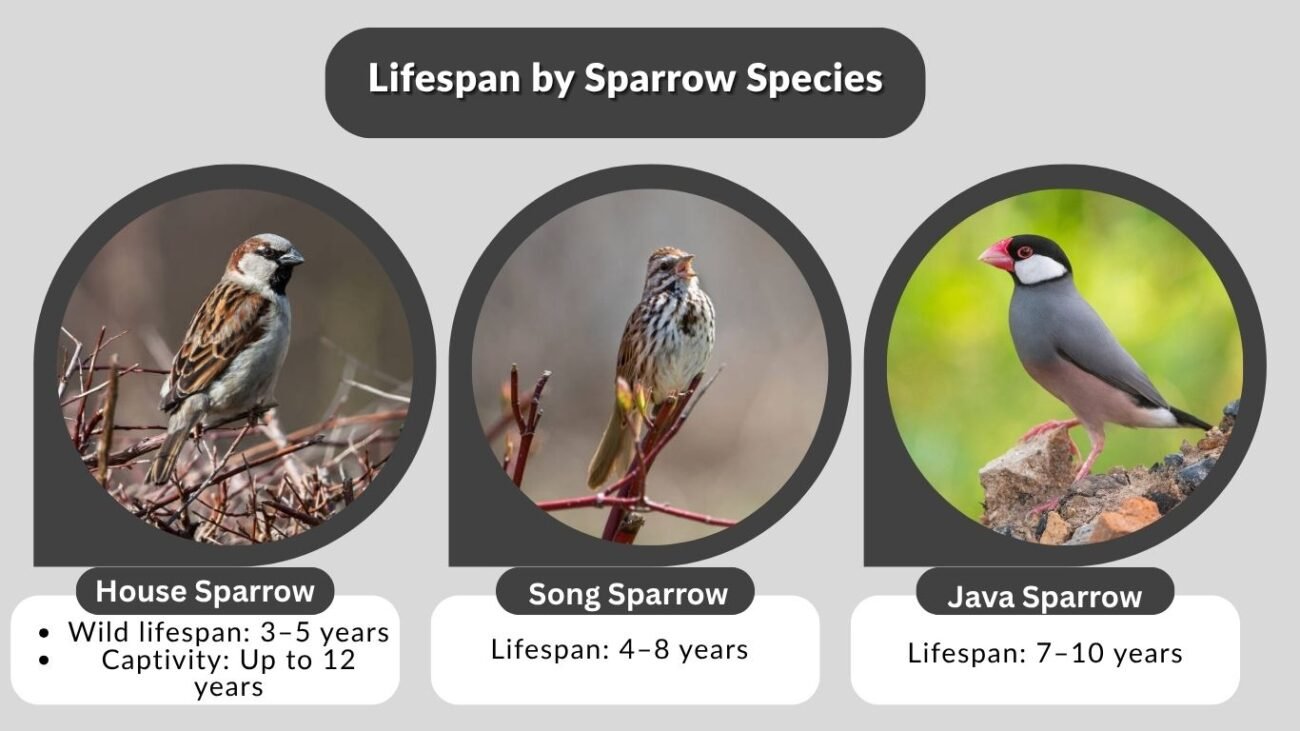
Sparrows are not a single species but a group of many similar small birds. Here are some of the most common types and their typical lifespans:
House Sparrow (Passer domesticus)
The most widespread species, found almost everywhere humans live.
- Wild lifespan: 3–5 years
- Captivity: Up to 12 years
They are sturdy, adaptable, and easily recognized by their grey heads, brown wings, and black bibs (in males).
Song Sparrow (Melospiza melodia)
Known for its musical call and wide distribution in North America.
- Lifespan: 4–8 years
They prefer shrubby wetlands and open gardens where they can sing from high perches.
Java Sparrow (Padda oryzivora)
Native to Java and Bali, this sparrow is often kept as a pet worldwide.
- Lifespan: 7–10 years
With their bright pink beaks and sleek plumage, Java Sparrows are hardy and social when well cared for.
White-Crowned and White-Throated Sparrows
Both North American species are known for their distinctive head stripes.
- Lifespan: 5–7 years
They migrate between cold northern breeding grounds and warmer winter habitats.
Other Notable Types
- Cape Sparrow (Africa): Around 6 years
- Eurasian Tree Sparrow: About 5 years
- Sparrowhawk (not a true sparrow): 4–7 years
Though varied in species, most sparrows share a similar size and lifestyle, which explains their consistent life expectancy range.
How Long Can a Sparrow Survive Without Food or Water
Sparrows have very fast metabolisms and must eat frequently to maintain energy. On average:
- Without food, they survive only 1–2 days.
- Without water, most perish within 24 hours, especially in hot conditions.
They depend heavily on daily access to seeds, grains, and small insects. In cities, sparrows often rely on leftover crumbs or seeds from bird feeders. In rural regions, they feed on grains from farmlands or insects found in grass and soil.
A shortage of food or nesting resources during winter can drastically reduce their lifespan, especially for young or old sparrows.
Where Do Sparrows Live
Global Distribution
Sparrows are truly cosmopolitan birds, found on nearly every continent except Antarctica. They originally evolved in Eurasia and Africa but have since spread worldwide. Today, they thrive in countries like India, the United States, Canada, Australia, and much of Europe.
Their close association with humans has helped them survive in urban environments. Wherever people live, sparrows follow — nesting on buildings, feeding near markets, and roosting under eaves and bridges.
Preferred Habitats
Sparrows are not picky about where they live as long as food and shelter are available. They can be found in:
- Cities and towns: On rooftops, near parks, or inside street vents.
- Villages and farmlands: In barns, fences, and tree hollows.
- Natural areas: Shrubs, forests, and open grasslands.
They prefer dry, open spaces and avoid dense rainforests or deserts. Their flexible nature allows them to adjust easily to both wild and urban life.
Nesting Locations
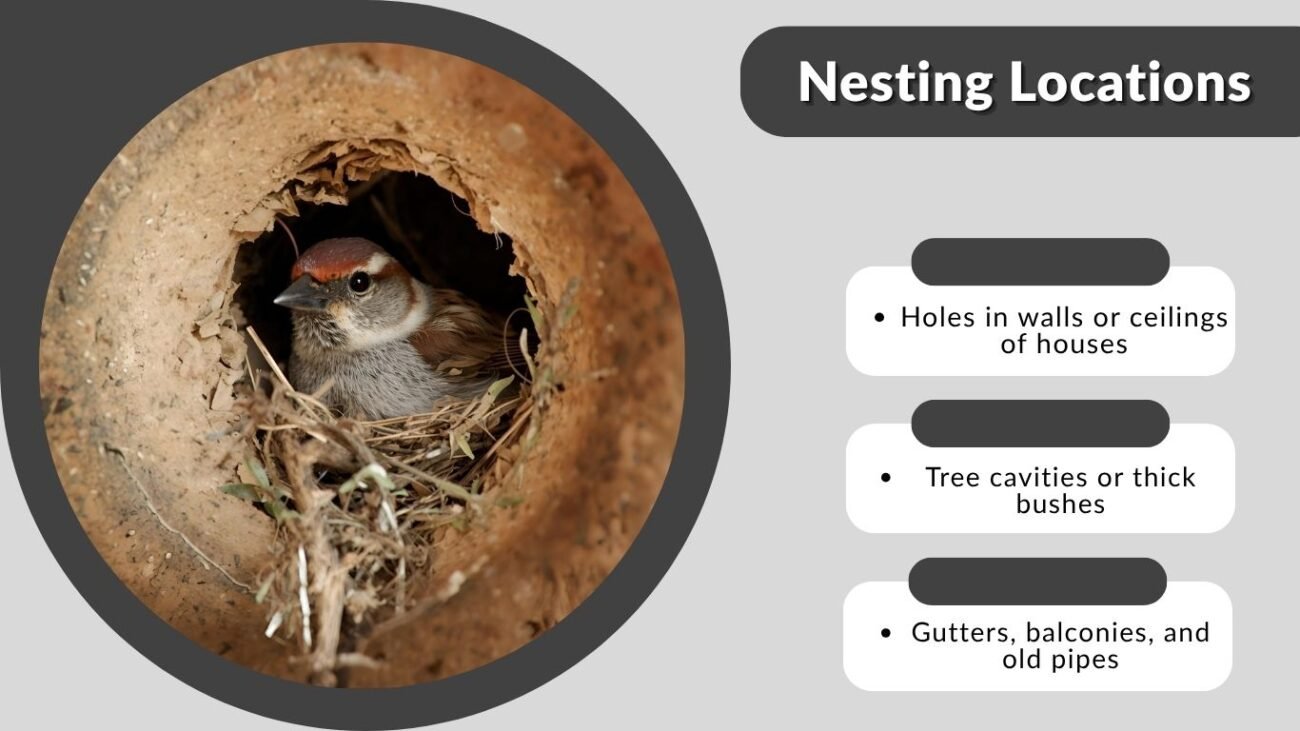
Sparrows are resourceful nest builders and can adapt to almost any available structure. They commonly build nests in:
- Holes in walls or ceilings of houses
- Tree cavities or thick bushes
- Streetlights and traffic signals
- Gutters, balconies, and old pipes
Their nests are typically made of dry grass, straw, feathers, and twigs. The inside is carefully lined with soft materials to keep eggs and chicks warm. Sparrows reuse their nests multiple times or build new ones nearby during the next breeding season.
Each nest usually holds 3 to 5 small white or speckled eggs, and both parents share the responsibility of incubation and feeding. Their parental cooperation and strong instincts make them successful breeders in almost every environment.
Where Different Sparrow Species Live
House Sparrow
The House Sparrow (Passer domesticus) is one of the most recognizable and widespread birds on Earth.
It thrives wherever humans are found — in cities, towns, farms, and villages. These birds nest in crevices of buildings and even public transport terminals. They are especially abundant in Asia, Europe, and North America. Their dependence on human environments makes them easy to observe and a true symbol of coexistence between wildlife and people.
Song Sparrow
Native to North America, the Song Sparrow (Melospiza melodia) prefers gardens, marshes, and shrubs.
Unlike the house sparrow, this bird favors natural habitats with thick vegetation for protection. It is known for its rich, melodic song and territorial behavior. Each bird has its own tune, helping it attract mates and warn rivals.
Java Sparrow
The Java Sparrow (Padda oryzivora) originates from Java and Bali in Indonesia but is now kept as a pet worldwide.
In the wild, it lives in tropical fields, rice paddies, and open woodlands. When domesticated, Java Sparrows thrive in large cages or aviaries, especially when kept in pairs or small groups. With good care, they live 7–10 years and are admired for their calm temperament and soft chirping.
White-Crowned & White-Throated Sparrows
These species inhabit North America and are known for their distinctive head patterns.
They breed in northern tundra and forest edges but migrate south during winter. They prefer open areas with low shrubs and are often seen hopping along the ground in search of seeds.
Regional Mentions
- India: Home to millions of house sparrows that live around human dwellings.
- Africa: The Cape Sparrow thrives in dry savannas and farmlands.
- Europe: The Eurasian Tree Sparrow prefers parks and countryside.
- America: Song sparrows dominate wetlands and backyards.
Each region’s climate and vegetation shape the way sparrows live and nest.
Sparrow Behavior and Social Life
Living in Groups
Sparrows are extremely social birds. They often live and travel in flocks or colonies, especially during the non-breeding season. This behavior provides:
- Safety in numbers from predators
- Better chances to find food
- Warmth when roosting together at night
During the breeding season, sparrows pair off but still remain near other nests in small colonies. Communication through chirps and songs keeps the group organized and alert to danger.
Nesting and Breeding Behavior
Sparrows breed several times a year, especially in warmer climates.
- Eggs per clutch: 3–5
- Incubation period: About 10–14 days
- Fledging: Young birds leave the nest after two weeks
Both parents feed the chicks a mix of soft insects and seeds. Once grown, juveniles often remain close to the colony. This close-knit social structure is a major reason for the sparrow’s survival success.
Use of Birdhouses
In cities where natural cavities are scarce, sparrows quickly adapt by nesting in birdhouses or small artificial shelters.
To attract sparrows, birdhouses should be placed:
- 2–3 meters above the ground
- In a shaded, quiet area
- Near food and water sources
Providing such homes has helped boost sparrow populations in areas where they were declining.
Sparrows in Captivity and as Pets
Keeping Java Sparrows
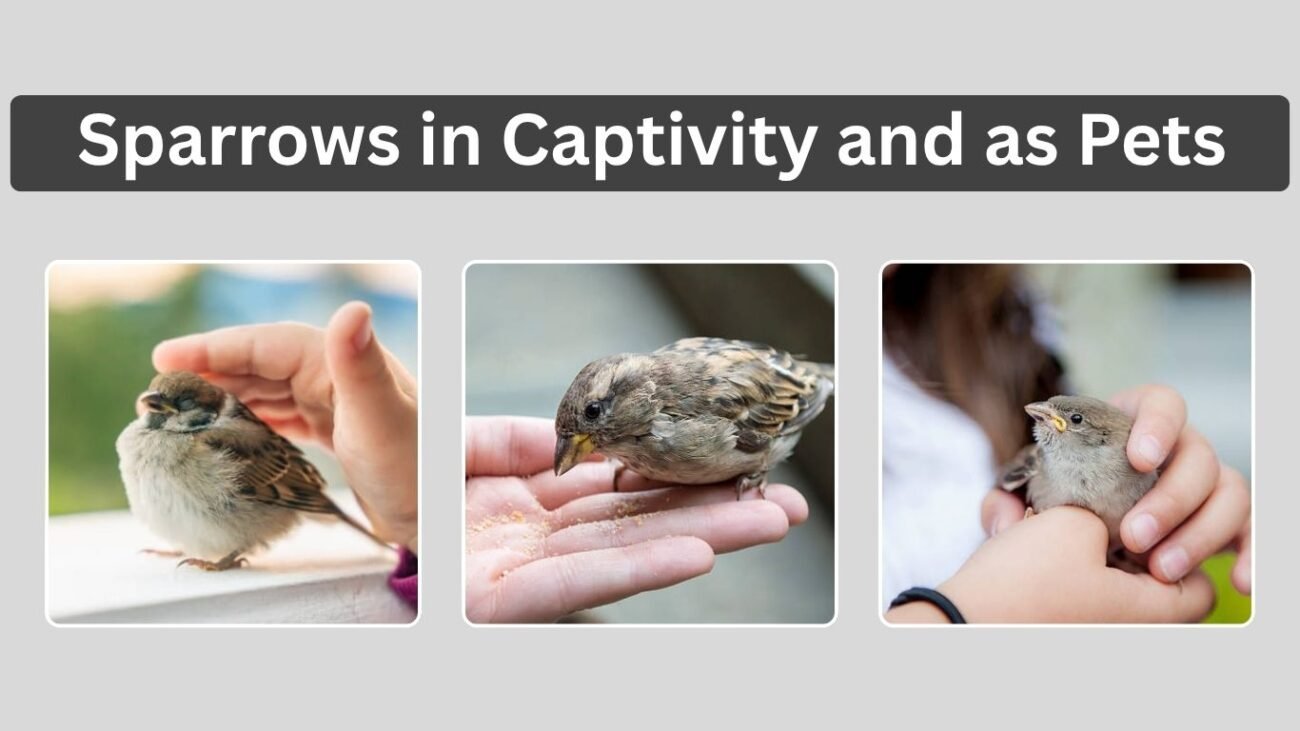
Among all sparrow types, the Java Sparrow is the most popular as a pet. They are calm, friendly, and easy to care for.
To keep them healthy:
- Provide a spacious cage with room to fly
- Feed a diet of seeds, grains, fruits, and vegetables
- Keep them in pairs or small groups to prevent loneliness
With proper care, Java Sparrows can live over 10 years, much longer than their wild relatives.
Coexisting with Other Birds
Java Sparrows can safely live with small, peaceful birds such as:
- Finches
- Canaries
- Zebra doves
However, they should not be kept with aggressive or larger species. Their gentle nature makes them ideal companions for quiet aviaries.
Conservation and Coexistence with Humans
Decline in Urban Populations
Despite their adaptability, sparrows have seen population declines in many cities due to:
- Loss of nesting spaces in modern buildings
- Air and noise pollution
- Pesticide use reducing insect food sources
- Competition from invasive bird species
In places like India and the UK, conservation campaigns such as “Save the Sparrow” have been launched to restore their numbers.
How to Help Sparrows Thrive
Anyone can help sparrows by creating a bird-friendly environment:
- Install bird feeders and nesting boxes
- Avoid harmful pesticides
- Grow native plants that produce seeds and attract insects
- Provide clean water bowls or birdbaths
These small actions make a big difference in helping sparrows survive and flourish in urban areas.
Importance in Ecosystems
Sparrows may be small, but their ecological role is significant. They:
- Control insects that harm crops
- Disperse seeds of native plants
- Indicate environmental health — their presence signals a balanced ecosystem
When sparrows thrive, it’s often a sign that the local environment is healthy and sustainable.
Key Takeaways
- The average lifespan of sparrows is 3–5 years in the wild and up to 12 years in captivity.
- They are found worldwide, except in Antarctica.
- Sparrows are social birds that live in colonies, build nests in walls or trees, and cooperate in feeding their young.
- Conservation efforts are essential as urbanization threatens their nesting spaces.
- Simple actions like installing birdhouses or avoiding pesticides can help bring sparrows back to our neighborhoods.
FAQs
How long do sparrows live in the wild?
Most sparrows live 3–5 years in the wild, but a few individuals can reach up to 10 years under ideal conditions.
Can sparrows live as pets?
Yes, especially Java Sparrows, which can live 7–10 years with good care, proper diet, and social companionship.
Where do sparrows go in winter?
They usually stay close to human settlements, roosting in warm sheltered places like rooftops, attics, or dense hedges.
How many sparrows live together in a colony?
Colonies can range from 10 to over 100 birds, depending on the availability of food and nesting spots.
Why are sparrows important to humans?
Sparrows help control pests, pollinate plants, and signal environmental balance, making them vital for both nature and agriculture.