










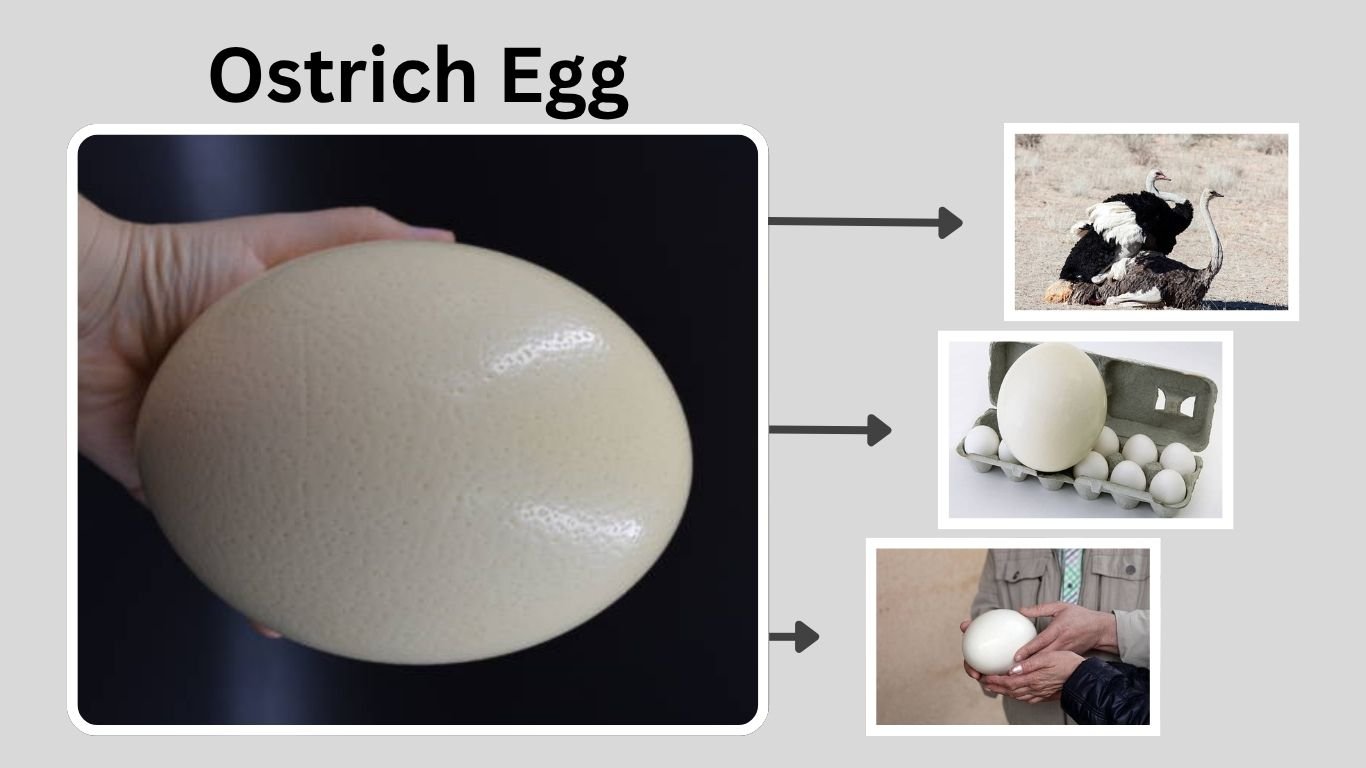
The ostrich egg is one of nature’s most impressive creations — massive, smooth, and strong enough to hold the weight of a person. As the largest egg laid by any living bird, it’s not only a wonder of the natural world but also a fascinating ingredient in gourmet cuisine and a prized item for collectors. Known for its mild taste and nutritional richness, the ostrich egg continues to captivate chefs, farmers, and curious minds worldwide.
What Is an Ostrich Egg?
Size and Weight
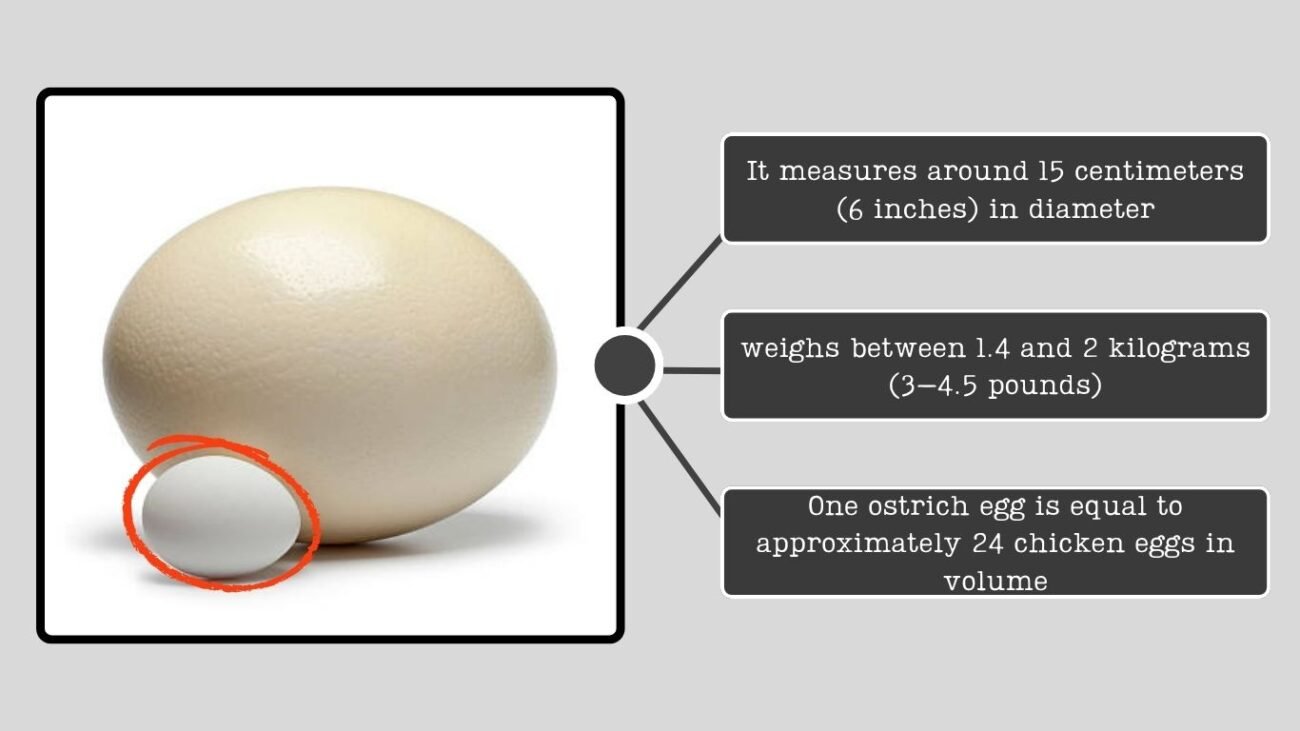
The ostrich egg is truly monumental compared to other bird eggs. On average, it measures around 15 centimeters (6 inches) in diameter and weighs between 1.4 and 2 kilograms (3–4.5 pounds). One ostrich egg is equal to approximately 24 chicken eggs in volume, making it large enough to feed an entire family. The eggshell, about 3 millimeters thick, is the strongest of all bird eggs — sturdy enough to support the weight of an adult human without breaking.
These eggs have a naturally glossy surface and range in color from ivory white to pale cream. Each shell is smooth and beautifully patterned with small pores, helping the embryo inside breathe during incubation. Because of their durability and size, ostrich eggs are often reused for decorative art and crafts once emptied.
Structure and Appearance
Inside an ostrich egg lies a bright yellow yolk that makes up nearly one-third of its weight, surrounded by a rich, dense egg white. The yolk alone can weigh over half a kilogram, giving it a buttery flavor when cooked. The thick shell and sturdy membrane protect it from harsh climates and predators in the wild. It’s an architectural marvel of nature — designed to endure both intense sunlight and the occasional trampling in communal nests shared by several females.
Nutritional Value and Protein Content
Nutrition Facts
Ostrich eggs are packed with nutrients that make them an exceptional source of energy and protein. A single egg contains around 2,000 calories and 230 grams of protein, making it ideal for large households or athletes looking for a natural protein boost. The yolk is rich in vitamins A, E, D, and B12, along with minerals like iron, phosphorus, and calcium. Despite its size, the ostrich egg is relatively low in cholesterol per gram compared to chicken eggs.
A 100-gram portion of ostrich egg provides roughly:
- Calories: 155
- Protein: 13 grams
- Fat: 11 grams
- Carbohydrates: 0.7 grams
- Iron: 1.8 mg
It’s a nutrient-dense food that supports muscle growth, energy, and overall health while remaining versatile in the kitchen.
Ostrich Egg vs Chicken Egg
When compared side by side, ostrich eggs are nutritionally richer and far more filling than chicken eggs. They offer a slightly higher ratio of protein to fat, making them a great choice for those following high-protein or balanced diets. While both eggs are similar in taste, the ostrich egg has a creamier texture and a more delicate flavor.
In terms of cooking, one ostrich egg can replace two dozen chicken eggs in recipes like omelettes or baked goods. However, due to its size, it takes significantly longer to cook — boiling one can take nearly 45 minutes to reach a firm texture. For large gatherings or restaurants specializing in exotic dishes, ostrich eggs are a convenient and nutritious alternative.
Taste and Culinary Qualities
The taste of an ostrich egg is mild and buttery, closely resembling a chicken egg but with a smoother and less sulfurous flavor. Its texture is slightly denser, especially in scrambled or baked dishes, and it has a natural richness that pairs well with herbs, vegetables, and lean meats. The yolk’s golden color deepens when cooked, giving dishes a visually striking appearance.
Because of its mild flavor, the ostrich egg is incredibly versatile. It can be fried, scrambled, baked, or used in pastries and desserts. Many chefs use it for large omelettes, breakfast platters, and creative recipes that make the most of its size and nutritional punch.
Ostrich Reproduction and Egg Farming
How Often Do Ostriches Lay Eggs?
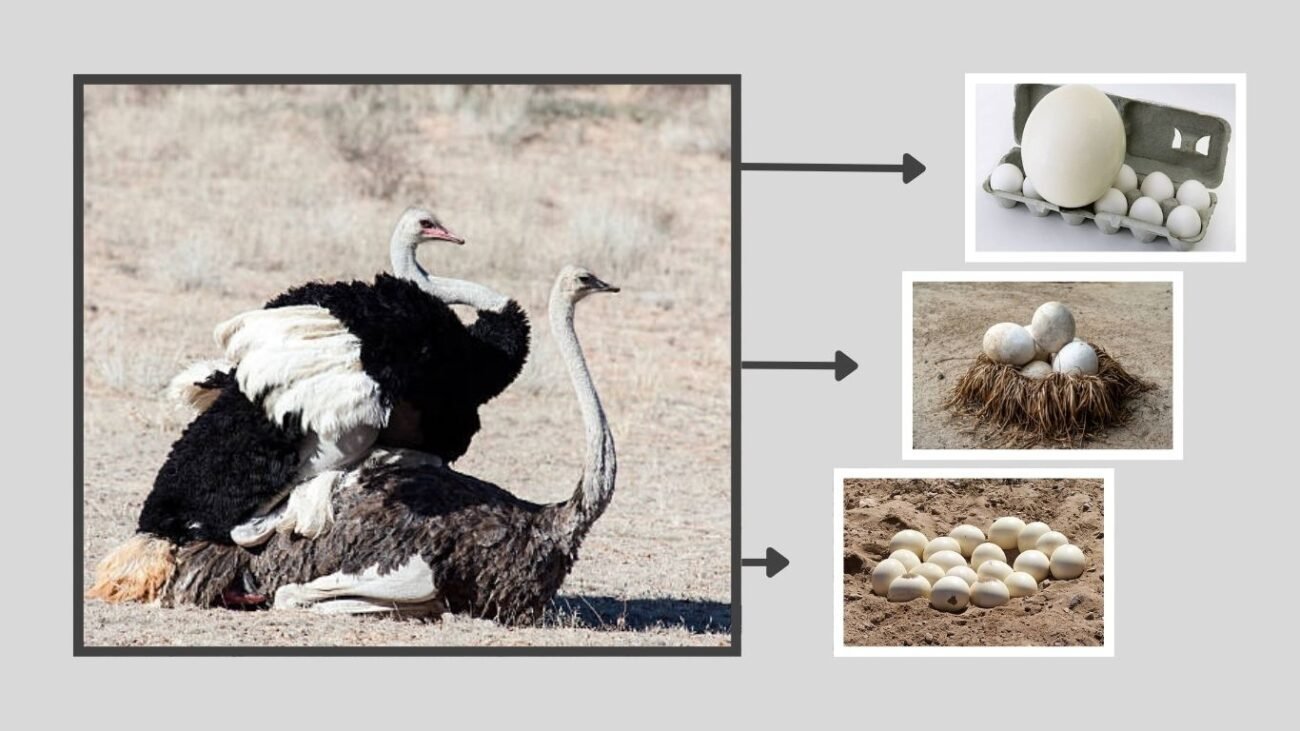
Ostriches are prolific layers, producing eggs mainly during the breeding season between spring and early summer. In the wild, females lay one egg every two to three days, contributing to a communal nest shared by multiple females. A healthy ostrich can lay between 30 and 50 eggs per season, depending on its age and environmental conditions.
On farms, egg production is carefully managed. Farmers collect eggs daily to prevent damage and encourage continued laying. With proper diet, lighting, and stress-free environments, farmed ostriches can lay even more regularly than wild ones.
Incubation and Hatching
After laying, the eggs are incubated for about 42 to 46 days. Both the male and female take turns keeping the eggs warm — the male typically at night and the female during the day. The large eggs require consistent temperatures of around 97.5°F (36.5°C) to develop properly.
In commercial settings, artificial incubators are used to maintain ideal conditions. The thick shells make humidity control crucial to prevent the embryos from drying out. Once hatched, ostrich chicks grow rapidly and can reach adult size within a year.
Farming Practices
Ostrich farming has become increasingly popular across Africa, the United States, and parts of Asia. The eggs are collected not only for consumption but also for decorative use and hatching programs. Modern farms ensure humane conditions with large enclosures, open feeding areas, and climate control to protect the birds from stress.
Ostrich farmers also monitor diet closely — offering grains, greens, and calcium supplements to promote strong shells and healthy chicks. This sustainable farming model supports local economies while providing consumers with unique and eco-friendly products.
Cooking with Ostrich Eggs
Preparation and Storage
Cooking an ostrich egg begins with breaking through its thick shell — a task that often requires a small drill or hammer and chisel. Once opened, it can yield up to 1.5 liters of liquid, enough to serve 10–12 people. The egg’s contents can be stored in the refrigerator for three to five days after opening if sealed in an airtight container. Because the yolk is so large, many chefs whisk it thoroughly before cooking to achieve an even texture.
Ostrich eggs are perfect for family gatherings, restaurants, or novelty dishes. Their mild taste blends well with herbs, vegetables, and cheese, making them a creative centerpiece for breakfast or brunch events.
Popular Recipes
- Fried Ostrich Egg: A giant sunny-side-up that can feed several people. Best cooked slowly to ensure even heat distribution.
- Ostrich Egg Omelette: Whisked with milk, herbs, and diced vegetables; light and fluffy when cooked over medium heat.
- Scrambled Ostrich Egg: Creamy and rich, offering a buttery flavor similar to chicken eggs but with a denser texture.
- Deviled Ostrich Eggs: Hard-boiled eggs stuffed with seasoned yolk filling — a dramatic twist on a classic appetizer.
- Baked Ostrich Egg Custard: A sweet dish that uses the yolk’s creaminess for a silky, custard-like finish.
Cooking Tips
Boiling an ostrich egg takes about 45–50 minutes for a firm yolk or 30 minutes for a softer one. The thick shell retains heat well, so allowing the egg to rest after boiling ensures an even cook. For baking or frying, it’s essential to mix the yolk and white thoroughly before use. The egg’s richness pairs well with spices like paprika, garlic, and chives, while its texture makes it excellent for large pancakes or crepes.
Where to Buy Ostrich Eggs
Online Stores and Marketplaces
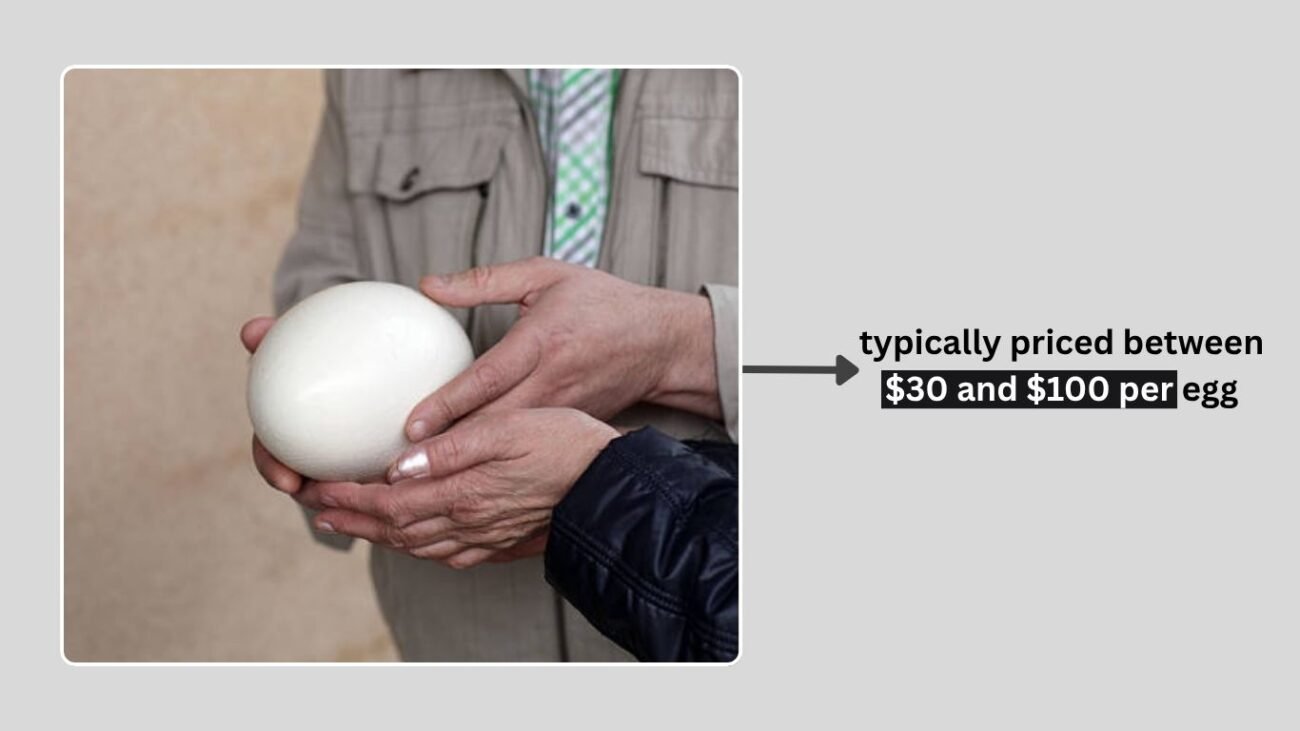
Ostrich eggs are available for purchase online from specialty farms and exotic food suppliers. Many reputable vendors ship both edible and decorative eggs, ensuring safe packaging to prevent damage. Websites like Amazon, farm-specific shops, and gourmet markets often list ostrich eggs for sale, typically priced between $30 and $100 per egg. Buyers can choose between raw edible eggs, hatching eggs for farming, or empty shells for crafts.
Local and Farm Sources
For those who prefer fresh, locally sourced options, visiting an ostrich farm is the best choice. Farms such as OstrichLand USA (California) and Rooster Cogburn Ostrich Ranch (Arizona) sell fresh eggs directly to visitors. Buying locally guarantees freshness and supports ethical farming. Some farms also offer tours, allowing customers to see how ostriches are raised and how eggs are collected.
Wholesale buyers, such as restaurant owners or caterers, can also purchase in bulk, often receiving discounted rates.
Price and Cost Range
The cost of an ostrich egg varies by purpose:
- Edible Eggs: $30–$60 each
- Decorative/Empty Shells: $20–$40
- Hatching Eggs: $80–$150 (depending on fertility rates)
Factors that affect price include freshness, shipping distance, and whether the egg is sold for culinary or artistic use. Because of their rarity and size, ostrich eggs remain a luxury item compared to standard poultry eggs.
Decorative and Artistic Uses
Cultural and Craft Applications
For centuries, ostrich eggs have been used as symbols of fertility, beauty, and creation. Ancient African and Middle Eastern cultures carved and painted eggshells for ceremonial purposes. Today, artisans continue this tradition by transforming empty shells into decorative masterpieces. Painted ostrich eggs often feature intricate wildlife scenes, calligraphy, or geometric designs, while carved eggs are polished to a pearly shine.
These artistic eggs are popular in souvenir markets and home décor shops, especially in Africa and parts of Asia. They make elegant centerpieces and are frequently gifted as unique collectibles.
Value of Ostrich Egg Shells
Empty or carved ostrich eggs typically sell for $20–$100, depending on craftsmanship and design complexity. Artists carefully drain and clean the eggs before applying paint or carving tools. The thick shell provides a durable canvas, ensuring the artwork lasts for decades. Many eco-conscious artisans also use discarded shells from farms, giving new life to what would otherwise be waste material.
Ostrich Eggs in Stardew Valley
Ostrich eggs aren’t just a real-world marvel — they also appear in the popular farming game Stardew Valley. In the game, players can obtain an ostrich egg from Ginger Island or by using an Ostrich Incubator in their barn. Once hatched, the ostrich produces more eggs every few days, mirroring real-life breeding patterns. These virtual eggs can be sold for high in-game profits or used to create valuable artisan goods.
This fun crossover highlights how ostriches have entered modern culture, connecting wildlife education with entertainment.
Fun Facts About Ostrich Eggs
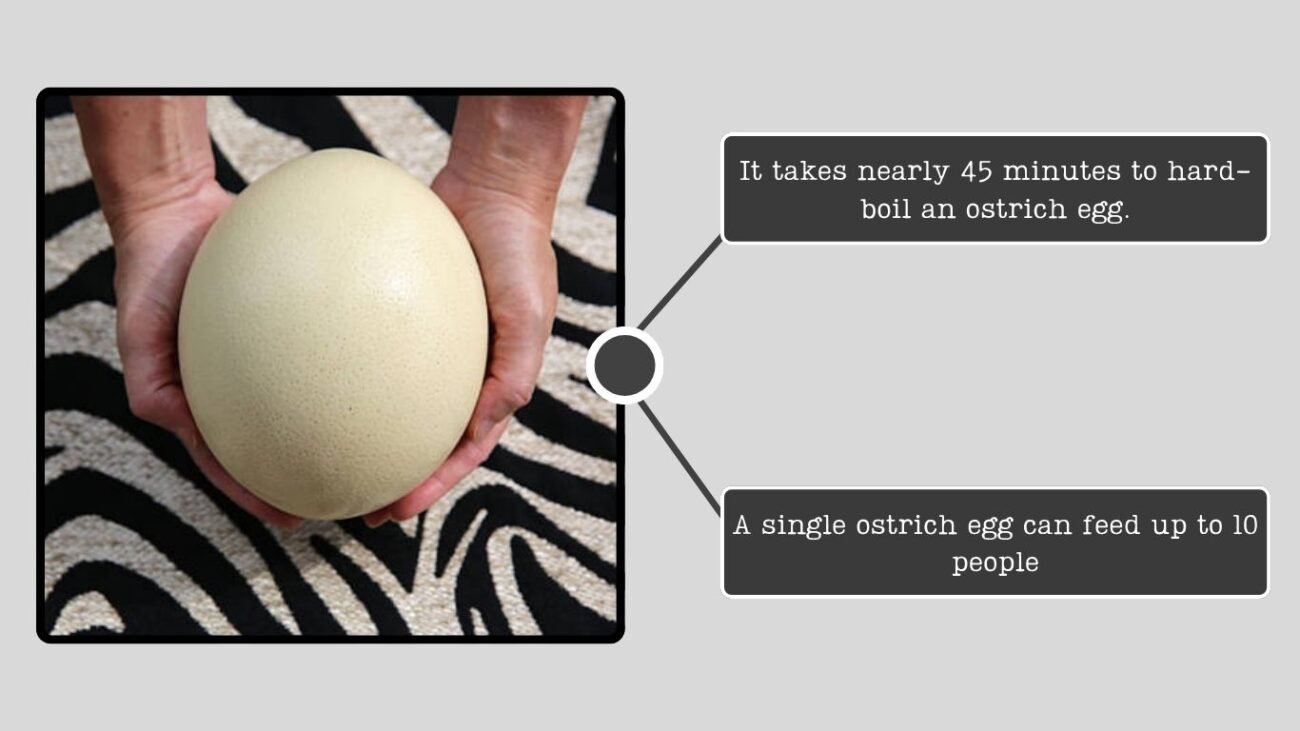
- A single ostrich egg can feed up to 10 people.
- The eggshell is so strong it can support up to 120 kilograms (265 pounds).
- It takes nearly 45 minutes to hard-boil an ostrich egg.
- Ostriches lay their eggs in communal nests shared by multiple females.
- The empty shell has been used as a water container by African tribes for centuries.
FAQs
How much protein is in an ostrich egg?
An ostrich egg contains roughly 230 grams of protein, equivalent to two dozen chicken eggs, making it one of the most protein-rich natural foods available.
Can you eat ostrich eggs?
Yes. They are fully edible and have a flavor similar to chicken eggs, though slightly milder and creamier. They’re safe to cook in the same ways as smaller eggs.
How much does an ostrich egg cost?
Prices range from $30 to $100 per egg, depending on freshness and purpose (edible, decorative, or hatching). Decorative eggs may cost more if hand-painted or carved.
Where can I buy ostrich eggs?
You can buy them online from exotic food markets or directly from ostrich farms like OstrichLand USA. Some local specialty stores may also carry them seasonally.
What does an ostrich egg taste like?
Ostrich eggs taste slightly richer than chicken eggs, with a smooth, buttery texture. Their mild flavor makes them suitable for any dish that uses regular eggs.


