











The ostrich’s legs are among the most powerful and fascinating features in the animal kingdom. Designed for incredible speed, balance, and defense, these limbs define the bird’s entire lifestyle. Beyond biology, ostrich legs have inspired industries—from culinary delicacies to luxury leather goods. Their strength, texture, and adaptability make them not only vital for survival in the wild but also highly valuable to humans.
The Importance of Ostrich Legs
Ostrich legs are nature’s perfect engineering for life on the ground. Unlike flying birds, ostriches rely entirely on their legs for movement, escape, and defense. Their muscular structure allows them to run at extraordinary speeds while maintaining balance on open plains. These same legs, once purely functional, have now found new significance in fashion, food, and design industries due to their durability and unique texture.
Anatomy of Ostrich Legs
Structure and Composition
Each ostrich leg is a marvel of strength and efficiency. The main bones—femur, tibiotarsus, and tarsometatarsus—are long and dense, providing a sturdy foundation for movement. Their legs contain strong tendons that act like springs, storing and releasing energy during each stride. Instead of multiple toes, ostriches have only two, a rare trait in birds. The larger toe carries most of the weight, while the smaller one helps with balance and grip.
Leg Length and Proportions
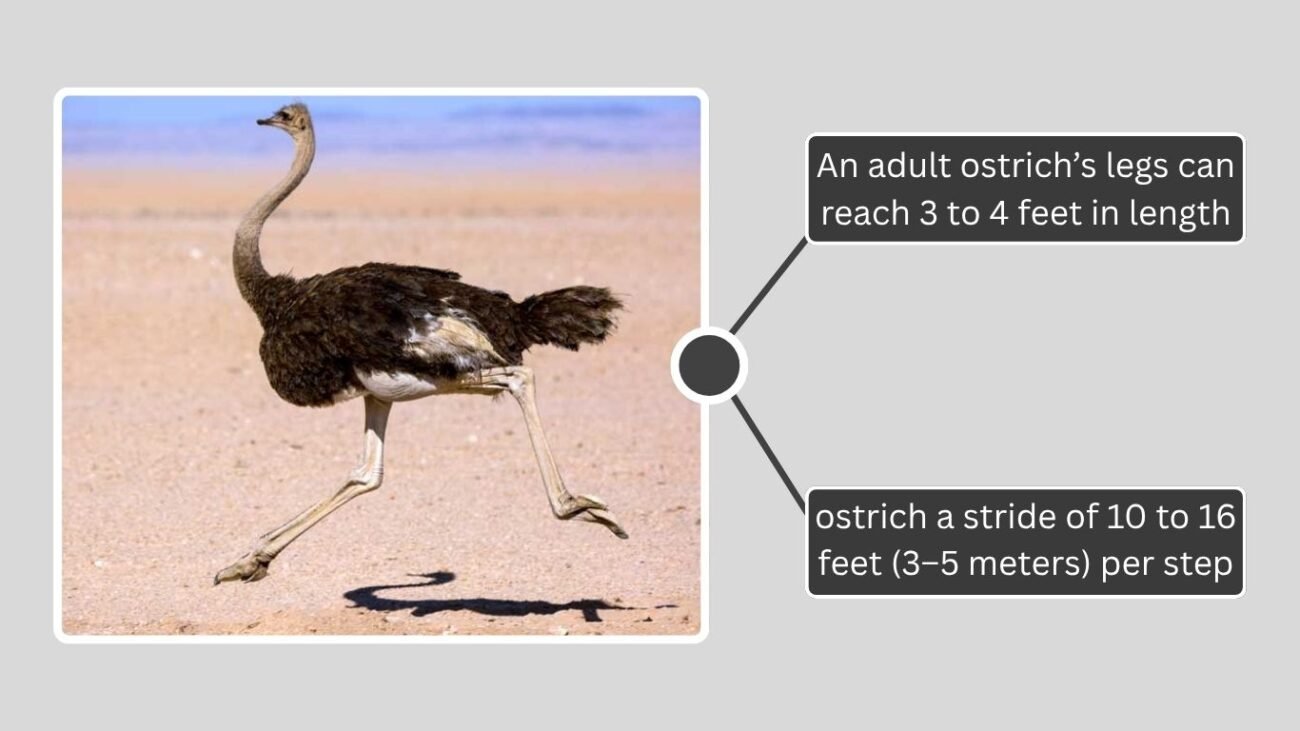
An adult ostrich’s legs can reach 3 to 4 feet in length, making up nearly half its body height. This extraordinary length gives the ostrich a stride of 10 to 16 feet (3–5 meters) per step. Compared to other large birds, such as emus or cassowaries, ostriches have longer and leaner limbs, designed for maximum speed and efficiency across open terrain.
Power and Performance
Running Mechanics
Ostriches are the fastest birds on land, capable of sprinting up to 45 miles per hour (72 km/h). Their movement is powered by a combination of elastic tendons and massive thigh muscles, which work together like coiled springs. As the bird’s foot strikes the ground, energy is stored in its tendons, then released to propel it forward. This natural design gives ostriches both explosive acceleration and remarkable endurance.
Strength and Defense
Beyond speed, ostrich legs are powerful defensive tools. Each kick can deliver enough force to seriously injure or even kill a predator. The sharp claws on the inner toe act like daggers, striking with precision. Their legs are not just about running—they are built for survival, enabling the ostrich to fight off lions, hyenas, or any threat that ventures too close.
Ostrich Standing on One Leg
Many people have noticed ostriches standing on one leg, a behavior that serves several purposes. Primarily, it helps them regulate body temperature by reducing the surface area exposed to the sun or cold. This stance also conserves energy and provides rest for the lifted limb. Unlike flamingos, which stand on one leg mainly for balance in water, ostriches do it as a thermoregulatory and comfort mechanism. It’s a simple yet efficient adaptation that supports life in the harsh African climate.
Ostrich Leg Meat and Culinary Uses
Nutritional Profile
Ostrich leg meat is a popular delicacy, especially in countries like South Africa and parts of Europe. It is rich in protein, low in fat, and often compared to lean red meat like beef or venison. Because it contains less cholesterol and more iron, it’s considered one of the healthiest red meats available. The texture is firm yet tender, making it suitable for grilling, roasting, or smoking.
Cooking and Dishes
The versatility of ostrich leg meat makes it a favorite among chefs. Dishes such as smoked ostrich leg, fried ostrich leg, and grilled ostrich thigh are becoming increasingly popular in gourmet restaurants. Slow-cooking enhances tenderness, while smoking adds a distinct flavor. Its deep red color and mild taste allow it to be used in a variety of recipes that traditionally use beef or lamb.
Ostrich Leg Meat Trade
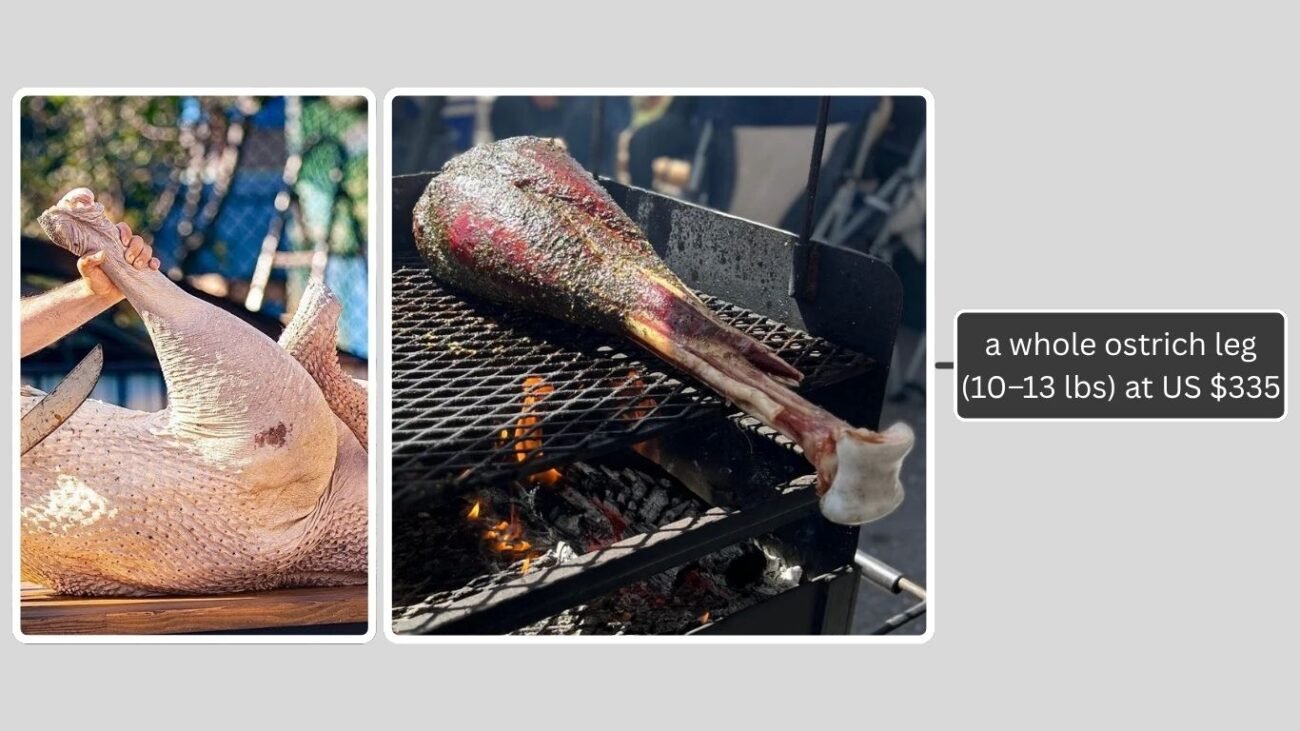
Commercial ostrich farming has grown rapidly due to the global demand for ostrich meat. Farms across Africa, Europe, and America raise ostriches for both meat and leather. The price of a whole ostrich leg can vary depending on size and processing, but it generally commands a premium due to its nutritional value and novelty. Sustainable farming practices ensure the ethical production of ostrich products, making it an eco-friendly alternative to traditional livestock.
Producers emphasize humane care, clean slaughter methods, and full utilization of byproducts—ensuring that nothing goes to waste. In many cases, the meat, bones, and skin from ostrich legs are all processed for separate industries, proving how resource-efficient ostrich farming has become.
Ostrich Leg Leather: A Luxury Material
Characteristics of Ostrich Leg Leather
Ostrich leg leather is a high-end material known for its unique scale-like texture and exceptional durability. The natural pattern resembles reptile skin, giving it a luxurious and exotic look. Unlike the soft, bumpy texture of full-quill ostrich leather (from the body), leg leather has a more structured, polished appearance. This makes it ideal for boots, belts, wallets, and watch straps favored by high-end brands.
Durability and Maintenance
Beyond beauty, ostrich leg leather is incredibly tough. It resists cracking, tearing, and stretching, even with daily use. Proper conditioning and care can extend its life for decades. Because of its combination of durability and elegance, it’s often chosen for Western boots and luxury accessories that balance fashion and function.
Ostrich Leg Boots and Western Fashion
Top Boot Brands
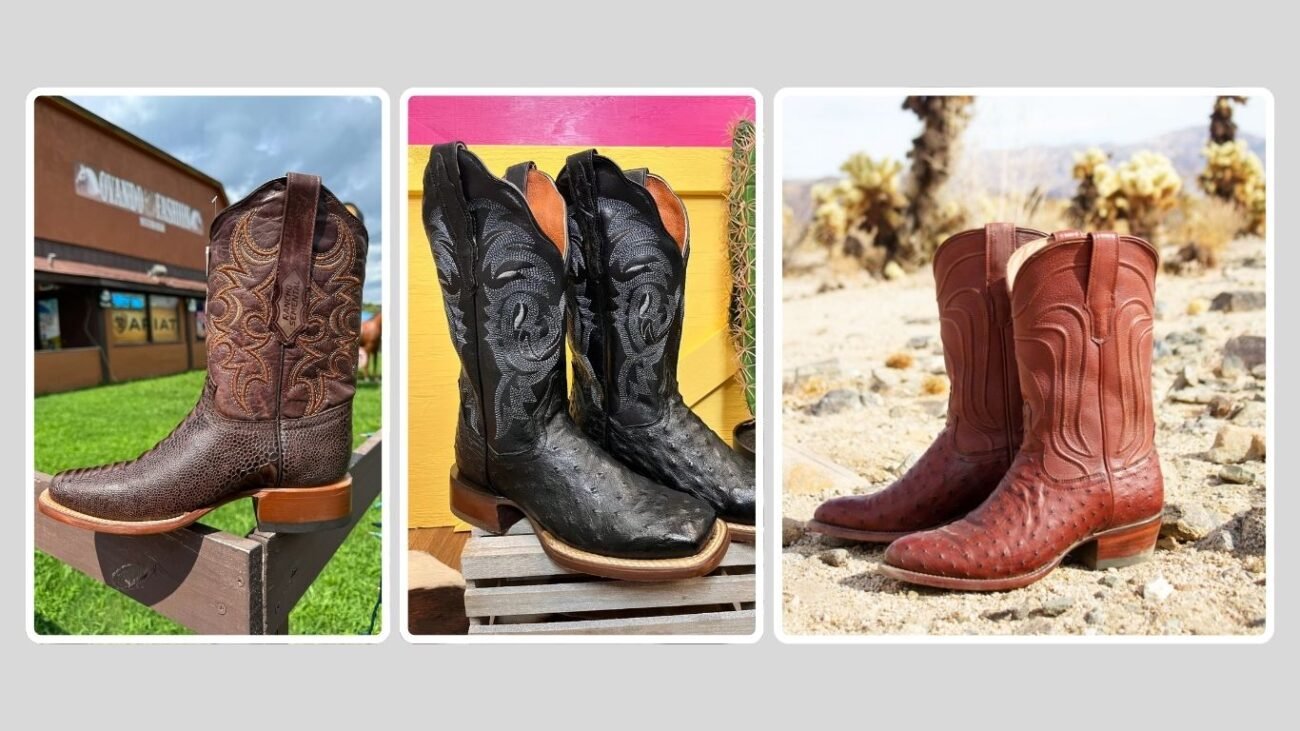
Ostrich leg leather has become a statement in Western and cowboy fashion. Brands such as Lucchese, Tecovas, Dan Post, Tony Lama, Los Altos, Corral, and El Dorado craft premium boots using this durable material. Each brand brings its unique craftsmanship, often featuring square-toe or pointed designs with intricate stitching. Popular finishes include black cherry, mahogany, and matte black, prized for their rich sheen and reptilian texture.
Fashion and Cultural Appeal
Wearing ostrich leg boots represents a blend of rugged heritage and luxury. Originally popular among ranchers and horse riders, these boots have evolved into symbols of sophistication and strength. They are favored by collectors, musicians, and Western enthusiasts alike. Their unique patterns make every pair distinct, ensuring that no two boots are ever identical. The fusion of functionality, durability, and elegance keeps ostrich leg boots at the heart of Western style.
Ostrich Leg Accessories
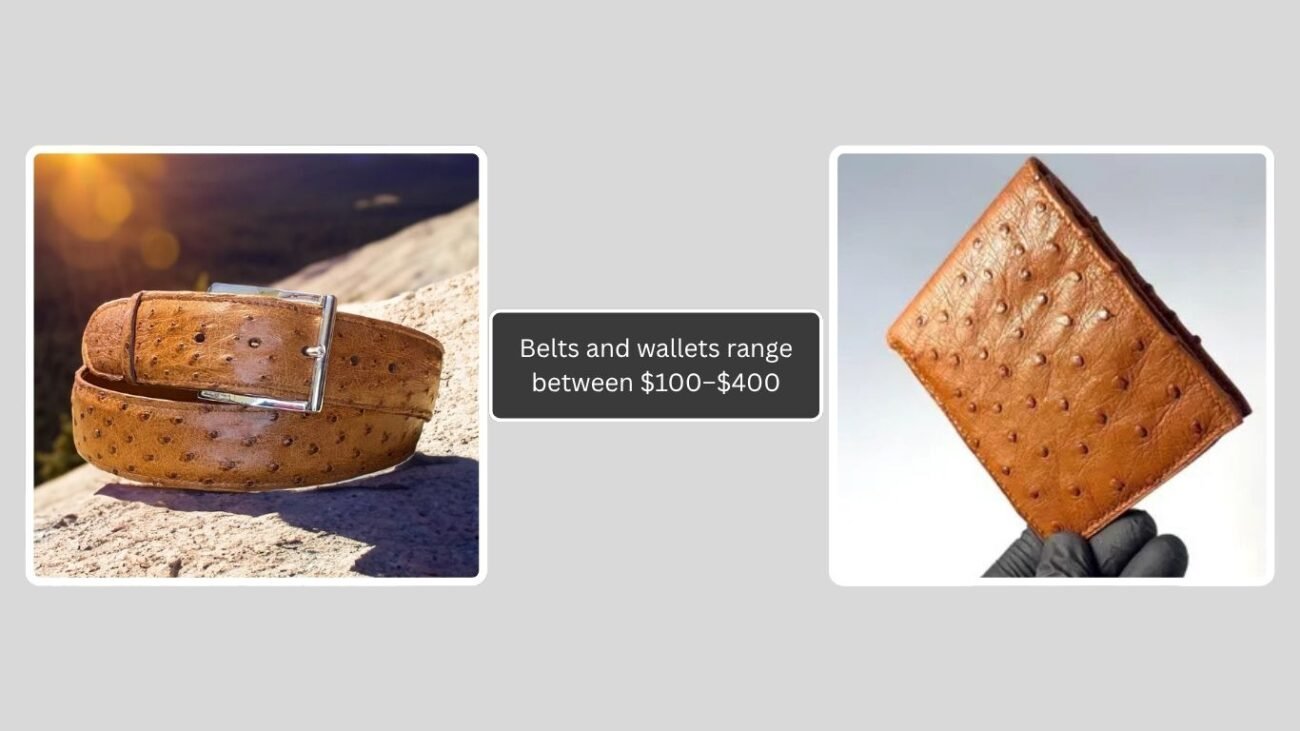
The versatility of ostrich leg leather extends beyond footwear. The same textured material is used to make belts, wallets, watch straps, handbags, and even phone cases. Its distinct pattern—featuring small, rectangular scales—adds a refined touch to accessories without the need for heavy embellishment.
Luxury fashion houses often use ostrich leg leather in limited-edition items due to its rarity and hand-crafted nature. Each piece showcases the beauty of natural patterns formed through evolution. Because of its strength and longevity, many customers prefer ostrich leg leather products as heirloom-quality items that improve with age.
Ostrich Leg Bones and Byproducts
Scientific and Decorative Uses
Beyond meat and leather, ostrich leg bones are valuable byproducts. In scientific settings, they are used for anatomy studies and educational displays due to their impressive size and clarity. Artists and craftspeople also use polished ostrich bones to create unique lamps, tables, and sculptures, turning biological material into art.
For Pets and Practical Use
Ostrich bones are also processed as natural dog chews—a safe and long-lasting treat rich in calcium. These bones are lightweight yet strong, offering an alternative to traditional pet chew materials. Their use highlights the zero-waste approach of modern ostrich farming, ensuring every part of the animal serves a purpose.
Ostrich Legs in Culture and Curiosity
Representation in Toys and Media
The fascination with ostrich legs extends to pop culture and entertainment. LEGO, for instance, released the “Prince of Persia: Ostrich Race” set, which captured the bird’s distinctive limbs and running motion in miniature form. Ostrich legs have also been featured in animated films and documentaries, symbolizing speed, strength, and resilience.
Symbolism and Pop Culture
In various cultures, ostrich legs symbolize stability and endurance—qualities admired in both nature and humans. Despite myths suggesting ostriches bury their heads in the sand, their true instinct is to stand tall and use their powerful legs to run or defend. Their distinctive anatomy often inspires artistic drawings and humorous online depictions, further fueling curiosity about this remarkable bird.
Market Value and Purchasing Insights
Buying Ostrich Leg Products
Ostrich leg products are available in specialized markets, both online and in luxury stores. Prices vary widely depending on quality and brand.
- Ostrich leg boots typically range from $300 to $1,000, depending on craftsmanship.
- Belts and wallets range between $100–$400, while watch straps and accessories are often more affordable.
- Ostrich leg meat, meanwhile, is sold fresh or smoked, often at gourmet prices due to limited supply.
Legal and Conservation Aspects
Ostrich farming is sustainable and ethical when properly regulated. Unlike many exotic leathers, ostrich products are CITES-approved and do not harm wild populations. Modern farms ensure humane treatment and utilize every part of the bird—meat, skin, bones, and feathers. These responsible practices help support rural economies while preserving biodiversity.
FAQs
How strong are ostrich legs?
Ostrich legs are incredibly strong and capable of delivering kicks powerful enough to injure large predators. Each leg is built for strength and speed, with thick muscles and tendons that act like springs, allowing the bird to run fast and defend itself effectively.
Can an ostrich kill a predator with its legs?
Yes, an ostrich can kill predators such as lions or hyenas with a single well-aimed kick. Its sharp claw, located on the main toe, acts like a blade, and the leg’s force can exceed several hundred pounds per square inch, making it a deadly weapon in close encounters.
What are ostrich leg boots made from?
Ostrich leg boots are crafted from the leather taken from the lower part of the ostrich’s leg. This leather has a distinctive scaled texture and is known for its toughness, durability, and glossy appearance, making it a luxury choice for Western and cowboy footwear.
Is ostrich leg meat healthy to eat?
Yes, ostrich leg meat is considered one of the healthiest red meats. It’s high in protein, rich in iron, and very low in fat and cholesterol. Its mild flavor and tender texture make it a nutritious alternative to beef or lamb for those seeking lean, sustainable options.
Why are ostrich legs so long and powerful?
Ostrich legs evolved for survival on the open savanna. Their length provides a long stride, while powerful muscles enable fast running and strong kicks. This combination gives ostriches unmatched speed and endurance, helping them escape predators and thrive in wide, open landscapes.


