










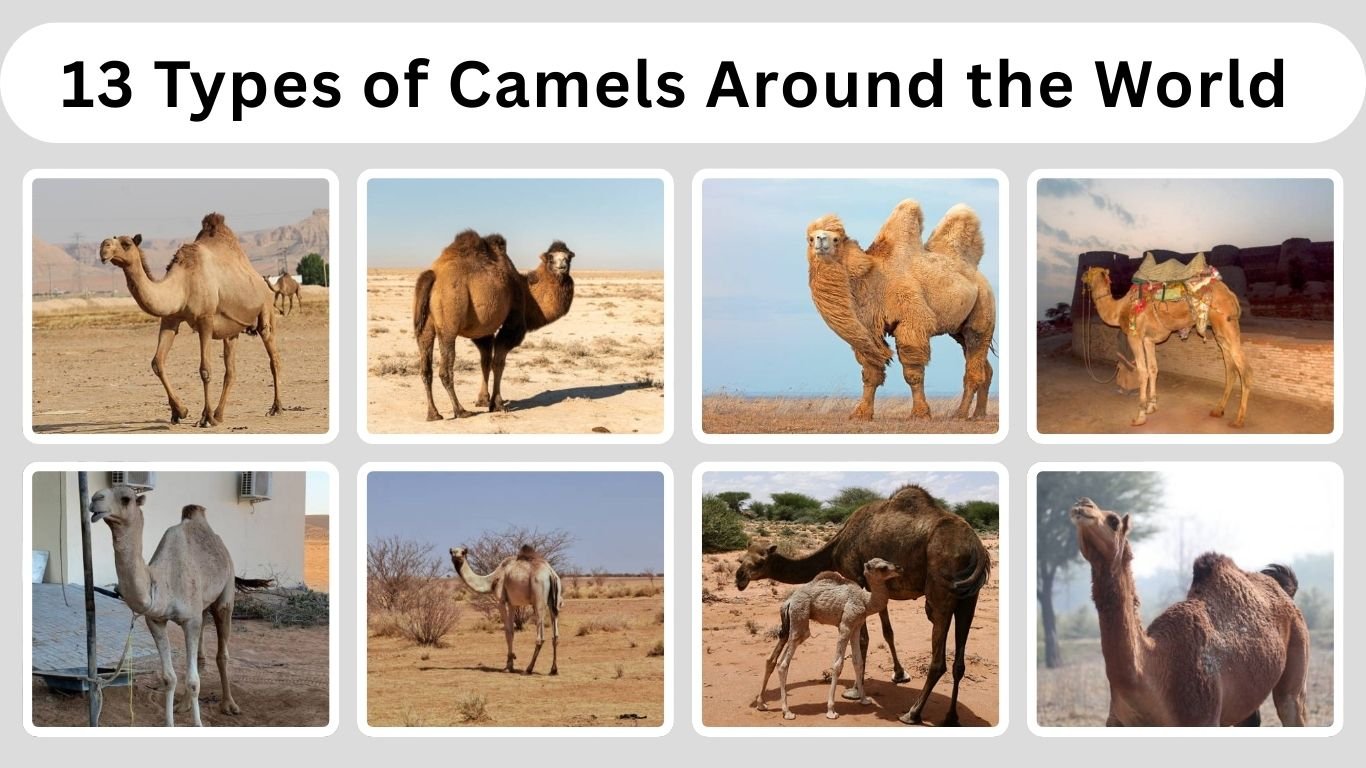
Camels are remarkable animals known for their strength, endurance, and ability to survive in some of the harshest environments on Earth. Found across deserts, steppes, and even coastal regions, different camel types have evolved or been bred to suit local climates and human needs. From fast riding camels to heavy load carriers and high milk producers, each type has unique characteristics. This overview explores 13 well-known types of camels, highlighting their identification, habitats, uses, and special features.
1. Dromedary Camel (Arabian Camel)
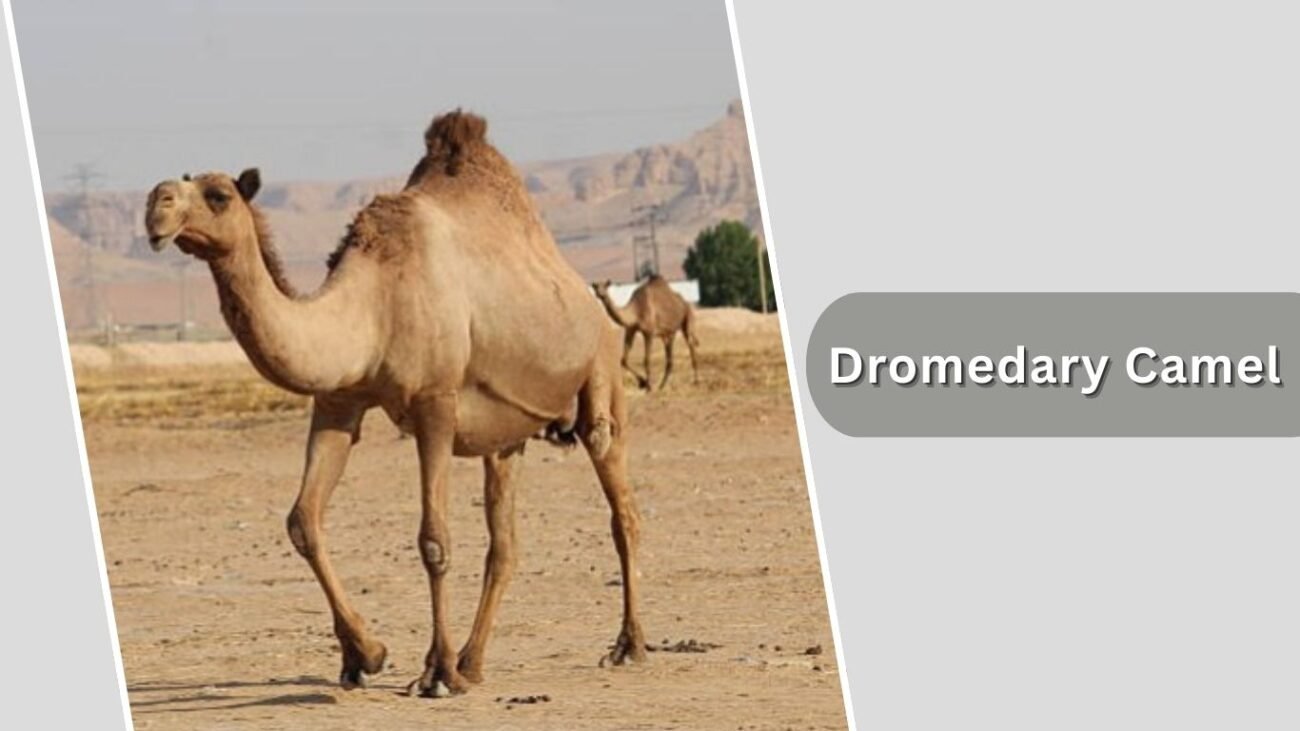
The Dromedary camel is the most common camel in the world, famous for its single hump and incredible ability to survive in hot desert environments. It has been domesticated for thousands of years and plays a vital role in transportation, food, and culture across arid regions.
Identification
- One large hump on the back
- Long legs and a slim body
- Short, light-brown to sandy-colored hair
- Long curved neck
- Large padded feet for walking on sand
Habitat
Dromedary camels are mainly found in hot deserts. They are widespread across North Africa, the Middle East, and parts of South Asia, and have also been introduced to places like Australia.
Uses
These camels are used for riding, carrying goods, farming, milk, meat, and wool. Camel milk is especially valued for its nutrition in desert communities.
Special Features
Dromedary camels can survive weeks without water, regulate body temperature efficiently, and store fat in their hump, which helps them endure extreme heat and food shortage
2. Bactrian Camel
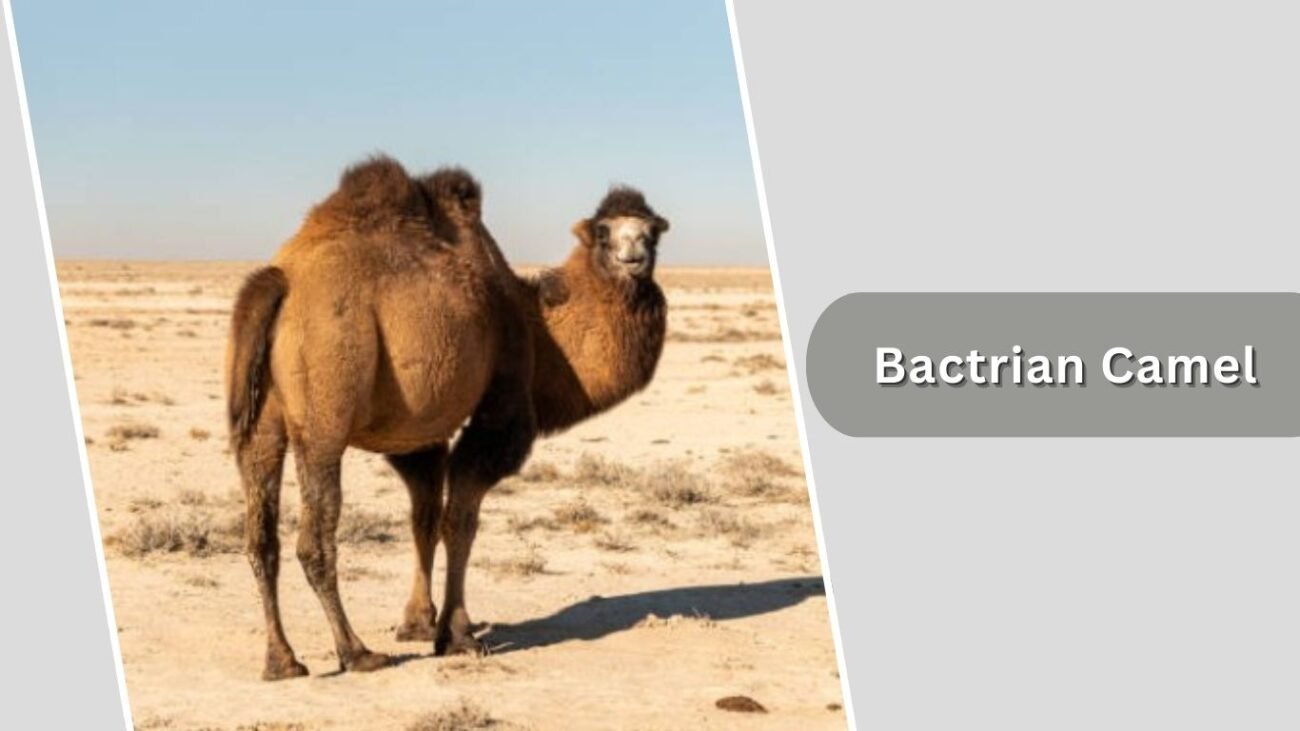
The Bactrian camel is known for its two humps and strong build, making it perfectly suited for harsh and cold desert climates. It has been domesticated for centuries and was historically important for trade along the Silk Road.
Identification
- Two distinct humps on the back
- Thick, long fur especially in winter
- Shorter legs and a heavier body than the dromedary
- Broad, flat feet for rocky and sandy terrain
Habitat
Bactrian camels live in cold deserts and dry steppes, mainly in Central Asia, including Mongolia, China, Kazakhstan, and surrounding regions.
Uses
They are used for transport, carrying heavy loads, wool production, milk, and meat, especially in mountainous and cold regions where other animals cannot survive.
Special Features
Bactrian camels can withstand extreme cold (below −30°C) as well as heat. Their thick fur, strong legs, and ability to eat rough, salty plants make them exceptionally resilient.
3. Wild Bactrian Camel
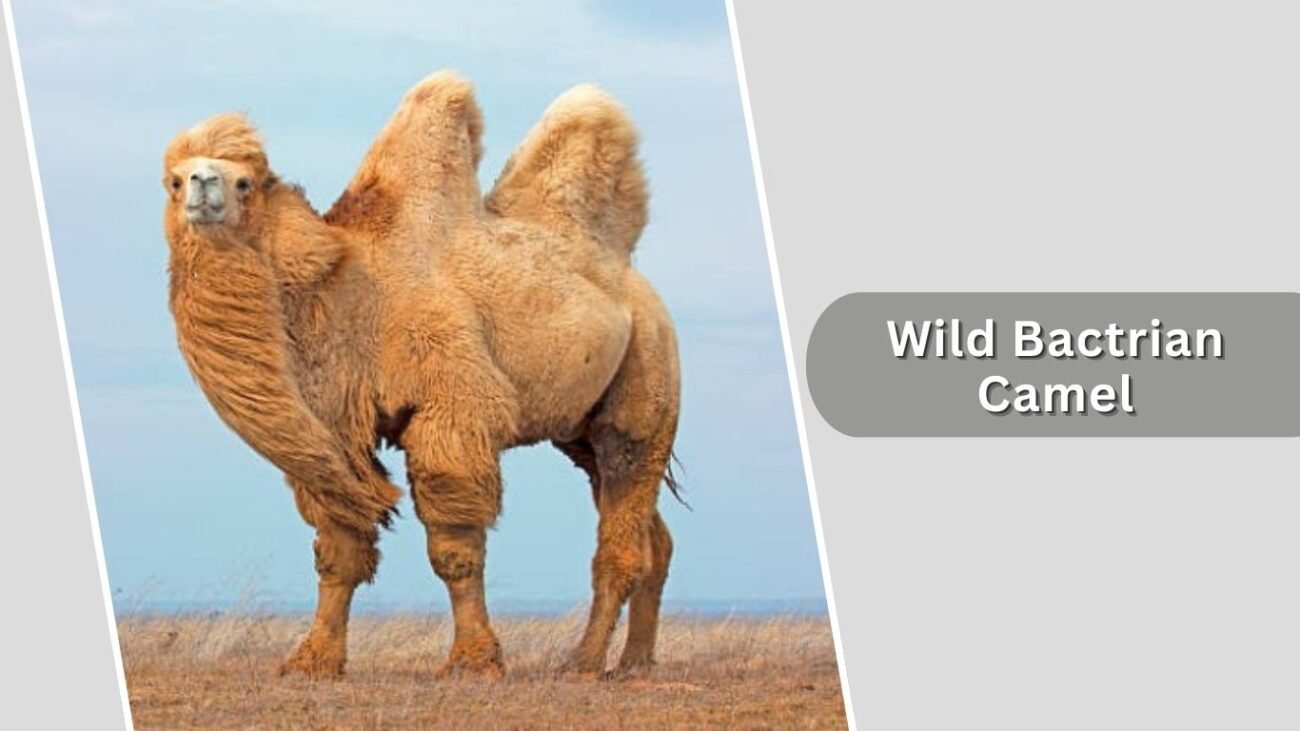
The Wild Bactrian camel is a rare and critically endangered camel species, distinct from the domestic Bactrian camel. It is one of the few large mammals adapted to survive in some of the most extreme and isolated deserts on Earth.
Identification
- Two smaller, pointed humps
- Slimmer body than domestic Bactrian camels
- Sandy-brown coat that blends with desert terrain
- Narrow face and shorter hair
Habitat
This camel lives in remote cold deserts of northwestern China and southwestern Mongolia, especially in areas with very little water and high salinity.
Uses
Unlike domestic camels, the Wild Bactrian camel is not used for farming or transport. It is a protected species and plays an important role in maintaining desert ecosystems.
Special Features
It can drink salty or brackish water that other animals cannot, survive extreme temperature changes, and travel long distances in search of scarce food and water.
4. Mehari Camel
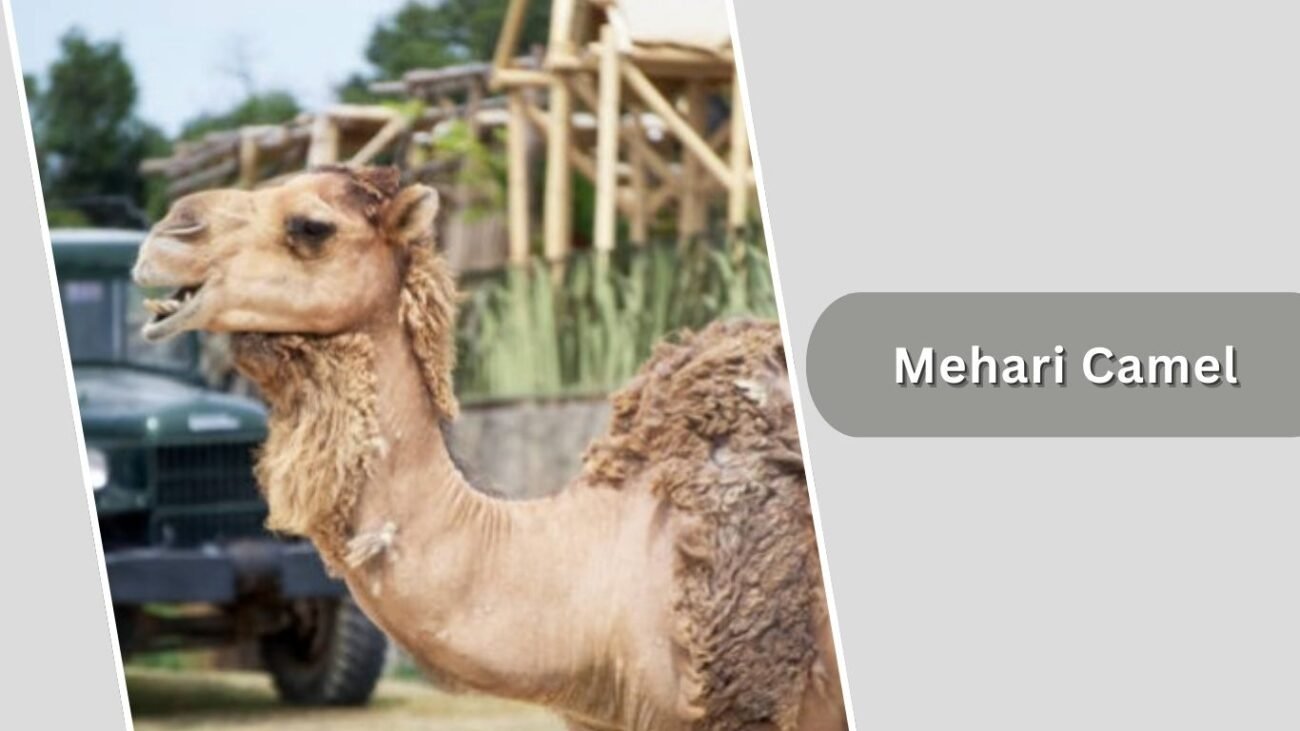
The Mehari camel is a fast, light-built riding camel famous for endurance and speed. It has been traditionally used by nomadic tribes for long-distance travel across deserts, especially where stamina and agility are more important than carrying heavy loads.
Identification
- One hump
- Tall, slim, and long-legged body
- Narrow chest and light frame
- Short, fine hair
- Alert posture with a long neck
Habitat
Mehari camels are found mainly in the Sahara Desert and surrounding regions, including North Africa and the Sahel, where conditions are extremely hot and dry.
Uses
They are primarily used for riding, desert patrols, racing, and long-distance travel, rather than heavy transport or farming work.
Special Features
Mehari camels are known for their speed, endurance, and ability to travel long distances with minimal water, making them ideal for desert journeys and nomadic lifestyles.
5. Majaheem Camel
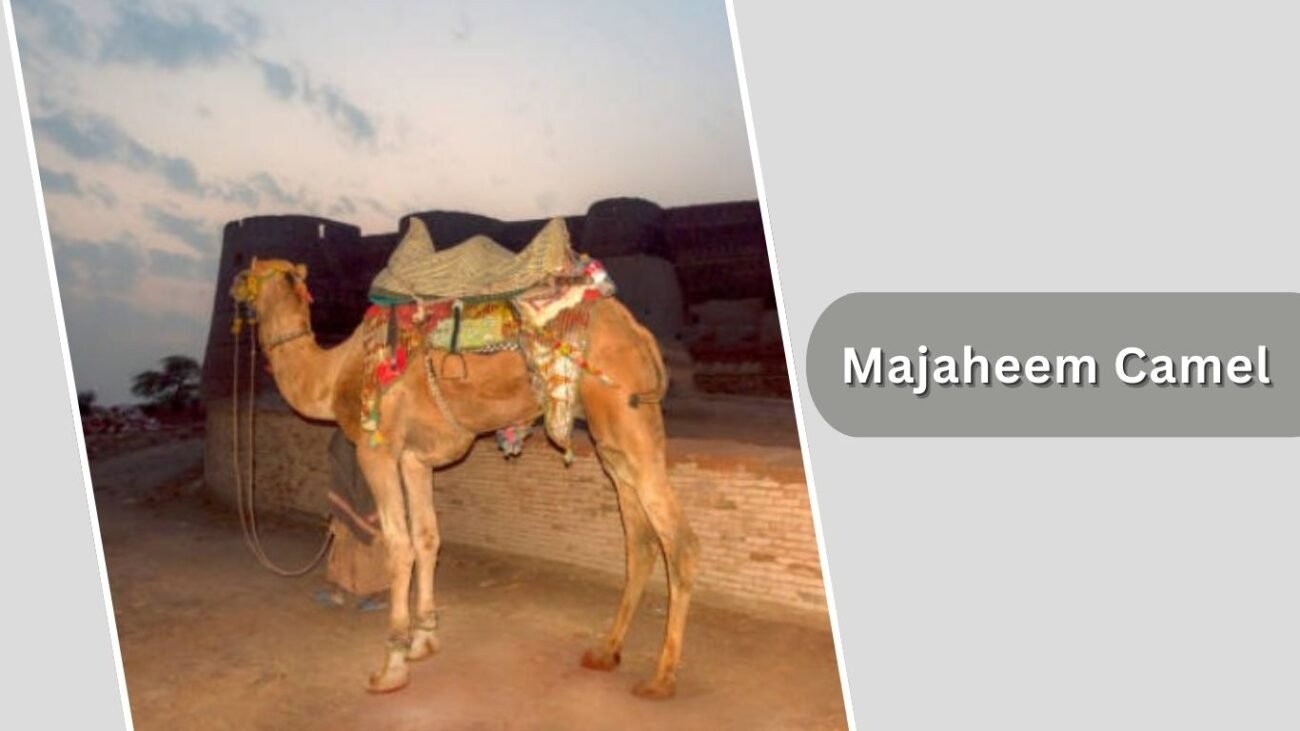
The Majaheem camel is a well-known Arabian camel breed, easily recognized by its dark color and large body size. It is highly valued in the Arabian Peninsula, especially for milk production and strength.
Identification
- One hump
- Large, heavy body
- Dark brown to black coat
- Long legs and broad chest
- Strong neck and head
Habitat
Majaheem camels are mainly found in Saudi Arabia and neighboring Gulf countries, living in hot desert environments.
Uses
They are widely used for milk production, breeding, and transport, and are popular in camel beauty contests and breeding programs.
Special Features
This breed is famous for producing large quantities of rich, nutritious milk and for its calm temperament and strong endurance in extreme desert heat.
6. Magateer Camel
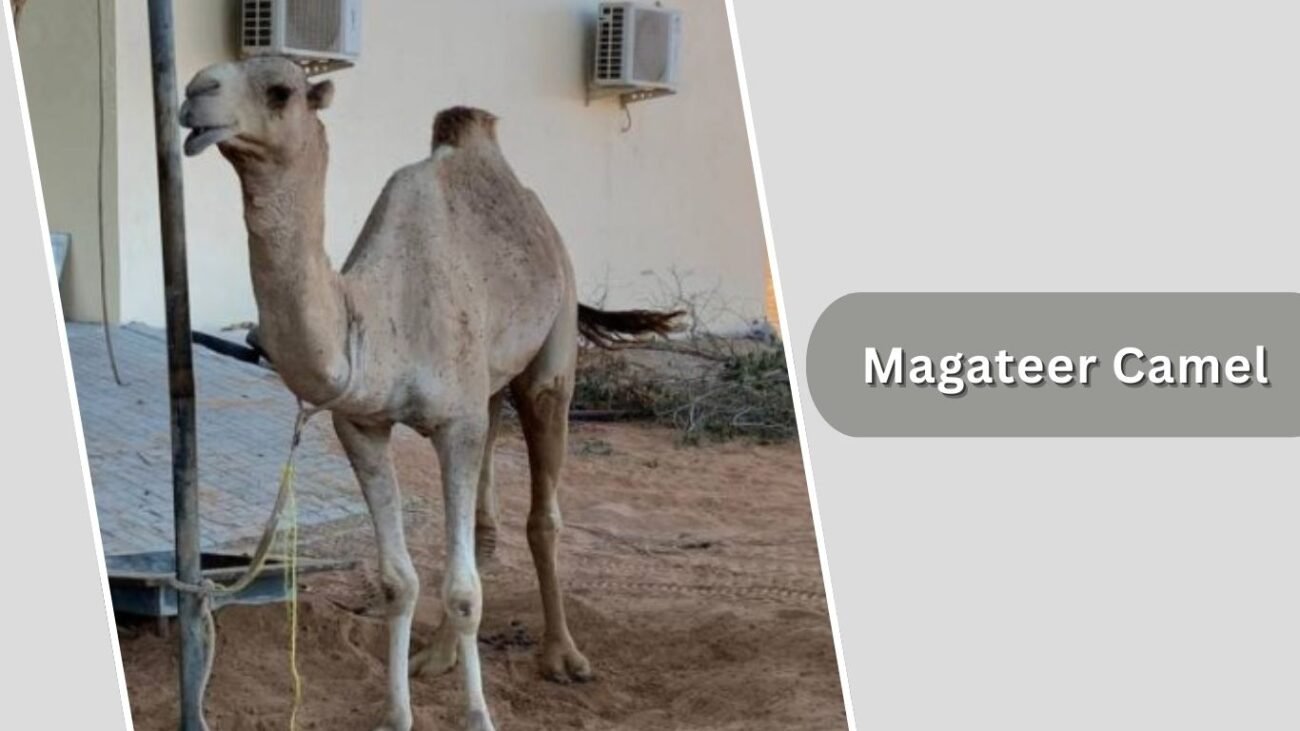
The Magateer camel is a prized Arabian camel breed, best known for its striking white color and elegant appearance. It is often associated with prestige and is highly valued in the Gulf region.
Identification
- One hump
- Pure white or cream-colored coat
- Tall and well-proportioned body
- Long neck with a graceful posture
- Clean, refined facial features
Habitat
Magateer camels are commonly found in the Arabian Peninsula, especially in Saudi Arabia, the UAE, and Qatar, living in hot desert climates.
Uses
They are mainly raised for breeding, milk production, and camel beauty contests, where their color and symmetry are highly admired.
Special Features
Magateer camels are famous for their bright white coat, high market value, and cultural importance in Arabian camel heritage and competitions.
7. Sudanese Camel
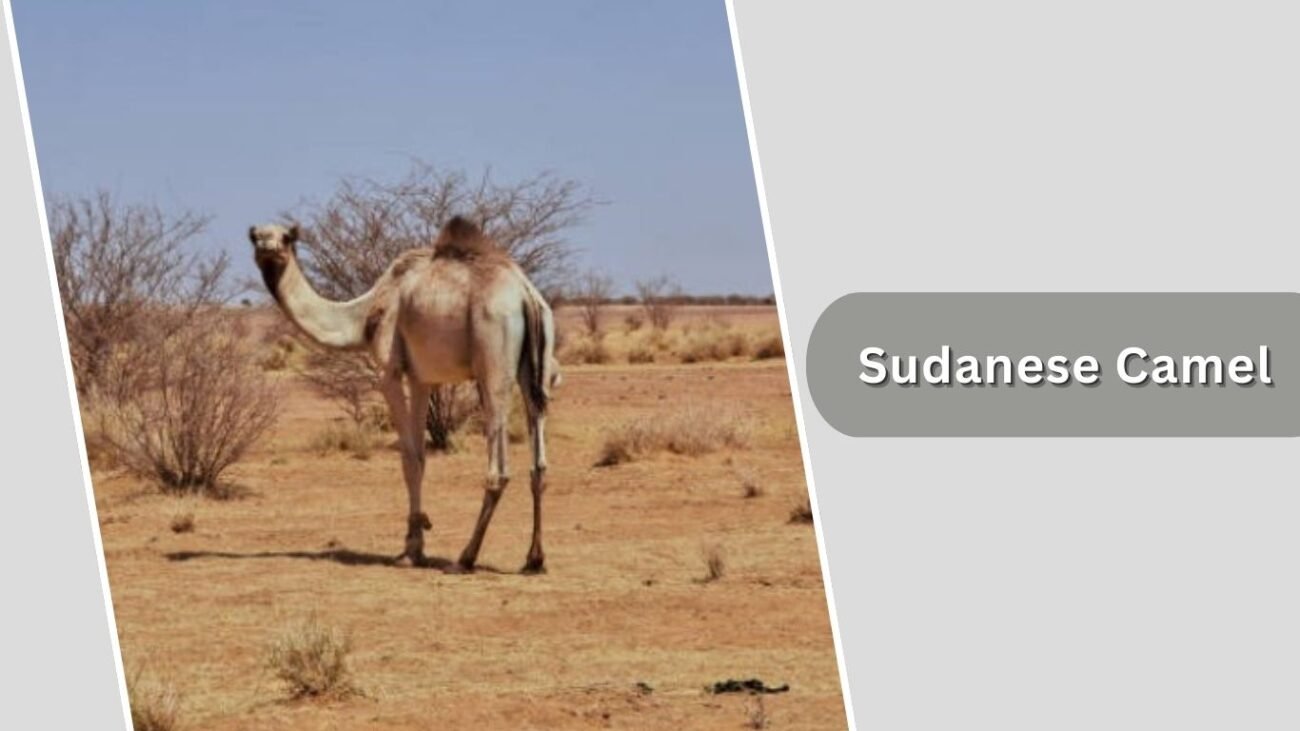
The Sudanese camel is a strong and adaptable camel type widely raised in northeastern Africa. It is known for its endurance, ability to carry heavy loads, and importance in the daily life of pastoral communities.
Identification
- One hump
- Medium to large body size
- Coat color ranges from light brown to dark brown
- Long legs with a sturdy frame
- Strong head and neck
Habitat
Sudanese camels are found mainly in Sudan and neighboring regions of East and North Africa, thriving in hot, arid, and semi-arid environments.
Uses
They are commonly used for transport, farming work, milk, meat, and trade, playing a key role in rural economies.
Special Features
This camel type is valued for its hardiness, disease resistance, and ability to travel long distances while carrying heavy loads under extreme desert conditions.
8. Somali Camel
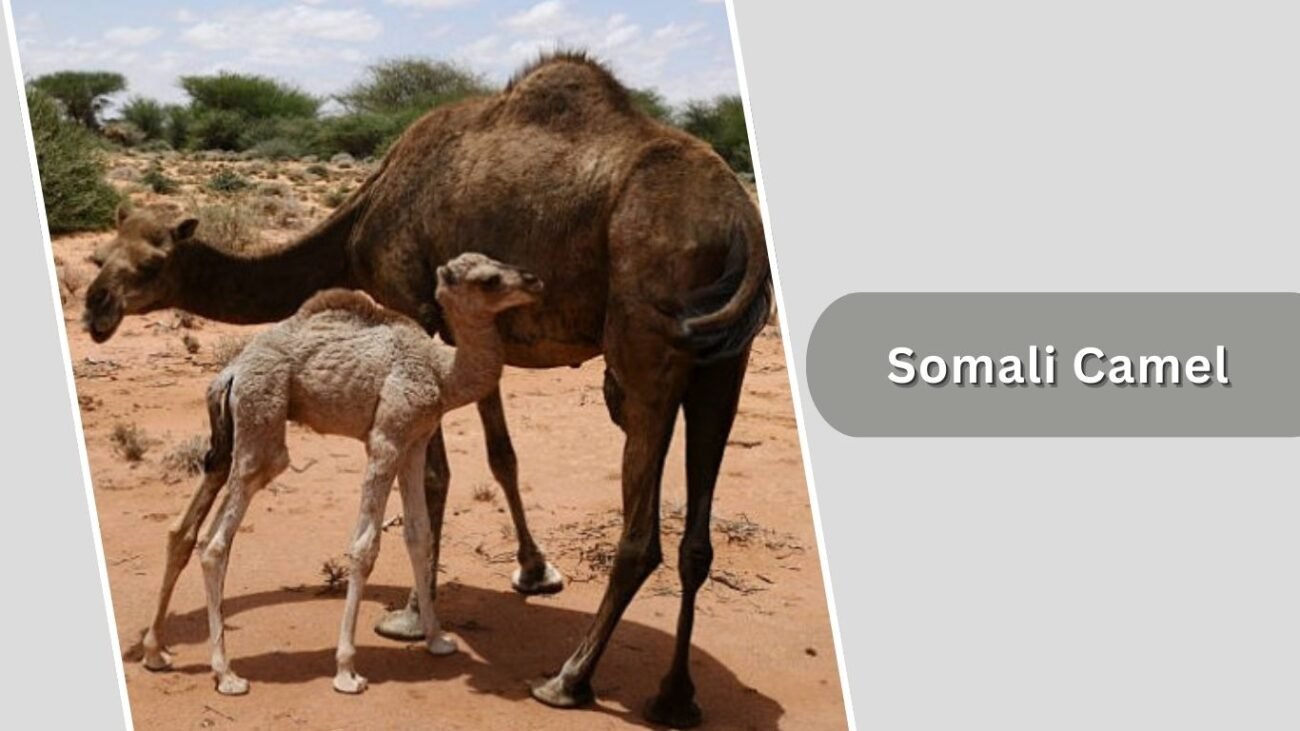
The Somali camel is one of the most important camel types in the Horn of Africa, especially valued for its high milk yield and resilience. It is deeply connected to the culture, economy, and diet of Somali pastoral communities.
Identification
- One hump
- Tall, lean body
- Light brown to reddish-brown coat
- Long legs and narrow chest
- Prominent head with alert features
Habitat
Somali camels are mainly found in Somalia, Ethiopia, and northern Kenya, living in hot, dry, and semi-arid regions.
Uses
They are primarily used for milk production, as well as transport, trade, and breeding, with camel milk being a staple food in the region.
Special Features
This camel type is known for producing milk even during severe droughts and for its exceptional tolerance to heat and water scarcity.
9. Rajasthani Camel
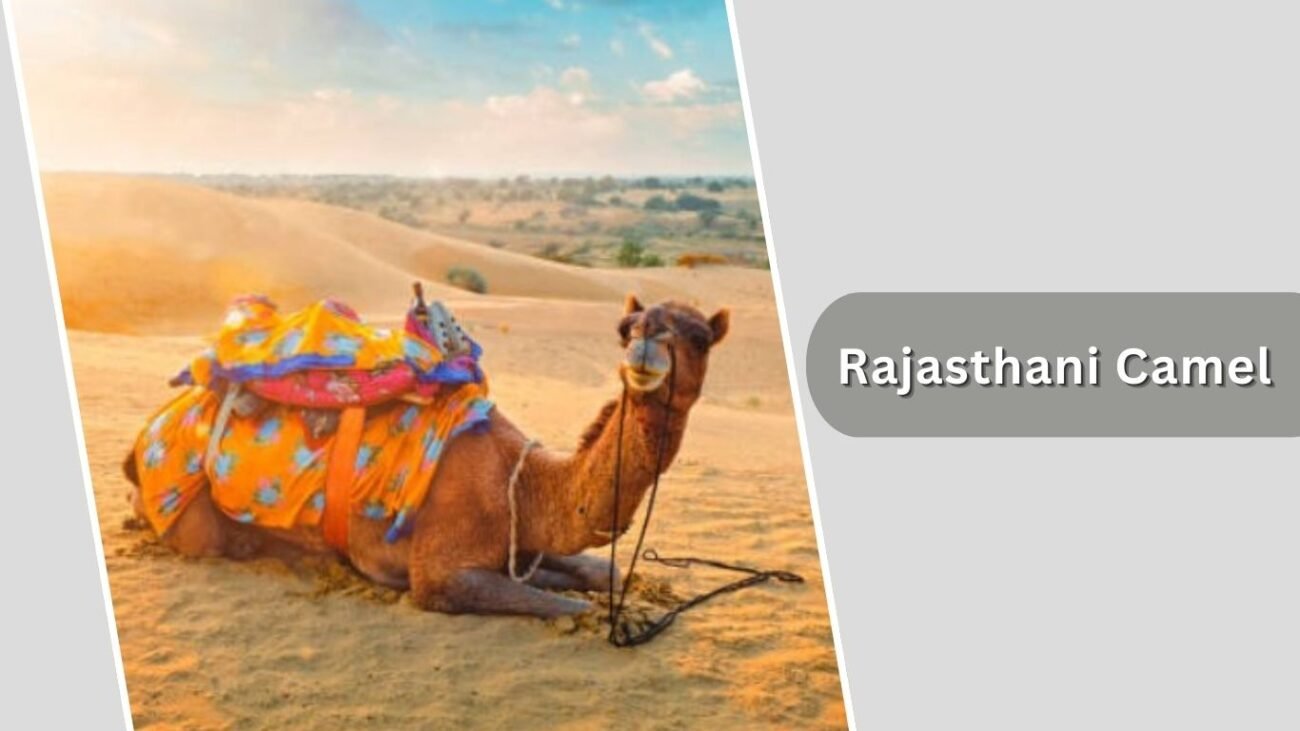
The Rajasthani camel is a hardy camel type native to the desert regions of northwestern India. It is well adapted to extreme heat and sandy terrain and has long been an essential part of desert life and culture.
Identification
- One hump
- Medium to large body size
- Light brown to sandy-colored coat
- Long legs with strong joints
- Narrow face with long eyelashes
Habitat
Rajasthani camels are found mainly in Rajasthan, India, especially in the Thar Desert, where temperatures are extremely high and rainfall is scarce.
Uses
They are used for transport, farming, riding, carrying goods, and tourism, including camel safaris and cultural festivals.
Special Features
This camel type is valued for its ability to work long hours in intense heat, survive on sparse vegetation, and move easily across deep desert sand.
10. Kharai Camel
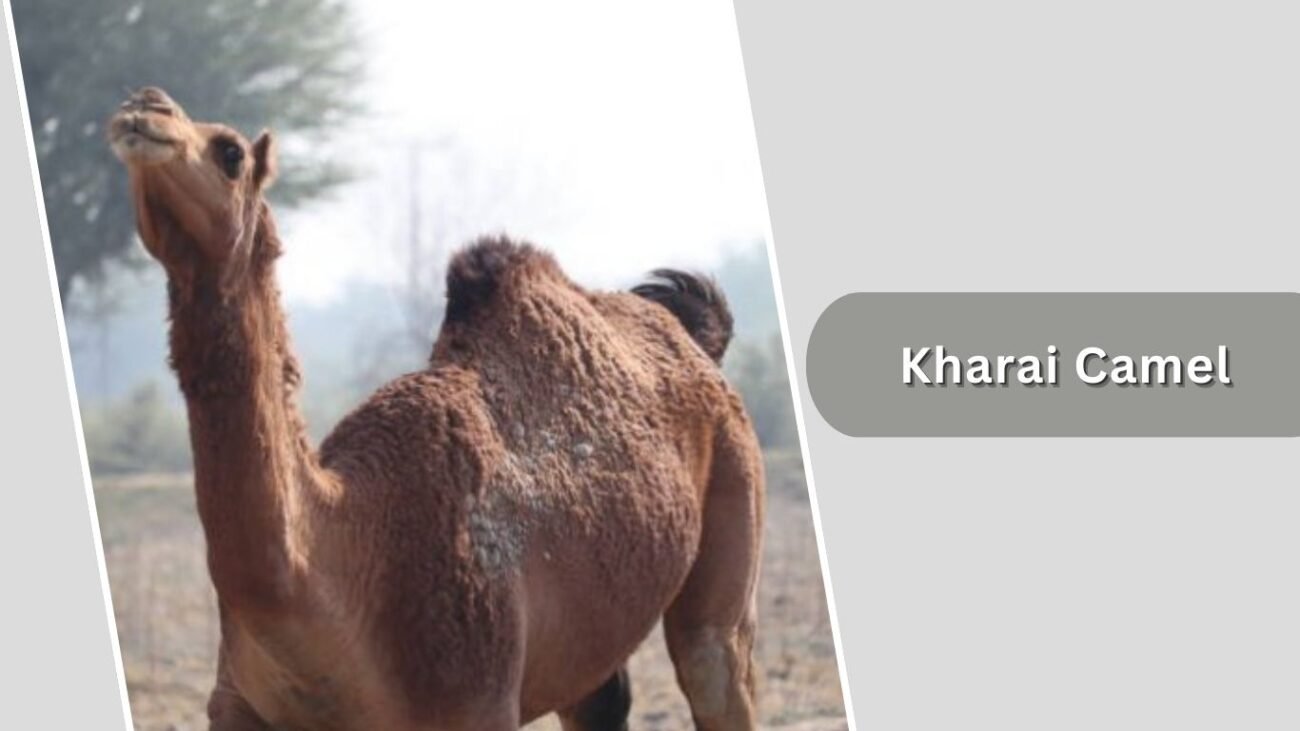
The Kharai camel is a unique camel type famous for its rare ability to swim. It is specially adapted to coastal environments and is one of the most distinctive camel populations in the world.
Identification
- One hump
- Medium-sized, lean body
- Long legs and a narrow chest
- Short, coarse coat
- Strong legs adapted for swimming and walking
Habitat
Kharai camels are found in coastal regions of Gujarat, India, especially around the Kutch area, where they move between land and sea.
Uses
They are used for milk production, grazing in mangrove areas, and transport, and are closely managed by local pastoral communities.
Special Features
Kharai camels can swim long distances in seawater and feed on salty mangrove plants, a rare adaptation among camels.
11. Bikaneri Camel
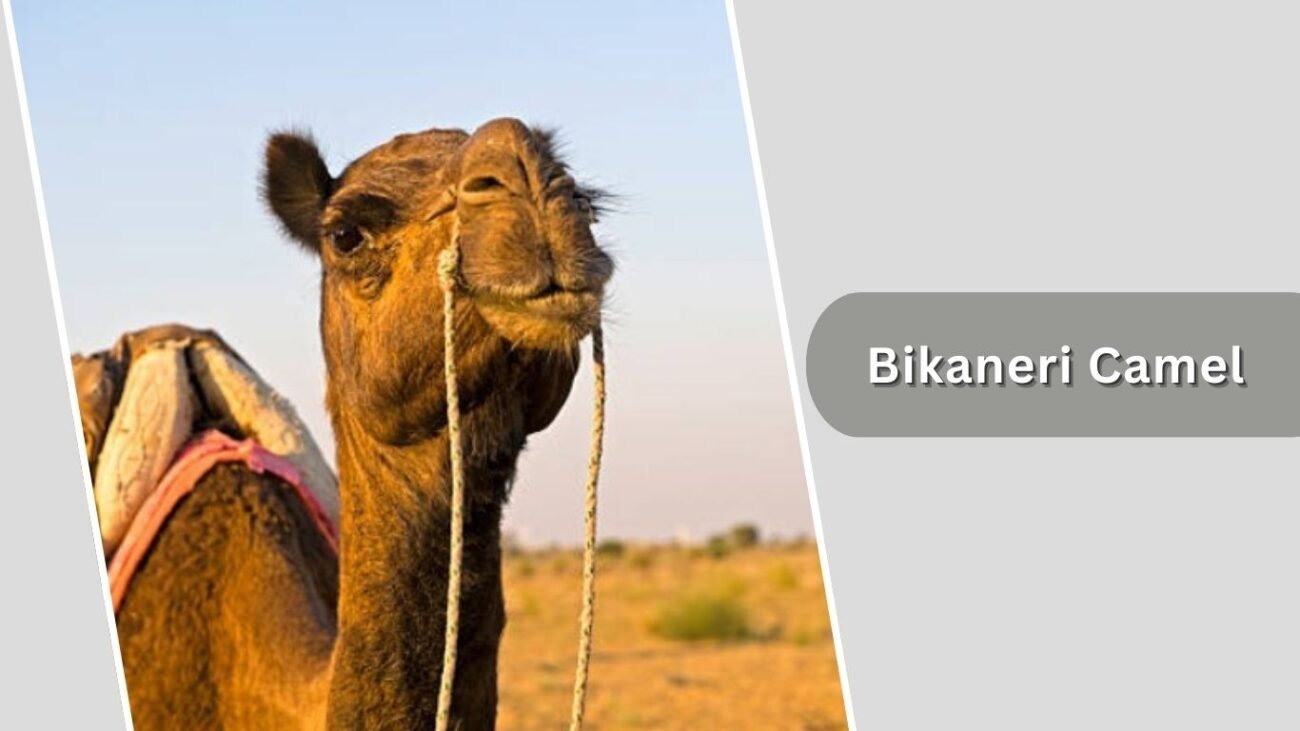
The Bikaneri camel is a strong and resilient camel breed from India, known for its endurance and ability to perform well in desert conditions. It is one of the most famous camel types used in traditional desert transport.
Identification
- One hump
- Large, well-built body
- Long legs with strong joints
- Light brown to dark brown coat
- Broad chest and powerful neck
Habitat
Bikaneri camels are mainly found in Bikaner and surrounding areas of Rajasthan, India, living in the Thar Desert.
Uses
They are commonly used for transport, carrying heavy loads, cart pulling, and farming work, and are also seen in camel fairs and cultural events.
Special Features
This camel type is known for its strength, stamina, and ability to travel long distances across hot, sandy deserts with minimal water.
12. Turkmen Camel
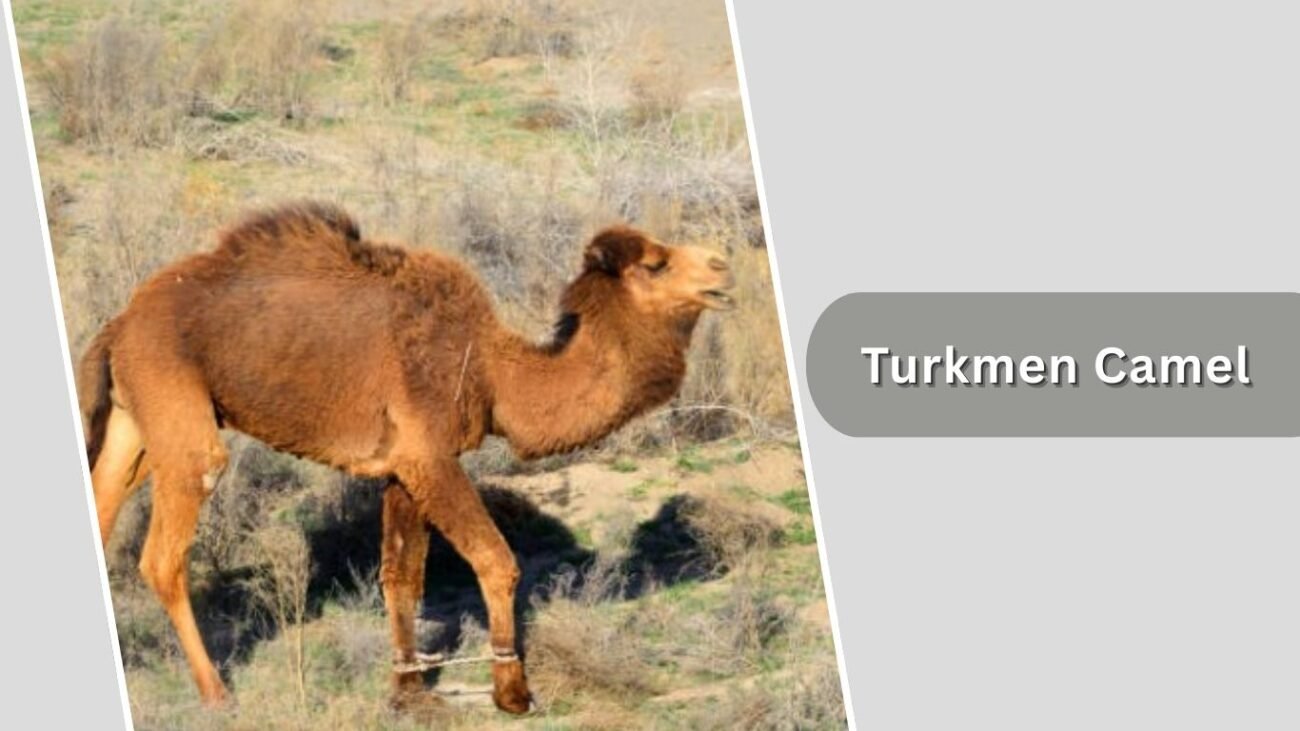
The Turkmen camel is a large and powerful camel type traditionally raised by nomadic communities in Central Asia. It is valued for its strength, thick coat, and ability to survive in harsh climates.
Identification
- Two humps
- Very large and muscular body
- Thick, long hair especially in winter
- Broad chest and strong legs
- Heavy head with a short neck
Habitat
Turkmen camels are found mainly in Turkmenistan and nearby Central Asian regions, living in cold deserts and dry steppe environments.
Uses
They are used for heavy transport, wool production, milk, meat, and breeding, especially in regions with extreme seasonal temperatures.
Special Features
This camel type is known for its thick wool, cold resistance, and exceptional load-carrying capacity, making it ideal for long journeys in severe climates.
13. Kazakh Camel
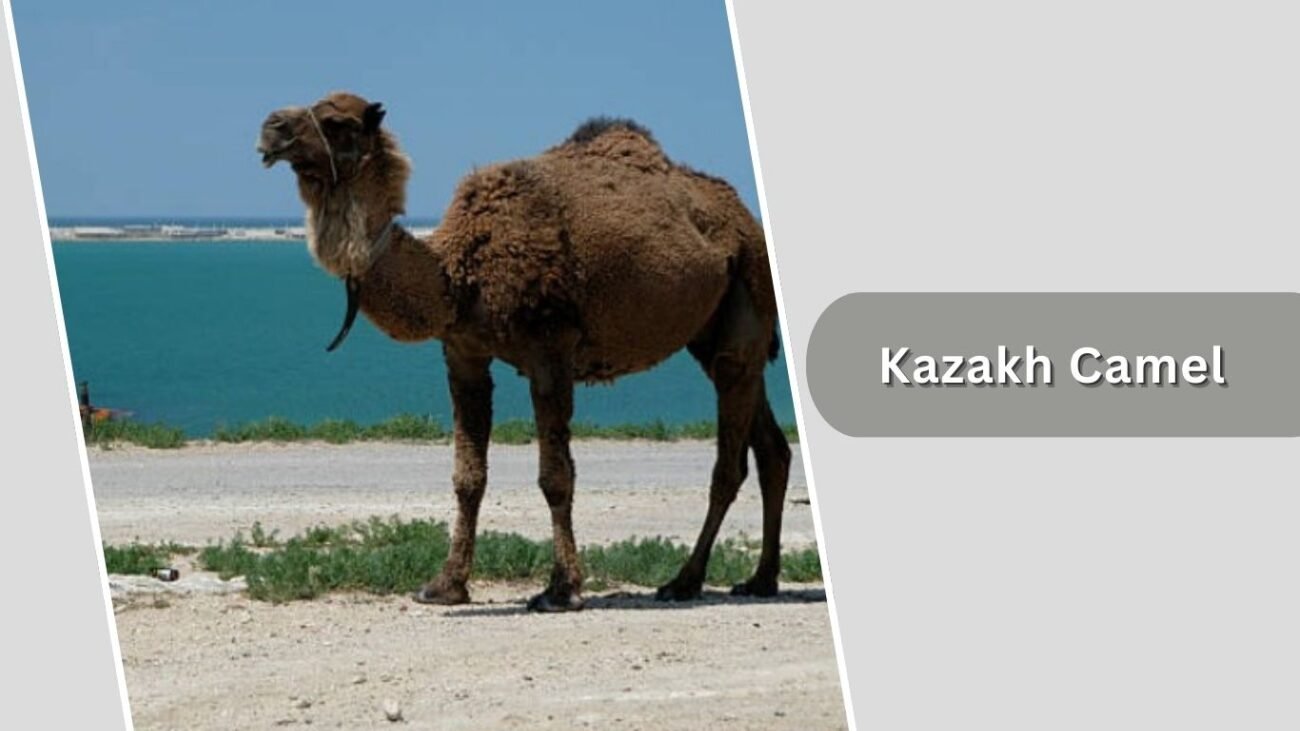
The Kazakh camel is a hardy camel type commonly raised in Central Asia. It is well adapted to wide open steppes and deserts and is known for its strength, milk production, and resilience.
Identification
- Usually two humps (sometimes hybrids)
- Large, solid body structure
- Thick coat that grows longer in winter
- Strong legs and broad feet
- Calm and steady temperament
Habitat
Kazakh camels are mainly found in Kazakhstan and surrounding Central Asian regions, living in cold deserts and steppe climates.
Uses
They are raised for milk (especially fermented camel milk), meat, wool, and transport, and are important to local pastoral economies.
Special Features
Kazakh camels are known for their ability to tolerate extreme cold and heat, produce nutritious milk, and survive on sparse vegetation over long distances.


