










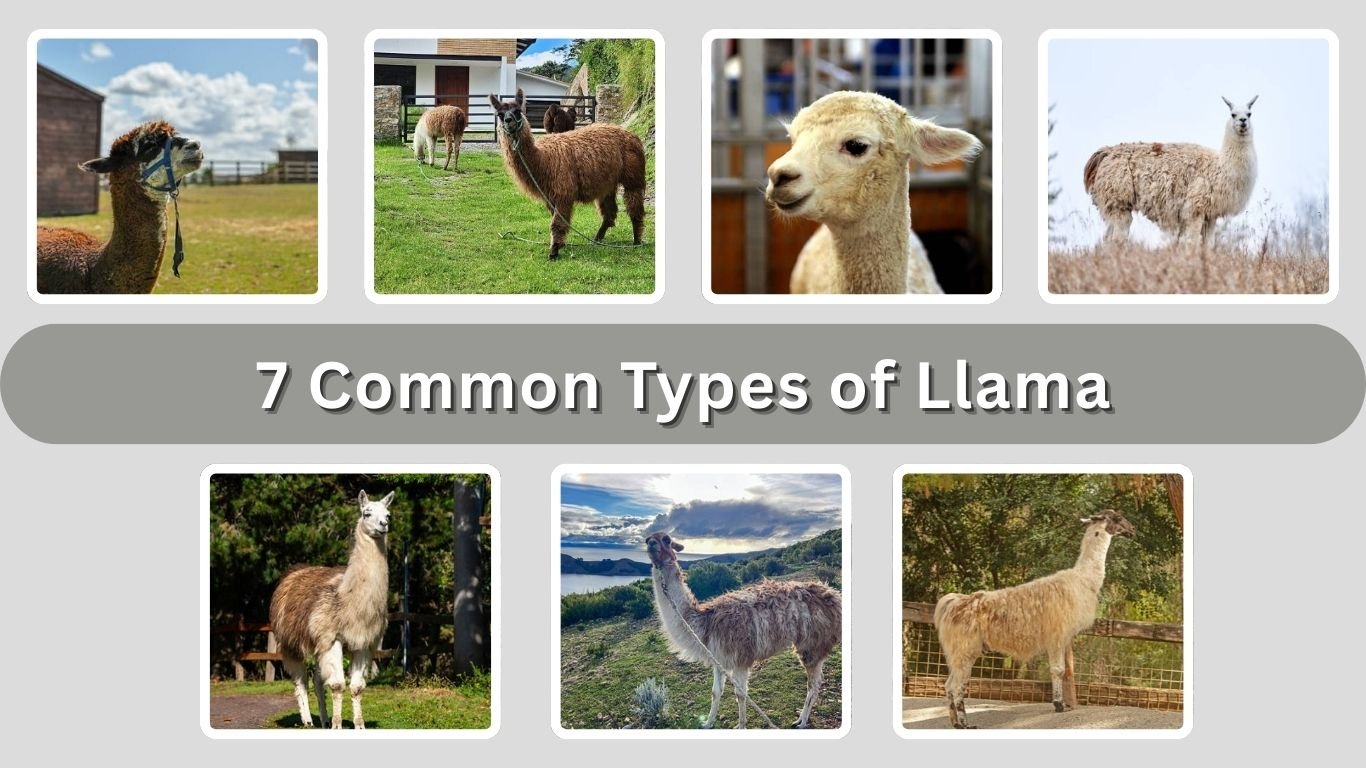
Llamas are hardy South American camelids best known for their strength, adaptability, and long history alongside Andean civilizations. Native to high-altitude regions, llamas vary in coat type, body build, and regional characteristics shaped by climate and traditional breeding practices. This guide covers 7 common types of llama, combining globally recognized coat-based types with important country-based variations. Together, these types show how llamas have evolved to thrive in cold, dry, and oxygen-poor mountain environments.
1. Classic (Ccara) Llama
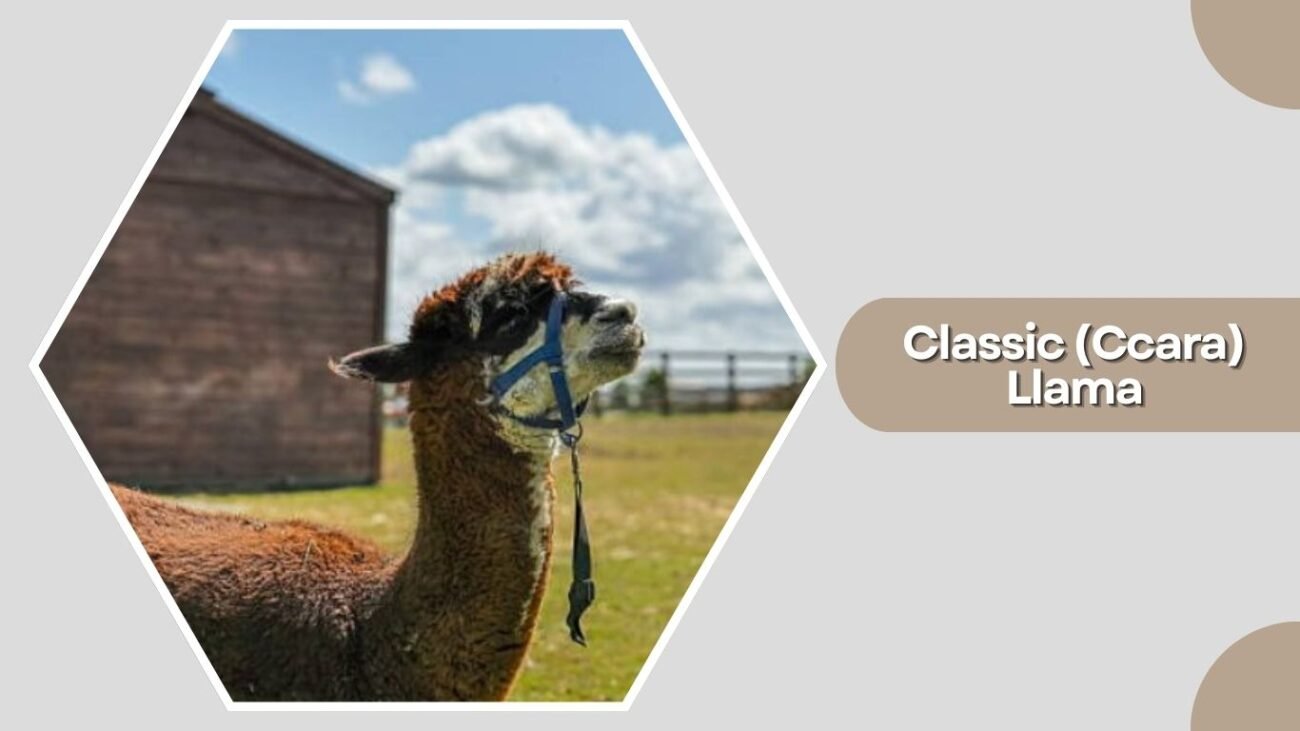
The Classic Llama, also known as the Ccara Llama, is the most traditional and widely recognized llama type. It is especially known for its strength, endurance, and long history of use as a pack animal in the Andean highlands.
Identification
- Short to medium-length outer coat
- Minimal wool on face and legs
- Coarse hair rather than fine fiber
- Upright ears with a slight inward curve (“banana-shaped”)
- Lean but muscular body structure
Size and Weight
Classic llamas are generally medium to large in size. Adult males typically stand 1.7–1.9 meters (5.6–6.2 ft) at the head and weigh between 130–200 kg (290–440 lb). Females are slightly lighter on average.
Habitat and Distribution
This llama type is most commonly found in high-altitude regions of the Andes, especially in Peru, Bolivia, Chile, and Argentina. It thrives at elevations above 3,000 meters, where temperatures are cool and vegetation is sparse.
Behavior and Adaptations
Classic llamas are calm, intelligent, and highly resilient. They are well adapted to thin air and rough terrain, with efficient oxygen use and strong legs that allow them to travel long distances while carrying loads.
2. Wooly Llama
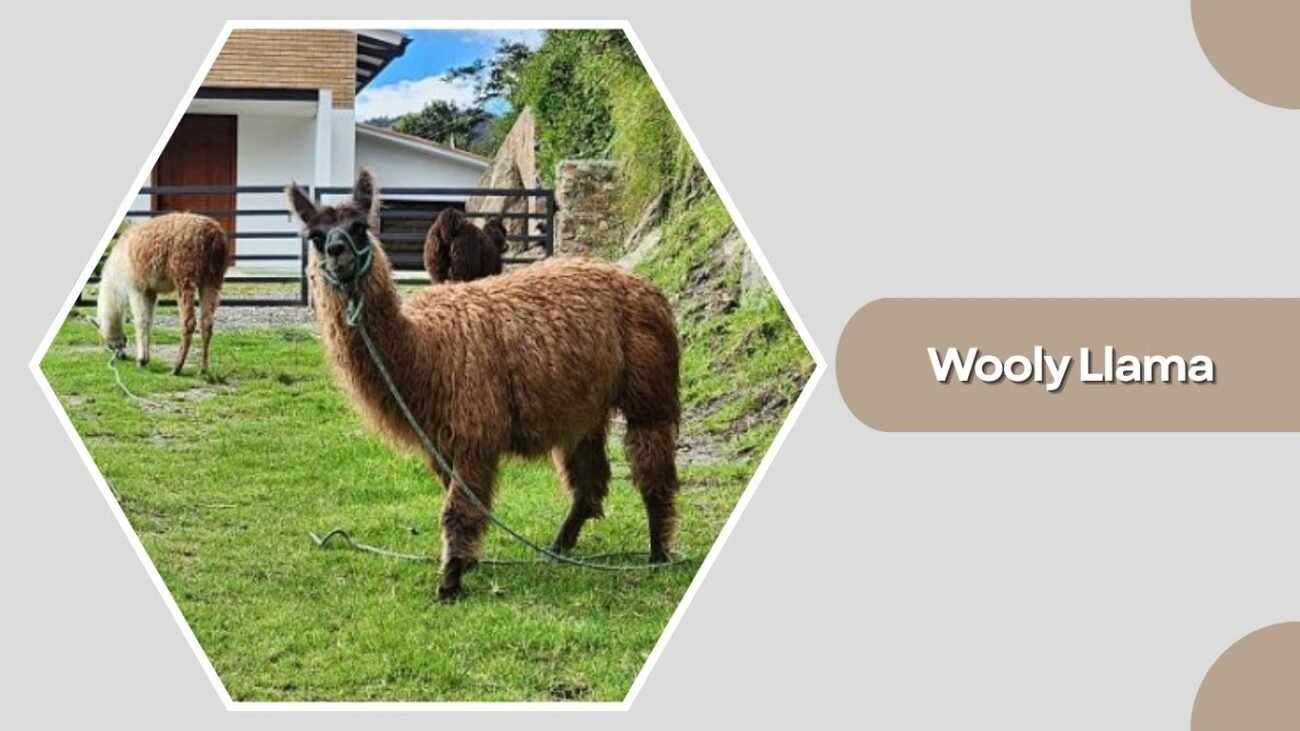
The Wooly Llama is a fiber-rich llama type recognized for its thick, soft coat that covers most of the body. It is primarily valued for wool production rather than load carrying and is common in colder Andean regions.
Identification
- Thick, long wool covering body, neck, and legs
- Dense fiber growth around the face and ears
- Softer coat compared to Classic llamas
- Rounded body appearance due to heavy fleece
- Ears often partially covered with wool
Size and Weight
Wooly llamas are similar in size to Classic llamas but may appear larger because of their heavy coat. Adults typically stand 1.7–1.9 meters (5.6–6.2 ft) at the head and weigh 120–180 kg (265–400 lb), with males generally heavier than females.
Habitat and Distribution
This llama type is commonly found in high-altitude Andean regions of Peru and Bolivia, especially in colder zones above 3,500 meters. The thick fleece provides insulation against freezing temperatures and strong winds.
Behavior and Adaptations
Wooly llamas are calm and hardy animals. Their dense fiber protects them from extreme cold, while their efficient metabolism and strong lungs allow them to survive and remain active in low-oxygen, mountainous environments.
3. Suri Llama
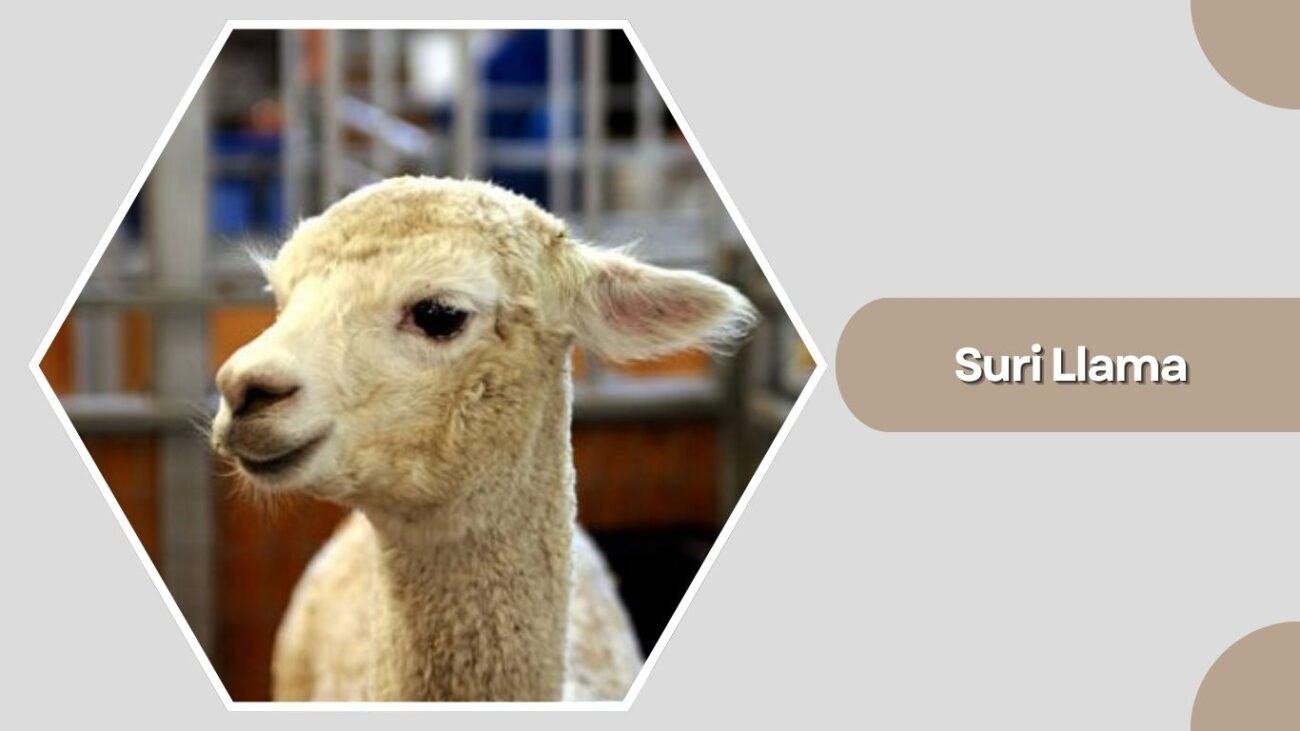
The Suri Llama is a rare and distinctive llama type best known for its long, silky fiber that hangs in loose, flowing locks. Unlike other llama types, its fleece drapes downward rather than standing out from the body.
Identification
- Long, smooth, lustrous fiber forming hanging locks
- Fiber parts naturally along the spine
- Minimal crimp with a silky texture
- Narrower body appearance due to draping fleece
- Face and legs often less densely covered
Size and Weight
Suri llamas are comparable in size to other llama types. Adults usually stand 1.7–1.9 meters (5.6–6.2 ft) at the head and weigh approximately 120–180 kg (265–400 lb), with males generally heavier than females.
Habitat and Distribution
This llama type is found mainly in high-altitude Andean regions of Peru and Bolivia, though it is much less common than Classic or Wooly llamas. It prefers cool, dry climates where its long fiber remains clean and manageable.
Behavior and Adaptations
Suri llamas are calm and gentle in nature. Their unique fleece provides insulation while allowing airflow, helping regulate body temperature in cold but sunny highland environments.
4. Medium Llama
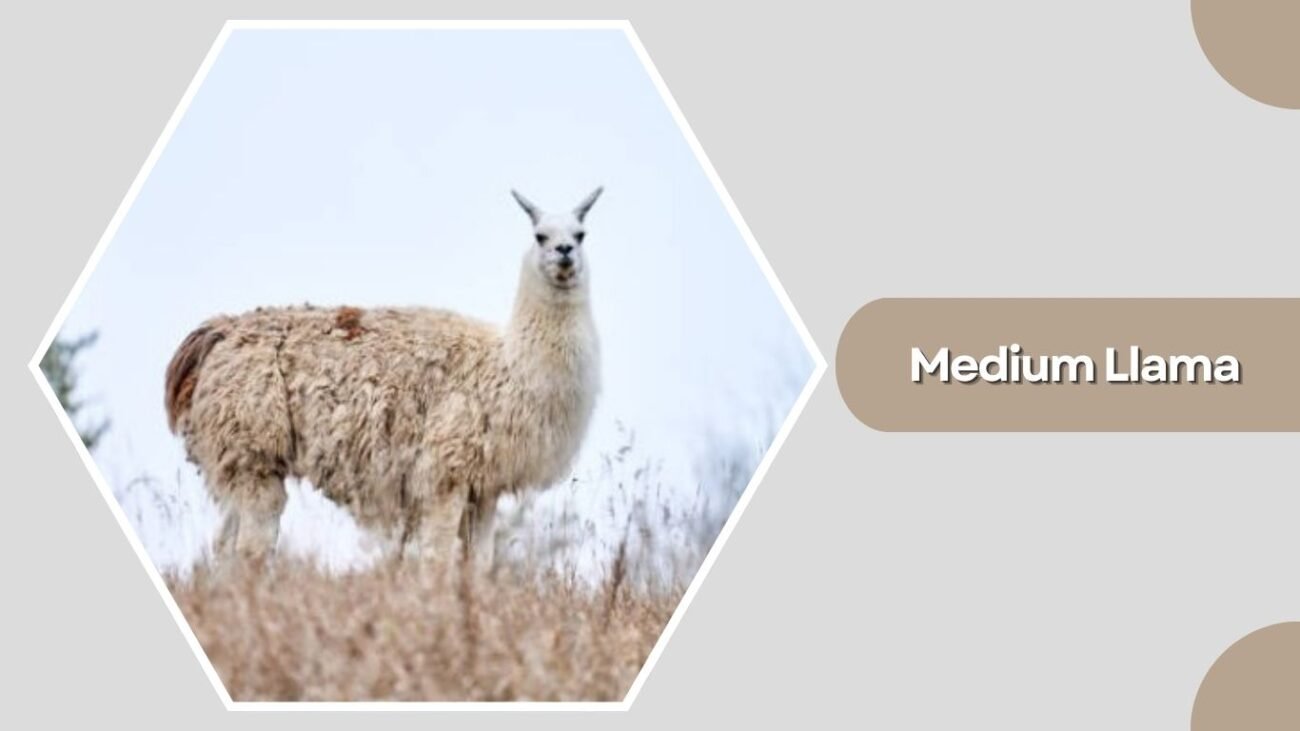
The Medium Llama is an intermediate type that falls between the Classic and Wooly llamas in terms of coat density and body build. It combines moderate fiber coverage with good strength and adaptability.
Identification
- Medium-length coat with partial wool coverage
- Less fiber on face and legs than Wooly llamas
- Balanced body proportions
- Upright, curved ears
- Coat texture ranges from semi-coarse to moderately soft
Size and Weight
Medium llamas are moderately built. Adults typically stand 1.7–1.9 meters (5.6–6.2 ft) at the head and weigh around 125–190 kg (275–420 lb), depending on sex and regional conditions.
Habitat and Distribution
This llama type is commonly found across the Andean highlands, particularly in Peru, Bolivia, and Argentina. It thrives at elevations above 3,000 meters, where conditions vary between cold nights and mild daytime temperatures.
Behavior and Adaptations
Medium llamas are versatile, calm, and resilient. Their balanced coat offers protection from cold without overheating, and their strong legs and efficient oxygen use make them well suited to mountainous terrain.
5. Peruvian Llama
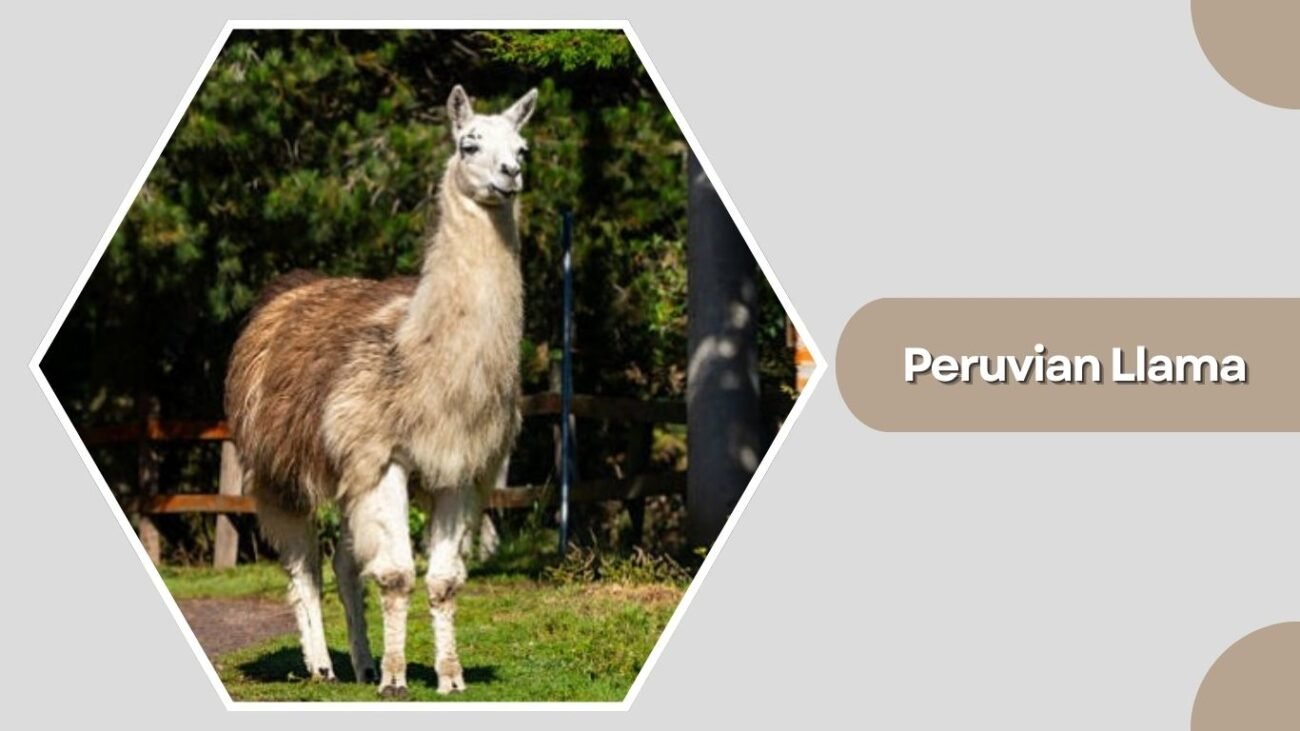
The Peruvian Llama refers to regional llama populations traditionally raised in Peru, where llamas have been bred for centuries for strength, adaptability, and fiber. These llamas often show a mix of Classic, Medium, and Wooly traits.
Identification
- Medium to large body with a sturdy frame
- Coat varies from short to moderately wooly
- Face usually less covered with fiber
- Upright, curved ears
- Coat colors range from white and brown to black and mixed patterns
Size and Weight
Peruvian llamas are generally well built. Adults typically stand 1.7–1.9 meters (5.6–6.2 ft) at the head and weigh 130–200 kg (290–440 lb), with males usually heavier than females.
Habitat and Distribution
This llama type is mainly found in the Andean highlands of Peru, especially at elevations above 3,000 meters. The region includes cold plateaus, valleys, and mountainous terrain.
Behavior and Adaptations
Peruvian llamas are hardy, intelligent, and highly adapted to high-altitude life. Their strong lungs, efficient oxygen use, and sure-footed movement allow them to thrive in thin air and rugged landscapes.
6. Bolivian Llama
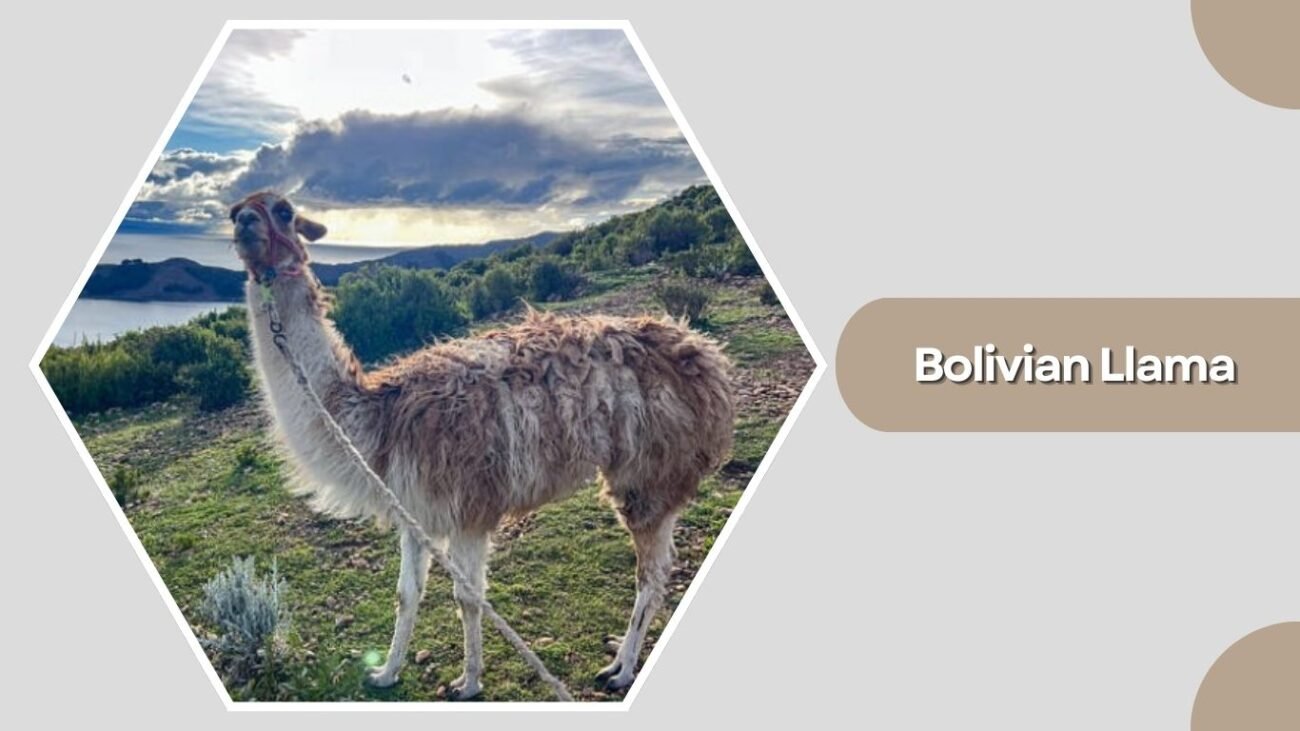
The Bolivian Llama is a regional type traditionally bred for strength and endurance, making it especially suitable for carrying loads across rugged terrain. It is one of the most commonly used pack llamas in the Andes.
Identification
- Large, strong body with a deep chest
- Short to medium-length coat
- Limited wool on face and lower legs
- Upright, slightly curved ears
- Coat color commonly white, brown, black, or mixed
Size and Weight
Bolivian llamas are among the heavier regional types. Adults typically stand 1.7–1.9 meters (5.6–6.2 ft) at the head and weigh 140–210 kg (310–460 lb), with males usually larger.
Habitat and Distribution
This llama type is mainly found in the high-altitude regions of Bolivia, particularly above 3,500 meters. The environment is cold, dry, and mountainous.
Behavior and Adaptations
Bolivian llamas are calm, disciplined, and highly resilient. Their strong limbs, balanced body structure, and efficient respiration allow them to transport loads over long distances in thin-air conditions.
7. Argentine Llama
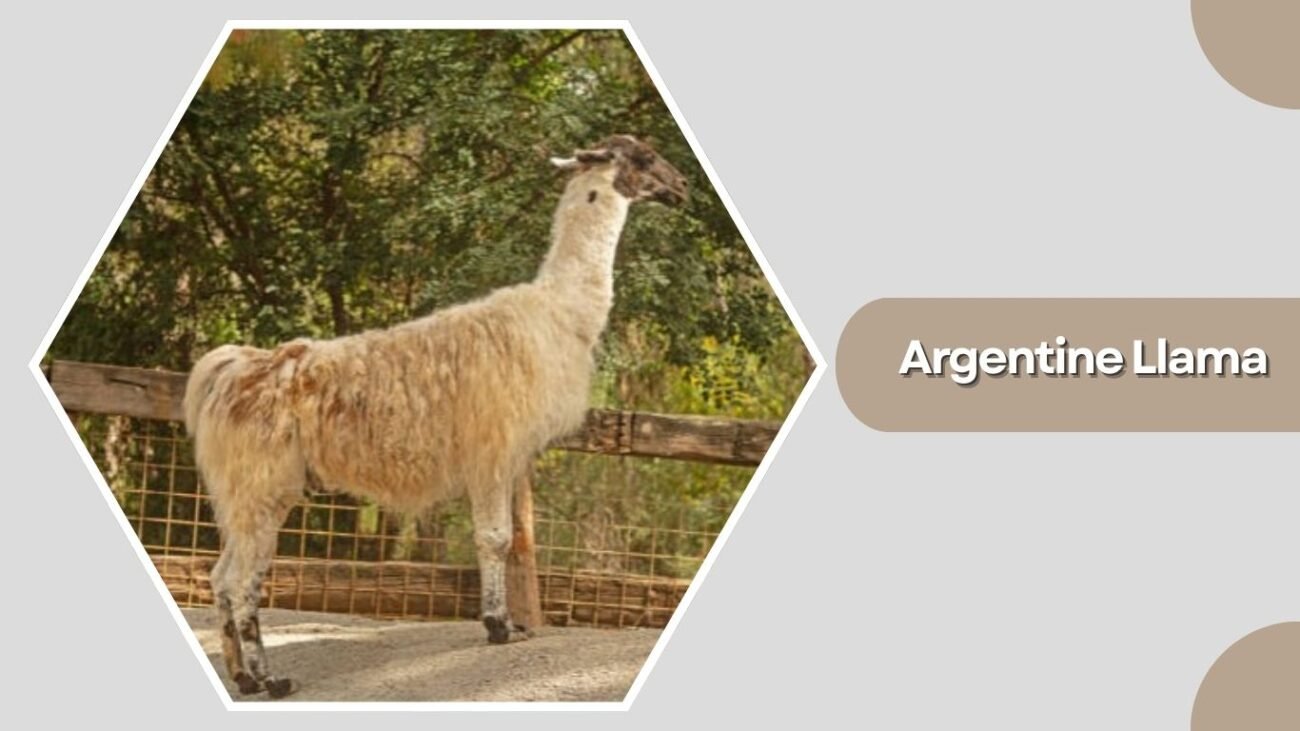
The Argentine Llama is a regional llama type adapted to cold, dry, and windswept highland environments. It is known for its toughness, endurance, and ability to survive in arid Andean landscapes.
Identification
- Medium to large body with a lean, sturdy frame
- Short to medium-length coat, often coarser in texture
- Sparse fiber on face and legs
- Upright ears with a gentle inward curve
- Coat colors commonly brown, white, black, or mixed
Size and Weight
Argentine llamas are solidly built but slightly leaner than some other regional types. Adults typically stand 1.7–1.9 meters (5.6–6.2 ft) at the head and weigh 130–190 kg (290–420 lb), with males generally heavier.
Habitat and Distribution
This llama type is mainly found in the Andean highlands of Argentina, especially in the northwestern provinces. These areas are characterized by high elevations, low rainfall, and wide temperature fluctuations.
Behavior and Adaptations
Argentine llamas are hardy, alert, and efficient grazers. Their strong legs, efficient oxygen utilization, and tolerance for dry conditions allow them to thrive in harsh, high-altitude environments where resources are limited.


