When it comes to flight, wingspan is everything — especially for birds that travel across oceans, continents, and towering mountain ranges. Some species have evolved incredible wing lengths to glide effortlessly for miles without flapping, conserving energy during long journeys. From oceanic albatrosses to high-soaring vultures, here’s a detailed look at 20 birds with the longest wingspans on Earth. These avian giants are not just record-breakers — they’re built for endurance, power, and survival in the skies.
1. Wandering Albatross
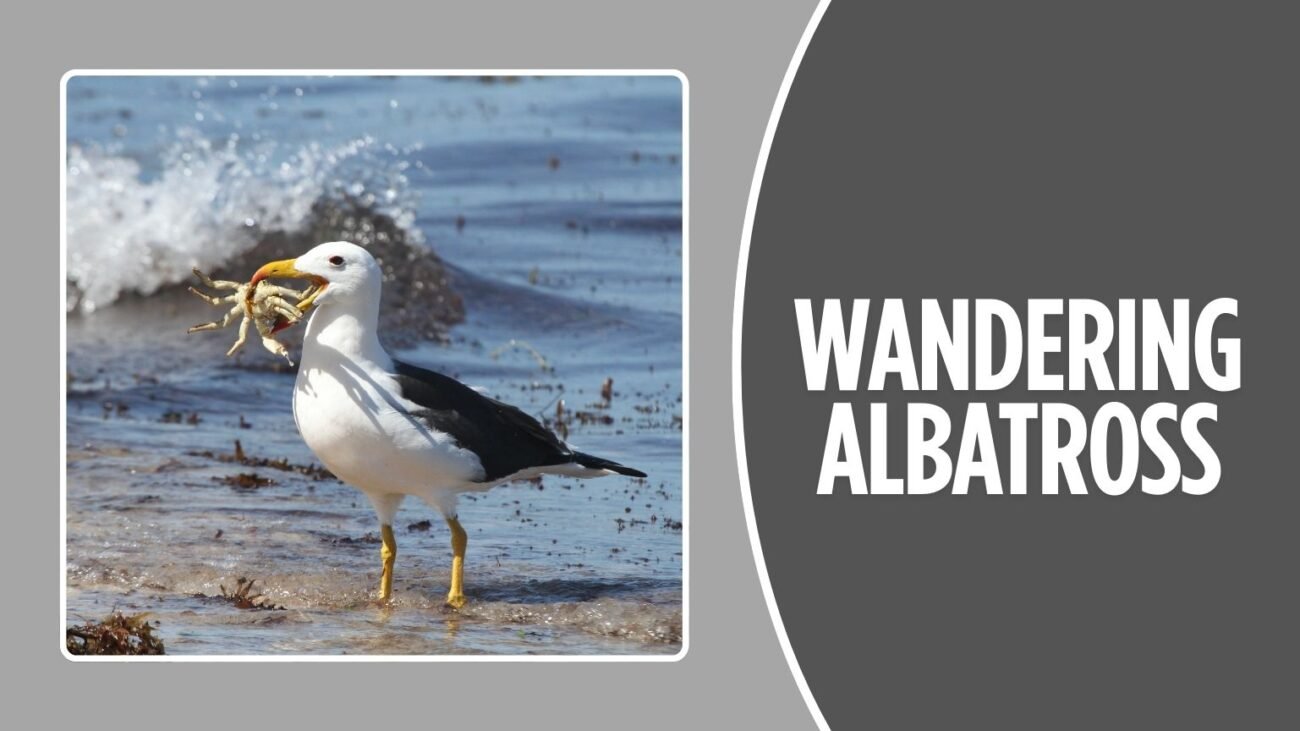
The Wandering Albatross holds the record for the longest wingspan of any living bird, stretching up to 11 feet (3.4 meters). These oceanic giants glide effortlessly over open seas and are known for their incredible long-distance flights.
Identification
- Wingspan: Up to 11 feet (3.4 meters)
- Body Length: Around 1.1 to 1.35 meters (3.6 to 4.4 feet)
- Color: Mostly white with black wingtips
- Beak: Long, pale pink with hooked tip
- Habitat: Southern Ocean and sub-Antarctic islands
Why Their Wingspan Is So Long
The massive wingspan helps them soar for hours without flapping, conserving energy during long-distance flights over oceans.
Flight Style
They use dynamic soaring, catching wind currents above waves to glide across the sea with minimal effort.
Records and Comparisons
No other living bird surpasses the Wandering Albatross in wingspan. They have been recorded flying more than 10,000 kilometers on single foraging trips.
2. Southern Royal Albatross
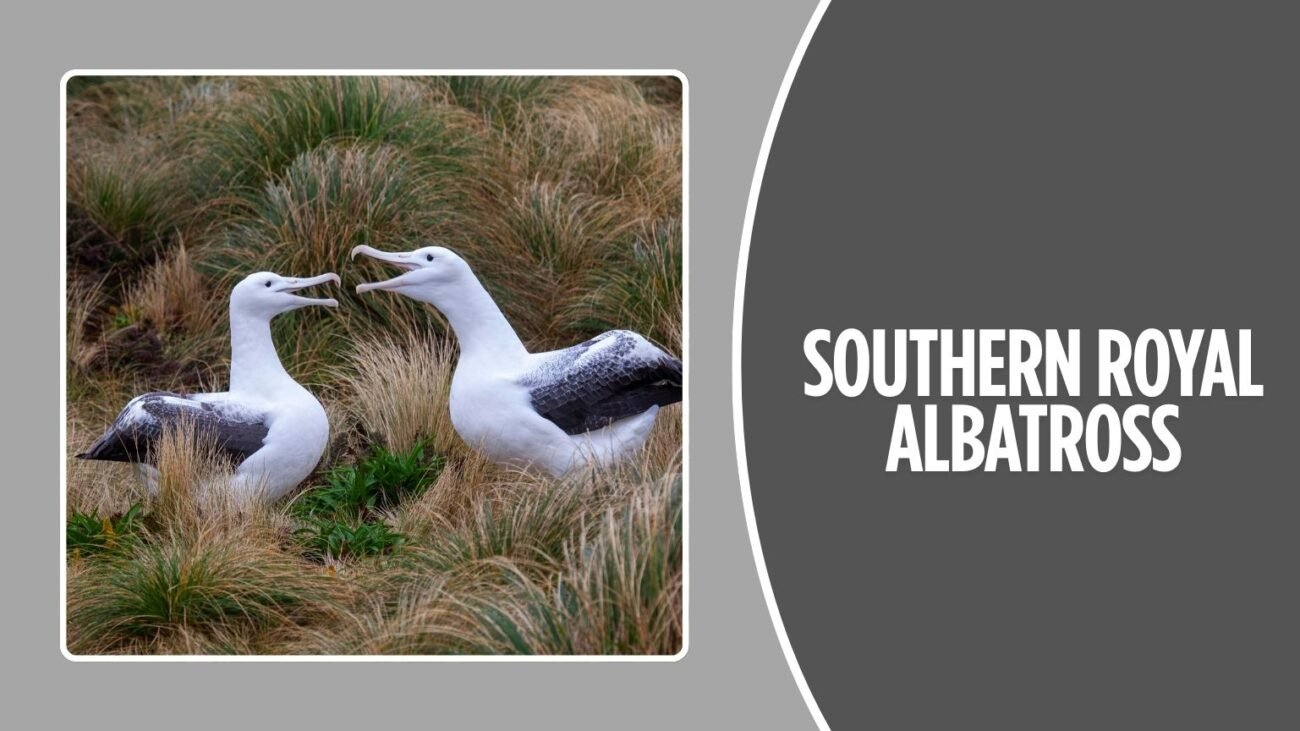
The Southern Royal Albatross is another giant of the sky, with a wingspan that closely rivals the Wandering Albatross. These birds are powerful gliders, adapted to life in the vast Southern Ocean.
Identification
- Wingspan: Up to 10.8 feet (3.3 meters)
- Body Length: About 1.1 to 1.3 meters
- Color: Predominantly white with black on upper wings
- Beak: Large and pale pink
- Habitat: Sub-Antarctic islands, especially Campbell and Auckland Islands
Wingspan Advantage
Their wide wingspan supports their ability to travel thousands of kilometers with minimal effort, vital for foraging over open ocean.
Comparison With Wandering Albatross
While slightly shorter in wingspan, Southern Royals are often mistaken for Wandering Albatrosses due to their similar size and range.
Longevity and Range
They can live for over 50 years and are known for their massive foraging ranges across the Southern Hemisphere.
3. Great White Pelican
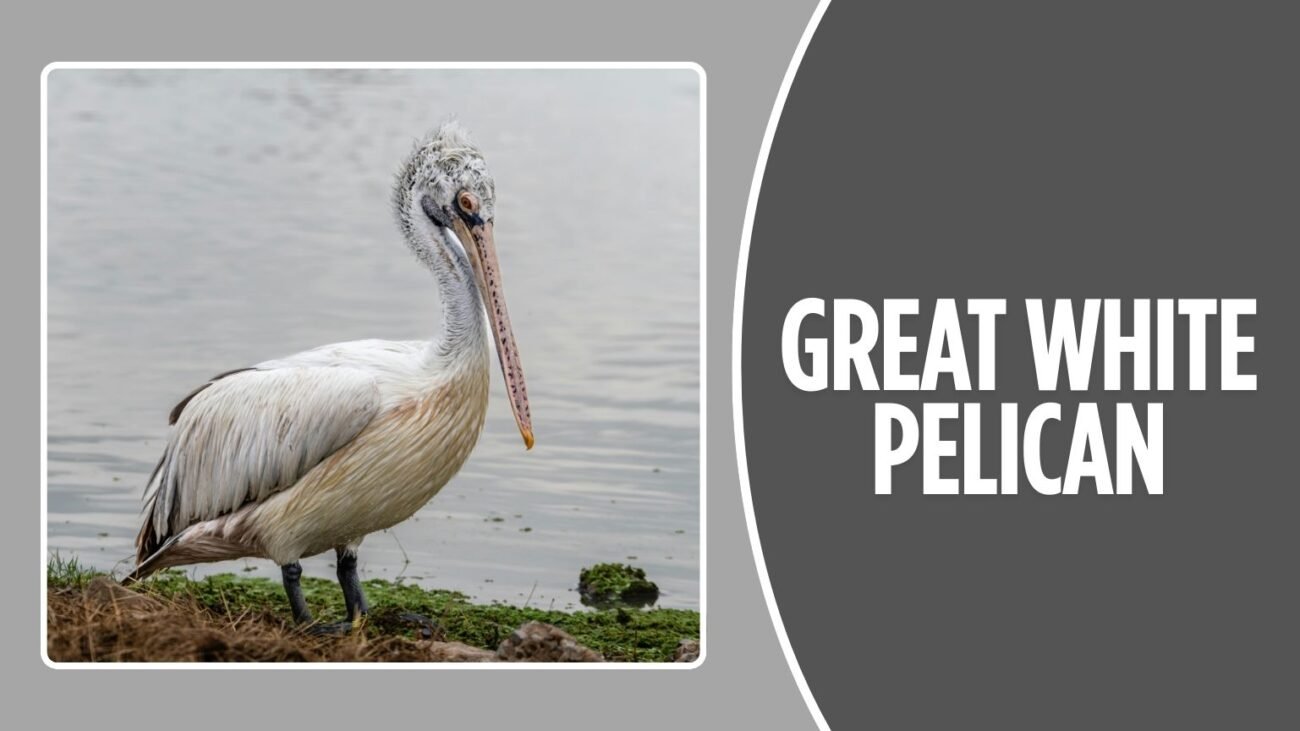
The Great White Pelican is one of the largest flying birds in the world, with a wingspan reaching over 11 feet in rare cases. They are easily recognizable and known for their impressive aerial displays.
Identification
- Wingspan: Up to 11 feet (3.3 meters)
- Body Length: Around 1.4 to 1.8 meters
- Color: Mostly white with black flight feathers
- Beak: Long and yellow with a large pouch
- Habitat: Lakes, marshes, and estuaries in Africa, southeastern Europe, and parts of Asia
Wingspan Functionality
Their broad wings allow them to soar gracefully in thermal air currents, which helps them travel long distances during migration.
Group Flight
They often fly in V-formations or large flocks, using synchronized movements that reduce air resistance.
Feeding and Migration
Though not a seabird, their wide wingspan aids in both fishing and long seasonal migrations across continents.
4. Dalmatian Pelican
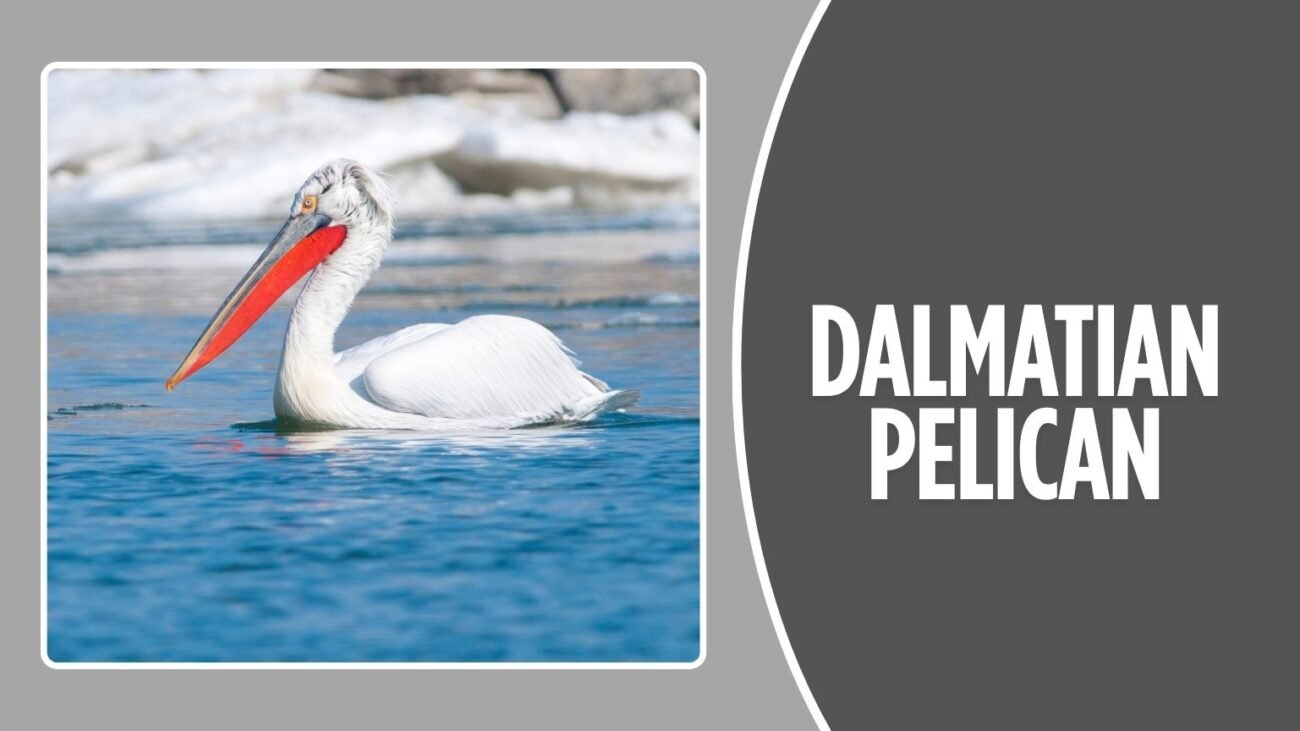
The Dalmatian Pelican is one of the heaviest flying birds and boasts an impressive wingspan, making it one of the largest of all pelican species. Its sheer size and curly nape feathers give it a striking appearance.
Identification
- Wingspan: Up to 11.5 feet (3.5 meters)
- Body Length: Around 1.6 to 1.8 meters
- Color: Silvery white with curly nape feathers
- Beak: Large, yellow-orange with red pouch during breeding season
- Habitat: Wetlands, lakes, and rivers in southeastern Europe and Asia
Wingspan Efficiency
Their massive wings allow for slow, powerful flapping and soaring, especially useful for long inland and coastal flights.
Unique Flight Features
They often fly with necks tucked in and use strong wingbeats compared to gliding seabirds.
Conservation Note
Though widespread, they are considered Near Threatened due to habitat loss and human disturbances.
5. Tristan Albatross
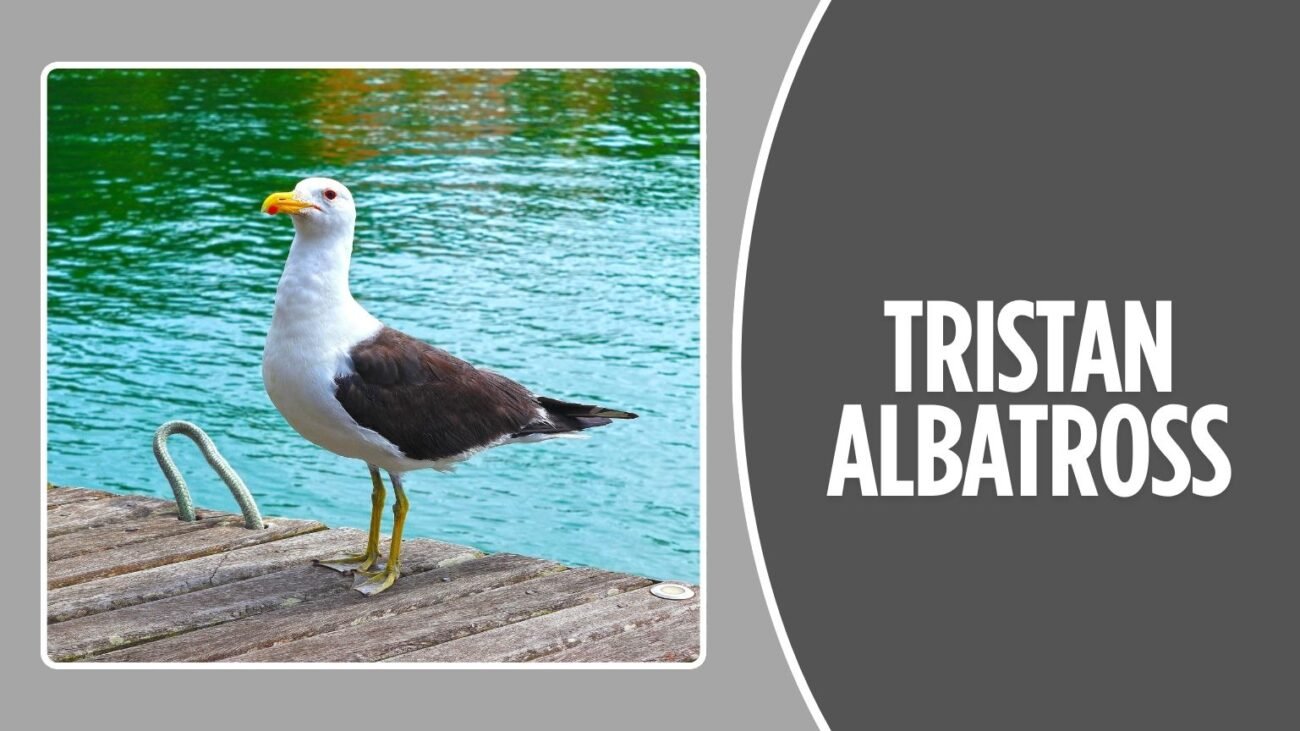
The Tristan Albatross is a critically endangered seabird, closely related to the Wandering Albatross. It is known for its long wings and rare nesting grounds on remote islands.
Identification
- Wingspan: Up to 11 feet (3.3 meters)
- Body Length: About 1.1 to 1.2 meters
- Color: Mostly white with dark upper wings
- Beak: Pale and hooked
- Habitat: Breeds only on Gough Island in the South Atlantic
Wing Adaptation
Their extended wings allow them to glide over vast stretches of ocean without stopping, ideal for open-sea travel.
Flight Patterns
They spend most of their lives in flight, only returning to land for breeding.
Conservation Concern
They face severe threats from longline fishing and invasive species on breeding islands.
6. Amsterdam Albatross
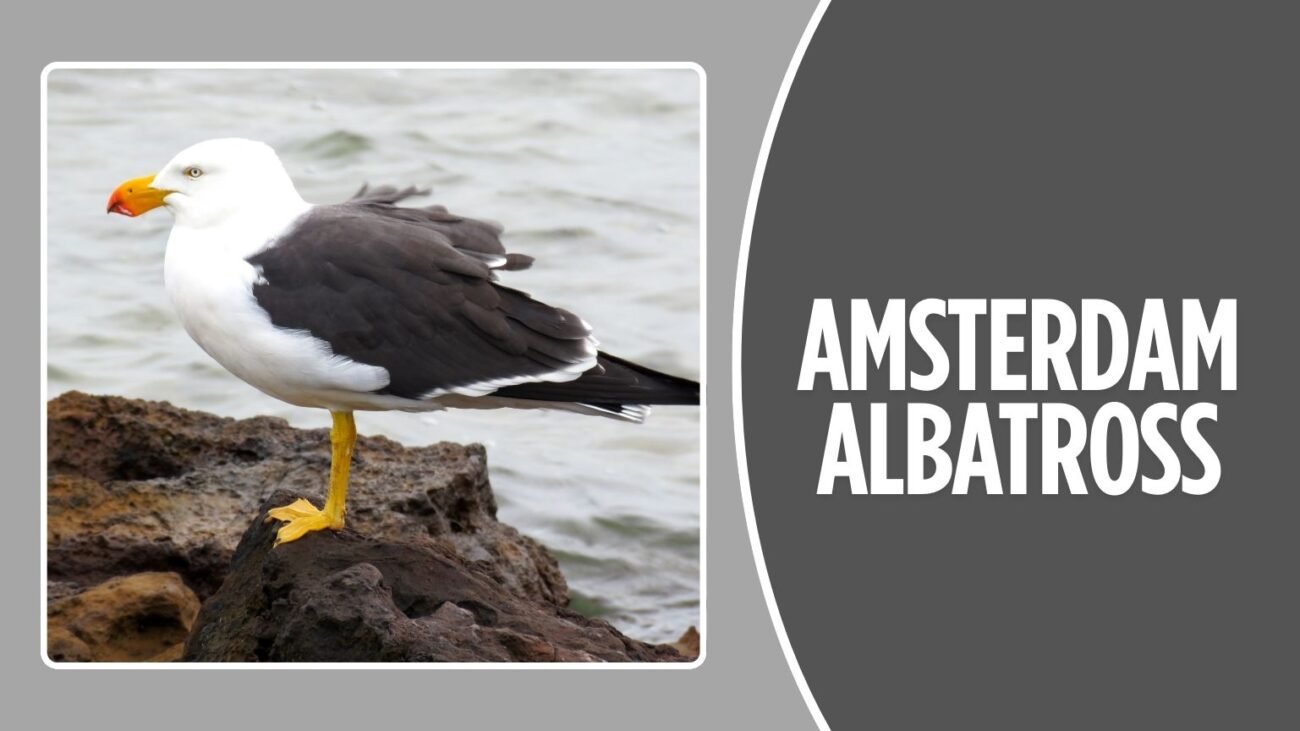
The Amsterdam Albatross is one of the rarest birds in the world, with a wingspan rivaling other great albatrosses. This species breeds only on Amsterdam Island in the southern Indian Ocean.
Identification
- Wingspan: Up to 10.5 feet (3.2 meters)
- Body Length: Around 1.1 to 1.2 meters
- Color: White head and underparts with dark brown upperparts and wings
- Beak: Large and pale with a dark tip
- Habitat: Open Southern Ocean, breeding only on Amsterdam Island
Wingspan Role in Survival
Their long wings enable them to soar across rough ocean winds with minimal energy use, a necessity for traveling immense distances to feed.
Lifespan and Flight Range
They can live up to 50 years, and their foraging flights can span thousands of kilometers.
Rarity
Fewer than 200 breeding pairs exist, making them critically endangered.
7. Northern Royal Albatross
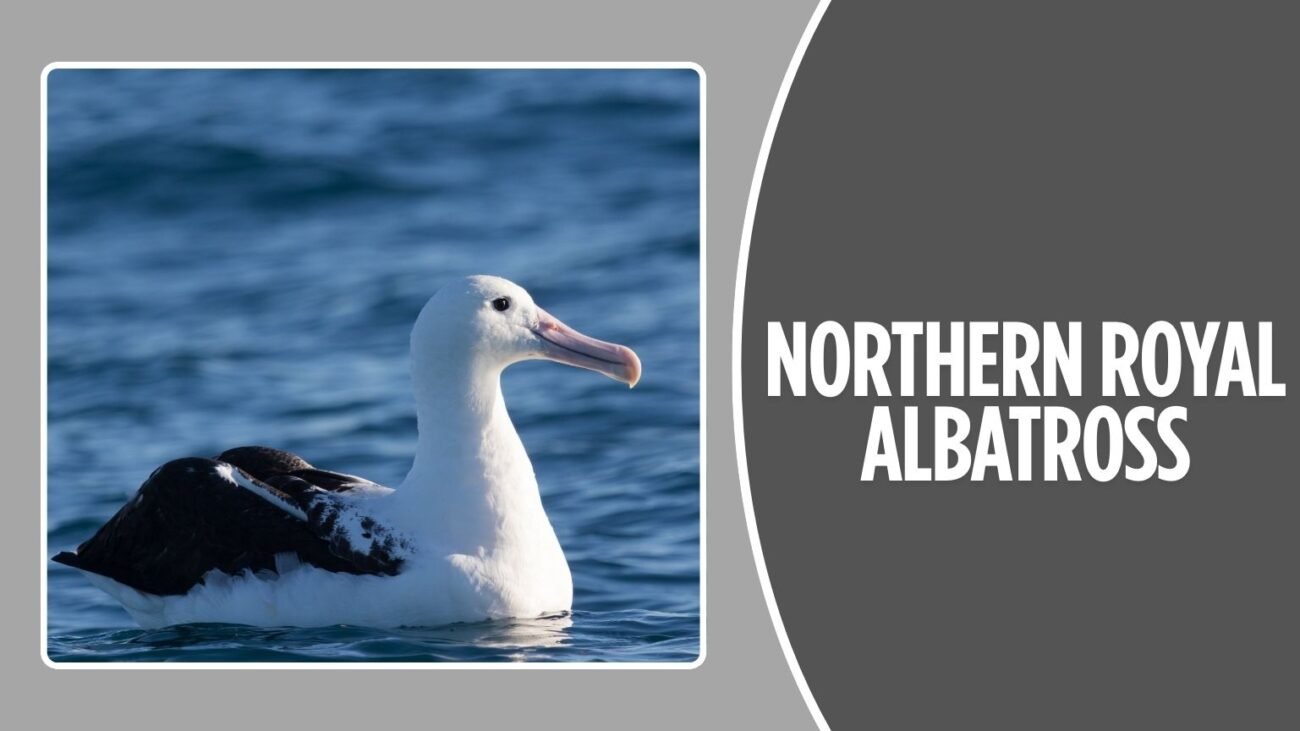
The Northern Royal Albatross is a majestic seabird known for its gliding ability and long wingspan. It is often seen nesting on New Zealand’s South Island.
Identification
- Wingspan: Up to 10.8 feet (3.3 meters)
- Body Length: About 1.1 to 1.3 meters
- Color: White body with black upper wings
- Beak: Long, pink with a sharp hook
- Habitat: Southern Ocean and breeding colonies in New Zealand
Wing Functionality
Its extended wings support long-distance gliding without constant flapping, helping it cross large areas of ocean while searching for food.
Breeding and Nesting
They breed biennially and require undisturbed coastal cliffs or islands to raise chicks.
Recognition
They are among the most studied albatross species and are symbolic birds in New Zealand.
8. Antipodean Albatross
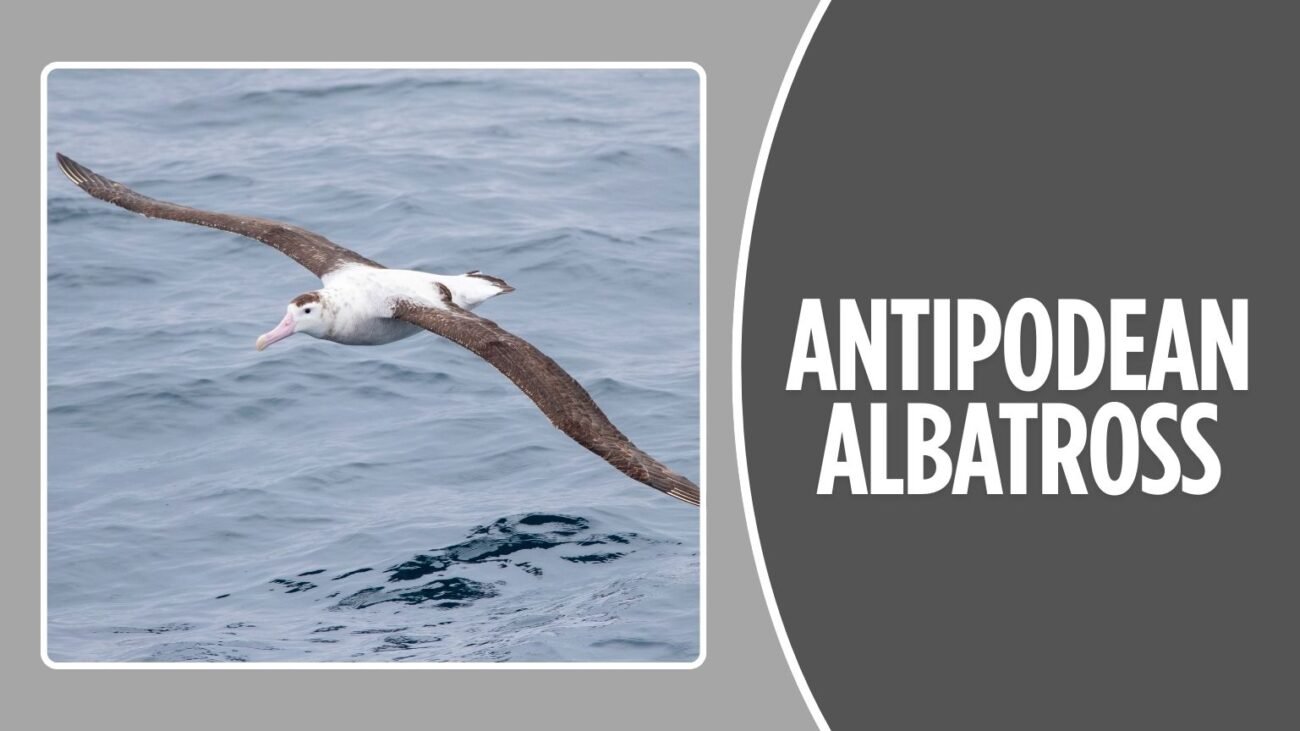
The Antipodean Albatross is a large seabird with an extensive wingspan, allowing it to travel immense distances over the open ocean. It is closely related to the Wandering Albatross and is often mistaken for it in flight.
Identification
- Wingspan: Up to 10.5 feet (3.2 meters)
- Body Length: Around 1.1 to 1.2 meters
- Color: Mottled white and brown body with darker wings
- Beak: Pale pink with a hooked tip
- Habitat: Breeds on Antipodes and Campbell Islands; ranges across the South Pacific
Wingspan Purpose
Their long wings are adapted for dynamic soaring, allowing them to stay aloft for hours without flapping as they glide across vast ocean distances.
Flight and Foraging Range
These birds often travel from New Zealand to South America and back, covering tens of thousands of kilometers in a single foraging trip.
Conservation Status
Vulnerable to bycatch in longline fisheries and climate-related changes in ocean currents, they are classified as endangered.
9. Marabou Stork
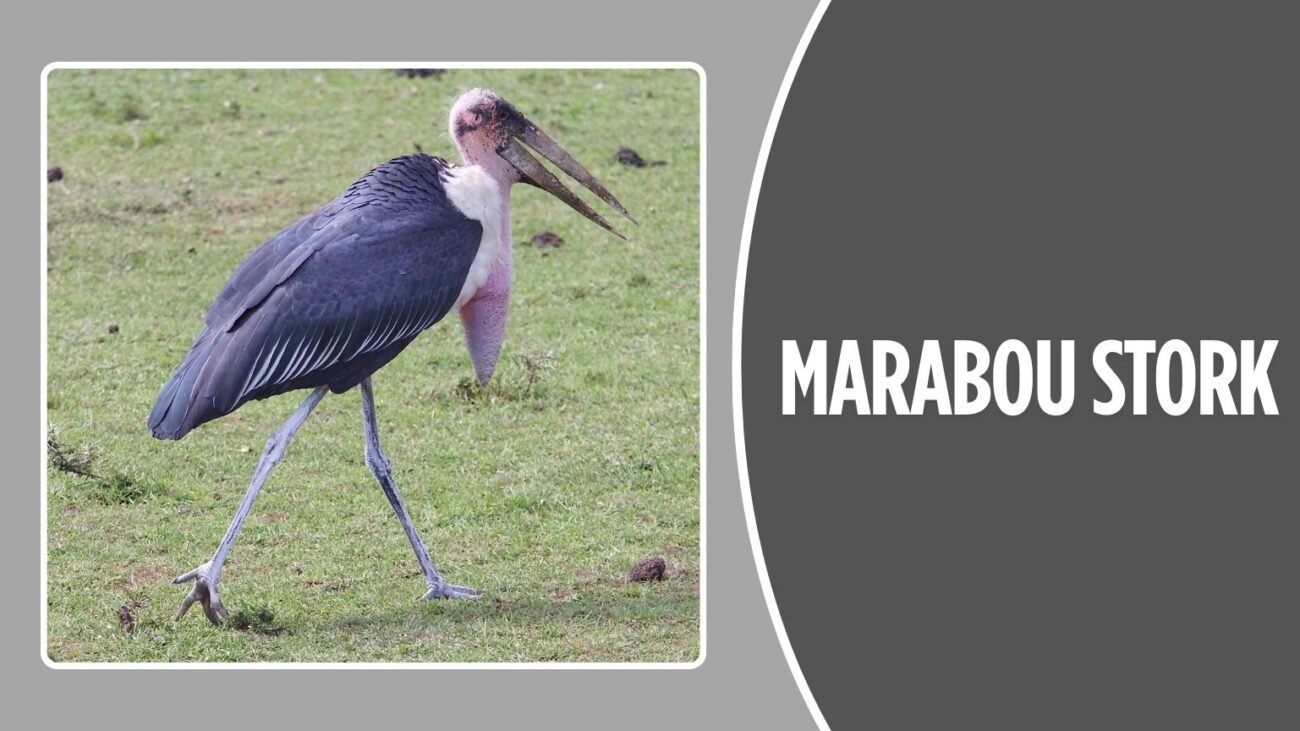
The Marabou Stork is the largest land bird by wingspan in Africa. Known for its bald head and massive size, it thrives in both wild and urban environments.
Identification
- Wingspan: Up to 10.5 feet (3.2 meters)
- Body Length: About 1.2 to 1.5 meters
- Color: Grey wings, white underparts, and bald pink head
- Beak: Long, thick, and pointed
- Habitat: Sub-Saharan Africa — wetlands, grasslands, landfills, and cities
How the Wingspan Helps
Its broad wings allow for effortless gliding, especially helpful for scavenging across wide territories without expending too much energy.
Unique Flight Behavior
Despite their heavy build, they can soar high using thermal updrafts, often seen circling like vultures.
Ecological Role
Marabou Storks are scavengers, playing a vital part in cleaning up carrion and waste in ecosystems and even urban areas.
10. Andean Condor
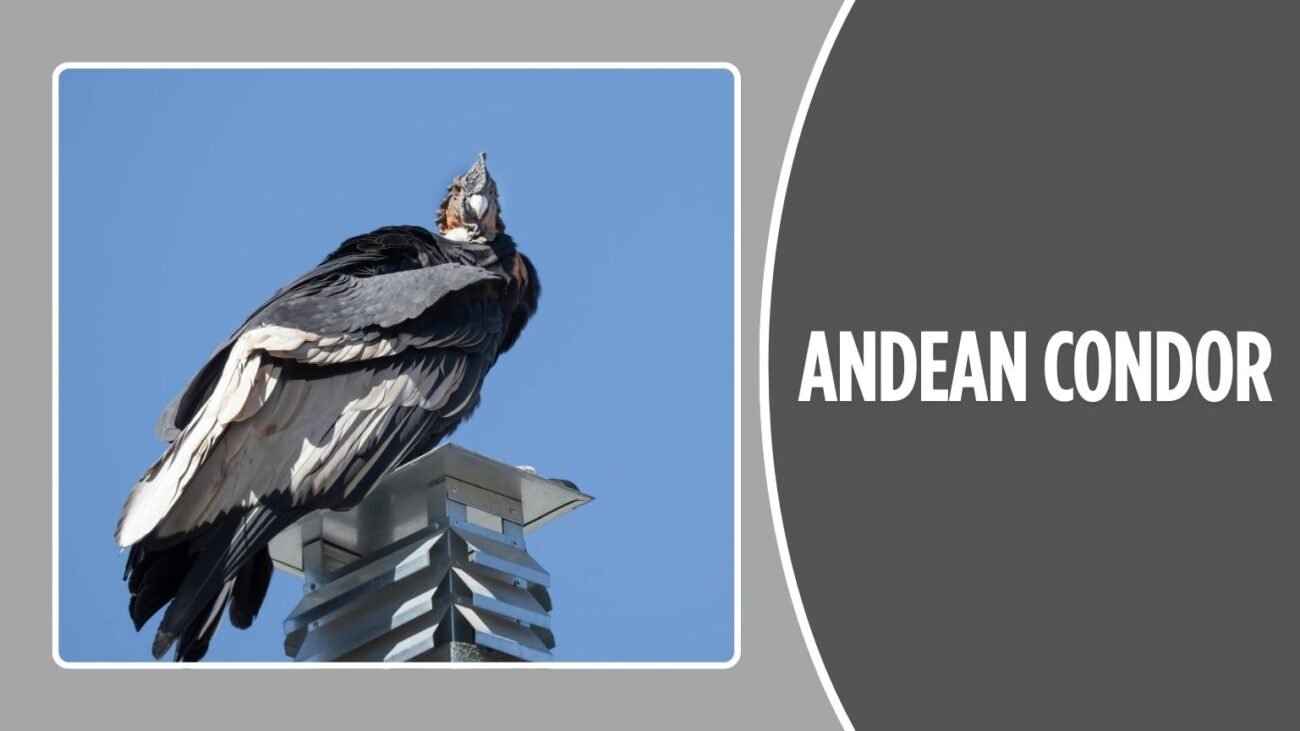
The Andean Condor is one of the heaviest flying birds and holds the record for the largest wingspan of any land bird in the Western Hemisphere. This powerful scavenger is a symbol of the Andes Mountains.
Identification
- Wingspan: Up to 10.5 feet (3.2 meters)
- Body Length: Around 1.1 to 1.3 meters
- Color: Black with white patches on wings and a white ruff around the neck
- Beak: Strong and hooked for tearing flesh
- Habitat: Andes Mountains and adjacent Pacific coasts of South America
Wingspan Benefits
Their massive wings allow them to glide for hours without flapping, riding thermal currents that rise from mountain slopes.
Flight Efficiency
Andean Condors can travel over 100 miles in a day using soaring flight alone, expending almost no energy.
Symbolic Status
They are culturally significant in South America, often representing power, freedom, and longevity.
11. California Condor
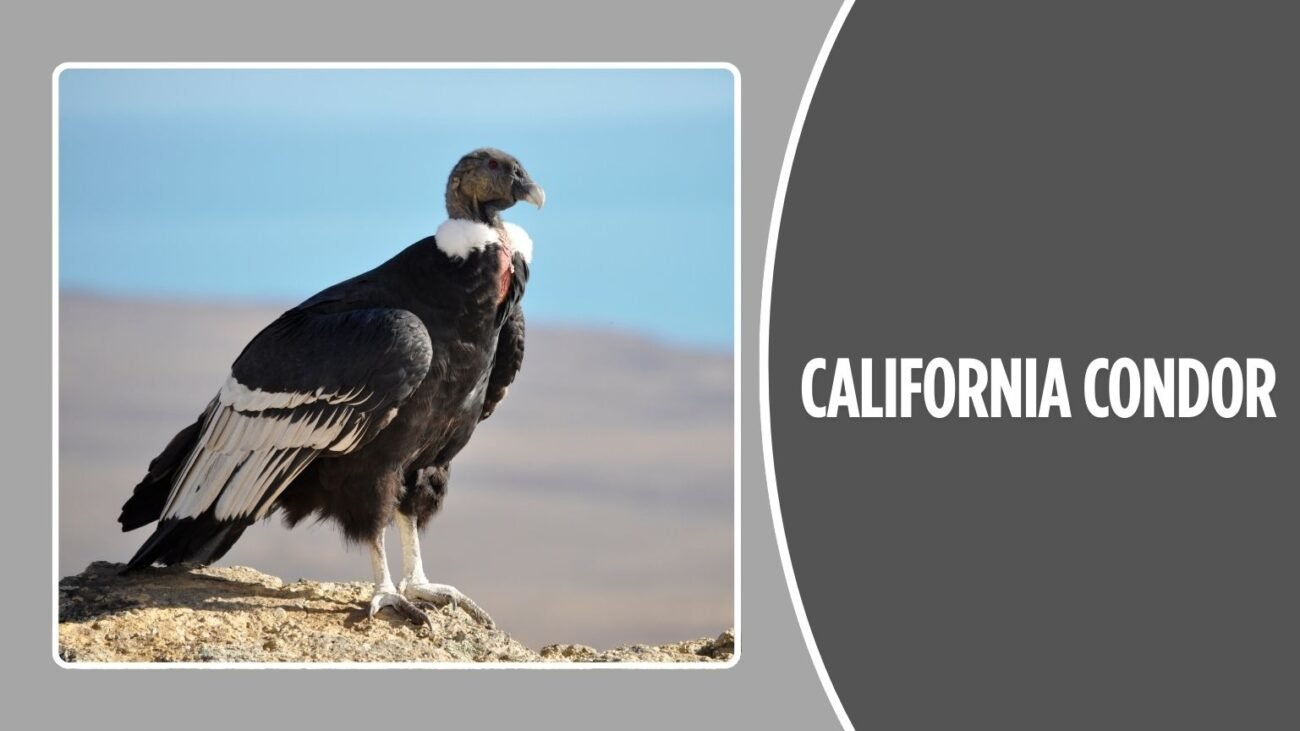
The California Condor is North America’s largest flying bird. Once near extinction, it has made a significant recovery thanks to intensive conservation efforts.
Identification
- Wingspan: Up to 10 feet (3.0 meters)
- Body Length: About 1.1 to 1.4 meters
- Color: Black body with white patches under the wings and a bald orange-pink head
- Beak: Large and hooked
- Habitat: Rocky forested regions and canyon country of western U.S., especially California and Arizona
How the Wingspan Supports Recovery
Their broad wings make long-distance soaring possible, critical for locating carrion across wide, rugged landscapes.
Flight Characteristics
They use soaring flight at high altitudes and can be seen circling silently over cliffs and valleys.
Conservation Comeback
From only 27 individuals in 1987, their population has now reached over 500, with many reintroduced to the wild.
12. White-tailed Eagle
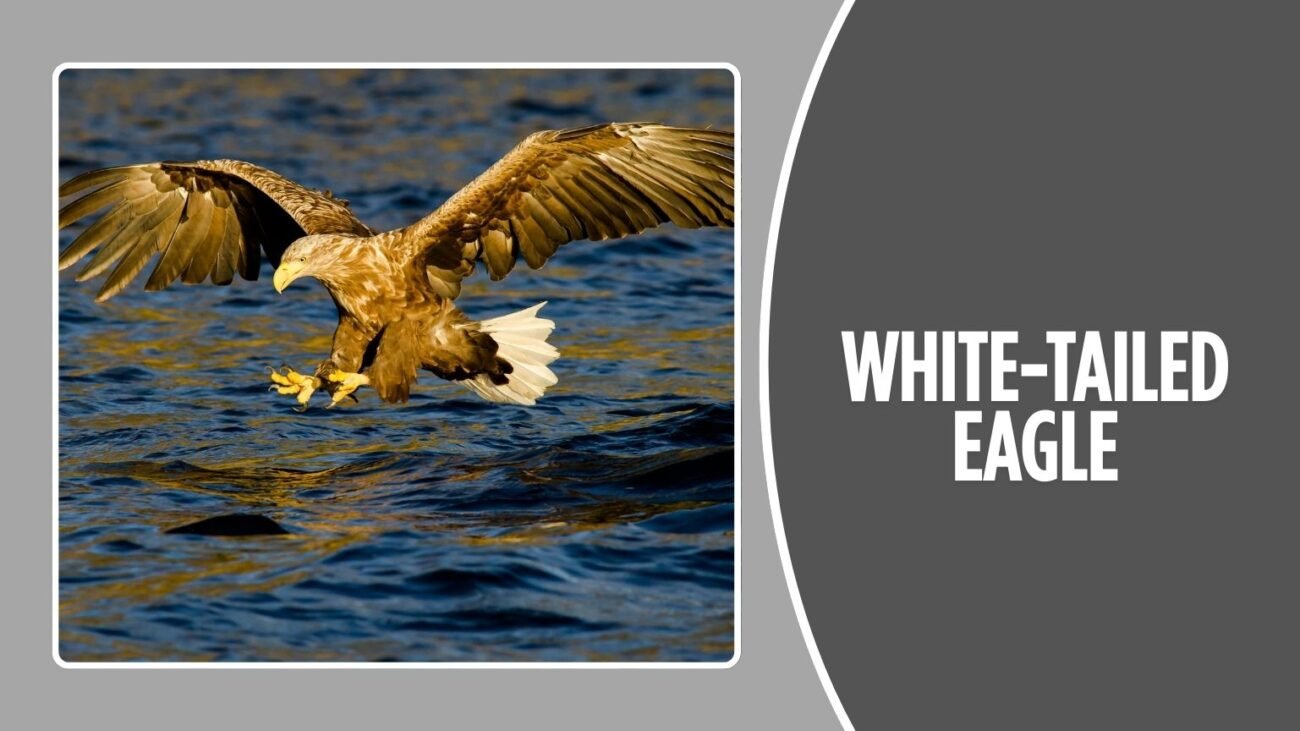
The White-tailed Eagle is Europe’s largest eagle and ranks among the top birds for wingspan. It is a powerful predator with a commanding presence along coasts, lakes, and large rivers.
Identification
- Wingspan: Up to 8.2 feet (2.5 meters)
- Body Length: About 0.7 to 1 meter
- Color: Brown body with a pale head and white tail
- Beak: Large, hooked, and yellow
- Habitat: Northern Europe and Asia — coasts, estuaries, and inland lakes
Wingspan Adaptation
Their wide wings provide lift for soaring over water and land while searching for fish or carrion.
Hunting Behavior
They often fly low over water or perch silently before diving to snatch fish with powerful talons.
Status and Recovery
Once endangered in parts of Europe, strong conservation programs have helped them rebound in many countries.
13. Bearded Vulture
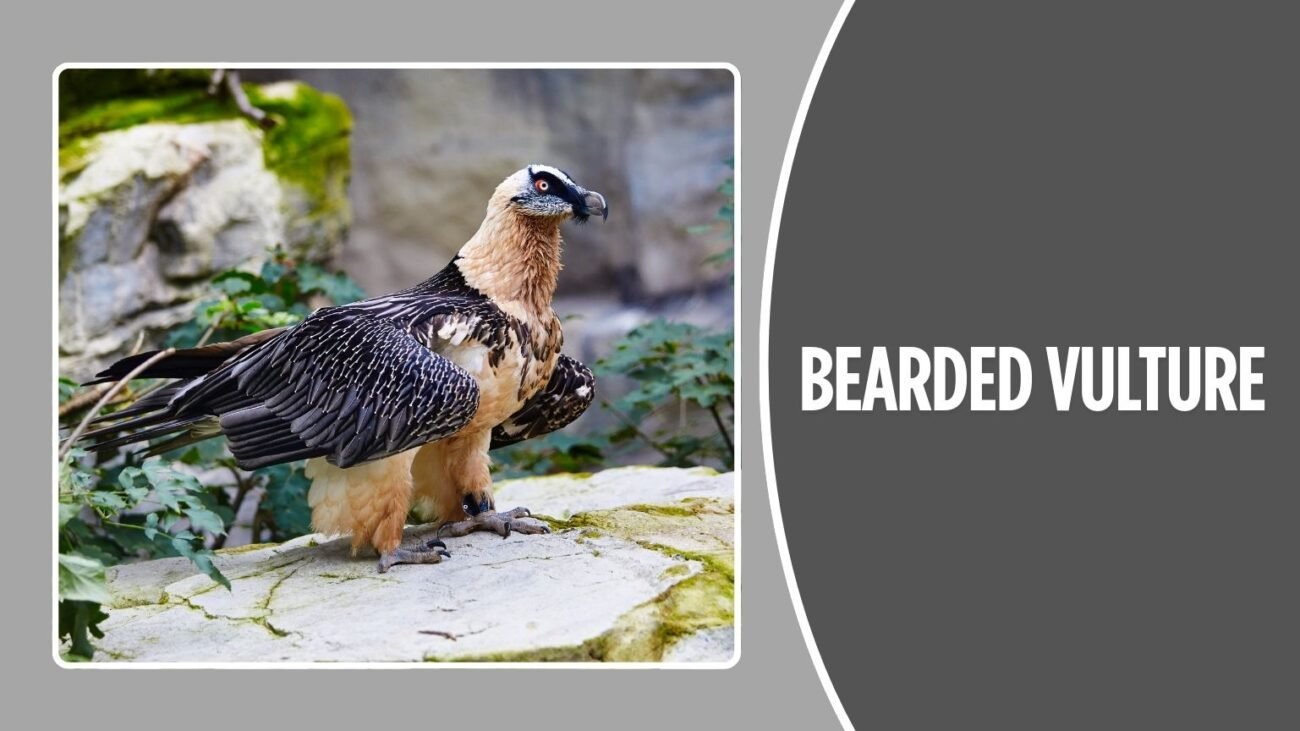
Also known as the Lammergeier, the Bearded Vulture is one of the highest-flying birds and is famous for its habit of dropping bones to break them open.
Identification
- Wingspan: Up to 9.3 feet (2.8 meters)
- Body Length: Around 0.9 to 1.2 meters
- Color: Rusty-orange and white with black markings around the eyes
- Beak: Sharp and slightly curved
- Habitat: Mountain ranges of Europe, Asia, and Africa
Wingspan Utility
Their long, narrow wings are perfect for navigating steep mountainous terrain and high-altitude soaring.
Unique Feeding Habit
They primarily feed on bones, swallowing small ones whole and dropping larger ones from heights to crack them.
Myth and Mystery
Often surrounded by folklore, these vultures were wrongly blamed for attacking livestock, which led to historic persecution.
14. Eurasian Black Vulture
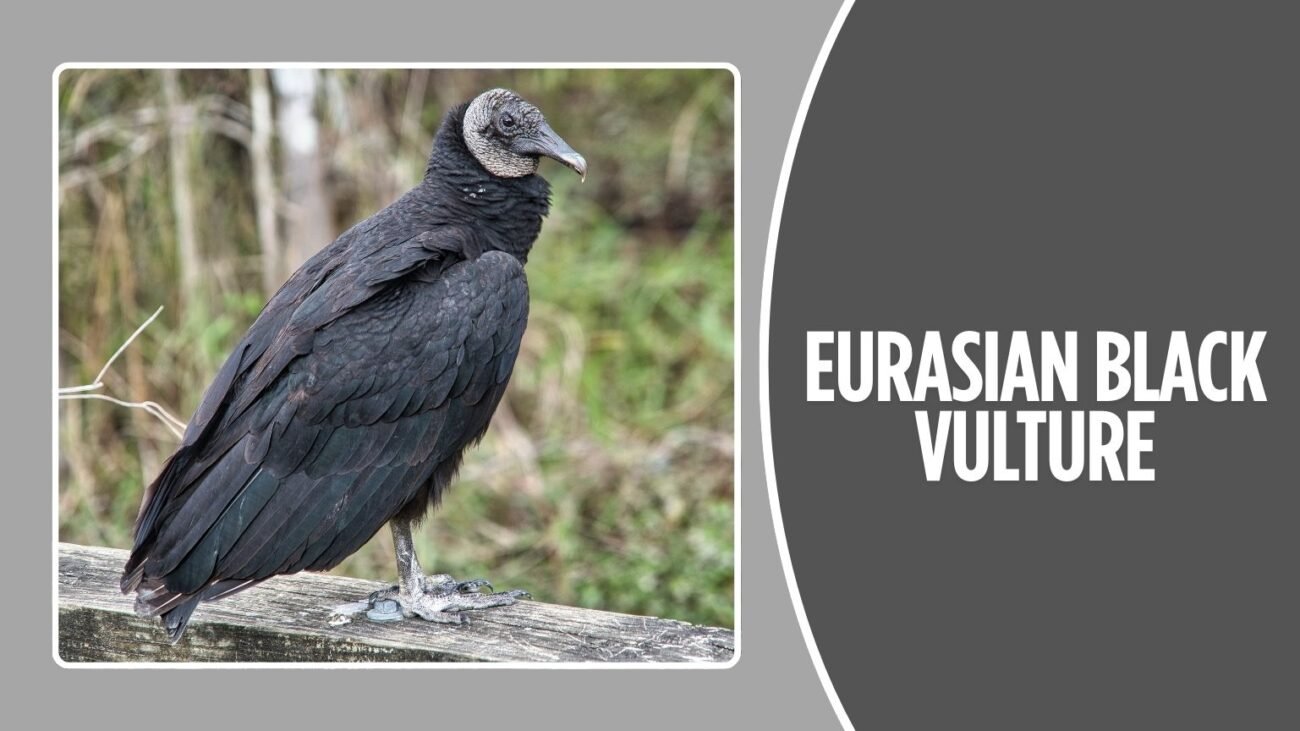
The Eurasian Black Vulture is one of the largest birds of prey in the world and a dominant scavenger across its range. Its powerful wings enable soaring across dry landscapes.
Identification
- Wingspan: Up to 10 feet (3.0 meters)
- Body Length: Around 1 to 1.2 meters
- Color: Dark brown to black with a pale head
- Beak: Thick and hooked for tearing flesh
- Habitat: Central Asia, Eastern Europe, and the Middle East — woodlands, steppes, and mountains
Flight and Wingspan Role
Their broad wings allow for slow, controlled soaring flight, helping them locate carcasses over large areas.
Social and Solitary Behavior
While often solitary, they may gather in groups at rich feeding sites.
Conservation Status
Though stable in some regions, habitat loss and poisoning remain concerns in others.
15. Whooper Swan
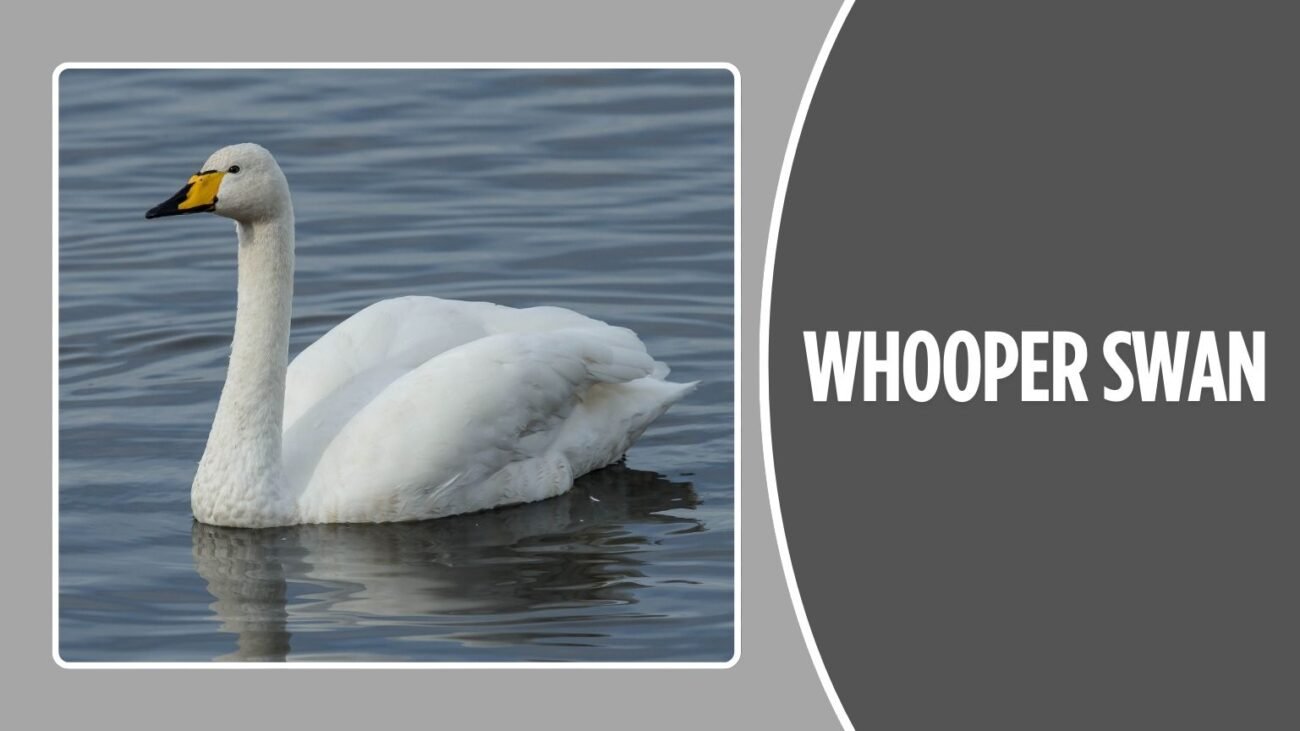
The Whooper Swan is a graceful and strong flyer, known for its long migrations across continents. It’s one of the largest swan species with an impressive wingspan.
Identification
- Wingspan: Up to 9.2 feet (2.8 meters)
- Body Length: Around 1.4 to 1.6 meters
- Color: Pure white body
- Beak: Yellow with a distinctive black tip
- Habitat: Breeds in northern Europe and Asia; winters in temperate regions
Wingspan in Migration
Their long wings support nonstop flights of hundreds or even thousands of kilometers during seasonal migrations.
Flight Sound
Whooper Swans are known for the loud “whooping” sound they make during flight, which helps flocks stay together.
Family-Oriented Flights
They migrate in family groups and often fly in V-formations to reduce air resistance and conserve energy.
16. Mute Swan
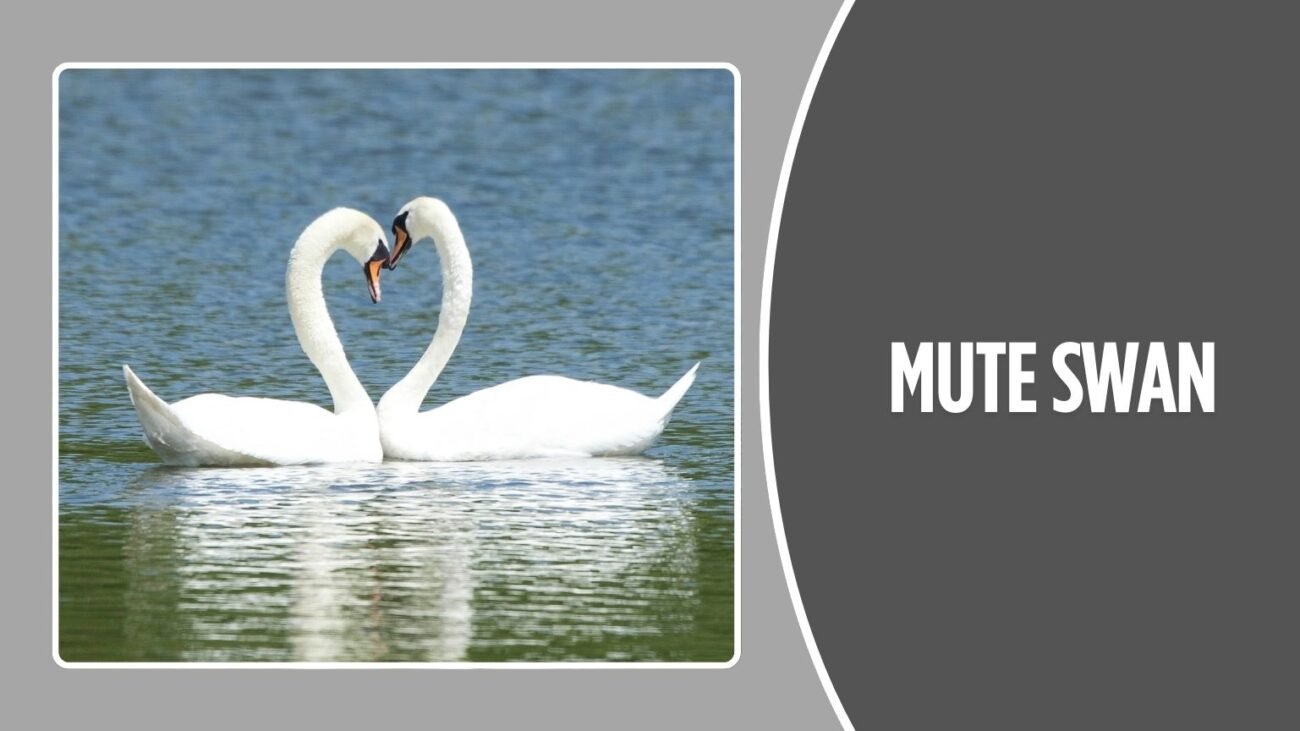
The Mute Swan is one of the heaviest flying birds, and its wide wingspan contributes to its strong, steady flight. Common across Europe and parts of North America, it’s known for its elegant appearance.
Identification
- Wingspan: Up to 8 feet (2.4 meters)
- Body Length: About 1.5 to 1.7 meters
- Color: White plumage with an orange bill and black knob
- Beak: Bright orange with black base
- Habitat: Lakes, ponds, rivers, and park waters across Europe and North America
Role of Wingspan
Their broad wings allow for slow, powerful wingbeats, often producing a distinct “whooshing” sound in flight.
Flight Behavior
Though not migratory in all regions, Mute Swans are capable of long flights, especially when moving between feeding or breeding areas.
Territorial Display
They use their large wings not just for flight but also to posture during territorial disputes and courtship.
17. Great Frigatebird
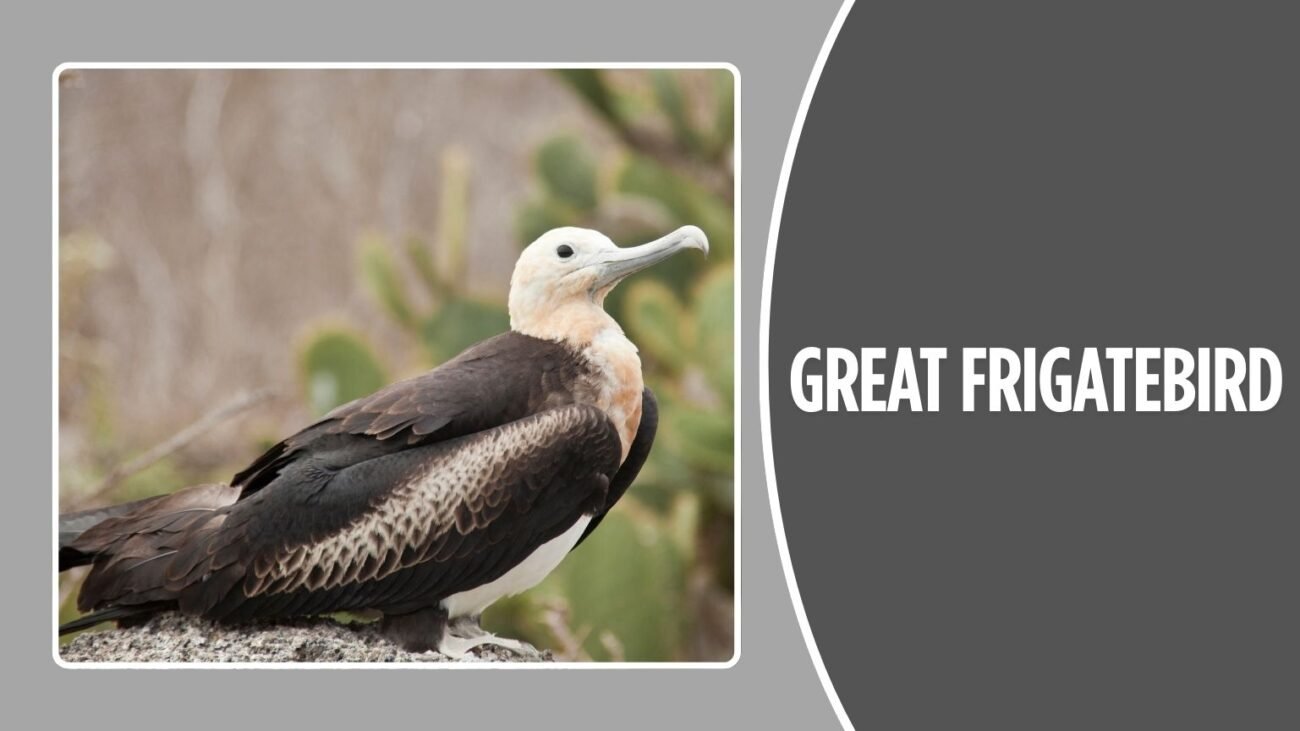
The Great Frigatebird is a master of aerial agility with a light body and incredibly long wings. It spends most of its life soaring over tropical oceans.
Identification
- Wingspan: Up to 8 feet (2.4 meters)
- Body Length: Around 0.9 to 1.1 meters
- Color: Males are black with an inflatable red throat pouch; females have white underparts
- Beak: Long and hooked
- Habitat: Tropical and subtropical oceans — nesting on remote islands
Wingspan and Flight Ability
Their slender wings allow them to glide for days without landing, conserving energy as they travel across open seas.
Unique Flight Style
Great Frigatebirds rarely rest on water; instead, they ride warm air currents and can sleep while flying.
Feeding Behavior
They catch fish mid-air or steal food from other seabirds in a behavior known as kleptoparasitism.
18. Magnificent Frigatebird
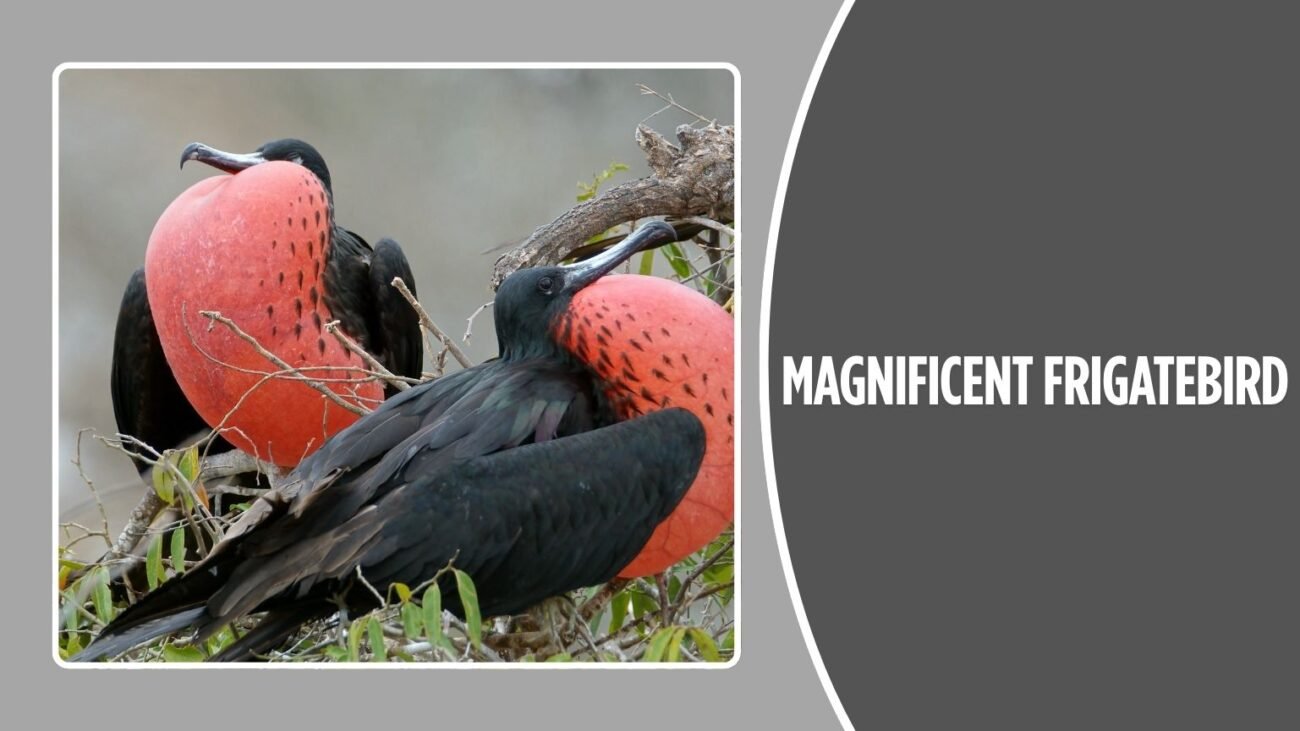
Closely related to the Great Frigatebird, the Magnificent Frigatebird has one of the largest wingspans relative to body weight, making it extremely efficient in flight.
Identification
- Wingspan: Up to 8 feet (2.4 meters)
- Body Length: Around 1 meter
- Color: Males are glossy black with a red throat pouch; females have white breast and belly
- Beak: Long, slender, and hooked
- Habitat: Warm waters of the Americas — especially in the Caribbean and Pacific coasts
Wingspan Usefulness
Their oversized wings let them soar on thermals and updrafts for hours with almost no effort.
Migration and Ranging
These birds travel long distances, sometimes across entire ocean basins, without stopping.
Breeding Display
Males inflate their throat pouch into a bright red balloon to attract females, creating a dramatic aerial courtship scene.
19. Cinereous Vulture
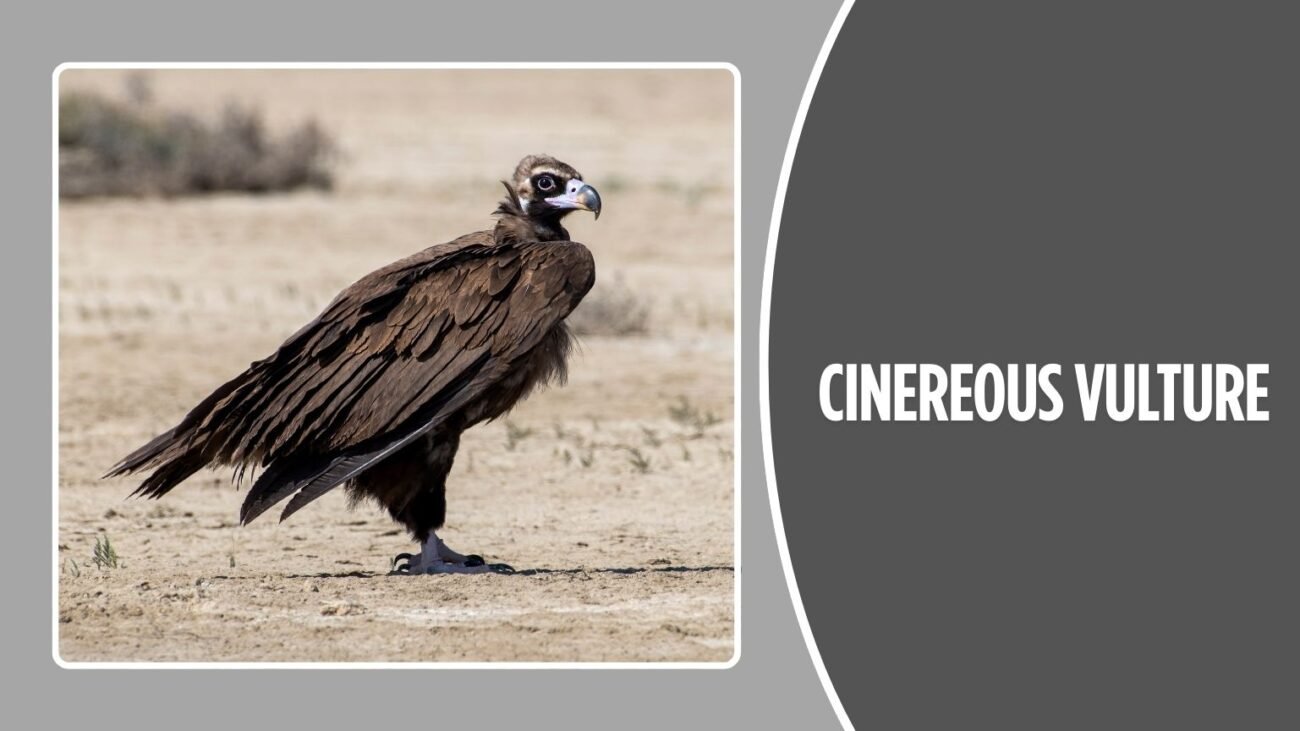
The Cinereous Vulture, also known as the Black Vulture of the Old World, is one of the heaviest and largest birds of prey. Its wide wingspan makes it an efficient long-distance glider.
Identification
- Wingspan: Up to 10 feet (3.0 meters)
- Body Length: About 1 to 1.2 meters
- Color: Dark brown to black with a pale grey head
- Beak: Strong and black, ideal for tearing flesh
- Habitat: Mountainous forests and open plains in Europe and Asia
Wingspan Function
Their large wings are adapted for soaring flight over rugged and open landscapes, helping them locate carrion from great heights.
Behavior in Flight
They rely on thermal currents and can glide for hours without flapping, often seen circling high above feeding grounds.
Role in Ecosystem
As scavengers, they play a critical part in the ecosystem by cleaning up animal carcasses, helping prevent the spread of disease.
20. Shoebill
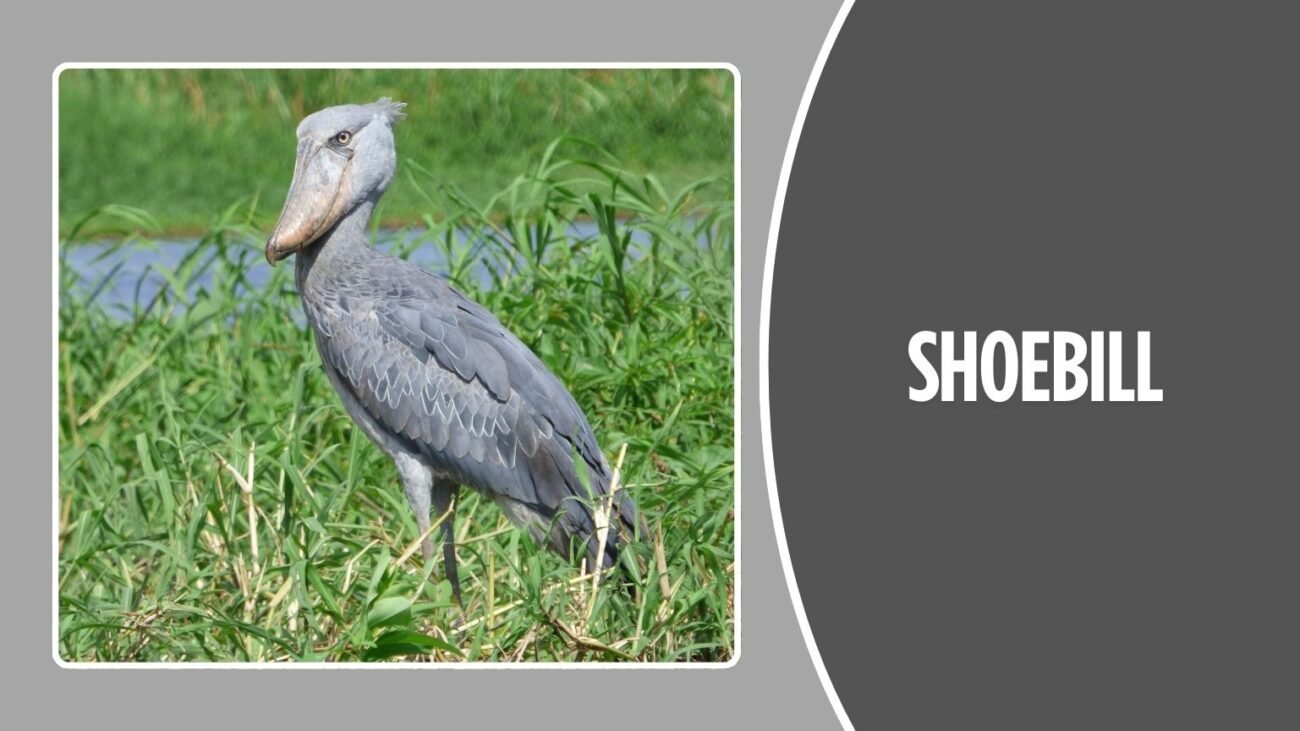
The Shoebill is a prehistoric-looking bird from the swamps of Central Africa. While not as heavy as condors or pelicans, it still has a notably wide wingspan for a bird of its type.
Identification
- Wingspan: Up to 8.5 feet (2.6 meters)
- Body Length: Around 1.1 to 1.4 meters
- Color: Slate-grey feathers with a massive shoe-shaped bill
- Beak: Broad, large, and powerful — perfect for grasping slippery prey
- Habitat: Freshwater swamps and wetlands in tropical East Africa
Wingspan Adaptation
Their broad wings help them glide slowly and silently over marshes, which suits their stealthy hunting style.
Flight and Hunting
Though not known for long-distance flight, Shoebills can fly short to moderate distances with deep, slow wingbeats.
Unique Presence
Often motionless for long periods, their impressive wingspan adds to their eerie, majestic presence in the wild.