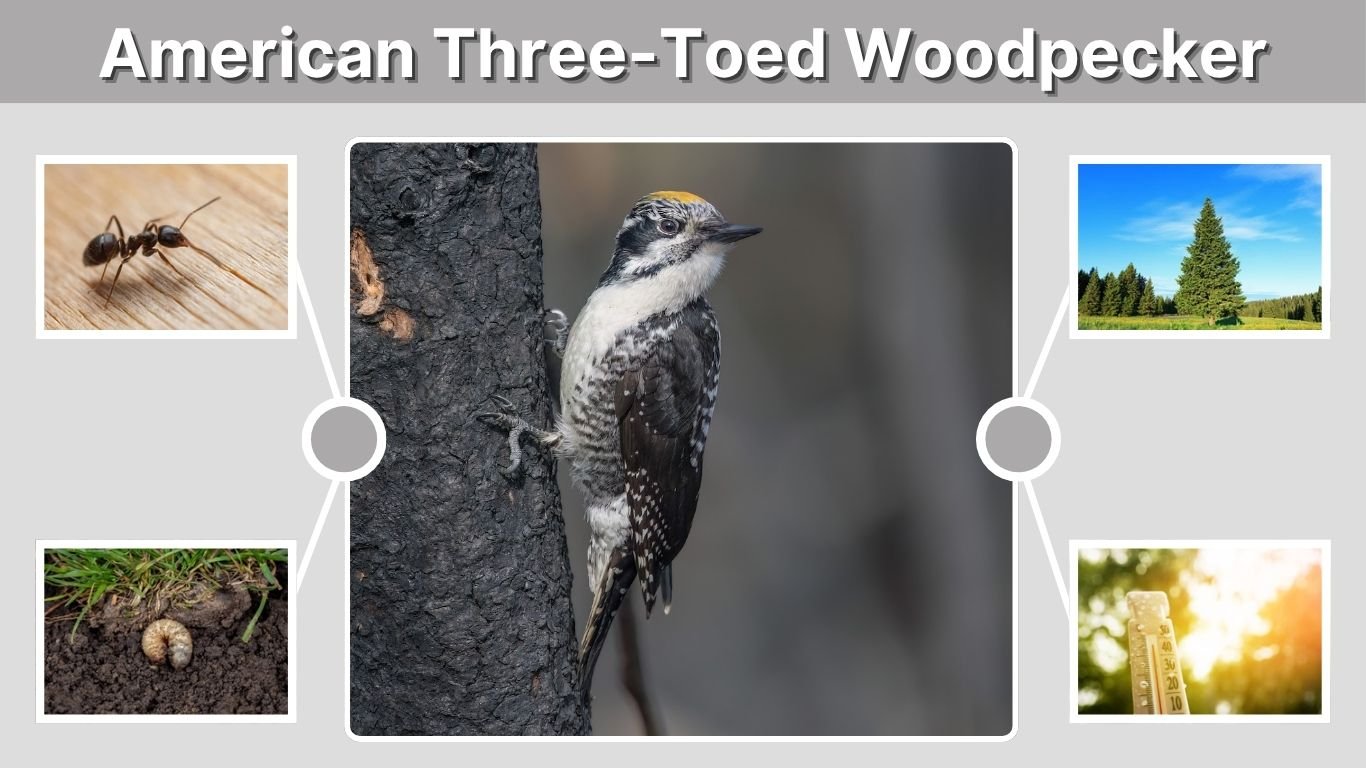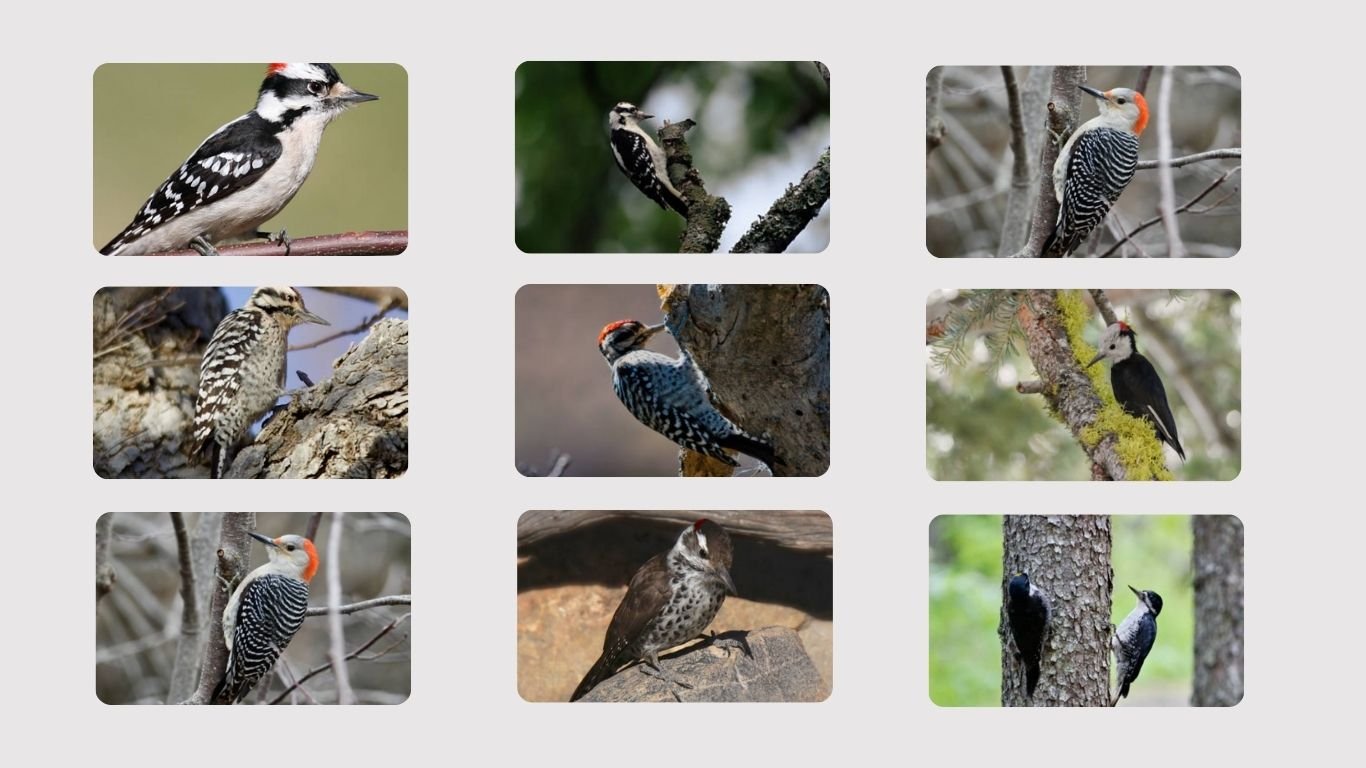
Black and white woodpeckers are among the most visually striking birds in North America. Their bold plumage makes them easier to spot in forests, backyards, or even deserts. While they share similar color patterns, each species has unique traits—from subtle red patches to distinct barring. In this article, we’ll explore 10 black and white woodpecker species, focusing on their adult appearance and how their colors change as they mature from juveniles to adults.
1. Downy Woodpecker
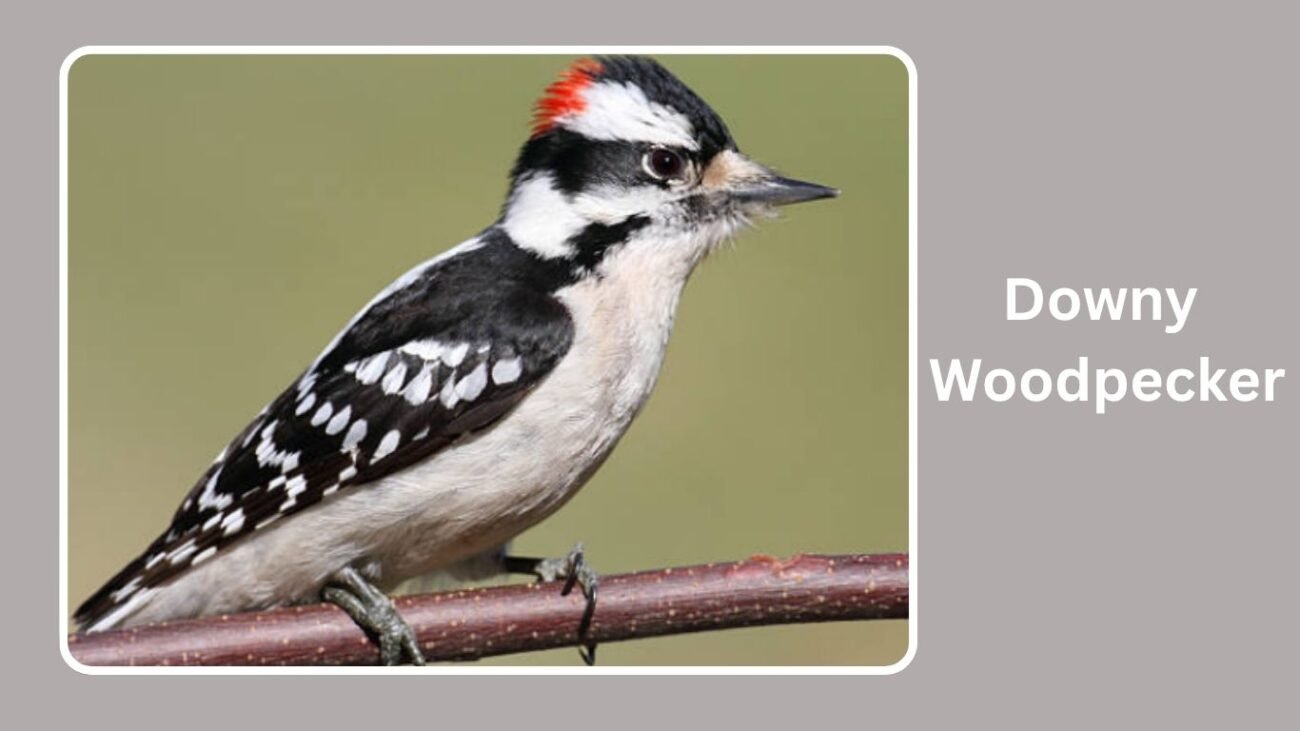
The Downy Woodpecker is the smallest and one of the most widespread woodpeckers in North America. Despite its small size, it is often seen clinging to tree trunks, branches, and even feeder poles. This bird is known for its bold black and white pattern, making it easy to identify in forests, parks, and suburban backyards.
Color and Markings
- The Downy Woodpecker has a black back with horizontal white bars forming a distinctive ladder pattern.
- Its underparts are clean white.
- The wings are black with white spotting.
- The head features bold black and white stripes.
- Males have a small red patch on the back of the head, while females lack this red marking.
Its sharp contrast of black and white feathers, combined with its small size, makes the Downy Woodpecker both striking and easily recognizable.
2. Hairy Woodpecker
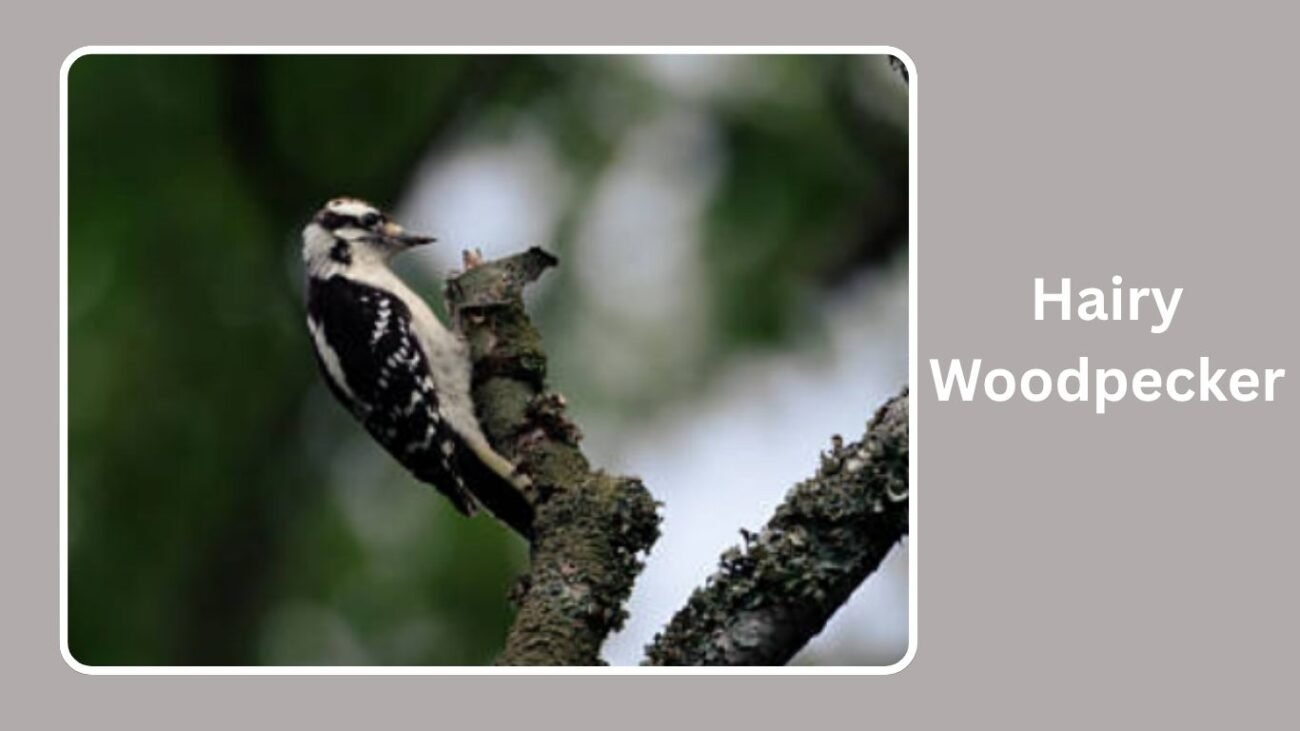
Slightly larger than the Downy, the Hairy Woodpecker is another black and white species found across forests, woodlands, and suburban areas of North America. It looks almost identical to the Downy but with notable differences in size and beak length.
Color and Markings
- The adult Hairy Woodpecker has a black back with white central stripes and spotted black-and-white wings.
- Its underparts are solid white, and the face is adorned with black and white striping.
- Males display a red patch at the rear of the crown, which is absent in females.
Juvenile to Adult Color Transition:
Juvenile Hairy Woodpeckers often show duller black and white contrast, and the red patch may be diffuse or more extensive. As they mature, the markings become crisper, and the male’s red spot becomes clearly defined.
3. Red-bellied Woodpecker
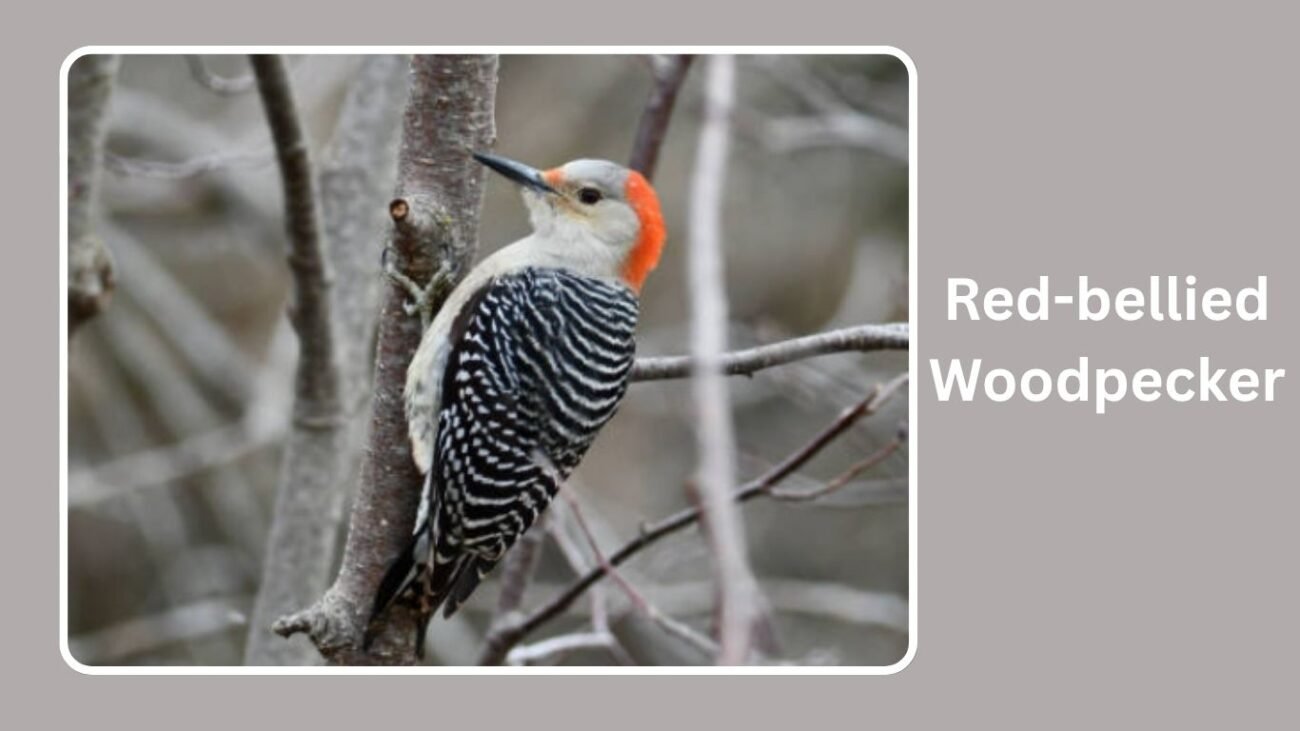
Despite its name, the red belly on this bird is faint and often hard to spot. What stands out more is the bold black-and-white barring on its back and the red crown that gives it a flashy appearance. It is common in the eastern United States, especially in woodlands and backyards.
Color and Markings
- Adults have a pale face and underparts with black-and-white horizontal barring on the back and wings.
- Males have a red crown extending from beak to nape; females have red only on the nape.
- The faint reddish wash on the belly is often visible up close.
Juvenile to Adult Color Transition:
Juveniles are paler overall with a brownish head and no red. As they mature, the red on the head begins to appear (first on the nape in females, extending fully in males), and the back barring becomes more defined.
4. Ladder-backed Woodpecker
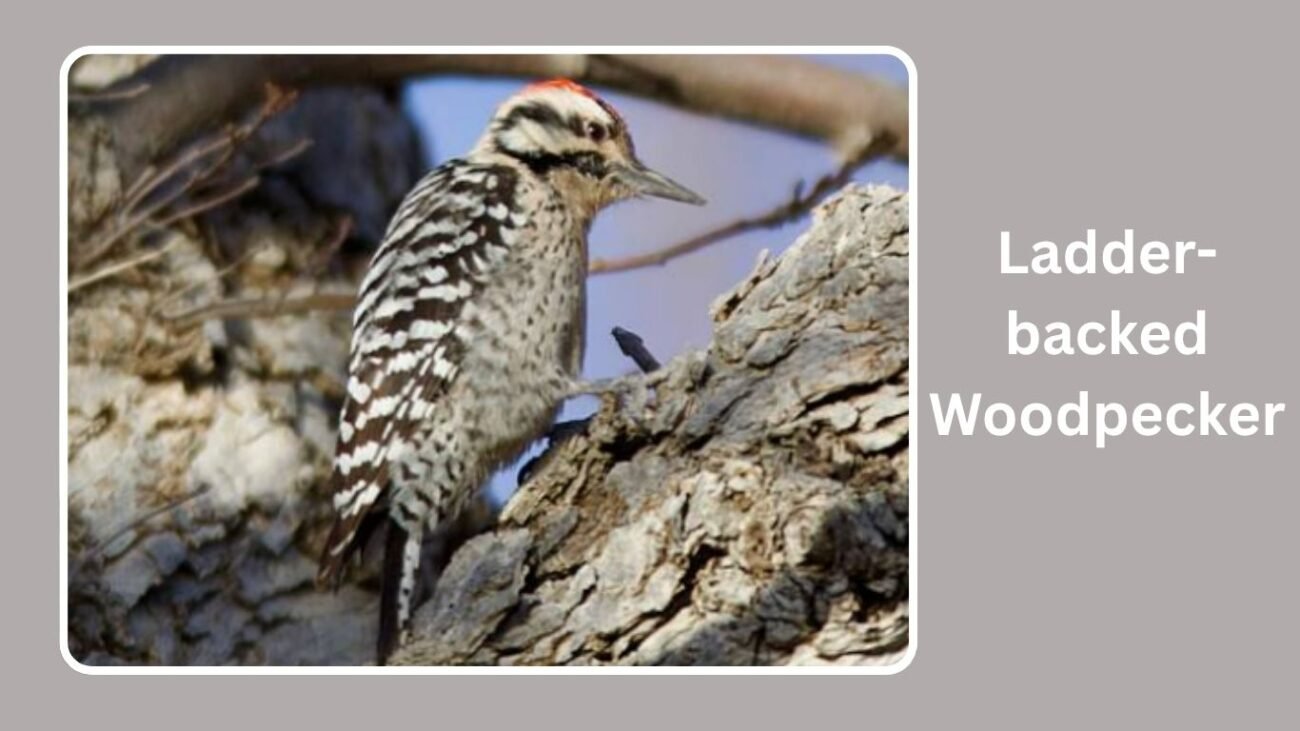
The Ladder-backed Woodpecker is a desert-dwelling species commonly found in the southwestern United States and Mexico. It gets its name from the ladder-like black-and-white stripes that run down its back.
Color and Markings
- Adults have black-and-white barred backs and wings resembling a ladder.
- The underparts are white with dark speckling or streaking along the flanks.
- Males have a red crown patch; females lack this red and have a black-and-white striped head instead.
Juvenile to Adult Color Transition:
Young birds have duller and more brownish barring. As they grow, the barring sharpens, and red begins to appear on the male’s crown, starting faint and becoming more vivid with age.
5. Nuttall’s Woodpecker
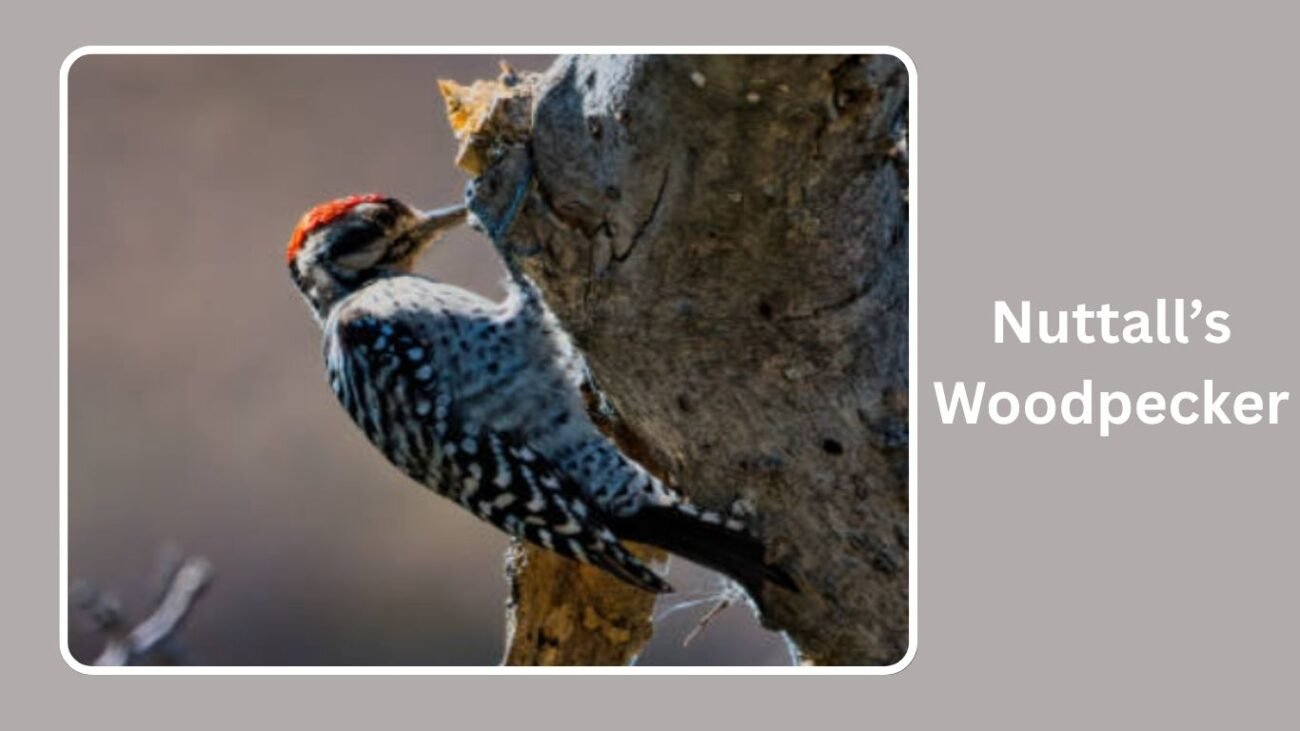
Native to California, Nuttall’s Woodpecker closely resembles the Ladder-backed but is found in oak woodlands rather than arid deserts. It is a striking black-and-white bird with subtle differences in facial markings.
Color and Markings
- It has a barred black-and-white back and wings.
- The underparts are white with minimal streaking.
- Males have a red crown patch at the rear of the head, while females have a black-and-white head pattern without red.
Juvenile to Adult Color Transition:
Juveniles often show more brown tones and lighter barring. In males, red coloring begins to emerge at the back of the crown as they mature, while their back pattern becomes clearer and more contrasting.
6. Yellow-bellied Sapsucker
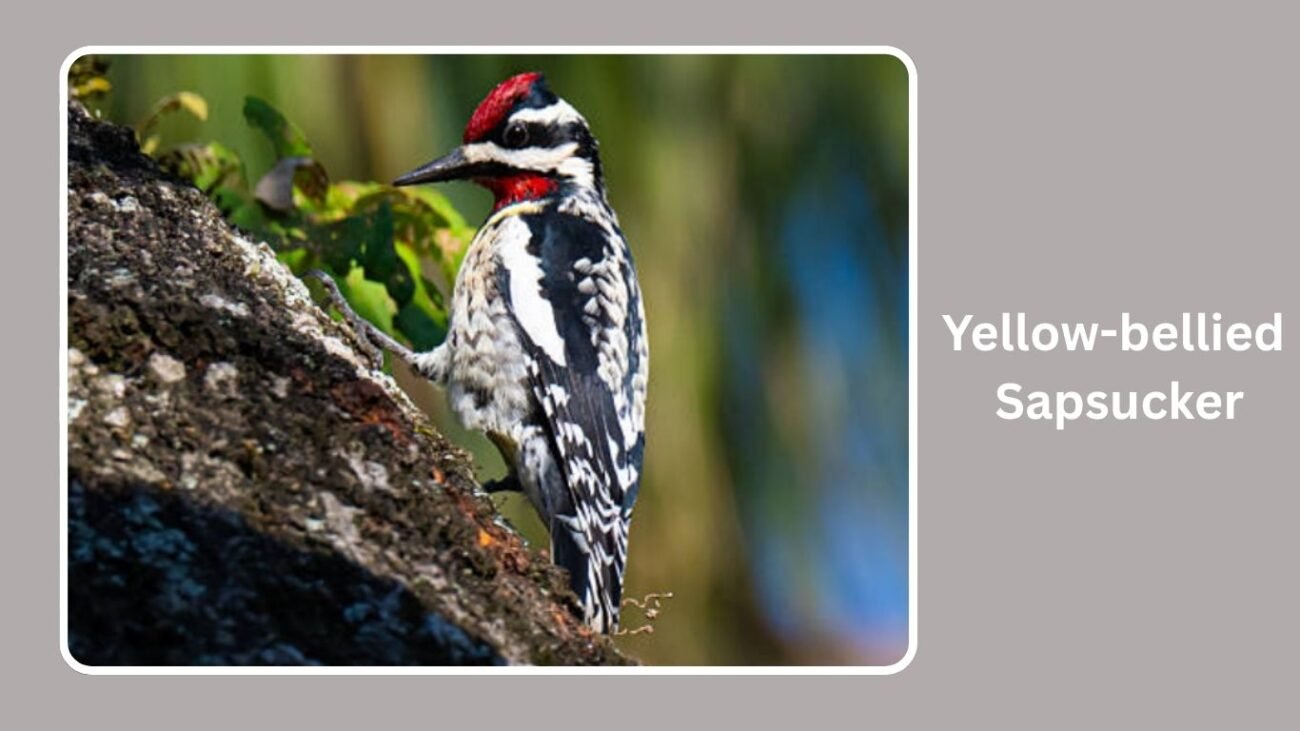
The Yellow-bellied Sapsucker is a migratory woodpecker that breeds in Canada and the northeastern U.S. Its bold black-and-white body contrasts with a red crown and sometimes a red throat, depending on the sex.
Color and Markings
- The back is black with white vertical patches on the wings.
- The face has black and white stripes, and both sexes have a red crown.
- Males have a red throat; females have a white throat.
- The belly shows a faint yellow wash, which gives the bird its name.
Juvenile to Adult Color Transition:
Juveniles are brownish-gray with faint, blurry barring and lack red on the head. Over time, the black-and-white pattern becomes crisper, and red appears on the head and throat based on sex. The yellow belly also becomes more noticeable as they mature.
7. Red-cockaded Woodpecker
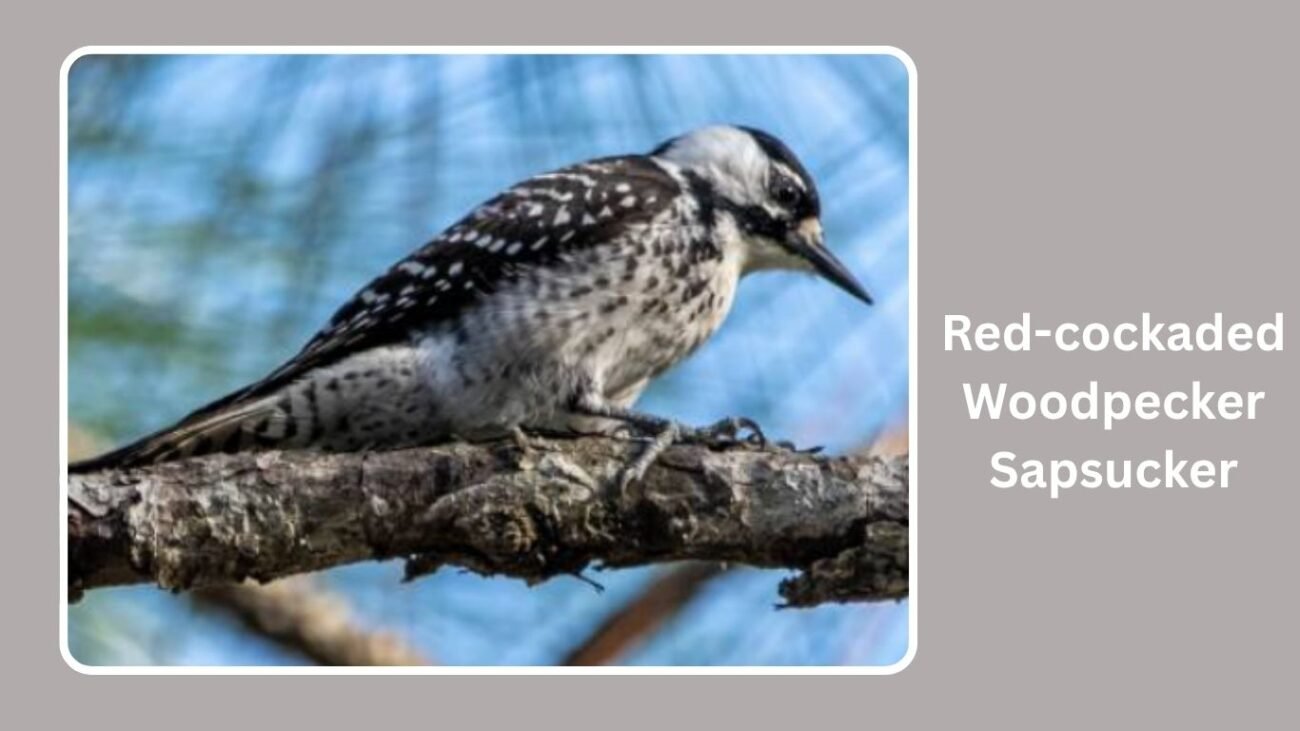
An endangered species, the Red-cockaded Woodpecker is native to mature pine forests in the southeastern United States. It has a subtle but distinctive appearance.
Color and Markings
- Adults have a mostly black back with fine white horizontal barring.
- The face is white with a large white cheek patch.
- Males have a tiny, nearly hidden red streak (or “cockade”) behind the eye, which can be difficult to see.
Juvenile to Adult Color Transition:
Juveniles resemble adults but may have duller facial contrast and no visible cockade. As males mature, the small red cockade becomes more defined, while plumage overall becomes brighter with sharper contrast.
8. White-headed Woodpecker
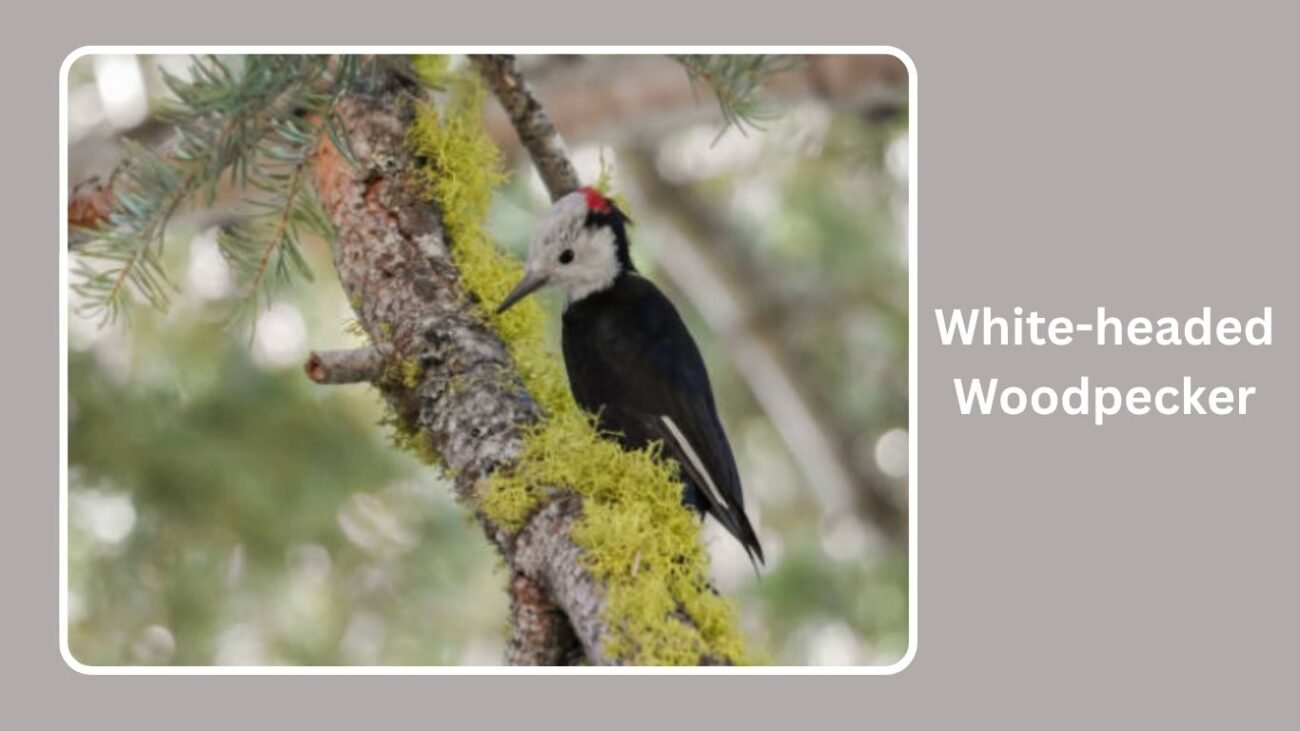
Found in mountainous pine forests of the western U.S., the White-headed Woodpecker is striking for its sharp black-and-white contrast and entirely white head.
Color and Markings
- Jet-black body, wings, and tail with large white wing patches
- Pure white head and throat
- Males have a red patch on the back of the crown; females do not
Juvenile to Adult Color Transition:
Juveniles often have a grayish head and less contrast in plumage. As they mature, the head turns pure white, and the red crown begins to develop in males, typically appearing as a small patch that becomes more vibrant with age.
9. Arizona Woodpecker
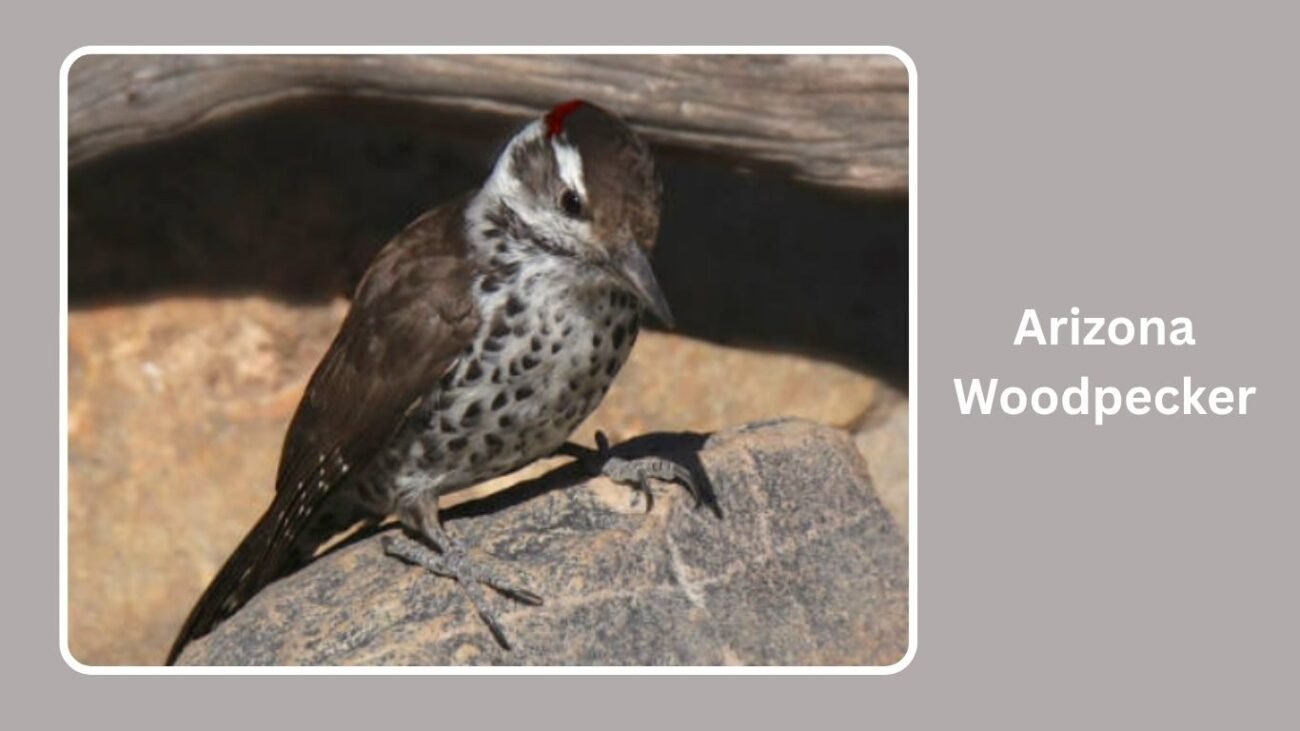
Native to southeastern Arizona and parts of Mexico, the Arizona Woodpecker is unique for being mostly brown, yet it retains black-and-white features that place it in this category.
Color and Markings
- Dark brown upperparts and head
- White underparts with brown spotting
- Males have a small red patch on the nape; females lack this
Juvenile to Adult Color Transition:
Juveniles appear more mottled, with softer, less defined spotting. Over time, their plumage darkens, spots become clearer, and the male’s red nape begins to show.
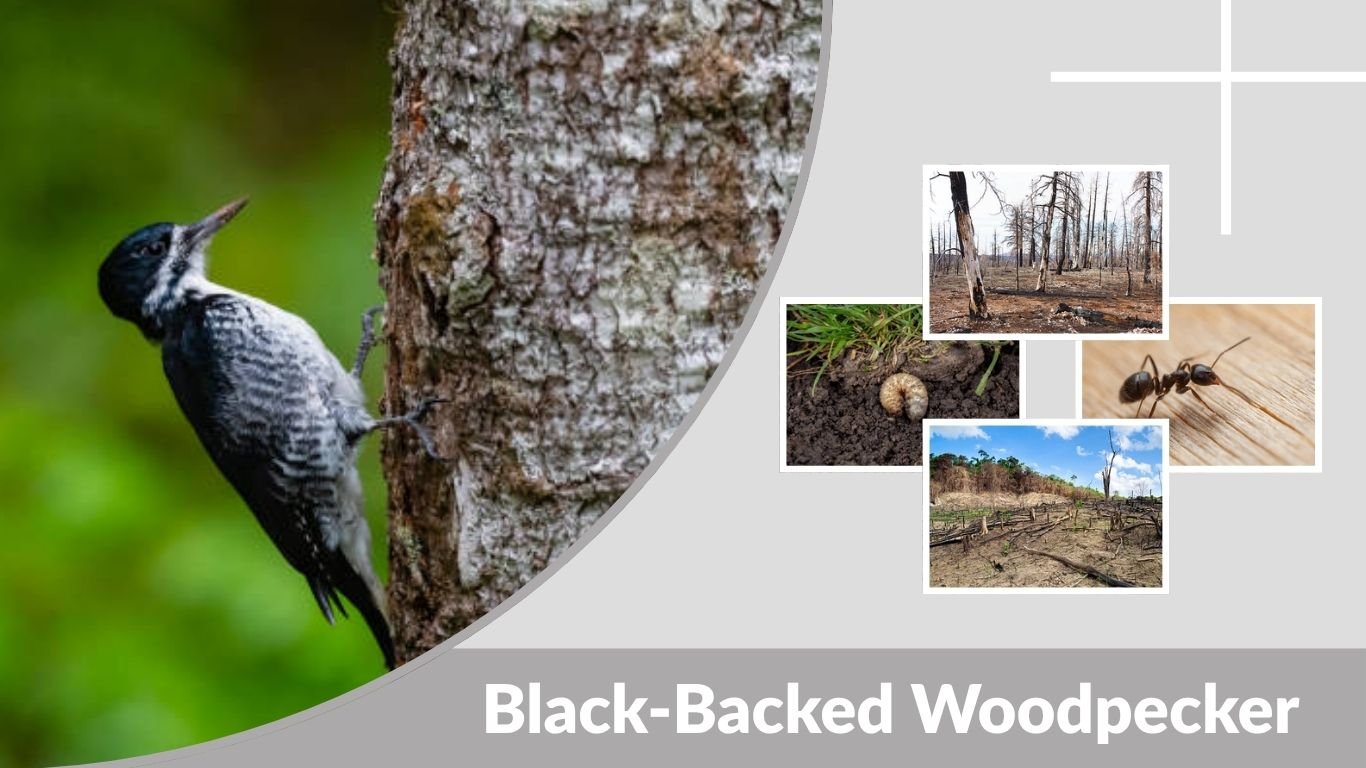
10. Black-backed Woodpecker
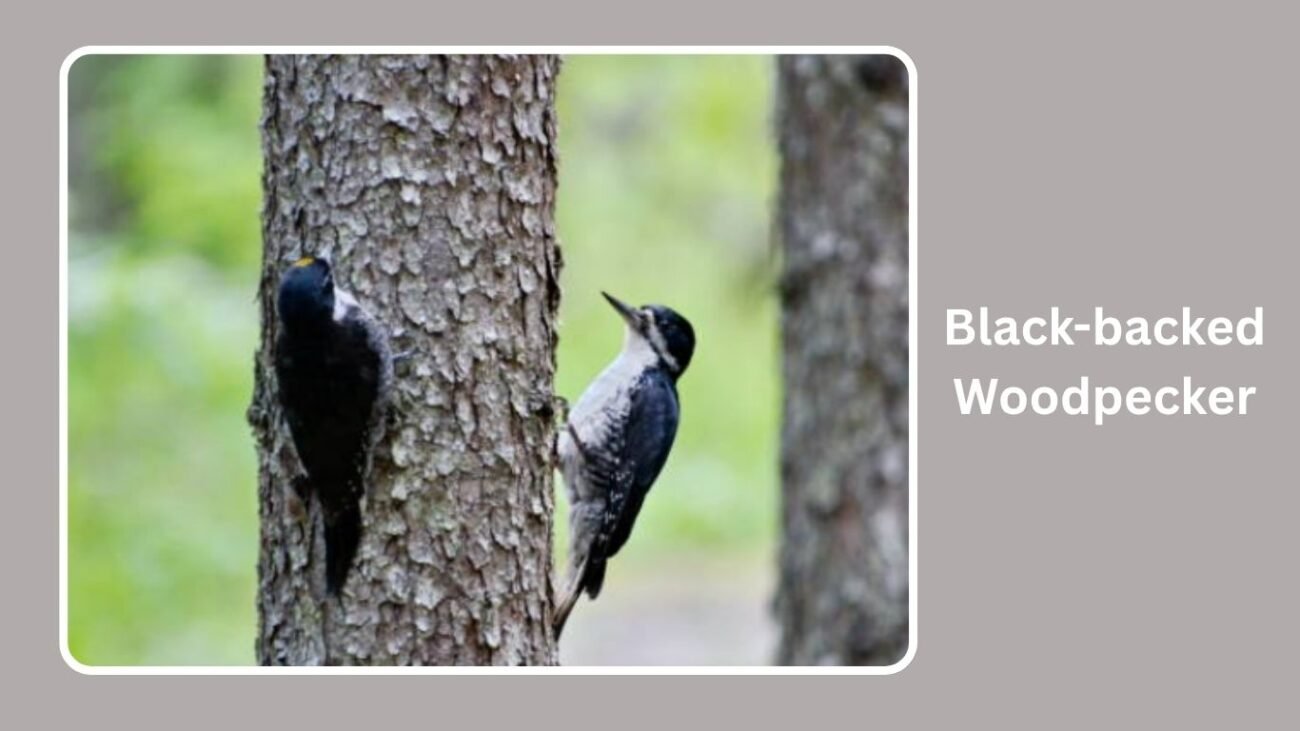
Adapted to recently burned forests in Canada and the northern U.S., the Black-backed Woodpecker is a specialist at finding beetle larvae in charred trees.
Color and Markings
- Solid black back and head
- White underparts with minimal barring
- Males have a distinct yellow crown patch; females do not
Juvenile to Adult Color Transition:
Young Black-backed Woodpeckers are browner and show less crisp contrast. Males gradually develop the yellow crown patch during their first molt, and overall plumage becomes sleeker and more defined.
FAQs
How can I tell the difference between Downy and Hairy Woodpeckers?
Look at the beak length—Downy Woodpeckers have short, stubby beaks, while Hairy Woodpeckers have long, chisel-like beaks. Size and tail feather spotting are also helpful clues.
Do all male woodpeckers have red markings?
No, not all. While many male woodpeckers have red patches on the head or crown, some species, like the Red-cockaded Woodpecker, have very subtle red markings that can be hard to see.
Do juvenile woodpeckers look different from adults?
Yes. Juveniles often have duller, browner plumage, and their patterns aren’t as defined. Red patches on the head may be absent or less vibrant until the bird matures.
Can male and female woodpeckers be identified by color alone?
In many species, yes. Males usually have distinctive red or yellow crown patches that females lack. However, other features like behavior and head shape may help when coloration is not enough.
Where is the best place to spot black and white woodpeckers?
Black and white woodpeckers can be found in various habitats—from pine forests and deserts to suburban backyards. Each species has its preferred environment, so location helps narrow down which one you’re observing.