Skip to content
Petdemy

We help the Pet lover

PetDemy

  • HOME
  • Birds
  • Duck
  • Cat
  • Dogs
  • ABOUT
    • ABOUT US
    • CONTACT
    • PRIVECY POLICY
    • TERMS & CONDITIONS
Latest
  • 7 Long-Term Effects of a Brown Recluse Spider Bite

    7 Long-Term Effects of a Brown Recluse Spider Bite

    18 hours ago18 hours ago
  • Brown Recluse Spider Bite on Dog: Symptoms, Stages, and Treatment

    Brown Recluse Spider Bite on Dog: Symptoms, Stages, and Treatment

    19 hours ago19 hours ago
  • What Does the Brown Recluse Spider Eat?

    What Does the Brown Recluse Spider Eat?

    20 hours ago20 hours ago
  • How to Treat a Brown Recluse Spider Bite: Step-by-Step Guide

    How to Treat a Brown Recluse Spider Bite: Step-by-Step Guide

    20 hours ago20 hours ago
  • What Does a Brown Recluse Spider Bite Look Like?

    What Does a Brown Recluse Spider Bite Look Like?

    21 hours ago21 hours ago
  • Cobweb Spiders: Facts, Webs, Bites, and Removal Tips

    Cobweb Spiders: Facts, Webs, Bites, and Removal Tips

    21 hours ago21 hours ago
  • Home
  • Spiders
  • Page 2

Spiders

Huntsman Spider Bite: Symptoms, Marks, and Treatment
  • Spiders

Huntsman Spider Bite: Symptoms, Marks, and Treatment

Habib2 days ago2 days ago023 mins

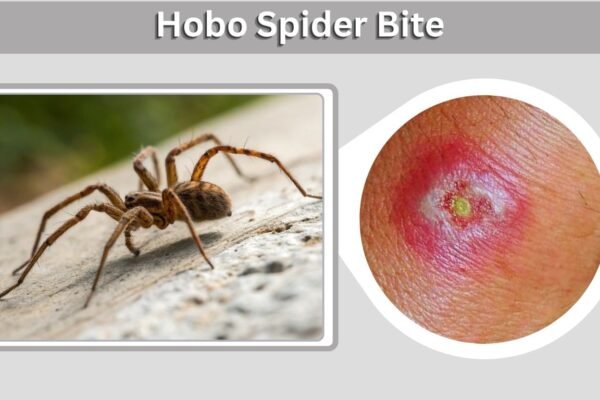
A huntsman spider bite can look alarming because these spiders are large, fast, and often appear inside homes. The good news is that huntsman spiders are not considered highly dangerous to humans. Their bite may hurt, but most cases cause only short-term pain, redness, or swelling. Still, knowing the symptoms, first aid steps, and warning…

Read More
Black Tarantula Spider: Identification, Bite Risk, and Buying Guide
  • Spiders

Black Tarantula Spider: Identification, Bite Risk, and Buying Guide

Habib2 days ago2 days ago020 mins

A black tarantula spider can look scary because of its large body, hairy legs, and dark color. However, most tarantulas are shy spiders that prefer hiding instead of attacking. People often search for black tarantulas to identify one at home, compare it with a black widow, or find one for sale. This guide explains what…

Read More
Tarantula Wolf Spider: Differences, Size, Bite, and Facts
  • Spiders

Tarantula Wolf Spider: Differences, Size, Bite, and Facts

Habib3 days ago3 days ago025 mins

A tarantula wolf spider can sound like one unusual spider, but the phrase usually comes from confusion between two different groups: tarantulas and wolf spiders. Both can be hairy, fast-looking, and intimidating, especially when found indoors or in gardens. However, they differ in size, body shape, hunting style, habitat, and behavior. Understanding the difference helps…

Read More
Wolf Spider vs Tarantula: Size, Bite, and Key Differences
  • Spiders

Wolf Spider vs Tarantula: Size, Bite, and Key Differences

Habib3 days ago3 days ago019 mins

Wolf spiders and tarantulas are often confused because both can be large, hairy, and intimidating. However, they are not the same spider. A wolf spider is an active hunting spider from the family Lycosidae, while a tarantula is a heavier-bodied spider from the tarantula family. Understanding the difference helps you identify them, compare their size,…

Read More
Spider Wasp Tarantula Hawk: Facts, Sting, and Spider Hunt
  • Spiders

Spider Wasp Tarantula Hawk: Facts, Sting, and Spider Hunt

Habib3 days ago3 days ago022 mins

The spider wasp tarantula hawk is one of nature’s most dramatic insects. It looks intimidating, hunts large spiders, and has a sting famous for extreme pain. However, it is not a spider, and it does not usually attack people. This guide explains what a tarantula hawk is, how it hunts tarantulas, what its sting does,…

Read More
Texas Tarantula Spider: Identification, Habitat, and Safety
  • Spiders

Texas Tarantula Spider: Identification, Habitat, and Safety

Habib3 days ago3 days ago018 mins

A Texas tarantula spider may look alarming at first, but these large, hairy spiders are usually shy and helpful. Tarantulas in Texas are most often seen walking across roads, yards, ranchland, or trails during warm months. Although their size can make people nervous, they are not aggressive pests. Learning how to identify them, where they…

Read More
Tarantula Spider Care: Beginner's Guide to Healthy Keeping
  • Spiders

Tarantula Spider Care: Beginner’s Guide to Healthy Keeping

Habib3 days ago3 days ago019 mins

Tarantula spider care is easier than many people expect, but these animals still need the right setup, feeding routine, and safe handling rules. A tarantula is not a cuddly pet. It is best for owners who enjoy observing natural behavior. With a secure enclosure, proper humidity, clean water, and careful feeding, many tarantulas can live…

Read More
What Does a Tarantula Spider Eat? Diet, Prey, and Facts
  • Spiders

What Does a Tarantula Spider Eat? Diet, Prey, and Facts

Habib3 days ago3 days ago016 mins

Tarantulas may look intimidating, but their diet is surprisingly simple. These large, hairy spiders are carnivorous hunters that mostly eat insects and other small animals. What a tarantula spider eats depends on its size, species, habitat, and age. Some eat crickets and roaches, while larger tarantulas may catch frogs, lizards, mice, or even small birds…

Read More
Grey Wall Jumping Spider: Bite, Size and Identification
  • Spiders

Grey Wall Jumping Spider: Bite, Size and Identification

Habib4 days ago3 days ago020 mins

The grey wall jumping spider is a small, fast, flat-bodied spider often seen on walls, fences, tree trunks, and outdoor buildings. Also called the gray wall jumper, it is scientifically known as Menemerus bivittatus. This spider is not aggressive toward people and is usually helpful because it hunts flies and other small insects. This guide…

Read More
Bronze Jumping Spider: Size, Bite, Male and Female
  • Spiders

Bronze Jumping Spider: Size, Bite, Male and Female

Habib4 days ago4 days ago019 mins

The bronze jumping spider is a small, alert jumping spider known for its bronze-brown color, quick movements, and excellent eyesight. Also called the bronze jumper spider or bronze lake jumping spider, it is scientifically known as Eris militaris. This species is found in the United States and Canada and is often seen around homes, fields,…

Read More
  • 1
  • 2
  • 3
  • 4
  • …
  • 9

  • 7 Long-Term Effects of a Brown Recluse Spider Bite
  • Brown Recluse Spider Bite on Dog: Symptoms, Stages, and Treatment
  • What Does the Brown Recluse Spider Eat?
  • How to Treat a Brown Recluse Spider Bite: Step-by-Step Guide
  • What Does a Brown Recluse Spider Bite Look Like?
Newsmatic - News WordPress Theme 2026. Powered By BlazeThemes.