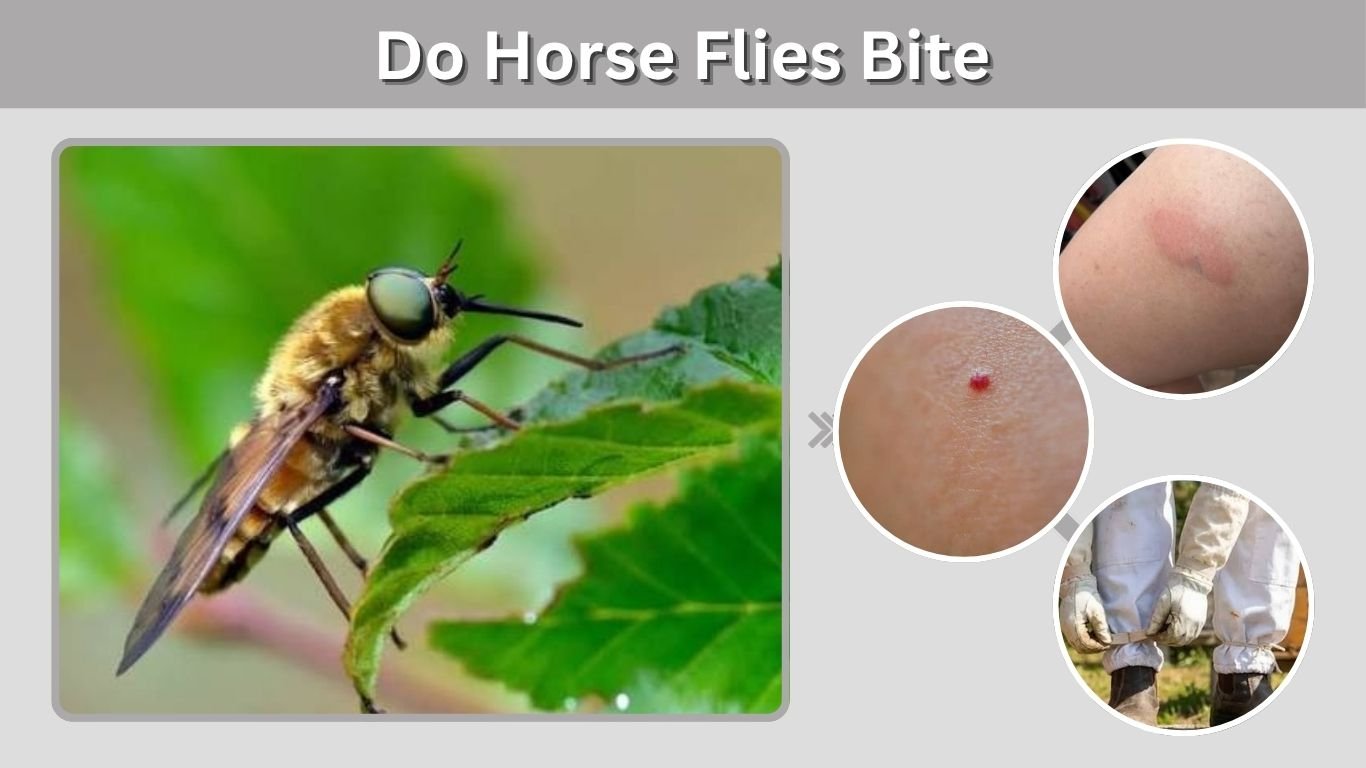
Yes, horse flies bite humans, horses, dogs, cattle, and other warm-blooded animals. Their bites can be surprisingly painful because they cut the skin rather than gently piercing it like a mosquito. Only female horse flies take blood meals; males feed mainly on nectar and other plant sugars. A bite may cause immediate pain, minor bleeding, redness, itching, and swelling, but most cases improve with basic home care.
Do Horse Flies Bite or Sting?
Horse flies bite—they do not sting. They have no stinger or venom-injecting structure like a bee or wasp.
Female horse flies use cutting mouthparts to open the skin. They then release saliva that helps keep blood flowing and lap up the blood with a sponge-like mouthpart. Male horse flies have much weaker mouthparts and cannot bite or feed on blood.
Do All Horse Flies Bite?
Not every horse fly bites people. Whether a species attacks humans depends partly on its natural hosts and location. Many species primarily feed on horses, cattle, deer, and other large mammals.
However, any female from a human-biting species may attack when a suitable person enters its habitat.
Do Male Horse Flies Bite?
No. Male horse flies do not take blood meals. They obtain energy from nectar, plant sap, and other sugary liquids.
Only females bite because most require nutrients from blood to develop their eggs. Some species may produce an initial group of eggs without blood, but later egg production generally requires a blood meal.
Why Do Horse Flies Bite Humans?
Female horse flies do not bite out of anger or for no reason. They are attempting to obtain the protein and other nutrients needed for reproduction.
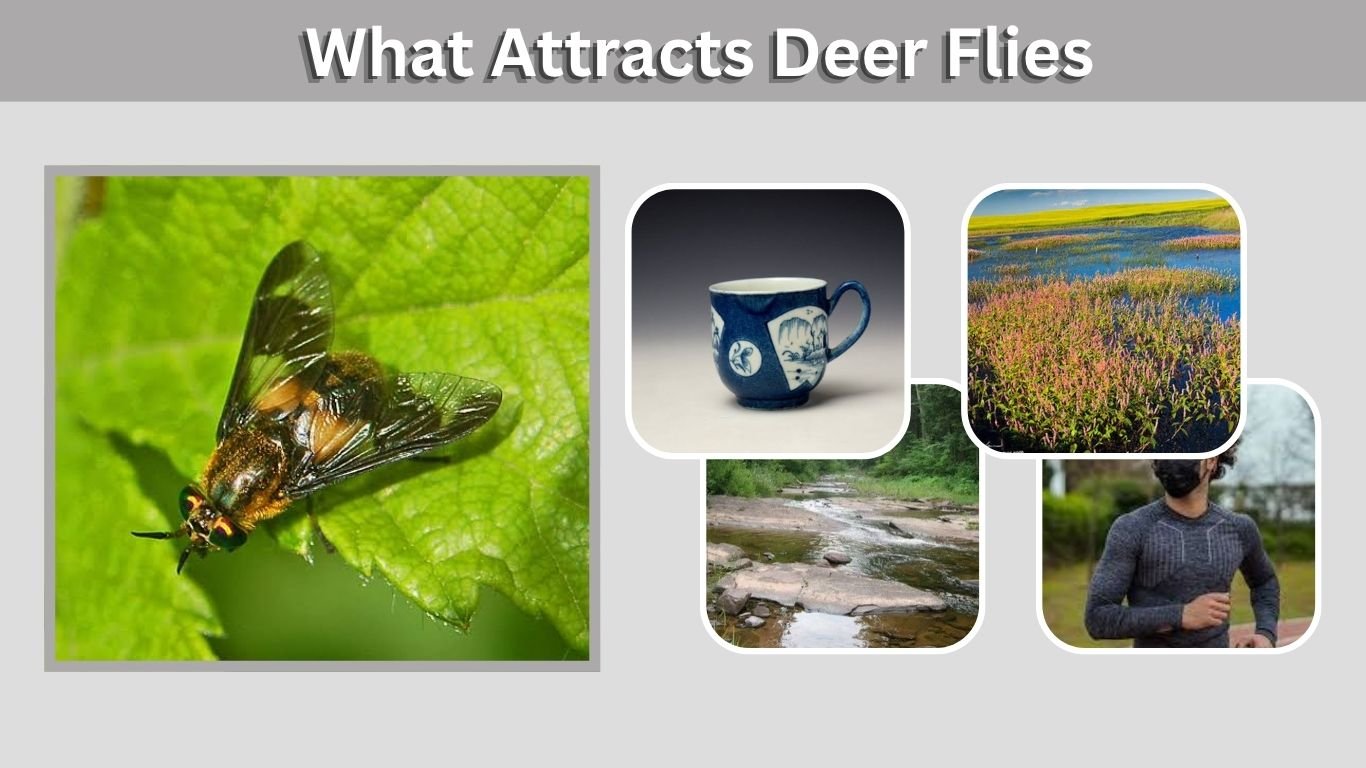
They locate potential hosts through a combination of:
- Carbon dioxide from breathing
- Body movement
- Large shapes
- Dark colors
- Body warmth and other host-related signals
A horse fly may repeatedly circle, land, and try again if it is brushed away before completing its meal. Female horse and deer flies are persistent and can return quickly after an interrupted feeding attempt.
Why Do Horse Flies Bite Some People More Than Others?
One person may receive more bites because they produce stronger visual or chemical signals. Clothing color, movement, body size, location, and individual body odors may all influence how easily a fly notices someone.
Someone wearing dark clothing and moving around may be more noticeable than a person sitting still in light-colored clothing. Being closer to wetland vegetation or livestock can also increase exposure.
Why Do Horse Flies Bite When You Are Wet?
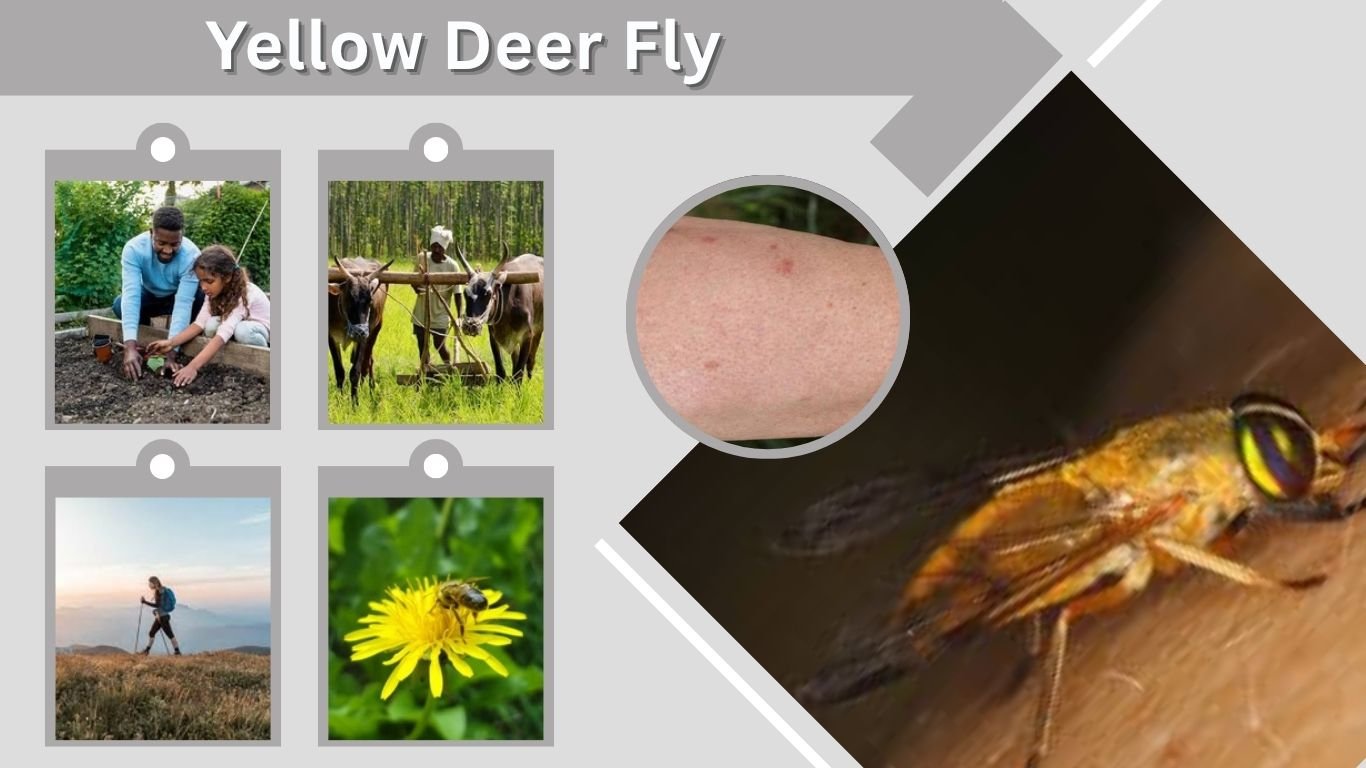
Wet skin itself is not necessarily the main attraction. People are commonly bitten while swimming, fishing, hiking, or working near ponds, marshes, and streams because many horse-fly larvae develop in wet soil or aquatic habitats.
Swimming also leaves large areas of skin exposed, while movement and breathing make a person easier for a fly to locate.
How Do Horse Flies Bite?
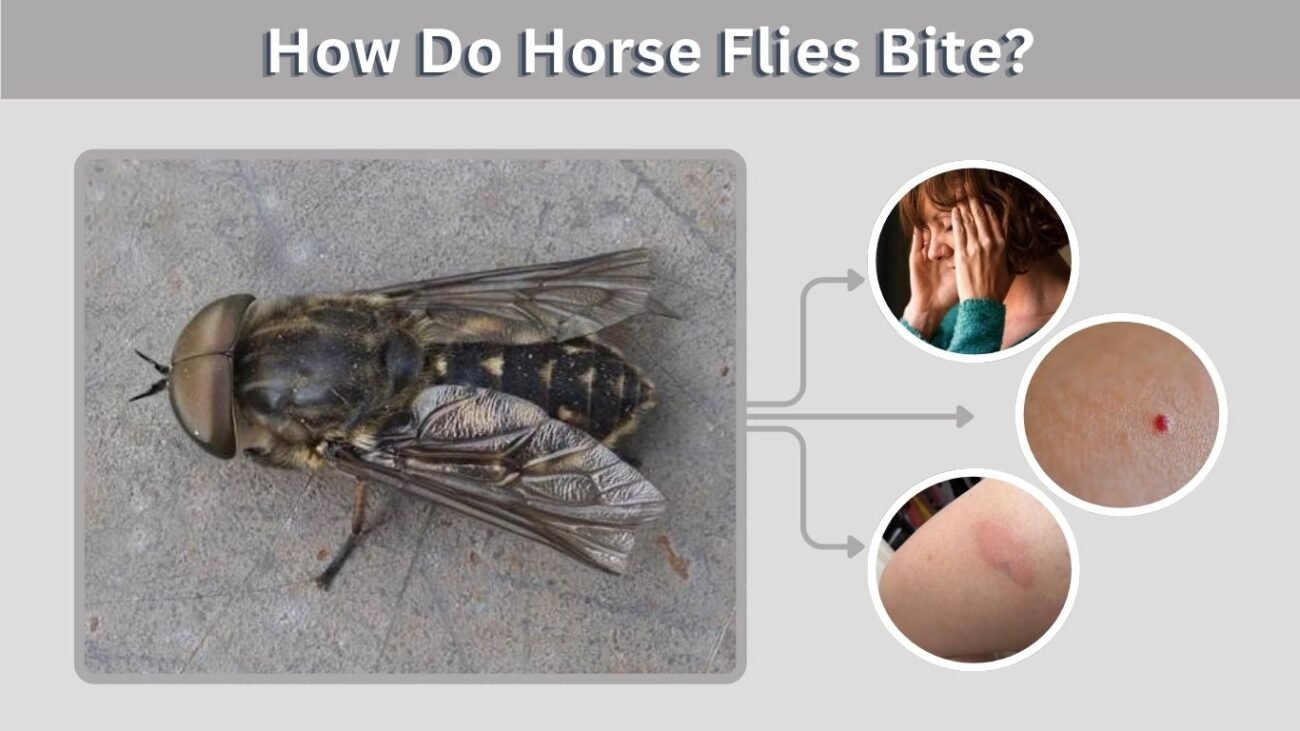
A horse fly does not insert one fine needle into the skin. Its mouthparts include cutting structures that move against the skin and create a shallow wound.
Once blood begins collecting at the surface, the fly laps it up. This cutting process explains the immediate sharp or burning sensation and why a small amount of bleeding may be visible.
| Horse-fly bite feature | Explanation |
| Immediate pain | Cutting mouthparts damage the skin |
| Small blood spot | The bite creates an open surface wound |
| Redness and swelling | The body reacts to injury and fly saliva |
| Itching | Local immune response |
| Bruising | Minor blood-vessel damage can discolor the skin |
Why Do Horse-Fly Bites Hurt So Much?
Horse-fly bites hurt more than many mosquito bites because the fly physically lacerates the skin. The wound is relatively large for an insect bite, and the saliva introduced during feeding can increase local inflammation.
Pain may begin instantly, followed by tenderness, itching, warmth, or swelling.
Do Horse Flies Bite More Than Once?
Yes. One horse fly may attempt several bites, particularly if it is repeatedly disturbed before obtaining enough blood.
Multiple flies may also attack the same person or animal. This can leave several painful red marks close together.
Do Horse Flies Die After Biting?
No. A female horse fly does not die after biting. It can fly away, digest its meal, lay eggs, and later seek additional blood meals.
Horse flies also do not lay eggs in a person’s skin during a bite. Their eggs are normally deposited on vegetation near water or saturated ground.
What Does a Horse-Fly Bite Look Like?
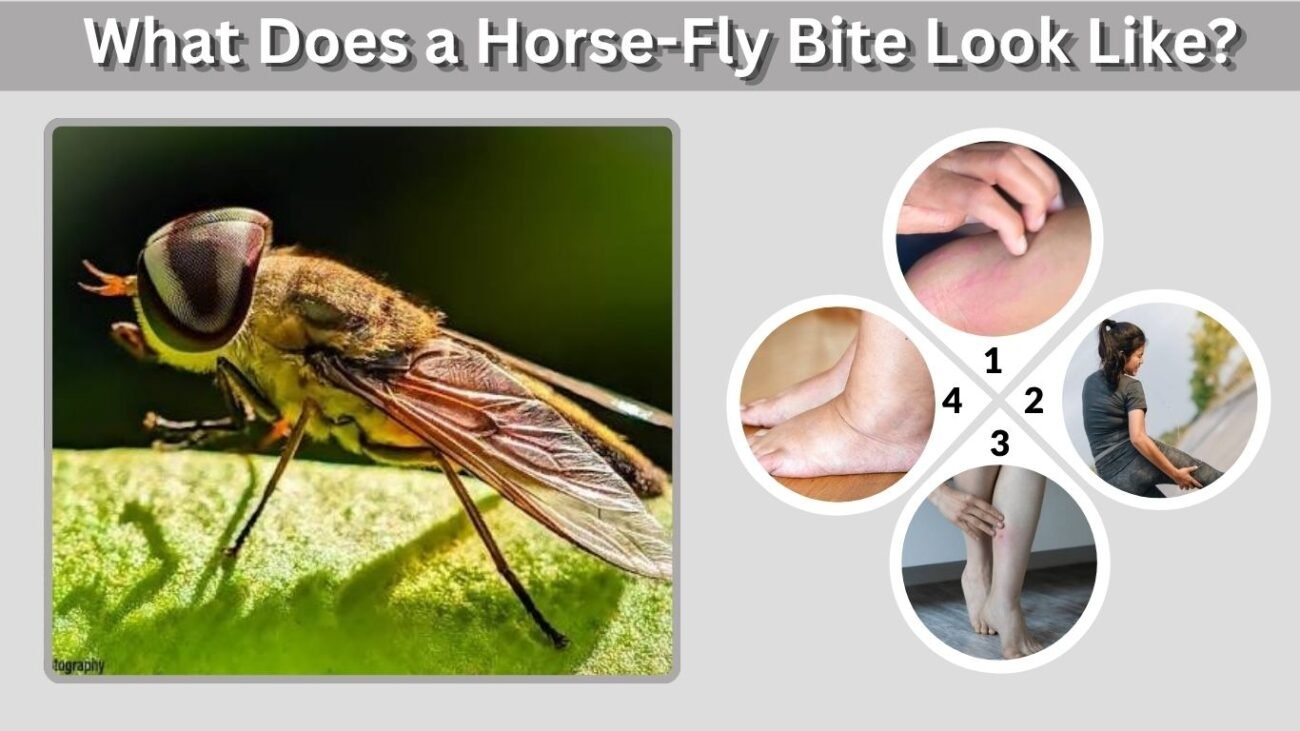
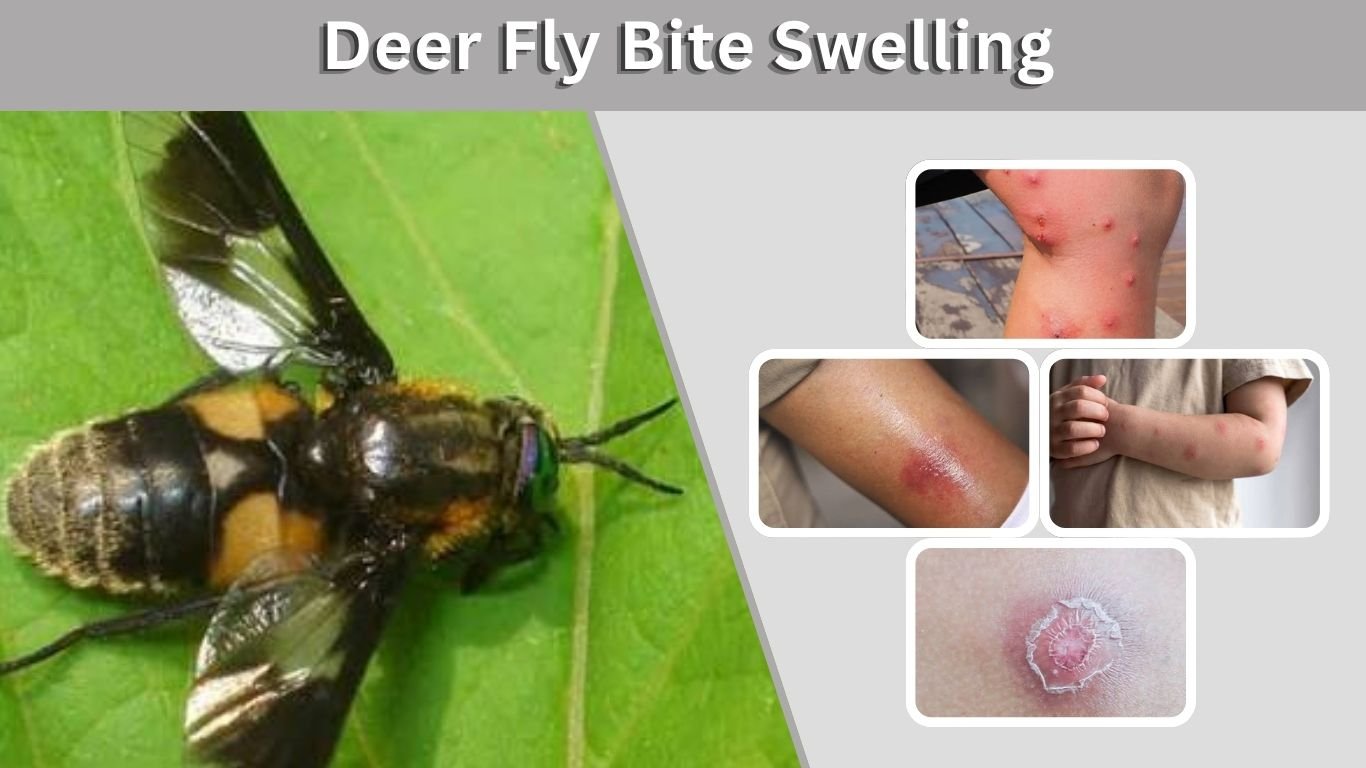
A horse-fly bite commonly appears as a raised, red, swollen bump. A tiny cut or blood spot may be visible in the center.
Common symptoms include:
- Sudden sharp pain
- Red or discolored skin
- A raised welt
- Itching or burning
- Localized warmth
- Swelling and tenderness
- Minor bleeding
- Occasional bruising or blistering
The reaction can vary considerably. Some people develop only a small mark, while others experience a large swollen area because they are more sensitive to insect saliva.
How Long Do Horse-Fly Bites Last?
A mild horse-fly bite should begin improving within a few days. Pain may fade during the first several hours, while redness, itching, or swelling may remain longer.
A large local reaction can take several days to settle. Scratching may reopen the wound, delay healing, and allow bacteria to enter.
Symptoms that worsen instead of improving may indicate infection or a significant allergic reaction and should be medically assessed. General guidance for insect bites recommends seeking help when redness, pain, swelling, heat, or drainage becomes more severe.
What to Do After a Horse-Fly Bite
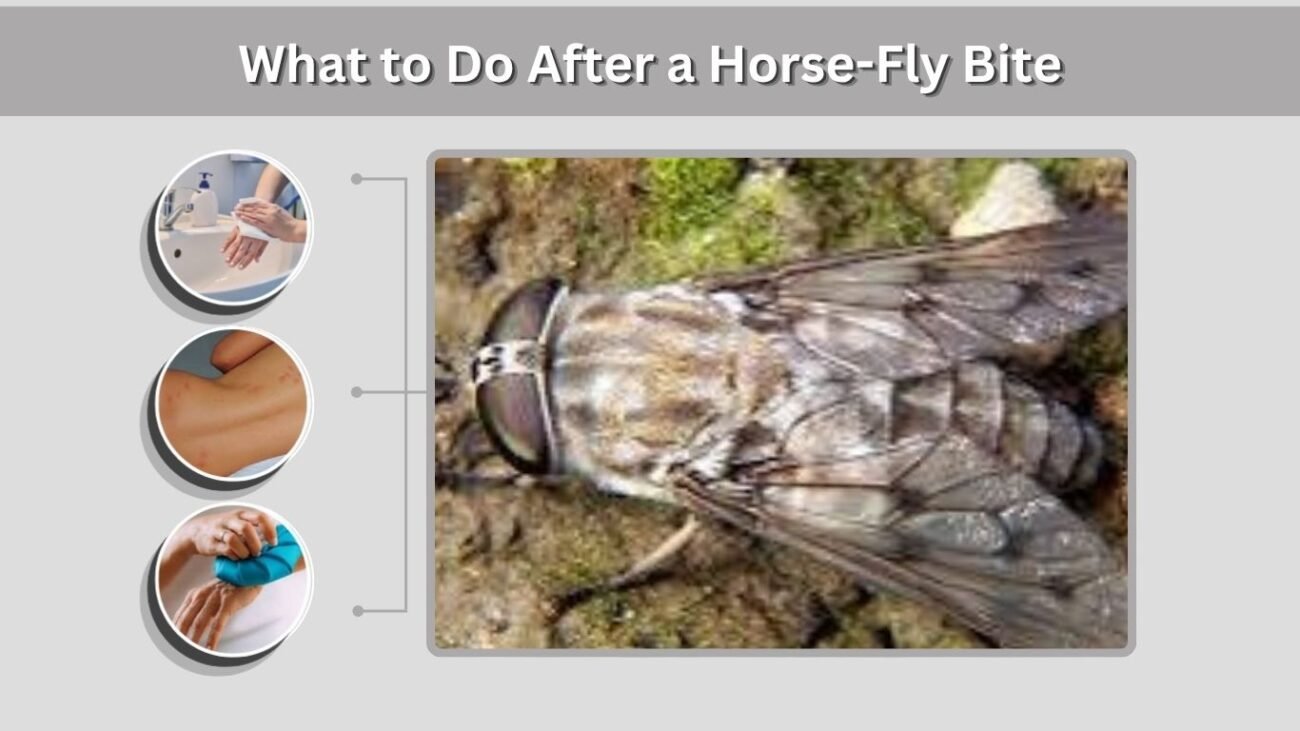
Most uncomplicated bites can be managed at home.
Immediate Treatment
- Move away from the area to prevent additional bites.
- Wash the wound gently with soap and clean water.
- Apply a cold pack wrapped in cloth for about 20 minutes.
- Raise the affected limb when swelling is significant.
- Avoid scratching, squeezing, or repeatedly touching the wound.
- Keep the area clean until the broken skin closes.
An oral antihistamine or hydrocortisone cream may help with itching and swelling when appropriate. A suitable over-the-counter pain reliever may help with soreness. Follow the product directions and ask a pharmacist or clinician when you are uncertain about medicine use.
What Should You Avoid Putting on the Bite?
Avoid irritating home treatments such as bleach, harsh disinfectants, undiluted essential oils, or baking soda mixtures. These can damage the skin without improving healing.
Do not cut the bite, try to drain it, or scratch away the central mark.
When Is a Horse-Fly Bite Dangerous?
Get medical advice when:
- Pain, redness, or swelling continues to worsen
- The skin feels increasingly hot
- Pus or fluid comes from the wound
- Red streaks spread away from the bite
- You develop fever or swollen glands
- The bite is close to an eye, inside the mouth, or near the throat
- Symptoms do not begin improving after several days
Seek emergency help immediately for swelling of the lips, tongue, mouth, or throat; difficulty breathing or swallowing; severe dizziness; confusion; fainting; or widespread hives. These may indicate a serious allergic reaction.
Disease transmission from horse flies to humans is considered uncommon. A closely related insect, the deer fly, can transmit tularemia in some parts of the United States, although ticks and contact with infected animals are more common routes.
How to Prevent Horse-Fly Bites
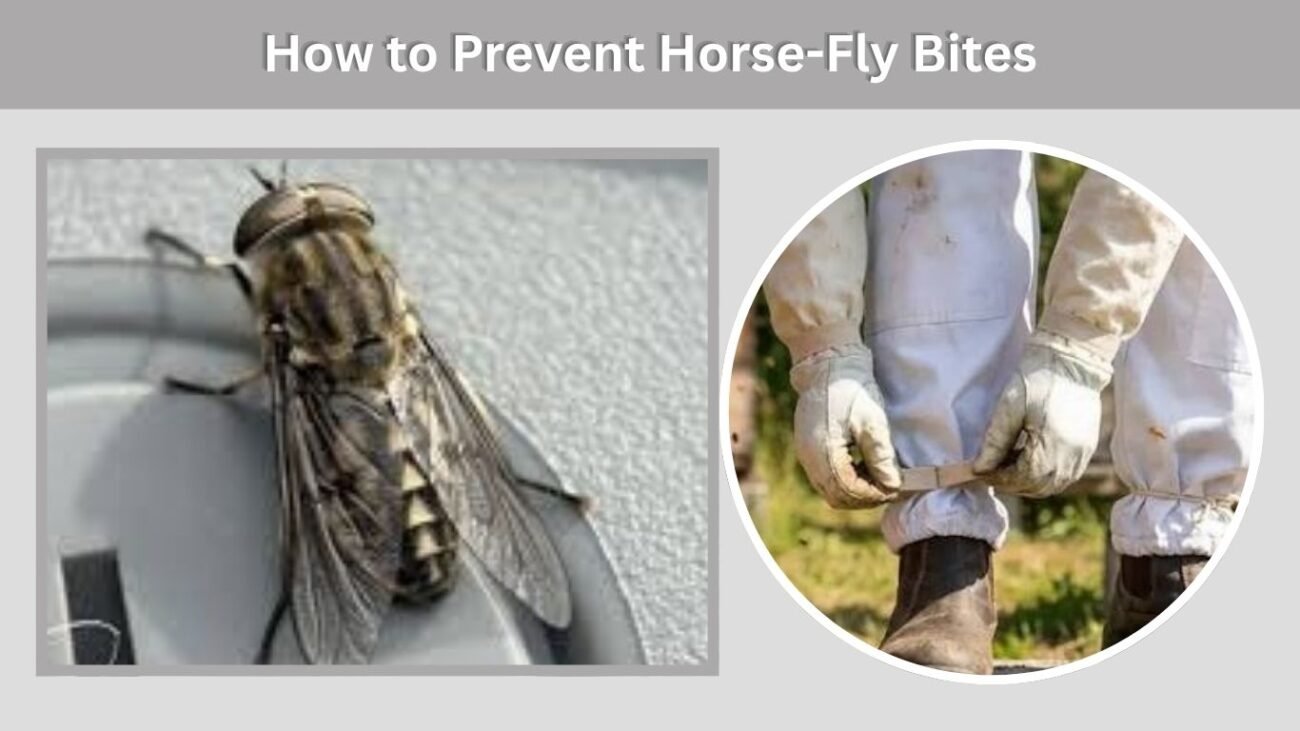
Horse flies are difficult to repel completely, especially where large populations are present.
Protective measures include:
- Wearing thick, loose-fitting long sleeves and pants
- Choosing light-colored clothing
- Covering exposed ankles, arms, and shoulders
- Avoiding heavily infested wetlands during peak activity
- Moving indoors or into a screened area when flies become persistent
- Using a labeled insect repellent on exposed skin and clothing
- Following all product directions carefully
Horse flies are mainly daytime feeders. Thick clothing can provide useful physical protection, although repellents may be less reliable against horse flies than against mosquitoes.
When using repellent, apply it only to exposed skin or clothing, not underneath clothing or over cuts and irritated skin. Avoid the eyes and mouth, and always follow the label.
FAQs
Do black horse flies bite?
Yes. Female black horse flies can bite humans and animals when their species feeds on those hosts. Their dark body color does not determine whether they bite; sex and species are more important factors.
Do horse flies bite dogs?
Yes. Horse flies may bite dogs, particularly around areas where the coat is thin. Repeated bites can cause pain, restlessness, swelling, and irritated skin. Contact a veterinarian if the area becomes severely swollen or infected.
Do horse flies bite at night?
Horse flies generally feed during daylight and are rarely active biters at night. Encounters are more likely on warm, bright days near wetlands, fields, farms, lakes, and livestock.
Can horse flies bite through clothing?
Thick, loose clothing offers better protection. Thin or tight fabric may provide less protection where it presses directly against the skin, so heavier long sleeves and pants are preferable in heavily infested areas.
Do horse-fly bites itch and swell?
Yes. Itching and swelling are common reactions to the wound and the fly’s saliva. Mild reactions normally improve within a few days, but rapidly spreading swelling, breathing difficulty, fever, pus, or worsening pain requires medical attention.